

When I was planning a sabbatical - 12 weeks away, mostly solo - it came at a good time. I’d just turned 40, had been in the same corporate job for over a decade (the last year turning decidedly sour) and despite a promising new relationship, I had itchy feet for ‘once-in-a-lifetime’ outdoor destinations like Patagonia, Easter Island and Malaysian Borneo.
I’d come out later in life, and by the time I discovered ‘gay travel’, I found it all a bit... predictable. The same imagery, destinations, brunch, beaches, nightclubs, and a rotating cast of identikit characters. More fundamentally, that wasn’t how I travelled. I’d always felt more comfortable up a mountain than sipping margaritas.
I’m Coming Out… Again
Despite the freedom I’d always found outdoors, I had a habit of editing myself when I travelled.
I’d always felt more comfortable up a mountain than sipping margaritas.
It showed up in small ways: laughing along when a guide in Almaty offered to show us the “most beautiful girls in town”, not even raising an eyebrow when a Roman mosaic of Hadrian and Antinous in Turkey was described as depicting “good friends” (because emperors famously built temples to their platonic mates), or defaulting to a simple “no” when asked if I had a wife, rather than explaining I had a wonderful partner, Paul.
Straight people often assume coming out is a one-off moment – rip off the bandage and celebrate your true, authentic self. In reality, it’s a rolling decision. As a traveller, you can make that call multiple times a day. Each question becomes a quick calculation: is it easier to be honest, or easier to let it pass?
Most of the time, I chose the latter. To misquote Wicked: I might be flying solo, but I wasn’t exactly flying free.
The Queer Calculus
That hesitation doesn’t come from an abstract paranoia.
Recent research found that nearly three-in-five LGBTQ+ travellers have experienced active discrimination while travelling. This context is why we second-guess ourselves in our travel choices. Where to go, what to disclose, how to respond.
Whilst LGBTQ+ travel is big business, 62 countries still criminalise same-sex relationships...
There’s no particular ‘right’ answer but the caution reflects reality. Whilst LGBTQ+ travel is big business (worth $320m in 2024 and projected to double in the next decade, according to Business Traveller), 62 countries still criminalise same-sex relationships, including popular tourist destinations like the Maldives, Morocco and, ah yes, Malaysia. One of the focal points of my trip and a country that had been in the news for threatening to jail travellers wearing a rainbow-coloured watch for up to three years.
Against this context, it had always felt easier to go along with the heteronormative script than risk disrupting it. Even if the watch did look pretty cool.
Reclaiming History
The early part of my trip was, in many ways, the easiest. Patagonia’s landscapes are so vast - the size of the UK and France combined, with a population barely bigger than Glasgow - they make most personal anxieties seem faintly irrelevant.
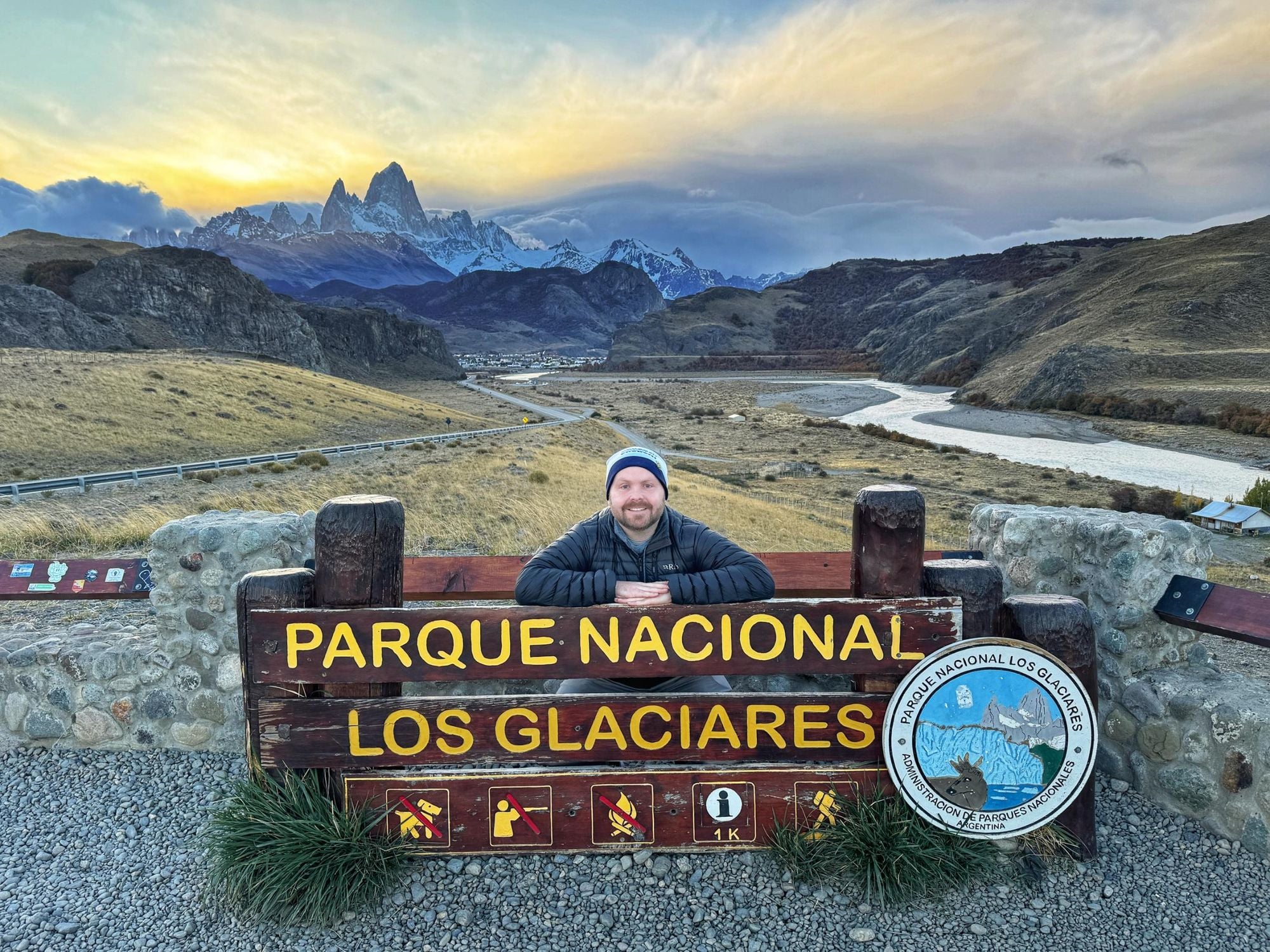
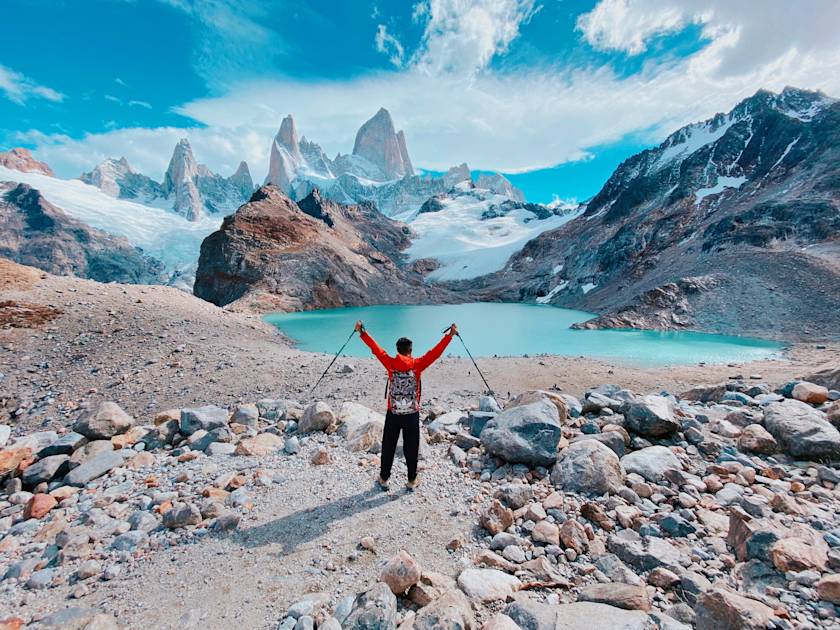
Practising openness came easily. You see the same faces on trails and in bars, and conversations follow. Hiking with an Argentine-German lesbian couple to Mount Fitz Roy (yes, that one from the Patagonia logo) felt like a watershed. They were unapologetically themselves. Looking out over a landscape that had changed little since the last ice age, I decided, perhaps optimistically, that I’d stop second-guessing and just be open about who I was.

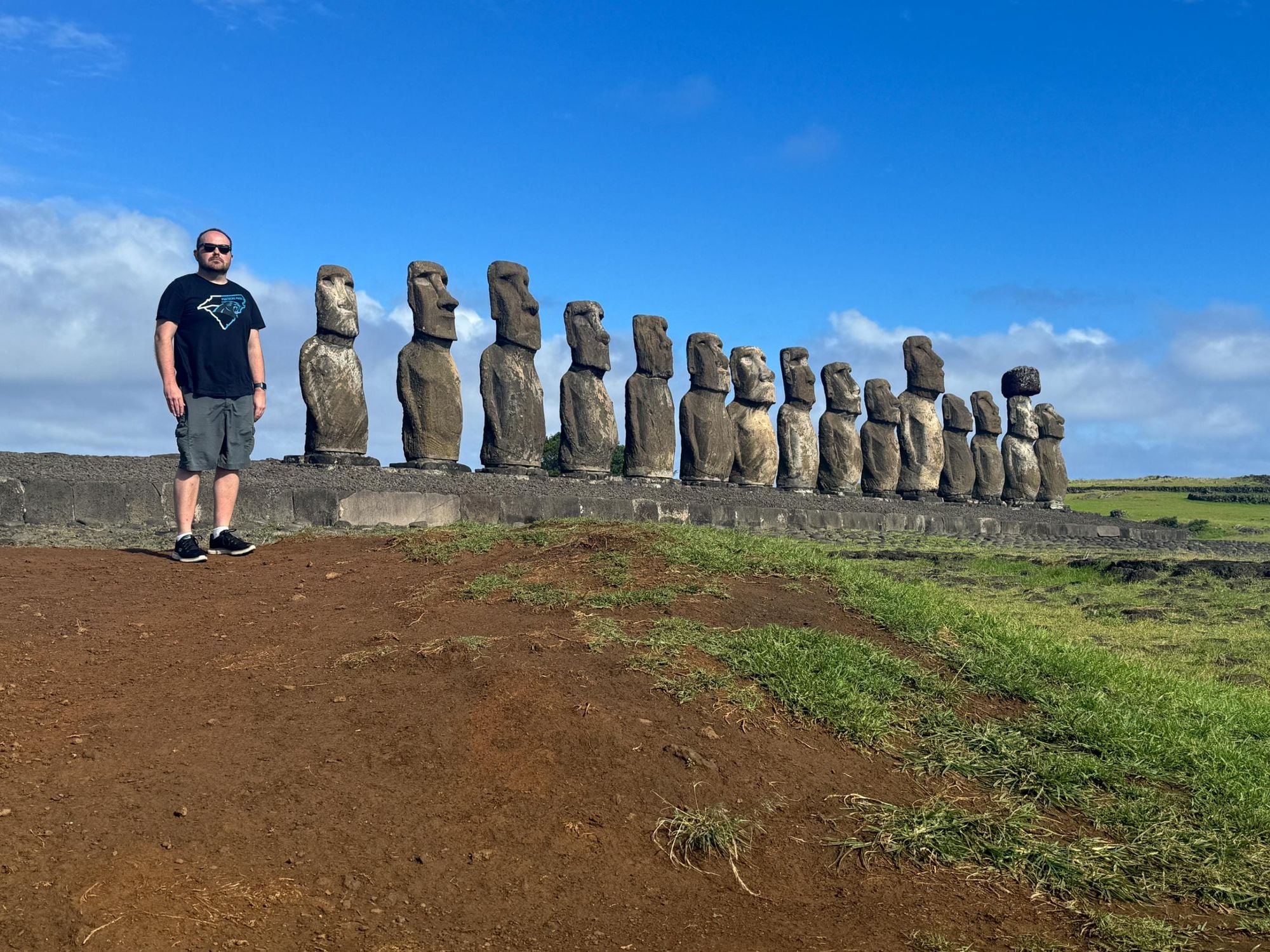
A few days later, on Easter Island, I saw the benefit.
Our guide, Atamu, a proud eighth-generation Rapanui, was a treasure trove of stories. At Ahu Tongariki, the most iconic of all Mo’ai sites, conversation drifted towards personal lives. I mentioned my partner, noting to myself this was by far the most remote place I’d ever come out.
He grinned and reached for his phone, showing images of the mahu, Polynesia’s traditional third gender, who traditionally held important cultural status. He went on to speak about efforts to reconstruct Rapanui history, including known histories of same-sex relationships. Like so many things on Easter Island, evidence is fragmented but Atamu wasn’t deterred.
"Our history is like this big jigsaw," he said. "Everyone has a piece, we just need to find them all."
"Everyone’s The Same Up Here"
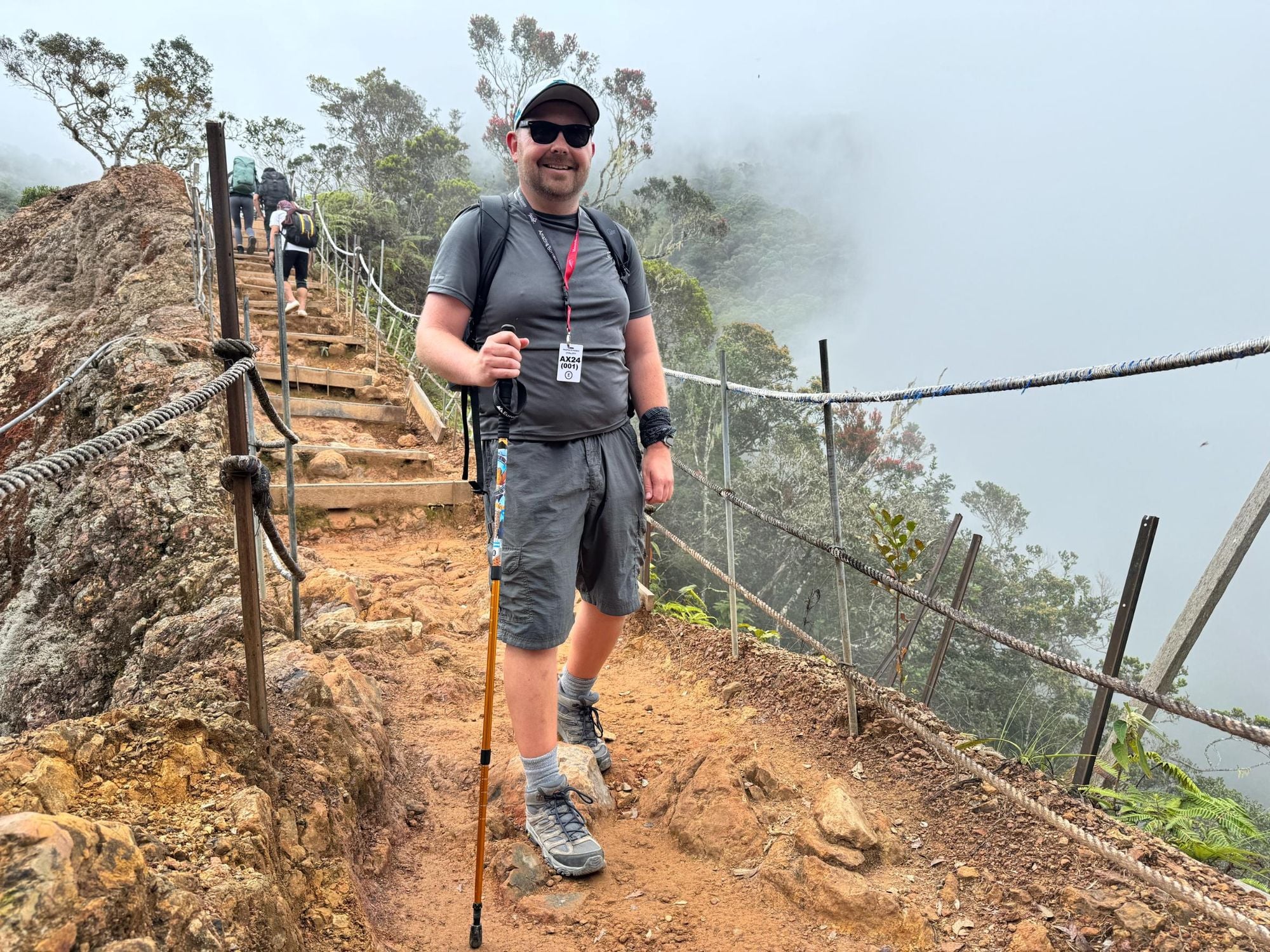
Moving back to solo travel in Borneo felt different. I arrived ready to revert to old habits. In reality, I barely had time, having committed to climbing Mount Kinabalu within twelve hours of landing.
He told me he’d guided same-sex couples before, and initially hadn’t known what to ask for fear of getting it wrong. That felt familiar, a mirror image of my own hesitation.
Kinabalu is relentlessly uphill, climbing 2,200m over two days. Most of my energy went into putting one foot in front of the other and trying not to resent the hikers cheerfully descending past me.
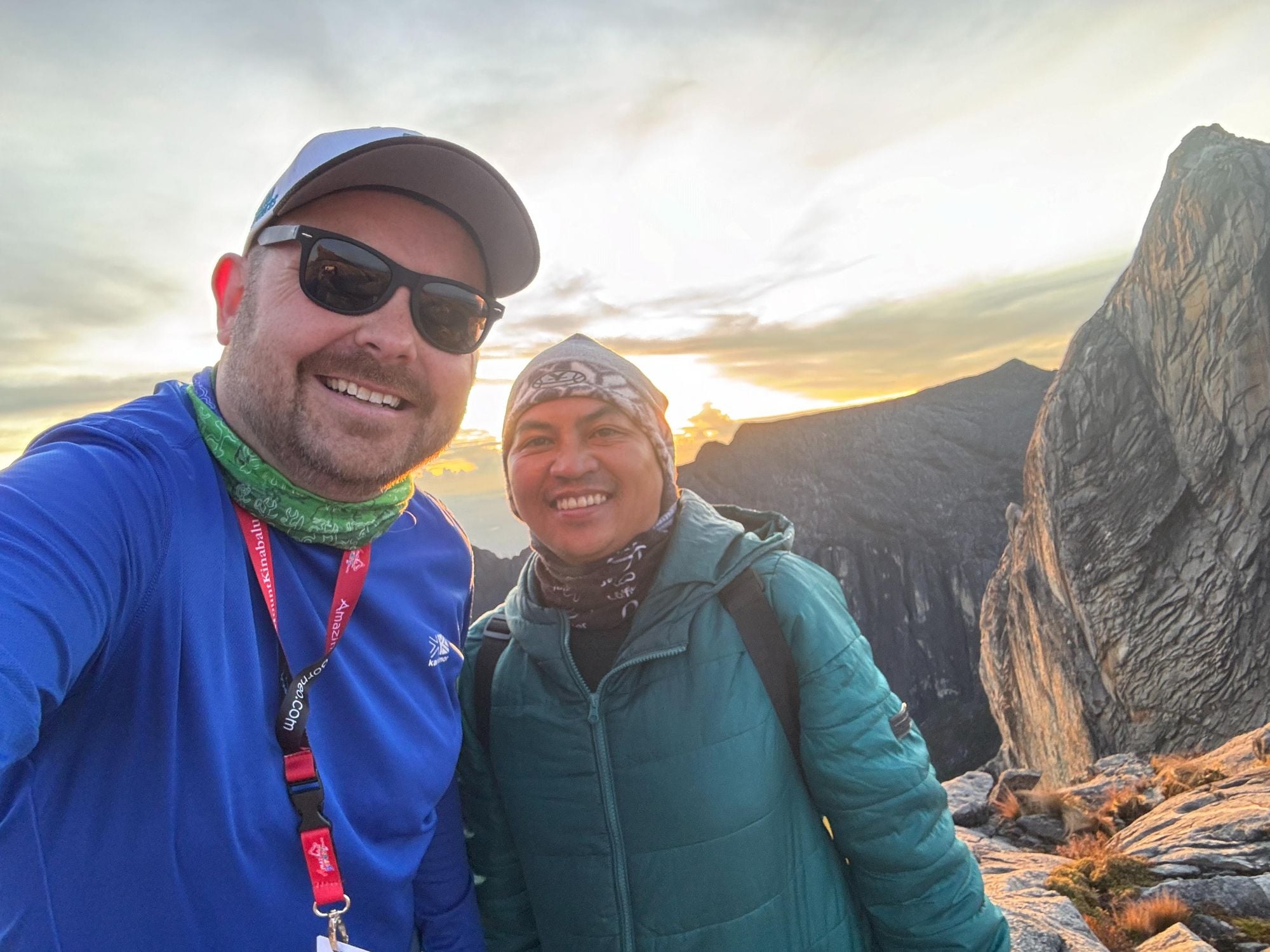
My guide, Johnny, and I fell into an easy rhythm. When he did pause at a rest station, he asked the inevitable question about my wife. Without thinking - oxygen deprivation has that effect - I corrected him, explaining that Paul might object to that title.
He paused and grinned.
"Ah, no wife? Sometimes that sounds easier," he said, before listing the habits his own wife of 17 years still found irritating.
He told me he’d guided same-sex couples before, and initially hadn’t known what to ask for fear of getting it wrong. That felt familiar, a mirror image of my own hesitation.
The final ascent up Mount Kinabalu is done under moonlight, over sheer rock, until the mountain opens into a wide plateau.
"Our government says one thing," he shrugged. "But up here, we’re all the same. Everyone gets tired. Everyone struggles. Slow and steady, I tell everyone. Doesn’t matter who they are."
With that, he set off again, reminding me, pointedly, to do exactly that.
After that, conversations became easier. At the guesthouse, I shared dinner with a group from Sandakan on the world’s most extreme work team-building hike, swapping stories about partners and travel. The next morning, a solo hiker from Singapore struck up a conversation over a 2am breakfast, keen to talk about the emerging gay scene back home. One of the more surreal conversations to have at that time of morning.
Learning To Fly Free
The final ascent up Mount Kinabalu is done under moonlight, over sheer rock, until the mountain opens into a wide plateau. At dawn, the peaks catch the light in outrageous streaks of orange and pink.
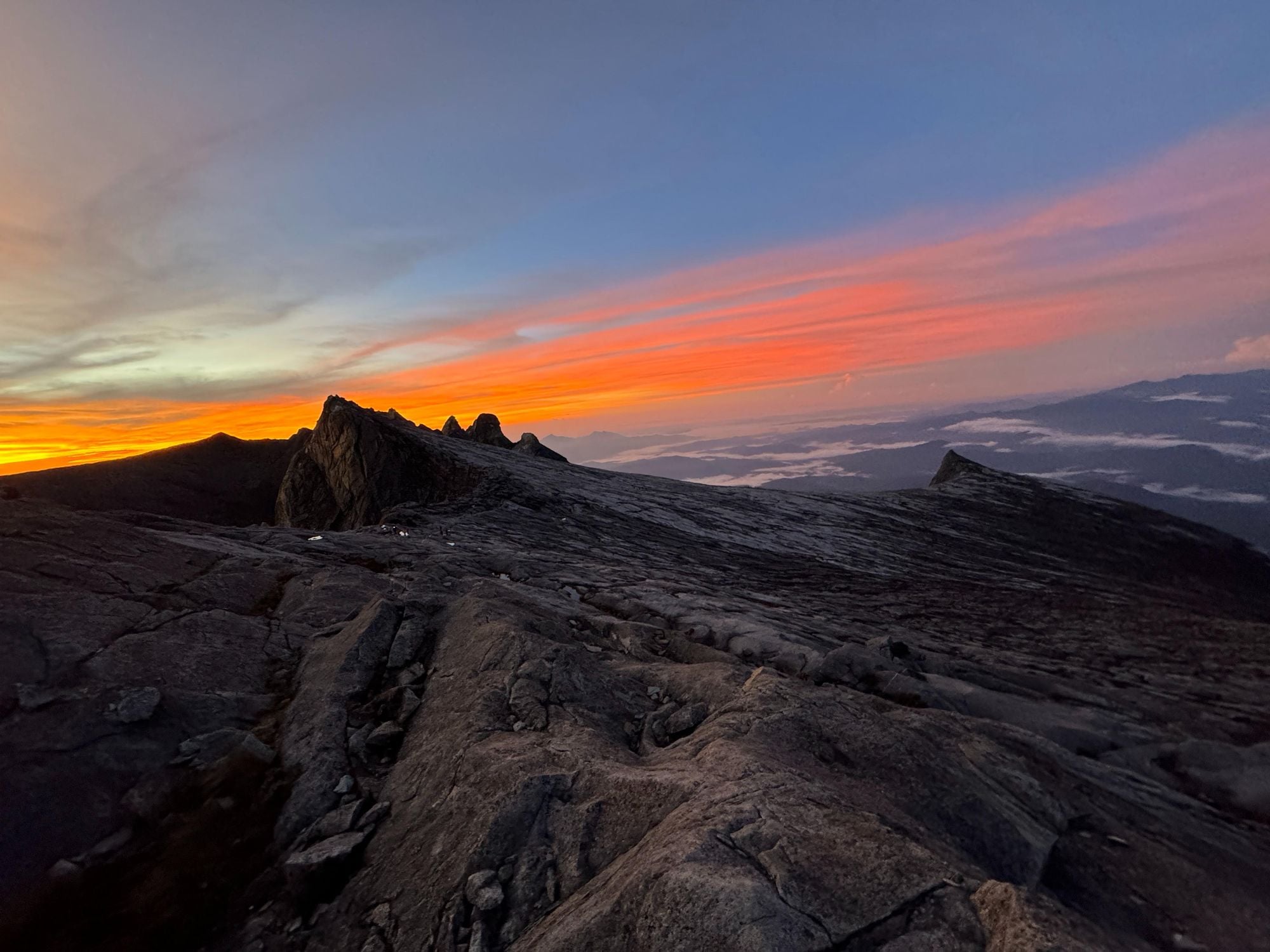
After the obligatory summit photo, Johnny led me to a quiet reflecting pool. Quietly, he asked if I wanted him to record a video message for Paul. I nodded, trying and failing to suppress a huge smile.
Looking out over one of the most serene landscapes I will ever come face-to-face with, I realised how much of my travel had been shaped by anticipation, of potential reactions and of awkward discomfort, rather than the reality of each encounter.
I remain very aware I travel with privileges not available to many queer locals, and that being a guest requires awareness and respect, to avoid exactly the awkwardness that Johnny and I had learned to cast aside.
But I’d spent years quietly self-censoring before I’d even arrived somewhere - and on this bright morning at 4,000m up, I realised that loss was mine. Perhaps understanding begins with something as simple as a shared story, or a laugh over misunderstanding your ‘wife’s’ name.
Maybe that’s how we all get a little closer to flying free.
Check out our full range of adventure holidays around the world!