


Cycling UK have launched their first ever Scottish gravel bikepacking route - and it runs 205 miles (330km) through the idyllic rolling hills of Dumfries and Galloway.
This is a part of Scotland often overlooked by visiting cyclists. That's despite the rolling country roads which are ideal for road cycling, and the world class gravel in Galloway Forest Park, which at over 300 square miles is the largest forest park in Britain. Tucked away in southwest Scotland, most tourists simply overshoot the area - heading on to either the Central Belt or the drama of the Highlands.
"Despite being the closest part of Scotland to England, the area remains largely overlooked and undiscovered," says Guy Kesteven, the route designer who, along with Kieran Foster, built the trail. "It's somewhere you can experience the wild solitude of Scotland's dark sky parks, whilst also taking in deep history, delightful towns, villages, remote farms and stunning scenery at every turn."
This circular multi-day route begins and ends in the town of Dumfries - Scotland's 'Queen of the South' - and heads into a forest park with internationally-renowned gravel routes (which host the annual one-day Gralloch festival, a major stop on the UCI Gravel World Series). The route takes you through winding coastal back lanes, quiet lochs and picturesque hill terrain, threaded together by quiet history and a landscape where you’ll often feel entirely on your own.

If you're pitching a tent on the way, you can do so in Galloway International Dark Sky Park - shielded from light pollution by its remote location and geography - and sleep beneath over 7000 stars and planets, visible to the naked eye.
This route wastes no time making an impression.
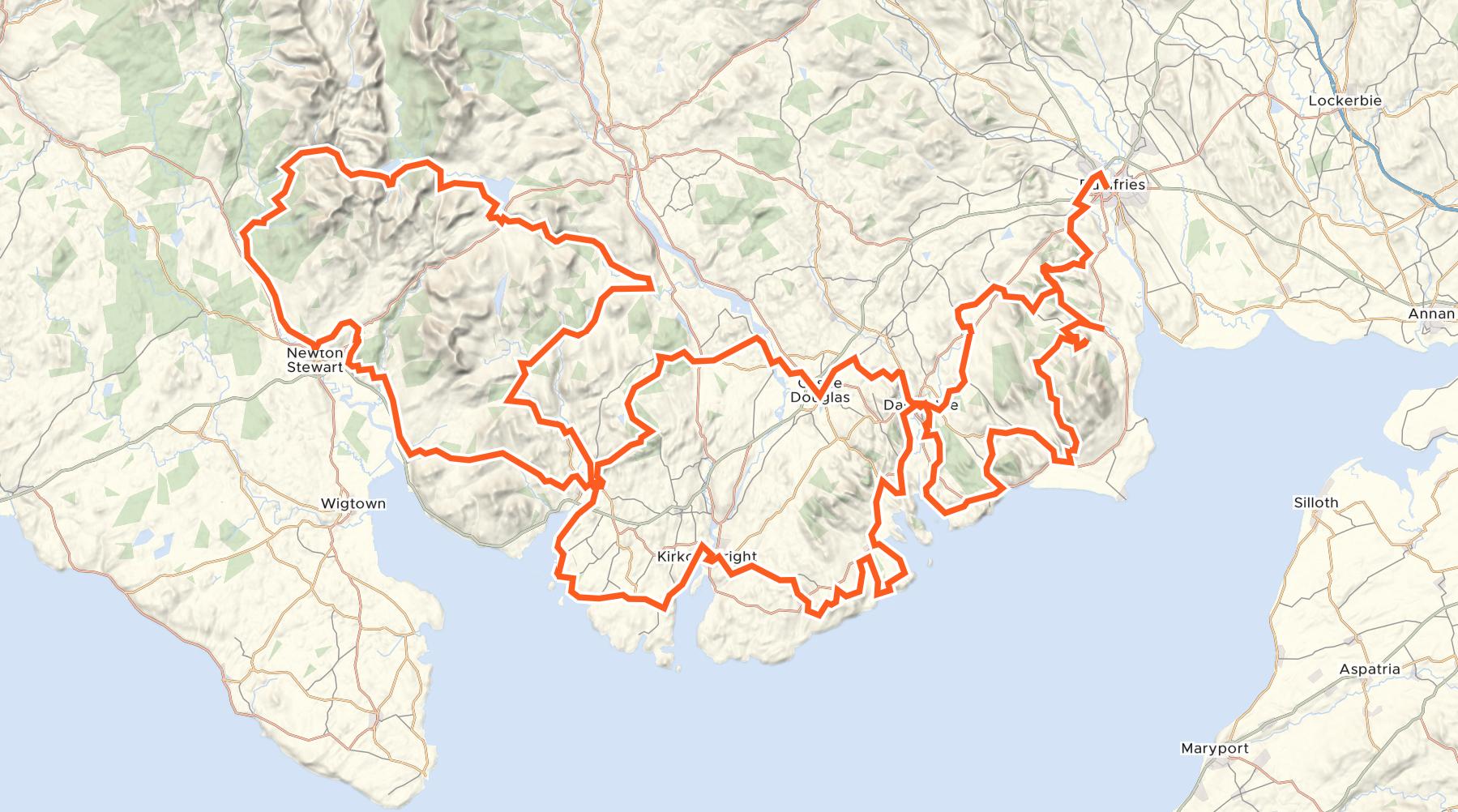
From Dumfries, riders drop into Mabie Forest, where traffic-free gravel winds through the trees, with the Solway Firth glittering below and the Lake District fells on the horizon across the water. The unspoilt coastline at Rockcliffe gives way to the granite trails of Dalbeattie Forest before the route swings south to Balcary Bay - once a smugglers' haunt which is now all sea and silence.
You’ll reach Dundrennan Abbey, a 12th-century Cistercian ruin sitting in a quiet valley that sheltered Mary Queen of Scots on the last night she spent on Scottish soil before fleeing to England.
The Solway Firth glittering below and the Lake District fells on the horizon across the water...
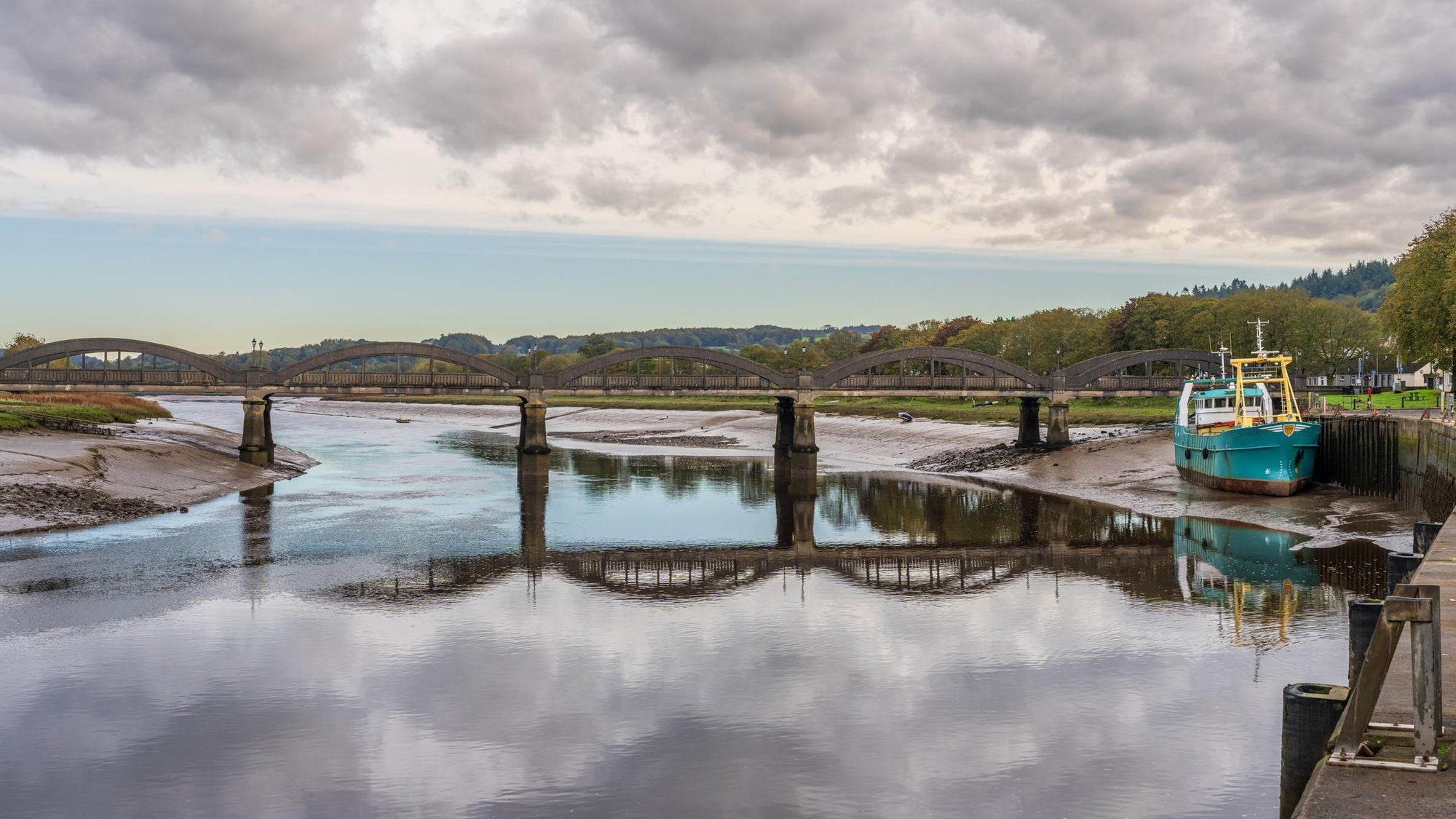
From there the route rolls into Kirkcudbright, a picturesque fishing town with artistic connections and cafes aplenty for you to restock on caffeine.
After the volcanic coastline south of Kirkcudbright and the famously picturesque Gatehouse of Fleet, the route climbs into Galloway Forest Park, one of Europe's most remarkable Dark Sky Parks.
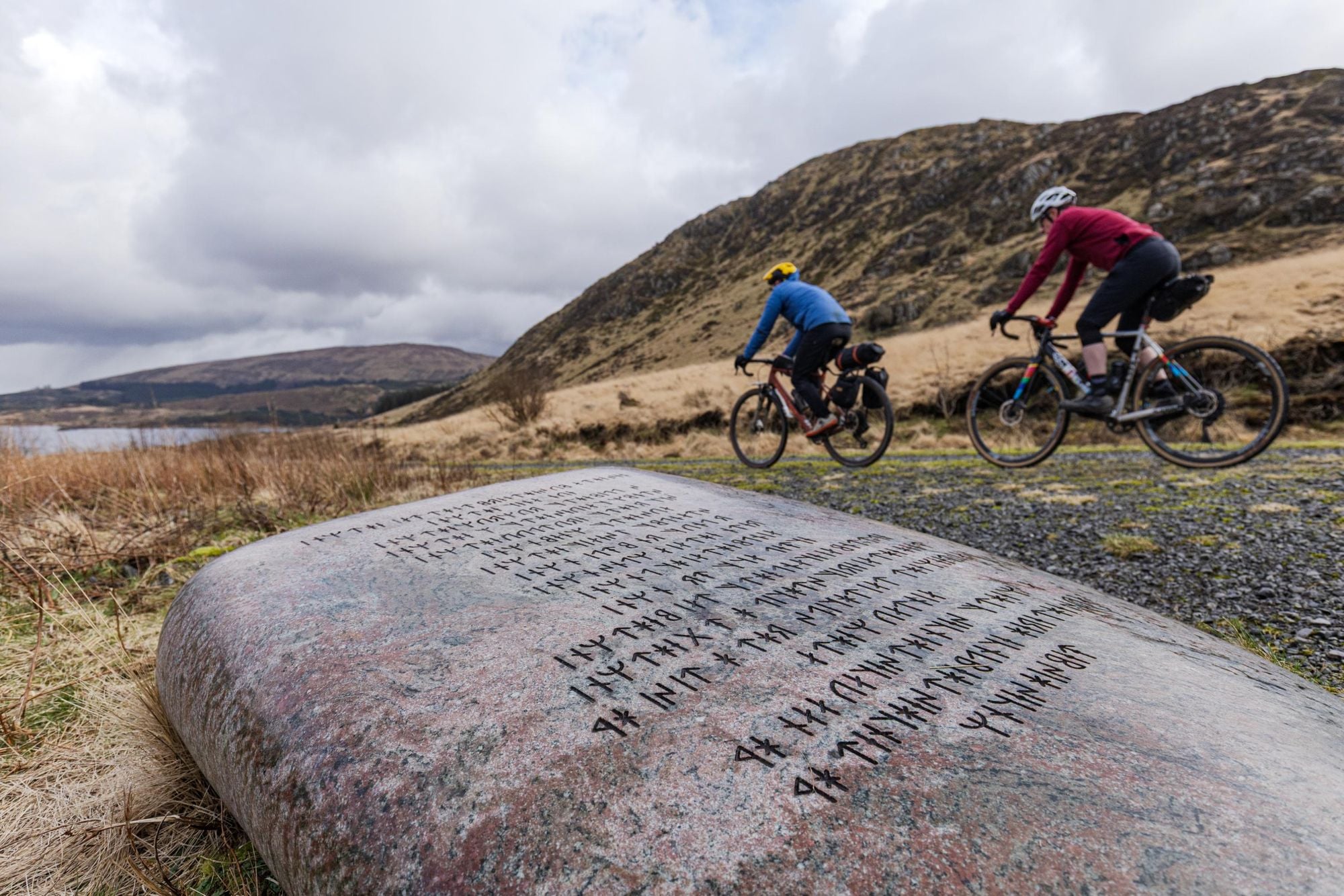
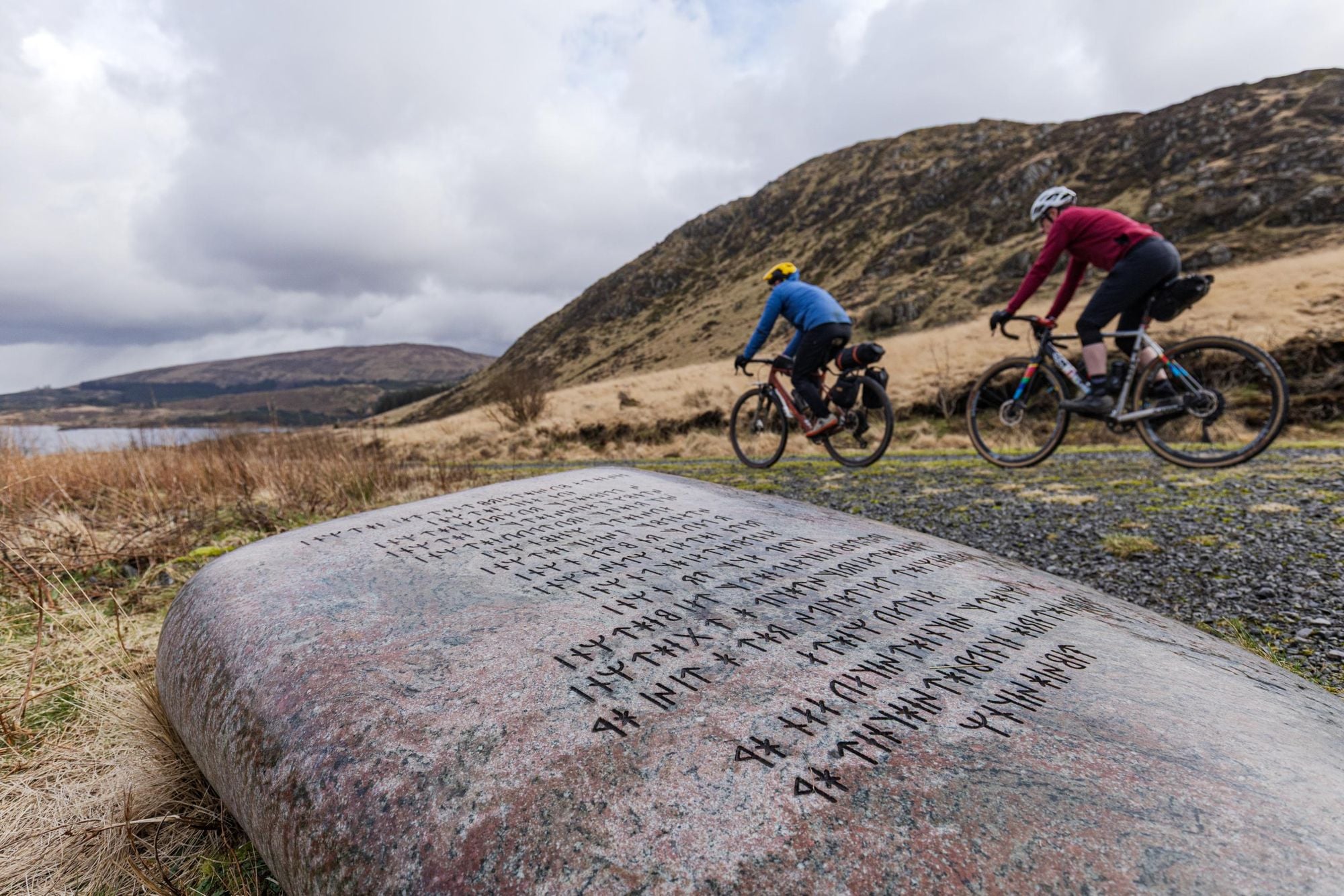
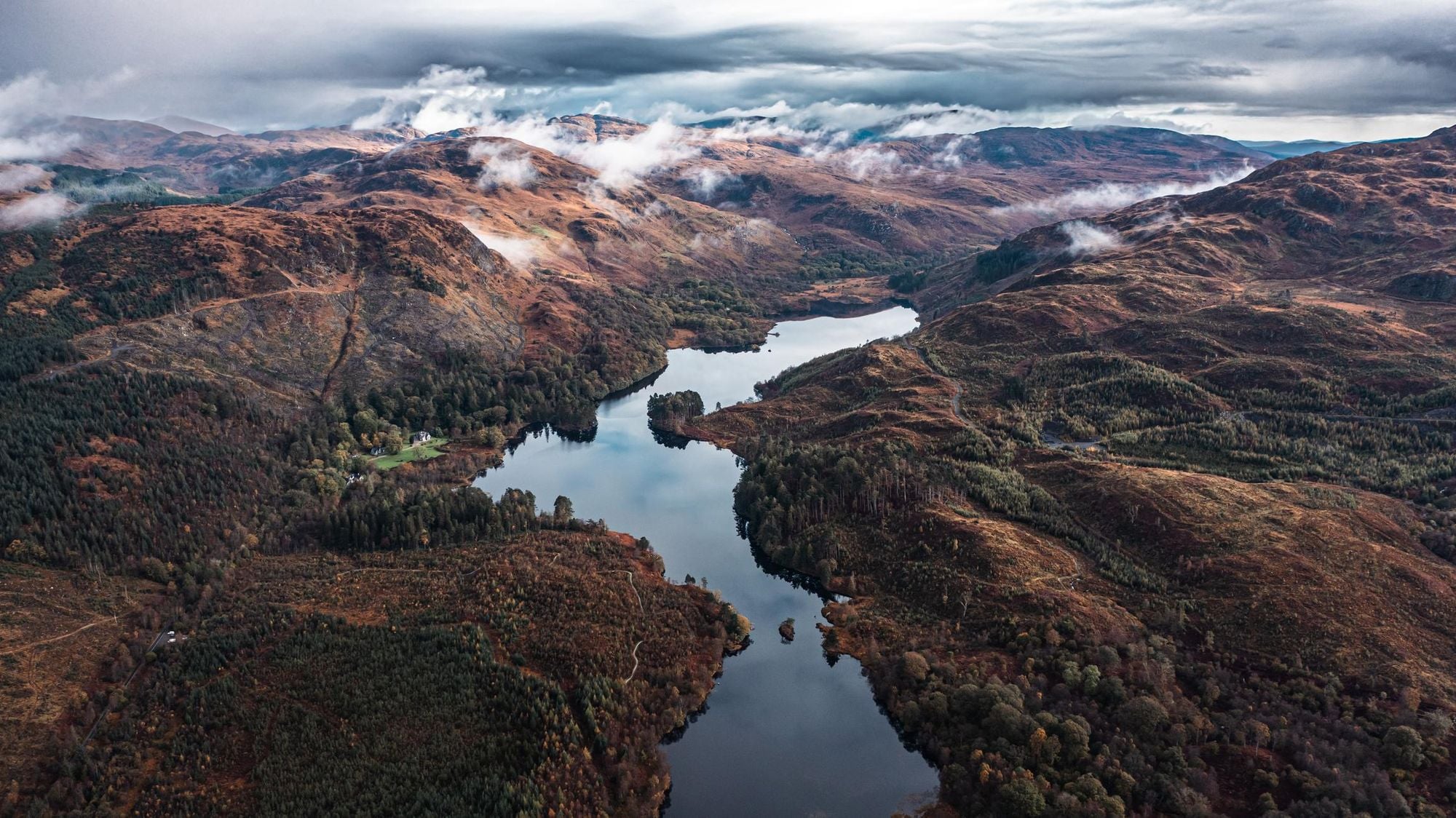
At Glentrool (pictured below), the landscape turns dramatic. Here, Robert the Bruce - outnumbered and exhausted in the spring of 1307 - ambushed an English force by rolling boulders on them from the hills above, turning the tide of a campaign that would eventually lead to Bannockburn. A granite boulder now marks the spot. Beyond, Loch Dee sits in a bowl of moorland, and the Raiders Road - an ancient drovers track - carries riders back downhill with kites overhead.
Much Better Adventures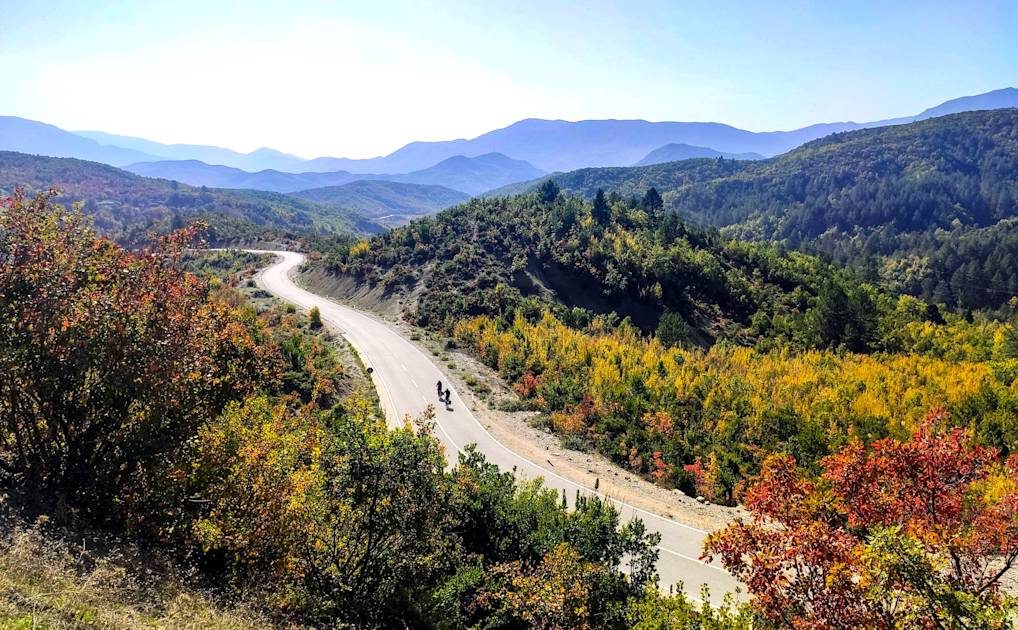
These are areas already well known to enthusiastic cyclists in Scotland. Mabie, Dalbeattie and Glentrool are part of the 7 Stanes network, a network of world-class mountain bike trail centres, Castle Douglas has hosted a finish line for the Tour of Britain before, and much of the Kirkpatrick C2C, an excellent road cycling route, also passes through a lot of these towns, albeit on tarmac rather than gravel. But cycling tourism still doesn't come in its masses.
Guy Kesteven knows how to build a cycling route.
"We've worked hard to create a moving story of an adventure that takes in traffic-free paths and quiet back lanes, linking trail centres, craggy coasts, smugglers coves, seemingly endless forests and wild mountainscapes," says Kesteven. "In short, it really has been the perfect biking area to build a route in."
At over 200 miles (330km), with 4,002m (13,129ft) of climbing, the numbers are a little daunting. But the designers have been deliberate about keeping gradients manageable - and the route is split into three routes, each of which can be ridden independently. The route is best suited to a gravel bike or a hybrid bike.
Much Better Adventures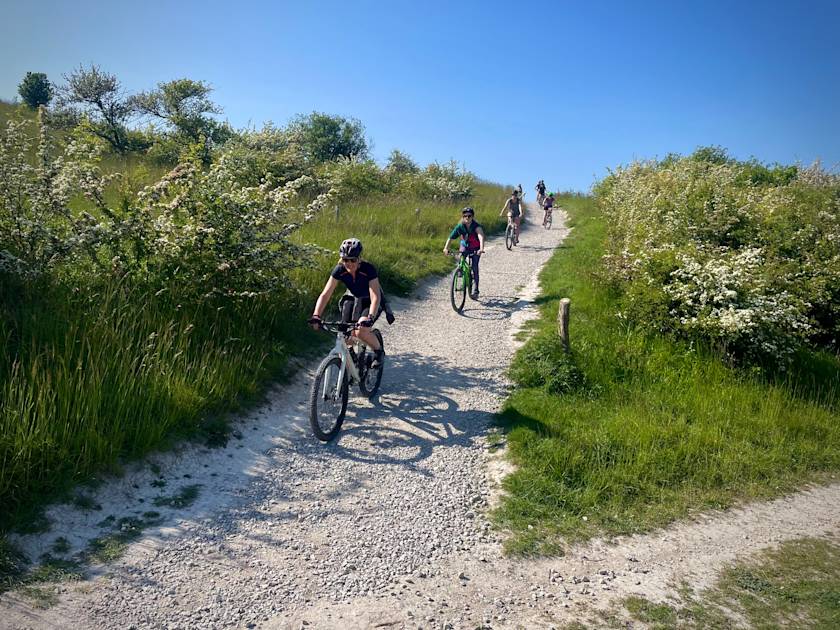
"Cycling can be the best way to truly experience a place, because you're travelling slowly enough to take everything in but fast enough to cover great distances," says Katie Hammond, Commercial Director at Cycling UK. "Multi-day routes also offer a much greener and healthier way to travel. You get to see incredible places that are often inaccessible by car."
Cycling UK has been creating long-distance routes since 2018, each designed to open up a lesser-known corner of Britain, and generate a ripple in the local economy. We've also reported on their West Kernow Way, in southwest England, and on the Royal Chilterns Way - a multi-day route near London.
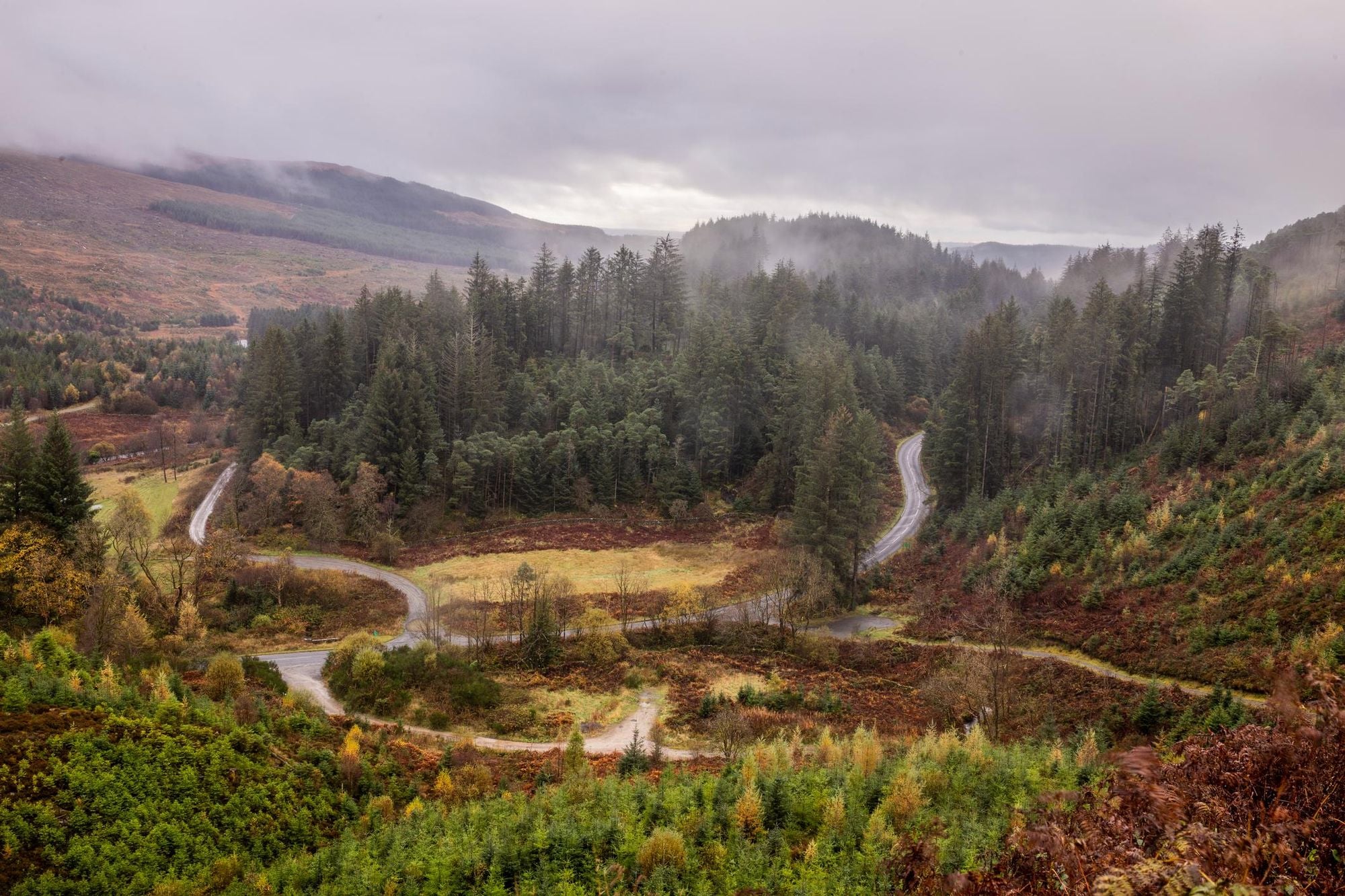
Gallovidian Gravel follows the same model - though a crucial difference is that, being in Scotland, wild camping is legal, and so an option, on this route.
"We guarantee even the shortest ride in Galloway will grab your heart and make you want to return as soon as possible," says Kesteven.
The route GPX is free to download from the Cycling UK website, ready to load onto a cycling computer or smartphone.
This route looks a brilliant way to discover Scotland’s south-west corner.
Inspired? Check out our full range of cycling adventure holidays now!