

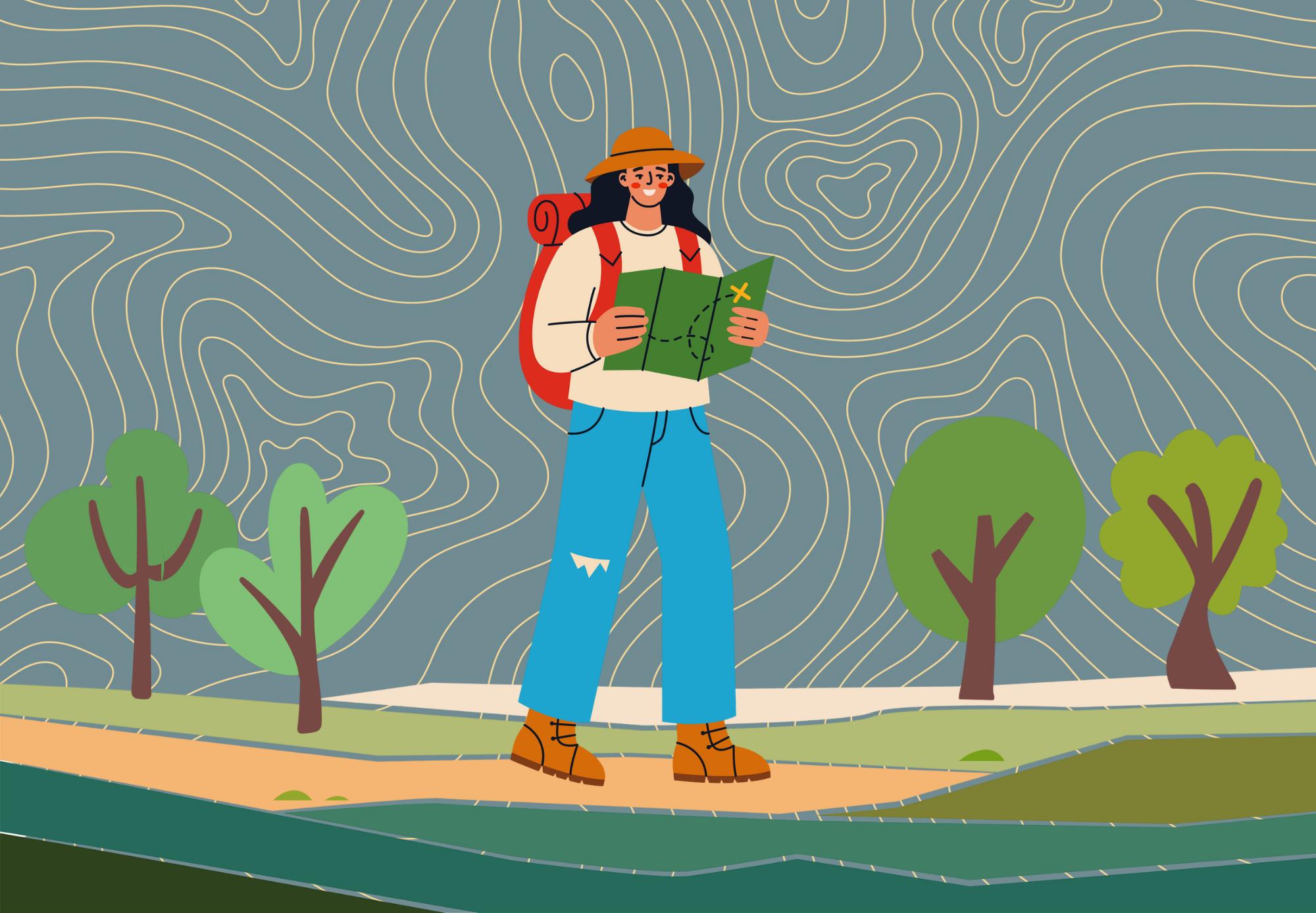
“I’m terrible at directions” are four words that I, like many women, find myself saying on a regular basis. I use Google Maps to retrace even the simplest of routes, unconvinced that I can simply go back the way I came or look up and around to figure out how to get to where I want to go.
Many women claim to lack an internal compass, particularly when it comes to navigating through wild spaces. But is it holding us back from reaping the full benefits of outdoor activity? Getting outside allows us to (literally) touch grass: to reconnect with nature and, in turn, escape from the hustle and bustle of our fast-paced, screen-focused society. Open water swimming, trad climbing, or off-road biking; you can’t do these with a phone in your hand, right?
It also keeps you in the moment, makes you present and you actually take in your surroundings a bit more.
But as modern technology has become further integrated into our lives, so has it become part of the adventuring experience. Whether it’s logging a hike on Strava, tracking your route with a virtual map or even filming the odd video to edit into a TikTok compilation, our phones – the things we’re often seeking respite from – are hard to disconnect from the experience.
There are, of course, very real safety concerns that mean people want their phones near while out in the wild. This is particularly relevant for women. But there is a way to have both: to know the technology is there in case of emergencies, without relying on it. It requires that women learn the skills that will allow them to find their own way outdoors, gaining confidence in themselves and their instincts in the process, too. When someone professes to have a poor sense of direction, it tells others that they do not have that self belief.
 Much Better Adventures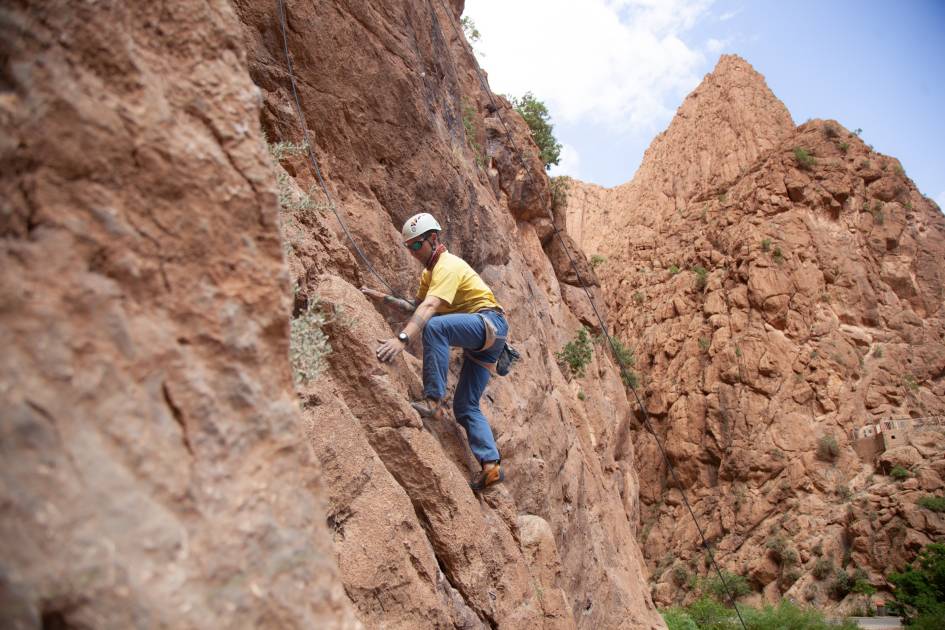
Alice Keegan is the founder of The Adventure Girls Club, and runs a beginner’s course in navigation, where she constantly hears comments like mine from attendees. “[They’ll] say sometimes, ‘Oh, my partner says I wouldn't be able to find my way around a supermarket,’ and I'm just like, why is your partner saying that to you?” she says. “It's just these stories that we've told ourselves, that we've got no sense of direction. A big part of it is believing that you can do it. I just don't think it's a thing that people have no sense of direction. You learn that skill. It's just that women, I think, have that mindset that there’s no hope for them.”
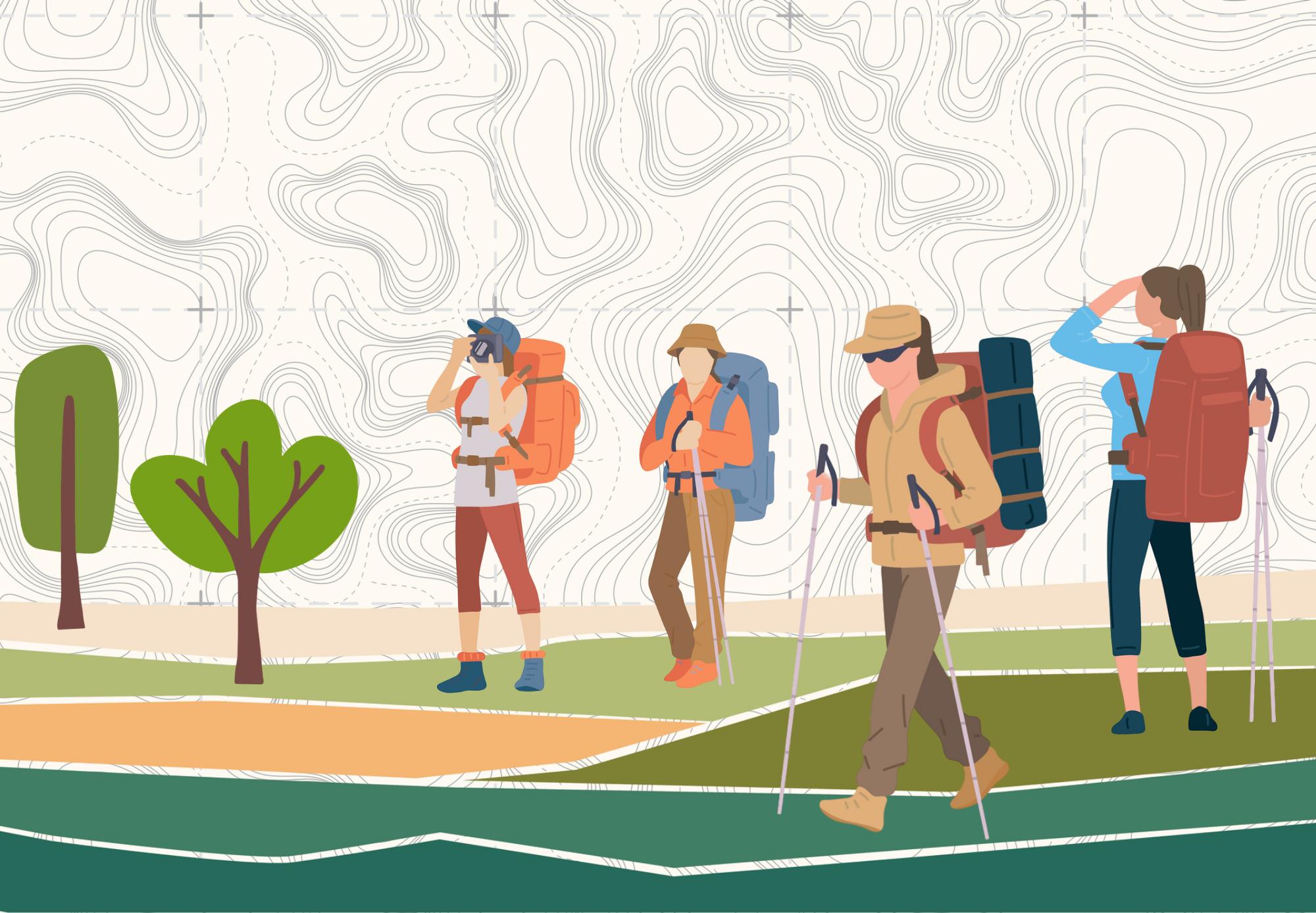
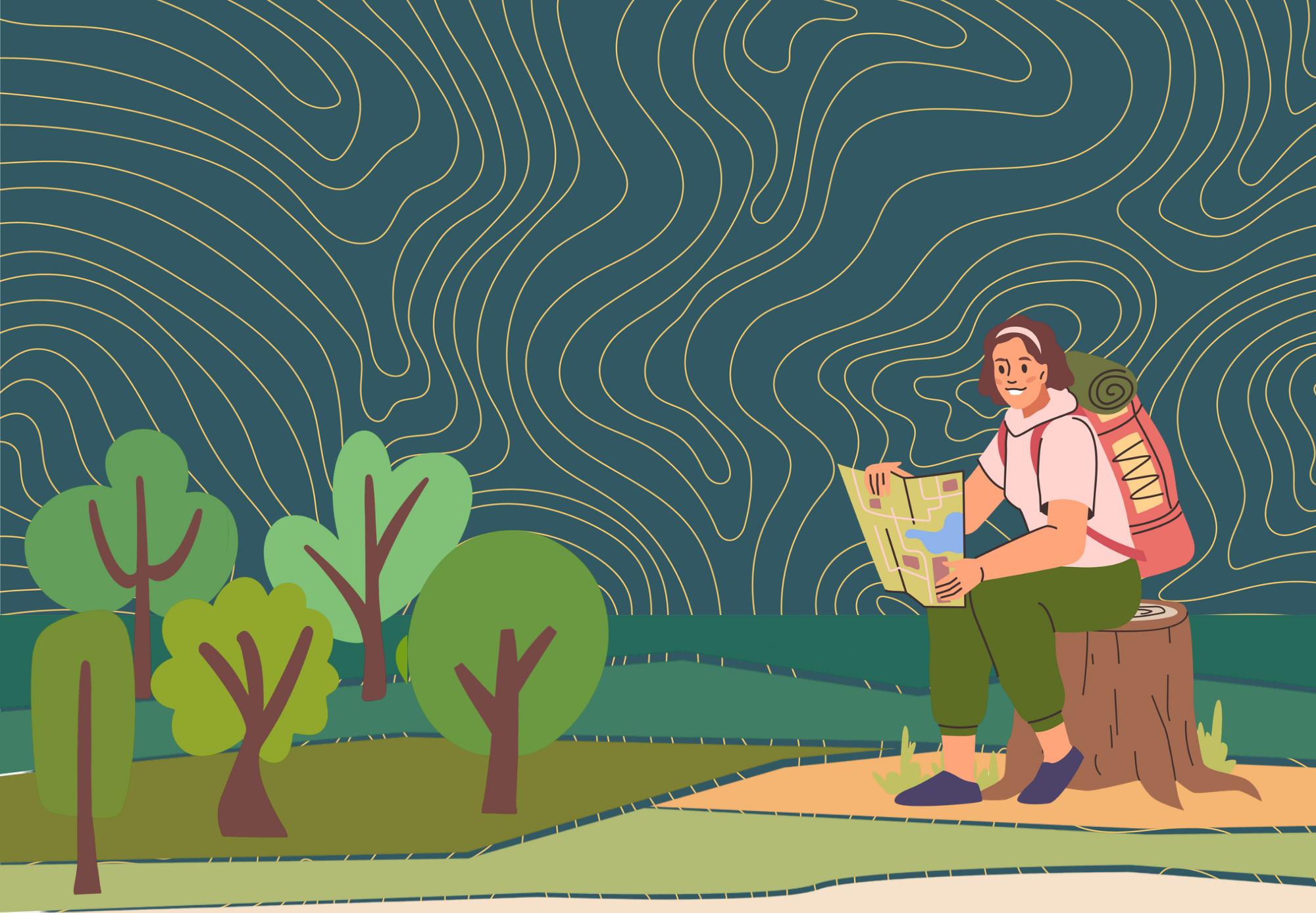
Self belief, Keegan says, comes from learning the skill in a way that works for you. In her two-day navigation course for women and non-binary people, which is run in partnership with Ordnance Survey, Keegan takes a more holistic approach to map-reading. Her “storytelling”-inspired method is worlds away from the “confusing, numbers-based” technique that she first learnt from ex-military men, she tells me. A trained mountain leader, Keegan waits until the second day to have the attendees get their compasses out. Instead, the focus is on the “visual language of the map”, as well as their observational skills.
This instinct-based method of navigation is crucial for encouraging women to look up at the world around them and grow in confidence that they can figure out their location from context clues. “As you're walking looking around, you [can ask], am I walking along a wall? Am I going downhill? Am I in a forest?” Keegan says. “You're constantly looking around you and then applying that to what's on the map and seeing if it matches, and then you can figure out if you're in the right place or if you're going in the right direction.”
Much Better Adventures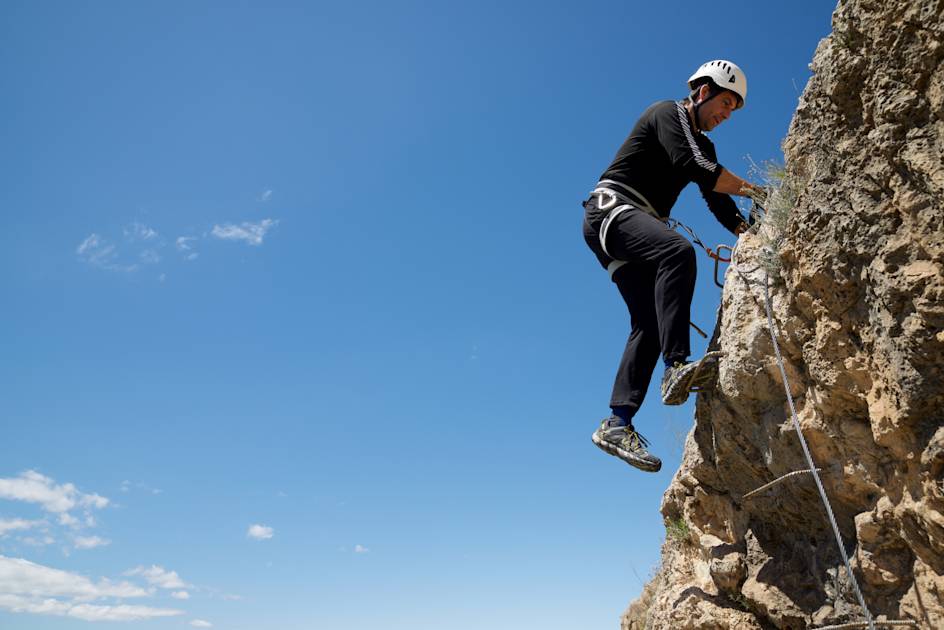
While GPS features can make your phone seem like a safer option than traditional maps, Keegan points out that “we know that learning to read a map is going to be safer. It's not going to die or you're not going to run out of signal”. This is something Hetty Kingston, an outdoor adventure leader and researcher, notes too. On longer trips, she’ll take a separate camera and turn her phone off. “I'm trying to save battery,” she says.
It's just these stories that we've told ourselves, that we've got no sense of direction – a big part of it is believing that you can do it.
For Keegan, relying on navigation skills rather than technology allows her course attendees to stay “mindful” and more observant of their surroundings. “[It] not only helps keep you safe and know where you're going, but it also keeps you in the moment, makes you present and you actually take in your surroundings a bit more, rather than just doing the walk for the sake of doing the walk and then getting that selfie at the top,” she says.
The mental health benefits from nature are something Kingston has found in her research project Fostering Inclusive Action Sports (FIAS). Women are going outside to get a break from our chaotic world. Putting phones away “requires a bit of discipline, but it's definitely beneficial and helps your mental wellbeing”, she says. An enthusiastic trail runner, bikepacker and trad climber, Kingston too is an advocate for map reading and reducing reliance on technology.
Kingston’s research has also found that outdoor adventure can give women many of the things we’re actively seeking out on social media, like a sense of community, resilience, and self esteem. “Motivation comes from knowing your autonomy, knowing what you’re doing; competence, feeling competent that you can do it; and also connectedness, so that sense of belonging,” she explains. “It's a full circle [where] going outdoors gives you the sense of belonging, but because you're doing something and you know what you're doing, and you chose to do it and over time, you feel competent, you then get more motivation, so you keep doing more of it.”
Much Better Adventures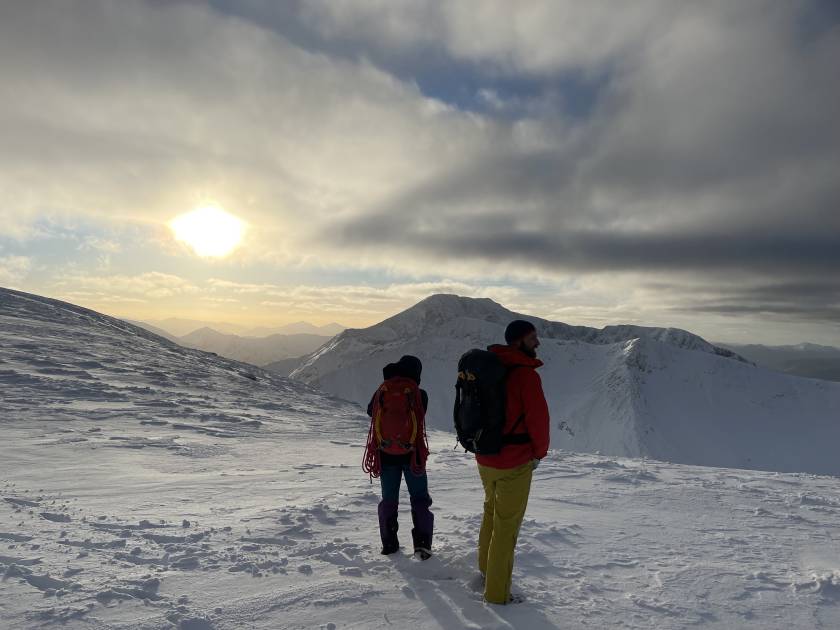
Of course, nobody is suggesting women leave their phones at home entirely. In case of an emergency, having a device that can allow you to reach help is crucial (although signal in wid places is by no means guaranteed). Kingston likes to keep hers within reach – “somewhere that's easy just to check it,” she says – but not in her chest pocket or where she might reach for it without thinking. Plus, she points out, when you’re out in nature and are stimulated by everything around you, “be it reading a map bit, looking at all the different things, being mindful of where your feet are, you have less pull to look at your phone” anyway.
Outdoor adventure can give women many of the things we’re actively seeking out on social media, like a sense of community, resilience, and self esteem.
Learning the relevant skills helps women confidence in themselves and their instincts when it comes to the outdoors. But there are other ways to be prepared: keeping a separate list of key phone numbers to hand in case of emergencies, carrying cash or cards in your wallet or taking photos on a digital or even film camera. In day-to-day life, we likely rely on our phones to do all these tasks for us. But in outsourcing them, we give ourselves a mental break from screens, while also saving vital battery power, should we actually need it.
Much Better AdventuresHaving a phone is important for safety. But the benefits of learning to adventure the old fashioned way are momentous, says Kingston. “We all know that being active is good for our mental wellbeing, and we all know that the outdoors is good for our mental wellbeing, and we all know that things like problem solving can also be a good form of mental stimulation,” she says. “If you combine all that together and take away the phone, you've got a really, really good scenario.”
Women learning to navigate, or preparing to head out into the outdoors without relying solely on their phones, do so in an attempt to reconnect with both nature and their natural instincts. Ultimately, there will always be variables they can’t control, Keegan says: “But if you can get all of the other bits: be good at navigation, get the right kit, know how to read the weather, and feel confident with that… then you can feel more confident to go out on your own, knowing that you've done everything that you can to keep yourself safe.”
Inspired? Check out our full range of adventure holidays now!