

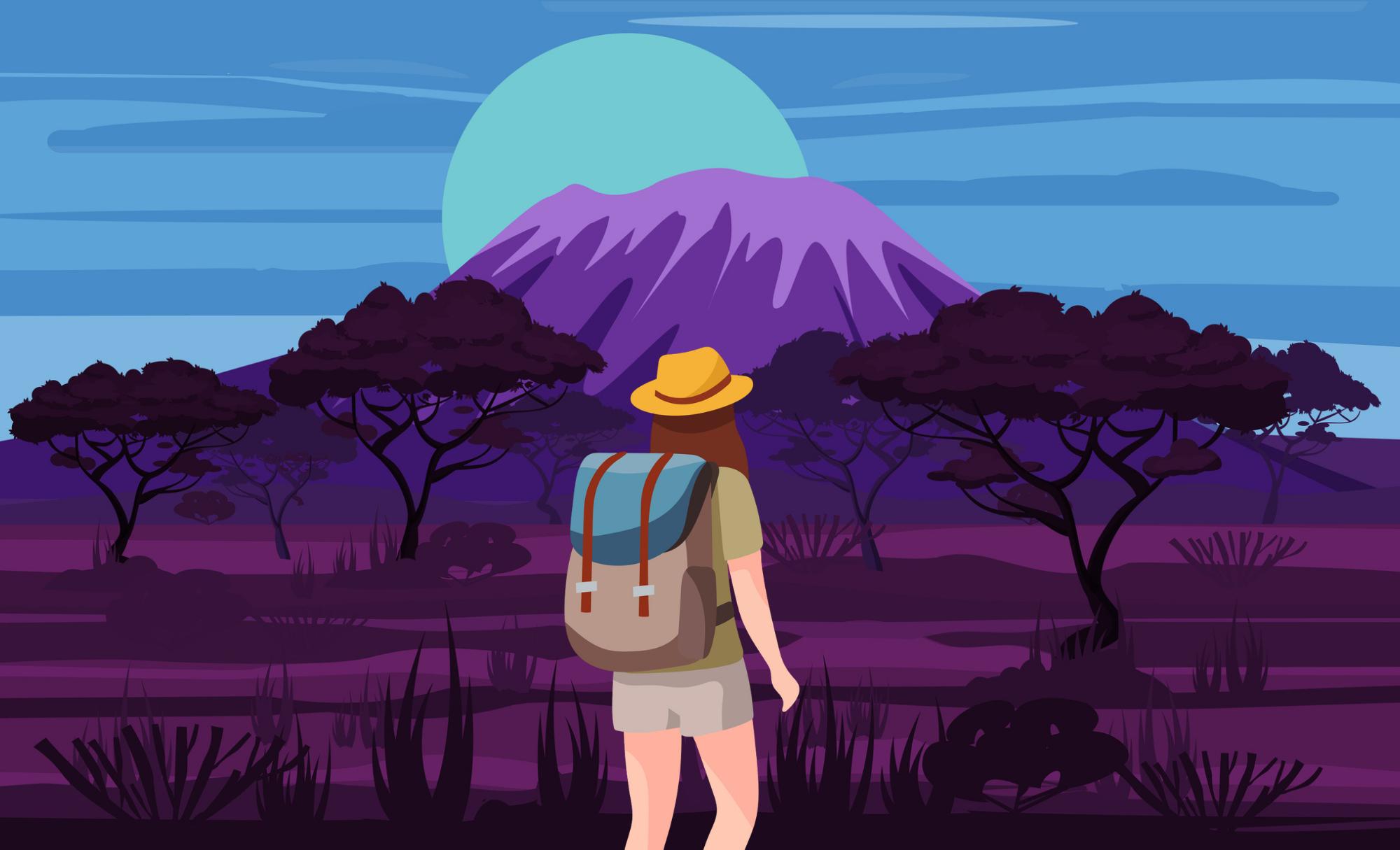
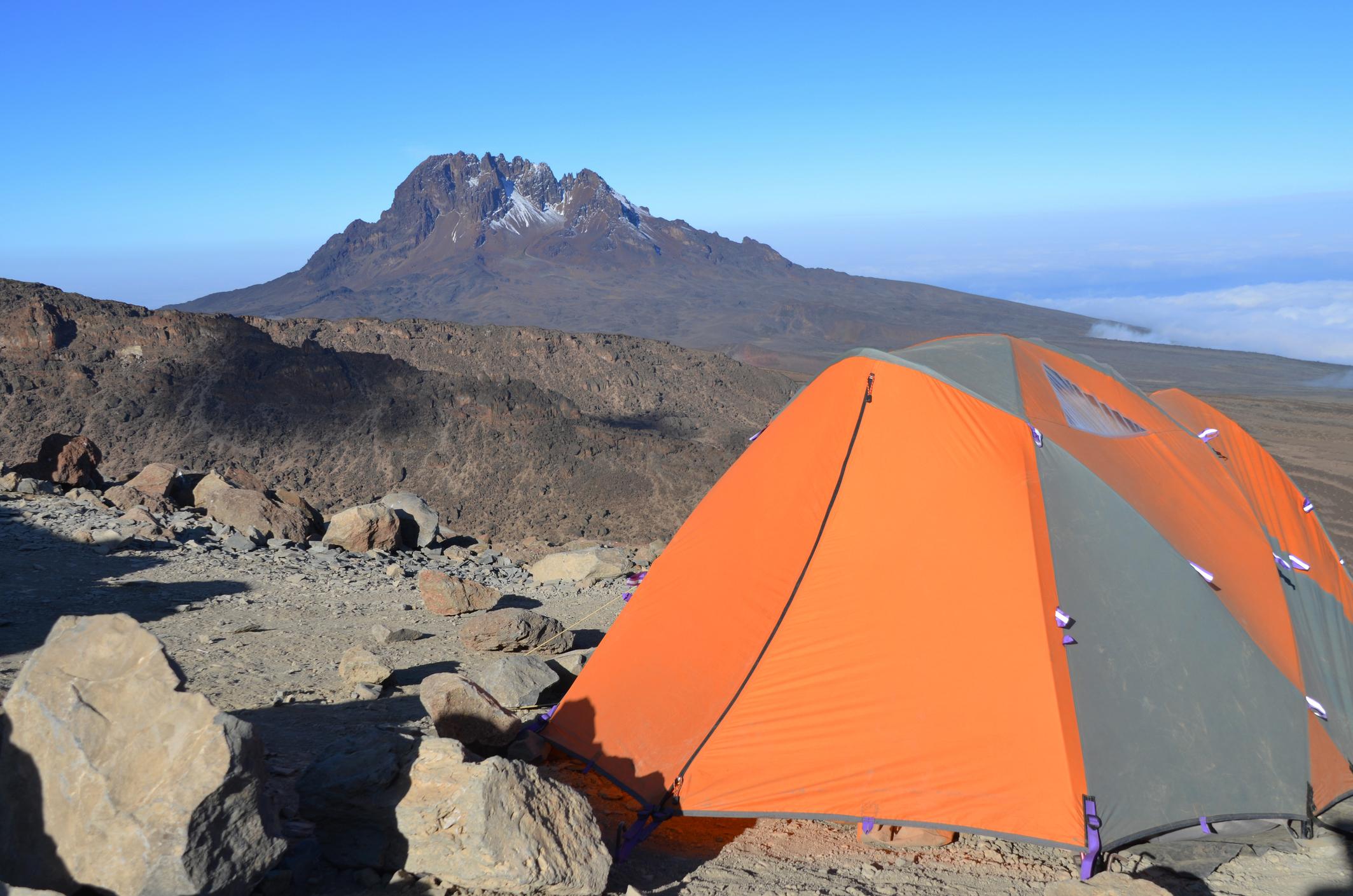
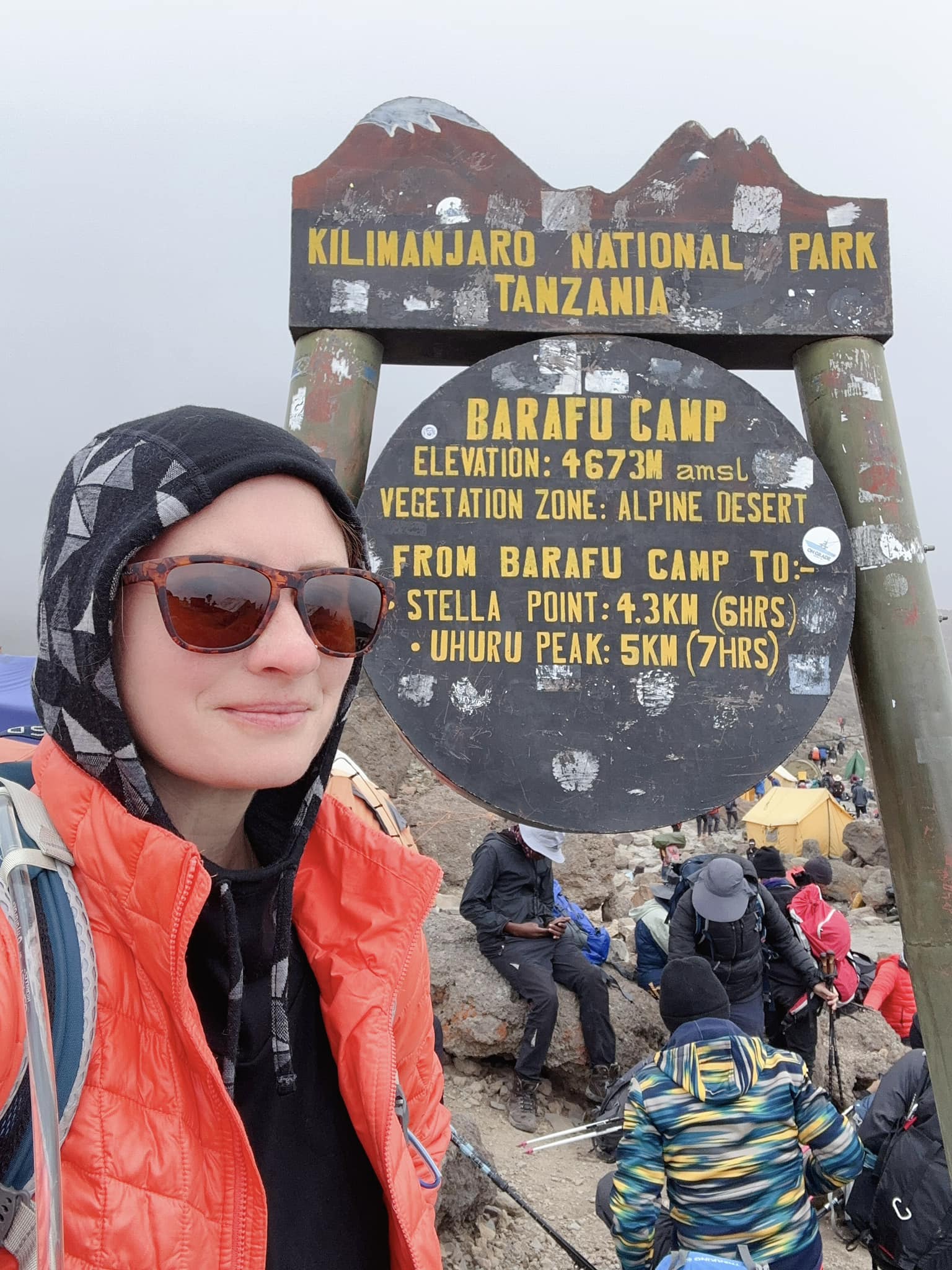
It was dinnertime at Barafu Camp on Mount Kilimanjaro, just hours before we’d start the long climb toward Uhuru Peak, the highest point in Africa. But for now we were supposed to eat, rest, and try to squeeze in some sleep.
My friend Heidi handed me a packet of electrolyte powder for hydration. I glanced at the package: Mojito flavor. I couldn’t help but laugh. I was high from the altitude, giddy with the thought of what we were about to attempt. But mostly, I was delighted by the sheer improbability of the moment — drinking a faux mojito on Mount Kilimanjaro — especially since giving up alcohol is what brought me to that very place.
 Much Better Adventures
I had known for years that my relationship with alcohol was problematic. But self-awareness doesn't necessarily translate into change, especially when your environment makes the habit seem normal. I live in a resort town in California, where breakfast means bottomless mimosas and day drinking is what most people do as a hobby, followed closely by pickleball.
We were standing on the rooftop of Africa, and everything was brushed with gold.
Then the Covid pandemic happened.
Lockdown erased the usual distractions; no dinner parties, no blurry afterhours. It was simply me and a recycling bin that quickly filled with empty wine bottles. Every morning, upon waking, I’d squint at the light in my room, feel a hot, achy thud behind my eyes and wonder: is this Covid or a hangover?
The pandemic had become a daily, unrelenting reminder of how time isn’t guaranteed. And there I was, night after night, pouring another drink and watching the hours dissolve. A creeping thought nagged at me. Is this really what I’m going to do with my life?
On 4 August 2020, I stopped. There was nothing ceremonial or significant about the date. I simply decided not to drink that night. I didn’t drink the next night either. After a while, the nights stacked up.
In those early weeks, I was restless and anxious. I didn’t know what to do with all the mental space that alcohol once occupied. So I found an online community of sober Peloton bike riders. We didn’t know each other in real life, but we showed up every day in the same virtual world, cheering for each other.
The rhythm of boots on dirt, heart pumping at a steady cadence, quieted the anxiety I’d been carrying around...
Eventually the walls of my home started to feel too close. The rides gave me momentum, but not quite relief. For that, I needed sky and distance. The feeling of moving through a landscape bigger than my boxy, Palm Springs condo.
I turned to the outside world, first starting a 52 hikes challenge with my family. We committed to tackle 52 unique trails over the course of a year.
I’ve lived in the California desert since 2005, but the challenge revealed corners of the landscape I had somehow missed. Volcanic mud pots that bubbled and hissed. Hidden palm oases at the bottom of deep canyons. Abandoned silver mines that, over time, folded back into the mountains.
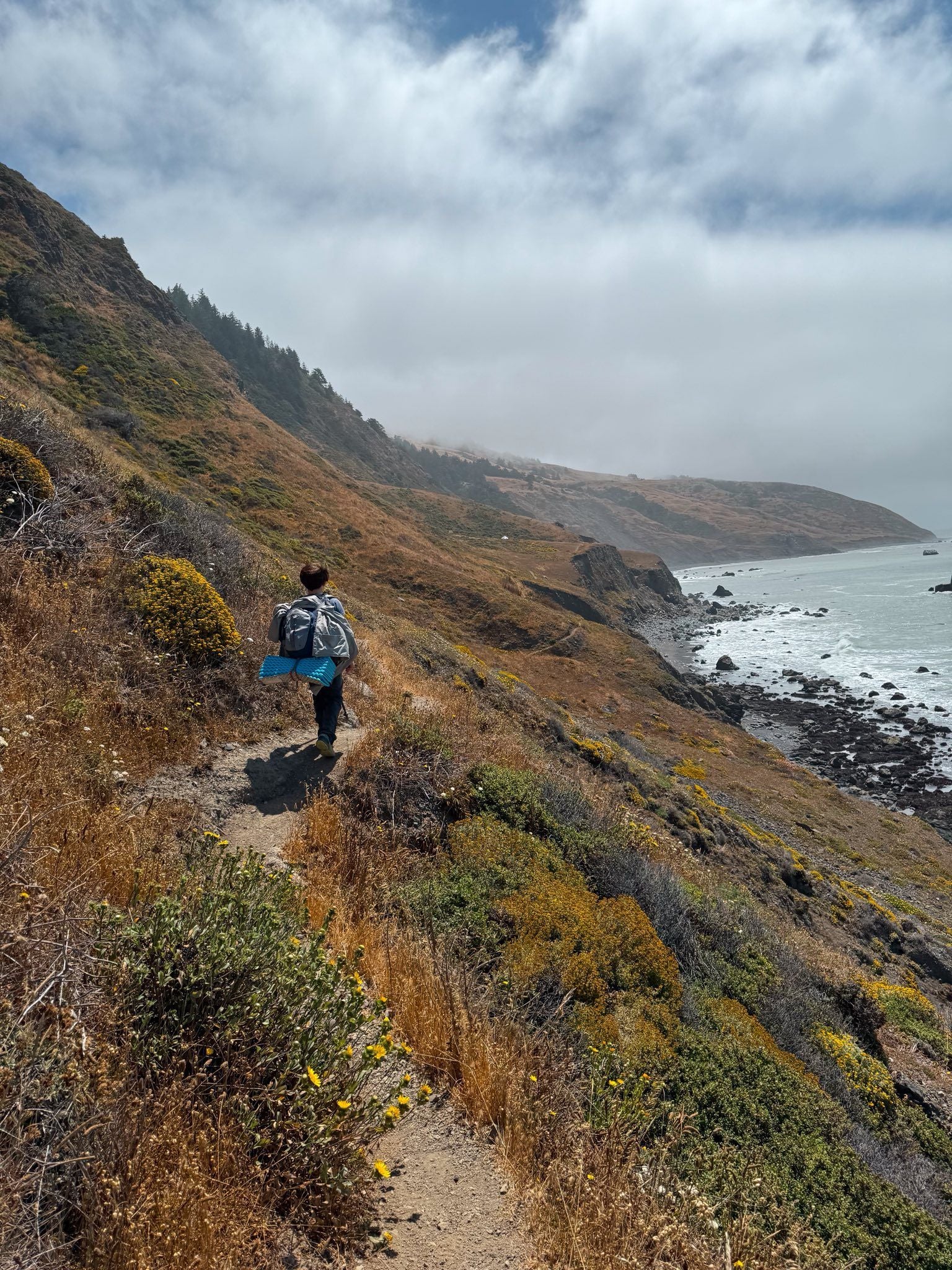
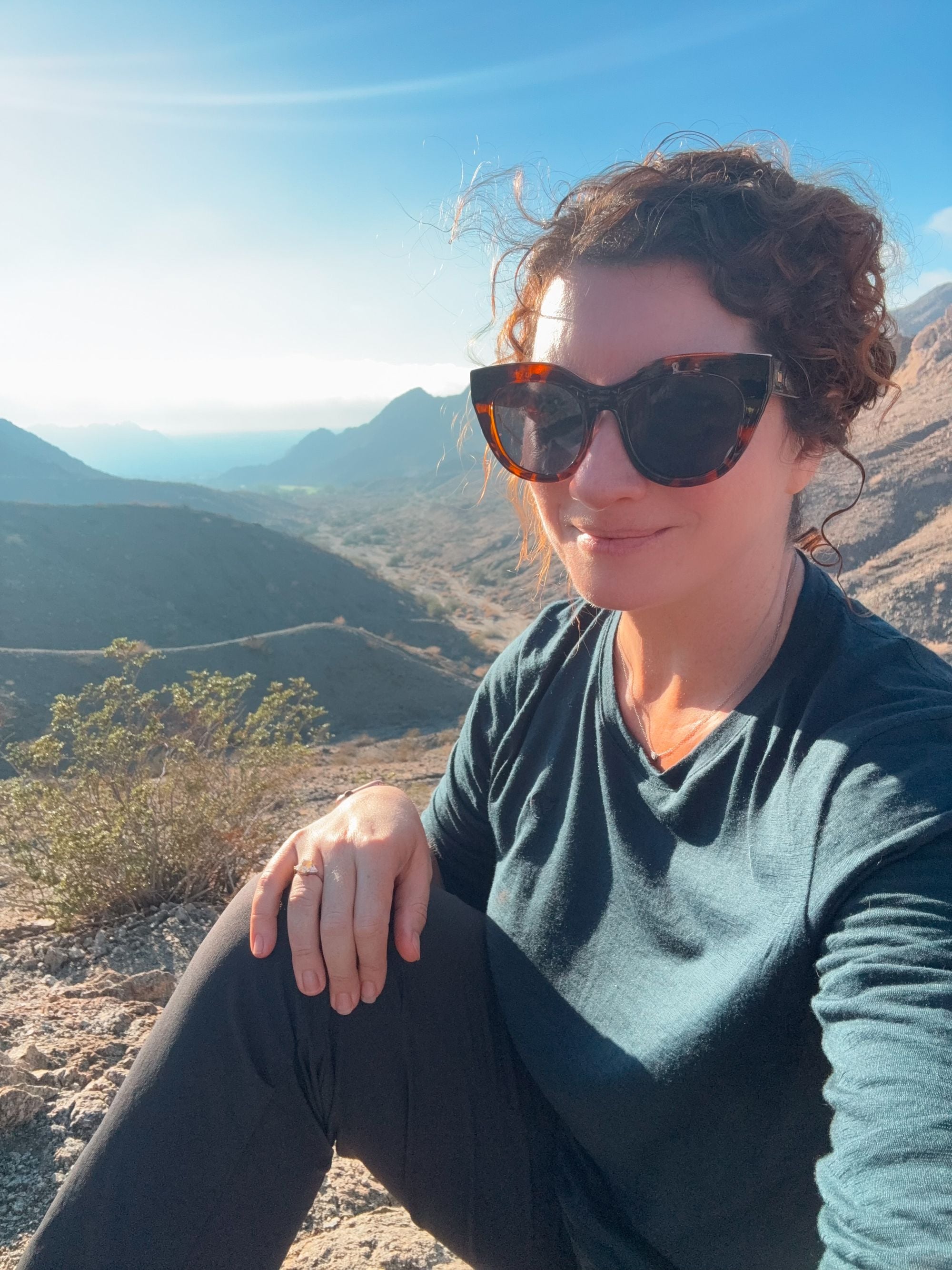
Even the hikes that weren’t so dramatic were rejuvenating. The rhythm of boots on dirt, heart pumping at a steady cadence, quieted the anxiety I’d been carrying around. I climbed until the trail opened onto a ridge, stood still to catch my breath, and looked out over the wonder below. The world felt wide again.
My life felt wider too. When I quit drinking, my fear was that sobriety would make my days smaller. I worried that dinners out would feel awkward or that celebrations would be muted. I expected to be lonely with no adventure on the horizon. I’d lose access to joy.
Hiking also gave me structure, which became the scaffolding I built my sober life upon.
It turned out to be the opposite. Outside, nobody cared whether I drank or not, and the trail didn’t ask anything of me. Rather, the land was generous, offering hillsides carpeted with wildflowers, natural pools and flocks of quail, one peak after another.
The outdoors deepened my community too. My casual acquaintances became sweat-and-blister friendships, and they proved it. On one hike, a friend slipped and fell, breaking her arm. We rallied to support her, crafting a splint with a hoodie and inching forward until we got her out of the desert and to a hospital.
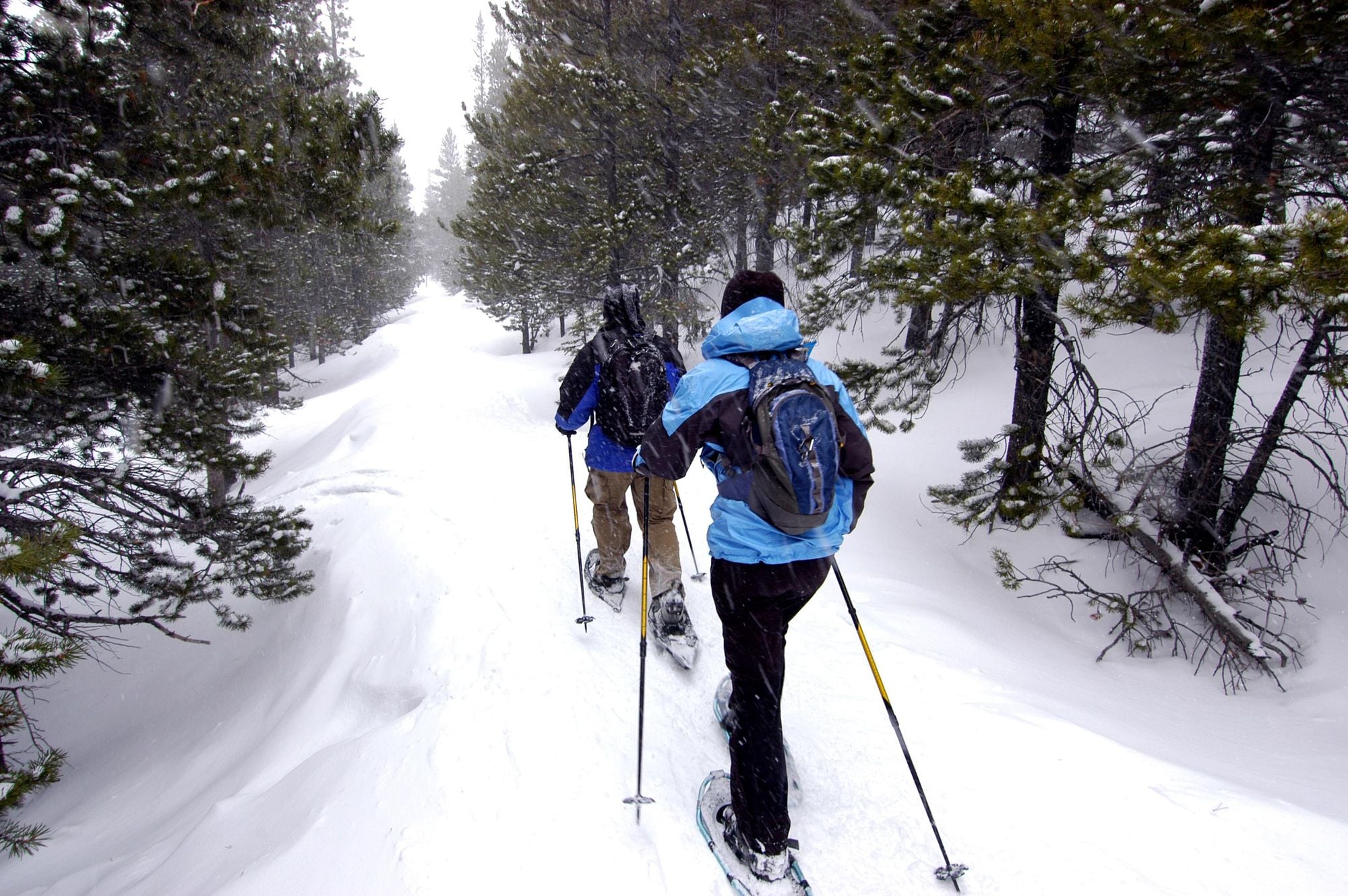
Hiking also gave me structure, which became the scaffolding I built my sober life upon: A trek on the calendar. A trailhead at the end of a dirt road. A reason to get out of bed and lace up my boots. Without the background noise from alcohol, my curiosity crept back in. I tried things I’d filed away under “Someday,” like snowshoeing, skiing, ballet, cold plunges, caving. Each attempt felt like opening a small door that had been stuck shut for years.
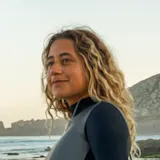
Around that time, Heidi mentioned climbing Mount Kilimanjaro. A few years earlier, I would have dismissed the idea immediately. It sounded like something other people did. I certainly wasn’t the kind of person who would fly around the world to climb mountains.
Or was I? I surprised myself by agreeing to go.
I trained with steep hikes, sometimes tossing barbells into my backpack for extra weight. I cross-trained on my bike and practiced yoga. I booked a flight to Tanzania.
Sitting at Barafu Camp with a “mojito” in my hands, it struck me again how unlikely the whole journey had been. A decision that felt small at the time — not drinking one night — rippled outward in ways I never could have predicted.
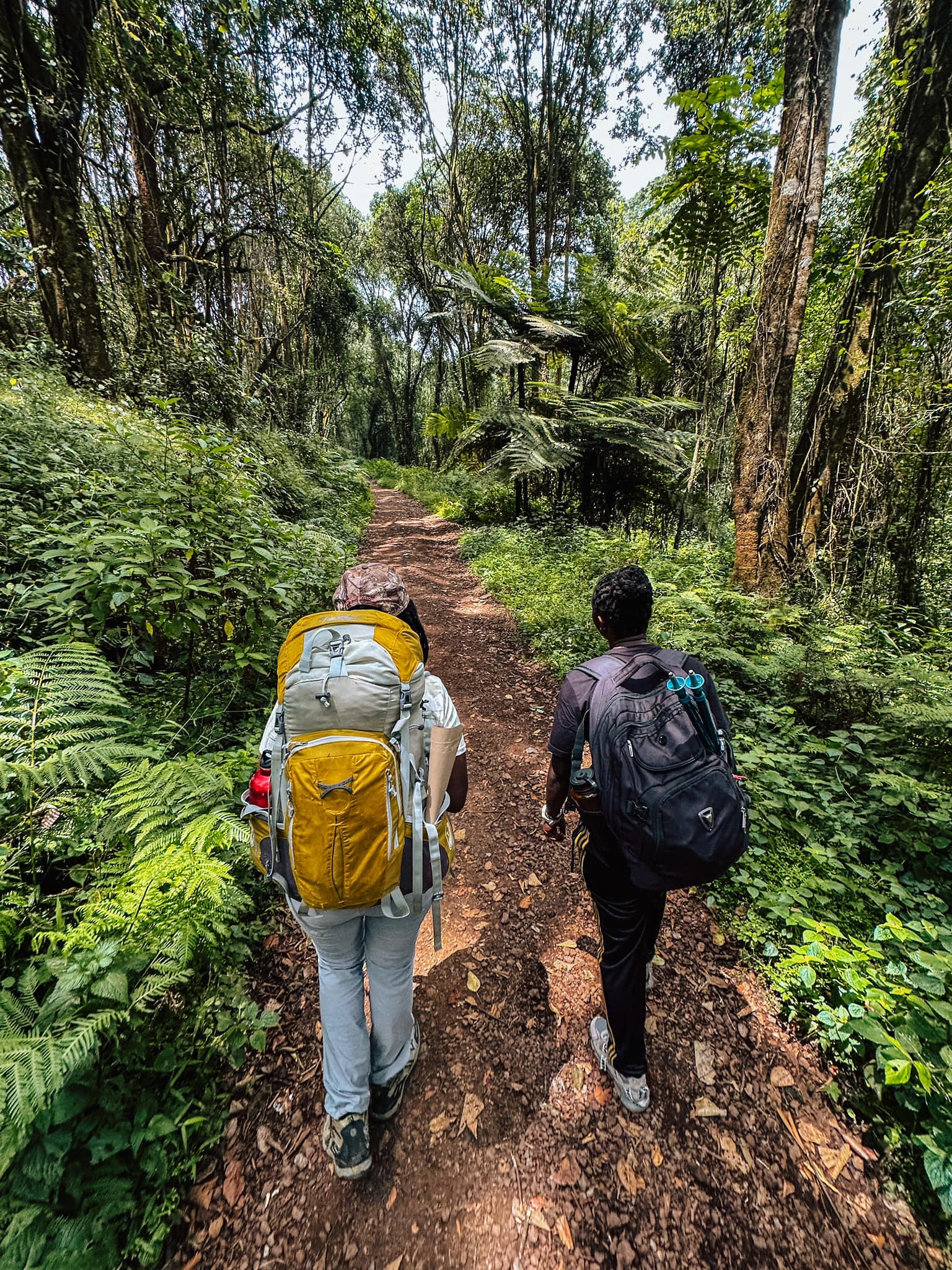
Around midnight we clipped on our headlamps and stepped out into the dark. The trail climbed immediately. A thin line of lights stretched ahead of us, zigzagging across the slope like a constellation. The guides set a deliberate pace: pole pole, slowly, slowly.
The mountain was silent except for the crunch of boots and my own heartbeat.
At that high altitude, the goal wasn’t to rush. Just to keep moving. One step at a time. Then another.
Much Better Adventures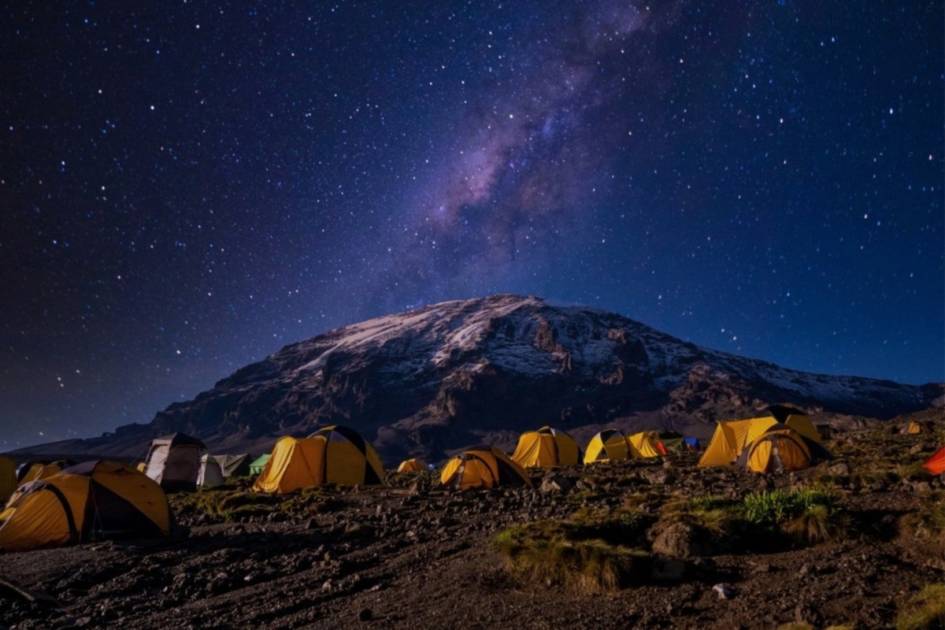
The night felt enormous. The mountain was silent except for the crunch of boots and my own heartbeat. Hours passed this way, the trail rising steadily toward the sky. I listened to Beastie Boys on my headphones and hallucinated a bit from the lack of sleep (turns out there’s not a hot cocoa stand at the top of Kilimanjaro).
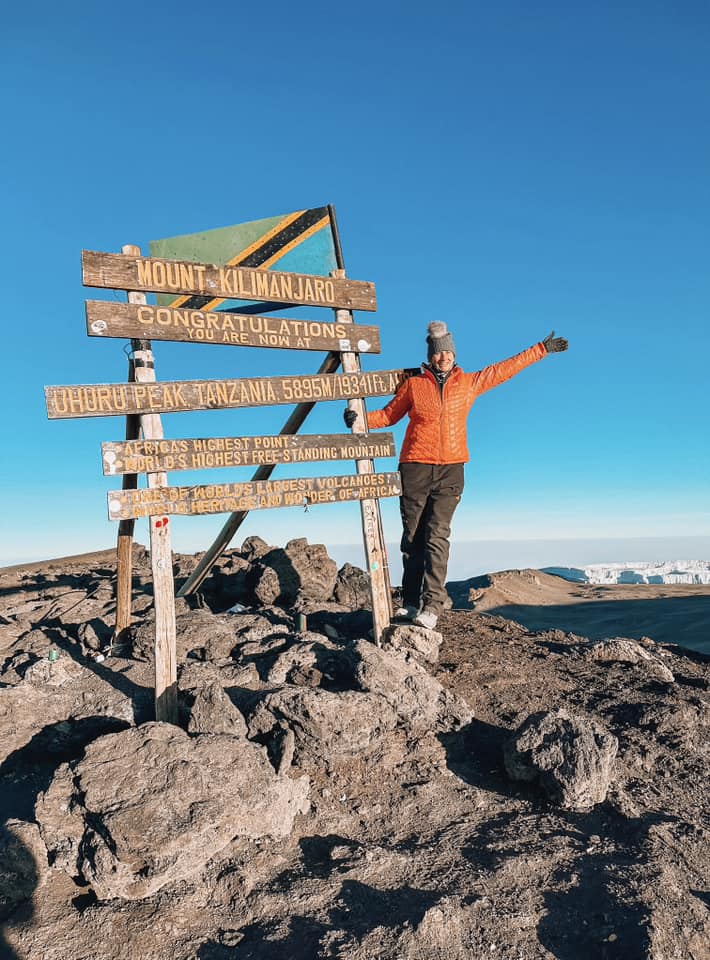
We had just arrived at the summit when a pale line of light appeared along the horizon. The sky shifted from black to deep blue. Suddenly the sun broke free. We were standing on the rooftop of Africa, and everything was brushed with gold. The tears of joy froze to my face.
Inspired? Check out our adventure holidays on Mount Kilimanjaro!