

Do you need a guide to climb Kilimanjaro? Yes, and not because it's recommended, but because Tanzanian law requires it. This has been the case since 1991, when the Kilimanjaro National Park Authority (KINAPA) introduced rules that required anyone climbing the mountain to have a minimum support team consisting of - at the very least - a certified lead guide, an assistant guide, a cook and porters.
Since 1991, independent trekkers have not been allowed on Kilimanjaro.
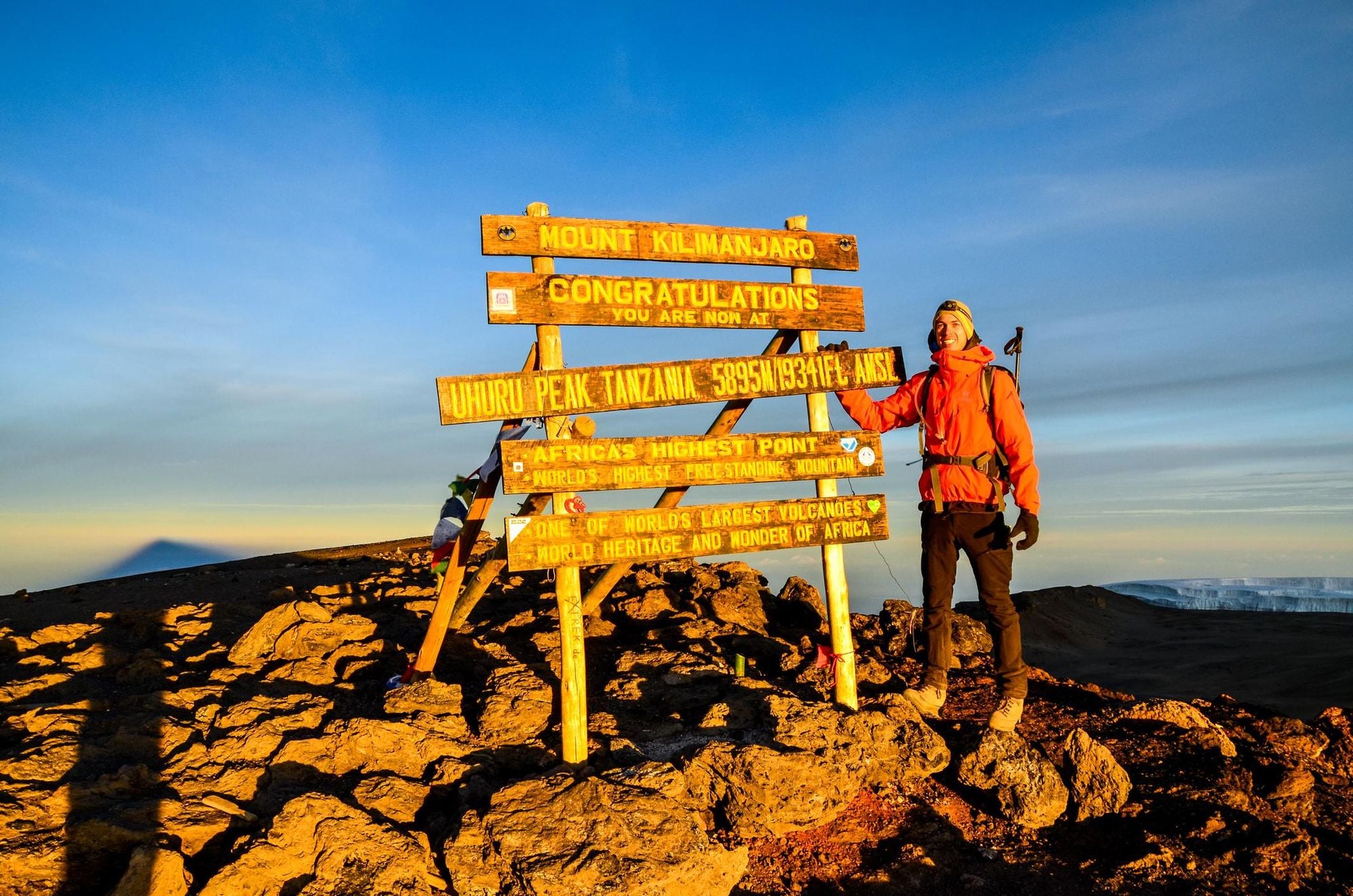
Climbing Kilimanjaro is a serious feat. The mountain is 5,895m (19,341ft) high, and these rules are designed to keep climbers safe.

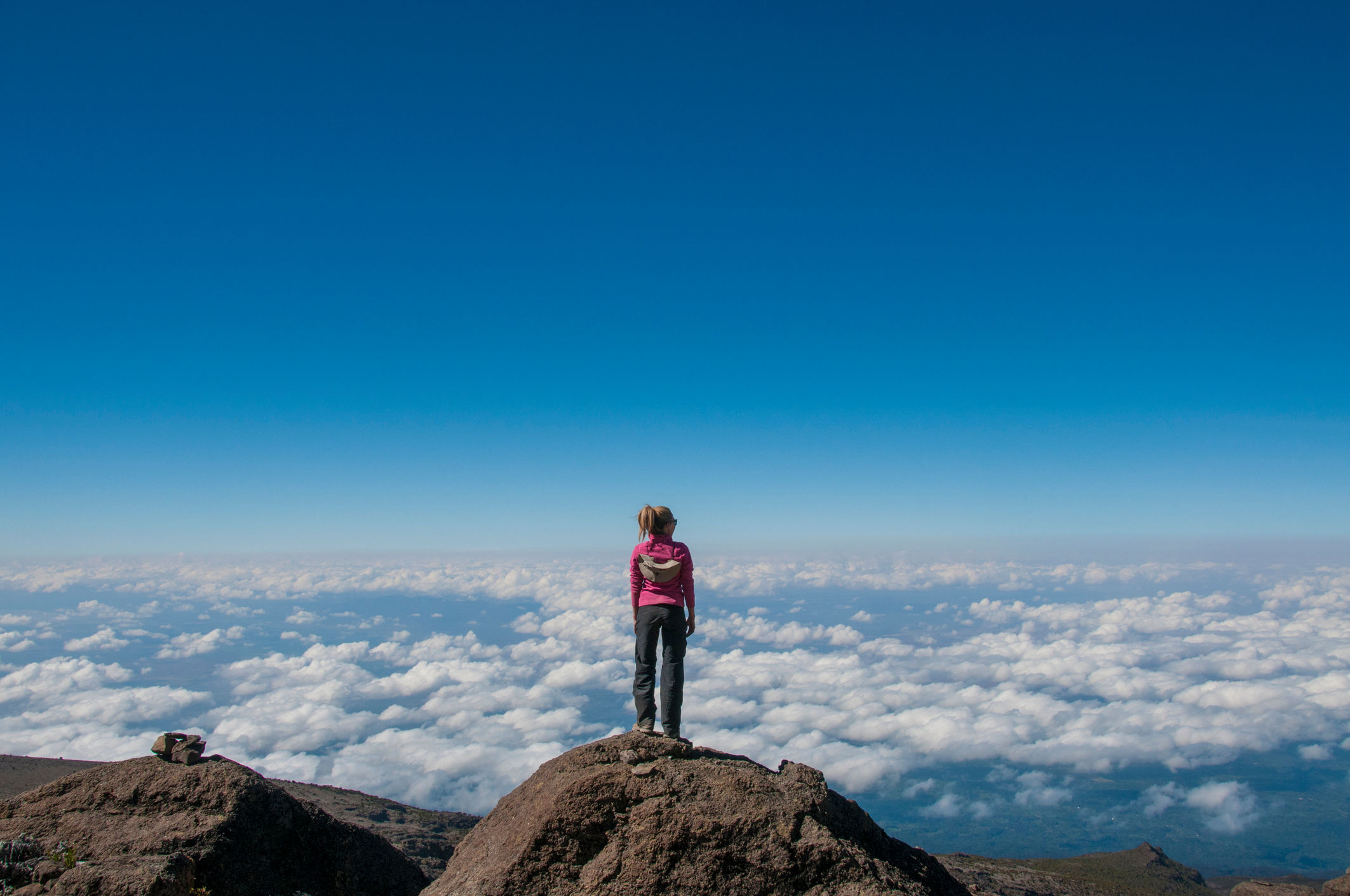
There are rangers on the mountain, and if you attempt to climb Kili solo, you will be expelled from the national park and face severe financial fines. You could have gear confiscated, and even be deported and denied future entry to Tanzania. When you climb Kilimanjaro, you have to register with KINAPA before going, and sign in to each camp along the way. Wild camping is forbidden.
With that in mind, the real question isn’t guided vs. independent on Kilimanjaro. Rather, it’s what operator to go with, and how to choose the right route and trip for you? We’ll also have a detailed look at why, exactly, these strict rules exist.
Guided vs "independent" Kilimanjaro: an honest comparison
There is no comparison to be made here, since hikers are not permitted to climb Kilimanjaro alone. So instead, we'll explore how to choose the right operator, and detail what a good guide is able to add to your experience on Mount Kilimanjaro.
Why the Rules Exist: Guiding on the Mountain, and the Essential Kili Team
These rules were introduced for the safety of hikers, to protect the environment which has a strict “leave no trace” policy, and to benefit the local economy.
Climbing Mount Kilimanjaro is achievable, but it is extremely challenging. One of the biggest challenges along the way is dealing with the altitude - something that low-level hiking training nor general fitness conditioning can help you with.
The fatality rates on Kilimanjaro are extremely low, but that is (at least in part) down to these rules, and to the expert teams of guides keeping people safe on the mountain and descending with them if they are struggling.
Much Better Adventures
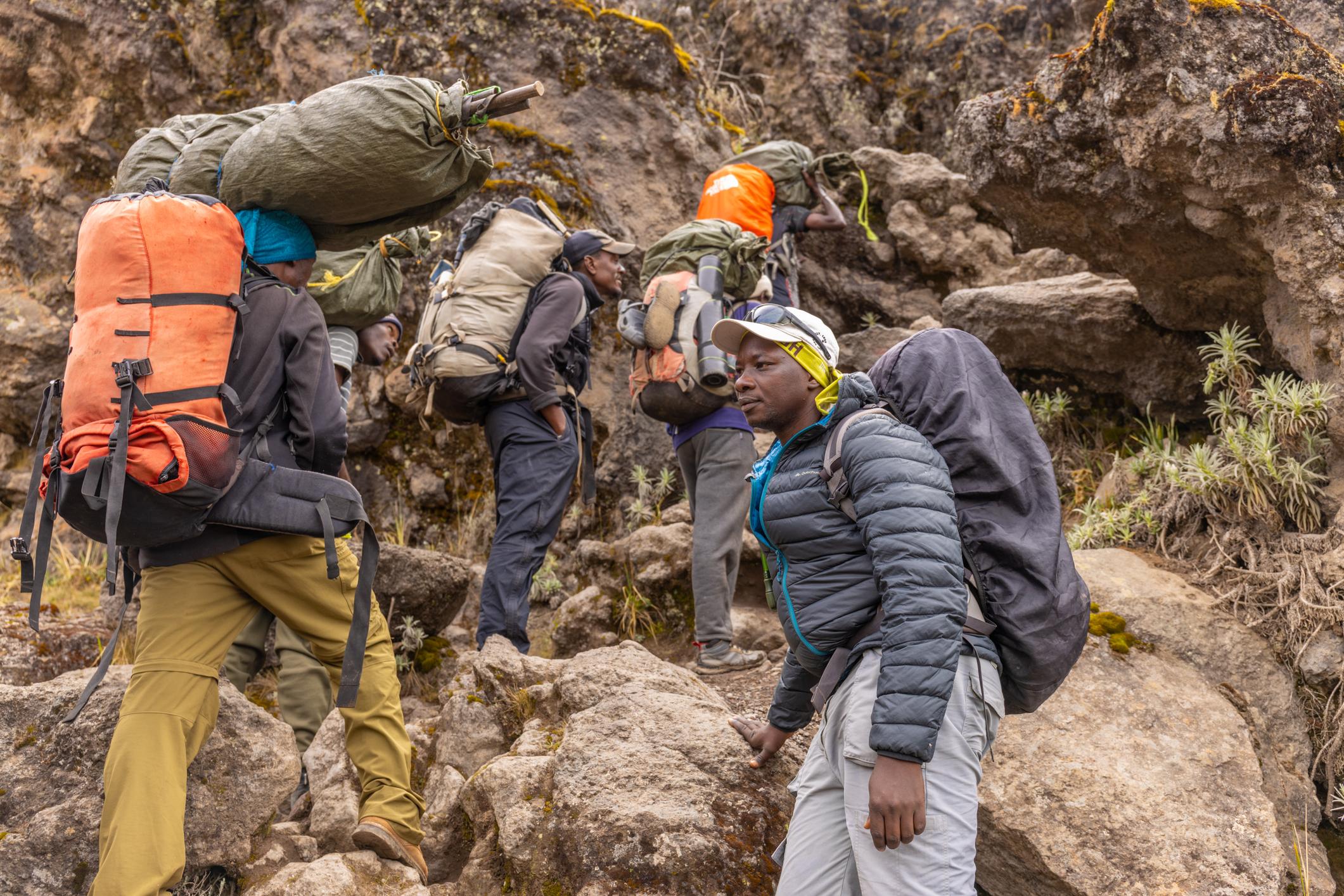
You are legally required to hike with the following team on Kilimanjaro:
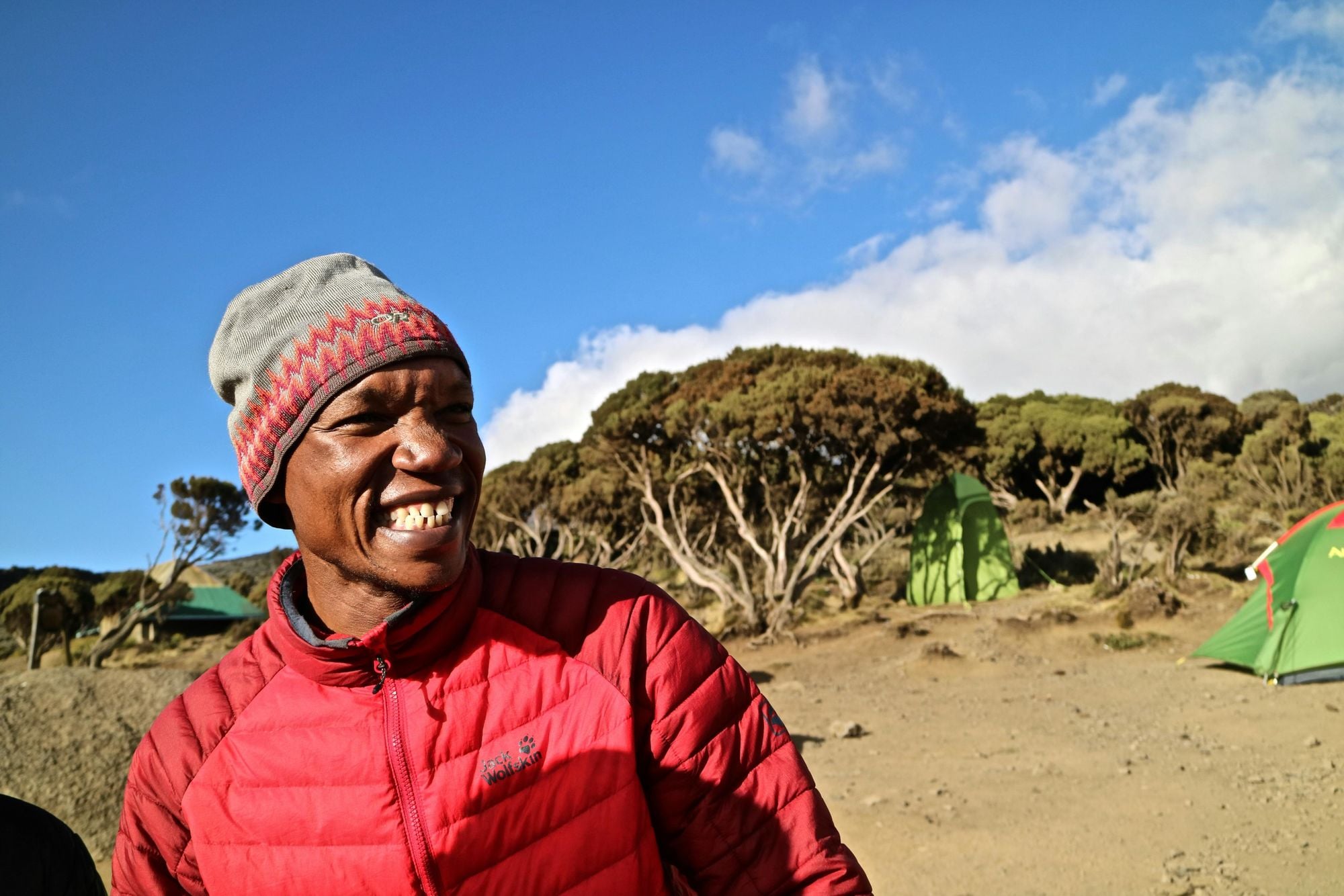
- Lead guide: Your lead guide is responsible for the overall safety and success of your climb. They will check in on you regarding altitude, carry emergency oxygen (which you must descend if you use), and coordinate evacuations if needed. They will set the pace on summit night, manage the porter team and navigate on the mountain. Additionally, of course, they’ll bring the place to life - telling you all about the fauna and flora en route.
- Assistant guide: Supporting the lead guide and keeping an eye on the climbers, the assistant guide typically sweeps at the back of the group, providing an extra layer of safety monitoring and helping trekker ascend the mountain. They are also an additional source of information.
- Cook: Responsible for preparing hot, nutritious meals and drinks on the climb, your cooks will also be climbing Kilimanjaro. Staying properly fueled is a key part of acclimatisation and keeping your energy levels up.
- Porters: Carrying the bulk of your equipment, your impressive porter team will haul your tents, food, cooking gear and group kit up the mountain. There is a welfare recommendation that porters don’t carry more than 20kg of group gear. Porters move faster than the group, in order to have things set up by the time the group gets there. How an operator treats their porters is a good indication of whether they are a responsible operator.
The benefits of booking through an operator also go beyond this, to sorting out:
- Your permits for the climb
- Your park logistics and fees
- Equipment such as tents
- Accommodation either side of the Kilimanjaro climb
- Transfers
- Group briefings
- Emergency expertise
- Booking platform and logistics etc.
A licensed guide will help you get the most out of your climb on Kilimanjaro and ensure you stay safe - providing advice if you feel acute mountain sickness or other ailments, and giving you the best chance of reaching the summit.
Generally speaking across all operators, the summit success rates on Kilimanjaro sits at 65%, but because of good guiding and preparation (both from guides and our customers), the summit success rates for Much Better Adventures climbs on Kilimanjaro are much higher; around the 95% mark.
What Makes a Good Guide on Mount Kilimanjaro?
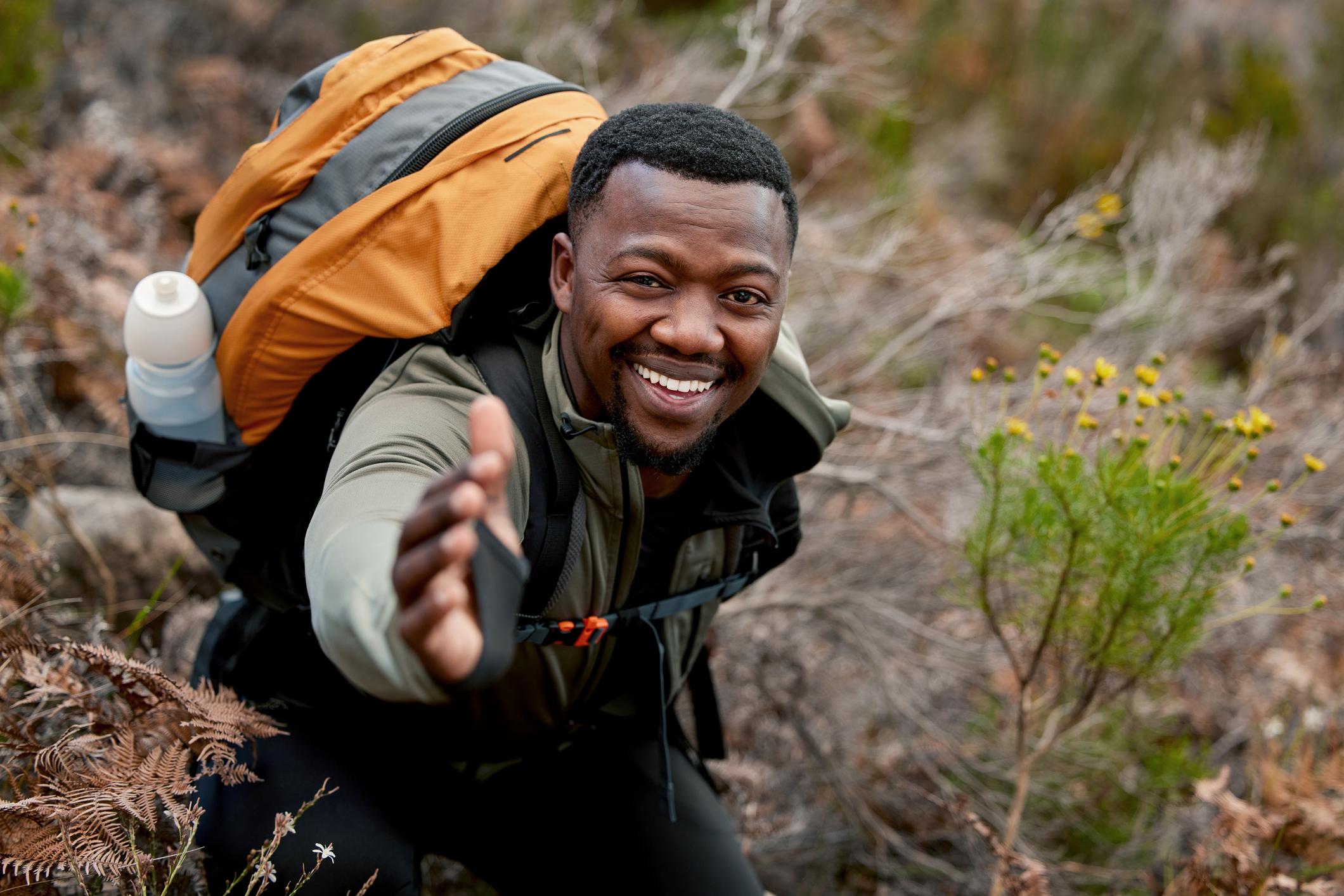
A good guide on Mount Kilimanjaro is primarily there for your safety. Your guide will watch you as you trek and get to know you as well, so they’re able to keep you safe. Jim Eite is a former Kilimanjaro guide with more than 50 summits.
"You understood the poeple and they also understood you."
“To me it was about getting to know people,” says Jim. “Everybody was going for different reasons. Some people wanted to walk, some people did it for charity, but a good guide always got to know the clients on the first couple of days because then you could read how they were feeling when you got closer to the summit. I always made sure that over the first two days, I had a good period of time walking with everybody individually, getting to understand why they'd come to Kili, understand a little bit about them, how they'd slept, whether they were eating etc.
Much Better Adventures
“You had to build those relationships, so that when you got to the tougher end of the trip and to summit day, you understood the people and they also understood you - and would listen to you when you said 'you need to do this now’ because you'd built up that relationship already.”
Of course, your guide will also be able to tell you about the five distinct ecological zones as you the climb up the mountain - the cultivation zone, the montane forest zone, the heather and moorland zone, the alpine desert and the Arctic summit. They'll bring the walk to life with stories and information.
Not All Guided Climbs Are Equal: Choosing a Safe, Ethical Adventure on Kilimanjaro
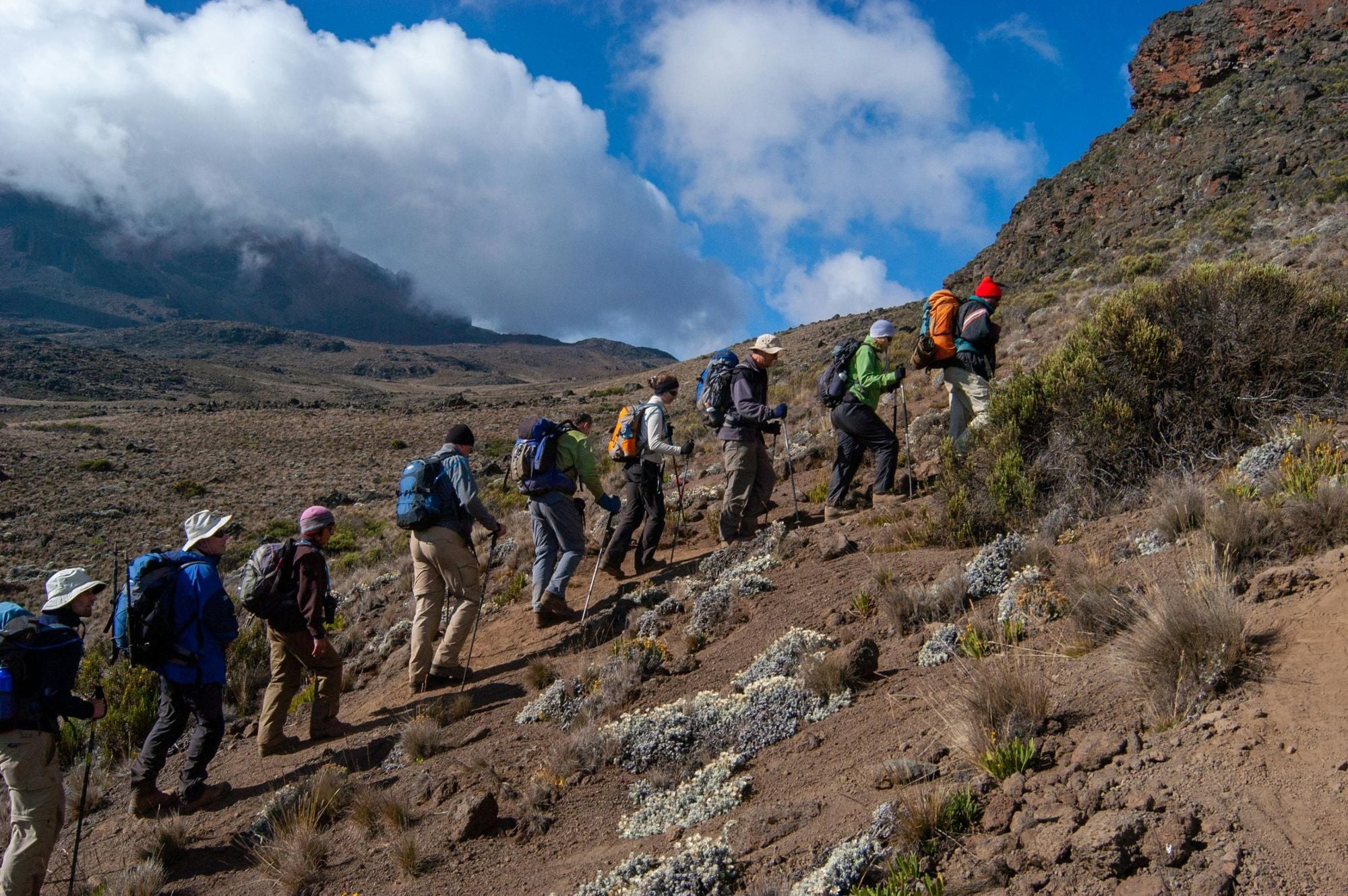
Deciding to climb Mount Kilimanjaro opens the door to a lot of other questions.
There are various different routes to choose from on Mount Kilimanjaro, for starters. There are different levels of service that you will get on the way, too. Some operators use better tents than others, while some include accommodation in nearby towns before and after the climb, and some don’t.
Ask if the porters on your trip are being treated properly.
If you choose a shorter itinerary, you will pay less in park fees as you’re on the mountain for less time, but your summit chances could go substantially down as a result - as you have less time to acclimatise.
Much Better Adventures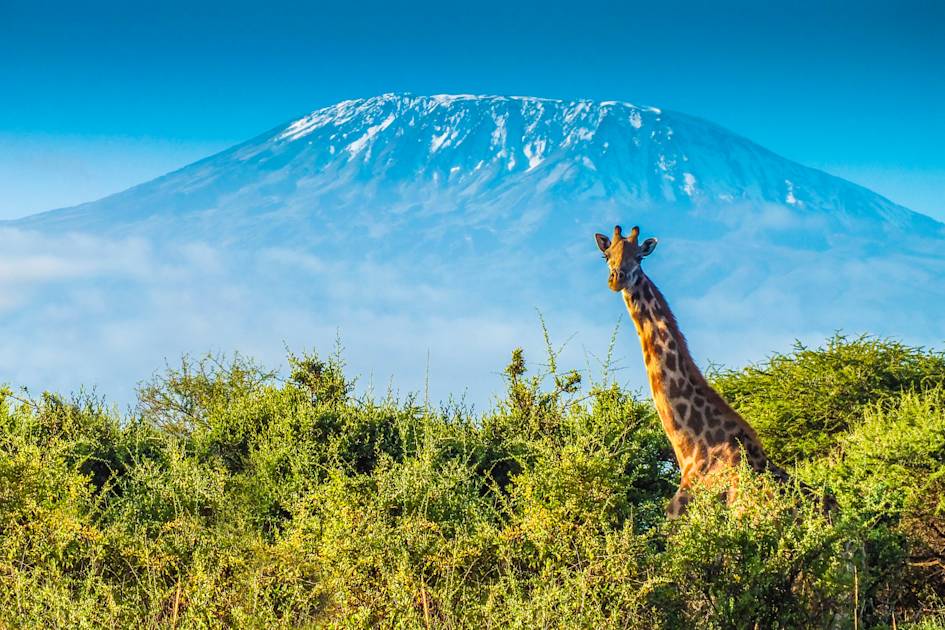
We’ve done a full breakdown of the costs of climbing Kilimanjaro elsewhere, comparing prices and what they mean for your experience. Key differentiators you should look for before booking a guided Kilimanjaro climb include:
- Porter welfare: Ask if the porters on your trip are being treated properly. Operators should have a readable policy in their FAQs or elsewhere which confirms that porters are being paid fairly and treated well - meaning they have maximum weight-loads they can carry. Porters should be provided with three meals a day, have proper shelter, sleeping and hiking equipment, and their salaries should be paid promptly after each climb.
- Guide numbers: There should be an appropriate guide-to-climber ratio. The cheaper the hike, the more likely it is you’ll have a large group (13-20 climbers), and not enough guides to give everyone on that hike the attention they need and deserve. You don't want your guides spread thin.
- Guide training: Are the guides on your trip certified First Aid Responders and CPR trained, and do they have the appropriate experience?
- Success rate and route choice: Longer routes may cost more, as you will pay more park fees for the more days you’re on the mountain (as well as food, wages etc.), but shorter routes have worse success rates, as there is less time for hikers to acclimatise - leading more people to abandon.
- Sleeping and toilet conditions: What tents are being used on the trip, and is a portable toilet being carried?
- Park fees: Are park fees included in the price that you’re seeing?
Why are Cheap Kilimanjaro Climbs Risky?
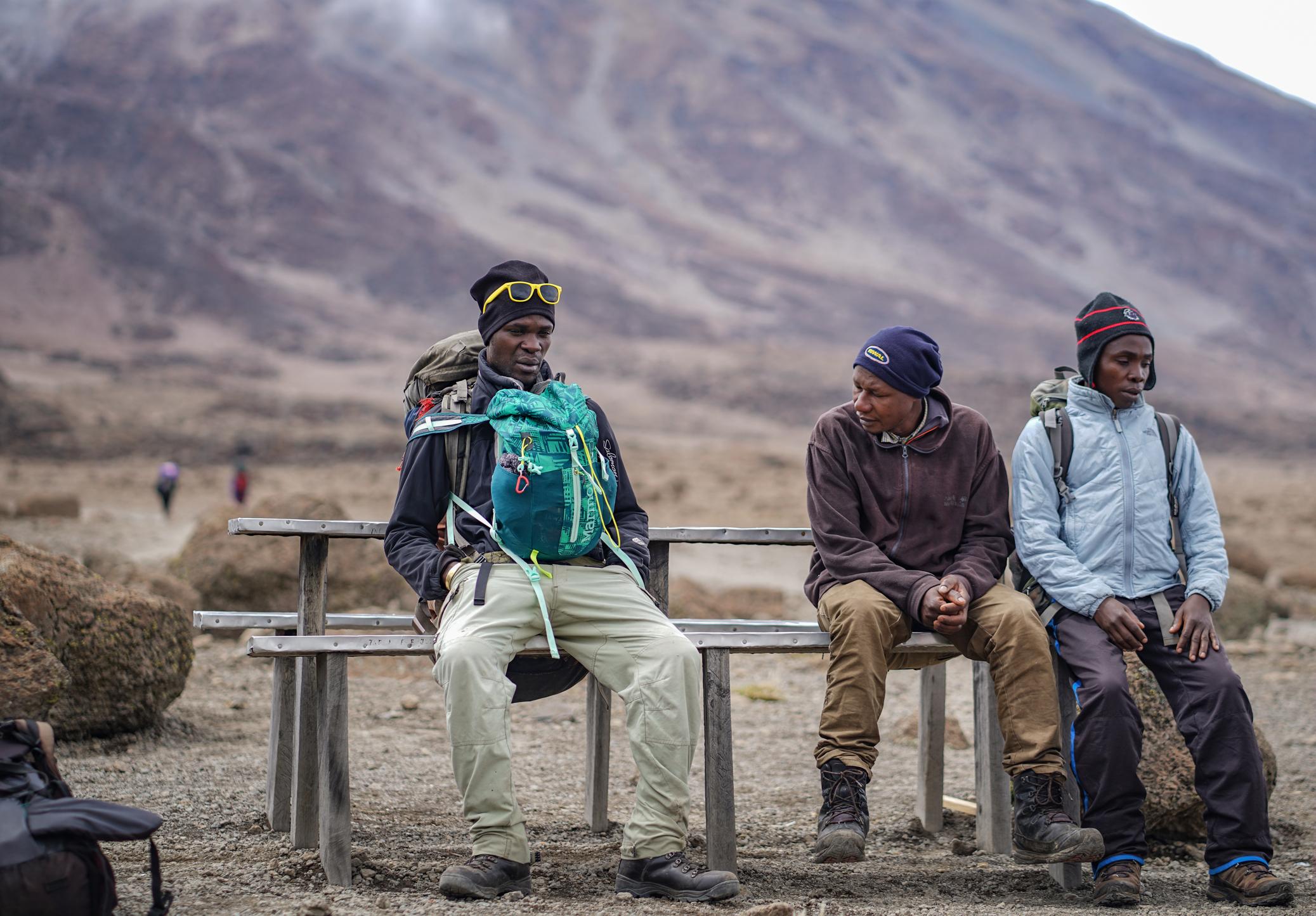
Cheap Kilimanjaro climbs raise questions. The park fees on Kilimanjaro make up the bulk of the climb - are there is no way to get away from paying them - so you should ask, if a price is unusually cheap, what is being sacrificed? You want to make sure that it’s not porter welfare or wages or emergency medical supplies.
The most common reason for a Kilimanjaro climb to be cheaper is for it to be a shorter itinerary. Spending less time on the mountain means paying fewer park fees, fewer crew wages and there is less food and drink to account for. The trade off, as aforementioned, is that the less time you spend on the mountain, the lower your chances are of making it to the summit. More days means more acclimatisation, so the longer the itinerary, the better the chance of success.
How to Choose Your Kilimanjaro operator: a Checklist
- Group size: Does the operator have a group size limit?
- Route: Do they sell the Kilimanjaro route that suits you best?
- Day count: Is the operator rushing itineraries or pacing for success?
- Guides: How many guides will be on your trip?
- Park fees: Are they included in the advertised price?
- Porter welfare: Does the operator have a porter welfare policy?
- Medical: Do they carry emergency oxygen, to be used if descending?
- Summit rate: What is the average summit rate for a climber?
- Pre-and-post climb: Do they supply accommodation post and pre climb?
Much Better Adventures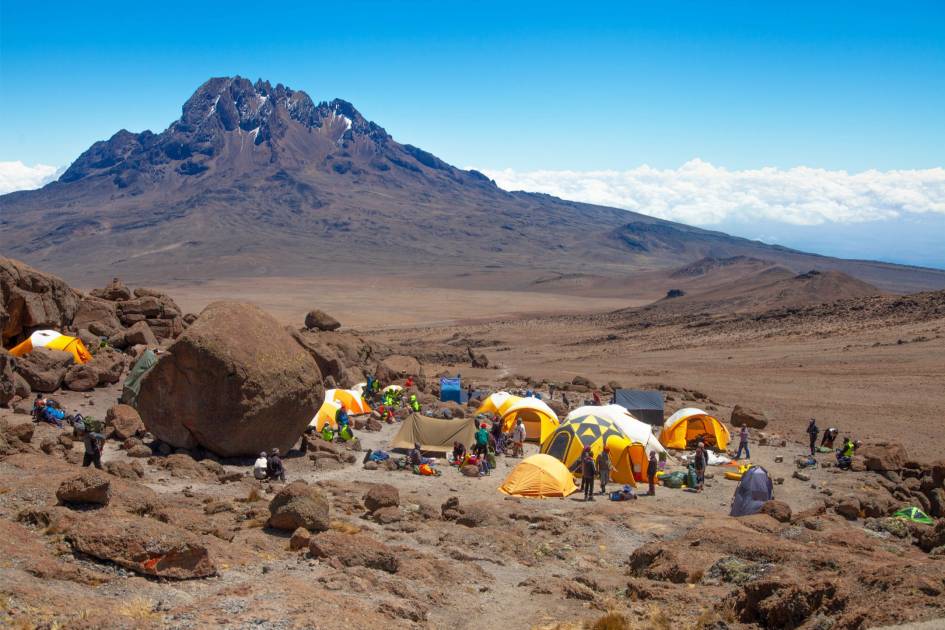
Do be sure to browse our full range of adventures on Mount Kilimanjaro. We have trips available to book on the Rongai, Lemosho and Machame routes.
FAQs
Can a beginner climb Kilimanjaro?
It's possible, yes. Kilimanjaro is not an easy climb by any means, but it an achievable goal for hikers with no technical climbing or trekking experience. Ultimately, it is a multi-day trek, not a "climb". The altitude is the biggest issue on Kilimanjaro, so strong fitness training, and perhaps choosing a longer route to allow for more acclimatisation, will improve your chances of summitting.
What's the fatality rate on Kilimanjaro?
KINAPA doesn't actually release specific figures on this, but the fatality rates are extremely low - estimated to be around 3-10 death per year from (again, roughly) 40,000 annual climbers. Most deaths can be attributed to altitude-related illness, and having a well-trained guide is a key safeguard against serious risk.
Is Kilimanjaro harder than Everest Base Camp?
Both of these treks are demanding. The walk to Everest Base Camp, which sits at 5,364m (17,598ft), has more total distance and back-to-back days of trekking, but the ascent of Kilimanjaro (5,895m/19,340ft) reaches a higher altitude, and ascends there faster, meaning altitude sickness can be more of an issue.
Can you climb Kilimanjaro without porters?
This is a firm no. The law in Tanzania requires all climbers to hire a team, which must include a certified lead guide, an assistant guide, a cook and porters. If you try and climb the mountain without them, you can be removed from the national park and heavily fined.
How much does a guided Kilimanjaro climb cost?
Expect to pay roughly $2,500-$3,500 (£1,900-£2,700) for a quality, professionally-organised climb on the mountain - depending on route, operator, group size, and itinerary length. Park fees alone make up a significant portion of the total cost. Be cautious of climbs cheaper than this. They often cut corners on porter welfare, itinerary length, or emergency medical equipment.
Inspired? Check out our full range of adventures on Kilimanjaro now!