

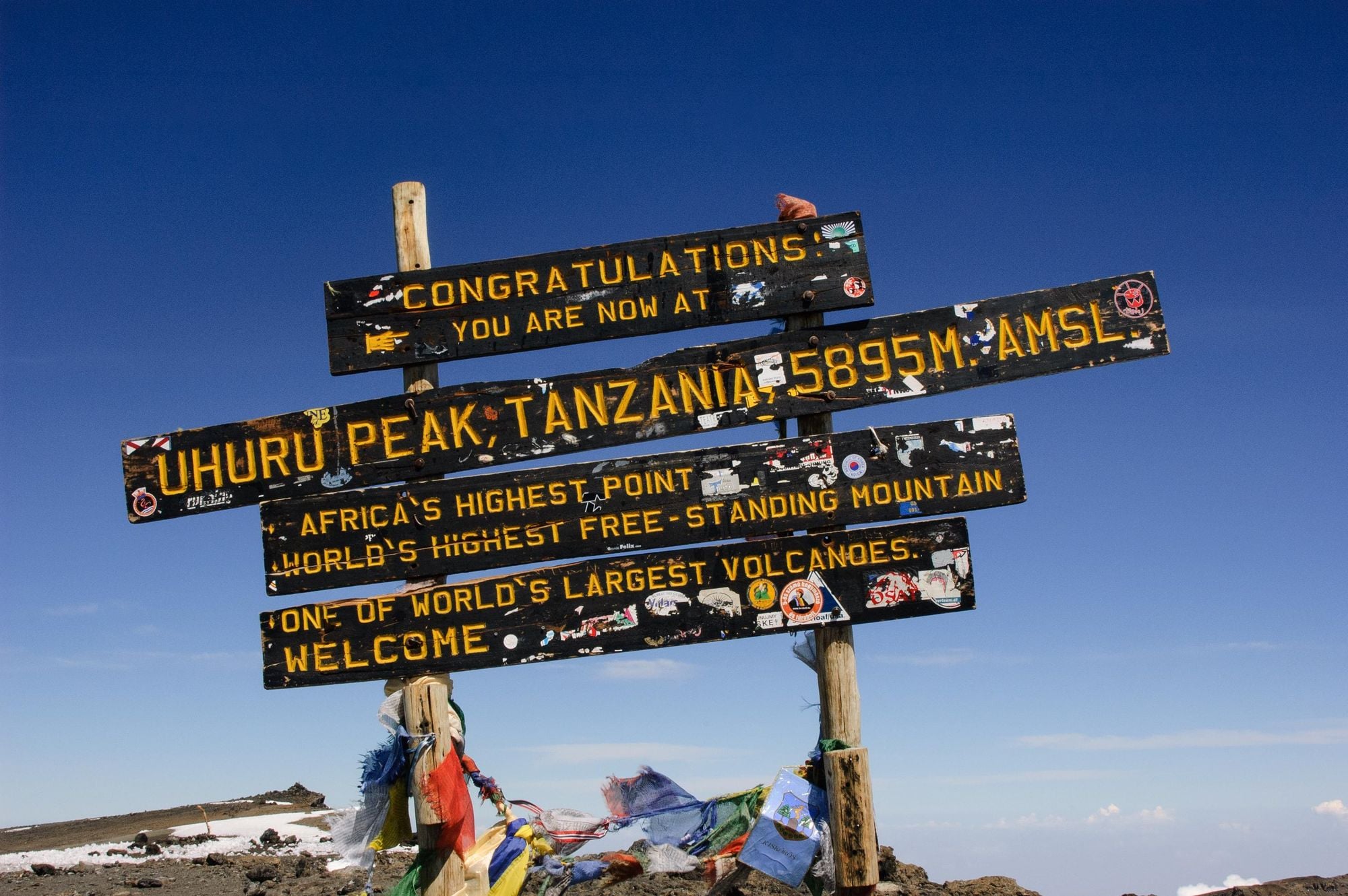
Mount Kilimanjaro is not a technical climb, but it is a genuinely hard one. At 5,895 metres high (19,341 feet), climbing Kilimanjaro is a serious test of fitness and mentality. Hikers will need to cope with extreme altitude over multiple days of trekking to reach the summit.
From the plains of Tanzania, Kilimanjaro looks impossibly large. A behemoth, dormant stratovolcano, it is composed of three distinct volcanic cones and is the fourth highest peak in the world in terms of topographical prominence. The snow-capped massif rises thousands of metres above the surrounding savannah. So big is this mountain that it has its own weather system, its own clouds and its own colds - something people often underestimate, particularly come nightfall.
Most people who reach the summit crater at Uhuru Peak are ordinary (often first-time) hikers without an abundance of hardcore, multi-day trekking experience. But while the climb is achievable, prior experience is always likely to increase your summit chances. And although the terrain won't stop you - the altitude might. The lack of oxygen high on the mountain sucks your energy away.
Suddenly that warmth from the sun comes over the horizon, and you can see the curvature of the Earth. It’s a special moment.
Still, there's a reason this climb is so popular.
“That feeling on the summit crater at sunrise and summit day can have an emotional element,” says Jim Eite, who guided on Kilimanjaro for four years and has more than 50 summits. “You’ve been walking through the night and suddenly that bit of warmth from the sun comes over the horizon, and you can see the curvature of the Earth. It’s a special moment.”

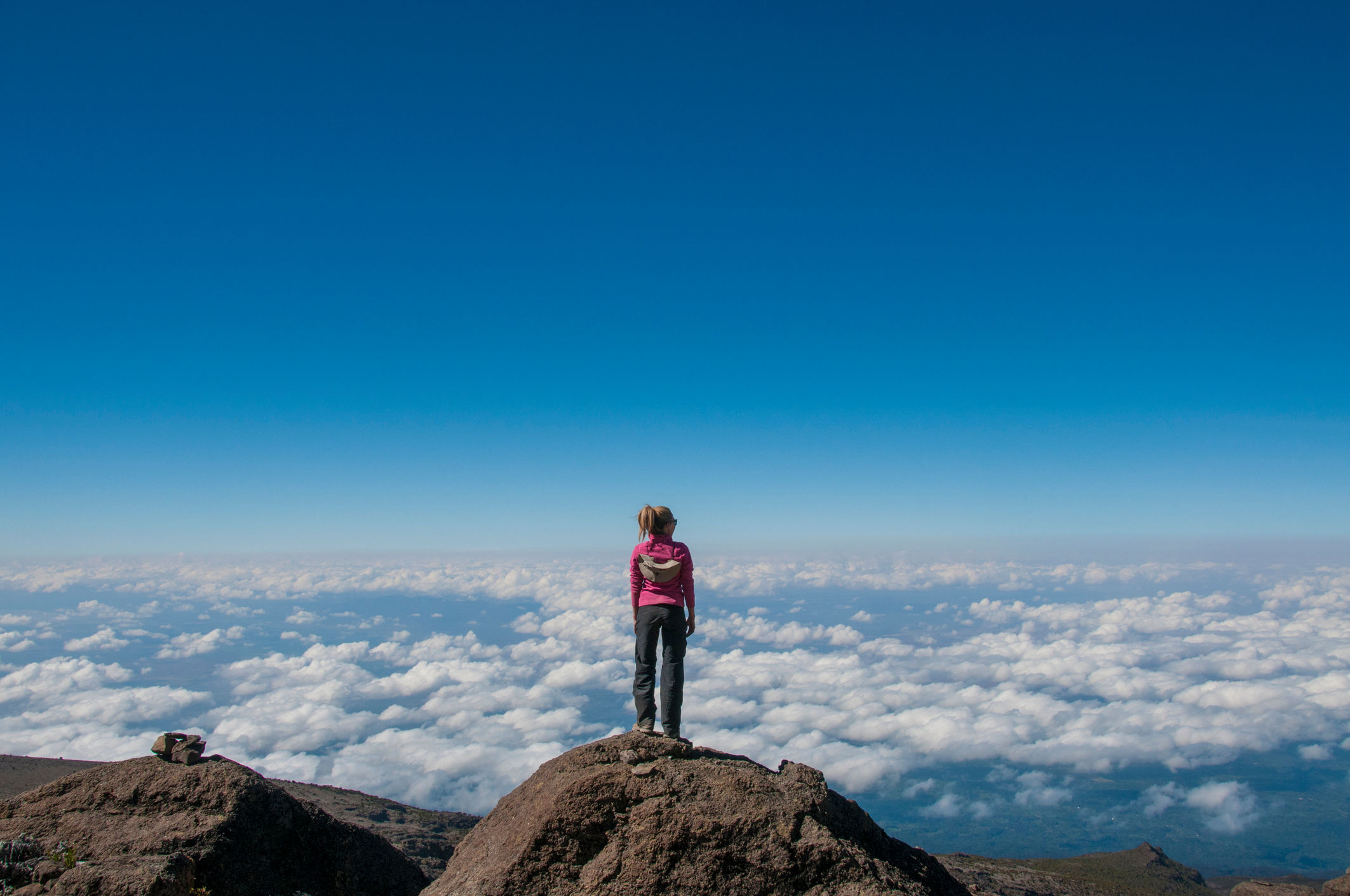
While you might not be able to prepare for the altitude, there are things you can do to maximise your chances of reaching the summit of this mighty mountain.
How Hard is Climbing Kilimanjaro, Really?
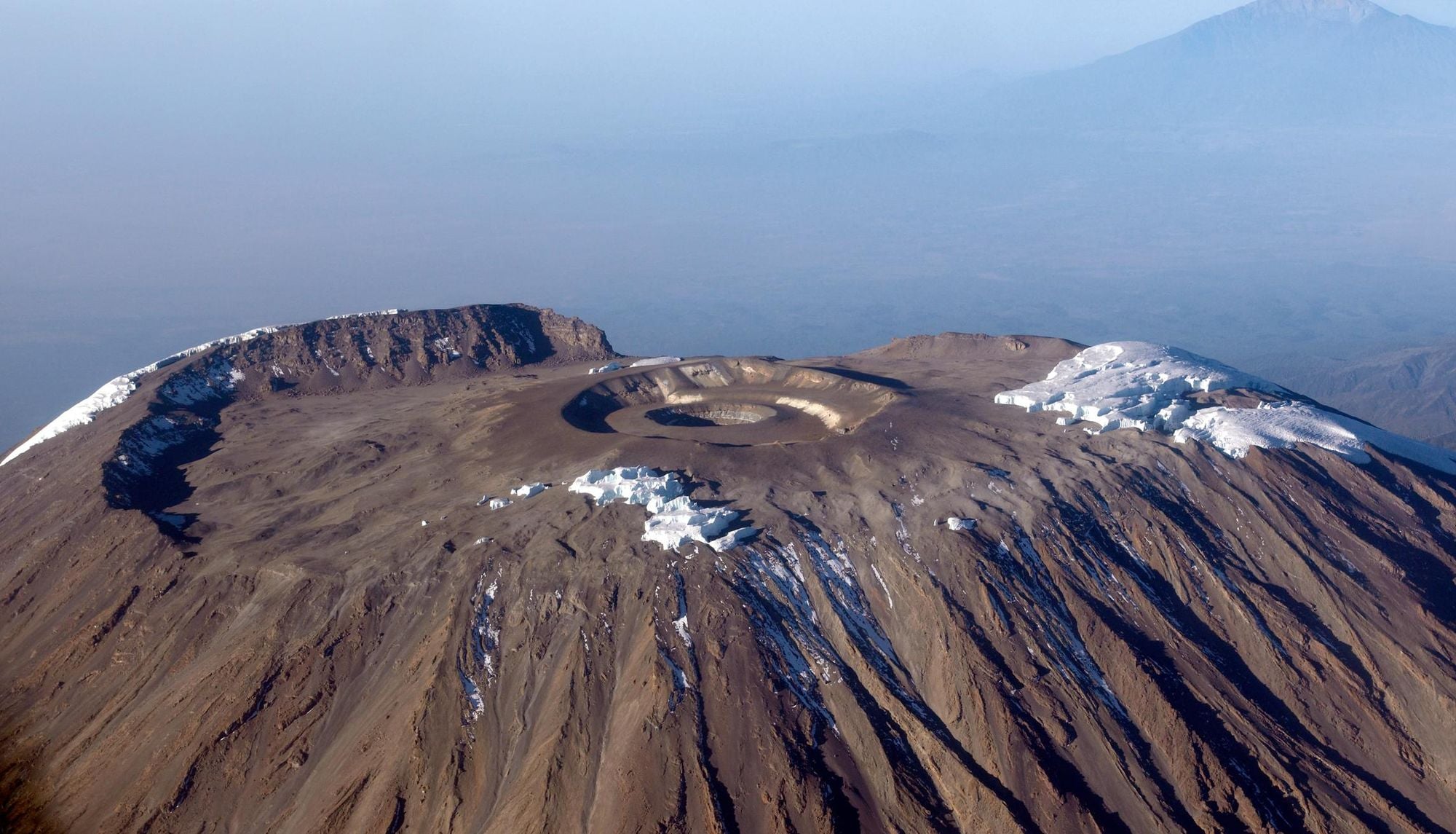
Climbing Mount Kilimanjaro is hard but achievable. Good fitness is required, and as with any mountain climb, you'll need to have weather conditions on your side.
Trekkers are not legally permitted to climb this iconic mountain without a guide. The Tanzanian government and Mount Kilimanjaro National Park (KINAPA) authorities long-since banned independent trekking on the mountain, and since 1991, all trekkers have been required to travel with a tour operator. The upshot of that is that you'll always have an expert with you.
Much Better Adventures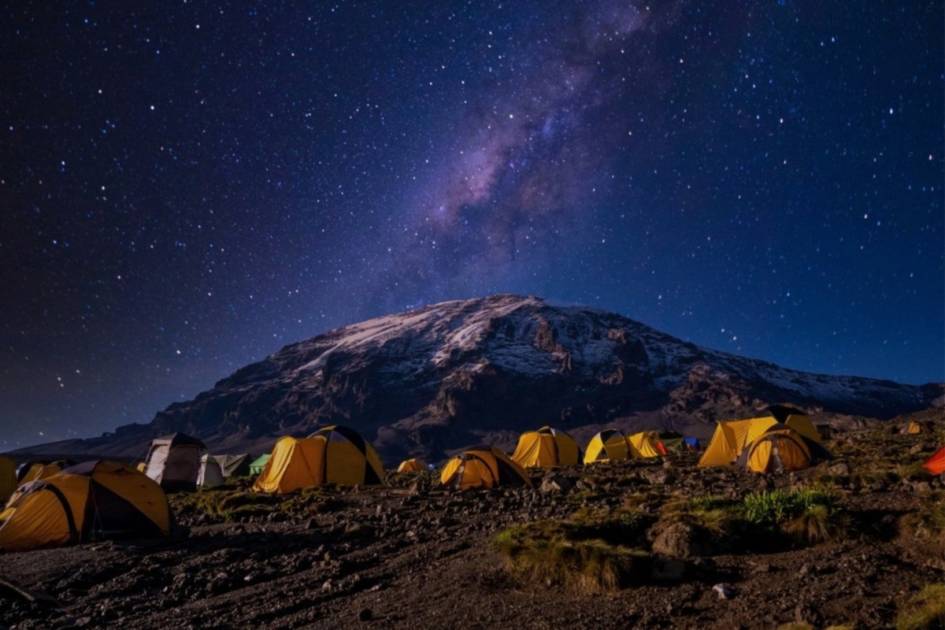
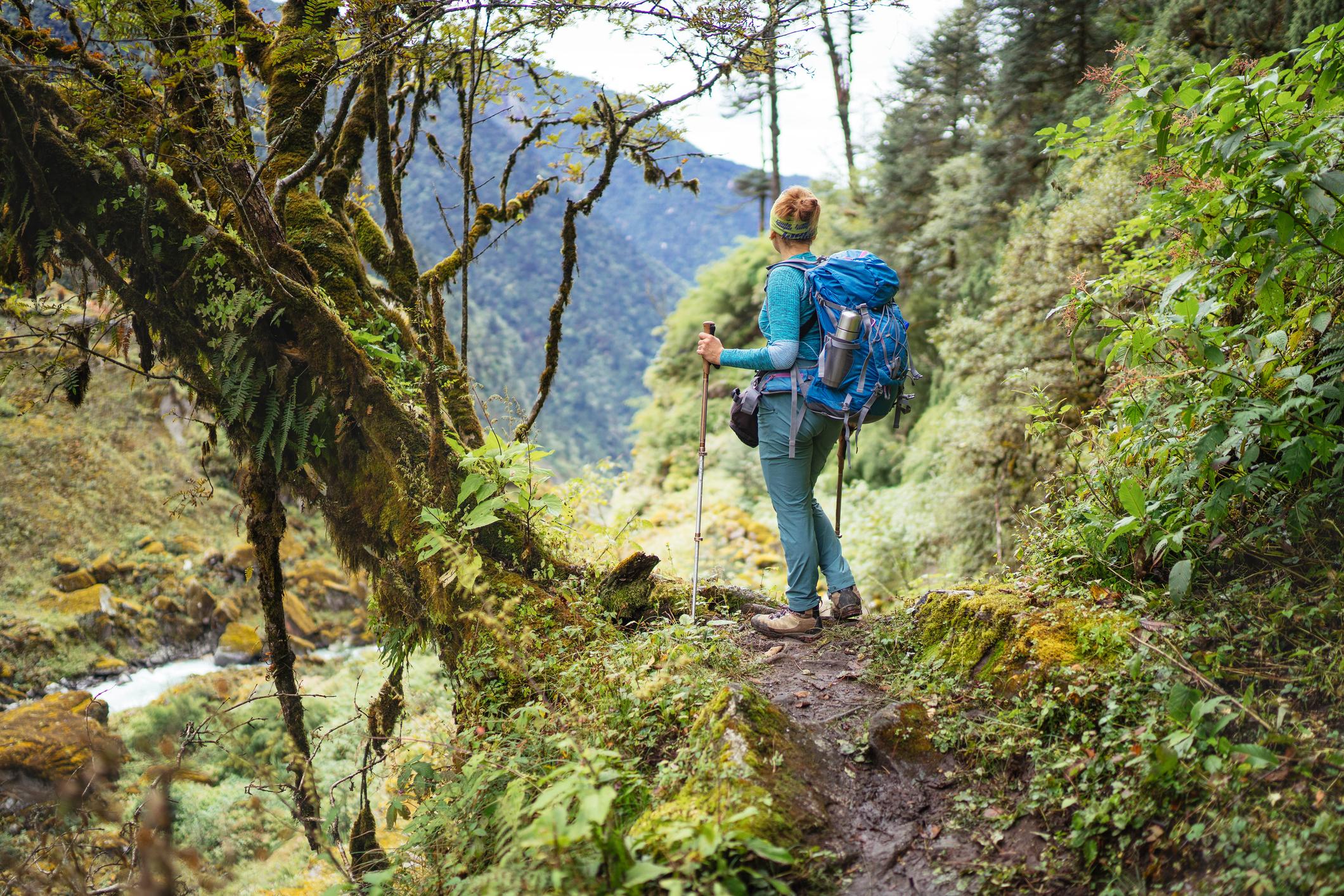
This is the world’s tallest free-standing mountain, and getting to the top will mean hiking for around six to nine days through five distinct climate zones.
You’ll go from farmland to dense equatorial rainforest dripping with moss and teeming with wildlife, up through heather moorlands to the high alpine desert, before reaching the Arctic summit zone - a dry, freezing cold area which has half the available oxygen that you have when you’re at sea level.
The fact that the trip was paced by expert guides, that the route allowed trekking high and sleeping low, and the amazing crew who ensured we were well fed and hydrated throughout, meant that I found any ill effects were kept to a minimum...
It is the multi-day demands of the hike, and the thin air and altitude, that make this climb so tough. The average summit success rate sits at around 65% - although our success rate at Much Better Adventures, due to good guides, route and trip choices and customer preperation, means ours is around 95%.
Generally, though, that means one third of climbers across operators don’t make it to the top. To give yourself the best chance, you need to give your body time to acclimatise, which means taking it slow and steady up the mountain.
Kirsty Holmes, climbed with Much Better Adventures on the Machame route, and said: “For me, the potential difficulty came from the altitude," she says. "But the fact that the trip was paced by expert guides, that the route allowed trekking high and sleeping low, and the amazing crew who ensured we were well fed and hydrated throughout, meant that I found any ill effects were kept to a minimum. Although summit night is a long slog, it was very doable with the support of our experienced, local team."
The Summit Rates on Kilimanjaro: Route-by-route
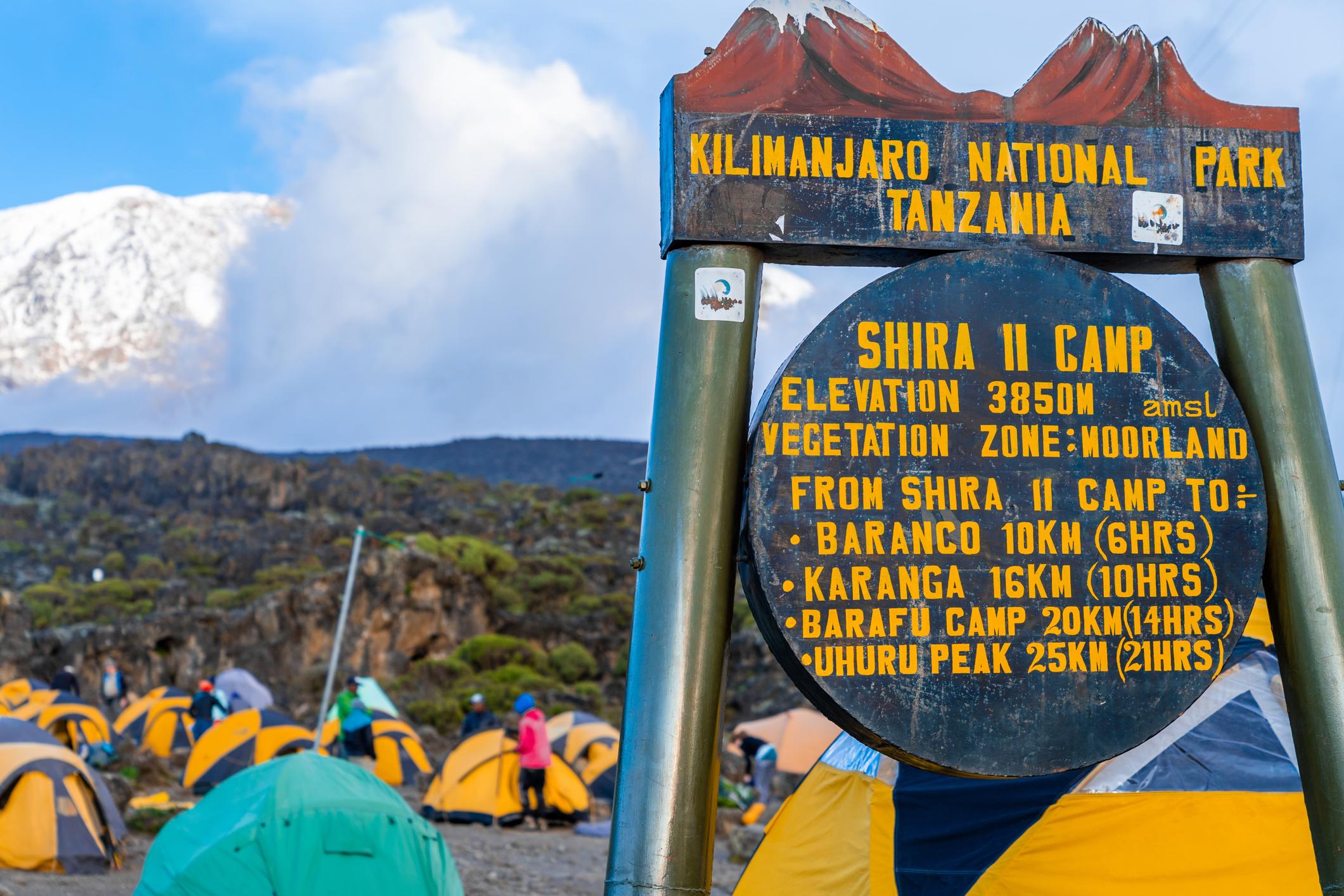
At Much Better Adventures, we do everything we can to give you the best chance of summiting Kilimanjaro successfully and safely. From the route we choose to the care and food provided on the mountain, our guides are well placed to get you to the top. Because of this - and the training our customers put in - Much Better Adventures has an average summit success rate across routes of 95%.
 Lewi Haskins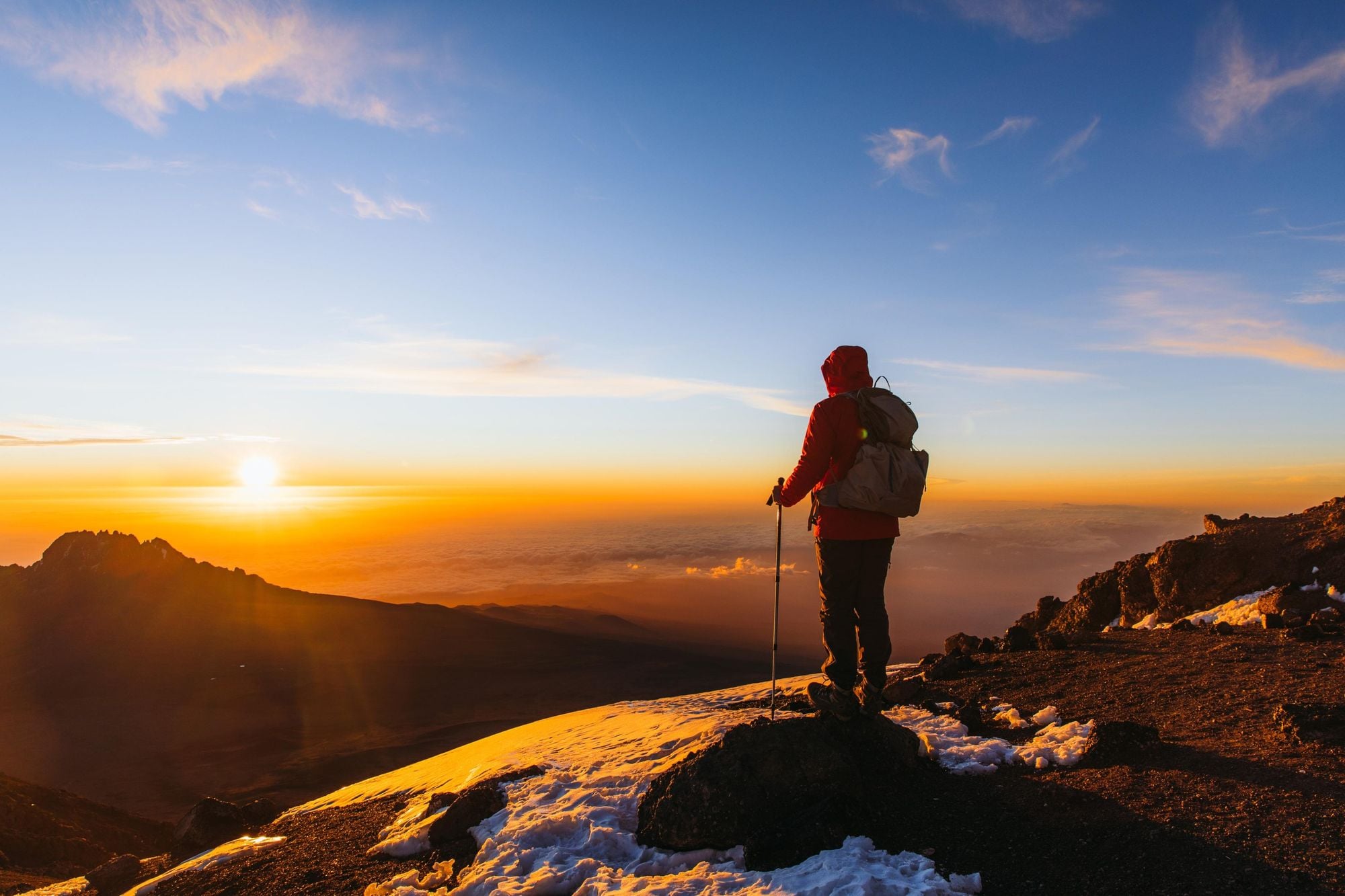
The broader headline figure is that - across routes and operators - there is roughly a 65% summit rate overall for climbing Mount Kilimanjaro. But that’s a figure which conceals variants. Trekkers on longer routes (with more time to acclimatise) have a summit rate of 85% or higher, while five-day routes (often deemed to be rushed) have a lower than average rate - around 50%.
Much Better Adventures has an average summit success rate across routes of 95%.
Here are the approximate summit rates for each route on Kilimanjaro.
These are not our internal stats for our trips, but rather, a rough average across all tour operators. As stats are scattered, they are not 100% accurate, but do give you an indication of the percentages involved. The wide range of percentages for each route indicate the different summit chances you have should you spent longer doing the route in question, maximising your chances:
- Marangu Route (Coca-Cola): 50-70%
- Umbwe Route: 60%
- Rongai Route: 65%-85%
- Machame Route: 85-92%
- Lemosho Route: 85-98%
- Northern Circuit: 95%-98%
The summit rate you’re quoted by an operator is less important than the way you approach the mountain. Which route are you going to choose up Kilimanjaro, and how many days are you going to walk it in? What operator are you travelling with, and are they cutting corners with guides? What training and preparation will you do? Have you done other multi-day treks, or ever experienced high-mountain altitude before? What pace will you walk at? Will you stay hydrated?
The most decisive factor in summitting Kili is how you approach the climb.
What Makes Kilimanjaro Hard to Climb? These Four Challenges
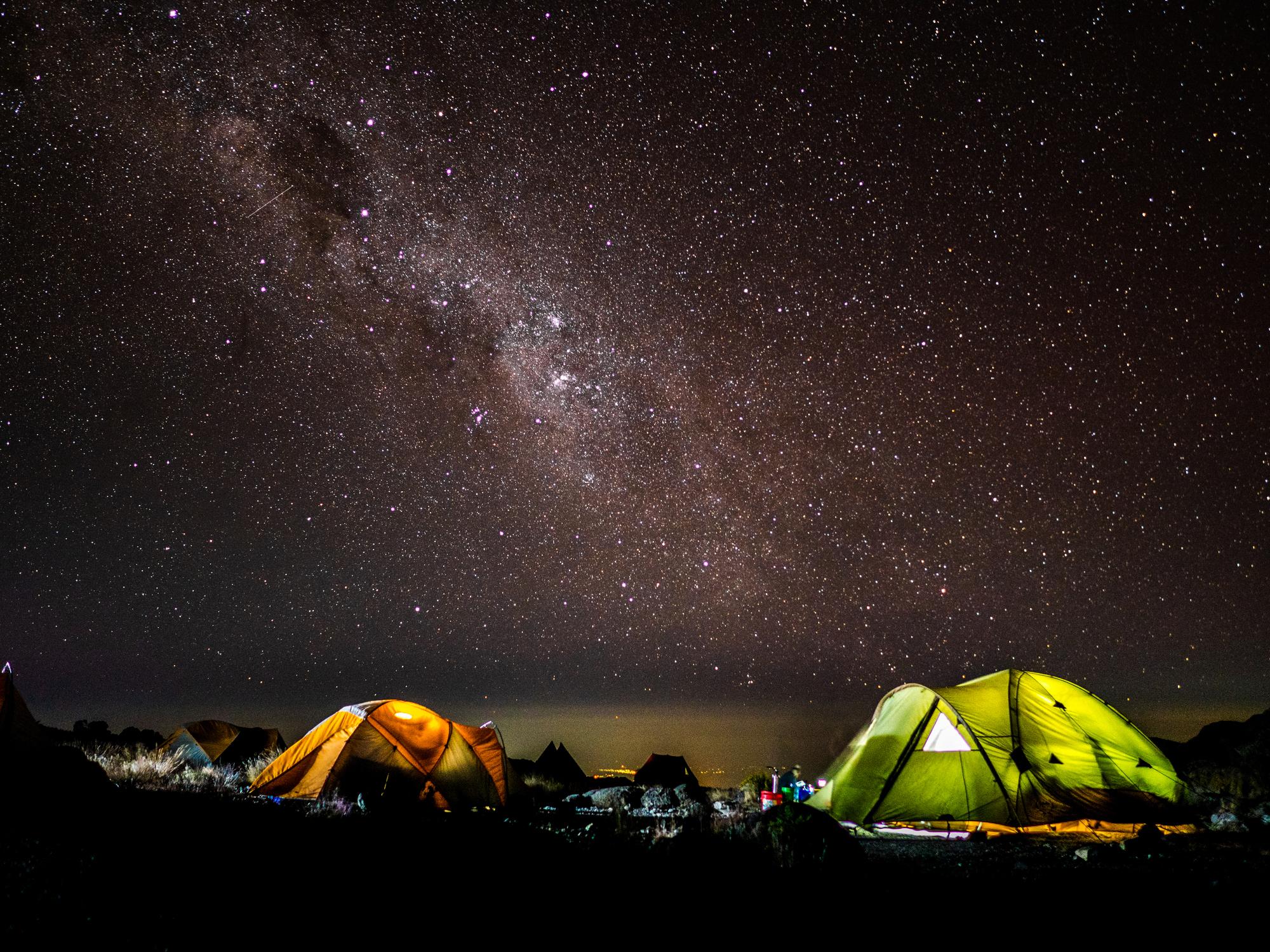
First thing's first - this mountain is big. Do not underestimate that. Ever heard people talk about how much a slog, and difficult day on the legs, climbing Ben Nevis can be? Ben Nevis is 1,345m (4,413ft) high. Kilimanjaro is 5,895m (19,341ft). On the most basic level, it is simply exhausting to spent days and days hiking up a mountain - and that's without taking all of the below into account.
1. Handling The Altitude
Altitude sickness is the main reason that people do not reach the top of Kilimanjaro. The altitude hits at different points for different people - and some are altogether fine with it - but it usually starts to impact people above 2,500 metres (8,000ft) or 3,500m (11,480ft).
The NHS list the symptoms of altitude sickness as:
- a headache
- loss of appetite
- feeling or being sick
- feeling tired or exhausted
- dizziness
- difficulty sleeping
And they note that “sometimes, the symptoms can develop into more serious symptoms that can be life-threatening.” On Kilimanjaro, the higher you get, the harder your body has to work just to stay warm, digest food and to think clearly. Altitude sickness is not related to fitness, either. A marathon runner can suffer from altitude sickness just as badly as a first time hiker. It’s hard to predict.
Much Better Adventures
If you feel altitude sickness on the mountain in any sort of serious way, you will likely end up descending down the mountain for safety. It's the guides call.
The best way to avoid altitude sickness is by spending more time acclimatising. You should ascend slowly, taking your time as you walk, and taking as many days as you can to climb the mountain. Let your body acclimatise to the altitude, walk at a slow tempo as you progress, and you’ll have a good chance.
“I always avoided short itineraries,” says ex-Kili guide Jim Eite. “The ‘walk high, sleep low’ principles from the Himalaya are hard to do on a conical volcano, so you’re just gradually going up. So always, if people had the time - and of course, it does make it more expensive because of park fees and things like that - then taking longer on the mountain was always beneficial for people.”
2. The Summit night
To reach the summit of Mount Kilimanjaro, you’re going to have to walk through the night - and the difficulty of this can take people off guard.
Let’s say you walk the Lemosho Route. By the time you reach summit day, you’ve already been hiking for around six days. Then, with head torches, you have to get up in the middle of the night for the toughest stretch of the trek yet. You’ll walk through rocky scree to Stella Point on the crater rim, on to Uhuru Peak - the highest point on Kilimanjaro - and then after celebrating, you’ll start the long descent back down, over dusty volcanic terrain, winding all the way from 5,895 metres down to around 3,800 metres. That’s 11-12 hours of hiking.
It can be freezing cold, and it’s just the sort of thing you don’t practise.
“Depending on how people have acclimatised, there’s a lack of oxygen up there, and some people won’t have eaten brilliantly for the last couple of days, or slept well,” says Jim. “And then you’re getting them up at anything from 11pm to midnight to walk through the night in the pitch black.
“It can be freezing cold, and it’s just the sort of thing you don’t practise. Nobody will go out for a [training] walk in the Highlands or the South Downs with a head torch, and plod along slowly. It’s a big thing for a lot of people - and that makes it harder than just the physical exertion.”
Summit day is a physical and mental challenge - regardless of experience.
3. Multi-day fatigue
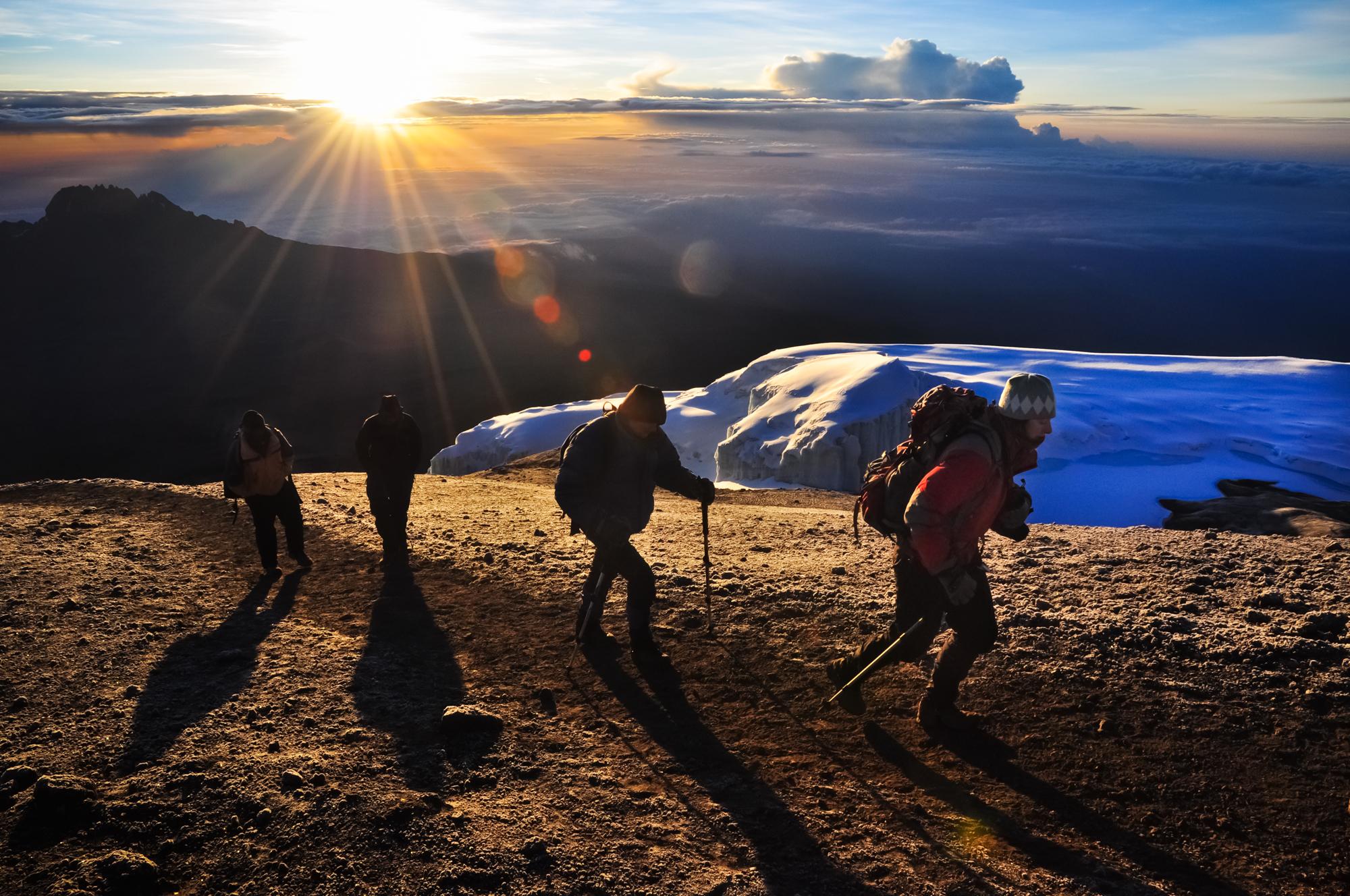
Kilimanjaro takes six to nine days to climb, and with each day you spend on the mountain giving your body a better chance to acclimatise - you also add to your hiking fatigue.
When I was guiding, the biggest thing people struggled with was that although they did training walks, they didn’t do back-to-back training walks...
In the rainforest zone, you can end up sodden and wet. In the moorland, things can get windy. In the summit zone, it is seriously cold. You’ll find that at altitude, you don’t sleep as well, and that sleep isn’t as restorative. Your appetite will diminish, despite your body needing fuel. And then there’s the regular strain of a multi-day hike - the wear and tear on the feet and the legs.
Jim Eite points to this as one of the most consistent gaps in preparation he witnessed over his years on the mountain. “When I was guiding, the biggest thing people struggled with was that although they did training walks, they didn’t do back-to-back training walks,” says Jim. “They never went out to walk for six days, so a lot of people struggle with the cumulative fatigue.”
This is one variable within your control. Hiking experience is valuable.
4. The mental challenge
Any challenging adventure comes with mental demands.
How are you going to deal with the poor sleep at altitude? How will you react when you are awoken in the night for the summit push? How will you manage the fatigue as the days pass and your body begins to move slower, with more strain?
The guides know that this moment is coming, and they’ll pace you and encourage you as you go.
Good guides spend the early days learning about their group, so that when they need encouragement, they’re there to give it. “A guide guide to me always got to know the clients on the first couple of days,” says Jim. “Because then you could read how they were feeling closer to the summit. You had to build those relationships, so that when people got to the tougher end of the trip and to summit day, you understood people, and they’d understand and listen to you.”
But ultimately, the hiker is always going to have to work hard to summit Kilimanjaro - even when it's cold, dark or damp. It’s not easy.
How Fit Do You Need to Be to Climb Kilimanjaro?
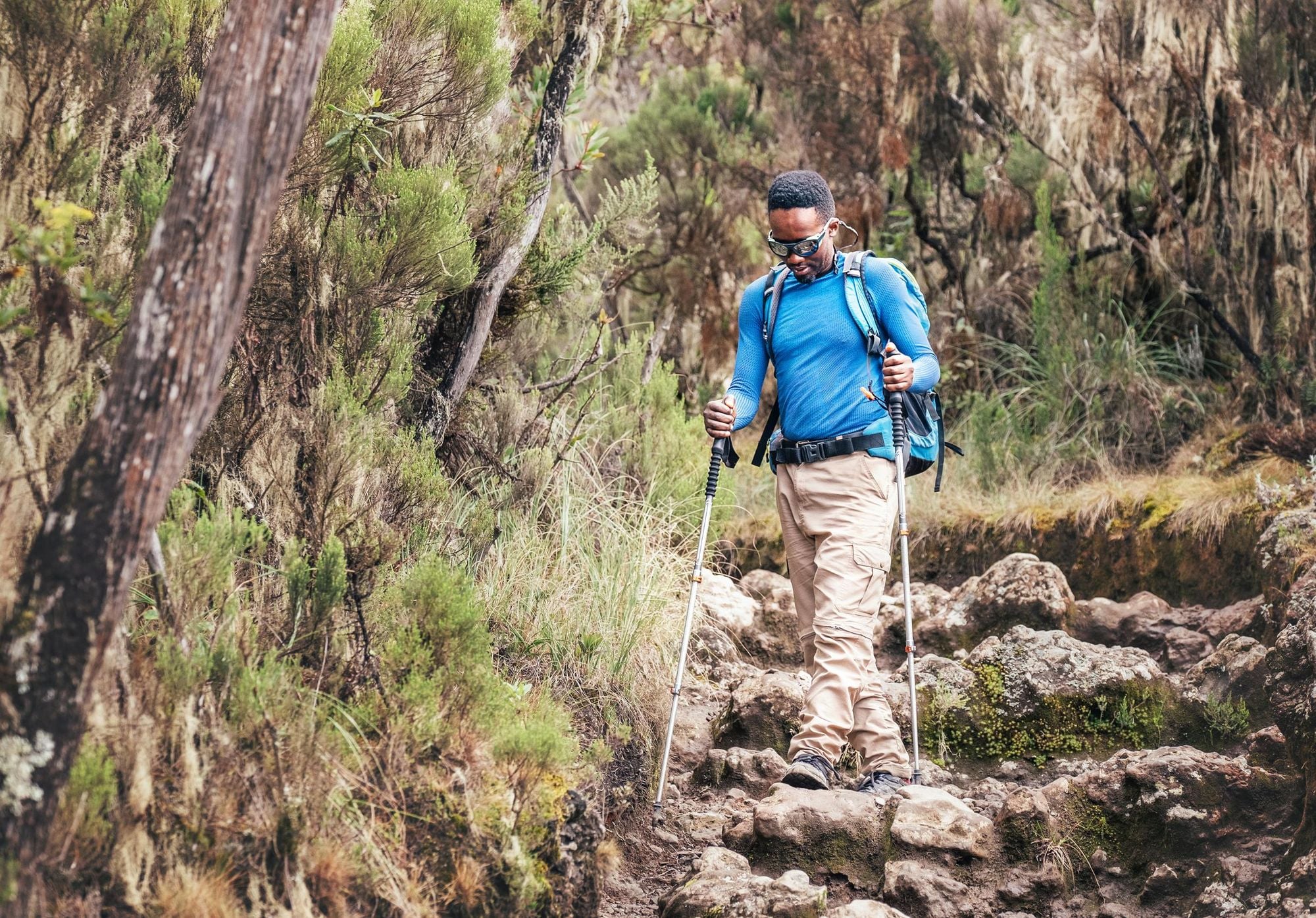
If you can comfortably walk for six to eight hours on consecutive days, then you are physically capable of reaching the summit of Mount Kilimanjaro. You can, of course, train for this. “Take one of your concerns out and make sure you’re fit enough,” says Jim. “Wear boots and go and do some long walks so you’re feeling confident in your own fitness.”
Much Better Adventures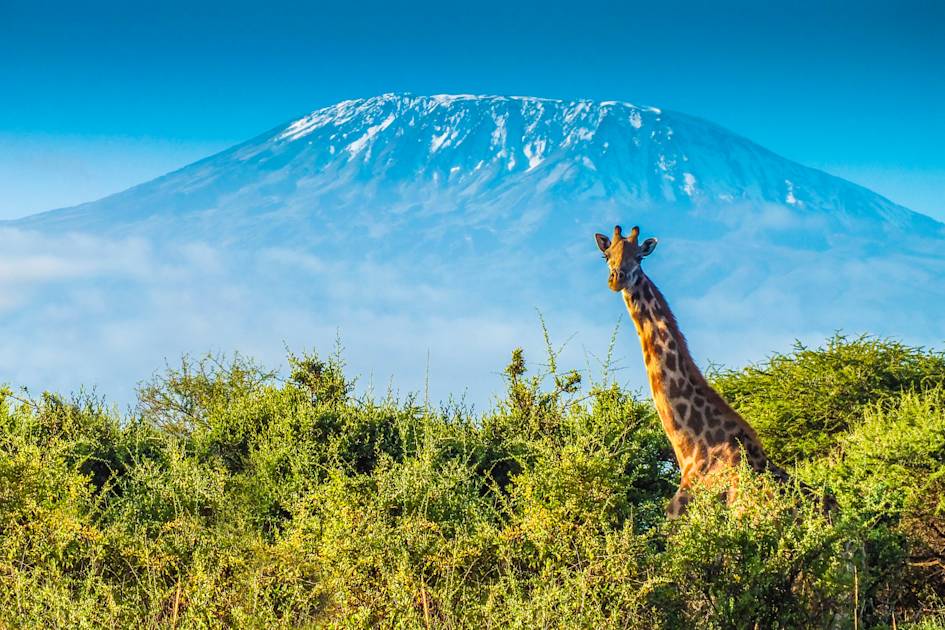
People do climb Kili without previous multi-day trekking experience, and it is a mountain that is popular with charity hikers. You don’t necessarily have to be a runner or climber to summit - but you do need to be willing to be uncomfortable for a sustained period of time, and have the desire to push through.
The great equaliser, though, is acclimatisation.
Doing everything slowly - polepole - is the cliche, but it helps.
The best training is back-to-back days of walking with a weighted backpack. And then when you reach the mountain, taking it slowly - polepole, Swahili for slowly, slowly - to allow your body to acclimatise.
“When you walk, if you exert yourself, there’s less oxygen, and you start to gasp,” says Jim. “So doing everything slowly - polepole - is the cliche, but it helps."
Slow is the strategy.
The second point to remember is hydration. "Your body is much more effective at getting oxygen around your system when you stay hydrated," Eite says.
People resist this at altitude - it's cold, the appetite for water diminishes, and nobody wants to leave a tent at 2am when it's freezing outside. But it's important to stay hydrated day and night, so that your body is in shape to climb.
Can a Beginner Climb Kilimanjaro?
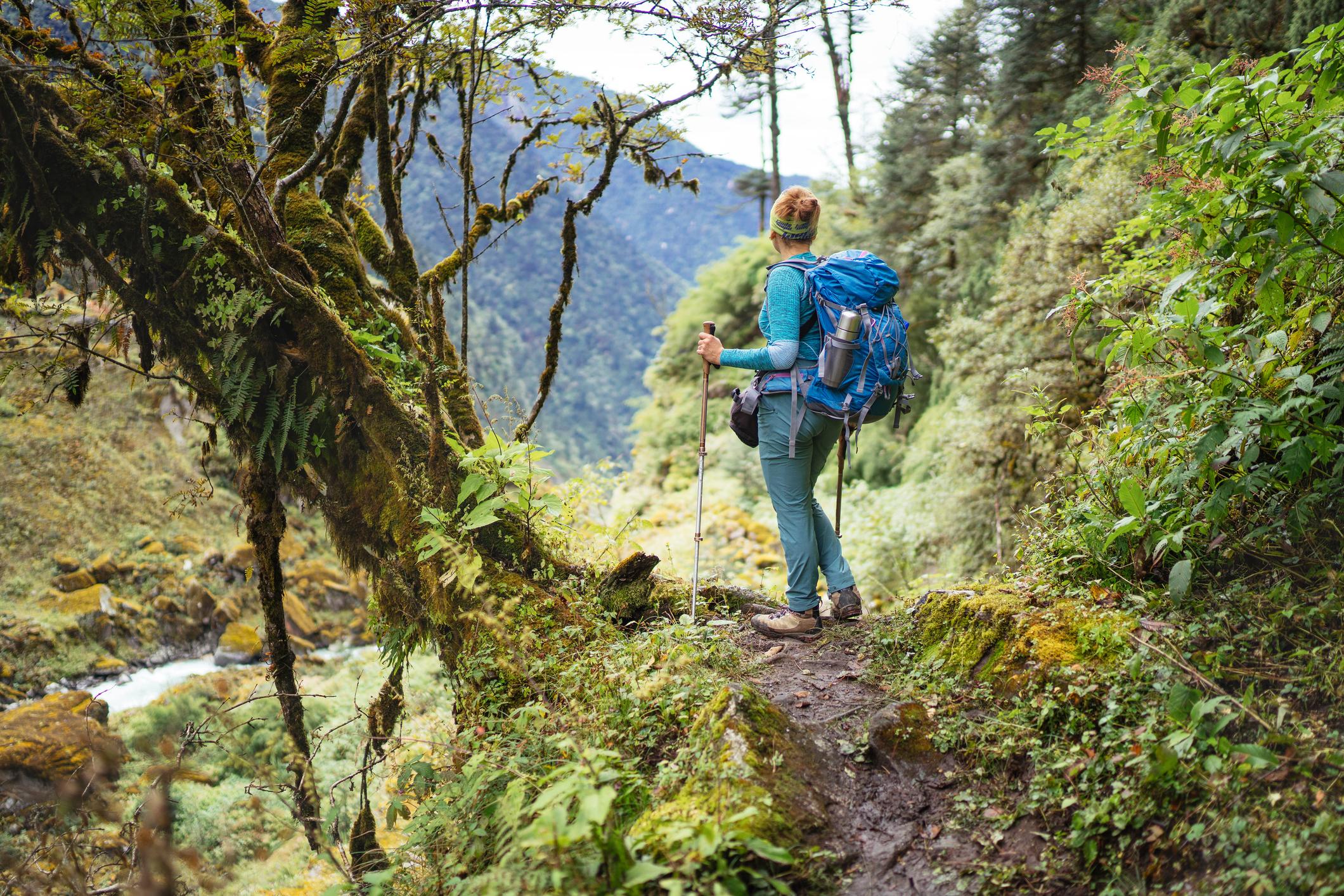
Yes. A lot of people who summit Kilimanjaro are beginners - at least, in the sense that this will be their first mountain summit over 5,000 metres.
Much Better Adventures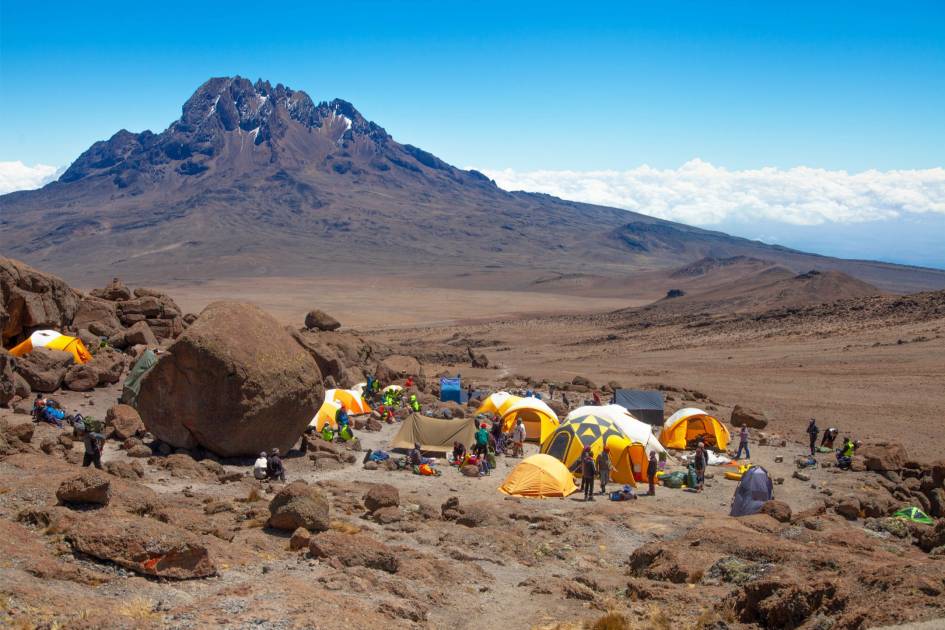
A lot of people who take on Kilimanjaro are true beginners, in the sense that it will be their first multi-day trek, or their first mountain climb above 2,000 metres. This is because a lot of people climb Kilimanjaro for charity, or to mark a birthday milestone, for example. And there are no technical sections on any of the standard routes, so no ropes or harnesses are required.
If you are going to climb Kilimanjaro, however, you should absolutely have some prior mountain climbs and trekking experience.
The more experience you have of altitude and multi-day treks, the better your chance of success. The one big variable beyond that is acclimatisation time. That’s a variable that doesn’t depend on mountain experience.
Is Kilimanjaro Dangerous? The Death Rate and Risks, Honestly
Climbing Mount Kilimanjaro is a demanding task, and as with any mountain trek or high-altitude environment, it comes with risks.
The death rate on Kilimanjaro is hard to pinpoint, as statistics are scarce and reliable sources lacking. The one body who know the exact statistic would be KINAPA, but they do not release the figures for fear that they would negatively impact on the amount of people who want to climb Kilimanjaro.
A study by Markus Hauser, in a paper called 'Deaths due to High Altitude Illness among Tourists Climbing Mount Kilimanjaro' found that between 1996 and 2003, 25 people died. That's across eight years. The causes concerned altitude.
The figures generally cited beyond that - across all operators and all summit attempts - state that between 3 and 10 people die per year, across roughly 40,000 annual summit attempts. That’s approximately 1 in 4,000 trekkers.
The most commonly cited causes for deaths on the mountain are linked to altitude illnesses (primarily HACE or HAPE which you can read more about via the Centre for Wilderness Safety) or are down to pre-existing cardiac conditions.
Your guides will monitor how you’re doing as you climb, and check in often. They’ll have emergency medical supplies - including oxygen and a pulse oximeter, and should make the call to descend long before things are critical.
Please note: The authors of this article are not medical professionals, and readers should consult a doctor for proper medical advice before climbing if they are keen to get professional advice on the risks they may face on Kilimanjaro.
FAQs
Is Kilimanjaro the easiest of the Seven Summits?
Generally, yes. Kilimanjaro is considered the most accessible of the world’s seven summits (the highest peak on each continent) because the others demand mountaineering experience. The word ‘easiest’ is relative here, though. Kilimanjaro is still a serious, high-altitude undertaking and it is a tough climb.
What level of difficulty is Kilimanjaro?
This is a strenuous, but non-technical climb. We’ve rated our Kilimanjaro trips as challenging/tough due to the consecutive days of around 6 or 7 hours trekking with plenty of elevation gain at high altitudes. The summit day is a long and physically demanding day at high altitude. Trekking above 3,000m is more demanding on the body than walking at low elevations.
Which is harder - Machu Picchu or Kilimanjaro?
Mount Kilimanjaro is tougher by a considerable margin. The Inca Trail, for example, peaks at around 4,215m (13,828ft). The summit of Mount Kilimanjaro stands at 5,895m (19,341ft), and it takes longer and involves more ascent to go up than Machu Picchu. There's a much higher risk of altitude illness on Kili.
Is Kilimanjaro safer than Everest?
Absolutely. Mount Everest is the highest mountain in the world and is much higher than Kilimanjaro - standing at 8,849m/29,032ft. To climb Everest requires mountaineering skills and very specific preperation. Climbing Everest has a historical death rate of around 1% - the altitude is extreme and weeks of acclimatisation are needed. They are fundamentally different undertakings.
Do you need oxygen to climb Kilimanjaro?
No. The vast majority of trekkers summit without supplemental oxygen. Many operators carry emergency oxygen in case of severe altitude illness, but it isn't used as a routine aid, and if you find yourself needing it, the correct response is descend the mountain, not keep going.
Can you fail and turn back?
Yes, and around 35% of trekkers who set off to summit Kilimanjaro end up turning back and descending the mountain. That percentage is even higher on shorter routes. Turning back is often the right, medically-sounding decision. Most descents happen on summit night, between high camp and the crater rim.
Inspired? Check out our range of climbing trips on Kilimanjaro now!