
I love solo travel – having an adventure by yourself in a country far from home can be a transformative experience, not least because of all the interesting new people you meet along the way. The air traffic controllers who befriended me at their completely wild winter conference in a spa hotel at a Serbian ski resort will live long in the memory, as a quick example.
But despite thriving in the company of others, I can be quite a shy person, and I always dread those first awkward interactions at a guesthouse, or wherever I’m staying. Like starting a new job or heading to university for the first time, I just want to fast-forward to the part where everyone knows each other and feels relaxed enough to start riffing off each other’s jokes.
Of course, the setting helps. Dusty red ochre cliffs dotted with gnarled argan trees, that contrast so starkly with the sparkling blue sea.
On some trips that process can take a while - on others it might not happen at all - but without doubt the times I’ve bonded the quickest and most deeply with a group while travelling has been when I’ve been surfing in Morocco.
Of course, the setting helps. Dusty red ochre cliffs dotted with gnarled argan trees, that contrast so starkly with the sparkling blue sea. The beach vendors serving up tasty doughnuts and steaming, sweet mint tea from elegant silver teapots. The bright sunshine, the warm weather, and the angular coastline, which provides a wide choice of rideable waves for all levels of surfer.

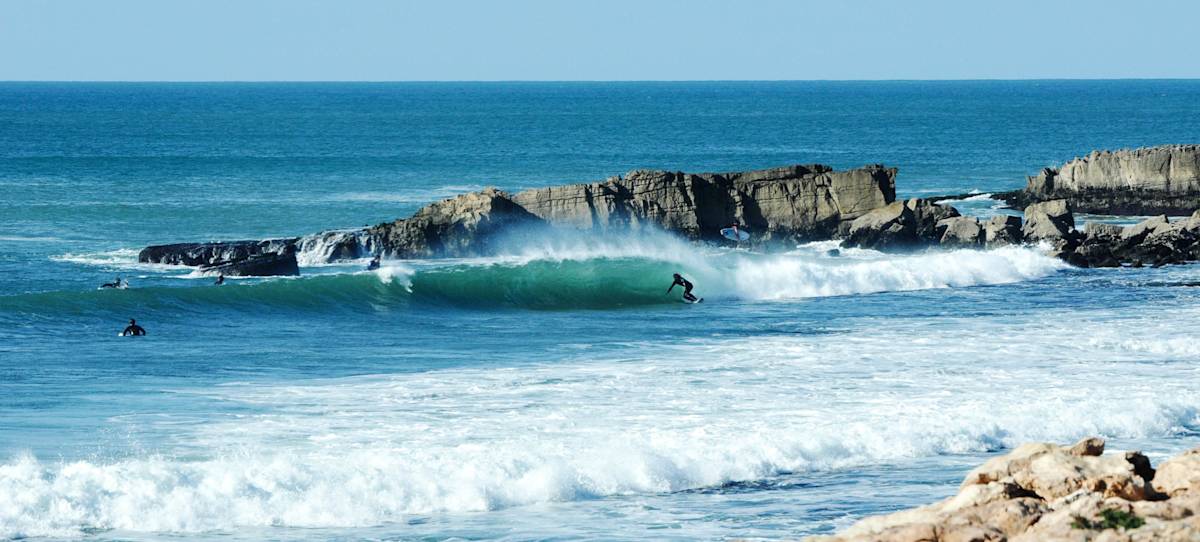
It’s blue health in Technicolor, and I’ve never met an unfriendly Moroccan surf coach. Most locals are proudly Amazigh – the indigenous people of North Africa – and glad to be making a living from teaching surfing, as opposed to fishing or farming as their ancestors were obliged to do.
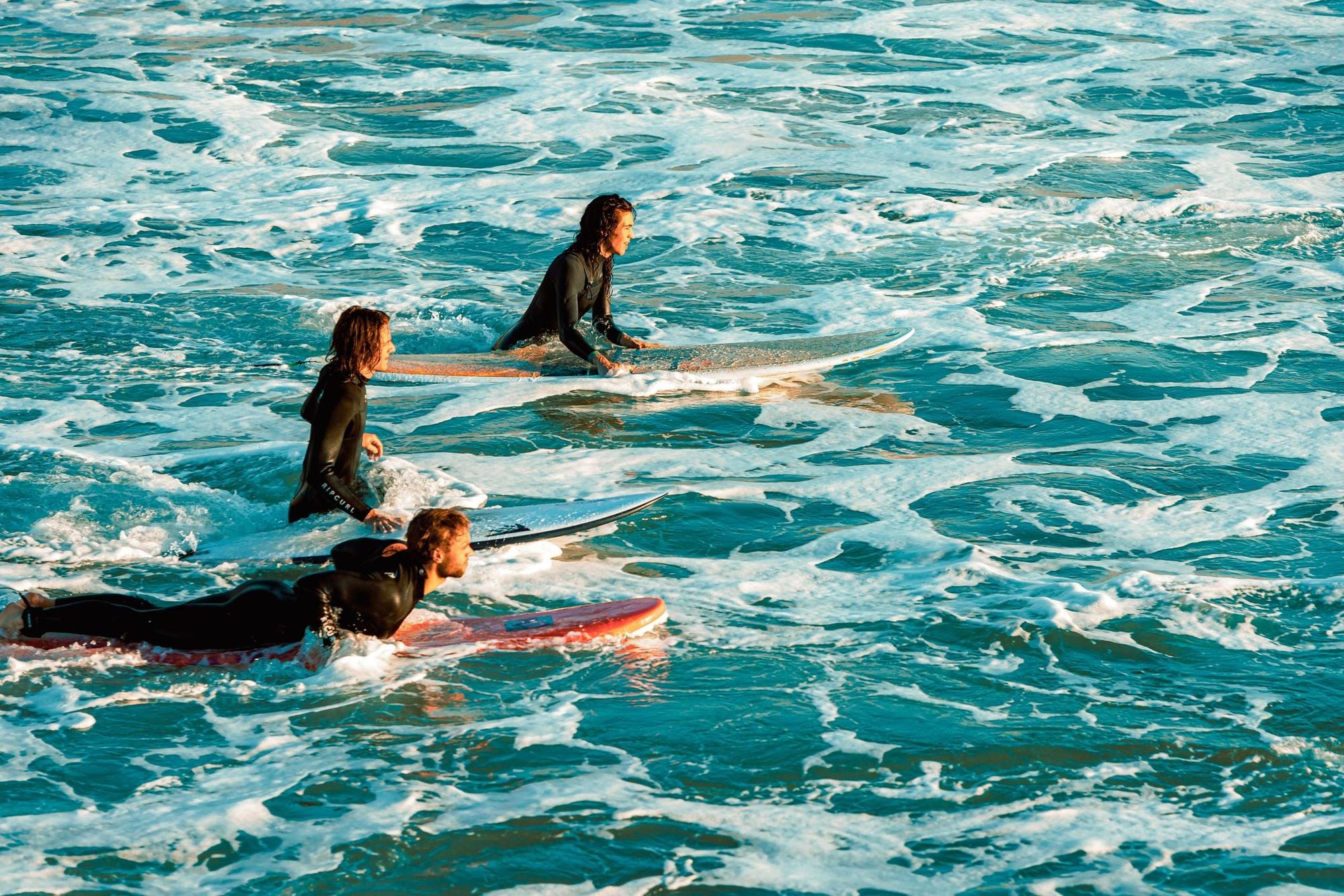
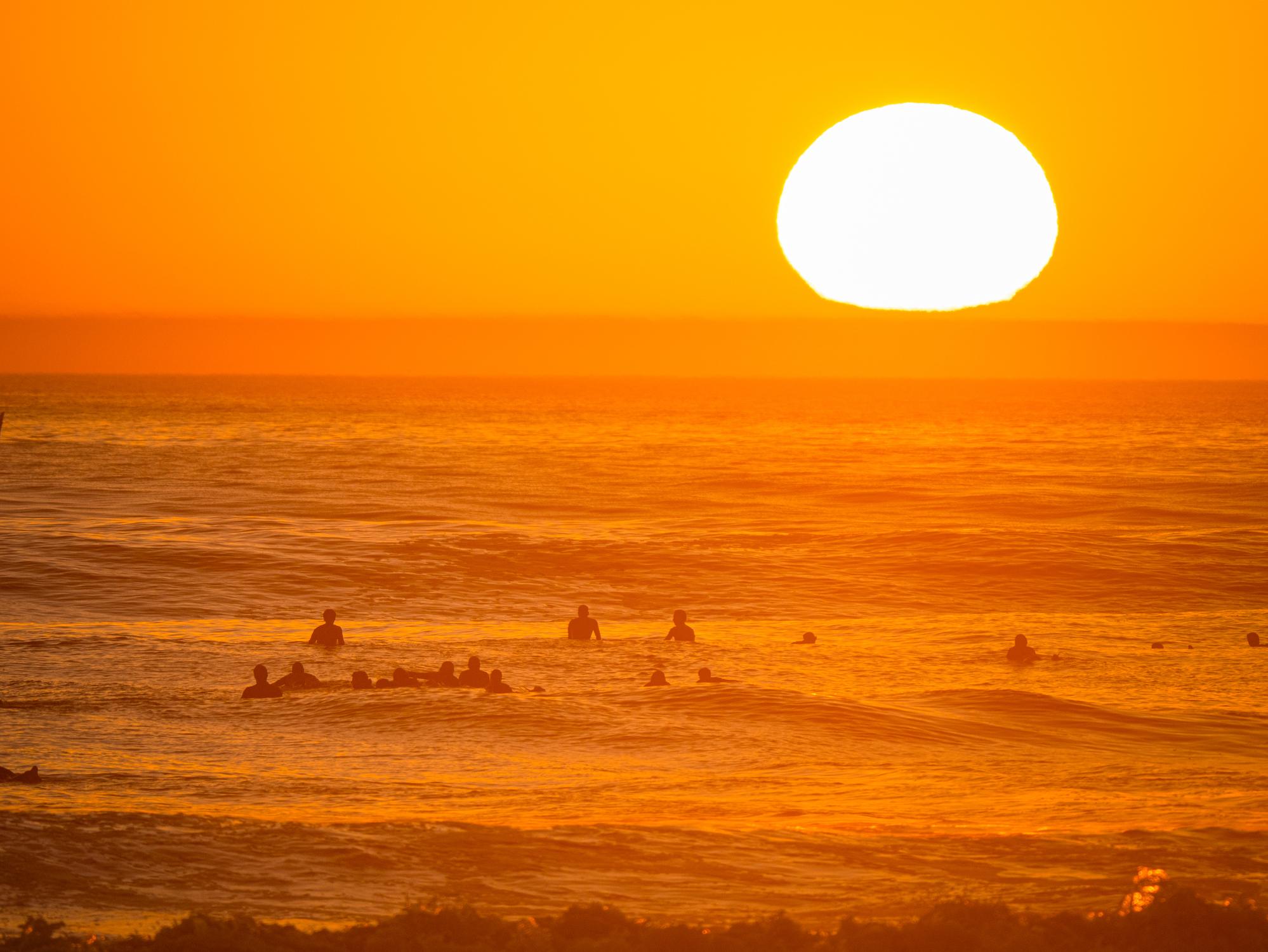
But there is also something about the act of surfing that accelerates group bonding. Catching waves together – or trying and failing to catch waves, an inevitable part of the process – fosters collective joy or as surfers would call it “shared stoke”.
The Science of 'Mindsurfing'
Lesley McKenna is a passionate surfer, and three-time Winter Olympic snowboarder from Scotland, who now works as an academic specialising in the unique benefits these action sports can bring to individuals and communities.
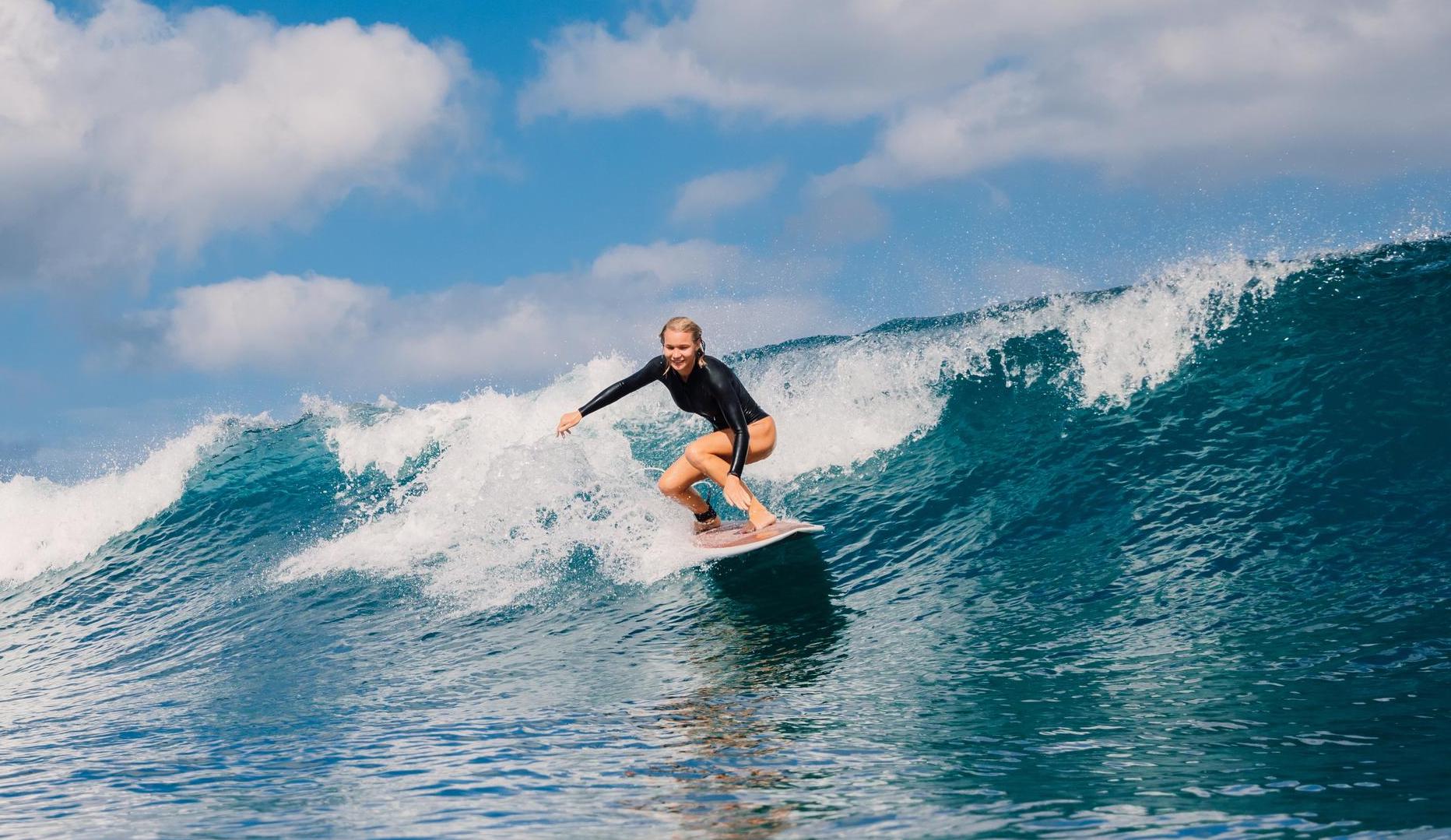
“Learning to surf is very humbling,” she says. “When I first started, it felt like I was being rolled around in a washing machine at times, but it was also hugely rewarding. These are not emotions that often go together – it made me feel insignificant, but in a positive and freeing way as opposed to feeling threatened.”
Surfing connects you directly to the big forces of nature and reminds you of your place in the world.
Lesley terms this “positive insignificance” and she believes it’s what sets surfing apart from more traditional, mainstream sports. “Surfing connects you directly to the big forces of nature and reminds you of your place in the world as a human in the natural environment. You learn about yourself, but you also learn about those who you’re doing the sport with,” she says.
Her research suggests that’s because when you’re learning a new action sport, such as surfing, you have a sense of not only what the sport looks like when you’re doing it but also how it feels at the same time. Whoever you’re doing the sport with has the same, so when they’re watching you, they can “mindsurf” using their imagination and you can do the same when you’re watching them.
Surfers are communicating without using language, Lesley says, adding: “The expressive and interpretative ways we relate to waves – and the people we’re surfing with – provide rich and powerful shared experiences.”
As a result, the connections you get in a group are very strong and intricate, and words don’t always do a good job of describing them, that’s why surfers often communicate through pictures or films, she says.
That bonding is why it feels so good to surf in a group and why surfing can accommodate all kinds of people. “You don’t need to be an extrovert or loud person,” she says. “You don’t even need to be super into it, you can be whatever you like because you just communicate by doing it.”
Sharing the stoke
Lesley believes the conversations which come out of these surf sessions tend to be very authentic, which chimes with a trip I had in Morocco, where I met a French surfer called Karine. We were surfing waves that were slightly out of our comfort zone – having only met for the first time that morning – and we were getting bashed around a lot. But at some point, we started to find the situation funny instead of scary and found that laughing together in the frothing waves took the edge off our fear.
We talked about life in a way I wouldn’t have expected with someone I’d just met.
Walking back from the beach to the hostel, our conversation felt easy and relaxed – we hung out for the rest of the holiday and still message each other now. Surfing can be an all-consuming sport, so we naturally talked about waves a lot that trip, but we also talked about life in a way I wouldn’t have expected with someone I’d just met.
Perhaps it was due to the lack of competition between us in the water. In Morocco, whenever Karine caught a wave, I was genuinely happy for her, almost as pleased as if I’d caught the wave myself and she seemed to feel the same about my waves.
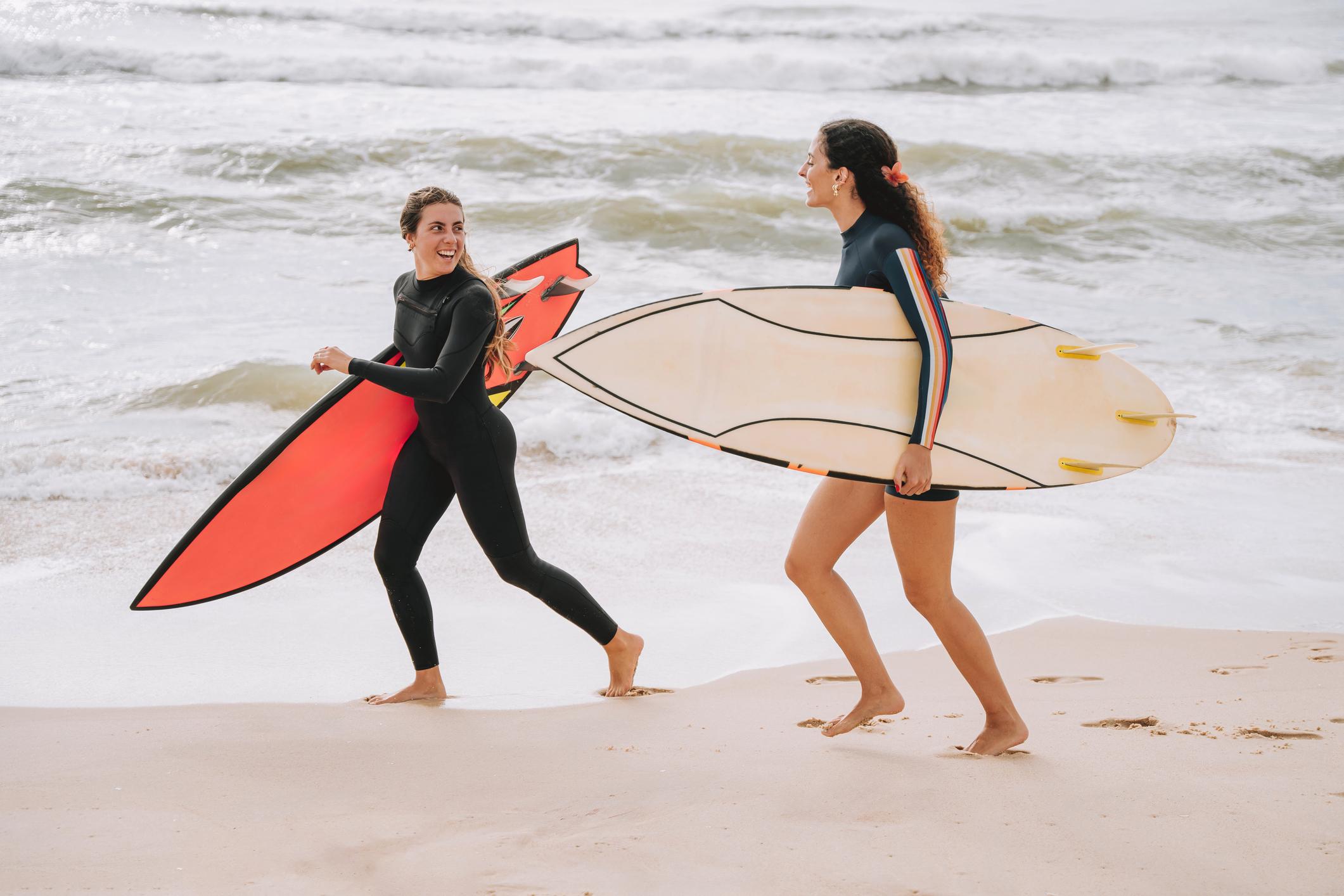
I had a similar experience on another trip to Morocco with a group that included surfers from Manchester, Canada, and Switzerland. As we traded beautiful peeling green waves, whooping and cheering each other on, it was a joy to witness the level of the group improving as everyone’s confidence soared.
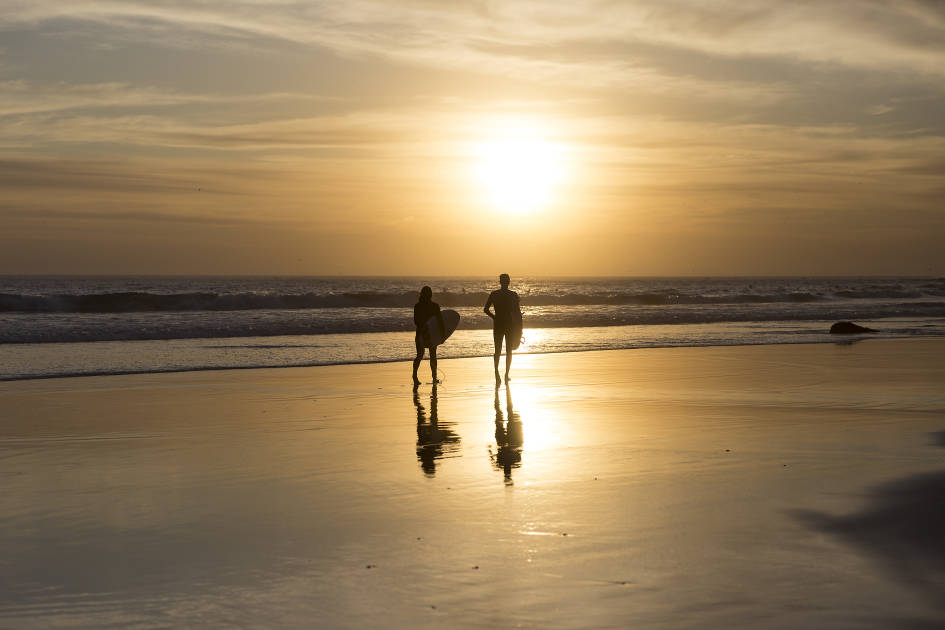
For Lesley, that’s the epitome of shared stoke “where energy, excitement and motivation spread through a group” and she says it’s a common thing to witness in surfing, even at pro-level contests. “By creating community bonds, it transforms competitive contexts into collaborative spaces,” she says, “We’re celebrating everyone’s progression not just our own and once you crack it, that shared stoke is so rewarding and valuable and connecting.”
In the minibus on the way back to the hotel, our surf coach, who was also buzzing from the session, cranked the music up, as we cracked jokes and gazed blissfully out at the passing coastline. None of us had met before the trip and two of us were travelling solo, but I felt as happy and natural as if I were on holiday with a bunch of old friends.
Inspired? Check out our range of surfing holidays in Morocco now!