
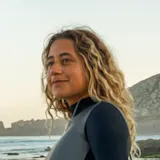

Komodo National Park has the kind of beauty which can startle and silence. The park, which was founded in 1980 to protect the Komodo dragon, and declared a UNESCO World Heritage Site in 1991, sits in Indonesia, within the Lesser Sunda Islands. And as the blade of your paddle cuts through the improbable blue water of the sea here, it’s difficult not to feel utter serenity.
Limestone islands rise like tiny continents from the water, which shifts between turquoise and indigo depending on how the current moves. Manta rays glide beneath kayaks. Komodo dragons - the world’s largest species of lizard - patrol the shoreline of the eponymous Komodo island. This is, by almost any measure, one of the most spectacular stretches of coastline on Earth.
 Much Better Adventures
For years, though, if you wanted to explore this seascape by kayak, the person you would be hiring to lead you through the waters would almost definitely not be a local. Despite being an archipelago, and the indigenous use of canoes dating back millenia here, there has not been a tourism structure in place championing Indonesian kayak and canoe guides - until now.
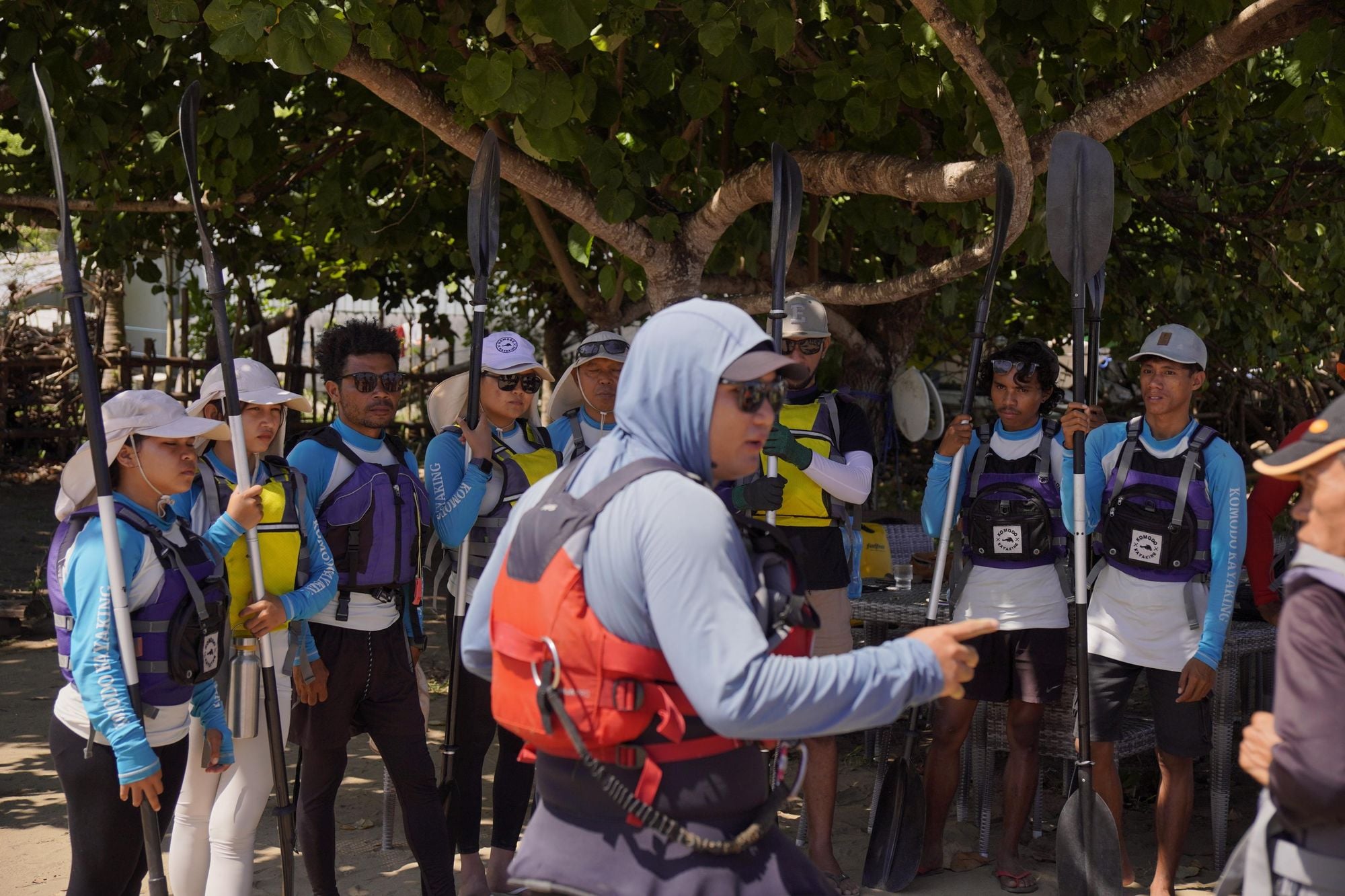
Wicked Adventures are adventure travel experts, and partners of Much Better Adventure, who have been crucial in creating the infrastructure to allow Indonesian kayak guides to thrive.
By creating training opportunities and engineering career paths, they are challenging the narrative that tourism here has to be Western-led - and sculpting a new future as they do so.
“This is our future; our careers,” says Romy, one such trainee, who is a native of Flores, an island off the east coast of Komodo, and who is also now a trained, professional kayak guide.
The Turning of the Tides
Wicked Adventures have trained over 50 divemasters since they were founded, including the first female divemaster in Indonesia - Sary, a Komodo local, who began as an intern at Wicked. A big part of the company's work is organising internationally-recognised training programs that allow individuals to go away, train others, and grow the community.
It’s my career, and getting the certification is my legacy for the future
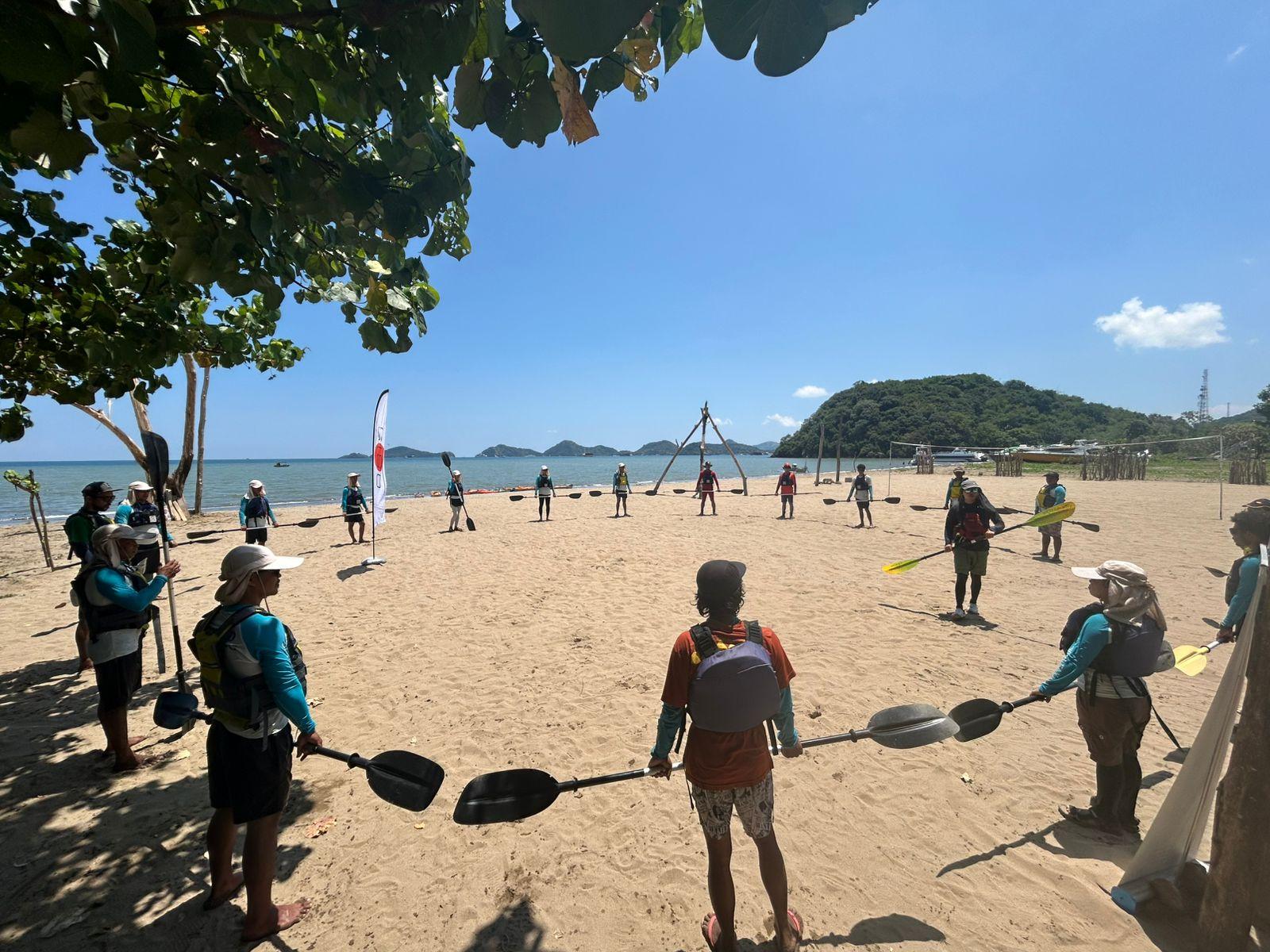
This Spring, Wicked ran an intensive kayak guide training block in Labuan Bajo, a bustling port town on the western tip of Flores, which is also the gateway town to Komodo National Park.
The course was designed to certify a new generation of Indonesian kayak guides under the OSIS framework – a Southeast Asia–specific training and certification system built from international sea‑kayak standards and best practice. It spans three progressive levels, from Recreational Paddler through to Inshore Expedition Leader & Rescue, and has been developed by industry professionals drawing on established global guide frameworks.
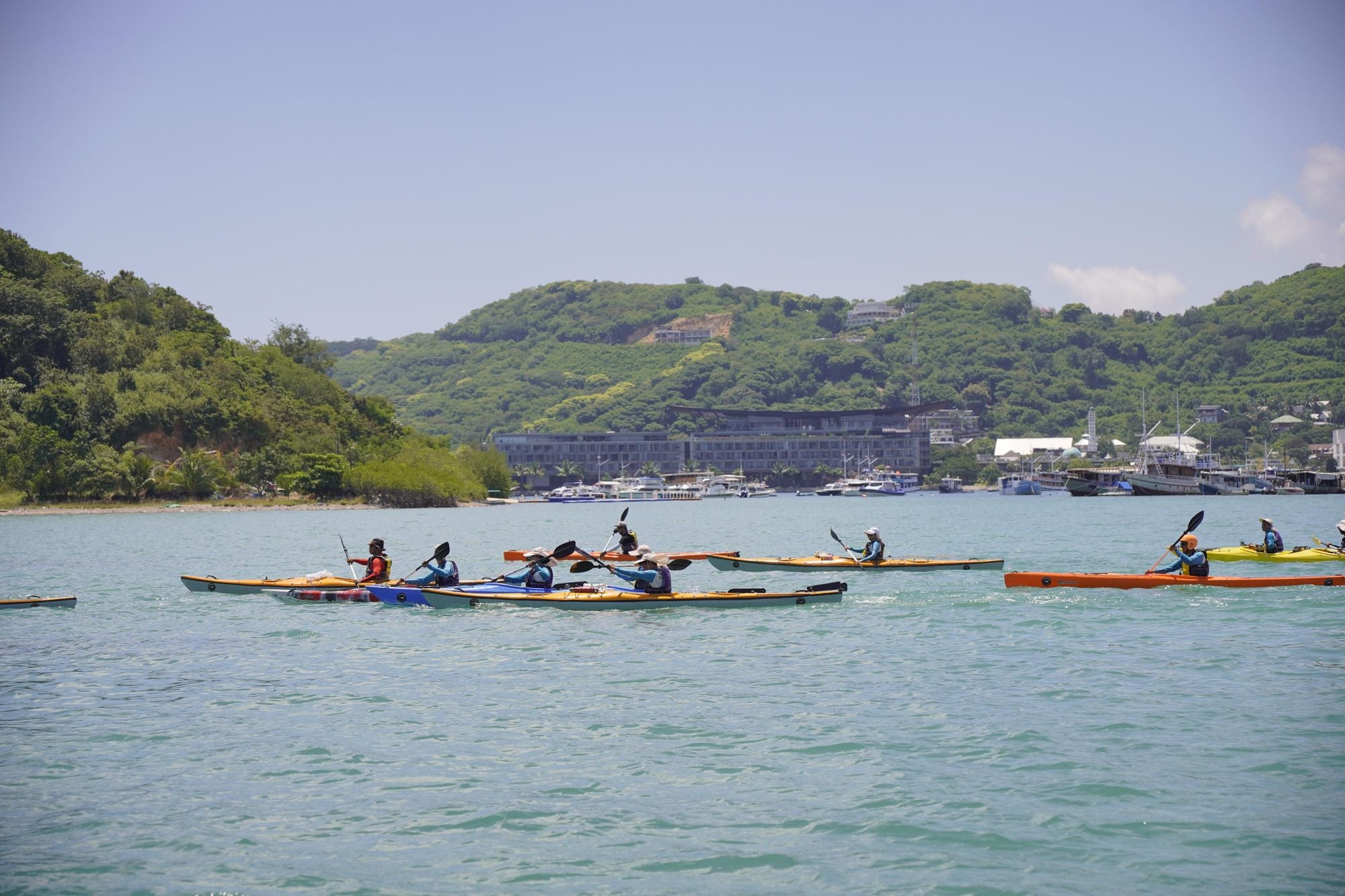
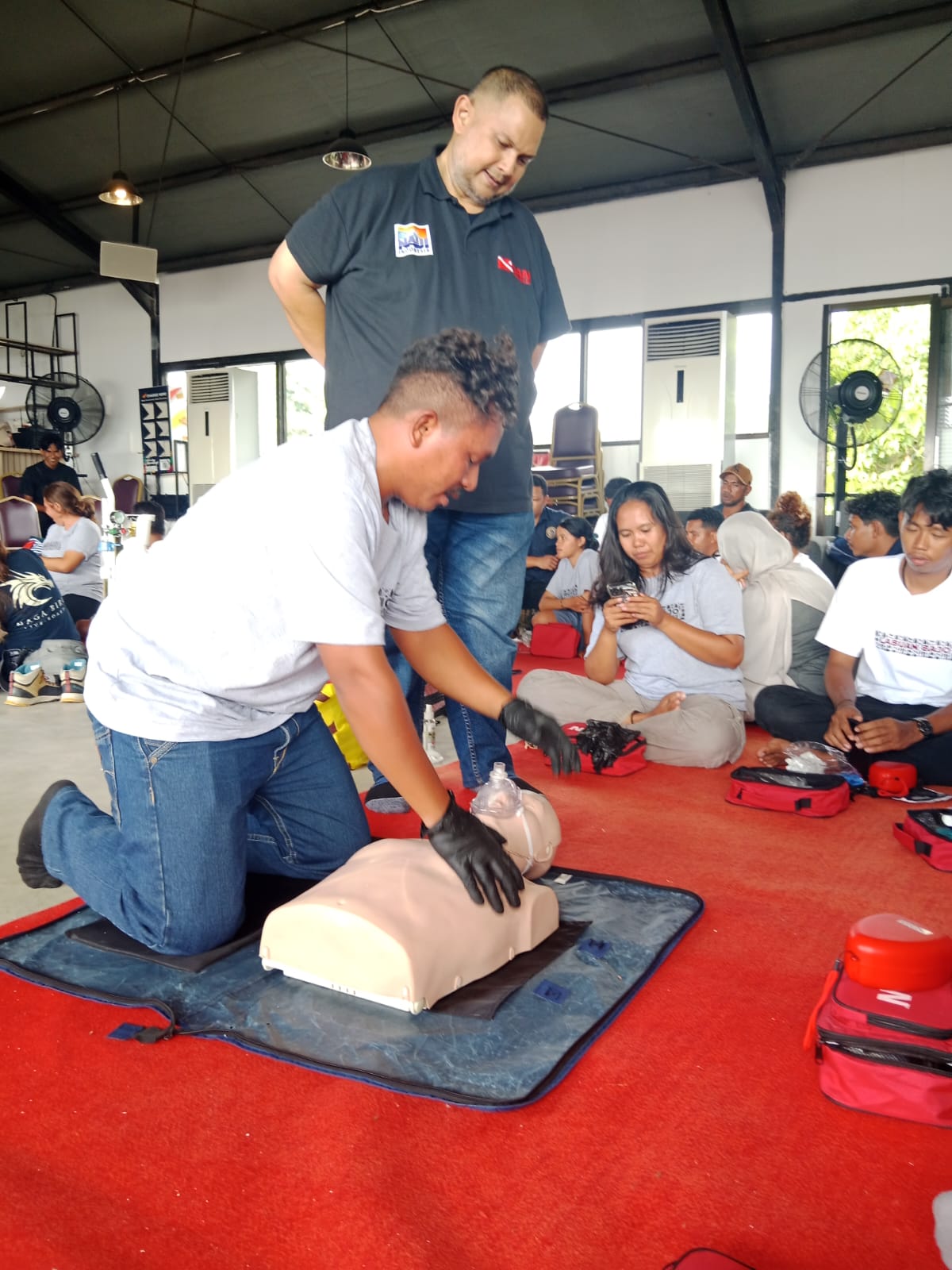
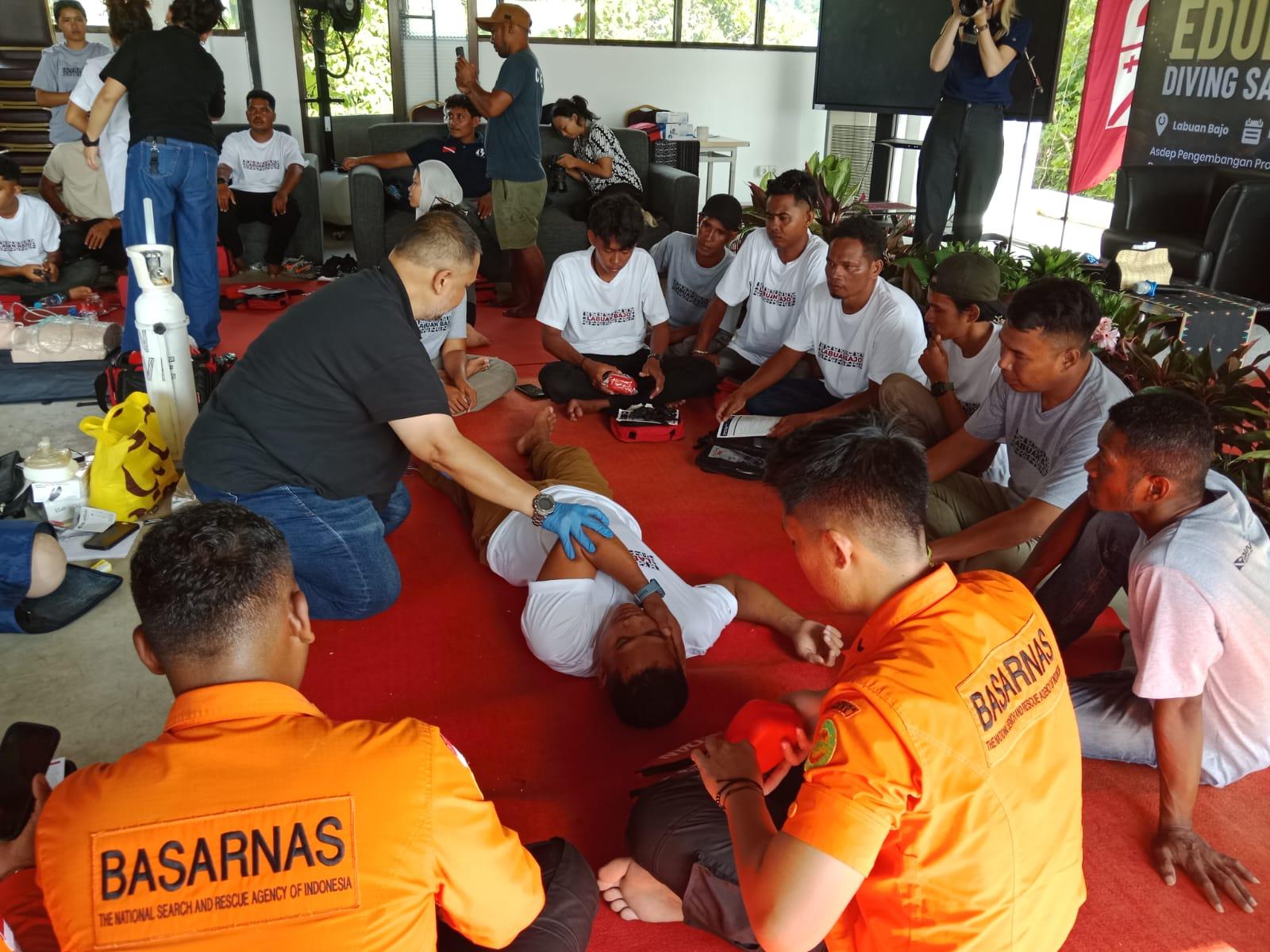
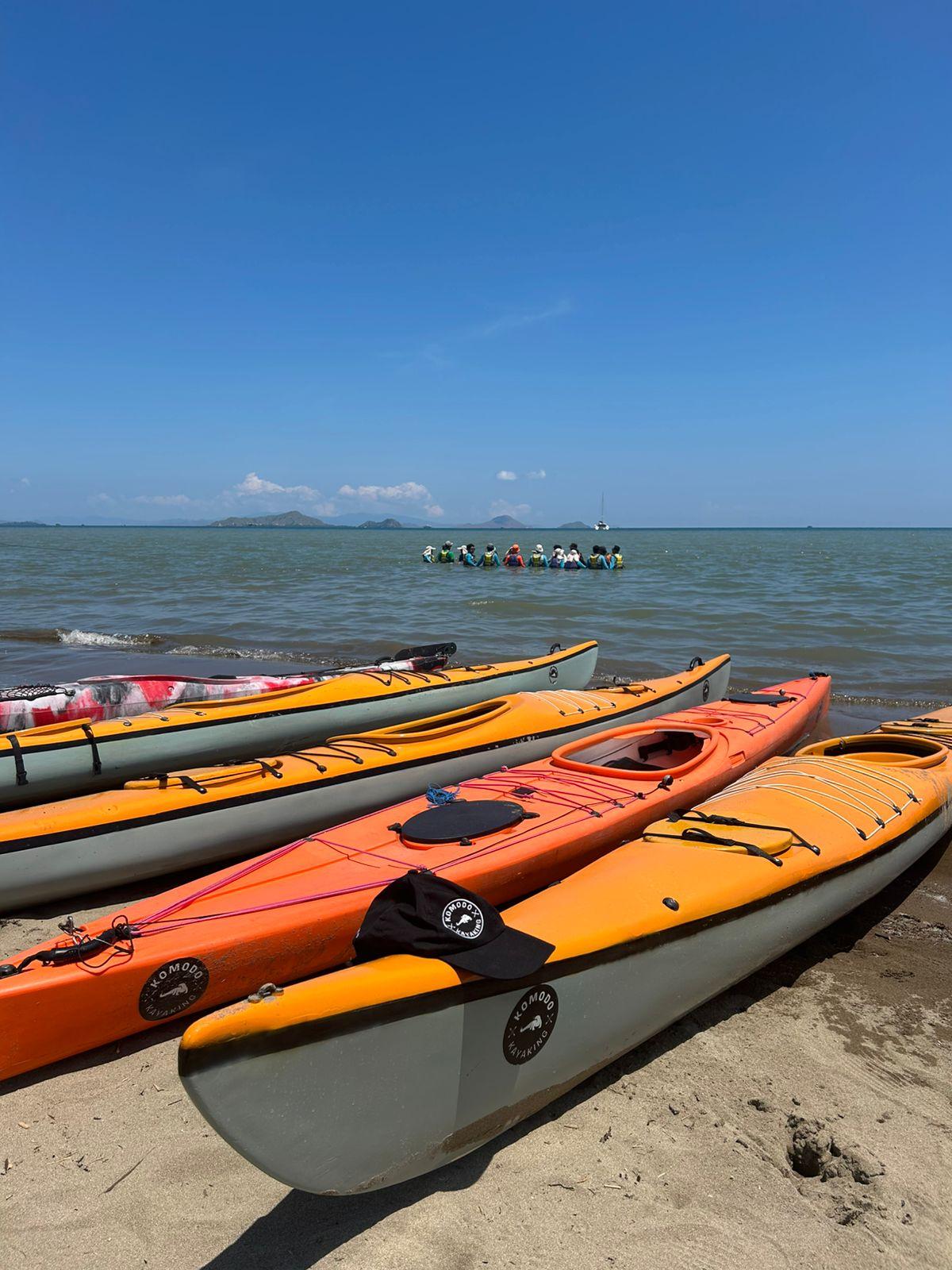
Komodo Kayaking, who delivered the training, will be moving further into this framework once their senior guides complete their instructor certifications. From that point, they will offer structured OSIS courses to guests who want to gain formal recognition for their paddling skills, trained by experienced Indonesian guides and furthering their careers in the paddling world.
Much Better Adventures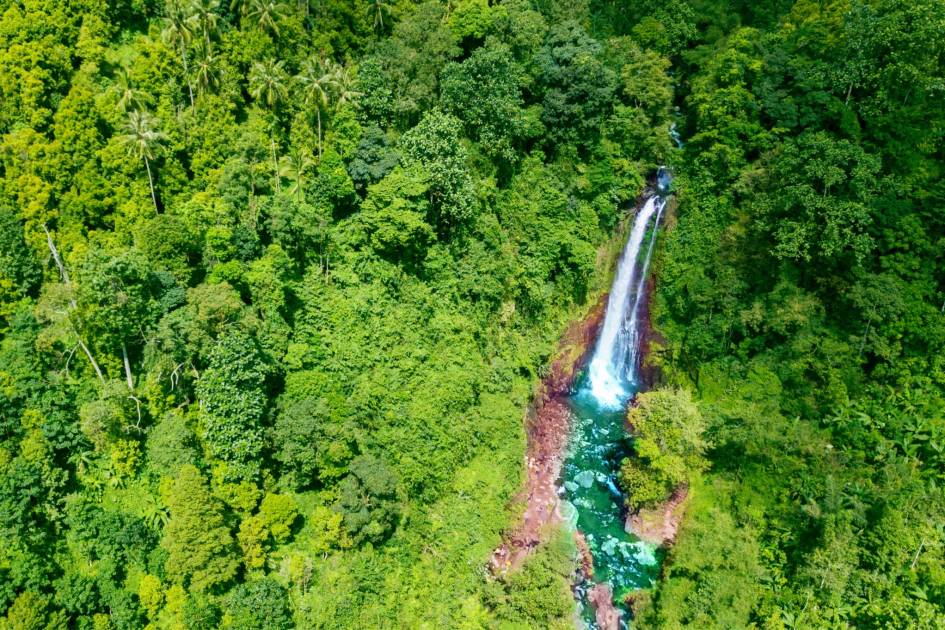
10 candidates trained at 1-Star level, three at 2-Star, and six went all the way to 3-Star, learning everything from bracing and capsize drills to marine navigation, radio protocols, group rescue and towing systems. The structure was designed to be self-sustaining. Instructors trained and certified 3-Star leaders first, who then helped teach and assess one and two star candidates. The programme also reached beyond guiding, drawing in members of Indonesian Waste Management, Search and Rescue Labuan Bajo, the local dive community and students - building capacity across the whole community, not just one company.
“I’m excited and proud”
Historically, natives of Flores have had to leave their families to work in palm oil plantations, or to travel to Java or Bali for work. Jobs in the local area have been hard to come by, and tourism roles tended to be in low-paid, seasonal jobs, with few ending up in management.
For Flory, a Manggarai native who came through the training as a Certified Senior Kayak Guide, the significance runs deep. "It’s my career, and getting the certification is my legacy for the future," he says. "I am the kayaker now - a real kayaker - and people who want to come kayaking with me can come." It's a small line alluding to a bigger idea. A skill once imported from abroad now belongs, formally and permanently, to the people who call this coastline home.
“My feeling? I’m excited and proud,” Flory says. “It’s important, so tourism is not just western people meeting western people. Now western people can come and meet locals - who know the area, and who has more knowledge about the area. I can show people areas they have never seen before. Very beautiful areas, and I’m able to communicate that to [them].”
A 2022 study estimated Indonesian tourism leakage rates (the amount of tourism money which leaks out of the area, to external economies) at between 50% and 80% - so this shift is crucial.
They get the history of Manggarai, including Komodo National Park, and the information around it - not just a kayak.
The economy of Flores has historically been agricultural - tough work farming rice, bamboo, bananas or working with livestock. But if a trained tourism guide works 25 days in a month, they can get seven times the minimum wage - a huge amount more than they would earn otherwise.
Programmes like this one are designed to break the pattern of low paid work, turning adventure tourism into a genuine career path with progression, qualifications and status attached.
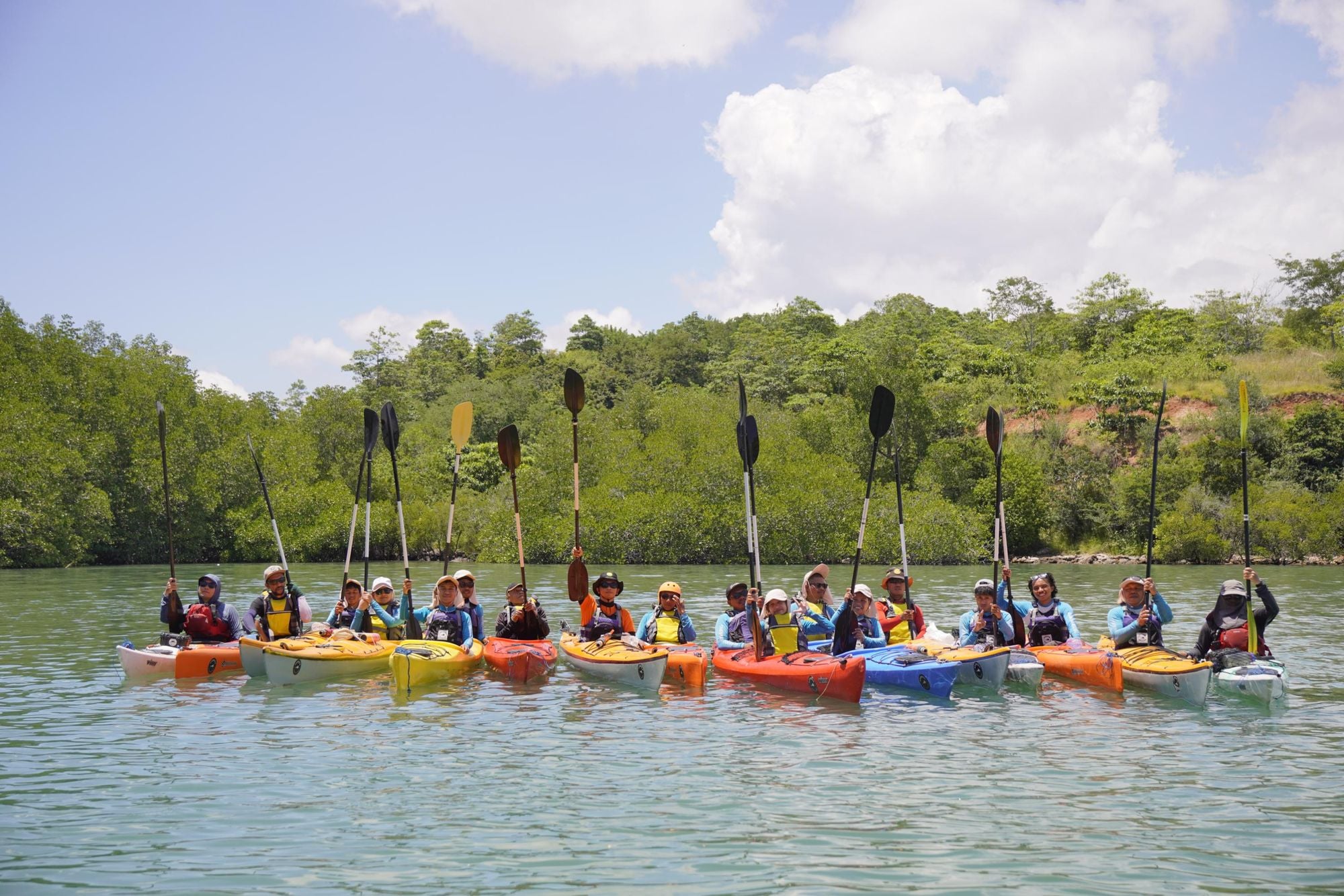
Romy, another Certified Senior Kayak Guide from Flores, puts it plainly. “I think it’s really important to have local guides to lead these trips in Komodo, because we know the situation here - and this helps local people to have a job as well.”
He’s still working on his kayaking roll. “It’s challenging! But I keep trying,” he says - a reminder that even certified guides are lifelong students of the water they work on.
Romy notes that local leadership enhances the experience for visiting travellers, too. “Guests get a kayak experience, but also a cultural experience,” he says. “They get the history of Manggarai, including Komodo National Park, and the information around it - not just a kayak.”
Discover Komodo
That authenticity is what travellers will find on our Hike and Kayak Indonesia's Remote Islands trip, just one itinerary these newly certified guides could lead.
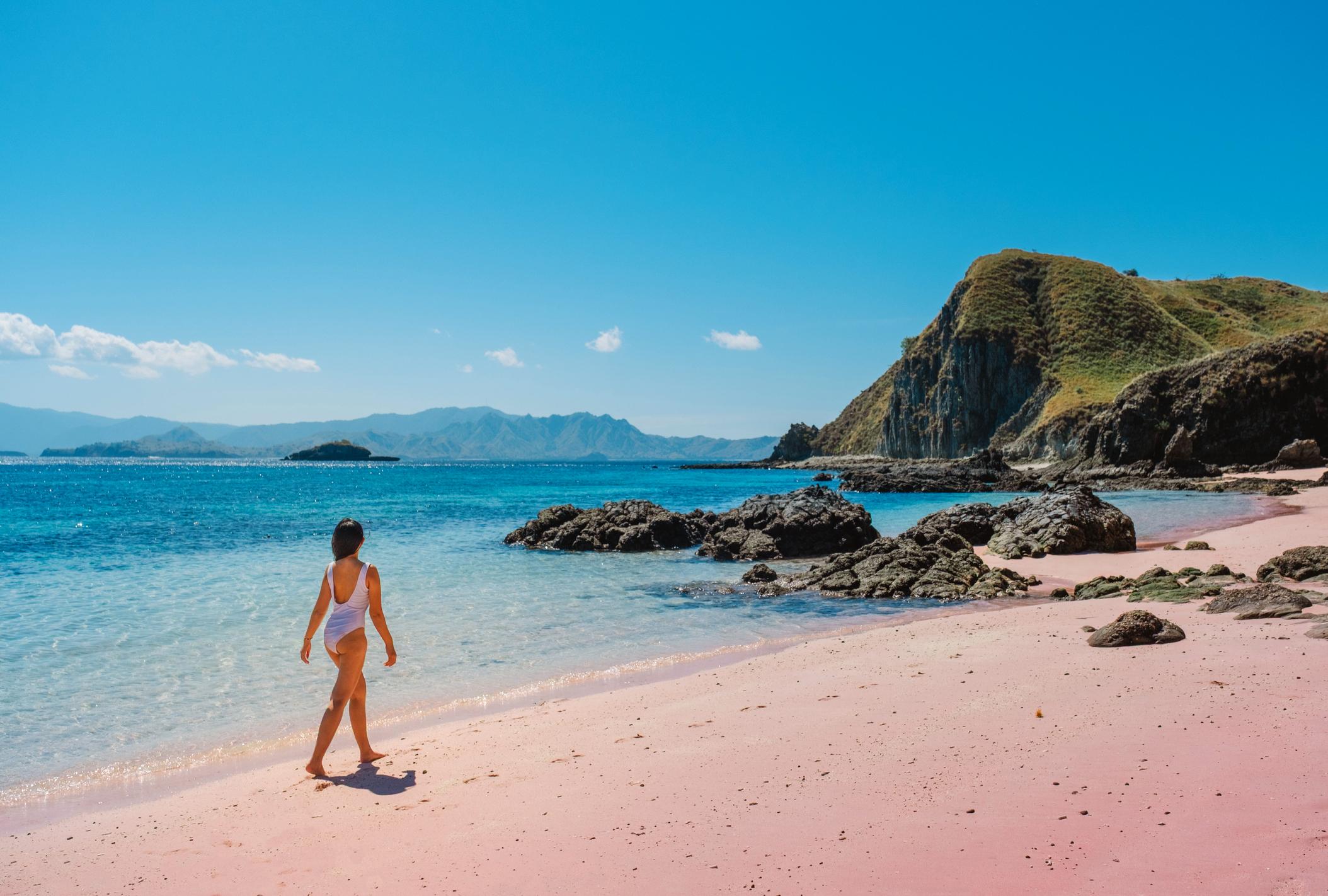
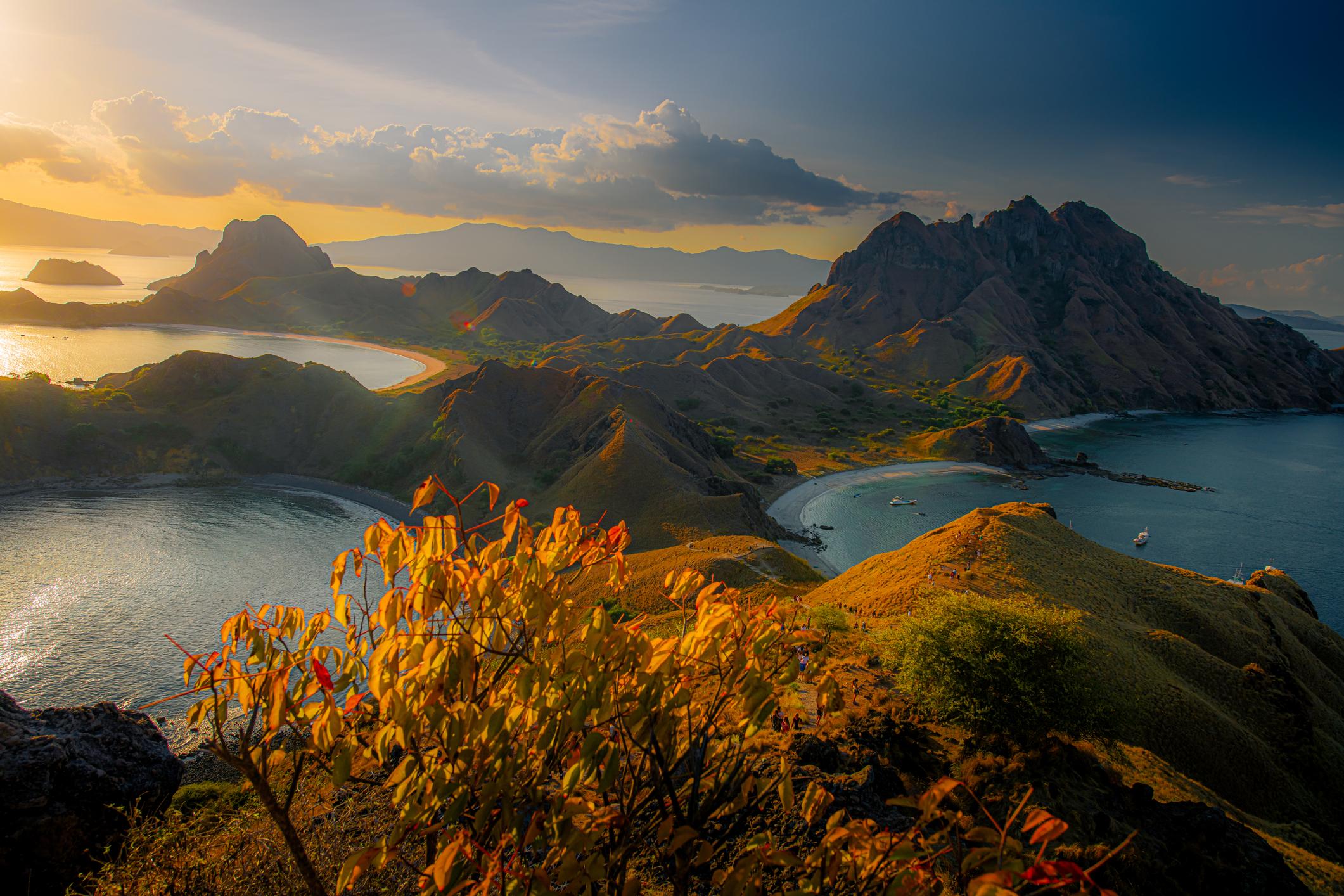
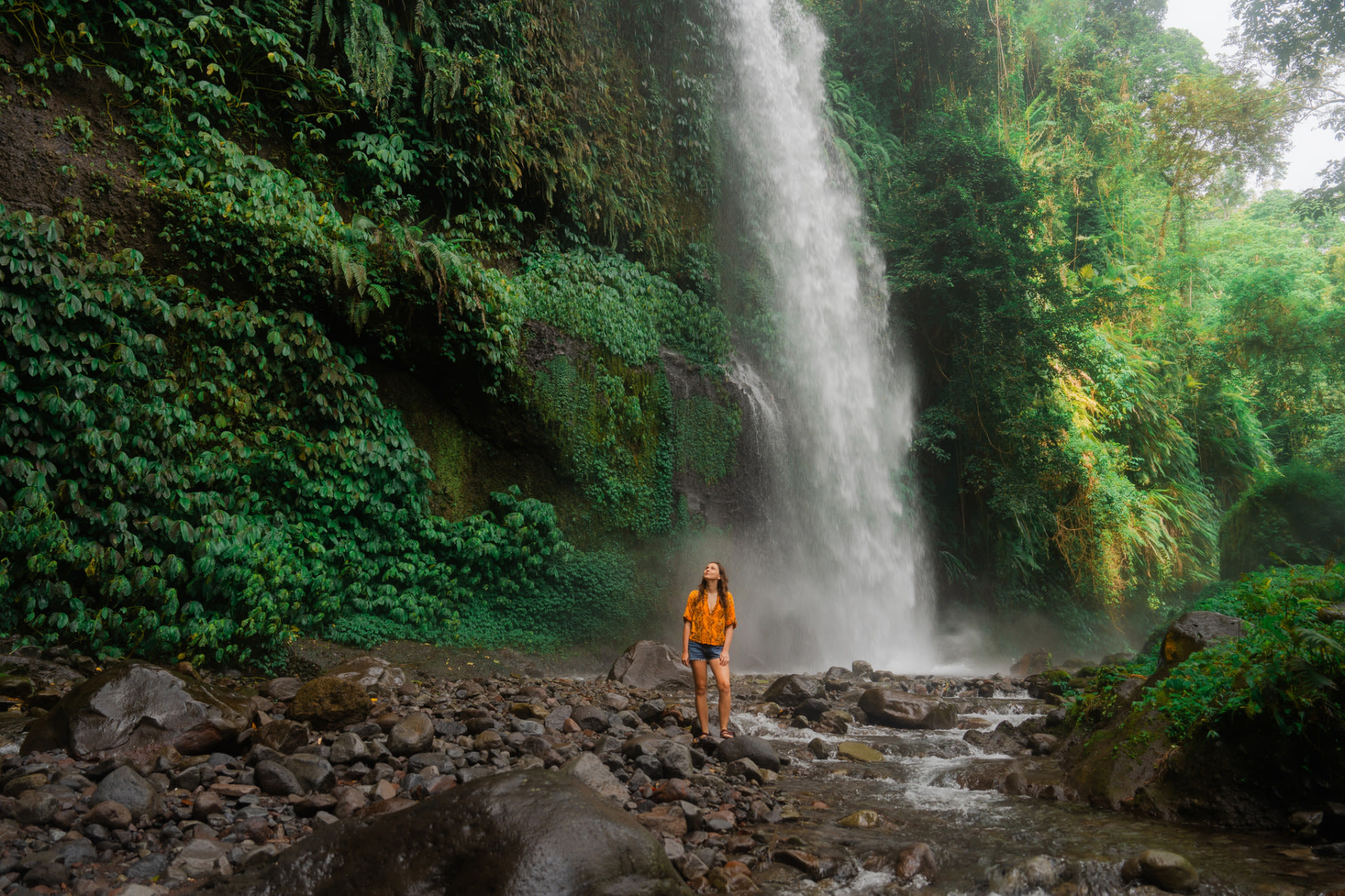
It's a journey that earns its name: cycling past 11th-century temples in Kintamani, hiking down through the waterfalls and jungle pools of Sambangan's "Secret Garden," trekking into the volcanic caldera village of the indigenous Wae Rebo people for one of Indonesia's great homestay nights, then boarding a liveaboard to sail, snorkel and kayak through the Coral Triangle - home to manta rays, turtles and over a thousand species of fish - before tracking Komodo dragons on foot with a local guide at your side.
Asked what he'd tell young people from Flores considering a life in tourism, Flory doesn't hesitate: "Keep learning and then love your area,” he says. “It's very important. Labuan Bajo or Komodo National Park; everything is here."
Romy's advice is to start early, and stick at it. “Start practicing kayaking now, because it’s really a big potential for the future, and for a career,” he says. “Now people are coming to visit Komodo - but there are also a lot of other beautiful places that we can explore with a kayak.”
Indeed, Indonesia comprises over 17,500 islands. Who better to discover them with than the people who grew up in the coves, and call these waters home
Inspired? Check out our full range of adventures in Indonesia now!