


The first flagpole in the Korean Demilitarised Zone (DMZ) was built by South Korea in 1980. It stood 100 metres (328ft) tall in the village of Daeseong-dong - one of only two towns permitted to remain in the DMZ, which was established as part of the 1953 armistice during the Korean War.
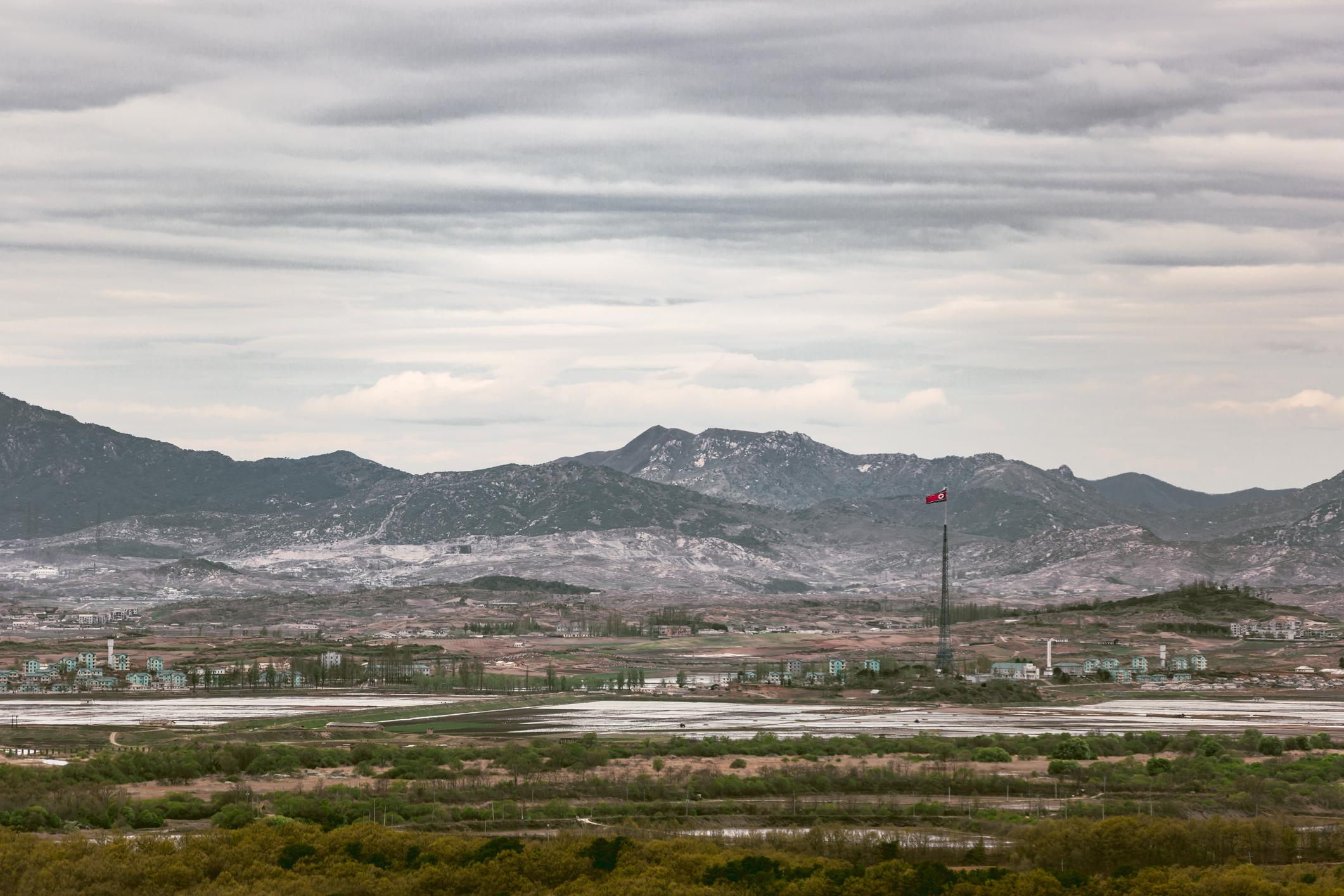
Not to be outdone, the North Korean government responded by building a 160m (525ft) flagpole in Kijŏng-dong, a village very near Daeseong-dong, on the other side of the border. This flagpole was the world’s tallest for two decades, and remains the seventh tallest today. While the flag in the south weighs around 130kg (287lb), the North’s flag weighs 270kg (595lb). It is so heavy that the military has to take it down in heavy rain to prevent structural damage to the flagpole. The structure stands, like a slim-line Eiffel Tower, backdropped by sloping mountains, with the famous blue and red of the flag flying at the top.
It's interesting. Sometimes we can see people, but most of the time it’s empty, because it’s a show village.
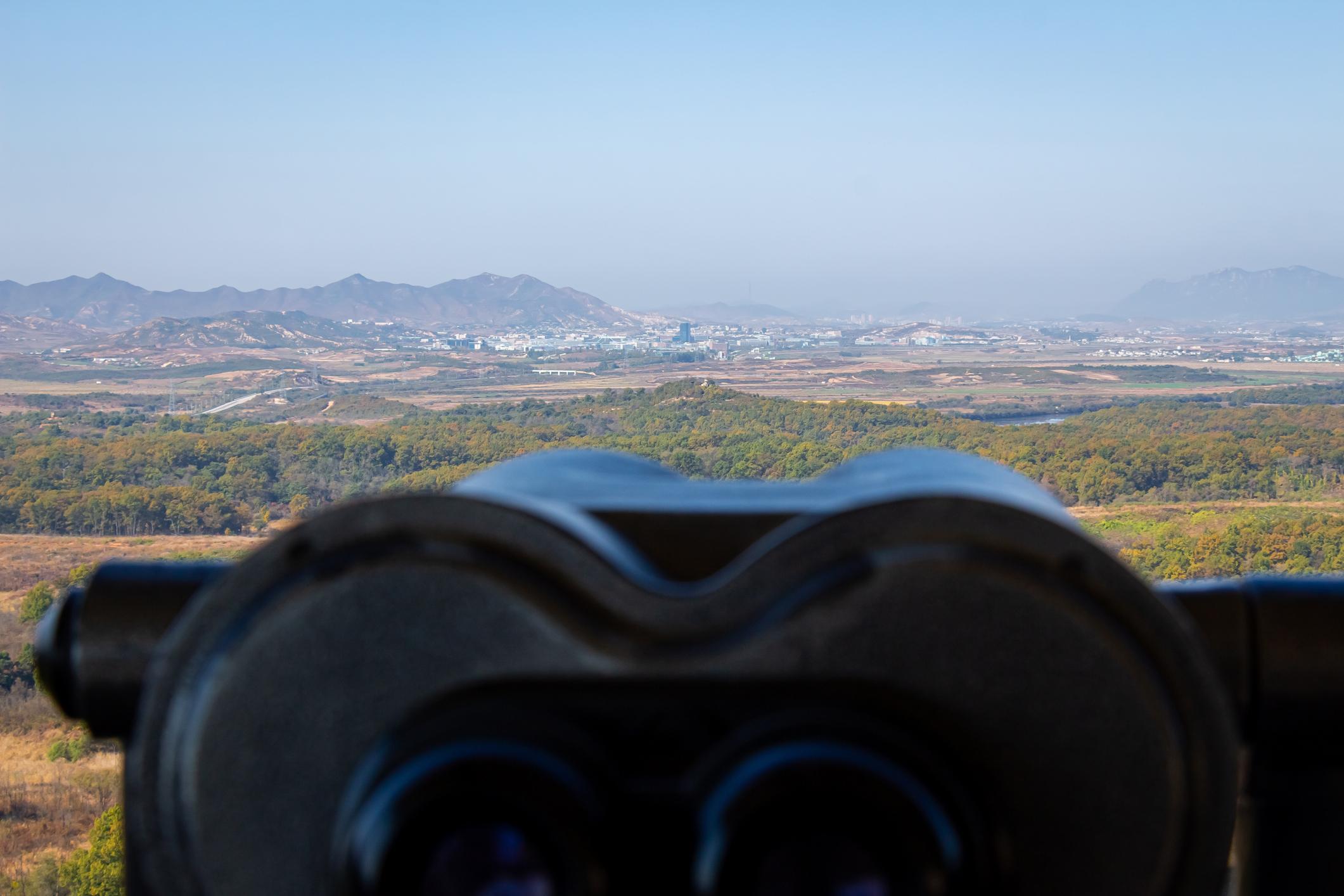
You can see that flagpole, and see into Kijŏng-dong from Dora Observatory, which sits on Mount Dora in South Korea, overlooking the DMZ.
“It’s interesting,” says Gieun Kim, a local tour guide with Jigi Travel, partners of Much Better Adventures in South Korea. “Sometimes we can see people, but most of the time it’s empty, because it’s a show village.” Though North Korea once claimed 200 people lived in the village - and the buildings have electricity and amenities that would’ve been advanced when they were built in the 1950s - it is now believed these buildings are not inhabited at all. Indeed, it’s thought that they do not even have rooms inside them, or glass in the windows.
The residents of Daeseong-dong in the DMZ, meanwhile, enjoy an exemption from tax and military service - and earn a good deal more from their fertile rice and ginseng paddies than the average South Korean farmer. They do, however, have to put up with a roll call every evening at 7pm, and an 11pm curfew.
 Much Better Adventures
The ‘flagpole war’, as it became known, was just one example of the pettiness that has became part of everyday life on the DMZ, where, as journalist Rick Atkinson described it in a Washington Post article in May 1984, “one-upmanship is an art.”
Between two flagpoles
It’s not just flagpoles that cause arguments here. When North Korea noticed that the South Korean administration building at the Joint Security Area (JSA) was slightly higher than the one on their side, they built an artificial hill in order to make theirs higher. The JSA is the only part of the DMZ where North and South Korean forces are face-to-face, and the build of the guards on either side of the line there was also such that people joked they were "bred for height and bulk.”
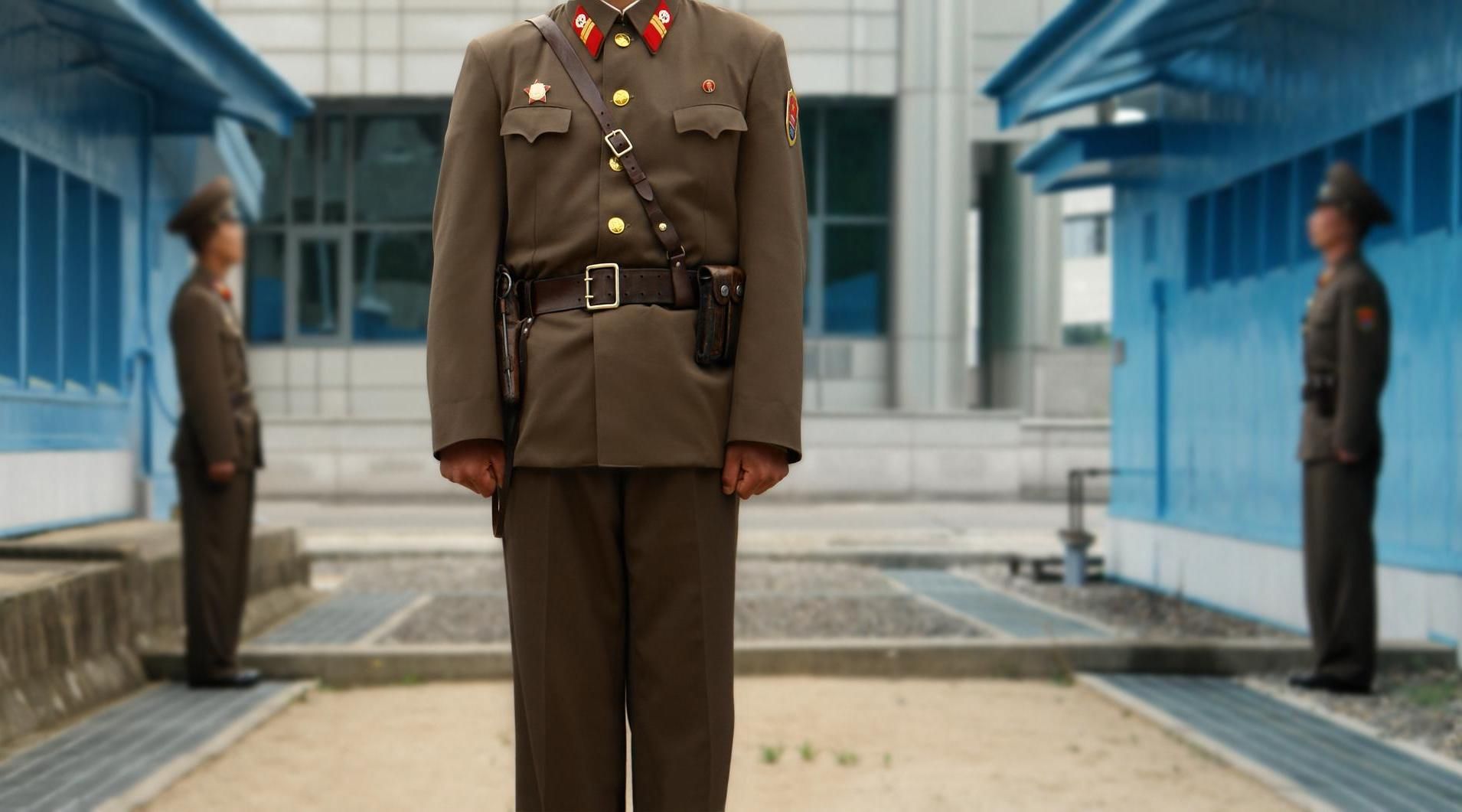
Both sides used to blare propaganda across the DMZ from loudspeakers - the South playing speeches on democracy and popular culture, while the North played wolf noises, mechanical grinding or anti-Western speeches.
To visit the DMZ today is to visit the Buffer Zone - which is not at all demilitarised. It's one of the most militarised places in the world.
“We play K-Pop and they talk about how great North Korea is doing - those kinds of things,” says Gieun. Both speakers are now off, and in August 2025, the South Korean military began removing their speaker from the border, as South Korean President Lee Jae-myung sought to “restore trust” between the countries. The North’s broadcasts also halted - although as recently as 2024, the North did send thousands of balloons filled with rubbish and animal manure across the DMZ.
Not all of the history here is so trivial, of course. The Korean War, which took place from 1950-1953, was a major escalation of the Cold War and a truly brutal conflict. Millions of civilians died, as did around one million soldiers across all sides. The war ended with the signing of the Korean Armistice Agreement, but a peace treaty was never signed. Between 1966 and 1969, the DMZ became the site of the ‘Second Korean War’, in which hundreds more died. The US handed the frontline DMZ duties over to South Korea in 2004, but US troops remain in the country - and the DMZ itself remains dangerous. As recently as 21 September 2026, three South Korean soldiers were injured by a landmine during a patrol.
To visit the area as a tourist is safe, as you will actually be visiting the Buffer Zone (also called the Civilian Control Zone, or CCZ) - which is on the edge of the DMZ. Far from demilitarised, it's one of the most militarised places in the world.
“So technically, when we visit the DMZ, we don’t visit the real DMZ,” says Gieun. “Nobody is allowed in the demilitarised zone. What we mainly visit is the Buffer Zone, on the border of the DMZ - and there, it is really, really militarised.”
On the ground - and below it
Imjingak Park is the visitor gateway to the CCZ and the DMZ experience.
“It’s a huge park with lots of statues and art,” Gieun says. “It’s an area where there is hope that one day we will be unified. And it’s here we visit the Freedom Bridge, a wooden bridge which was used by prisoners released from North Korea in 1953. There is a locomotive train there also, with a lot of bullet holes in it. It’s proof of the horror that happened in South Korea.”
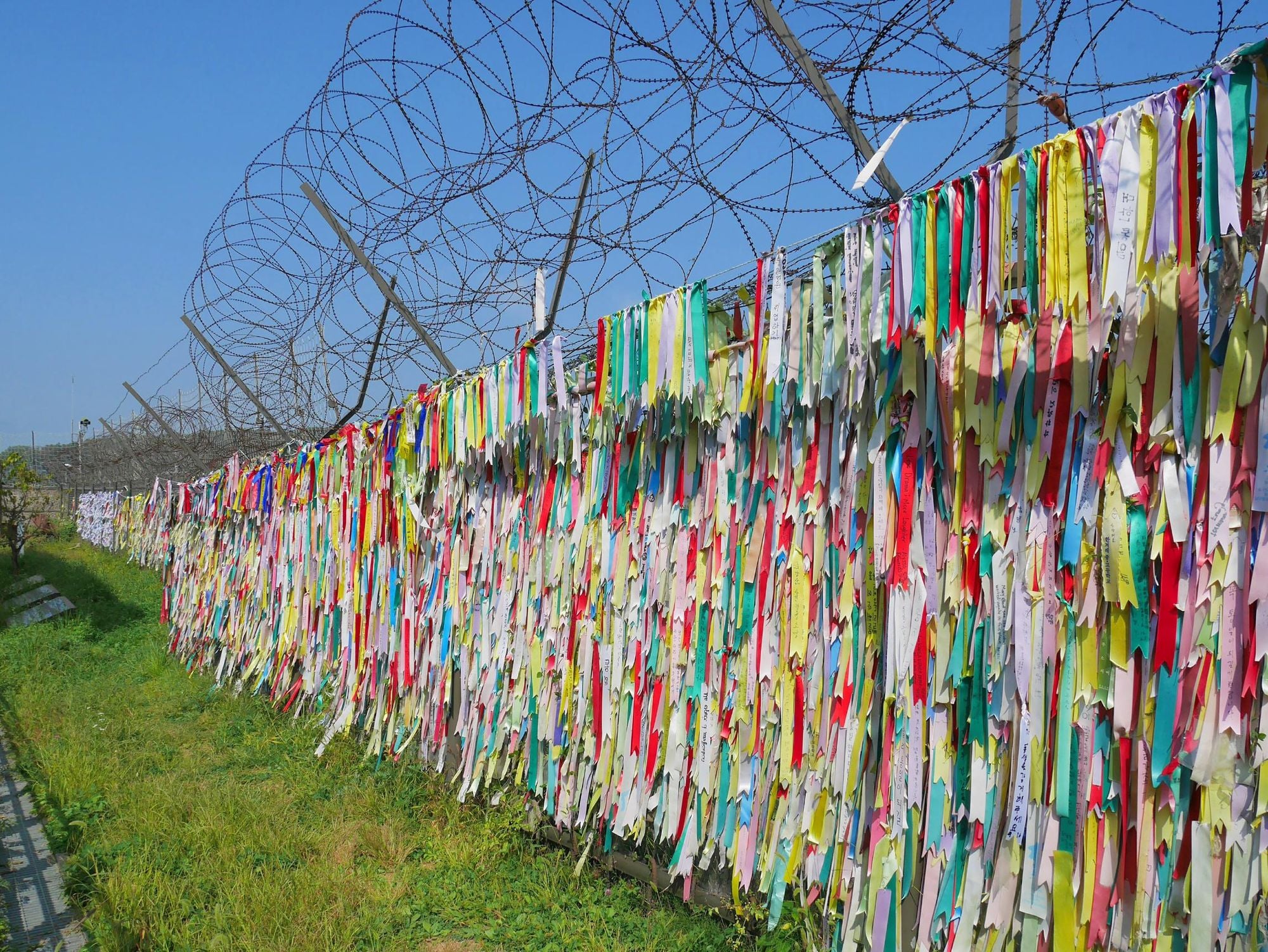
Imjingak is a gentle park - a place of beauty and art - but with an emotional backdrop. There is a fence which is covered in thousands of ribbons, each one a message to a relative across the border in the North, or a prayer for peace.
“I think, as generations go on, we forget there are [separated] families,” Gieun says. “We used to have reunification meetings - sometimes for one day, or two or three, but now those are becoming rarer, because people are older or have died."
We don't really have a lot of issues with North Korea now. It’s something you get used to - but when you go there, it makes you think.
From Imjingak Park, visitors continuing to the CCZ transfer onto government shuttle buses. “And once you get into the buffer zone, it's very strict,” Gieun says. “The military verifies how many people are on the bus, to see we don't leave anyone inside or take one more when we go out. You need your passport - and inside you can't take pictures, because areas are militarised, and secret. Sometimes they even confiscate cameras.” Naturally, when a military conscript boards the bus and starts inspecting passports, the mood on board can change.
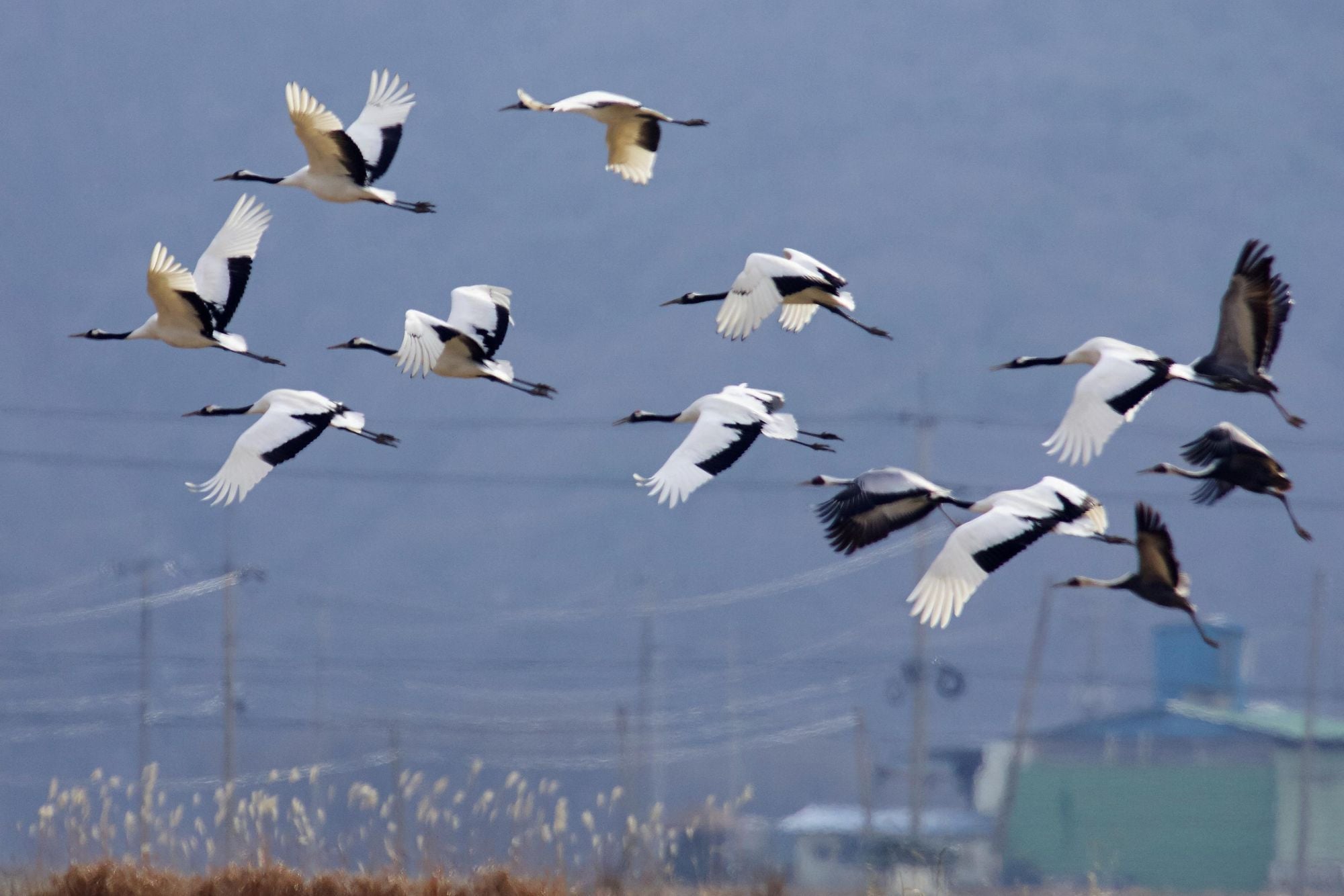
The actual DMZ is 160 miles (257km) in full, stretching from the Yellow Sea in the west to the East Sea. Most tourists visit on day trips from the city of Seoul, which is roughly an hour from the DMZ (with nearly every hill and ridgeline in between being fortified). The reason you don't visit the DMZ itself is because, owing to that turbulent past, it is still mined and dangerous. Interestingly, there are also now black bears there - and unverified sightings and reports of rare Siberian tigers and Amur leopards - wandering the reclaimed nature of the demiliterised zone; co-existing with Manchurian cranes.
Beneath the ground, tunnel-hunting has been a constant in the DMZ since the first North Korean tunnel was discovered in 1974 - dug with aim of allowing the North to move troops quickly and quietly into the South. More tunnels have been discovered since, going from the North into the South. Visitors can walk into the Third Infiltration Tunnel, discovered in 1978 (thanks to a tip-off from a North Korean defector). It sits 73m (240ft) below ground, down below the solid granite.
Sometimes, they talk about their experience in North Korea, or their families who are still there.
“They say that 30,000 soldiers could have gone through the tunnel per hour,” Gieun says, “but the space is small. It can be claustrophobic. The entrance is really steep. It’s easy to get down, but it’s hard work on the way out. They’ve put in vents, and you can still see where they put the dynamite. It would have taken a long time to create the tunnel, too, so there were resting areas. It was found in the 70s - not so long ago - and it makes you think about how the war kept going. We are a secure country now, and we don't have a lot of issues with North Korea. It’s something you get used to - but when you go there, it makes you think.”
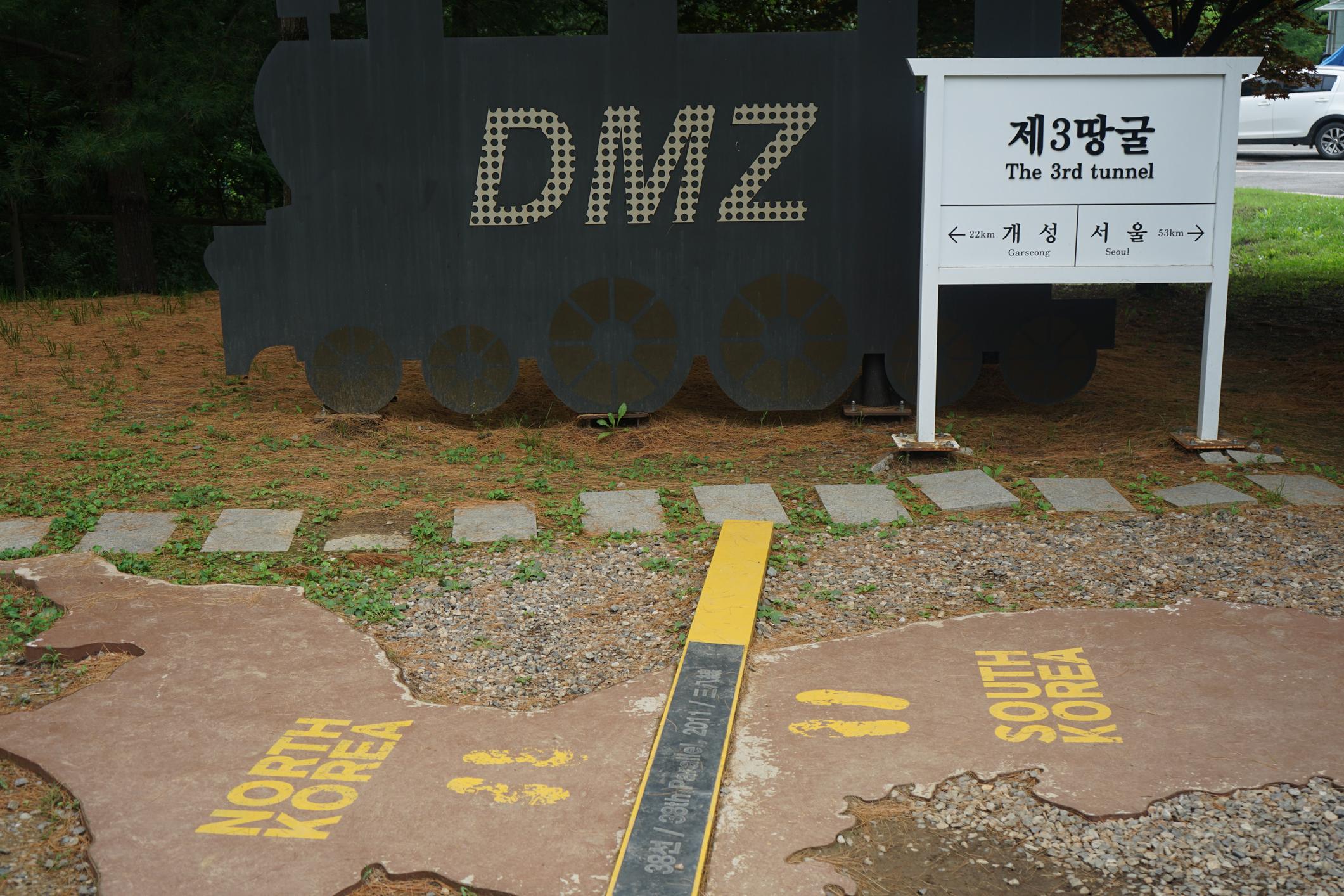
The Third Infiltration Tunnel is close to Dora Observatory - the northernmost observatory in South Korea. From the viewing area, which is often crowded with tourists, you can see the city of Kaesong, a statue of Kim Il-sung and the famous flagpole. It's a pleasant stretch of countryside; the land a scenic mix of green paddies and low green hills. When the loudspeakers were still going, you could hear the K-Pop being blared across the border from the observatory.
Much Better AdventuresA human experience
Once you’ve walked the infiltration tunnel and visited Dora Observatory, the most profound experience awaits - meeting a North Korean defector.
Such a meeting can be booked via an organised tour. It usually takes place either in the North Korea Experience Hall at Imjingak Park or in a local restaurant in Paju. The group will be shown a short film, and then there will be a private Q&A.
“Sometimes, they talk about their experience in North Korea, or their families who are still there,” Gieun says. “They might talk about geopolitics, and how it has affected them, and how hard it was to come to South Korea. It’s a very personal story and all are different stories, because they’ve been through different experiences. Of course, there may be things they don’t want to talk about too - but it always comes from their personal experience and from the heart.”
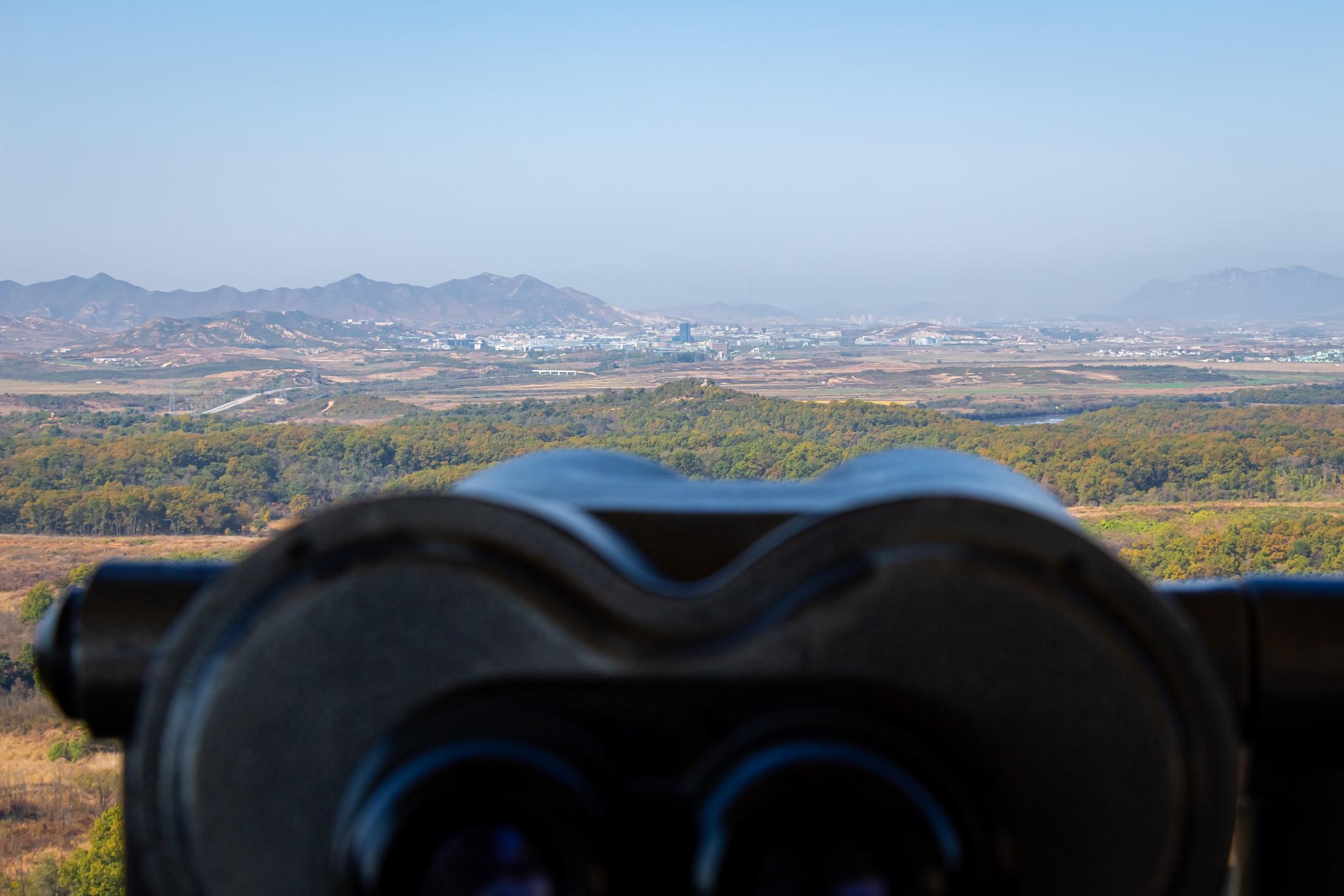
At times, visiting the DMZ can be uncanny. The tunnels and the observatory are curious places, but particularly when the human stories are presented, the reality of it hits home. This is a place to be approached with humility and respect.
From Dora Observatory, you see North Korea through a lens. Here, with no checkpoint or queue for binoculars, you earn the view yourself...
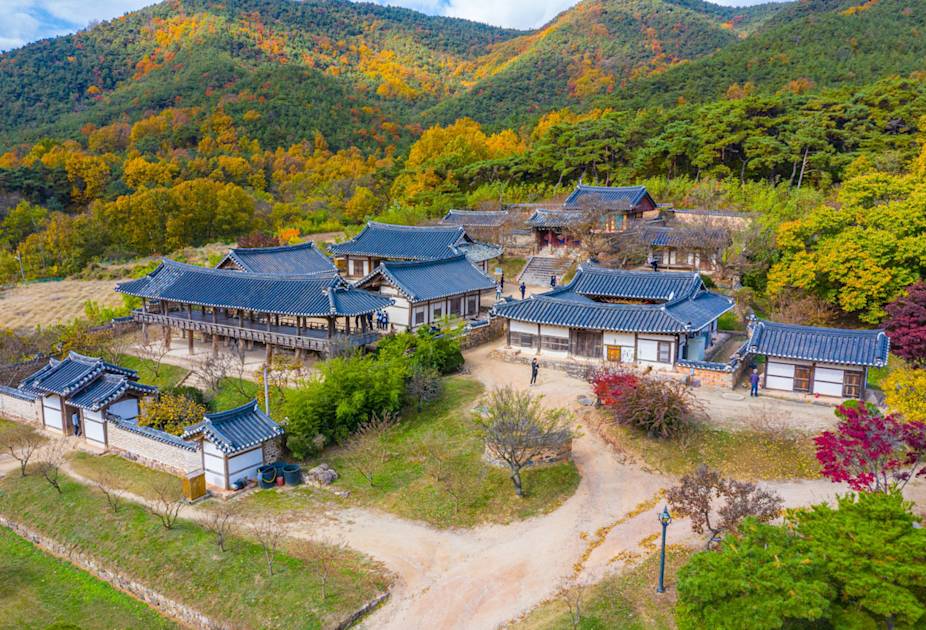
The heads on your bus will be counted again before you leave the Buffer Zone. After lunch, the road travels southwest. At the edge of the border zone, 15 miles (25km) from those tourist sites, there is a city called Gimpo, which shares the Han River estuary with Gaepung County in North Korea. Hike from here to Munsusan, home of a 17th-century fortress, and you can walk through cork oak and pine trees to a mountain ridge. When the weather is clear, you can see North Korea from here. It's a beautiful view; ridgelines rising out of the water.
From Dora Observatory, you see North Korea through a lens. Here, with no checkpoint or queue for coin-operated binoculars, you earn the view yourself.
Visiting the Korean Demilitarised Zone can be an emotionally and physically demanding experience. It is an education, at times heart-wrenching and at other times fascinating - along a tear on the Korean Peninsula that is yet to mend.
See the full itinerary for our Ultimate Adventure Through South Korea now