
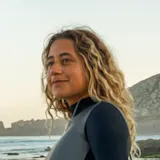

I was volunteering with a wildlife conservation organisation in Malaysia and had just been turned away - from a meeting room where a PowerPoint I had made was about to be shown. By this point, it was hardly a novel experience. Of the thirty-something countries I have been to so far, I’ve been politely declined access to spaces, gatherings, conversations, meals and events in about half of them. The prohibiting factor is simply that I am, in fact, a woman.
Initially, this frustrated me. Travel, I thought, should be about exploration. About curiosity and embracing the unfamiliar with gusto and bravery. Being stopped at the foyer of certain spaces, from meeting rooms to outdoor cafés, felt like a barrier to all those glossy dreams.
It taught me that travel isn’t just about where you go so much as it is about who lets you in.
What I did not expect to learn was that by being turned away, I would be able to find a wholly new and unexpected adventure. Right next to those closed doors, I often found another world that opened to me precisely because I was a woman.
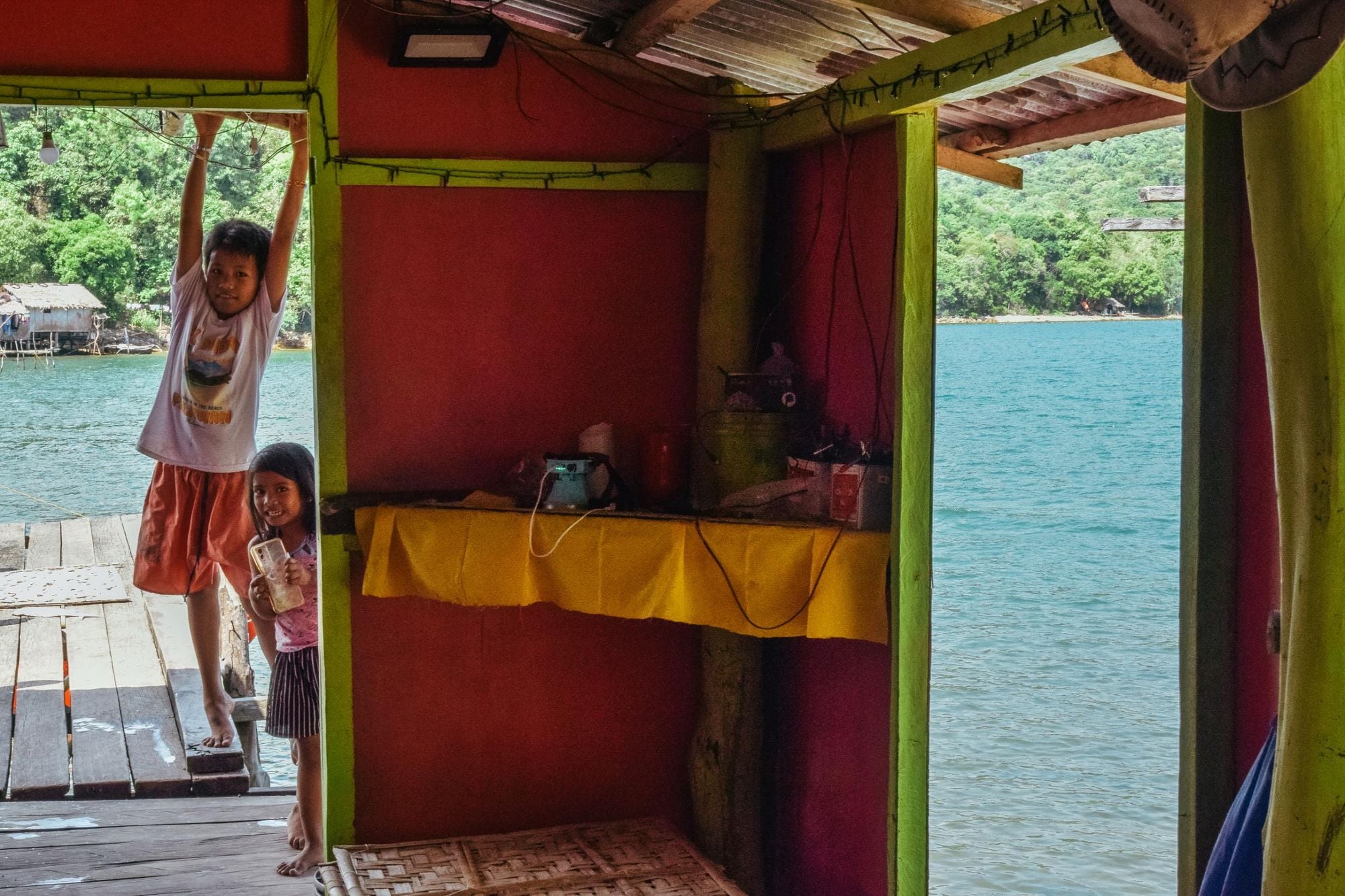
Just as certain canteens in Turkey or cultural events in Indonesia remained socially inaccessible, women warmly invited me into their spaces. In the Philippines and Morocco I was welcomed onto porches and into courtyards, into living rooms and gardens, to family meals and into community spaces.
What had initially felt like exclusion soon revealed a beneficial flip side: I had a different kind of exclusive access. To be frank, this access was deeper and more profound than anything I could have hoped for in the former. It taught me that travel isn’t just about where you go so much as it is about who lets you in.
In many parts of the world, gender roles shape the rhythm of everyday life in visible ways. It isn’t always direct so much as it is implied. In countries around the world, I have walked by spaces filled exclusively with men - from cafés or religious gatherings to social clubs - where women simply aren’t expected to sit.

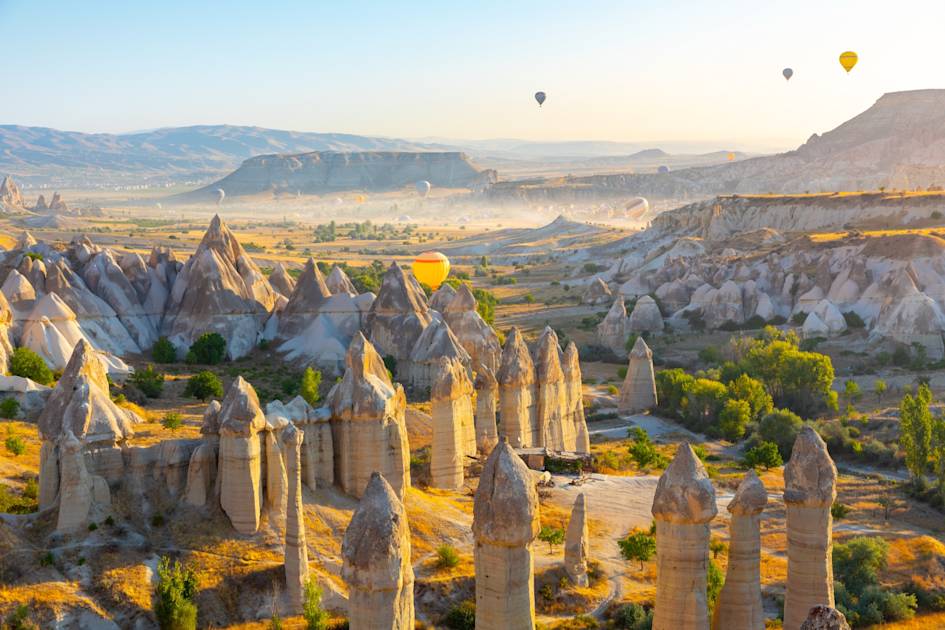
For travellers coming from places where these boundaries are less rigid, encountering them can feel jarring or, at the least, unexpected.
Respecting each culture’s own internal geography and social spaces is key to unobstructive travel. But finding the places where you can foster deep connection and be included in everyday life can lead to truly fulfilling travel.
Beyond the Guidebooks
I was slouched along the fringe of a road in Sumatra next to some brightly-coloured tropical plants, splashed with vibrant orange and red hues. The smell of woodsmoke and unfamiliar foliage hung heavy in the humid air.
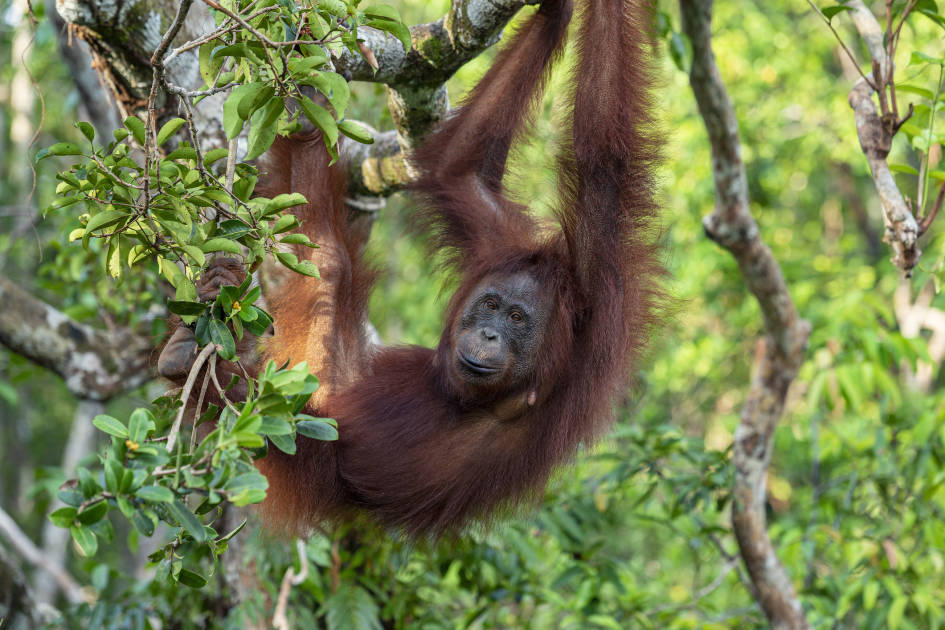
My travel companion had been invited to share a hot drink with a group of men working in orangutan conservation, who we had been spending much of our time with. I wasn’t invited, and it was understood that women would not be welcome in the establishment they would be visiting. I was determined to make something of my day - and headed out into the heat with reproachful enthusiasm.
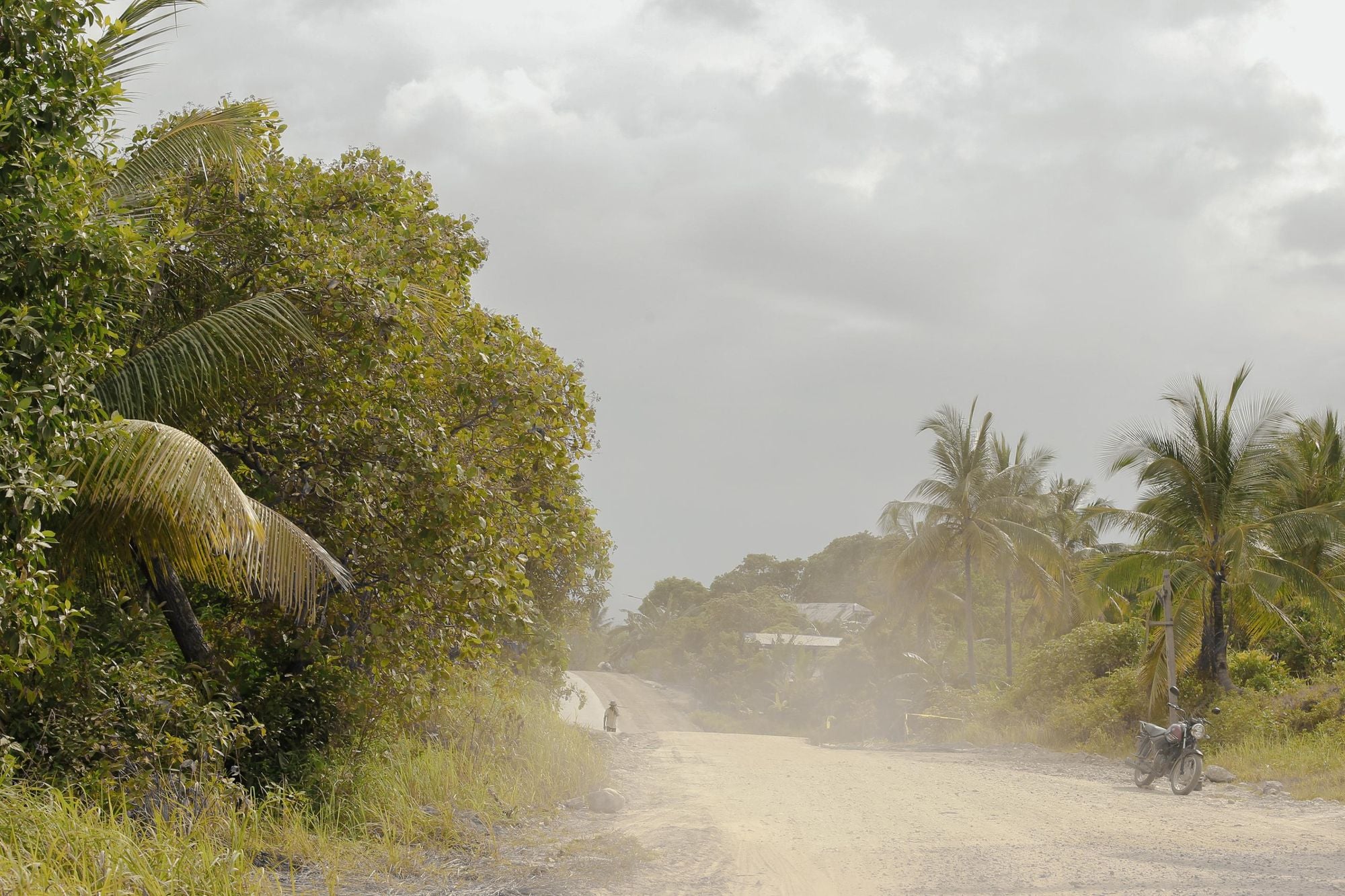
Walking down a dirt path, I was soon distracted by the high, standardised rows of palm trees on either side of me. Swatting at some abnormally persistent mosquitoes, I fell into step with a young girl who could not have been older than five years old. She began asking me questions and never really stopped. Eventually, we reached her destination: a small white house sandwiched between two others that looked quite similar. Her mother waited on the stoop of their porch, reasonably unwilling to yield her spot in the shade of a foliage awning. I introduced myself and she kindly asked me over for a cup of coffee.
In those moments, travel stops being purely observational and morphs into something closer to exchange.
Hours passed, coffee was poured and conversation flowed. We laughed and talked until the high noon heat had faded to a balmy evening. I was invited to join them the next day and, upon returning, found several other women sitting on the kitchen floor waiting to engage in light conversation with a foreign stranger. We ate a delicious meal of hot rice and rendang, and sipped a dark roast from small cups. I was passed babies to hold, learned which specific kids were trouble and of secret love affairs. I felt wholly absorbed into the life of the village.
The conversation moved from grievances to grief, from heartbreak to hilarity. I had clumsily stumbled past the postcard façade - one of endangered species moving through tropical rainforests, and pristine beaches - and into something that most travellers never see: what people’s lives were actually like.
This revelation has impacted every subsequent trip I have taken. Since, I have been privileged enough to be invited to cafés and community events and religious festivals by women around the world. Being a woman has actually increased my ability to blend, to gain insight and to contribute to communities.
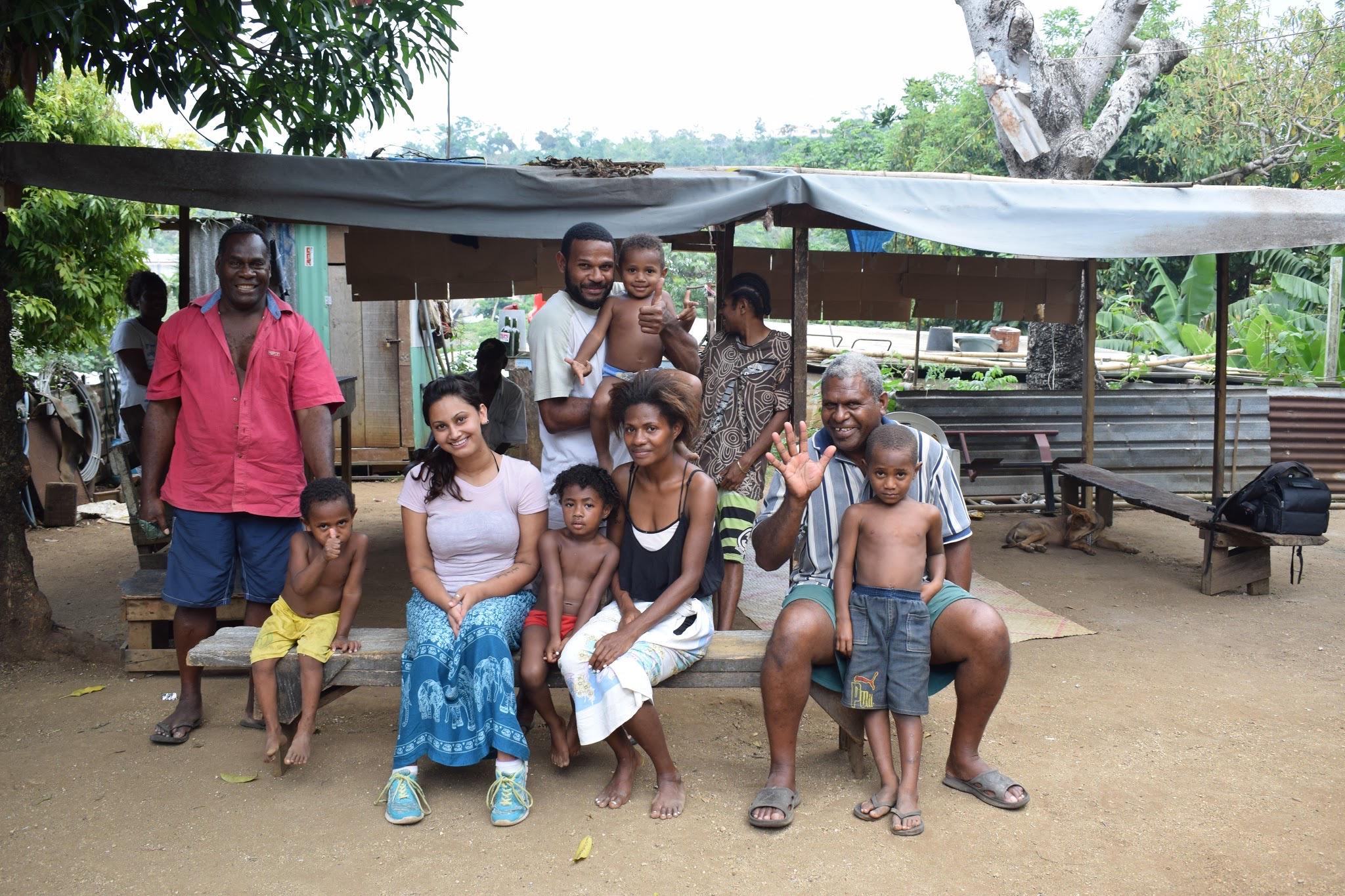
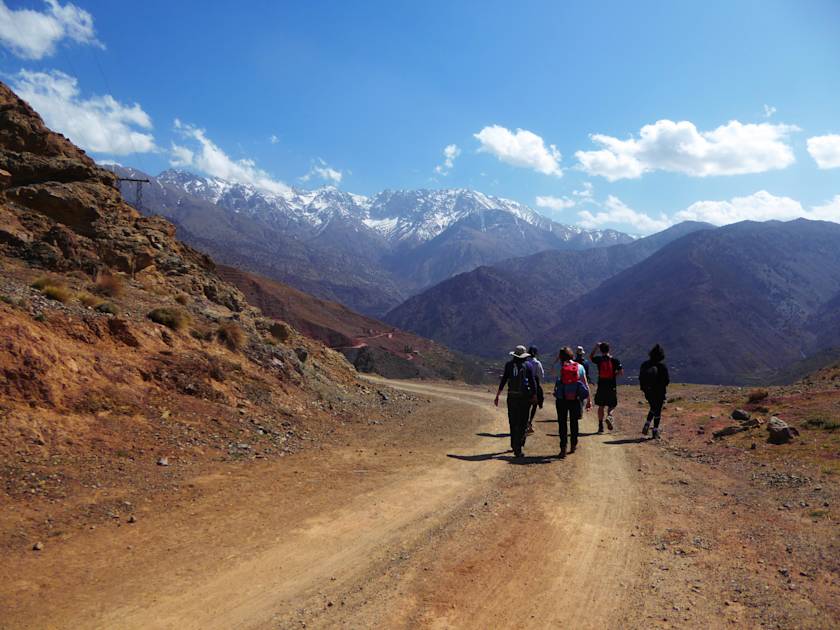
In Morocco, I ate couscous tfaya in the living room of a friendly family, while the female head of household spoke about her favourite places to visit in the Atlas Mountains - the jammy onions and cinnamon are still fragrant in my memory. In Vanuatu, I was welcomed by a kind island mother to bear witness to a village discussing its next rightful chief. In Vienna, I drank sweet wine with other women in a secluded artist’s studio.
Travel guides tend to focus on the visible highlights of a destination: the major landmarks and historical monuments, the brightest lights and most sweeping landscapes. They tell you where to hike, what to eat and which markets to visit. The porch or the kitchen floor rarely make it onto the page.
For women travelling the world, those hidden spaces can become the most memorable part of a journey. Inside new friends’ homes and courtyards, stories emerge that might never surface in public settings. You might talk about holiday or birthday traditions, about children and work, about marriage and independence, about the small details of life that rarely appear in travel brochures. Most likely, you will be asked questions about where you are from, if you have children and what your experience has been travelling so far.
In those moments, travel stops being purely observational and morphs into something closer to exchange. True relationships form easier on that kitchen floor than they ever could on the cold tile of a museum.
What We Gain By Looking Sideways
Anthropologists often describe culture as layered: a network of public and private worlds that overlap but don’t always intersect. Public spaces offer one version of a place. Private spaces reveal another. As a woman, you might find yourself able to move between those layers in unexpected ways.
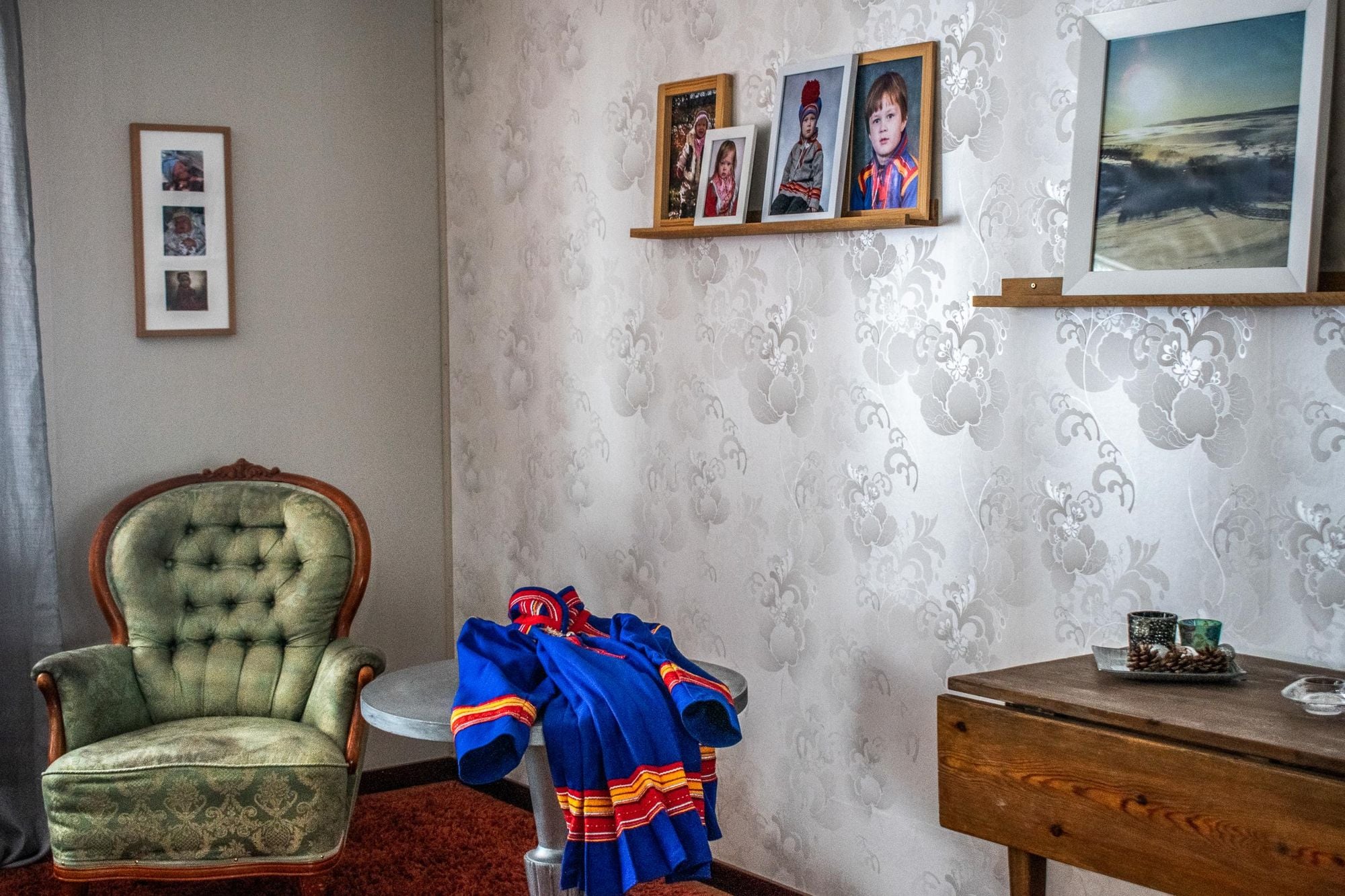
The very restrictions that seem limiting can also act as quiet guides, redirecting you toward parts of life that many visitors never experience.
Every person moves through the world with their own lens shaped by identity, background and circumstance.
Instead of sitting in a crowded café watching the world go by, you might find yourself helping prepare dinner for a family you met an hour earlier. Instead of observing a ceremony from the front row, you might sit in the back beside a woman who explains its meaning as it unfolds. These moments are rarely planned. And of course, they cannot be guaranteed or expected. They happen through trust, curiosity and acts of generosity that connect across cultures.
There’s also another reason these encounters happen. Around the world, women often recognise something familiar in each other’s lives.
Even when language barriers exist, conversations quickly drift toward common themes of family expectations, independence, work, relationships and the changing roles of women in different societies.
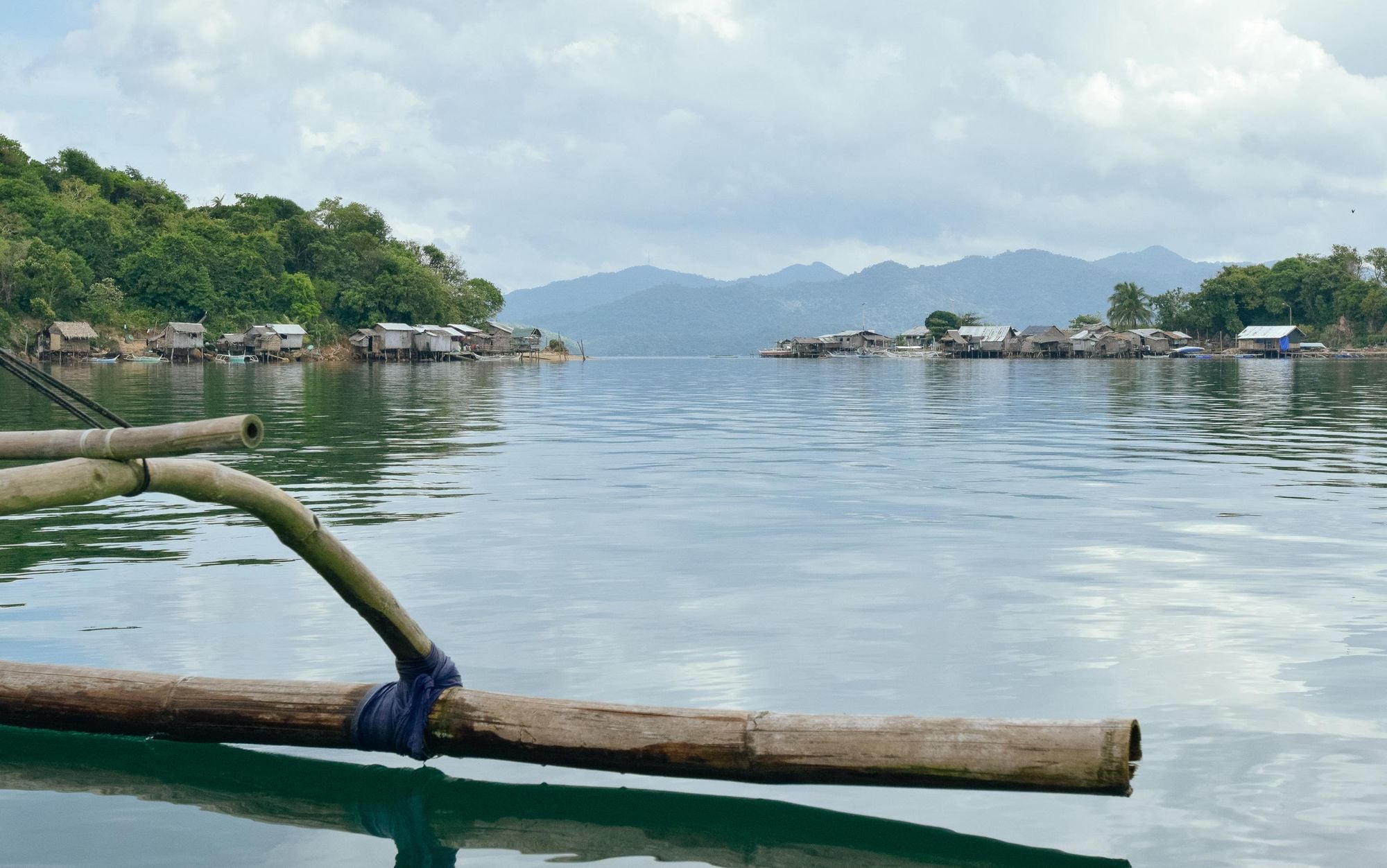
None of this means gender restrictions are easy, or that they should simply be accepted without question. Towing the line as a guest in another country means respecting the sociocultural boundaries of a place while finding ways to shift perspective. But what might initially feels like a barrier can sometimes redirect you toward experiences you might never have sought out yourself.
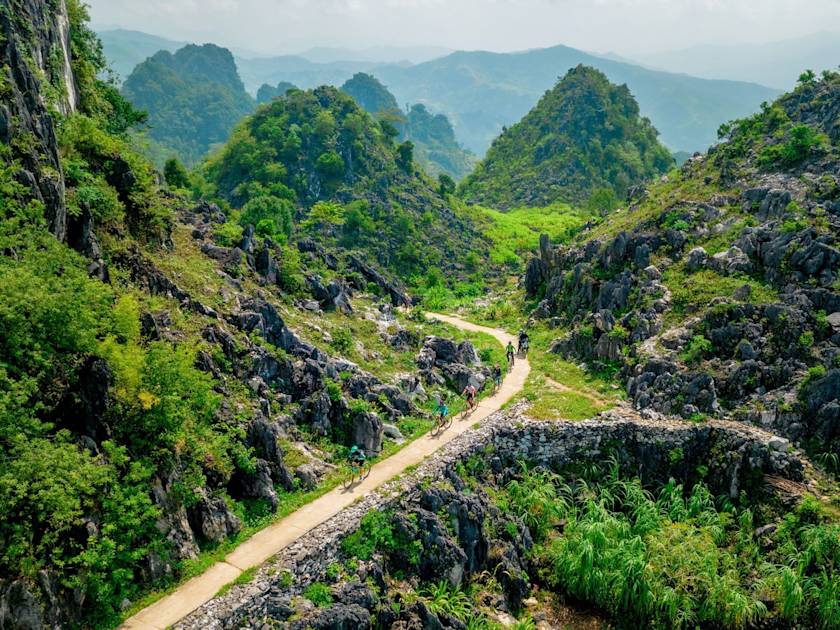
For me personally, being turned away from spaces no longer feels like the end of the road. Instead, it often signals the beginning of another path. One that leads into conversations that unfold slowly over shared meals. And when this doesn’t happen, I no longer slouch down paths, bemoaning my exclusion. I am able to feel grateful for the depth of life that I am privileged enough to witness and am happy busying myself on a solo adventure or enjoying some time taking photographs or writing. Exclusion is no longer an irritant in the way it once was.
Travel is often framed as a search for freedom; that ability to somehow visit a place and experience everything without ever seeing the full picture. Every person moves through the world with their own lens shaped by identity, background and circumstance. For women travelling into new communities, that magical lens sometimes reveals hidden corners of everyday life invisible to others. Strangers become hosts. Observers become participants. Travel becomes something more intimate than sightseeing: it becomes connection.
Inspired? Check out our full range of adventure holidays now!