

4.9
Winter Hiking and Wolf Tracking in Italy
A rewilding adventure through the Abruzzo Mountains, created in partnership with local wildlife trackers and conservation experts
3nights
Level 3
8max group
Why you'll love it
Clip on snowshoes to search for the elusive creatures of Italy's Central Apennines Rewilding Area
Eyes peeled for the ultimate apex predator, the wolf: this keystone species is an iconic symbol of rewilding efforts in this part of Europe
Head out on twilight hikes to hear the wolves howl before tucking into classic Italian food in family-run guesthouses
Keen to track wolves and bears at a warmer time of year? Check out our summer edition (opens in new tab) of this adventure
What's Included?
- Wildlife Activities & Guides
- Guesthouse
- MealsAll breakfasts and dinners
- TransfersAirport transfers and everything in between
- EquipmentSnowshoes, poles, binoculars, spotting scopes and use of a thermal camera
- Maximum group size: 8
Itinerary
Day 1
To the Abruzzo Mountains
Hiking1-2hrs · 2km · 150m up · 150m downGuesthouseTwin shareDinner includedShow Day 1 detailHide detail
Meet your host at Rome Airport, hop in the van and drive through rural Italy to the town of Pescasseroli – your base for the weekend. Check into your guesthouse and meet up with your guide, who will give you the lowdown on the rewilding efforts in the area and brief you on the adventure to come. Head out for an easy afternoon hike to get your first taste of Abruzzo National Park and catch the sunset, before tucking into an Italian feast for dinner.
Day 2
Wolf tracking
Wildlife Tracking5-6hrs · 8km · 400m up · 400m downGuesthouseTwin shareBreakfast and dinner includedShow Day 2 detailHide detail
Wake for a sunrise hike along the southern slope of the mountain, through an area frequented by wolves. Whilst you cross your fingers for sightings, your guide will talk you through the history of the wolves in the area and the role they play within the rewilding of ecosystems as a keystone species. Wolves have been making a steady comeback in this part of Italy, thanks in part to the creation and ongoing management of the Central Apennines Rewilding Area. After lunch, you'll take a short drive to Civitella Alfedena to visit the Apennine Wolf Museum, before some afternoon downtime at the guesthouse. Later, you'll head out for a torchlight hike and listen for the unmistakable howling of wolves.
Day 3
Winter hiking in the Apennines
Hiking5-6hrs · 8km · 400m up · 400m downGuesthouseTwin shareBreakfast and dinner includedShow Day 3 detailHide detail
After breakfast you'll head off to explore the magnificent mountain chain of Mainarde – one of the least frequented and wildest areas of the Abruzzo National Park. The landscape here is stunning, especially in winter, with woody slopes giving way to snow-covered rocky hills. Keep your eyes peeled for endemic Apennine chamois and golden eagles soaring overhead. Hike along ridges and valleys overlooking the main mountain ranges of the Apennines – on clear days you can see all the way to the Mediterranean Sea. Head out for dinner this evening to a cosy, local pizzeria in the village.
Day 4
The wilderness of Pianoro Le Forme
Wildlife Tracking4-5hrs · 6km · 350m up · 350m downBreakfast includedShow Day 4 detailHide detail
Begin the day at dawn again, as you set out into the beautiful scenery of Pianoro Le Forme at the foot of Mount Meta – eyes and ears open for deer, chamois, and hopefully wolves, if you're lucky. Hike on through beech forest and mountain pastures to Passo dei Monaci. Warm up with a cup of rich Italian hot chocolate (the best kind) and a final taste of local delicacies, before bidding farewell to the Abruzzos and heading back to Rome.
Where You'll Stay
Looking for a private room? See Optional Extras for details and pricing.

Pescasseroli
Your base for the adventure is in Pescasseroli, a beautiful and atmospheric rural mountain village in the Abruzzo. Staying in one of the village's family-owned hotels and guesthouses you'll support the local community, such as the 3 star Hotel Iris, which offers traditional Italian hospitality surrounded by pine trees and mountain views. By default you'll stay in twin-share rooms, with en-suite bathrooms. The hotel's restaurant serves local produce; freshly made pasta, local meats and cheeses and excellent local vegetable produce, offering an excellent dining experience after a fun day of wildlife tracking in the mountains. Note: Depending on availability, on some departures groups may stay at a similar property such as: Hotel Valle dell'Oro, Della Piazza B&B, or the Albergo La Torre in neighbouring Civitella Alfedena.
What You'll Eat
Breakfast at your accommodation is a classic international affair with cereals, bread, pastries and homemade cakes. Lunches are not included - you will buy packed lunches from the guesthouse or local shops and bakeries each morning to take with you on the wolf tracking excursions. Please budget €10-15 per day for your lunches. Each evening you'll be tucking into traditional Italian dishes including maccheroni alla chitarra (a special type of spaghetti), soup with orapi (wild spinach) and beans, gnocchetti and grilled meat. The wider region outs…
Dates & prices
Secure your spot
10% deposit to bookLimited exceptions
Pay in instalmentsNo interest or fees
Free cancellationOn most trips, up to 65 days before departure
Don’t see a date you like?
Get an email alert when new dates are added for this trip.
Subscribe to alertsWhat is and isn't Included?
What's included
- A series of guided wildlife tracking wintre hikes in the Central Apennines Rewilding Area of Abruzzo National Park, across 4 days
- Visit to the Apennine Wolf Museum in Civitella Alfedena
- Expert, local, English-speaking wolf tracker and rewilding guide
- 3 nights in a charming, locally owned guesthouse
- 3 continental breakfasts
- 3 Italian dinners
- Group arrival transfer from Rome Fiumicino Airport on Day 1
- Group departure transfer to Rome Fiumicino Airport Airport on Day 4
- All transfers during the trip
- Snowshoes, poles, binoculars, spotting scopes and use of a thermal camera
What's not included
Our trips do not include flights, trains or other travel to the start point and back from the end point.
Tips are not included in the trip cost and are not deemed compulsory in Italy. If you feel you received exceptional service from your guides then you are free to tip them at the end of your adventure, we suggest 10-15% of the trip cost would be a guideline figure in this scenario.
Travel insurance is compulsory for all of our adventures, and you'll need to provide your policy details before departure. Your insurance should offer adequate cover for overseas medical treatment, evacuation/repatriation, your baggage and equipment, and the specific activities involved in your adventure. We also recommend ensuring your policy includes cancellation and curtailment cover, in case you're unable to join your trip due to unforeseen circumstances such as illness.
Standard travel insurance may not cover all the activities included in your adventure, so it's essential to check the details carefully. There are adventure-specific providers that many travellers have used in the past, such as True Traveller (opens in new tab) (for those based in the UK or Europe), or Rise + Shield (opens in new tab), both of which offer cover for a wide range of adventurous activities.
Please make sure your chosen policy meets your individual needs and covers all aspects of your trip.
Visa requirements often change, and you are responsible for obtaining any required visas for this trip. Please check with your nearest embassy or consulate for up-to-date advice.
You know your own spending habits best, so please budget an appropriate amount for things like optional meals and drinks, shopping, optional activities, and laundry.
Optional Extras
For solo travellers looking for their own space, an optional private room can be booked for an extra charge (subject to availability).
Solo Upgrade
- Solo room upgrade
- Covers all 3 nights of the trip
- £150 pp
- 26 Nov 2026 – 21 Mar 2027
We've Got Your Back
Book with confidence and peace of mind.
Ratings & Reviews
4.936 reviews
- 3 stars (0)
- 2 stars (0)
- 1 star (0)
Category rating
- Food
- 5.0
- Guides & crew
- 5.0
- Accommodation
- 5.0
- Itinerary
- 5.0
Latest Reviews
Dawn B.
We had a lovely few days trekking. The weather was a bit unpredicted but it added to the enjoyment. Layers were definitely needed as the early mornings wildlife watching were extremely cold , especially when the wind blew. Valeria was a great guide, extremely knowledgeable, not only on wildlife and nature, but also where to find good food afterwards! Would highly recommend for a long weekend break for fresh air and being outdoors. If you don’t like early mornings this is not for you as the wildlife wake early 😊
Peter T.
This was an excellent trip from start to finish - Much Better Adventures communicated well with us from the outset. We wanted to get advice on our flight times before we booked and received a quick and helpful response This set the tone and we received regular communication on the run up to the trip as well as the creation of a team 'What apps' group. When we arrived we met Valeria our guide at the hotel and she gave a positive overview of the trip and answered our questions. From there onwards Valeria organised a full programme balancing wildlife watching and winter hiking. She clearly knew the area extremely well and took time and pride answering our many questions. With the winter walking she balanced the experience of the group extremely well and we had 3 excellent hikes discussing the history, landscape, flora and fauna. The wolf watching is the centrepiece and clearly there is no guarantee you will see a wolf - but with Valeria we had the best opportunity and we were lucky enough to see a wolf in its natural habitat. We wouldn't have seen it without Valeria as they are so well camouflaged. The hotel were very accommodating with the early starts, different dietary needs and provided clean rooms. and a friendly environment. In summary we had a great time with credit to Valeria for. making it so interesting and enjoyable.
Grainne S.
This was a wonderful experience. Our guide Valeria was well informed and enthusiastic about the wolf conservation project. She was patient and took great care of us on our hikes. Our hotel was warm and friendly, the food was delicious and our various dietary requirements were met with ease. We learned so much about the wolf and the local environment. A great opportunity to engage with the other guests, I would not hesitate to recommend this holiday to anyone interested in our natural world.
Customer Photos
Part of the Wildlife Collection
What to expect from a Much Better wildlife adventure. Warning: may cause a sudden urge to buy binoculars.
Need to Know
Getting There
- Nearest airport
- Leonardo da Vinci–Fiumicino Airport (FCO)
- Pick up
- Leonardo da Vinci International Airport, Rome
13:00 on Day 1 - Drop off
- Leonardo da Vinci International Airport, Rome
17:00 on Day 4
Trip level: 3 of 7 • Moderate
Multiple days of steady activity, four to five hours long
This trip is rated Level 3 (Moderate) and involves hiking across four active days in Abruzzo National Park. Daily activity typically covers 3–5 hours, with the distances and elevation data for each day detailed in the itinerary.
Day 3 is the longest and most physically demanding, involving a full day of hiking through the Mainarde mountain chain — one of the wilder, less-visited parts of the park — across ridges and valleys with meaningful ascent and descent. Day 2 involves two shorter sessions: a sunrise hike on the southern mountain slopes frequented by wolves, and an evening torchlight walk to listen for wolf howls. Day 4 includes a dawn hike through beech forest and mountain pastures to Passo dei Monaci.
It is important to note that hiking in cold and wintry conditions is more physically demanding than hiking in mild weather. Temperatures in the Abruzzo mountains in winter can be well below freezing and wind chill adds to the challenge. Depending on conditions and snowfall, some or all hikes may involve walking through snow or using snowshoes - snowshoes and poles are provided and included in the trip. Snowshoeing requires no prior experience but places greater demand on the legs than walking on clear trail, particularly on uphill sections.
The pace of hiking is set by wildlife watching - slow, quiet, and with regular stops. Several sessions begin before dawn, so expect early starts on most days of the trip.
This trip is suited to people who are comfortable hiking in hilly terrain for 3–5 hours per day on consecutive days. No prior snowshoeing or wildlife tracking experience is required.
Cold winter conditions mean this trip is more physically demanding than a summer hiking trip at the same difficulty grade. You should expect extended periods outdoors in low temperatures and be prepared to dress accordingly - layering effectively and keeping extremities warm is important for comfort and safety. The kit list provides full guidance on what to bring.
The largest physical demand comes on Day 3 with the Mainarde ridge hike. If you are comfortable walking uphill at a sustained pace in cold or wintry conditions and recover reasonably between back-to-back days of activity, you should be well-placed for this trip.
Good preparation includes getting out on hilly walks in the weeks before departure, ideally in cooler or wet weather to acclimatise to moving in heavier clothing and footwear. General cardiovascular fitness will also help with warmth and sustained effort. Individual hikes can be skipped if preferred; speak to your guide, who can arrange alternatives.
What to Pack
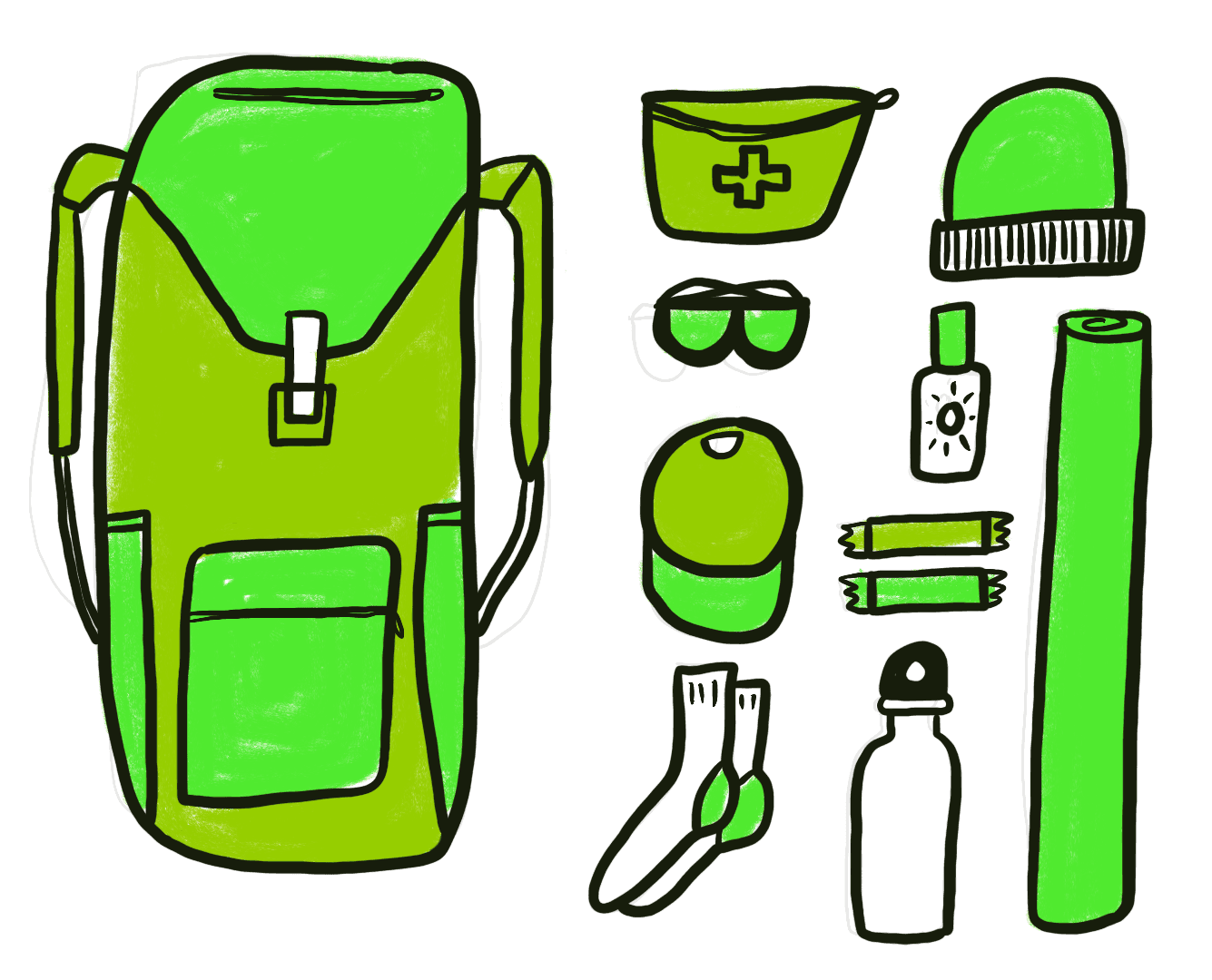
Know before you go! Some stuff we'll provide, other things you'll need to bring.
FAQs
What makes a Much Better Adventures wildlife trip unique?
Our wildlife adventures put nature front and centre throughout. You'll spend as much time as possible immersed in wild landscapes – tracking animals, sitting quietly, waiting for something remarkable to happen. That said, they are still proper adventures: expect hiking, walking safaris and active days, with moments of stillness and observation woven in along the way. An experienced naturalist tour leader will be with you throughout and groups are intentionally small to keep things intimate, minimise the trip's environmental impact and ensure the wildlife barely knows you're there.
What measures are in place to keep wildlife encounters responsible?
Our adventures are designed by animal lovers, for animal lovers, with a strong focus on respect and minimal impact in all wildlife encounters. You’ll be accompanied by experienced local wildlife experts who follow strict guidelines to ensure animals are never disturbed. The group size on this adventure is limited to a maximum of 8, helping to keep disturbance low and allowing wildlife sightings to be handled calmly and responsibly. All trips operate in line with our Animal Welfare Policy (opens in new tab), ensuring wildlife protection always comes first.
What's the likelihood of seeing wolves on this trip?
Wolf sightings can never be guaranteed, as they are wild, free-ranging animals in a vast national park. That said, the itinerary is built specifically around maximising your chances. On Day 2, you'll head out with your guide at sunrise along the southern slope of the mountain, through an area frequented by wolves. Later that evening, you'll head out again on a torchlight hike to listen for their howling. Wolves have been making a steady comeback in this part of Italy, thanks in part to the ongoing rewilding work in the area, though direct sightings are often brief and at a distance. Your guide's local knowledge, along with the binoculars, spotting scopes and thermal camera provided, all help improve the odds, but part of the experience is embracing the patience and unpredictability of tracking a wild predator on its own terms.
When is the best time to see wolves in Abruzzo?
This trip runs from November to March, when wolves are easier to track by their prints and other signs left in the snow. Winter also falls within the wolves' breeding season, running roughly from January to March, when packs tend to howl more frequently to communicate and defend territory, which can improve the chances of hearing them at close range. Sightings themselves remain rare and brief, as wolves are naturally wary of people, but the combination of snow tracking and increased vocal activity makes winter a particularly good times to track them. If you'd rather visit in warmer months, our summer edition (opens in new tab) of this adventure runs from April to October.
Tell me more about rewilding
Our rewilding adventures (opens in new tab) take place in areas that are actively undergoing a process of ecological restoration known as rewilding. Increasingly, scientists and environmental activists see rewilding as a key solution to the ecological crises facing the planet. At Much Better Adventures we have followed this youthful movement closely, and it is clear that tourism has a role to play in helping to fund rewilding projects and show our adventurers the ecological transformations happening on the ground. Our trips explore these areas and particularly the species which are coming back to the returning wildernesses.
On any of our rewilding adventures, you'll be guided by expert wildlife trackers with a deep understanding of the rewilding efforts and the ecological improvements occurring in the areas they live and work in. You will search for and learn about keystone species such as wolf and bison which are either expanding from small historical numbers or being actively reintroduced. You'll see up close returning tree coverage and wildflower meadows, and even witness rivers running clearer due to the land growing wilder and withholding sediments. We aim for our rewilding adventures to instil a sense of hope that the damage which human activity has caused to the wild places on our planet can be reversed.
How does going on a rewilding adventure help wild places?
Every booking we take on a rewilding adventure directly supports and positively impacts the area in which your adventure takes place. Tourism provides a sustainable revenue stream to the local community, boosting the social and economic benefits from conservation and rewilding work, and therefore the incentives to support it.
Included in the trip cost is a Rewilding Levy of 5% which goes directly to the rewilding project connected to the trip. On top of this, the Much Better Adventures Foundation channels 5% of our revenues (not profits) from every booking to support reforestation and rewilding projects that advance our goal to protect the worlds wild places, one adventure at a time. We do this primarily by partnering with the World Land Trust. We also support their Buy an Acre programme, helping local communities to buy and protect natural habitats in perpetuity, ensuring the protection of the habitat and its wildlife.
While we acknowledge that our rewilding adventures have a carbon footprint due to the need to travel to them, we have chosen the projects we support for their potential to remove at least 2x more carbon from the atmosphere than enters it as a result of our trips.
What is snowshoeing?
Snowshoeing is a type of hiking that uses a special type of footwear – a snowshoe – to spread your weight over a larger area, allowing you to move easily across powdery snow-covered terrain. While today's snowshoes look modern, snowshoeing has actually played a vital role in Arctic life for centuries, with traders and trappers using wooden versions to move freely through the wilderness.
Snowshoeing is incredibly easy, comfortable and safe. You simply clip your snowshoe to the outside of your hiking boot and off you go. You'll be in the hands of local, experienced, and trained guides who know the area intimately and will guide you safely throughout the hike.
What do I do about drinking water?
The tap water in this part of Italy is safe to drink. Please bring along a reusable bottle or two to take with you on the wildlife tracking excursions.
Can I leave my excess luggage somewhere?
Yes, you can leave your main luggage in your room at the guesthouse or hotel in Pescasseroli.
Can I book on my own?
Sure can! Over 70% of our travellers travel solo, it’s a great way to meet like-minded people.
Who is running the trip?
Our team of Adventure Hunters co-create exclusive adventures which are run by highly vetted, specialist hosts. The trip is run by our trusted host partner in the destination. We only work with independent, local, in-destination experts who know the very best places to explore and how to stay safe. Read more information about the local teams we partner with (opens in new tab). You’ll be introduced to the host straight after making a booking via the Much Better Adventures platform.
What is the official travel advice?
Much Better Adventures refer to the UK Government’s official travel advice when designing trips and monitoring trip operations. We recommend that all customers are familiar with the practical information provided on the Government’s FCDO website (opens in new tab), where current travel advice can be found by searching for the applicable destination(s).
For customers joining this trip from other international destinations – please also read the official travel advice applicable to your country of residence/origin, as this may differ.
What vaccinations do I need?
We recommend checking out the country-specific information (opens in new tab) and also talking to a travel nurse.
How are the trips priced?
We automatically convert prices from the local currency that a host receives to your chosen currency. We update our exchange rates on a daily basis so this does mean that prices displayed on the site are subject to currency fluctuations, which is why you may see them change over time.
If you wish to change the currency you pay in, head to the bottom of the page.
Why are your adventures only for adults?
All of our group adventures are specially designed for adults to enjoy as we want these adventures to bring together outdoorsy people who are truly like-minded. You must be over 18 to join one of our trips.
Who else will be on my trip?
You're always in good company on one of our adventures.
Our trips are typically made up of a mixture of solo travellers and small groups of 2 or 3 friends, with most in their 30s-50s.
Our sociable adventures are solo-friendly by design and naturally attract outdoorsy people with a shared mindset; a love for adventure, a desire to push themselves and meet awesome, like-minded people along the way. Check out our Community Values (opens in new tab) – a shared code to make sure that everyone's experience is safe, inclusive and brilliantly unforgettable.
It’s this camaraderie that has so often turned a great adventure into a life-changing one.
Don't just take our word for it:
- 95% of people rate the group dynamics on our trips 5/5
- 90% of people recommend joining a trip to make new friends
- 75% of people have met people on our trips that they would now consider friends
See here (opens in new tab) for more info about the Much Better Adventures tribe.
What's the weather like?
Pescasseroli sits at around 1167m in the Central Apennines, so expect proper mountain winter conditions from November through to March, with daytime highs typically averaging around 4-6°C (39-43°F) and overnight lows at or below freezing. It's colder again at altitude, and wind chill makes a real difference during the dawn wildlife watching sessions, when you'll be sitting still for an hour or two – layers and proper waterproofs are essential to keep warm. Clear, sunny days are common, but so are rain, cloud and snowfall. Snow cover varies year to year and can't be guaranteed, but when conditions allow you'll use snowshoes on some or all of the hikes (these are provided, along with poles).
What's the carbon footprint for this trip?
What's the number?
It works out on average at 88kg of CO2 emissions per person, including all local transport, accommodation, food, activities, guides, staff and office operations.
The only thing it doesn’t include right now is flights and travel to the destination. We do make an overall estimate across all our customers separately, but as we don’t book flights, have customers from all corners of the world, and no way of reliably knowing their travel plans, we simply can’t include an individual number in the figure on display here. We’ve got a goal to fix that, so that when you book, there is a way to measure and mitigate the carbon emitted by your flight too.
But what does the number mean?
Yep, hard to picture eh? To give you an idea:
- Driving 1000 miles/1609km would be approximately 281kg of CO2 in an average car (or 140.5kg per person, if there were two of you in it).
- A return economy class flight between London and New York would be approximately 1619kg (1.66 tonnes) per person.
- 10 trees in a temperate forest are estimated to remove approximately 250kg of CO2 from the air in a period of 5-10 years.
What are we doing about it?
Our trips are relatively low-carbon by design, and we're working with all our hosts to develop long term carbon reduction plans.
Want to know more?
Amazingly, no international travel company has ever publicly published their carbon measurements before, as far as we know. We believe that must change, quickly. So we’re openly sharing the method we used in the hope that other companies will be able to more easily follow suit and build on what we've done so far. You'll find it all here (opens in new tab).
Want to Know More?
Ask our AI Assistant
Get instant answers about this adventure

Got a Group of 6 or More?
Book the whole trip privately. We sort the details, you split the cost. Pure adventure, zero faff.
Feeling adventurous? Here's £100 towards it.
Sign up to our newsletter and we'll email you a £100 code for your first trip. You'll also get weekly trip inspiration, expert advice and last minute deals.
Still Undecided?
A few other trips to tickle your fancy
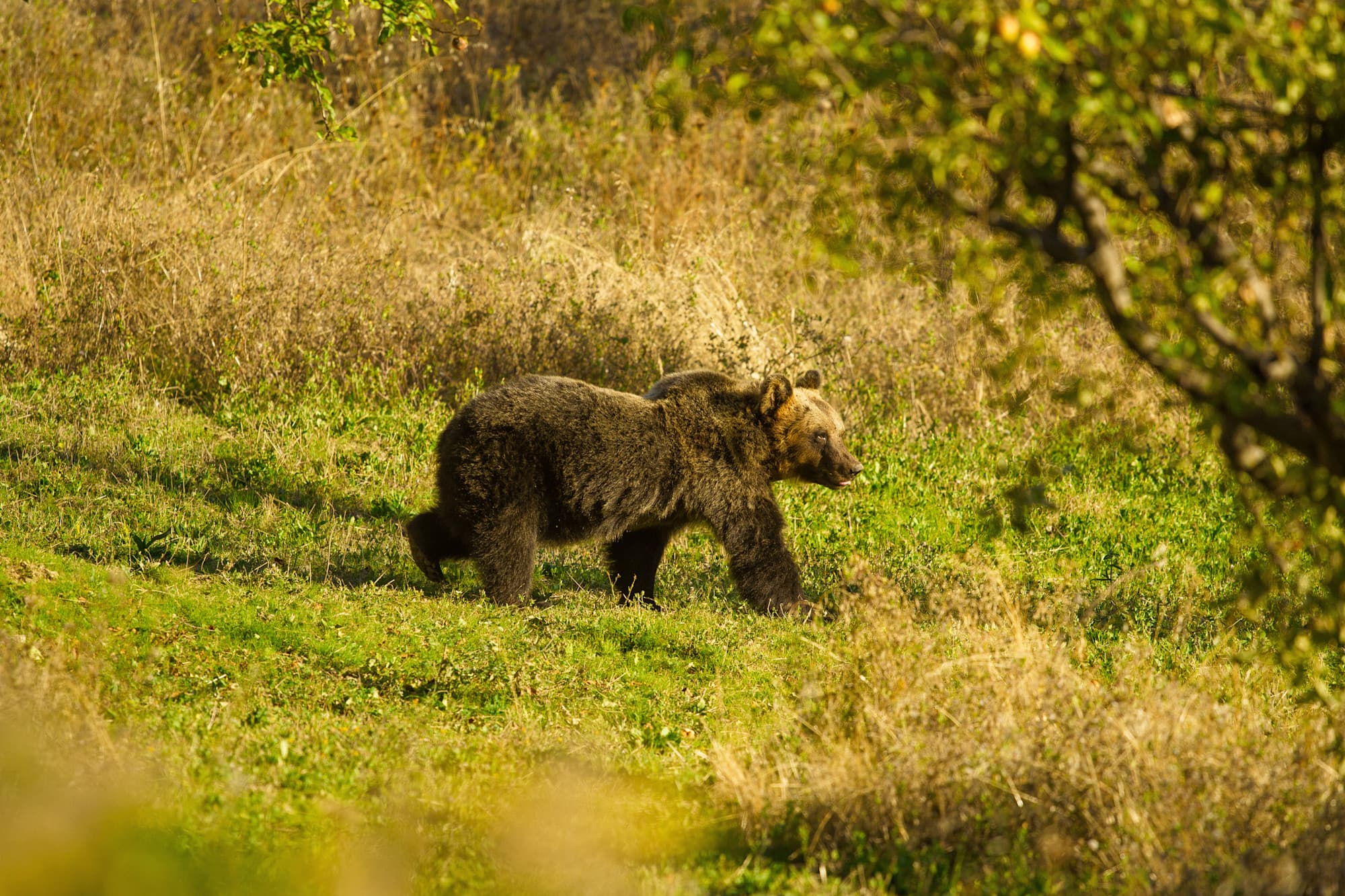
Hiking and Wildlife Tracking in Italy
4 nights from£1,060
Wolf Tracking and Wild Swimming in Sweden
3 nights from£1,126
Wildlife Tracking in Romania
4 nights from£1,009
Hiking and Bear Watching in Romania
3 nights from£774
Hike Romania's Carpathian Mountains in Winter
3 nights from£613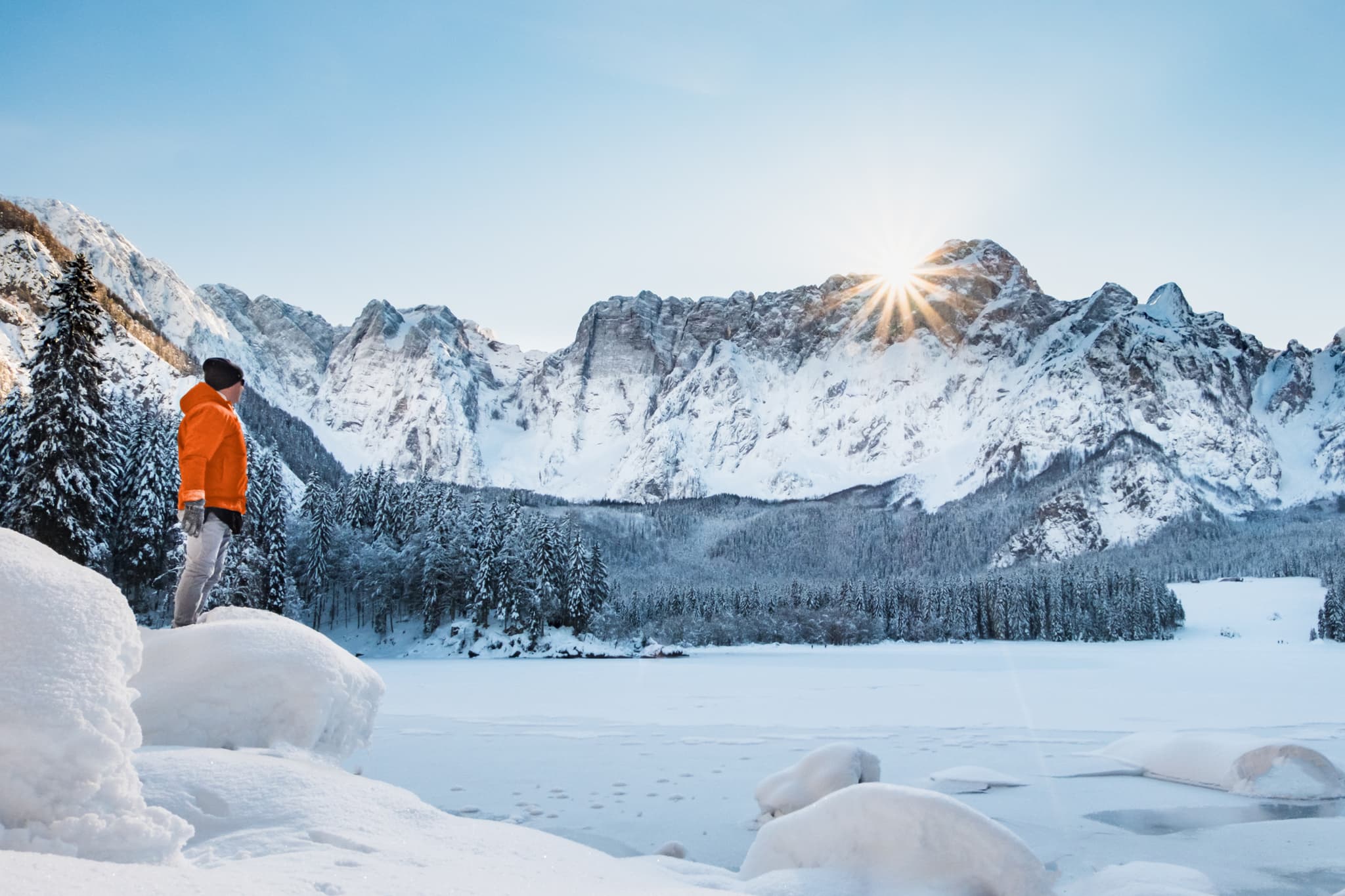
Hike and Kayak Slovenia in Winter
5 nights from£1,298
Hike Slovakia's High Tatras Mountains in a Weekend: The Winter Edition
3 nights from£672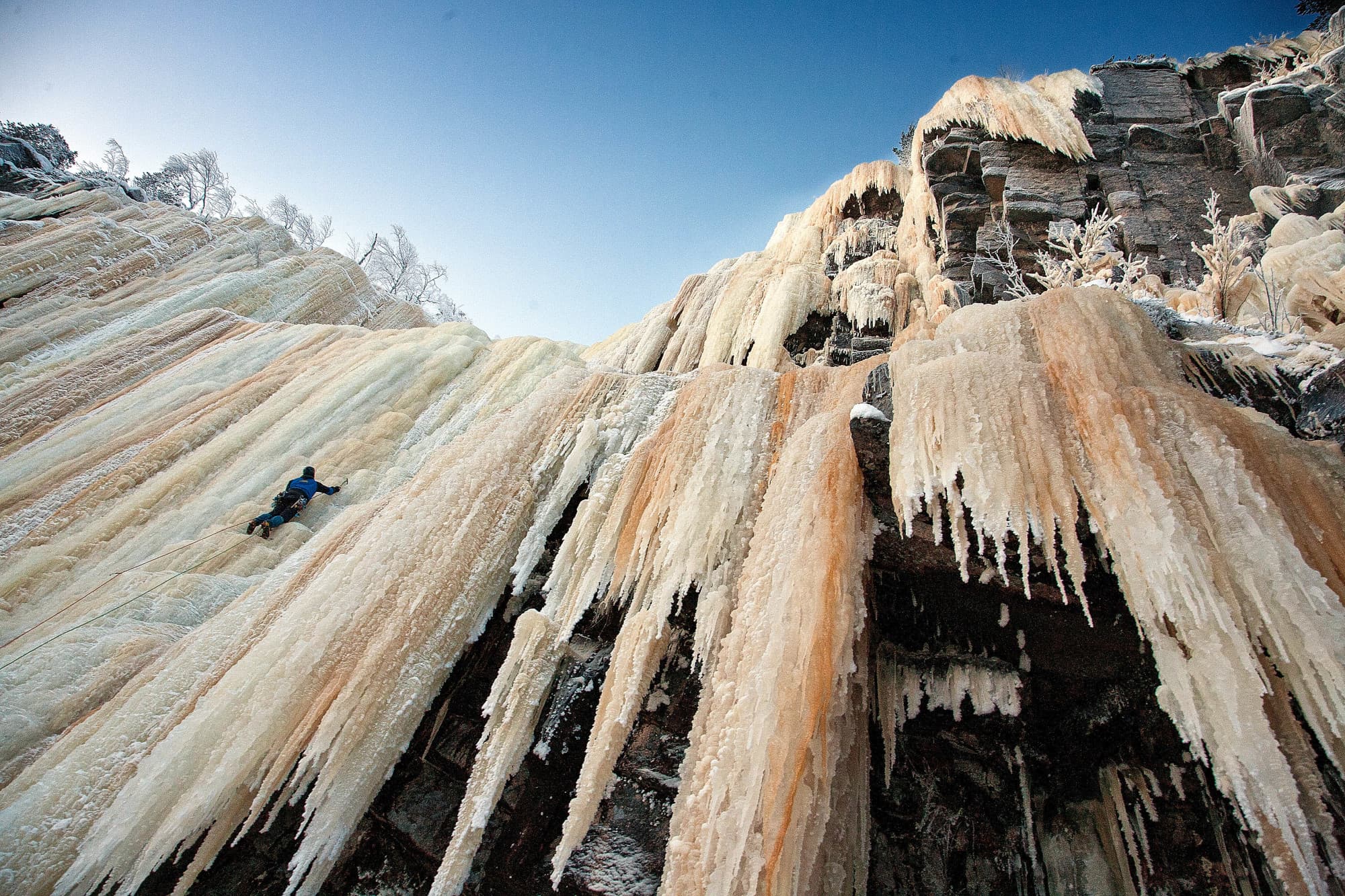
Ice, Snow and Saunas in Arctic Finland
3 nights from£1,106
Snow and Saunas in Estonia
4 nights from£1,080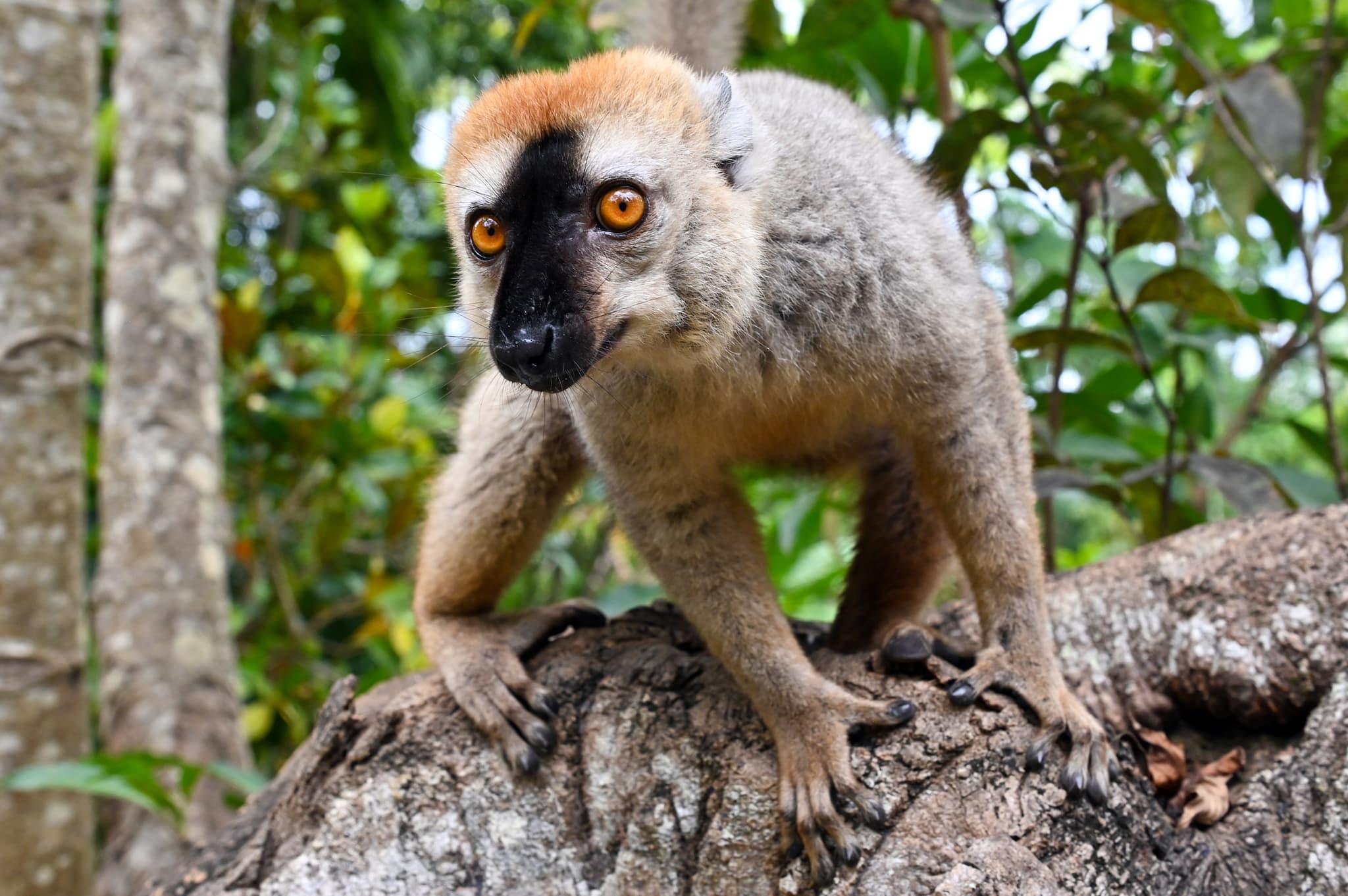
Wildlife Adventure in Madagascar
11 nights from£2,515