
4.8
Climb Mount Toubkal (4167m) in a Weekend
A classic. Trek and sweat your way through the Atlas Mountains and catch sunrise from North Africa’s highest mountain
3nights
Level 6
14max group
Why you'll love it
Climb to the summit of Mount Toubkal and be rewarded with the sunrise of a lifetime
Earn the views from the Marrakech Plain and High Atlas peaks all the way to the Anti-Atlas and the Sahara
Stay in a mountain refuge in the High Atlas and a traditional Moroccan riad in the heart of Marrakech
Want to tackle Toubkal at a more relaxed pace? See Climb Mount Toubkal in a Week (opens in new tab) to get an extra couple of days on the mountain, plus time to explore Marrakech.
What's Included?
- Activities & Certified Guides
- Mountain hut & Riad
- MealsAll your food on the mountain will be taken care of
- TransfersBoth airport transfers and transfers to and from Imlil
- Porterage
- Maximum group size: 14
Itinerary
Day 1
Check out the sights and smells of Marrakech
RiadTwin shareShow Day 1 detailHide detail
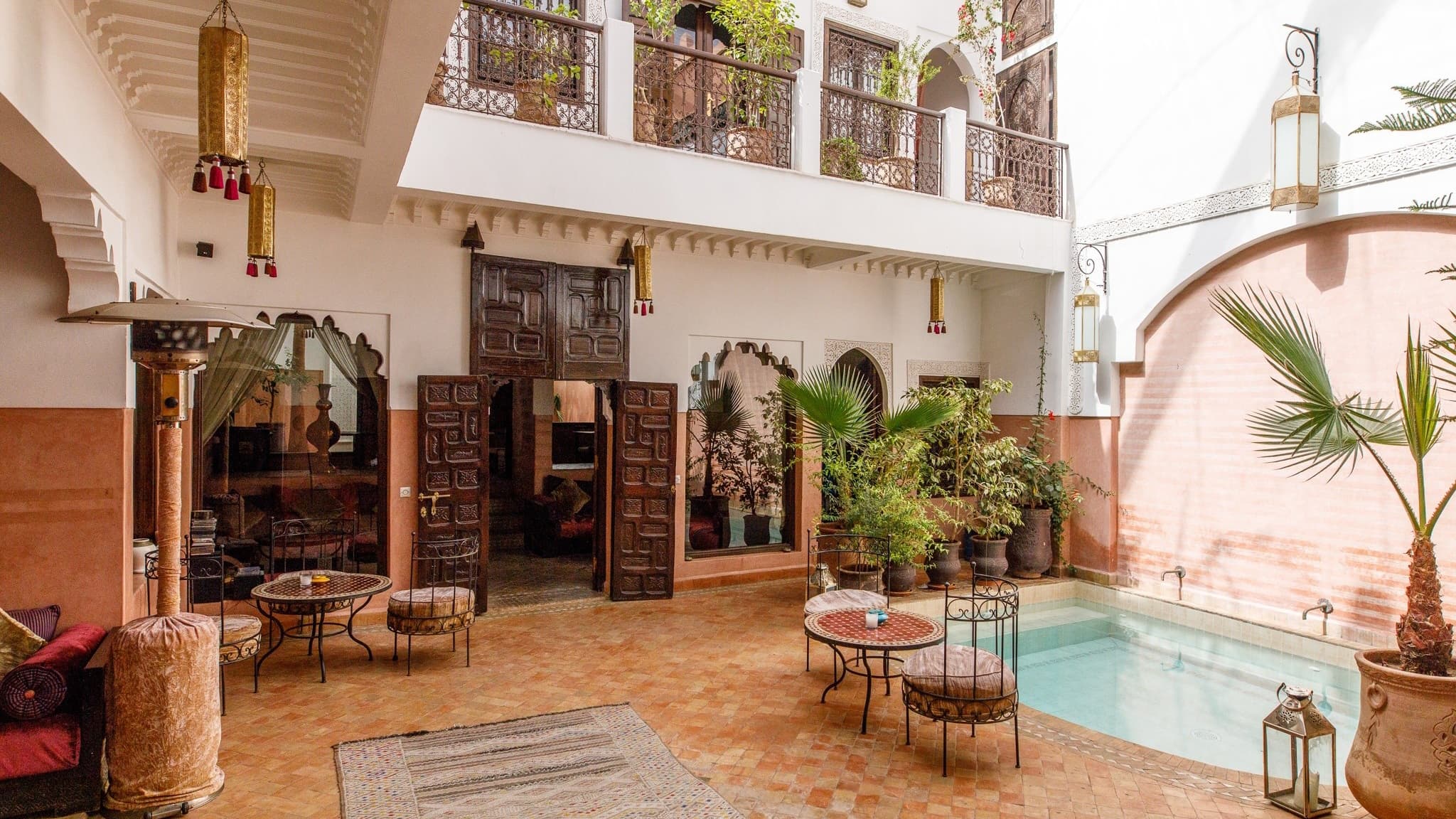
Your host will meet you at the airport and take you to your traditional riad accommodation in Marrakech’s historic medina. You'll then get the chance to spend the day exploring the city’s colourful souks, wander the UNESCO-listed main square and indulge in some amazing Moroccan food.
Day 2
Travel to the Atlas Mountains and hike to your refuge at 3200m
Hiking6hrs · 10km · 1540m up · 130m downMountain hutMixed dormAll meals includedShow Day 2 detailHide detail
Wake up early and drive through the foothills of the Atlas Mountains to Imlil, where you'll meet your support crew and start your trek. Gradually ascend the Toubkal Valley, pass Berber farming villages and stop for lunch on the trail. In the afternoon you’ll arrive at the refuge. Settle in, meet other hikers and refuel with a well-earned dinner cooked by your support crew. Sleep well before your summit attempt tomorrow!
Day 3
Rise early to summit Mt Toubkal
Hiking10hrs · 17km · 1130m up · 2530m downRiadTwin shareBreakfast and lunch includedShow Day 3 detailHide detail
Wake up while it’s still dark and begin your final ascent, which will include some steep and loose sections of terrain and perhaps even some remaining snow and ice in the early season of May and June. Reach the ridge and finish the climb to the top (4167m) in time to watch the sunrise. Rest up and then begin the long descent back to Imlil. Say farewell to the Atlas Mountains and drive back to Marrakech. You’ll arrive at your riad in the early evening in time to find a restaurant for couscous or a tasty tajine before collapsing into bed.
Day 4
Time to go home. Weekend well spent
Breakfast includedShow Day 4 detailHide detail
Relax over your last Moroccan breakfast, explore the town some more if you have time, then transfer to the airport to catch your flight home.
Where You'll Stay
Looking for a private room? See Optional Extras for details and pricing.
Marrakech
In Marrakech, you'll stay in a beautiful riad - traditional Moroccan houses with an interior garden or courtyard. The exact riad you stay in will be confirmed nearer the time based on availability and group size. All are chosen for their excellent reputation, location, beautiful decor and welcoming service.
Mount Toubkal
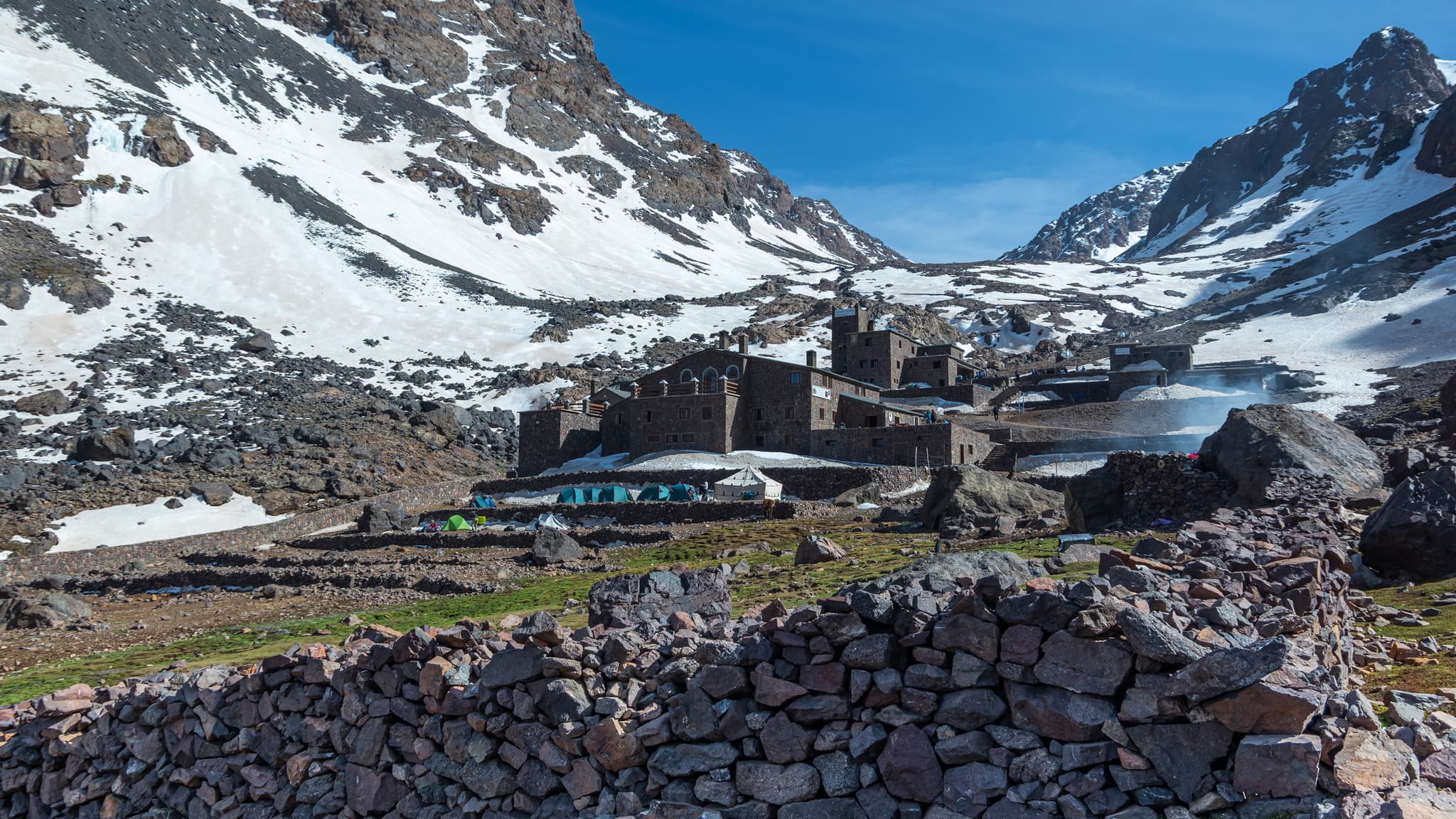
During the trek, you'll stay in either the Mouflon or Neltner mountain refuge, depending on availability and group size, these are the only accommodation options on the route. Rooms are simple, large mixed dorms with shared bunk-style sleeping platforms. Where possible, your group will have a dorm to yourselves, but you may share with other climbers if space is limited. The refuges have a sociable, laid-back atmosphere, with communal areas where you can swap stories and wind down in the evening alongside fellow adventurers from around the world.
What You'll Eat
Food in Morocco’s Atlas Mountains is shaped by Amazigh (Berber) traditions and historic trade routes, giving it a distinctive mix of sweet and savoury flavours, with staples like tagines, couscous and pastilles, often spiced with cumin, turmeric and ginger. While on the trek, your meals will be cooked by the Berber muleteers. The food is fresh and healthy, and will consist of things like bread, jam, cookies, fruit, juice, and coffee for breakfast; salad, tomatoes, carrots, lentils, beans, rice or pasta, and fish for lunch; soup, classic Morocca…
Dates & prices
Secure your spot
10% deposit to bookLimited exceptions
Pay in instalmentsNo interest or fees
Free cancellationOn most trips, up to 65 days before departure
Don’t see a date you like?
Get an email alert when new dates are added for this trip.
Subscribe to alertsWhat is and isn't Included?
What's included
- Guided hike ascending the Toubkal Valley
- Guided hike to summit Mount Toubkal
- Expert, local, English-speaking guides
- 2 nights in a riad
- 1 night in a refuge at 3200m
- 3 fresh breakfasts
- 2 picnic lunches
- 1 Moroccan dinner
- Arrival transfer from Marrakech Airport any time on Day 1
- Departure transfer to Marrakech Airport any time on Day 4
- Transfers during the trip
- Mules and muleteers to carry your overnight luggage during your climb
What's not included
Our trips do not include flights, trains or other travel to the start point and back from the end point.
Tips are not included in the trip cost. These are entirely at your discretion but there is an expectation to tip for good service. Your guide will help with advice however we suggest budgeting for a minimum of 250 Dirham per person, to be split and offered directly to the following individuals:
- Guides: MAD100
- Cook: MAD30
- Muleteer: MAD80
- Drivers: MAD20
- Riad staff: MAD20 (total)
Of course, you are free to tip more or less and the amount should be reflective of your perception of service and quality - a tip is not compulsory and should only be given when you receive excellent service.
Travel insurance is compulsory for all of our adventures, and you'll need to provide your policy details before departure. Your insurance should offer adequate cover for overseas medical treatment, evacuation/repatriation, your baggage and equipment, and the specific activities involved in your adventure. We also recommend ensuring your policy includes cancellation and curtailment cover, in case you're unable to join your trip due to unforeseen circumstances such as illness.
Standard travel insurance may not cover all the activities included in your adventure, so it's essential to check the details carefully. There are adventure-specific providers that many travellers have used in the past, such as True Traveller (opens in new tab) (for those based in the UK or Europe), or Rise + Shield (opens in new tab), both of which offer cover for a wide range of adventurous activities.
Please make sure your chosen policy meets your individual needs and covers all aspects of your trip.
Visa requirements often change, and you are responsible for obtaining any required visas for this trip. Please check with your nearest embassy or consulate for up-to-date advice.
You know your own spending habits best, so please budget an appropriate amount for things like optional meals and drinks, shopping, optional activities, and laundry.
Optional Extras
For solo travellers looking for their own space, an optional private room can be booked for an extra charge for the nights in Marrakech, see Optional Extras for the price. Please request this at the time of booking (this is subject to availability and they are very limited due to the layout of traditional riads).
Solo Upgrade
- Solo room upgrade
- Available for nights 1 and 3 in Marrakech only
- £81 pp
- 6 May 2027 – 31 Oct 2027
We've Got Your Back
Book with confidence and peace of mind.
Ratings & Reviews
4.8425 reviews
- 2 stars (0)
Category rating
- Food
- 5.0
- Guides & crew
- 5.0
- Accommodation
- 4.0
- Itinerary
- 5.0
Latest Reviews
LAURA C.
A great experience and hike. The donkeys carry your bags which is helpful. Food was very nice. Smooth airport pick up and drop off. You only have a guide when you are actually on the mountain so the first and last day, you are alone which is worth knowing prior to booking as some people may only want to explore Marrakesh city in a group. The hike itself was challenging and very enjoyable.
Darren G.
This was an excellent experience, my first time booking with MBA and my first time going above 4000m. The whole trip is very well organised, everything runs so smoothly and it’s all over so quickly! The food served throughout is hearty and filling and it felt like the guides set a really sensible pace with regular breaks. We summited on 1st November for sunrise with spectacular views across the Atlas Mountains. Would highly recommend for anyone looking to try out a shorter group trip like this, or for anyone thinking of trying a trek at a slightly higher altitude.
Sarah W.
Such a great weekend, met an awesome group of people, climbed a 4000+ Mountain - got to charge myself physically and also see another part of the world. I thought the trip was very well organised. The guys were fantastic. The food was delicious. Couldn’t fault it.
Customer Photos
Need to Know
Getting There
- Nearest airport
- Menara Airport (RAK)
- Pick up
- Marrakech Airport (RAK)
Arrive any time on Day 1 - Drop off
- Marrakech Airport (RAK)
Leave any time on Day 4
Trip level: 6 of 7 • Challenging-Tough
Consistently demanding days, of seven to nine hours or more
This trek is a significant challenge. You must be capable of hiking for long days up paths of moderate difficulty with steep, loose sections. The walking is relatively straightforward, but the loose footing and high altitude will make the going difficult in parts and can be mentally challenging. The views along the way make the journey more than worthwhile!
Please note that there may be residual snow and ice at higher elevations during early season departures in May and June. If your local host and guides determine that crampons are required they will be provided for you.
What will I need to carry?
Mules will carry your main overnight luggage during the trek and you will need to carry your daypack with your daytime essentials (extra layer, snacks, water etc.). For the welfare of the mules, please ensure your main overnight luggage is in a soft-sided bag and weighs no more than 15kg.
High altitude (over 2500m): factors to consider
This trip visits locations at or above 2500m, where some people may experience symptoms of Altitude Sickness (opens in new tab), also known as Acute Mountain Sickness (AMS).
Previous experience at altitude doesn’t guarantee the same response again – your body can react differently on each trip. However, having been at altitude before is still valuable: it gives you a better understanding of how your body might respond, what symptoms to look out for, and how to manage your pace and energy levels.
Your guide is trained to manage the risk of altitude sickness by controlling the rate of ascent, monitoring group wellbeing, and responding appropriately if anyone feels unwell.
Before booking, we recommend considering your personal health, particularly if you have any pre-existing conditions, and consulting a medical professional if you’re unsure. Arriving early to allow your body to acclimatise can also make a big difference.
Your travel insurance must cover the maximum altitude reached on this trip and include emergency evacuation.
Hot & cold climates: factors to consider
This trip includes locations where temperatures can range from extremely hot to extremely cold during different parts of the itinerary. In some areas, you may face high daytime temperatures, strong sun, and humidity with limited shade. Elsewhere, especially at higher elevations, temperatures may drop below freezing, particularly at night.
These extremes can affect your physical performance and increase the risk of heat-related issues such as dehydration or heat stroke, or cold-related risks like frostbite and hypothermia. Your guide will manage the pace, monitor group wellbeing, and adjust the plan when needed to keep everyone safe.
We recommend considering how you personally respond to heat and cold, and speaking with a healthcare professional if you have any conditions that could be affected. Packing the right gear for both climates is essential, and arriving early may help your body acclimatise more comfortably, especially if you're coming from a more moderate climate.
Remote environment: factors to consider
Some parts of this trip take place in areas where access to medical facilities and emergency services may be limited. This may mean that reaching medical care takes longer than you might normally expect, or that local medical facilities have fewer resources than those you may be used to at home.
If someone becomes unwell or injured, initial treatment may be provided locally before onward travel to a larger hospital or city for further care. Evacuation could involve changing the planned route or using different forms of transport to reach appropriate medical facilities. Mobile phone coverage may also be intermittent in some locations.
Your guide is trained to manage situations in remote environments and will monitor the group and respond appropriately if any issues arise. However, it’s important that you let your guide know straight away if you feel unwell or experience any health concerns during the trip.
Before booking, consider your personal health and ability to travel in locations where access to medical care may be delayed. If you have any pre-existing medical conditions or concerns, we recommend seeking advice from a medical professional and discussing them with your host before travelling.
All travellers must have suitable travel insurance that covers the activities included in the trip and emergency medical evacuation if required.
What to Pack
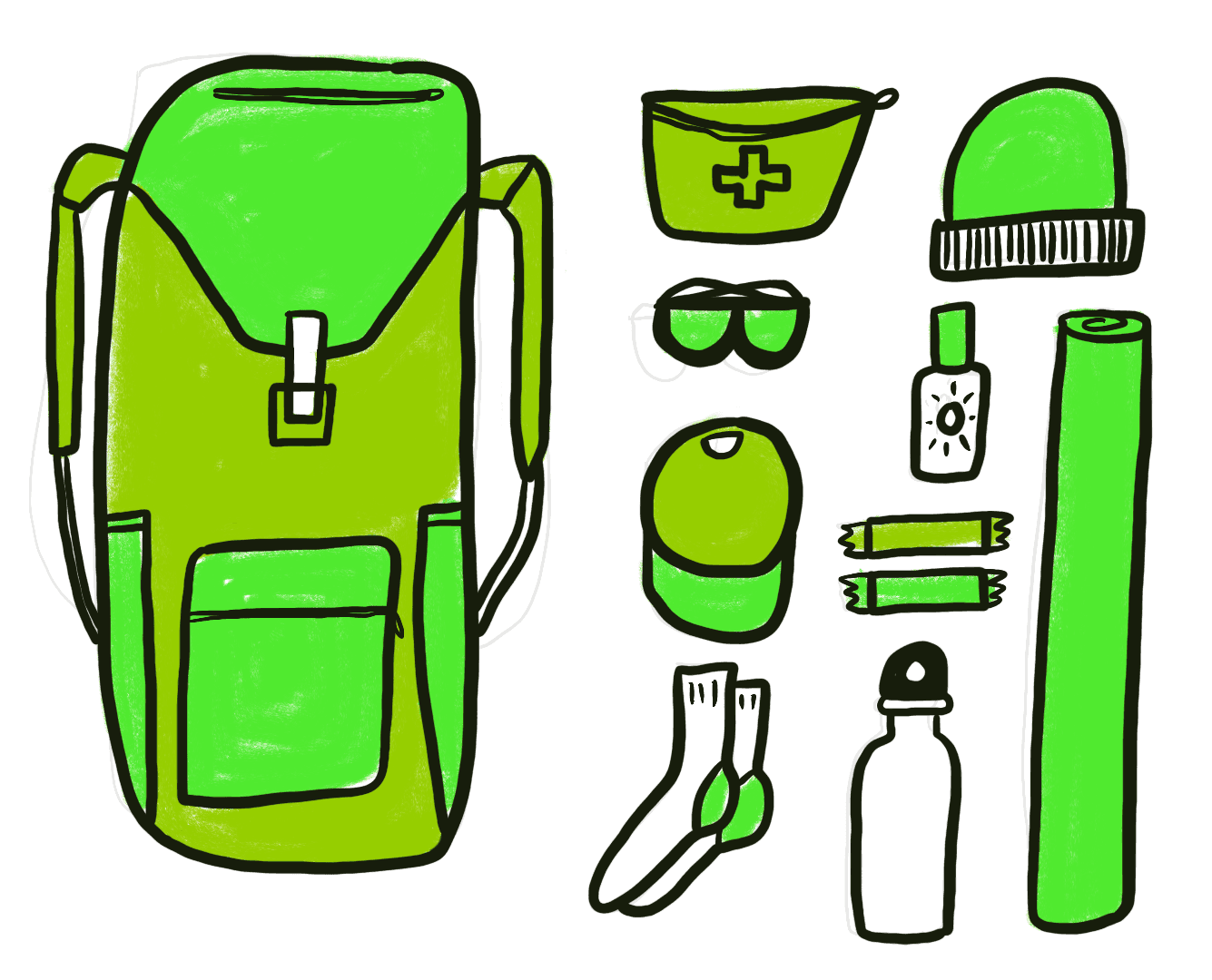
Know before you go! Some stuff we'll provide, other things you'll need to bring.
FAQs
Can I leave my extra kit somewhere?
Absolutely! We recognise that you may want to leave some of the kit you bring to Morocco somewhere safe before you start your ascent of Toubkal. When you reach Imlil, you will be able to leave any non-essential items you don’t want to take up on the hike with you at your local guide's base there.
How well cared for are the mules that provide porterage?
Your host works with muleteers who collaborate with the local charity Spana (The Society for the Protection of Animals and Nature) on the AMI programme (Aid to the Mules of Imlil). The charity provides training, guidance and incentives to mule owners to encourage and support good care for their animals in all aspects of their working lives. The programme also runs a monthly clinic, offering free veterinary care for the animals and distributing humane tack.
How will Ramadan affect my trip to Morocco?
Ramadan is an Islamic festival during which the religious do not eat or drink during daylight hours. This can be a fascinating time to travel, particularly to witness the evening celebrations when the fast is broken. However, you can expect some business hours to be shortened, alcohol not to be served during daylight hours, and some restaurants to be closed during this period. Daytime activities for local people are often limited, while the nights are very lively in cities, with a wide variety of foods being sold and enjoyed. Ramadan will not affect the inclusions on your trip, although you should be aware that dinners will be served after locals break their fast in the evenings.
As Ramadan follows the lunar calendar, the dates change from year to year. We recommend checking whether your chosen trip dates fall during this period.
Can my dietary requirements be catered for on this adventure?
At Much Better Adventures, we work hard to accommodate dietary requirements and allergies so your trip is safe, inclusive and enjoyable. That said, options can vary by country, location and accommodation, and in some places options may be limited or unavailable. The information below has been provided by your host so you’re fully informed about what will be possible on your trip depending on your individual requirements. This information should be read carefully prior to your trip to ensure that you are adequately prepared for the situation ‘on the ground’.
Once you have booked on your trip, please fill out your passenger information form asap with any dietary requirements. Once you complete your passenger information, your dietary needs and any allergies are automatically shared with your host and, in turn, your guide. Please submit this as early as possible so they can plan accordingly and deliver the best experience. Please also remind your guide about your dietary requirements upon arrival, as mentioning these in person allows your guide to comprehend individual preferences and limitations as soon as you arrive.
BACKGROUND Food in Morocco’s Atlas Mountains is shaped by Amazigh (Berber) traditions and historic trade routes, giving it a distinctive mix of sweet and savoury flavours, with staples like tagines, couscous and pastilles, often spiced with cumin, turmeric and ginger. While on the trek, your meals will be cooked by the Berber muleteers. The food is fresh and healthy, and will consist of things like bread, jam, cookies, fruit, juice, and coffee for breakfast; salad, tomatoes, carrots, lentils, beans, rice or pasta, and fish for lunch; soup, classic Moroccan tagine, couscous, olives, nuts, and seasonal fruit for dinner. Vegetarian and vegan eating is often possible with vegetable tagines and bean dishes, and dairy-free can be managed by avoiding yoghurt, milk and butter. Coeliac disease and allergy needs can be trickier because bread and couscous are staples and kitchens may share utensils, so it helps to plan ahead with your guide and carry translation cards or safe snacks.
SPECIAL DIETS
Vegetarian Vegetarian diets can be catered for on this trip, provided that your host is made aware in advance. Moroccan cuisine features plenty of delicious vegetarian-friendly options such as vegetable tagines (often with olives and preserved lemon), couscous topped with seasonal vegetables, lentil or chickpea soups, loubia (white beans in tomato sauce), bissara (fava bean soup/purée), and cooked salads like zaalouk (aubergine and tomato) or taktouka (pepper and tomato), usually served with bread and olives.
Vegan Vegan diets can be catered for on this trip, provided that your host is made aware in advance. Vegan-friendly options include vegetable tagines cooked with olive oil, lentil and bean dishes (such as loubia or bissara), roasted seasonal vegetables, simple tomato-and-cucumber salads, and mezze-style plates of olives, salads and dips such as zaalouk and taktouka made without butter. It’s worth noting that bread, pastries and couscous can sometimes include butter, milk or eggs, so it helps to flag this clearly to your guide and host.
Kosher Fully certified kosher options are limited in Morocco and are mainly found in larger cities such as Casablanca and Marrakech. On this trip in the Atlas Mountains, kosher-supervised kitchens and ingredients may not be available, so vegetarian or vegan meals can be the most reliable alternative if this is acceptable to you. Please read the related sections above, and plan ahead with your guide.
Halal Halal diets can be catered for on this trip, provided your host is made aware in advance. As Morocco is a predominantly Muslim country, most local restaurants, hotels and suppliers prepare food in line with halal norms.
INTOLERANCES
Gluten Free (for Coeliac, please see Allergies section below) Gluten-Free diets can be catered for on this trip, provided that your host is made aware in advance. However, options may be more limited compared to those without dietary requirements. While your local hosts will do their best, it’s worth knowing that gluten-free supplies are generally only available in the major cities. In more remote areas, it's harder to source specialist products, so meals will be based on naturally gluten-free dishes rather than substitutes. That said, most standard meals already include several options without gluten, even without special preparation. Please do consider bringing your favourite snacks or food supplements from home to ensure that you always have enough fuel for your adventure.
Lactose Free Lactose-Free diets can be catered for on this trip, provided that your host is made aware in advance. Many traditional dishes are naturally lactose-free or can easily be prepared without dairy, such as vegetable dishes, couscous, legumes, salads, and mezze based on olive oil rather than yogurt or cheese.
ALLERGIES
Our host has confirmed that they are able to accommodate mild allergies to the 14 allergens identified by the UK Food Standards Agency, where these are disclosed in advance. However, if you have a severe or life-threatening food allergy (including Coeliac disease), please get in touch with our CX team prior to booking to discuss whether your requirements can be accommodated safely on this trip. This will allow us to carefully consider the sensitivity and severity of your allergy, the available provision on the trip and the accessibility of medical care should a reaction occur. Your safety is always our top priority.
*Please note that when travelling overseas, local ingredients, food preparation methods and labelling standards may vary, particularly in remote areas. It is also worth noting that any allergies may result in more limited options and repetitive provision in some areas. Whilst your guide will help communicate dietary requirements where possible, customers remain responsible for managing their own allergies during the trip.
Can I book on my own?
Sure can! Over 70% of our travellers travel solo, it’s a great way to meet like-minded people.
Who is running the trip?
Our team of Adventure Hunters co-create exclusive adventures which are run by highly vetted, specialist hosts. The trip is run by our trusted host partner in the destination. We only work with independent, local, in-destination experts who know the very best places to explore and how to stay safe. Read more information about the local teams we partner with (opens in new tab). You’ll be introduced to the host straight after making a booking via the Much Better Adventures platform.
What is the official travel advice?
Much Better Adventures refer to the UK Government’s official travel advice when designing trips and monitoring trip operations. We recommend that all customers are familiar with the practical information provided on the Government’s FCDO website (opens in new tab), where current travel advice can be found by searching for the applicable destination(s).
For customers joining this trip from other international destinations – please also read the official travel advice applicable to your country of residence/origin, as this may differ.
What vaccinations do I need?
We recommend checking out the country-specific information (opens in new tab) and also talking to a travel nurse.
How are the trips priced?
We automatically convert prices from the local currency that a host receives to your chosen currency. We update our exchange rates on a daily basis so this does mean that prices displayed on the site are subject to currency fluctuations, which is why you may see them change over time.
If you wish to change the currency you pay in, head to the bottom of the page.
Why are your adventures only for adults?
All of our group adventures are specially designed for adults to enjoy as we want these adventures to bring together outdoorsy people who are truly like-minded. You must be over 18 to join one of our trips.
Who else will be on my trip?
You're always in good company on one of our adventures.
Our trips are typically made up of a mixture of solo travellers and small groups of 2 or 3 friends, with most in their 30s-50s.
Our sociable adventures are solo-friendly by design and naturally attract outdoorsy people with a shared mindset; a love for adventure, a desire to push themselves and meet awesome, like-minded people along the way. Check out our Community Values (opens in new tab) – a shared code to make sure that everyone's experience is safe, inclusive and brilliantly unforgettable.
It’s this camaraderie that has so often turned a great adventure into a life-changing one.
Don't just take our word for it:
- 95% of people rate the group dynamics on our trips 5/5
- 90% of people recommend joining a trip to make new friends
- 75% of people have met people on our trips that they would now consider friends
See here (opens in new tab) for more info about the Much Better Adventures tribe.
What's the weather like?
Spring and autumn temperatures in Marrakech average 10 - 25 °C, and it rains a small amount roughly 7 days each month. From June to September it gets quite hot in the city, averaging 15 - 35 °C, and it only rains a few days each month. In the height of summer, daytime temperatures in Marrakech have been known to approach 45°C on occasions so please ensure that you come prepared with sun protection, light and airy clothing and electrolytes/rehydration solutions if travelling at this time of year.
In the Atlas Mountains from March to October daytime temperatures average 25 - 30°C but it cools off considerably at night, and the higher you go the colder it gets (you may even need gloves on a summit day in August!). Nighttime temperatures can drop below freezing at and above the mountain refuge. Snow and ice can remain at higher elevations through the early season into June - any effect on trekking conditions will be managed by your highly experienced guides. Afternoon storms are always possible, but they are usually quick and generally don’t prevent anyone from enjoying the trek.
View detailed weather for the climb here on Mountain Forecast (opens in new tab)
What's the carbon footprint for this trip?
What's the number?
It works out on average at 195kg of CO2 emissions per person, including all local transport, accommodation, food, activities, guides, staff and office operations.
The only thing it doesn’t include right now is flights and travel to the destination. We do make an overall estimate across all our customers separately, but as we don’t book flights, have customers from all corners of the world, and no way of reliably knowing their travel plans, we simply can’t include an individual number in the figure on display here. We’ve got a goal to fix that, so that when you book, there is a way to measure and mitigate the carbon emitted by your flight too.
But what does the number mean?
Yep, hard to picture eh? To give you an idea:
- Driving 1000 miles/1609km would be approximately 281kg of CO2 in an average car (or 140.5kg per person, if there were two of you in it).
- A return economy class flight between London and New York would be approximately 1619kg (1.66 tonnes) per person.
- 10 trees in a temperate forest are estimated to remove approximately 250kg of CO2 from the air in a period of 5-10 years.
What are we doing about it?
Our trips are relatively low-carbon by design, and we're working with all our hosts to develop long term carbon reduction plans.
Want to know more?
Amazingly, no international travel company has ever publicly published their carbon measurements before, as far as we know. We believe that must change, quickly. So we’re openly sharing the method we used in the hope that other companies will be able to more easily follow suit and build on what we've done so far. You'll find it all here (opens in new tab).
Want to Know More?
Ask our AI Assistant
Get instant answers about this adventure
Got a Group of 6 or More?
Book the whole trip privately. We sort the details, you split the cost. Pure adventure, zero faff.
Feeling adventurous? Here's £100 towards it.
Sign up to our newsletter and we'll email you a £100 code for your first trip. You'll also get weekly trip inspiration, expert advice and last minute deals.
Still Undecided?
A few other trips to tickle your fancy
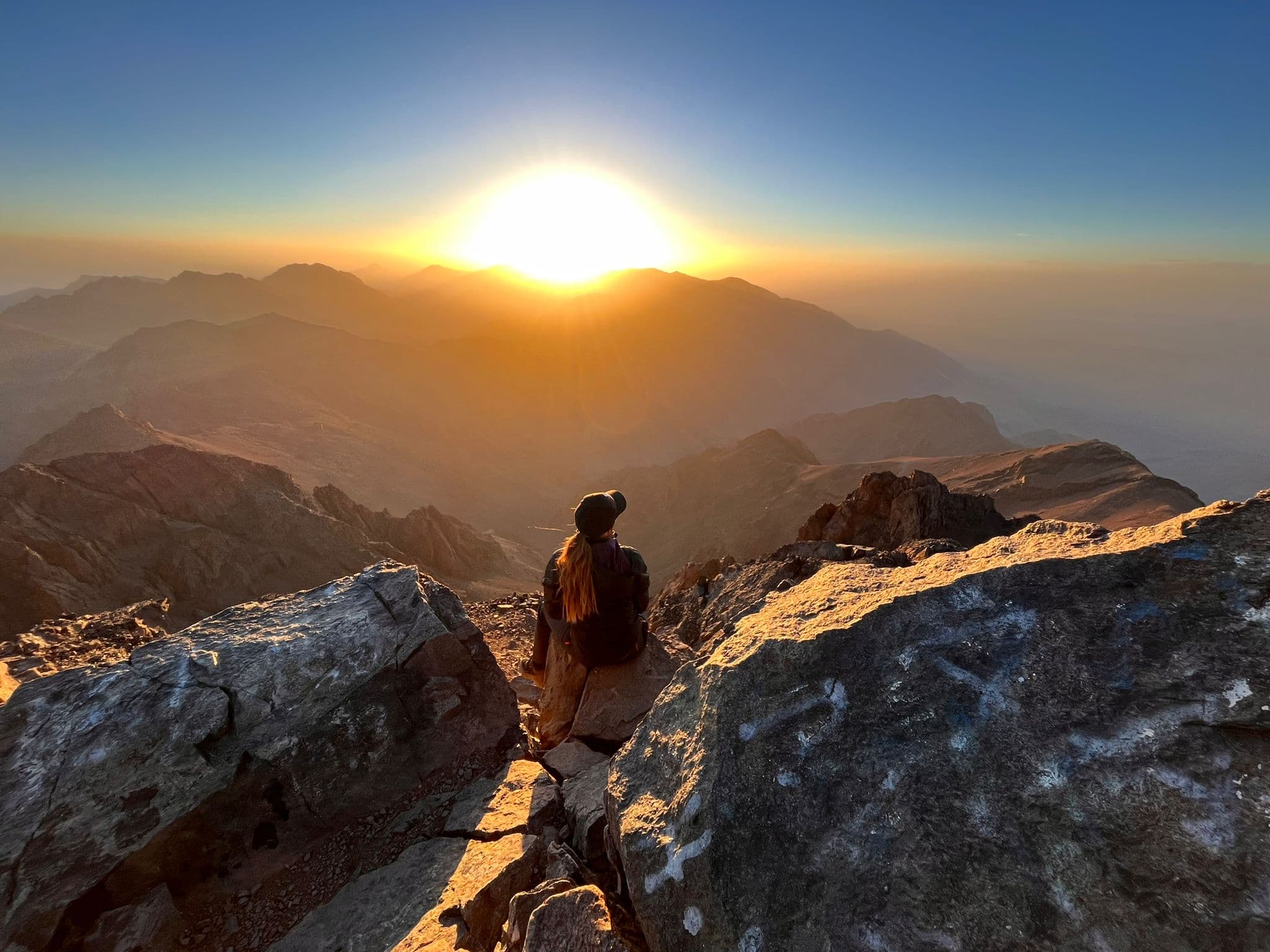
Climb Mount Toubkal (4167m) in a Week
5 nights from£579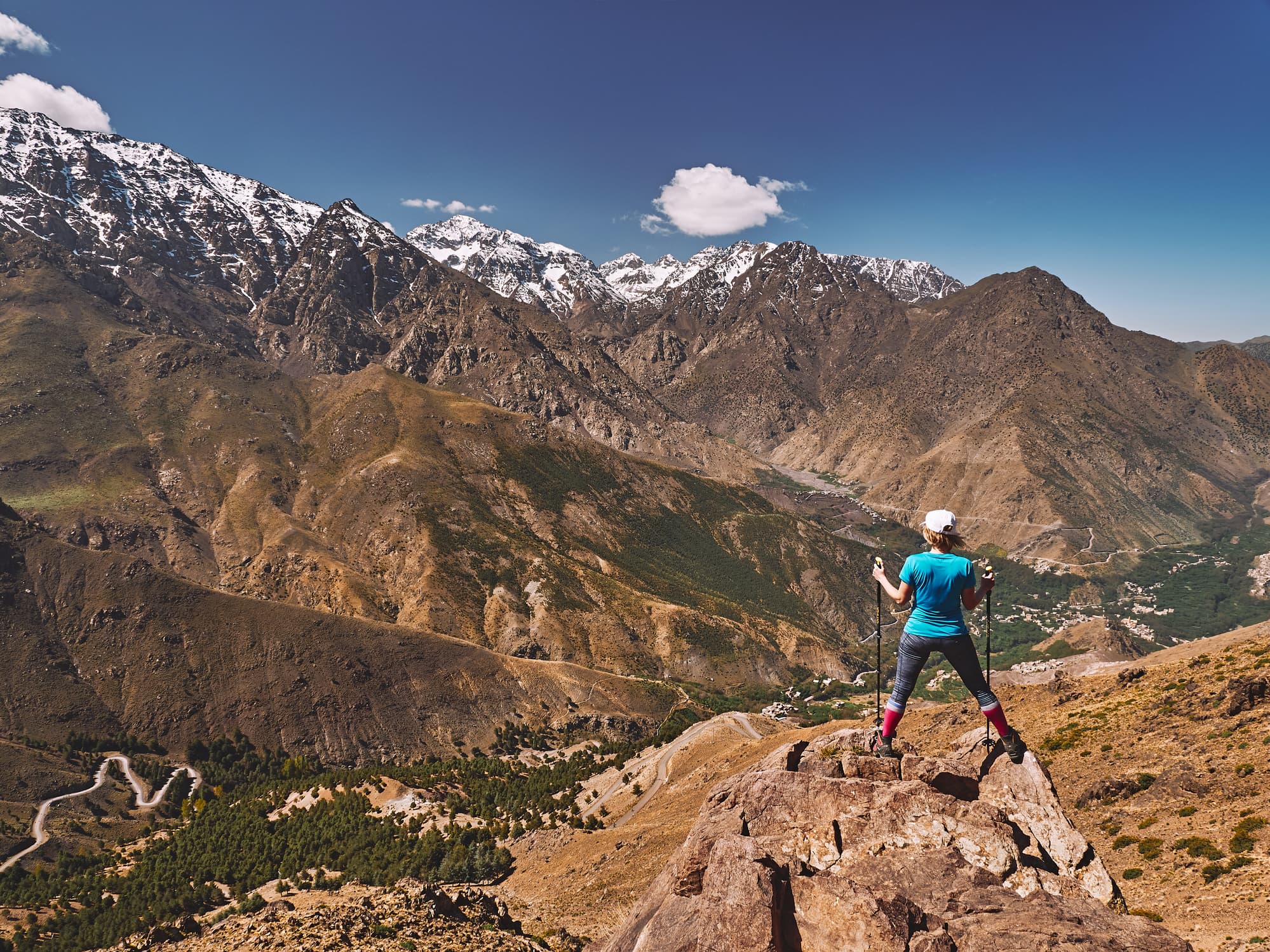
The 3 Peaks Challenge in Morocco
4 nights from£448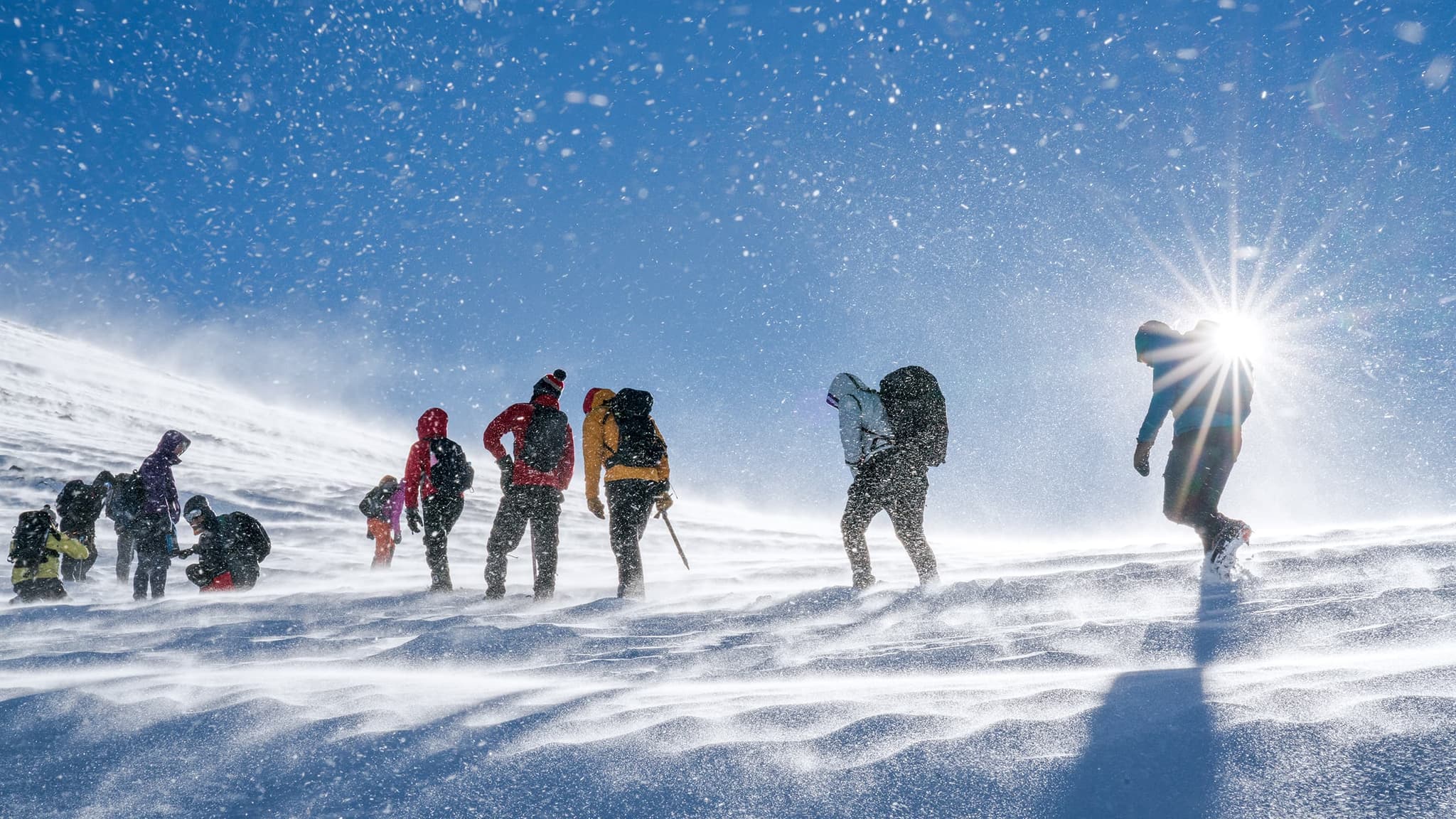
Climb Mount Toubkal (4167m): The Winter Edition
4 nights from£473
Trek the Atlas Mountains
5 nights from£367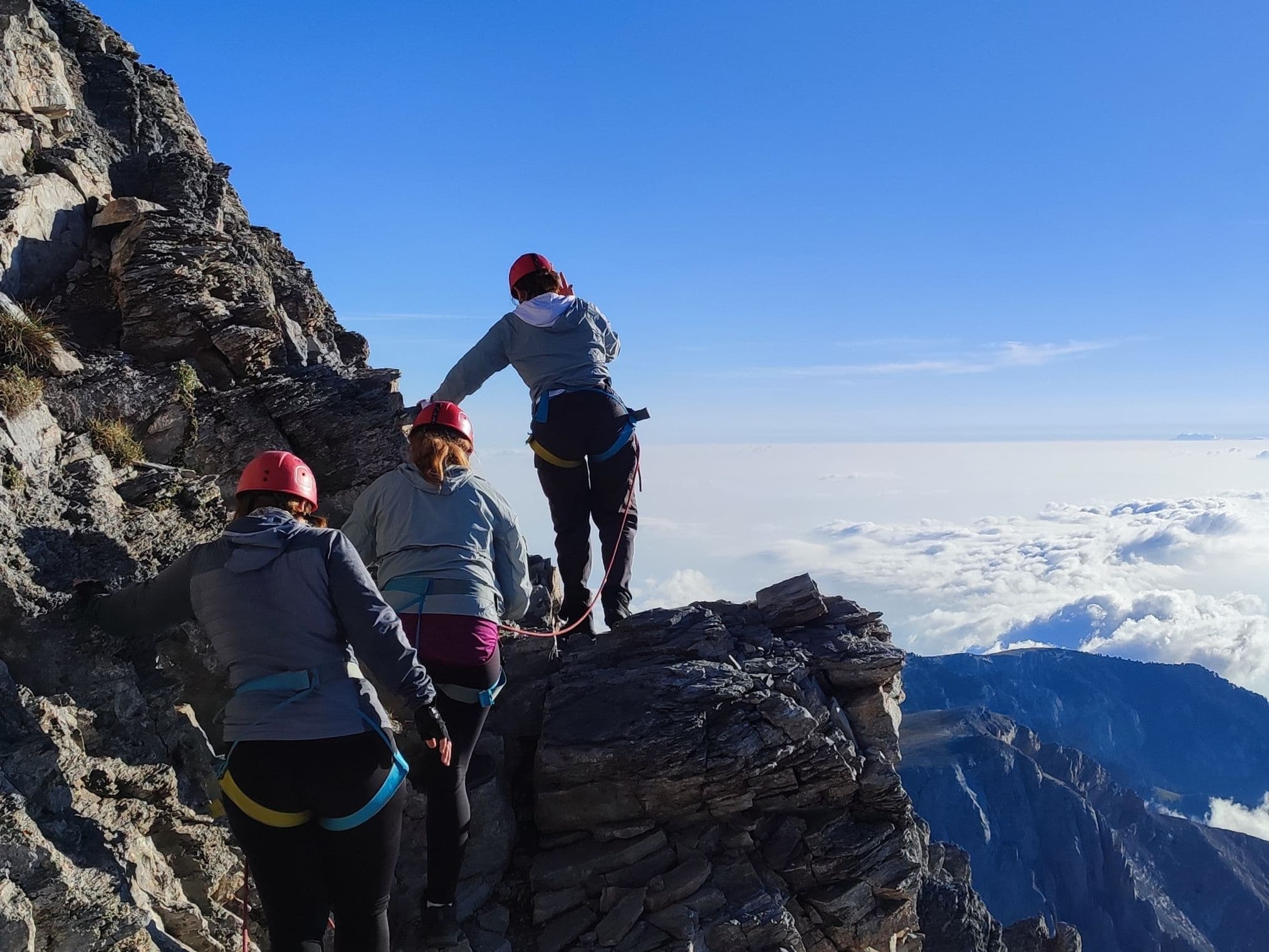
Climb Mount Olympus (2918m)
3 nights from£1,037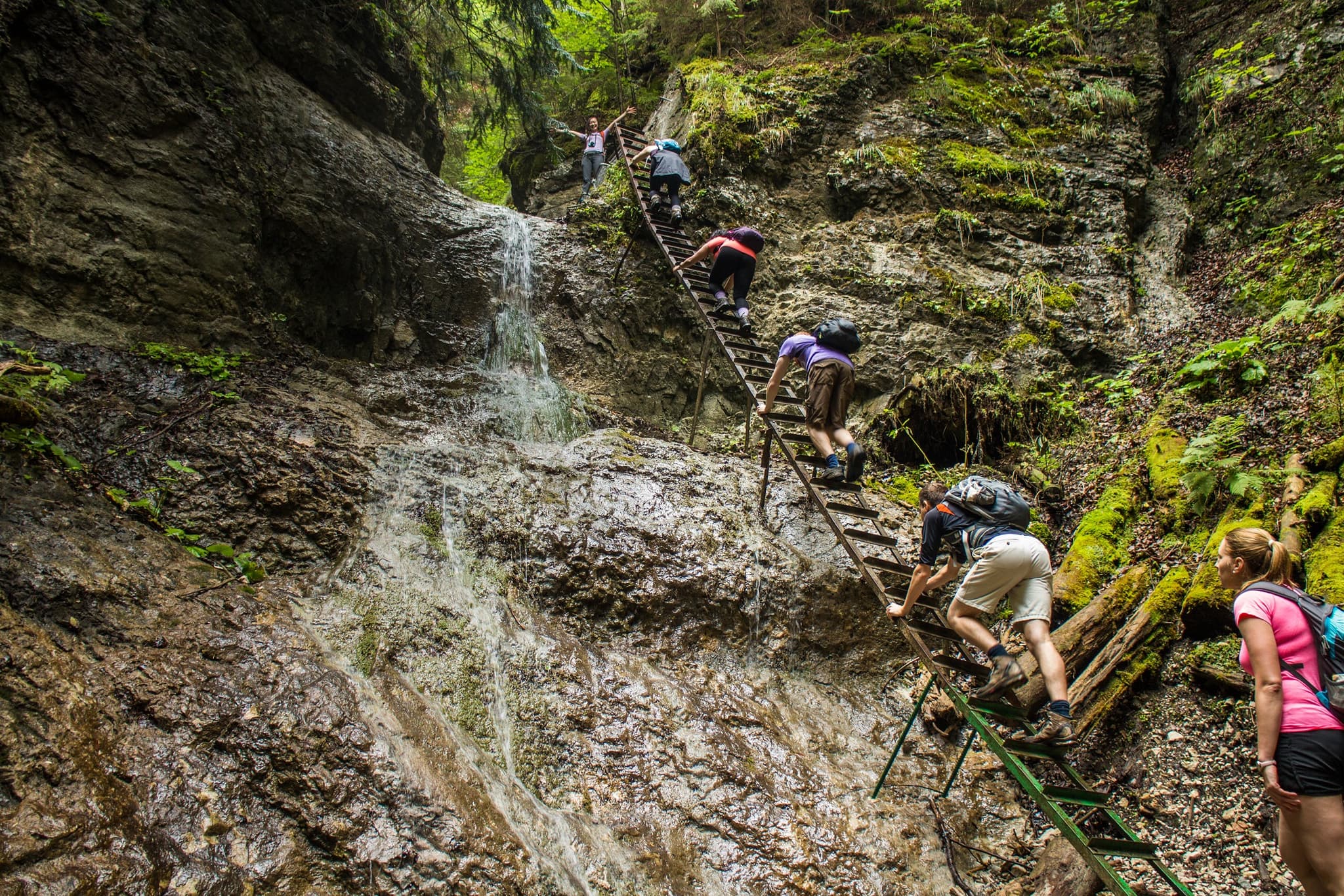
Adventure Hiking in Slovakia in a Weekend
3 nights from£653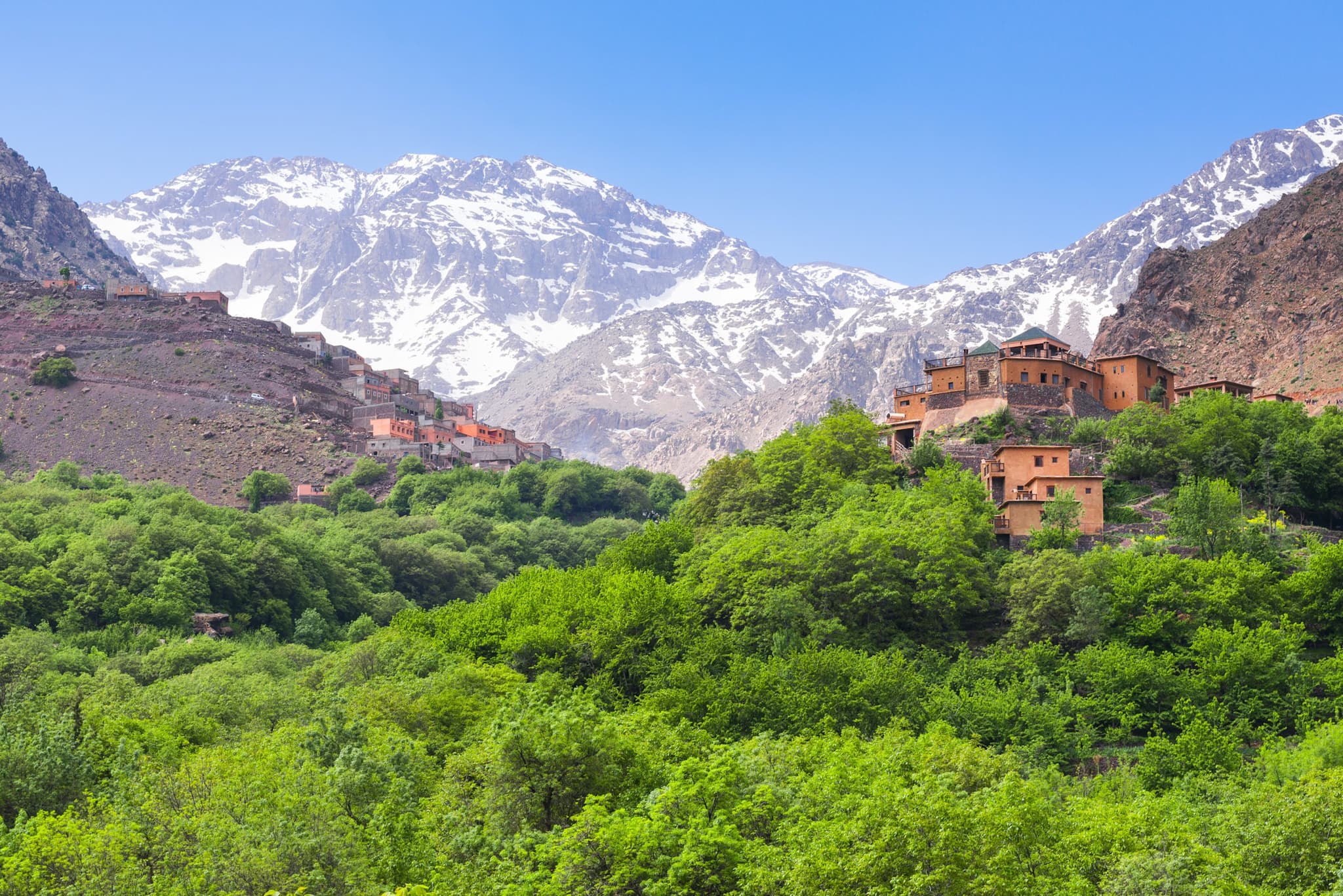
Premium: Hike Morocco's Atlas Mountains and Sleep in a Kasbah
4 nights from£1,066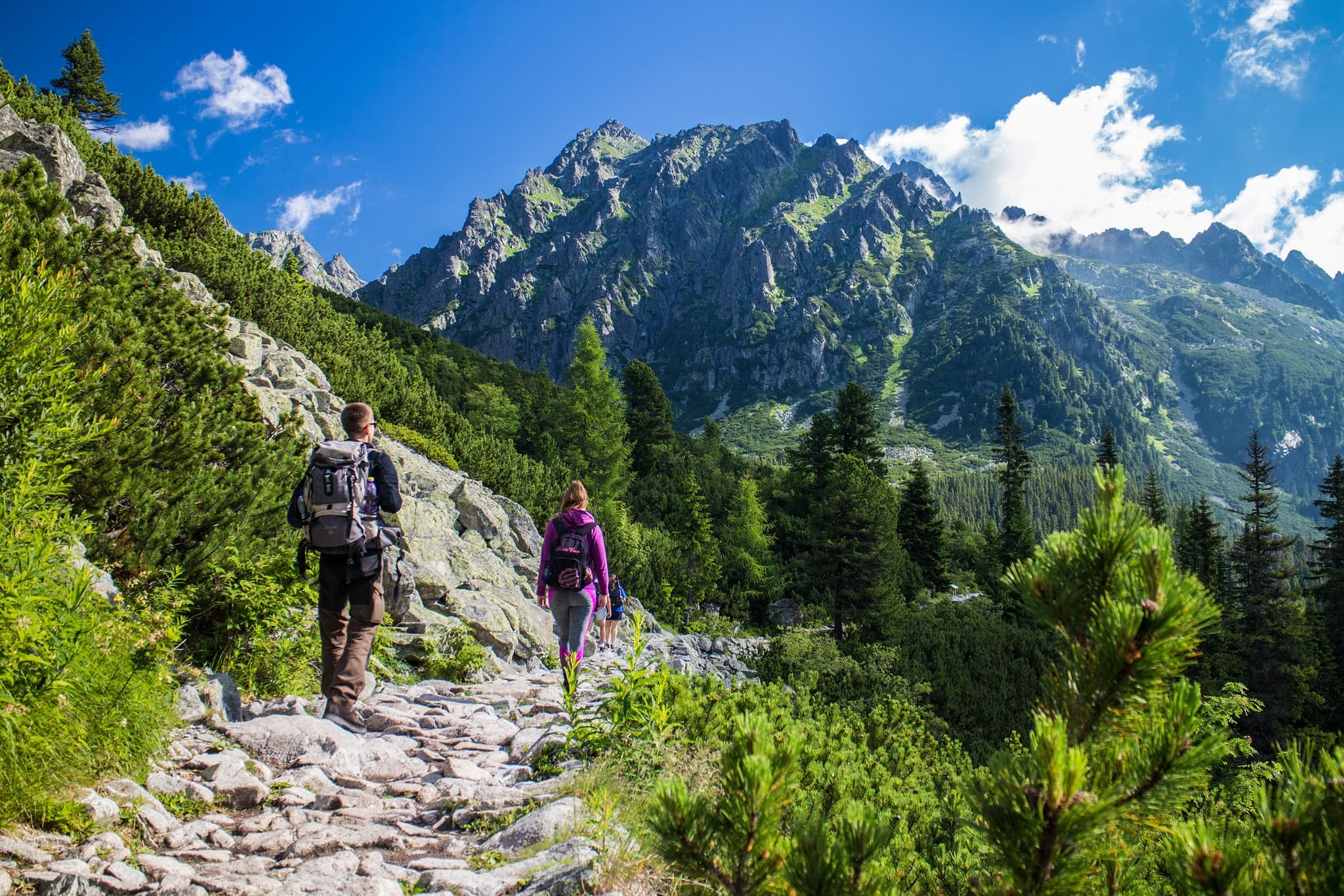
Hike Slovakia’s High Tatras Mountains in a Weekend
3 nights from£607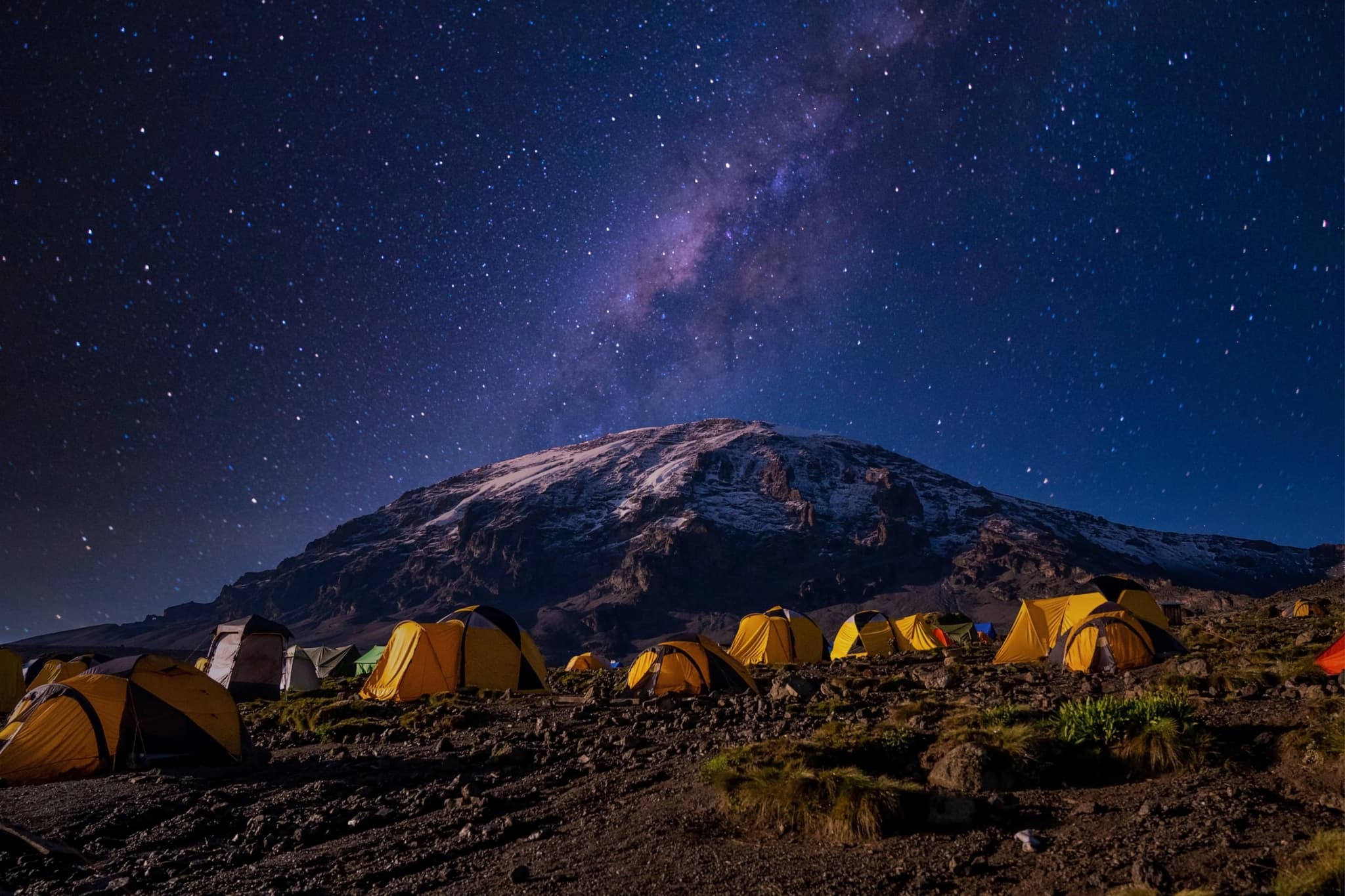
Climb Mount Kilimanjaro (5895m) via The Lemosho Route
9 nights from£2,215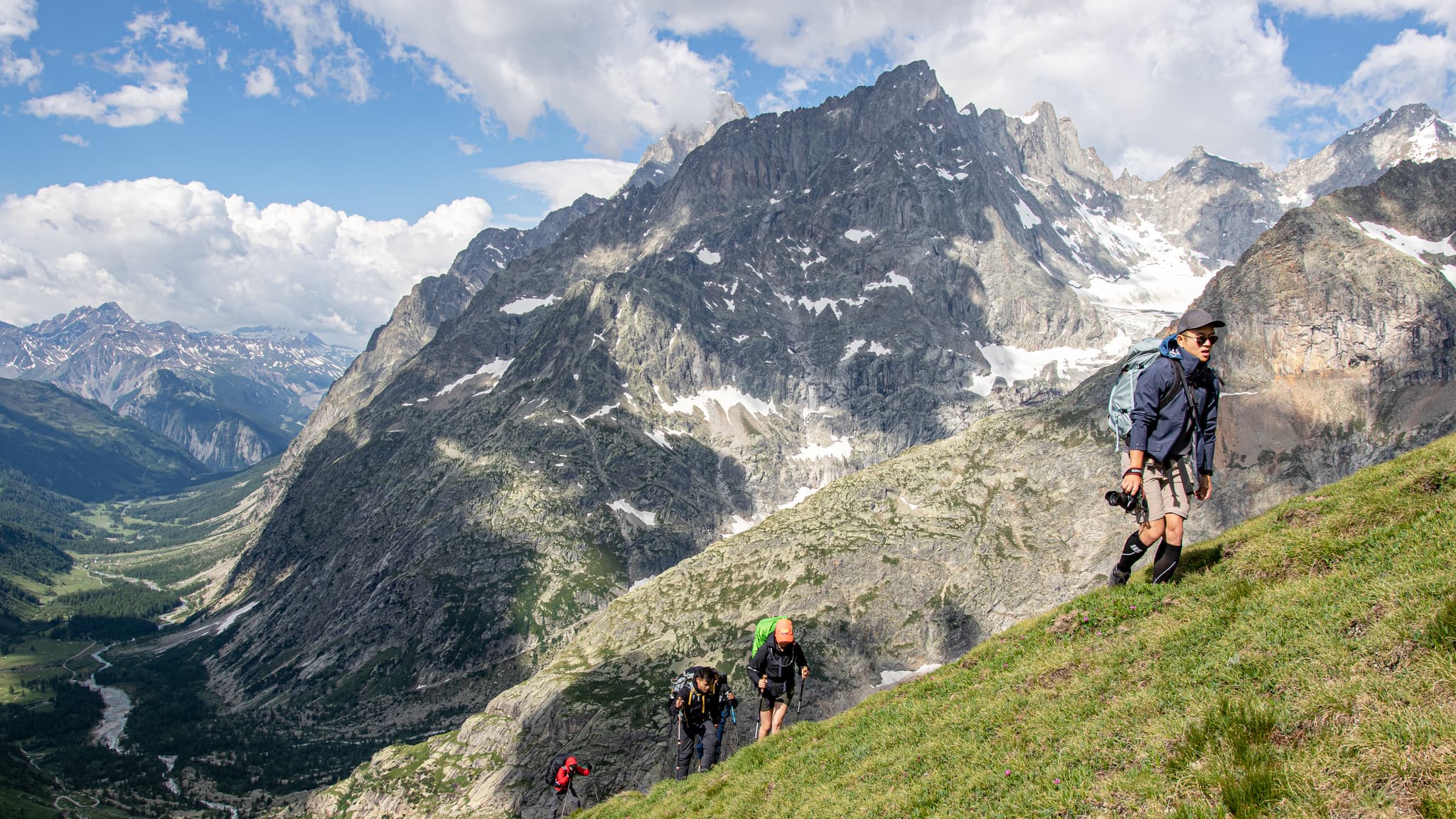
Trek the Tour du Mont Blanc in a Weekend: The Hut-to-Hut Edition
3 nights from£915