


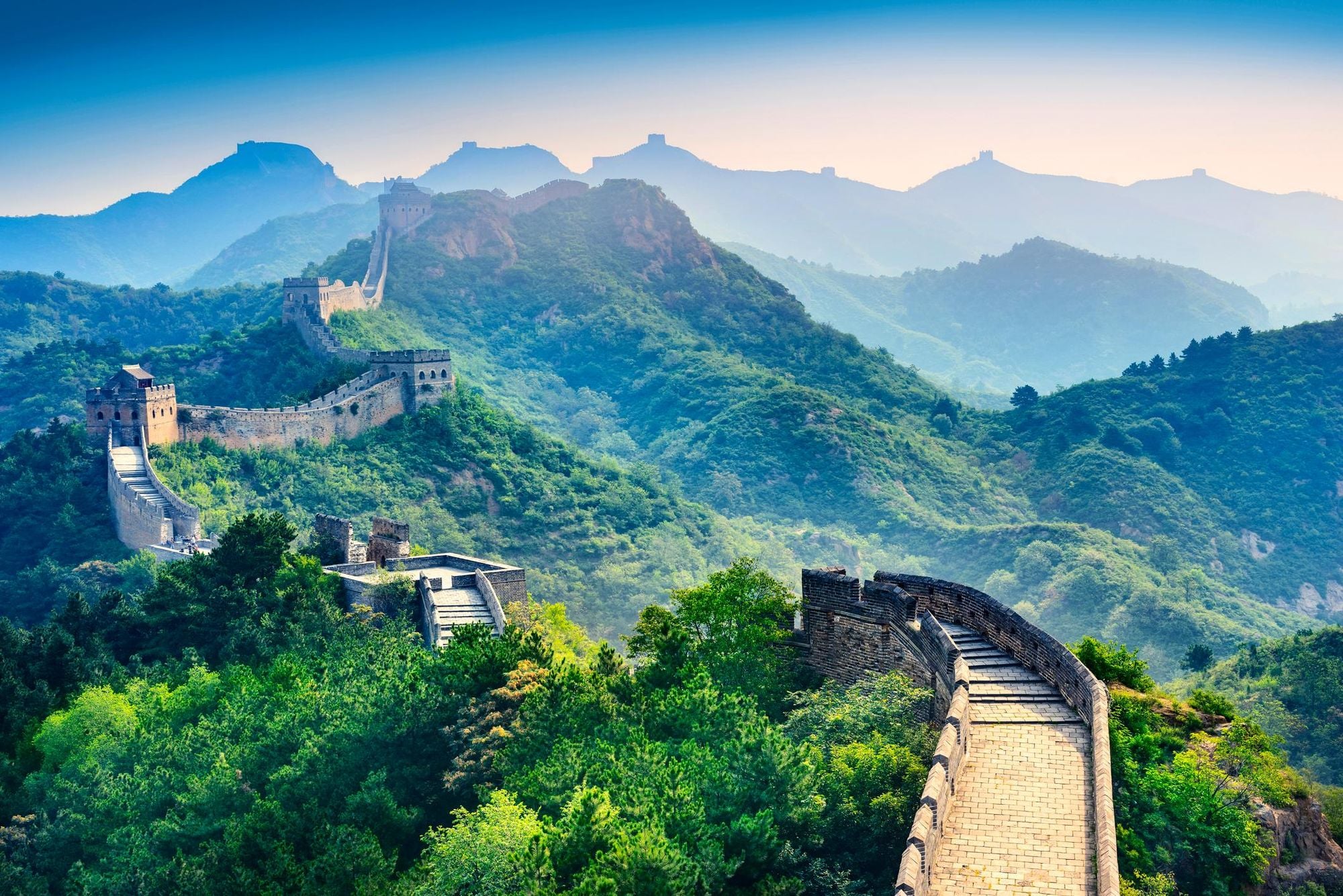
The Great Wall of China is one of the wonders of the world. Built by a string of dynasties dating back 2,000 years, the wall stretches over 13,000 miles (21,100km). There is no other structure on Earth which occupies more ground, more history and more of the imagination than the Great Wall of China - and it's only up close that you can touch the fire-baked bricks and quarried stone, smell the wild peach trees and the deciduous ash and oak forests, and run your hand along the battlements of this feat of human engineering, which snakes across mountain ridges - with watchtowers rising from the mist.
The most visited stretch of the wall - Badaling, close to Beijing - attracts enormous crowds. Areas like Mutianyu and Juyongguan, near the city, can also get very busy. But head two hours northeast of the capital into Hebei Province and the mountainous area of Chengde, and a different experience awaits.
People want to see the part of the wall with real history, beautiful views, relaxed people, away from the city. That’s what you get here.
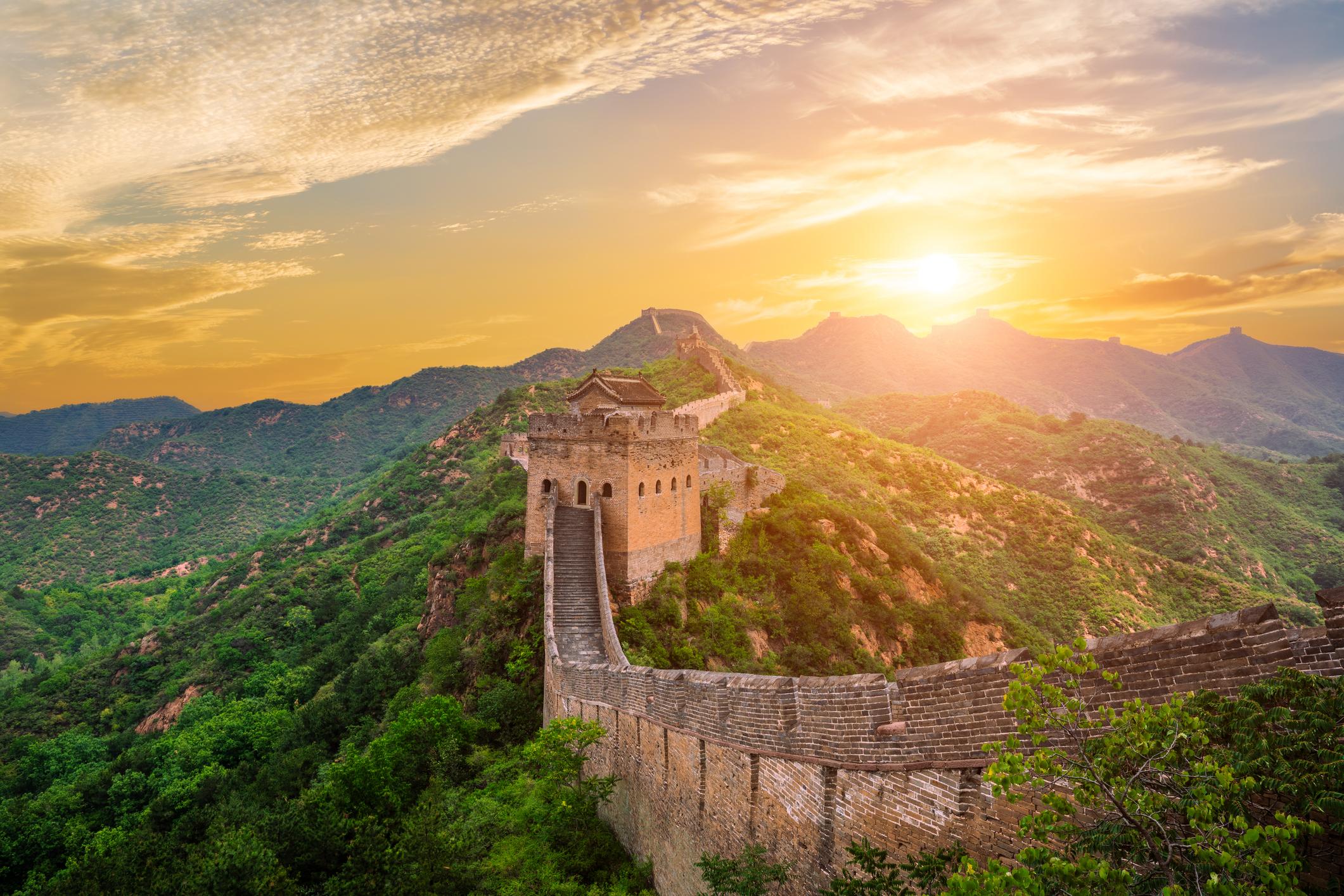
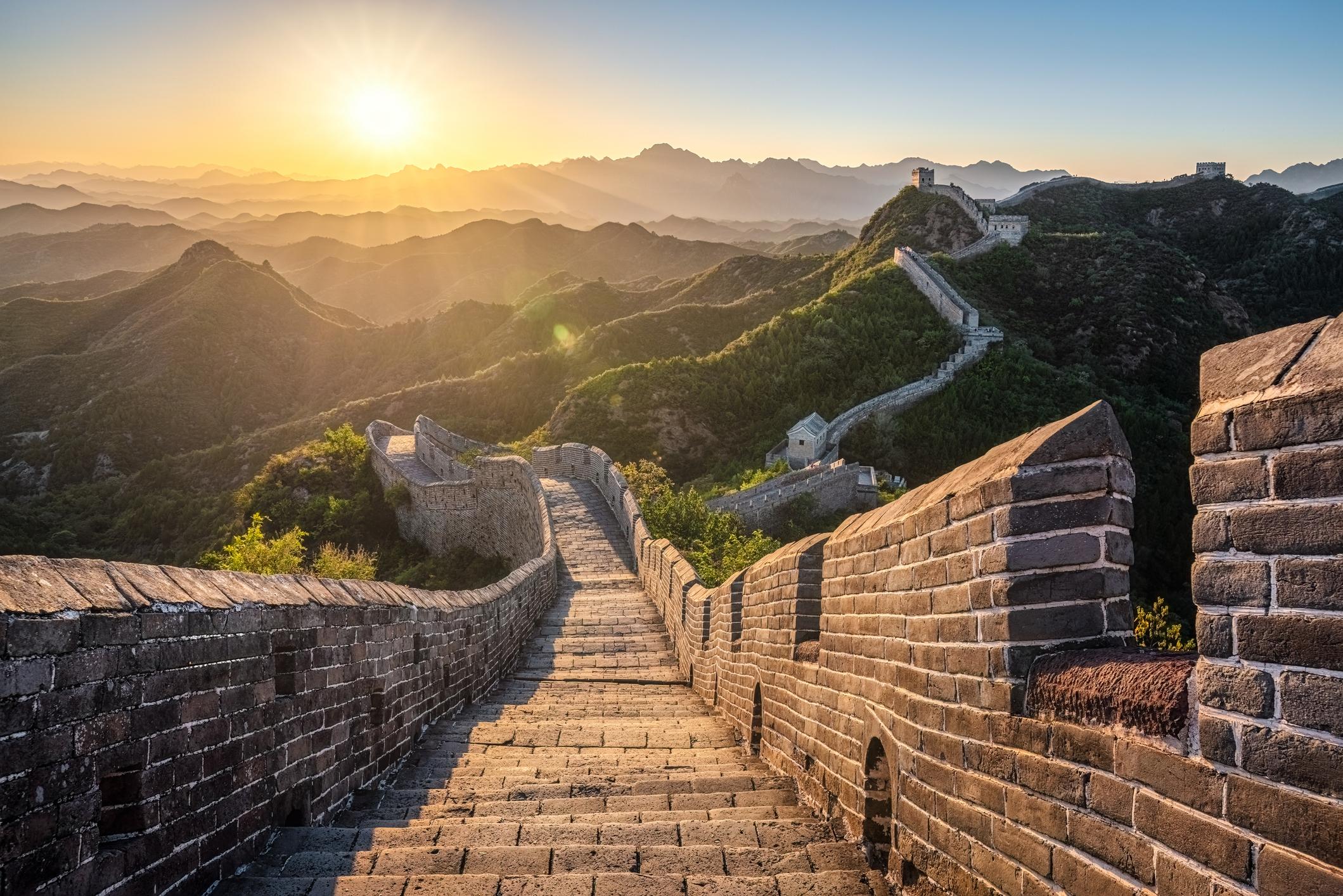
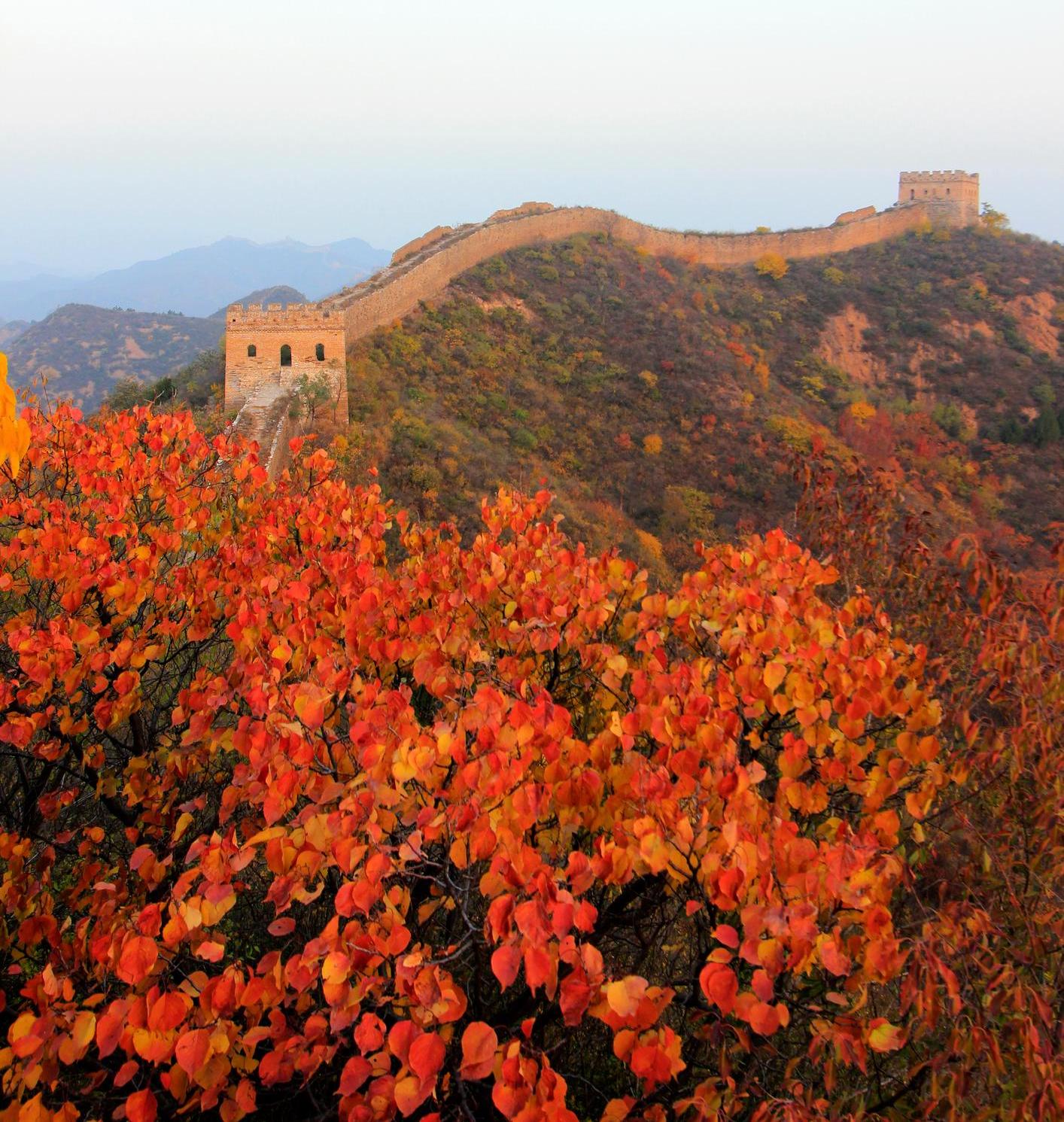
Jinshanling translates to "Gold Mountain Ridge", and on this section of the Great Wall, the stones rise and fall along a ridgeline surrounded by flora which changes colour with the seasons. Sharp mountain peaks backdrop the scene.
Well-restored but unpolished, some believe that this is the best section of the Great Wall of China to walk - offering visitors a little bit of everything.
Helena Pan is a destination expert specialising in adventure travel to China.
"People don't want to walk on the parts of the Great Wall where it’s full of tourists," says Pan. "That goes for both domestic Chinese visitors and those coming from abroad. They want to see the parts of the wall with real history, beautiful views, relaxed people, away from the city. That’s what you get here.
 Much Better Adventures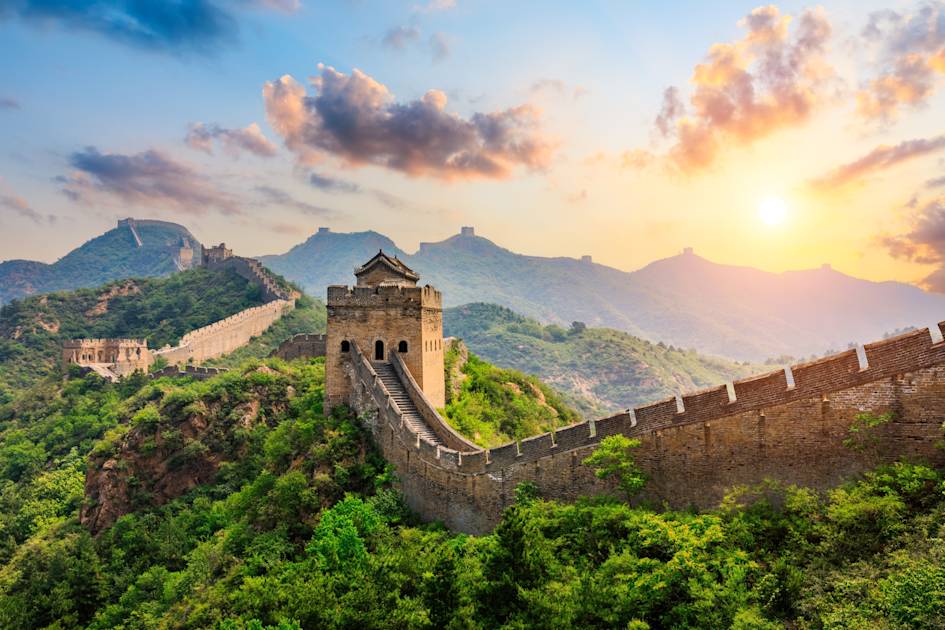
“In Hebei, they built along the mountains because it would have been difficult for the invaders to attack. So the wall goes through the mountains and the hills.”
Building the Wall
The history of the Great Wall is the history of China, going back millennia. The Qin dynasty, under Emperor Qin Shi Huang, was the first to unify the construction of the Great Wall, as far back as 220 B.C. It was to serve as a defence system for the newly-united Chinese people against the nomadic Xiongnu.
The wall as we know it today is largely the product of the Ming Dynasty, who ruled China from 1368 to 1644. China had expelled their Mongol rulers - and they didn’t want them to return. An interesting little sidenote on the construction is that the mortar used to bind the bricks of the Great Wall under the Ming Dynasty reportedly contained sticky rice - giving it that durability that's lasted centuries.
“Before the Ming Dynasty was Genghis Khan,” says Pan. “When the Ming Dynasty [took control], their biggest concern was attack by Mongol invaders.”
The Jinshanling section of the Great Wall was built and reinforced during this time, established in the mid-1300s and extended in 1567. The Great Wall of China is generally spoken about as multiple, connecting walls, and this section links the Simatai Great Wall to the east with the Gubeikou Great Wall to the west.
There are 67 watchtowers along just 6.5 miles (10.5km) of wall here - roughly one every 100 metres.
It wasn’t until the 1980s that the Jinshanling section was reconstructed, but the restoration was a huge success, tastefully done to match the historic style.
The Jinshanling wall was originally designed under the supervision of General Qi Jiguang - a military innovator who designed the watchtowers which are so densely packed into this section of wall. There are 67 watchtowers along just 6.5 miles (10.5km) of wall here. That's roughly one every 100 metres.
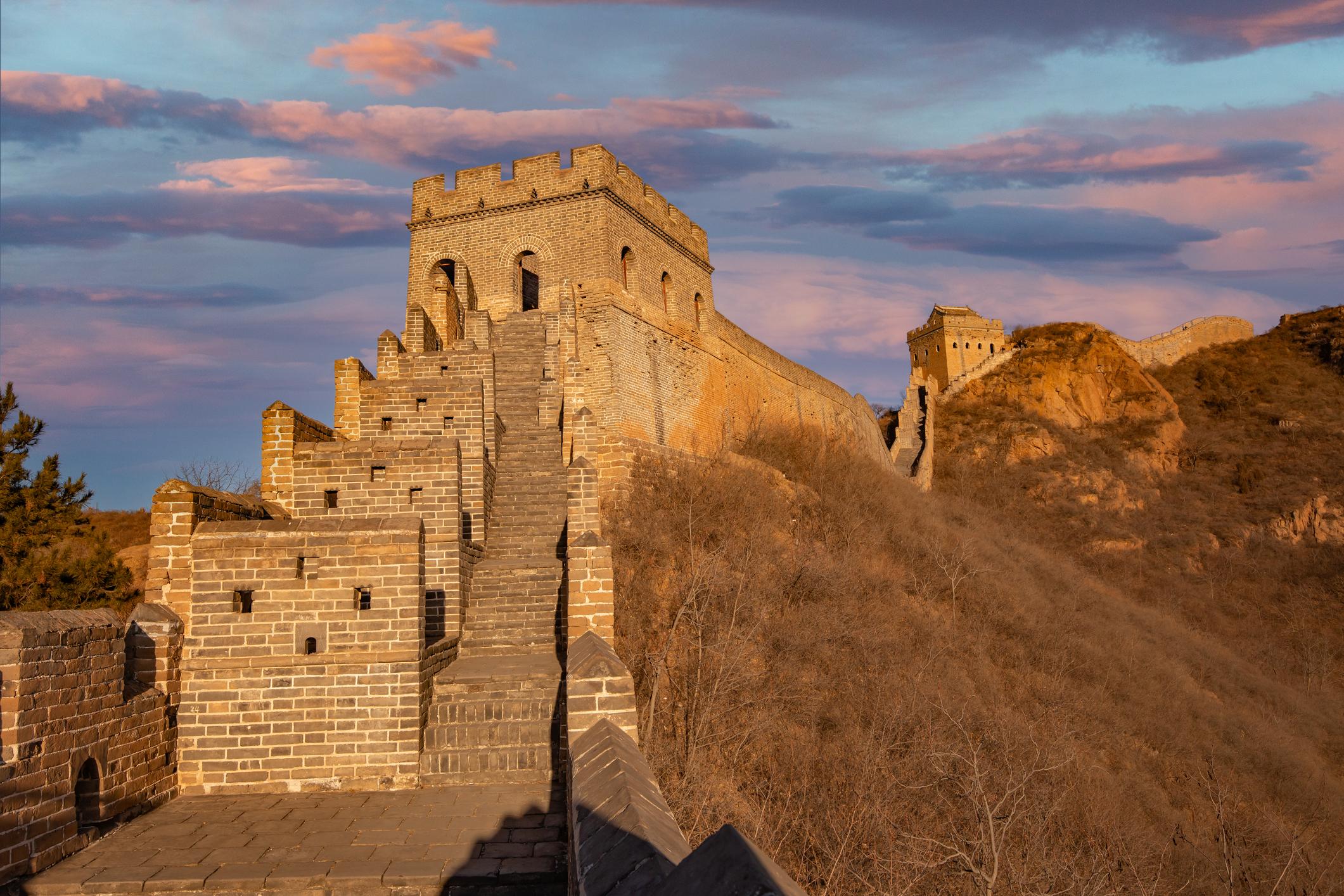
These watchtowers weren't decorative, either. The lower stories used to house soldiers and supplies, while the upper levels served as combat platforms, complete with arrow slits, holes to allow the dropping of rocks onto approaching enemies and functioning drainage systems. It's easy to imagine the battlements in use; troops fending off invading soldiers, while you stroll along the structure.
Amongst the 67 watchtowers, General Tower is a particularly prominent and interesting design. It was one of the towers commissioned by General Qi Jiguang. The tower has barrier walls, battlements and horse-blocking walls, and is one of the finest pieces of individual architecture on the entire structure.
Much Better AdventuresThis stretch of the wall is also home to three beacon towers - defensive structures positioned at a higher elevation than watchtowers, so they could pass early warning signals and alerts to frontier and interior teams around them.
The Jinshanling Wall ranges from five to eight metres high and it was designed to be wide enough, at the top, for five horses to ride abreast. These days, of course, you’re more likely to see hikers than horses making their way along it.
Walking in Wild Jinshanling
A hike on Jinshanling Great Wall traditionally begins at the East Gate and follows the wall westward, rising and falling as the land undulates below.
“It is a place you have got to go, even if you live here,” says Helena. “It’s not just for tourists.”
The distance is modest. The Jinshanling wall measures 6.8 miles (or 11km) - and many walks take in a shorter section of this, around 4 miles (6.5km) to Tao Chunkou. But modest doesn't mean underwhelming, and you’ll find yourself making your way along the wall slower than you would along a normal hiking trail. The stone steps are large, uneven and steep. There is history all around you - and you will have an ever-present, startling view of not just the landscape, but of the wall itself, as it finds its way through the hills.
Walking the four-mile route here takes a relaxed four hours.
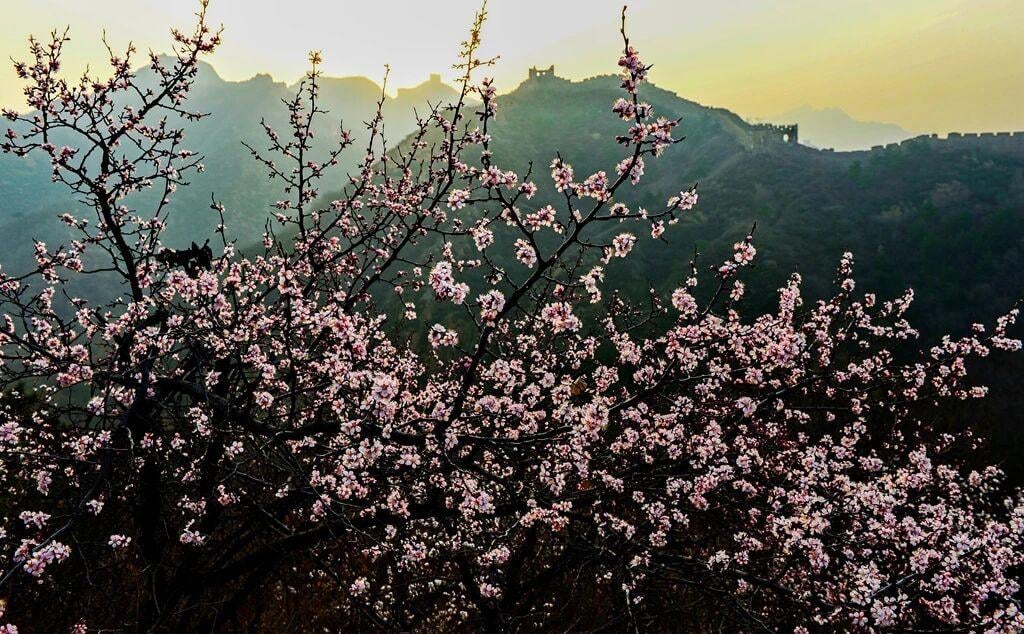
“There are wild plants and flowers; white fruit trees of all different types,” says Pan, of the area. This includes apricot and peach blossoms, dotted around, and summer wildflowers. “And they are not mainly planted, it's all wild. In the autumn there are beautiful red leaves, and it's very, very beautiful.”
Afterwards, spend the evening in one of the frontier villages whose lives have been shaped by the proximity in which they live to this spectacular wall.
“People here feel very much proud of this part of the Great Wall,” says Helena.
Their parents and grandparents have lived here for generations and generations, and because of the Great Wall, they now have new business opportunities.
These are communities whose ancestors lived alongside the wall, guarded it, farmed looking up at it - and who now guide tourists along it.
“Our groups stay at guesthouses which used to be farms,” says Pan. “Their parents and grandparents have lived here for generations, and because of the Great Wall, they now have new business opportunities. We stay with someone who just renovated his guesthouses, and he is honest and hard-working.
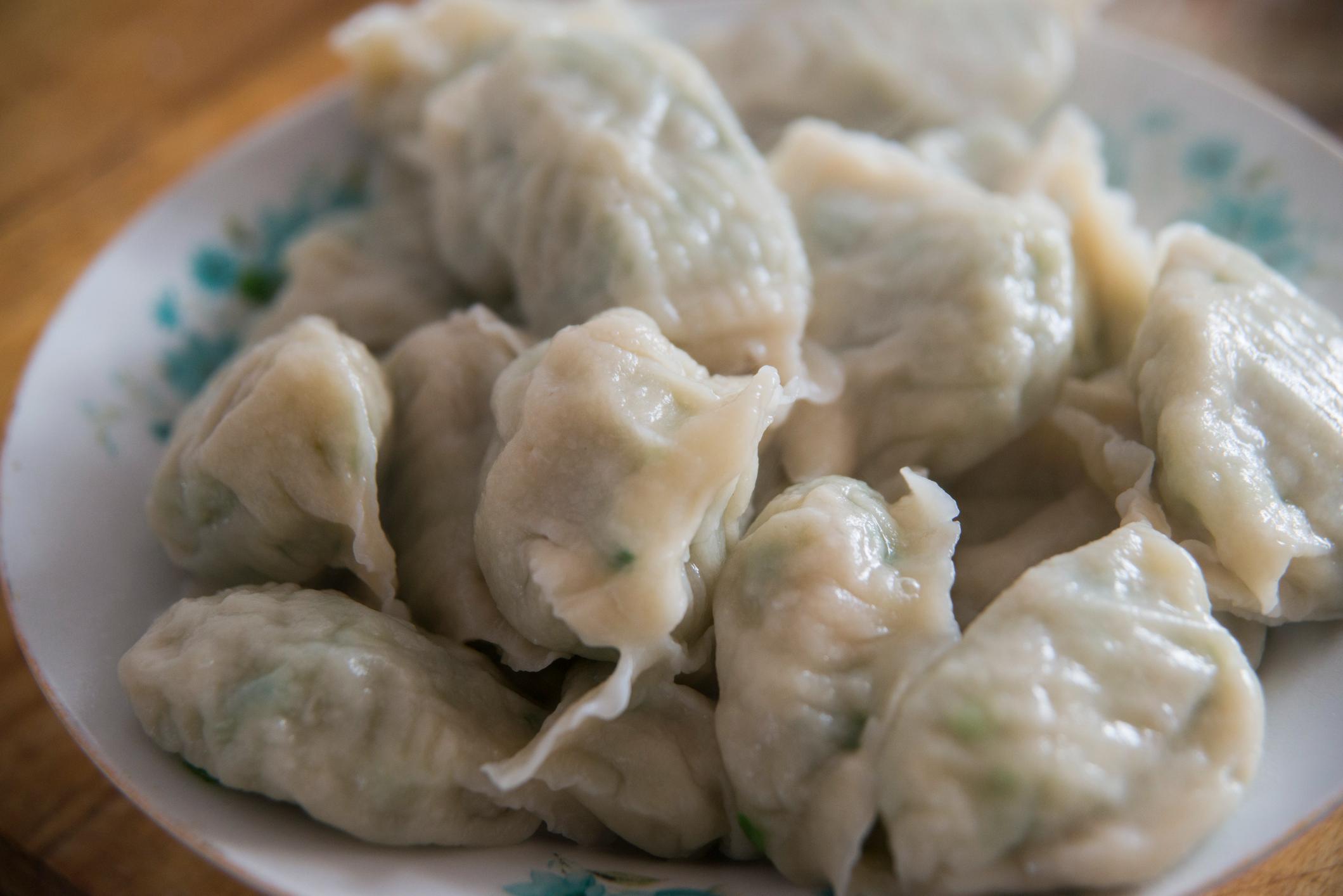
“He cares a lot about providing a good service. He has a very clean house and does really good cooking together with his wife. When we get there, his wife can teach you how to make dumplings if you're interested, then you try them.”
Pan paints a romantic picture of life along the wall. “I have a friend who runs a guesthouse,” she says, “and he is able to go up to the Great Wall anytime he wishes. So he goes after the rain, before the rain, for sunrise or sunset."
Much Better AdventuresThe Great Wall of China was first built to keep out the enemies of this storied country. But today, what it brings in is perhaps even more interesting. This wall, in this wild stretch of backcountry, offers visitors from near and far the chance to travel back in time - and offers remote communities a path to the future.
Inspired? Browse our guided trip to the Jinshanling Great Wall and beyond!