

I will never forget the look on my French landlord's face when I ‘jokingly’ announced, on the first day that I moved into my new rental flat, that I was going to kill all of his cats. In my defence, ‘tuer’ (to kill) and ‘nourrir’ (to feed) sound ever so similar when you’re a nervous Erasmus student.
I watched as his expression shifted from confusion to horror in slow motion, and I remember thinking 'how did I get this so wrong?' My friend and I then spent the next hour grovelling, after our landlord told us in no uncertain terms that he no longer wanted us to live there. Language errors really can be life lessons.
A language doesn't just translate words, it hands you the version of a place that only opens up to people who have the courage to ask...
That moment will forever be etched into my memory. You’d think that growing up in Italy until I was a teenager would have prepared me for linguistics mishaps. If anything, it has made me more reckless. When you’ve spent your childhood switching between languages, you develop a dangerous overconfidence that you can – mostly – wing it in any Latin-based language.
Spoiler: you cannot.
But there are upsides you might not expect, too. Getting a language ‘wrong’ is often the moment a travel adventure can begin. A wrong bus stop becomes an unplanned bike ride through a town you'd never have otherwise visited; and a mangled sentence becomes the reason a stranger warms up - and points you to the trail locals actually use, instead of the one in the guidebook. I've ended up on hikes I never planned to take, and discovered coastlines and bays ideal for scuba diving and snorkelling that I had barely heard of, all because a conversation went slightly sideways in a language I barely knew how to grasp. Language doesn't just help you get around, it changes the shape of the adventure you end up having.
 Much Better Adventures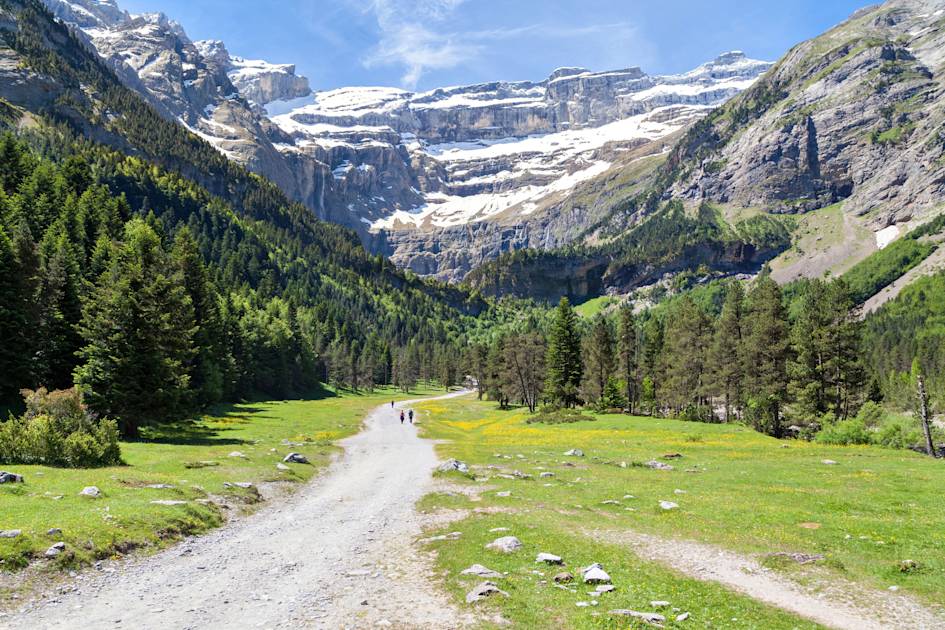
Living between languages
I was five years old when my family moved from England to Italy. I spoke exactly zero words of Italian. I remember my first day at the local school in a small hillside town in southern Lazio. I was being dropped into a classroom where the teacher's rapid-fire instructions, which were mostly in the local dialect, were just noise to me, and I had no clue what my classmates were trying to tell me. When I was asked a question, I just stared back, my face burning with the shame that you feel when you're out of your depth and lost.
For months, I was terrified – of getting things wrong, looking stupid, that I'd never understand. I'd go home exhausted from the mental effort of trying to understand and fit in. Because, when you don’t speak the same language as the people you’re surrounded by, it really does feel lonely.
But children are like sponges when it comes to learning language and, within a year, Italian had woven itself into my brain alongside English. I started dreaming in both languages. It’s crazy how your subconscious can have a mind of its own.
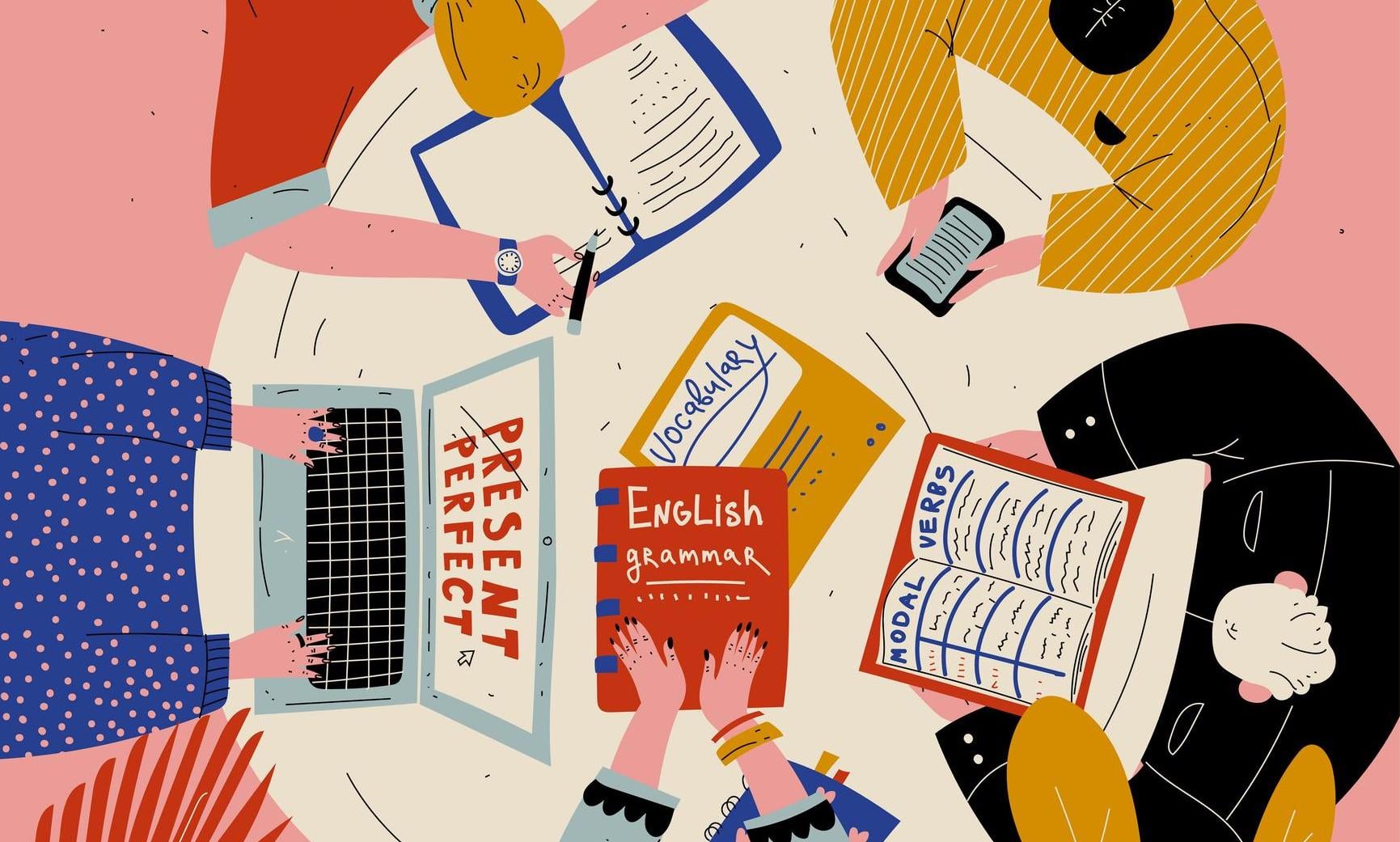
Growing up bilingual in Italy gave me an early lesson in how language shapes identity. Within another year, I spoke Italian without even thinking about it, fully immersed in an Italian-speaking school. However, I was still very much la Inglesina to my classmates. I'd sometimes slip up, and I would pepper my Italian with English idioms that made no sense in translation. To be honest, I can still be guilty of doing this now.
I grew up in this odd in-between space, never quite fully Italian, but no longer entirely English either. And so, this linguistic limbo became ‘home’ for me. Languages, I soon learned, aren't just tools for communication, they're entire ways of being.
Much Better Adventures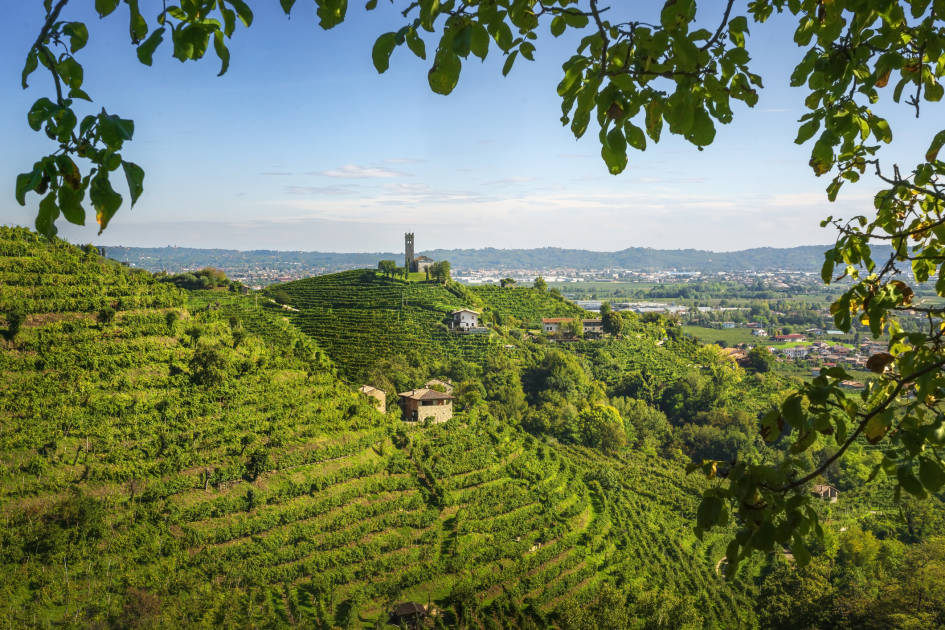
In Italian, I gestured more and spoke with my hands. It’s just what you did. When I moved back to the UK when I was 15, I had to relearn how to be English: how to say ‘sorry’ for things that weren’t remotely my fault or to get someone’s attention; how to queue; how to navigate the dynamics of secondary school classroom settings, which felt so wildly different to the ones I had been accustomed to.
What I didn't expect was how much I'd miss being multiple versions of myself. So, when it came to it, I decided to channel my linguistic abilities and study Italian, French and Spanish at university in the UK. The prospect of spending a year overseas for my Erasmus year was appealing, and I was convinced that my bilingual childhood and classroom learnings would make me practically fluent once I landed in France. How hilariously wrong could I have been.
The joy of getting it wrong
Fast forward a couple of decades, and I'm standing at a bus stop in Girona with my partner, asking an elderly local, with a very thick local accent, for directions. I thought my Spanish was decent enough for this; it clearly was not.
The woman gestured expansively, pointed down the street, then made a sweeping motion that could have meant anything. I nodded, certain I'd caught the essentials. More than half an hour and several wrong buses later, my partner checked his phone and delivered the update I really didn't want to hear: we'd been waiting at the wrong stop entirely, because I'd been too proud to admit I hadn't understood a word of it.
We hired bikes and spent the rest of the day cycling the coast road and the quiet lanes...
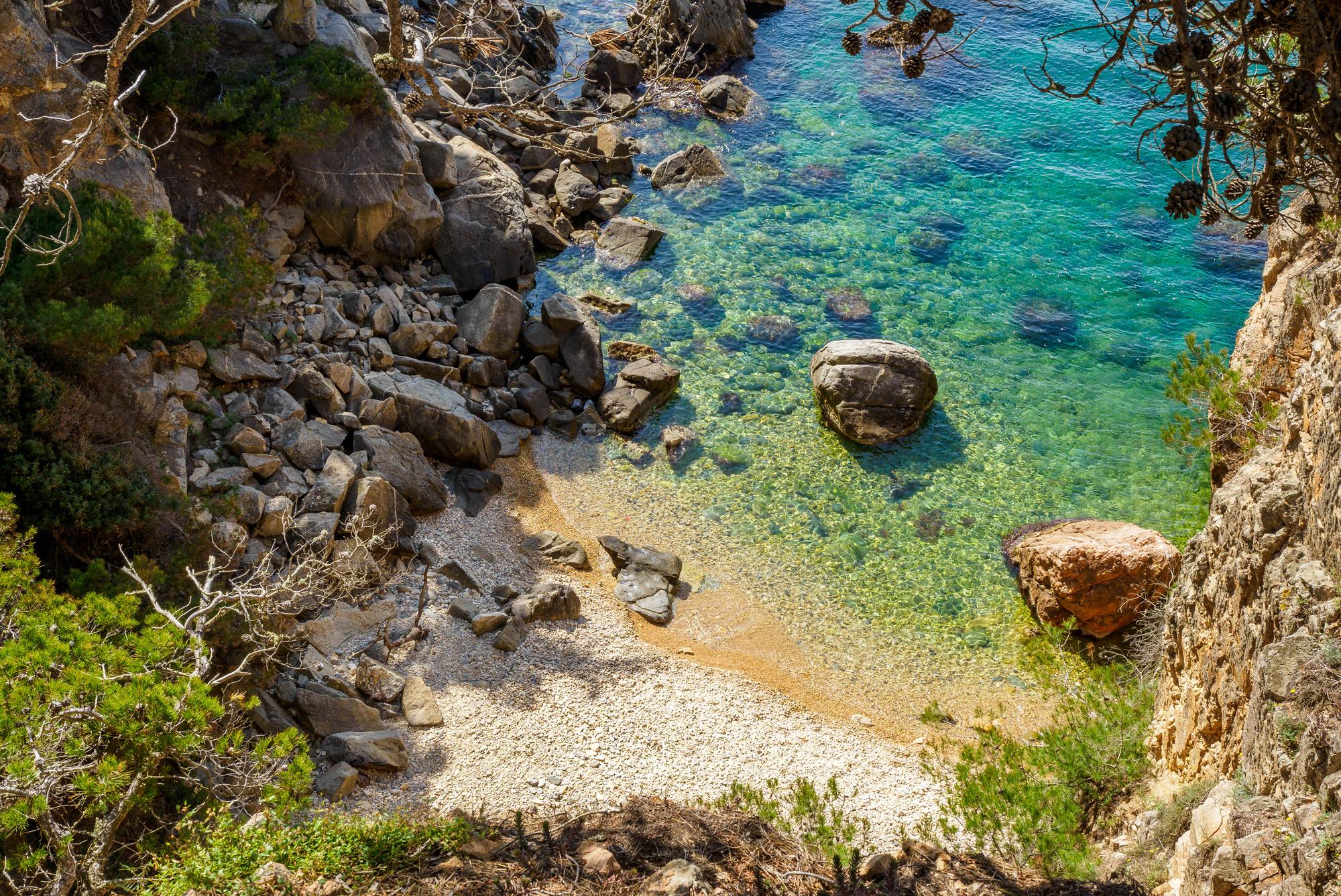
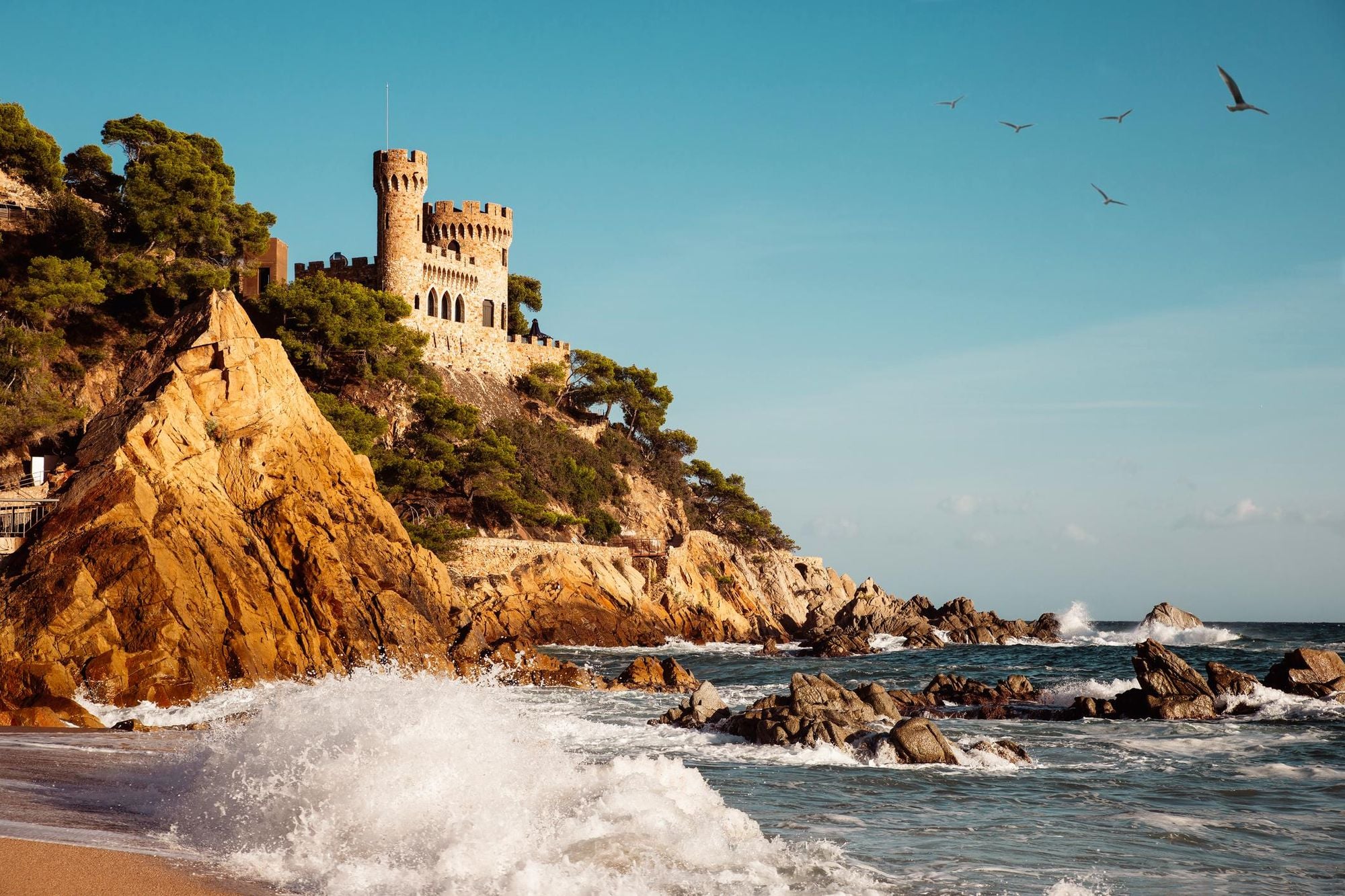
So, we did what any sensible pair of travellers would do: with no more buses scheduled to run for the next few hours, we found a taxi and let the itinerary rearrange itself. We ended up at Cala Illa Mateua, a picturesque pebble beach in l'Escala on the Costa Brava, and gave the day over to it entirely. We hired bikes and spent the rest of the day cycling the coast road and the quiet lanes behind it, before pitching up by the shoreline to swim and snorkel around the caves, the water so crystal clear and just so worth it.
Much Better Adventures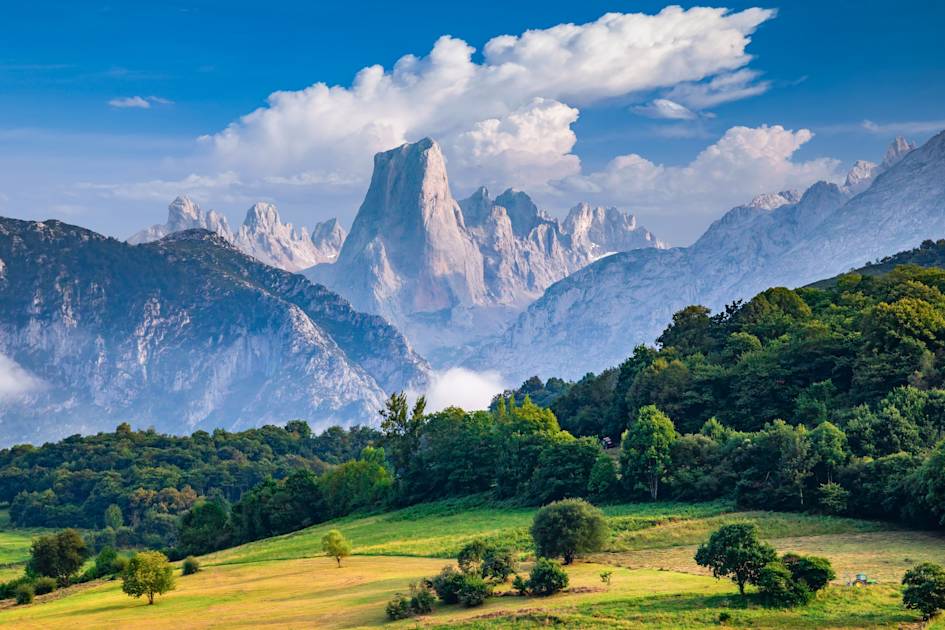
None of it would have happened if I'd understood those directions properly. A fluent version of that morning would have had us exactly where the timetable said, on schedule, seeing precisely what we'd already decided to see. Instead, one badly understood sentence ‘knocked us off’ the plan we didn't know we were following. The joys of getting the language wrong.
Permission to be Vulnerable
For many travellers, the notion of learning a language can often can get tangled up in myths of fluency and confidence, when actually it’s the trying that truly counts.
And the research backs up my experiences. The British Academy – the UK's national academy for humanities and social sciences – attests to the fact that having competence in languages gives people windows into other worlds, broadens mental horizons and makes them more likely to be curious and respectful when encountering other cultures and languages.
As adults, we rarely put ourselves in situations where we're genuinely bad at a basic skill.
Having access to that ‘window’ really is less abstract than it sounds. It's the difference between following a mountain trail because an app told you to, and following one because a farmer flagged you down to explain where it leads and why locals still walk it. It's the difference between paddling a stretch of river because it's marked on a map, and paddling it because someone in the village mentioned, in passing, that this is where they learned to swim when they were younger. A language doesn't just translate words, it hands you the version of a place that only opens up to people who have the courage to ask and engage with it.
Much Better Adventures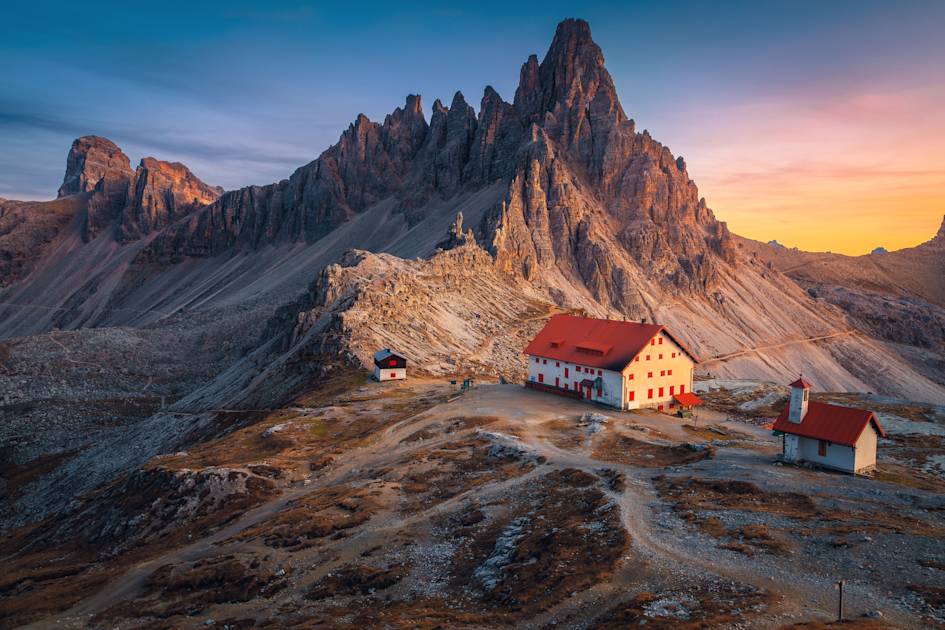
Perhaps what I love most about travelling to a country where you don’t know the language well, or at all, is the permission it gives you to be terrible at something. As adults, we rarely put ourselves in situations where we're genuinely bad at a basic skill.
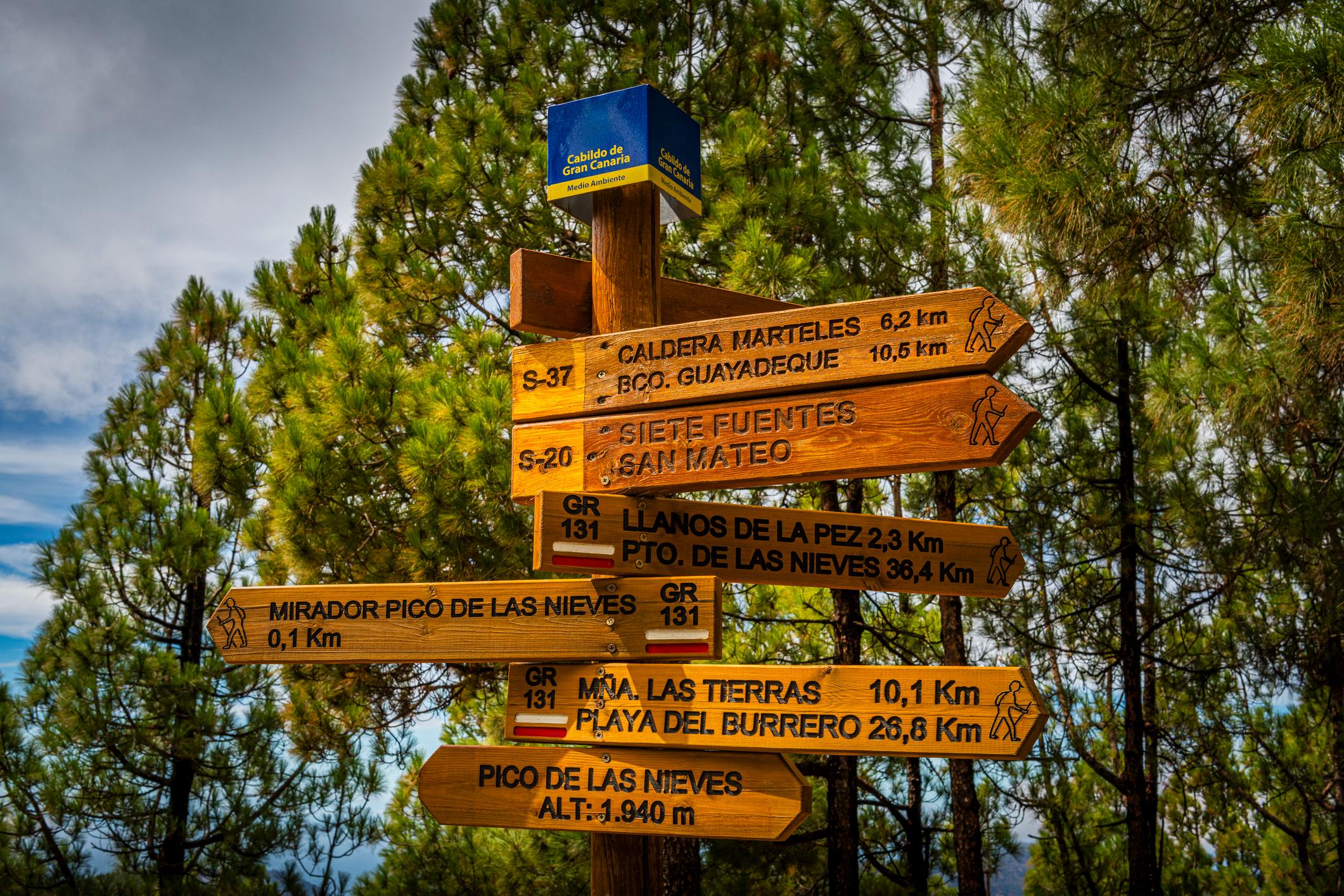
There's a particular kind of courage required to speak another language (or attempt to), badly, in public. To cobble a sentence together while strangers listen in; to watch confusion spread across their faces as they try to decode what you've just said. Being able to get involved and take part, even just a little, can give so much more context than a photo or an Instagram caption ever could. Like when you order the wrong thing off the already-limited menu in a mountain refuge and discover your new favourite dish by accident, then end up learning its name properly so you can ask for it again. None of that shows up in a carousel of photos afterwards, but it's the part of the trip you actually remember.
To cobble a sentence together while strangers listen in; to watch confusion spread across their faces...
This doesn’t mean language learning has to be a big, intimidating project. Some of the most rewarding exchanges I’ve had were with just a sentence or two: a greeting, a compliment, an attempt at a local phrase. These small efforts can really shift the energy of an interaction.
There’s also something about imperfect language that draws people in. Locals often respond not just to what you say, but to the fact you are trying at all. Even when your grammar is terrible and your accent is laughable, the effort itself is a gesture of respect. It says: I didn't just come here to take photos and leave. I came here to understand, even if not very well.
So yes, you'll make mistakes. You'll confuse verb tenses and potentially mortally offend someone that holds the keys to your accommodation, but you’ll also contribute something to the places you visit. And that is the real adventure.
Inspired? Check out our full range of adventure holidays now!