

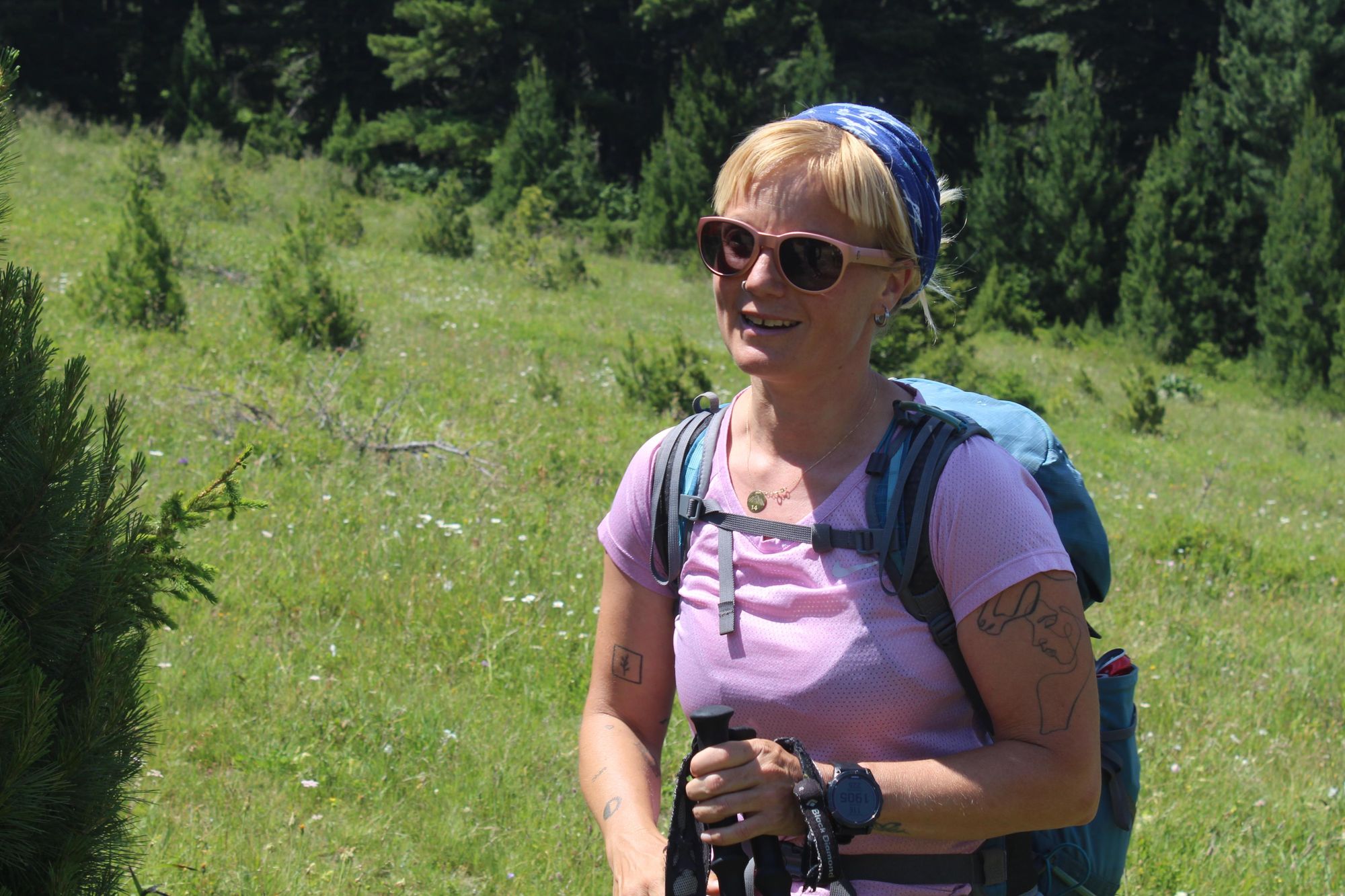
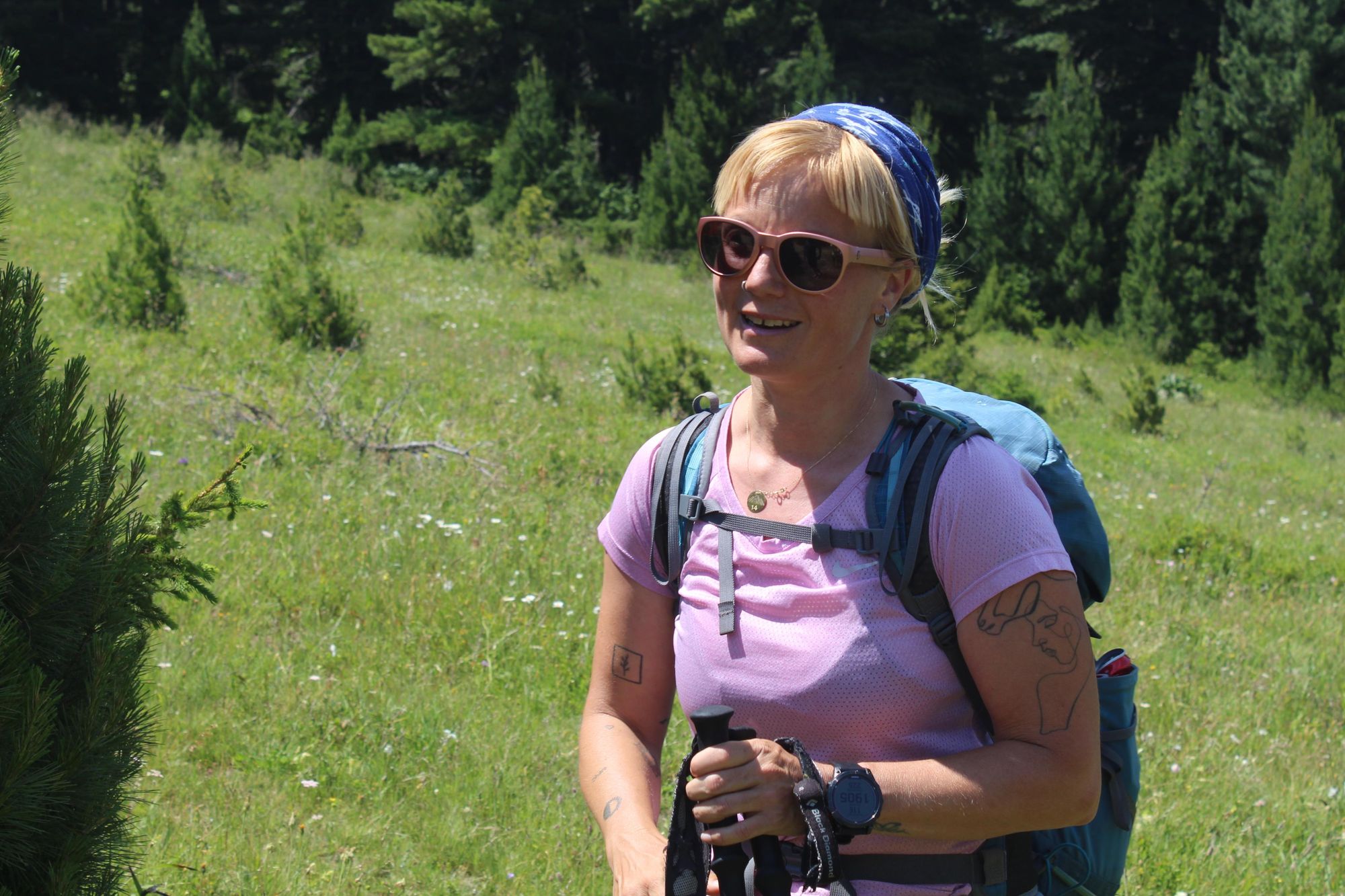
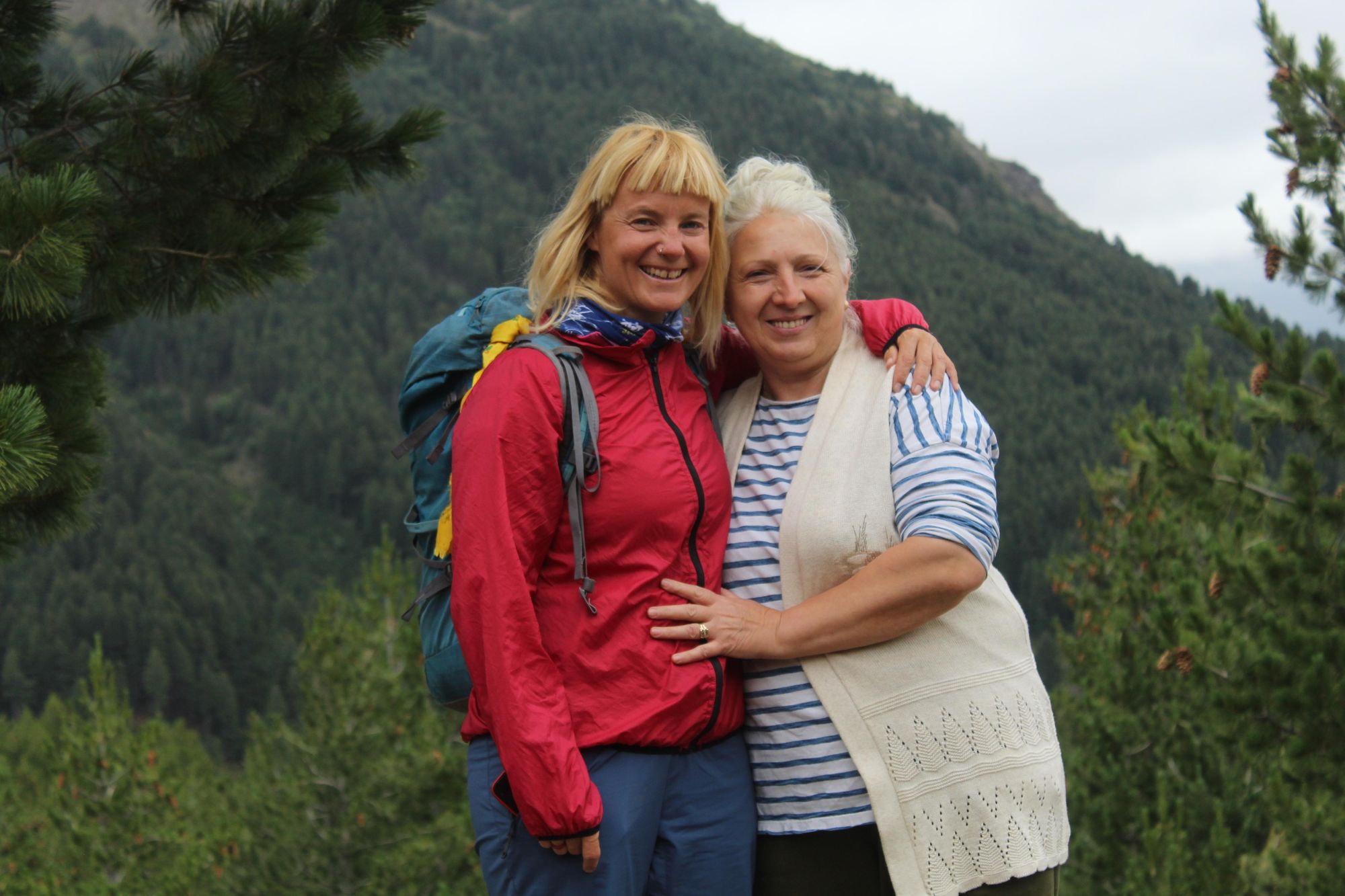
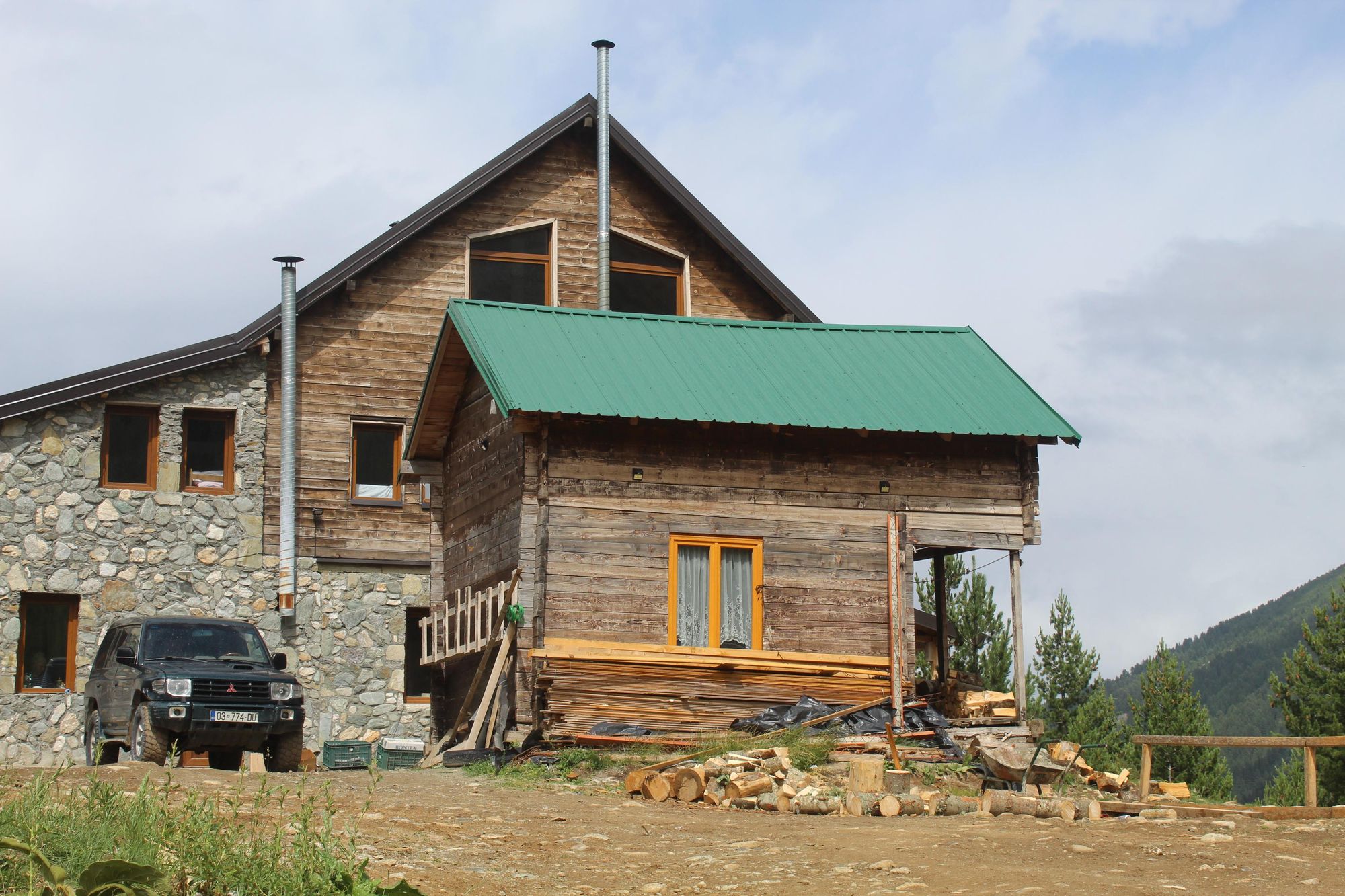
I’m sitting at a long, wooden dining table, in a remote refuge near Gjeravica. At 2,656m (8,714ft), the mountain is the highest solely in Kosovo, tucked away here in the rugged Dinaric Alps. Uta Ibrahimi, the accomplished Kosovan mountaineer, and my mountain guide for the week, is across the table.
“I still often have to explain where Kosovo is, and that it’s not still at war,” Uta says. “I want to change that image. There is an energy in the cities here. We have beautiful mountains, too. The people are so friendly and welcoming - both here on the Via Dinarica, but also on the High Scardus Trail.
When she reached the top of Kangchenjunga, Ibrahimi became the first woman from the Balkans to have climbed all 14 of the world’s 8,000m mountains.
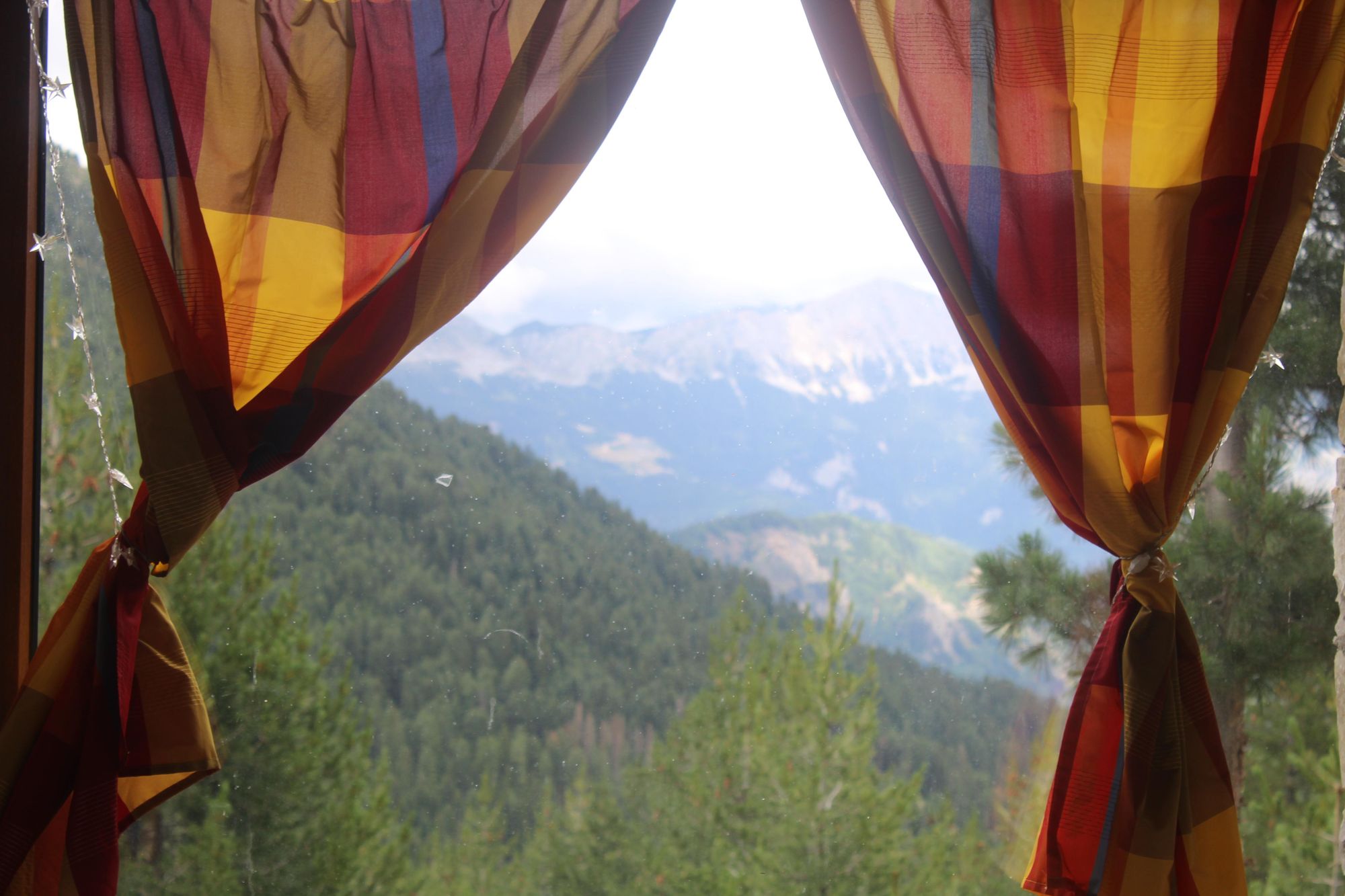
“Hospitality is part of our culture here in Kosovo. When the houses were first built in these valleys, there was always an extra room built for guests. So when people travelled from valley to valley they had a place to stay - whoever you are. You would eat and sleep and then go on, and you would be protected. It’s a traditional thing that’s followed for many generations, and we still have it today.”
As Uta speaks, the scent of fresh börek and köfte floats through from the kitchen.
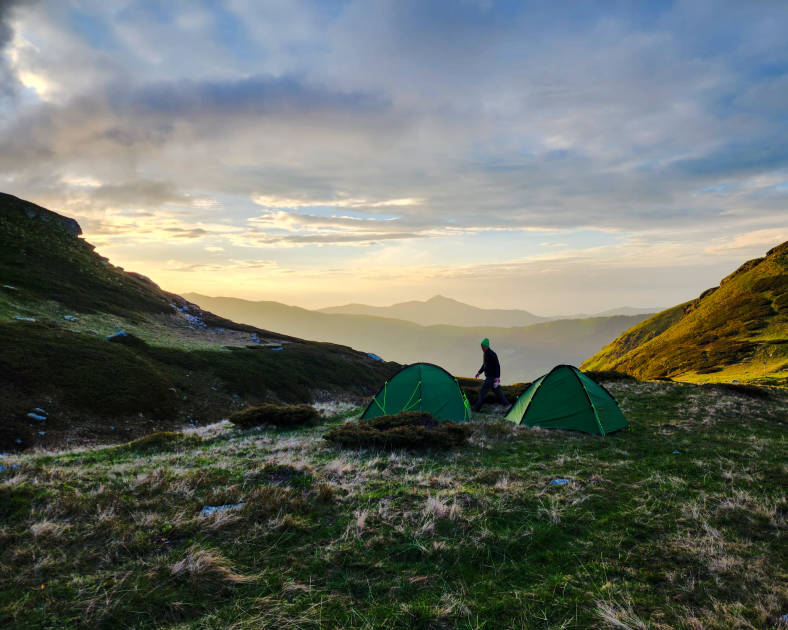
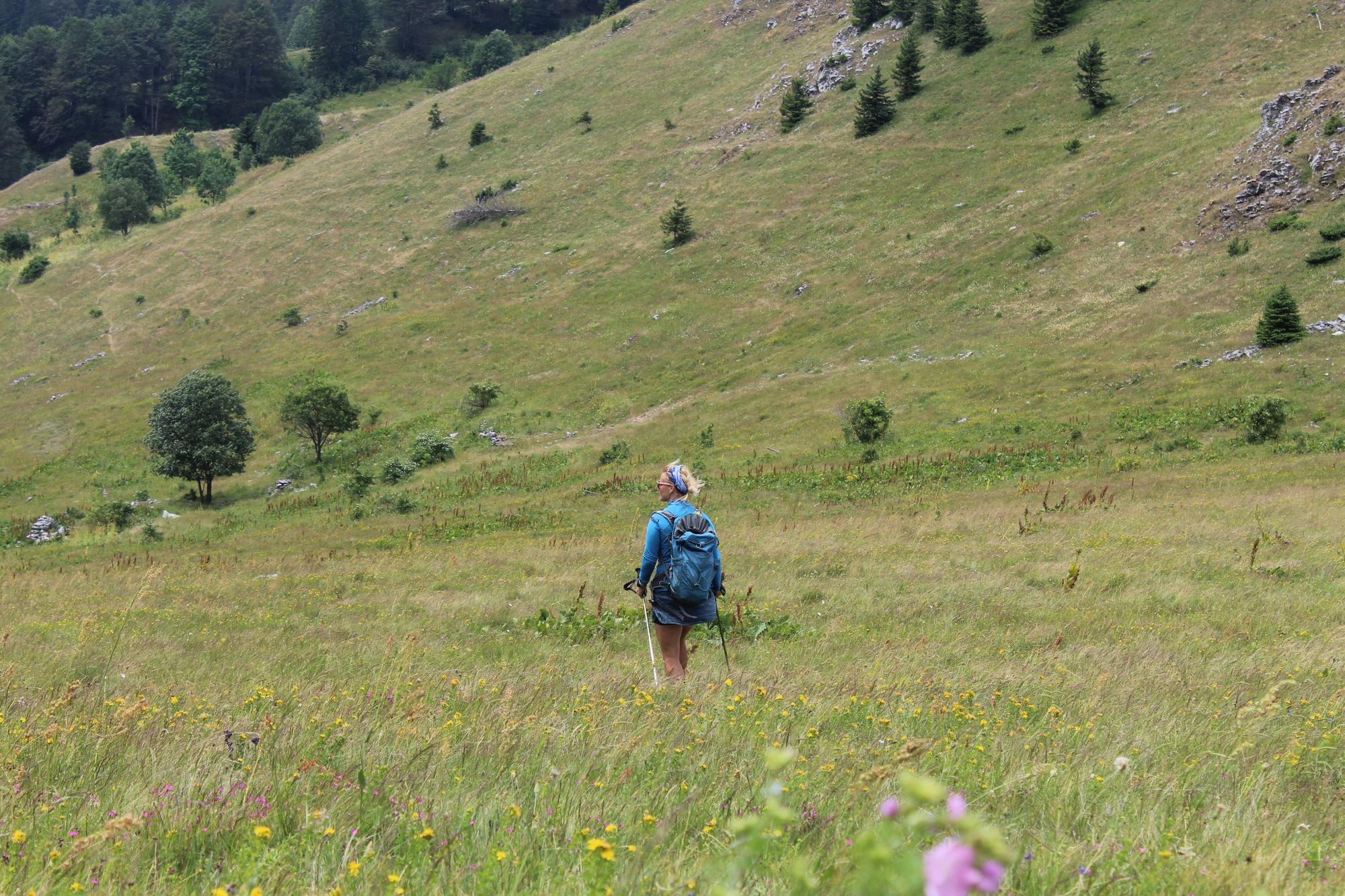
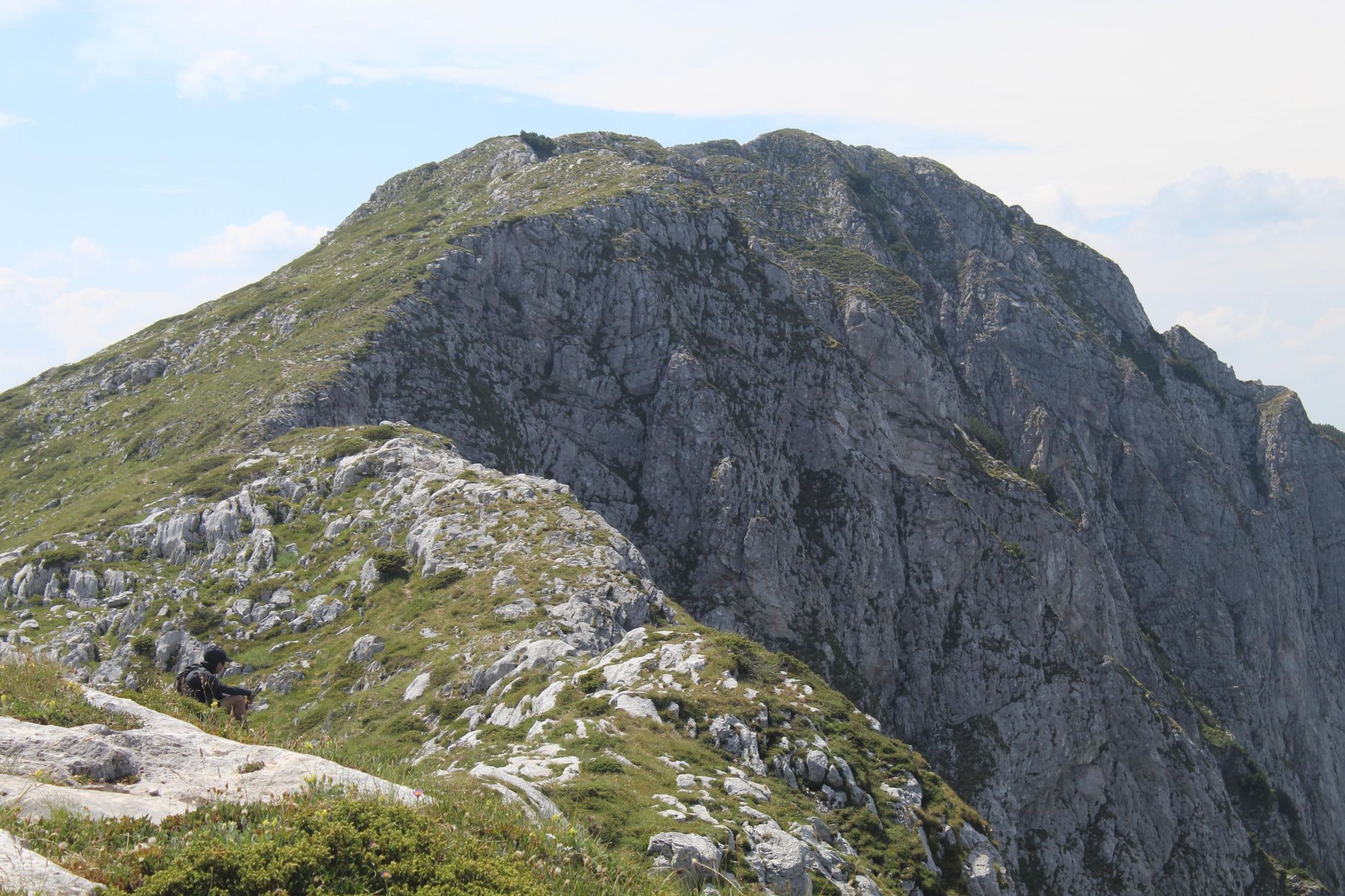
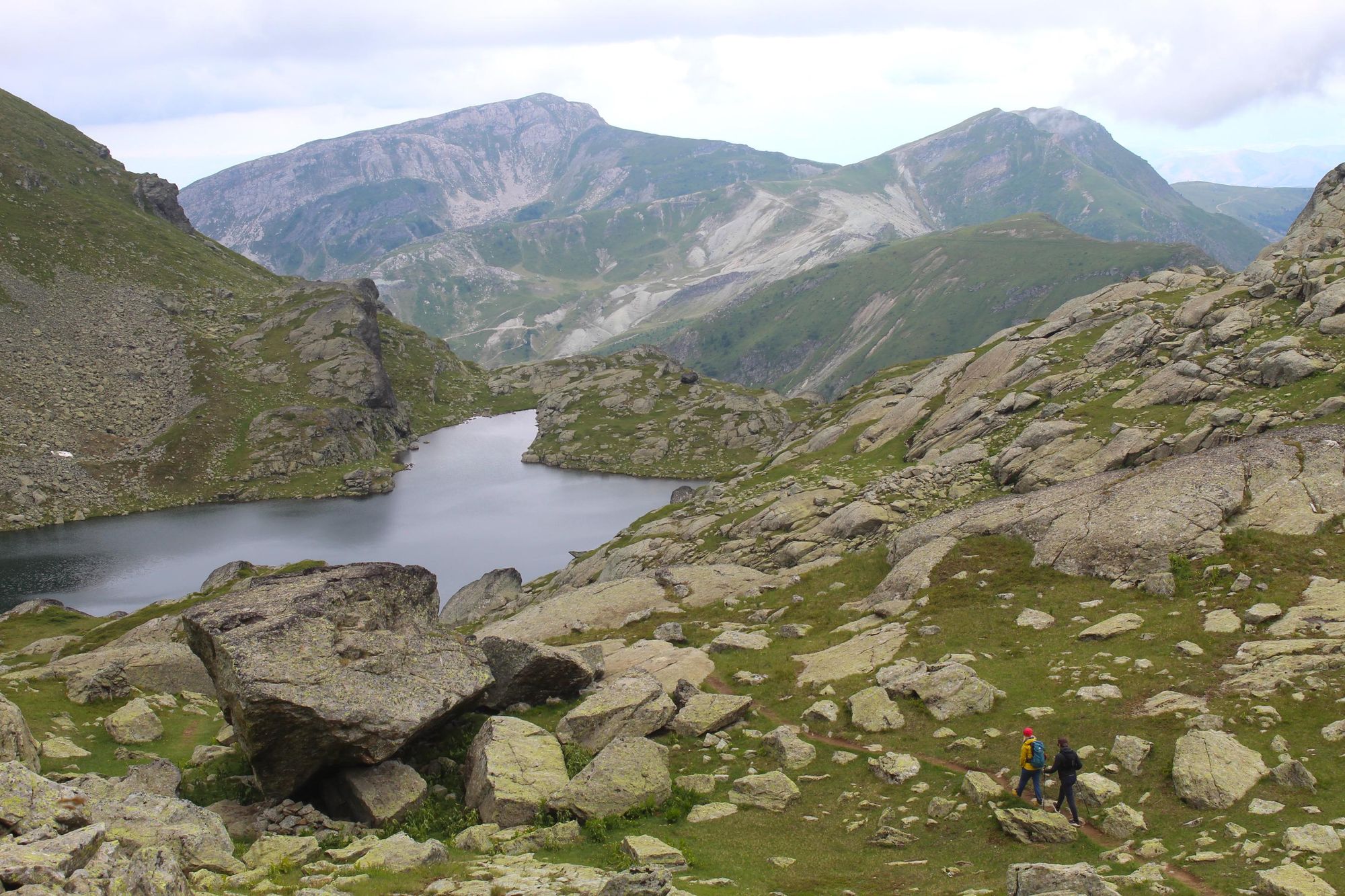
We have been hiking the Via Dinarica Kosovo, passing through tall broadleaf forests and deep, green valleys, backdropped by dramatic mountain ridgelines and lined with juniper bushes and blueberries, just ripe. Ibrahimi has been guiding hikes in the mountains of Kosovo for over 10 years - both here, near the border with Albania, and further south, in her beloved Sharr Mountains, often with Much Better Adventures groups. The word 'Sharr' is tattooed on her arm.
The conversation soon drifts from Ibrahimi’s local scenery to another set of mountains which have defined the last decade of her life - the Himalayas.

“Yeah, I mean, I personally wouldn’t risk my life just for the views,” Uta says.
“I risked my life first, because I wanted to, but then, also because I really want to help my country - to get more recognition.”
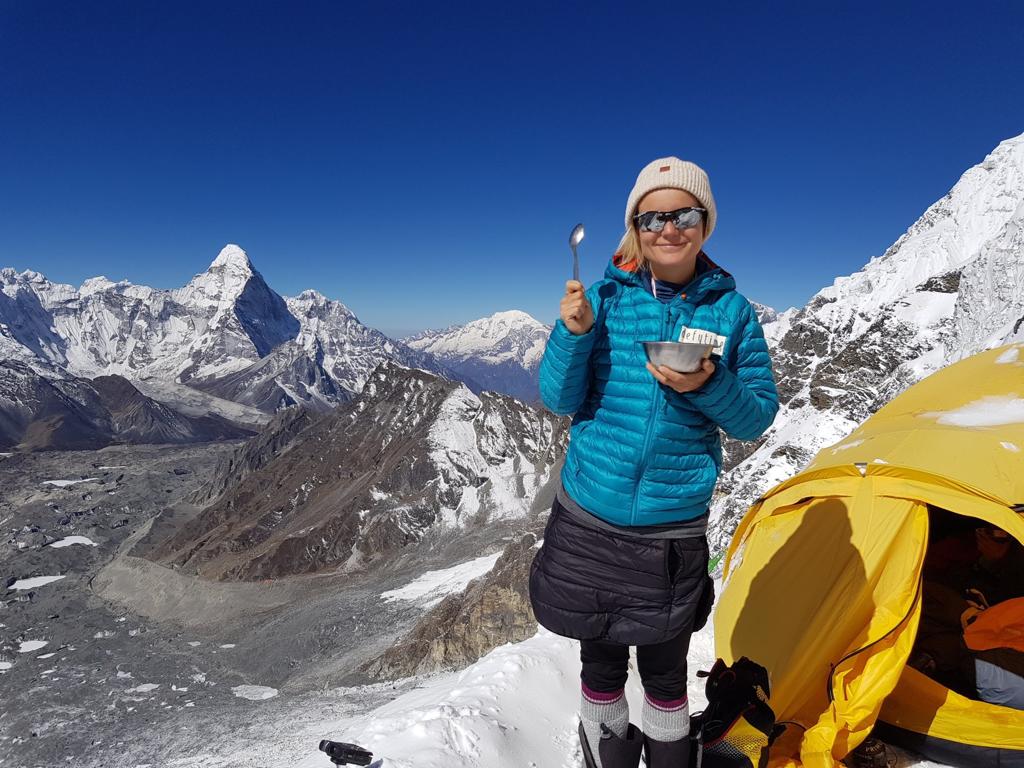
In May, Uta Ibrahimi successfully climbed the 8,586m (28,169ft) Kangchenjunga, the third highest mountain in the world, on the border of India and Nepal.
Reaching that summit was a grand achievement. The mountain is notoriously steep and technical, which is why fewer than 350 people have ever climbed the peak. For Uta, though, it was particularly special. When she reached the top of Kangchenjunga, Ibrahimi became the first person from Kosovo, and first woman from the Balkans, to have climbed all 14 of the world’s 8,000m mountains.
Uta returned to a hero’s welcome at the airport in Pristina, not just from friends and family, but from ministry officials who had followed her journey.
“Oh, it was really nice,” she recalls. “Then the next day, the Prime Minister [Albin Kurti] organised an event in the balcony of the government, and he invited all of the ministers and my friends and family. I’m much more connected with my brother since my father died, and he said couldn’t come at first, but when I came onto the stage I saw he actually was there too. I was crying.”
You have been where the storm does not forgive you, where the air is not enough
Posters of Uta on the top of the world’s highest mountains were dotted around.
Albin Kurti spoke at the event, saying: “It is one of those things that we can think about but somehow not even imagine, that seems completely unbelievable if it were not for the living proof - the woman who did it, Uta, who is here today."
He continued: “Through you Uta, Kosovo has been to K2, to Annapurna, to Makalu and even to Kangchenjunga. You have been where the storm does not forgive you, where the air is not enough, where the temperature does not promise, but where for people like you - the will is stronger than any stone and rock and there is no peak that cannot be reached.”
That final summit has taken a life of preparation and relentless determination.
“I started hiking in the Sharr Mountains,” Uta recalls. “All of these years, with my parents, when we would go on holidays; or even for a weekend, we’d go camping and have a picnic.
“We were four kids. My mother and father loved to be outdoors and in nature, so we had a camper, and we would go to Montenegro or to the sea for a month. In Gjilan, the city I'm from, there is one hiking trail we would do with our whole family. When I was younger, until I left for university, I played basketball for Gjilan. I was so into sport - always. But the war stopped dreams for many of us.”
The Kosovo War was fought largely between ethnic Albanians and Serb forces. It ended in 1999 when NATO intervention forced the Yugoslav army to retreat.
“For three months of bombing, we stayed inside our house,” says Uta. “All the time. All day and all night, with covered windows, waiting for the war to finish. I really wanted to go out and do things, but I couldn’t. The army came a few times to our home and we had to run away. I was 15. But it made us stronger; more willing to take whatever life might give to you in the best way possible.”
You always have to have curiosity for things; you have to love to live; you have to push yourself.
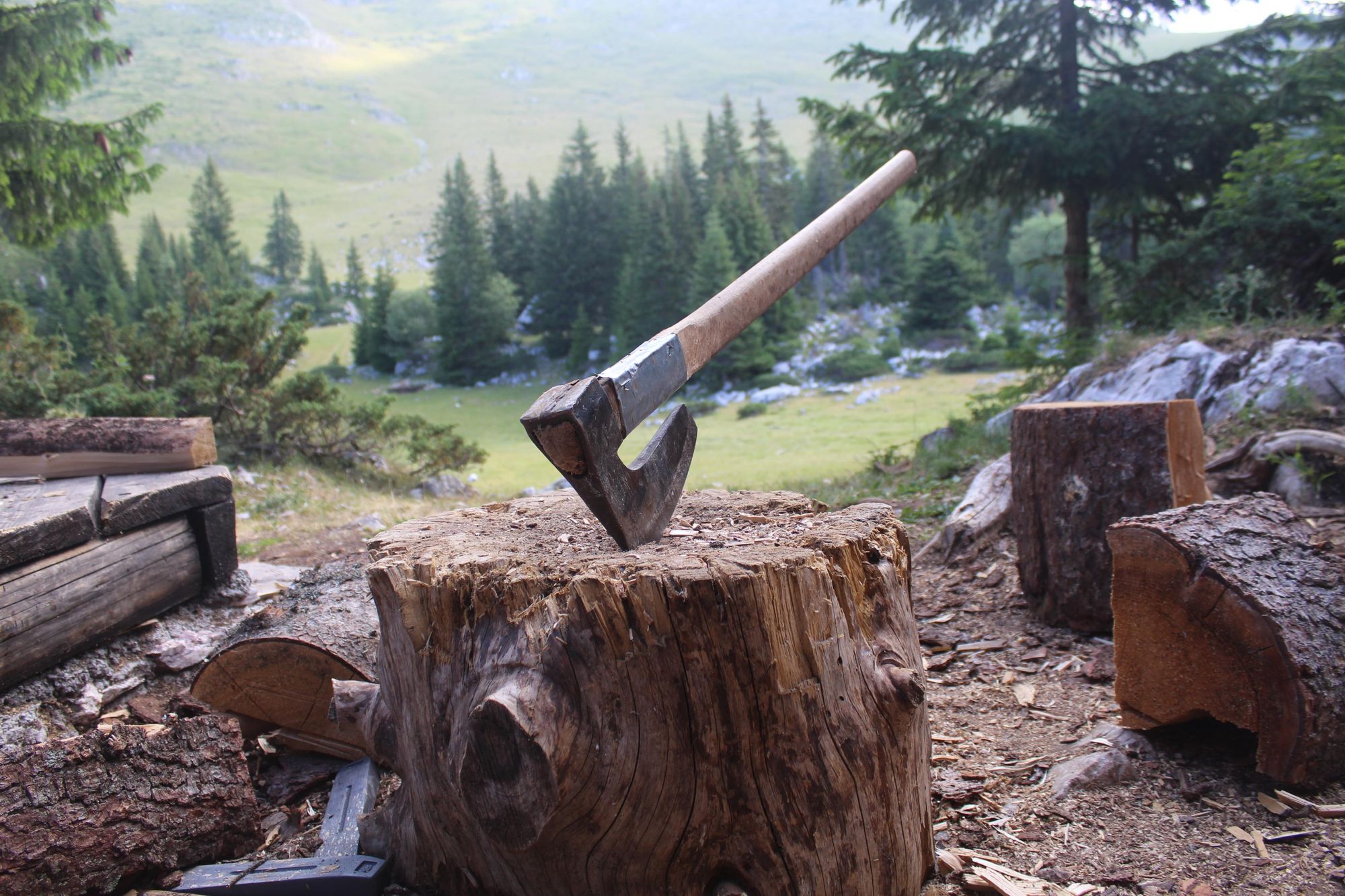
You stumble upon war history while hiking in the mountains here. The very mountain lodge Uta and I are talking in was once next to a Serbian barracks.
“They tore the building down and built a new one,” says Uta. “But here there was a base for the army. On the hiking trail, you can see a helicopter pad and bunkers, near the Albanian border. It makes it more meaningful. It’s important for people who visit to learn more about what has happened here.”
Uta moved to Pristina when she was 17 to study Economics and Marketing.
“Then I started with [mountaineering] clubs. The first time, with Deta - a lady who is now around 67 years old. At that time, mountaineering was more of a boy's club; more for guys having a day out and less about mountaineering as a sport. But then when I saw Dita and she had lots of flowers and colours, it was so cool. I saw you can be a girl and do mountaineering! Then I wouldn’t stop. I was going on the weekend and then during the week.”
Uta worked in marketing for years - but the mountains were calling.
“It was after climbing Mont Blanc that I went back to the office and told them ‘I cannot stay anymore, goodbye’. That was the big click - in 2015.” Uta began to work in the mountains full time. She started her own company and guided hiking tours in Kosovo, and beyond the day job? The Himalayas beckoned.
“In 2016 I went to the Himalayas for the first time, when I did a few 6,000m peaks, then I climbed Everest and Manaslu in 2017 and January/February 2018,” she recalls. “Then I did a conference with the President of the Federation to launch the 14s project. I was wondering if I should do it at the time - because if I started, I knew I would go to the end. I have never started something and then left it without finishing. I just didn’t know that it would take nine years.”
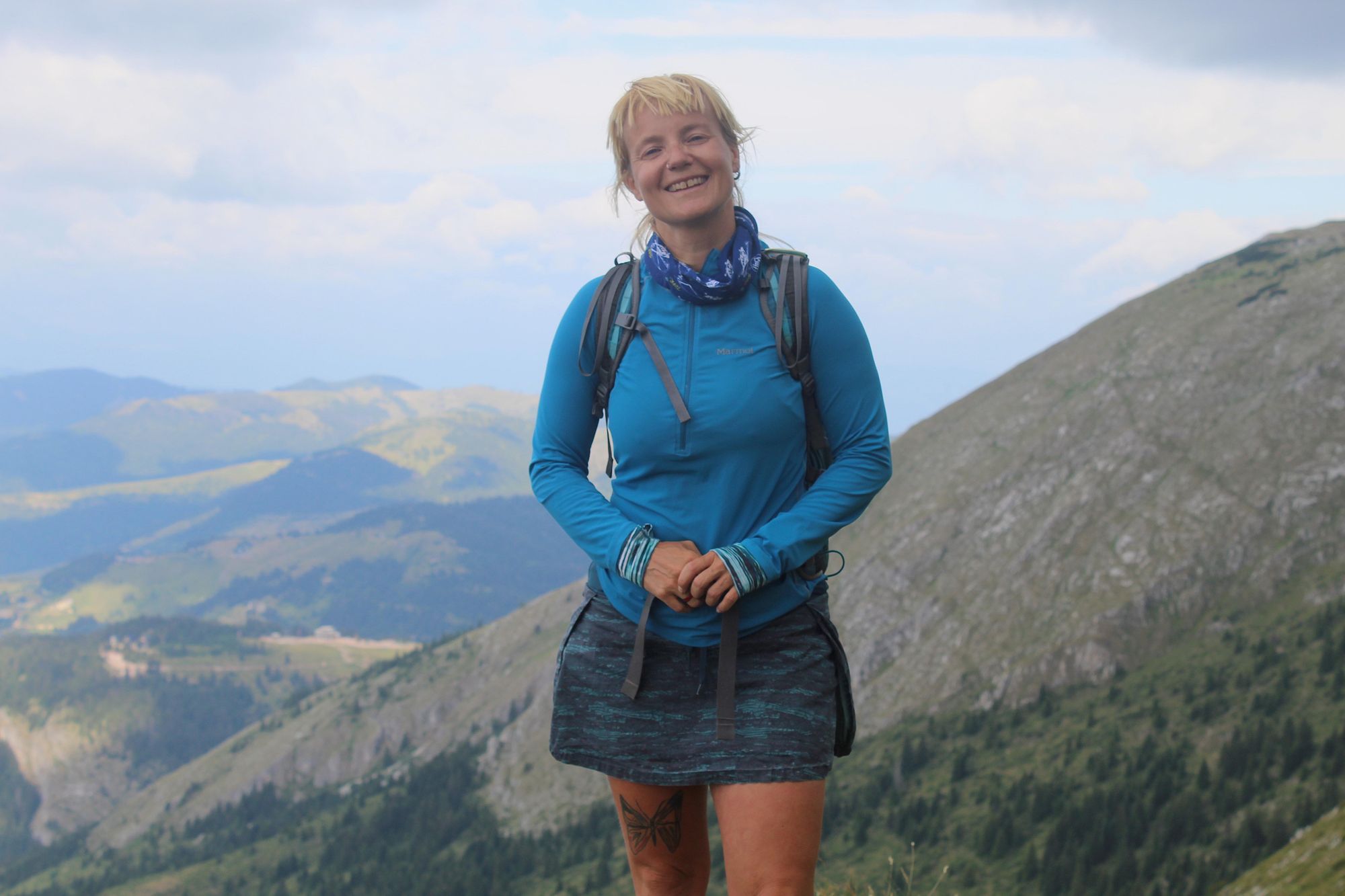
Things haven't always come easy for Uta. “At the beginning it was hard to get people to believe in me," she says. "I was born in a flat city on the east of Kosovo. And everybody believes that men are strong and girls are not, especially when you need power. So to be on top of Everest was to show people I did it.”
As you would expect, there have been hardships throughout the project, too.
It was in the base camp of Dhaulagiri that Uta learned her father had died. “He was like an idol to me,” she says. After returning home, Ibrahimi went back to summit Dhaulagiri - and then climbed it again on her father’s birthday. “It was a difficult summit with only four people that day,” Uta says. “It was for him.”
We didn't know if we were coming back, and with these people you make connections.
She was climbing Mount Shishapangma, the 14th highest mountain in the world, when an avalanche swept four other mountaineers away. Another climber tragically lost their life on Kangchenjunga, not long after Uta summited.
In 2019, Uta herself was injured. While climbing the north face of Rragami Peak in Valbona, Albania, a 50kg stone came loose and struck her. Ibrahimi suffered multiple broken bones, and her expedition plans had to be postponed.
“You have to have four eyes open,” she says. "I put so much effort in to be 100% present. I still try to be very careful". On Nanga Parbat Uta had a close call with falling ice on the mountain. She tells me about crampon and pole malfunctions in the "death zone" above 8,000m. She experienced breathlessness descending Gasherbrum 1, and recalls the sound of the avalanches on Annapurna I, the world's deadliest mountain - but never gave up on her grand ambitions.
“I asked for these experiences," she says. "I sought them out. That's how I ended up where I am today. That's what I also share with kids when I go into schools. You always have to have curiosity for things; you have to love to live; you have to push yourself. Nobody is going to come and tell you 'take this and enjoy life'."
Things have changed a lot in mountaineering since Ibrahimi started climbing. “In 2017, on Everest, I only met one girl at base camp," she recalls. "But then every other climb, I would meet more and more. I was also invited on a Korean expedition on Lhotse South Face, and I was the only woman, but I don't pay much attention to that. I am a friend to everyone!
“When we climbed Annapurna, we were an all female group,” Uta continues. “For Nanga Parbat, we were a team of seven girls and two boys.”

Female empowerment is central to Uta’s Utalaya Foundation, set up in 2019.
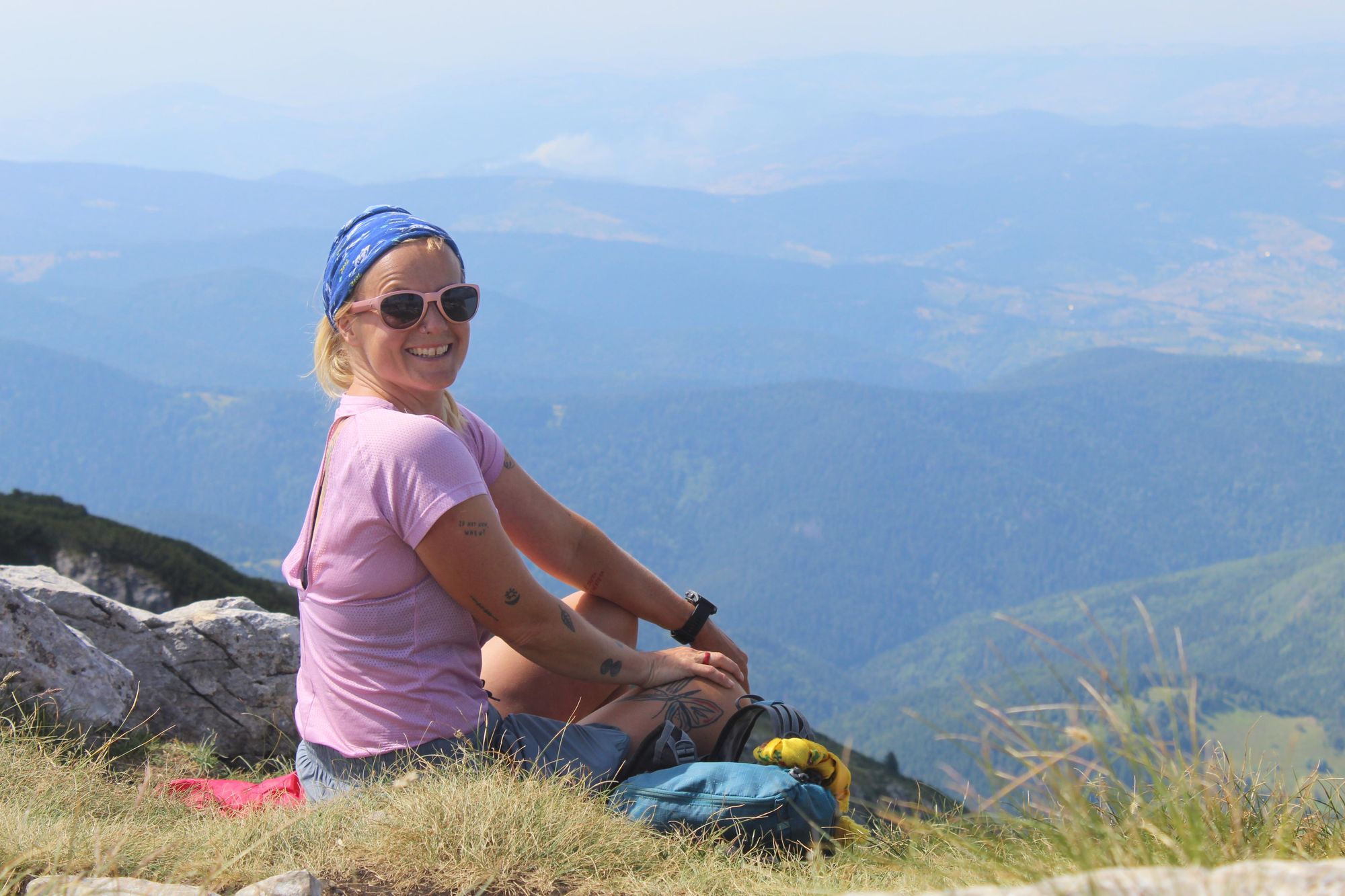
“There are so many girls here who like to experience new things and push their limits,” Uta says. “We did an expedition with 20 girls where I taught them about orienteering, and most of them still hike with us. They can be our future guides.
“One project we did was with youngsters from Serbia and Kosovo. We took flags that were leftover and we made tote bags. We had a few projects with Serbs in the north, and some others with the Serbs in Sharr, and also some in the east. Things are changing and I see it every year - more people working together.”
I had spoken to Uta earlier in the year, before she climbed Kangchenjunga, and asked how she thought she would feel after finishing her 8,000s project.
We did an expedition with 20 girls where I taught them about orienteering. They can be our future guides.
“I’m going to be sad to finish in the Himalayas,” she had said. “But I will also feel a little relieved.” I follow up now, to ask if that is indeed the case.
“I don’t know, to tell you the truth,” Uta says. “It was so difficult for me to digest everything.” The mountaineer pauses for thought. “It was nine years of my life. That’s a lot. I had to be present. All of my energy was on 8,000s, but then, if I was away on an expedition for six months, that meant that when I was back for the next six months I had to work a lot here too - lots of projects and guiding.
“So for all these years I haven’t had a lot of time to spend with my family, with my friends. And in these nine years, so many things happened at home. Life events.
“I missed so much, but Nepal has become my second home. There are so many friends there. We spent so much time in the camps on expeditions; we shared everything together. We were in the worst moments together, when we didn't know if we were coming back, and with these people you make connections.”
One thing is clear. Uta is certainly not finished with expedition days just yet.
“I don't think that now that I've climbed all 14, I'm just going to stay at home and work,” she says. “It's a lifestyle I've lived forever now. I don't think I can change it. I don’t have much planned, but there are a lot of ways to keep myself fulfilled.”
Whether it's in Kosovo or on Kangchenjunga, the mountains will continue to call.
Inspired? Hike the Sharr Mountains in Kosovo & North Macedonia!