

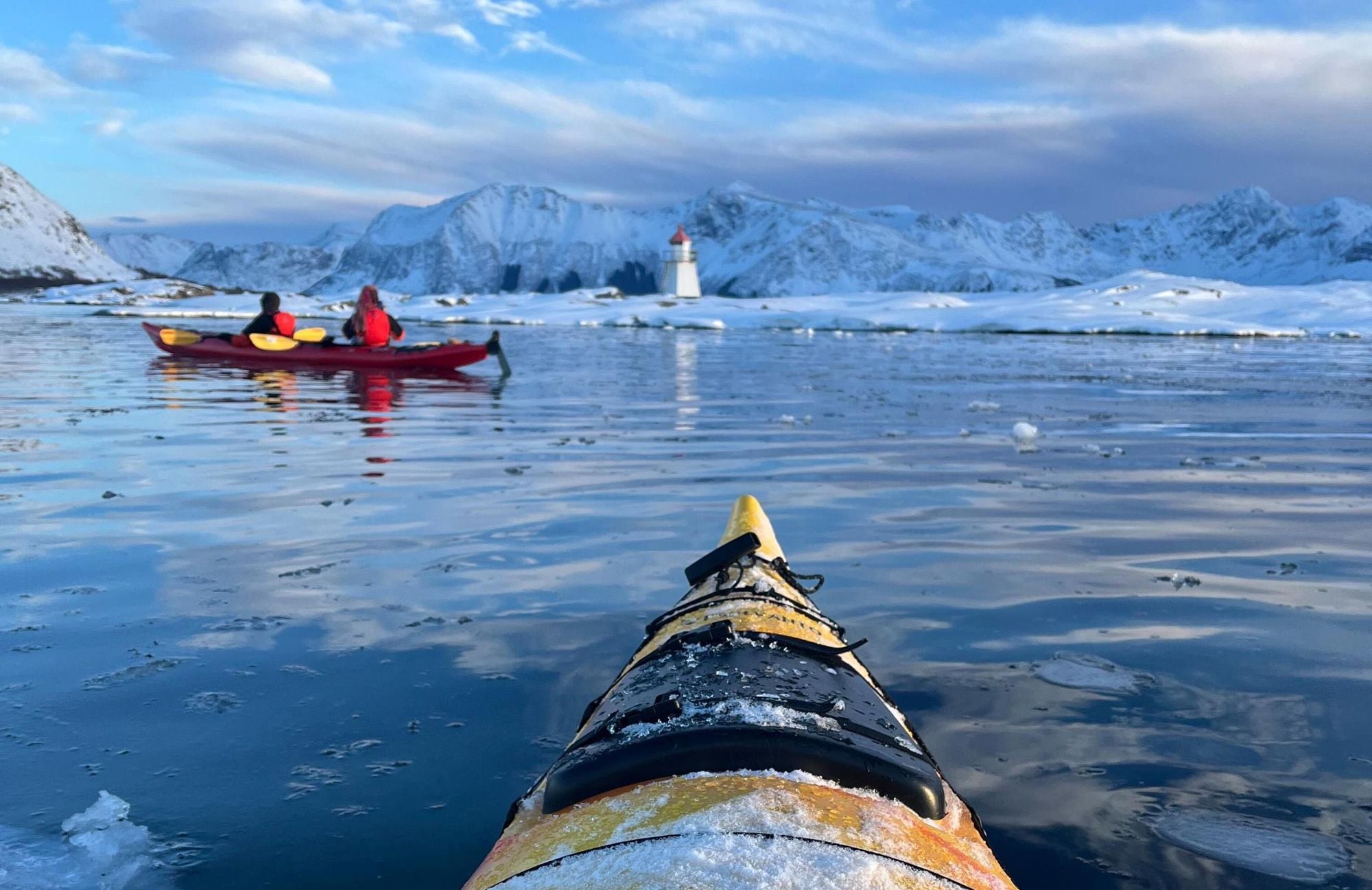
I visited the Lofoten Islands - Norway’s wild archipelago, north of the Arctic Circle - in the shoulder season of February, and I found a winter wonderland. It was ice-cold, with sub-zero temperatures, but it was spectacularly beautiful; the mountains blanketed in snow and the northern lights flickering above our heads in the darkness. Some of our guides were Argentinians who had made Lofoten their home - and they spoke of how the rugged and wild landscapes here reminded them of Tierra del Fuego.
As we were falling asleep in our bivvy bags, with the tiniest hole to peek out of, the northern lights were dancing in the sky.
When you visit such a special landscape, you learn a few things along the way.
I didn’t know that Lofoten was such a good winter surf spot; how delicious the cod ceviche could be, and that Lofoten might also have the best cinnamon buns in the world (particularly after a snowshoe hike in icy winds, and combined with a hot chocolate). I found that the islands felt small and safe enough to explore as a female solo traveller - and that if I went back in summer, it’d be an entirely different landscape.
 Much Better Adventures
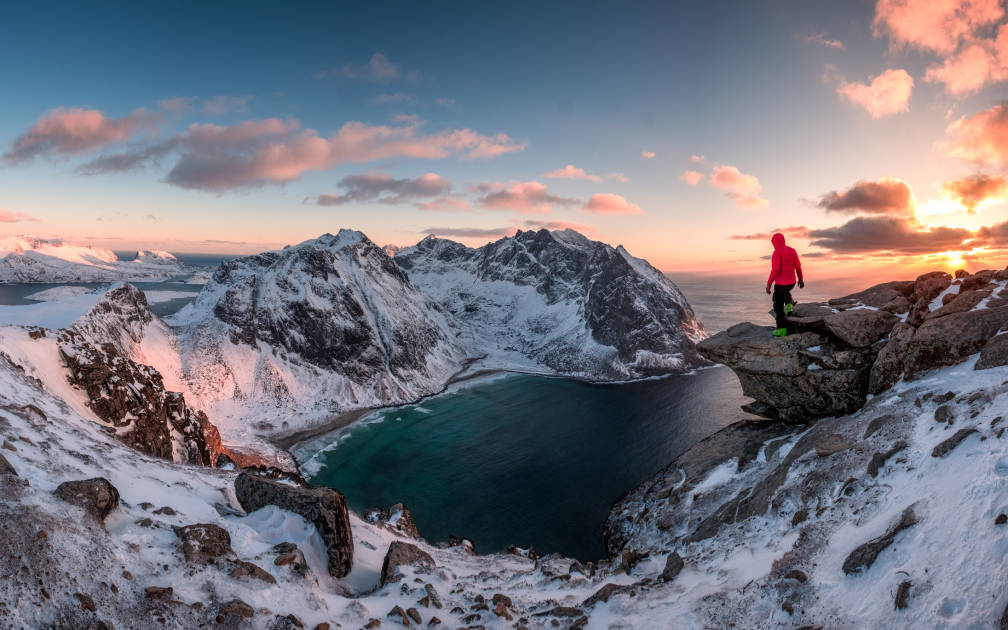
Beyond that? Here are my top tips for visiting the magical Lofoten Islands.
It’s all about layering
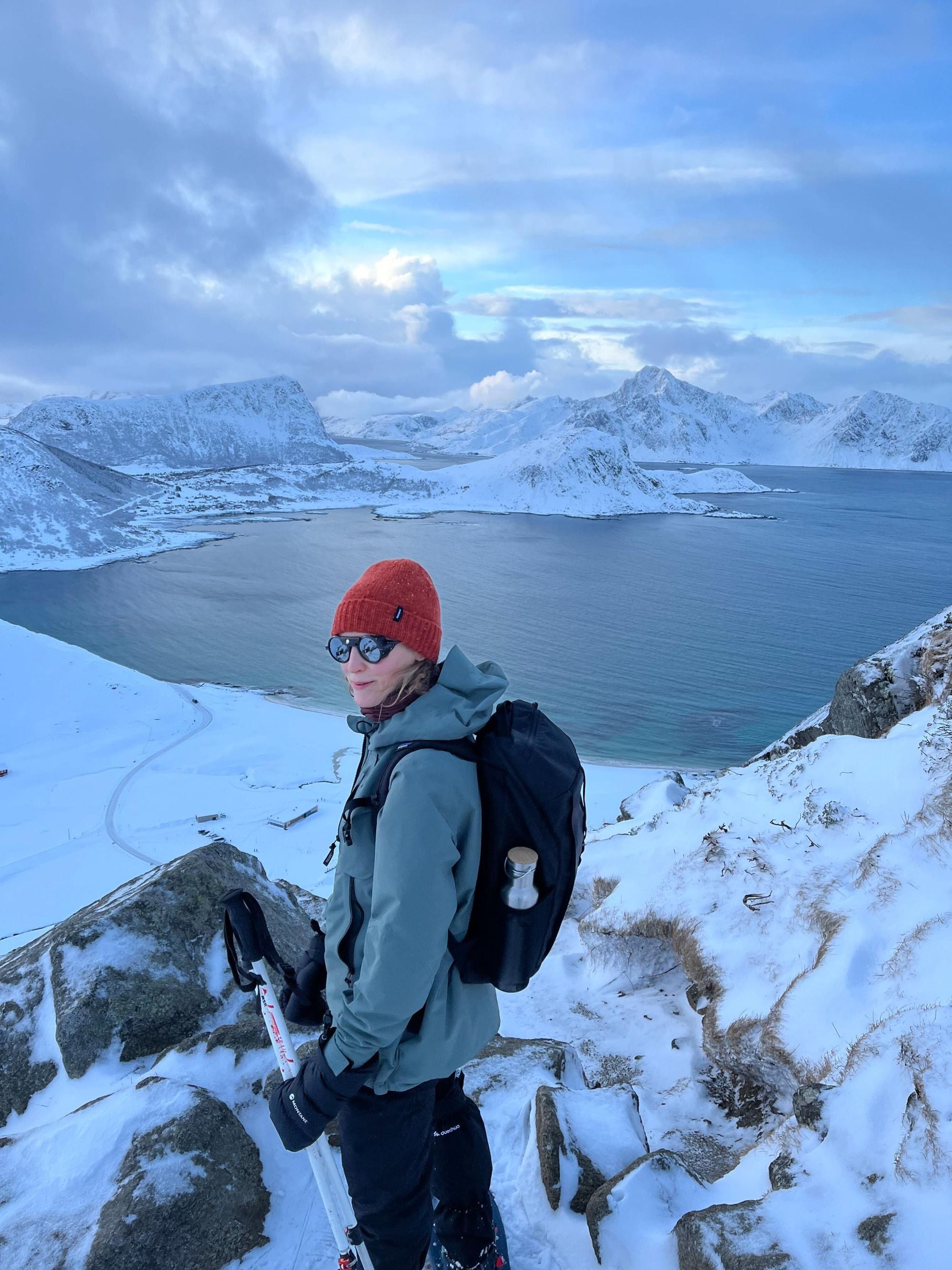
The weather in Lofoten is incredibly changeable - even from hour to hour.
It’s all about weather windows here, being prepared with the right gear and having lots of layers; thermal layers; waterproof layers; down. This is important for anyone who wants to enjoy this trip. I was really lucky because I went in mid-February and it was beautifully snowy, but it was very cold.
It snowed almost every day while I was in Lofoten, so having layers to put on when you're cold and to take off when you’re hiking up these fairly steep, rocky mountain ridges was really important. Don’t hike in a down jacket. You’ll get too warm. Instead pack it in your bag and bring it out whenever you stop. You’ll need it!
Don’t just come for northern lights
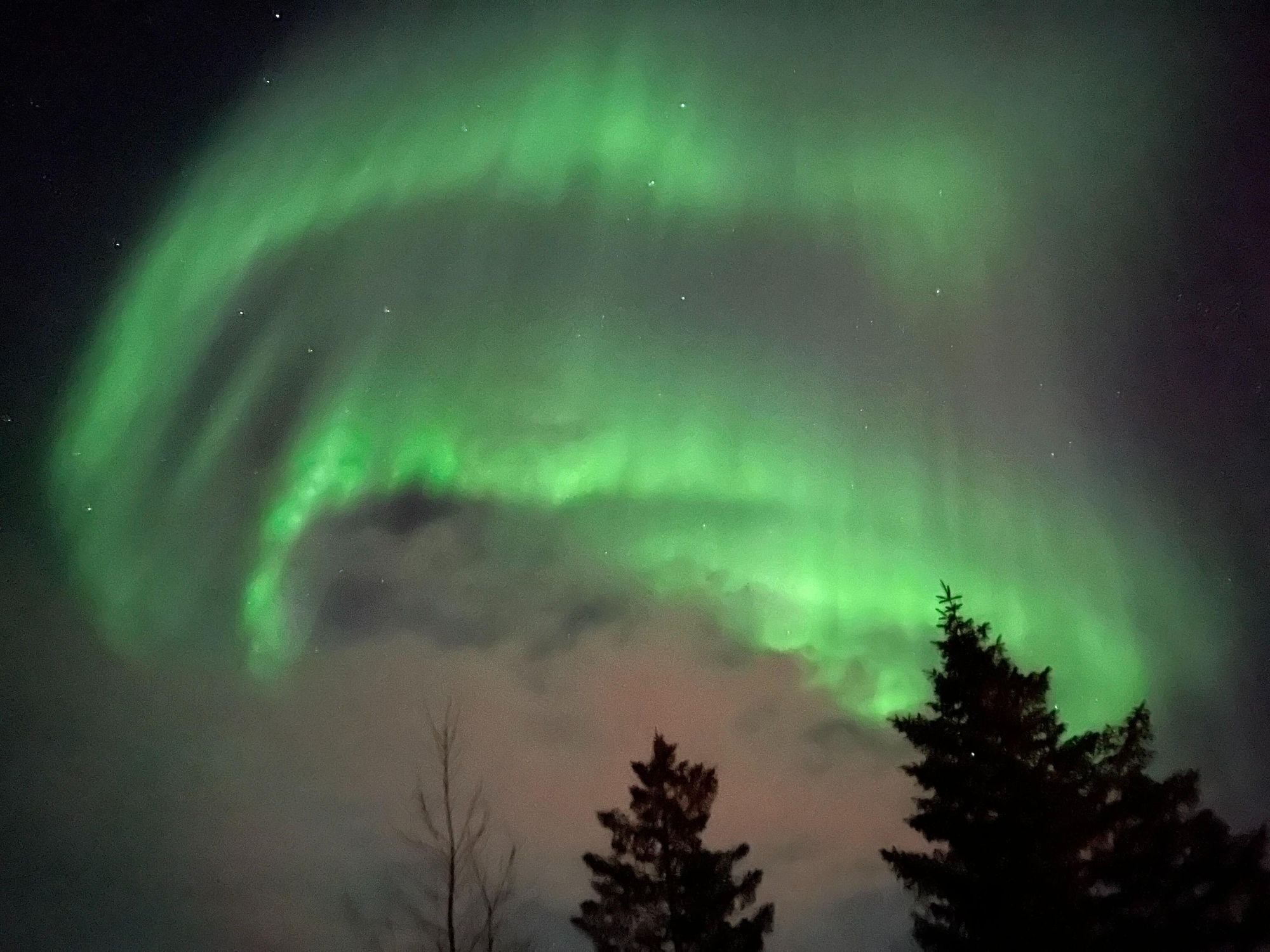
Our guides Carlos and Lucio were brilliant. They told us at the beginning of the trip - don’t count on seeing the northern lights. I think they were trying to prepare us for the fact that it might not happen - 'they’ll come out to play if they want to'. We were really lucky and we saw them on three of the five nights.
You could see them with the naked eye - really dancing, different shapes and colours every time.
The night we spent wild camping - which was actually bivvying - we spent on the edge of a forest, which was beautiful. We snowshoed through the woods in the pitch dark to reach this spot - and then when we were sitting around the bonfire, all the lights came out. It was spectacular. And as we were falling asleep in our bivvy bags, with the tiniest hole to peek out of - because it was so freezing cold - the northern lights were dancing in the sky.
In the lodge where we were staying, next to the fjord, there was a bell in the kitchen and we agreed at the beginning of the week that if anyone woke up in the middle of the night and saw the northern lights, they should ring the bell to wake everyone up. Nobody rang it in the end, but we did see the lights.
They look more powerful on your camera, but you could see them with the naked eye - really dancing, different forms and colours every time. It was magical.
Much Better AdventuresDon’t underestimate the cold
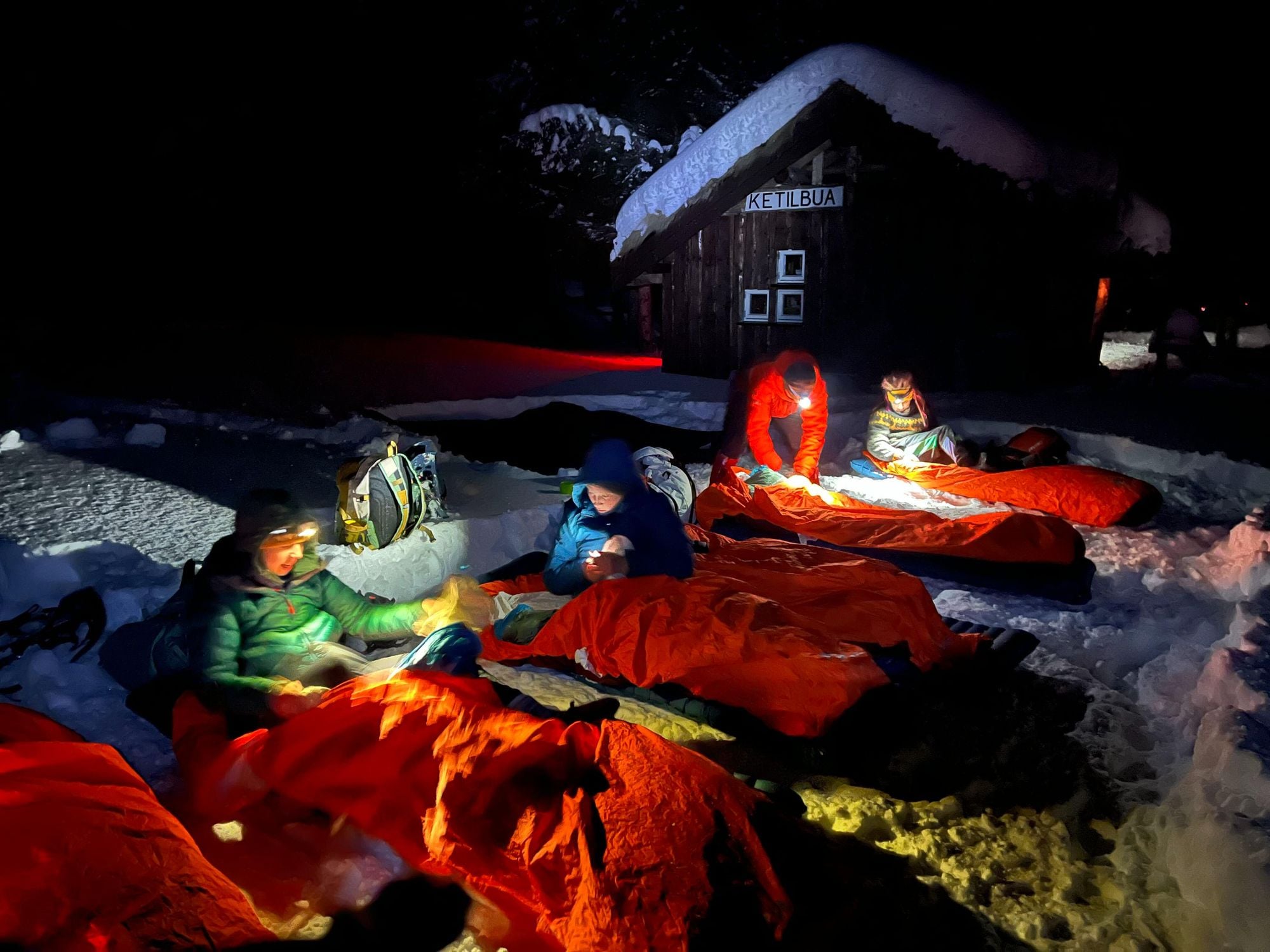
Since we’re on the topic, sleeping outside in -5°C (23°F) will push you to your limits, even with the expedition level sleeping bag.
This was the coldest I have ever been. We had been told to wear lots of layers but I don’t think there was a single person who wasn’t still a bit cold. Nobody got much sleep but it was absolutely worth it to fall asleep beneath the stars, watching the aurora dancing. It was quite an experience.
It’s type two fun. We all survived and we were all elated in the morning.
Our cold night beneath the stars and the aurora was an amazing experience, but definitely type two fun! If you brave the Lofoten wild camp, take hand warmers, wear two pairs of wool socks, thermals and a down jacket - or maybe two?
It’s type two fun. We all survived and we were all elated in the morning.
Wildlife sightings are quite rare
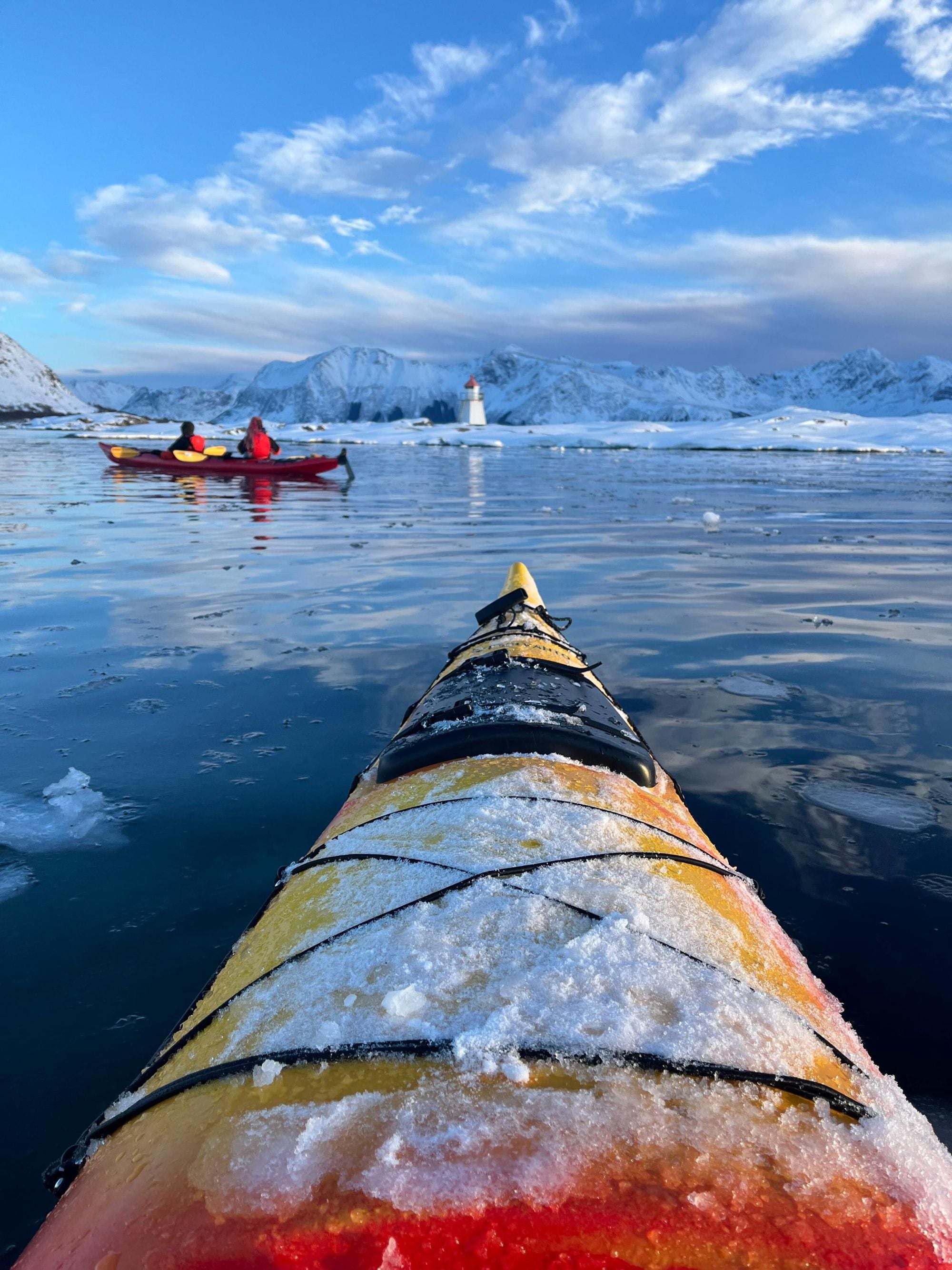
The guides explained that it can be difficult to catch glimpses of wildlife in winter, especially as they have their winter plumage and they're often camouflaged.
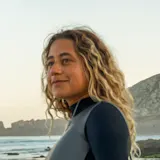
We were lucky and we saw sea otters while we were kayaking. The guides were keen for us to keep our distance to protect the wildlife and not disturb them, but you could see them dipping in and out of the icy waters and floating on the surface, which was cool.
Much Better Adventures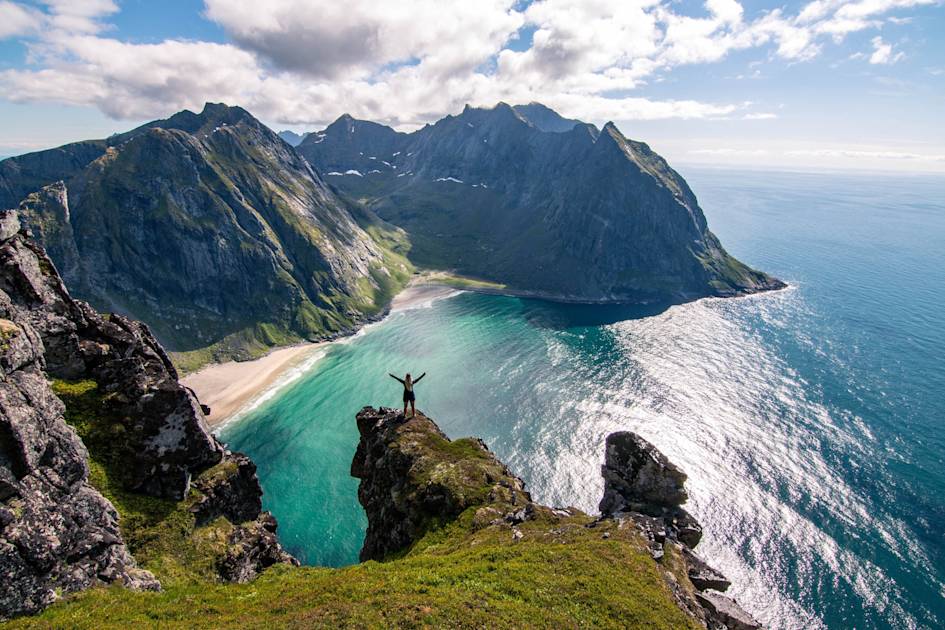
We saw moose on one of our drives in the van, and ptarmigan flying overhead while we were hiking on one of the higher peaks.Ptarmigan are often found in Arctic landscapes, and on the higher grounds of Lofoten, such as Flakstadøya and Moskenesøya.
Make the most of Oslo
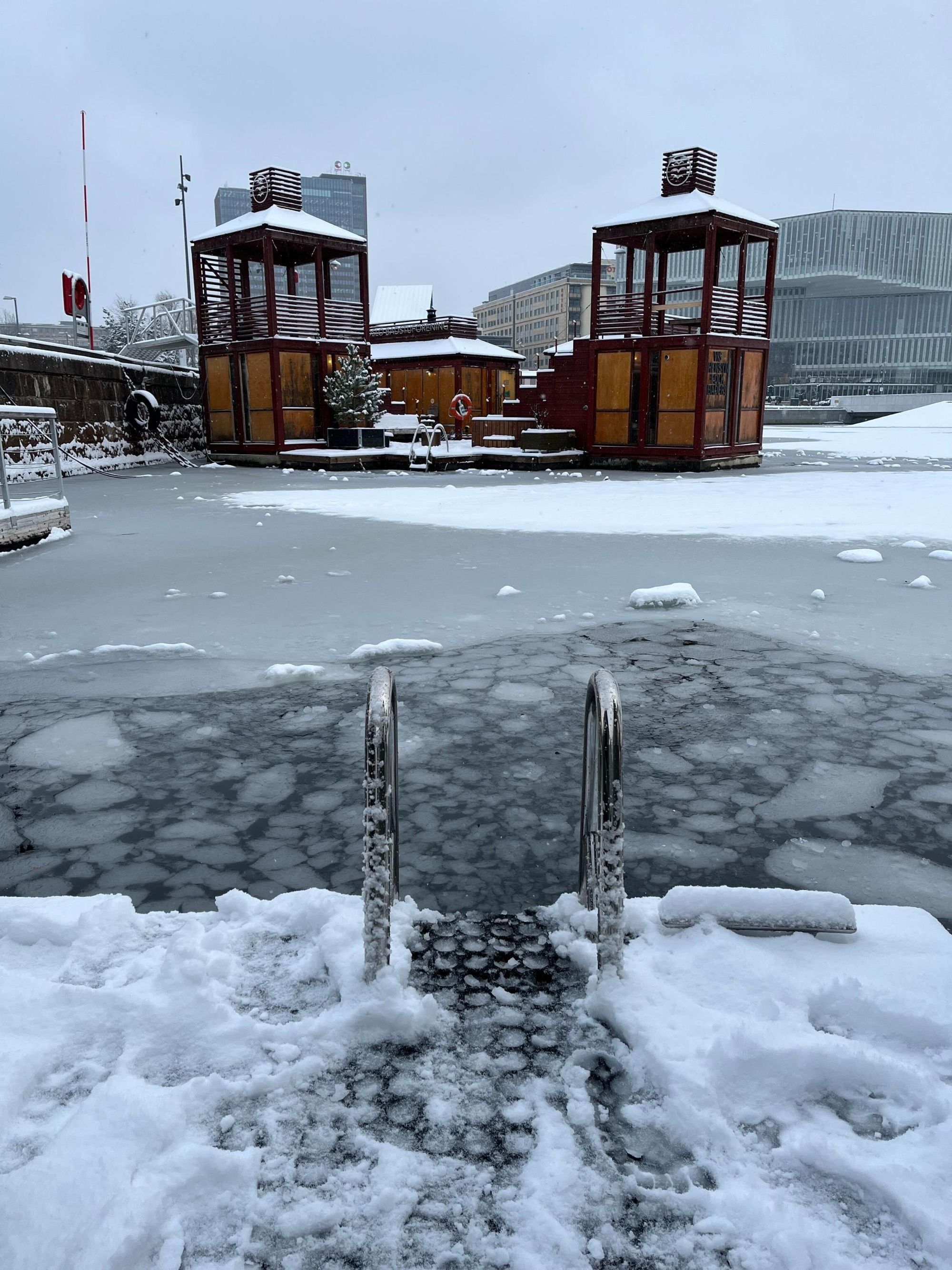
I knew Oslo would be cool - but it was even better than I thought it would be. It’s very walkable and the whole city was carpeted in snow when I went after my trip in Lofoten. It was really atmospheric. I would stay for a little longer next time.
I braved one of the saunas on the harbour and did an ice plunge. The feeling of swimming or bobbing around in Oslo Harbour with icebergs was really invigorating and a lovely way to end my time in Norway. After the sauna, I headed to a restaurant by the harbour for a fish soup, which was one of the nicest things I've ever eaten - fresh cod and salmon, ultra creamy, with some dill. It was delicious.
Have a stroll around the harbour if you have time; the opera house is a fantastic bit of architecture - and you can walk on the roof during the warmer months. Go to the Munch Museum - it has a vast collection of Edvard Munch’s work, including 8 versions of The Scream, and a panoramic view over the Oslofjord and Oslo city skyline.
Inspired? Check out our full range of adventures in Norway now!