
It’s usually dark when the call comes in. A phone buzzes on the bedside table. A message flashes up from the team: a missing walker, an injured climber, someone who hasn’t returned from the hills. Within minutes, volunteers across the region are pulling on waterproofs, grabbing headtorches and heading out into the night.
Mountain Rescue teams across the United Kingdom operate entirely through volunteers like myself. We leave family dinners, dog walks and warm beds to answer a call when someone is lost, injured or in trouble in the hills.
For a long time I assumed mountain rescue was something reserved for elite climbers and ultra-endurance athletes.
The first time you stand on a mountainside wearing a Mountain Rescue jacket, you feel two things at once: pride, and a quiet awareness of the responsibility it carries. Sometimes, standing among the team in the wind and rain, you'll also notice something else: you’re the only woman there.
Across England and Wales, women make up roughly 15% of mountain rescue team members, so it isn’t unusual to arrive at a training night and realise you’re one of only a handful in the room.
I remember that feeling well. There were three women in my intake of 11, but it was when we joined the wider team that it really struck me - standing in a room and taking in a sea of male faces, wondering where I belonged within it.
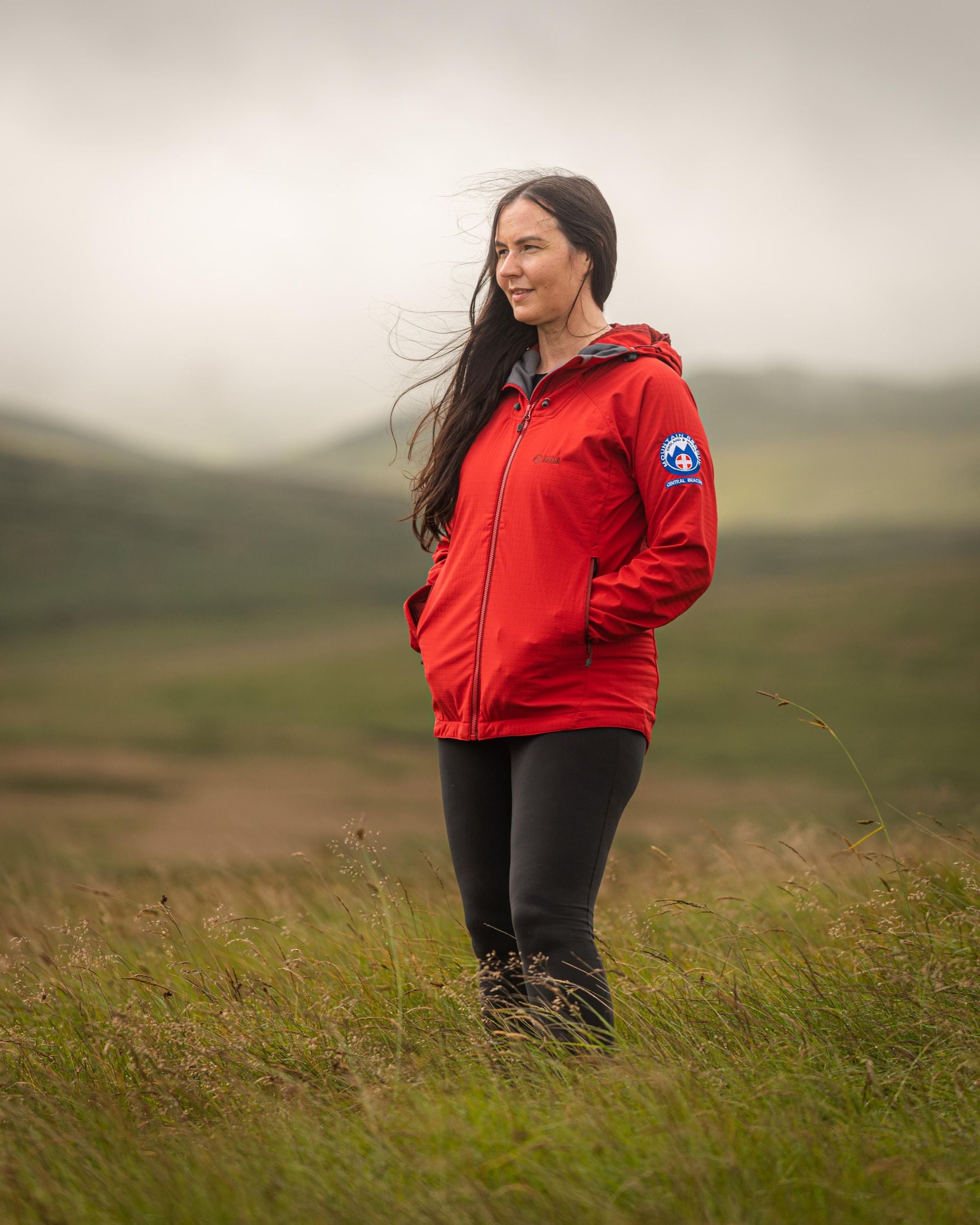
For a long time I assumed mountain rescue was something reserved for elite climbers and ultra-endurance athletes. The reality is very different.
The outdoors has long carried an unspoken stereotype: that the mountains belong to the toughest, strongest people in the room. The ones who move fastest, climb highest or carry the heaviest pack. It’s a narrative that often builds confidence in men, while many women, myself included, are more likely to question whether we’re experienced enough, strong enough, or even meant to be there. Despite growing participation, these spaces are still often seen as male-dominated, and that perception shapes how people show up in them.
But mountain rescue teaches you quickly that strength isn’t just about muscle.

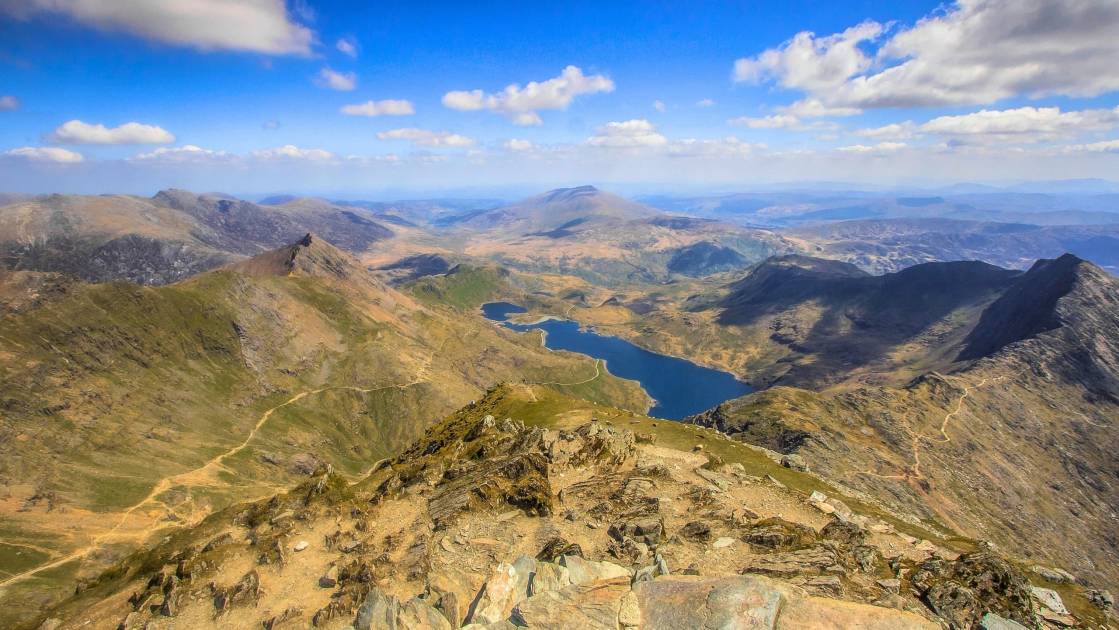
Before joining my team in South Wales, I imagined Mountain Rescue would be full of hardened mountain veterans who had spent their lives in the hills. In reality, teams are made up of people from every walk of life. Teachers, engineers, farmers, paramedics, office workers.
Some are experienced climbers. Others simply enjoy spending time outdoors and have built their skills over time.
What connects everyone isn’t physical dominance. It’s teamwork.
Learning the Hills Together
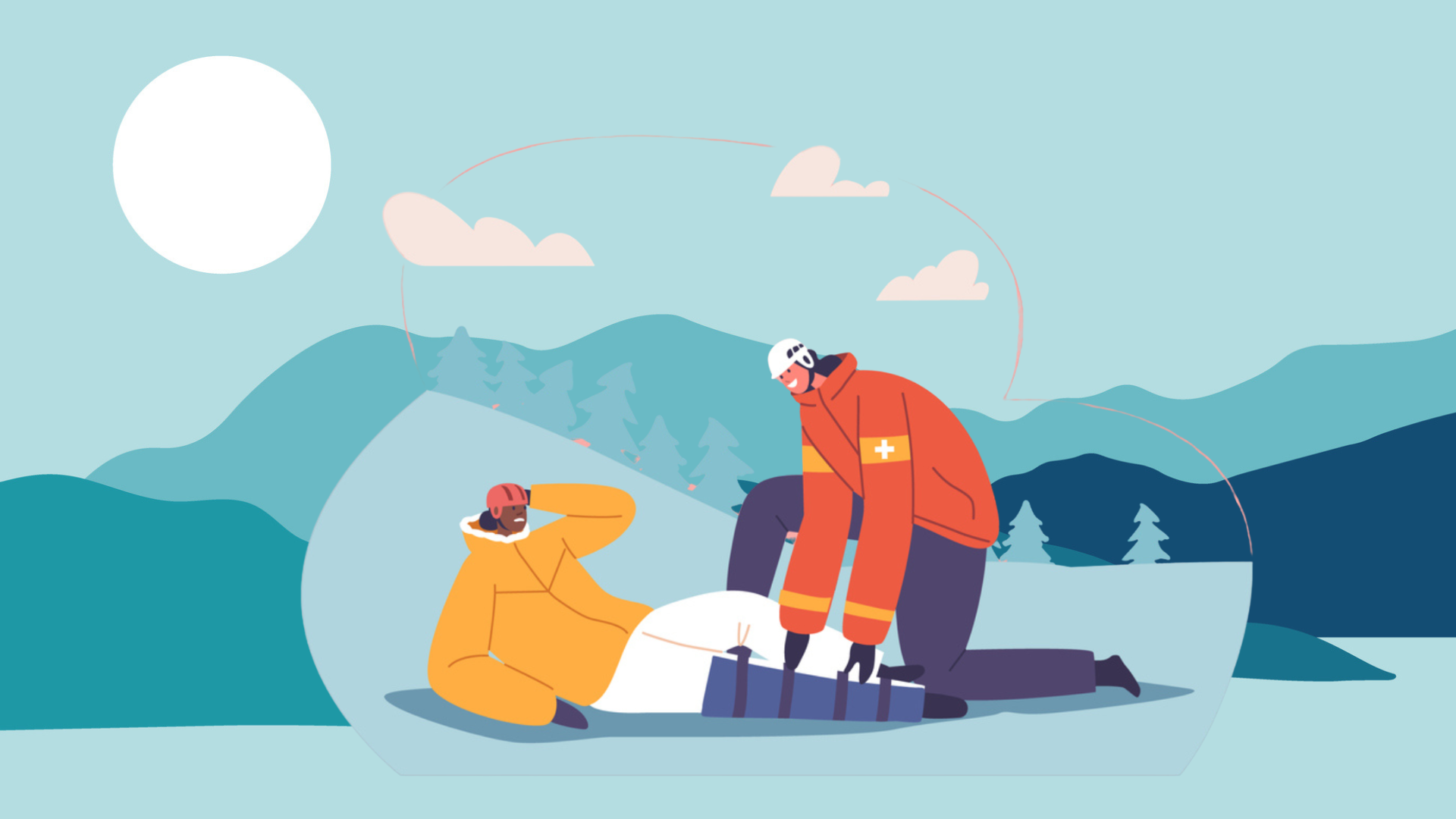
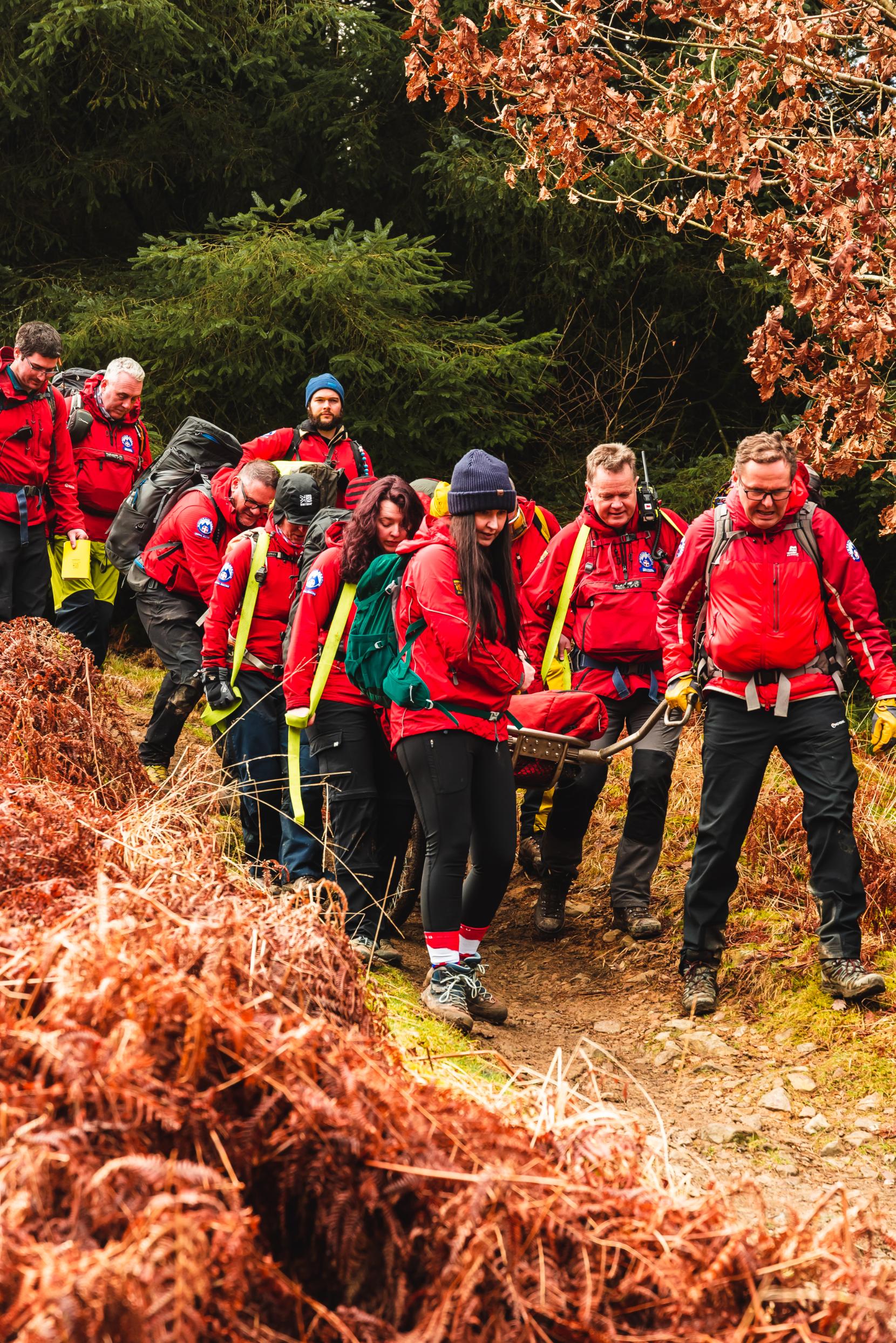
On a rescue, everyone has a role. I’ve been on call-outs where I’ve been navigating across featureless ground in thick fog, double-checking bearings while the beam of my headtorch reflects right back at me. On others, I’ve been part of a stretcher team, carefully stepping in sync across uneven terrain, every foot placement deliberate as we carried someone down off the mountain.
Some volunteers navigate. Some coordinate communications. Some provide medical care. Others carry equipment or manage vehicles and logistics. When someone is injured on a steep hillside, it can take an entire team working together to move them safely down.
Very quickly you realise that rescue work isn’t about proving yourself as the strongest individual. It’s about being part of something bigger.
And that’s where diversity within teams really matters.
One of the most important lessons in mountain rescue is that no one ever stops learning. I still remember a training exercise where I was convinced I’d nailed a navigation leg, only to be gently told I’d drifted just enough off bearing to miss a key feature entirely. It was a small mistake, but in poor visibility, small mistakes matter. None of us are perfect, and mistakes are part of being human. That’s why we work as a team, quietly checking each other, supporting each other, and making sure small errors don’t become bigger ones.
Teams train constantly. Navigation in poor visibility. Rope systems. Casualty care. Search techniques. Moving safely across steep or difficult terrain. Operating at night, often in challenging weather.
You learn how to read the land properly. How to trust your compass when visibility disappears.
At first, it can feel intimidating. You’re surrounded by people who seem completely at home in the mountains.
But those same people are also the ones teaching you.
You learn how to read the land properly. How to trust your compass when visibility disappears. How to move carefully across wet rock and rough ground. How to stay calm when the weather closes in and the situation becomes serious.
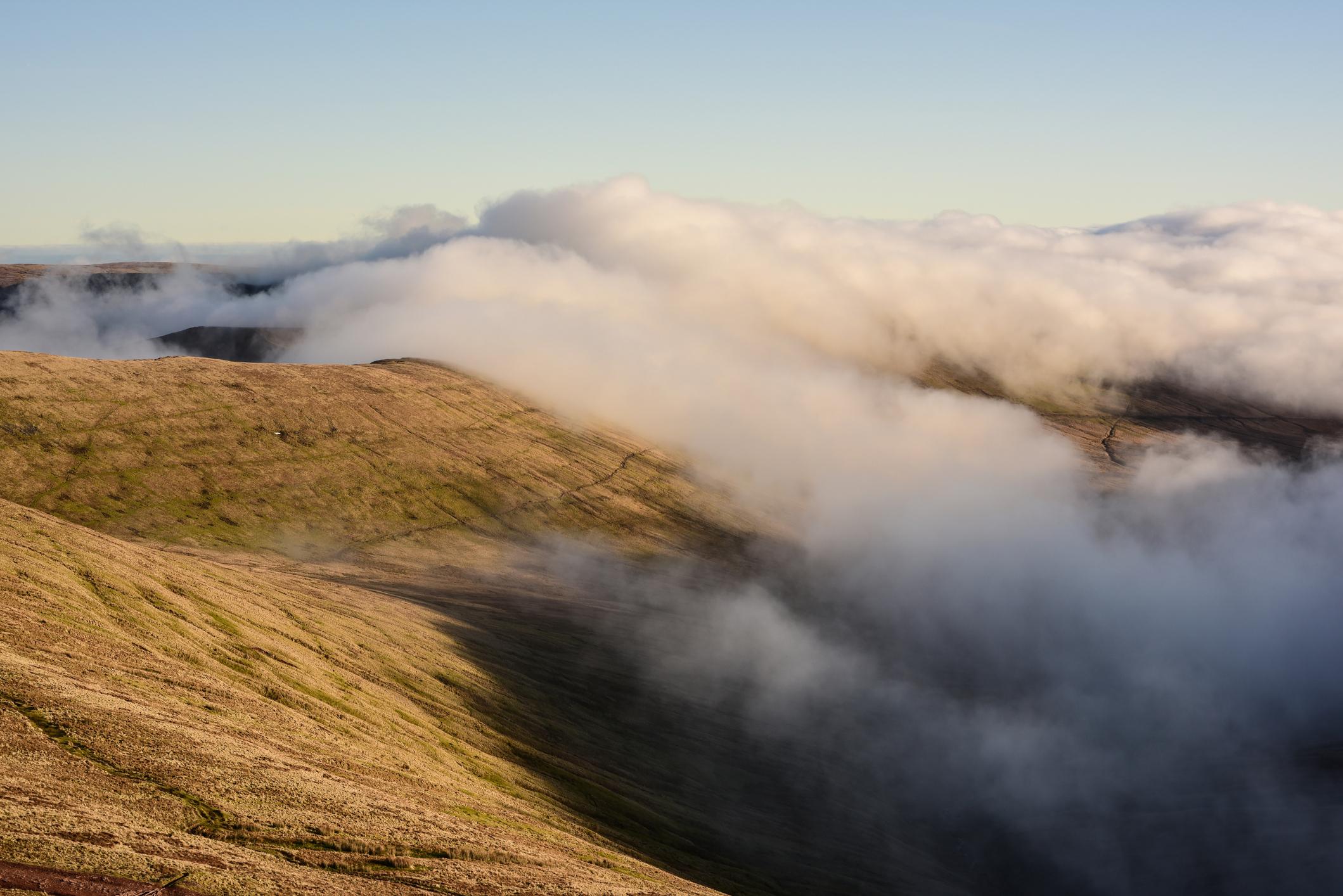
Over time, confidence builds.
In many ways, mountain rescue strips away the myth that adventure belongs to a select few. Skills are learned. Experience grows. Everyone improves together.
The mountains reward preparation, awareness and respect far more than brute strength. I’ve seen that play out time and again, particularly on call-outs where experienced walkers have been caught out by a sudden weather change or fading light. It’s rarely about fitness failing, it’s about small decisions stacking up.
Why Representation Matters
For many women, the biggest barrier to adventure isn’t ability. It’s visibility.
If you’ve never seen someone like you doing something, it’s easy to assume you don’t belong there.

Mountain rescue reflects that wider imbalance. Across England and Wales, women make up around 15% of mountain rescue volunteers. That number is slowly rising, but it still means that on many call-outs or training evenings, you may find yourself one of only a few women in the room. As I mentioned earlier, that sense of being in the minority was clear from the start. I remember, in those early training nights, quietly noting where the other women in the team were, almost like finding anchor points. Over time, they became teammates, mentors and friends, and that feeling of standing slightly on the edge began to fade.
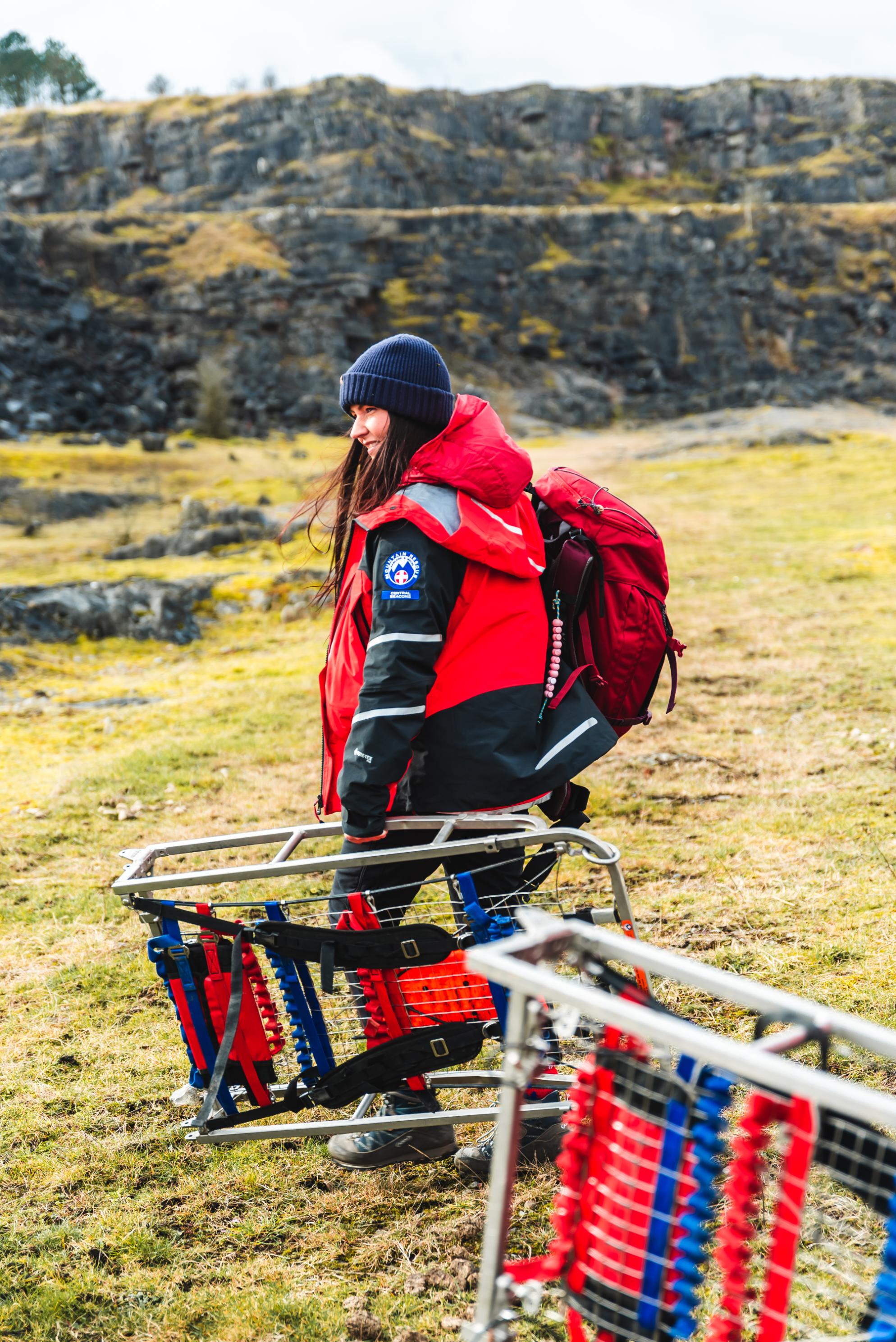
Part of that comes down to confidence. In my experience, women often hold themselves to far higher standards before stepping forward. Many feel they need to be exceptionally capable before even considering joining something like Mountain Rescue, while their male counterparts are often far more comfortable learning along the way.
Some of the people we rescue are experienced hikers who simply had a moment of bad luck.
But mountain rescue doesn’t expect perfection. Teams are looking for people who are willing to learn, turn up and support one another when it matters most, and when women do step forward, they bring enormous value.
Different perspectives, problem-solving approaches and life experiences all strengthen how a team works together in challenging situations. The outdoors becomes richer and more welcoming when more people see themselves in it.
Adventure Doesn’t Start at the Summit
One of the biggest misconceptions about adventure is that it has to be extreme.
It doesn’t.
Adventure can begin with something as simple as a walk along a ridge, a sunrise hike before work, or exploring a trail you’ve never taken before. Some of the people we rescue are experienced hikers who simply had a moment of bad luck. Others are beginners who underestimated the terrain or the weather.
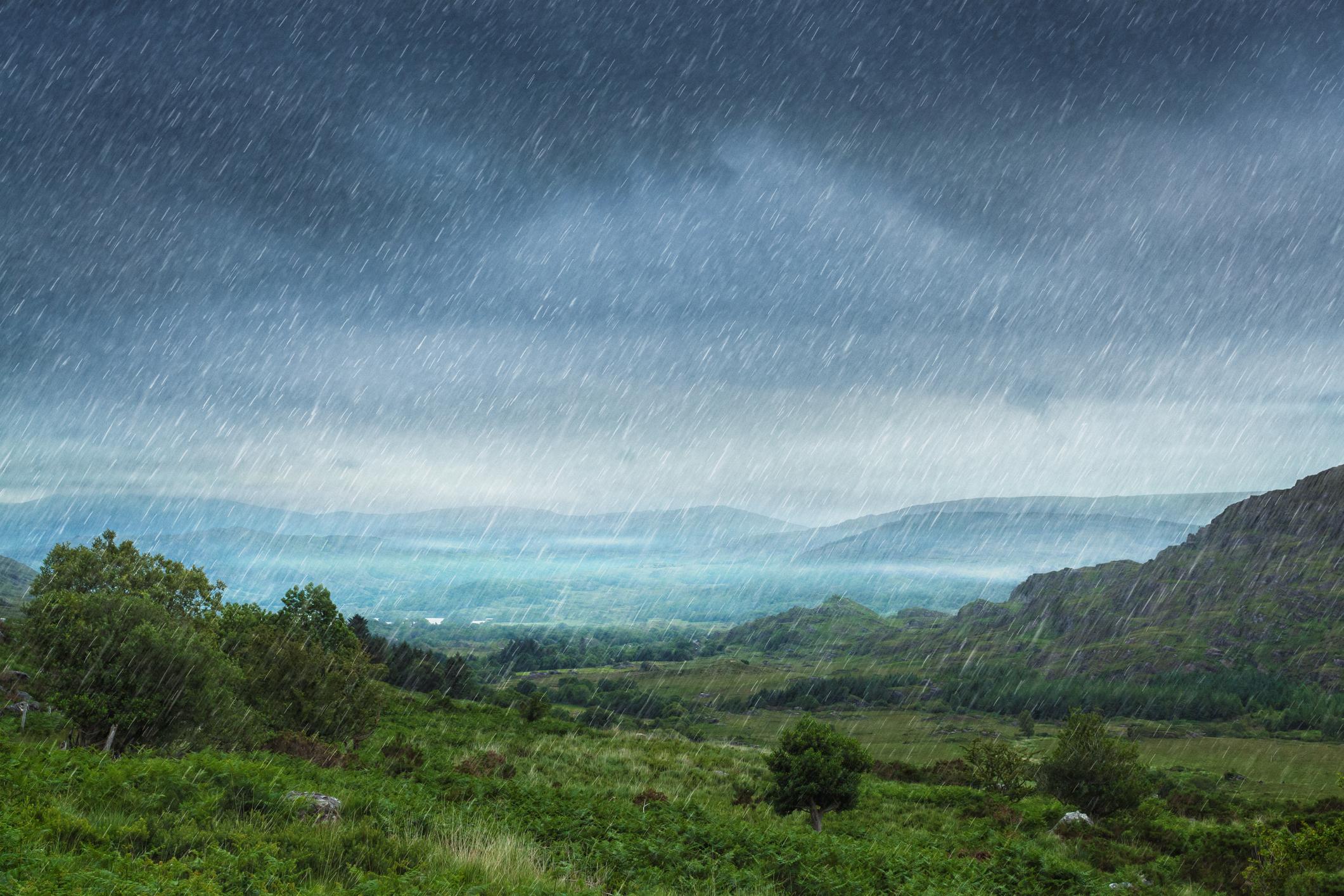
The common thread isn’t whether someone “deserved” to be there. It’s that they chose to step outside - and that’s always a good place to begin.
Across Wales, the landscapes invite exploration. The dramatic peaks of Eryri, the wide open escarpments of Bannau Brycheiniog, and the coastal paths that wind along ancient cliffs all offer their own kind of adventure.
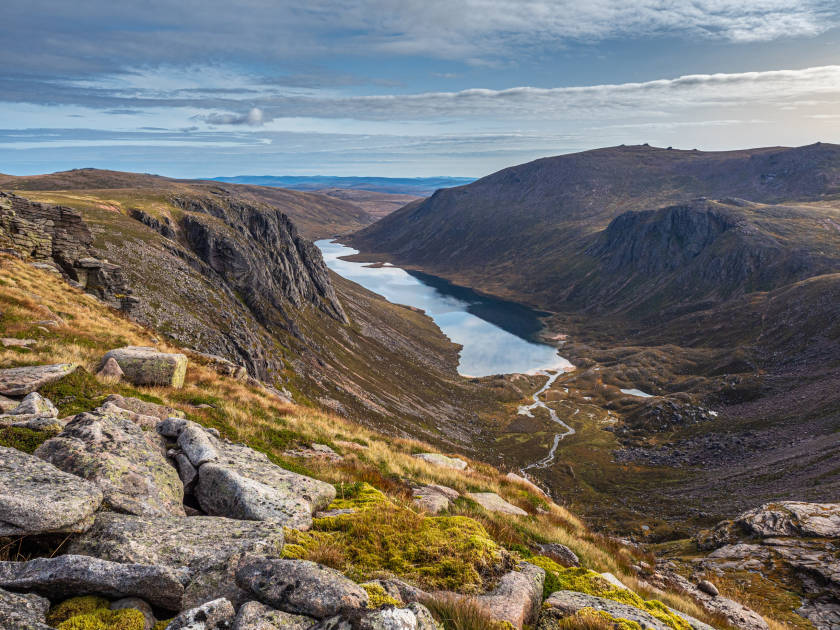
But none of them require you to be the strongest person on the hill.
They simply ask that you show up prepared and curious.
If mountain rescue highlights one thing again and again, it’s the strength of community in the outdoors.
No one truly moves through the hills alone. Walkers share route advice. Strangers pause to check on someone sitting beside the path. Teams of volunteers come together to help people they’ve never met.
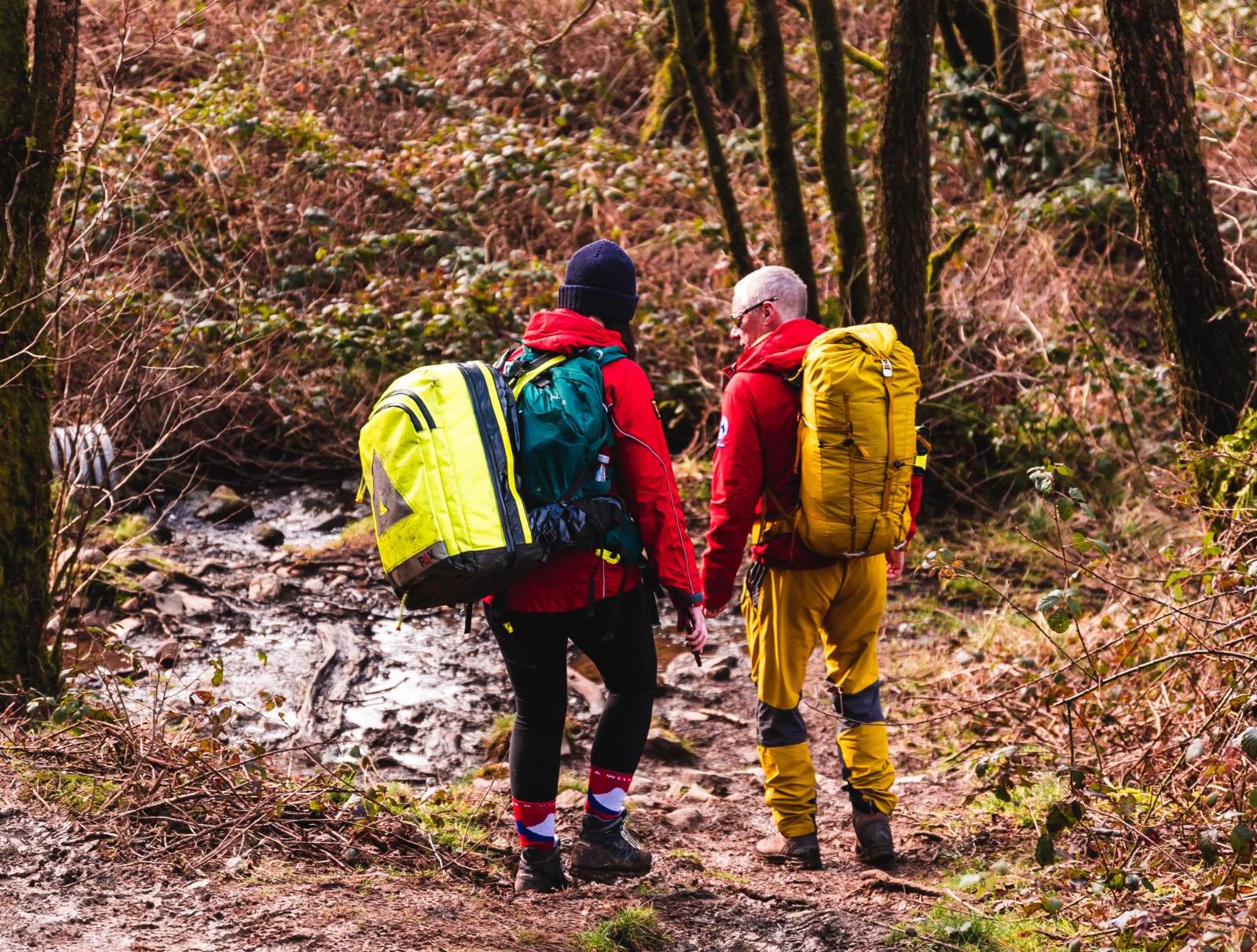
That spirit is part of what makes adventure so powerful.
For many women, finding community can be the key that unlocks confidence in the outdoors. Walking groups, social hikes and adventure collectives are creating spaces where people can build experience together.
The hills have never belonged to just one type of person.
Suddenly the mountains feel less intimidating. And once you’ve climbed one hill, it’s amazing how quickly you start planning the next.
The most important lesson mountain rescue has taught me is this: you don’t need permission to belong in the outdoors.
You don’t have to look a certain way, move at a certain speed or carry the biggest pack. You don’t have to be the strongest person on the hill. You just have to take the first step onto the path.
Because somewhere beyond the car park, beyond the first climb and the bend in the trail, the mountains are waiting, and the hills have never belonged to just one type of person - they belong to anyone willing to step into them.
Inspired? Check out our full range of adventure holidays now!