
4.6
Cycle, Safari and Stargaze in Namibia
- Namibia
- 9 nights
Ride through Namibia’s epic dunes, spot wildlife in Etosha, and sleep beneath starry desert skies
What's Included?
- Activities & Certified GuidesAll itinerary activities with expert, local, English-speaking guides and a bike mechanic
- Hotel & Camping3 nights in hotels, 6 nights desert camping
- MealsAll breakfasts, 3 lunches, 3 dinners
- Transfers & Support VehicleGroup airport transfers and everything in between, including a support vehicle to carry your kit or hop into if your legs need a rest
- EquipmentSpecialized (or similar) 29er full-suspension mountain bikes; plus tents and sleeping mats for camping
- Maximum group size: 10Join small n’ sociable groups of like-minded, active and outdoorsy people – designed to be solo-friendly
From…excluding flights
Highlights
Explore Otjiwa Reserve and Etosha National Park, spotting wildlife on game drives and spending an awe-inspiring evening at a waterhole under the stars
Hop on a fat bike to pedal up and down the Namib Desert’s towering dunes, with the Atlantic ocean on one side and vast desert on the other
Catch the sunrise over the enormous sand dunes of Sossusvlei, one of the world’s most ancient desert landscapes
Itinerary
Day 1
Welcome to Namibia!
HotelTwin shareShow Day 1 detailHide detail
Touch down in Windhoek and head to your hotel. If you’ve got time and energy, you can explore the surrounding area; if you'd rather relax, the hotel has its own pool – so just kick back! Join your group and guide later in the day for dinner, taking the chance to sample some delicious Namibian cuisine as you get to know your fellow adventurers.
Day 2
Hit the road for a sunset cycle safari
Driving3hrsCycling2hrs · 15km · 400m up · 300m downCampsiteTwin tentAll meals includedShow Day 2 detailHide detail
Today, the adventure begins. Hit the road north to Otjiwa, one of Namibia’s oldest private reserves and home to a rich array of wildlife – including the rare and elusive white rhino. Keep your eyes peeled during the journey; this is safari country. This afternoon, hop on your bike for your first ride, a sunset cycle across jeep tracks and wildlife trails as the bush stirs to life for the evening (the perfect introduction to cycling in the wild). Enjoy a hearty dinner back at the bush camp, surrounded by the sounds of the African night.
Day 3
Etosha National Park
Cycling2hrs · 15km · 1000m up · 500m downDriving2hrsCampsiteTwin tentBreakfast includedShow Day 3 detailHide detail
Early risers can enjoy a short morning ride from the camp before heading to Etosha National Park, one of the greatest national parks in Africa and a hot spot for lions and rhinos. After a quick stop for pastries at Outjo Bakery, you’ll arrive at Etosha and head out on a game drive – eyes peeled for lions, elephants, and giraffes on the move. Etosha is full of waterholes and these are dotted all over this vast landscape. These waterholes are where the animals congregate, particularly in the dry season (from April to October), when water is scarce elsewhere. This evening, you'll have a chance to sit by the local watering hole and watch the animals come down to drink. Staying up late at a waterhole in Etosha, soaking up the calm silence of the African bush, watching the shooting stars and waiting with bated breath for the next visitor is one of the true highlights of this trip.
Day 4
Spitzkoppe skies
Driving5hrsCampsiteTwin shareAll meals includedShow Day 4 detailHide detail
Start the day with a short morning game drive – one last chance to spot some wildlife before leaving Etosha behind. Set off towards Spitzkoppe, the iconic mountain known as 'Namibia’s Matterhorn', stopping for a picnic lunch en route. You'll see the iconic shapes of the massif from the road as you approach, and as you enter the huge campground you'll see why our adventurers say this is the best camp spot in all of Namibia. Settle in to camp, then set off for a short sunset walk to the Spitzkoppe Arch. This surreal, beautiful landscape of massive granite boulders rising out of the desert is a great place to stretch your legs and take it all in. After your sunset walk, get comfy at your simple camp and enjoy a peaceful night under a star-filled sky.
Day 5
From moon landscapes to the Atlantic
Driving2hrsCycling3hrs · 38km · 250m up · 150m downHotelTwin shareBreakfast includedShow Day 5 detailHide detail
This morning, settle in for a one and a half hour transfer to the start point of today's ride, before getting on your bike to pedal along hard-packed gravel roads through open desert to the lush oasis of Goanikontes. Refuel with lunch and coffee, then tackle the next stage through the Moon Landscape – an ancient, craggy terrain shaped by millennia of erosion. The day finishes with a drive to the coastal town of Swakopmund, a popular town with a German flavour, where the Atlantic meets the dunes. You can explore the town and grab a cold beer overlooking the Atlantic Ocean.
Day 6
Fat biking the dunes
Cycling3hrs · 20km · 500m up · 250m downHotelTwin shareBreakfast includedShow Day 6 detailHide detail
Get ready for one of Namibia’s most unique adventures – a fat bike ride through the Namib Desert dunes. The oversized tyres make light work of the sand, and the landscapes are jaw-dropping. If tides are favourable, you can cruise along the Atlantic shoreline before heading inland across the towering dunes. This is all about fun – the dunes are huge and tightly packed, so propelling yourself down them on a fat bike is an experience you certainly won’t forget. The afternoon is yours to relax and explore Swakopmund’s quirky cafes and seaside charm.
Day 7
Into the desert's heart
Driving4.5hrsCycling4hrs · 40km · 600m up · 300m downCampsiteTwin tentAll meals includedShow Day 7 detailHide detail
Leave the coast behind and drive southeast towards the Kuiseb Canyon and Gaub Pass. This region marks your transition from highlands to desert plains. Expect rolling gravel roads, and wide-open views. Cycling today depends on the weather – heat, wind, and road conditions all come into play. Your guide will pick the perfect starting point, the ride will usually be about 40–50km. Pedal through vast open spaces, stopping for a picnic lunch and spotting ostrich, warthog and oryx just off the road. Reach the quirky outpost of Solitaire, which feels like something out of a forgotten Western – a scattering of weathered buildings, rusted old cars, and a famous bakery known for its unexpectedly legendary apple pie.
Day 8
Queen Stage to Sesriem
Cycling4hrs · 50km · 650m up · 400m downDriving1hrCampsiteTwin tentBreakfast includedShow Day 8 detailHide detail
Today’s ride is the big one – the Queen Stage! Starting from Solitaire camp, you’ll head deeper into the desert on a mix of gravel and asphalt roads, with the full route covering up to 85km all the way to Sesriem, the gateway to the Namib dunes. If you're feeling strong, go for the full distance. Otherwise, it’s the norm to cycle around 50km, before jumping in the support vehicle for the final stretch. No matter how far you ride, it’s a rewarding day of wide-open desert views and smooth, steady pedalling. The camp at Sesriem is surrounded by enormous red sand dunes and has an inviting pool to cool off in.
Day 9
Sossusvlei dunes at dawn
Cycling1.5hrs · 15km · 80m up · 80m downDriving3hrsCampsiteTwin tentBreakfast includedShow Day 9 detailHide detail
Wake before sunrise and head into the heart of Namib-Naukluft National Park, home to the oldest desert on Earth. Climb Dune 40, the lesser-known sibling of Dune 45, meaning fewer crowds and more space to soak up the sunrise as it spills golden light across the vast sands. Walk, run or roll down the giant wall of sand, then tuck into breakfast and coffee at the foot of the dunes. Next, hop on your bike and pedal through one of the planet’s most surreal landscapes. You can choose to cycle towards Sossusvlei, then take a 4x4 into Deadvlei – a cracked clay pan scattered with fossilised trees (this costs 200 Namibian Dollars per person, around £9, and is payable locally). Alternatively, cycle the whole way back along a smooth road flanked by towering dunes. All day, it’ll feel like you’re riding through a film set (Mad Max: Fury Road was filmed around here). After lunch at camp, transfer to Stofpad for a dip in the pool and your final night under the stars.
Day 10
Back to Windhoek
Driving4hrsBreakfast includedShow Day 10 detailHide detail
Kick back in the van and take in the dramatic landscape for one last time as you drive back to Windhoek, arriving at the airport in time for evening flights home.
Practical Stuff
Getting There
- Nearest airport
- Hosea Kutako International Airport (WDH)
- Pick up
- Windhoek International Airport, Namibia (WDH)
10:00 on Day 1 - Drop off
- Windhoek International Airport, Namibia (WDH)
18:00 on Day 10
This Trip is Graded Level 3
- Level 3
Moderate
For active people who want to explore more wild and adventurous places
Wildlife encounters: factors to consider + 2 other factors - How much activity is involved?
Multiple days of steady activity, four to five hours long
This trip is designed for cyclists with a decent base level of fitness who are able to cover an average of approximately 25-50km each day. You should be comfortable with ridin...
- Right level, wrong trip?
Browse all our Moderate trips
Your next adventure is out there

 Not sure which level is right?
There's a level for everyone – find your match
What is and isn't Included?
What's included
- Guided sunset ride through Otjiwa
- Guided ride out of Otjiwa
- Afternoon & morning game drives in Etosha National Park
- Guided ride to the Goanikontes Oasis and on to Spitzkoppe
- Guided ride into the Namib dunes and along the coast (on fat bikes)
- Guided ride through the desert to Solitaire
- Guided ride from Solitaire to Sesriem
- Sunrise hike up Dune 40
- Guided ride between the Sossusvlei dunes
- Expert, local, English-speaking guides and bike mechanic
- 1 night in a relaxing hotel in Windhoek
- 2 nights in a centrally located hotel in Swakopmund
- 6 nights desert camping in spectacular locations
- All (9) continental-style breakfasts, to fuel you up each day
- 3 picnic lunches
- 3 braai-style dinners, cooked for you over the campfire
- Snacks while cycling
- Group arrival transfer from Windhoek Airport on Day 1
- Group departure transfer to Windhoek Airport on Day 9
- All transfers during the trip
- To hop into if your legs need a rest
- A desert truck to carry all your overnight kit
- Specialized (or similar) 29er full-suspension mountain bikes
- Tents and sleeping mats for camping
- All permits and park entry fees
What's not included
Our trips do not include flights, trains or other travel to the start point and back from the end point.
Tips are not included in the trip cost. These are entirely at your discretion but there is an expectation to tip for good service. Your host can help with advice; however, we would suggest £5 per person, per day as a guideline.
Of course, you are free to tip more or less, and the amount should be reflective of your perception of service and quality – a tip is not compulsory and should only be given when you receive excellent service.
You know your own spending habits best, so please budget an appropriate amount for things like optional meals and drinks, shopping, optional activities, and laundry.
Travel insurance is compulsory for all of our adventures, and you'll need to provide your policy details before departure. Your insurance should offer adequate cover for overseas medical treatment, evacuation/repatriation, your baggage and equipment, and the specific activities involved in your adventure. We also recommend ensuring your policy includes cancellation and curtailment cover, in case you're unable to join your trip due to unforeseen circumstances such as illness.
Standard travel insurance may not cover all the activities included in your adventure, so it's essential to check the details carefully. There are adventure-specific providers that many travellers have used in the past, such as True Traveller (opens in new tab) (for those based in the UK or Europe), or Rise + Shield (opens in new tab), both of which offer cover for a wide range of adventurous activities.
Please make sure your chosen policy meets your individual needs and covers all aspects of your trip.
UK citizens, US citizens, and most EU citizens will need a visa to visit Namibia. This can generally be done on arrival, and costs 1600 Namibian Dollars for citizens from non-African countries. As the system is relatively new, we would advise applying in advance to ensure a smooth process on arrival. For more information and to apply for the visa, please visit the website for Namibia's Ministry of Home Affairs, Immigration, Safety and Security (opens in new tab).
However, visa requirements often change, and you are responsible for obtaining any required visas for this trip. Please check with your nearest embassy or consulate for up-to-date advice.
Where You'll Stay
Looking for a private room? See Optional Extras for details and pricing.
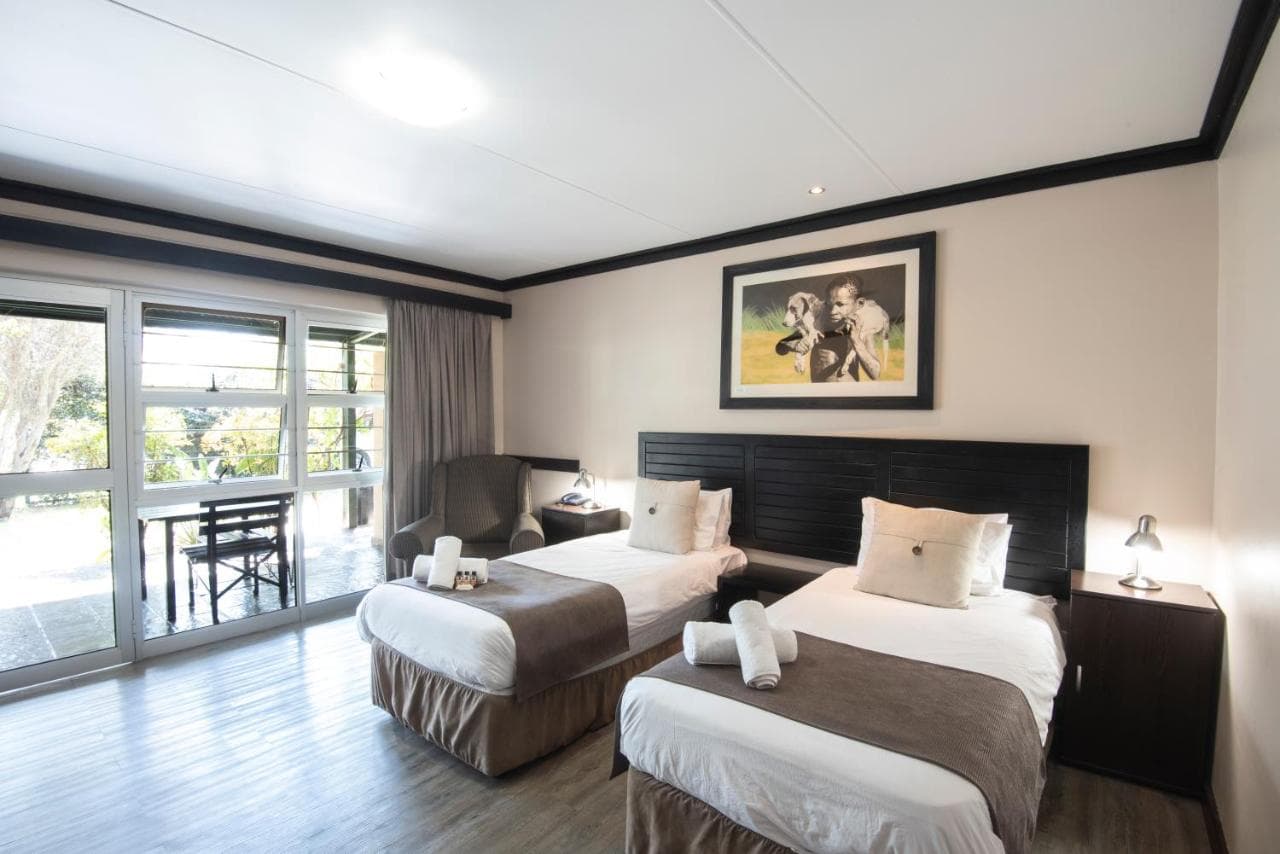
Windhoek
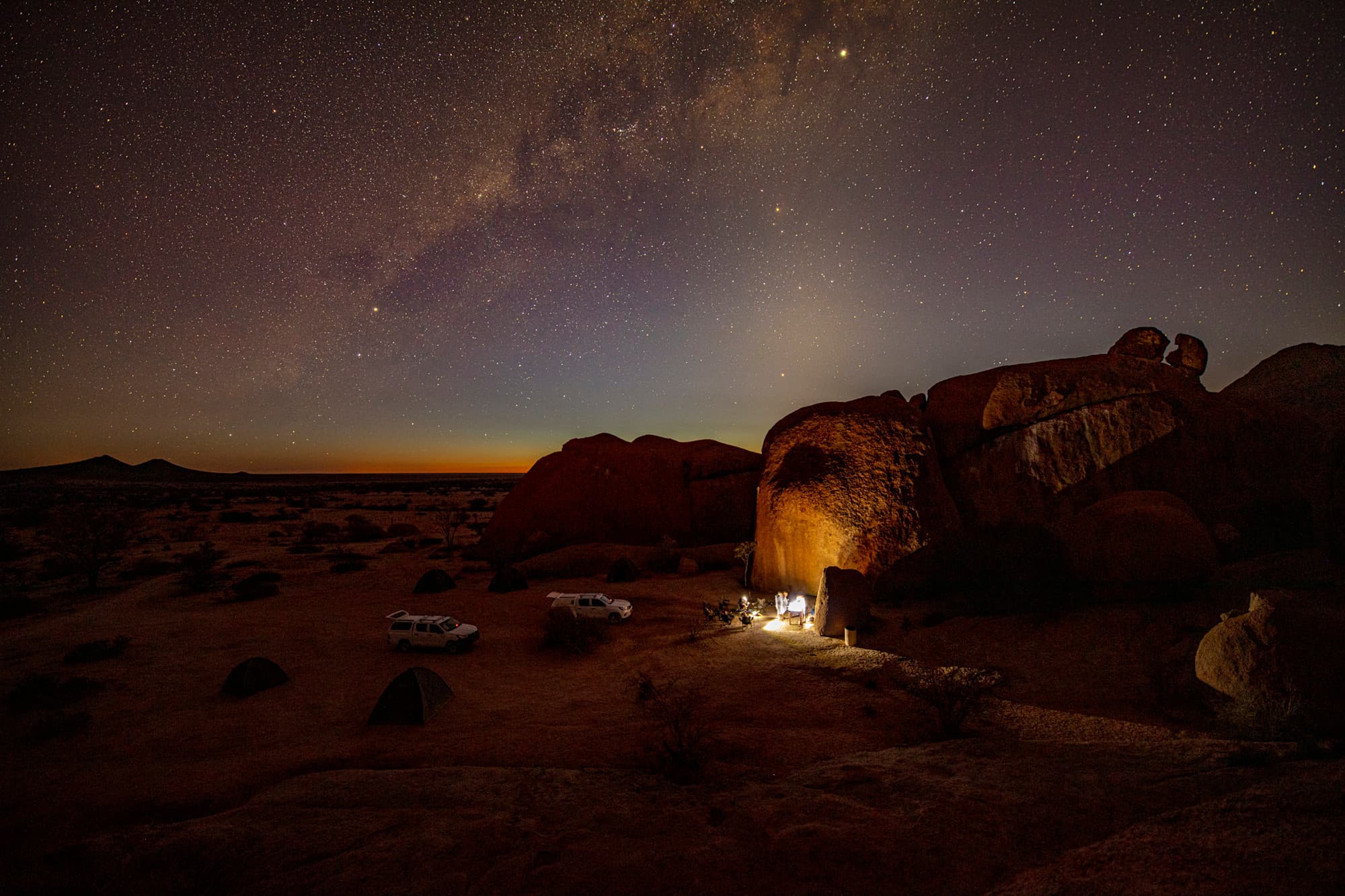
Camping
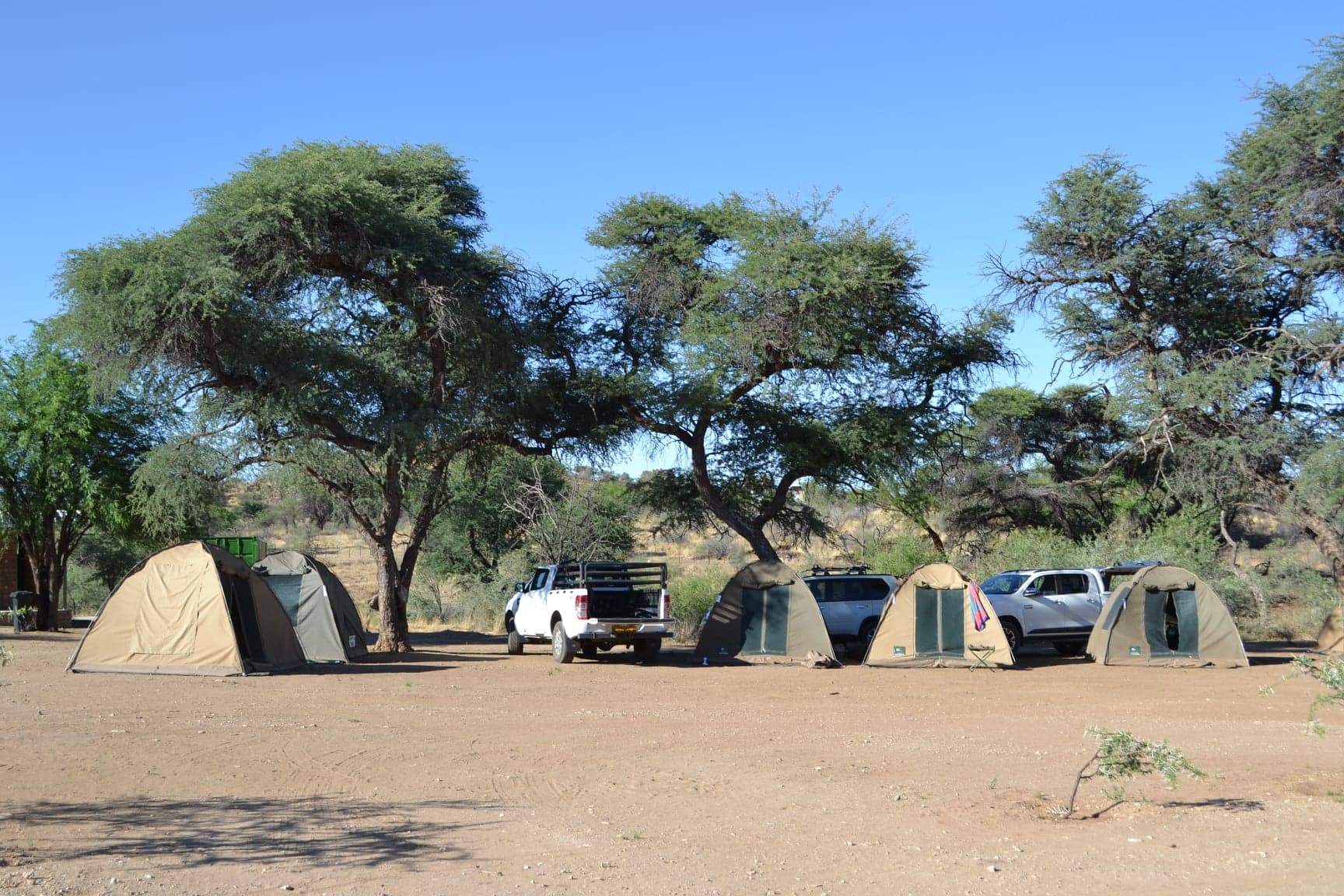
Etosha National Park
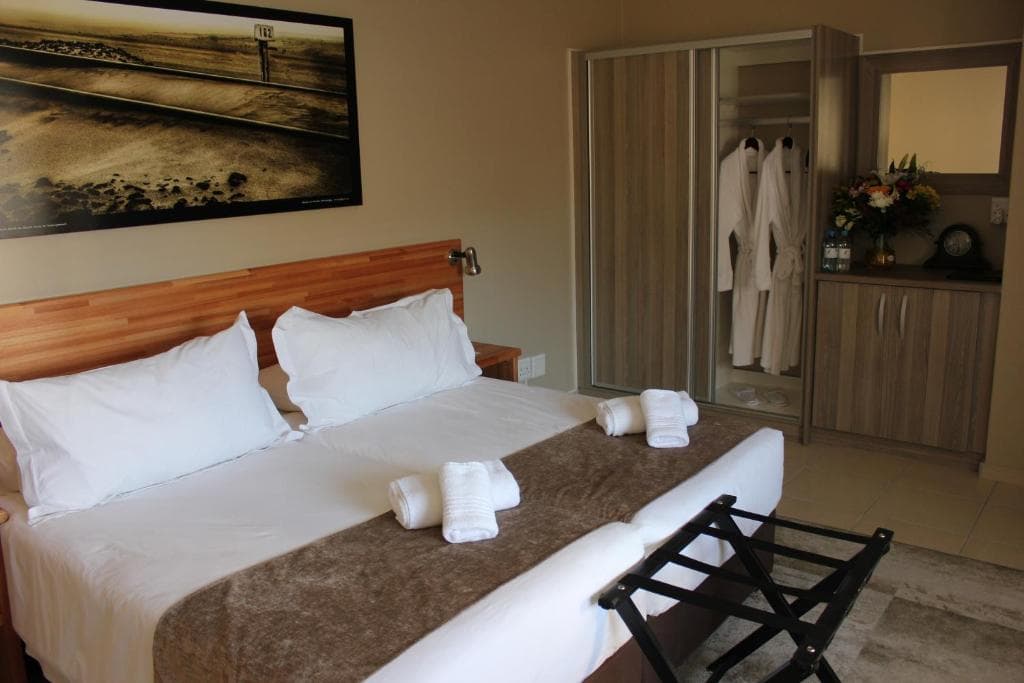
Swakopmund
What You'll Eat
When staying at campsites, your guides will generally cook for you. These will be hearty meals cooked over an open fire – for dinner, expect braai (BBQ) food, potjie and stir-fries with various sides. You will also stay at hotels and campsites where…
Optional Extras
Equipment / Kit Hire
- Sleeping bag and pillow hire
- …/per person
Pre/Post Trip Accommodation
- Single Room - Windhoek (Arrebusch Travel Lodge)
- …
- Twin/Double Room - Windhoek (Arrebusch Travel Lodge)
- …
Upgrades
- Optional Private Room & Tent Upgrade
- …
For solo travellers looking for their own space, an optional private room and tent can be booked for an extra charge, see Optional Extras for the price . Please request this at the time of booking (this is subject to availability).
Transfers
- Private Airport Transfer
- …
To request any extras, message your host via your Much Better Adventures account once you have booked your trip.
All extras must be paid before your trip starts.
Ratings & Reviews
4.639 reviews
- 2 stars (0)
- 1 star (0)
Category rating
- Food
- 5.0
- Guides & crew
- 5.0
- Accommodation
- 4.0
- Itinerary
- 5.0
Latest Reviews
Customer Photos
Before You Travel
What to Pack
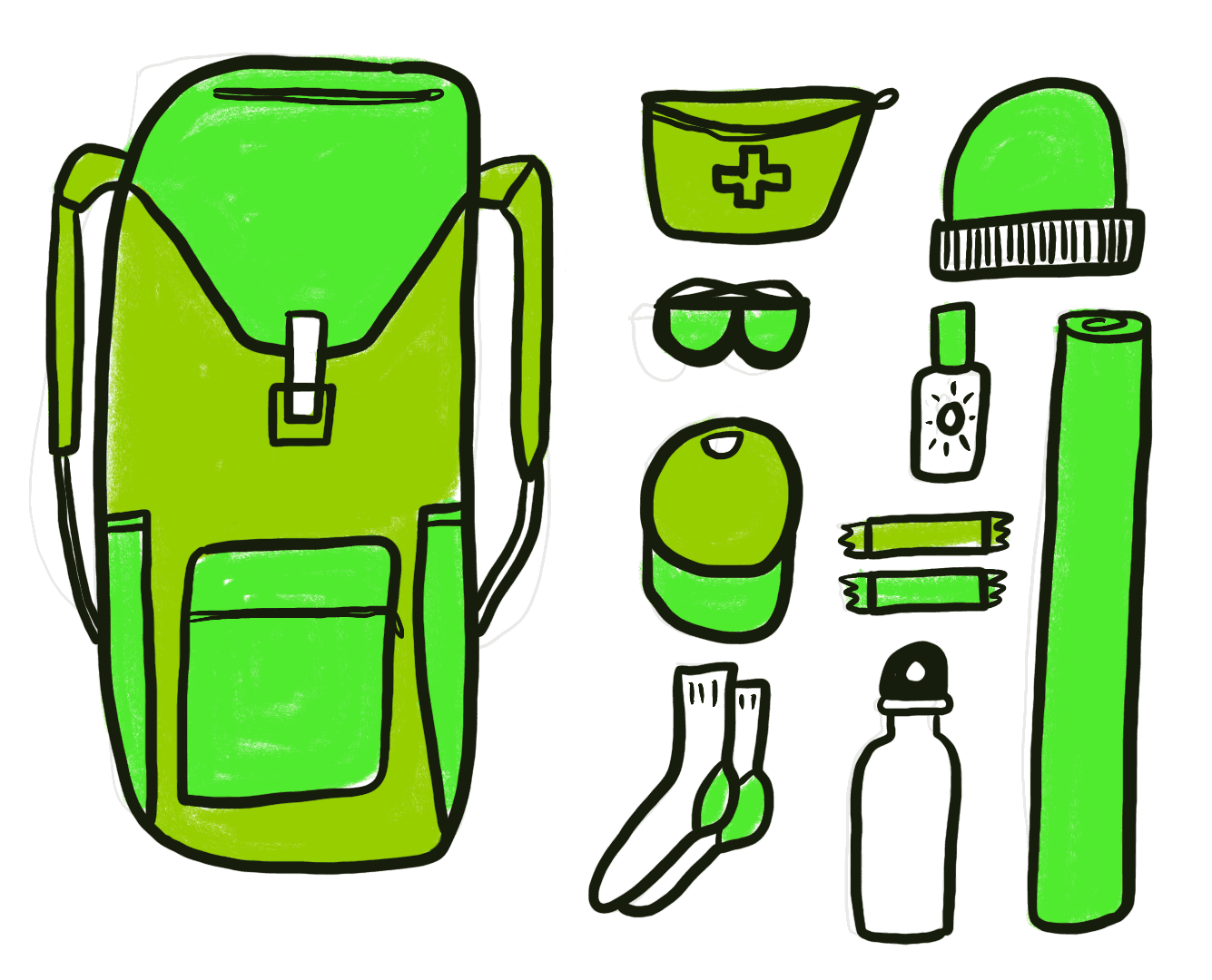
Know before you go! Some stuff we'll provide, other things you'll need to bring.
FAQs
How does a Much Better cycling adventure work?
It's no secret that we love cycling and many of us at HQ think it's the best way to see a country; however, we realise that organising your own trip can be a total faff. On our cycling trips, we've found a local guide who has put together a perfect route and will navigate for you all the way. We even send a van that transports your overnight luggage and provide high-quality bikes and delicious snacks to keep you going. Faff eliminated! All you have to do is turn up, pedal and take in the landscape with your fellow tourers. You don't need to be a lycra-clad 'roadie' although they're welcome too!
What type of bikes are provided?
For the majority of the trip, you will typically be riding Specialized 29ers – full suspension, entry-level mountain bikes. These are light aluminium mountain bikes – perfect for riding on road and tracks. The bikes are equipped with two water bottle cages. For your time on the sand dunes you will be provided with a fat bike. Fat bikes are mountain bikes fitted with extra-large tyres, which makes them perfect for riding on sand. The super fat tyres distribute the rider’s mass across a larger area, so that you don't sink in and can gain more traction than with a standard tyre size. You can ride easily and with stability over firm packed sand. No previous experience on a fat bike is needed.
Will the brakes be set up the way I'm used to? Brake set-up varies by country, so your bike's brakes may be on the opposite side to what you're used to at home (for example, your rear brake lever might be on the left rather than the right, or vice versa). Your guide will cover this during your bike fitting and warm-up ride and can help you get comfortable with it before you set off.
Can I bring my own bike? Bringing your own bike is discouraged. This is due to a lack of storage for bike boxes/bags, and also, the support trailers are tailored to fit the bikes the host provides, which means safe carriage of your personal bike cannot be guaranteed. In addition, your own bike may require special parts for maintenance which may not be locally available, nor possible for the support vehicle mechanics to repair, so the use of the bikes provided by your host is recommended.
What are the game drives like in Etosha?
In Etosha, your host uses the main trip vehicle for the game drives, which we feel offers the best experience and value for money. This main trip vehicle is specially adapted to offer excellent wildlife viewing opportunities, with large windows and a pop-up roof hatch. In addition, these vehicles also provide shelter from the dust and elements, which can be uncomfortable in open Jeeps at particularly dry periods in Etosha.
For those who wish to have a different experience, there is also sometimes the option to go on a game drive in an open 4x4 Jeep with a park ranger (if time allows). This option is bookable locally and costs 1600 Namibian Dollars (around £70 per person).
Can I book last minute?
Yes, you can try to book last minute, but if you are requesting a spot less than 31 days in advance, the host will need to check accommodation availability before accepting your booking. The lodges we use on this trip are extremely popular and space is limited, so bookings requested less than 31 days prior to the trip can be hard to confirm. We therefore definitely recommend booking early to guarantee your spot on the trip.
How many crew members will accompany the group?
There will be one driver and one cycling guide.
Do I need to carry anything while on my bike?
All your accommodation is pre-booked, and your luggage is transferred from one point to the next. As everything will be transported by the support vehicle which there will be access to throughout the day you can cycle completely unburdened if you wish to. We do suggest bringing a small bumbag for carrying essential items like money, phone, sun cream and a snack. The van also carries tools and spare bike bits if needed.
Can I upgrade to an e-bike on this trip?
E-bike upgrades are not available for this trip; you’ll be riding hybrid bikes as listed in the trip inclusions. Keeping everyone on the same bike type helps maintain a comfortable group pace, simplifies logistics and ensures a more inclusive experience. We do, however, have a growing collection of e-bike adventures (opens in new tab) which you can explore.
What do I do about drinking water?
Your host will often be able to provide you with clean, safe drinking water from large containers. At certain times of the year, the tap water can have a slightly strange (brackish) taste to it, and on these trips, the guide will advise and help you to pick up containers of drinking water at the start of the trip, in order to refill your smaller bottle as you go. This will be at your own expense. Therefore, bring a refillable bottle, it will be used well.
What if things don't go to plan?
In the event of poor weather such as heavy rain, strong winds and/or storms, it is possible that conditions may become unsafe to complete the planned rides on this trip. Your guide will assess the conditions and weather forecasts and make a decision with your safety in mind. If it becomes necessary to make a change to the planned itinerary, an alternative route or activity will be offered.
What is the local currency in Namibia?
Most places in Namibia will accept both the Namibian Dollar and the South African Rand. Money can be exchanged on arrival at the airport or withdrawn from ATMs during the trip. Many local purchases can be made by card. Plan ahead before you travel to avoid paying unnecessary charges and fees.
Do I need to bring my own cycle helmet?
Yes, you need to bring your own cycle helmet on this adventure. It should meet recognised safety standards, display a relevant certification mark, and be in good condition. It is mandatory for all riders to wear a helmet whenever cycling.
Please make sure your helmet is:
-
A purpose-built cycling helmet that meets a recognised safety standard and displays a relevant certification mark, including (but not limited to):
- CE/EN 1078 (UK & Europe)
- CPSC or Snell B90/B95 (USA)
- AS/NZS 2063 (Australia & New Zealand)
-
In good condition:
- ideally no more than five years old
- not involved in a crash
- no visible cracks/dents, compressed foam, or damaged straps
-
A good fit:
- sits level (not tipped back)
- snug, secure and stable when fastened (doesn't rock or slide)
- retention system and straps work properly
If your helmet isn’t suitable on arrival:
- you may need to rent or buy a suitable helmet locally (availability varies by destination)
- if a suitable helmet can't be sourced, you may be unable to join some or all cycling activities on safety grounds, in line with your booking conditions
Need help choosing or fitting a helmet?
For advice see British Cycling’s guidance (opens in new tab).
Cycle Safety Please see our cycling safety guidance (opens in new tab) for further information.
Can I book on my own?
Sure can! Over 70% of our travellers travel solo, it’s a great way to meet like-minded people.
Who is running the trip?
Our team of Adventure Hunters co-create exclusive adventures which are run by highly vetted, specialist hosts. The trip is run by our trusted host partner in the destination. We only work with independent, local, in-destination experts who know the very best places to explore and how to stay safe. Read more information about the local teams we partner with (opens in new tab). You’ll be introduced to the host straight after making a booking via the Much Better Adventures platform.
What is the official travel advice?
Much Better Adventures refer to the UK Government’s official travel advice when designing trips and monitoring trip operations. We recommend that all customers are familiar with the practical information provided on the Government’s FCDO website (opens in new tab), where current travel advice can be found by searching for the applicable destination(s).
For customers joining this trip from other international destinations – please also read the official travel advice applicable to your country of residence/origin, as this may differ.
What vaccinations do I need?
We recommend checking out the country-specific information (opens in new tab) and also talking to a travel nurse.
How are the trips priced?
We automatically convert prices from the local currency that a host receives to your chosen currency. We update our exchange rates on a daily basis so this does mean that prices displayed on the site are subject to currency fluctuations, which is why you may see them change over time.
If you wish to change the currency you pay in, head to the bottom of the page.
Why are your adventures only for adults?
All of our group adventures are specially designed for adults to enjoy as we want these adventures to bring together outdoorsy people who are truly like-minded. You must be over 18 to join one of our trips.
Who else will be on my trip?
You're always in good company on one of our adventures.
Our trips are typically made up of a mixture of solo travellers and small groups of 2 or 3 friends, with most in their 30s-50s.
Our sociable adventures are solo-friendly by design and naturally attract outdoorsy people with a shared mindset; a love for adventure, a desire to push themselves and meet awesome, like-minded people along the way. Check out our Community Values (opens in new tab) – a shared code to make sure that everyone's experience is safe, inclusive and brilliantly unforgettable.
It’s this camaraderie that has so often turned a great adventure into a life-changing one.
Don't just take our word for it:
- 95% of people rate the group dynamics on our trips 5/5
- 90% of people recommend joining a trip to make new friends
- 75% of people have met people on our trips that they would now consider friends
See here (opens in new tab) for more info about the Much Better Adventures tribe.
What's the weather like?
Namibia is in the Southern Hemisphere, so essentially has the opposite seasons to the UK. Due to the desert climate, it is generally dry and pleasant all year round. The months of June to August remain sunny and warm during the day (20-25°C), but drop down to single figures at night in the desert.
Between September and May it gets warmer, with highs of around 30°C; however, it is always a dry heat and still gets cold at night throughout the year. Rainfall usually occurs between November and March. If it does rain, it is minimal and in short sharp downpours that are quite spectacular in the desert.
What's the carbon footprint for this trip?
We partner with the World Land Trust to ensure this trip achieves Net-Zero emissions. We also support their Buy an Acre programme, helping local communities to buy and protect natural habitats in perpetuity.
What's the number?
It works out on average at 324kg of CO2 emissions per person, including all local transport, accommodation, food, activities, guides, staff and office operations.
The only thing it doesn’t include right now is flights and travel to the destination. We do make an overall estimate across all our customers separately, but as we don’t book flights, have customers from all corners of the world, and no way of reliably knowing their travel plans, we simply can’t include an individual number in the figure on display here. We’ve got a goal to fix that, so that when you book, there is a way to measure and mitigate the carbon emitted by your flight too.
But what does the number mean?
Yep, hard to picture eh? To give you an idea:
- Driving 1000 miles/1609km would be approximately 281kg of CO2 in an average car (or 140.5kg per person, if there were two of you in it).
- A return economy class flight between London and New York would be approximately 1619kg (1.66 tonnes) per person.
- 10 trees in a temperate forest are estimated to remove approximately 250kg of CO2 from the air in a period of 5-10 years.
What are we doing about it?
Our trips are relatively low-carbon by design, and we're working with all our hosts to develop long term carbon reduction plans. We partner with the World Land Trust (opens in new tab) to ensure this trip achieves Net-Zero emissions. We also support their Buy an Acre (opens in new tab) programme, helping local communities to buy and protect natural habitats in perpetuity, ensuring the protection of the reserve and its wildlife.
Want to know more?
Amazingly, no international travel company has ever publicly published their carbon measurements before, as far as we know. We believe that must change, quickly. So we’re openly sharing the method we used in the hope that other companies will be able to more easily follow suit and build on what we've done so far. You'll find it all here (opens in new tab).
Want to Know More?
Ask our AI Assistant
Get instant answers about this adventure
Departure dates
Secure your spot
10% deposit to book (limited exceptions)
Pay in instalments, no interest or fees
Friday 27th November 2026
to Sunday 6th December 2026
…
Watch this dateOnly 3 spaces left!
Don’t see a date you like?
Get an email alert when new dates are added for this trip
Subscribe to alertsWe've Got Your Back
Book with confidence and peace of mind.
Got a Group of 6 or More?
Book the whole trip privately. We sort the details, you split the cost. Pure adventure, zero faff.
Feeling Adventurous?
Get travel tips, offers and expert advice when you sign up to the Much Better Adventures newsletter
Still Undecided?
A few other trips to tickle your fancy
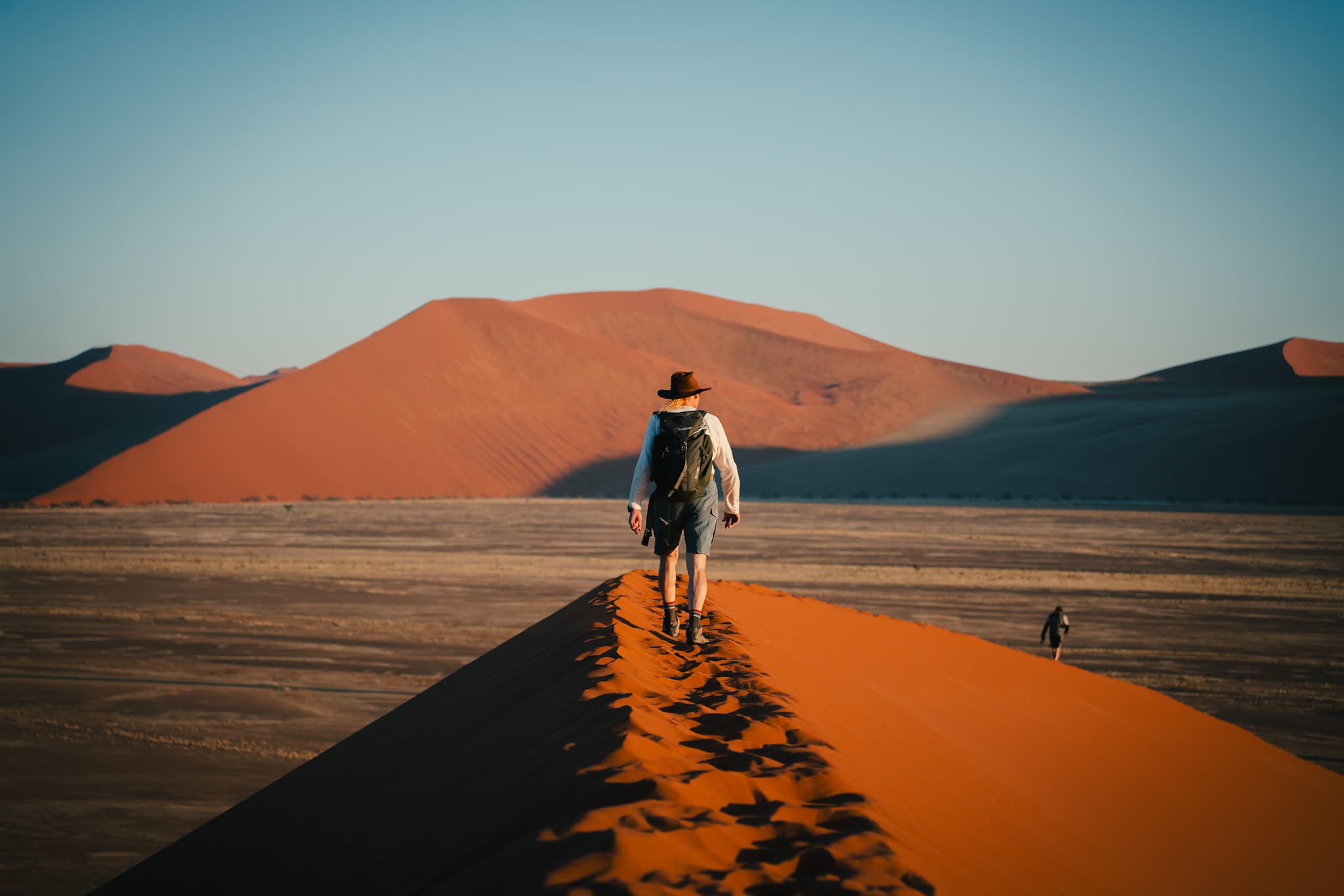
The Ultimate Adventure Through Wild Namibia
10 nights…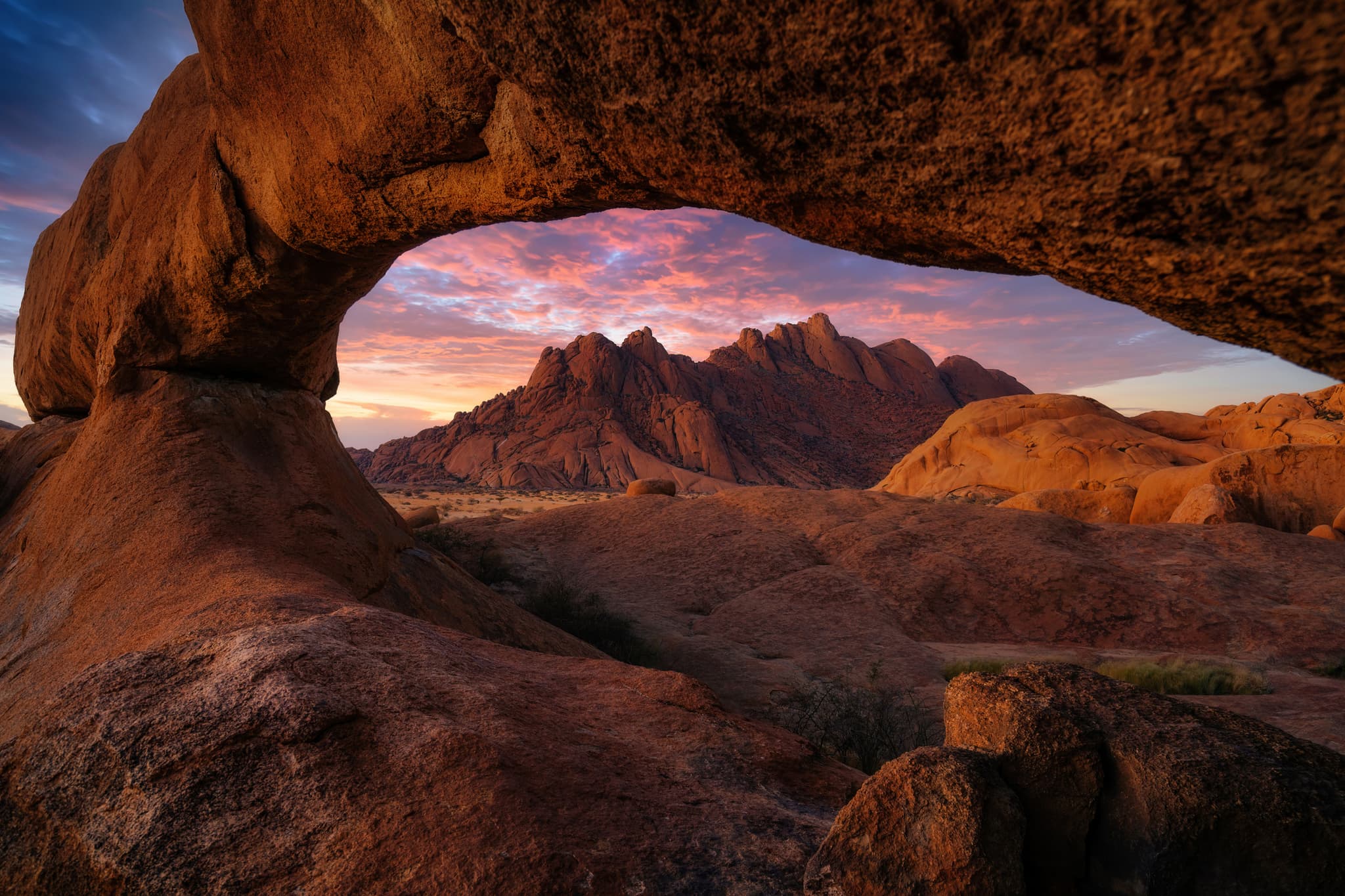
The Ultimate Adventure Through Namibia and Botswana
13 nights…
Hike, Kayak and Wild Swim South Africa
10 nights…
The Ultimate Adventure Through Wild Botswana
9 nights…
Journey to the Equator in Sao Tome and Principe
10 nights…
Cycle Sri Lanka From Coast to Coast
9 nights…
The Ultimate Adventure in Kenya
8 nights…
Cycle the Backroads of Morocco
7 nights…
Cycle the Jordan Trail to Petra
7 nights…
Learn to Surf in Morocco in a Week
5 nights…