
4.6
Hike the Camino de Santiago in Spain
- Spain
- 6 nights
Hike the final 100km of Spain’s most iconic pilgrimage to Santiago de Compostela
What's Included?
- Activities & Certified GuidesAll itinerary activities with local, expert, English-speaking guides
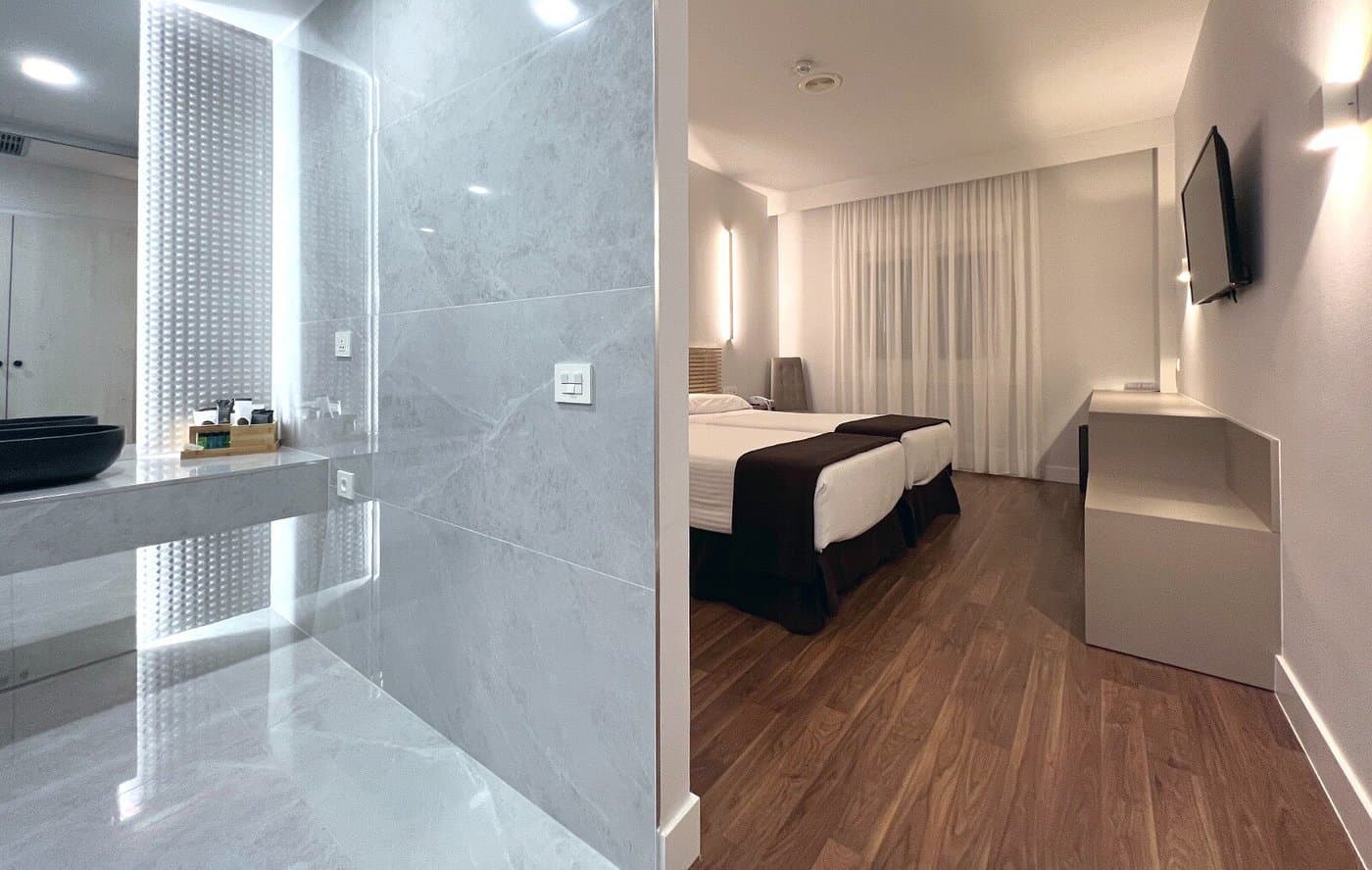
- Accommodation6 nights in locally owned hotels and guesthouses along the route
- MealsAll breakfasts, 3 dinners and a traditional Queimada upon completing the hike
- TransfersAirport transfers at the start and end of the trip, plus full luggage transfer and a support vehicle throughout the hike
- Pilgrim PassportA pilgrim passport to collect stamps along the Camino, plus a Compostela certificate for completing the final 100km of the Camino de Santiago
- Maximum group size: 12Join small n’ sociable groups of like-minded, active and outdoorsy people – designed to be solo-friendly
FromPrice loadingexcluding flights
Highlights
Complete the final 100km of the Camino de Santiago from Sarria to Santiago de Compostela, collecting stamps in your Pilgrim Passport as you go
Hike the historic Camino Frances, the most popular pilgrimage route through oak forests, medieval villages and quiet Galician countryside
Taste the delicious flavours of Galicia at traditional restaurants and pulperias before celebrating your journey with a traditional Queimada ritual
Itinerary
Day 1
To the start point in Sarria
HotelTwin shareDinner includedShow Day 1 detailHide detail
Your host will meet you on arrival at Santiago-Rosalía de Castro Airport and transfer you to Sarria, the most popular starting point for the final stage of the Camino around 100km from Santiago de Compostela. Settle into your accommodation and depending on your arrival time head out to explore the old town, wandering along Rua Maior and its historic buildings. You might catch a glimpse of one of the iconic waymarkers on the camino, pointing the way that you'll be heading tomorrow. Later on you'll meet up with your host and fellow hikers for a welcome briefing and introduction to the Camino’s traditions and daily rhythms ahead. In the evening, share your first group dinner in a traditional Galician restaurant, getting to know your group and guides over local dishes and regional wine.
Day 2
Set off from Sarria to Portomarin
Hiking5-6hrs · 22km · 480m up · 510m downHotelTwin shareBreakfast includedShow Day 2 detailHide detail
Your Camino begins as you leave Sarria and take your first steps on the final 100km stretch of the Camino de Santiago, following quiet country lanes and woodland paths through oak forests and small farming hamlets. The Camino you are on is the The Camino Francés (The French Way) which is the most popular pilgrimage route of the Camino de Santiago, spanning 790km from Saint-Jean-Pied-de-Port in France to Santiago de Compostela in Spain. The Camino Frances is completed by over 200,000 pilgrims each year, and is typically walked in 4-5 weeks. The section of the trail today rolls gently through green hills, crossing streams and old stone bridges, arriving in the afternoon in Portomarin, a town which was unprecedentedly relocated and rebuilt stone by stone after the original was submerged by a reservoir and the damming of the Miño River. After settling in to your next stopover along the camino, take a short walk to the Romanesque Church of San Nicolas before gathering for dinner at a restaurant by the river.
Day 3
Portomarín to Palas de Rei
Hiking6-7hrs · 25km · 600m up · 580m downHotelTwin shareBreakfast includedShow Day 3 detailHide detail
Leaving Portomarín behind for your second full day on the Camino, today’s route takes you deeper into rural Galicia, along peaceful paths lined with chestnut trees, farmland and scattered villages. You’ll pass through Gonzar and Ventas de Naron, and visit Romanesque churches that reflect the region’s long pilgrimage history. The walking is steady and rewarding, offering a glimpse into everyday life along the Camino and soaking up the atmosphere as other hikers and pilgrims greet you along the trail. Your guide will make sure you get your pilgrim passport stamped a minimum of two times per day - this is the requirement to be able to obtain The Compostela certificate when you reach Santiago de Compostela. End the day in Palas de Rei. a picturesque spot in the province of Lugo where you'll enjoy a relaxed dinner tucking into more hearty local Galician dishes to fuel up ahead of the biggest day of the trip tomorrow.
Day 4
Palas de Rei to Arzua
Hiking7hrs · 29km · 550m up · 650m downHotelTwin shareBreakfast and dinner includedShow Day 4 detailHide detail
Today is the longest day on the trail, broken into manageable sections as you move through forests, across rivers and between small settlements from Palas de Rei to Arzua. The rhythm of life on the Camino will be kicking in by now as you hike into Melide, known across Spain for its octopus dishes, before continuing the onward push this afternoon towards Arzua. Along the way you'll visit a local cheese producer to learn about the region’s Arzua Ulloa cheese and sample its soft, creamy texture. Arrive in Arzua and head out for dinner in a traditional pulperia.
Day 5
Arzua to A Rua
Hiking4-5hrs · 19km · 300m up · 350m downHotelTwin shareBreakfast includedShow Day 5 detailHide detail
After a big push yesterday covering 29km, a shorter and quieter stage awaits today to give you time to slow things down a little and soak up the smaller intricacies of life walking a stretch of the Camino. The route today winds through eucalyptus forests and open countryside, passing small chapels and quaint Galician villages. There’s an optional stop at Santa Irene Chapel, a 17th-century hermitage dedicated to Saint Peter and surrounded by a serene oak grove. It is famous along the Camino Frances for its nearby fountain of youth. Reach A Rua in the afternoon and enjoy a relaxed evening with the nightly ritual of an evening tucking into Galician cuisine as the final stretch comes into view.
Day 6
The final stretch, A Rua to Santiago de Compostela
Hiking5hrs · 20km · 350m up · 400m downHotelTwin shareBreakfast and dinner includedShow Day 6 detailHide detail
Your final day on the Camino begins with a steady walk towards the iconic finale at Santiago de Compostela. Pass by Monte do Gozo where you’ll catch your first glimpse of the cathedral towers in the distance, before continuing on foot all the way into the city’s historic centre. Arrive at the cathedral square and take time to soak it all in - you’ve completed the final 100km of the Camino de Santiago. In the afternoon, explore the old town or attend the Pilgrim’s Mass in the main square if you are keen to witness and take part in this spectacle. In the evening you'll head out to celebrate with a farewell dinner followed by a Queimada ceremony: a traditional Galician ritual and alcoholic drink designed to ward off evil spirits, cleanse the soul, and bring good fortune. The ceremony involves setting a mixture of Orujo brandy, sugar, coffee beans, and lemon peel on fire in a clay pot while reciting a theatrical spell, known as a conxuro. A truly unique way to celebrate the end of a trip!
Day 7
Adios, amigos
Breakfast includedShow Day 7 detailHide detail
After breakfast you'll check out of your hotel in Santiago de Compostela. If you have an onward flight this morning, your host will transfer you to the airport. If you are staying on longer in Galicia or you are not flying until late afternoon, there is a bonus excursion to Finisterre - literally 'end of the Earth' or 'land's end' - a stunning spot on Galicia's Atlantic coast. This is a popular add-on after reaching Santiago de Compostela, to take in the rugged beauty of the Atlantic in this part of Spain. Your host will then drop the group off at the airport in Santiago de Compostela in the afternoon. See the 'Getting There' section of details and timings so you can plan accordingly around this day if you don't want to miss out on the Finisterre excursion.
Practical Stuff
Getting There
- Nearest airport
- Santiago de Compostela Airport (SCQ)
- Pick up
- Santiago-Rosalía de Castro Airport, Santiago de Compostela
14:00 - Drop off
- Santiago-Rosalía de Castro Airport, Santiago de Compostela
10:00am or 15:00pm
This Trip is Graded Level 4
- Level 4
Moderate-Challenging
Created for adventurers ready to take on a few longer, more demanding days
Hot climate: factors to consider - How much activity is involved?
Typically five to seven active hours daily, with some challenges
This trip is suitable for anyone with a reasonable base level of fitness and a willingness to spend several hours on their feet each day. No prior hiking experience is require...
- Right level, wrong trip?
Browse all our Moderate-Challenging trips
Your next adventure is out there


 Not sure which level is right?
There's a level for everyone – find your match
What is and isn't Included?
What's included
- Guided hike from Sarria to Portomarin
- Guided hike from Portomarin to Palas de Rei
- Guided hike from Palas de Rei to Arzua
- Guided hike from Arzua to A Rua, with an optional visit to Santa Irene Chapel
- Guided hike from A Rua to Santiago de Compostela via Monte do Gozo
- Queimada ceremony on the final evening — a traditional Galician ritual with local spirits
- Optional visit to Finisterre on the Galician coast on Day 7 (depending on your flight time)
- Expert, English-speaking local hiking guides
- 6 nights in selected guesthouses and rural hotels along the route
- All (6) breakfasts taken at each of your hotels
- 3 dinners showcasing local Galician cuisine
- Arrival transfer from Santiago-Rosalía de Castro Airport on Day 1
- Departure transfers to Santiago-Rosalía de Castro Airport on Day 7, in the morning or afternoon
- Daily luggage transfer between accommodations along the route
- A ‘pilgrim passport’ is given to you to record your journey by collecting stamps (sellos in Spanish) at churches, cathedrals and hostels along the route. You can also collect the Compostela - the official certificate of completion awarded by the Cathedral of Santiago de Compostela to pilgrims who complete the final 100km on foot.
What's not included
Our trips do not include flights, trains or other travel to the start point and back from the end point.
No lunches are included on this trip, so you should budget €10–15 per day. Your guide will advise on the plan each day. Three dinners are also not included, giving you the flexibility to explore local options on nights 2, 3 and 5, with tips and suggestions from your guide.
Tips are not included in the trip cost and are entirely at your discretion. If you choose to tip, the amount should reflect your experience and the quality of service.
In bars and restaurants, it’s customary to factor in around 10% on top of the bill during the trip.
You know your own spending habits best, so please budget an appropriate amount for things like optional food and drinks, shopping and laundry.
Travel insurance is compulsory for all of our adventures, and you'll need to provide your policy details before departure. Your insurance should offer adequate cover for overseas medical treatment, evacuation/repatriation, your baggage and equipment, and the specific activities involved in your adventure. We also recommend ensuring your policy includes cancellation and curtailment cover, in case you're unable to join your trip due to unforeseen circumstances such as illness.
Standard travel insurance may not cover all the activities included in your adventure, so it's essential to check the details carefully. There are adventure-specific providers that many travellers have used in the past, such as True Traveller (opens in new tab) (for those based in the UK or Europe), or Rise + Shield (opens in new tab), both of which offer cover for a wide range of adventurous activities.
Please make sure your chosen policy meets your individual needs and covers all aspects of your trip.
Visa requirements often change, and you are responsible for obtaining any required visas for this trip. Please check with your nearest embassy or consulate for up-to-date advice.
Where You'll Stay
Looking for a private room? See Optional Extras for details and pricing.
Sarria
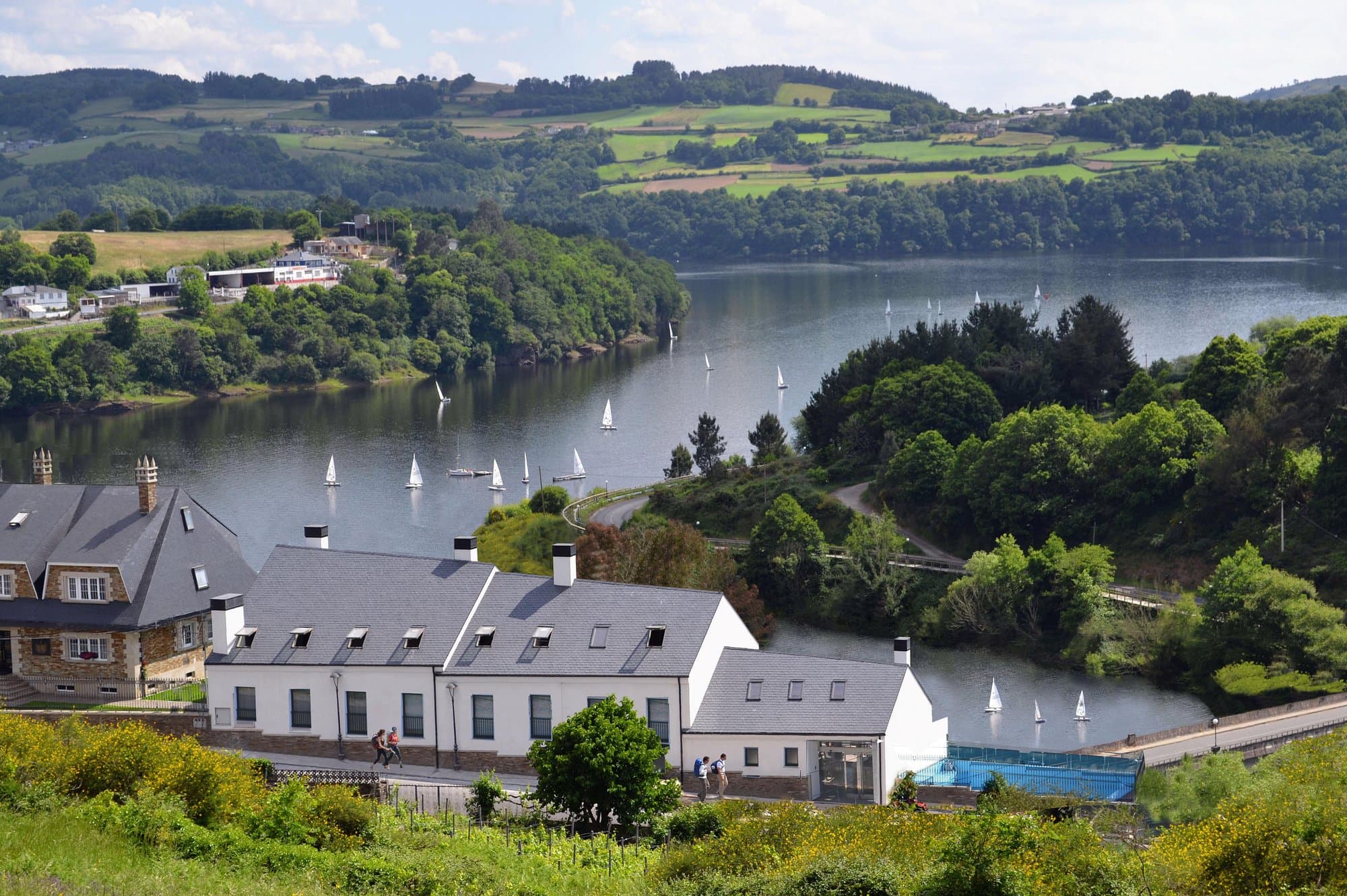
Portomarín
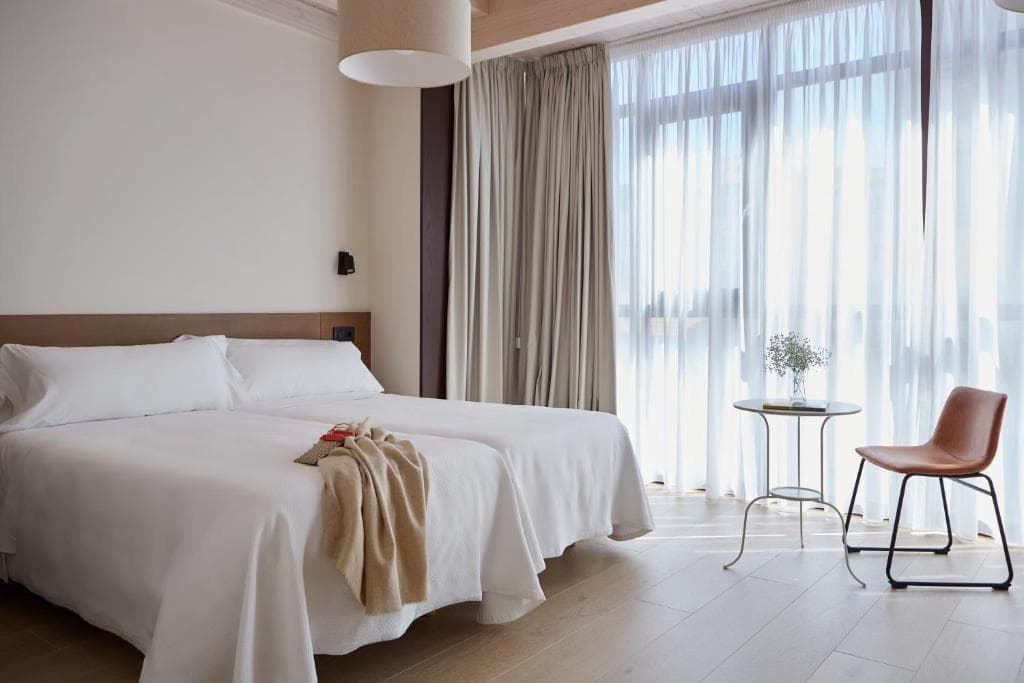
Palas de Rei
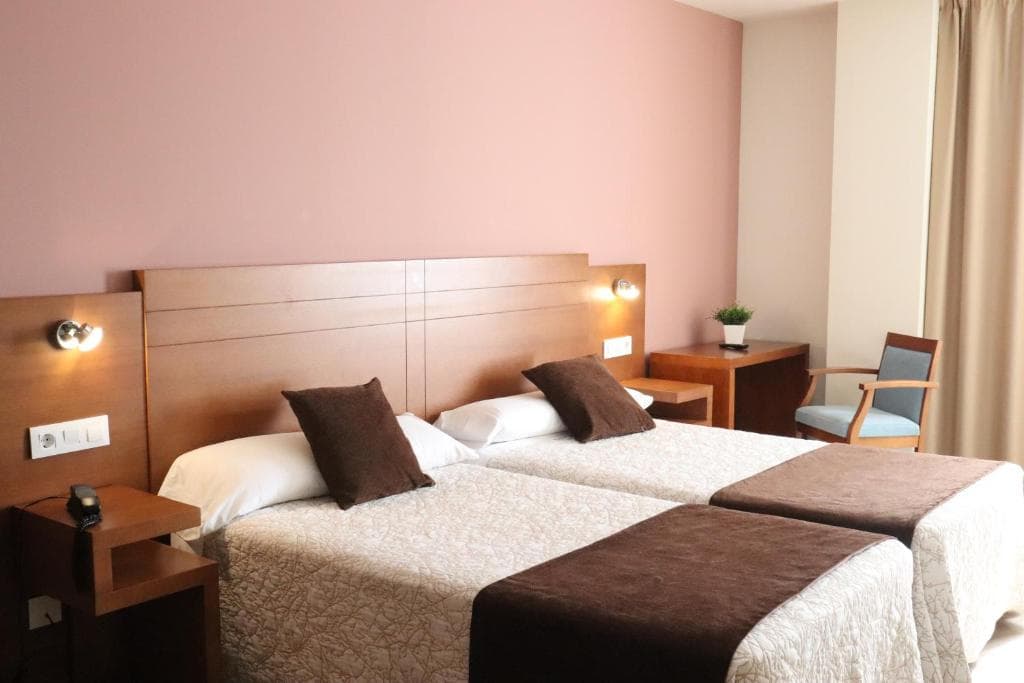
Arzua
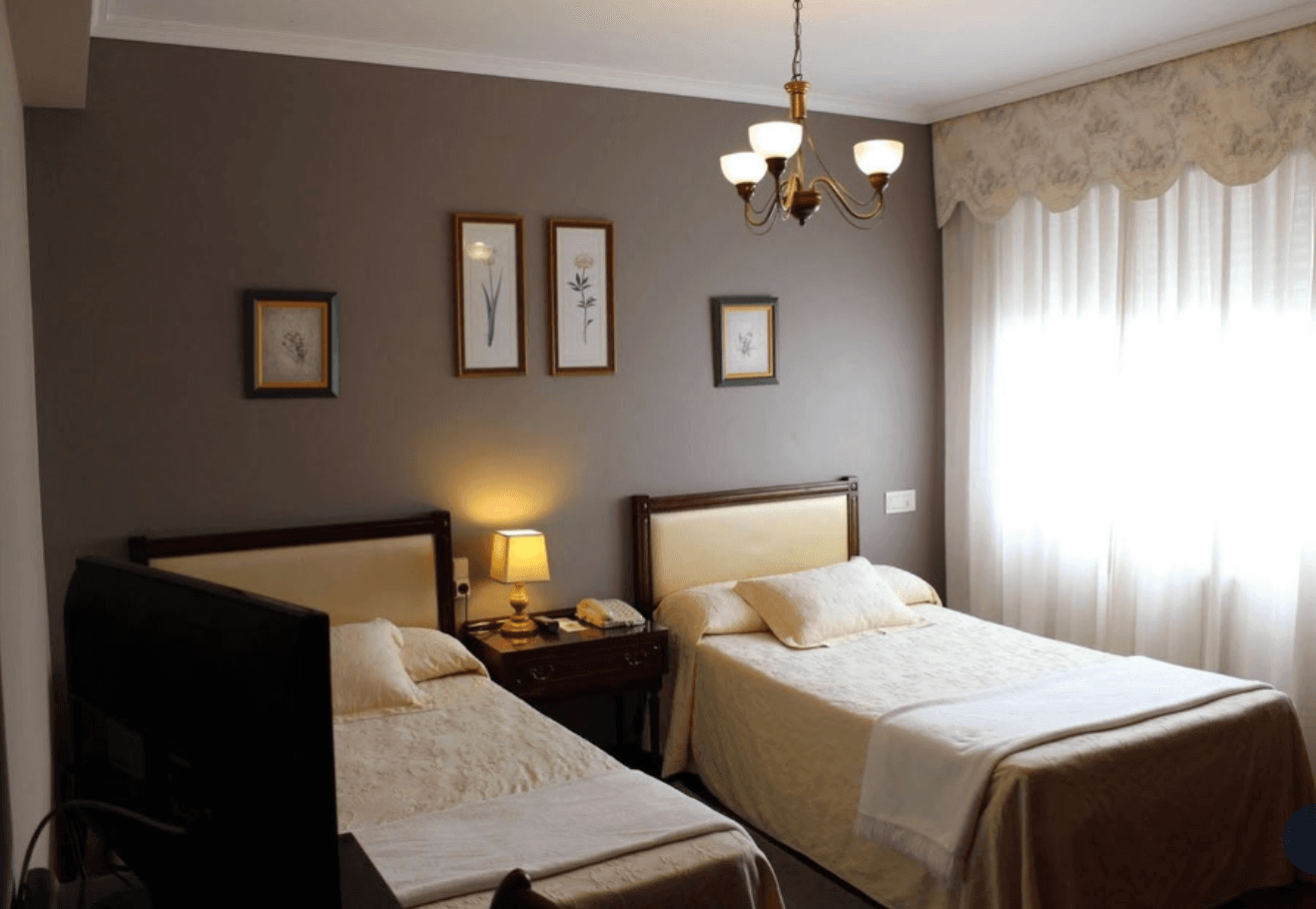
A Rua
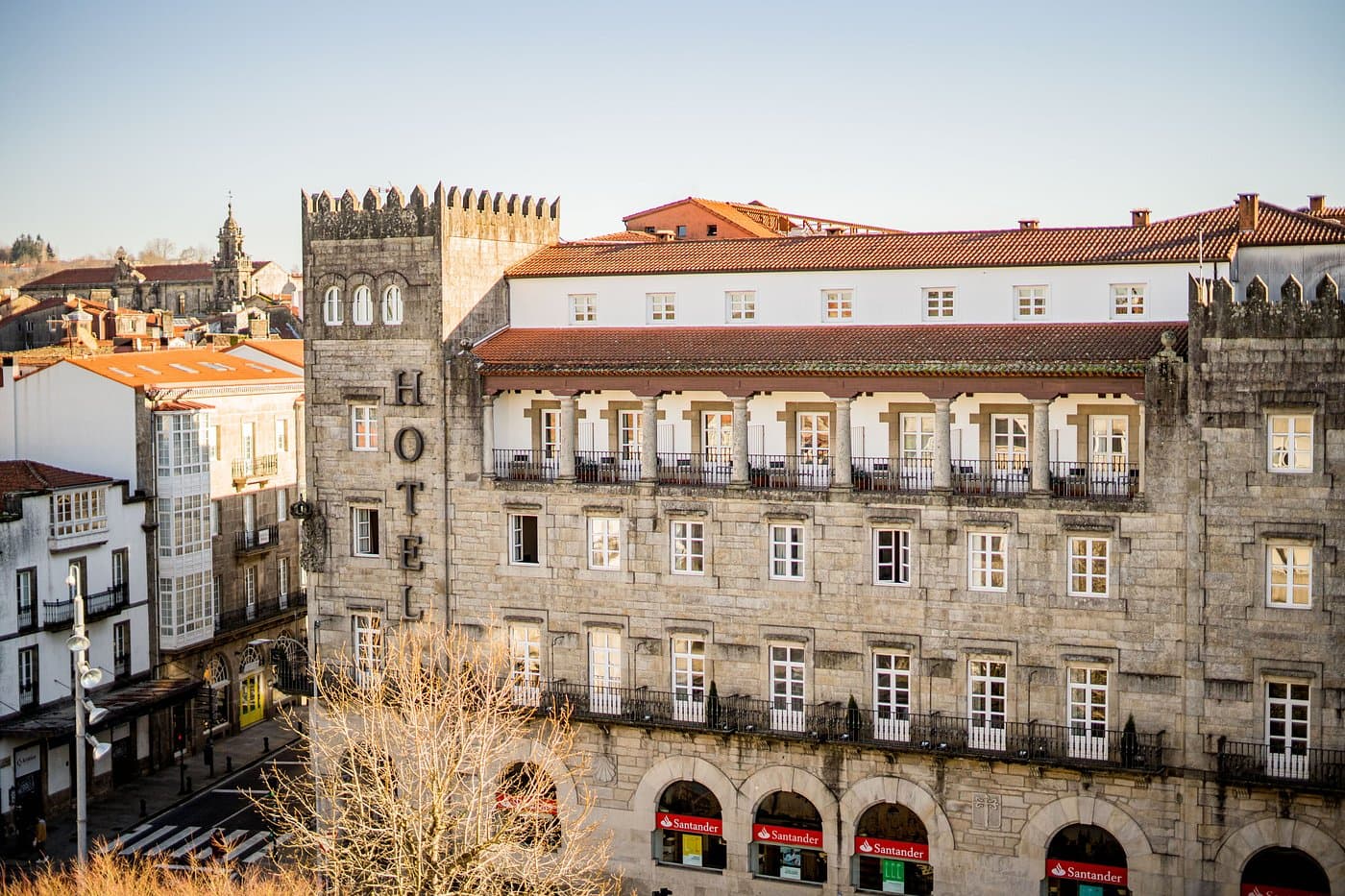
Santiago de Compostela
What You'll Eat
Any trip to Spain is jam-packed with culinary delights, and this one is no exception. You’ll fuel up each morning with a breakfast of cereals, fruit, yoghurt, breads, meats, cheeses, tea and coffee at your hotels along the Camino. For lunch, you’ll b…
Optional Extras
Pre/Post Trip Accommodation
- Pre/post trip accommodation in Santiago de Compostela (single room)
- £115/per night
- Pre/post trip accommodation in Santiago de Compostela (twin/double room)
- £176/per night
- Pre/post trip accommodation in Santiago de Compostela (Single room)
- £106/per night
- Pre/post trip accommodation in Santiago de Compostela (Twin/double room)
- £163/per night
Upgrades
- Optional Private Room Upgrade
- £353
For solo travellers looking for their own space, an optional private room can be booked for an extra charge - see Optional Extras for the price. Please request this at the time of booking, as this is subject to availability.
To request any extras, message your host via your Much Better Adventures account once you have booked your trip.
All extras must be paid before your trip starts.
Ratings & Reviews
4.67 reviews
- 2 stars (0)
- 1 star (0)
Latest Reviews
Customer Photos
Before You Travel
What to Pack
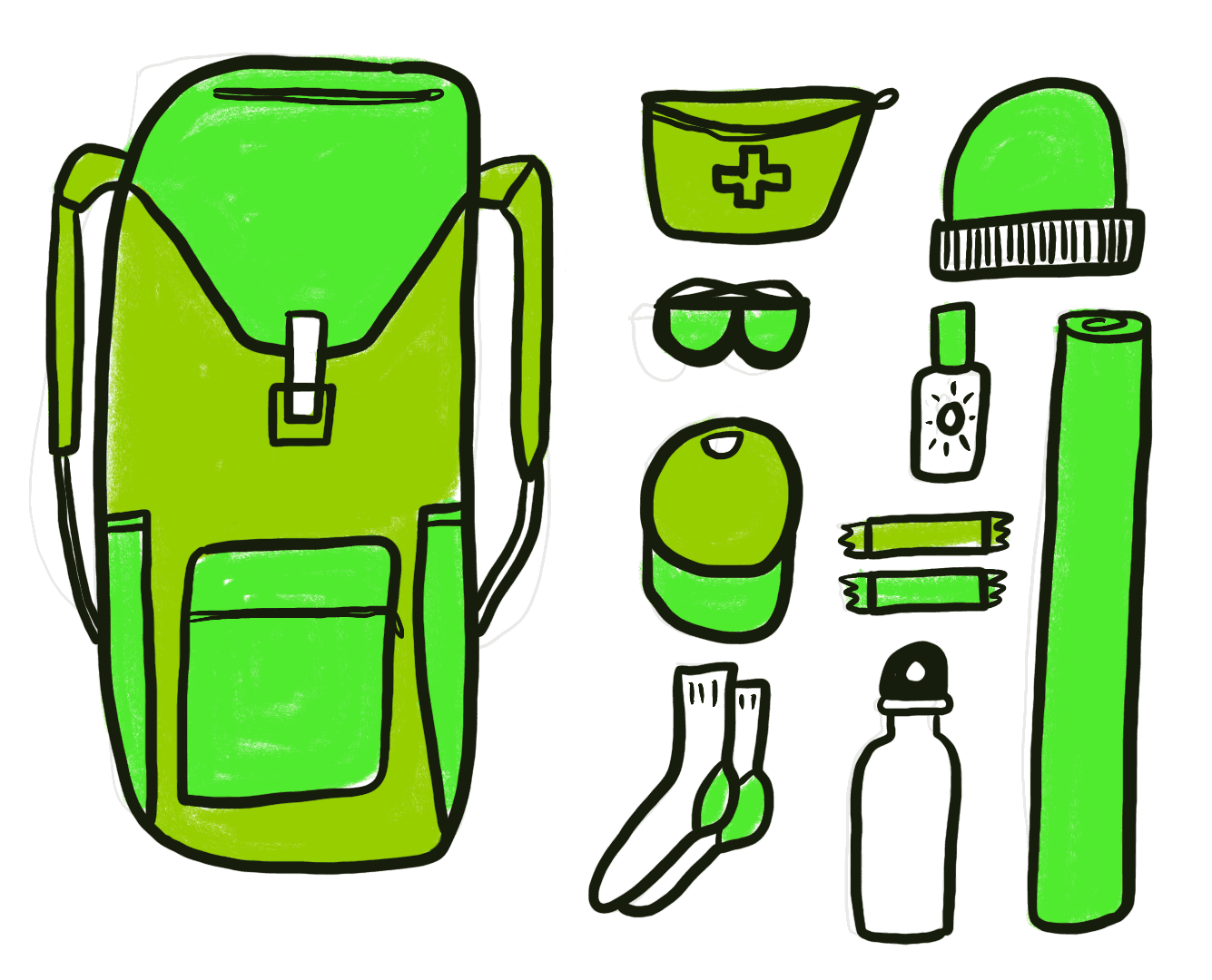
Know before you go! Some stuff we'll provide, other things you'll need to bring.
FAQs
Which route of the Camino de Santiago is this trip on?
This trip follows the Camino Frances, the French Way, the most popular and iconic of all the Camino routes. You’ll be walking the final 100km, from Sarria to Santiago de Compostela - the classic finishing stretch used by pilgrims for centuries, and the minimum distance required to earn your Compostela certificate. The Camino Frances begins in Saint-Jean-Pied-de-Port in France, crossing the Pyrenees into Spain and winding west through Navarra, La Rioja, Castilla and Galicia before reaching the cathedral in Santiago. Starting from Sarria places you firmly in the heart of green, rural Galicia, winding through oak forests, stone villages, medieval bridges and eucalyptus groves, with the atmosphere of a living pilgrimage all around you.
Do I need to be a pilgrim or religious to do the Camino?
Not at all. The Camino de Santiago has deep religious and spiritual roots, but it's become a pilgrimage for people of all backgrounds - religious, secular, spiritual, or just looking for a good walk and adventure. Most people who walk the Camino today do it for the experience itself: the landscape, the challenge, the sense of accomplishment, meeting other walkers and discovering Spain. Some are religious or spiritual, many aren't. The trail welcomes everyone.
On our trip, you'll be hiking with a small group and staying in comfortable hotels along the route. You're not camping rough or sleeping in pilgrim hostels - it's a more supported experience. You'll get the authentic Camino experience (the walking, the scenery, the local food and culture) without needing to have any particular faith or belief system. It's really just a brilliant multi-day hike through Galicia with great company and good meals at the end of each day.
Don't people normally stay in dormitories, hostels and churches on the Camino?
Yes, the traditional Camino experience often involves staying in pilgrim hostels and dormitories, sometimes in converted churches or monastery buildings. That's the classic, budget way to do it.
Our trip is different. We've designed it to be more comfortable: you'll stay in hotels along the route rather than shared dorms. You get your own proper accommodation, which means better sleep, hot showers, and a bit more privacy after a full day of walking. That's by design - we think it makes for a better experience, especially if you're hiking up to 29km a day.
You still get the authentic Camino experience: you're walking the actual route, experiencing the landscape and villages, eating at local tavernas, and meeting other pilgrims and walkers. The main difference is where your head hits the pillow at night
What is a Pilgrim Passport and what is a Compostela certificate?
The Pilgrim Passport (or Credencial del Peregrino) is a small, foldable document that serves as your official record of the journey. As you walk each day, you collect stamps (sellos) from churches, albergues, cafés and other spots along the route - building up a personal record of everywhere you've passed through. It's both a practical document and a treasured keepsake of your Camino.
The Compostela is the official certificate of completion awarded by the Cathedral of Santiago de Compostela to pilgrims who finish the final 100km on foot (or 200km by bicycle). To receive it, you'll need to present your stamped Pilgrim Passport at the Pilgrim Office in Santiago, with at least two stamps per day collected over the final 100km. Your Pilgrim Passport is included in the trip, and your guide will make sure you collect the necessary stamps along the way - so all you need to do is walk.
How many versions of the Camino de Santiago are there?
There are more than 200 recognised routes to hike the Camino de Santiago. The most commonly hiked camino variations are as follows:
Camino Francés (the 'French Way'): the most popular Camino de Santiago route which begins in St. Jean Pied de Port, France. You are doing the final 100km of this route - the minimum amount you must hike to be eligible for the Compostela Certificate!
Camino Portugues (the 'Portuguese Way'): This is the second most popular camino route, starting in Lisbon or Porto and heading north to reach Santiago de Compostela.
Camino del Norte (the 'Northern Way'): an 800km route along the northern coast of Spain.
Camino Primitivo (the 'Original Way'): a secluded trek through the Galician countryside.
Camino Invierno (the 'Winter Way'): a lesser-known route through forests, hills and valleys.
Camino Finisterre: starting in Santiago, this route ends in the fishing ports of Fisterra and Muxía.
Camino Ingles (the 'English Way'): a route originally used by British and Irish pilgrims who arrived in Spain by boat.
What is a Camino Holy Year?
A Holy Year - or Año Xacobeo - is declared whenever the Feast of Saint James (25th July) falls on a Sunday. Saint James is Spain's patron saint, and tradition holds that his remains are buried beneath Santiago's Cathedral - the destination of every Camino pilgrim. When his feast day lands on a Sunday, the whole year becomes a special jubilee celebrated across Galicia.
How often does a Holy Year come around?
Rarely. Because of how leap years interact with the calendar, Holy Years follow an irregular cycle and only occur 14 times per century. The most recent was 2021/22; after 2027 the next will be 2032.
What makes walking the Camino in a Holy Year special?
Two things set it apart. The Porta Santa - the Holy Door on the eastern façade of Santiago's Cathedral - is only ever opened during a Holy Year, remaining open throughout. Pilgrims who visit the Cathedral, attend Mass and pray are also eligible for a plenary indulgence. Whether you're walking for religious, spiritual or purely adventurous reasons, there's an undeniable energy to arriving in Santiago during one of these rare jubilee years.
Will the Camino be busier than usual in 2027?
Yes. Holy Years are historically the busiest on the Camino, with pilgrim numbers rising significantly. Our trip handles all accommodation and logistics, so you can enjoy the heightened atmosphere without the stress - but book your spot early, as 2027 departures will fill up faster than usual.
Do I need to be religious to take part in the Holy Year?
Not at all. Most people walking the Camino today do so for the history, landscape, personal challenge or unique atmosphere rather than religious reasons. The Holy Year adds a layer of occasion that everyone can appreciate, whatever their background.
Which 2027 departures are best for the Holy Year?
All of our 2027 dates let you experience the Camino during this rare jubilee year. If you want to be in Santiago around peak celebrations, our June and July departures put you closest to Saint James Day on 25th July. Spring and autumn departures offer a quieter experience while still capturing the magic of a Holy Year.
What if things don't go to plan?
The route from Sarria to Santiago de Compostela is very well established and isn't in remote or mountainous terrain where conditions play a larger role. Conditions forcing the route to change are extremely rare. However, should something like extreme heat force the program to be altered, your host is an expert in all things Northern Spain and knows this stretch of the Camino intimately and will be able to pivot to an alternative plan in the very rare event that one is needed.
How many guides and support crew will there be on my trip?
You'll have one guide for groups of up to six people, and two guides for groups of 7-12 people. A driver is also on hand for the luggage transfer and support vehicle throughout the trip.
Can I leave my excess luggage somewhere?
As this trip starts in Sarria and ends in Santiago de Compostela, it is not possible to store luggage at a hotel at the start of the trip. However, there are private luggage storage facilities available at and near Santiago de Compostela Airport. You can research and arrange this independently online. This will allow you to lock your luggage upon arrival after your flight, before meeting your host and heading off to start your Camino in Sarria.
What do I do about drinking water?
The tap water in Galicia is perfectly safe to drink, you can fill your bottles up from your hotels each morning and from taps along the Camino as you go.
Can my dietary requirements be catered for on this adventure?
At Much Better Adventures, we work hard to accommodate dietary requirements and allergies so your trip is safe, inclusive and enjoyable. That said, options can vary by country, location and accommodation, and in some places options may be limited or unavailable. The information below has been provided by your host so you’re fully informed about what will be possible on your trip depending on your individual requirements. This information should be read carefully prior to your trip to ensure that you are adequately prepared for the situation ‘on the ground’.
Once you have booked on your trip, please fill out your passenger information form asap with any dietary requirements. Once you complete your passenger information, your dietary needs and any allergies are automatically shared with your host and, in turn, your guide. Please submit this as early as possible so they can plan accordingly and deliver the best experience. Please also remind your guide about your dietary requirements upon arrival, as mentioning these in person allows your guide to comprehend individual preferences and limitations as soon as you arrive.
BACKGROUND Spain's food culture has historically been built around meat, fish and dairy, and awareness of special dietary requirements - particularly veganism and gluten intolerance - can vary significantly between cities and rural areas. In larger towns and cities, vegetarian and vegan options are increasingly common, but in smaller villages and traditional restaurants along the Camino, menus tend to be hearty and meat-focused, and alternatives may be limited. Coeliac awareness is growing but cross-contamination cannot always be guaranteed in traditional kitchens.
Galicia in particular, where this trip takes place, has a strong culinary identity centred on fresh seafood, octopus (pulpo), cured meats, local cheeses and the region's beloved empanadas. Guests with dietary requirements are warmly encouraged to disclose these as early as possible so your host and guide can plan ahead and liaise with restaurants accordingly.
Vegetarian
Vegetarian diets can be catered for on this trip, provided that your host is made aware in advance.
Vegan
Vegan diets can be catered for on this trip, provided that your host is made aware in advance.
Kosher
Fully certified Kosher kitchens and supervision are rare and usually cannot be guaranteed unless expressly confirmed in advance by your host. Vegetarian or vegan options can often be the most reliable alternative if this is acceptable to you. Please read the related sections above.
Halal
Certified Halal supply varies by location and may not always be possible. Vegetarian or vegan options can often be the most reliable alternative if this is acceptable to you. Please read the related sections above.
INTOLERANCES
Gluten-free (for Coeliac, please see Allergies section below)
Gluten-free diets can be catered for on this trip, provided that your host is made aware in advance.
Lactose-free
Lactose-free diets can be catered for on this trip, provided that your host is made aware in advance.
ALLERGIES
Our host has confirmed that they are able to accommodate mild allergies to the 14 allergens (opens in new tab) identified by the UK Food Standards Agency, where these are disclosed in advance. However, if you have a severe or life-threatening food allergy, please get in touch with our Customer Experience team prior to booking, to discuss whether your requirements can be accommodated safely on this trip. This will allow us to carefully consider the sensitivity and severity of your allergy, the available provision on the trip and the accessibility of medical care should a reaction occur. Your safety is always our top priority. Please note that when travelling overseas, local ingredients, food preparation methods and labelling standards may vary, particularly in remote areas. It is also worth noting that any allergies may result in more limited options and repetitive provision in some areas. Whilst your guide will help communicate dietary requirements where possible, customers remain responsible for managing their own allergies during the trip.
Can I book on my own?
Sure can! Over 70% of our travellers travel solo, it’s a great way to meet like-minded people.
Who is running the trip?
Our team of Adventure Hunters co-create exclusive adventures which are run by highly vetted, specialist hosts. The trip is run by our trusted host partner in the destination. We only work with independent, local, in-destination experts who know the very best places to explore and how to stay safe. Read more information about the local teams we partner with (opens in new tab). You’ll be introduced to the host straight after making a booking via the Much Better Adventures platform.
What is the official travel advice?
Much Better Adventures refer to the UK Government’s official travel advice when designing trips and monitoring trip operations. We recommend that all customers are familiar with the practical information provided on the Government’s FCDO website (opens in new tab), where current travel advice can be found by searching for the applicable destination(s).
For customers joining this trip from other international destinations – please also read the official travel advice applicable to your country of residence/origin, as this may differ.
What vaccinations do I need?
We recommend checking out the country-specific information (opens in new tab) and also talking to a travel nurse.
How are the trips priced?
We automatically convert prices from the local currency that a host receives to your chosen currency. We update our exchange rates on a daily basis so this does mean that prices displayed on the site are subject to currency fluctuations, which is why you may see them change over time.
If you wish to change the currency you pay in, head to the bottom of the page.
Why are your adventures only for adults?
All of our group adventures are specially designed for adults to enjoy as we want these adventures to bring together outdoorsy people who are truly like-minded. You must be over 18 to join one of our trips.
Who else will be on my trip?
You're always in good company on one of our adventures.
Our trips are typically made up of a mixture of solo travellers and small groups of 2 or 3 friends, with most in their 30s-50s.
Our sociable adventures are solo-friendly by design and naturally attract outdoorsy people with a shared mindset; a love for adventure, a desire to push themselves and meet awesome, like-minded people along the way. Check out our Community Values (opens in new tab) – a shared code to make sure that everyone's experience is safe, inclusive and brilliantly unforgettable.
It’s this camaraderie that has so often turned a great adventure into a life-changing one.
Don't just take our word for it:
- 95% of people rate the group dynamics on our trips 5/5
- 90% of people recommend joining a trip to make new friends
- 75% of people have met people on our trips that they would now consider friends
See here (opens in new tab) for more info about the Much Better Adventures tribe.
What's the weather like?
The Camino Frances from Sarria to Santiago is best hiked between April and October, when conditions are mild and trails are most accessible. Spring and early summer (April to June) bring fresh green landscapes and moderate temperatures ranging from 10–20°C (50–68°F). Rain showers are common, especially in Galicia, so waterproofs are essential. Summer (July and August) is warmer and drier, with temperatures typically between 18–30°C (64–86°F). Early starts are recommended to avoid the midday heat, particularly on longer stages. Autumn (September and October) brings cooler temperatures of 10–22°C (50–72°F) and fewer crowds than the peak summer months. The landscape shifts to autumn colours, though rainfall becomes more frequent again. Weather in Galicia can change quickly at any time of year, so be prepared for both sunshine and rain on the same day.
What's the carbon footprint for this trip?
We partner with the World Land Trust to ensure this trip achieves Net-Zero emissions. We also support their Buy an Acre programme, helping local communities to buy and protect natural habitats in perpetuity.
What's the number?
It works out on average at 97kg of CO2 emissions per person, including all local transport, accommodation, food, activities, guides, staff and office operations.
The only thing it doesn’t include right now is flights and travel to the destination. We do make an overall estimate across all our customers separately, but as we don’t book flights, have customers from all corners of the world, and no way of reliably knowing their travel plans, we simply can’t include an individual number in the figure on display here. We’ve got a goal to fix that, so that when you book, there is a way to measure and mitigate the carbon emitted by your flight too.
But what does the number mean?
Yep, hard to picture eh? To give you an idea:
- Driving 1000 miles/1609km would be approximately 281kg of CO2 in an average car (or 140.5kg per person, if there were two of you in it).
- A return economy class flight between London and New York would be approximately 1619kg (1.66 tonnes) per person.
- 10 trees in a temperate forest are estimated to remove approximately 250kg of CO2 from the air in a period of 5-10 years.
What are we doing about it?
Our trips are relatively low-carbon by design, and we're working with all our hosts to develop long term carbon reduction plans. We partner with the World Land Trust (opens in new tab) to ensure this trip achieves Net-Zero emissions. We also support their Buy an Acre (opens in new tab) programme, helping local communities to buy and protect natural habitats in perpetuity, ensuring the protection of the reserve and its wildlife.
Want to know more?
Amazingly, no international travel company has ever publicly published their carbon measurements before, as far as we know. We believe that must change, quickly. So we’re openly sharing the method we used in the hope that other companies will be able to more easily follow suit and build on what we've done so far. You'll find it all here (opens in new tab).
Want to Know More?
Ask our AI Assistant
Get instant answers about this adventure
Departure dates
Secure your spot
10% deposit to book (limited exceptions)
Pay in instalments, no interest or fees
Friday 9th April 2027
to Thursday 15th April 2027
Experience the Camino during a Holy Year
£1,395
Don’t see a date you like?
Get an email alert when new dates are added for this trip
Subscribe to alertsWe've Got Your Back
Book with confidence and peace of mind.

Got a Group of 6 or More?
Book the whole trip privately. We sort the details, you split the cost. Pure adventure, zero faff.

Feeling adventurous? Here's £100 towards it.
Sign up to our newsletter and we'll email you a £100 code for your first trip. You'll also get weekly trip inspiration, expert advice and last minute deals.
Still Undecided?
A few other trips to tickle your fancy
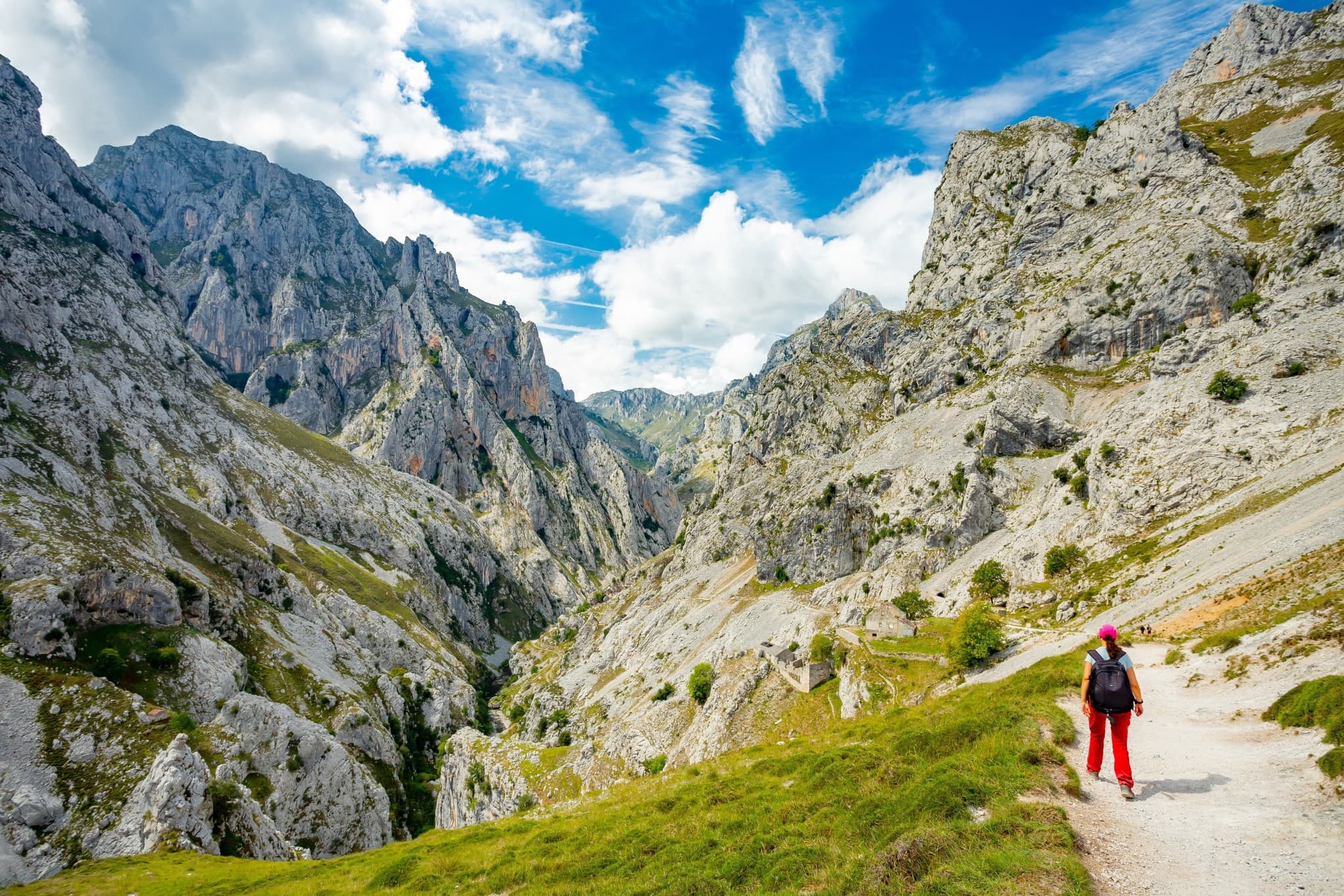
Hut-to-Hut Trekking in the Picos de Europa
6 nights from£1,043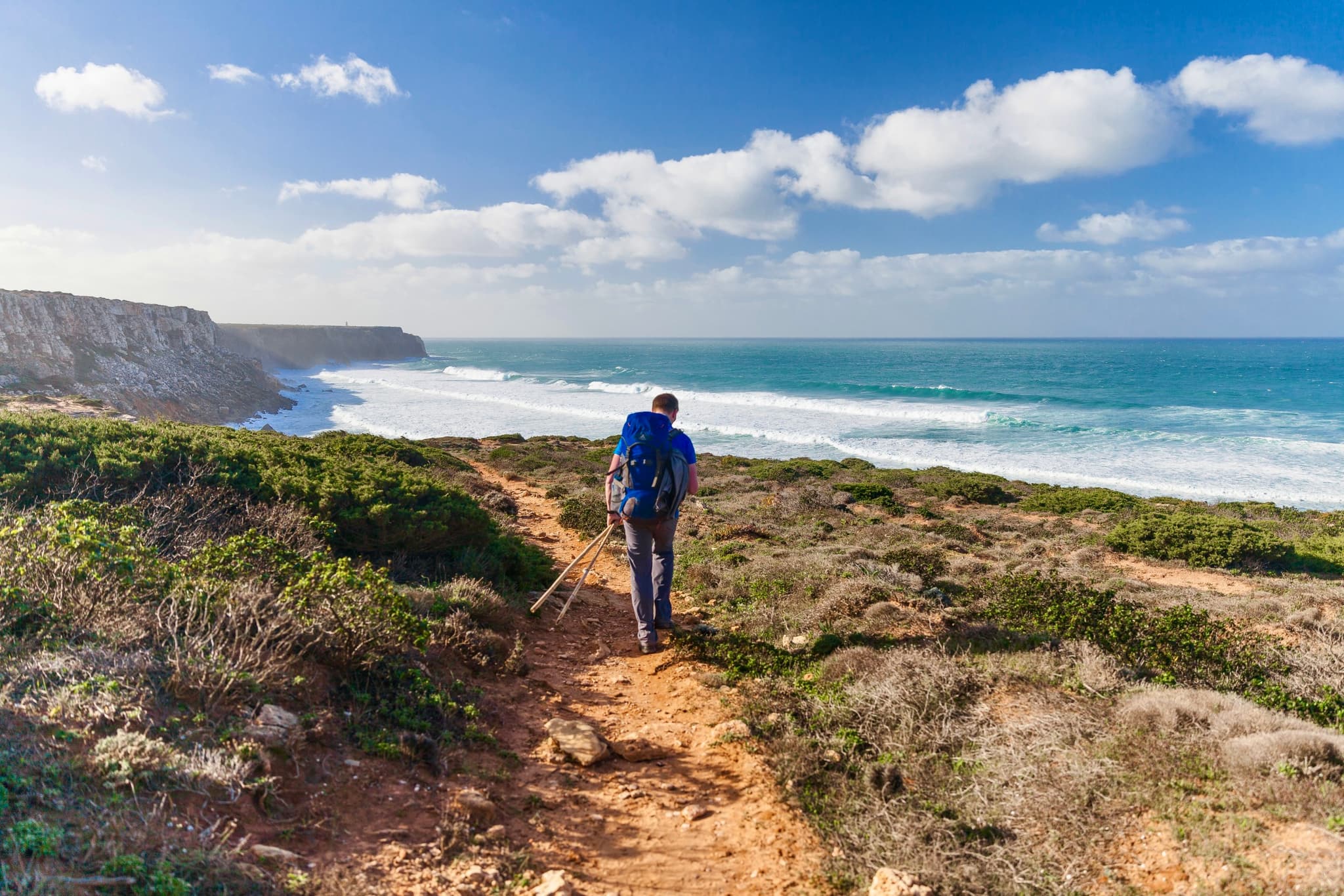
Hike the Wild Trails of Portugal's Atlantic Coast
6 nights from£1,510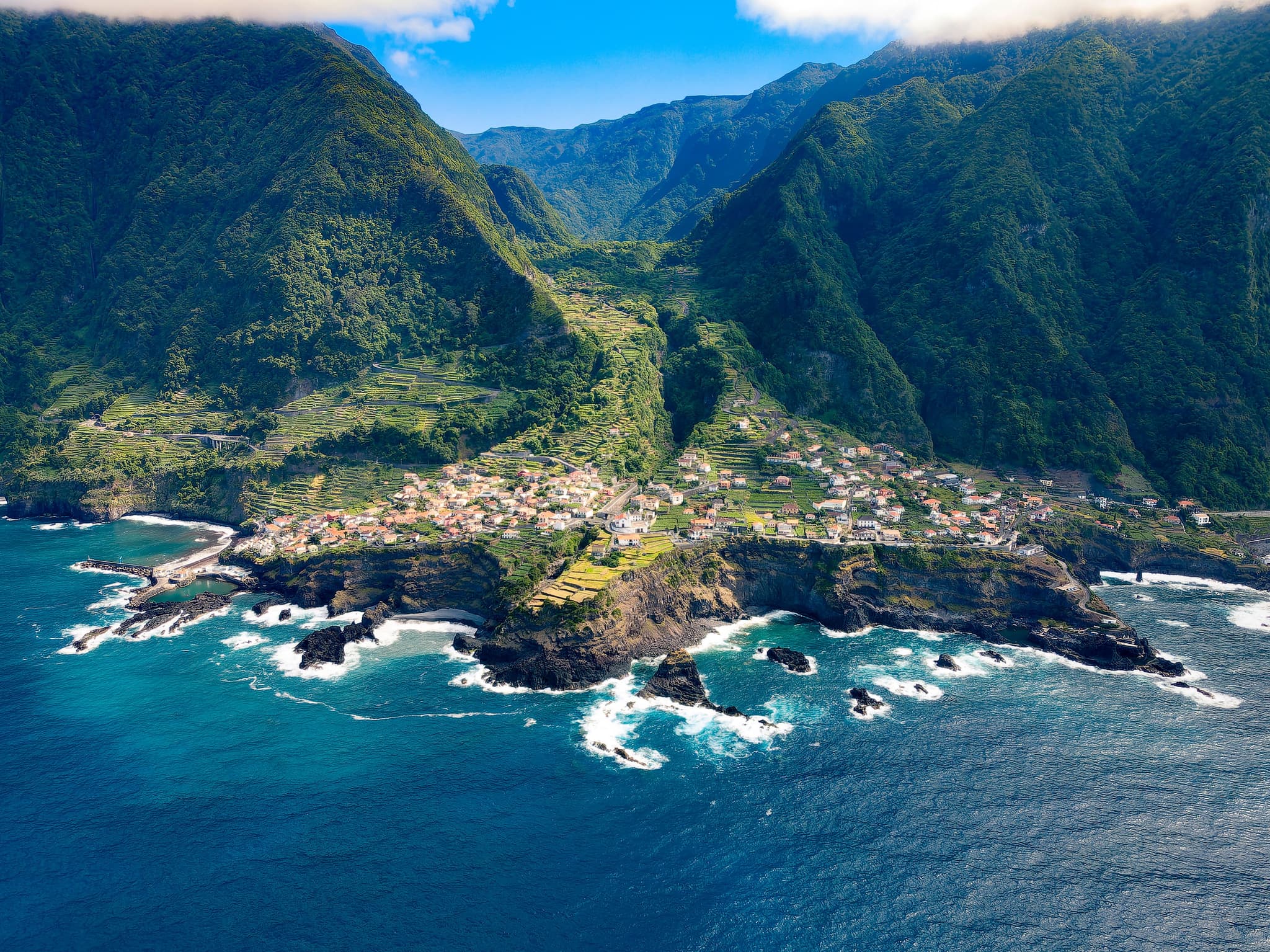
Coast to Coast Traverse of Madeira
6 nights from£1,471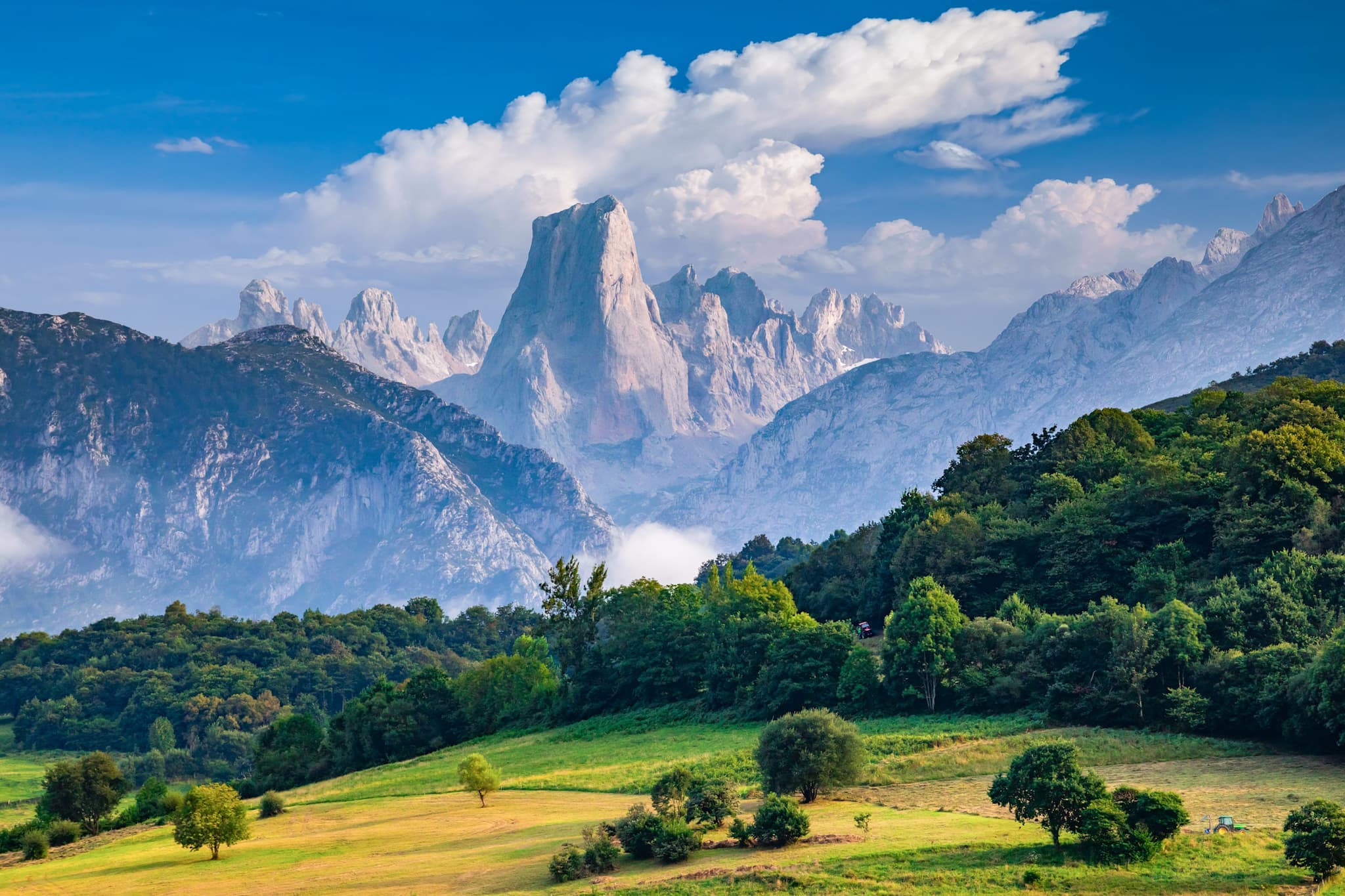
Hike the Picos de Europa: The Hotels Edition
6 nights from£1,236
Hike the Norwegian Fjords
6 nights from£2,128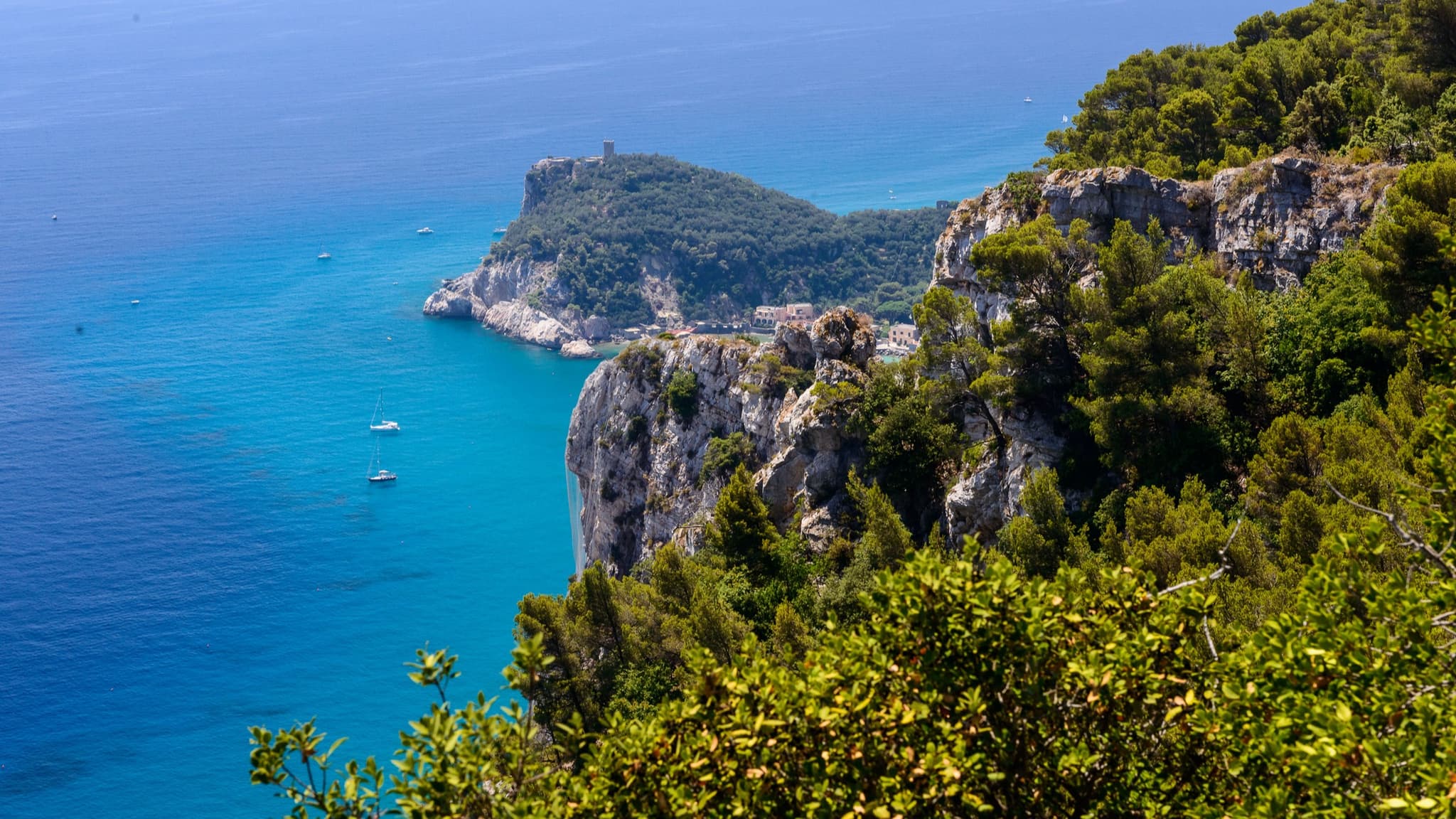
Hike the Coastal Trails of the Italian Riviera
5 nights from£1,290
Trek to Colombia’s Lost City and Relax on the Caribbean Coast
7 nights from£1,403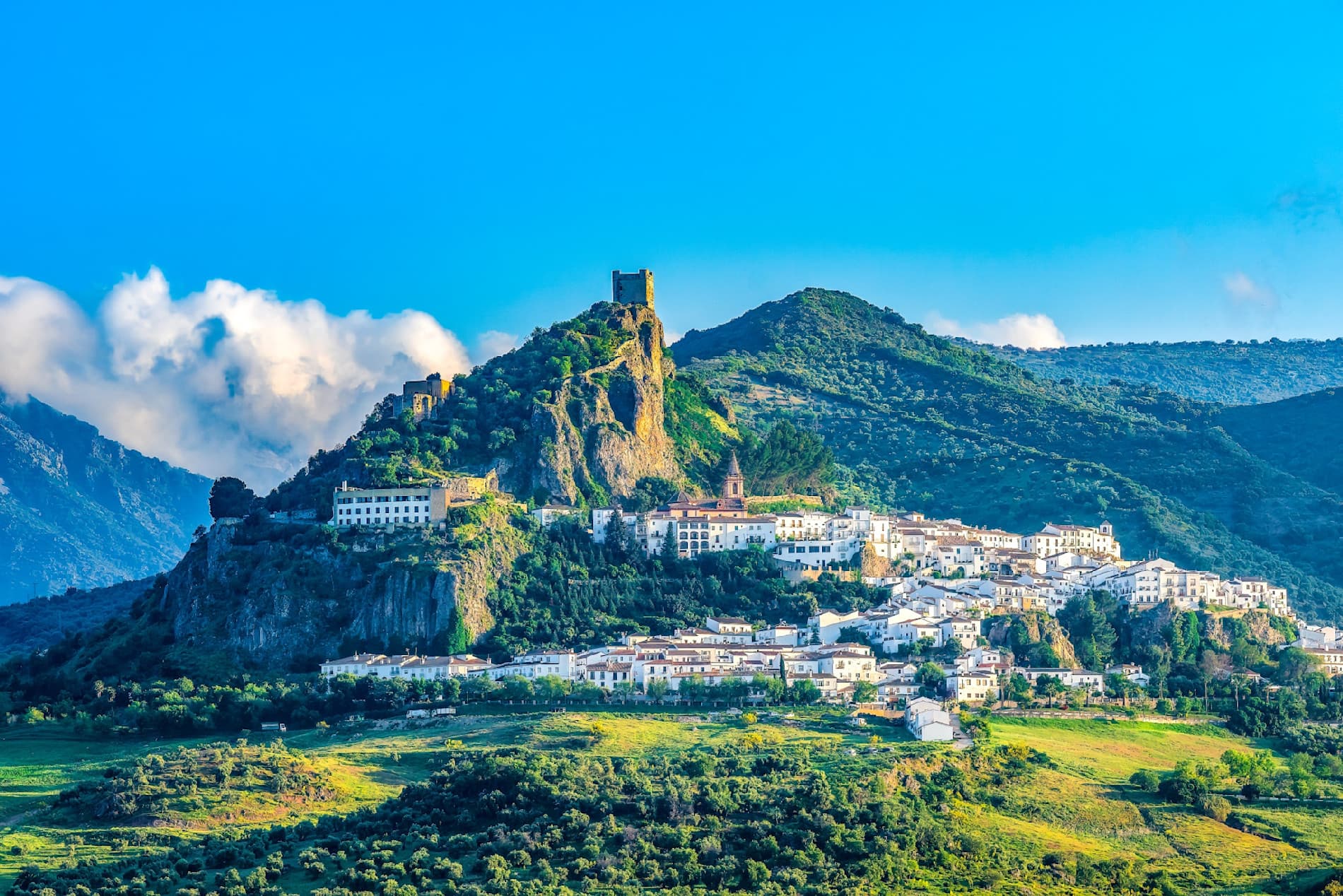
Premium: Sierras to Sea Adventure in Andalucia
6 nights from£1,659
Hike and Wild Swim in the Albanian Alps
6 nights from£1,060