
4.9
Hike Romania's Carpathian Mountains in Winter
Head to the Apuseni Mountains to crunch through untouched powder and explore a mysterious network of ancient caves
3nights
Level 3
10max group
Why you'll love it
Snowshoe your way along pristine trails through untouched landscapes and snow-laden forests
Explore Vârtop Cave, where Neanderthals once trod, and delve into a spectacular network of karstic caverns
Enjoy warm Romanian hospitality in a traditional guesthouse, nestled in a remote mountain hamlet
Featured as one of the '20 best activity holidays in Europe' by The Guardian
What's Included?
- Activities & Certified Guides
- Guesthouse
- MealsAll breakfasts, lunches, and dinners
- TransfersTo and from the airport and everything in between
- Equipment & PermitsAll your snowshoe equipment, permits and licenses
- Maximum group size: 10
Itinerary
Day 1
Welcome to Casa de Piatra!
GuesthouseTwin or triple shareLunch and dinner includedShow Day 1 detailHide detail
Meet your host at the airport and drive to the small town of Turda for a late lunch. Next, continue to the village of Garda de Sus and then on to the Apuseni Mountains (opens in new tab) in the Western Carpathians. These secluded mountains comprise impressive karstic peaks up to 1800m, dotted with forests, prehistoric caves, deep gorges and picturesque villages. You'll stay in the remote hamlet of Casa de Piatra, where you’ll be welcomed by a local family in their simple, cosy guesthouse – a unique opportunity to experience traditional Romanian hospitality in a remote spot, away from the tourist hotspots of Transylvania. Enjoy a hot drink followed by a briefing with your guide and get to know your fellow adventurers over a welcome dinner.
Day 2
Explore Transylvania's underground wonderland
Snowshoeing5-6hrs · 11km · 250m up · 250m downCaving1hrGuesthouseTwin or triple shareAll meals includedShow Day 2 detailHide detail
This morning you'll hike to the Vârtop Cave, famous for the unreal beauty of its rock formations. Dripping with imposing stalagmites and stalactites, this fascinating site used to house fossilised footprints made by a Neanderthal about 67,800 years ago. After lunch back at your guesthouse, head out onto the snow once again to visit the Tauz karstic spring, the deepest underwater cave in Romania. With its blue-green eye of water at the foot of an impressive rock wall, it is without doubt the most beautiful spring in the Romanian karst landscape.
Note: The order of activities may change depending on the weather and snow conditions.
Day 3
The heart of the Apuseni Mountains
Snowshoeing6-7hrs · 14km · 540m up · 540m downGuesthouseTwin or triple shareAll meals includedShow Day 3 detailHide detail
Don your snowshoes and head deep into the Romanian wilderness across pristine snow. Stop for tea with a local family and learn about their life in the mountains, then follow narrow trails lined with wild animal tracks to return to your guesthouse in time for dinner.
Note: The order of activities may change depending on the weather and snow conditions.
Day 4
One last hike
Snowshoeing2-3hrs · 5km · 100m up · 60m downBreakfast and lunch includedShow Day 4 detailHide detail
Enjoy some final time on the pristine powder this morning and head to Coiba Mare, the largest cave portal in Romania, to explore this unique system of caverns. Then after a spot of lunch, head back to the airport in time for your flight home.
Where You'll Stay
Private room upgrades are not available on this trip due to the nature of the accommodation.
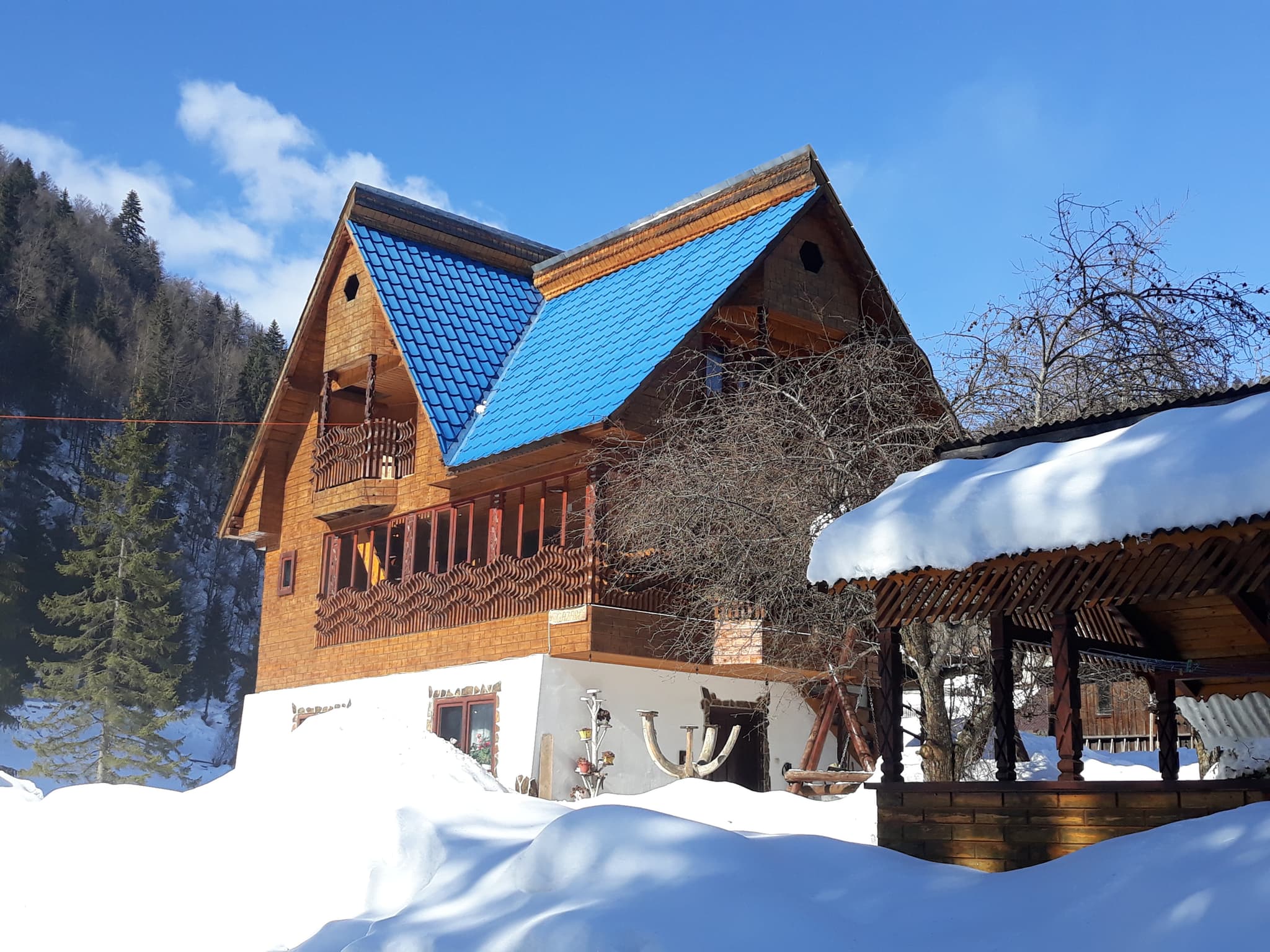
Casa de Piatra
You’ll stay in a local guesthouse in the remote and beautiful hamlet of Casa de Piatra. The guesthouse offers comfortable twin- or triple-share rooms (same gender), on a full-board basis.
What You'll Eat
You’ll eat delicious locally sourced Romanian food throughout the trip, sitting down to dishes that make sense only here in this valley, at this time of year. Your local host builds each menu around ingredients from their small farm. Because the trip is taking place during winter, the veggie options are limited, but there are plenty of preserved pickles, wild mushrooms and forest fruits, plus meat from free-range cows, sheep and chickens. Bread and dairy products are homemade, and you should expect savoury Romanian doughnuts or traditional pies…
Dates & prices
Secure your spot
10% deposit to bookLimited exceptions
Pay in instalmentsNo interest or fees
Free cancellationOn most trips, up to 65 days before departure
Don’t see a date you like?
Get an email alert when new dates are added for this trip.
Subscribe to alertsWhat is and isn't Included?
What's included
- Guided snowshoeing into the Apuseni Mountains
- Guided snowshoeing to Vârtop and Coiba Mare caves, and the Tauz karstic spring
- Guided snowshoeing around the hamlet of Casa de Piatra
- Expert, local, English-speaking fully-certified guides
- 3 nights in a family-run guesthouse
All your meals are provided for the duration of the trip. This includes:
- 3 tasty breakfasts
- 4 lunches
- 3 dinners straight from the guesthouse farm
- Group arrival transfer from Cluj-Napoca Airport on Day 1
- Group departure transfer to Cluj-Napoca Airport on Day 4
- Transfers during the trip
- All your snowshoeing equipment
- All permits and licenses
What's not included
Our trips do not include flights, trains or other travel to the start point and back from the end point.
Tips are not included in the trip cost; these are entirely at your discretion. If you would like to tip, the amount should be reflective of your perception of service and quality.
You know your own spending habits best, so please budget an appropriate amount for things like optional meals and drinks, shopping, optional activities, and laundry.
Travel insurance is compulsory for all of our adventures, and you'll need to provide your policy details before departure. Your insurance should offer adequate cover for overseas medical treatment, evacuation/repatriation, your baggage and equipment, and the specific activities involved in your adventure. We also recommend ensuring your policy includes cancellation and curtailment cover, in case you're unable to join your trip due to unforeseen circumstances such as illness.
Standard travel insurance may not cover all the activities included in your adventure, so it's essential to check the details carefully. There are adventure-specific providers that many travellers have used in the past, such as True Traveller (opens in new tab) (for those based in the UK or Europe), or Rise + Shield (opens in new tab), both of which offer cover for a wide range of adventurous activities.
Please make sure your chosen policy meets your individual needs and covers all aspects of your trip.
Visa requirements often change, and you are responsible for obtaining any required visas for this trip. Please check with your nearest embassy or consulate for up-to-date advice.
Optional Extras
Due to the nature of the accommodation, private rooms are not available on this trip.
We've Got Your Back
Book with confidence and peace of mind.
Ratings & Reviews
4.968 reviews
- 3 stars (0)
- 2 stars (0)
- 1 star (0)
Category rating
- Food
- 5.0
- Guides & crew
- 5.0
- Accommodation
- 5.0
- Itinerary
- 5.0
Latest Reviews
Edit B.
I had a wonderful time on this tour. It was truly a small group experience which I really appreciated. All aspects of the trip went perfectly and everything has been very well organized. Snowshoing was great fun, our guide Mihai was truly an expert and took great care of the whole group. Accomodation and food was super authentic and simply perfect. I was really happy that I was part of this experience.
Siarah K.
The Carpathian Mountains were stunning and our guide Mikael was great. Food was also delicious
Daniel G.
Though brief, this was a wonderful experience on what felt like the edge of wilderness in eastern Europe. Once we’d walked out of the village we were staying in, we didn’t see any other people and for most of the time the only tracks we saw in the snow were those of animals – hares, squirrels, wolves & bears are all in the area. The host family were very welcoming (all the food is grown/reared and cooked by them) and the accommodation comfortable. Mihai is a perfect guide – he was brimming with enthusiasm for the mountains, and has a great depth of knowledge about the region, its wildlife and its geology. His company at the table in the evenings was a joy and we spent many hours discussing the geography, history and nature of the region, as well as a great many other topics – I came away feeling genuinely enriched by my time in the mountains of Romania. I’ll always remember sitting in the afternoon sun with the group, surrounded by the silent snowy landscape we’d trekked into, while we had our lunch, chatted and toasted with our shots of palincǎ!
Customer Photos
Need to Know
Getting There
- Nearest airport
- Cluj-Napoca International Airport (CLJ)
- Pick up
- Cluj-Napoca Airport
13:45 on Day 1 - Drop off
- Cluj-Napoca Airport
17:00 on Day 4
Trip level: 3 of 7 • Moderate
Multiple days of steady activity, four to five hours long
No special skills are required, You'll need to be able to handle three to seven hours of hiking or snowshoeing per day in winter conditons. There will be some short uphill sections to climb, but overall no significant elevation gain. Prior hiking experience is recommended as it will make your experience more enjoyable.
The exact itinerary, activities and level of challenge will depend on the snow conditions at time of travel. Your local guides will continually assess conditions and amend activities accordingly to ensure you make the most of your trip. Between January and March, the Apuseni mountains are usually covered in snow. If snow is present, all hikes will take place using snowshoes and poles (these are included in the trip price and provided locally).
Snowshoes are a special type of footwear that enables you to spread your weight over a larger area, allowing you to move easily across powdery snow-covered terrain. If you have never tried this activity before, don't worry! Snowshoeing is incredibly easy, comfortable and safe. You simply clip your snowshoe to the outside of your hiking boot and off you go. You'll be in the hands of experienced and trained local guides who know the area intimately, who will guide you safely throughout the hike. You'll also have the opportunity to test the snowshoes on Day 1, before you head out on longer excursions on Days 2 and 3.
Cold climate: factors to consider
This trip includes locations or elevations where conditions can be extremely cold. Daytime temperatures may drop below freezing (0°C/32°F), and nights are often significantly colder. These conditions can affect physical performance and increase the risk of exposure-related issues, such as frostbite or hypothermia.
Your guide is trained to manage these risks, adapting activity intensity and monitoring group wellbeing. However, it's important to take personal responsibility – bringing the right cold-weather gear (see Kit List), staying hydrated and well-nourished, and recognising early signs of cold stress.
We recommend assessing your personal comfort and resilience in cold environments, and consulting a medical professional if you have health conditions that may be affected. Arriving early can also help you acclimatise to the colder conditions, especially if you're coming from a much warmer climate.
Remote environment: factors to consider
Some parts of this trip take place in areas where access to medical facilities and emergency services may be limited. This may mean that reaching medical care takes longer than you might normally expect, or that local medical facilities have fewer resources than those you may be used to at home.
If someone becomes unwell or injured, initial treatment may be provided locally before onward travel to a larger hospital or city for further care. Evacuation could involve changing the planned route or using different forms of transport to reach appropriate medical facilities. Mobile phone coverage may also be intermittent in some locations.
Your guide is trained to manage situations in remote environments and will monitor the group and respond appropriately if any issues arise. However, it’s important that you let your guide know straight away if you feel unwell or experience any health concerns during the trip.
Before booking, consider your personal health and ability to travel in locations where access to medical care may be delayed. If you have any pre-existing medical conditions or concerns, we recommend seeking advice from a medical professional and discussing them with your host before travelling.
All travellers must have suitable travel insurance that covers the activities included in the trip and emergency medical evacuation if required.
What to Pack
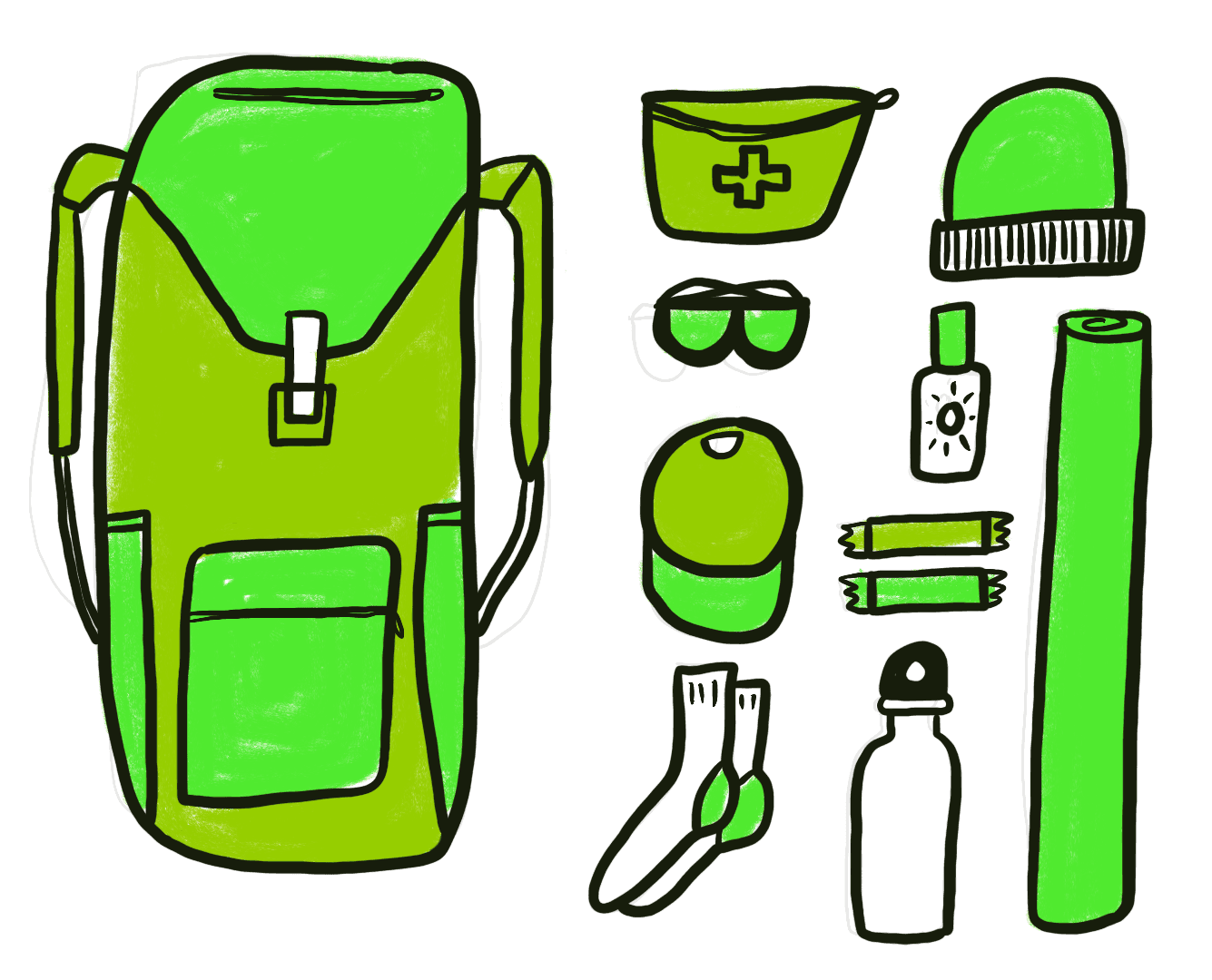
Know before you go! Some stuff we'll provide, other things you'll need to bring.
FAQs
Will I be hiking or snowshoeing?
This will very much depend on the snow conditions at time of travel. Between January and March, the Apuseni mountains are usually covered in snow. If snow is present, all hikes will take place using snowshoes and poles (these are included in the trip price and provided locally).
Snowshoes are a special type of footwear that enables you to spread your weight over a larger area, allowing you to move easily across powdery snow-covered terrain. If you have never tried this activity before, don't worry! Snowshoeing is incredibly easy, comfortable and safe. You simply clip your snowshoe to the outside of your hiking boot and off you go. You'll be in the hands of experienced and trained local guides who know the area intimately, who will guide you safely throughout the hike. You'll also have the opportunity to test the snowshoes on Day 1, before you head out on longer excursions on Days 2 and 3.
What do I do about drinking water?
The local tap water is safe to drink. Please bring along your own reusable water bottles (at least 1.5L) to fill up to avoid buying single-use plastic bottles.
Can my dietary requirements be catered for on this adventure?
At Much Better Adventures, we work hard to accommodate dietary requirements and allergies so your trip is safe, inclusive and enjoyable. That said, options can vary by country, location and accommodation, and in some places options may be limited or unavailable. The information below has been provided by your host so you’re fully informed about what will be possible on your trip depending on your individual requirements. This information should be read carefully prior to your trip to ensure that you are adequately prepared for the situation ‘on the ground’.
Once you have booked on your trip, please fill out your passenger information form asap with any dietary requirements. Once you complete your passenger information, your dietary needs and any allergies are automatically shared with your host and, in turn, your guide. Please submit this as early as possible so they can plan accordingly and deliver the best experience. Please also remind your guide about your dietary requirements upon arrival, as mentioning these in person allows your guide to comprehend individual preferences and limitations as soon as you arrive.
BACKGROUND Romanian food has been shaped by Carpathian farming, Danube plain harvests and a crossroads of Balkan, Ottoman and Austro-Hungarian influences, so it’s often hearty, seasonal, flavourful and built around meats, soups, stews, maize and preserved vegetables.
You’ll eat locally sourced Romanian food throughout the trip, sitting down to dishes that make sense only here in this valley, at this time of year. Your local host builds each menu around ingredients from their small farm. Because the trip is taking place during winter, the veggie options are limited, but there are plenty of preserved pickles, wild mushrooms and forest fruits, plus meat from free-range cows, sheep and chickens. Bread is homemade, and you should expect savoury Romanian doughnuts or traditional pies.
Breakfast is usually continental, with a selection of cheese and local meats, eggs, wild mushrooms, bread, jam, coffee and tea. Dinner typically includes a soup, a meat or fish option alongside local vegetables, polenta, rice or potatoes, pickles, bread, and a dessert. Whilst snowshoeing, you’ll carry a packed lunch with a cooked selection of meat, rice or potatoes, fruit and a few salty and sweet snacks.
SPECIAL DIETS
Vegetarian Vegetarian diets can be catered for on this trip, provided your host is aware in advance. There are plenty of appealing meat-free dishes to look forward to including smoky zacuscă (roasted veg spread), salată de vinete (aubergine dip), mushroom or potato stews, ciorbă de fasole (bean soup), mămăligă with cheese, and sweet apple or cheese pies.
Vegan Vegan diets can be catered for on this trip, provided that your host is made aware in advance, but you should expect fewer options and variety that you may be used to, especially in more rural areas where meals are traditionally built around meat and dairy. Vegan-friendly choices may include simple vegetable dishes and salads, sarmale with rice and mushrooms, ghiveci vegetable stew, fasole bătută (whipped beans), aubergine dips, pickles, grilled peppers and zacuscă (a traditional Romanian vegetable spread made from slow-cooked roasted aubergines, peppers, onions and tomatoes).
Kosher Fully certified kosher options are limited in Romania and are mainly found in larger cities. On this trip, kosher-supervised kitchens and ingredients may not be available, so vegetarian or vegan meals can be the most reliable alternative if this is acceptable to you. Please read the related sections above, and plan ahead with your guide.
Halal Romania is not a predominantly Muslim country so fully certified halal options are limited and are mainly found in larger cities. On this trip, halal-certified kitchens, meat and supply chains may not be available so vegetarian or vegan meals can be the most reliable alternative if this is acceptable to you. Please read the related sections above, and plan ahead with your guide.
INTOLERANCES
Gluten Free (for Coeliac, please see Allergies section below) Gluten-Free diets can be catered for on this trip, provided that your host is made aware in advance. However, options may be more limited compared to those without dietary requirements. While your local hosts will do their best, it’s worth knowing that gluten-free provision may vary as it can be difficult to source specialist products and some kitchens may be unable to guarantee no cross-contamination, especially in rural areas. Therefore, meals will more-often be based on naturally gluten-free dishes more often than specialist substitutes. That said, many standard meals already include several options without gluten, even without special preparation, including meats, potato dishes, rice, eggs and salads. Please do consider bringing your favourite snacks or food supplements from home to ensure that you always have enough fuel for your adventure.
Lactose Free Lactose-Free diets can be catered for on this trip, provided that your host is made aware in advance. Many traditional dishes are naturally lactose-free or can easily be prepared without dairy, such as vegetable dishes, rice and potato dishes, legumes, and salads.
ALLERGIES
Our host has confirmed that they are able to accommodate mild allergies to the 14 allergens (opens in new tab) identified by the UK Food Standards Agency, where these are disclosed in advance. However, if you have a severe or life-threatening food allergy (including Coeliac disease), please get in touch with our CX team prior to booking to discuss whether your requirements can be accommodated safely on this trip. This will allow us to carefully consider the sensitivity and severity of your allergy, the available provision on the trip and the accessibility of medical care should a reaction occur. Your safety is always our top priority.
*Please note that when travelling overseas, local ingredients, food preparation methods and labelling standards may vary, particularly in remote areas. It is also worth noting that any allergies may result in more limited options and repetitive provision in some areas. Whilst your guide will help communicate dietary requirements where possible, customers remain responsible for managing their own allergies during the trip.
Can I book on my own?
Sure can! Over 70% of our travellers travel solo, it’s a great way to meet like-minded people.
Who is running the trip?
Our team of Adventure Hunters co-create exclusive adventures which are run by highly vetted, specialist hosts. The trip is run by our trusted host partner in the destination. We only work with independent, local, in-destination experts who know the very best places to explore and how to stay safe. Read more information about the local teams we partner with (opens in new tab). You’ll be introduced to the host straight after making a booking via the Much Better Adventures platform.
What is the official travel advice?
Much Better Adventures refer to the UK Government’s official travel advice when designing trips and monitoring trip operations. We recommend that all customers are familiar with the practical information provided on the Government’s FCDO website (opens in new tab), where current travel advice can be found by searching for the applicable destination(s).
For customers joining this trip from other international destinations – please also read the official travel advice applicable to your country of residence/origin, as this may differ.
What vaccinations do I need?
We recommend checking out the country-specific information (opens in new tab) and also talking to a travel nurse.
How are the trips priced?
We automatically convert prices from the local currency that a host receives to your chosen currency. We update our exchange rates on a daily basis so this does mean that prices displayed on the site are subject to currency fluctuations, which is why you may see them change over time.
If you wish to change the currency you pay in, head to the bottom of the page.
Why are your adventures only for adults?
All of our group adventures are specially designed for adults to enjoy as we want these adventures to bring together outdoorsy people who are truly like-minded. You must be over 18 to join one of our trips.
Who else will be on my trip?
You're always in good company on one of our adventures.
Our trips are typically made up of a mixture of solo travellers and small groups of 2 or 3 friends, with most in their 30s-50s.
Our sociable adventures are solo-friendly by design and naturally attract outdoorsy people with a shared mindset; a love for adventure, a desire to push themselves and meet awesome, like-minded people along the way. Check out our Community Values (opens in new tab) – a shared code to make sure that everyone's experience is safe, inclusive and brilliantly unforgettable.
It’s this camaraderie that has so often turned a great adventure into a life-changing one.
Don't just take our word for it:
- 95% of people rate the group dynamics on our trips 5/5
- 90% of people recommend joining a trip to make new friends
- 75% of people have met people on our trips that they would now consider friends
See here (opens in new tab) for more info about the Much Better Adventures tribe.
What's the weather like?
The Apuseni Mountains have a cold continental climate in winter, with frequent snow, frosty nights and conditions that change a lot with altitude. December to March is reliably wintry. Daytime highs in the valleys and villages usually sit between 0°C and 5°C, and nights regularly fall to between -6°C and -3°C. It’s colder again on higher ground. January is usually the coldest and snowiest month, with dependable snow cover at higher elevations. Days are short, with around eight and a half hours of daylight in December, but they start to lengthen noticeably through February. By March, afternoons at lower elevations turn milder and can climb above 10°C, though nights stay close to freezing and snow lingers on the higher slopes. Mountain weather can change quickly, so expect anything from clear, crisp days to heavy snowfall and pack warm, waterproof layers. The weather and snow conditions can change from day to day, so your guide may adjust the route or the order of activities to suit them. Treat the day-by-day itinerary as a guide, not a fixed schedule.
What's the carbon footprint for this trip?
What's the number?
It works out on average at 118kg of CO2 emissions per person, including all local transport, accommodation, food, activities, guides, staff and office operations.
The only thing it doesn’t include right now is flights and travel to the destination. We do make an overall estimate across all our customers separately, but as we don’t book flights, have customers from all corners of the world, and no way of reliably knowing their travel plans, we simply can’t include an individual number in the figure on display here. We’ve got a goal to fix that, so that when you book, there is a way to measure and mitigate the carbon emitted by your flight too.
But what does the number mean?
Yep, hard to picture eh? To give you an idea:
- Driving 1000 miles/1609km would be approximately 281kg of CO2 in an average car (or 140.5kg per person, if there were two of you in it).
- A return economy class flight between London and New York would be approximately 1619kg (1.66 tonnes) per person.
- 10 trees in a temperate forest are estimated to remove approximately 250kg of CO2 from the air in a period of 5-10 years.
What are we doing about it?
Our trips are relatively low-carbon by design, and we're working with all our hosts to develop long term carbon reduction plans.
Want to know more?
Amazingly, no international travel company has ever publicly published their carbon measurements before, as far as we know. We believe that must change, quickly. So we’re openly sharing the method we used in the hope that other companies will be able to more easily follow suit and build on what we've done so far. You'll find it all here (opens in new tab).
Want to Know More?
Ask our AI Assistant
Get instant answers about this adventure

Got a Group of 6 or More?
Book the whole trip privately. We sort the details, you split the cost. Pure adventure, zero faff.
Feeling adventurous? Here's £100 towards it.
Sign up to our newsletter and we'll email you a £100 code for your first trip. You'll also get weekly trip inspiration, expert advice and last minute deals.
Still Undecided?
A few other trips to tickle your fancy
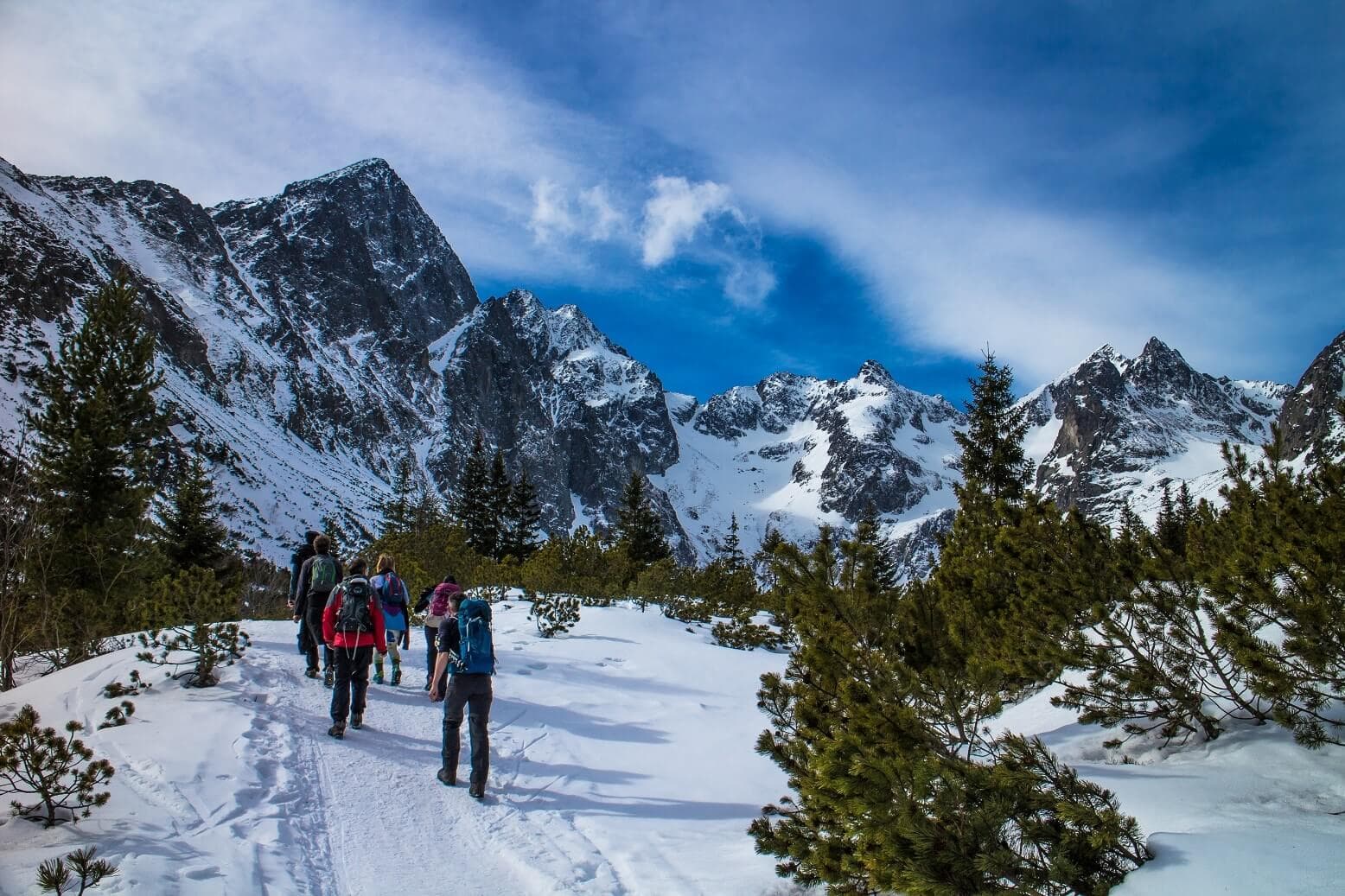
Hike Slovakia's High Tatras Mountains in a Weekend: The Winter Edition
3 nights from£608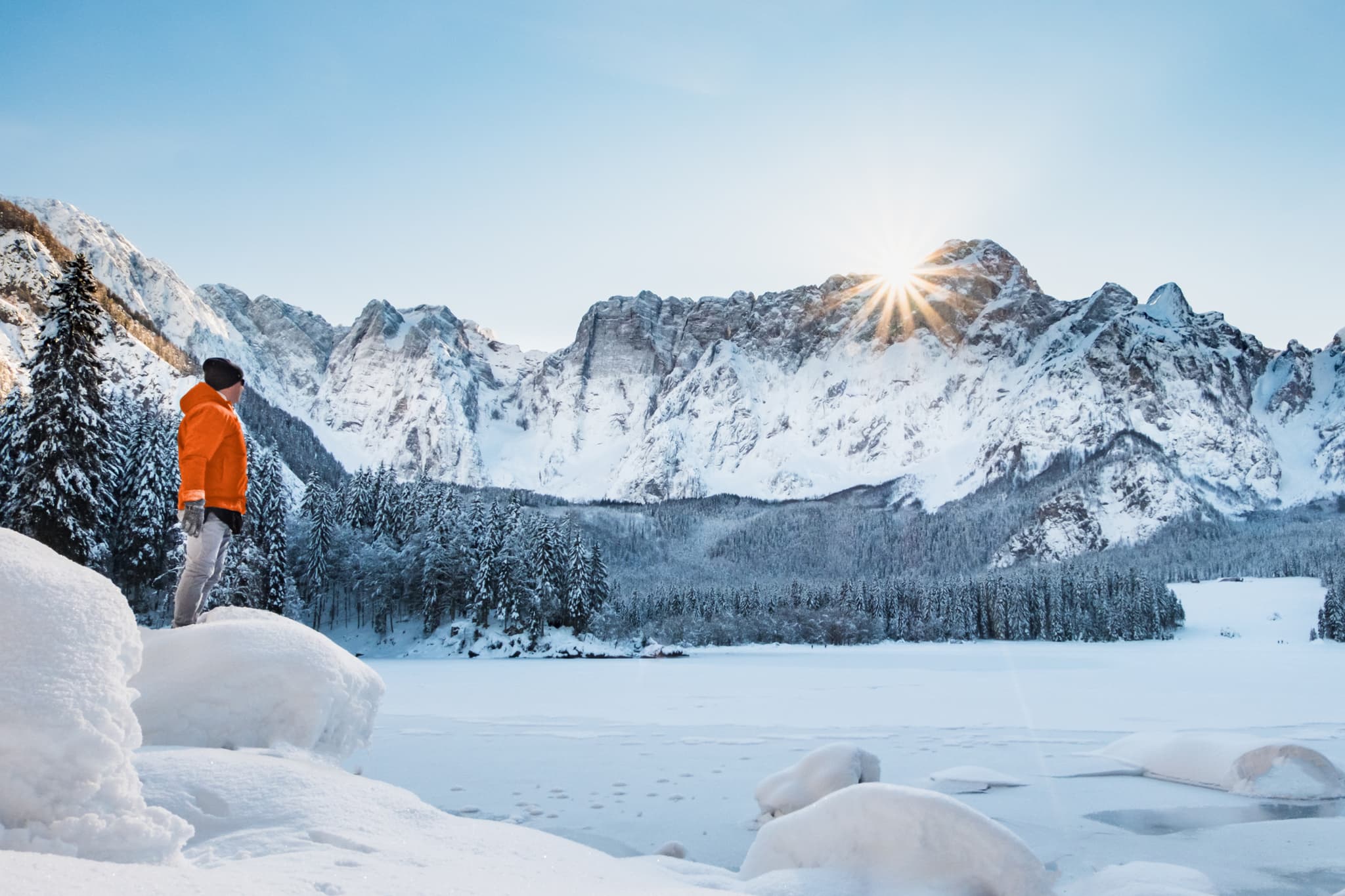
Hike and Kayak Slovenia in Winter
5 nights from£1,304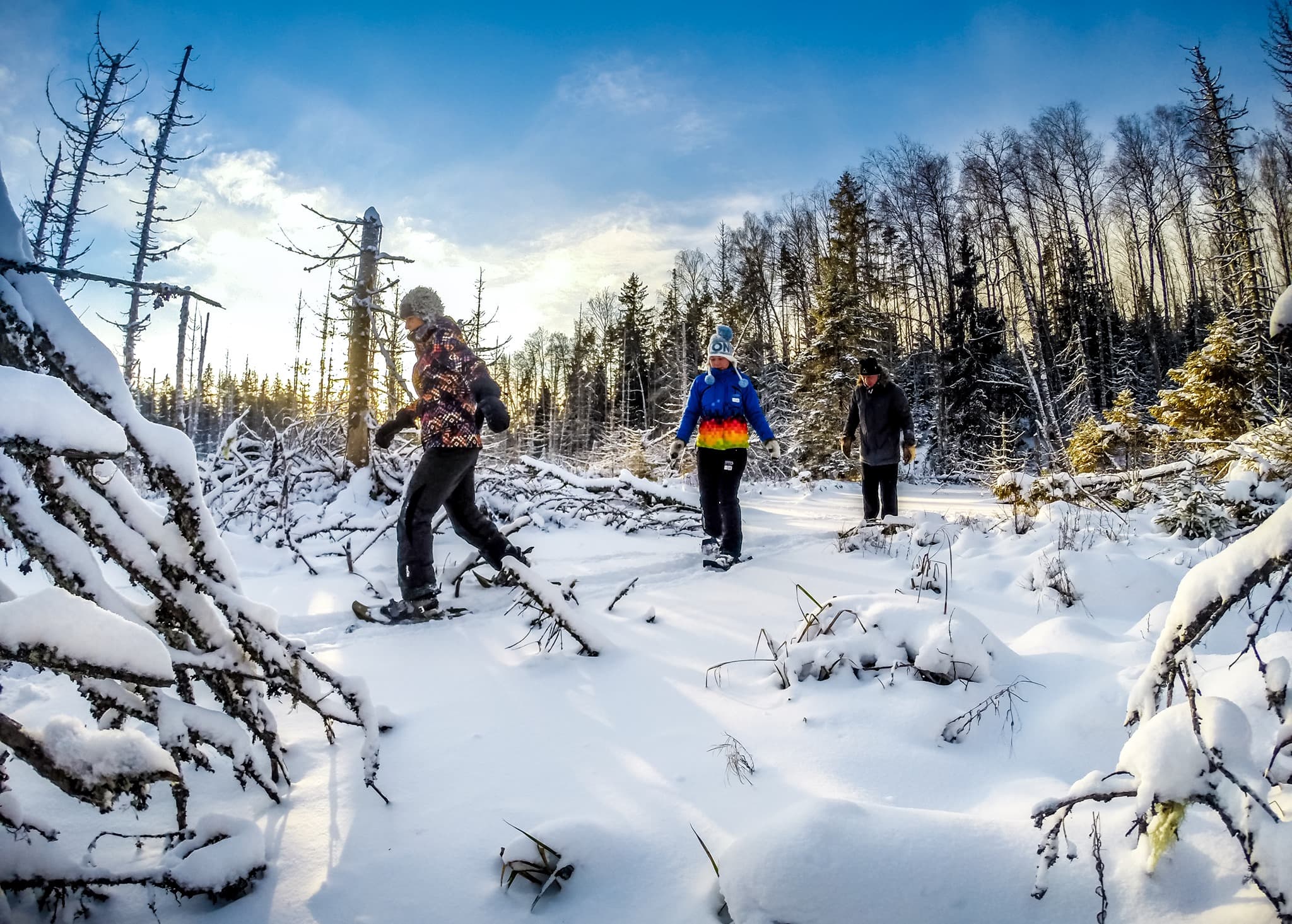
Snow and Saunas in Estonia
4 nights from£1,085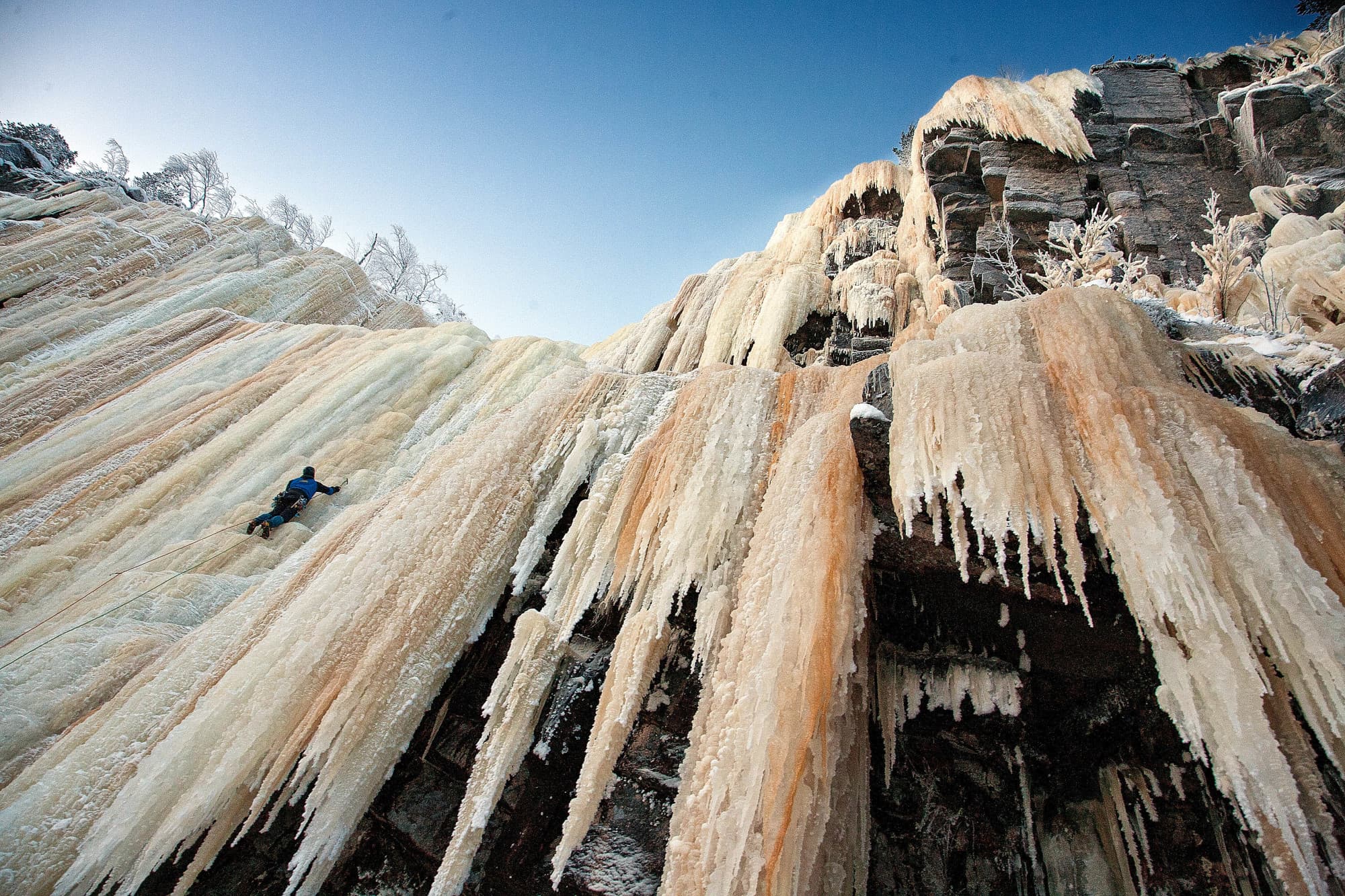
Ice, Snow and Saunas in Arctic Finland
3 nights from£963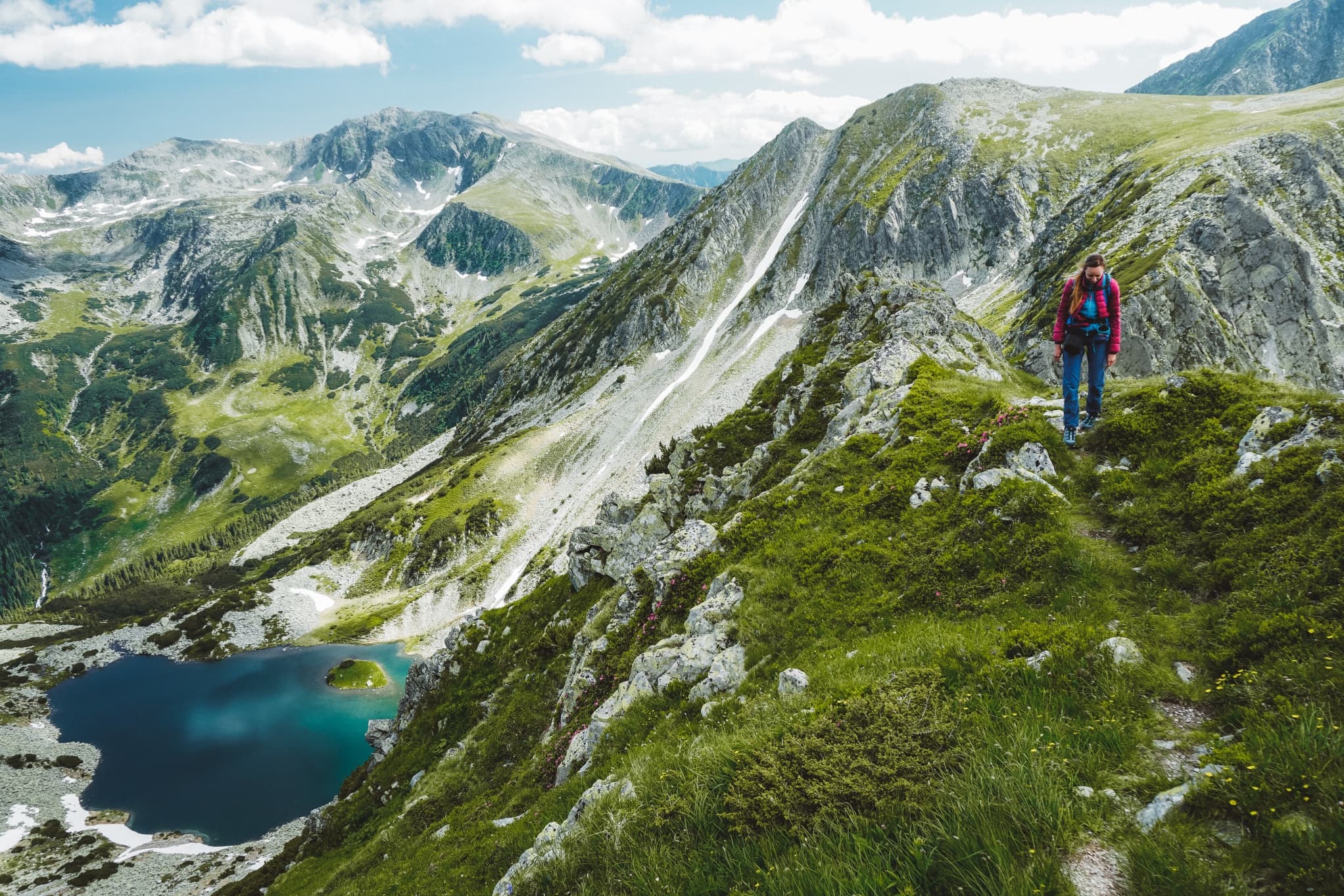
Wild Summits Challenge in Romania's Retezat Mountains
4 nights from£881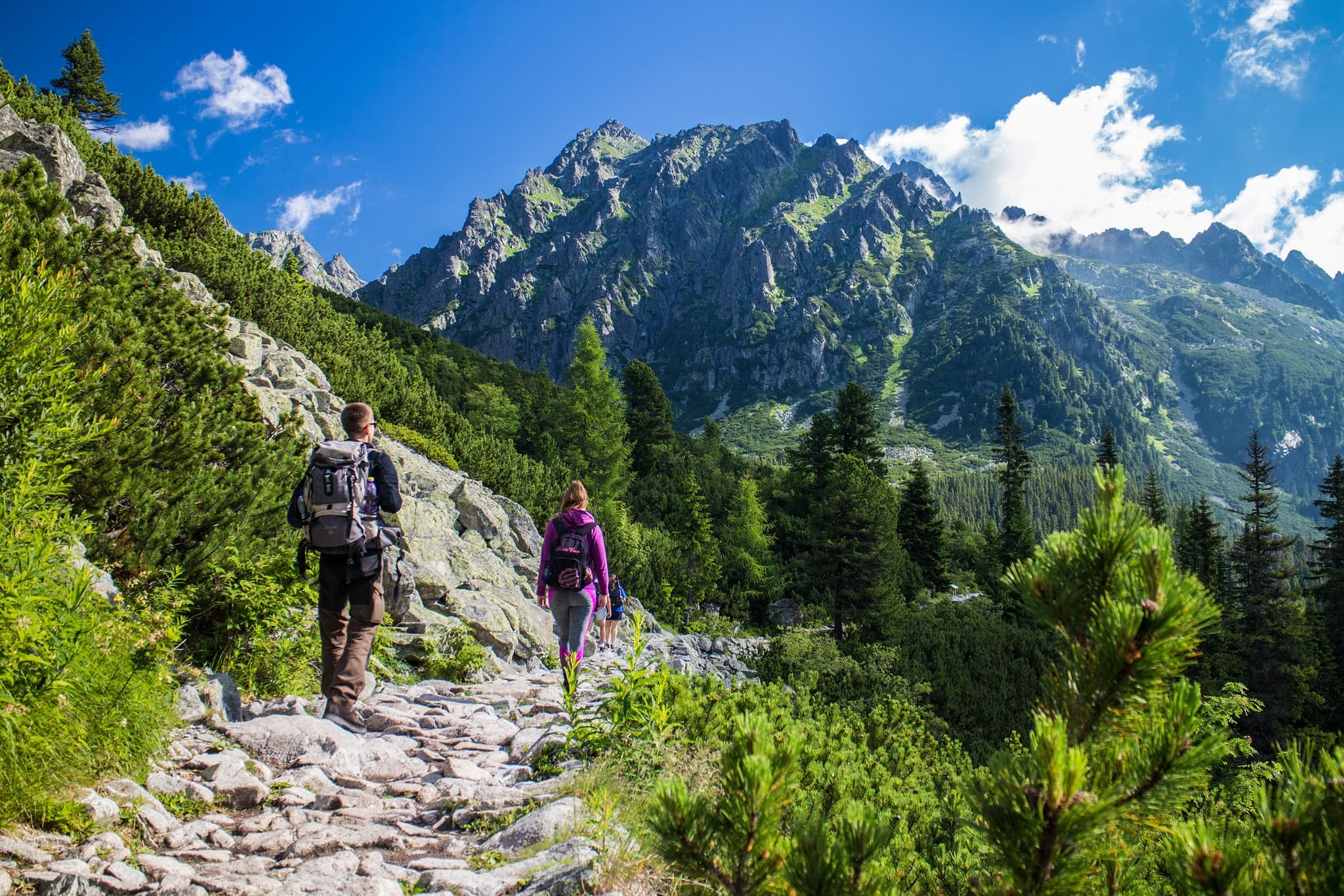
Hike Slovakia’s High Tatras Mountains in a Weekend
3 nights from£608
Winter Hiking and Wolf Tracking in Italy
3 nights from£863
Summit Ben Nevis and Learn Winter Mountain Skills
2 nights from£473
Cycle the Backroads of Transylvania
6 nights from£1,715
Wildlife Tracking in Romania
4 nights from£861