
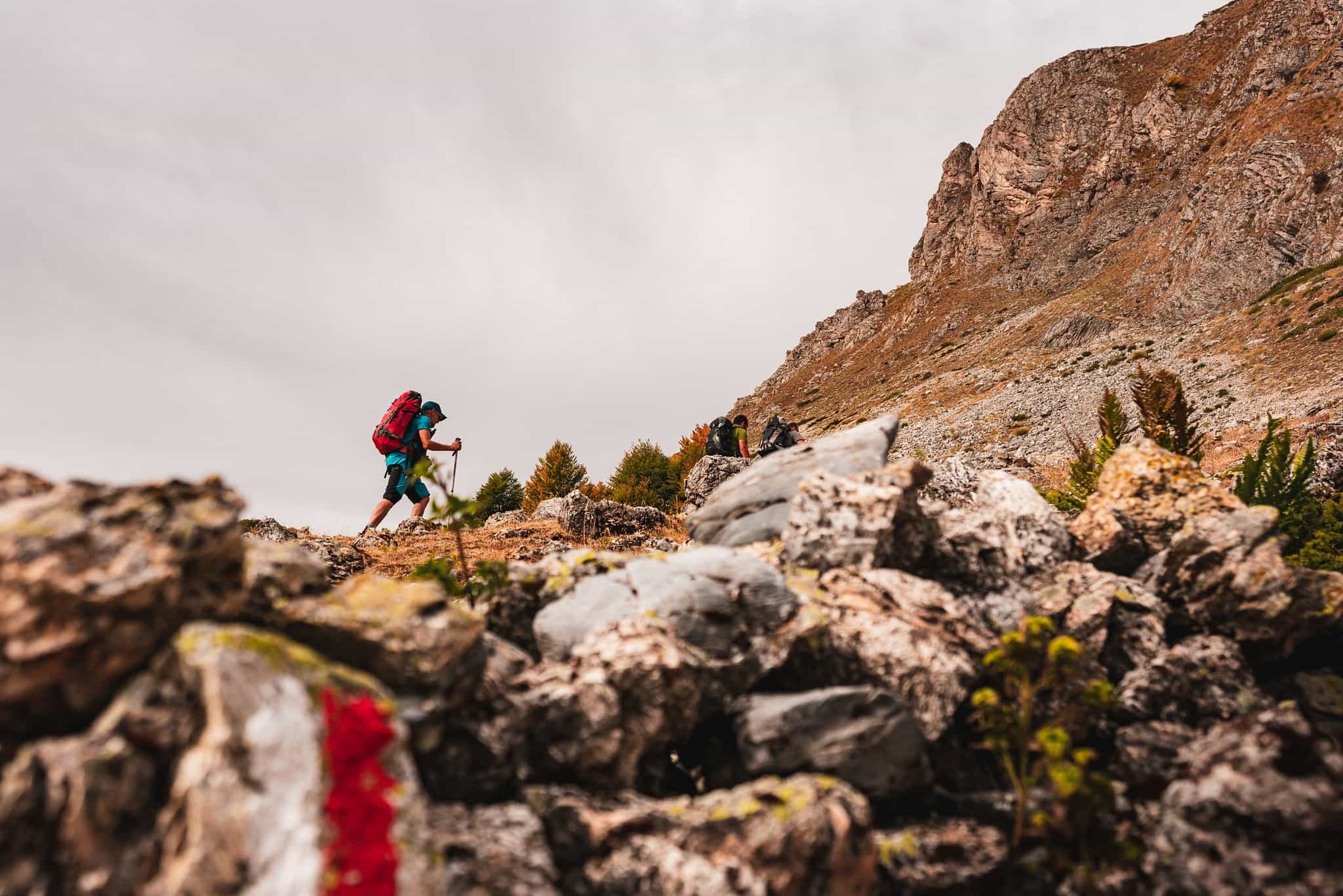
Where to Go Hiking in Europe in July
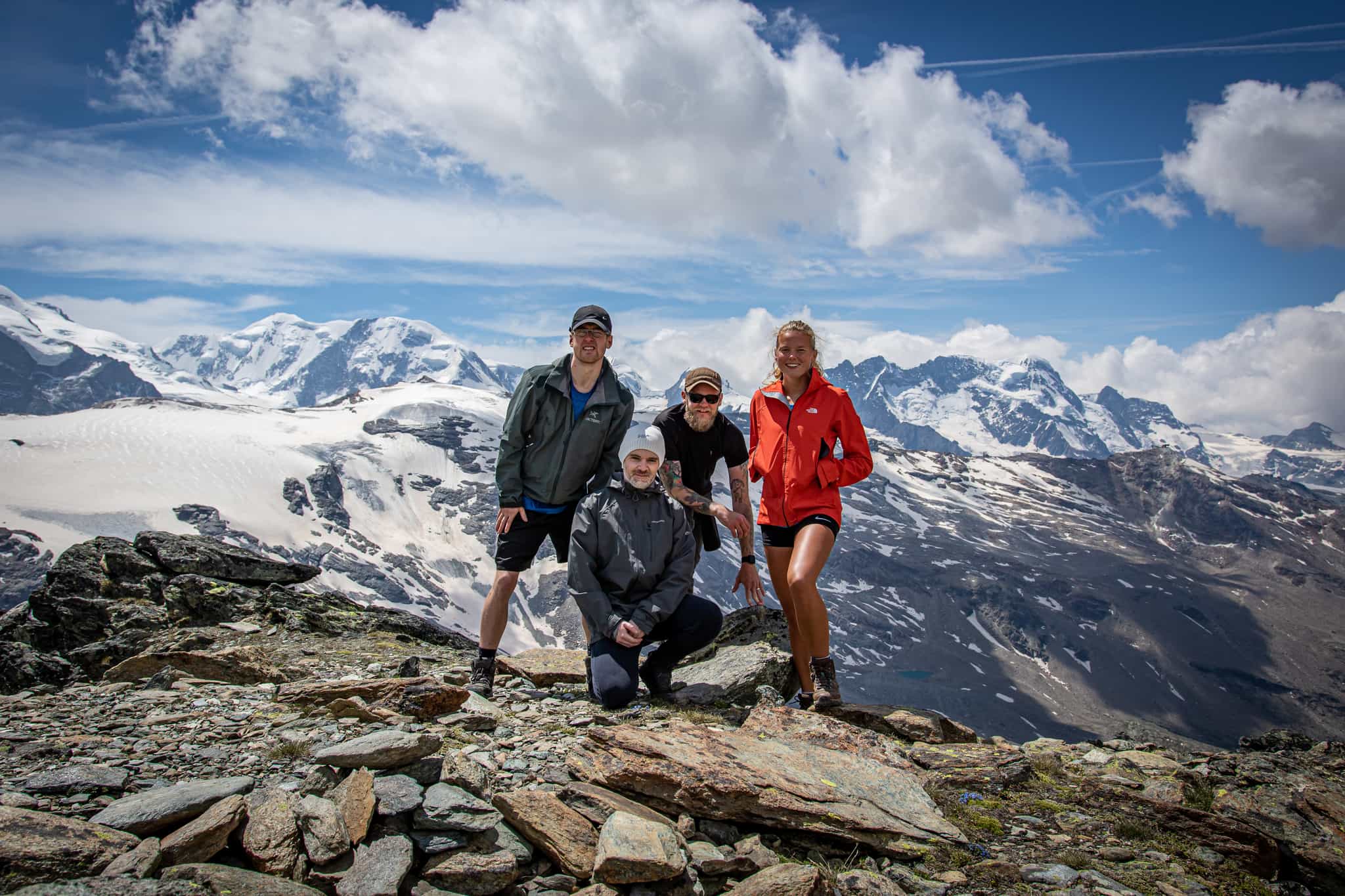
July is the height of summer across the European continent. This is dream season for hikers who like long days, big skies and the bustle of the trail community...
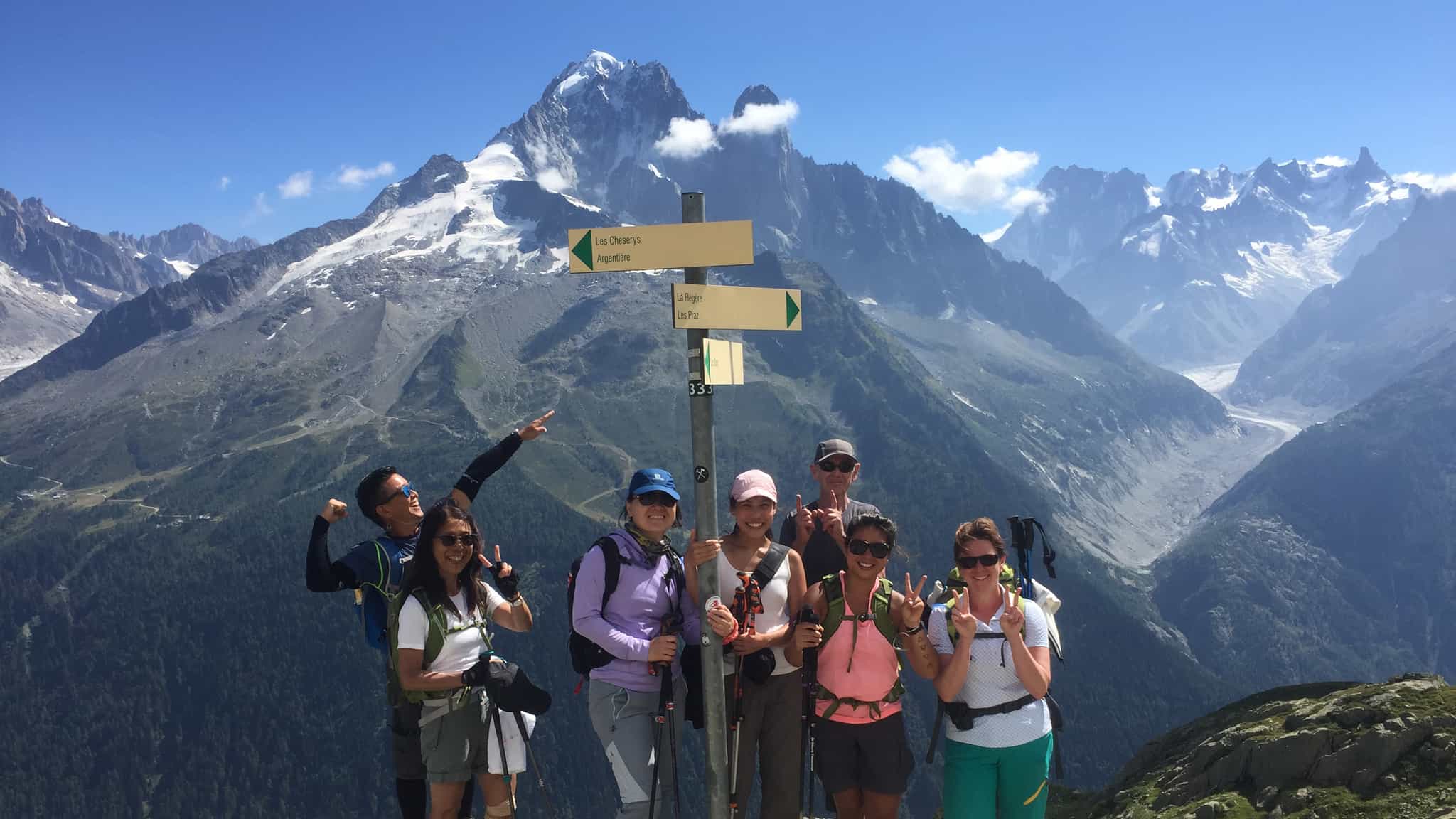
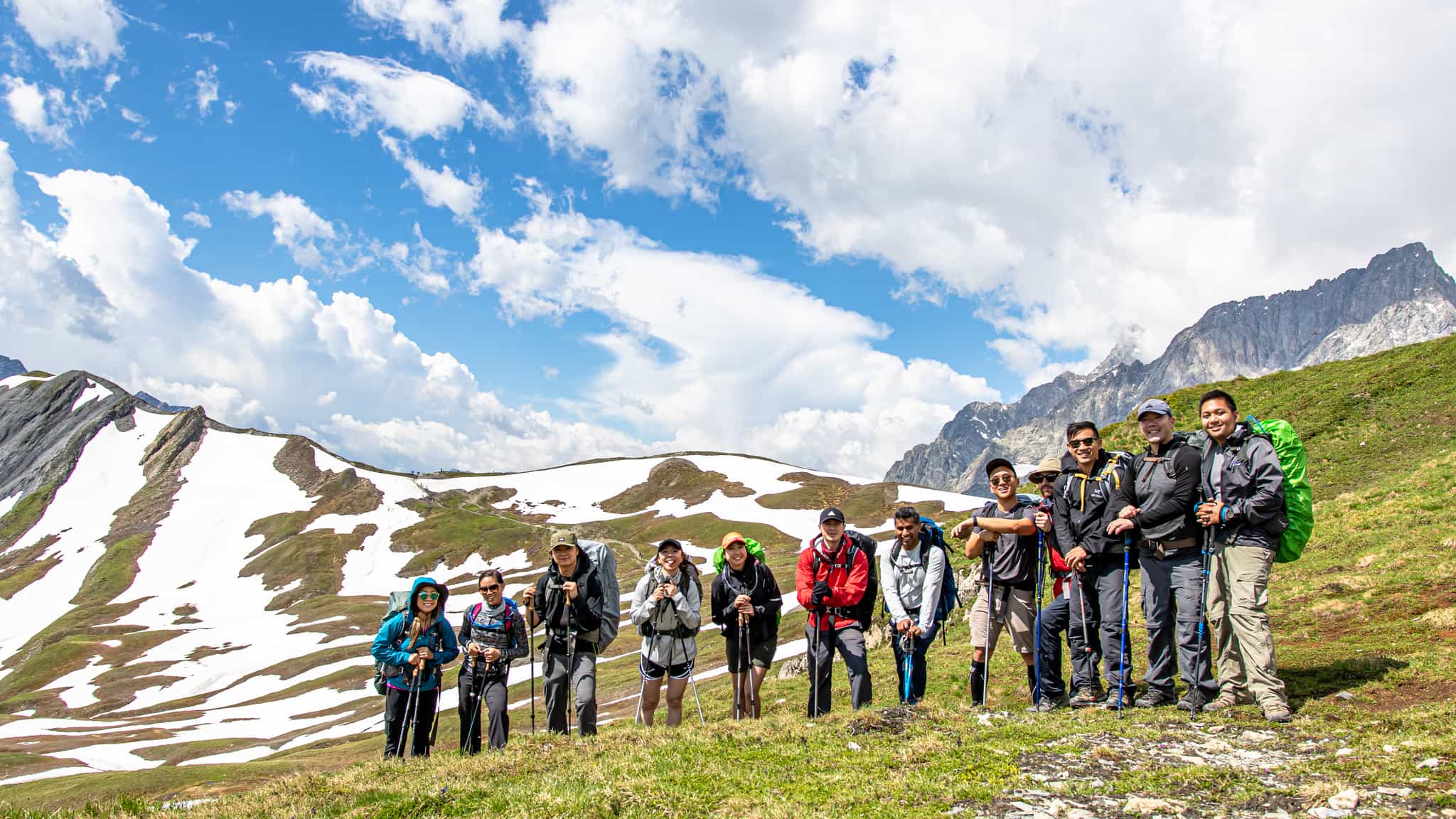
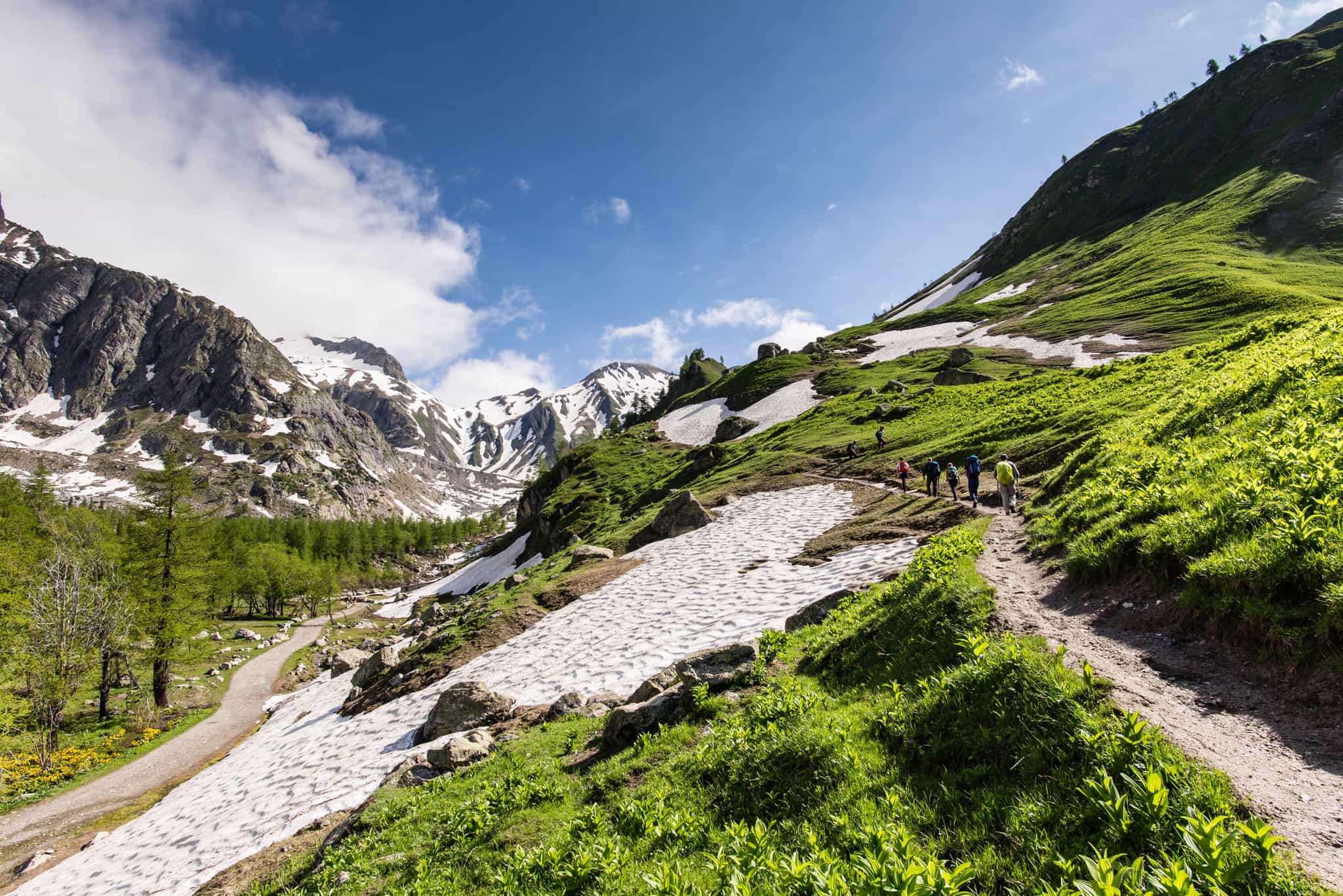
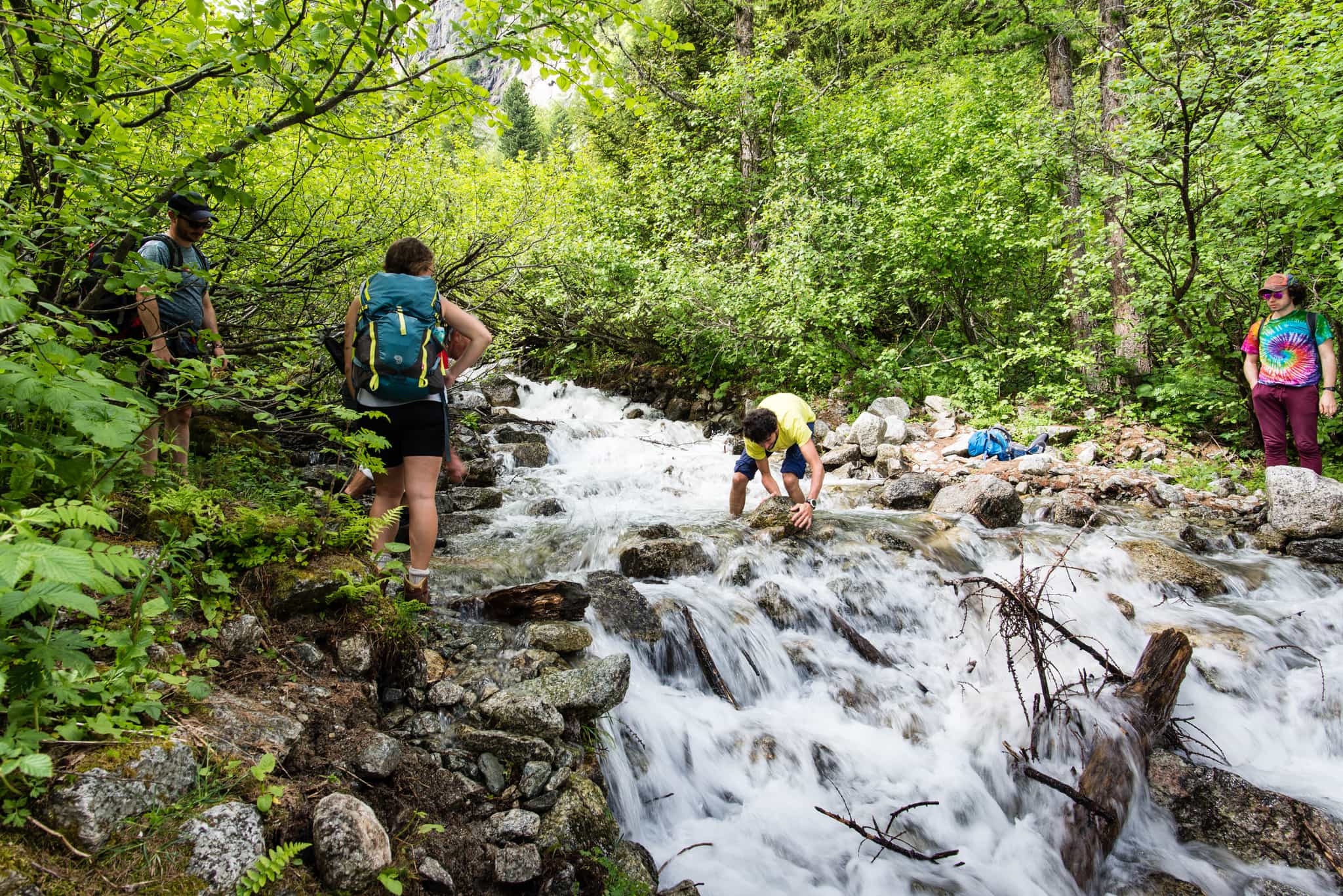
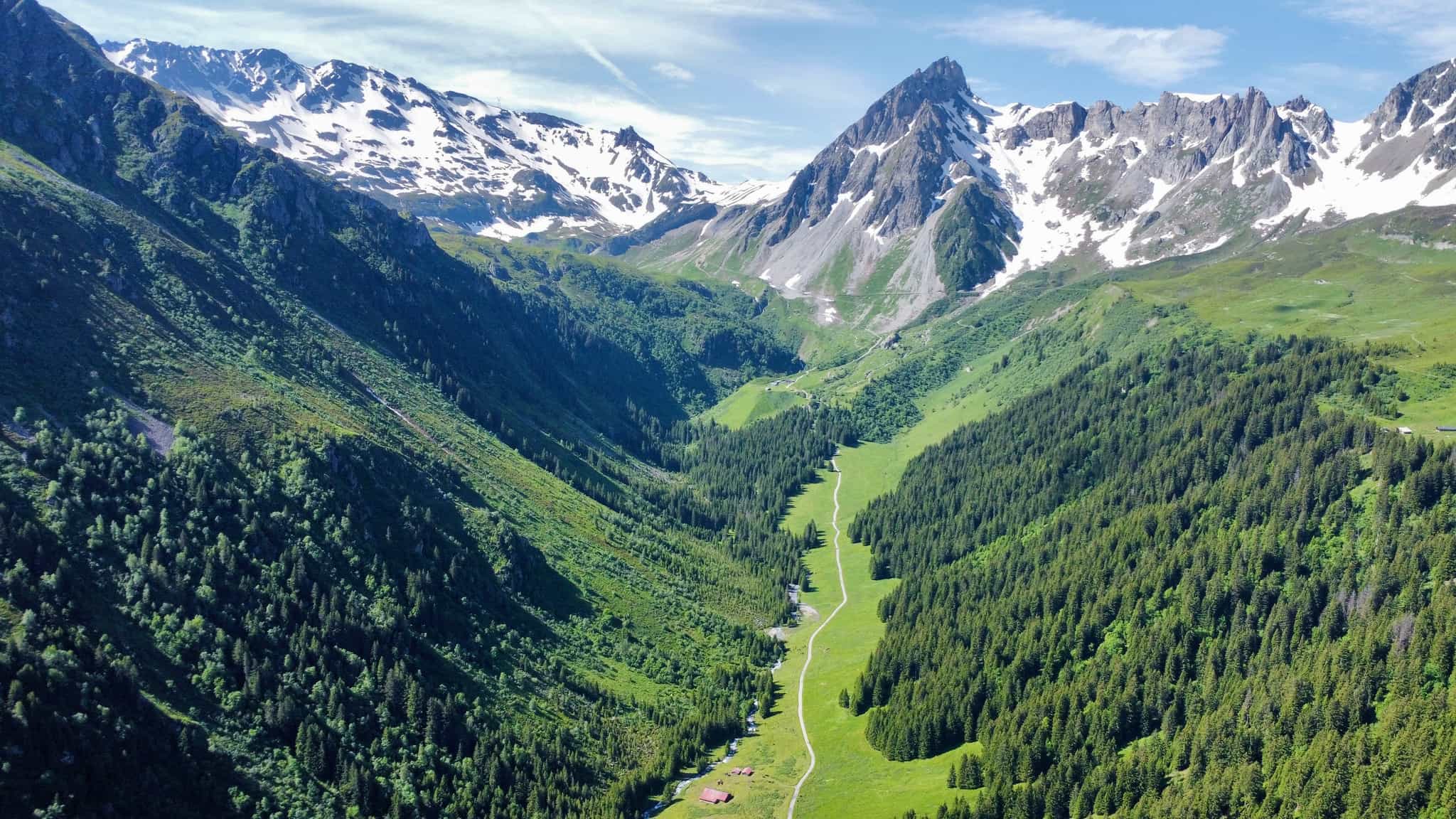
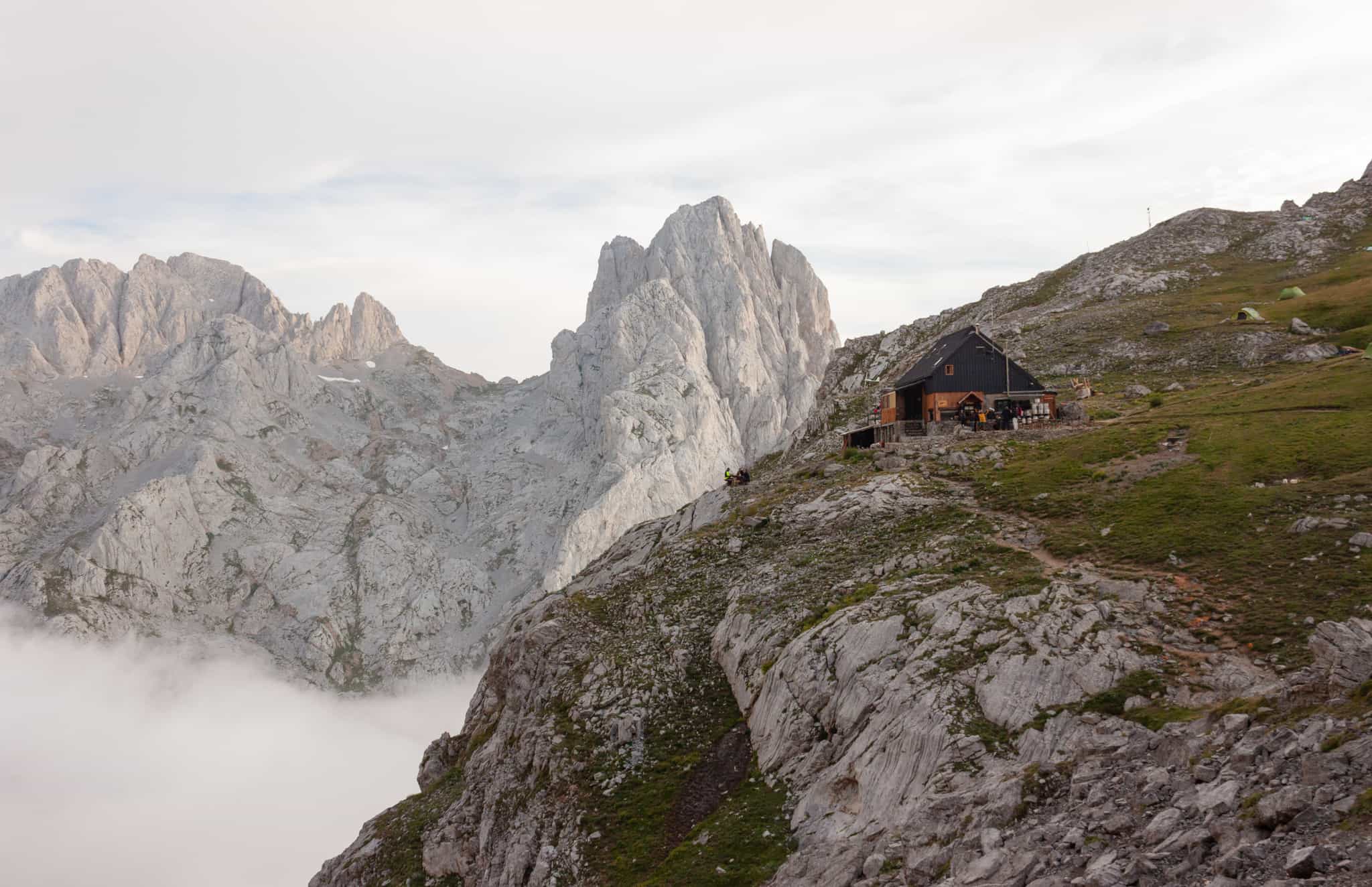
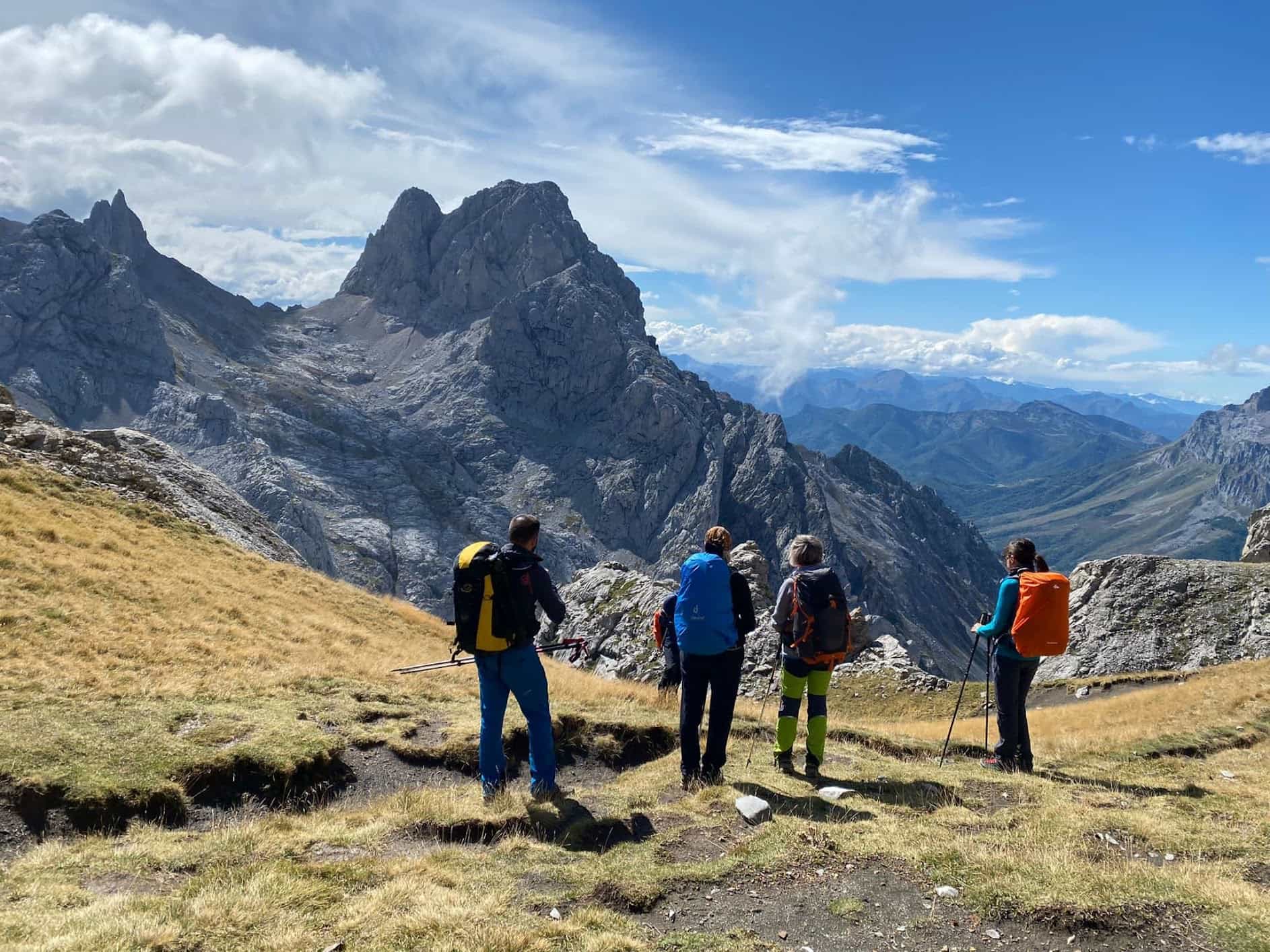
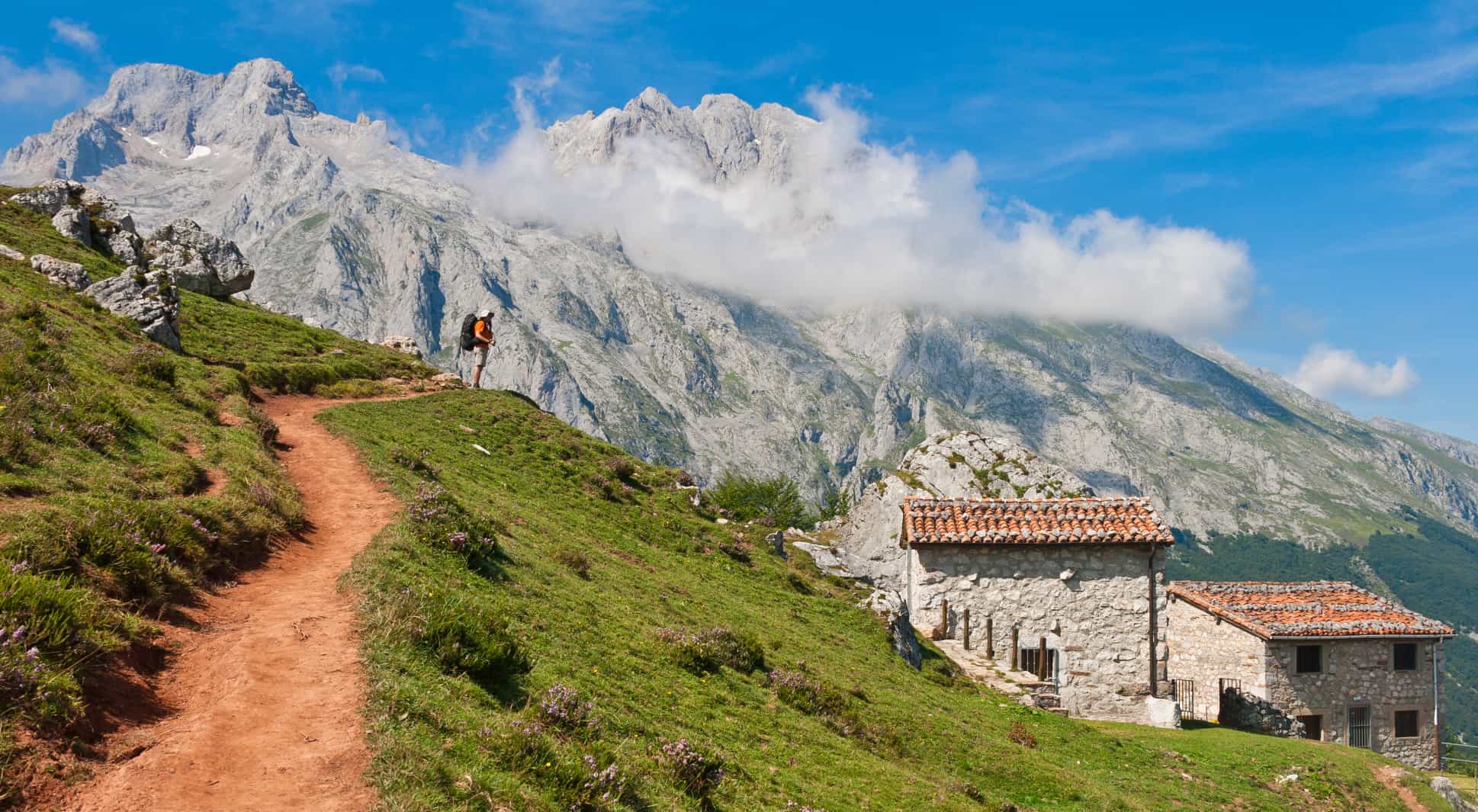
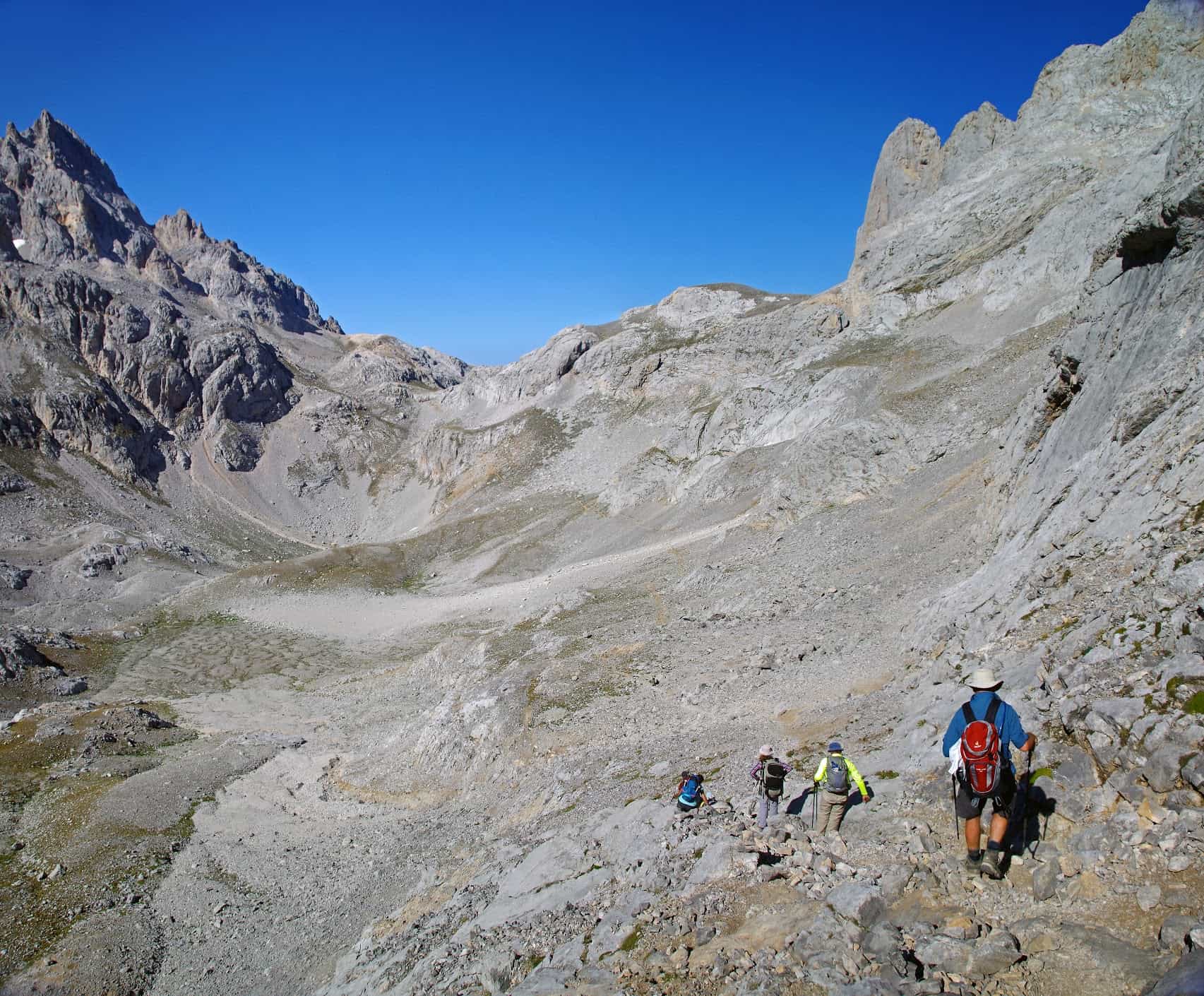
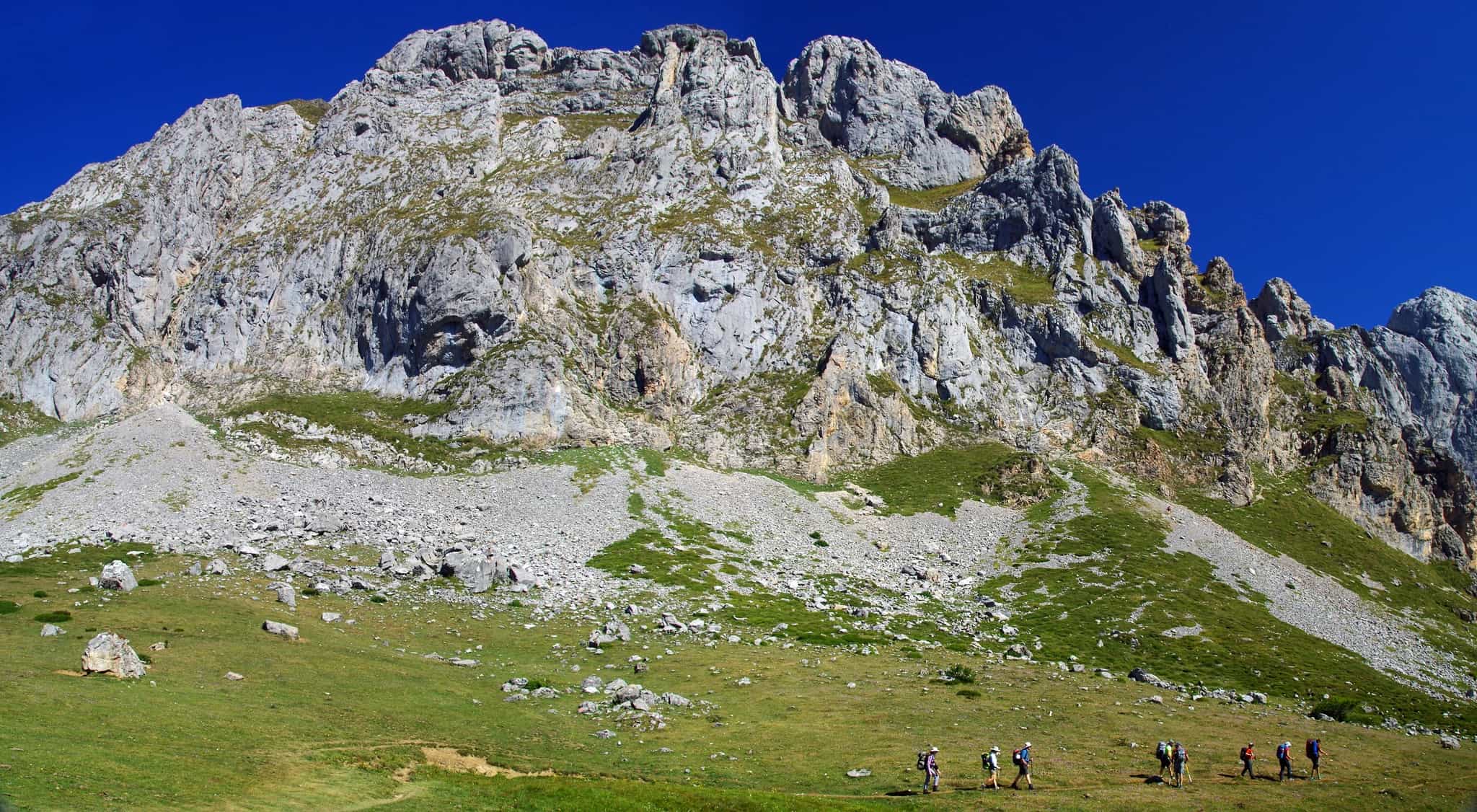
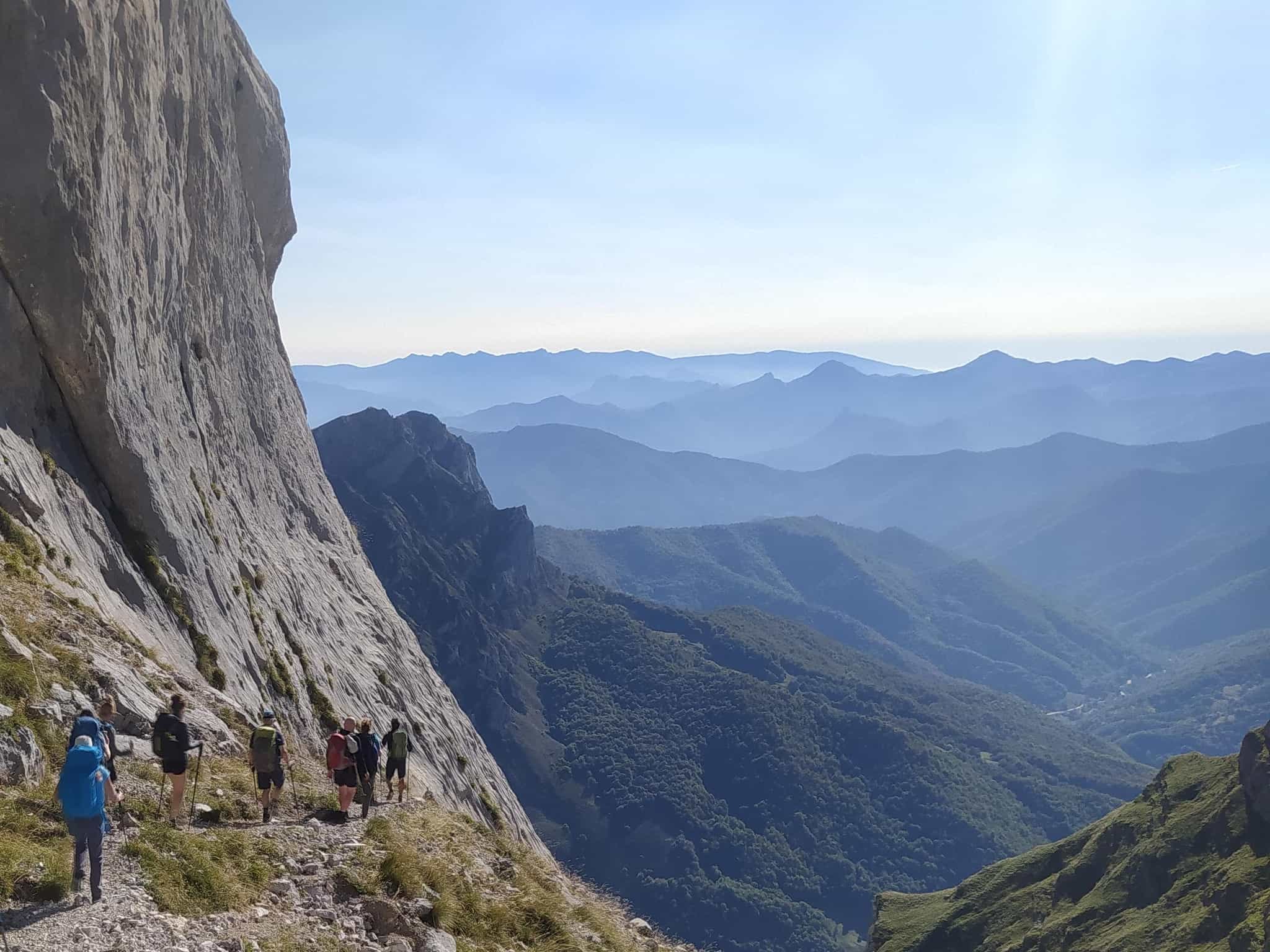
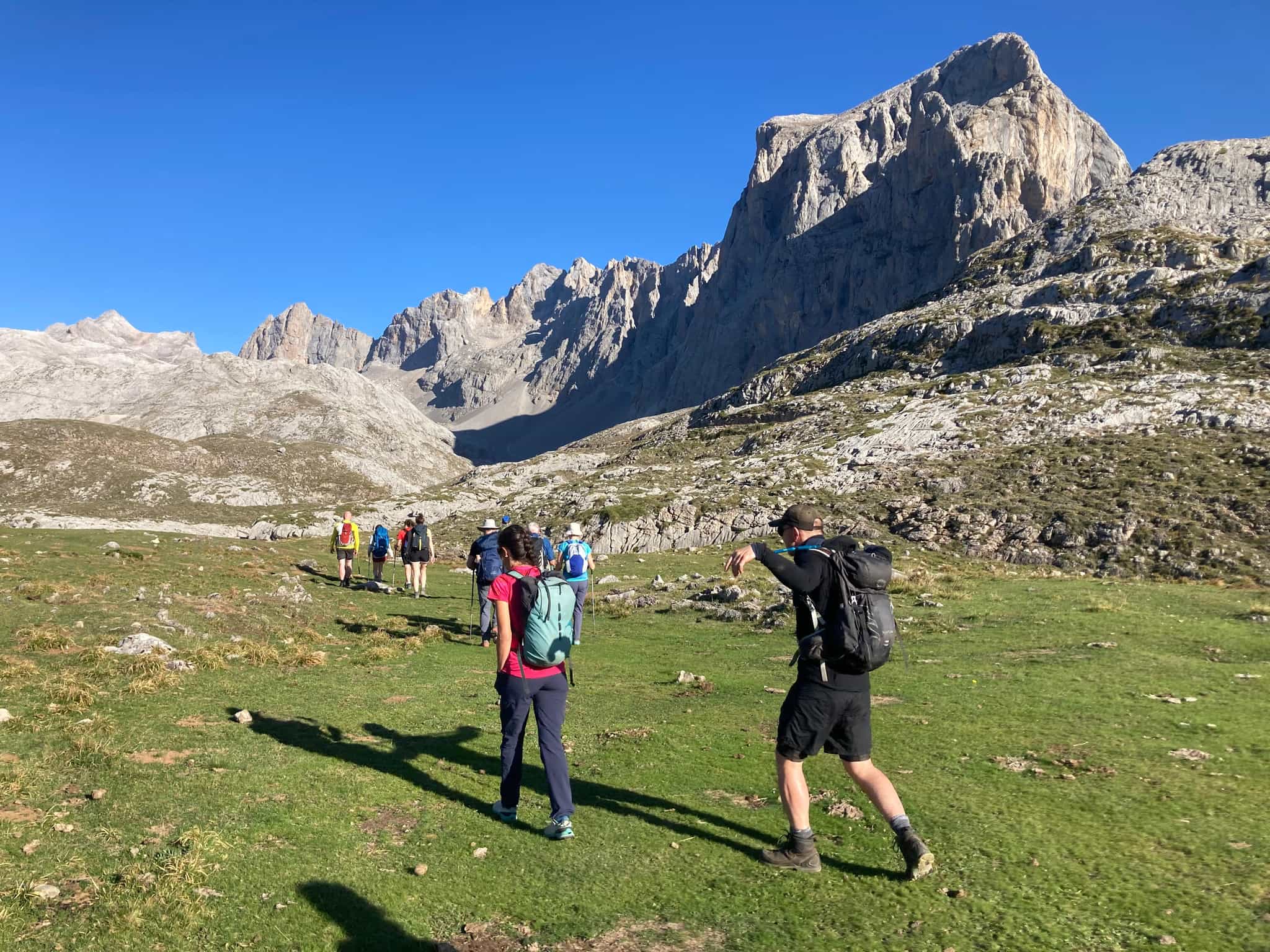
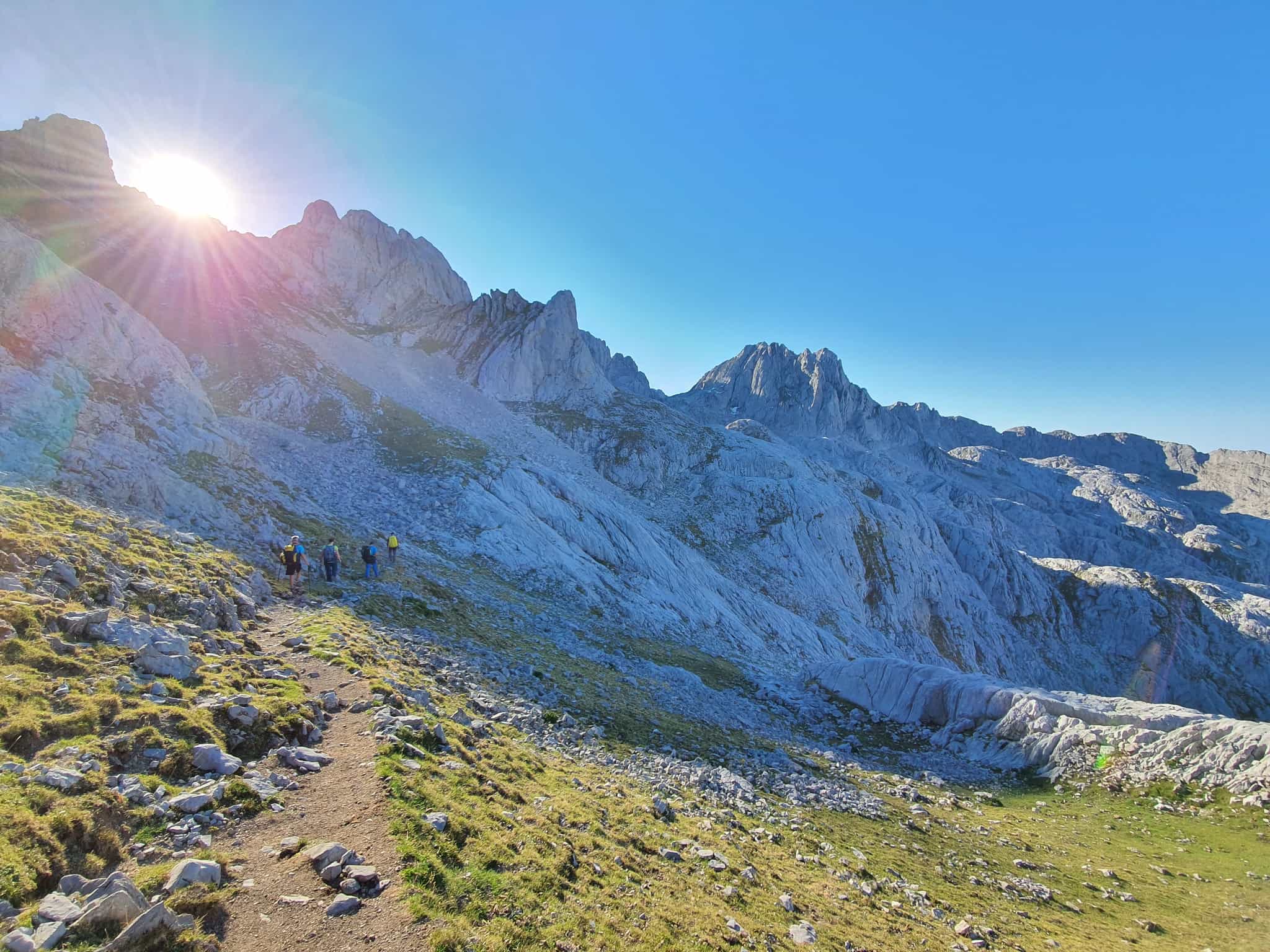
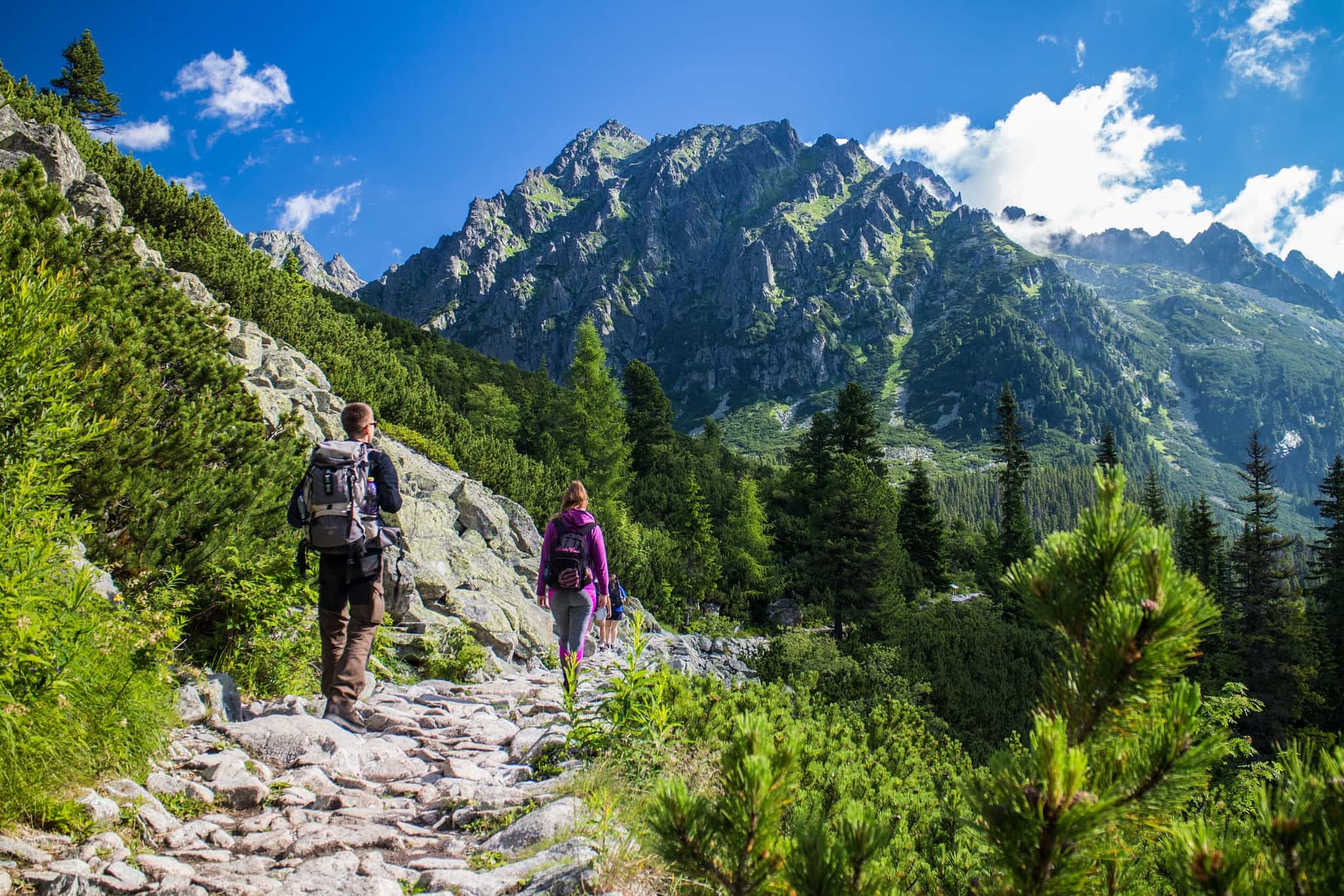
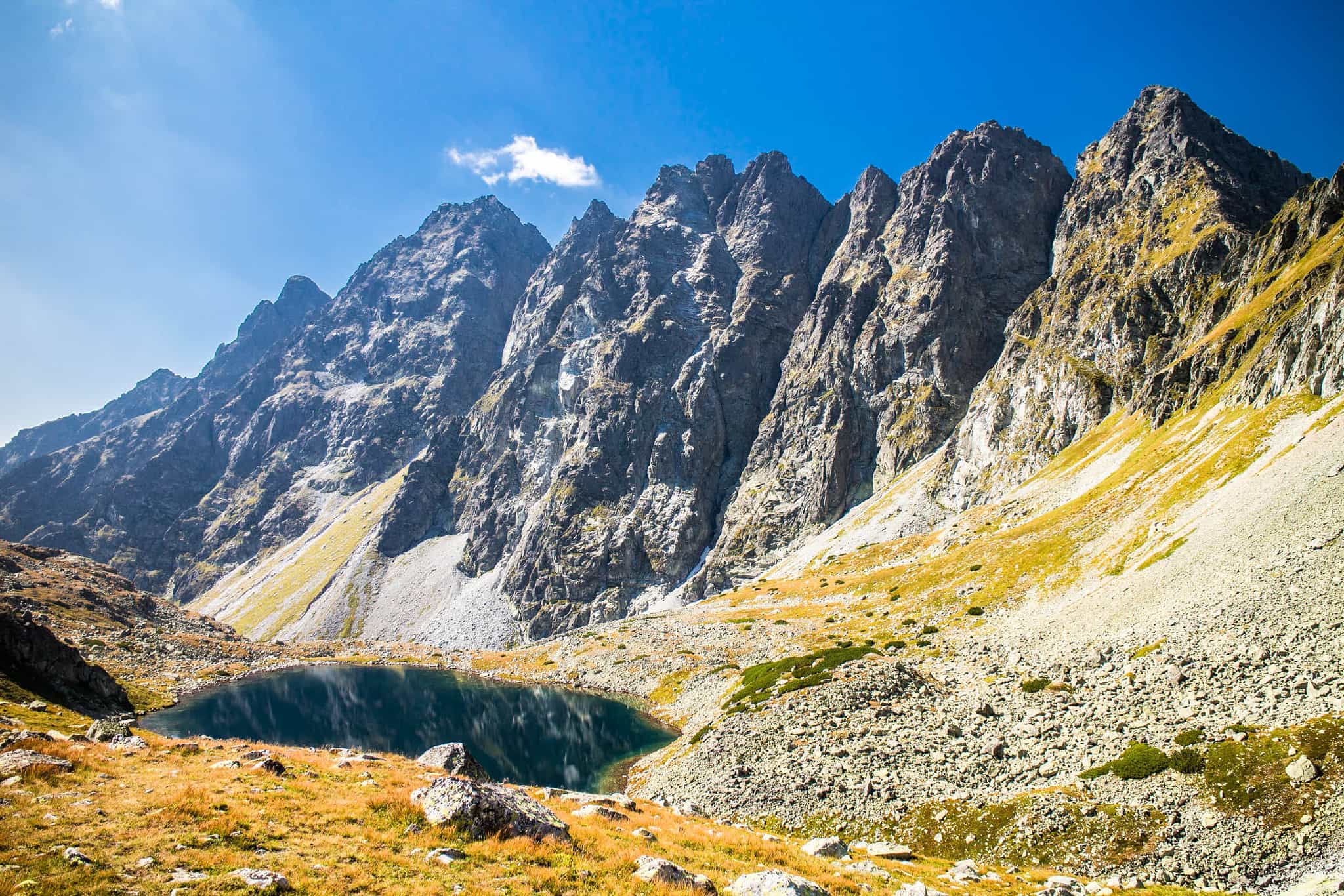
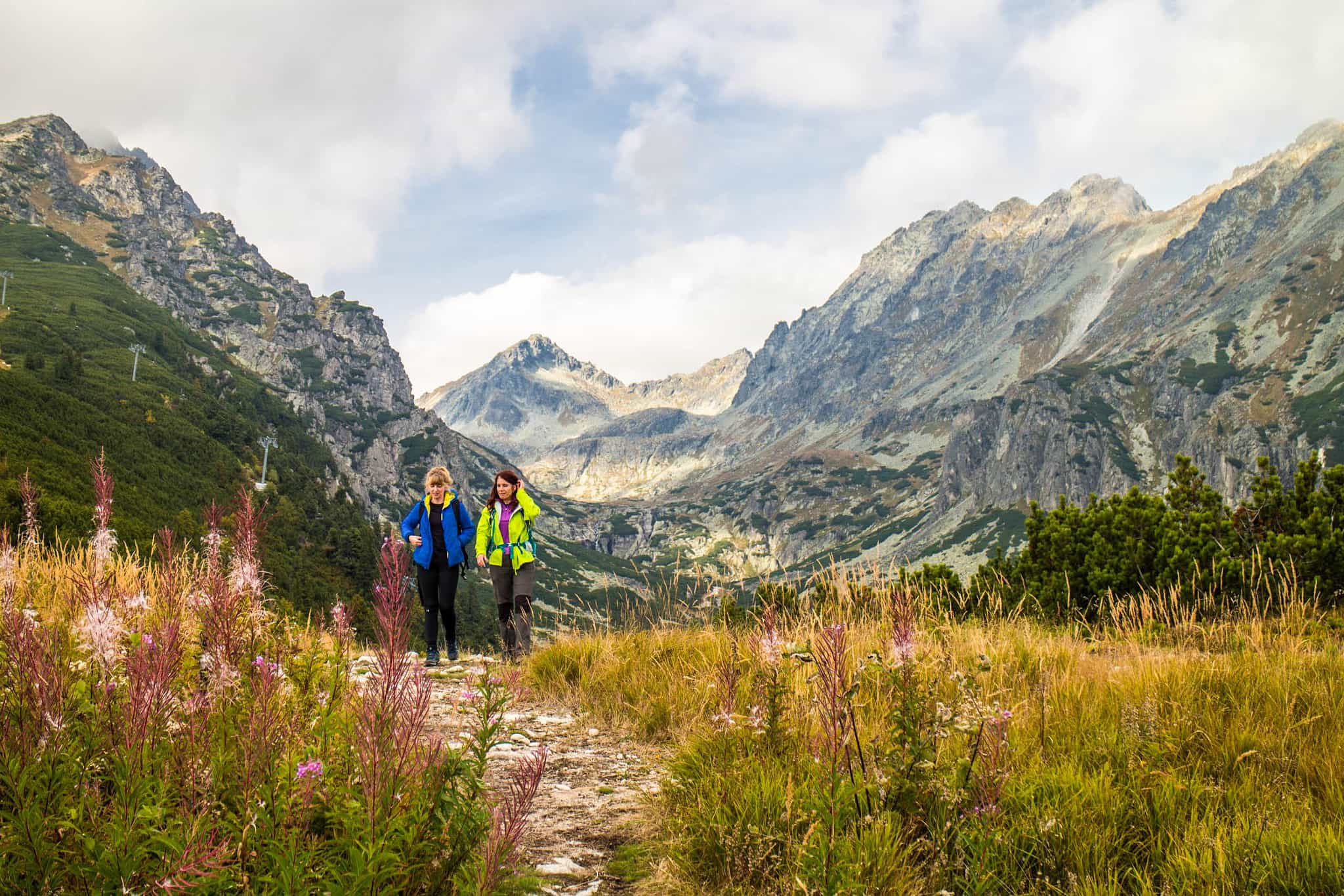
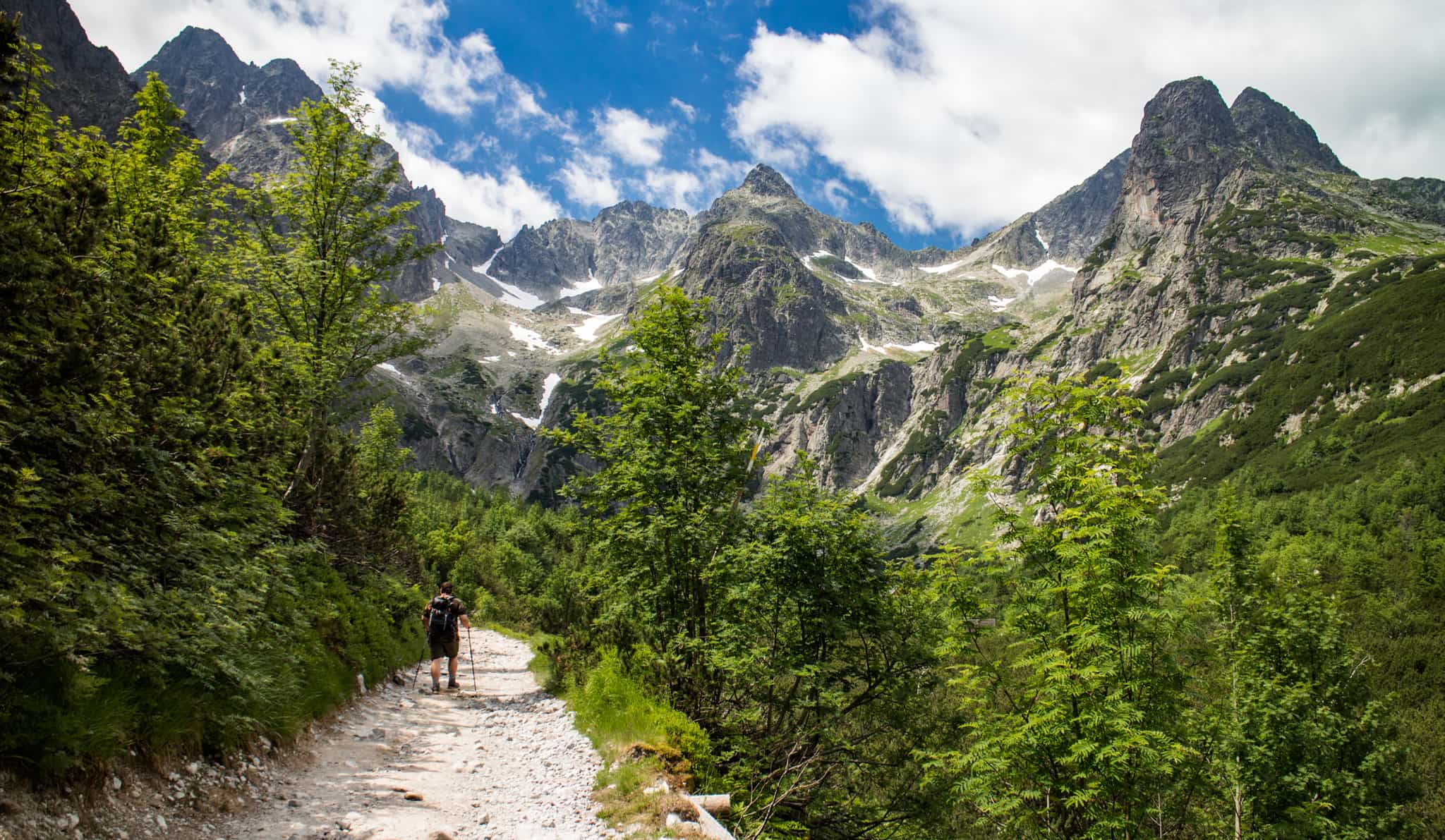
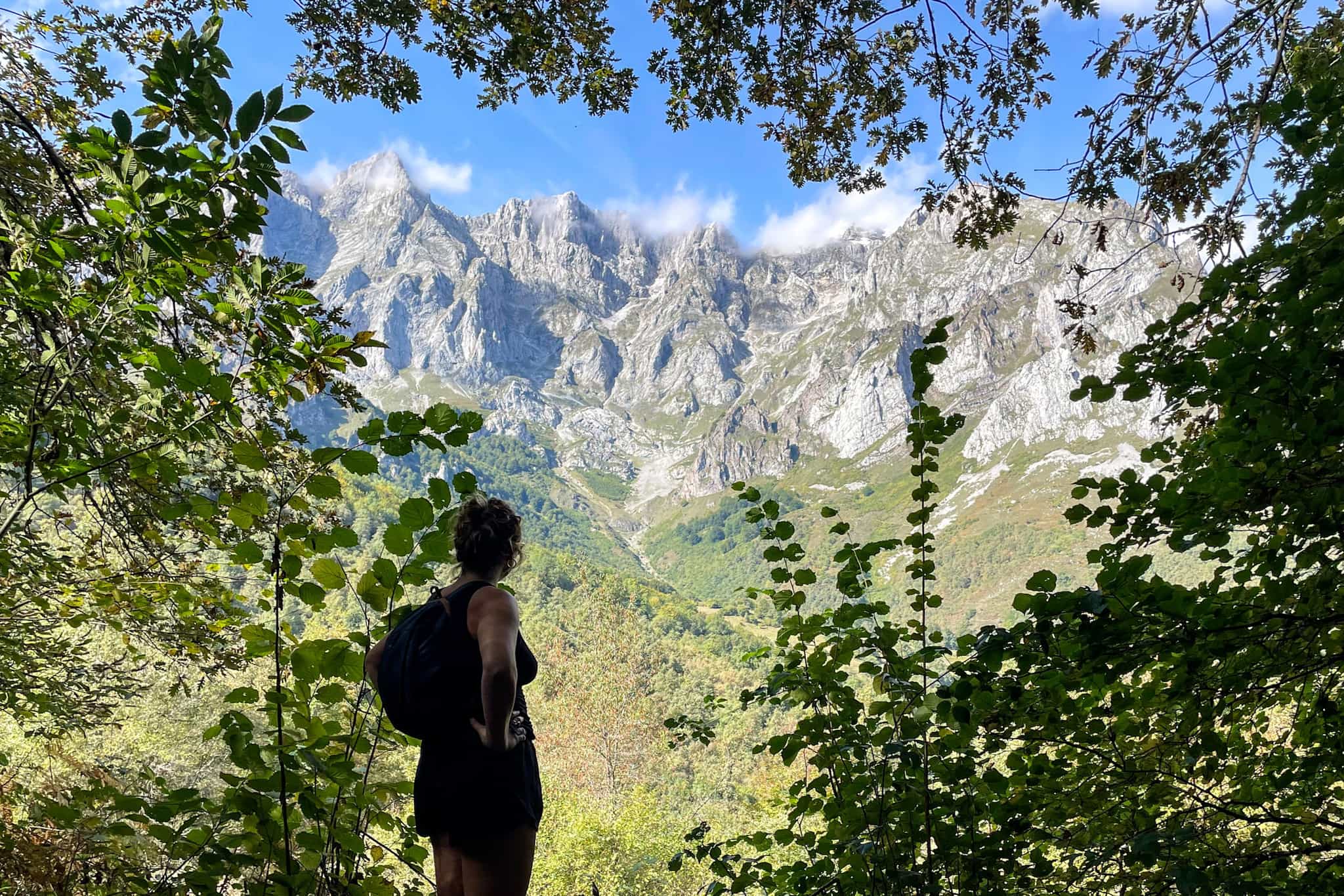
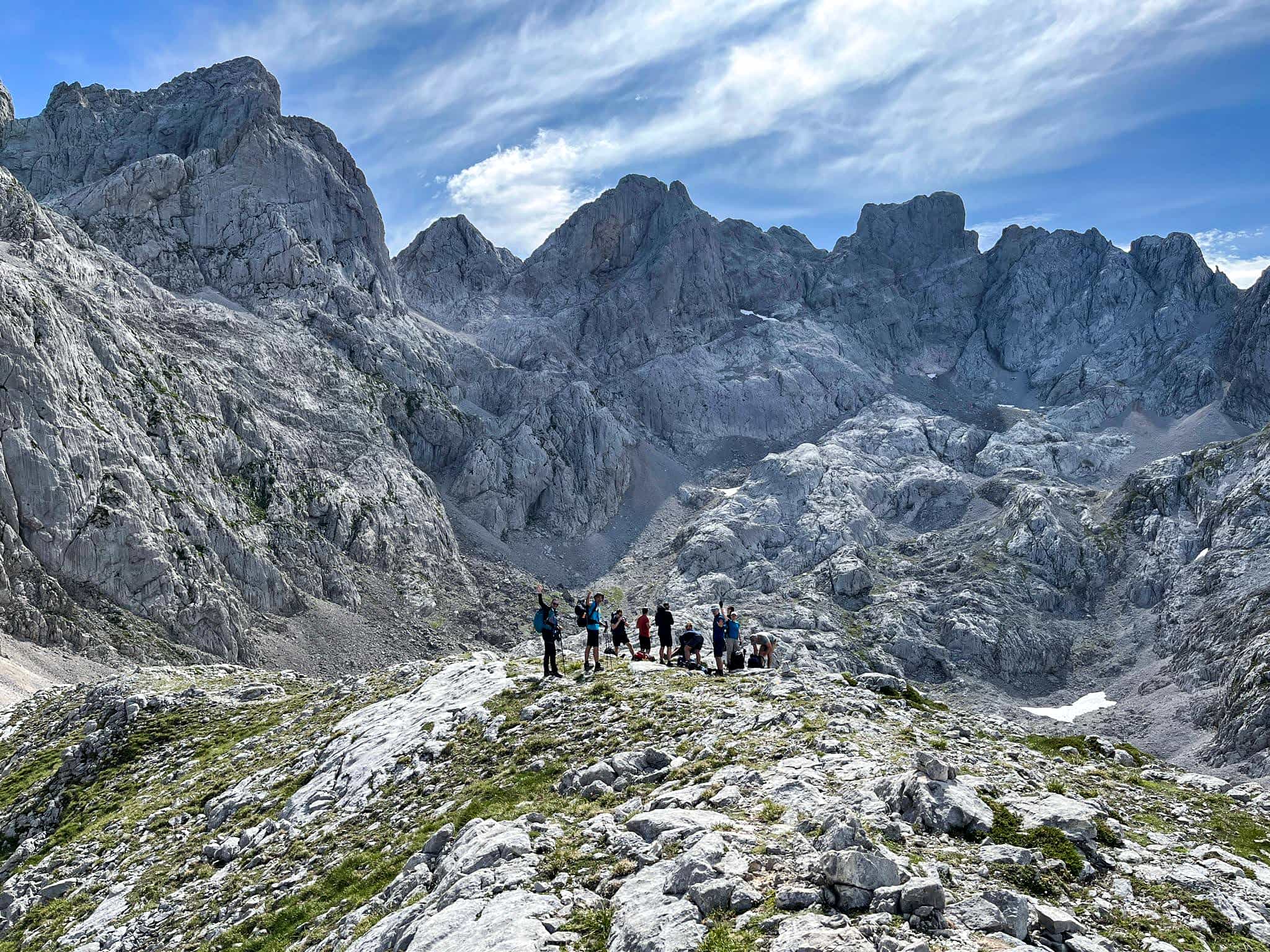
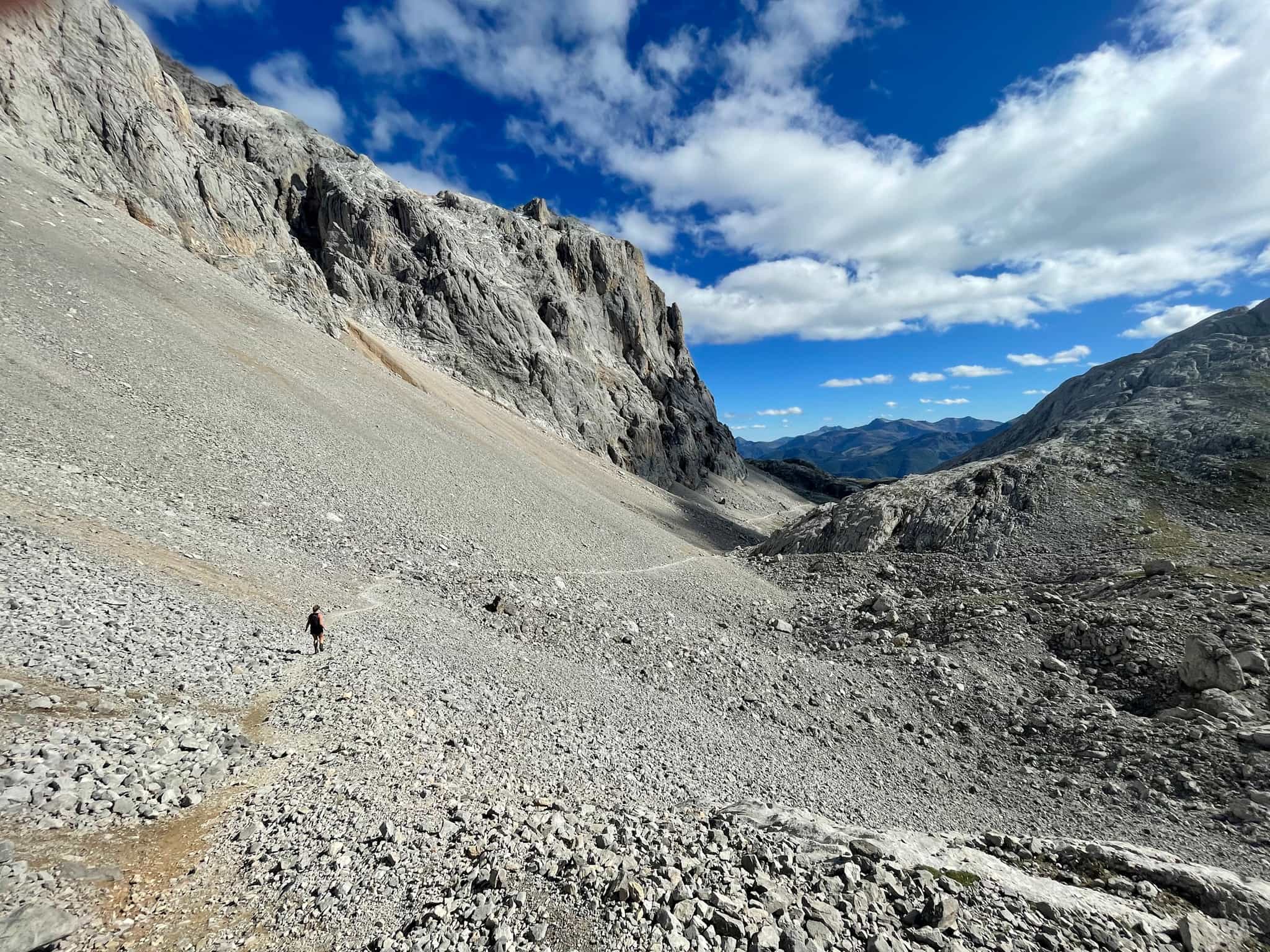
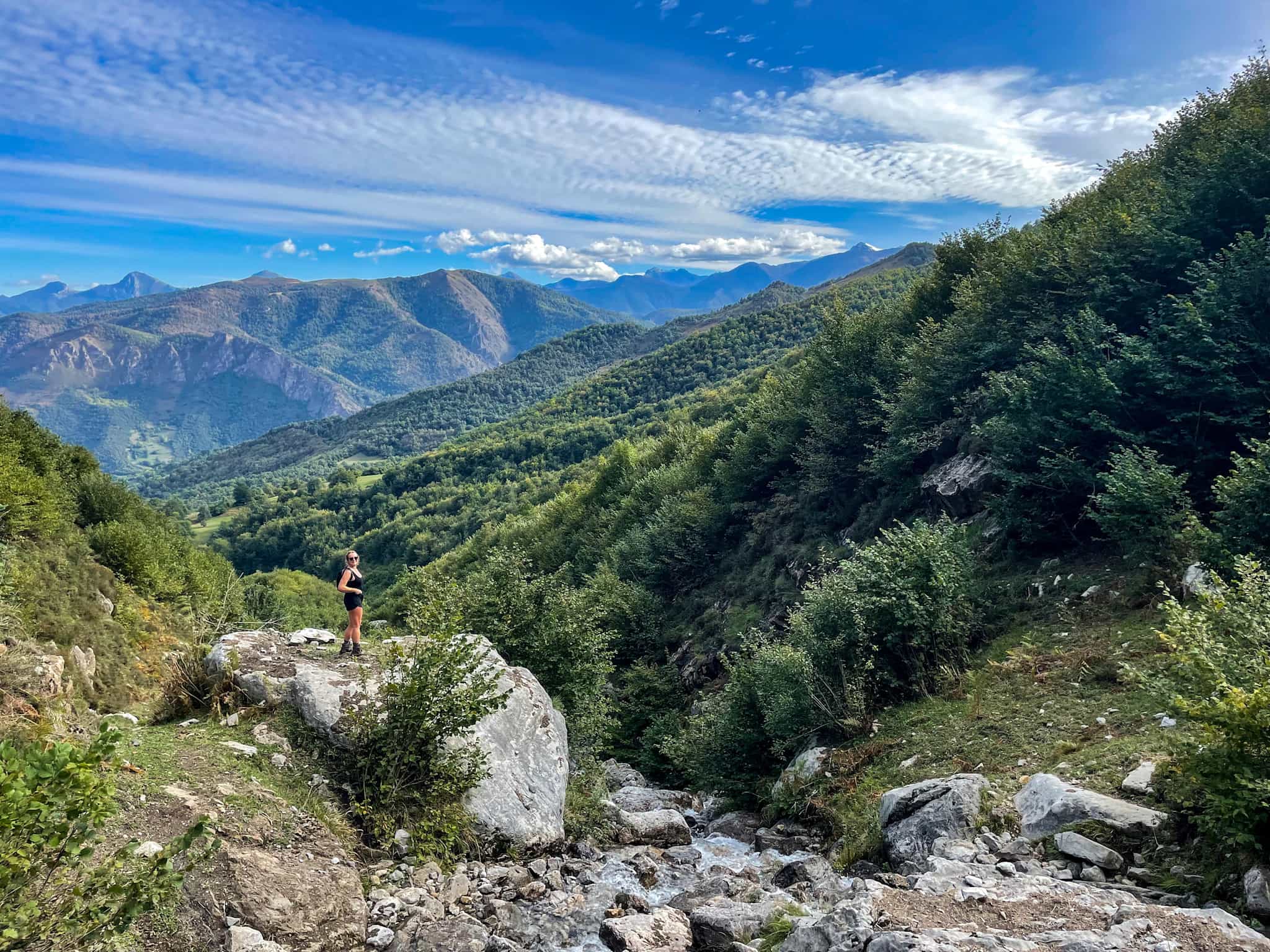
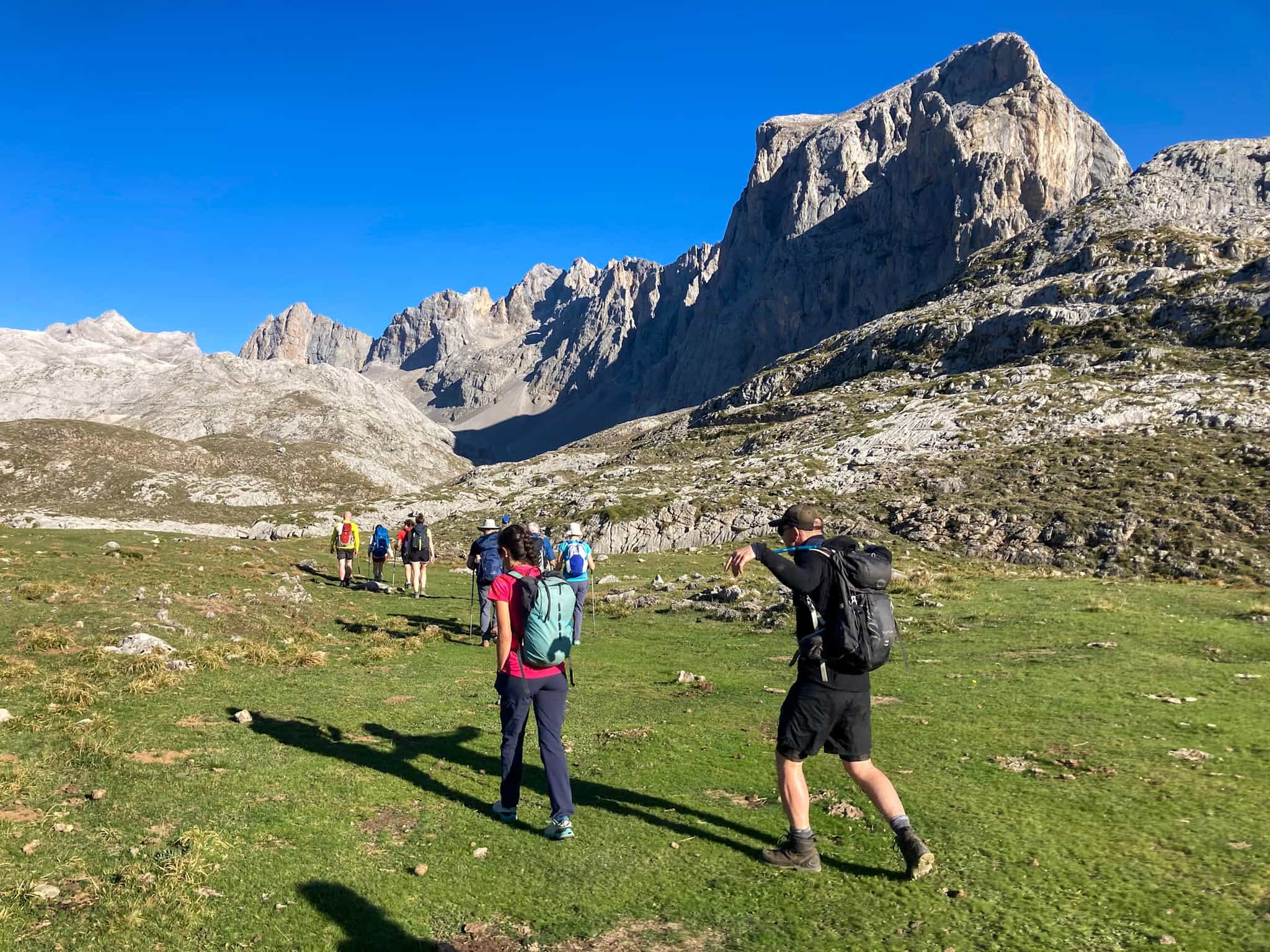
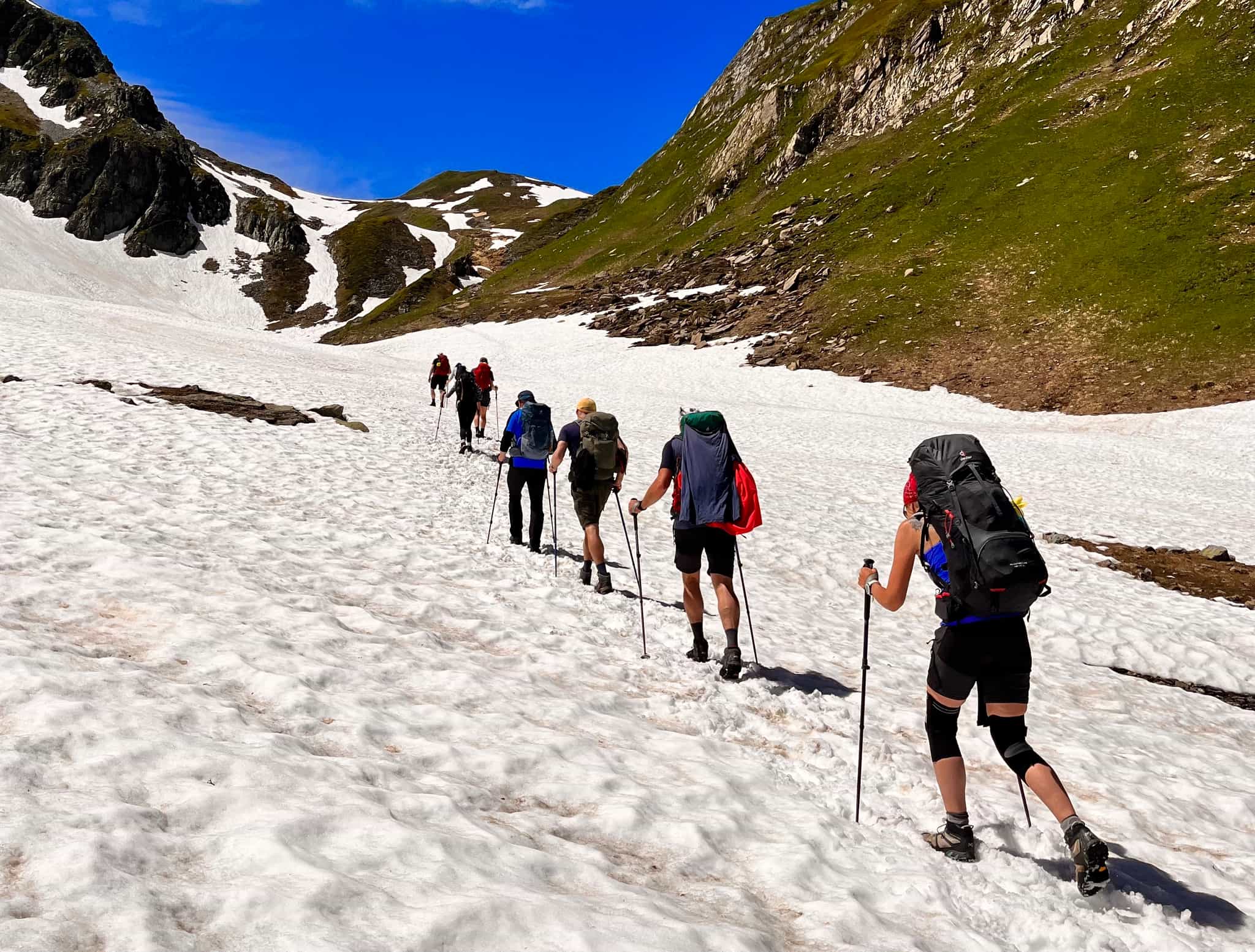
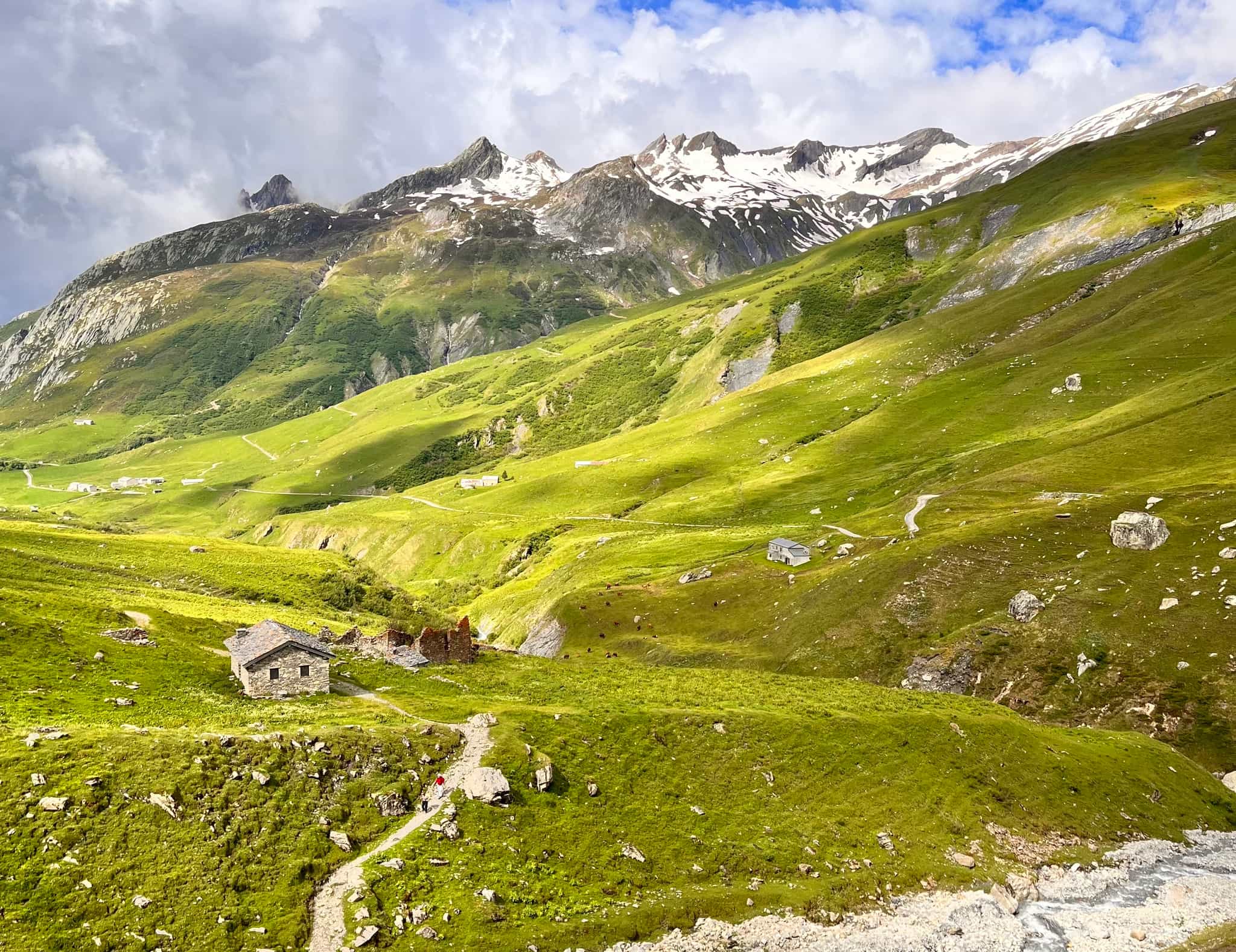
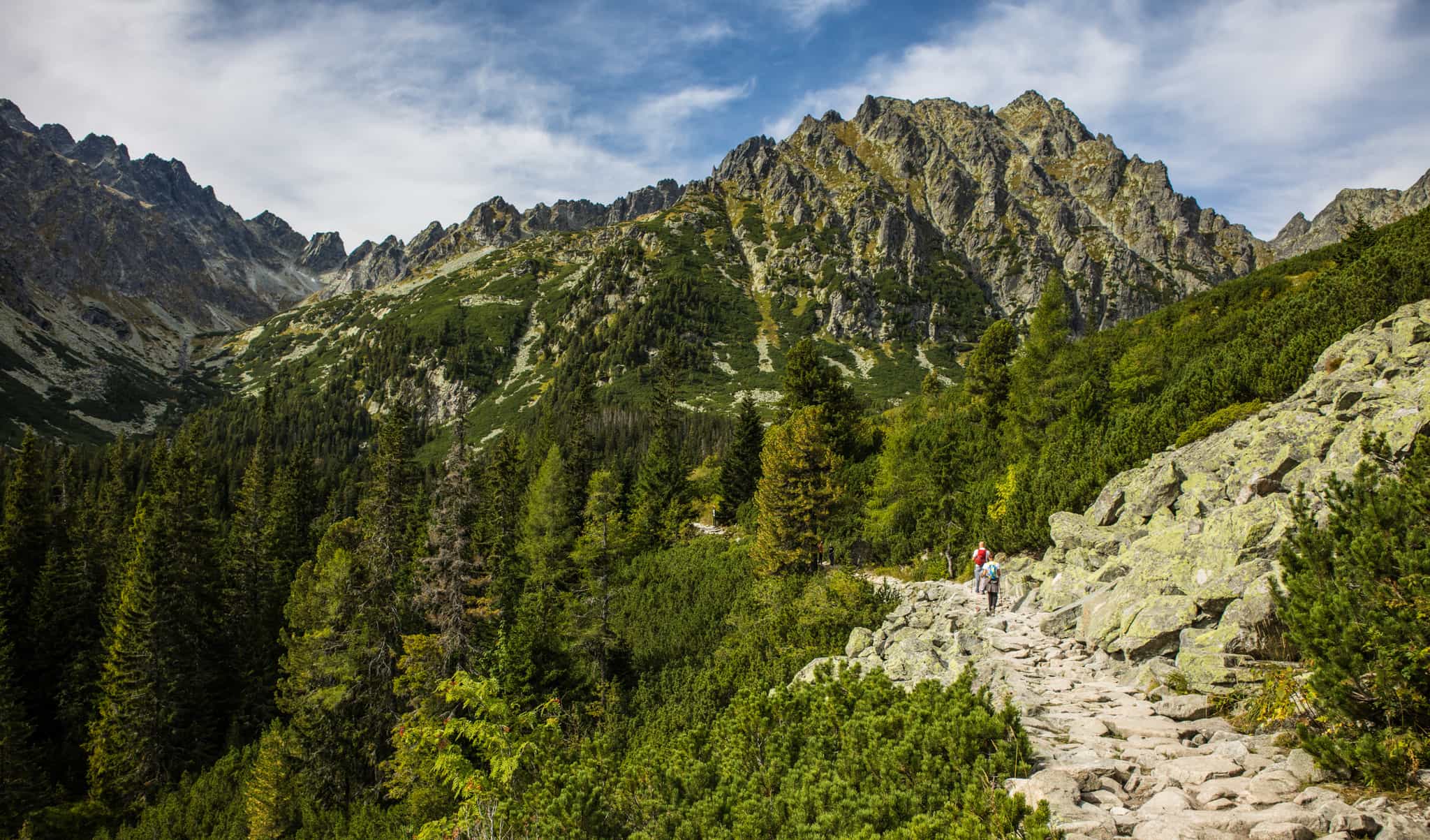
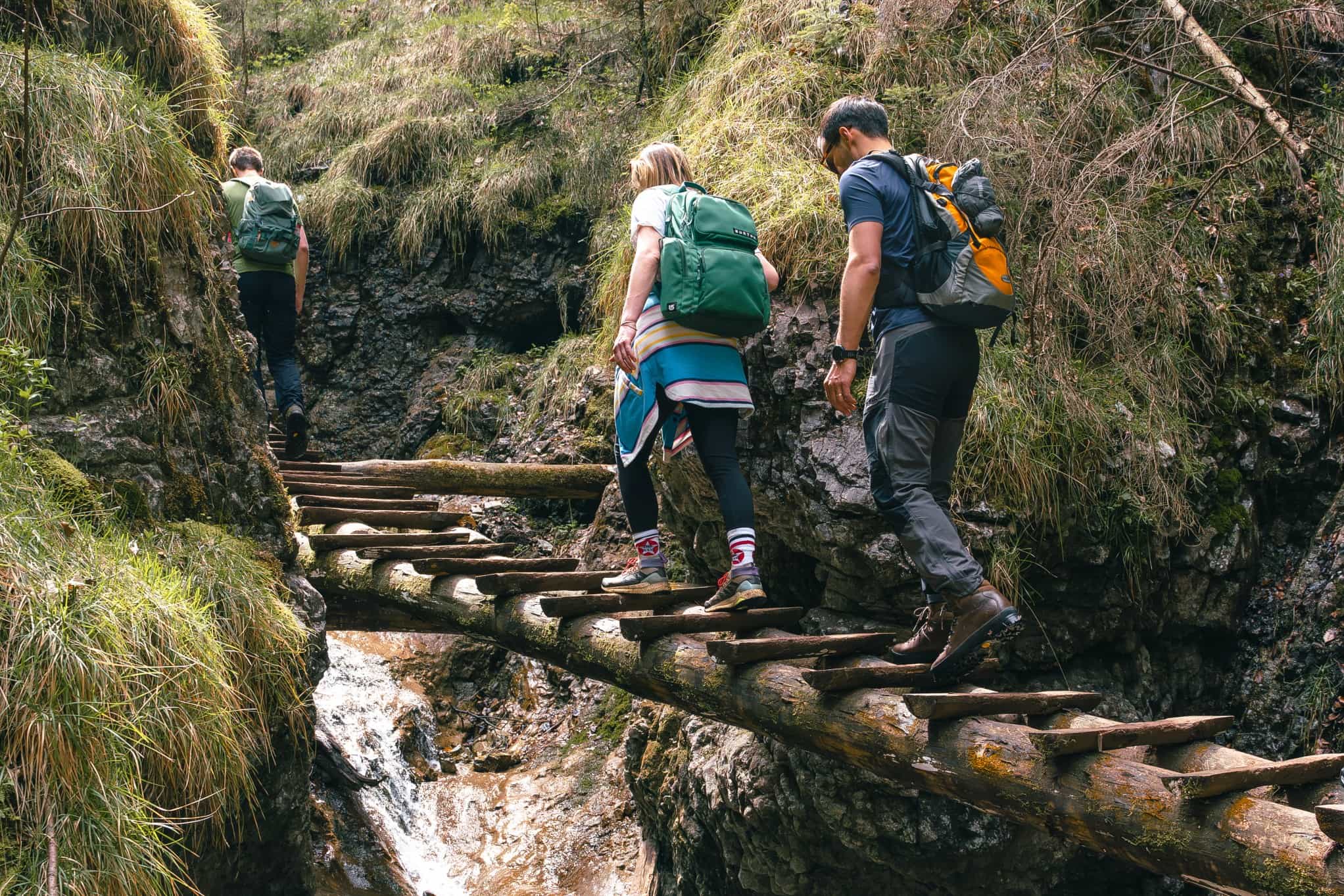
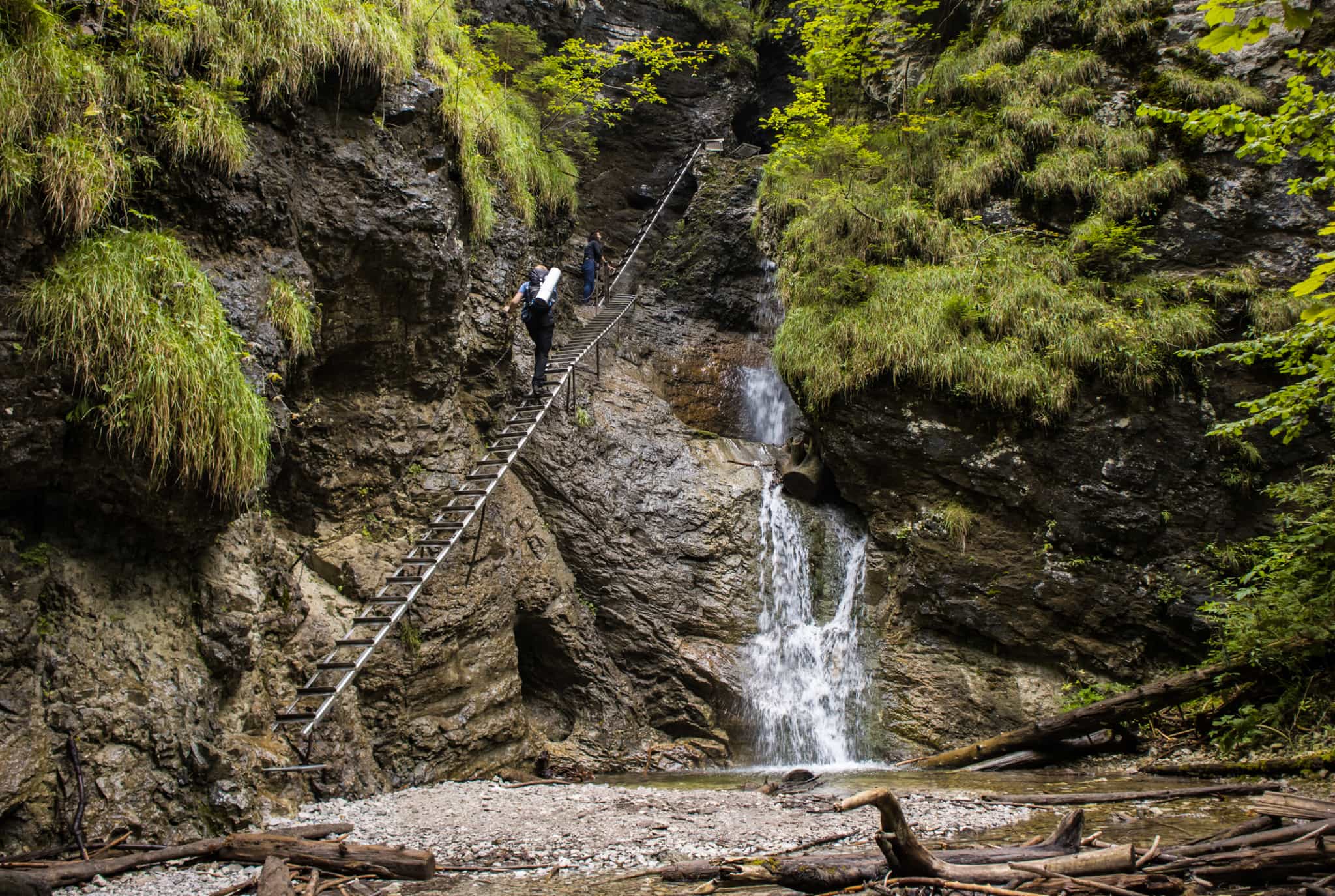
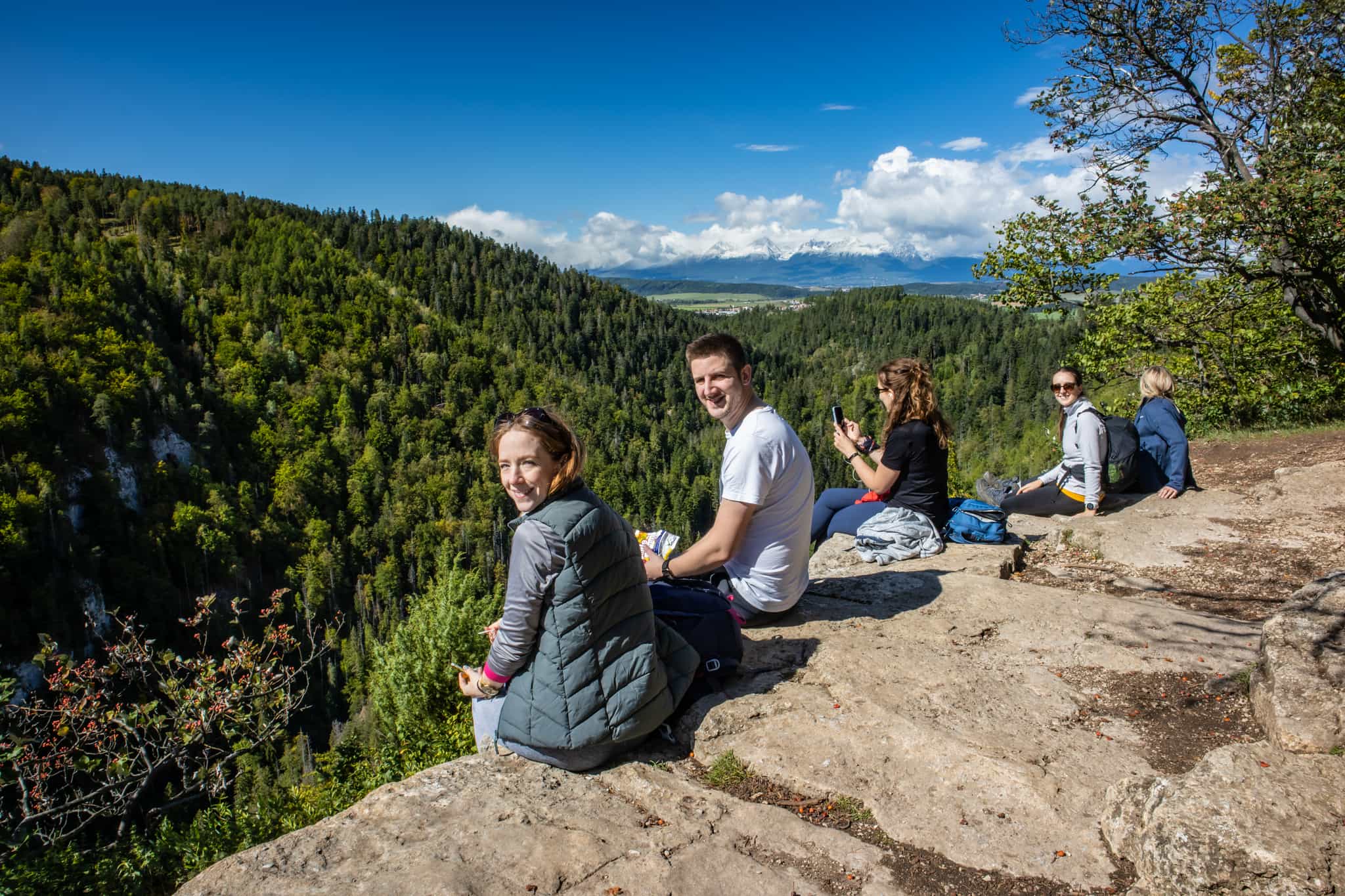
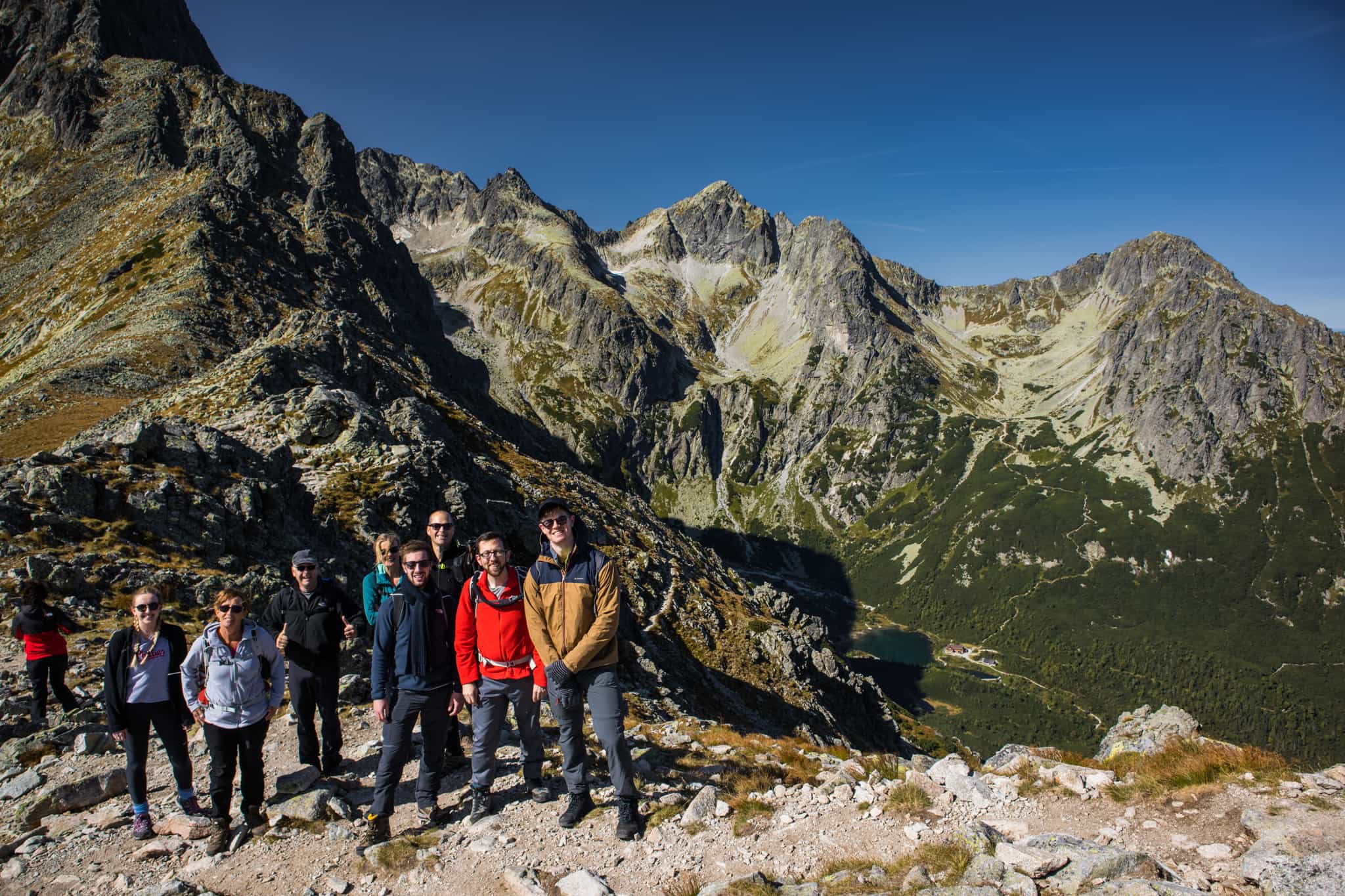
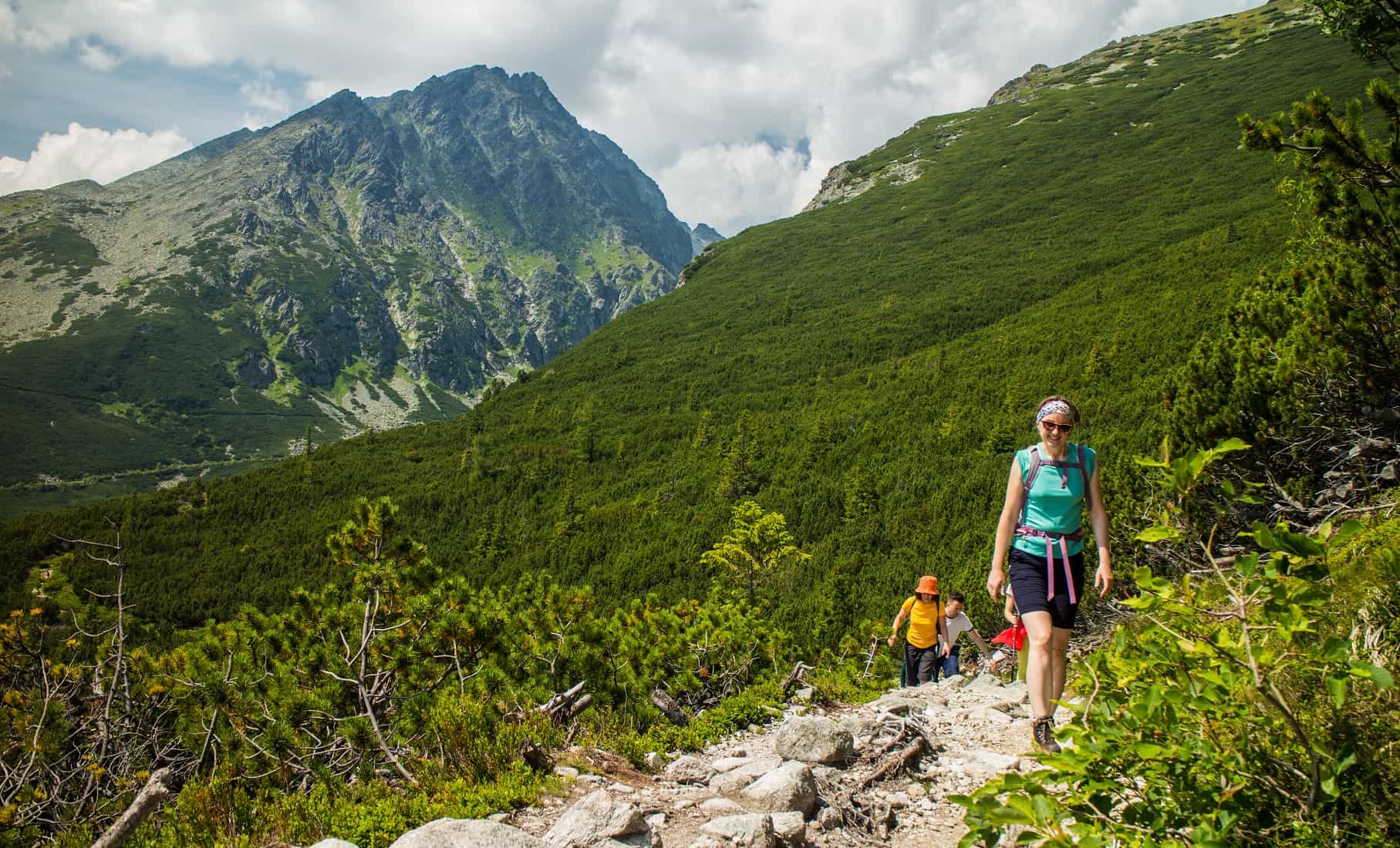
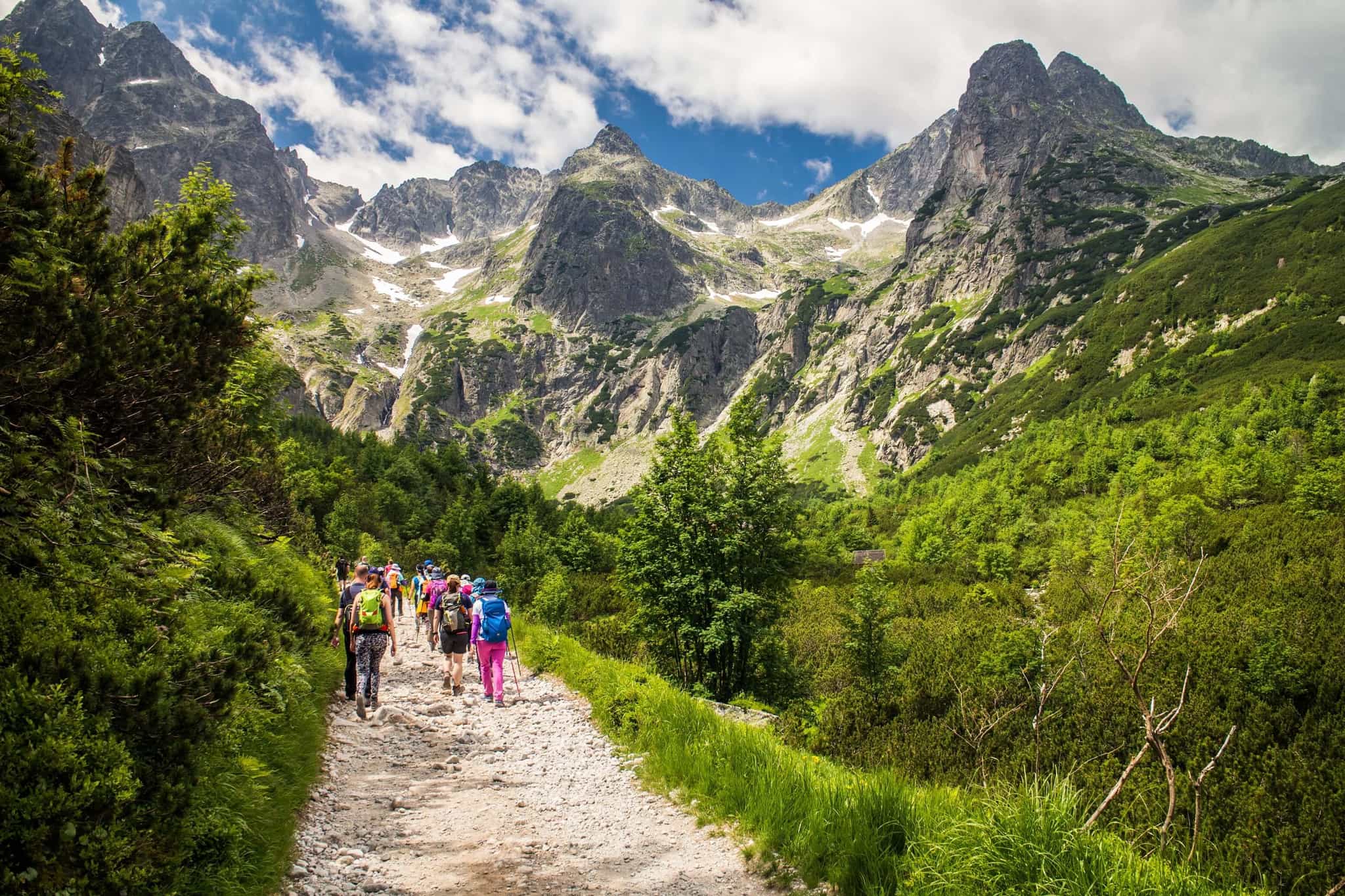
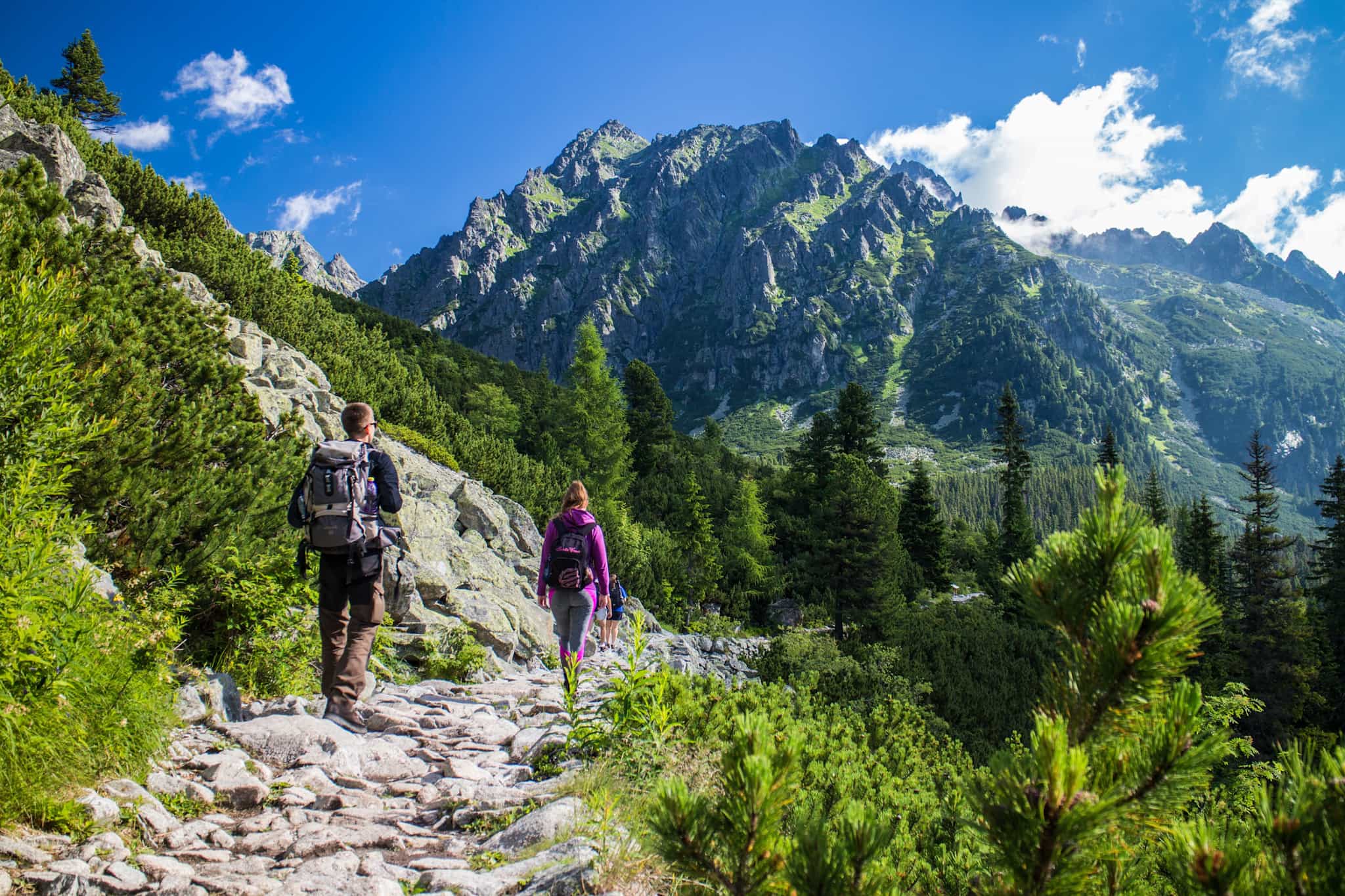
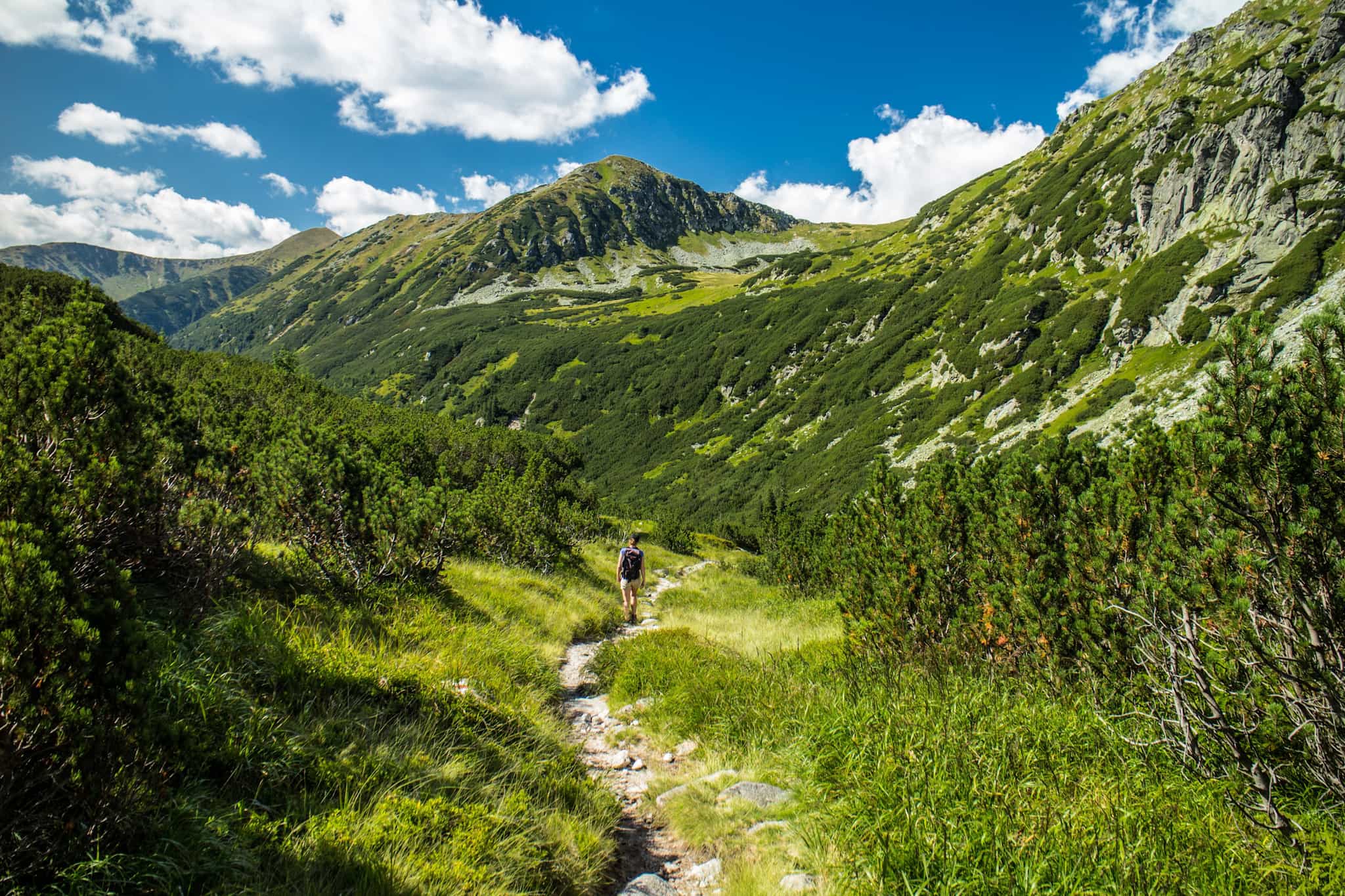
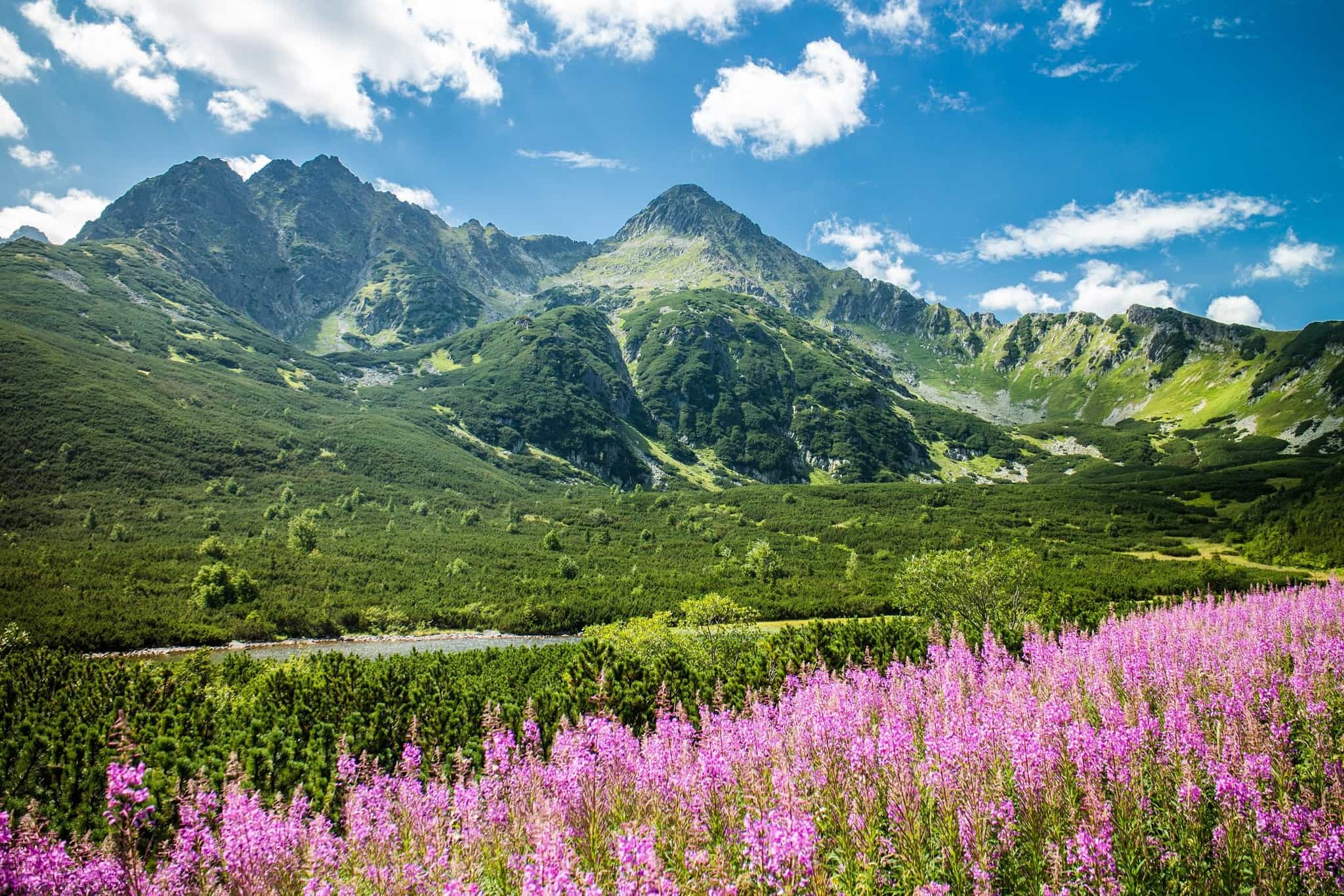
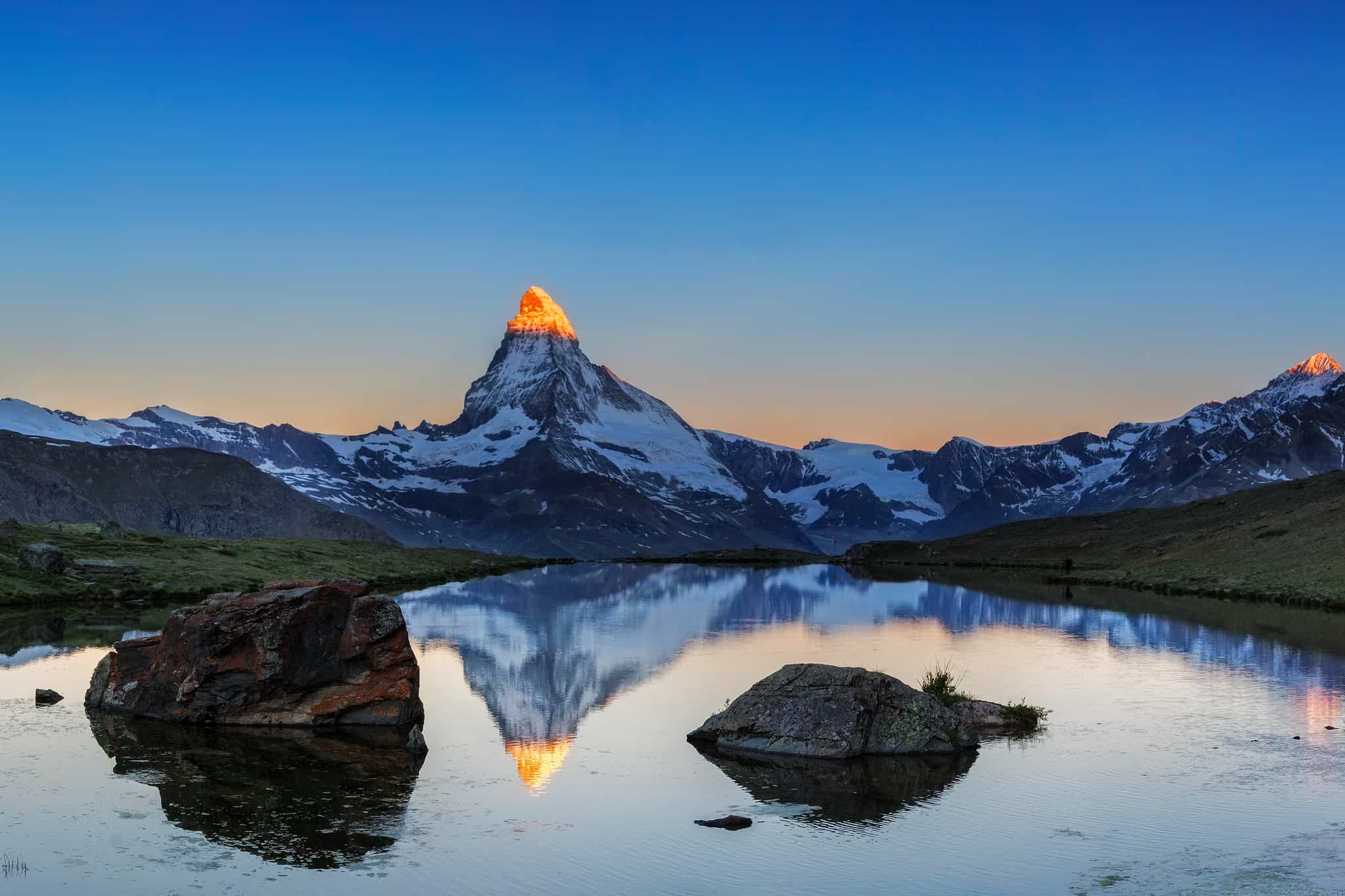
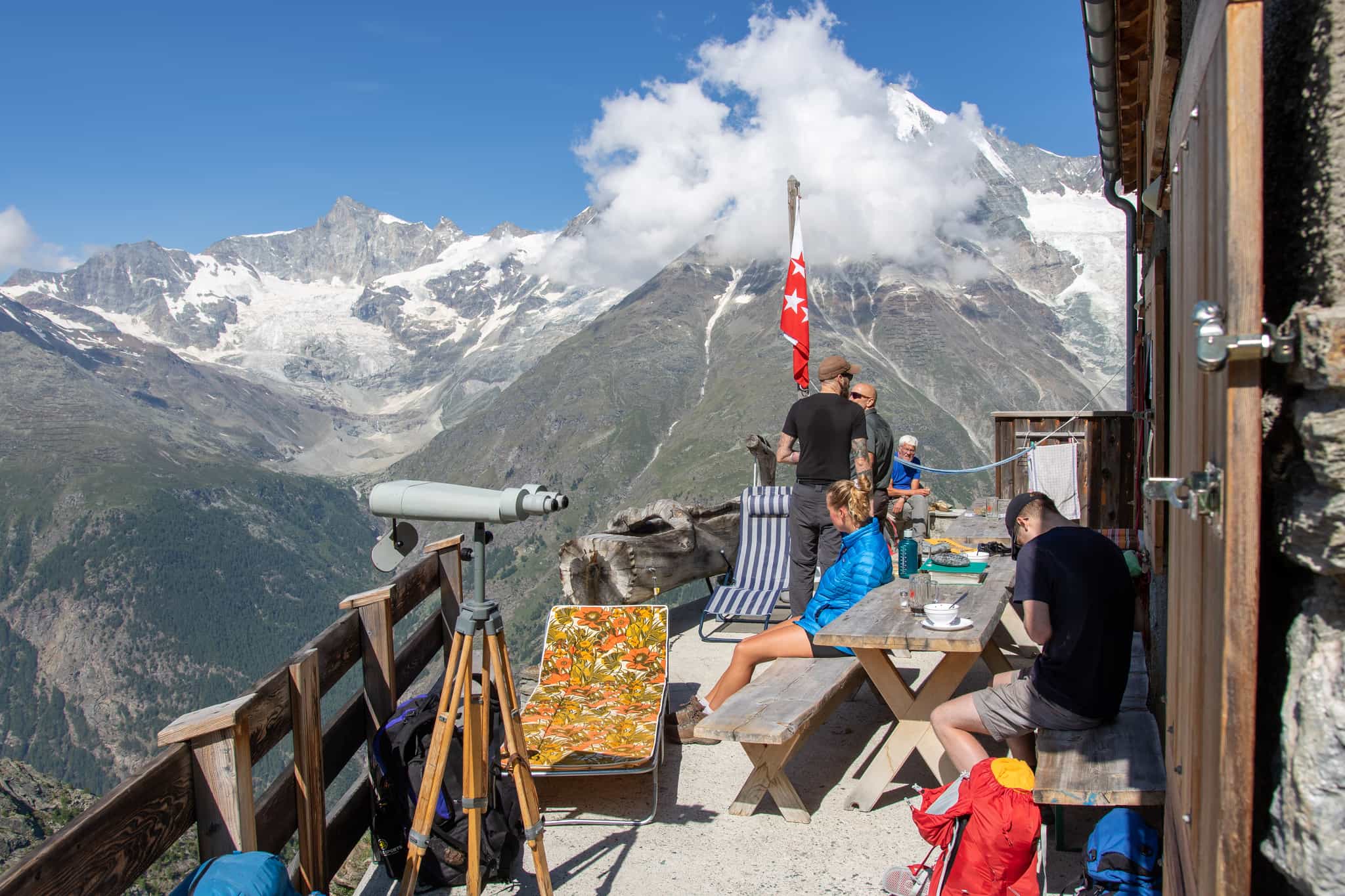
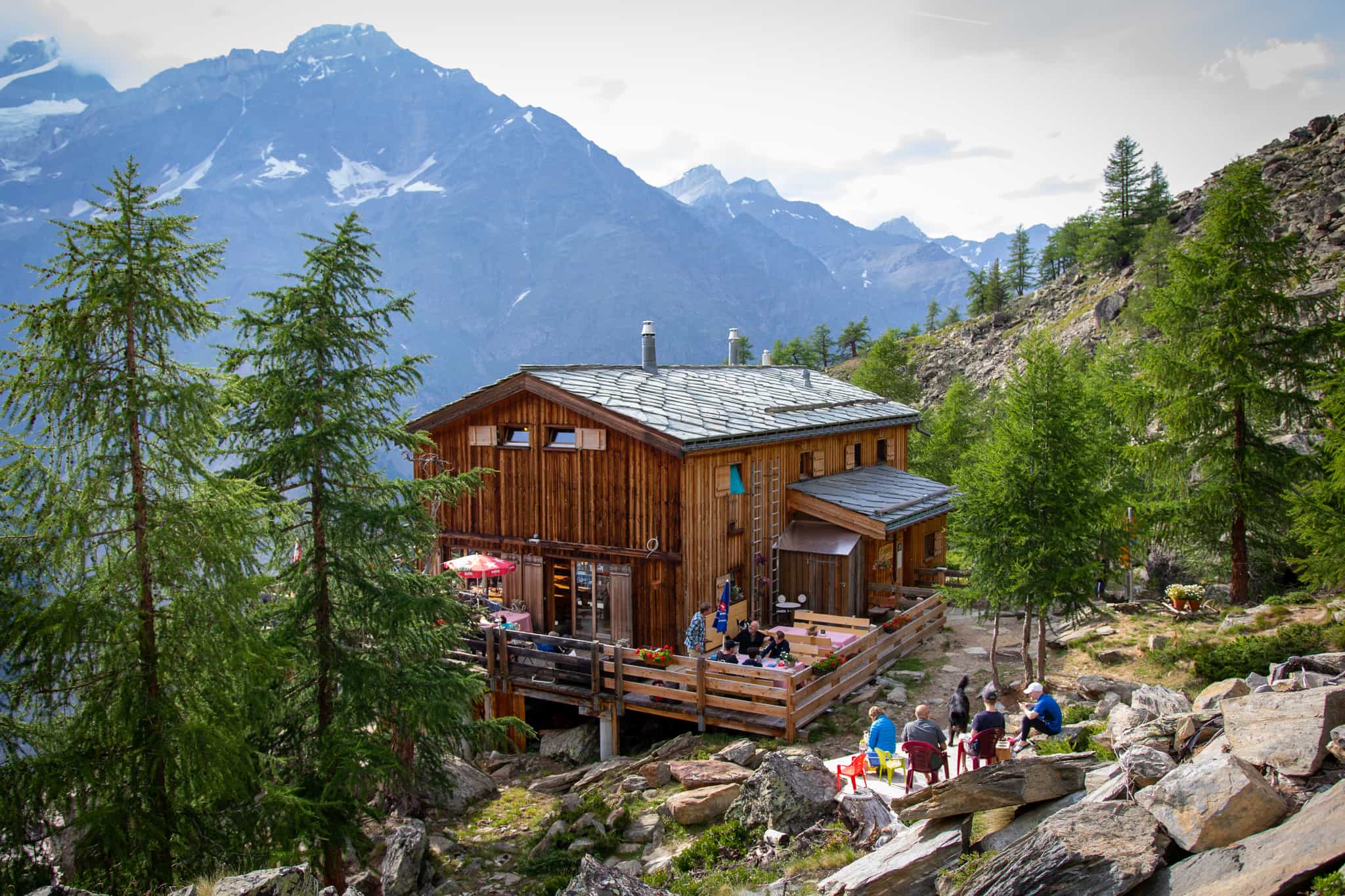
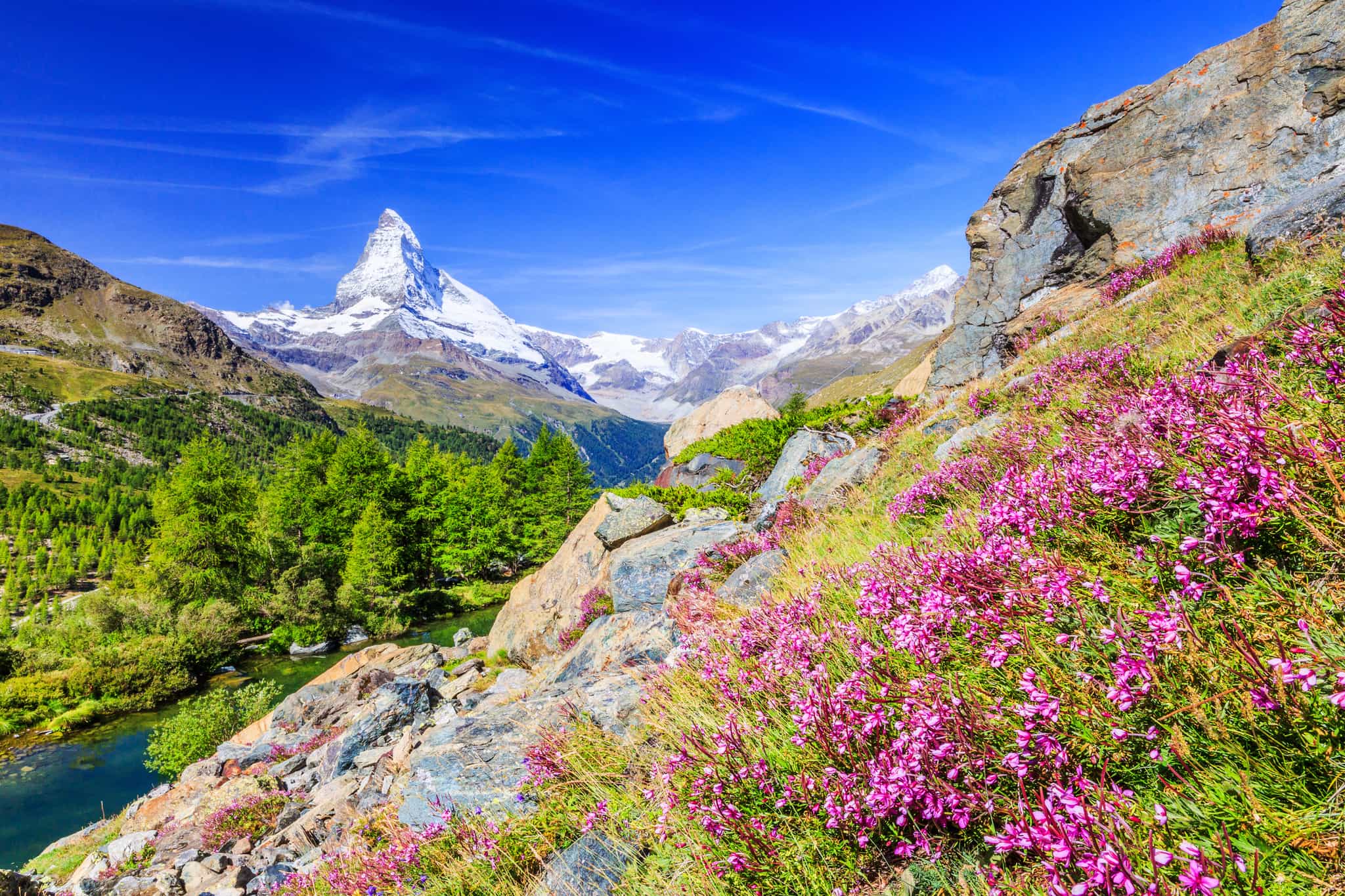
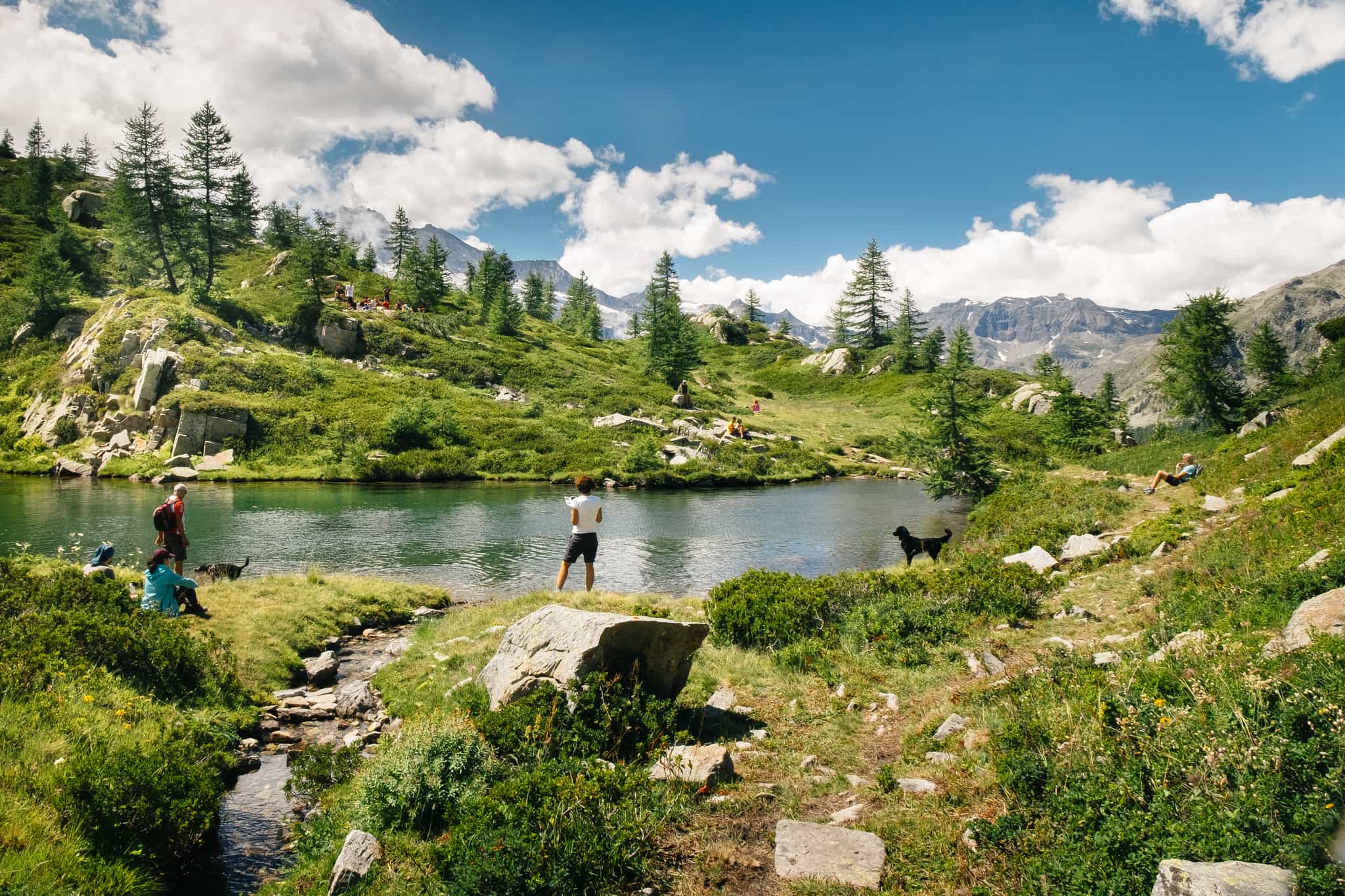
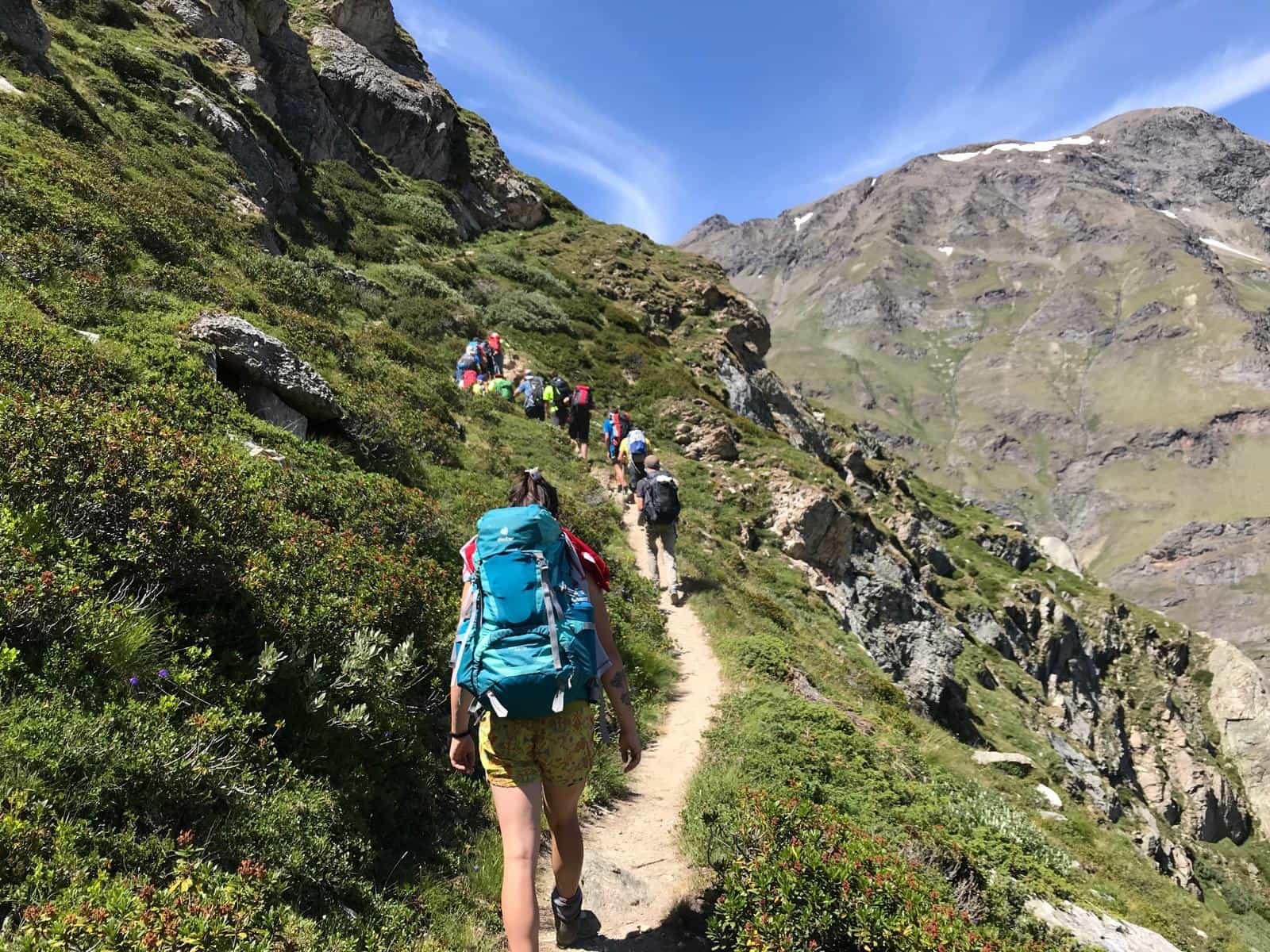
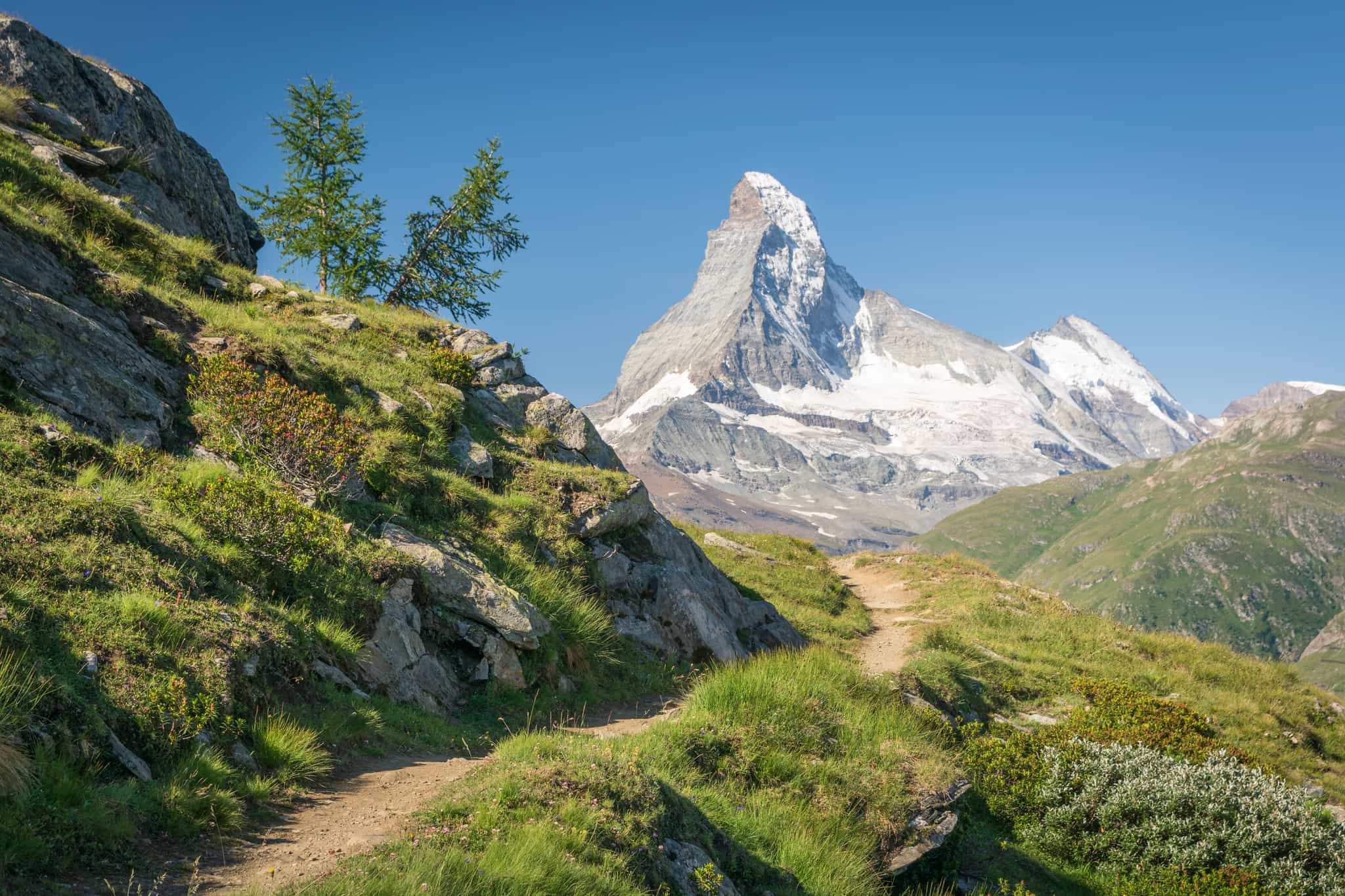
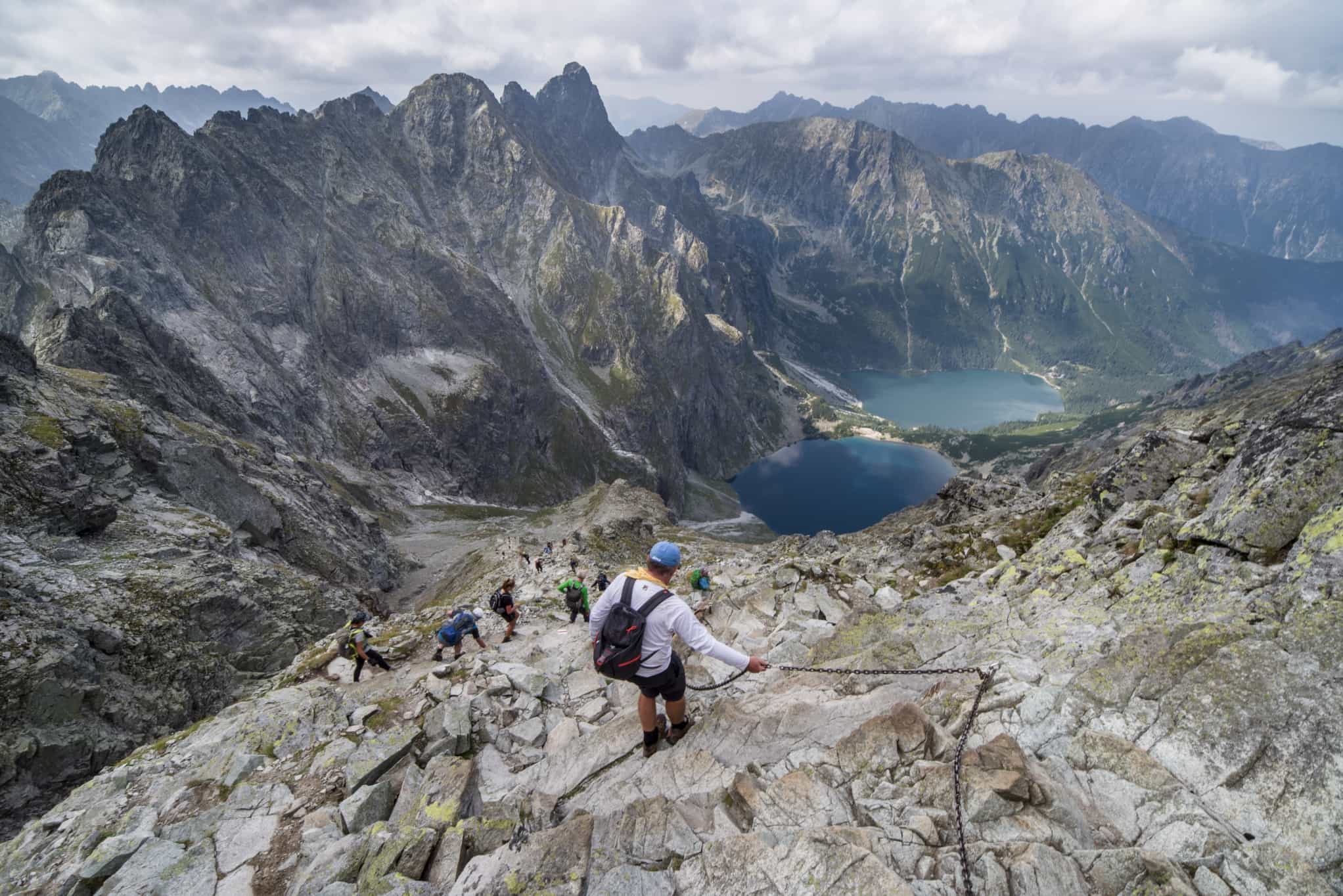
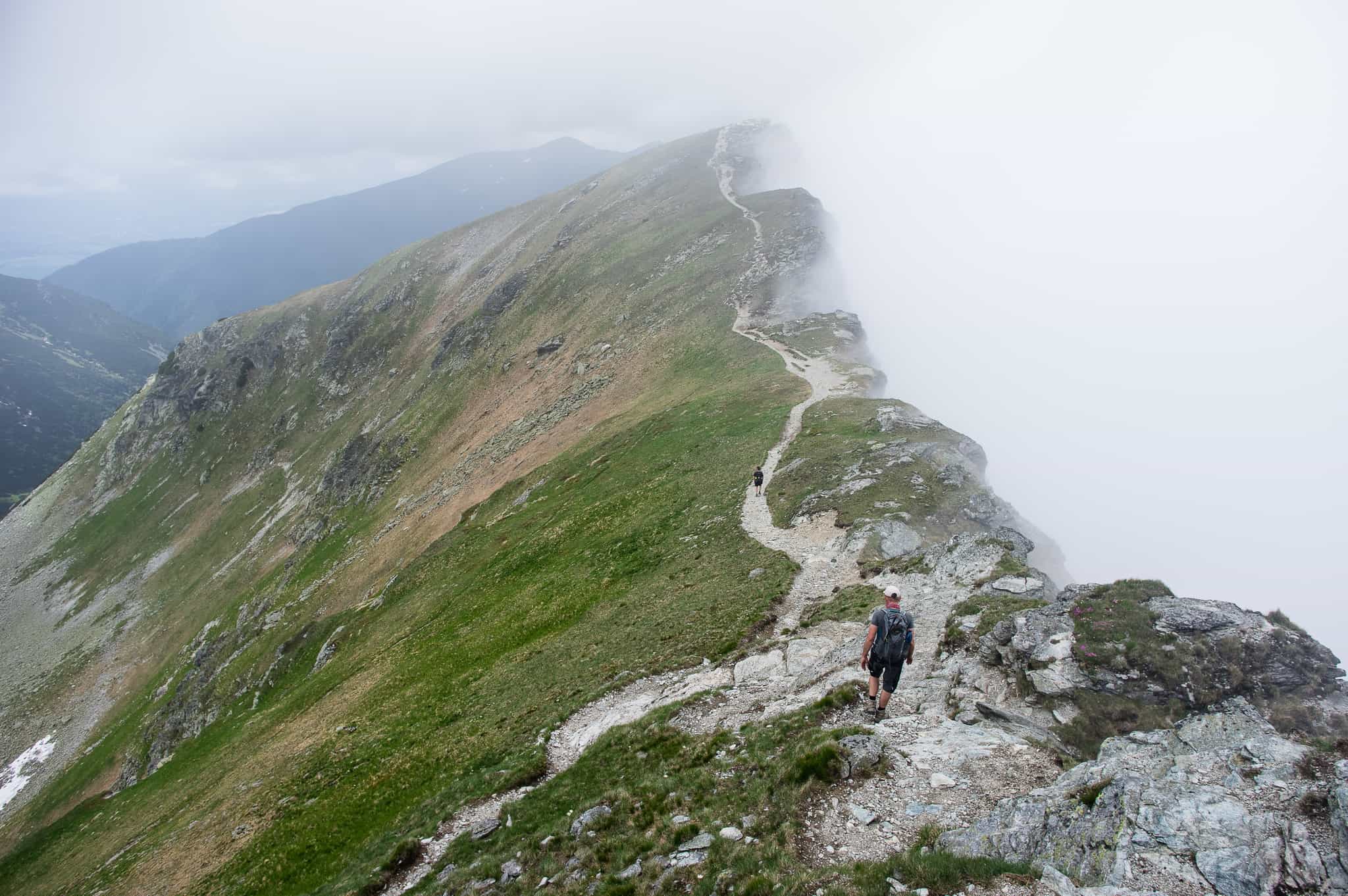
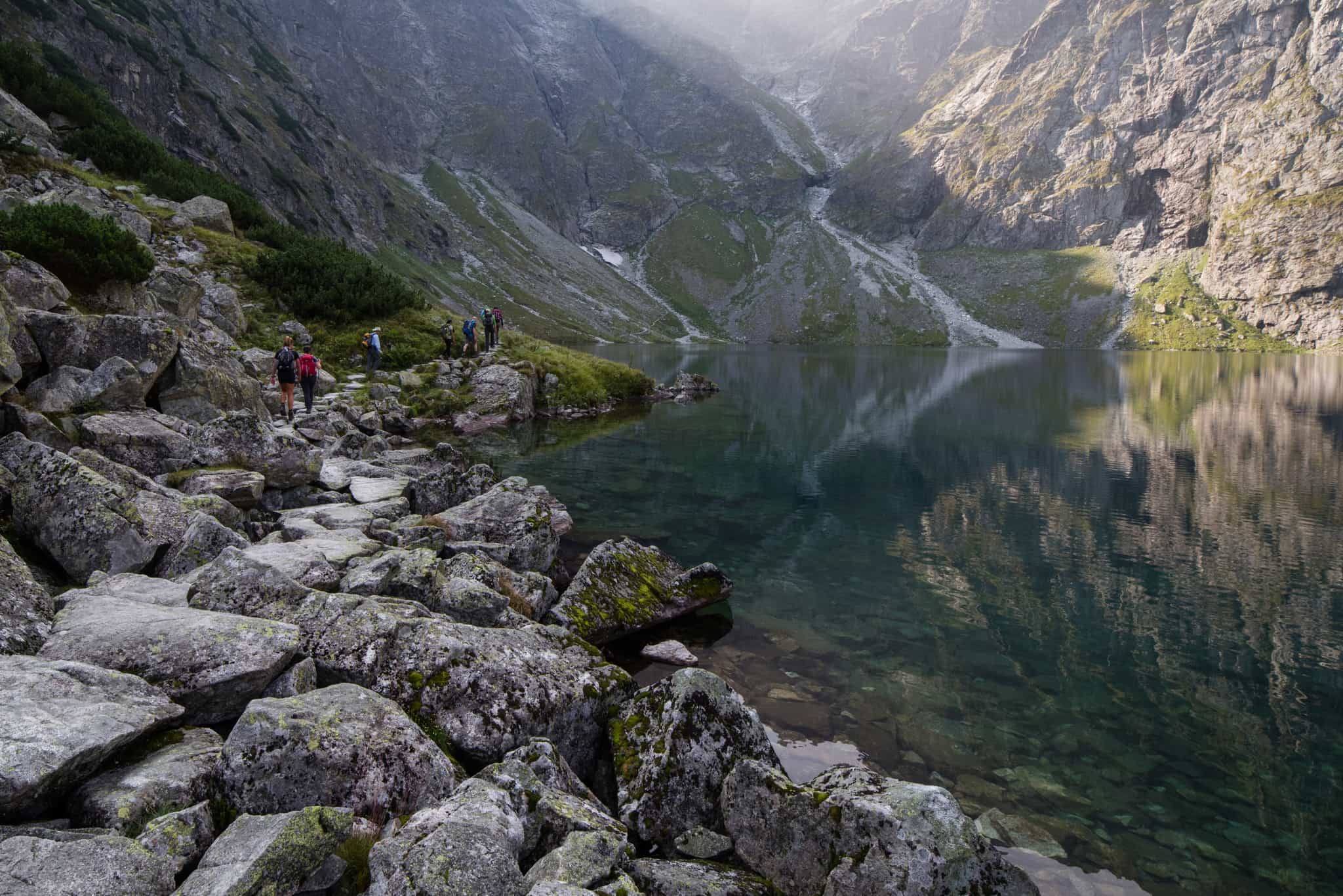
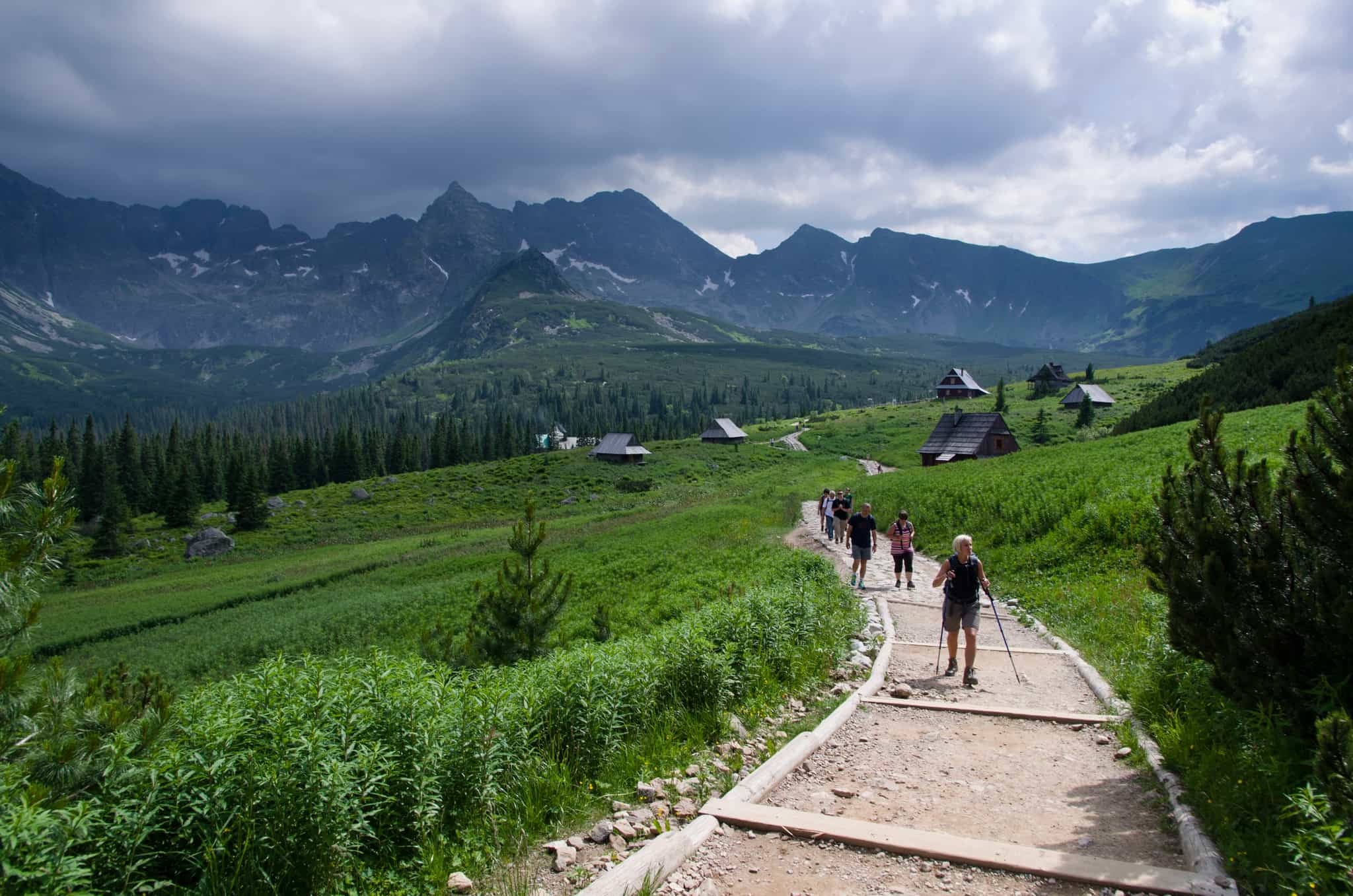
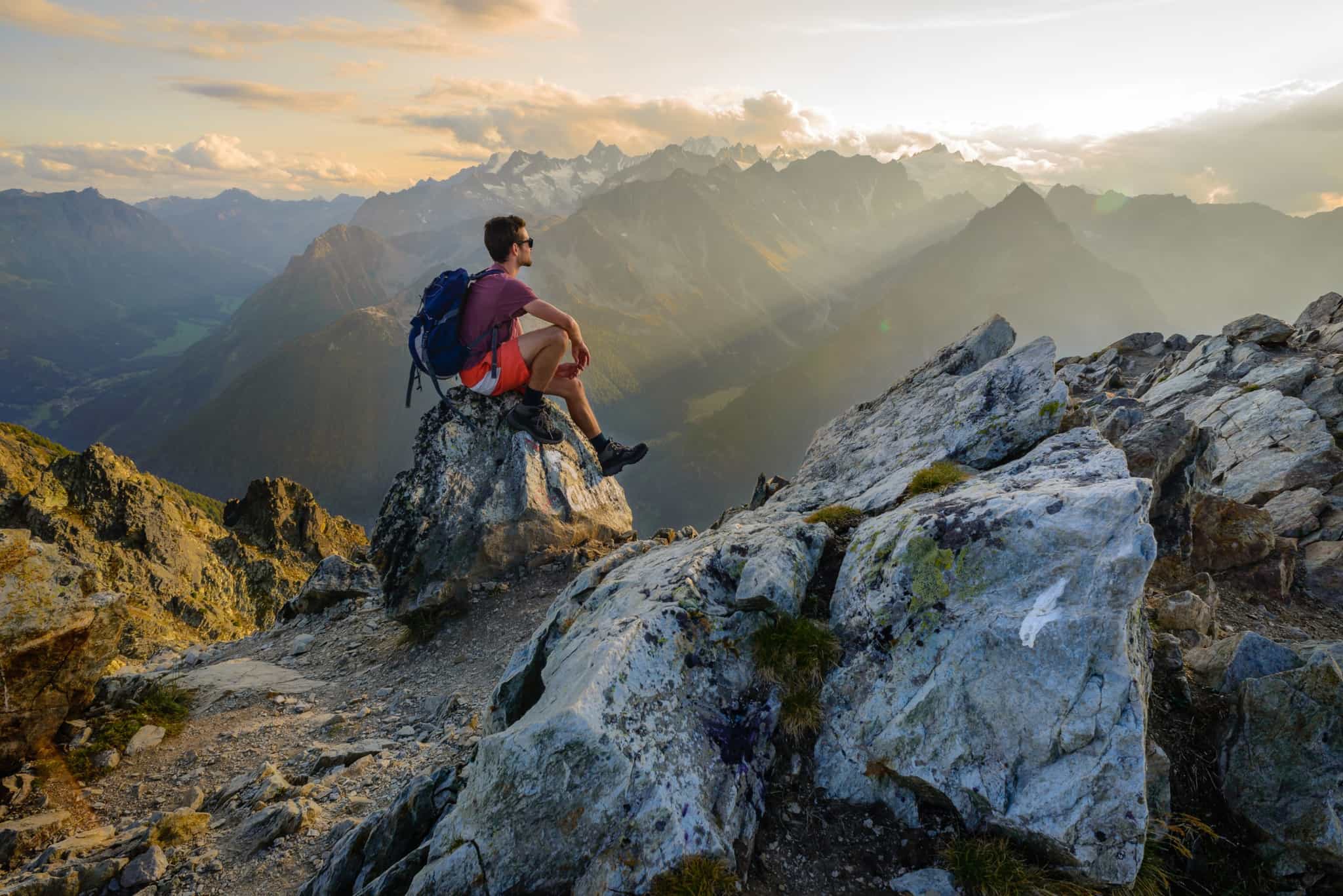
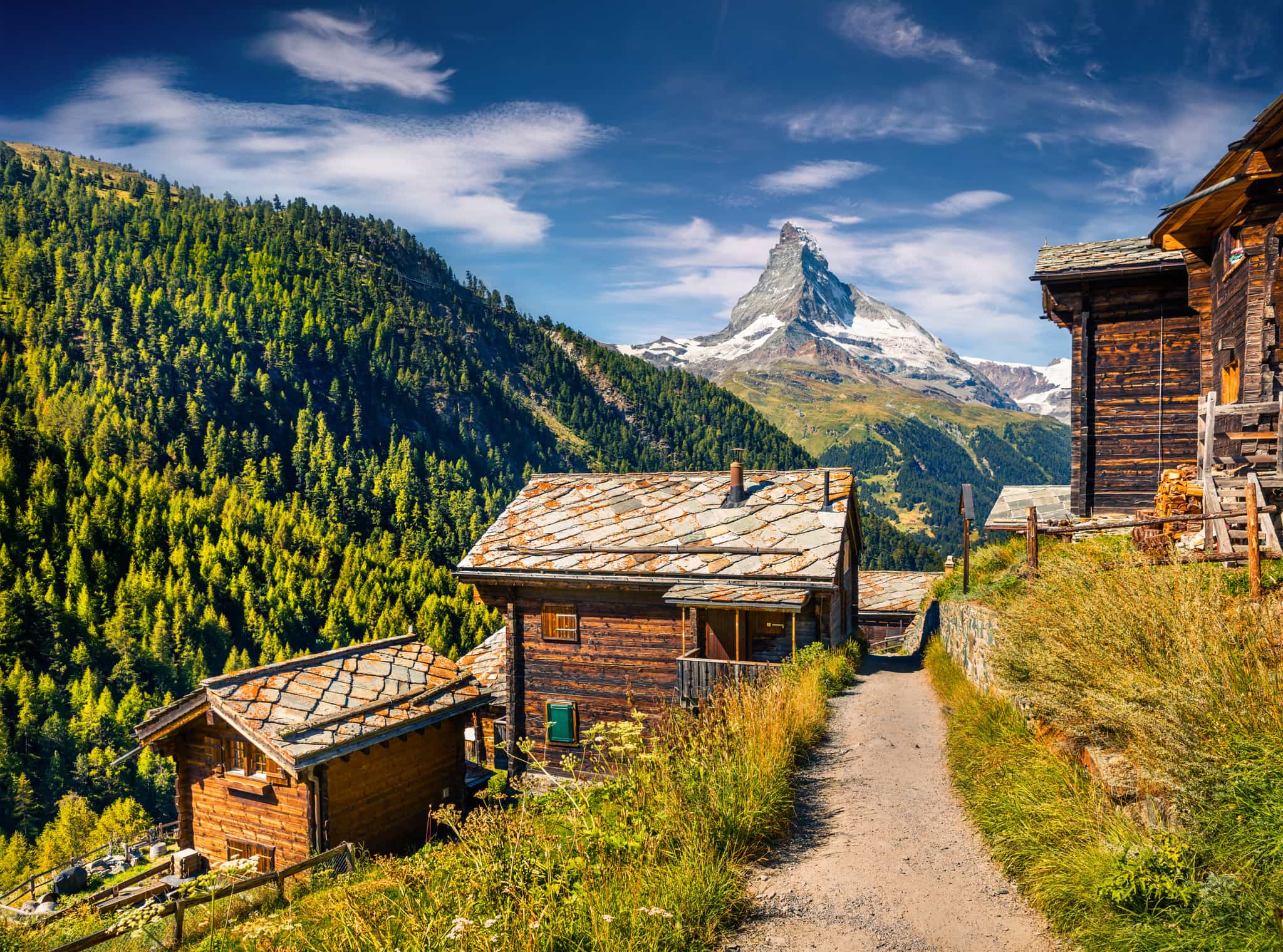
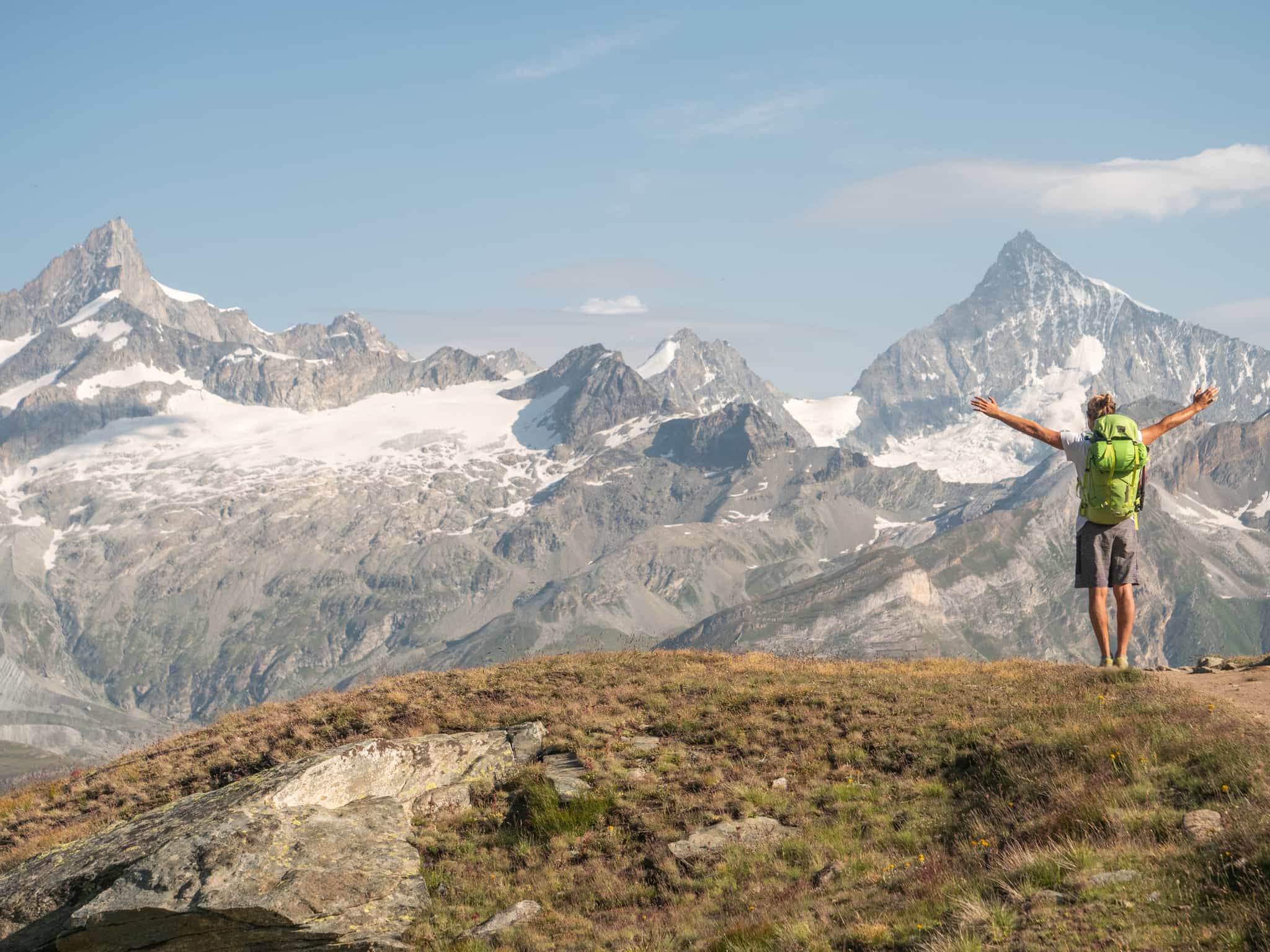
Hiking in Europe (opens in new tab) in July is hiking in the height of summer. Mountain passes are open and green, the snow having melted from all but the extremities, alpine huts bustle with stories of adventure and the daylight hours stretch late into the evening, illuminating ridges and wildflower meadows. At sea level, warm water washes up on sandy shores and remote coastline.
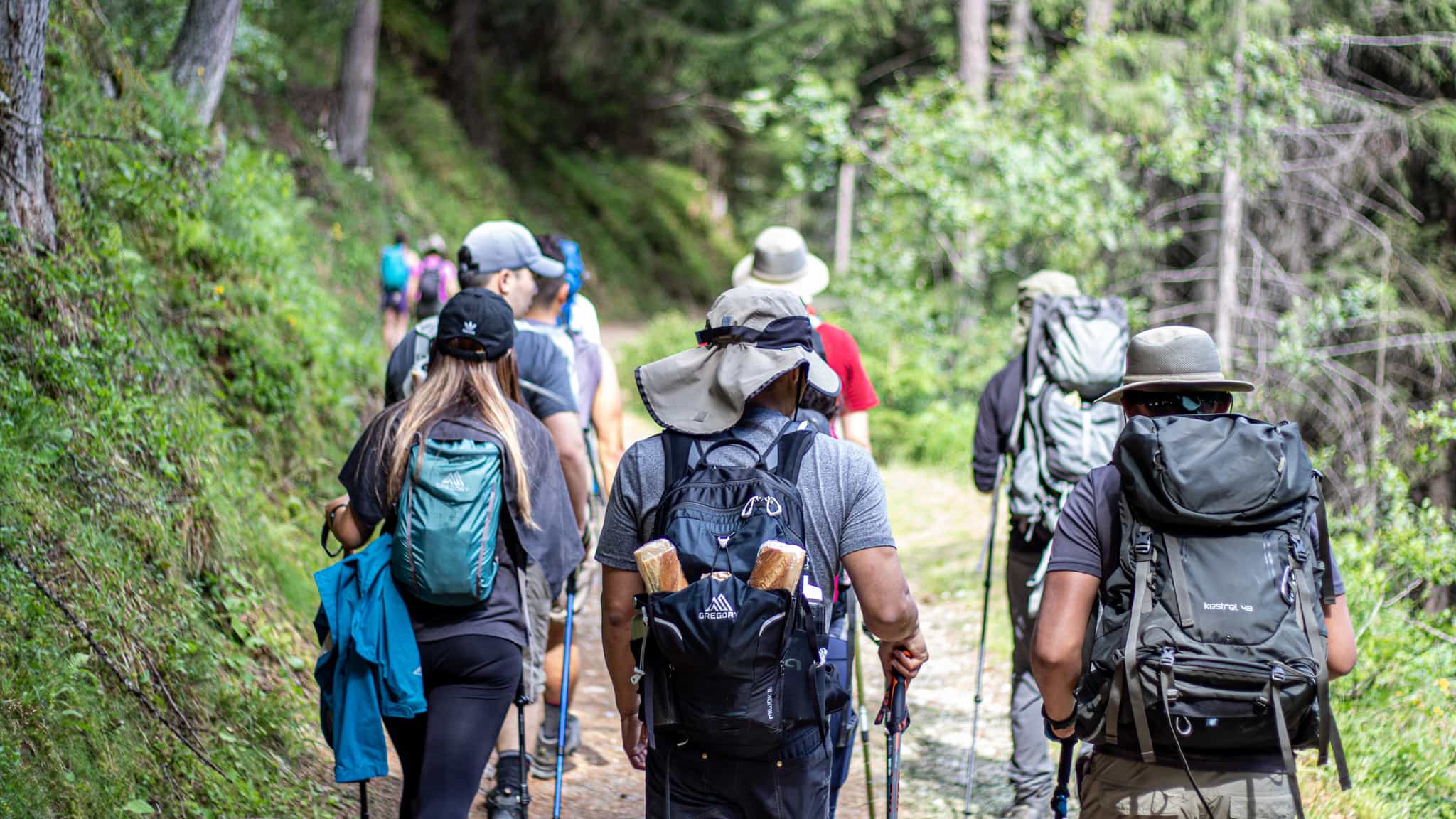
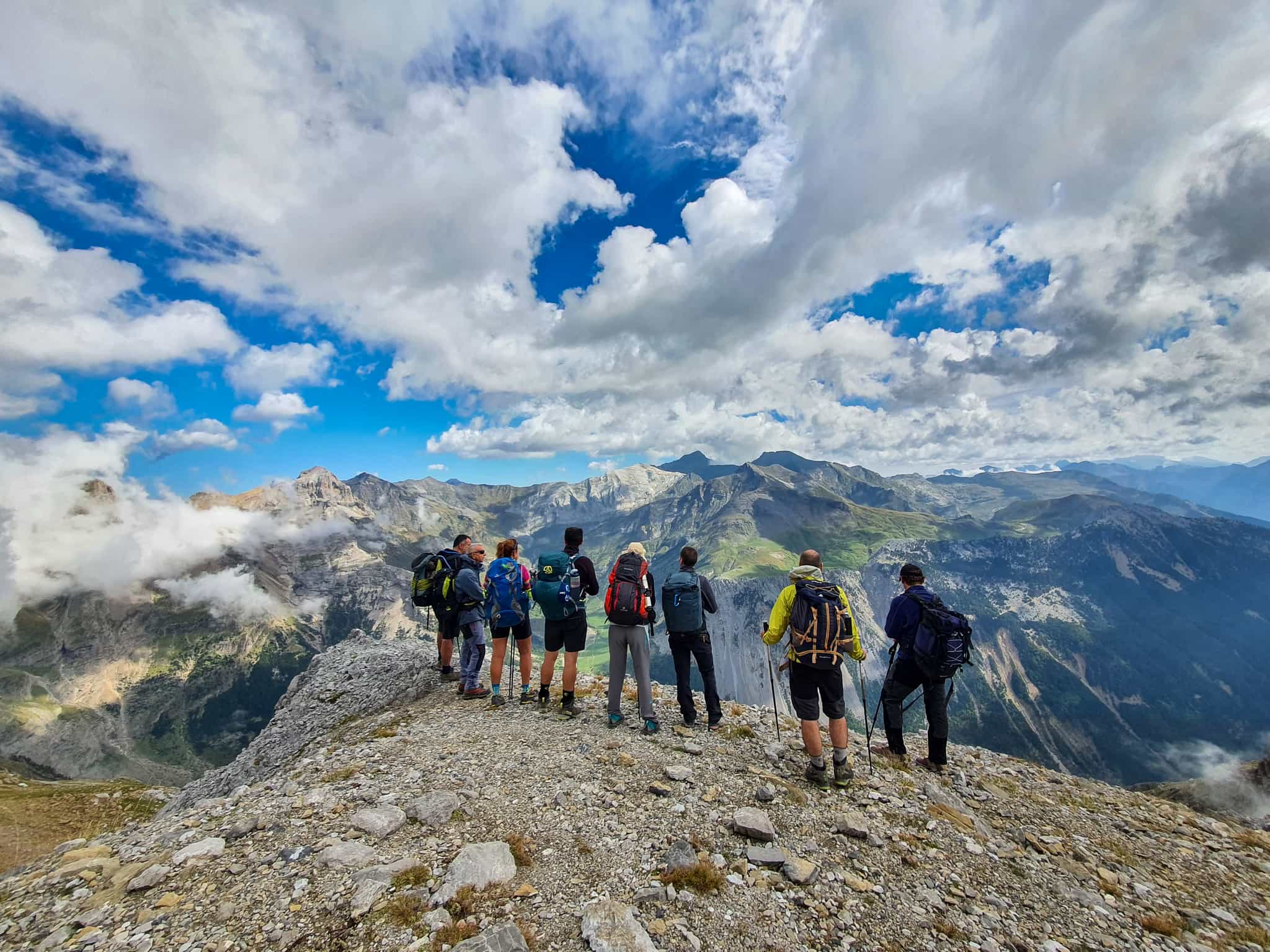
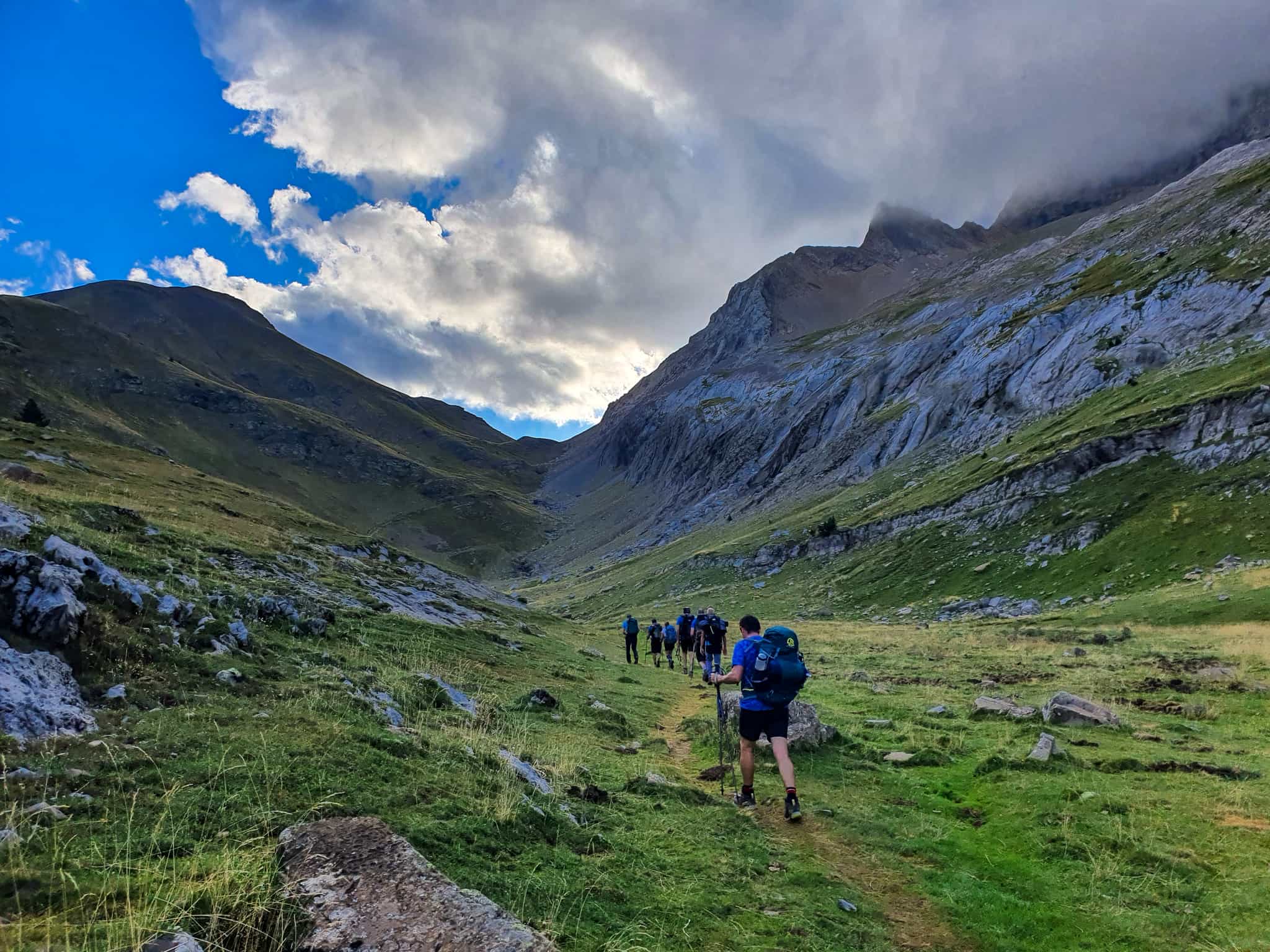
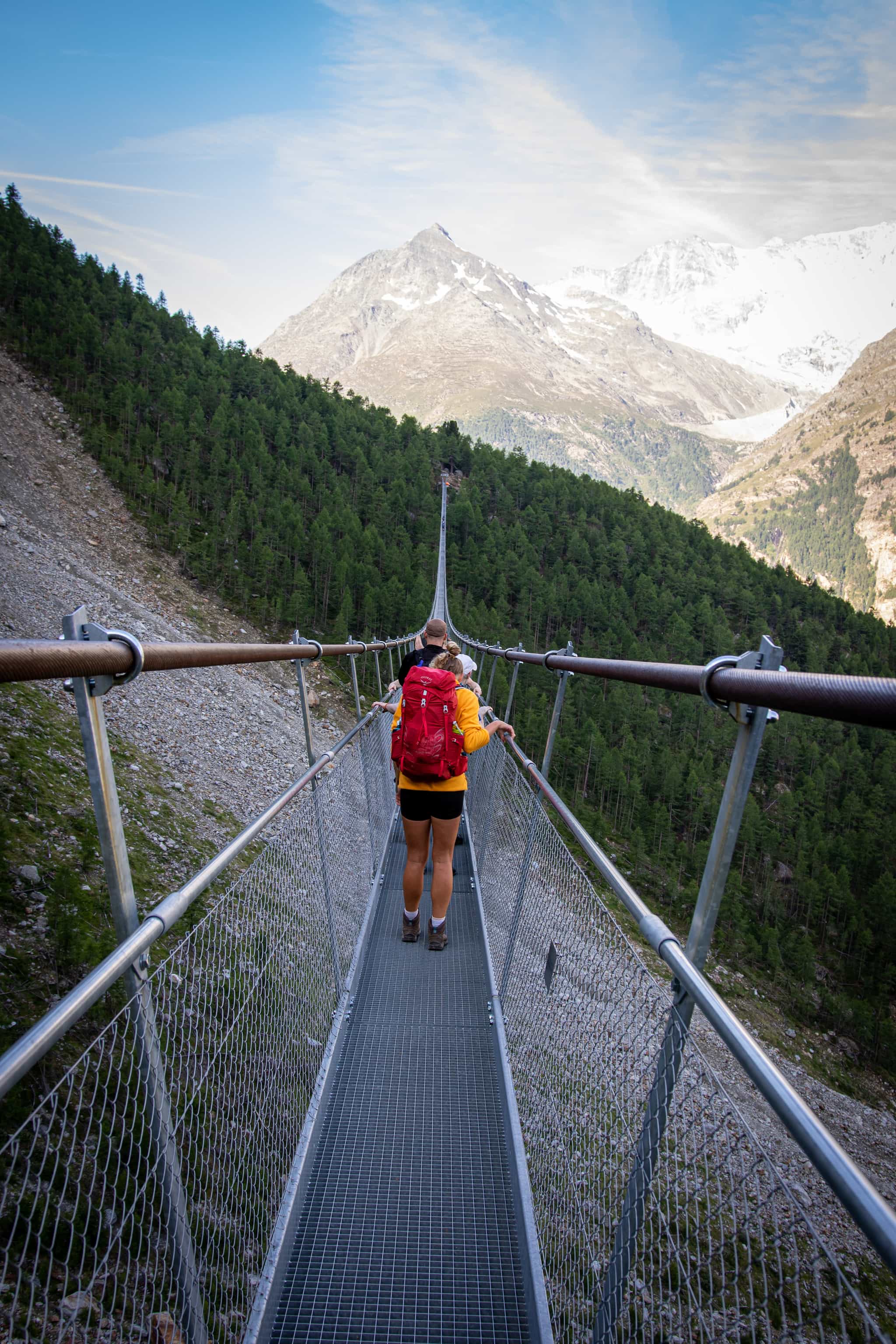
This is a month for big landscapes and high places; for long-distance walking routes which take you across borders and mountain ranges; for hut-to-hut treks over dramatic passes and for coastal trails where the breeze off the water takes the edge off the heat. While southern cities can swelter, the mountains are in their prime - and the higher you go, the better it gets. July is also peak season in many places, which means popular trails can get mega busy.
The key is choosing the right trail; the routes that benefit from the weather or the sea air but also give you a little space from the crowds. It’s a month to embrace the outdoors, in all its wonder.
What’s the Weather Like for Hiking in July?
July is one of the warmest months of the year in Europe. In southern Europe, daytime temperatures often range from 25-35°C (77-95°F) and can exceed that - particularly inland. Along the Mediterranean coast, sea breezes keep things more comfortable, while higher mountain areas remain significantly cooler.
In the Alps (opens in new tab), the Pyrenees (opens in new tab) and the Carpathians, daytime temperatures typically sit between 15-25°C (59-77°F), dropping sharply at night, particularly at altitude. Afternoon thunderstorms can roll through alpine regions, but they’re often short-lived and followed by clear skies.
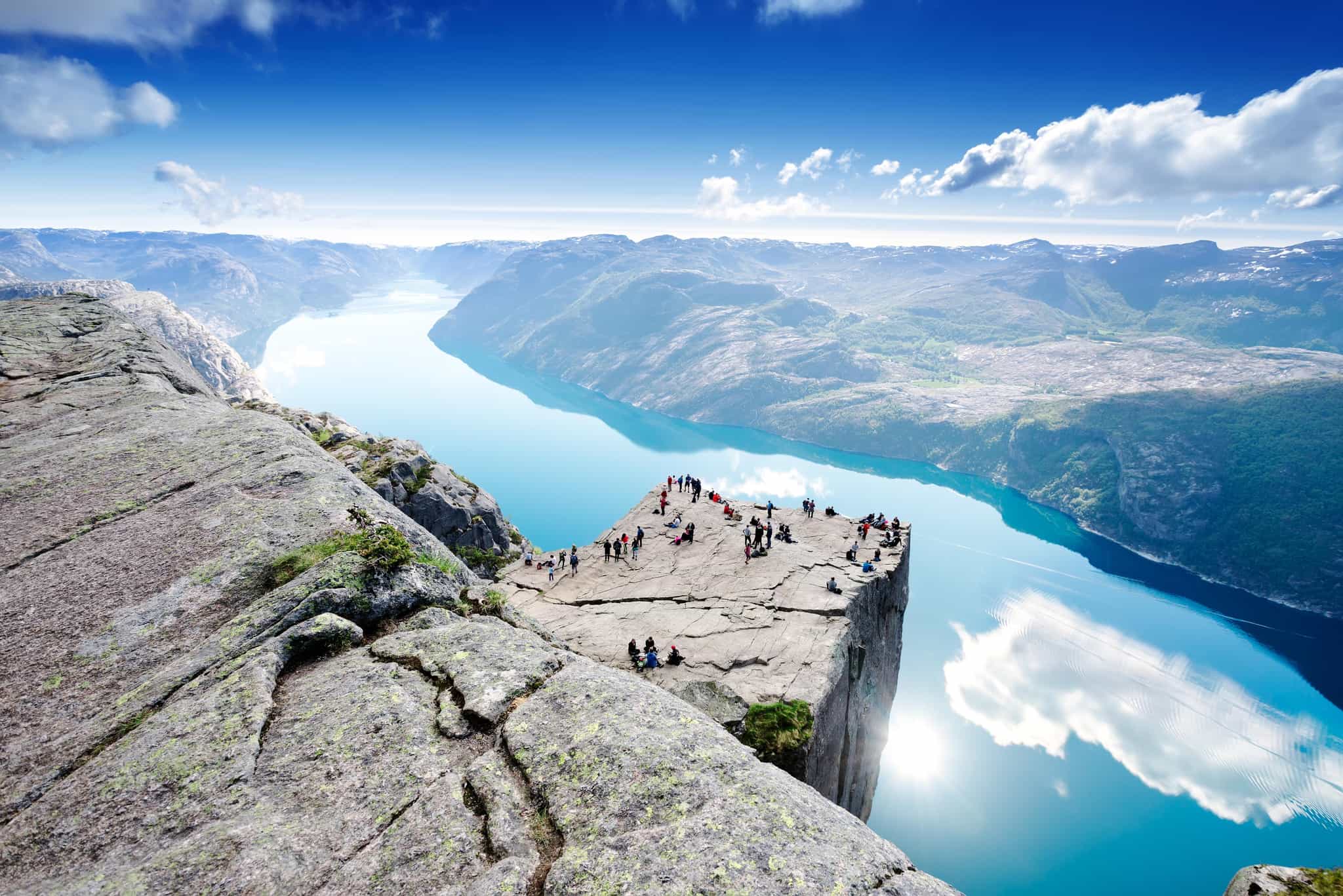
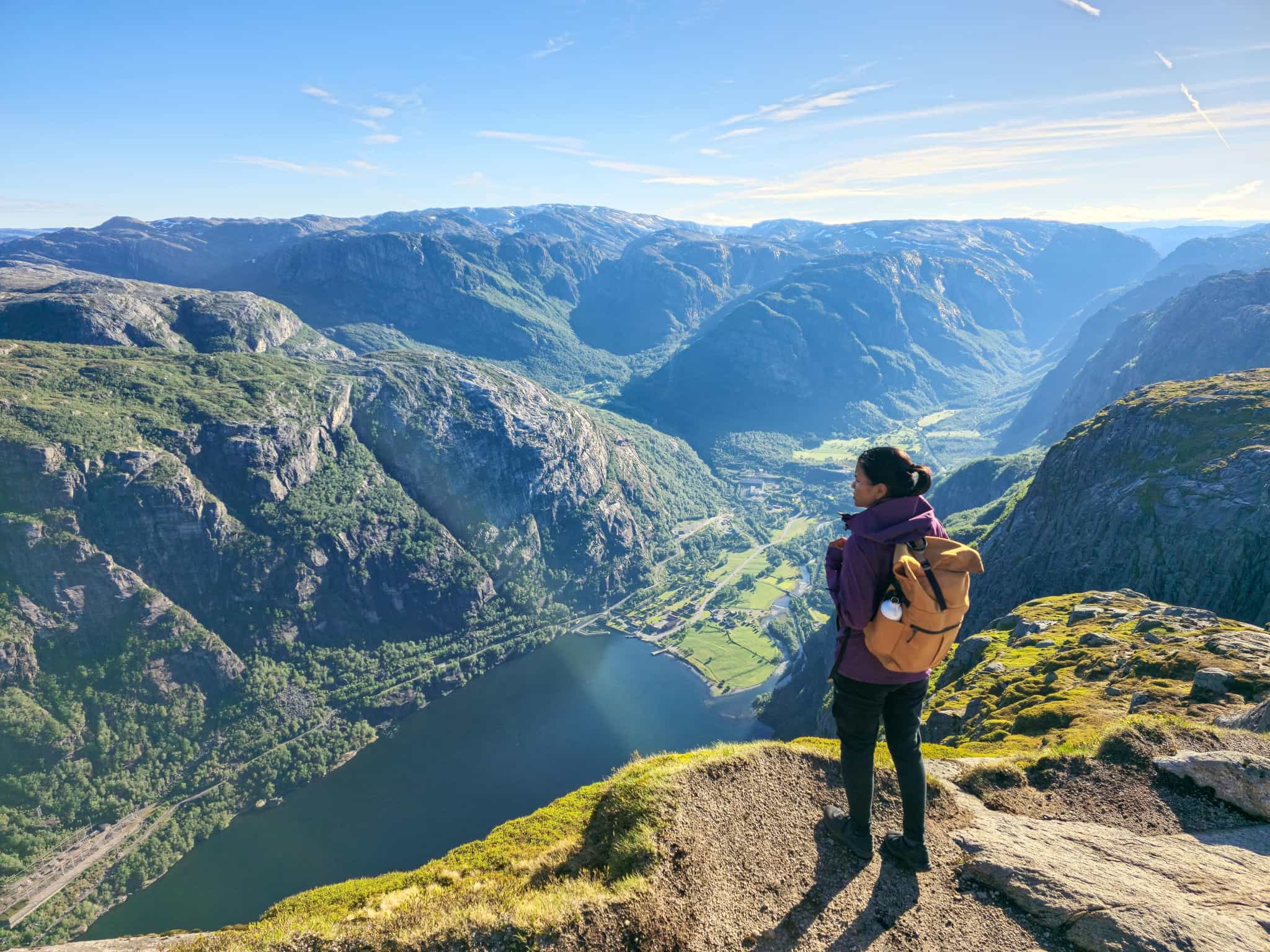
Northern Europe - including Norway (opens in new tab) and Scotland (opens in new tab) - enjoy mild, bright conditions, with average temperatures between 15-22°C (59-72°F). The days are exceptionally long in these countries, particularly in the far north, making this prime time for multi-day treks. Start early, carry plenty of water and you’ve got the whole day for walking right through July.
Best Hiking Destinations in July
July is made for long mountain journeys and coastal adventures that have you outdoors all day.
1. Tour du Mont Blanc, France, Italy & Switzerland
- Average daytime temperatures: 18-25°C (64-77°F)
- Average nighttime temperatures: 8-12°C (46-54°F)
- Best for: A classic alpine circuit
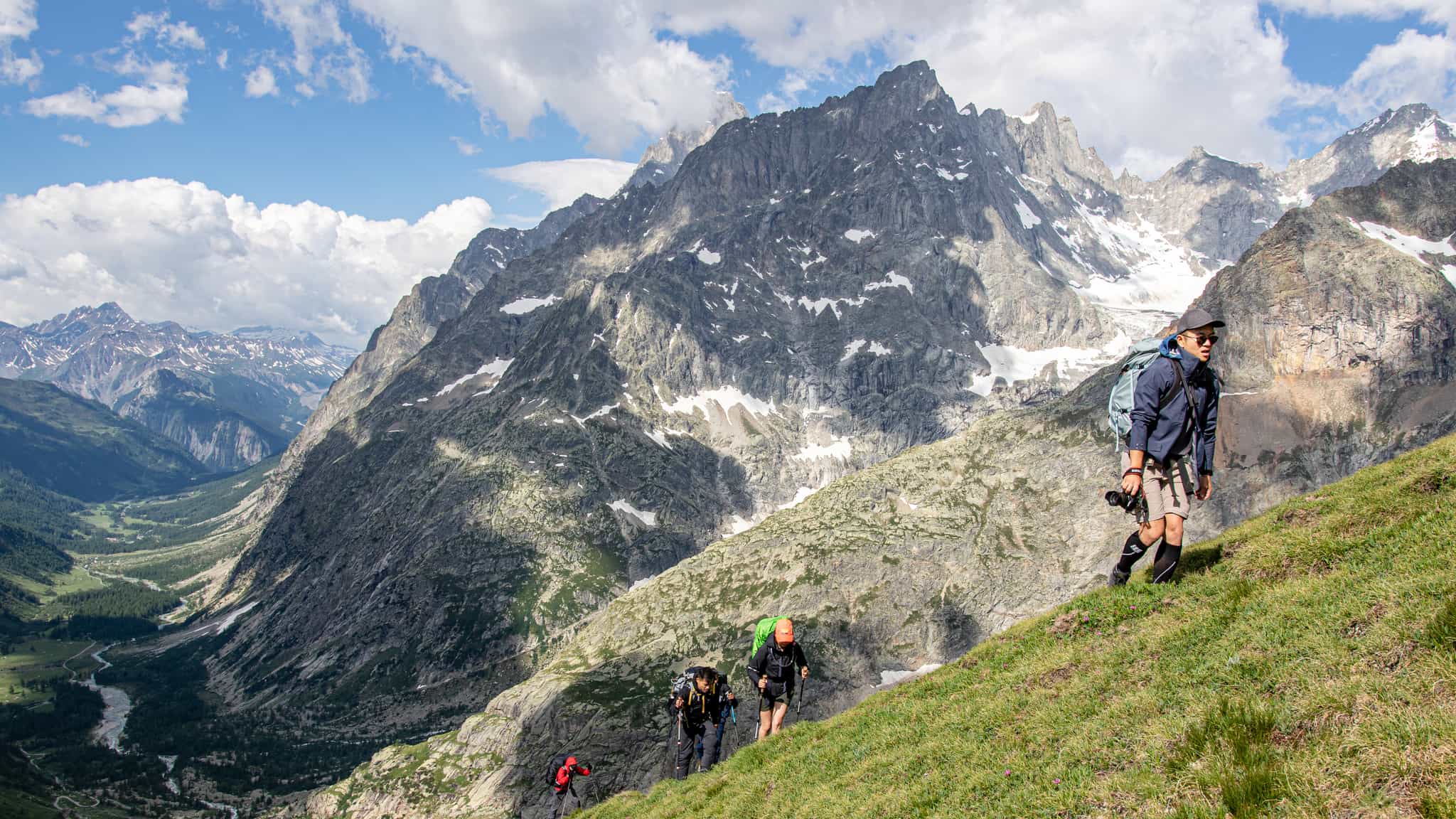
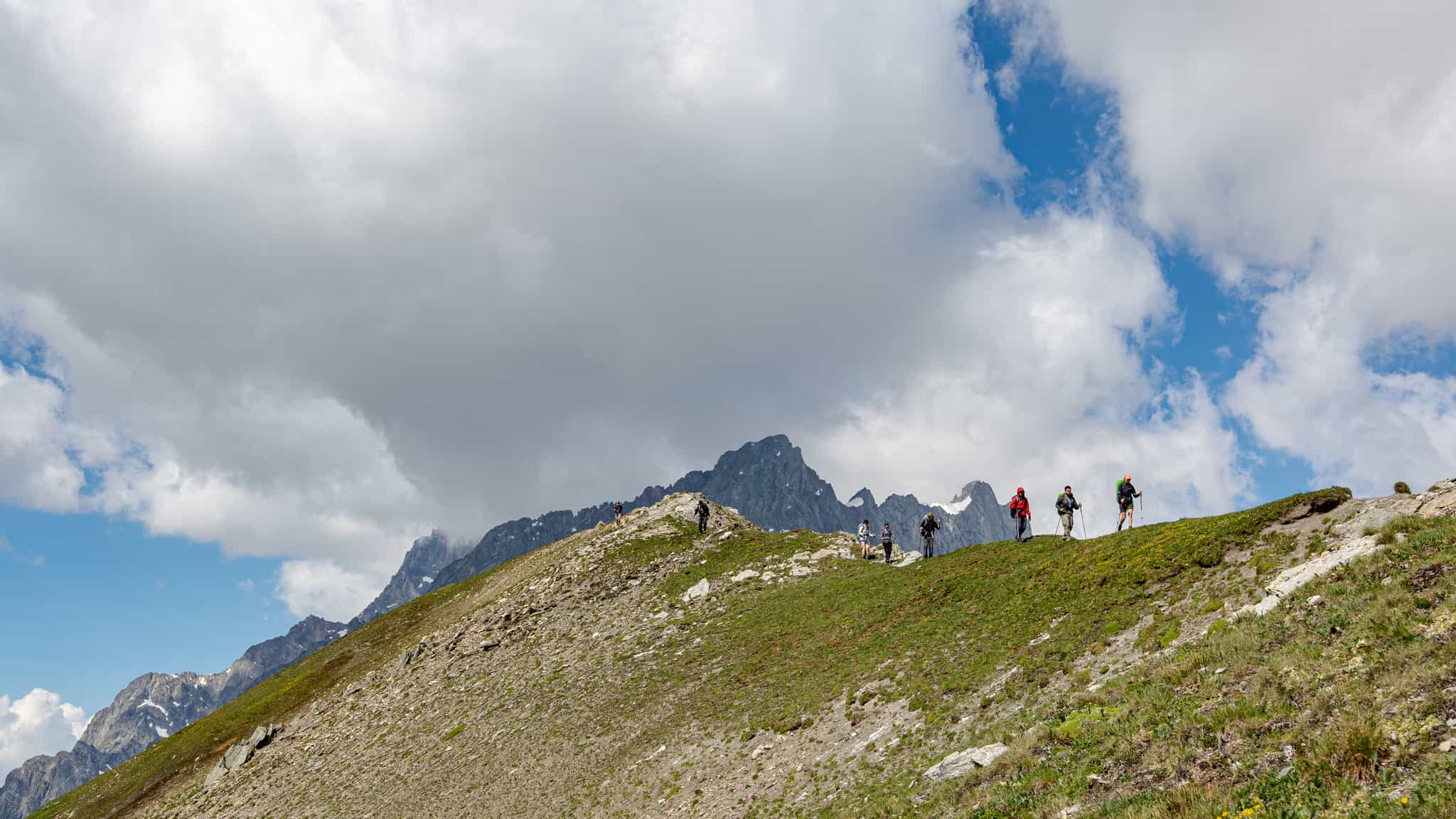
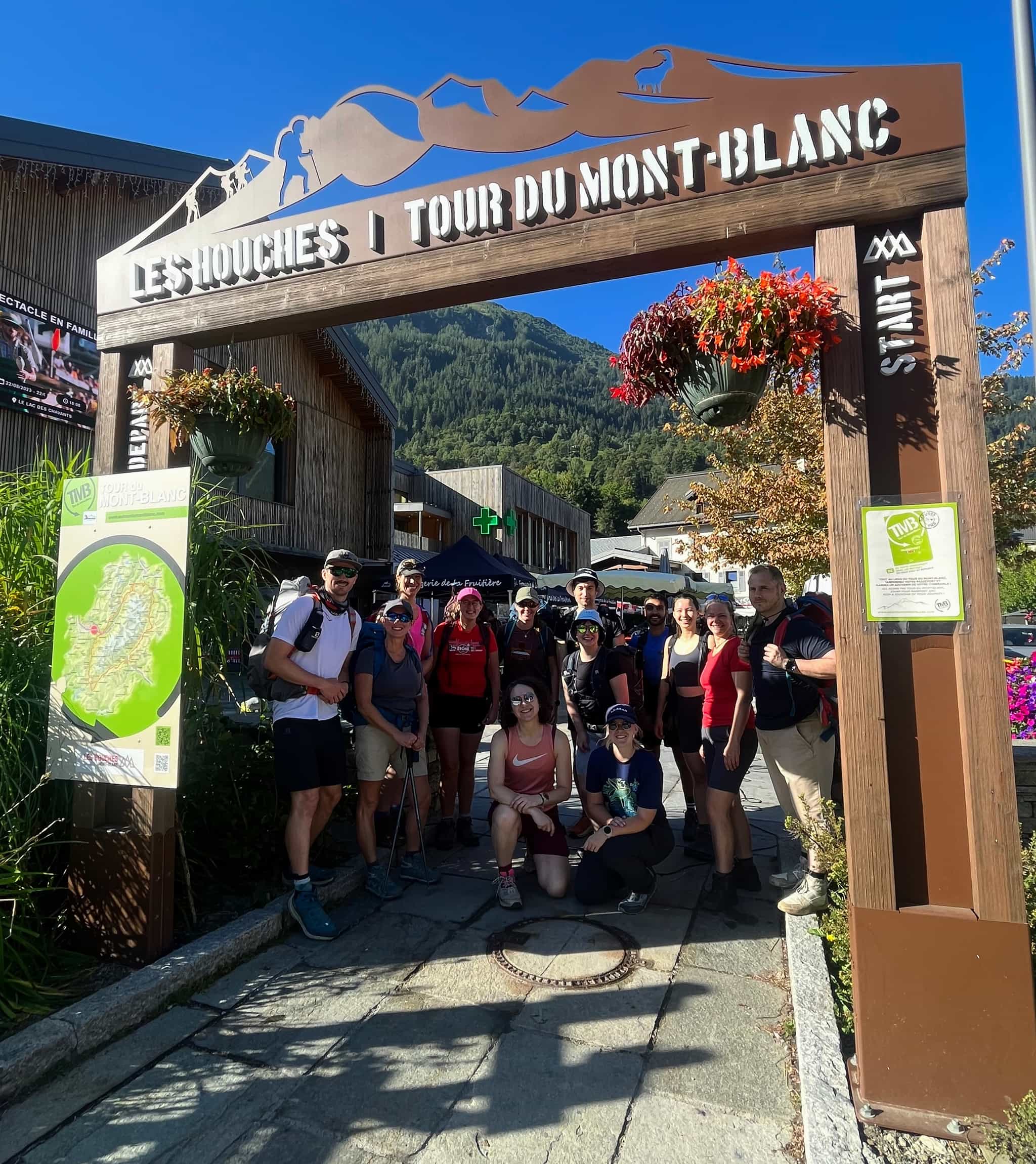
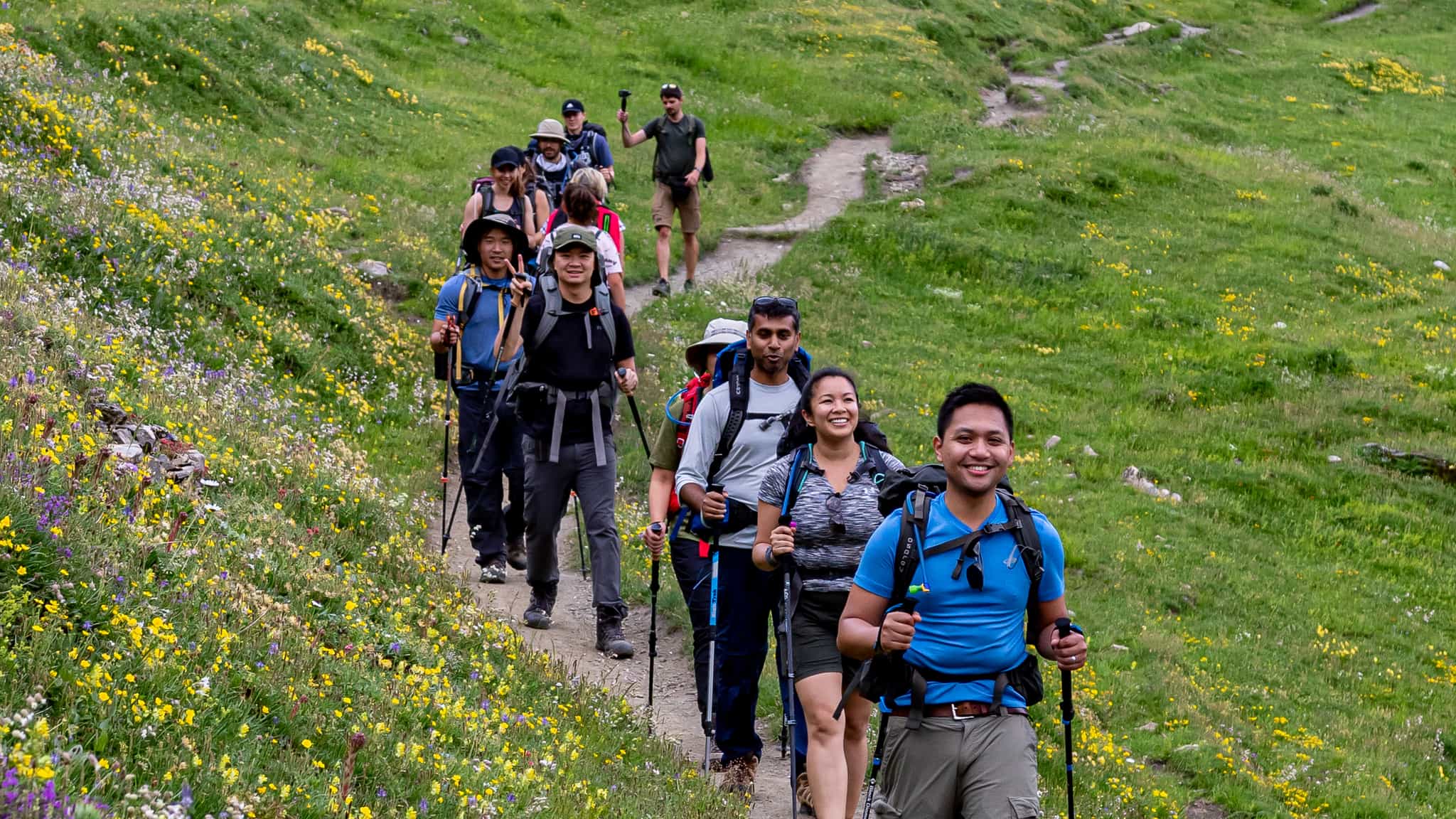
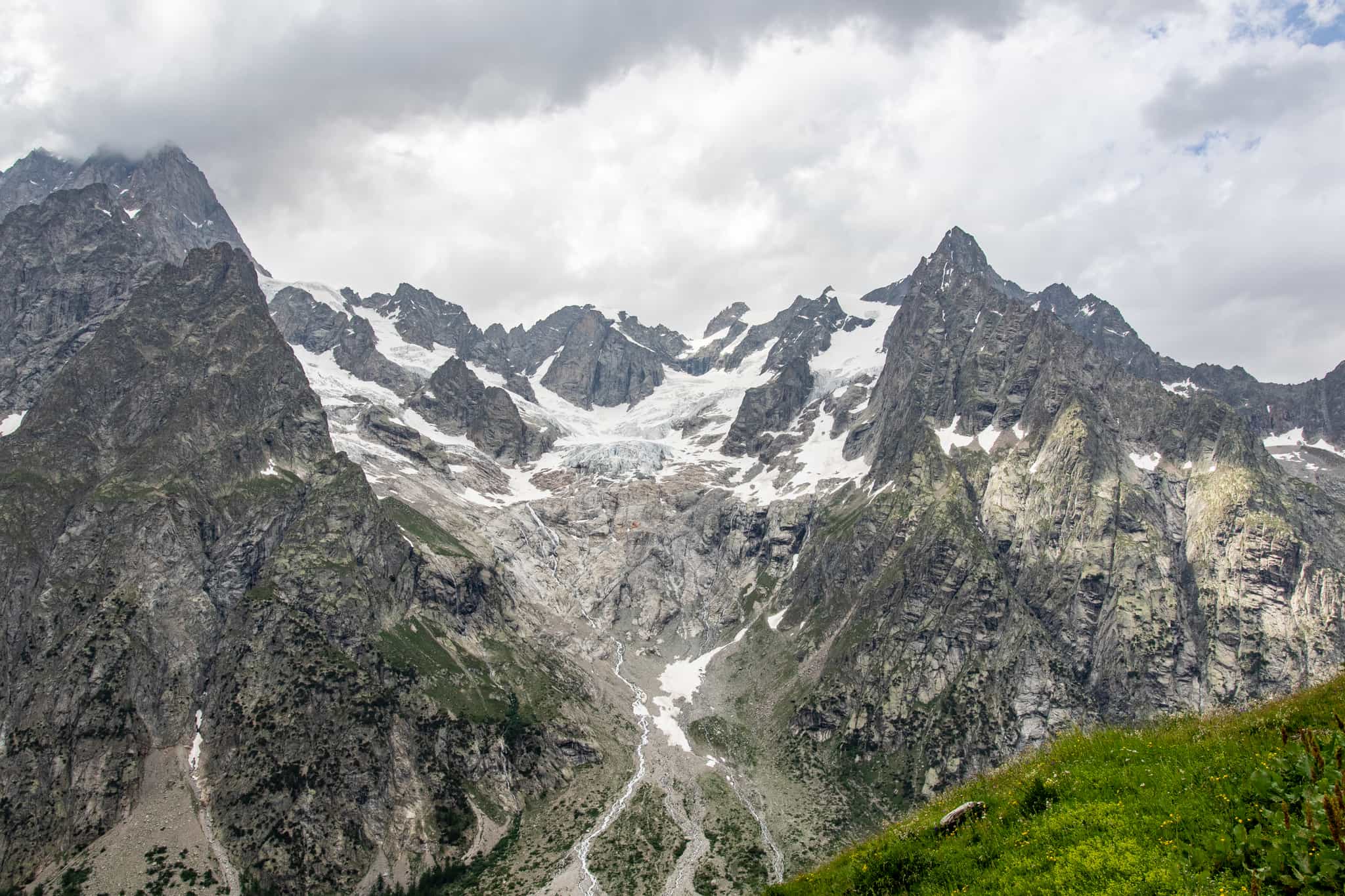
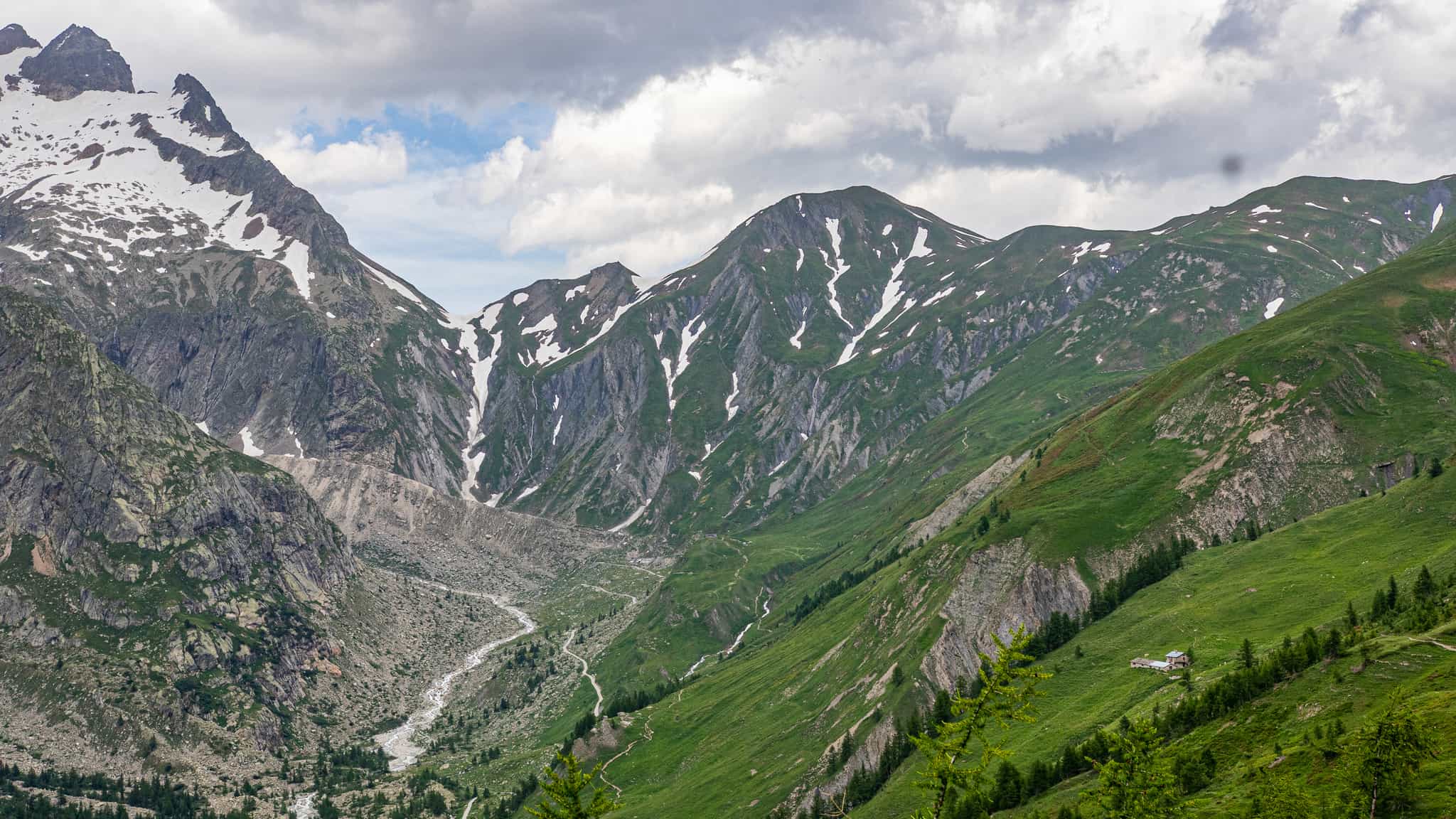
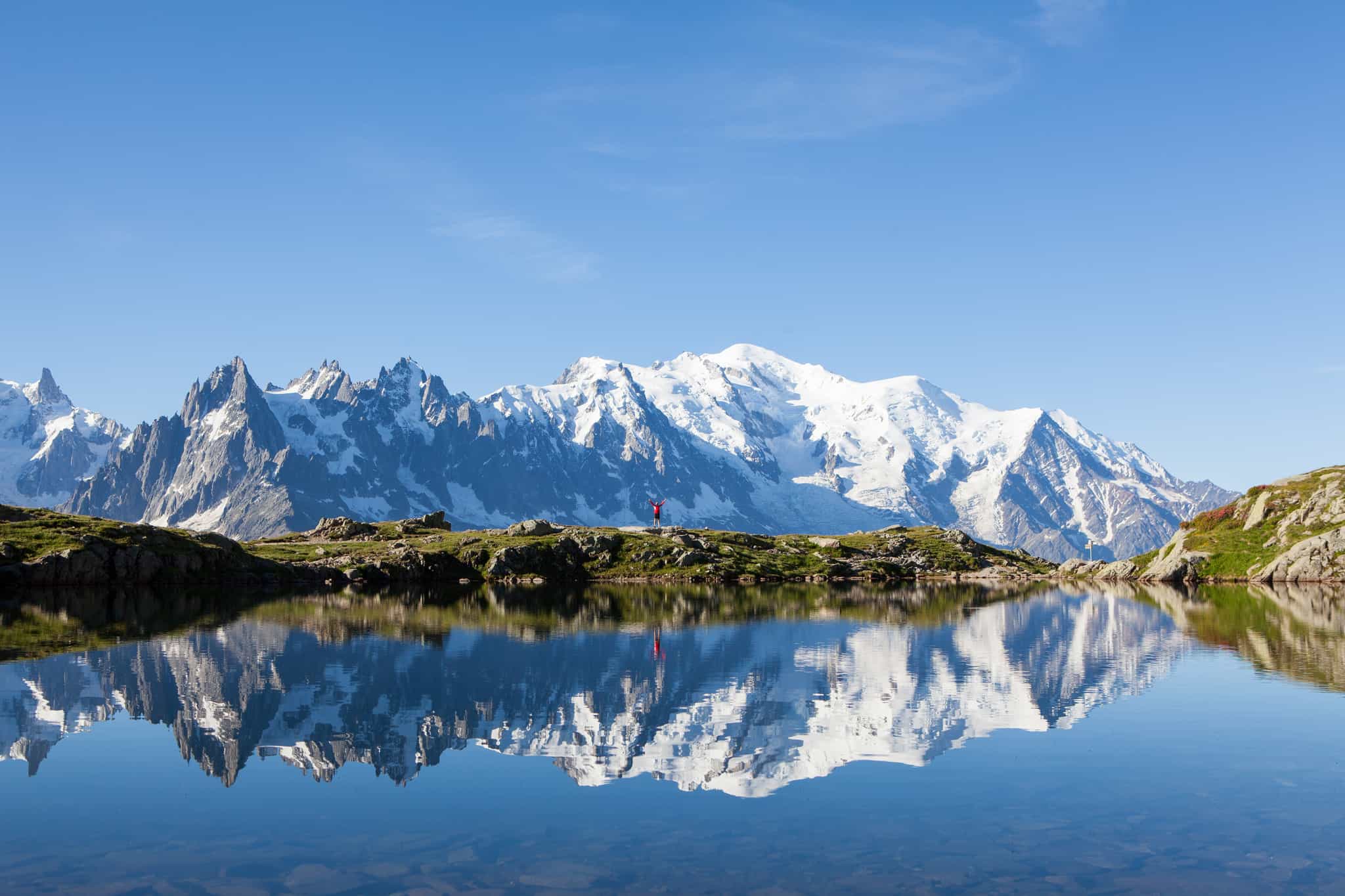
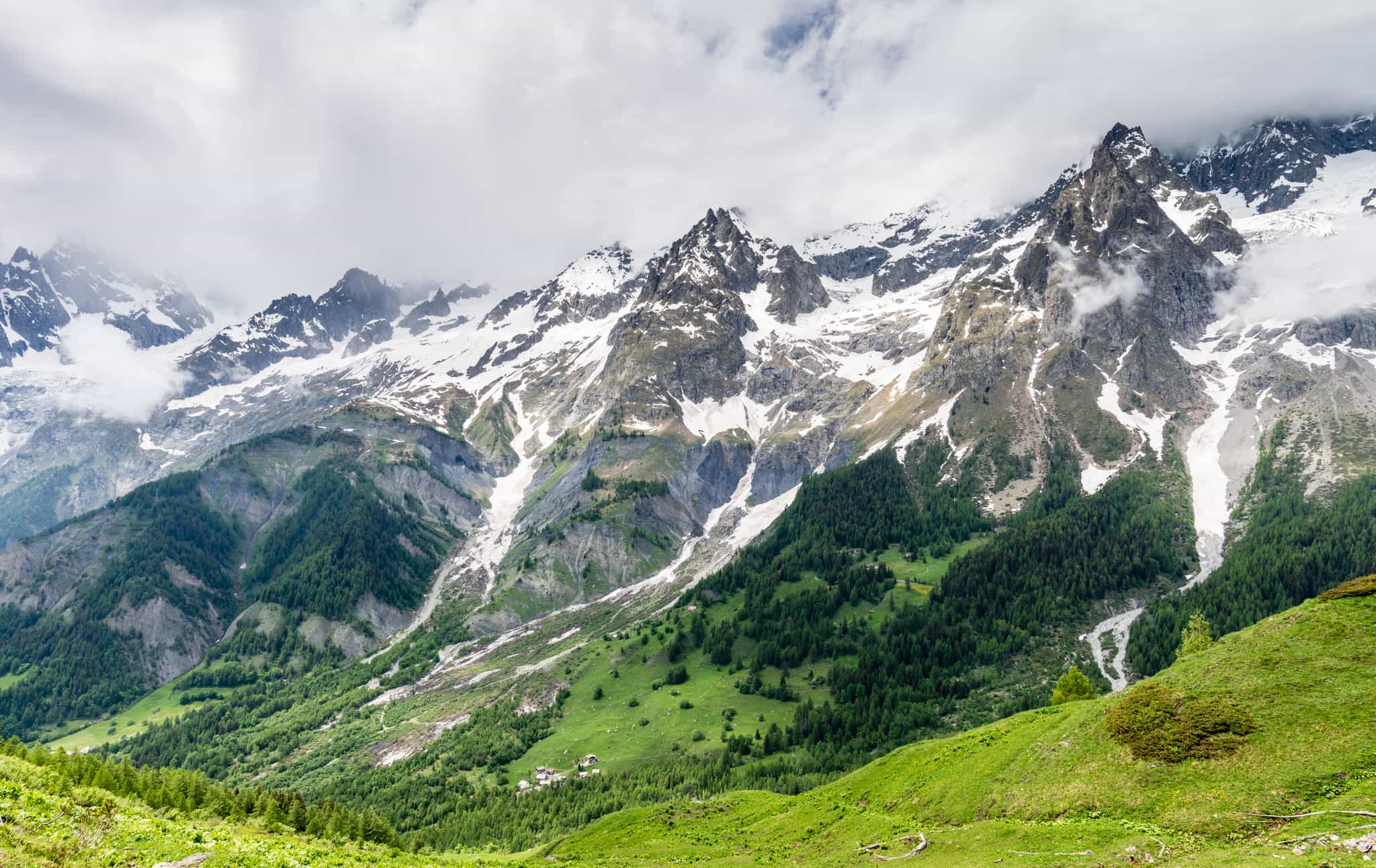
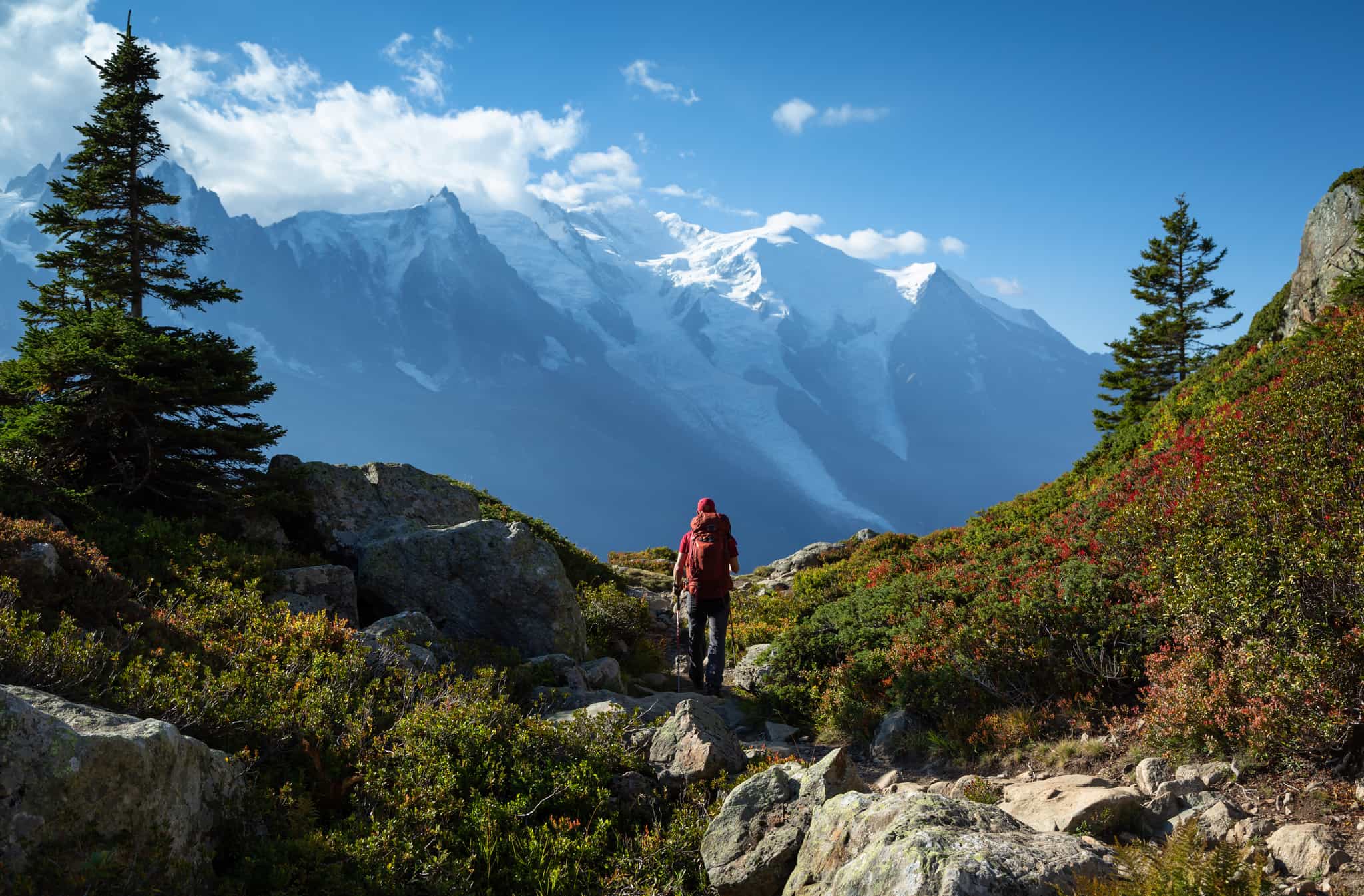
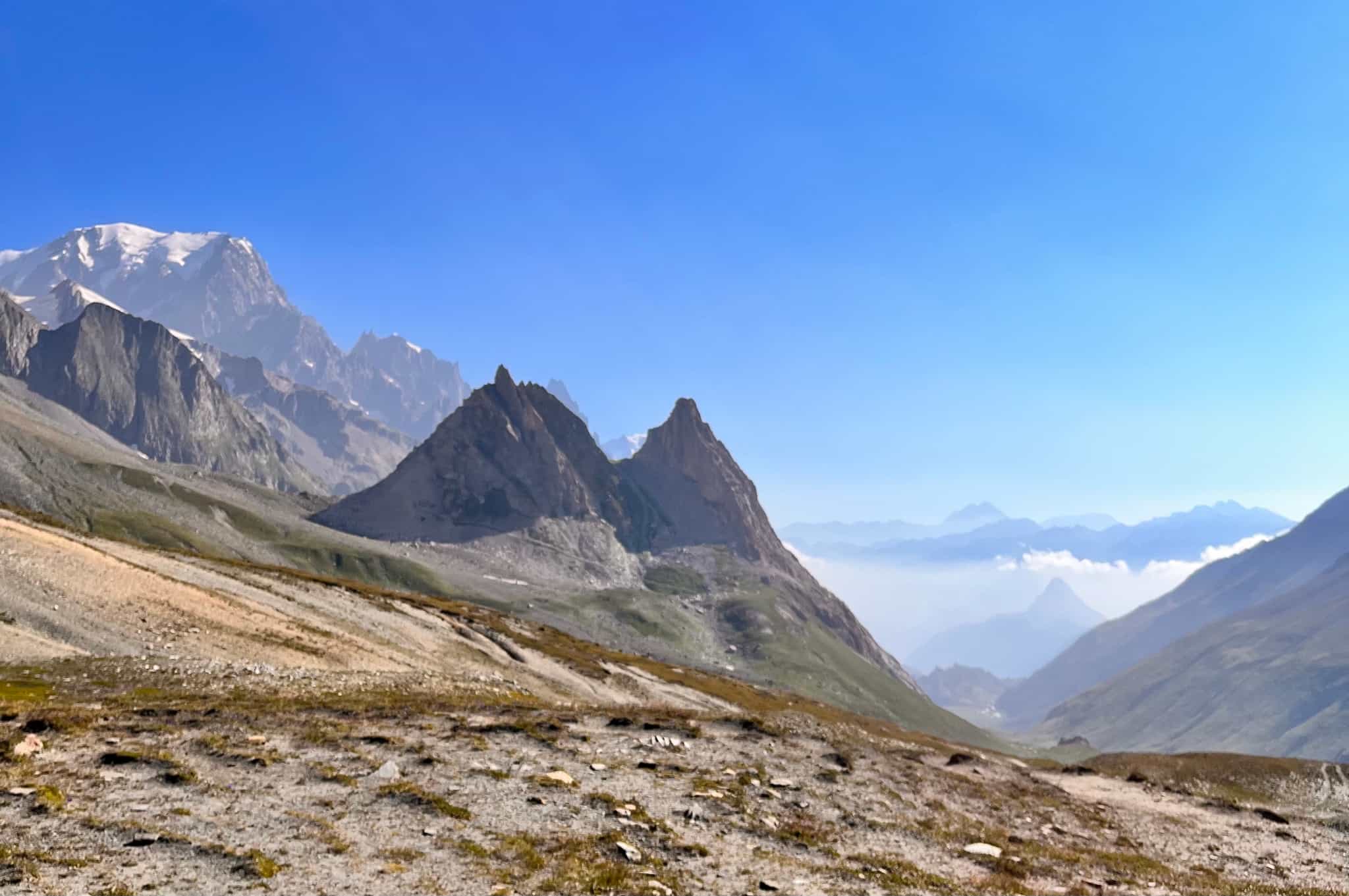
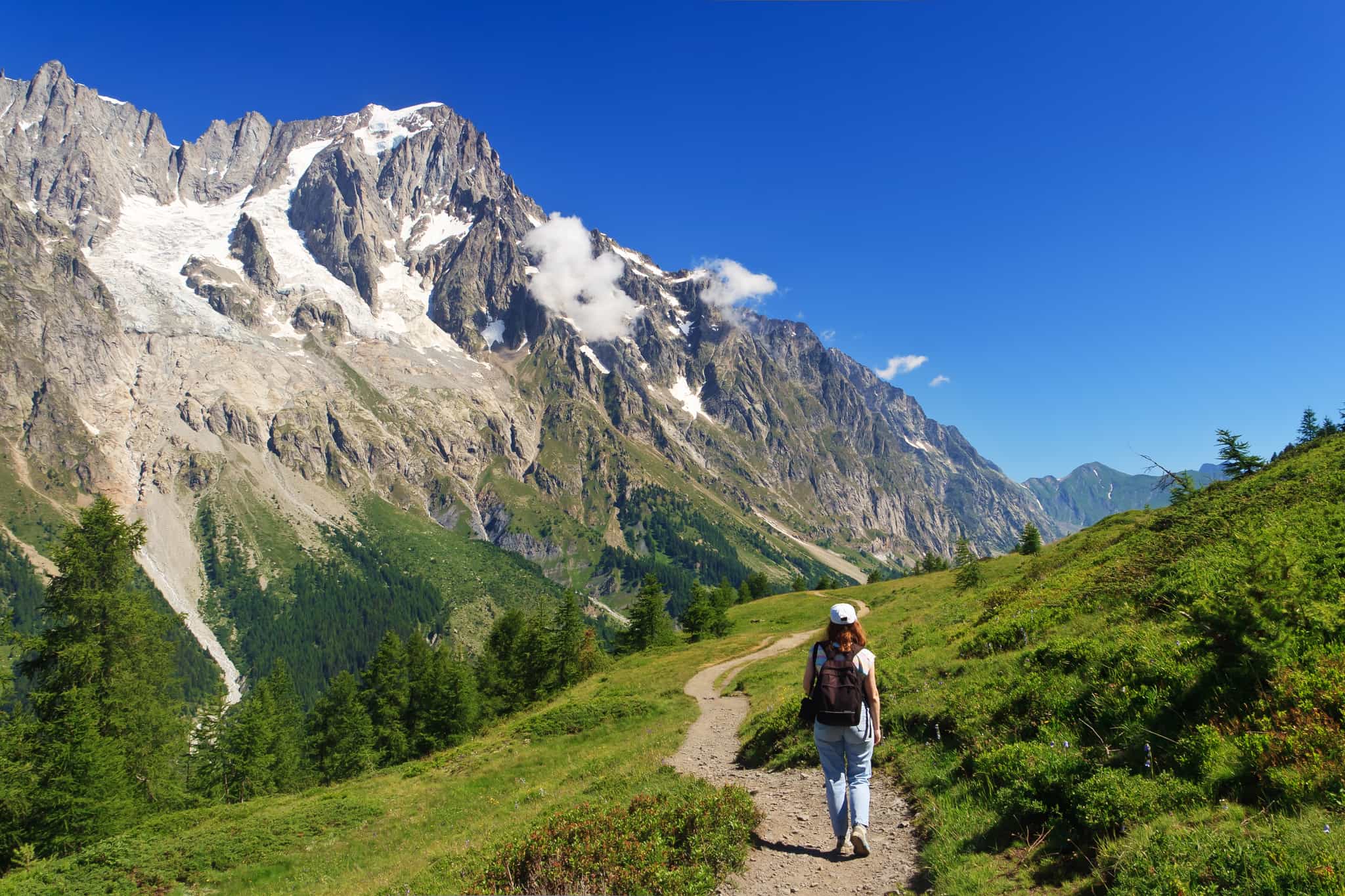
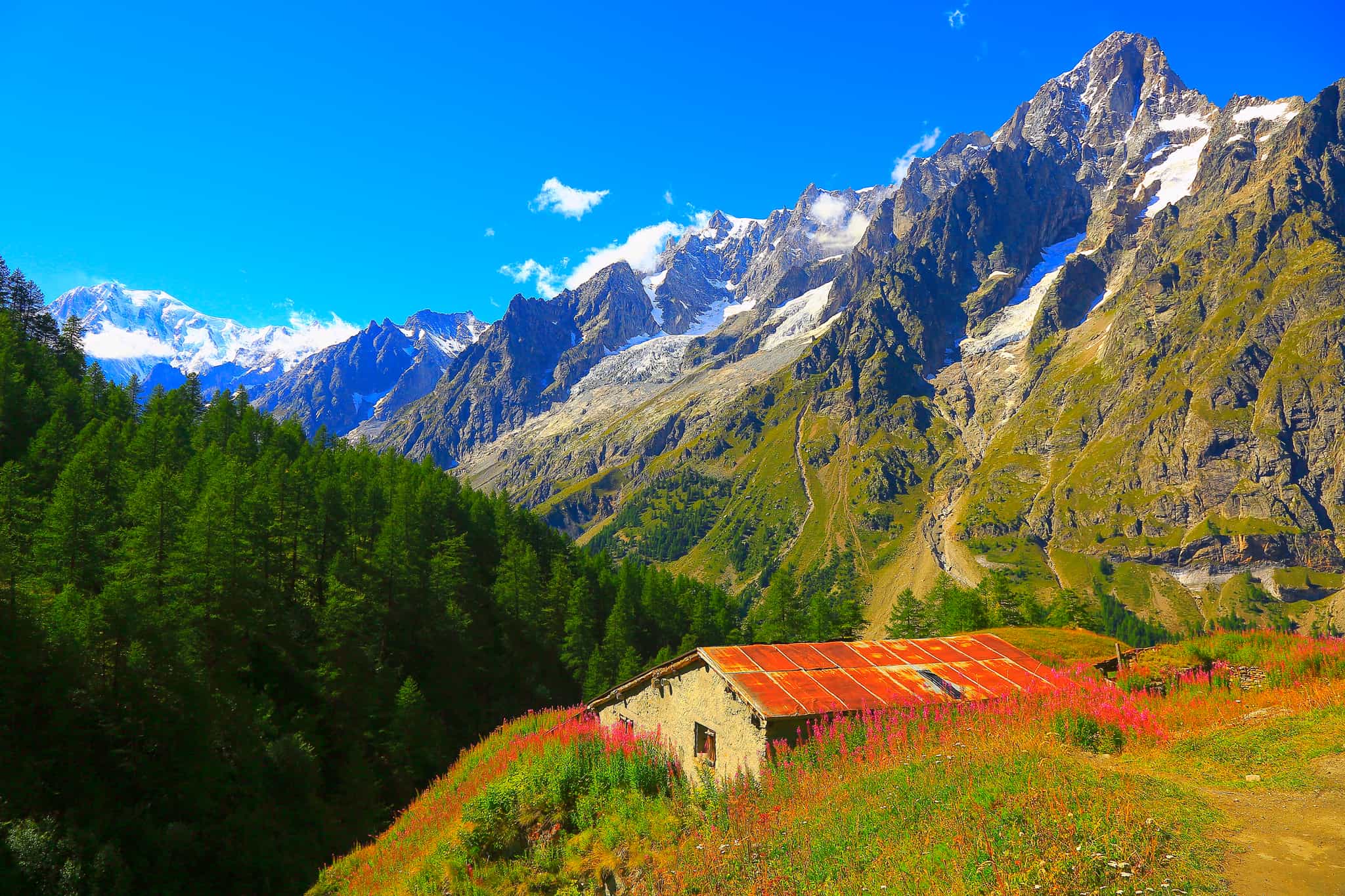
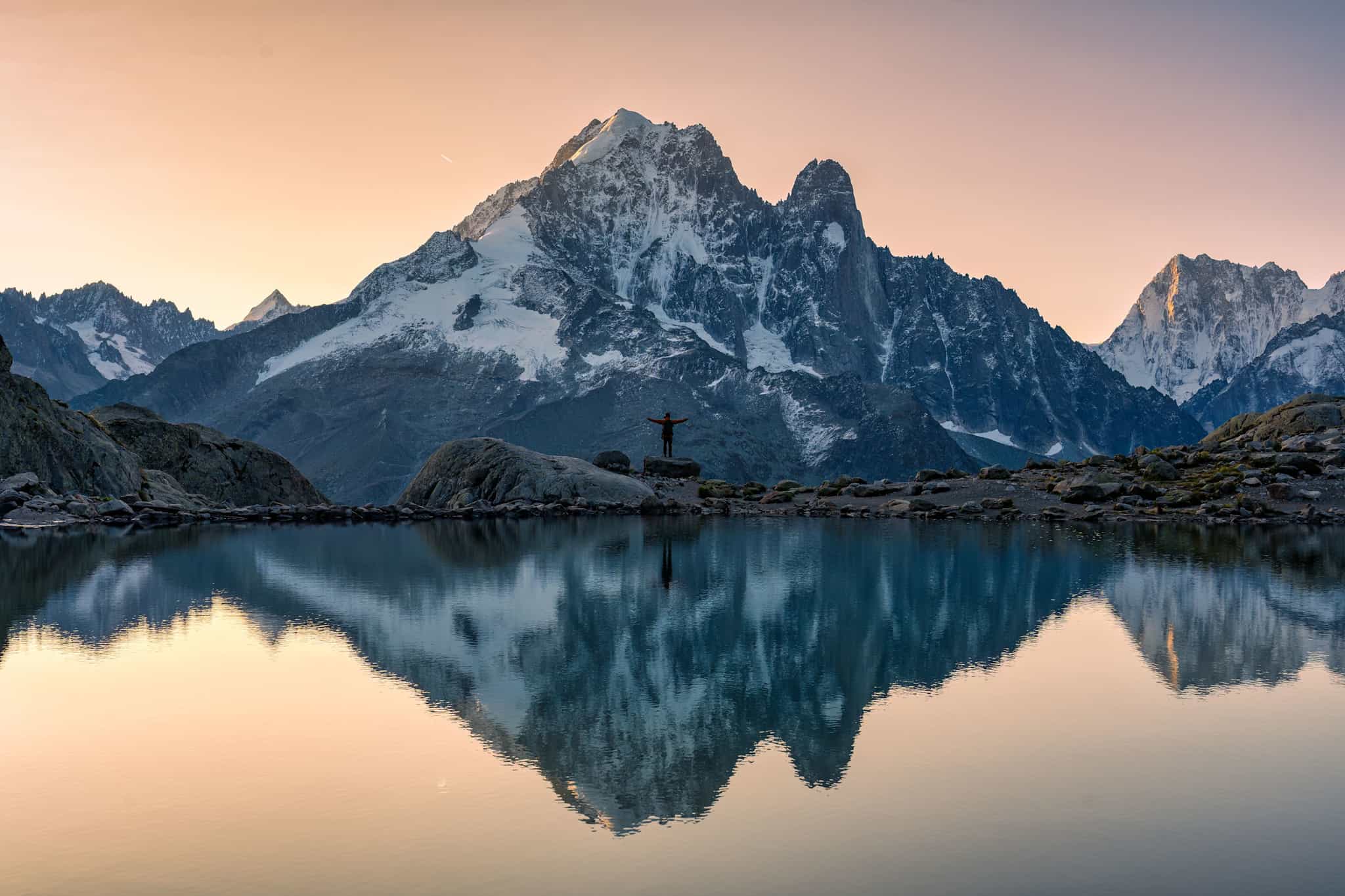
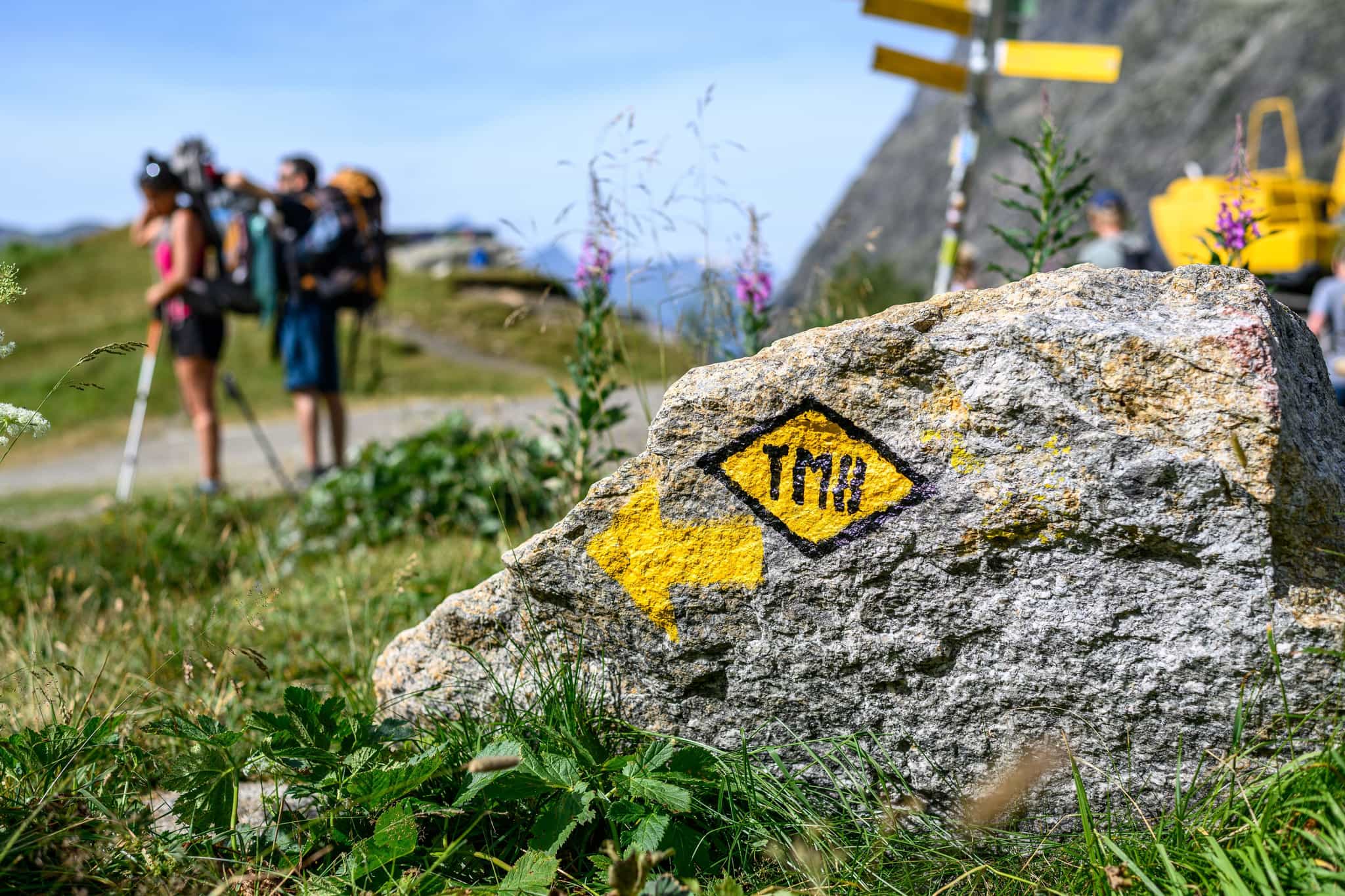
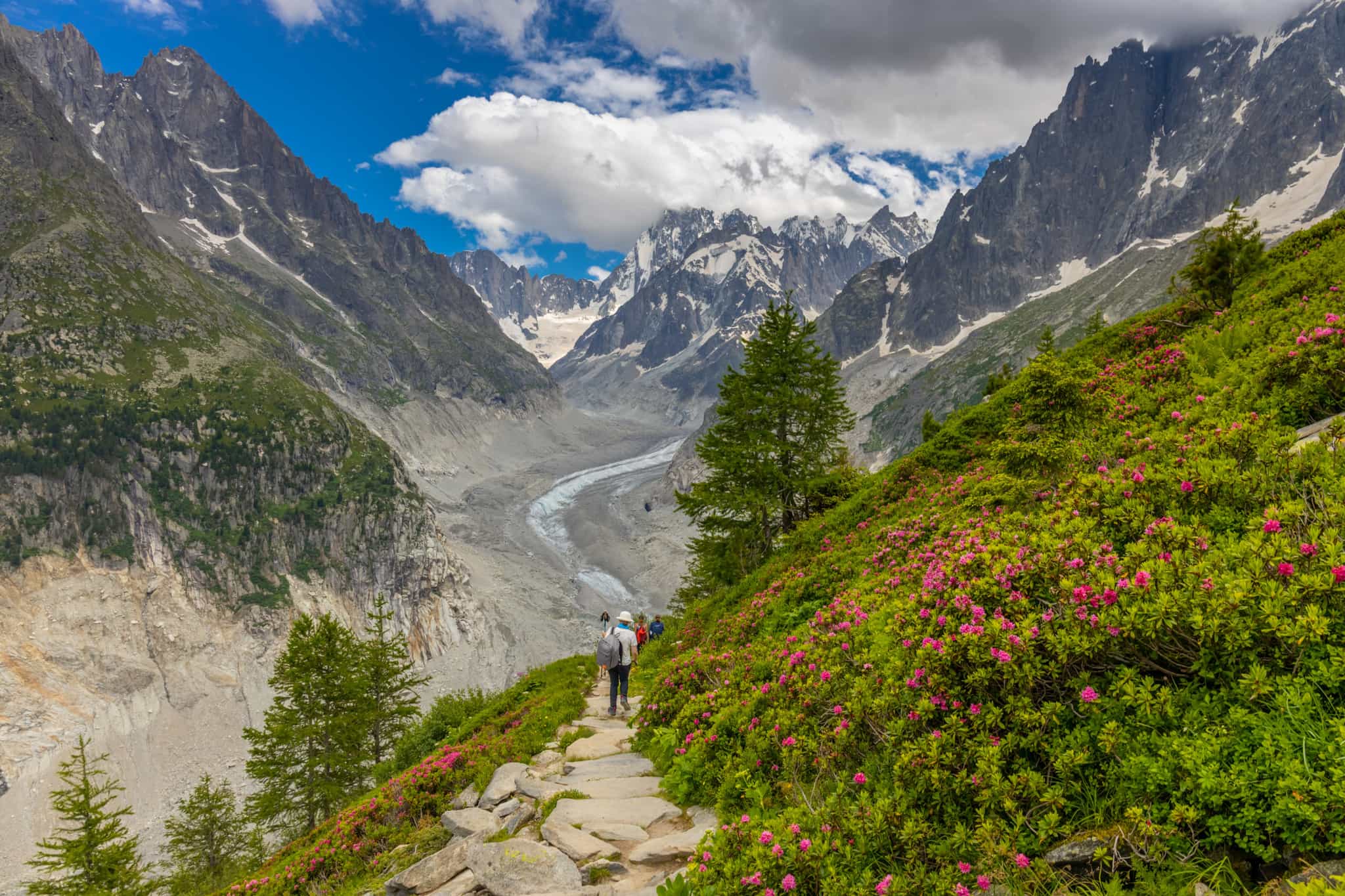
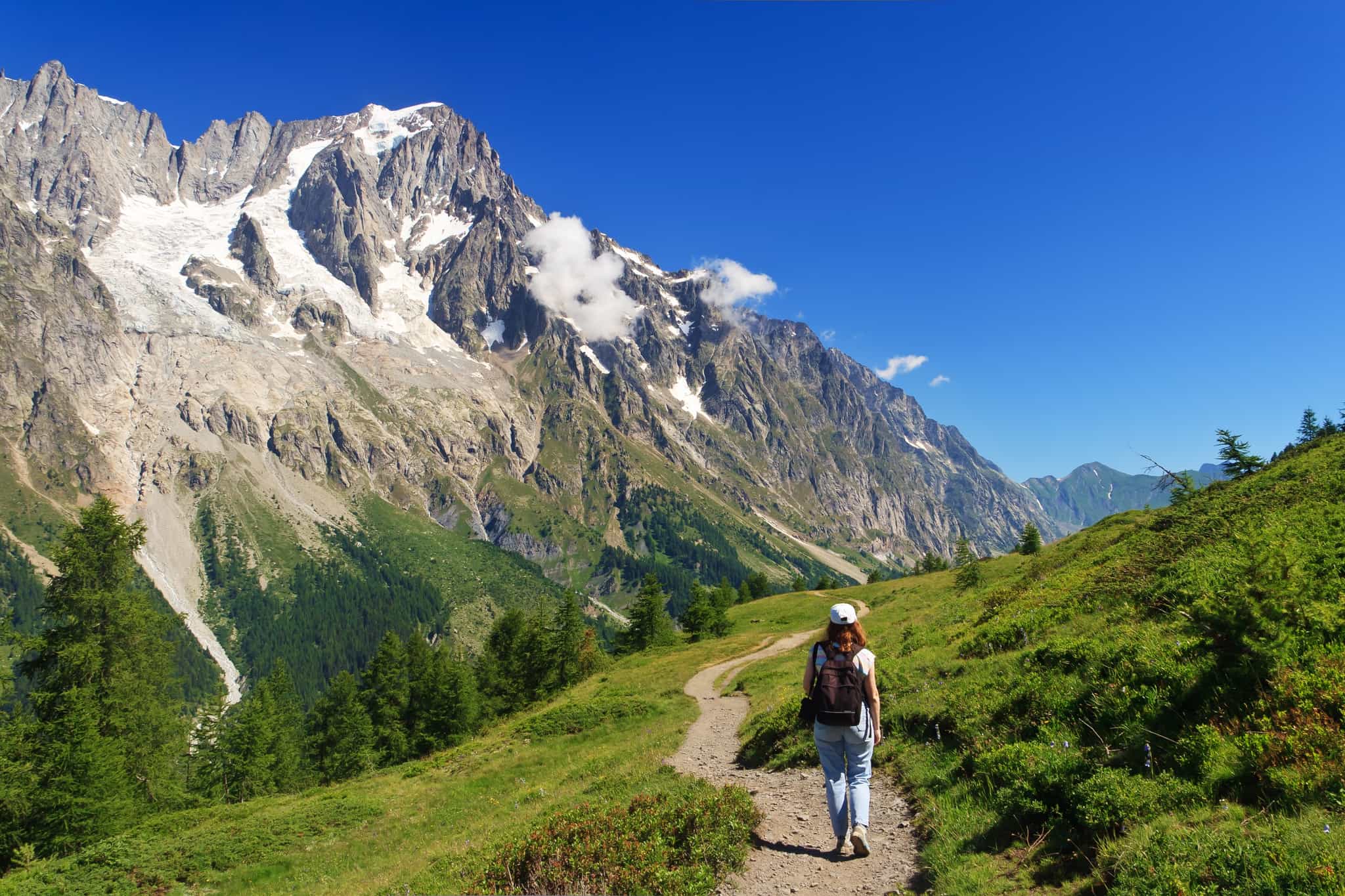
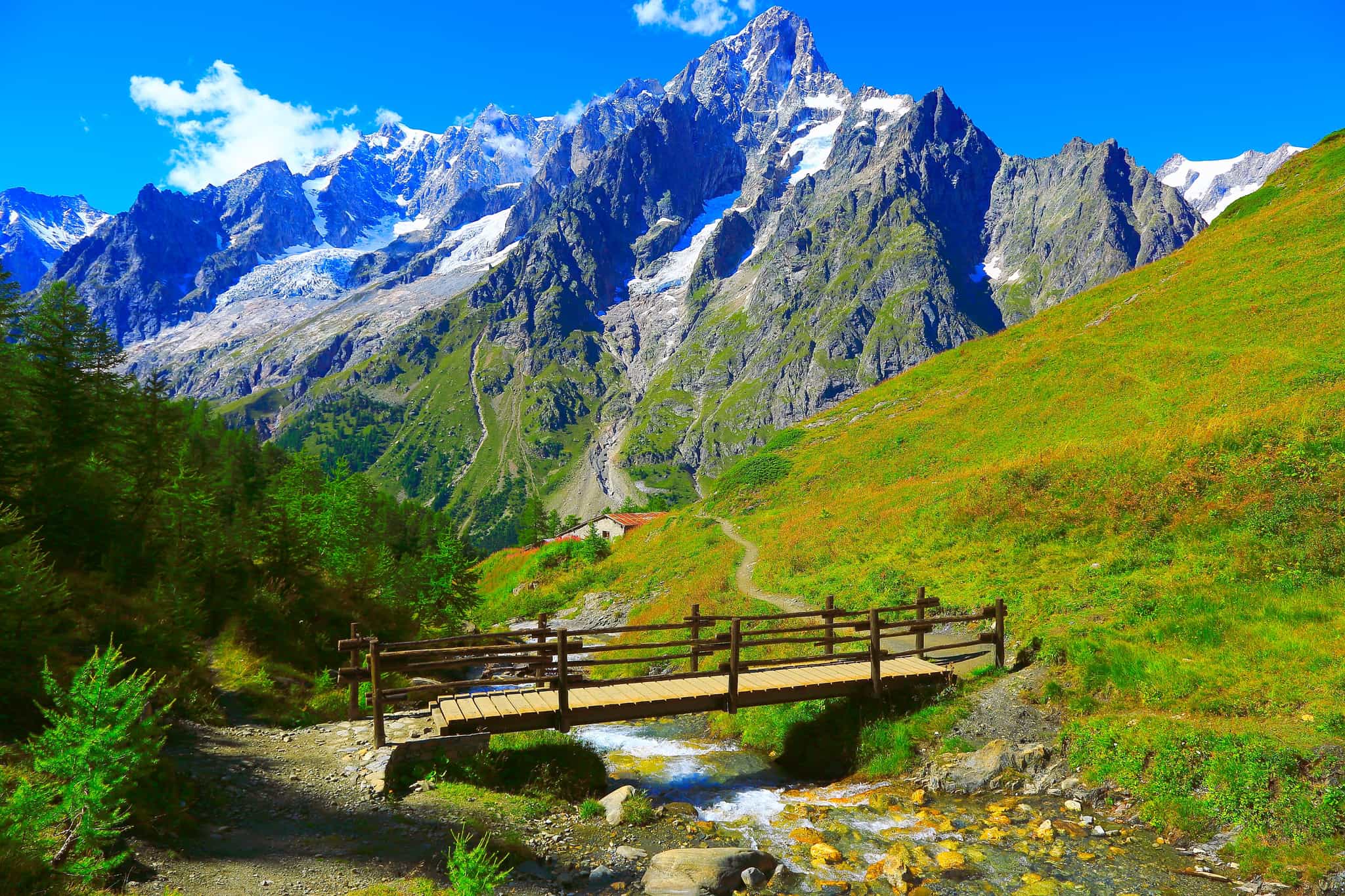
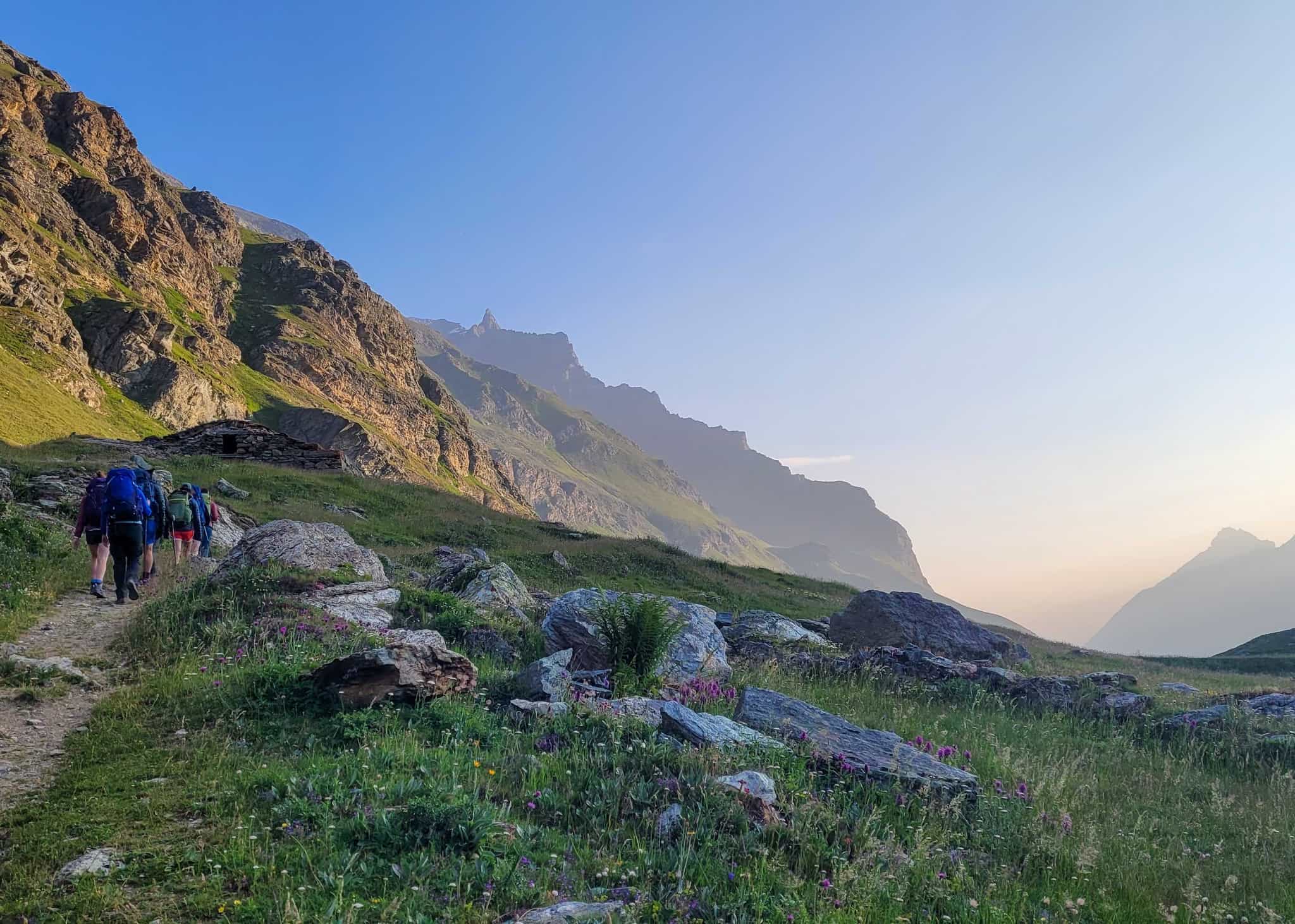
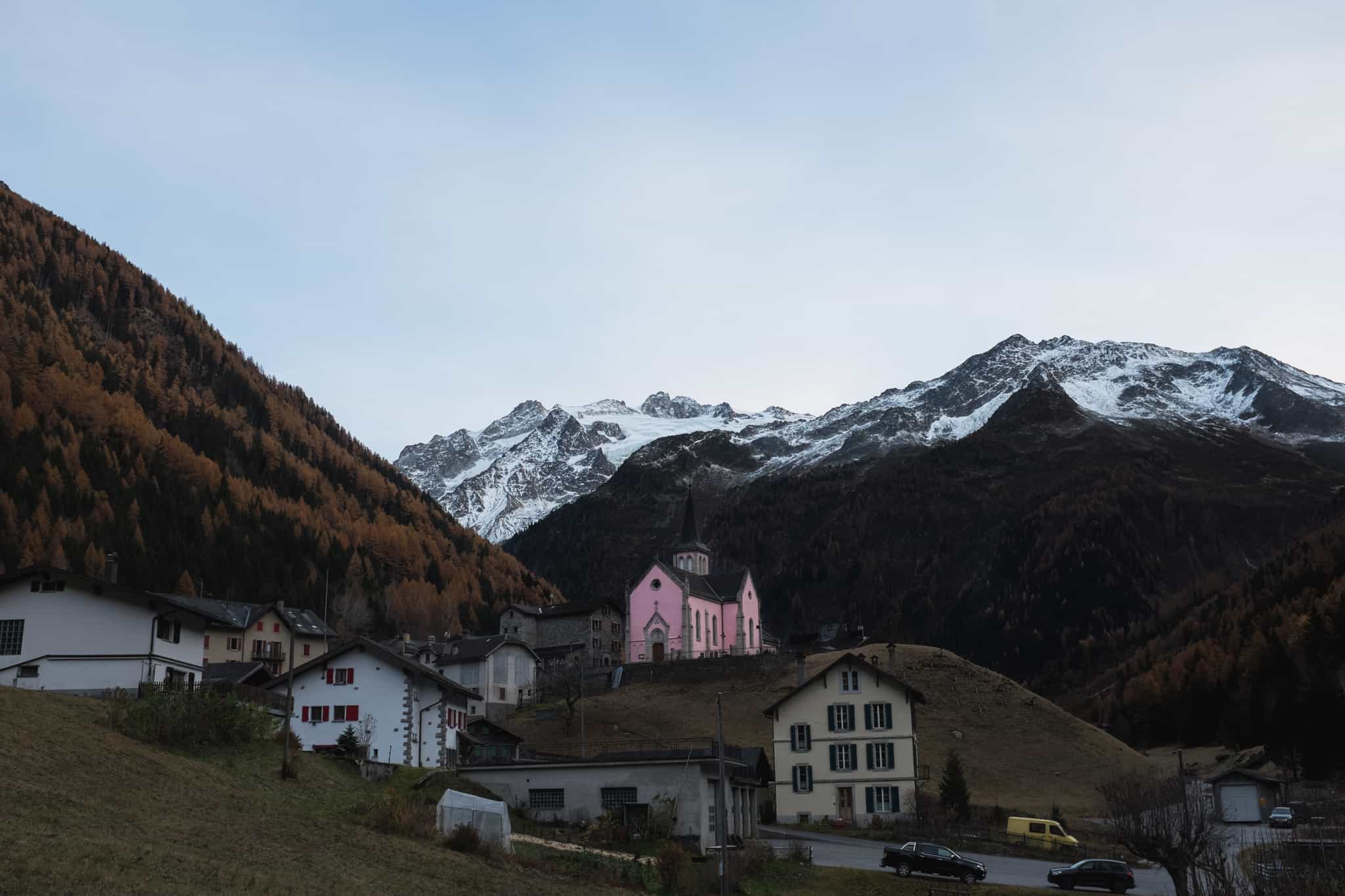
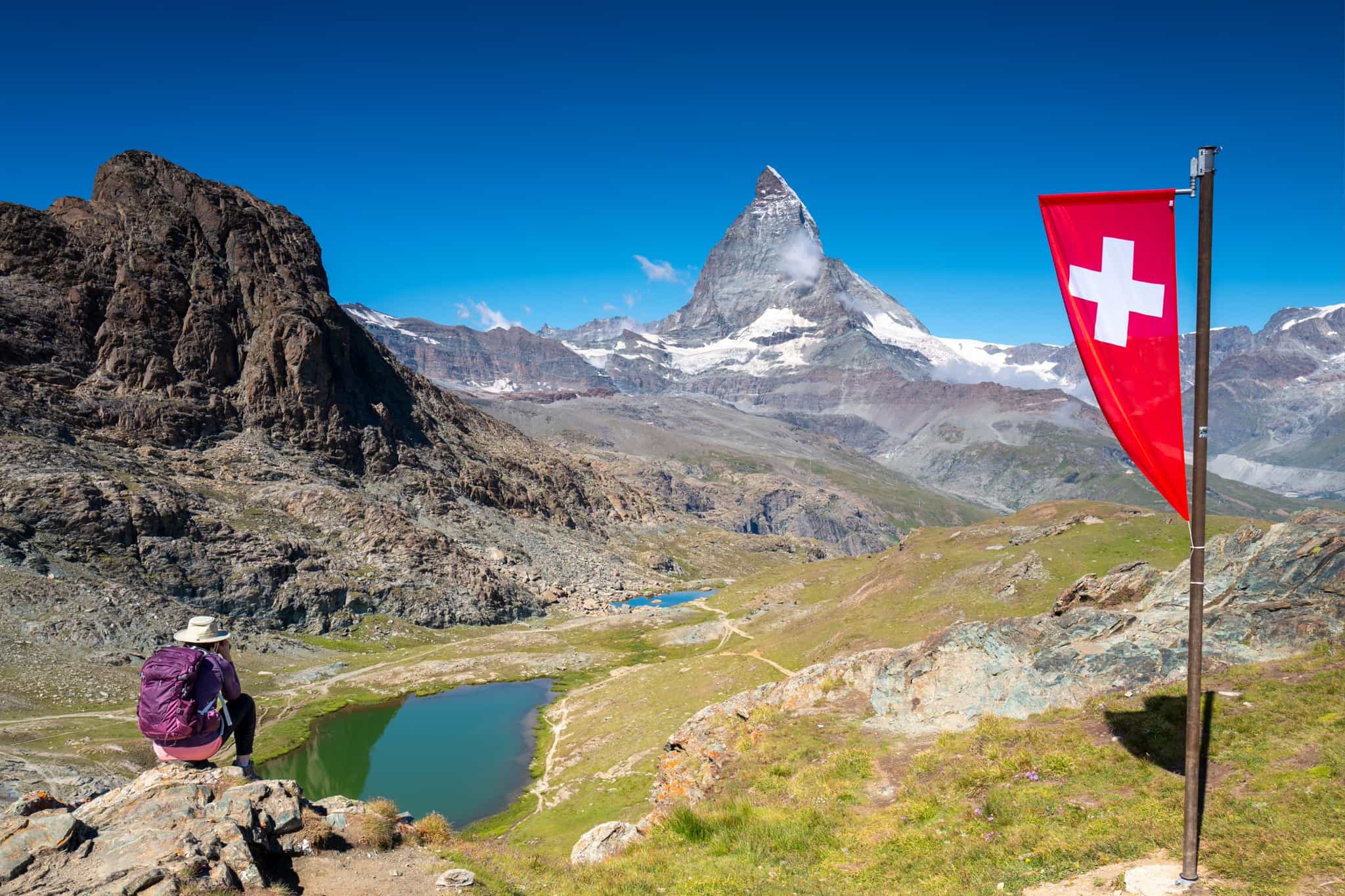
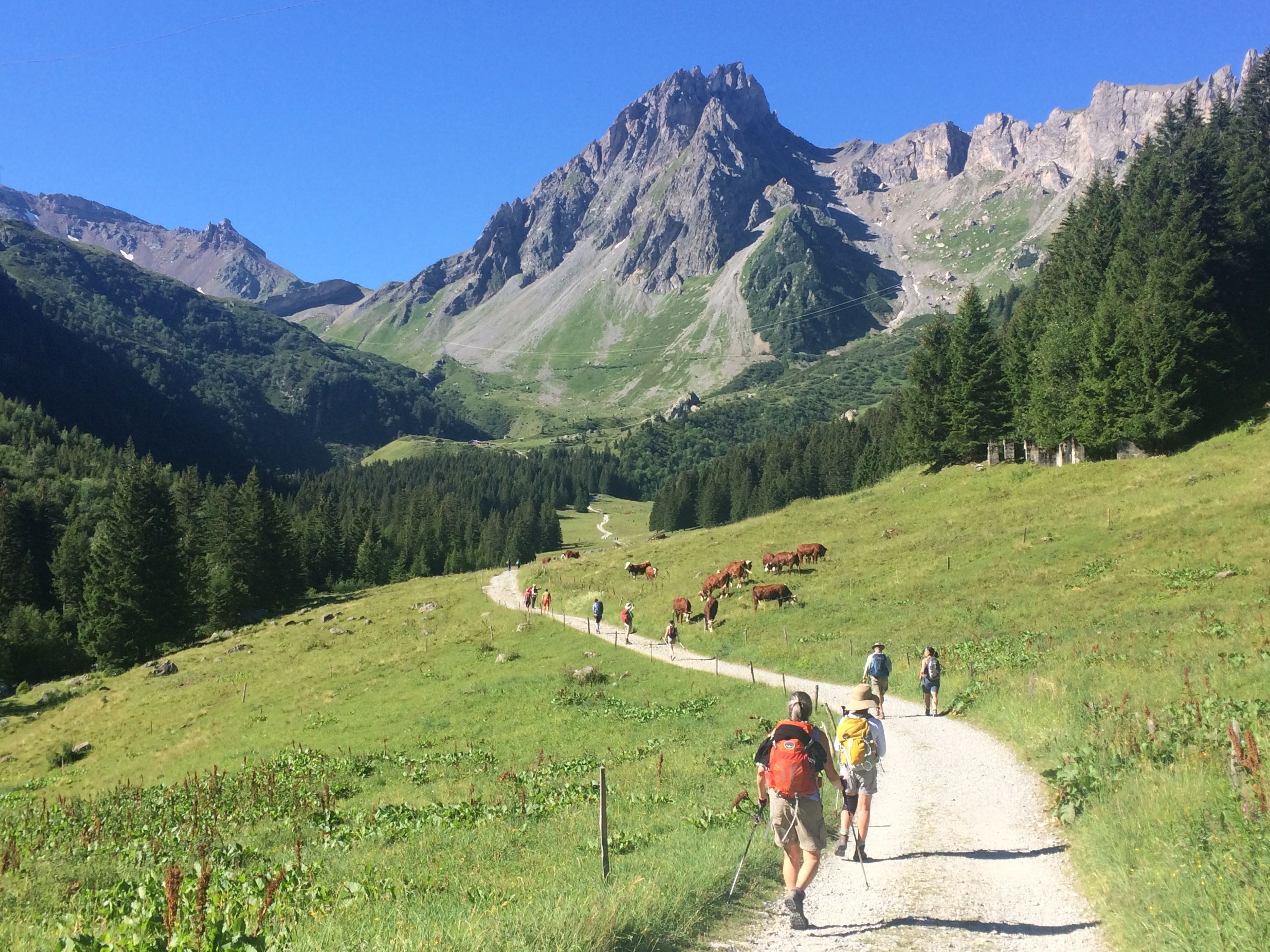
The Tour du Mont Blanc (opens in new tab) is Europe’s most iconic long-distance hike, circling the Mont Blanc massif through France, Italy and Switzerland. By July, snow has largely cleared from the high passes, mountain huts are open and wildflower meadows bloom beneath jagged peaks and hanging glaciers. The trail is booming with hikers - but that creates a real sense of community.
Why hike here in July? This is prime season for the TMB. The cols are typically clear, the weather is stable and the atmosphere on the trail is lively and celebratory.
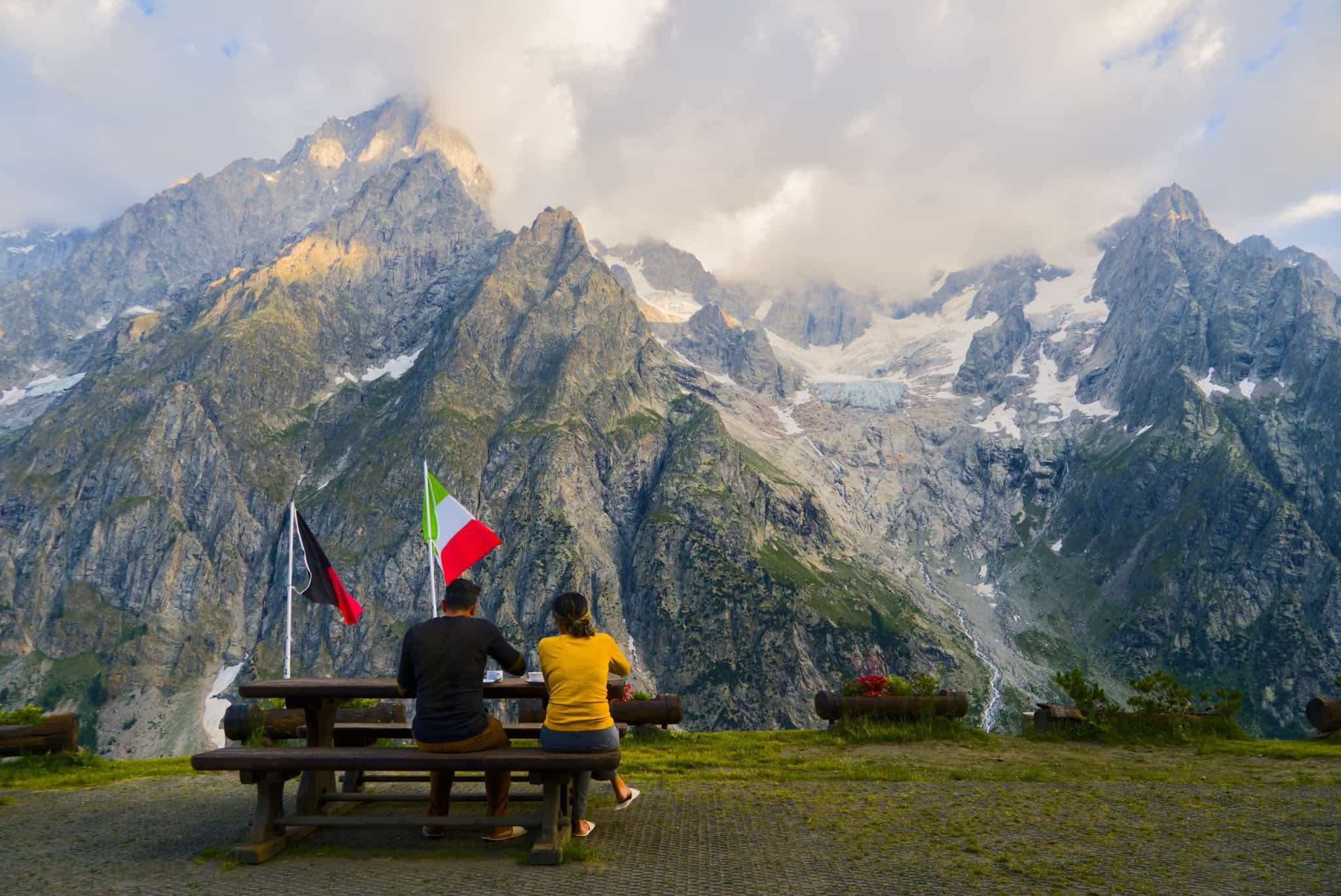
Must-do trail(s): The climb to Col de la Seigne, straddling the French-Italian border. From here you'll descend into Italy's Val Veny, enjoying stunning views of Mont Blanc's southern face.
What’s the weather like? Warm days at altitude, cool evenings in the valleys and the occasional short alpine thunderstorm. Expect anything on the mountains.
What to know before you go: Book early - July is popular. Start early to avoid crowds.
2. The Alta Via 1, Dolomites, Italy
- Average daytime temperatures: 16-24°C (61-75°F)
- Average nighttime temperatures: 7-11°C (45-52°F)
- Best for: Jagged limestone drama
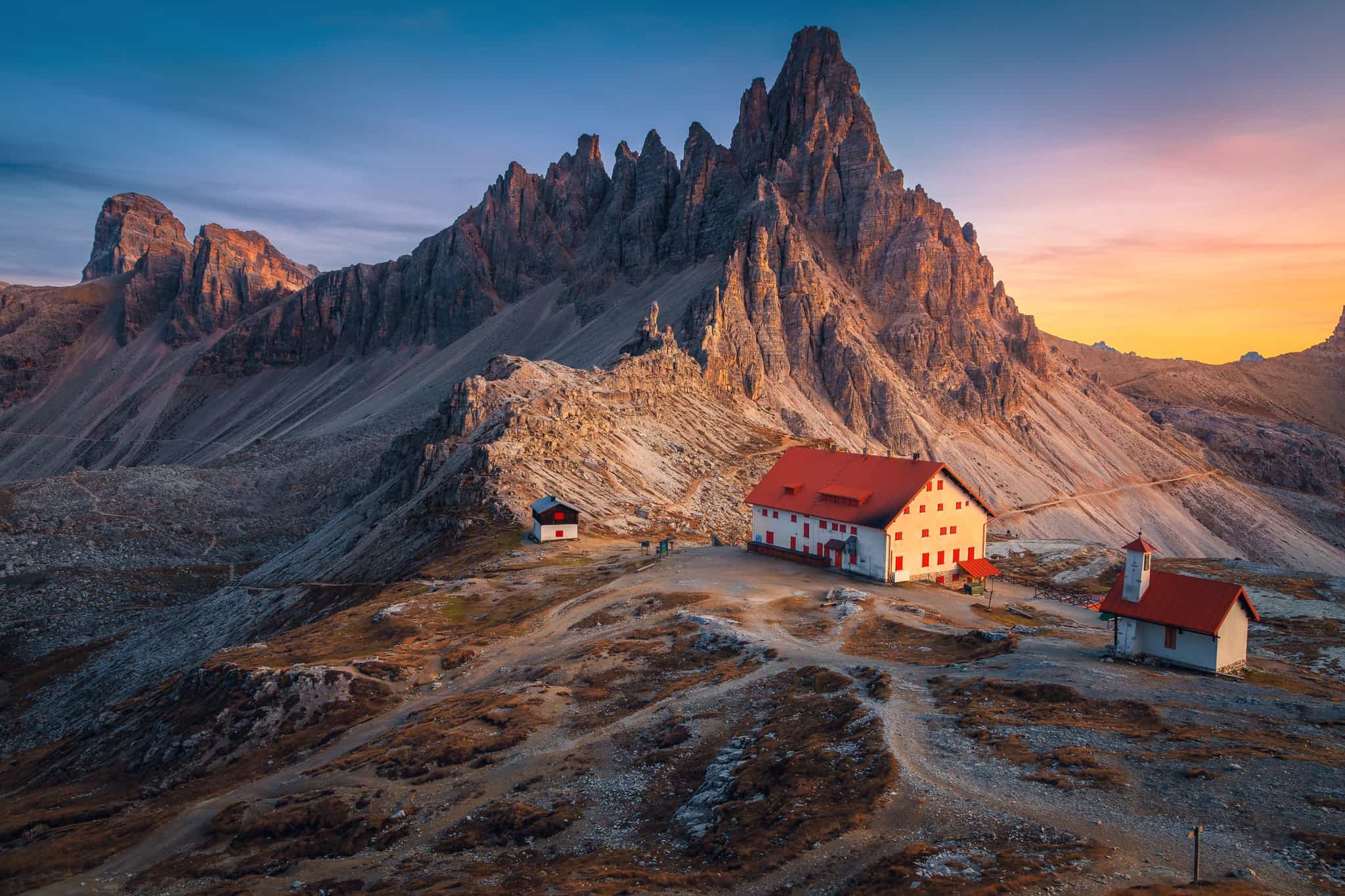
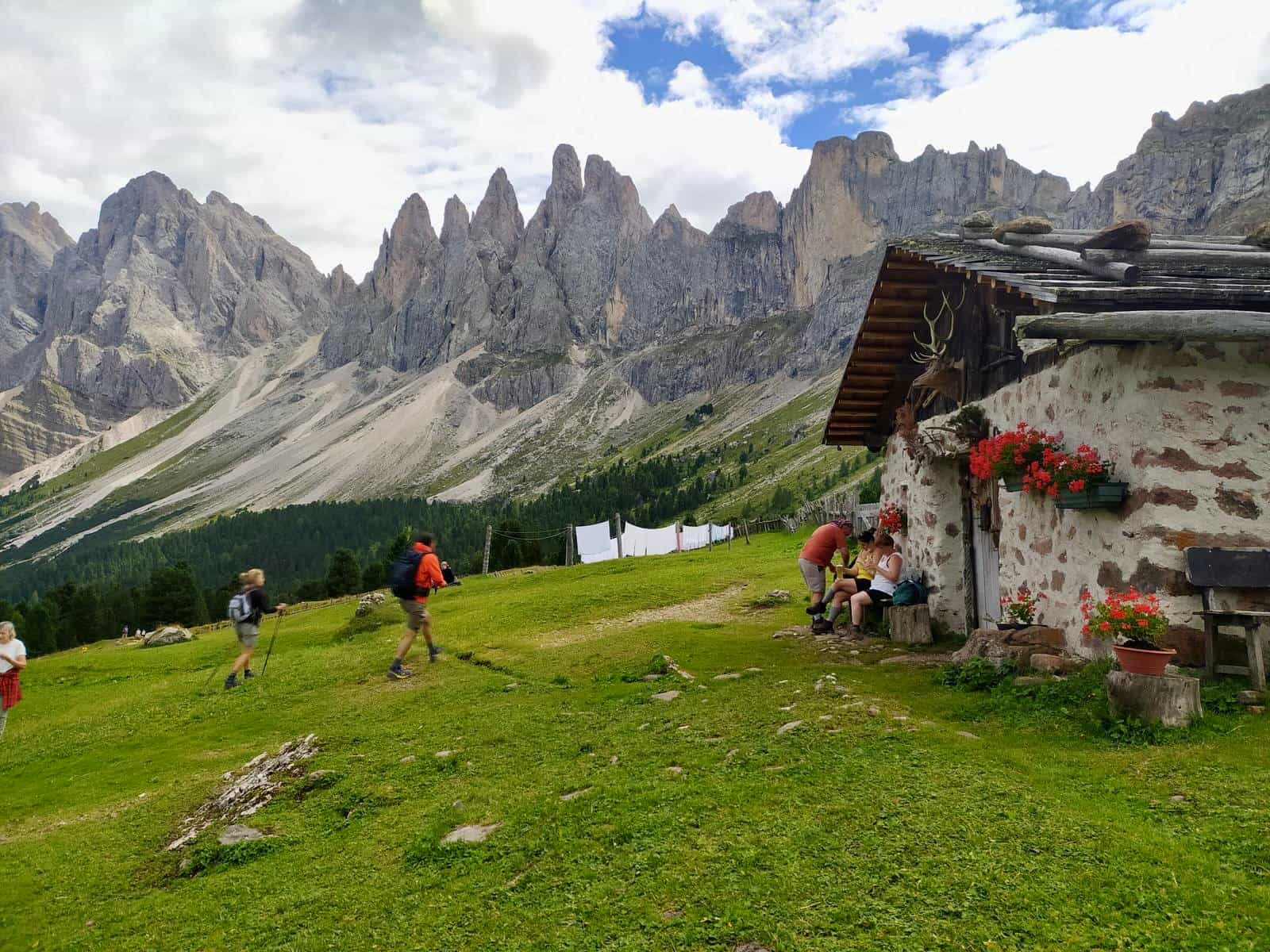
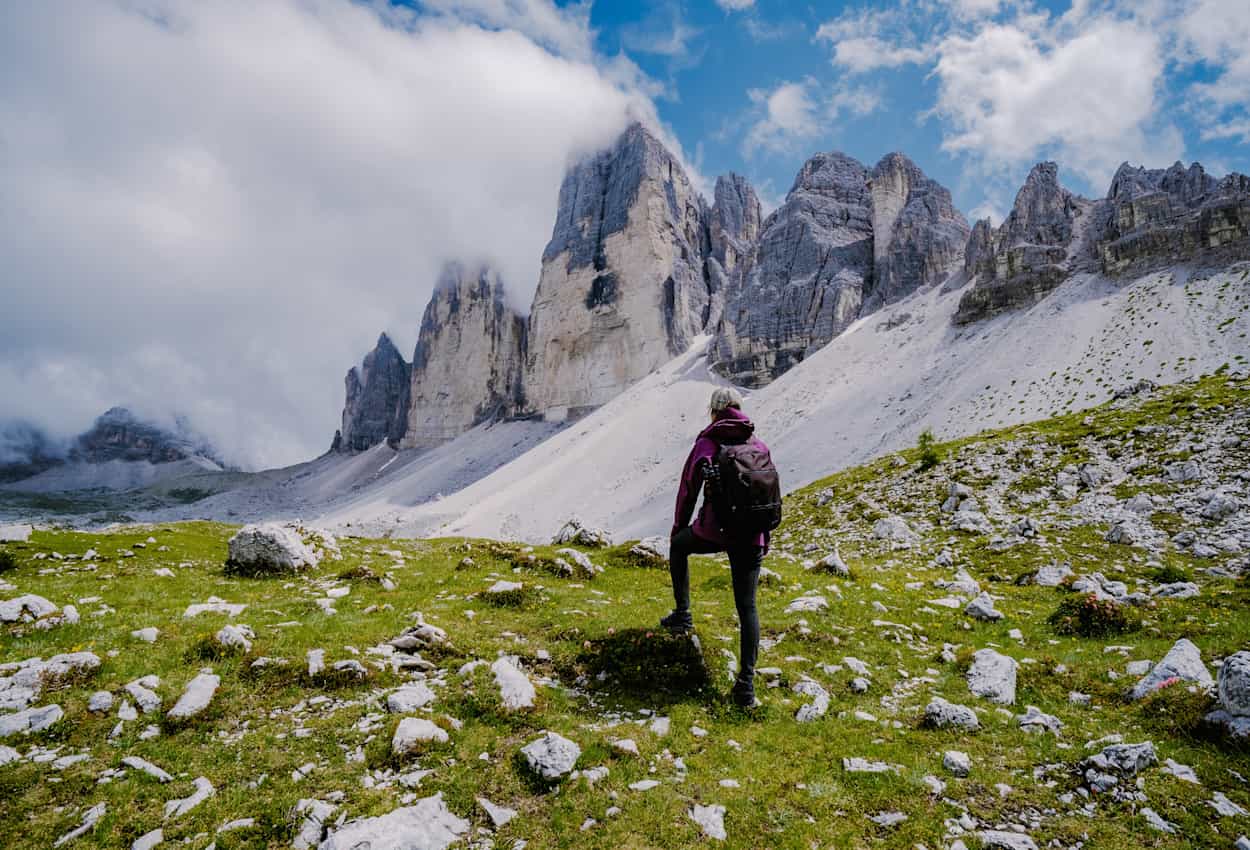
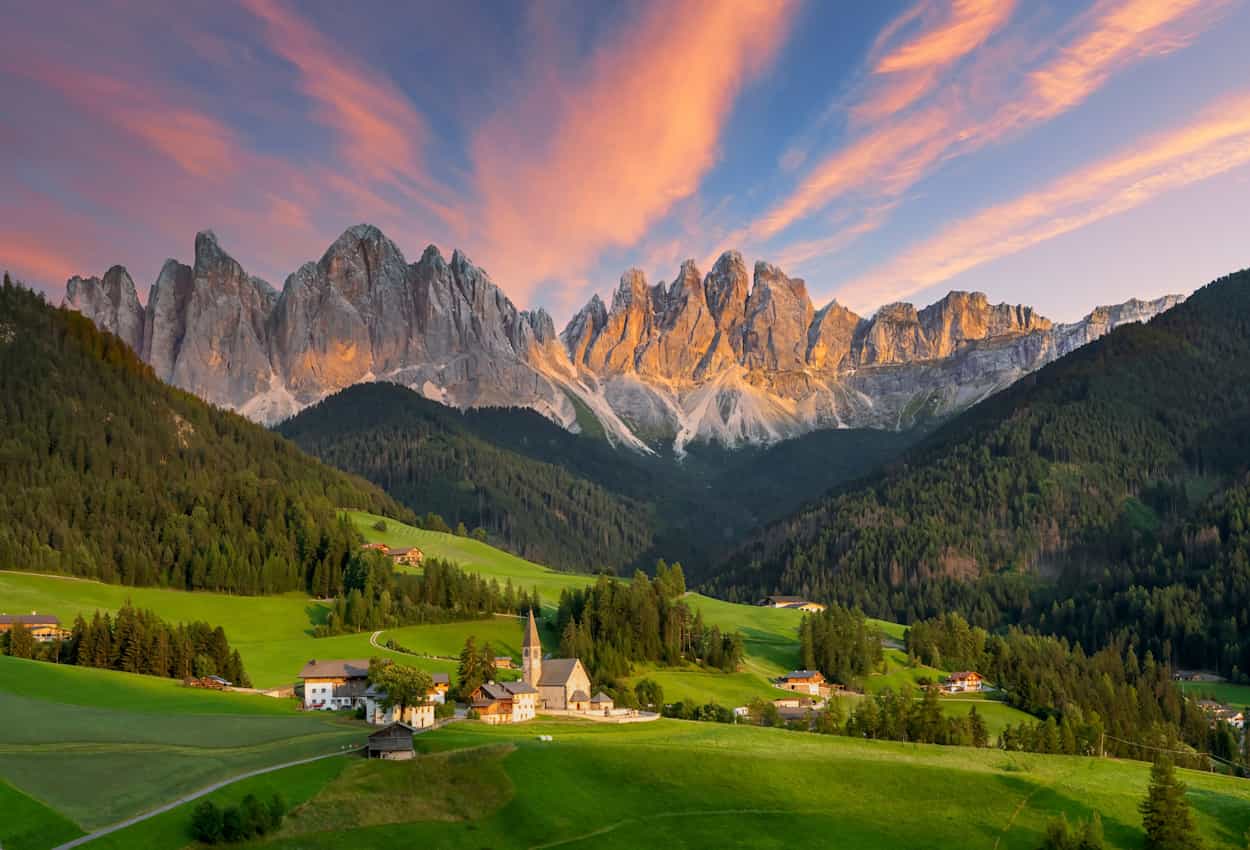
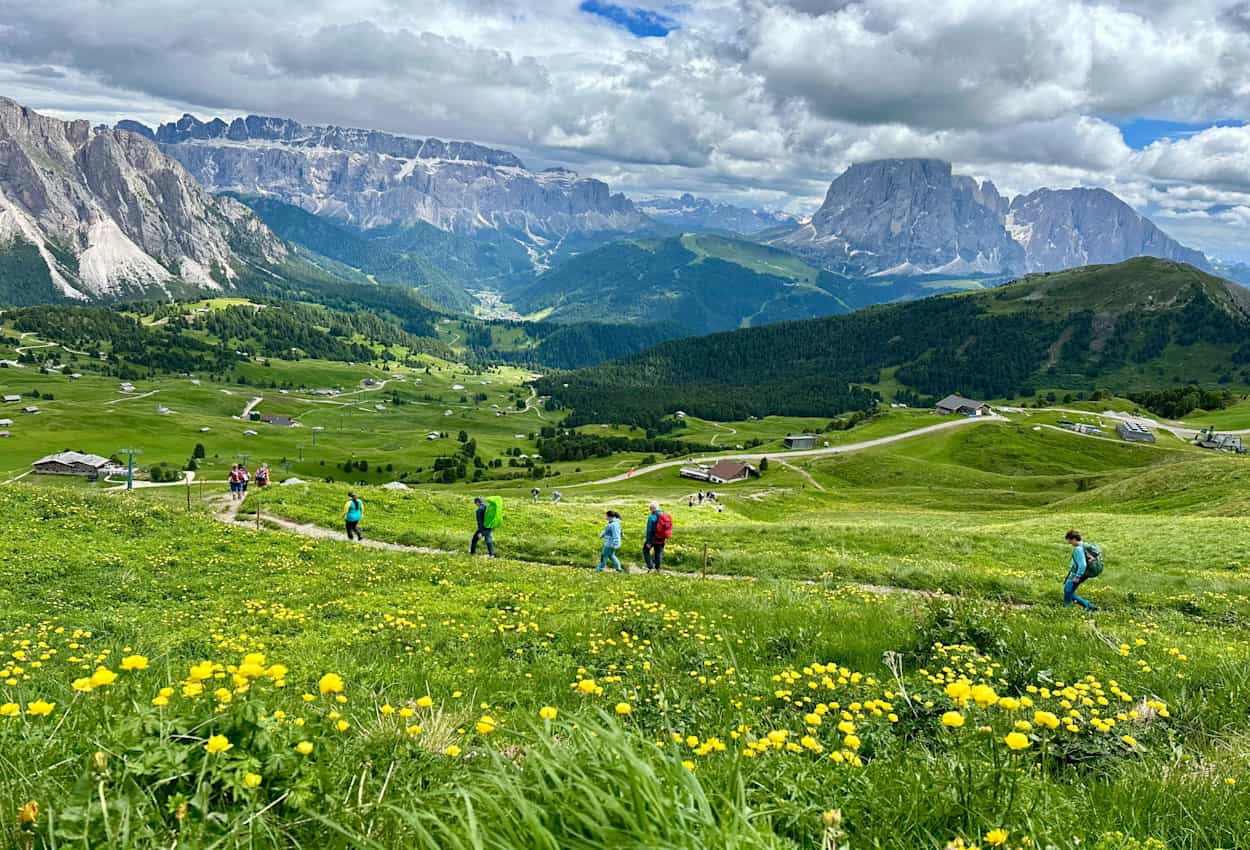
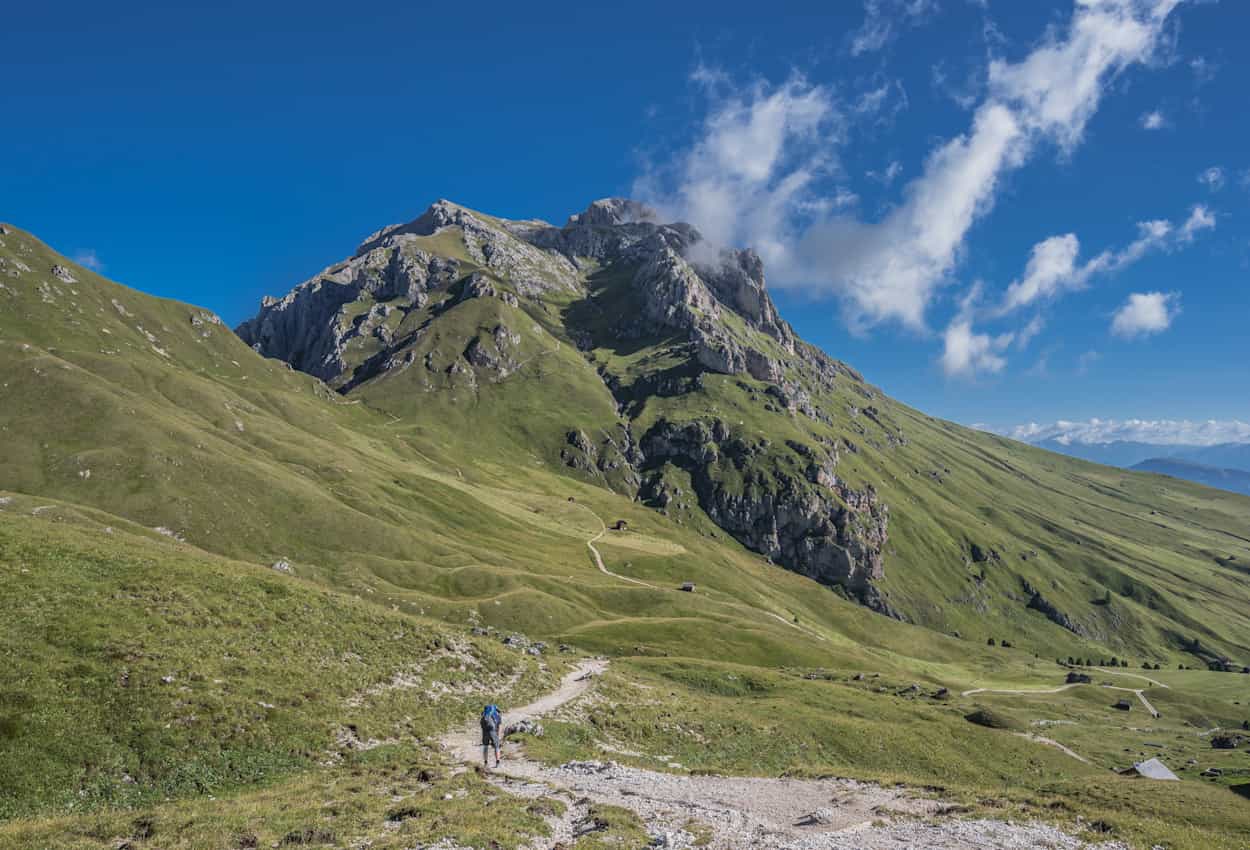
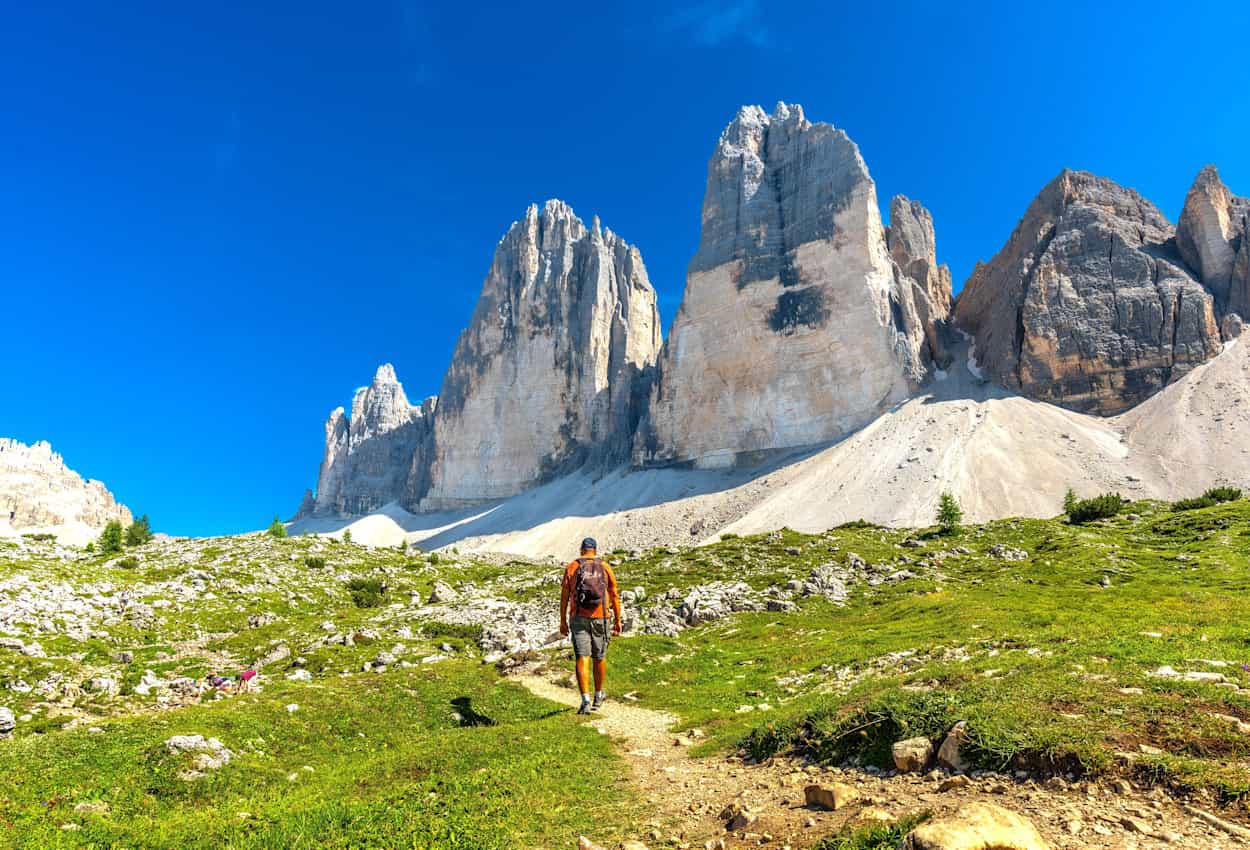
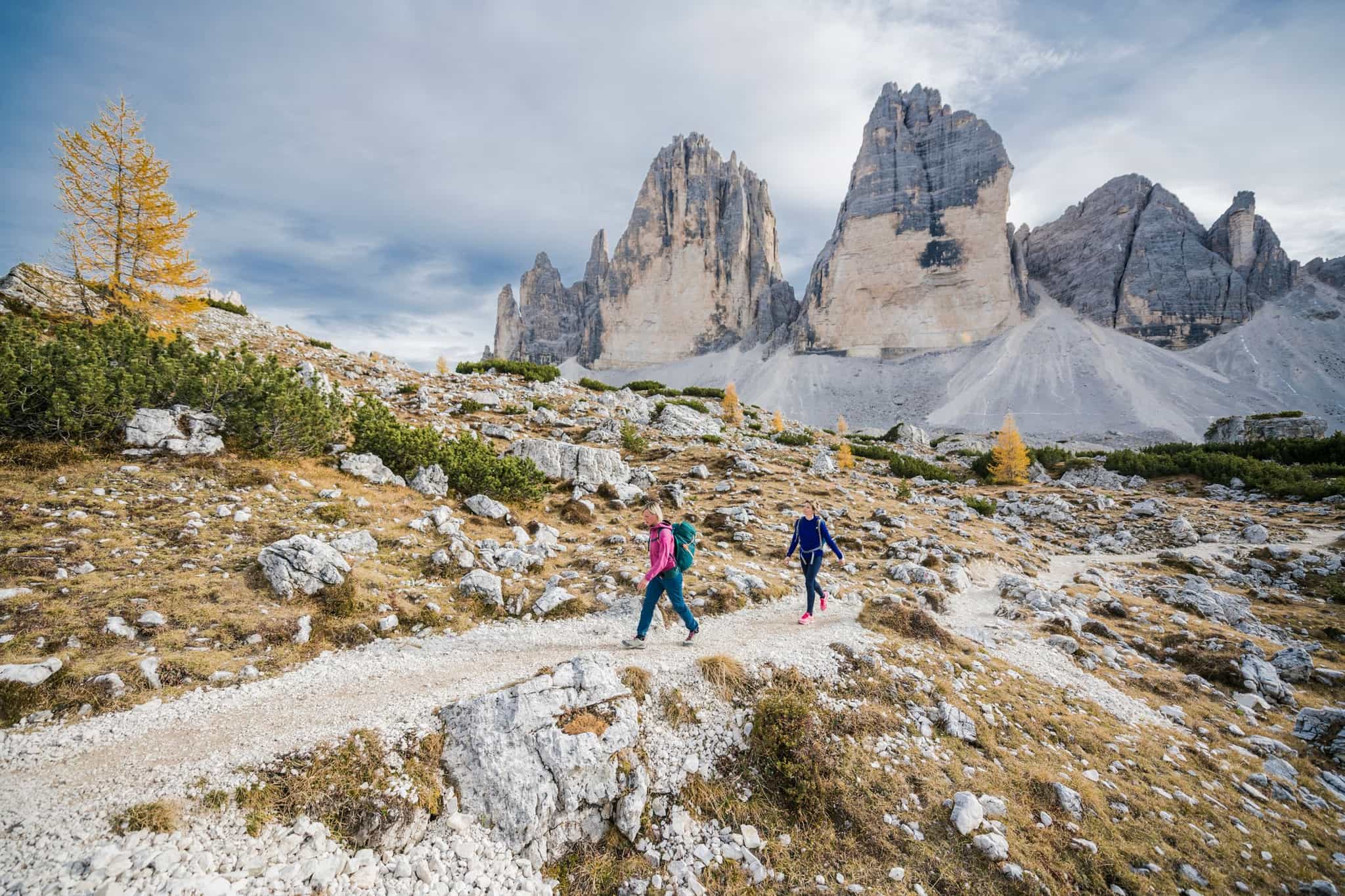
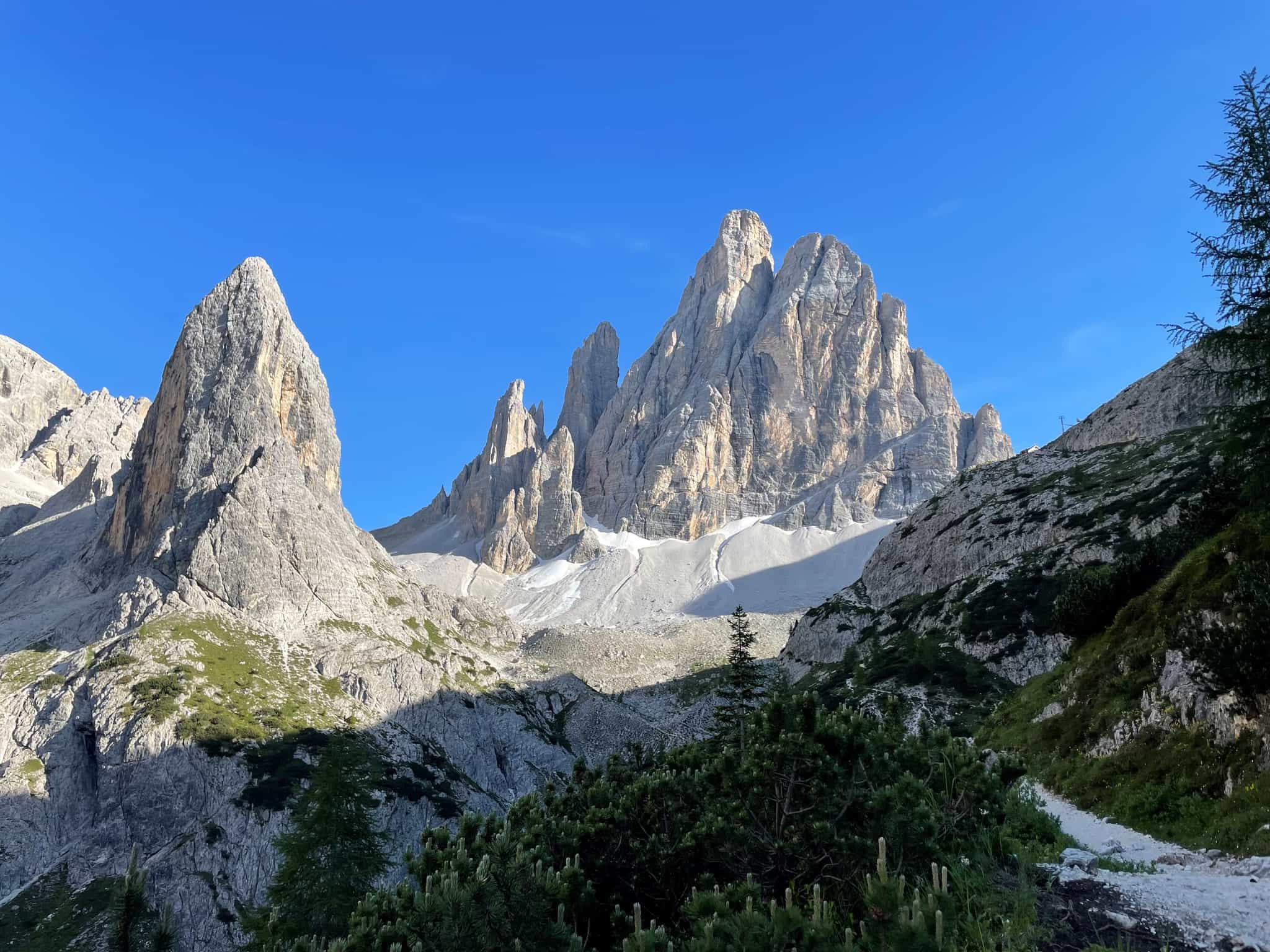
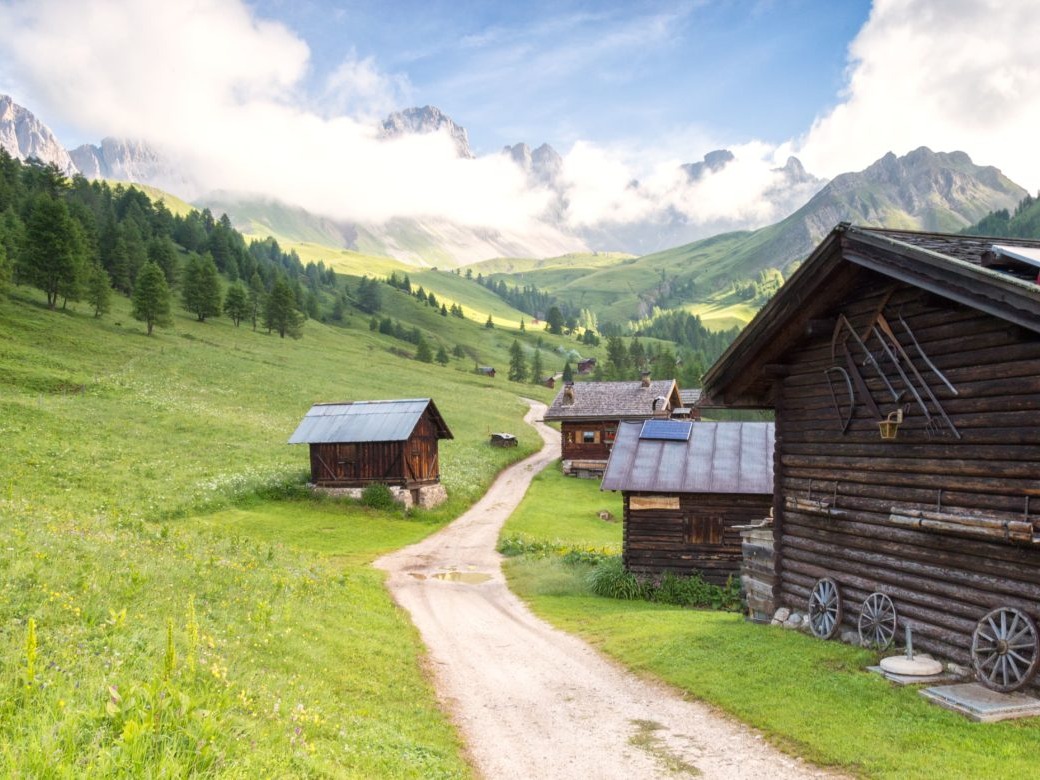
The Alta Via 1 (opens in new tab) cuts through the heart of the Dolomites, a UNESCO-listed range of pale limestone towers and high alpine pastures. Rifugios dot the route, offering hearty Italian mountain fare at the end of each day. When the sun sets, the stony peaks change colour from grey to vibrant shades of pink and orange - and the finest path through it is the AV1.
Why hike here in July? The snow has melted from the high paths and the mountain huts are fully operational. Long daylight hours make for relaxed hiking days.
Must-do trail(s): Hike beneath the towering walls and pinnacles of Civetta (3,220m/10,564ft) and Marmolada (3,343m/10,967ft), passing the glittering glacial waters of Lake Coldai.
What’s the weather like? Warm and bright, though rain and storms can sweep in quickly.
What to know before you go: It’s serious hiking. Sure-footedness and good boots required.
3. The Julian Alps & Triglav National Park, Slovenia
- Average daytime temperatures: 20-27°C (68-80°F)
- Average nighttime temperatures: 10-14°C (50-57°F)
- Best for: Emerald rivers and alpine ridges
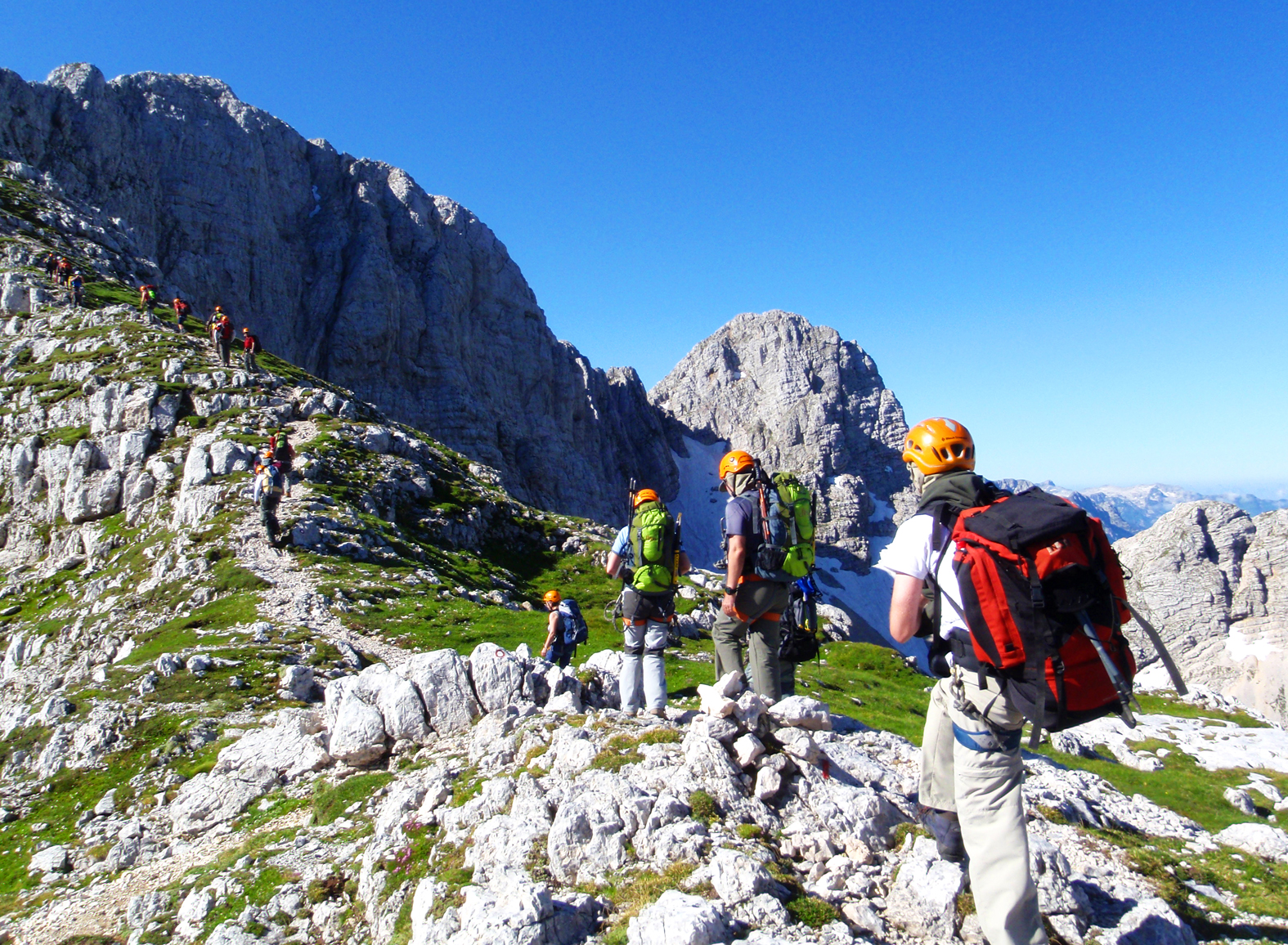
Slovenia’s Julian Alps (opens in new tab) combine rugged peaks with turquoise rivers and forested valleys. Triglav National Park is a dream in July, with clear skies, open mountain huts and wild swimming opportunities in the Soča Valley. This is all the beauty you expect from the Alps, with less of the crowds, and an extra sprinkling of warm hospitality.
Why hike here in July? Stable weather and open high routes make this the perfect month to tackle exposed ridgelines.
Must-do trail(s): Summit Mount Triglav (2,864m), Slovenia’s highest peak, and become an honorary Slovenian.
What’s the weather like? Hot in the valleys, cooler and breezy higher up. Storms can roll in.
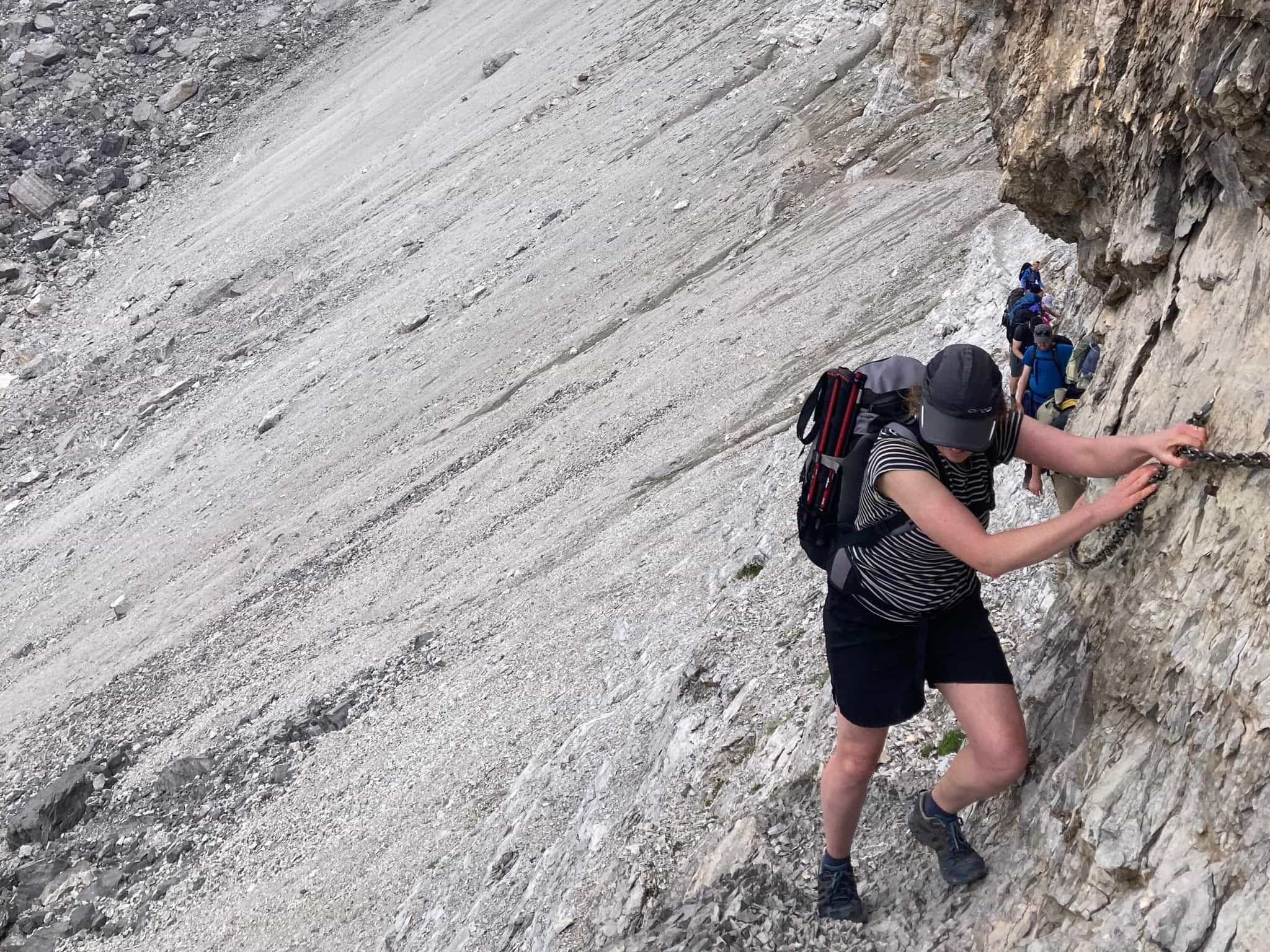
What to know before you go: The Triglav summit route involves a via ferrata section.=
4. The Pyrenees, Spain and France
- Average daytime temperatures: 18-26°C (64-79°F)
- Average nighttime temperatures: 8-12°C (46-54°F)
- Best for: High passes and wild mountain lakes
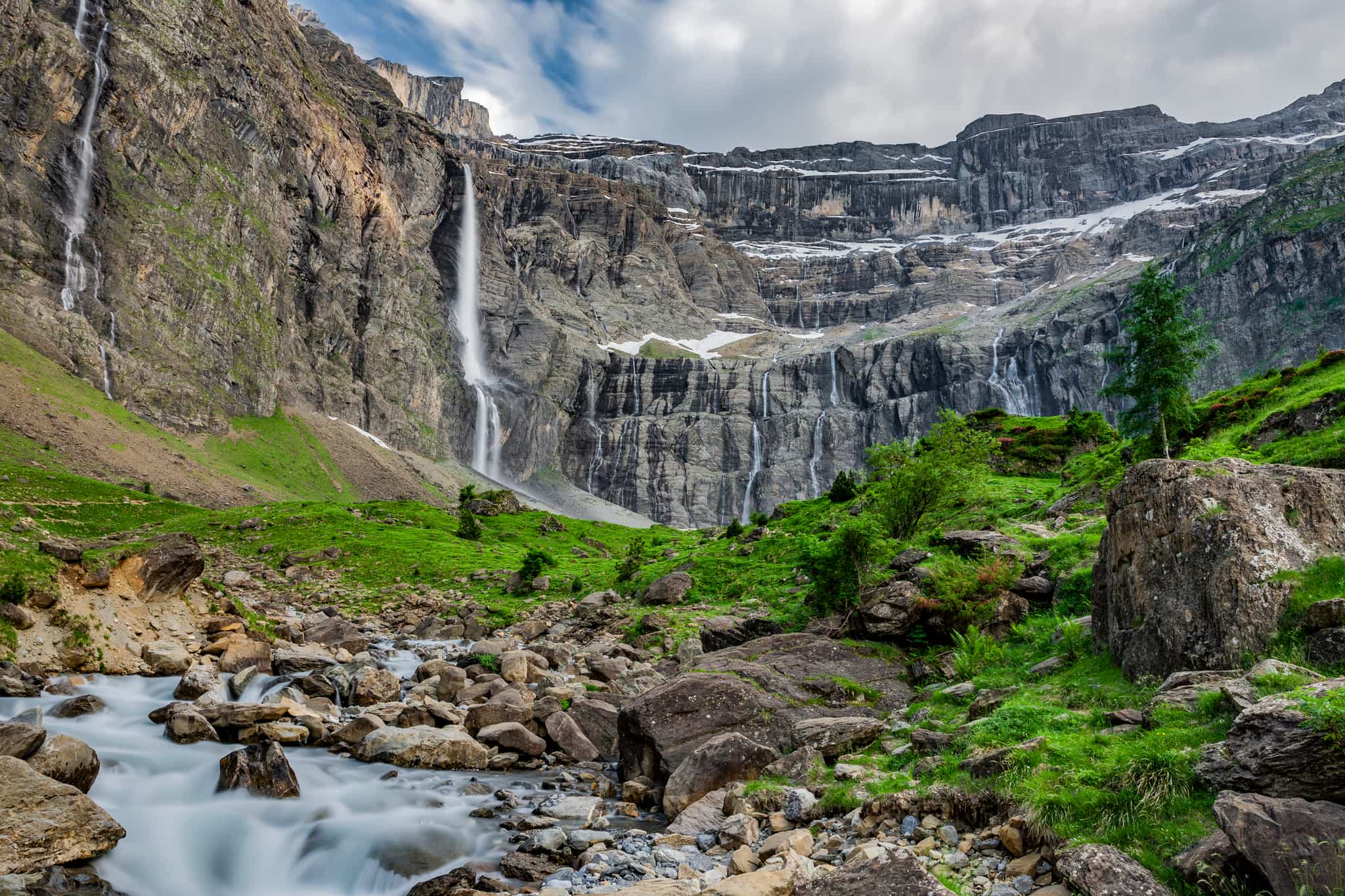
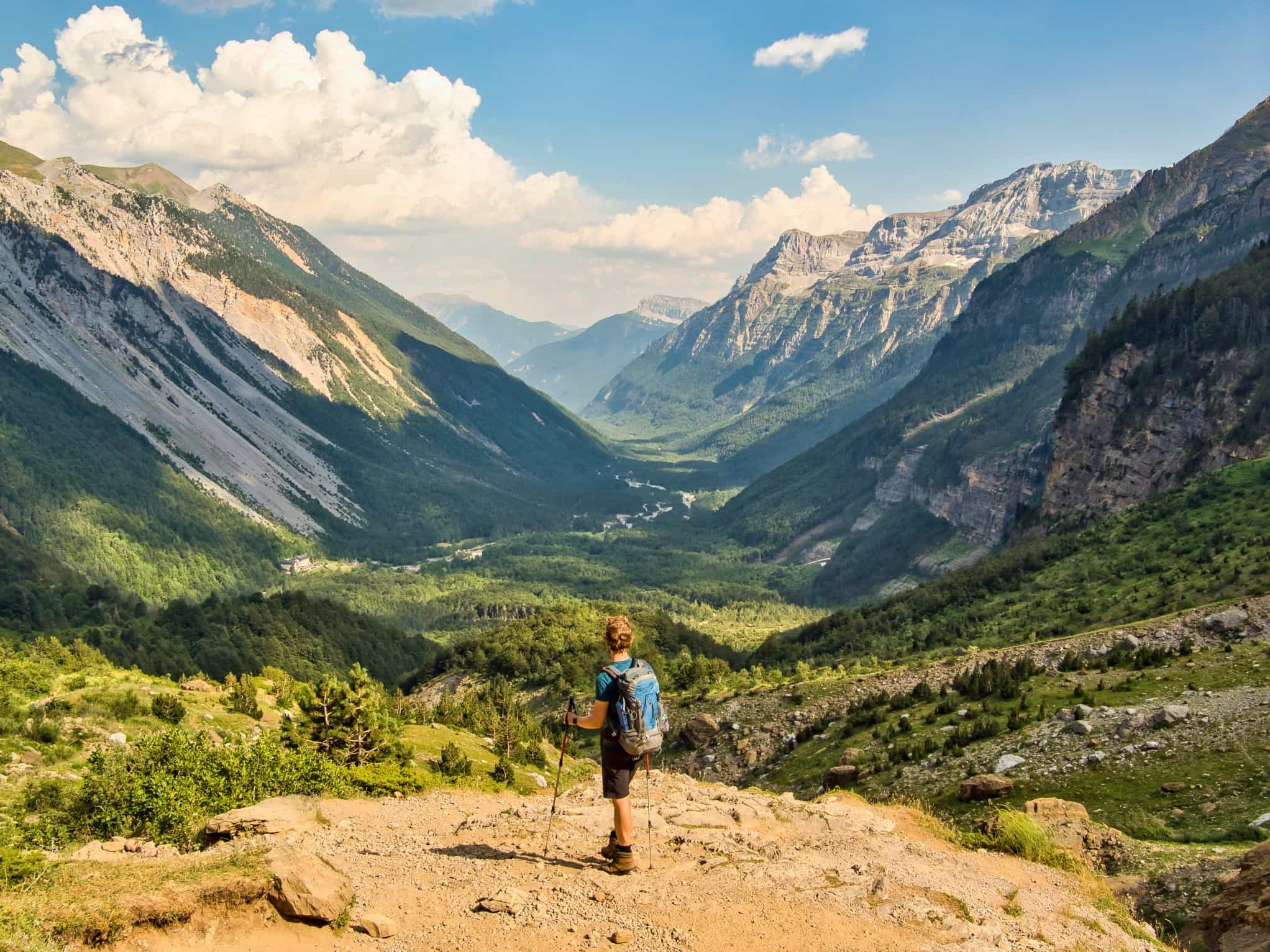
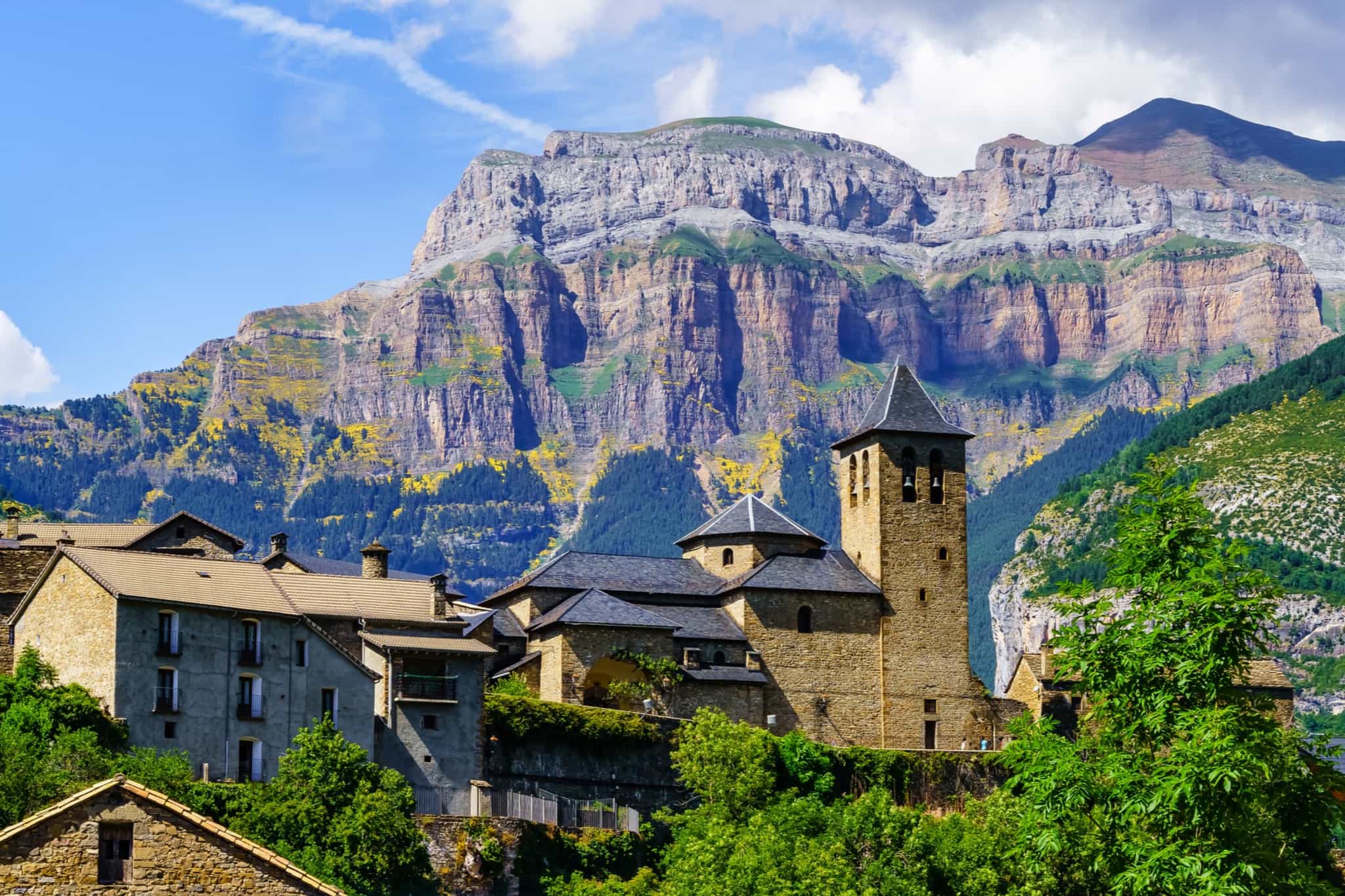
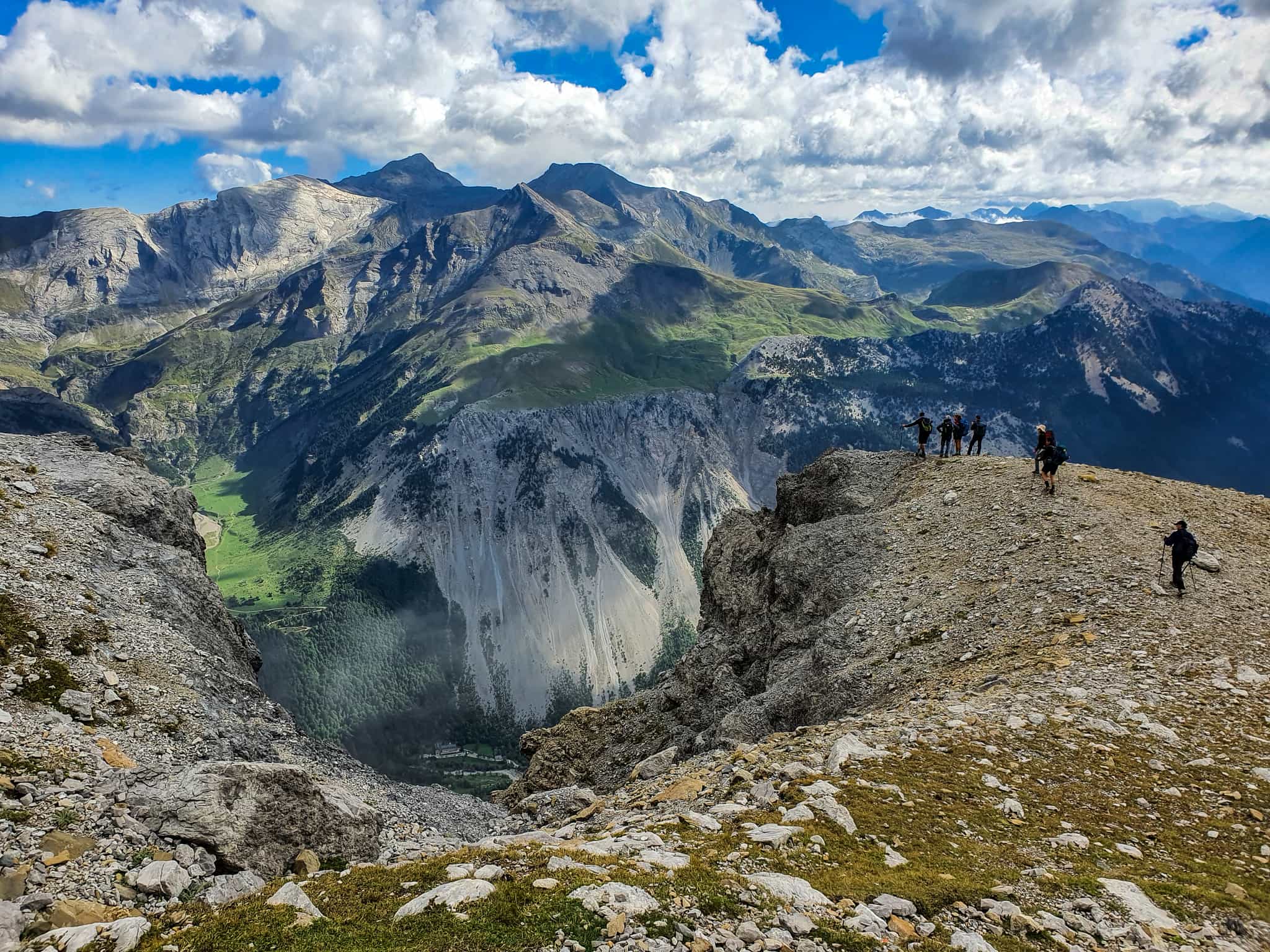
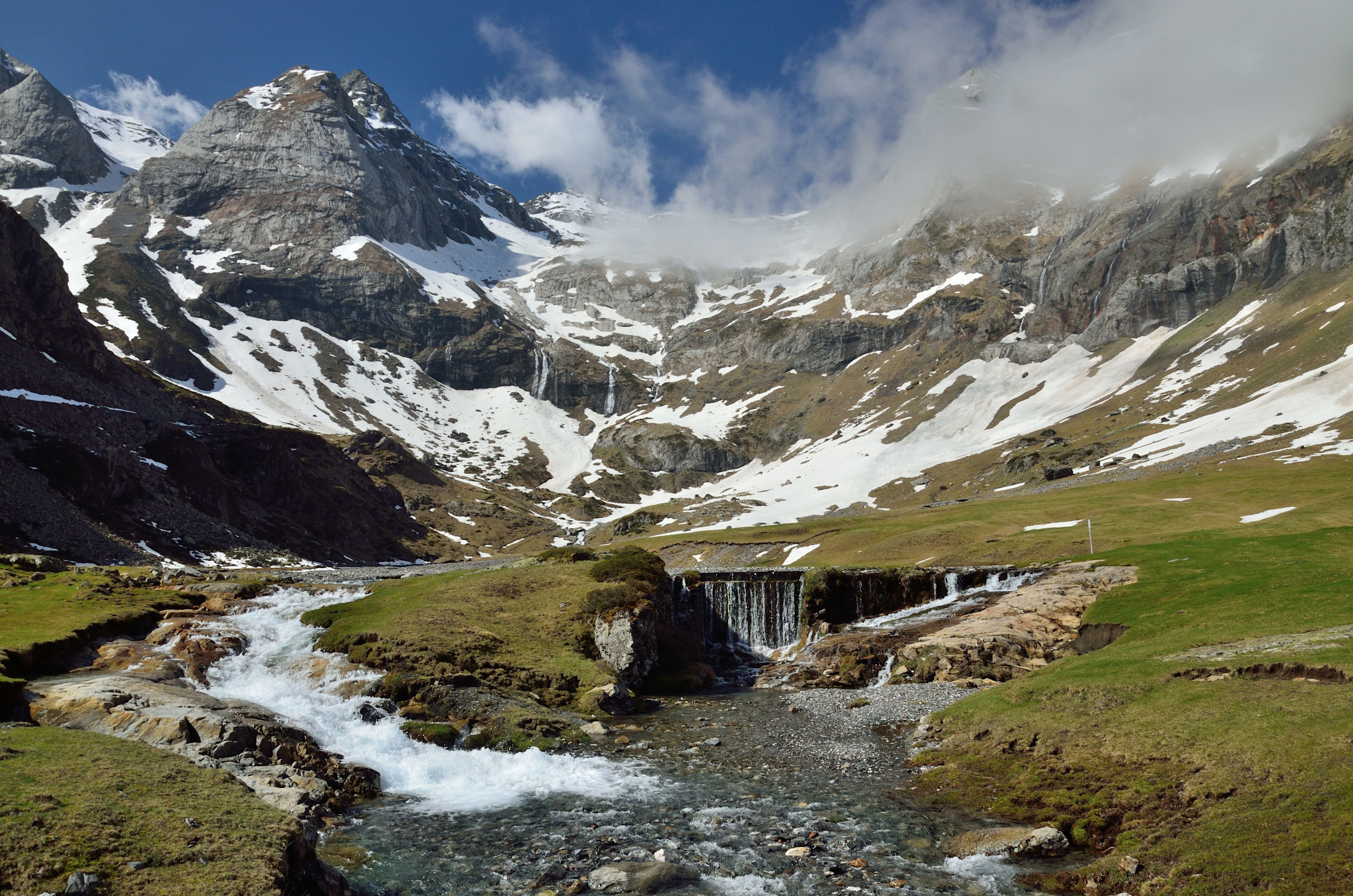
The Pyrenees form a natural border between Spain (opens in new tab) and France (opens in new tab), with remote valleys, steep scree slopes and glacier-fed lakes. July opens up the high GR11 and GR10 sections. Expect to see marmots on the ground, birds of prey in the skies and bright bursts of alpine colour. If you think of the Pyrenees as a soft take on the Alps, you’re wrong. This is serious hiking.
Why hike here in July? Mountain refuges are open and snow has retreated from most passes, revealing dramatic alpine scenery.
Must-do trail(s): The High Route of the Lost (opens in new tab) is a 62-mile (100km) circuit weaving from Spain into France and then returning back again.
What’s the weather like? Sunny days with the chance of intermittent rainy storms.
What to know before you go: This is rugged terrain, with long days and tough climbing.
5. The Laugavegur Trail, Iceland
- Average daytime temperatures: 10-15°C (50-59°F)
- Average nighttime temperatures: 5-9°C (41-48°F)
- Best for: Volcanic wilderness
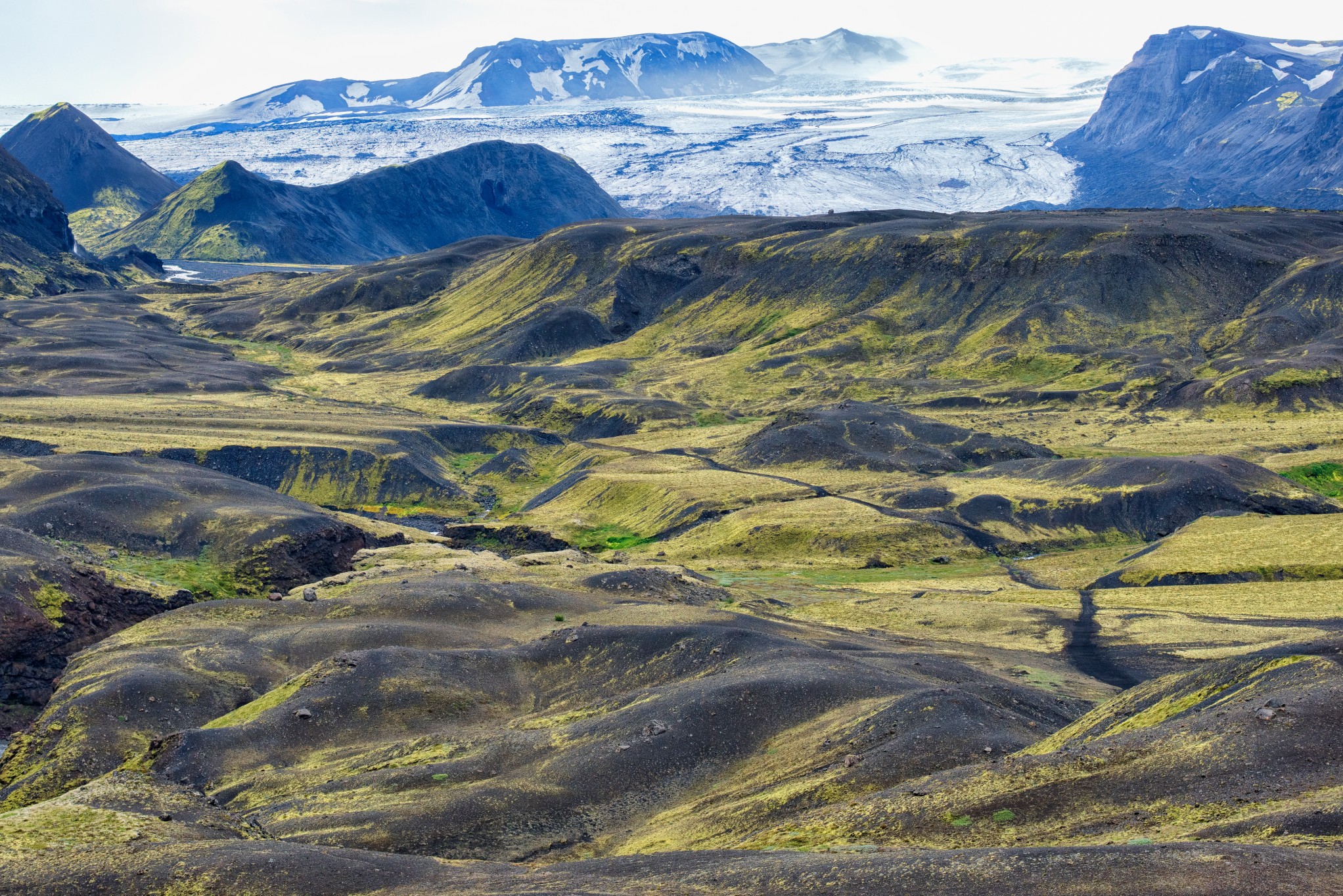
The Laugavegur Trail (opens in new tab) is Iceland (opens in new tab)’s favourite multi-day hike. It takes walkers through a diversity of landscapes: colourful rhyolite mountains, thermal pools, glaciers and volcanic slopes carpeted in emerald green moss. Laugavegur translates to "hot springs route" and it’s located in the Southern Highlands of the country.
Why hike here in July? The trail is snow-free, river crossings are manageable and daylight stretches almost endlessly.
Must-do trail(s): The colourful hills and hot springs of Landmannalaugar are unforgettable.
What’s the weather like? Cool, unpredictable and often windy - but bright for long stretches.
What to know before you go: Weather changes rapidly. Pack proper waterproof layers.
6. The Via Dinarica, Bosnia & Herzegovina
- Average daytime temperatures: 20-28°C (68-82°F)
- Average nighttime temperatures: 10-15°C (50-59°F)
- Best for: Remote Balkan wilderness and big mountain ridgelines
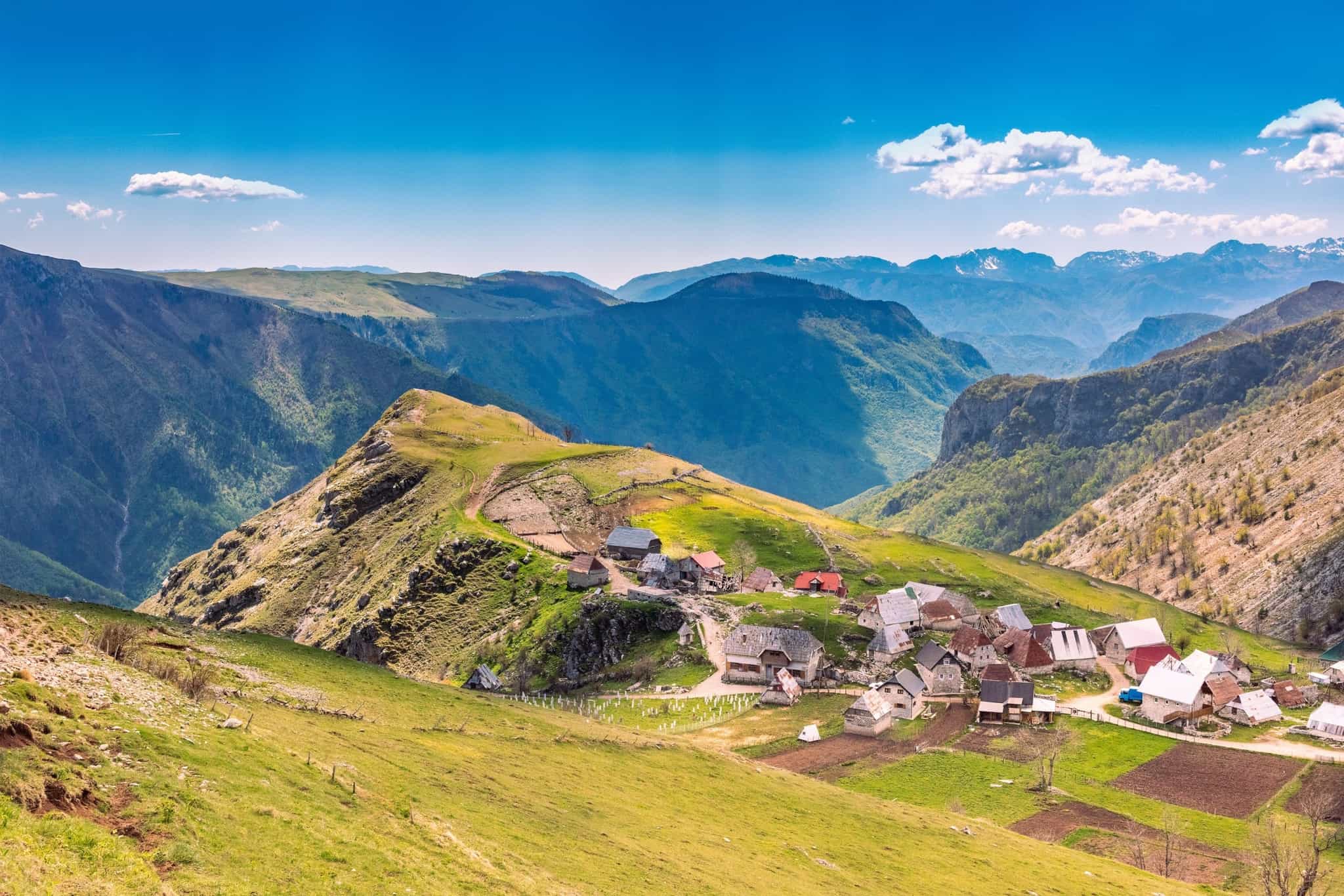
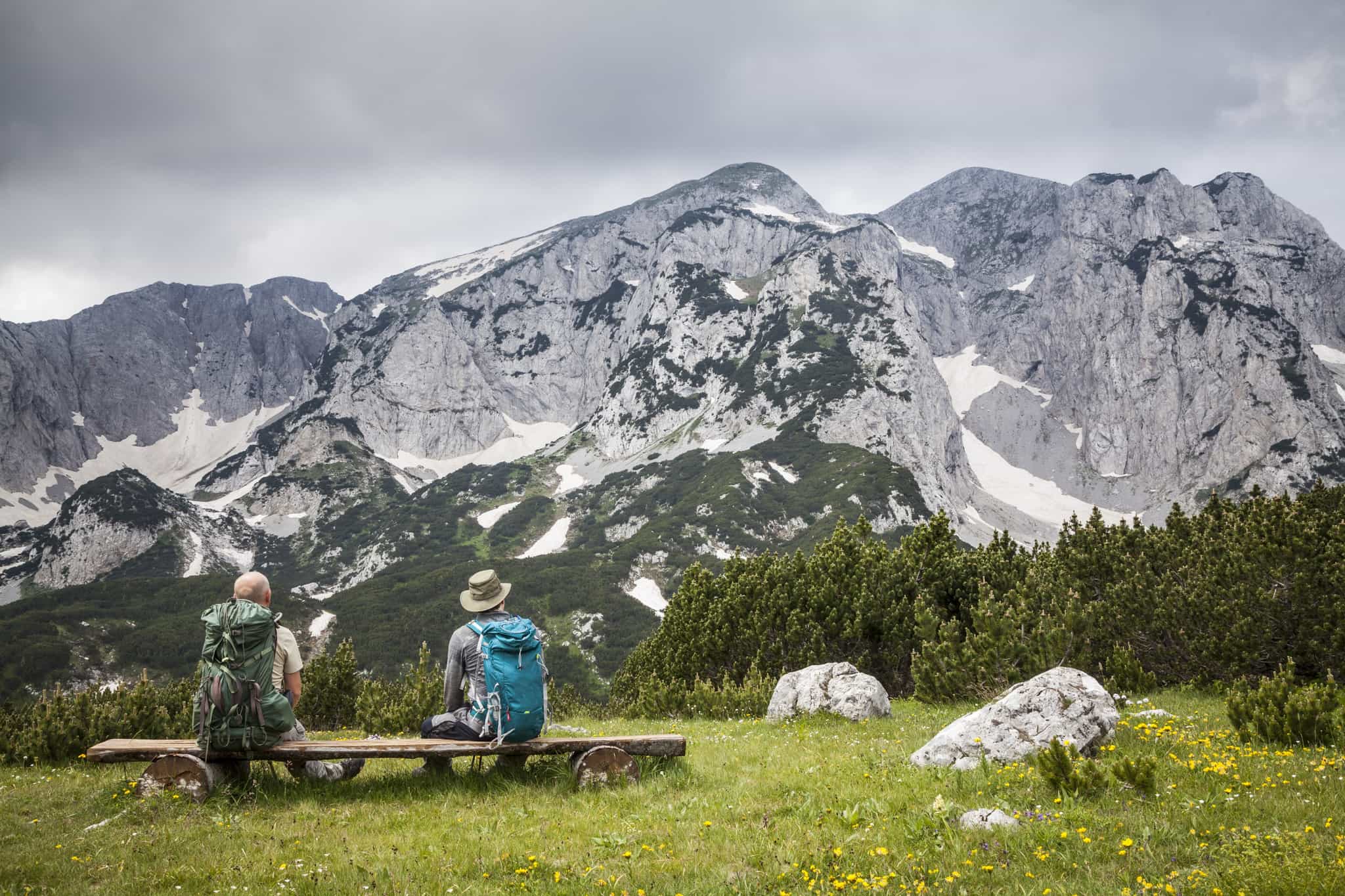
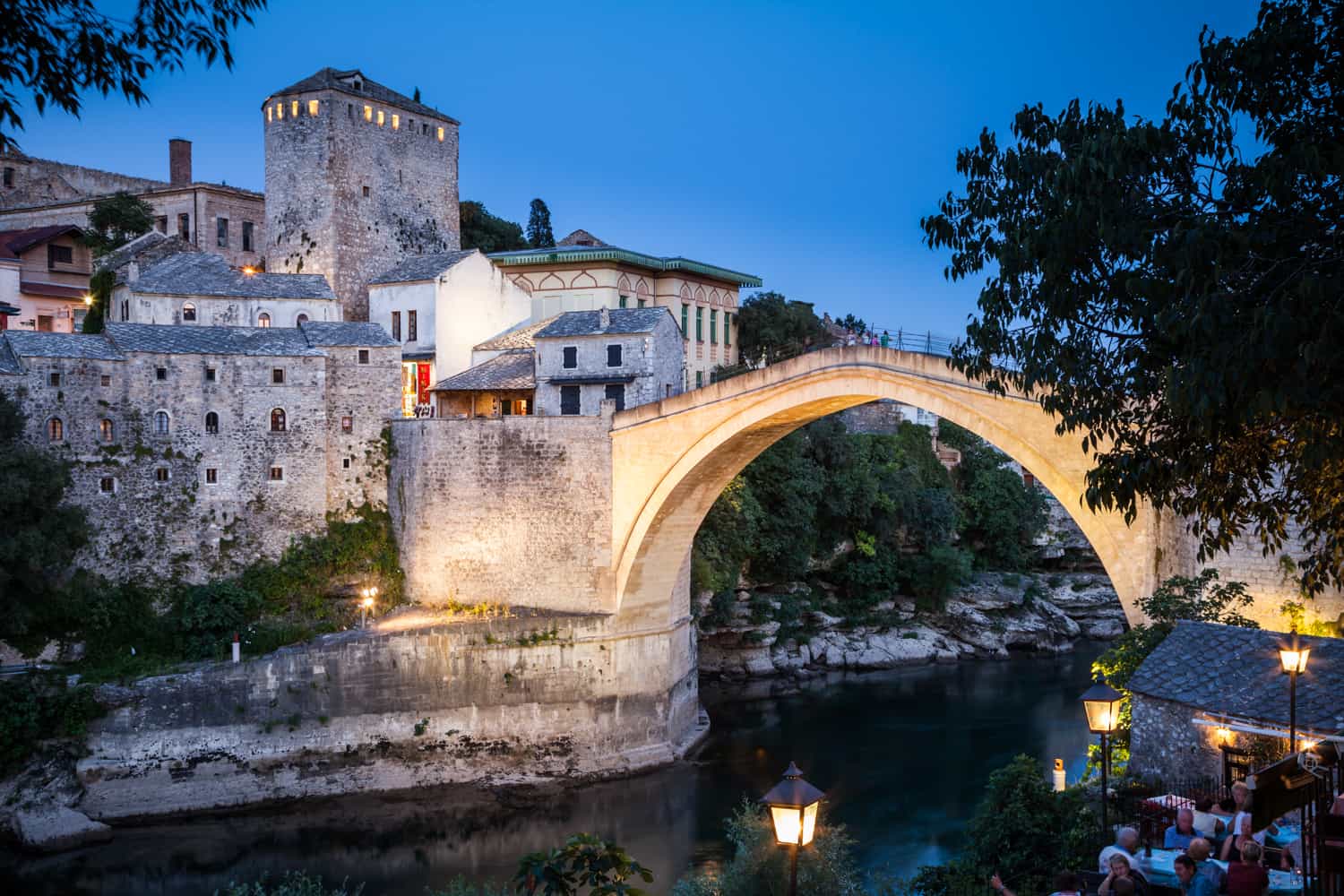
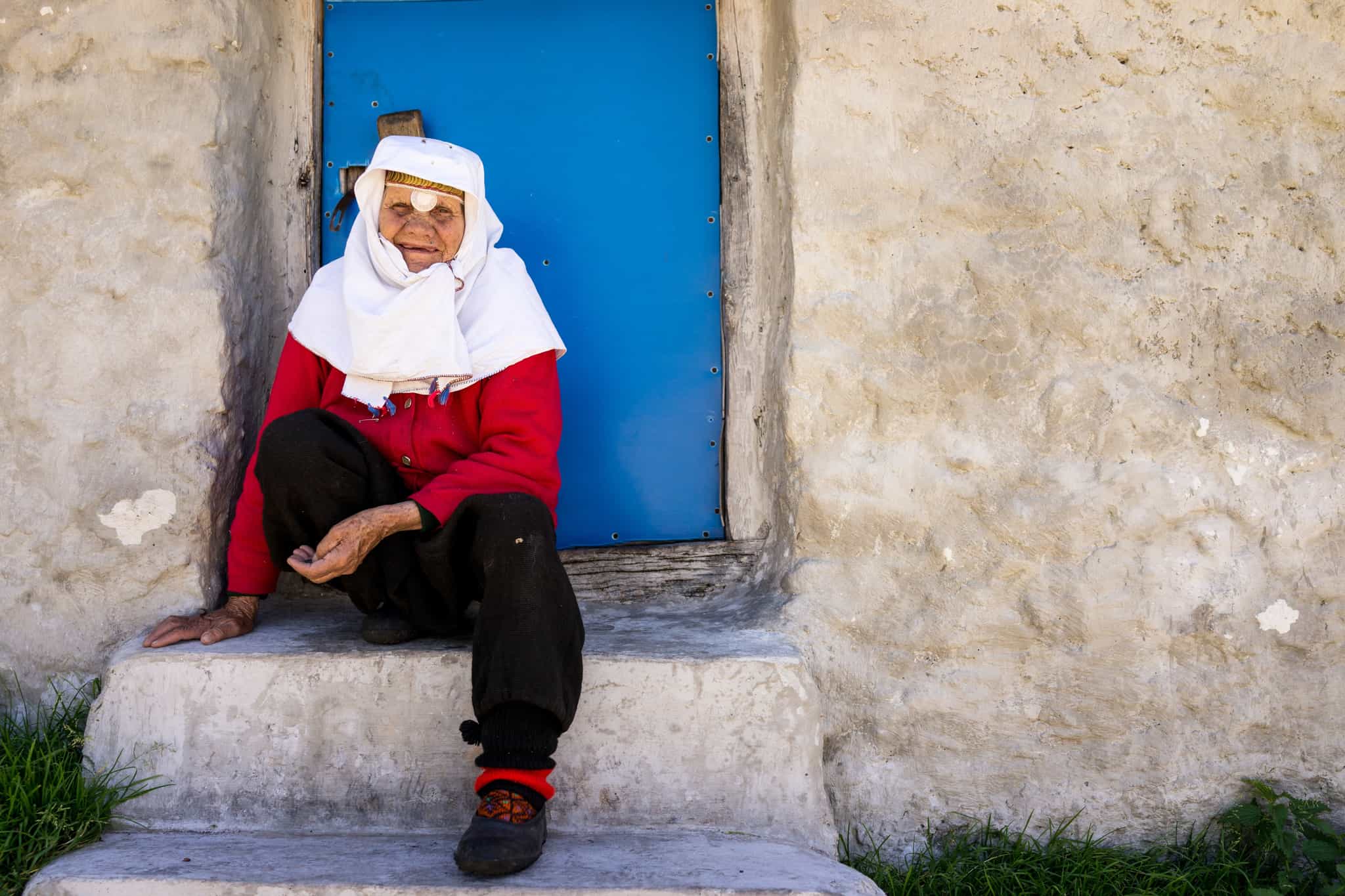
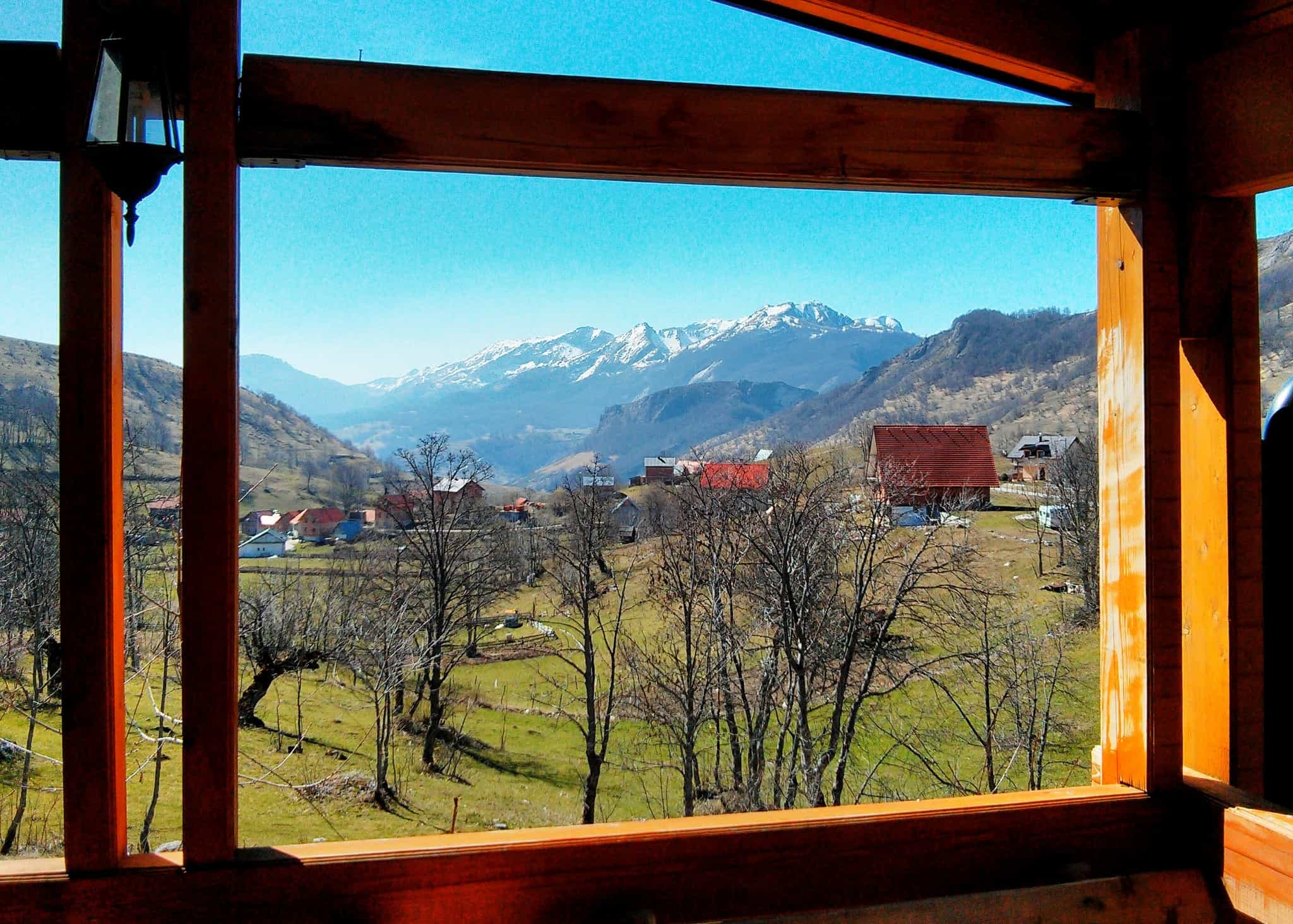
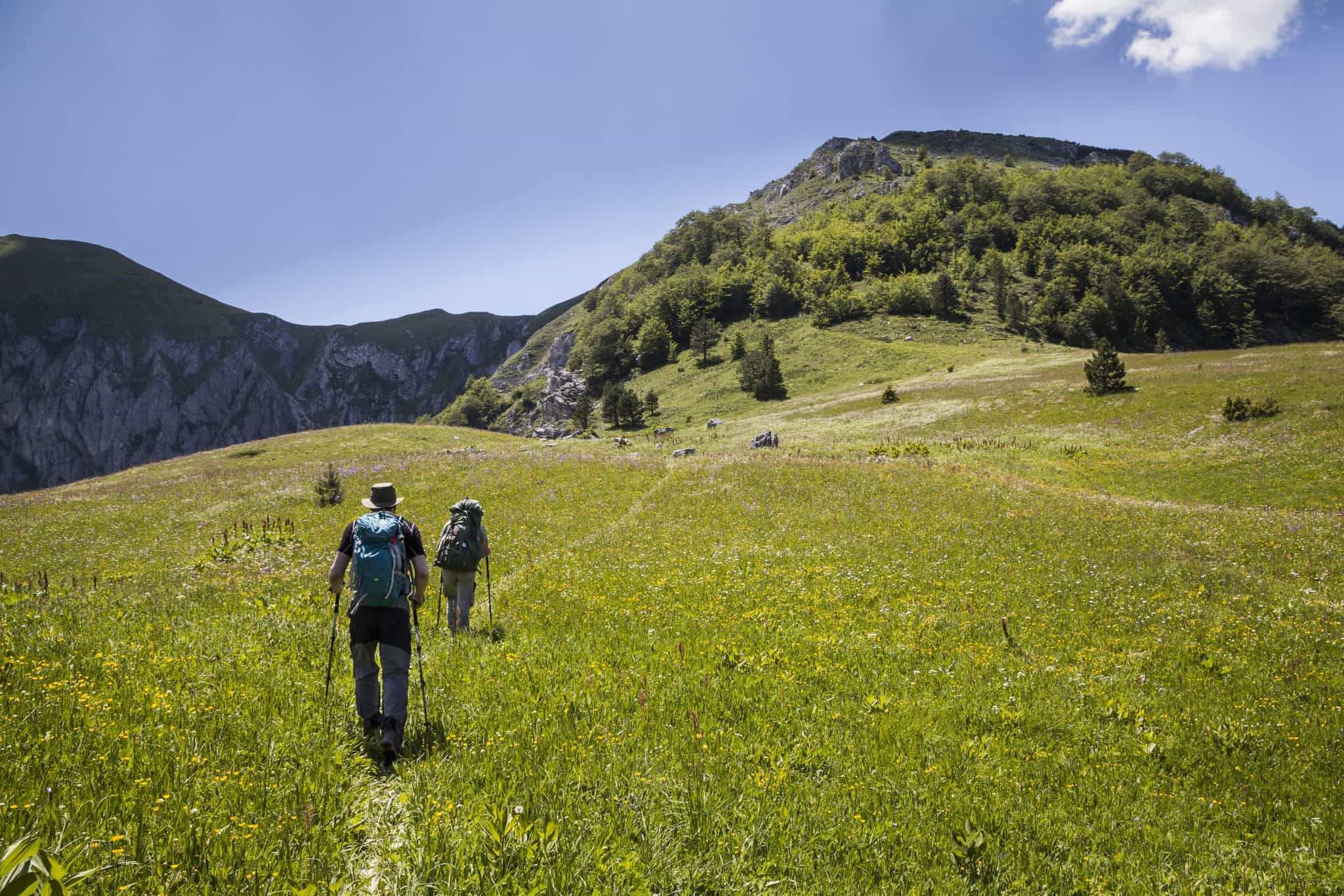
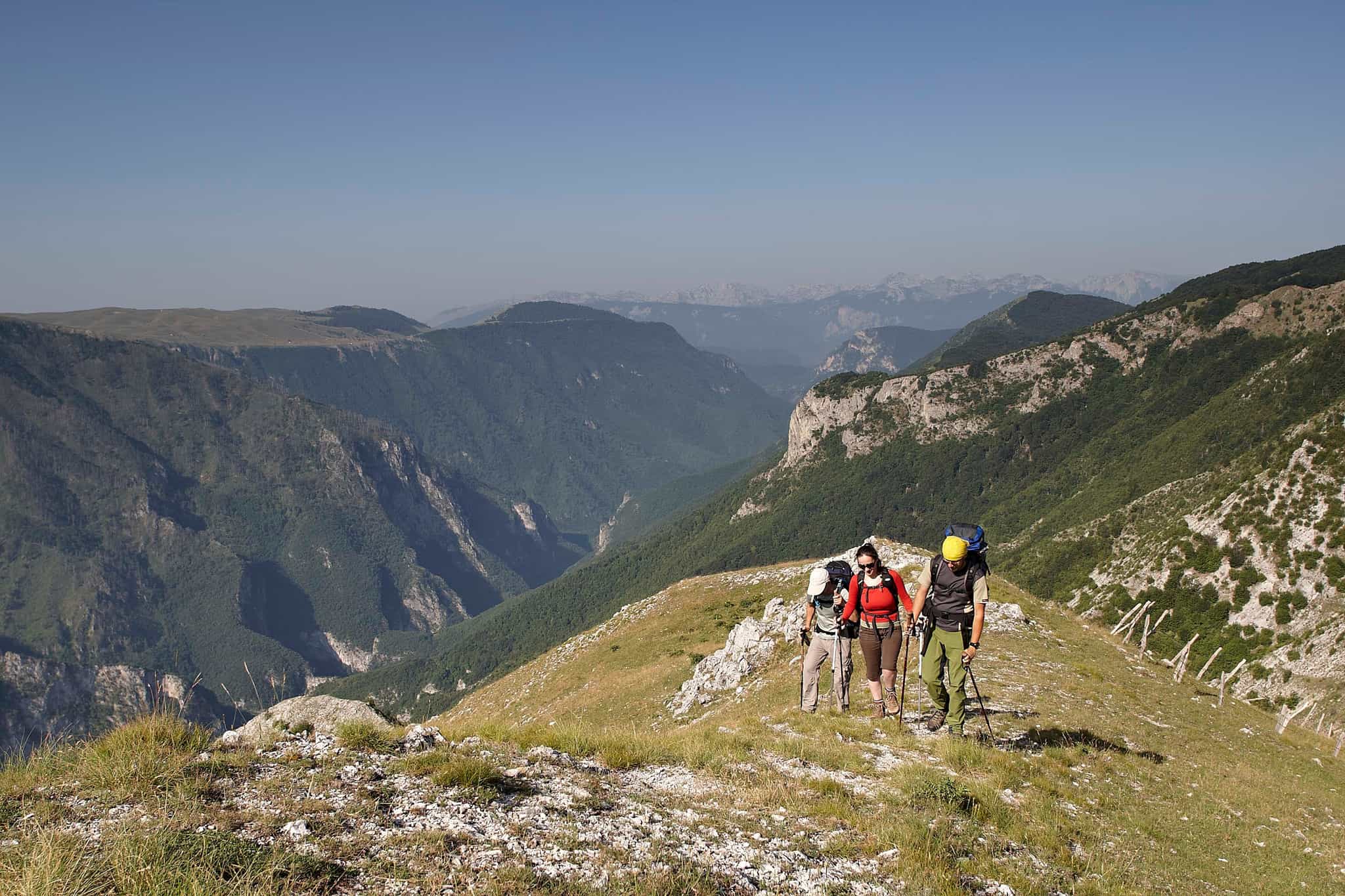
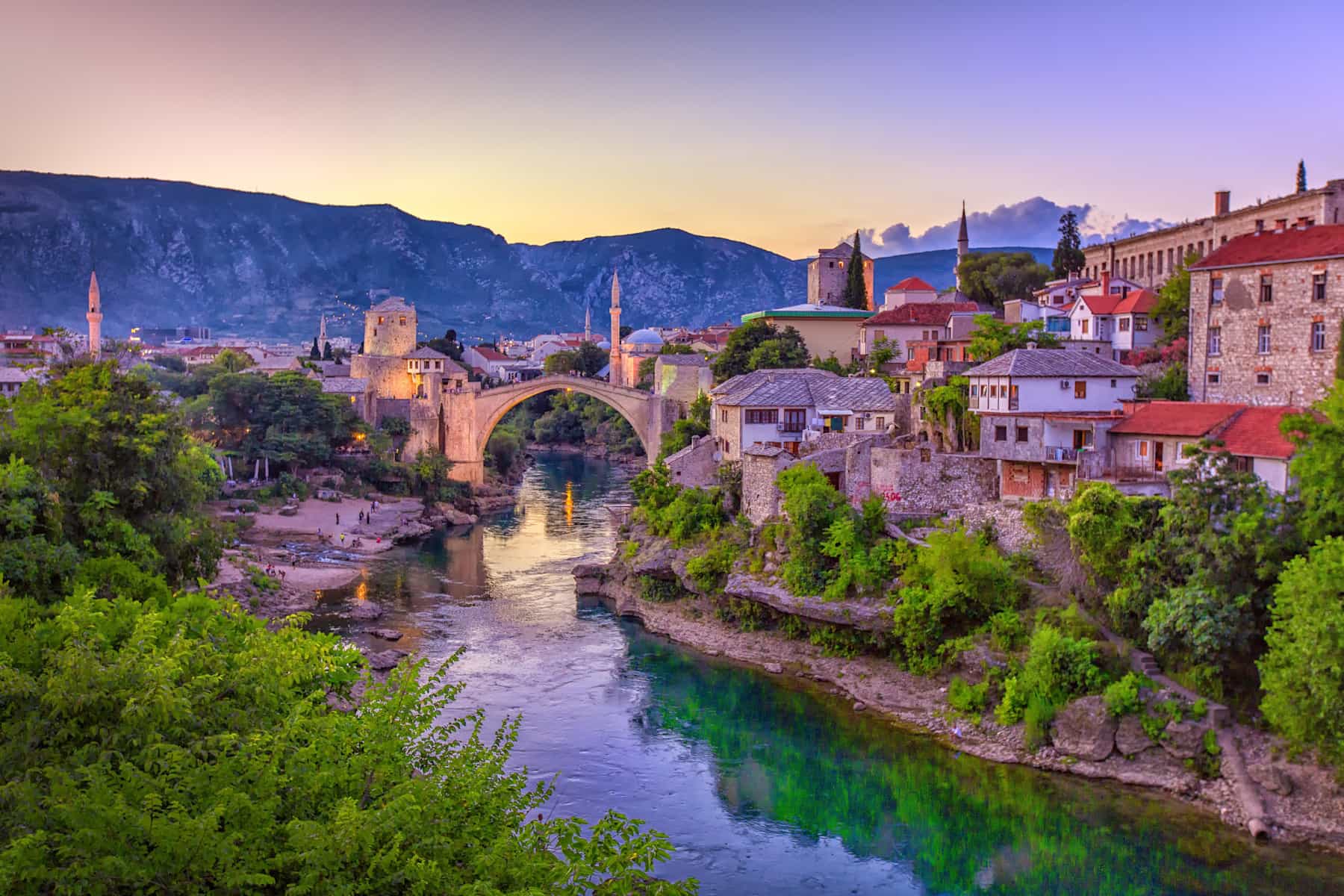
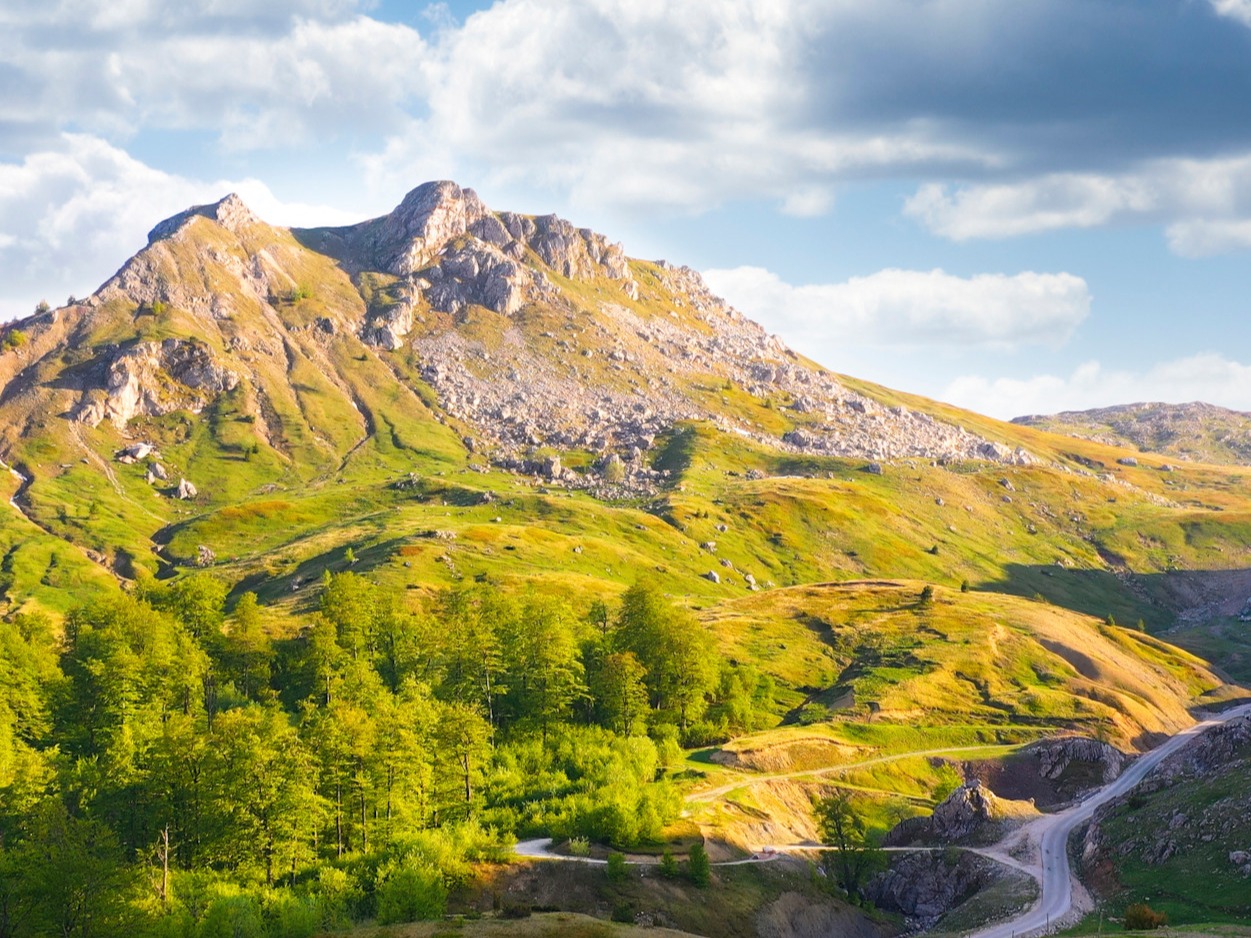
The Via Dinarica is a Balkan mega-trail, but you can sample a delightful section of it in the Dinaric Alps of Bosnia and Herzegovina (opens in new tab). This is a landscape of deep forests, high karst plateaus, glacial lakes and traditional mountain villages. You’ll find cultural richness as striking as the scenery, with Ottoman heritage, hearty mountain food and warm local hospitality.
Why hike here in July? July brings stable weather, fully accessible high-altitude routes and long daylight hours ideal for extended ridge walks.
Must-do trail(s): Hike on rugged trails to medieval Lukomir, Bosnia’s highest village at 1,496m (4,908ft), famous for its ancient tombstones and traditional way of life.
What’s the weather like? Warm or drizzly in the daytime with cooler, comfortable evenings.
What to know before you go: Trail markings can be sparse, so a local guide is a must.
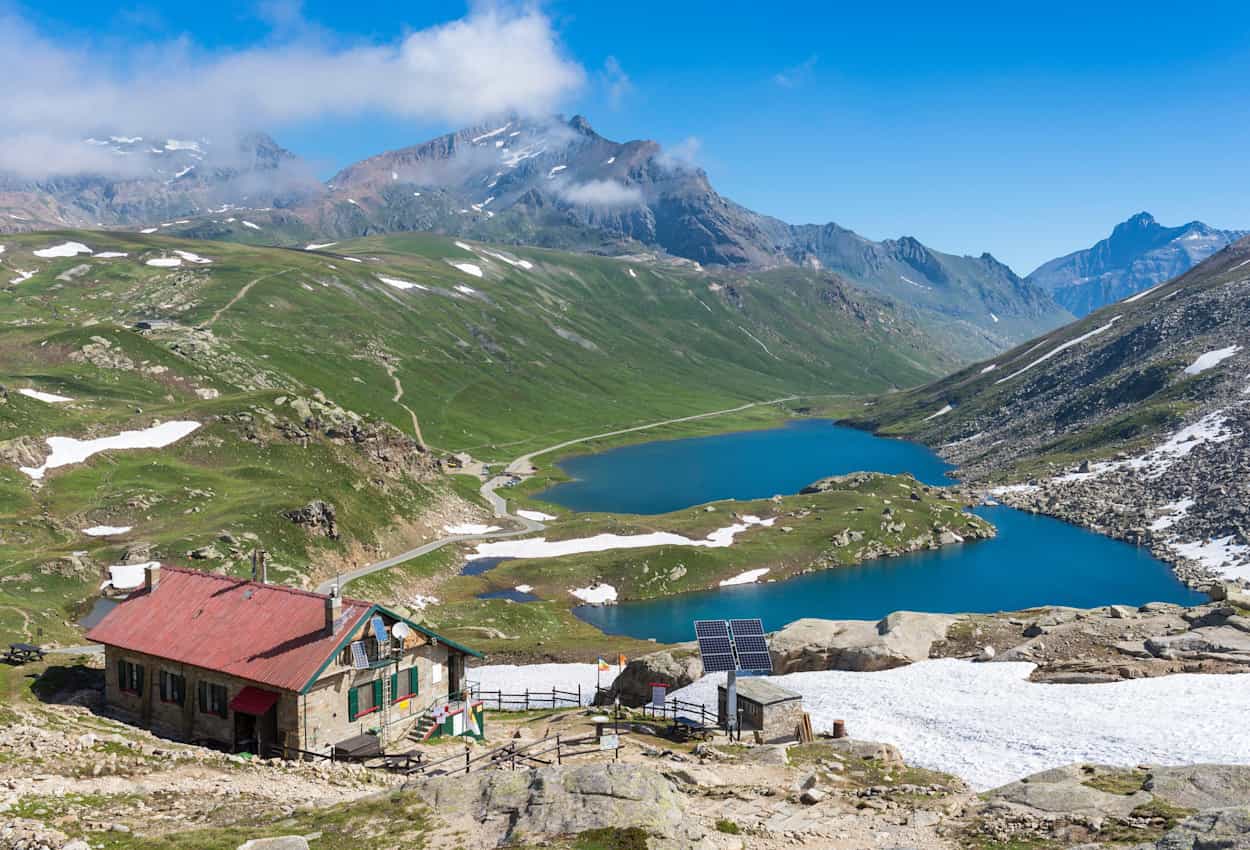
7. The Gran Paradiso National Park, Italy
- Average daytime temperatures: 18-25°C (64-77°F)
- Average nighttime temperatures: 8-12°C (46-54°F)
- Best for: Alpine wildlife and big views
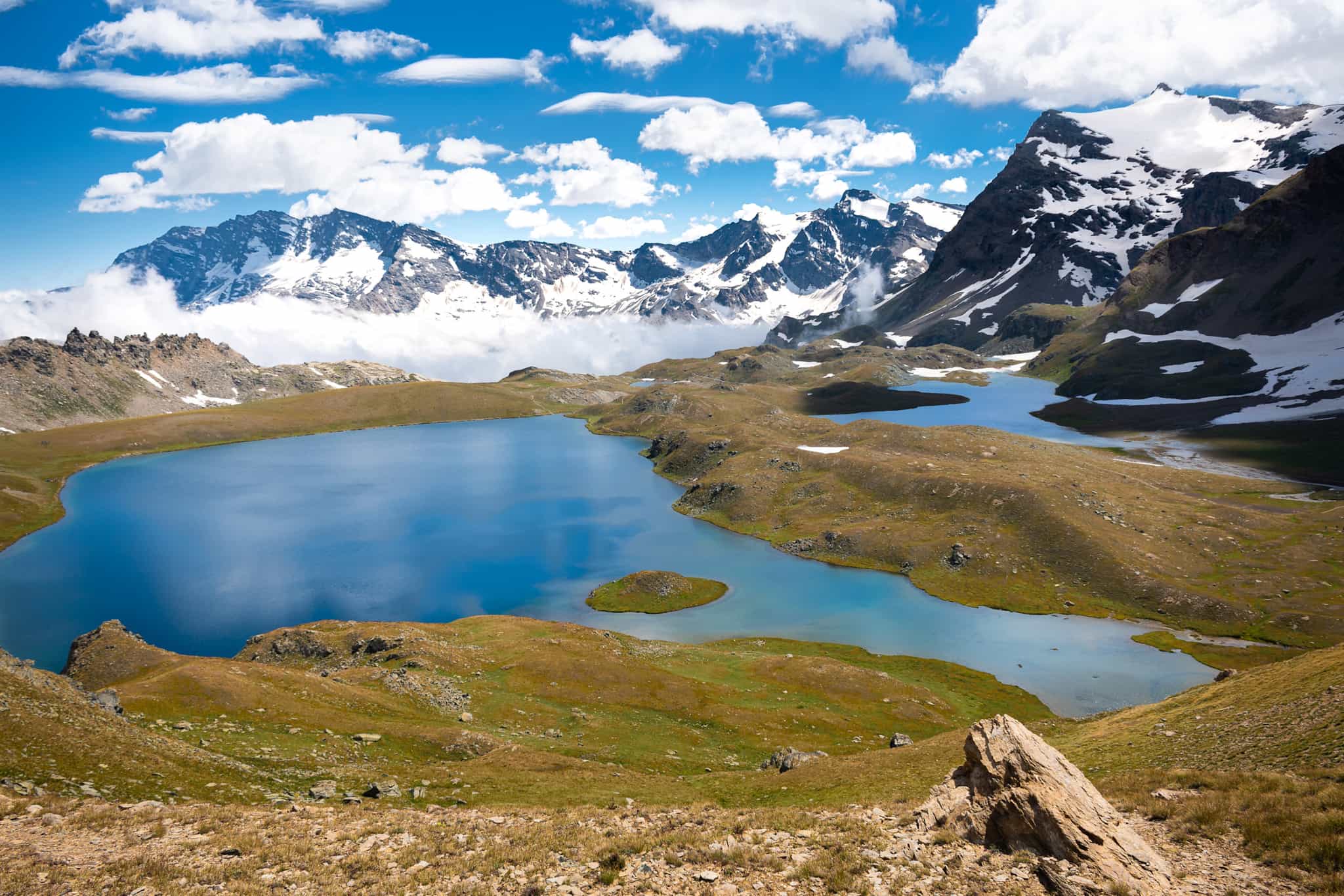
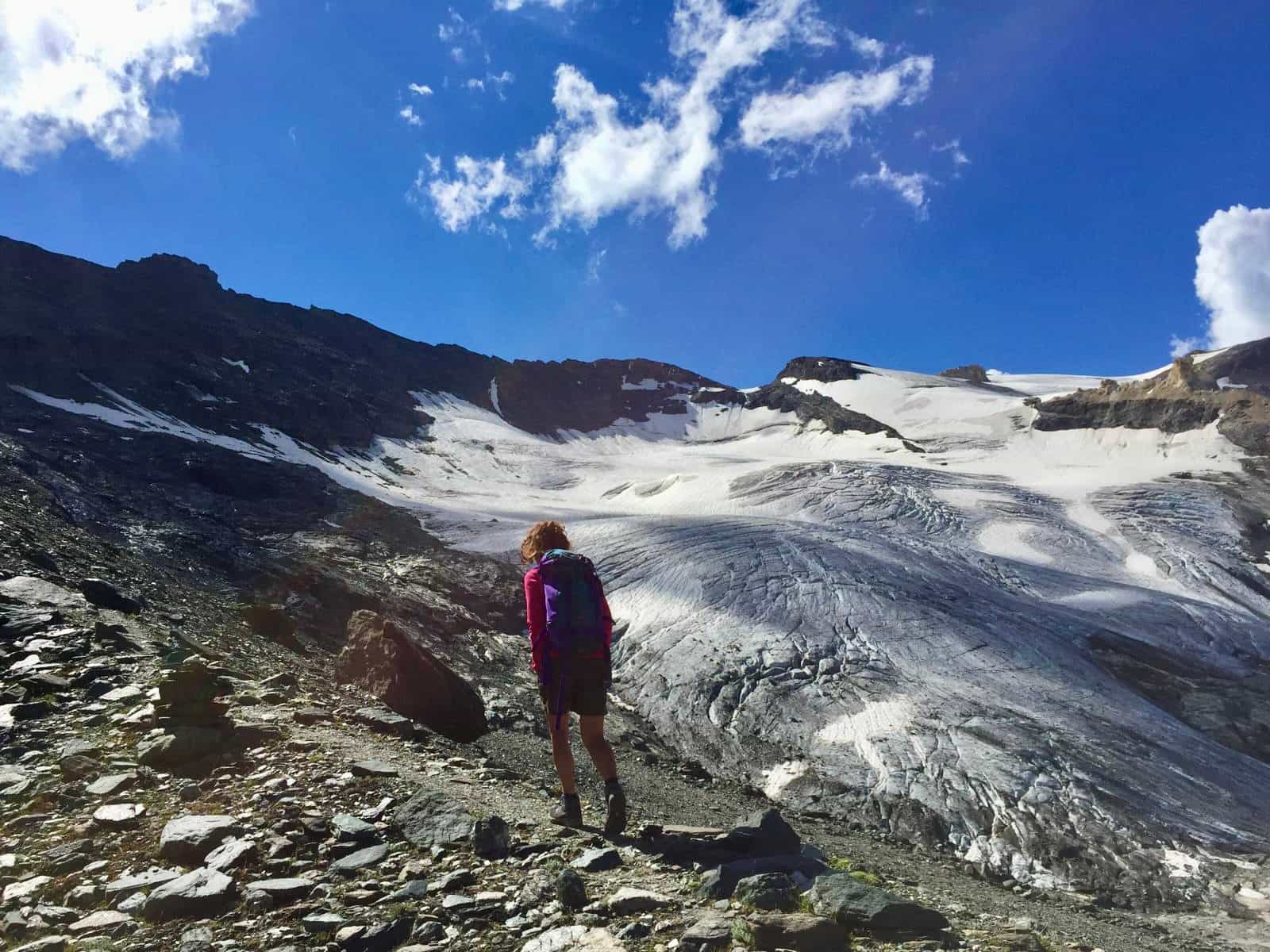
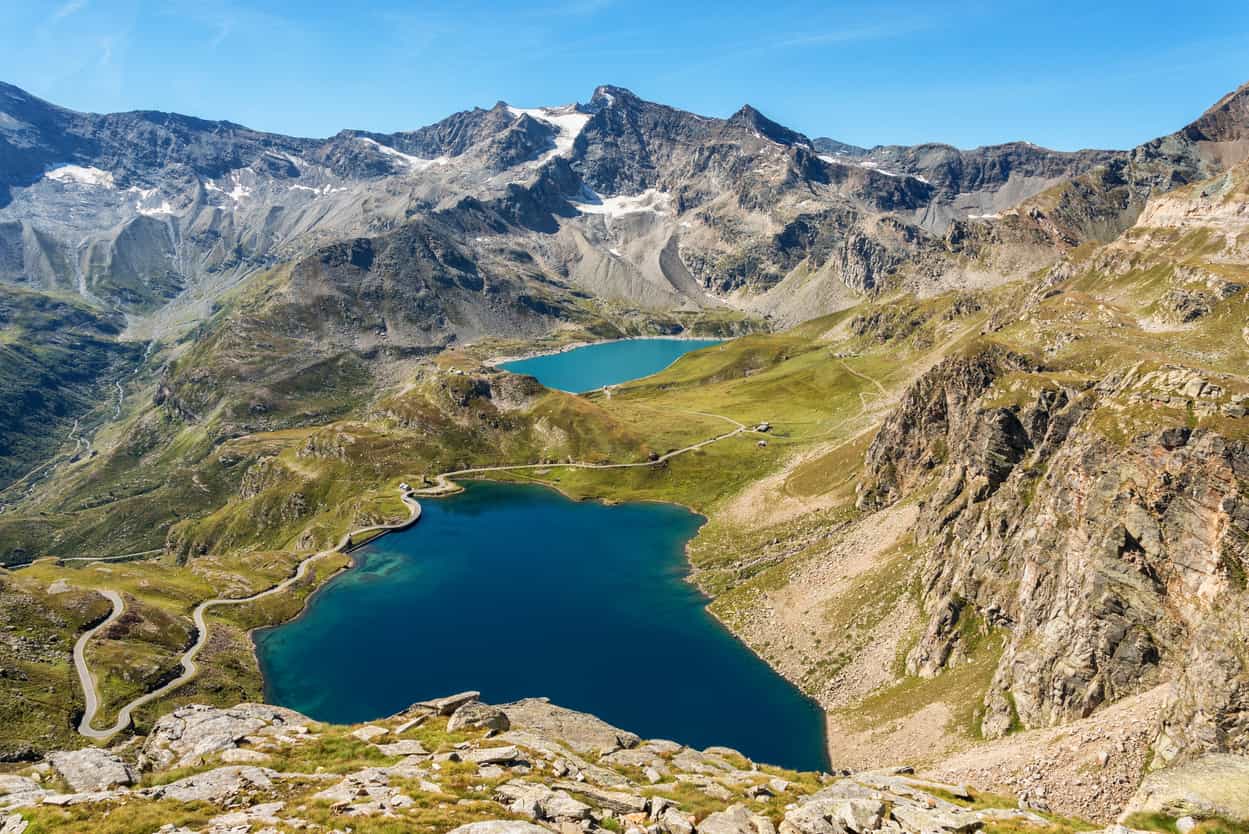
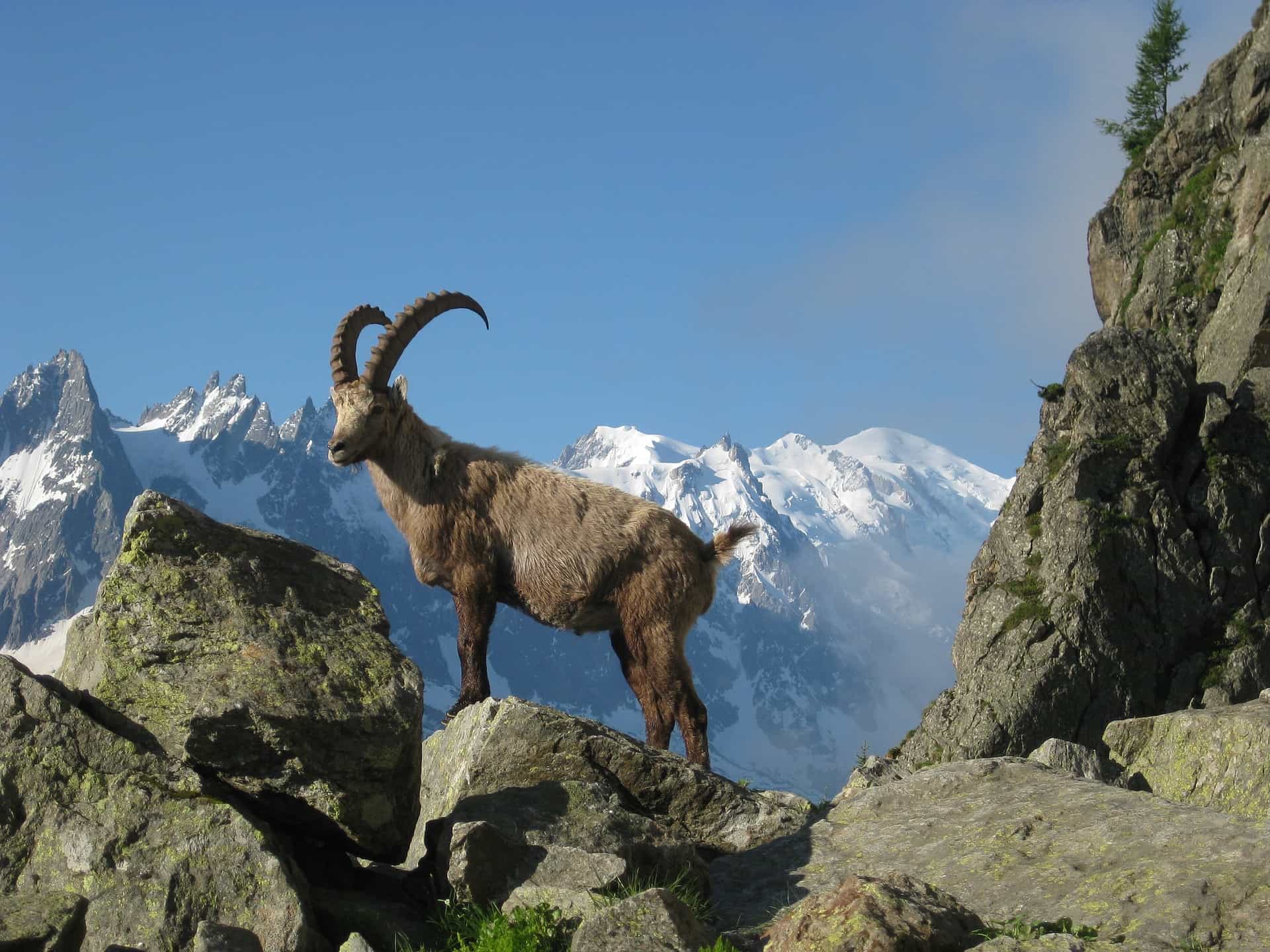
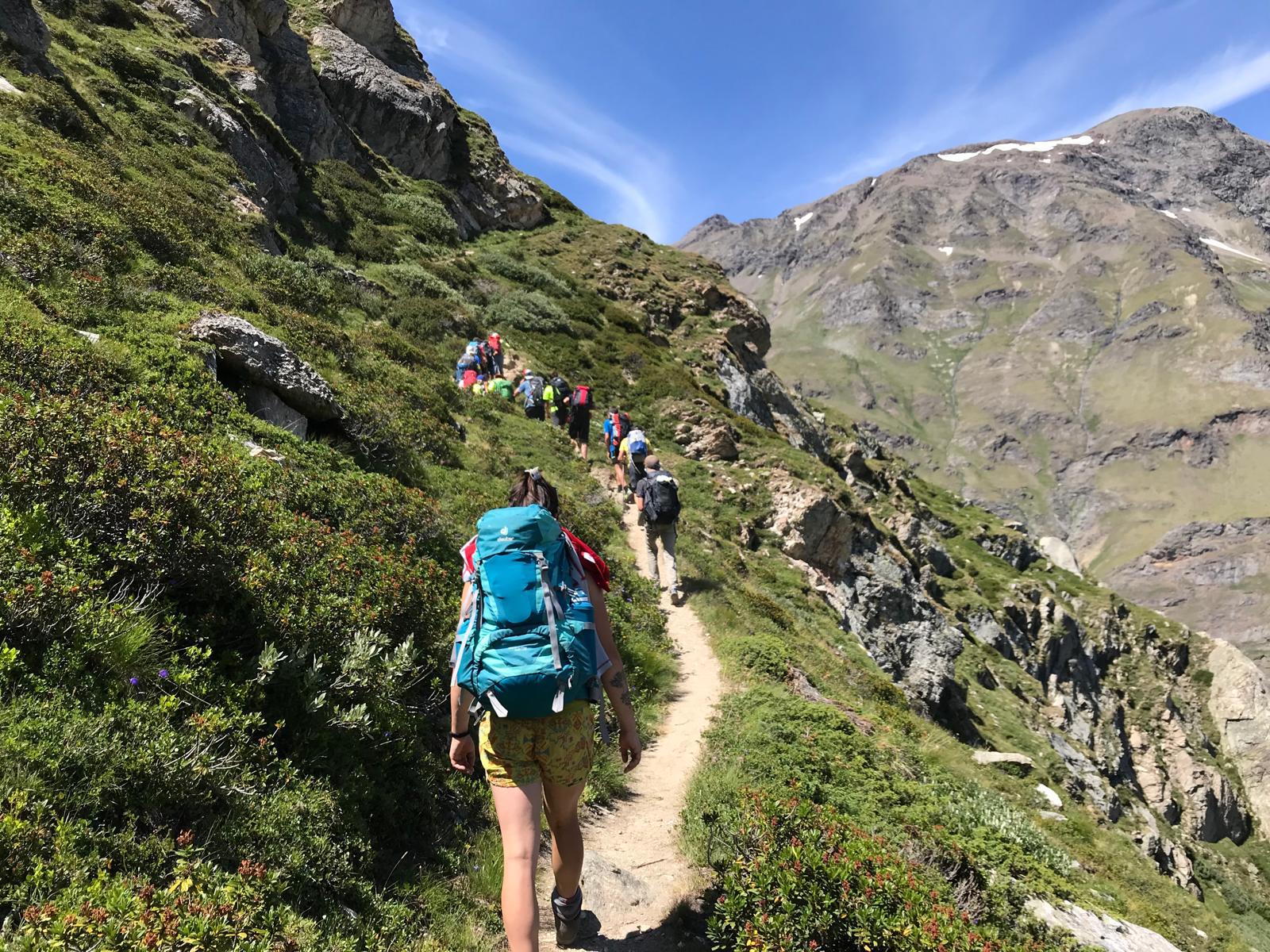
Gran Paradiso (opens in new tab) is Italy (opens in new tab)’s oldest national park is home to ibex, chamois and soaring alpine scenery. July is the peak season for wildlife sightings and clear summit views - and this is a part of Italy where you’re able to get away from the summer crowds. Hike where the locals go, in one of Italy’s wildest corners.
Why hike here in July? The high-altitude trails are clear and the snowline has retreated.
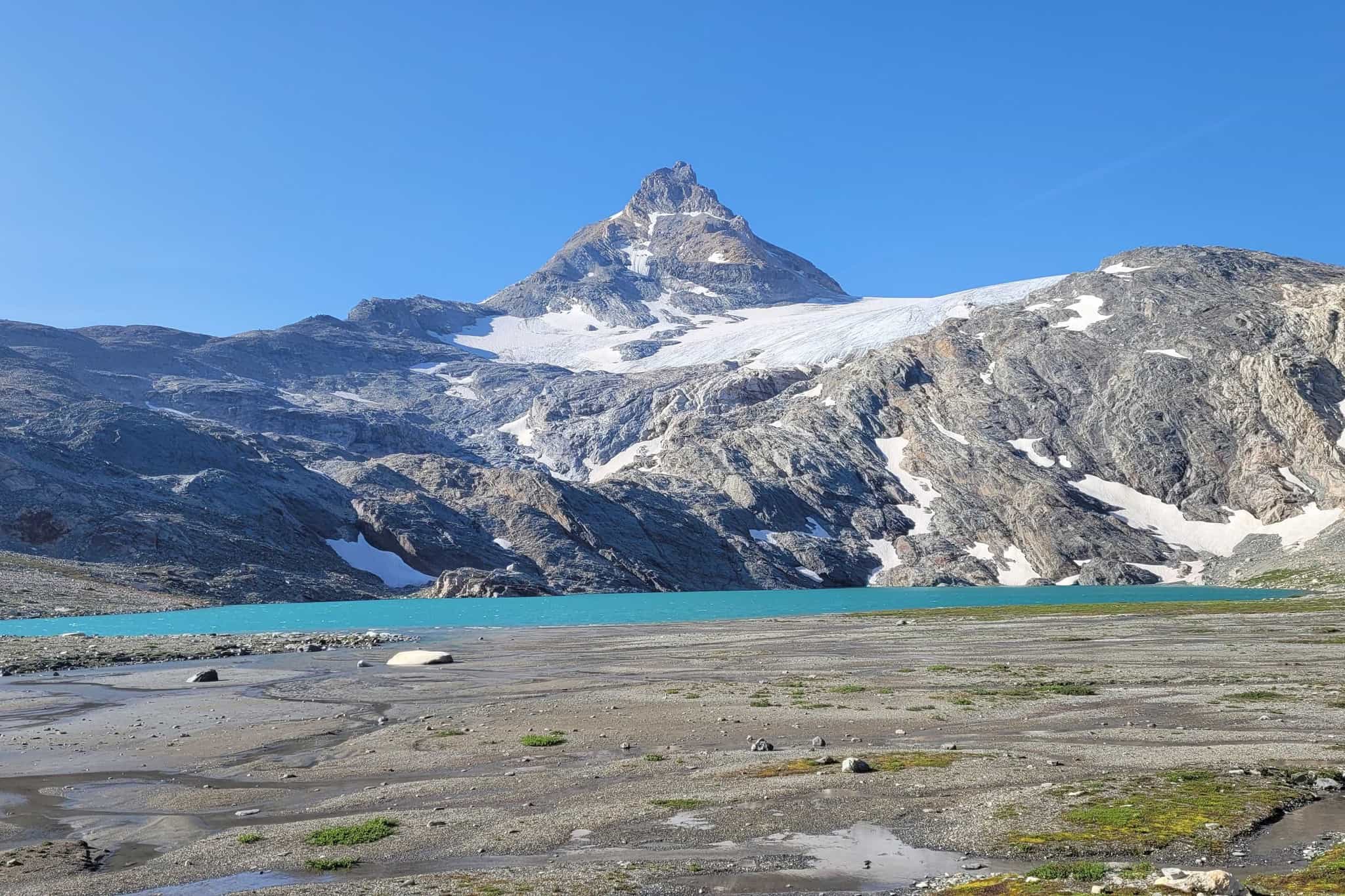
Must-do trail(s): Tackle Col Rosset (3,025m/9,924ft) and Col Bassac Derè (3,082m/10,111ft), some of the highest walkable passes in the Alps with breathtaking glacier views
What’s the weather like? Bright and warm by day, chilly at night.
What to know before you go: Some routes involve glacier travel - a guide is essential.
8. The Lofoten Islands, Norway
- Average daytime temperatures: 12-18°C (54-64°F)
- Average nighttime temperatures: 8-12°C (46-54°F)
- Best for: Arctic ridge hikes and wild coastal camping
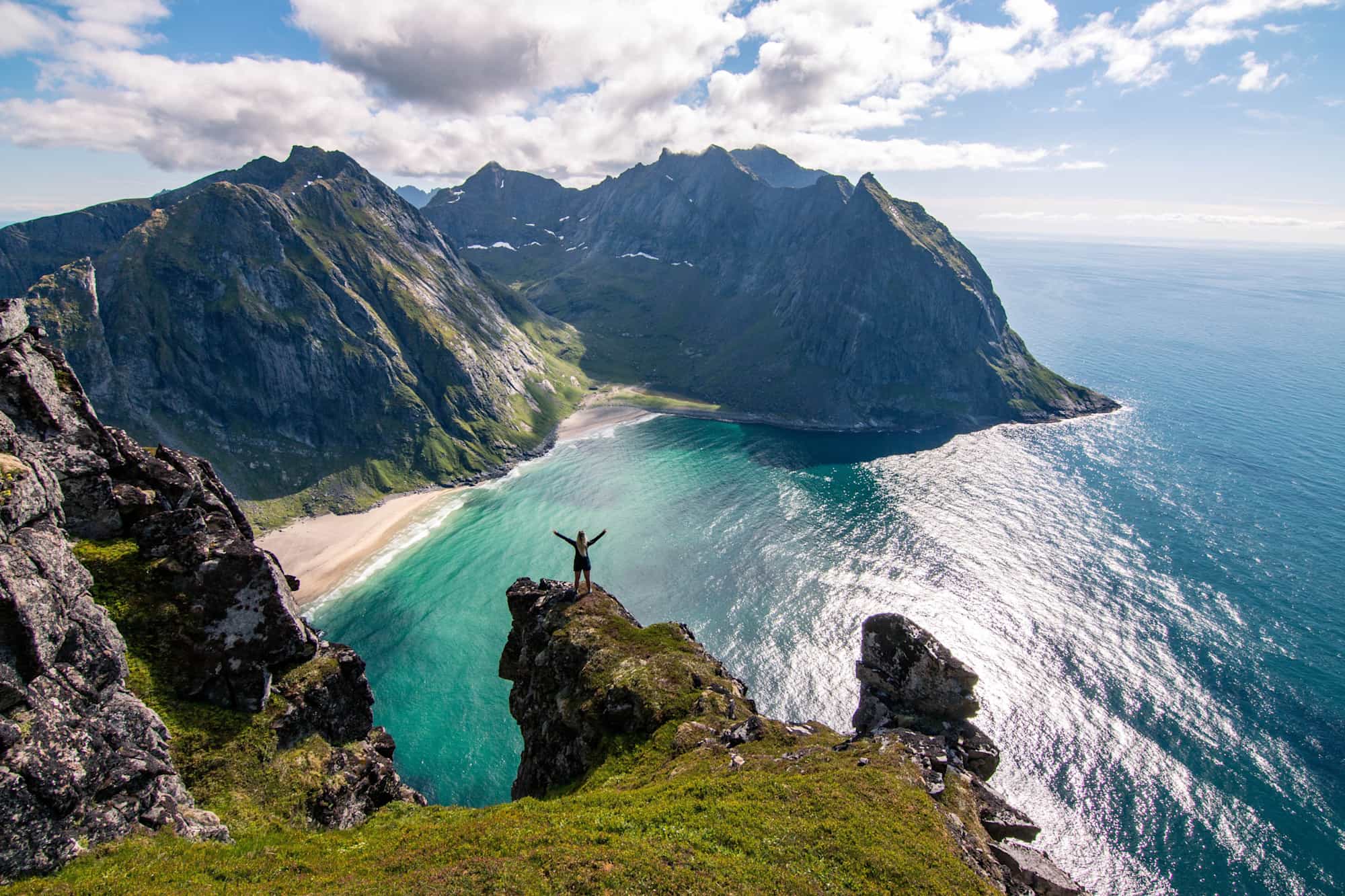
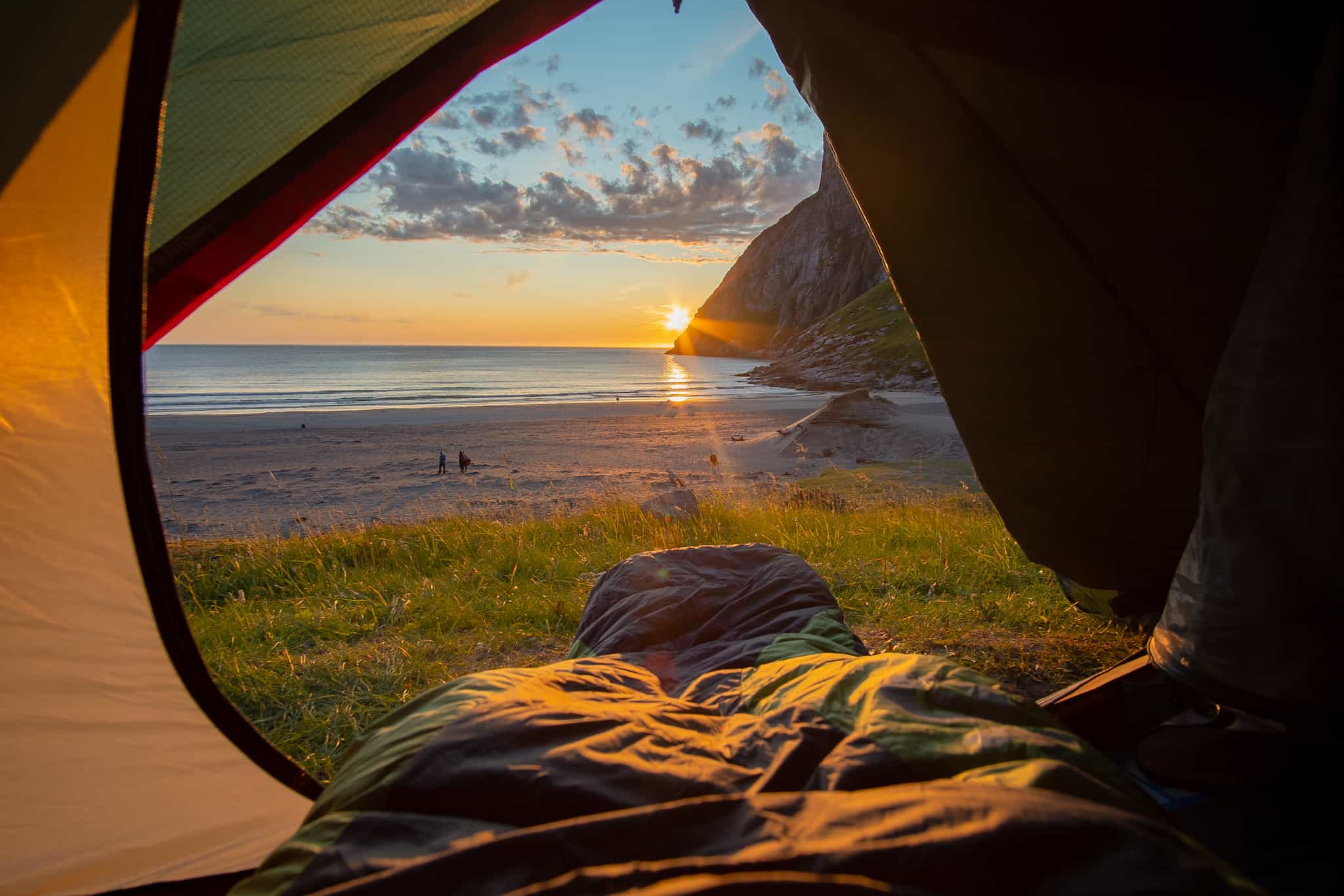
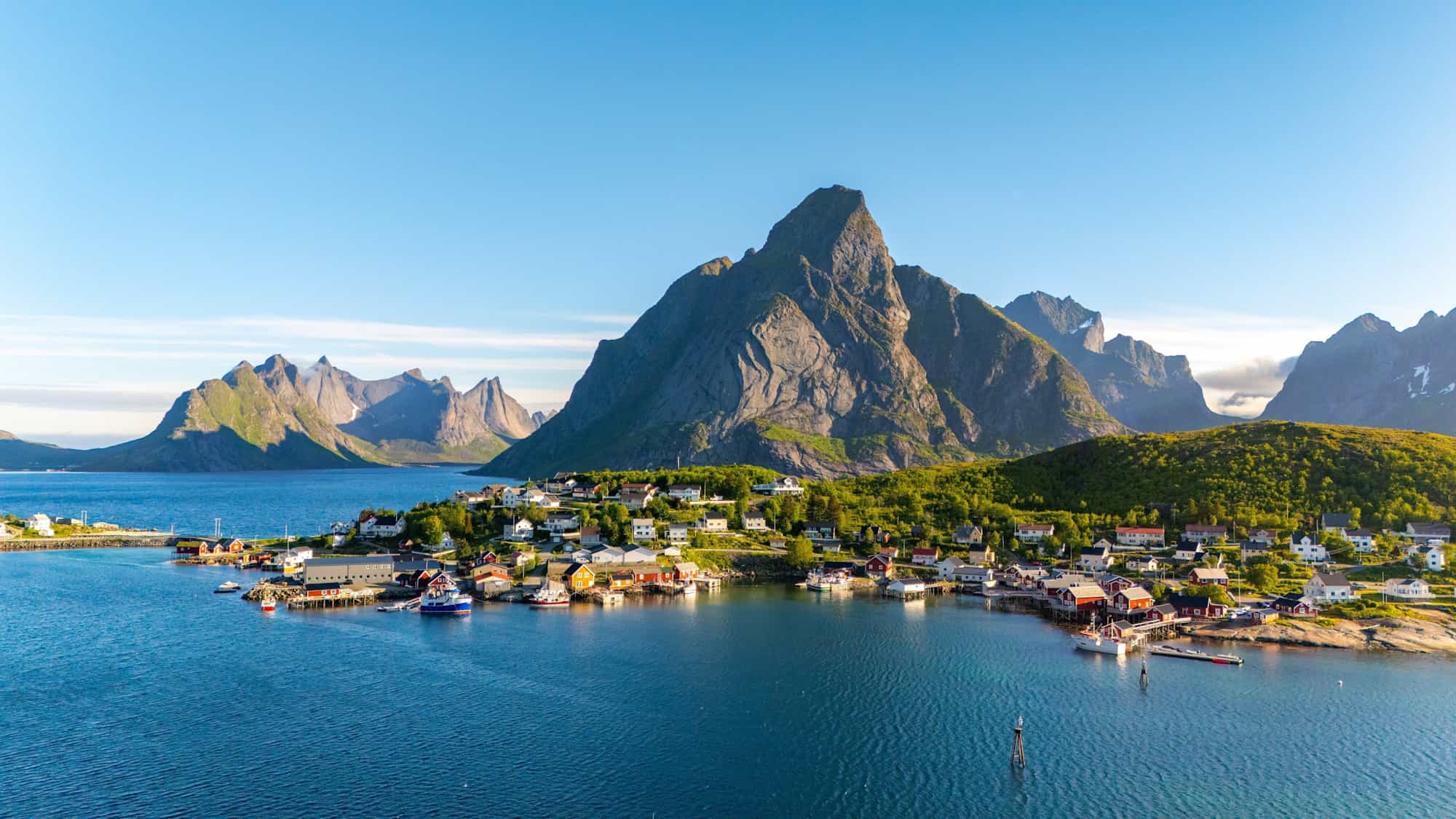
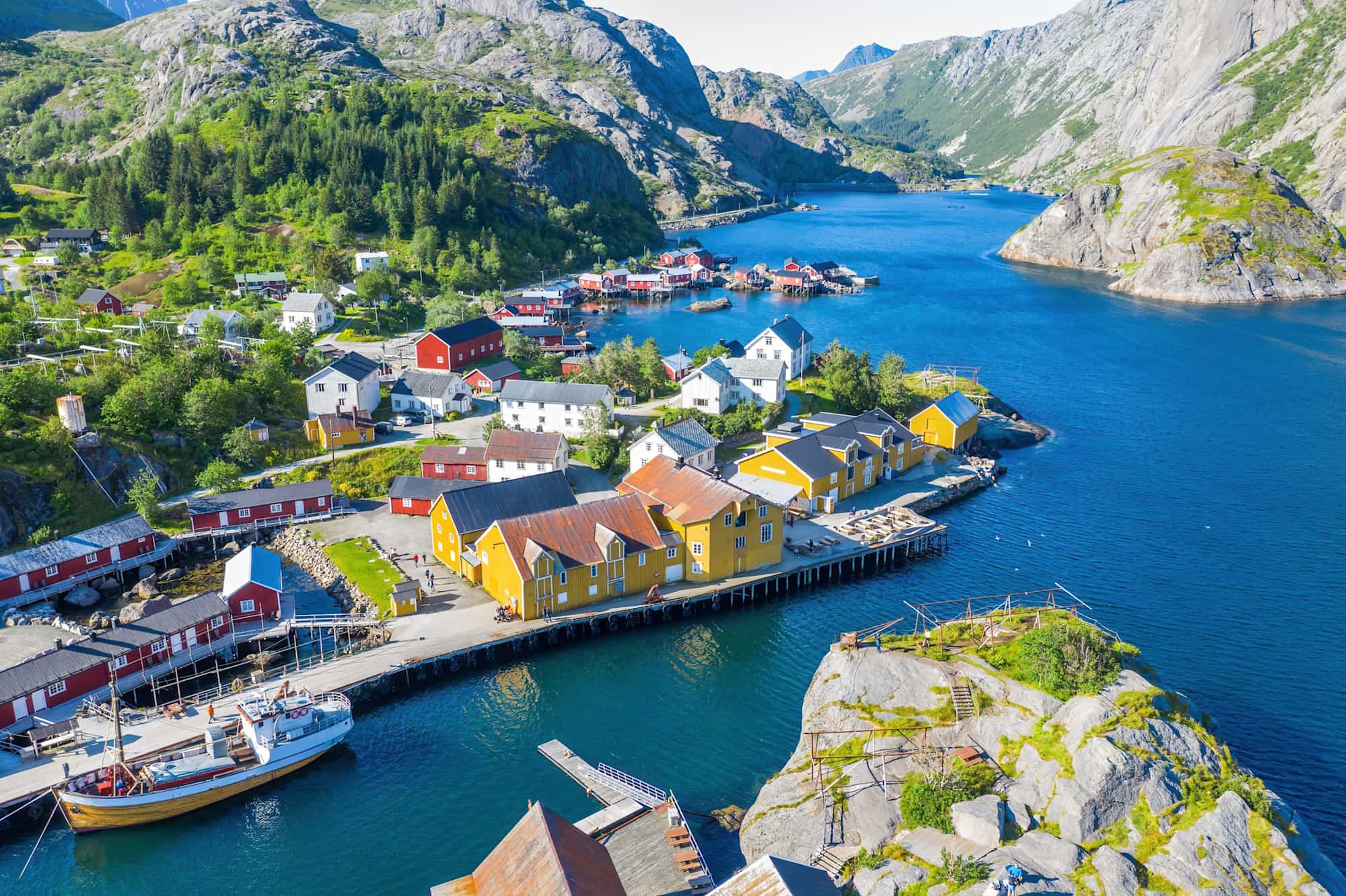
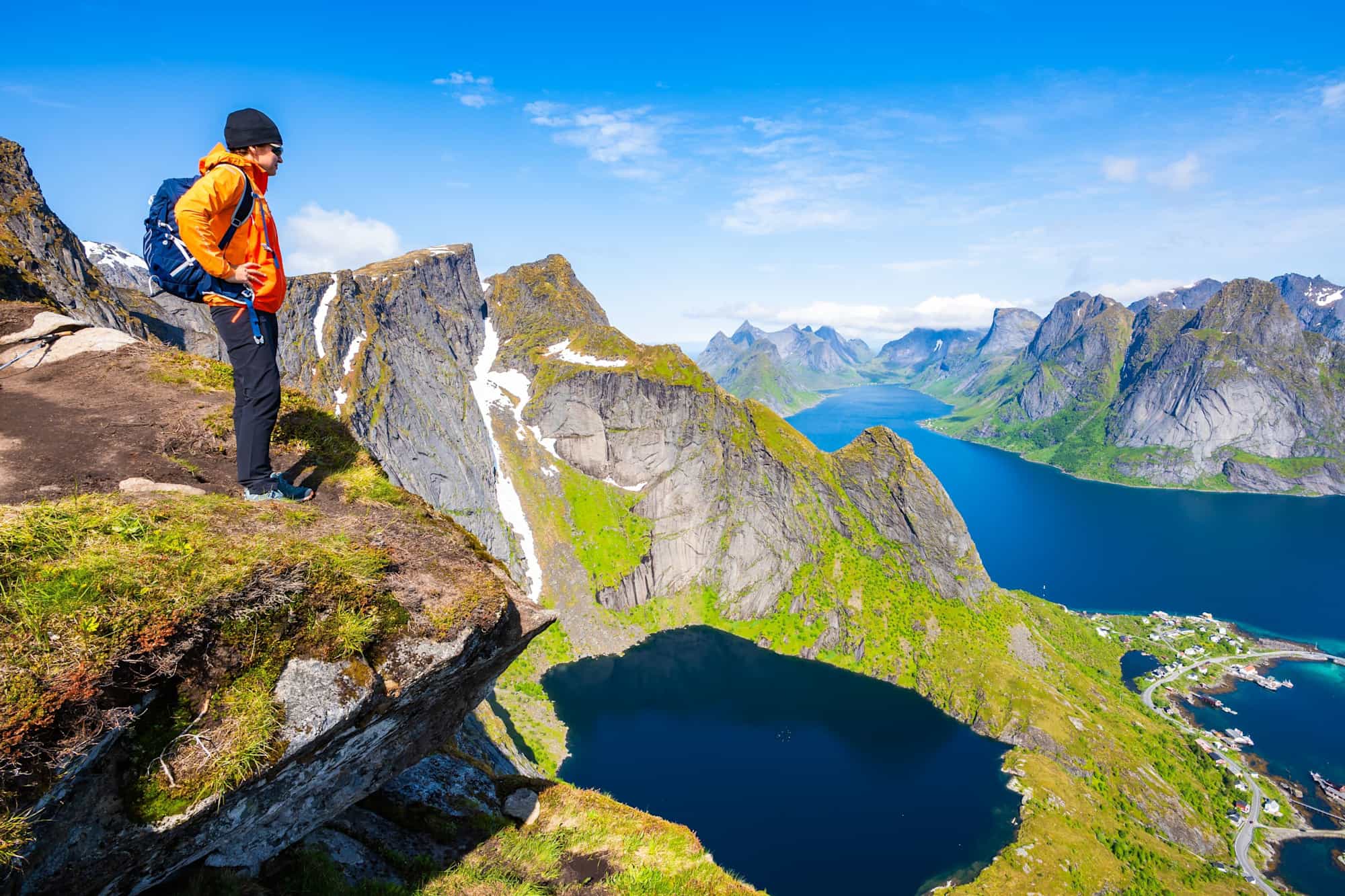
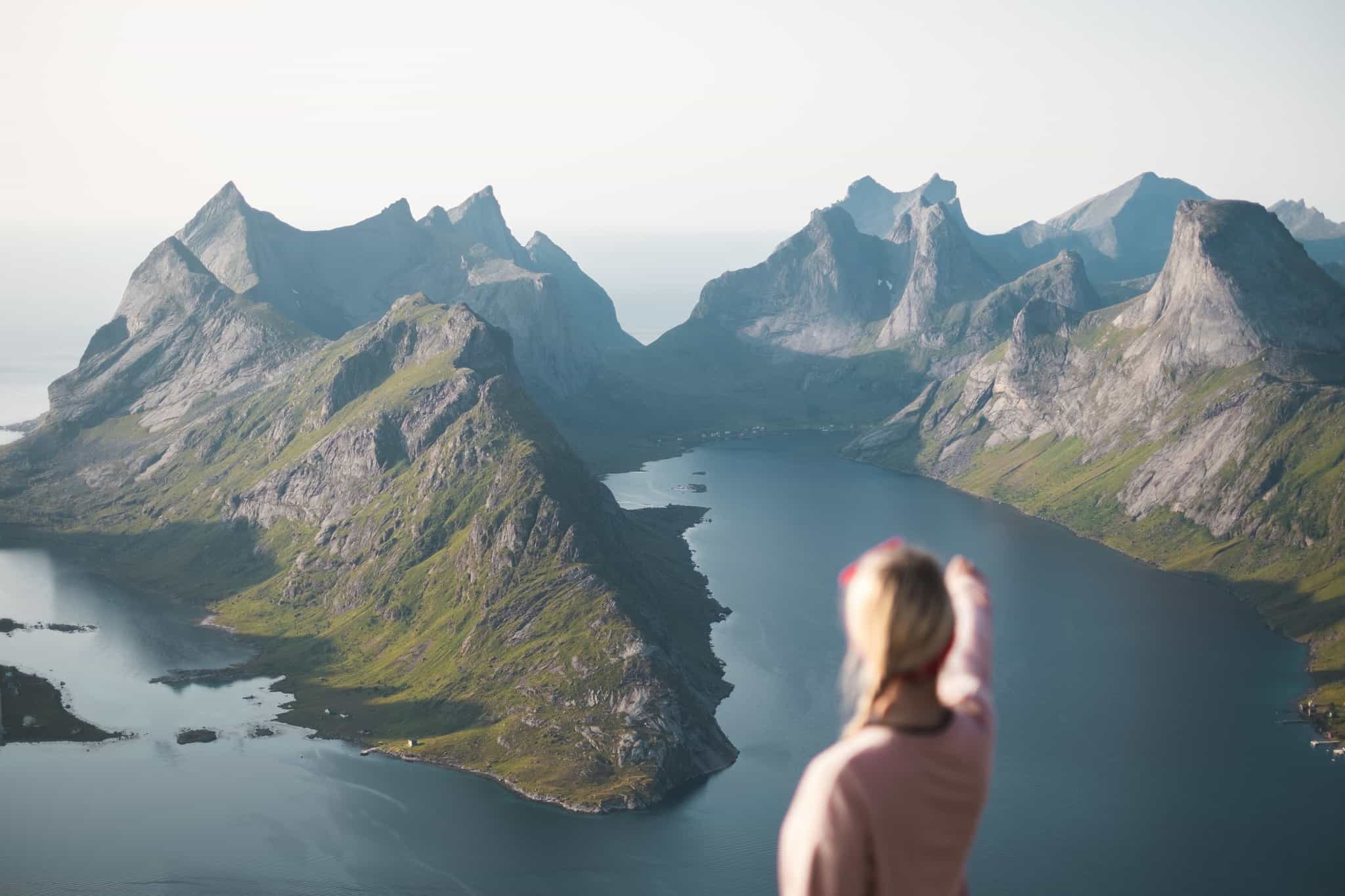
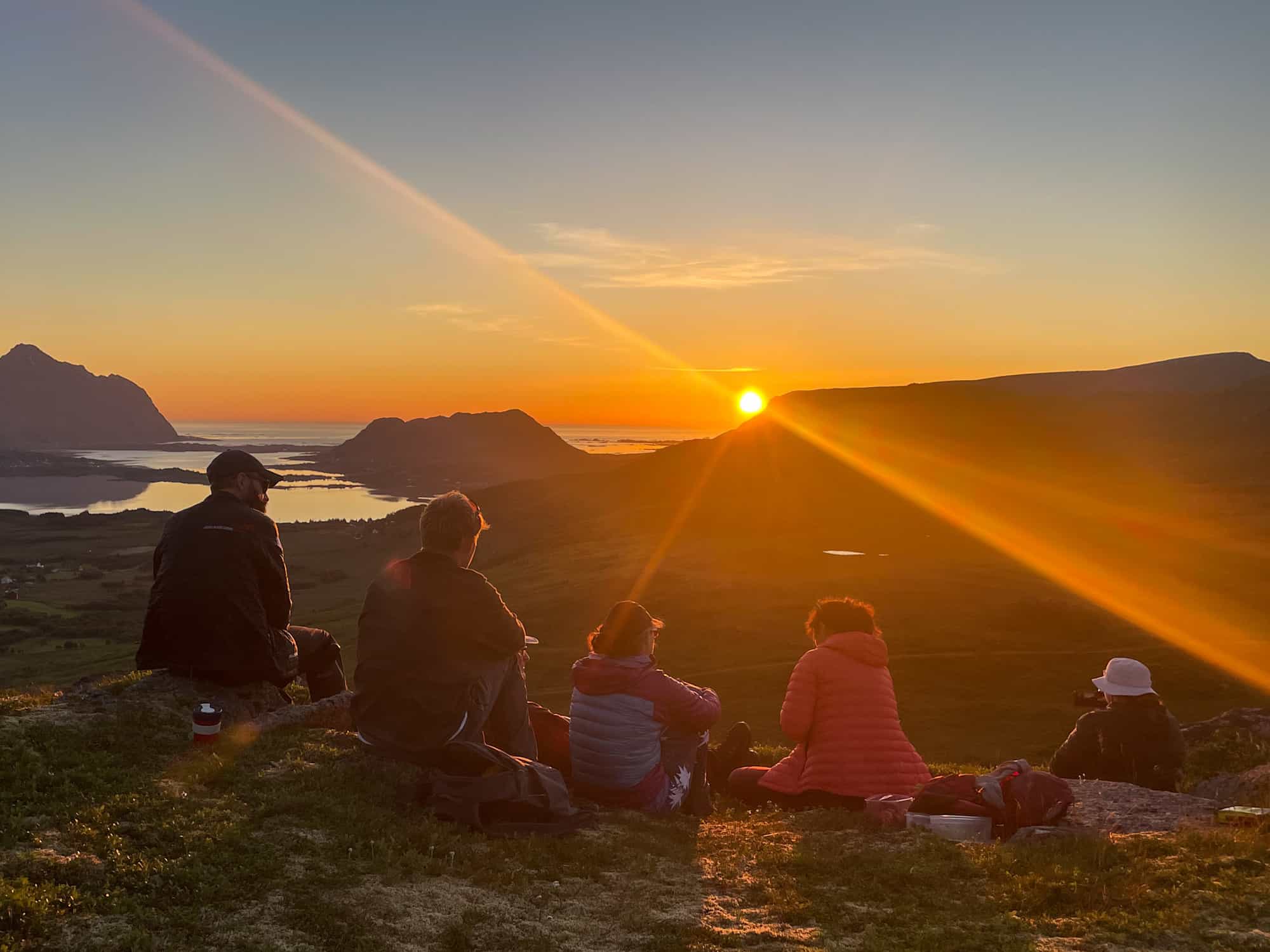
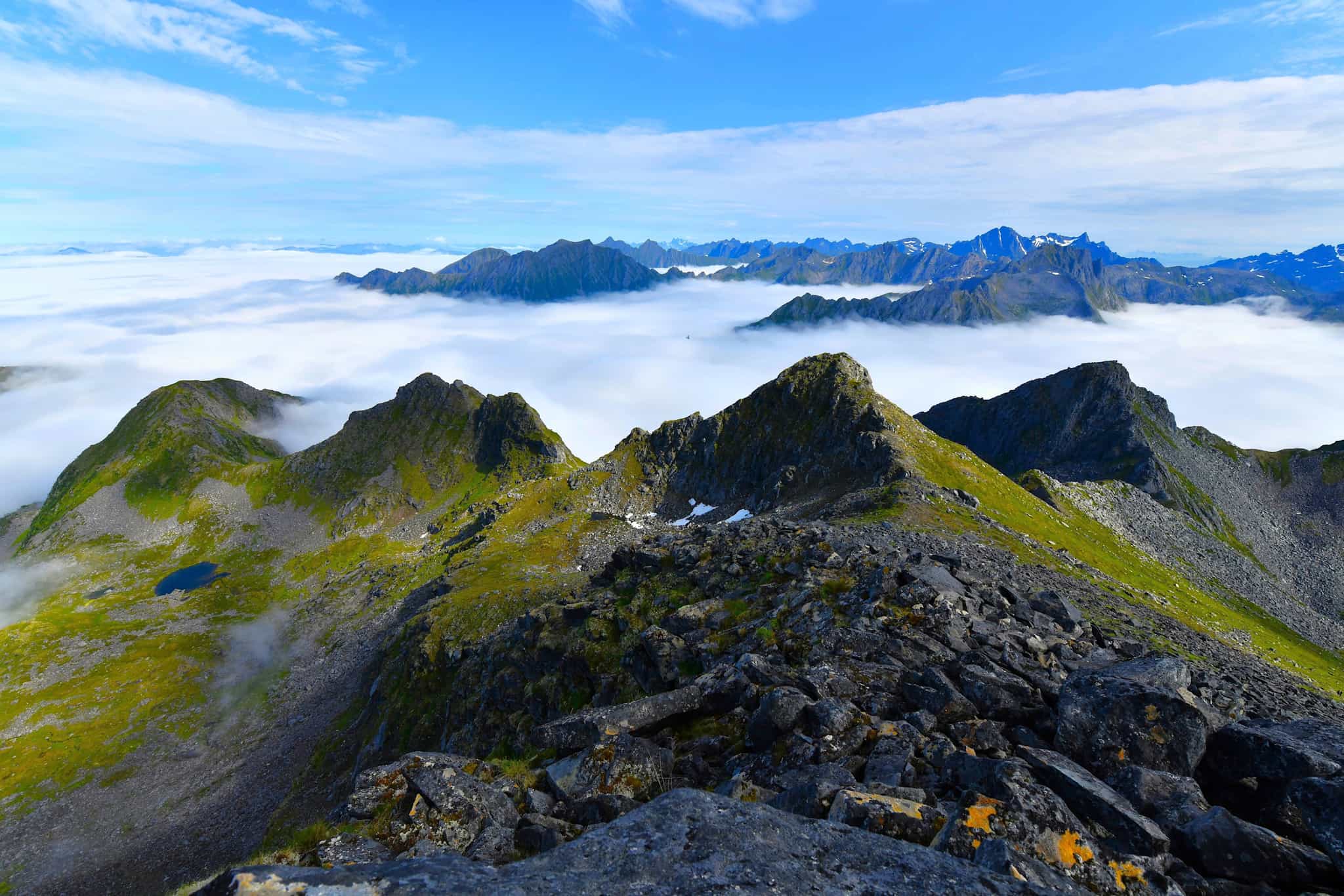
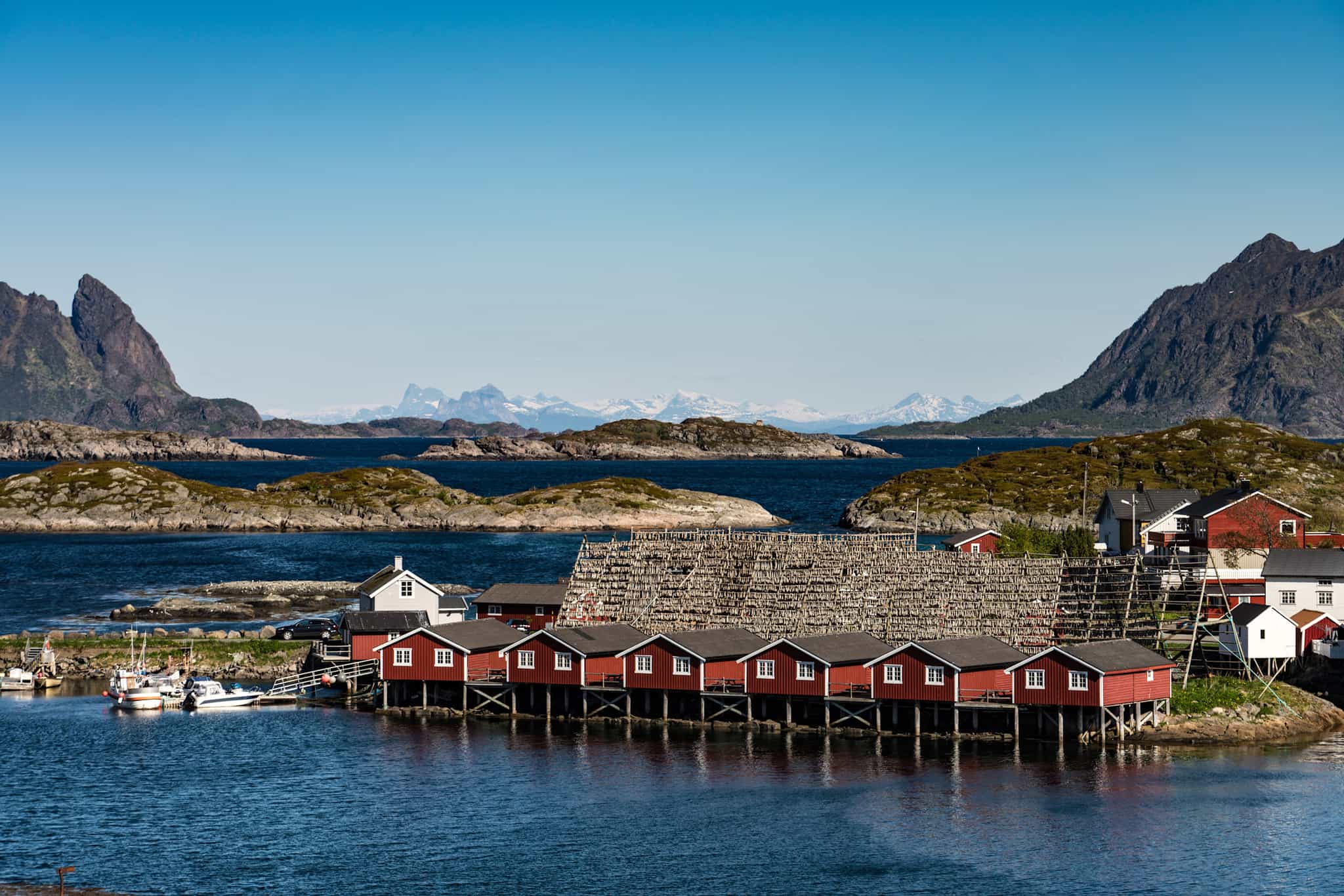
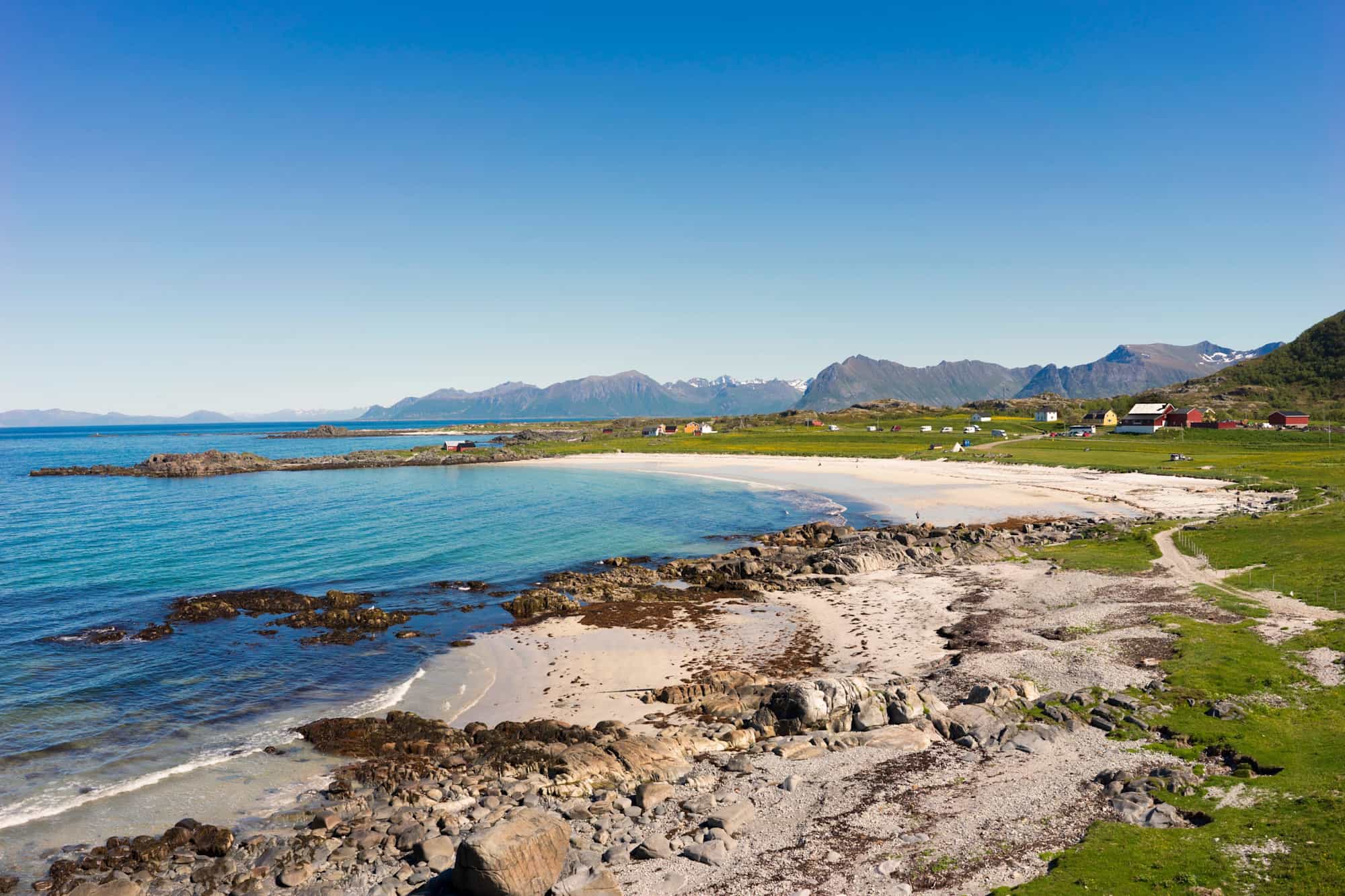
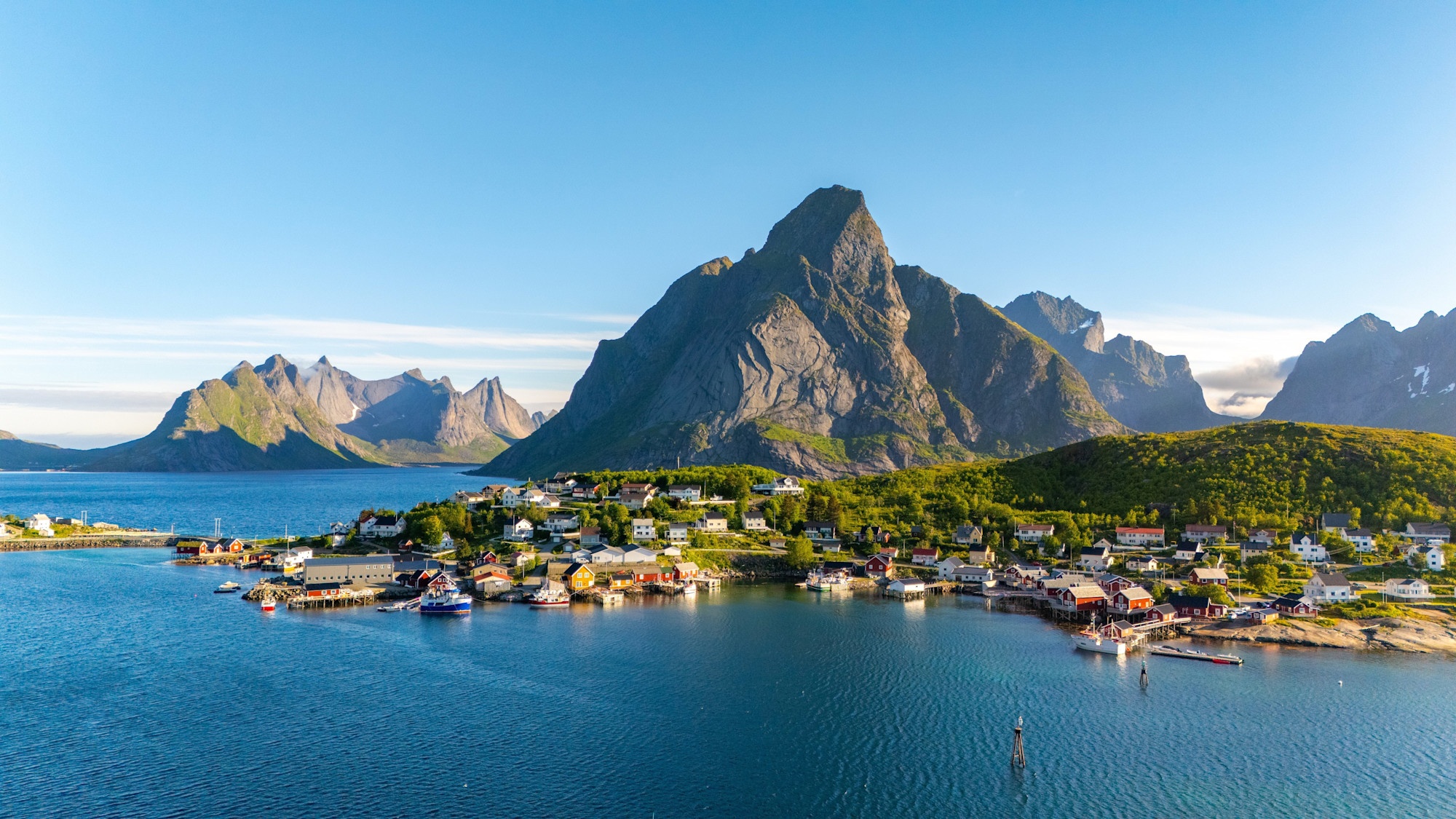
The Lofoten Islands rise sharply from the Norwegian Sea, a jagged chain of granite peaks, white-sand beaches and deep blue fjords scattered above the Arctic Circle. Fishing villages cling to the shoreline, red cabins glow against green hillsides, and narrow ridgelines deliver sweeping ocean views at every turn. This is hiking at the edge of the world - steep ascents, cinematic panoramas and the surreal glow of the midnight sun stretching long into the night.
Why hike here in July? July brings accessible, snow-free trails and near-endless daylight, perfect for big summit days and unforgettable Arctic wild camps.
Must-do trail(s): Climb iconic peaks like Ryten and Reinebringen, and venture into the wild west of Moskenesøya to camp at remote Horseidvika Beach.
What’s the weather like? Cool and fresh with long bright days, occasional coastal winds and fast-moving showers typical of the Norwegian Sea.
What to know before you go: Trails are steep and often rocky with exposed sections, so good fitness, sturdy boots and comfort with scrambling are essential.
9. The Carpathian Mountains, Romania
- Average daytime temperatures: 18-26°C (64-79°F)
- Average nighttime temperatures: 10-14°C (50-57°F)
- Best for: Remote ridgelines and wildlife
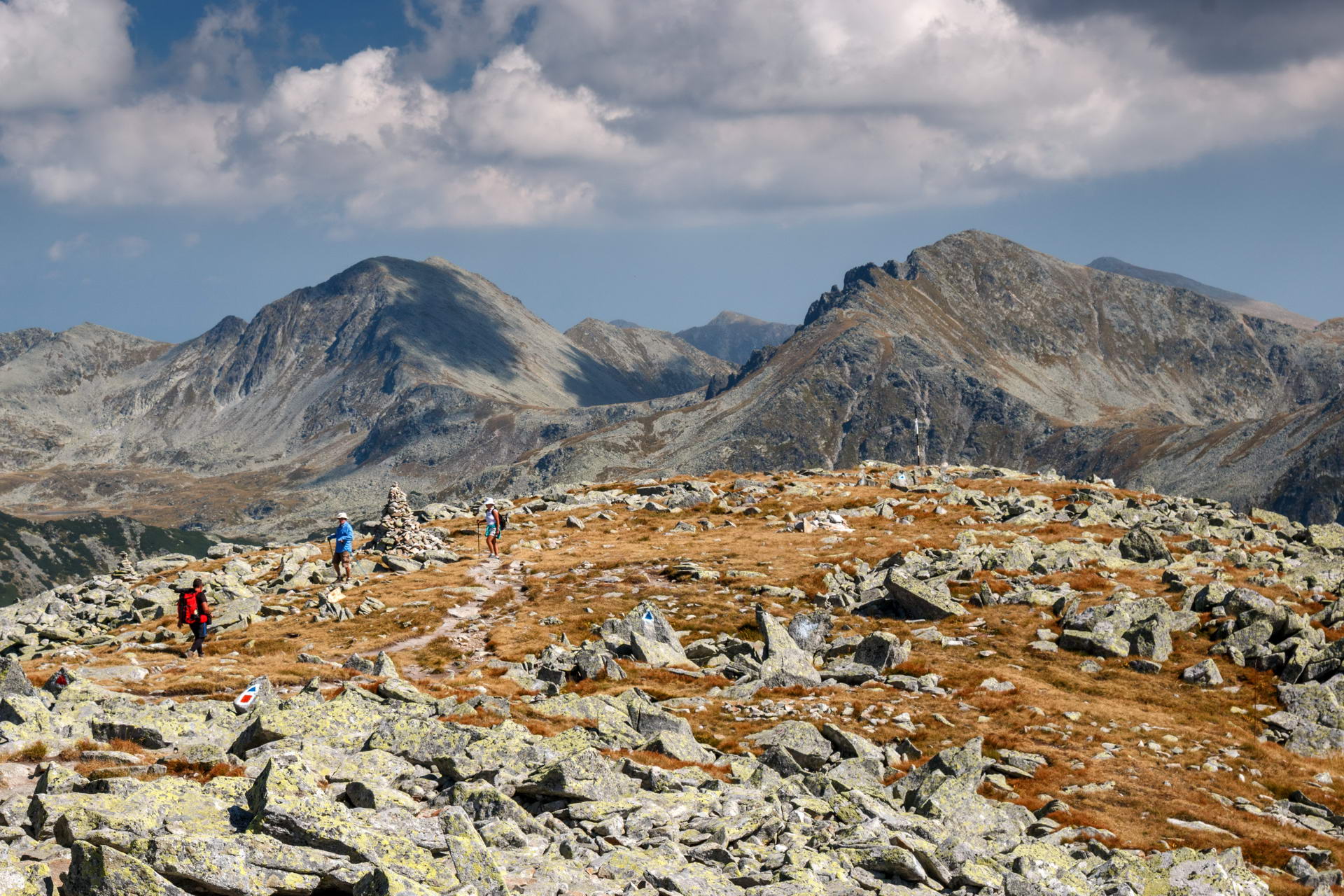
Romania (opens in new tab)’s Carpathians offer vast forests, rolling alpine meadows and quiet trails far from the crowds of western Europe. Back in 2014, the WWF reintroduced bison in the hills surrounding Armeniș, a small, traditional town. Visit today and you can see the rewilding work those bison - ecosystem engineers - have done on the landscape. By knocking down fast-growing species, they create clearings and opportunities for slower-growing species. Here, wildlife is thriving.
Why hike here in July? Warm weather and open ridges make this an excellent month for spotting nature.
Must-do trail(s): Forest walks in the Făgăraș Mountains offer chances to see bison and wolves.
What’s the weather like? Warm and generally stable, with occasional wet days.
What to know before you go: Wildlife is abundant here - hike with experienced local guides and they can tell you a dog print from a wolf print, and a bear’s faeces from a wild boar.
10. The Sharr Mountains, Kosovo and North Macedonia
- Average daytime temperatures: 18-25°C (64-77°F)
- Average nighttime temperatures: 8-13°C (46-55°F)
- Best for: Wild Balkan ridgelines and shepherd trails
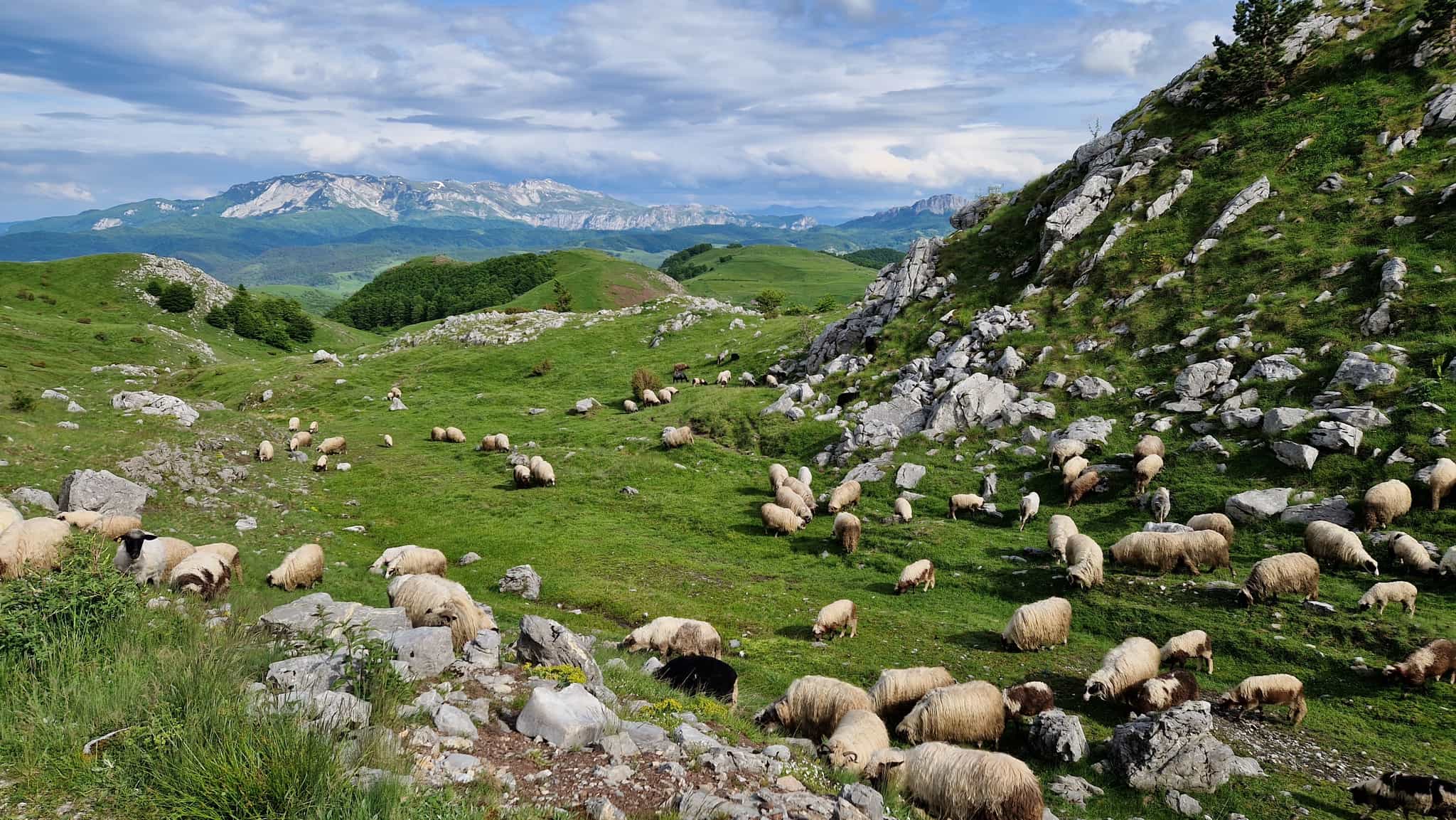
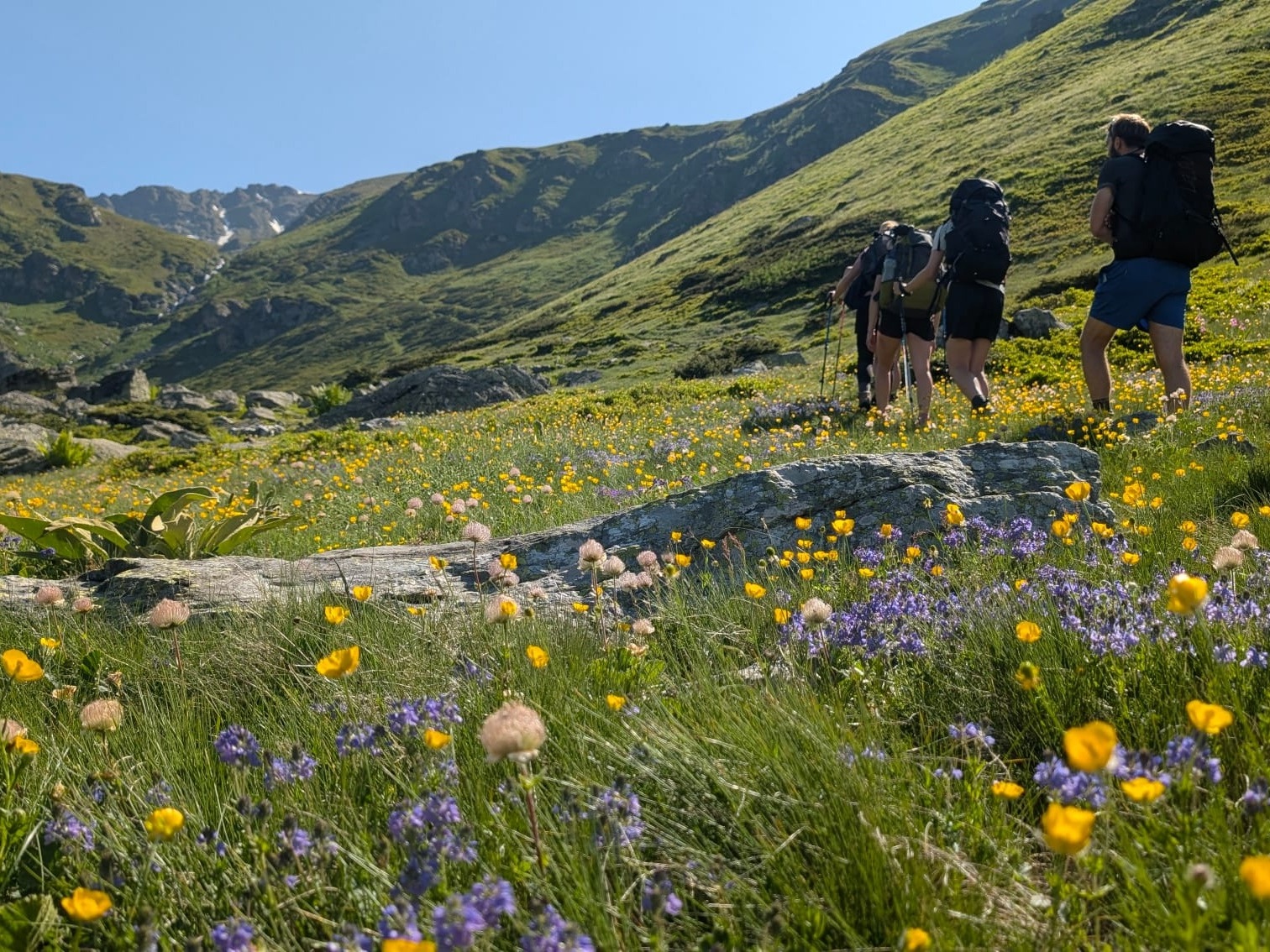
The Sharr Mountains (opens in new tab) stretch along the border of Kosovo (opens in new tab) and North Macedonia, a sweeping range of rolling highlands and broad grassy ridges. This is a quieter corner of the Balkans, where lynx roam, shepherds move with flocks and trails link remote villages beneath big skies.
Why hike here in July? July brings stable mountain weather, wildflowers scatter the meadows and the long daylight hours are perfect for extended ridge walks.
Must-do trail(s): Tackle the lofty summit of Ljuboten (2,498m/8,195ft) for epic views of the rugged Sharr Mountains - keeping your eyes peeled for bears, boars and deer.
What’s the weather like? Warm and sunny during the day, with cooler temperatures and crisp air in the evenings. Afternoon clouds can build, but conditions are generally stable.
What to know before you go: Trails can be remote and lightly marked. A guide is crucial.
What to Pack for Hiking in Europe in July
 What you pack depends heavily on altitude and location. Here’s a general summer alpine kit list:
Bags
- Soft overnight duffel bag
- Daypack (25-30 litres)
- Waterproof liner or drybags
Clothes
- Lightweight hiking trousers/shorts
- Breathable T-shirts
- Light fleece or midlayer
- Light down jacket (for evenings)
- Waterproof jacket
- Waterproof trousers
- Underwear and hiking socks
- Swimwear
- Sunhat and sunglasses
- Sleepwear
- Worn-in hiking boots or shoes
- Sandals (for evenings)
Other
- Trekking poles (optional)
- Suncream and lip balm
- Reusable water bottle (2 litres)
- Personal first-aid kit (incl. blister care)
- Insect repellent
- Travel documents
- Power bank
- Quick-dry towel
Adjust for altitude and exposure - even in July, mountain weather can turn quickly.
FAQs
Is July too hot for hiking in Europe?
It can be in lowland southern regions, but at higher-altitude or in more northern destinations it’s ideal hiking time. Choose mountains or coastal routes to avoid extreme heat.
Are mountain huts open in July?
Yes. July is peak season for alpine hut-to-hut trekking across the Alps and Pyrenees.
Do I need a guide in July?
For glacier travel, remote routes or culturally complex regions, yes. A guide adds safety, navigation support and local knowledge. We’d always recommend a local guide. Where are the coolest places to hike in Europe in July? Iceland, Norway, the higher Alps and Scotland all offer mild summer temperatures and long daylight hours. Bring waterproofs with you and hope you won’t need them.
Do I need a guide in July?
For glacier travel, remote routes or culturally complex regions, yes. A guide adds safety, navigation support and local knowledge. We’d always recommend a local guide. Where are the coolest places to hike in Europe in July? Iceland, Norway, the higher Alps and Scotland all offer mild summer temperatures and long daylight hours. Bring waterproofs with you and hope you won’t need them.