
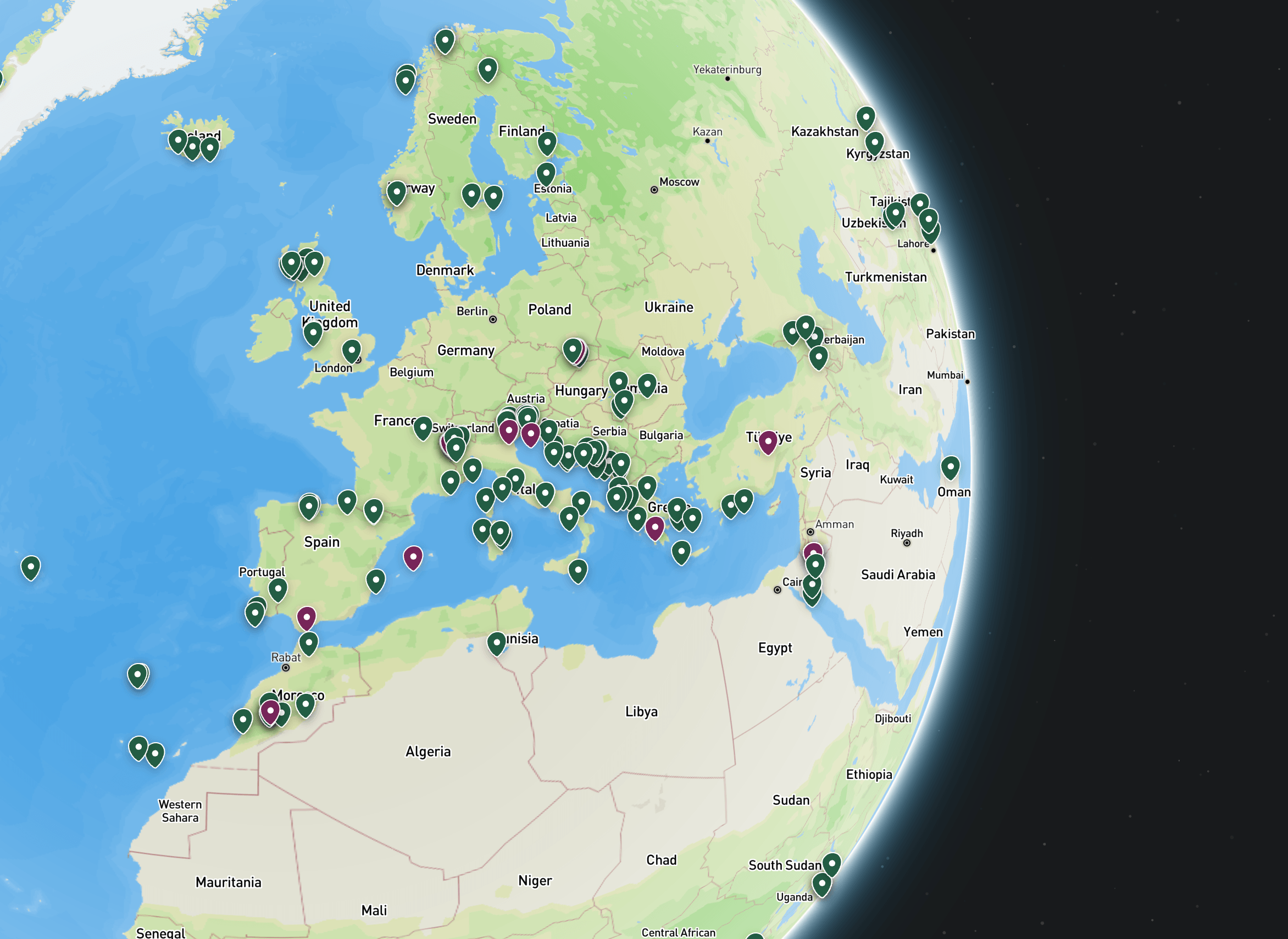


The Camino de Santiago is an extensive, interconnected network of ancient pilgrimage routes stretching across Europe, and is walked by around 440,000 hikers each year. These routes converge at the tomb of Saint James the Apostle, located in the Spanish city of Santiago de Compostela.
There are many different Camino routes which lead to Santiago - through France, Spain and Portugal. The most famous, however, and what most people mean by “hiking the Camino”, is the Camino Francés. It’s a 485-mile (780km) trail which begins in the French town of Saint-Jean-Pied-de-Port and crosses over the Pyrenees into Spain, before heading west through the undulating vineyards of La Rioja, the flat plains of La Meseta and the green hills of Galicia.
Some seek purely to engage in adventure travel along a well-accommodated route; some are looking for answers, personal or spiritual
The Camino Francés is part of a 932-mile (1,500km) stretch of the Camino network which has a UNESCO designation, thanks in large part to the infrastructure which has been developed to cater to the needs of pilgrims over the centuries. This includes everything from churches to albergues, which are rustic inns with dormitory-style accommodation that pilgrims still use today.
“Each pilgrim brings their own motivations to the Camino,” writes Tiffany Gagliardi Trotman in her essay collection, ‘Walking the Camino de Santiago’. “Some seek purely to engage in adventure travel along a well-accommodated route; some are looking for answers, personal or spiritual. There are those aware of the Catholic faith’s promise that completing the pilgrimage can absolve them of one-third of their sins (or the entirety if it’s a Holy Year). Many have heard the call to the Camino, but are uncertain as to why. In the end, the Camino pilgrimage is unique to every individual.”
 Much Better Adventures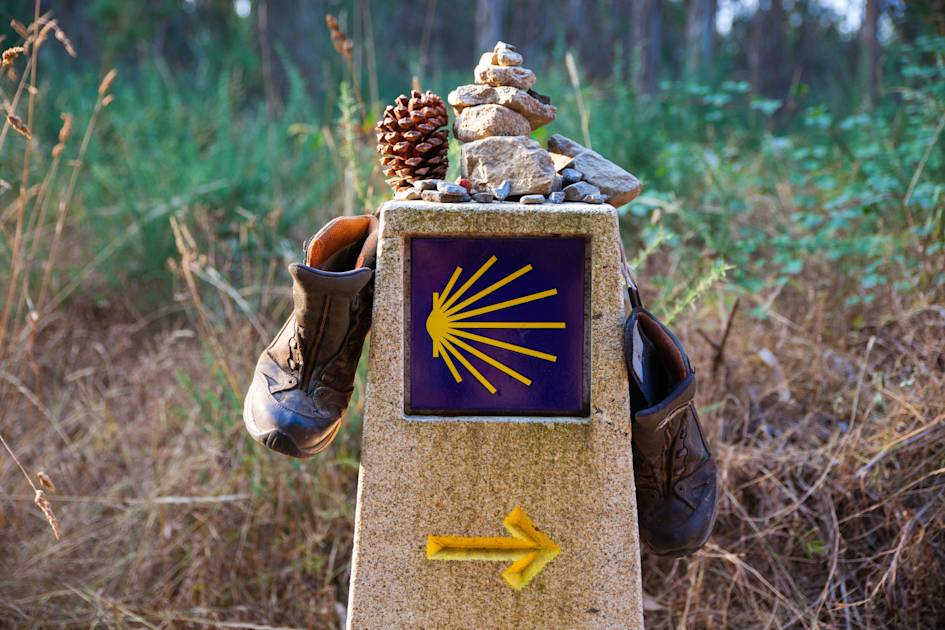
This uniqueness doesn’t stem purely from motivation. There are over 200 different Camino routes of different lengths, from the 72-mile (116km) Camino Inglés to the 620-mile (1,00km) long Via de la Plata. You could hike a section over a few short days, or string together several Caminos and be hiking for months. It’s also possible to cycle many of the Caminos (which would make you a ‘bicygrino’) or even kayak parts of the coastal routes.
A Short History of the Camino de Santiago
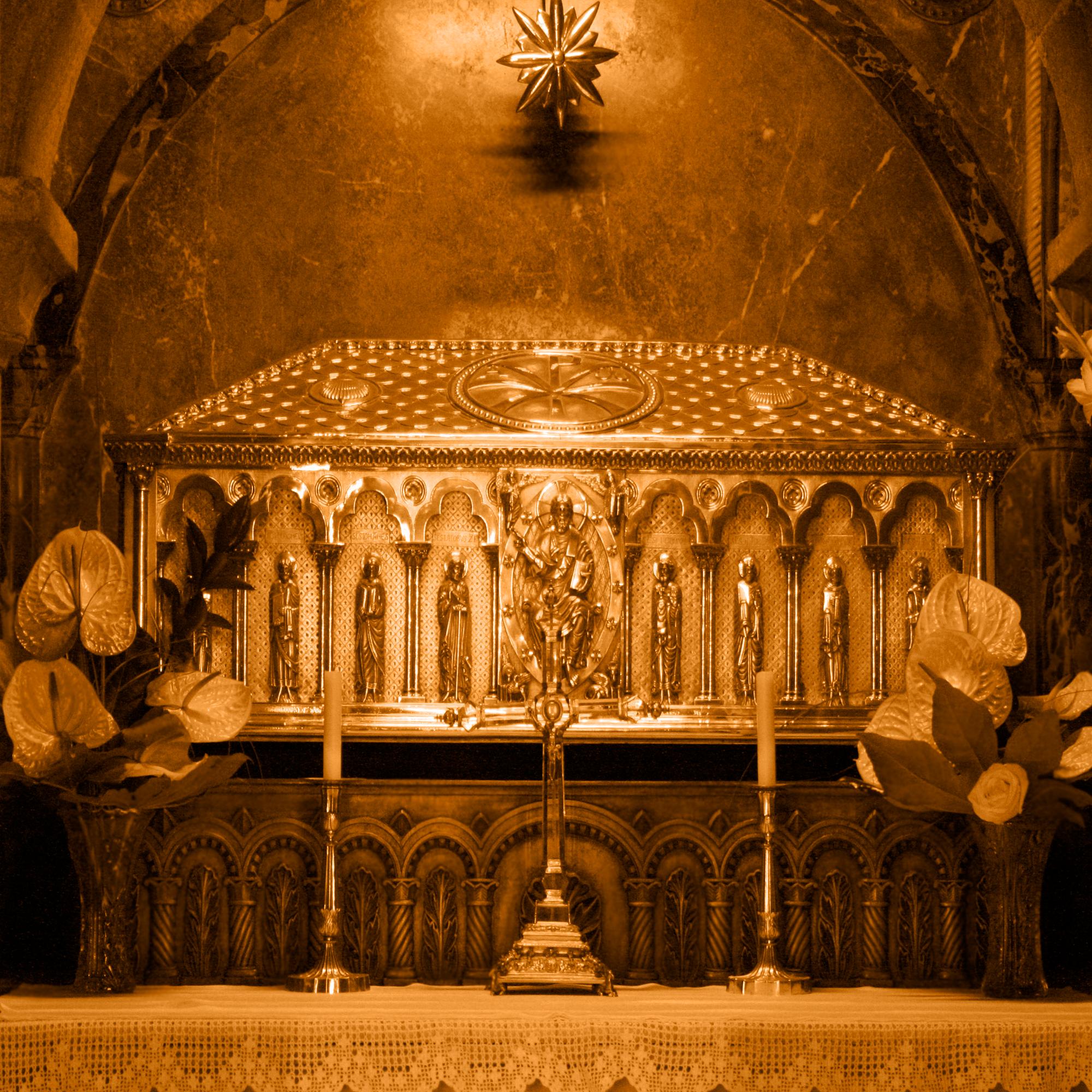
The pilgrimage to Santiago de Compostela - also known as the ‘Way of Saint James’- has been popular among Christians for well over 1,000 years. It is believed that the remains of Jesus’ apostle James are buried under the main altar of Santiago de Compostela Cathedral.
According to Christian legend, the apostle James preached on the Iberian Peninsula before returning to Jerusalem in 44CE, where he was beheaded by Herod Agrippa - leading to his martyrdom. After his death, his disciples put him on a boat which sailed across the Mediterranean to Padrón, in northwest Spain. A local ruler, Queen Lupa, provided a small tomb for him to be buried.
Santiago de Compostela means ‘the burial place of Saint James.
The tomb was forgotten until 814 CE, when it was discovered by a hermit known as Pelagius. The local bishop declared the remains to be of Saint James (known in Spanish as Santiago). The king, when this was announced, had a church built around the burial site. ‘Compostela’ is a word deriving from the Latin ‘componere’ (“to bury”) or ‘compositum’ (“cemetery”) - so Santiago de Compostela means ‘the burial place of Saint James’.
As news of the discovery spread, more pilgrims began to arrive. The simple church was replaced with the cathedral we know today. Just as with the creation of modern hiking trails, infrastructure sprung up to cater to the needs of pilgrims, like bridges over rivers - unlocking access to remote towns - inns and shops, which provided economic benefit to local communities (and continue to do so).
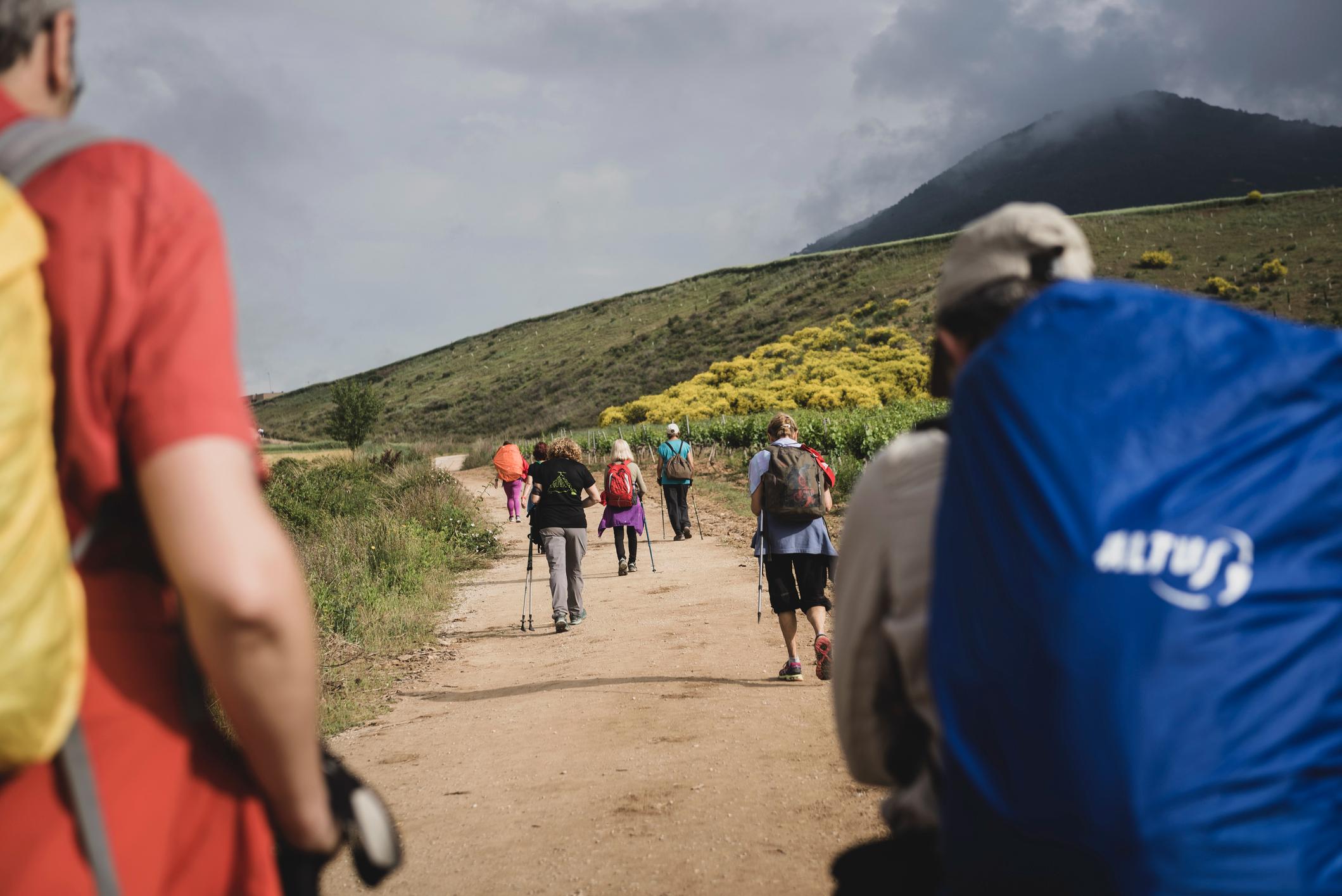
Today’s pilgrims have a similar experience to their medieval counterparts. They’ll be crossing mountain passes, traversing wind-battered coastlines and meandering through quiet forests. They’ll be hiking up to 20 miles (32km) a day, carrying everything they need with them on their backs.
Medieval pilgrims carried letters of conduct (which showed they were a pilgrim and asked for safe passage from thieves and other trouble makers) - while contemporary pilgrims have the updated Pilgrim Passport or ‘credencial del peregrino’. This is a document where you can collect stamps from churches and other landmarks; it’s used to get access to the albergues and to serve as proof of journey, so you can receive a completion certificate when you reach Santiago.
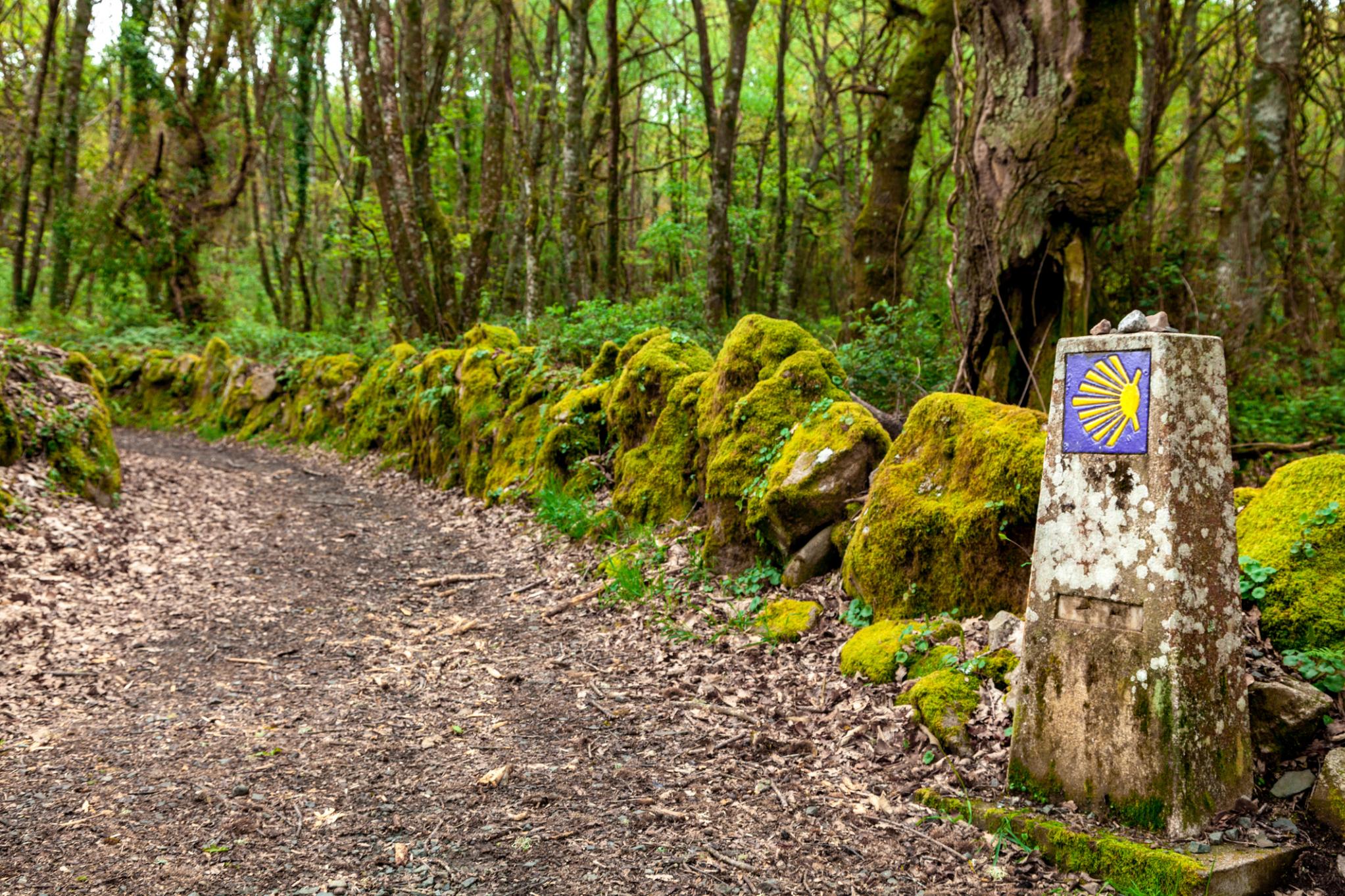
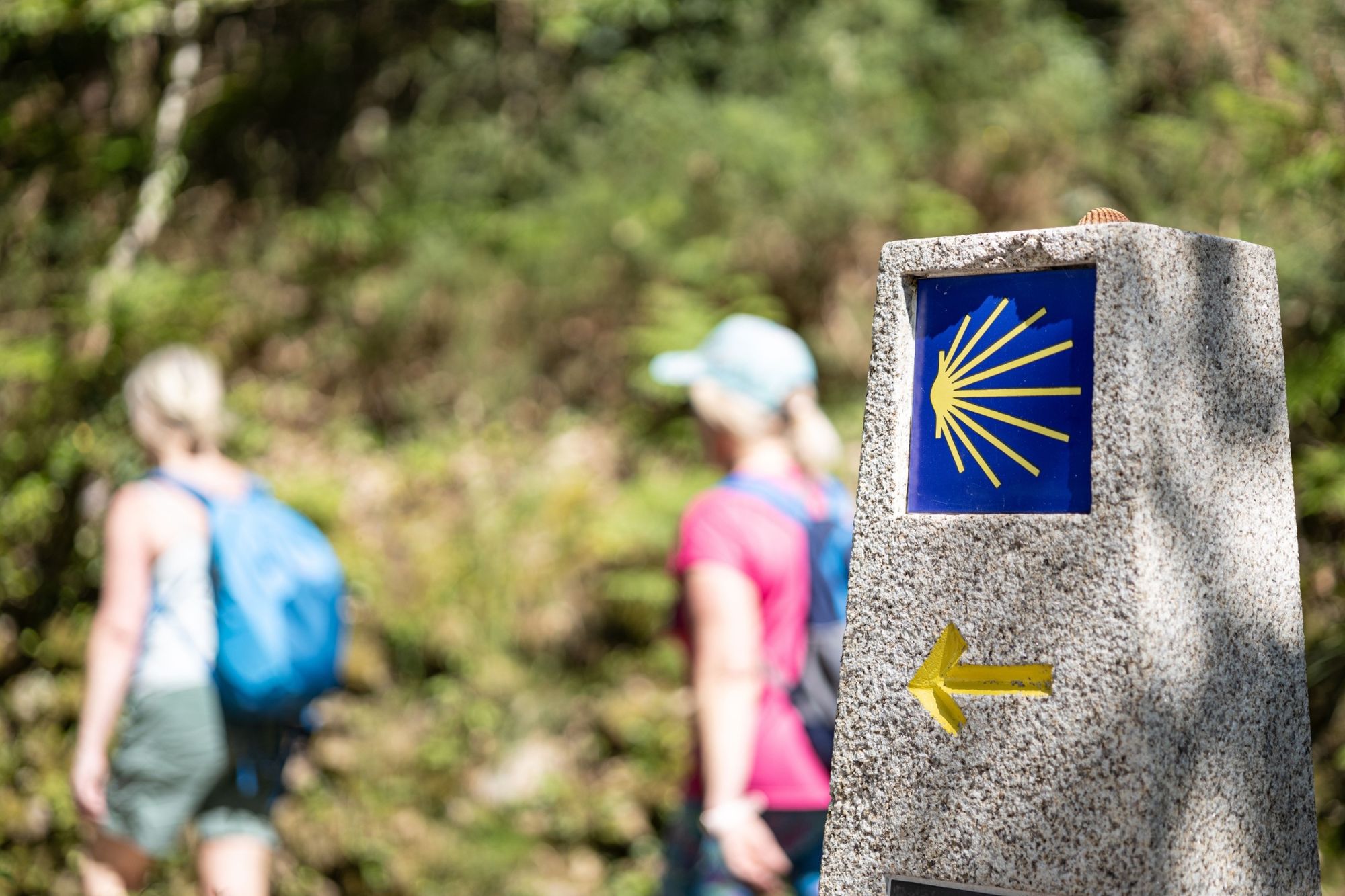
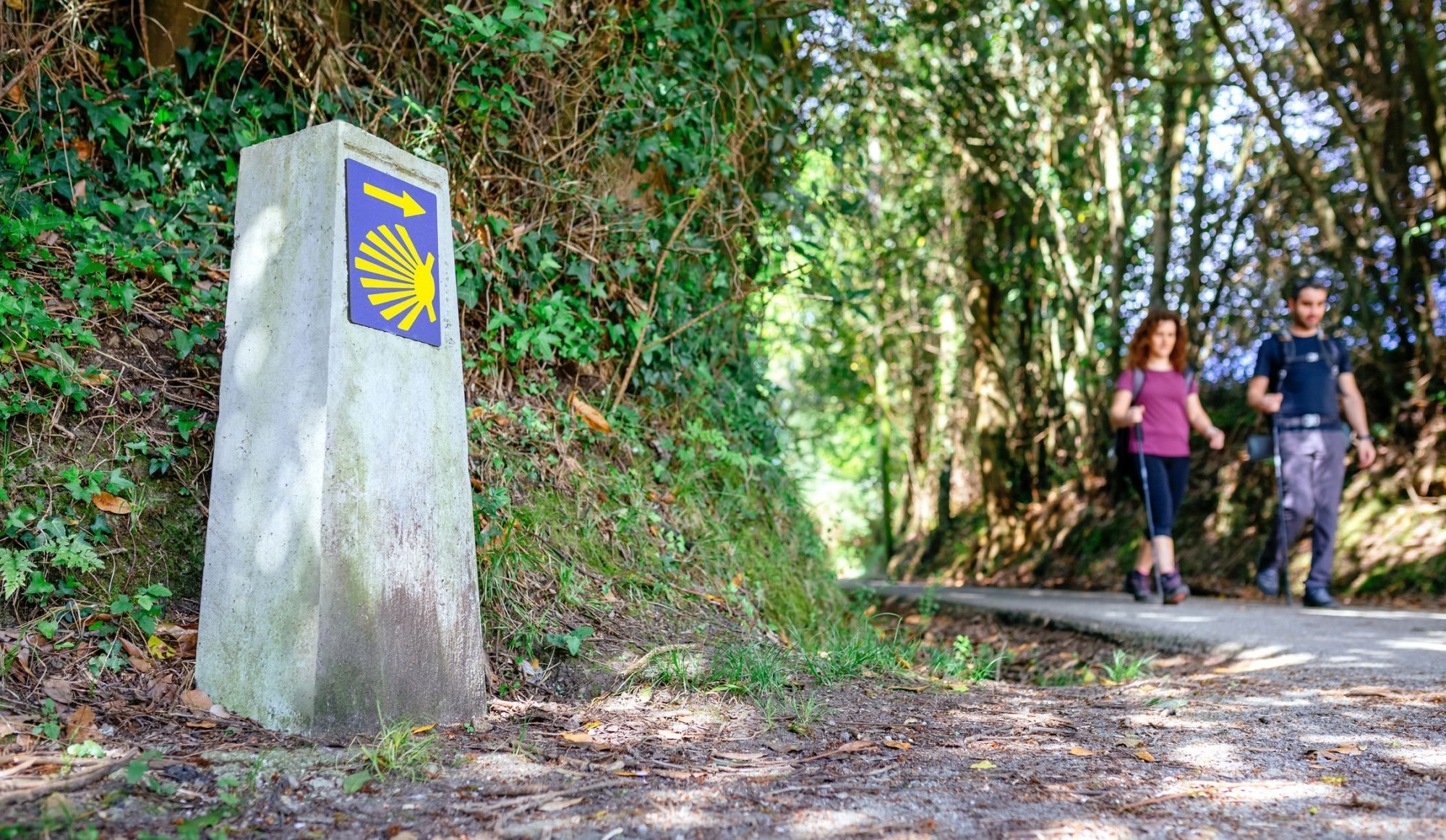
These days, the main Caminos are marked with scallop shell waymarkers. The scallop shell is one of the most iconic symbols of the Camino, its grooves representing the different routes as they converge upon Santiago de Compostela. There are numerous legends associated with the scallop shell, including that the body of St James was washed overboard during a storm enroute to Spain - it was found unscathed on the shoreline, covered in scallop shells.
How Many Camino Routes Are There?
There are more than 200 recognised camino routes across Europe. However, the best-known are the Camino Francés (which is hiked by 49% of pilgrims) and the Camino Portugués, hiked by 32% of pilgrims. The Camino del Norte, Camino Inglés and the Camino Primitivo are also relatively well known, and each is hiked by around 5% of pilgrims each year (that’s around 20,000 people).
The Main Routes of the Camino
Camino Francés (French Way)
- Distance: 485 miles (780km)
- Walking Time: 31-35 days
- Best For: Pilgrim camaraderie
The most popular and well-known of the Camino routes. Beginning in the town of Saint-Jean-Pied-de-Port in France, you’ll cross the Pyrenees and descend into Spain. You’ll cross through the vineyards of La Rioja, the vast plateau of La Meseta; climb over the Montes de León mountains before crossing into the province of Galicia and finishing in Santiago de Compostela.
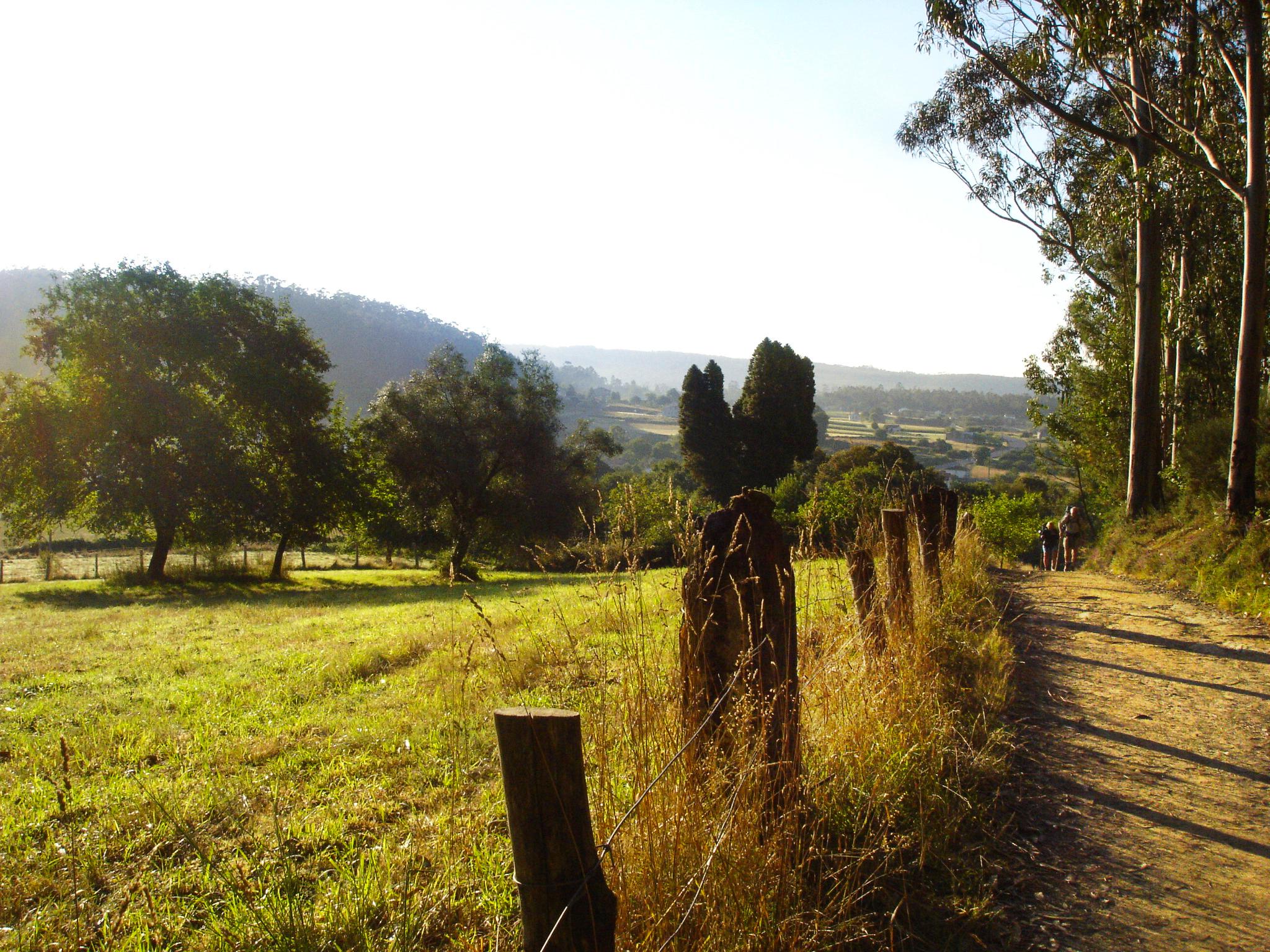
Along the route, you’ll pass through numerous cultural landmarks including the city of Pamplona, known for its bull run, Logroño (the cultural capital of La Rioja) and the historic Templar castle of Ponferrada.
The Camino Francés is hiked by around 220,000 pilgrims a year. The final 69 miles (111km) of the route from Sarria to Santiago is particularly popular, and other Caminos join onto this final section. Its popularity means that this route is well-signposted and has good infrastructure. If you’re looking for camaraderie along the trail, this is the right route for you.
Camino Portugués (Portuguese Way)
- Distance: 385 miles (625km)
- Walking time: 25-30 days
- Best For: Coastlines, culture and Portuguese wine
The Camino Portugués, as the name suggests, begins in Lisbon and travels north towards the final destination of Santiago. It’s the second most popular Camino, thanks to its gentle contours, diverse landscapes and cultural highlights (it passes through three UNESCO designated cities; Lisbon, Porto and Santiago).
Leaving Lisbon’s urban sprawl, you'll trace the path of the River Tejo inland, as it winds through vineyards and cornfields. You’ll follow old Roman roads through shady forests to the medieval capital of Coimbra, and several other historic towns.
Much Better AdventuresWhen you reach the port city of Porto, there’s the option to continue alongside the River Miño to the historic town of Tui, or to do a variant tracing the picturesque Portuguese coast. If you choose the latter, you’ll rejoin the main path in the Spanish town of Redondela to hike to the end point of Santiago.
Camino del Norte (Northern Way)
- Distance: 518.8 miles (835km)
- Walking time: 32- 40 days
- Best For: immersion in Basque culture
The Camino del Norte begins in the town of San Sebastián and traces the northern coast of Spain to Santiago. You’ll hike across the verdant hills of the Basque Country, the rugged coastline and unspoilt fishing villages of Cantabria and Asturias. You’ll pass through historic towns like Gernika, made famous through Picasso’s masterpiece, and cosmopolitan Bilbao, home to the famous Guggenheim Museum. At the town of Ribadeo, you’ll head inland, through the forests and farmland of rural Galicia towards Santiago.
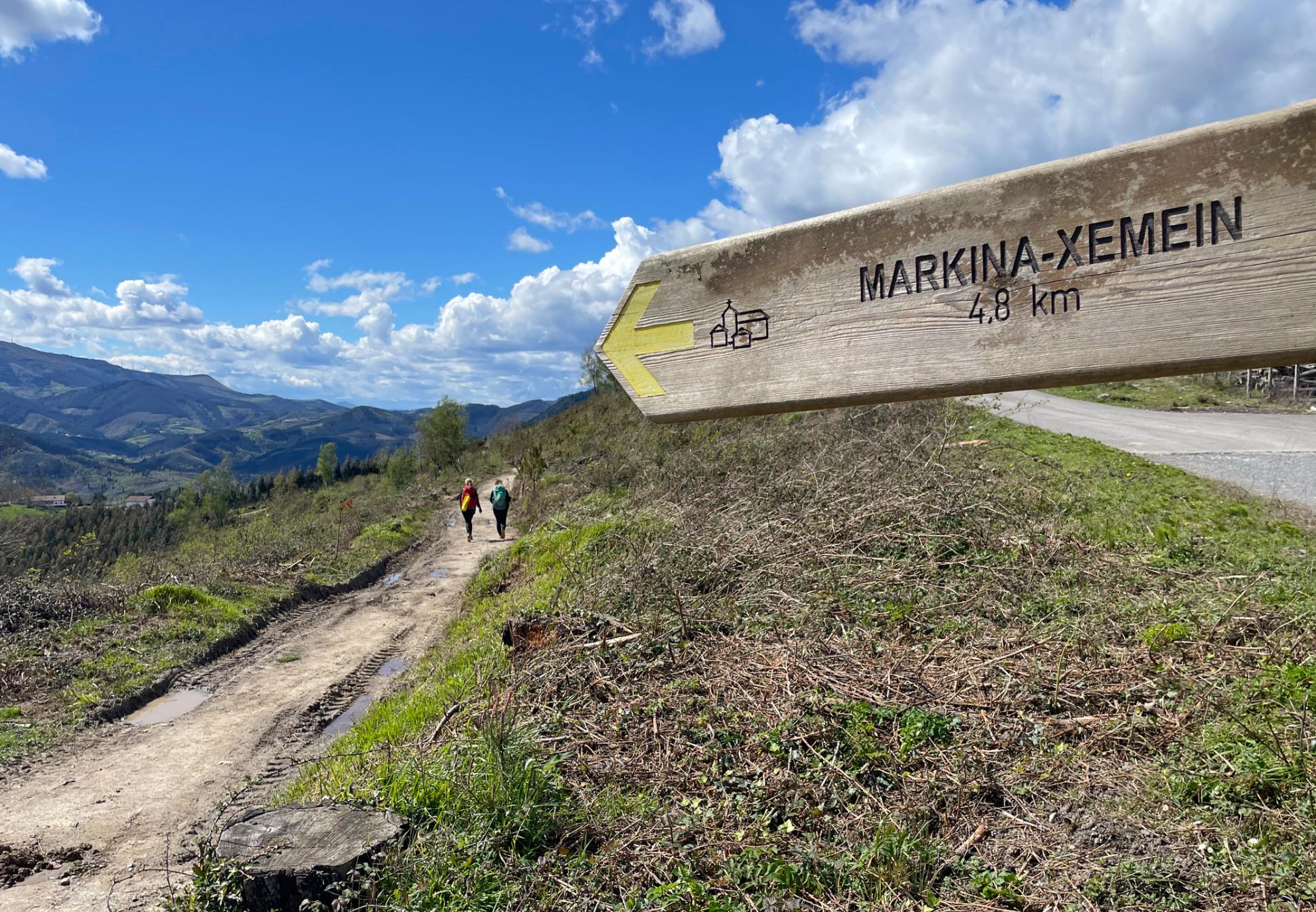
This is considered one of the more difficult Camino routes, due to its length, hilly terrain and cool northern climate (especially in the more exposed coastal areas). However, it’s within the grasp of experienced hikers.
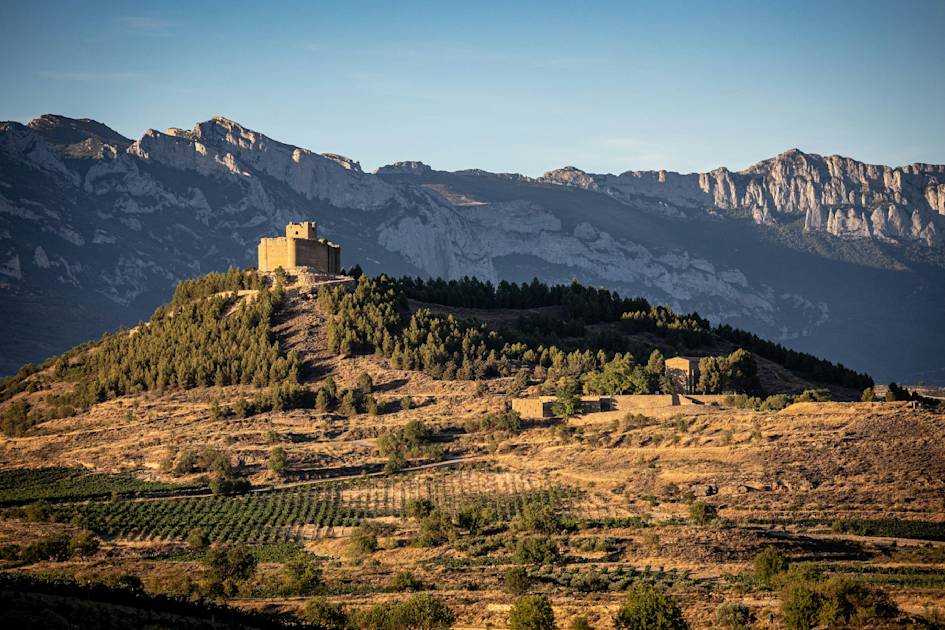
Camino Inglés (English Way)
- Distance: 72 miles (116km)
- Walking time: 4-5 days
- Best For: Those with limited time
This was the route initially used by pilgrims from the UK and Ireland, who would sail to the northern Spanish port town of Ferrol, and hike south to Santiago. The first couple of days are spent tracing the coastline to the town of Betanzos - from here, you’ll head inland through the green hills of Galicia.
One major attraction of the Camino Inglés is its length - it can be completed in under a week - and the fact it never gets too busy; unlike some of the other caminos, this route doesn’t join onto the busy Camino Francés as it draws towards Santiago.
Camino Primitivo (Original Way)
- Distance: 199.4 miles (326km)
- Walking time: 12 - 14 days
- Best For: Mountain views
The Camino Primitivo is the oldest documented Camino, first used in the 9th century by King Alfonso II to visit the recently discovered tomb of St James . Beginning in Oviedo, the route crosses the Cantabrian Mountains - including an ascent to the summit of Puerto del Palo (1,146m/3,759ft) - to reach the town of Lugo. From Lugo the terrain becomes less mountainous and the climate milder, as you descend through forests and peaceful villages.
Due to its mountainous terrain, the Camino Primitivo is considered the most difficult path. It’s hiked by only 5% of pilgrims each year, meaning it’s the route to choose for quiet trails and mountain views.
Camino del Mar (Sea Route)
- Distance: 118 miles (190km)
- Walking time: 12-14 days
- Best For: Sea views and solitude
A lesser-known camino taking you from Ribadeo on the northern coast of Spain and taking you west along the coastline towards Ferrol. From here, you can hike the Camino Inglés towards Santiago (which takes an extra four to five days). You’ll pass unspoilt beaches, such as the Playa de las Catedrales, known for its towering rock formations, and hike across rugged clifftops jutting into the ocean.
Much Better AdventuresConsidering that this route hugs the coast, it’s also possible to kayak stretches of it, instead of hiking. It’s the ideal Camino for those wanting a multi-activity journey, or who want to get more off the beaten track - you’ll be sharing the route with very few other hikers. Unlike the other routes mentioned, this one isn't well signposted, so you'll definitely need a map or guidebook.
Which Camino Route Should I Hike?
What Camino Route to hike depends very much on your time commitments and preferences. If you’re a first time hiker of the Camino, looking to integrate within a trail community, we’d recommend all or part of the most popular route, the Camino Francés. If you’d prefer a challenge, we’d suggest the Camino del Norte through the mountains of Northern Spain. And if you’d like to get off the beaten path, check out the Camino del Mar across the unspoilt Galician coast.
Inspired? Check out our Camino de Santiago walking adventure and our Hike, Bike & Wine in Spain's Basque Country Adventure (where you can hike a section of the Camino).