


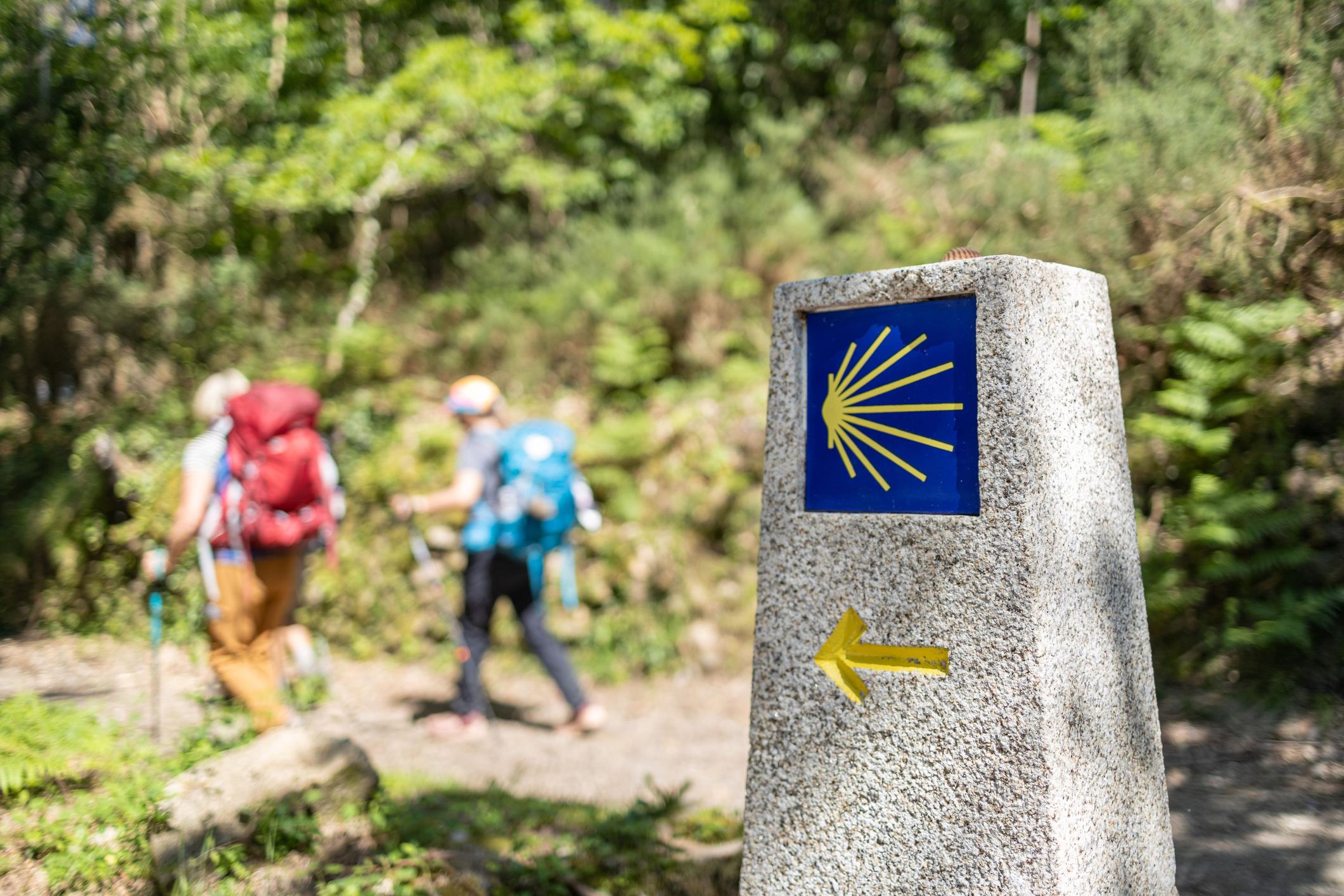
The final 62 miles (100km) of the Camino de Santiago run through the forests, farmlands and countryside of Galicia in northwestern Spain. These are amongst the most storied and iconic pilgrim paths in the world - the Camino being one of only two global walking trails to hold UNESCO World Heritage recognition (along with Japan’s Kumano Kodo pilgrimage trails).
The Camino takes hikers through the fauna and folklore of Galicia. Think ancient oak forests and chestnut groves, historic hidden chapels, stone bridges curving over quiet streams and rural farmland. It is a route alive with history and community, building to the emotional payoff of arriving at the cathedral of Santiago de Compostela, the reputed burial place of Saint James the Great.
The Camino feels like a place where time slows down and personal connections once again become the most important thing...
“Without a doubt, the Camino de Santiago is the most popular route in Spain,” says José Miguel Real, an expert in hiking tourism in Spain and a Camino guide. “Not only for practising Catholics, but also for the general public. It’s an icon - one of those experiences you should do at least once in your life.”
The Camino de Santiago is actually a network of various pilgrimage routes, with over 1,000 miles (1,600km) of waymarked walking in total. “Many people return to complete the different routes,” explains José. “The traditional and most famous route is the Camino Francés, but the Camino del Norte, which follows the northern coast from Irún to Santiago, is also extremely popular, as is the Camino Portugués, starting in Porto, and the Vía de la Plata, beginning in Seville.
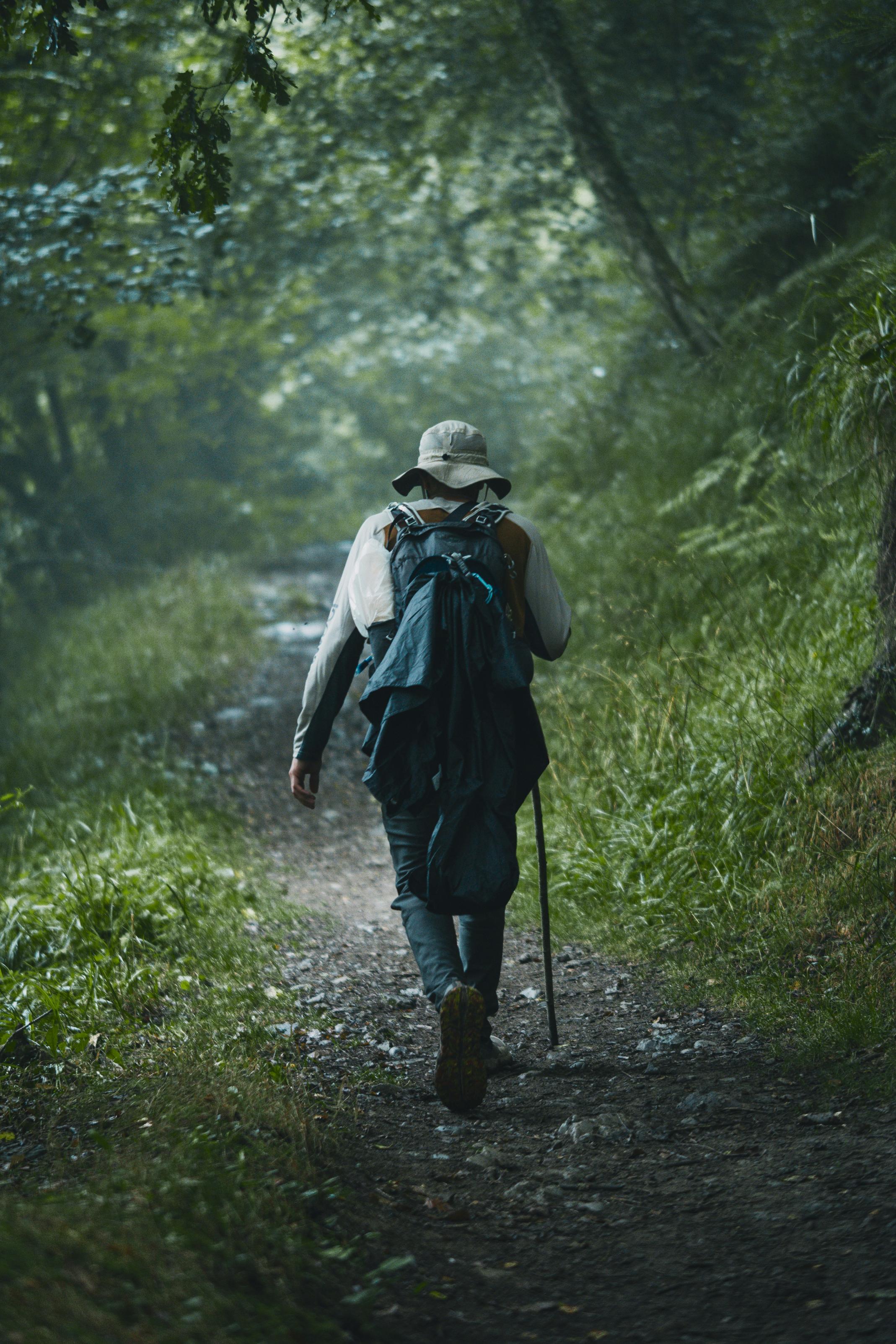
“Most of these routes converge around Sarria and Melide, making the final 100km especially emotional as pilgrims from all the different Caminos come together on the final stretch to Santiago.”
100km to Santiago de Compostela
Galicia is a place that glows with soft green hills, lush woodlands and dramatic rivers. The Camino runs through this idyllic environment on a mixture of well-maintained tracks and quieter stretches of asphalt, making it suitable for anyone fit enough to walk it. “The scenery passes through small traditional Galician villages, with their iconic hórreos,” José says. These are elevated granaries and buildings perched on stilts to keep them safe from rodents. “They’re often surrounded by oak and chestnut forests, mixed with eucalyptus woodland.”
 Much Better Adventures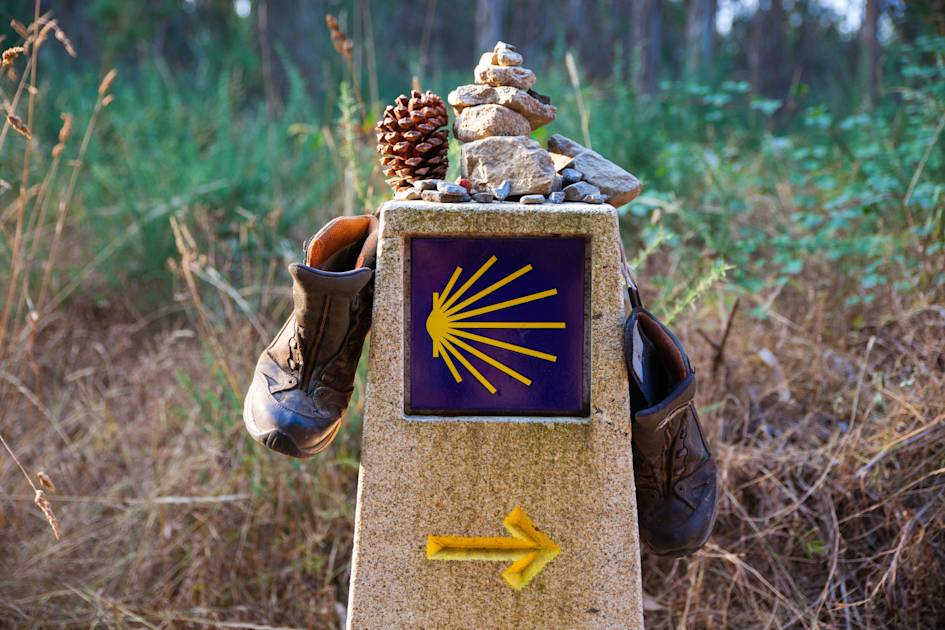
While trekking experience is always useful, the terrain itself is not demanding.
Pulpo a la gallega, is probably the most iconic dish pilgrims try on the route. Try local wines such as Albariño or Ribeiro...
“There are no major technical difficulties,” says José, adding that walkers may be more comfortable in a good pair of trail runners than heavy hiking boots.
From Sarria, you'll begin the walk to the city of Santiago de Compostela. On the Camino Francés (The French Way), you'll pass through a typical Camino landscape of forests, farmsteads and stone bridges. First, it's a 13.6-mile (22km) walk to Portomarín, where you can visit the Romanesque Church of San Nicolas.
Until 1962, Portomarín sat on the banks of the Río Miño, when the valley was flooded to create the Belesar reservoir - leading the whole town to be relocated to higher ground. The Church of San Nicolas was actually disassembled, stone by stone, and rebuilt on the new site. On stage two of your walk, you'll continue 15 miles (25km) onwards to Palas de Rei the next day, deep in rural Galicia. The name of the town - "Palace of the King" - relates to Witiza, the last Visigothic king to rule Spain, who reigned from 700-709 and was anointed here at the age of 14.
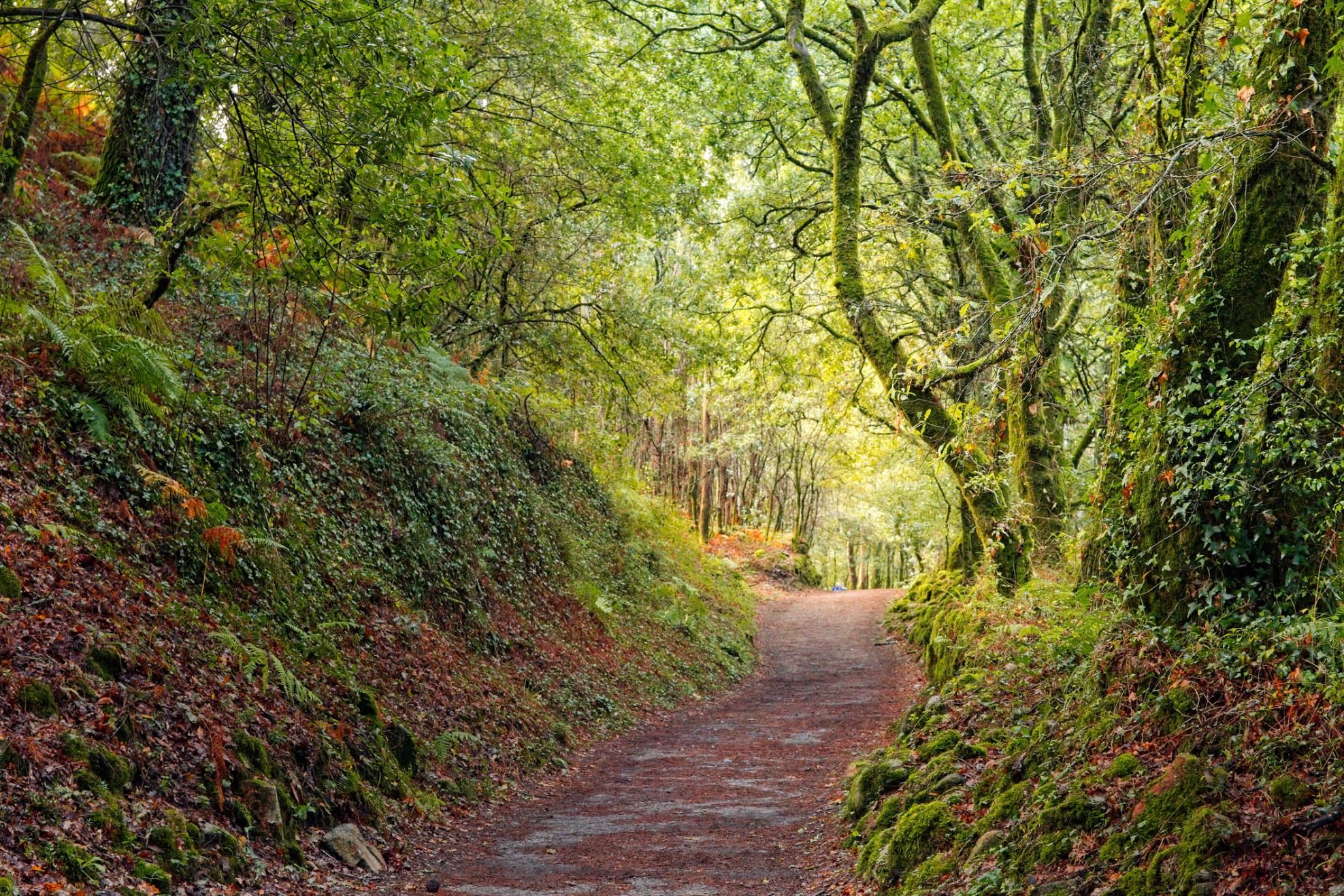
The route continues on to Arzúa, after an 18.6-mile (30km) walk through woodland and through small settlements. Well known for a creamy, DOP-protected cheese, Arzúa marks the point where the Camino del Norte coastal route and the Camino Frances merge. The final two days take you to A Rua (a shorter 11.8 miles/19km) via eucalyptus forests, open countryside and oak groves and then 12.4 miles (20km) on to Santiago de Compostela.
Just before pilgrims reach Santiago, they will crest a hill now called Monte do Gozo (Mount of Joy) - named because it was the spot where pilgrims would first set eyes on the towers of the Cathedral, after months of exhausting walking.
Much Better Adventures
Accommodation is a mixture of small hotels and guesthouses. After long days of walking, pilgrims recover in rural Galicia - and indulge in local delicacies.
“Food is a very important part of the Camino experience,” says José. “Especially in Galicia, where gastronomy is deeply connected to the culture and the way of life. Pulpo a la gallega (Galician-style octopus), is probably the most iconic dish pilgrims try on the route. You will also find excellent cheeses, cured meats, homemade soups, empanadas, and traditional stews.
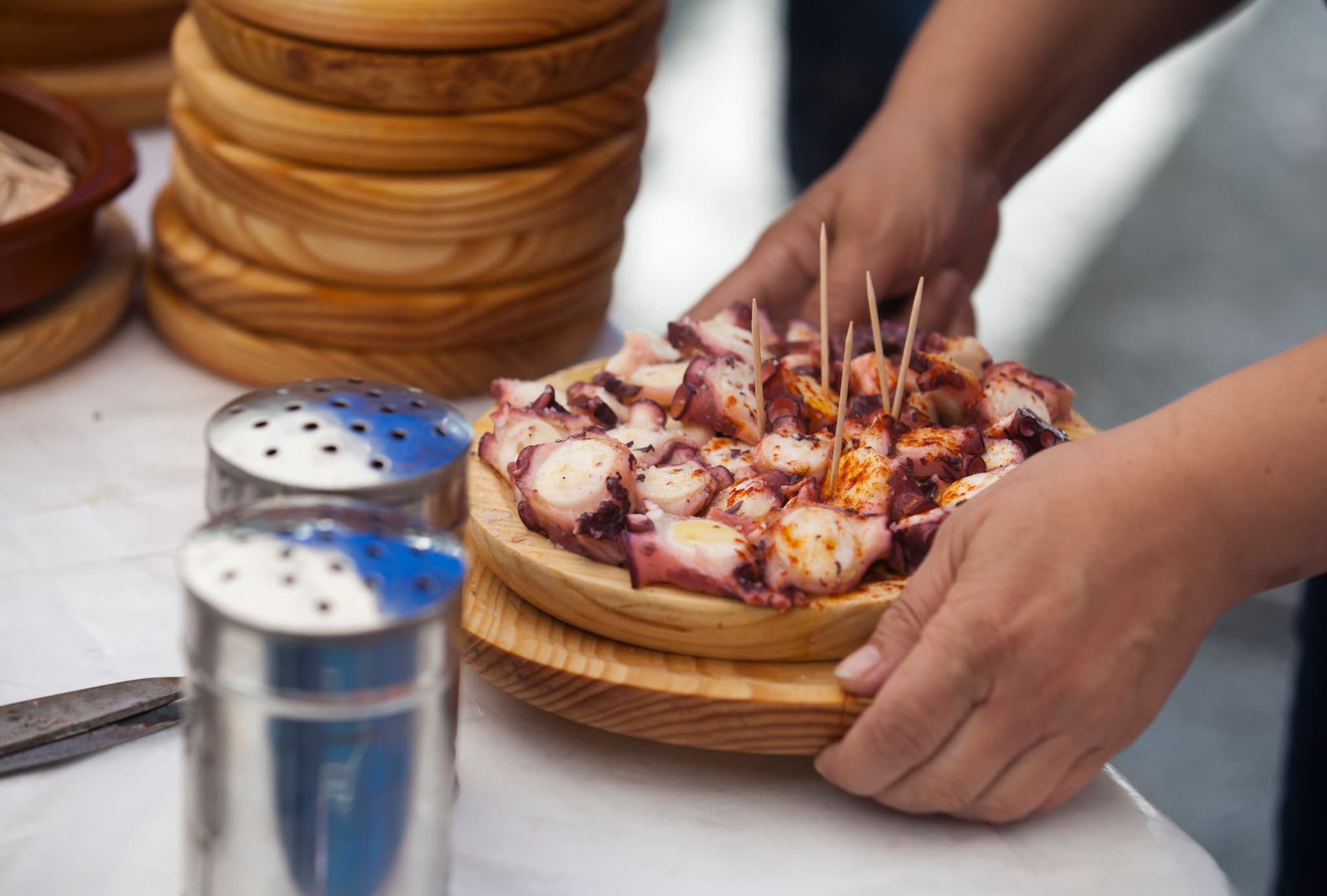
“For many people, one of the highlights of the route is stopping at a small rural bar during the walk for a coffee, a cold beer, or a glass of local wine while chatting with other pilgrims. And of course, in Galicia, food is almost always accompanied by good wine. Pilgrims will often have the chance to try local wines such as Albariño or Ribeiro, as well as traditional drinks like orujo (pomace brandy), a strong local spirit sometimes served at the end of dinner.”
Tired Legs, Open Minds
The solidarity between pilgrims on the Camino de Santiago is legendary. It's inevitable that you'll get to know other walkers along the way.
Conversations become slower, deeper, and more genuine. That feeling of simplicity, connection, and shared purpose is what many pilgrims remember most vividly long after the walk itself is over.
“In today’s world, where everyone seems to be rushing and constantly distracted by social media, the Camino feels like a place where time slows down and personal connections once again become the most important thing,” says José.
“People from different countries, with different lives, concerns, expectations, and personal stories, suddenly come together.
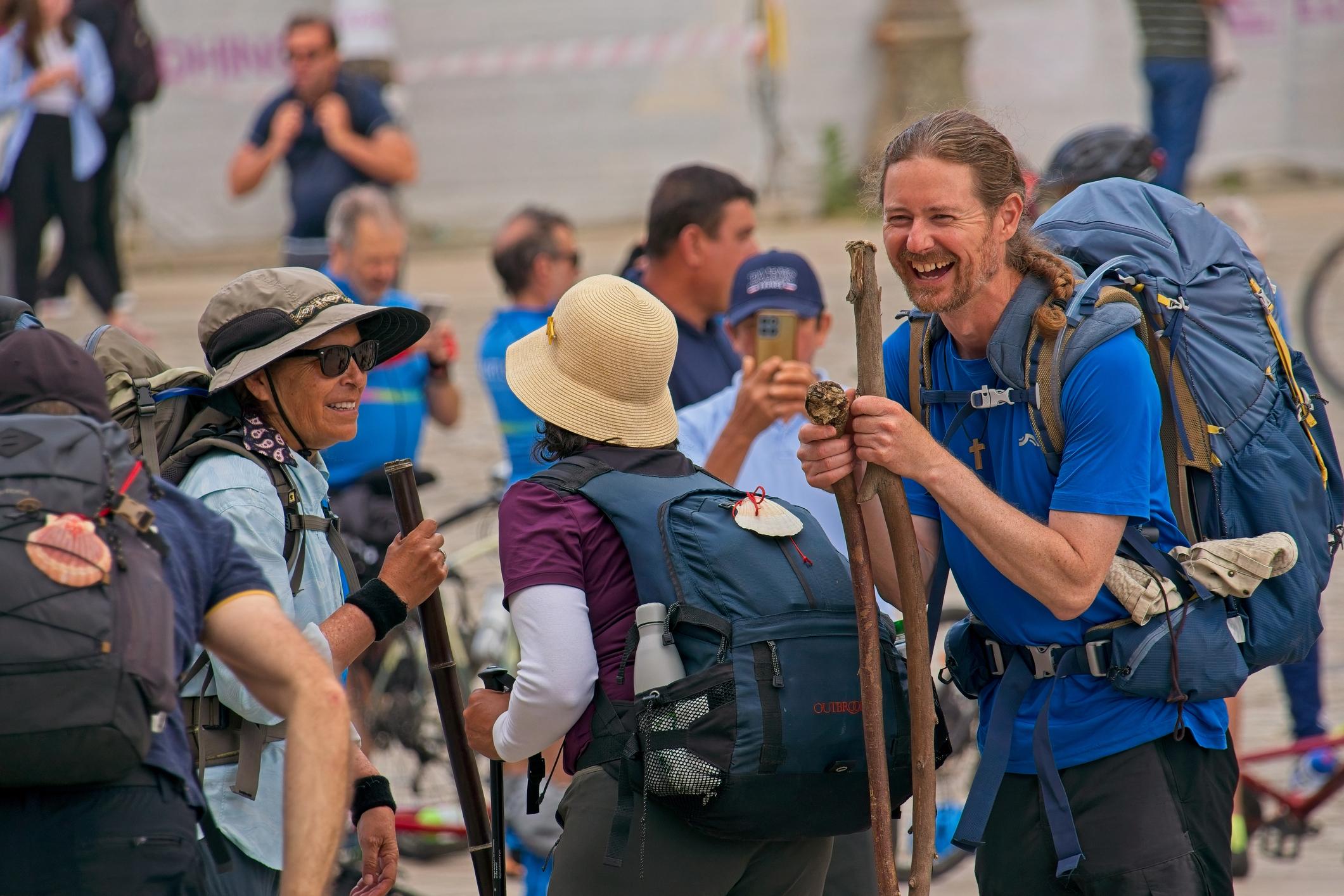
“They walk side by side, talk calmly, share emotions, worries, dreams and experiences, and gradually open up to one another in a way that rarely happens in everyday life. “
From the first day of your walk, you’ll begin to recognise familiar faces.
Much Better Adventures
“People staying in the same villages, stopping at the same cafés, sharing meals, or simply walking at a similar pace. Little by little, conversations start naturally. One moment you are discussing where someone comes from, and the next you are talking about life, family, dreams, fears, or the reasons why each person decided to walk the Camino.
Everyone shares the same simple daily routine: walking, eating, resting, and reaching the next village together.
“On the trail everyone becomes equal. It does not matter what job you have, your age, or where you come from. Everyone shares the same simple daily routine: walking, eating, resting, and reaching the next village together. There is a beautiful sense of mutual support. Pilgrims encourage each other during difficult moments, share advice about blisters, recommend places to eat and celebrate arriving in Santiago together. Conversations become slower, deeper, and more genuine. That feeling of simplicity, connection and shared purpose is what many pilgrims remember most vividly long after the walk itself is over.”
The Moment of Arrival
Arriving in Santiago de Compostela is an incredibly emotional moment, José says. “Often far more emotional than people expect before starting the Camino.”
After days of walking, and shared experience, “the Camino slowly becomes a small world of its own,” José explains. So, reaching the finish line comes with mixed emotions. “Happiness, pride, relief and excitement, but also a certain sadness because the journey is coming to an end.”
The simplicity of daily life on the trail, and the friendships formed along the way leave a lasting mark...
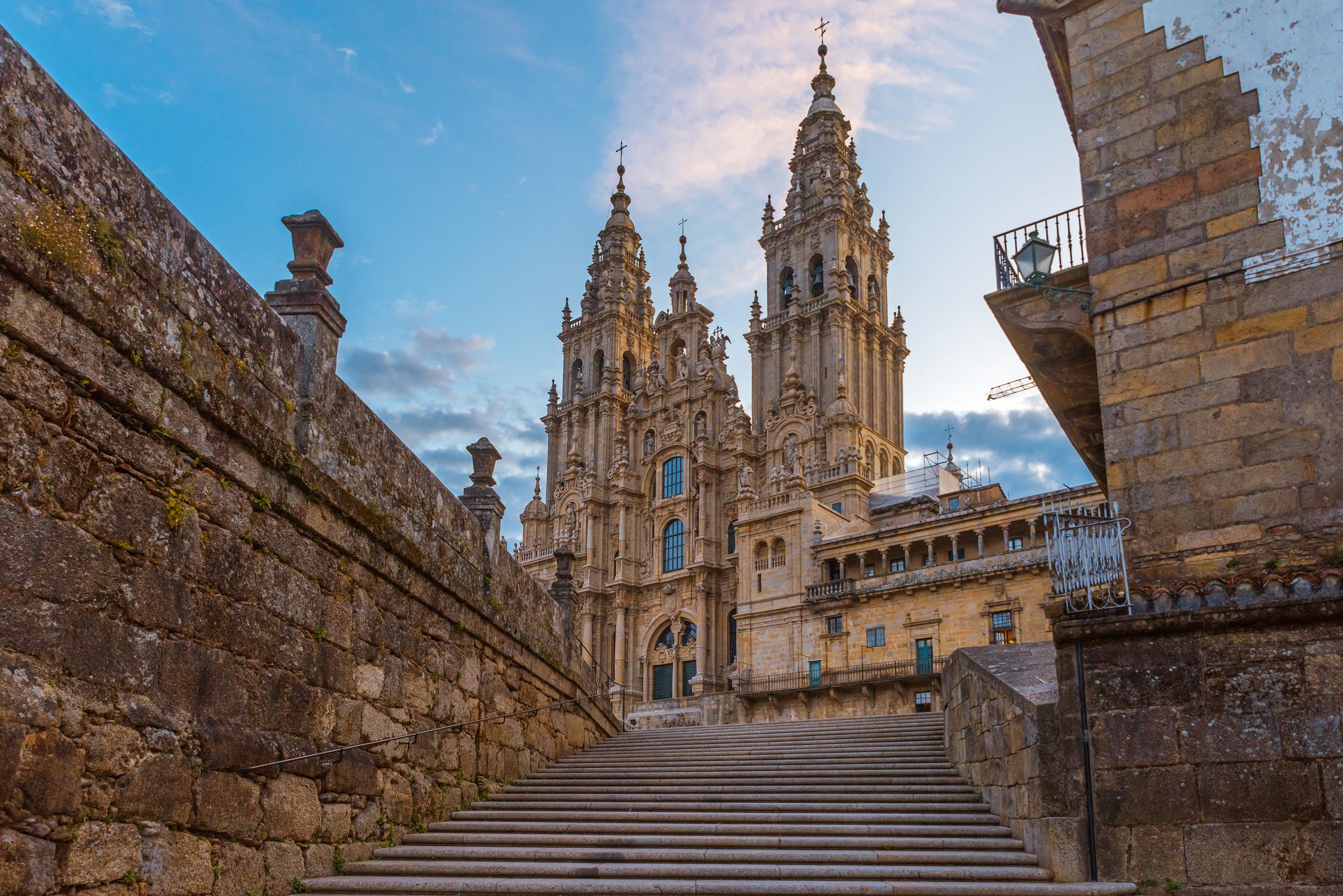
Santiago de Compostela is a tremendous city in its own right - the capital of Galicia, it is home to a stunning medieval old town; a mish-mash of Romanesque, Gothic, Renaissance, Baroque and Neoclassicist architecture dating back to the 11th century. This is a city built on legend, not certain fact. It's said that the remains of the apostle St. James (Santiago) were discovered here in the early 9th century by a hermit following a field of stars. Indeed, "Compostela" is a word often linked to the Latin campus stellae, "field of stars". The end of the Camino is in the Plaza del Obradoiro, in front of the Baroque western façade of the Cathedral.
Much Better Adventures“Some laugh, some cry, some sit silently looking at the cathedral for a long time, trying to process everything they have experienced,” José says. “The spirituality of the journey, the simplicity of daily life on the trail, and the friendships formed along the way leave a lasting mark for the rest of your life.”
The cathedral has a huge incense burner inside which once flew like a wrecking ball, masking the smell of exhausted pilgrims. This is one of three cities, along with Jerusalem and Rome, recognised by the Catholic Church as a "Holy City" - and the pilgrimage book was the driving force behind what is often called Europe's first "tourist guidebook", inside the 12th-century Codex Calixtinus manuscript.
Wander the atmospheric streets of this fine city, and treat yourself to a final plate of pulpo - and a zesty glass of Albariño - as the sun sets over the cathedral.
Inspired? Walk the final 100k of the Camino de Santiago in Spain!