
5.0
Trek the Giants of Pakistan’s Karakoram Mountains
- Pakistan
- 14 nights
Camp among legendary peaks and untouched valleys as you hike to the spectacular base camps of Masherbrum (K1), K6 and K7
What's Included?
- Activities & Certified GuidesAll itinerary activities with local, expert, English-speaking guides
- Hotels & Camping6 nights in comfortable hotels and 8 nights of full-service camping, with all equipment provided
- MealsAll your meals included throughout the trip
- Internal Flights & TransfersDomestic flights to and from Skardu; plus all airport and local transfers throughout
- Porterage & EquipmentPorters to carry main luggage on the trek, plus all group camping and dining equipment
- Maximum group size: 12Join small n’ sociable groups of like-minded, active and outdoorsy people – designed to be solo-friendly
FromPrice loadingexcluding flights
Highlights
Trek rarely trodden trails among one of the world’s greatest mountain ranges, home to four of the world's eight-thousanders
Camp deep in the remote Baltistan region, surrounded by soaring summits, vast glacial valleys and views that you'll be talking about for years
Explore a quieter side of the lofty Karakoram Mountains, away from the busy K2 Base Camp trail but with plenty of high altitude splendour
Travel with local Balti guides and porters, supporting communities and traditional mountain livelihoods
Itinerary
Day 1
Welcome to Pakistan
HotelTwin shareLunch and dinner includedShow Day 1 detailHide detail
Arrive in Islamabad, where your guide will meet you at the airport (please see the 'Not included' section (opens in new tab) for information on visas) and transfer you to your hotel. After some time to settle in and recover from the journey, you’ll come together for a trip briefing to run through the adventure ahead. Later, head out to explore the city, including a visit to the impressive Shah Faisal Mosque and the Lok Virsa Museum, offering a first glimpse into Pakistan’s rich cultural heritage. The day finishes with a relaxed dinner and an overnight stay in the capital.
Day 2
Fly into the Karakoram foothills and acclimatise in Skardu
Flight1 hrDriving2 hrsHotelTwin shareAll meals includedShow Day 2 detailHide detail
This morning, head to the airport for the flight north to Skardu, sitting at around 2250m and one of the main gateways to the mountains of the Karakoram (opens in new tab). If conditions are clear, enjoy incredible aerial views of high mountain landscapes en route. Once you've touched down, you'll be transferred to your hotel before heading out to explore Skardu town. Browse the local bazaar, visit the ancient Mathal Rock Buddha, then take a gentle walk to Nansoq village, Baltistan’s first organic village. Spend time with a local family and learn more about life in this remote region before returning to Skardu for the evening.
Occasionally, flights to Skardu can be delayed or cancelled – please see the FAQs for information on how this possibility has been built into the itinerary.
Day 3
Journey by road to Hushe at the end of the valley
Driving5 hrsHotelTwin shareAll meals includedShow Day 3 detailHide detail
Leaving Skardu behind, you'll travel by road towards Hushe, the last village before the high mountains. The drive winds through the heart of the region, following the Indus and Shyok rivers and passing through remote settlements framed by towering peaks. Along the way, pause to soak up the scenery, including the dramatic confluence of the two rivers. In Yugo village, you'll wander through agricultural terraces and get a glimpse into how people actually live here – spending time with locals, learning about organic farming practices and visiting a traditional water-powered flour mill before sitting down to a home-cooked lunch. In the afternoon, continue to Hushe, check into your hotel and enjoy a relaxed evening as you prepare for the trek ahead.
Day 4
Begin the trek towards Dumsum (3400m)
Hiking2-3 hrs · 6km · 450m upWild campingTwin tentAll meals includedShow Day 4 detailHide detail
After breakfast in Hushe, you'll cross a wooden bridge and head out through crop fields, where local farmers work the land beneath imposing mountain walls. The trail follows a gentle valley path, easing you into the rhythm of the trek as the road disappears behind you and you head deeper into the mountains. As the valley opens up, the scale of the place starts to hit home – take a moment to soak it all in before pushing on to Dumsum, a grassy campsite tucked among juniper trees with a natural spring nearby. After lunch, the afternoon is yours to relax or stretch your legs with an optional walk towards the Aling Glacier. As evening falls, settle into your first night under canvas after dinner served in camp.
Day 5
Trek deeper into the valley to Brumbramah (3900m)
Hiking4-5 hrs · 6km · 500m upWild campingTwin tentAll meals includedShow Day 5 detailHide detail
Wake to your first morning in camp and set off after breakfast, continuing the trek deeper into the valley. The trail winds through juniper trees and patches of tamarisk, with regular stops to take in the growing scale of the surrounding peaks. After around an hour and a half, the terrain becomes more rugged as you approach the moraine near the snout of the Masherbrum Glacier. From here, negotiate a steeper section over mixed ground, alternating between flatter stretches and short climbs as the landscape grows increasingly dramatic. Arrive at the Brumbramah campsite in the afternoon, set beneath the towering walls of Masherbrum. Spend the rest of the day relaxing in camp, sharing stories with the support crew and enjoying dinner surrounded by some of the Karakoram’s most striking scenery.
Day 6
Trek to Masherbrum (K1) Base Camp (4200m)
Hiking6-7 hrs · 8km · 300m up · 300m downWild campingTwin tentAll meals includedShow Day 6 detailHide detail
Set out after breakfast on a rewarding day hike to the base camp of Masherbrum, previously known as K1 and often called the Queen of the Karakoram. The route begins across relatively gentle ground before gradually climbing higher, with sweeping views opening up as you approach the glacier. Cross sections of glacial terrain and continue upwards to reach Masherbrum Base Camp at around 4200m. Enjoy a well-earned lunch and take some time to rest at base camp, taking in the immense scale of the surrounding peaks and the sense of isolation high in the mountains. In the afternoon, retrace your steps back to Brumbramah, returning to camp for dinner and another night beneath Masherbrum’s dramatic south face.
Day 7
To Saitcho, gateway to the Charakusa Valley (3350m)
Hiking7-8 hrs · 15.5km · 250m up · 800m downWild campingTwin tentAll meals includedShow Day 7 detailHide detail
Retrace your steps back down the valley to Dumsum, enjoying a fresh perspective on the dramatic landscapes you climbed through earlier in the trek. From Dumsum, continue on foot towards Saitcho, cross the river and follow the trail as the valley broadens, eventually turning northeast to walk alongside a glacial river flowing from the Gondogoro Glacier. A wooden cantilever bridge marks the crossing into the Charakusa Valley, leading you to the beautiful campsite at Saitcho, set at the meeting point of two large valleys. From camp, enjoy wide views of Namika Peak and the surrounding granite walls as evening settles in.
Day 8
Trek into the heart of the Charakusa Valley (4100m)
Hiking7-8 hrs · 8.5km · 750m upWild campingTwin tentAll meals includedShow Day 8 detailHide detail
Leave Saitcho behind and head deeper into the Charakusa Valley, following the trail east with K7 and Link Sar gradually coming into view ahead. Walk beneath dramatic granite walls as the route traces the edge of the valley, with the landscape becoming increasingly wild and high alpine. Cross the Chogolisa Glacier and arrive at Spangser, a broad green meadow carpeted with wildflowers, set above the meeting point of the Chogolisa and Tsarak Tsa glaciers. From here, continue for around an hour to reach the campsite at Ancom, surrounded by towering peaks and vast views. The afternoon is yours to relax in camp or take a short walk to explore nearby, soaking in the scale and stillness of these spectacular mountains.
Day 9
Trek to K7 Base Camp (4550m)
Hiking4-5 hrs · 7km · 450m upWild campingTwin tentAll meals includedShow Day 9 detailHide detail
Set off from Ancom and descend onto the glacier, beginning the approach to K7 Base Camp. The route follows the central flow of the ice, weaving between sections of snow, ice and rocky moraine as the terrain becomes more rugged underfoot. Progress is steady and unhurried, with regular pauses to take in the striking scenery and stay hydrated. As you move through the broad ablation valley north of the Tsarak Tsa Glacier, the dramatic spires of K6 (7282m) and K7 (6934m) rise higher above you, joined by the sharp summit of Naiza (Nayser Brakk, 5159m). Reach K7 Base Camp at around 4550m and settle into camp beneath some of the Karakoram’s most impressive peaks, soaking up the wild atmosphere of this remote high-mountain setting.
Day 10
Explore the K7–K6 glacier basin
Hiking2-3 hrsWild campingTwin tentAll meals includedShow Day 10 detailHide detail
Today is spent exploring the remarkable glacier basin surrounding K7 Base Camp, an astonishing place that few people ever reach. With no need to change camp, the guides offer a range of short hikes and walks, allowing you to explore further into the basin and gain different perspectives on this vast, high-mountain landscape. Options may include gentle wanderings across ice and moraine, or short climbs to natural viewpoints looking out across the Charakusa Valley and towards the peaks of K6 and K7. It’s a day to move at a measured pace, pause often and really absorb the scale and stillness of the mountains around you. There’s also time to rest in camp and enjoy the rare experience of spending a full day at 4550m. As the afternoon draws on, it’s a great opportunity to connect with the local Balti porters and support staff, who are always happy to share stories and offer insights into life in the mountains. The day ends with a second night at K7 Base Camp, watching the colours shift across the surrounding peaks as the sun drops behind the ridgelines.
Day 11
Return to Saitcho via the Charakusa Valley
Hiking5-6 hrs · 15.5km · 1200m downWild campingTwin tentAll meals includedShow Day 11 detailHide detail
Leave K7 Base Camp behind and begin the journey back down the Charakusa Valley, retracing your route through the high glacial basin. With the hardest climbing behind you, the descent offers a chance to appreciate the scale of the valley and the distance covered since leaving Hushe. Continue the trek along the trail back to Saitcho, where camp is set once again at the meeting point of the valleys. The afternoon is spent resting in camp and recovering after several demanding days at high altitude.
Day 12
Return to Hushe and drive back to Skardu (2250m)
Hiking3-4 hrs · 9.5km · 350m downDriving5 hrsHotelTwin shareAll meals includedShow Day 12 detailHide detail
Begin the day by trekking from Saitcho back to Hushe, following the trail down through the lower valley to the roadhead, marking the end of the trek. On arrival in Hushe, enjoy some time to rest and refresh at the hotel before travelling by road back to Skardu. The drive includes brief scenic stops along the way, offering a final look at the mountain landscapes you’ve been walking among. Reach Skardu in the evening, check into the hotel and settle in for a relaxed night back in town.
Day 13
Fly to Islamabad and explore the capital
Flight1 hrDriving2-3 hrsHotelTwin shareAll meals includedShow Day 13 detailHide detail
Travel to Skardu airport in the morning for the flight south to Islamabad, a scenic one-hour journey back to the capital. Once you arrive, you'll be transferred to the hotel where you can enjoy some time to relax after the journey. After lunch, head out to explore a few of Islamabad’s highlights, including a visit to the Pakistan Monument and Saidpur village. The day concludes with a celebratory dinner at a scenic restaurant, located in the Shakar Parian hills above the city – the perfect way to wrap up the trek and celebrate with your fellow adventurers.
Day 14
Contingency day or visit to Taxila
Driving2 hrsHotelTwin shareAll meals includedShow Day 14 detailHide detail
Today is kept flexible to account for potential travel delays. If flights have been disrupted earlier in the trip due to weather, this day will be used for a road journey to Islamabad, travelling south via Gilgit. However, if the flight schedule runs as planned, the day is instead spent exploring Taxila, one of the most important archaeological sites in Pakistan. Visit the Taxila Museum before heading out to explore key sites including Dharmarajika and Sirkab, offering insight into the region’s rich Buddhist and ancient history. It’s a chance to add a cultural layer to the adventure before returning to the hotel for your final night in Pakistan.
Day 15
Goodbye Pakistan
Breakfast includedShow Day 15 detailHide detail
After breakfast, transfer from the hotel to the airport for your onward flights. Leave Pakistan with memories of high mountain camps, remote valleys and time spent deep in the Karakoram. If you’d like to extend your stay in Pakistan, the host can arrange additional nights in Islamabad on request (see Optional Extras for pricing).
Practical Stuff
Getting There
- Nearest airport
- New Islamabad International Airport (ISB)
- Pick up
- Islamabad Airport (ISB)
Any time on Day 1 - Drop off
- Islamabad Airport (ISB)
Any time on Day 15
This Trip is Graded Level 5
- Level 5
Challenging
Made for those who seek to push themselves and embrace the outdoors
High altitude (over 4500m): factors to consider + 2 other factors - How much activity is involved?
Very active days, usually seven to eight hours long
This is a challenging high-altitude trek in a remote, mountainous region of the Karakoram. The route reaches a maximum altitude of 4550m at K7 Base Camp, with multiple consecu...
- Right level, wrong trip?
Browse all our Challenging trips
Your next adventure is out there

 Not sure which level is right?
There's a level for everyone – find your match
What is and isn't Included?
What's included
- Guided multi-day trekking through remote valleys of the Karakoram Mountains
- Trek to Masherbrum (K1) Base Camp
- Trek into the Charakusa Valley to K6 and K7 base camps
- Acclimatisation and exploration hikes at the high-altitude camps
- Cultural visits in Skardu, Hushe and surrounding Baltistan villages
- Local, expert, English-speaking trekking guides throughout
- Full support crew including assistant guides, cooks and camp staff
- 3 nights in a comfortable hotel in Islamabad
- 2 nights in a modern hotel in Skardu
- 1 night in a simple hotel in Hushe
- 8 nights of fully serviced camping along the trekking route
All your meals are provided for the duration of the trip. This includes:
- 14 tasty breakfasts
- 14 hearty lunches
- 14 delicious dinners
While on the trek, all meals will be freshly prepared, offering traditional Balti dishes alongside simple international meals cooked by trained local camp cooks.
- Domestic flights between Islamabad and Skardu
- Arrival transfer from Islamabad Airport at any time on Day 1
- Departure transfer to Islamabad Airport at any time on Day 15
- All transfers during the trip
- Team of local porters to carry main luggage between camps
- All group camping equipment, including tents and mess facilities
- Sleeping mat and sleeping bag included on request
- All trekking permits and local fees required for the itinerary
What's not included
Our trips do not include flights, trains or other travel to the start point and back from the end point.
Tipping is customary in Pakistan, and many groups choose to organise a shared tipping kitty, managed by the tour leader, for ease and transparency. As a general guideline, you may wish to budget USD $3–4 per person, per day for your tour leader ($45-60 in total for the 15 days), and approximately USD $50 per person in total for hotel staff, drivers, and the wider trekking team (including porters, expedition cook, porter sardar). That said, these are entirely at your discretion and the amount should be reflective of your perception of service and quality: these are suggestions only and remain completely optional.
You know your own spending habits best, so please budget an appropriate amount for things like optional food and drinks, shopping and laundry.
Travel insurance is compulsory for all of our adventures, and you'll need to provide your policy details before departure. Your insurance should offer adequate cover for overseas medical treatment, evacuation/repatriation, your baggage and equipment, and the specific activities involved in your adventure. We also recommend ensuring your policy includes cancellation and curtailment cover, in case you're unable to join your trip due to unforeseen circumstances such as illness.
Standard travel insurance may not cover all the activities included in your adventure, so it's essential to check the details carefully. There are adventure-specific providers that many travellers have used in the past, such as True Traveller (opens in new tab) (for those based in the UK or Europe), or Rise + Shield (opens in new tab), both of which offer cover for a wide range of adventurous activities.
Please make sure your chosen policy meets your individual needs and covers all aspects of your trip.
Visa requirements are often amended, and you are responsible for obtaining any required visas for this trip. The following advice may be subject to change; please check with your nearest embassy or consulate for up-to-date advice.
You will need to apply for a Mountaineering and Trekking Visa via the official e-visa portal (opens in new tab). This is a different visa category from a standard tourist visa; please do not apply for the standard tourist e-visa. The visa fee is currently approximately $60 (USD), which is set at the Pakistani government's discretion and may be subject to change.
As this trek enters the restricted border zone of Gilgit-Baltistan, visa applications are reviewed by military intelligence; if any concerns are flagged, approval can be delayed or denied. Please note that a history of travel to India, or holding Indian nationality/dual Indian nationality, can cause significant delays or denial.
Please note that visa approval is entirely at the discretion of the Pakistani authorities. In the event that your visa application is denied, our standard Booking Terms and Conditions (opens in new tab) apply – we are unable to accept responsibility for denied visa applications, or any costs incurred as a result.
Your host will provide full guidelines on how to apply approximately 90 days before your trip, along with the following supporting documents:
-
Letter of Invitation (LOI) - please provide your passport details via your Passenger Information Form (required to issue your LOI)
-
Tour Operator License
-
Application Form for Trekking in GB Restricted Areas (Below 6,500 Feet)
You will also need to upload a passport scan and passport photograph as part of your visa application.
You should apply for your visa as soon as your host provides these details, and no later than 60 days before you travel.
We cannot accept bookings within 60 days of departure as visa approval can't be guaranteed, so early booking of this trip is essential.
Personal data: this trip requires a nominated Group Leader and Deputy Leader for permit purposes, meaning your full name may be shared with fellow customers in your group before travel. See the host T&Cs (opens in new tab) for details.
Where You'll Stay
Looking for a private room? See Optional Extras for details and pricing.
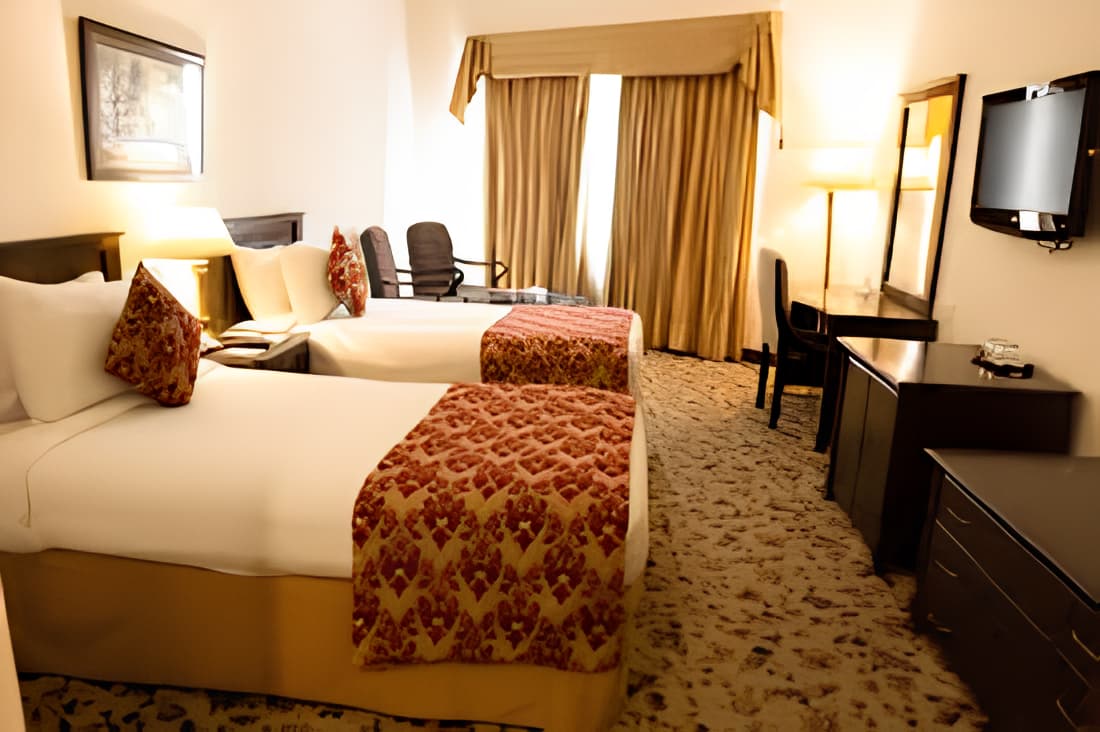
Islamabad

Skardu

Hushe

On the trek
What You'll Eat
Food on this trip is a mix of local Pakistani dishes and simple international favourites, designed to keep you well fuelled throughout the trek. In towns and cities, meals are taken in local restaurants or hotels, while on the trail, food is freshly…
Optional Extras
Pre/Post Trip Accommodation
- Pre/post trip accommodation in Islamabad (double/twin)
- £94/per night
- Pre/post trip accommodation in Islamabad (single)
- £87/per night
Upgrades
- Optional Private Room & Tent Upgrade (2027)
- £282/per person
- Optional Private Tent Upgrade (8 nights) (2027)
- £118/per person
For solo travellers looking for their own space, an optional private room and tent can be booked for an extra charge. Please request this at the time of booking, as this is subject to availability.
Transfers
- Private arrival/departure transfer to Islamabad Airport
- £20/per person
To request any extras, message your host via your Much Better Adventures account once you have booked your trip.
All extras must be paid before your trip starts.
Ratings & Reviews
5.02 reviews
- 4 stars (0)
- 3 stars (0)
- 2 stars (0)
- 1 star (0)
Latest Reviews
Customer Photos
Before You Travel
What to Pack
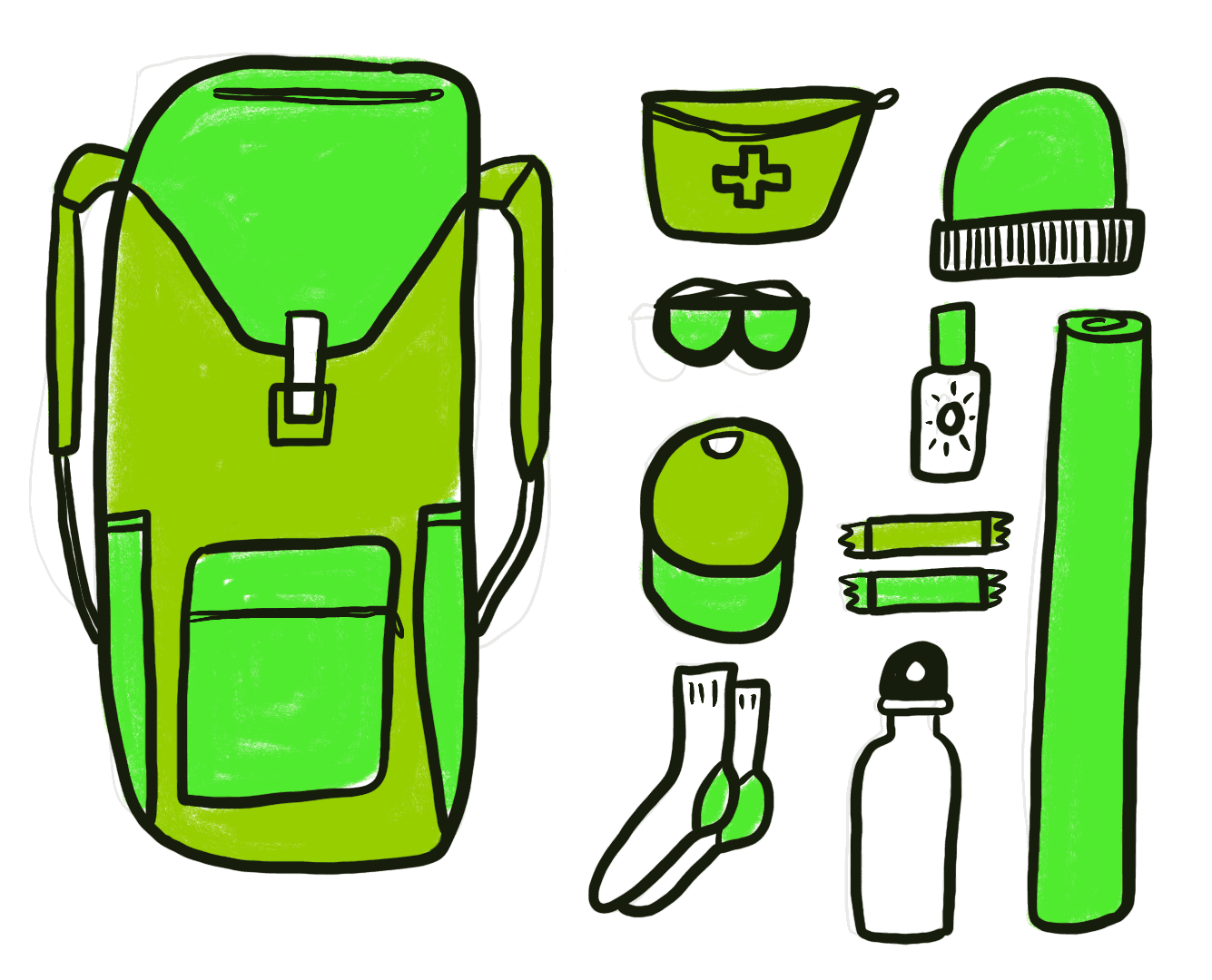
Know before you go! Some stuff we'll provide, other things you'll need to bring.
FAQs
Why don't Much Better Adventures offer the K2 Base Camp trek?
K2 Base Camp is one of Pakistan’s most iconic treks, but in recent years it has seen a significant rise in visitor numbers. This has led to increasing pressure on fragile mountain environments (opens in new tab), higher levels of waste along the route, and growing concerns around the treatment of pack animals and trekking staff during peak season.
We’ve chosen instead to focus on the Charakusa Valley and K7 region, which offers equally dramatic Karakoram scenery and high-altitude base camps, but with far fewer trekkers and a stronger sense of space and wilderness. While the K2 route involves several consecutive days trekking across the Baltoro Glacier on uneven moraine terrain, this route passes through a wider variety of landscapes, from cultivated valleys and alpine meadows to glacier basins and remote mountain camps.
Our aim is to provide a high-quality, small-group trek that supports local communities while avoiding the challenges associated with overtourism. By choosing this route, you’re helping to spread tourism more responsibly within the region, while still experiencing some of the most spectacular mountain scenery on Earth.
What if things don't go to plan?
Travel in the Karakoram is weather-dependent, and flexibility is all part of the adventure. Domestic flights between Islamabad and Skardu can occasionally be delayed due to mountain weather, although reliability has improved significantly in recent years. Skardu Airport has recently been upgraded to international airport status, with improved landing systems that mean cancellations are now rare during the main trekking season.
If a flight disruption does occur, the team will first prioritise securing seats on the next available flight, which is typically the following day. This itinerary includes a built-in contingency day, so in most cases this delay does not affect the trekking portion of the trip. If flying is not possible within a reasonable timeframe, travel by road will be arranged instead. The road journey used for this itinerary does not follow the section of the Karakoram Highway between Besham and Chilas currently referenced in the FCDO travel advisory.
Once on the trail, safety always comes first. If weather, trail conditions or other factors mean a planned route isn’t advisable, your guides will adjust the plan accordingly. The region offers excellent alternative routes nearby, such as Nangma Valley or Thallay La, ensuring you still experience outstanding mountain scenery while travelling safely and responsibly.
Our guides are experienced in operating in this remote environment and will always communicate any changes clearly, so you know what’s happening and why.
What if the contingency day isn't needed?
If travel runs smoothly and the contingency day isn’t required, it becomes an additional cultural day in Islamabad. Instead of acting as a buffer for delays, the day is used to visit Taxila, one of Pakistan’s most important archaeological sites. You’ll explore the Taxila Museum and key sites such as Dharmarajika and Sirkab, offering insight into the region’s rich Buddhist and ancient history. The day ends back at your hotel in Islamabad for your final night in Pakistan.
How many guides and support crew will there be on my trip?
During the trek, there will be one mountain guide for every six customers, ensuring close support and supervision throughout.
You’ll also be supported by a dedicated trekking team, including a cook, a porter sardar (head porter), and a team of local porters who transport camping equipment and supplies between camps.
Can I leave my excess luggage somewhere?
Any luggage you don’t need on the trek can be securely stored at the hotels in Islamabad and Skardu.
What do I do about drinking water?
Safe drinking water is provided throughout the trip. In towns, you’ll have access to filtered or bottled water. While trekking, the support team collects water from local mountain sources and boils it for several minutes before it’s made available for drinking. To reduce plastic waste, you must bring a reusable water bottle or hydration system. You may also wish to bring your own additional purification method, such as purification tablets or a filter bottle (opens in new tab), for extra peace of mind.
Can my dietary requirements be catered for on this adventure?
At Much Better Adventures, we work hard to accommodate dietary requirements and allergies so your trip is safe, inclusive and enjoyable. That said, options can vary by country, location and accommodation, and in some places options may be limited or unavailable. The information below has been provided by your host so you’re fully informed about what will be possible on your trip depending on your individual requirements. This information should be read carefully prior to your trip to ensure that you are adequately prepared for the situation ‘on the ground’.
Once you have booked on your trip, please fill out your passenger information form asap with any dietary requirements. Once you complete your passenger information, your dietary needs and any allergies are automatically shared with your host and, in turn, your guide. Please submit this as early as possible so they can plan accordingly and deliver the best experience. Please also remind your guide about your dietary requirements upon arrival, as mentioning these in person allows your guide to comprehend individual preferences and limitations as soon as you arrive.
BACKGROUND
Pakistan’s cuisine reflects its varied geography and history, shaped by South Asian, Central Asian and Middle Eastern influences, with farming traditions that favour wheat breads, rice, lentils, dairy and spiced meat dishes. Meals are generally hearty and flavourful, and while meat features heavily, vegetarian options based on pulses and vegetables are common, particularly in home-style cooking. Travellers with dietary requirements can often be accommodated, especially with a guide to help communicate needs, but those avoiding gluten or dairy, or with severe allergies, should expect to plan ahead and discuss limitations early, particularly in more remote areas.
SPECIAL DIETS
Vegetarian
Vegetarian diets can be catered for on this trip, provided that your host is made aware in advance.
Vegan
Vegan diets can be catered for on this trip, provided that your host is made aware in advance.
Kosher
Kosher diets can be catered for on this trip, provided that your host is made aware in advance.
Halal
Halal diets can be catered for on this trip, provided that your host is made aware in advance.
INTOLERANCES
Gluten-free (for Coeliac, please see Allergies section below)
Gluten-free diets can be catered for on this trip, provided that your host is made aware in advance.
Lactose-free
Lactose-free diets can be catered for on this trip, provided that your host is made aware in advance.
ALLERGIES
Our host has confirmed that they are able to accommodate mild allergies to the 14 allergens (opens in new tab) identified by the UK Food Standards Agency, where these are disclosed in advance. However, if you have a severe or life-threatening food allergy, please get in touch with our Customer Experience team prior to booking, to discuss whether your requirements can be accommodated safely on this trip. This will allow us to carefully consider the sensitivity and severity of your allergy, the available provision on the trip and the accessibility of medical care should a reaction occur. Your safety is always our top priority. Please note that when travelling overseas, local ingredients, food preparation methods and labelling standards may vary, particularly in remote areas. It is also worth noting that any allergies may result in more limited options and repetitive provision in some areas. Whilst your guide will help communicate dietary requirements where possible, customers remain responsible for managing their own allergies during the trip.
Is there a weight limit for porters?
Yes. For the trek itself, we recommend keeping your main duffel bag to 15–20kg per person, which will be carried by porters between camps. This limit helps ensure the safety and wellbeing of the support team.
Please also note that domestic flights between Islamabad and Skardu have a 20kg checked baggage limit, which may be strictly enforced. We recommend packing carefully and keeping within this allowance to avoid additional charges or delays.
How are porters and support staff treated on this trip?
The wellbeing, safety and dignity of our porters and support team are fundamental to how this trip operates. Responsible tourism begins with ethical employment practices, and we work closely with our local partner to ensure high standards are maintained on every expedition.
Porters are paid fair and transparent wages that meet or exceed regional standards, and strict load limits are enforced in line with high-altitude trekking guidelines. The team is provided with nutritious meals, their own tents for shelter during the trek, and access to medical support if needed.
We operate with a zero-tolerance approach to exploitation. Safety, respect and fair treatment are non-negotiable standards, and we choose to work only with partners who share these values.
How does this trek support local communities?
Sustainability is built into how this trek is operated in the Karakoram. The local host follows strict Leave No Trace principles, including carrying out all non-biodegradable waste, eliminating single-use plastics wherever possible, promoting reusable water systems and using established campsites to prevent environmental degradation.
The wellbeing of local communities is central to the operation of the trip. The host employs local guides, porters and support staff, partners with locally owned hotels and suppliers, and sources food and equipment from regional markets. Ongoing investment in training and professional development supports long-term skills and employment within Baltistan, particularly in the Hushe Valley.
Guests are encouraged to travel respectfully, with guidance on appropriate dress, cultural sensitivities and responsible photography. The local operator is the first Travelife-certified tour company in Pakistan, reflecting independently verified standards in environmental management, fair employment and community engagement.
The goal is to ensure that each trek leaves the landscape as it was found while delivering meaningful economic benefits to the region.
Can I book on my own?
Sure can! Over 70% of our travellers travel solo, it’s a great way to meet like-minded people.
Who is running the trip?
Our team of Adventure Hunters co-create exclusive adventures which are run by highly vetted, specialist hosts. The trip is run by our trusted host partner in the destination. We only work with independent, local, in-destination experts who know the very best places to explore and how to stay safe. Read more information about the local teams we partner with (opens in new tab). You’ll be introduced to the host straight after making a booking via the Much Better Adventures platform.
What is the official travel advice?
Much Better Adventures refer to the UK Government’s official travel advice when designing trips and monitoring trip operations. We recommend that all customers are familiar with the practical information provided on the Government’s FCDO website (opens in new tab), where current travel advice can be found by searching for the applicable destination(s).
For customers joining this trip from other international destinations – please also read the official travel advice applicable to your country of residence/origin, as this may differ.
What vaccinations do I need?
We recommend checking out the country-specific information (opens in new tab) and also talking to a travel nurse.
How are the trips priced?
We automatically convert prices from the local currency that a host receives to your chosen currency. We update our exchange rates on a daily basis so this does mean that prices displayed on the site are subject to currency fluctuations, which is why you may see them change over time.
If you wish to change the currency you pay in, head to the bottom of the page.
Why are your adventures only for adults?
All of our group adventures are specially designed for adults to enjoy as we want these adventures to bring together outdoorsy people who are truly like-minded. You must be over 18 to join one of our trips.
Who else will be on my trip?
You're always in good company on one of our adventures.
Our trips are typically made up of a mixture of solo travellers and small groups of 2 or 3 friends, with most in their 30s-50s.
Our sociable adventures are solo-friendly by design and naturally attract outdoorsy people with a shared mindset; a love for adventure, a desire to push themselves and meet awesome, like-minded people along the way. Check out our Community Values (opens in new tab) – a shared code to make sure that everyone's experience is safe, inclusive and brilliantly unforgettable.
It’s this camaraderie that has so often turned a great adventure into a life-changing one.
Don't just take our word for it:
- 95% of people rate the group dynamics on our trips 5/5
- 90% of people recommend joining a trip to make new friends
- 75% of people have met people on our trips that they would now consider friends
See here (opens in new tab) for more info about the Much Better Adventures tribe.
What's the weather like?
The trekking season in the Karakoram typically runs from the start of June to early September, when conditions are at their most stable. During this period, days are generally dry with clear mountain views, although weather in high-altitude environments can change quickly and occasional rain or snowfall is possible at higher elevations.
Weather on this trek varies significantly with altitude. In the valleys and towns such as Skardu and Hushe, summer daytime temperatures typically range from 20–30°C (68–86°F), with cooler evenings. At higher altitudes (above 3500m), daytime temperatures are much cooler, often between 5–15°C (41–59°F), while nights can drop below freezing, especially at higher camps.
What's the carbon footprint for this trip?
We partner with the World Land Trust to ensure this trip achieves Net-Zero emissions. We also support their Buy an Acre programme, helping local communities to buy and protect natural habitats in perpetuity.
Want to Know More?
Ask our AI Assistant
Get instant answers about this adventure
Departure dates
Secure your spot
10% deposit to book (limited exceptions)
Pay in instalments, no interest or fees
Saturday 5th June 2027
to Saturday 19th June 2027
£2,531
Saturday 26th June 2027
to Saturday 10th July 2027
£2,531
Don’t see a date you like?
Get an email alert when new dates are added for this trip
Subscribe to alertsWe've Got Your Back
Book with confidence and peace of mind.
Got a Group of 6 or More?
Book the whole trip privately. We sort the details, you split the cost. Pure adventure, zero faff.
Feeling adventurous? Here's £100 towards it.
Sign up to our newsletter and we'll email you a £100 code for your first trip. You'll also get weekly trip inspiration, expert advice and last minute deals.
Still Undecided?
A few other trips to tickle your fancy
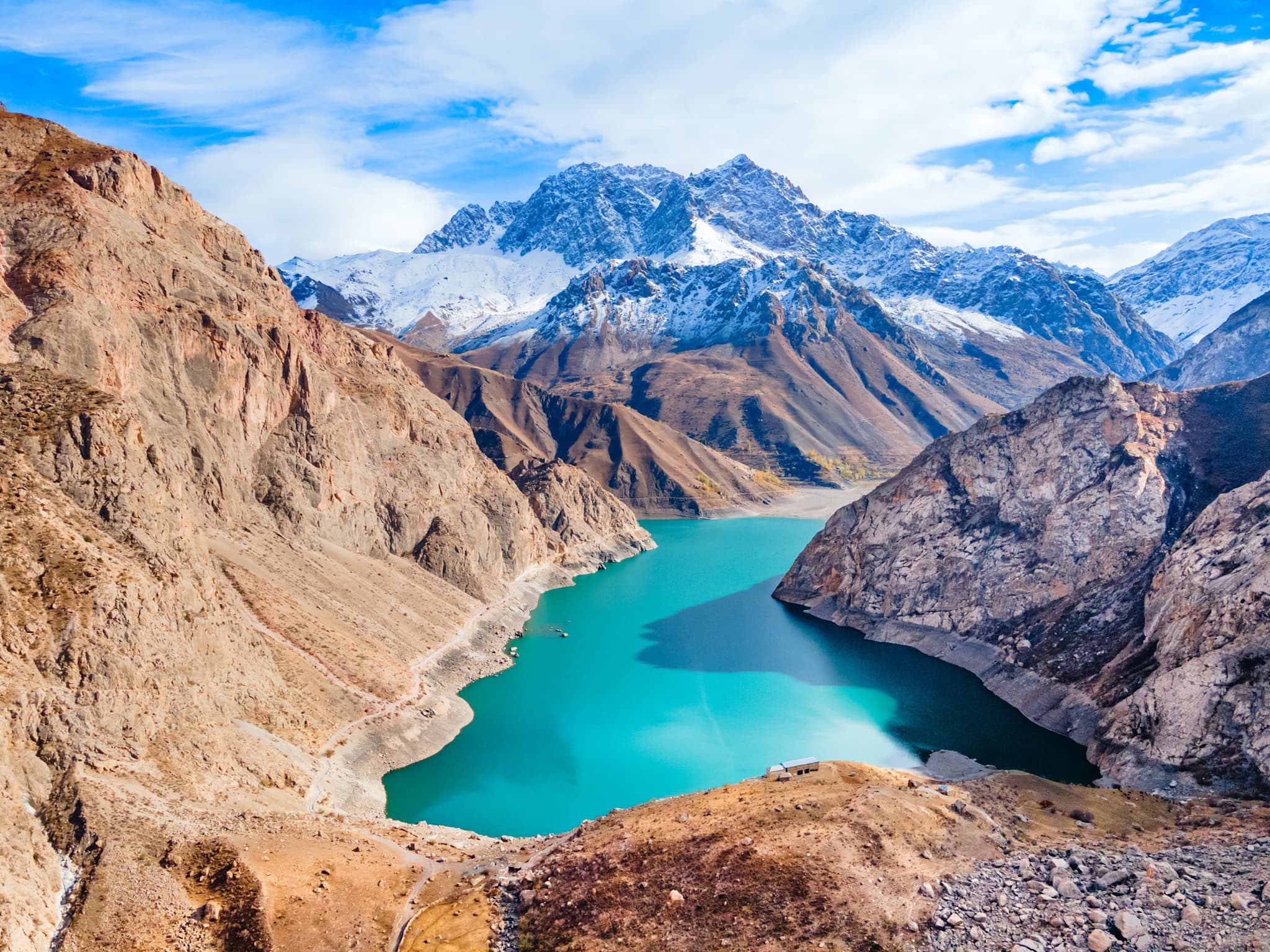
Trek the Fann Mountains in Tajikistan
11 nights from£2,078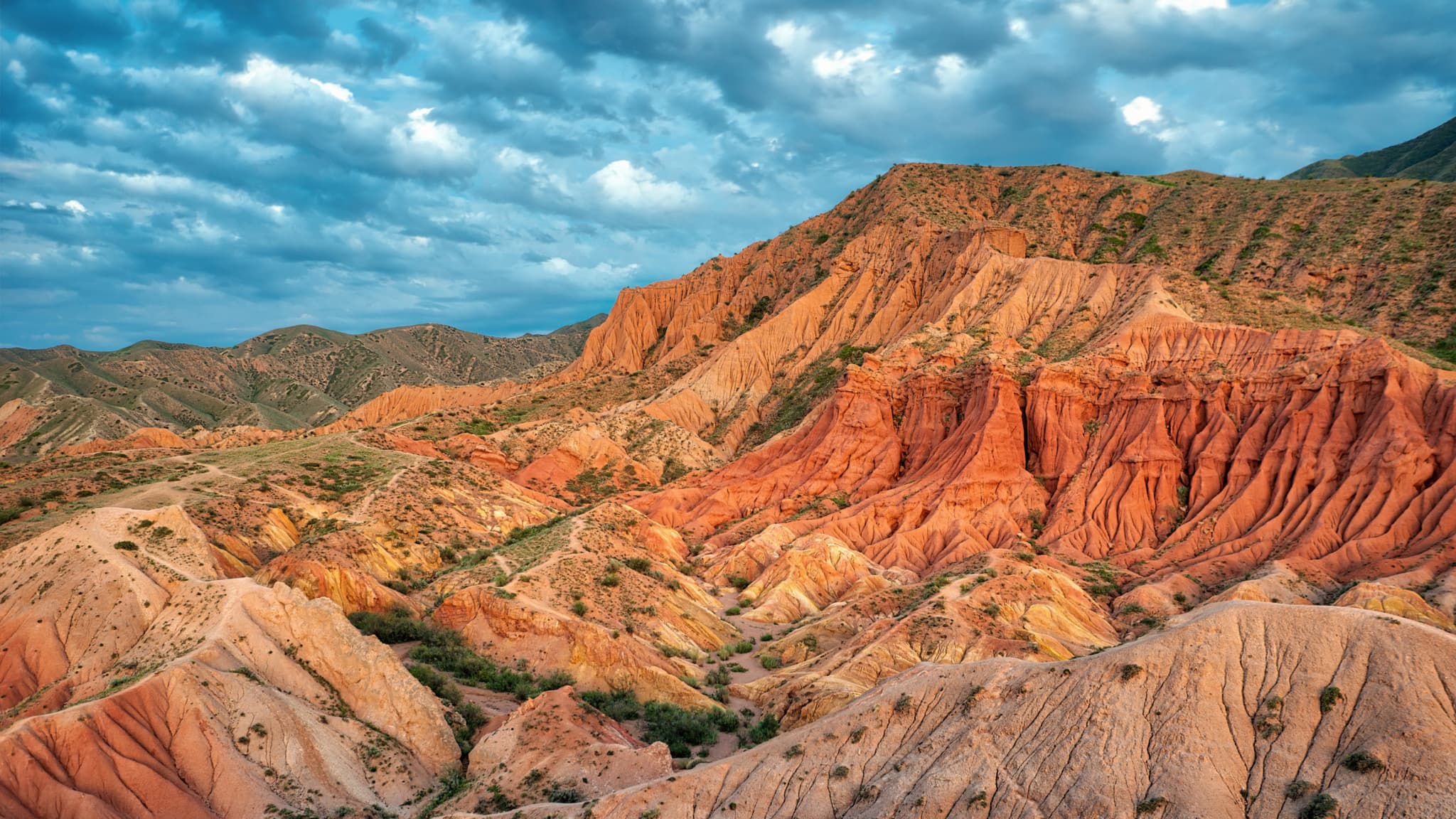
Trek the Tian Shan Mountains of Kyrgyzstan
9 nights from£1,676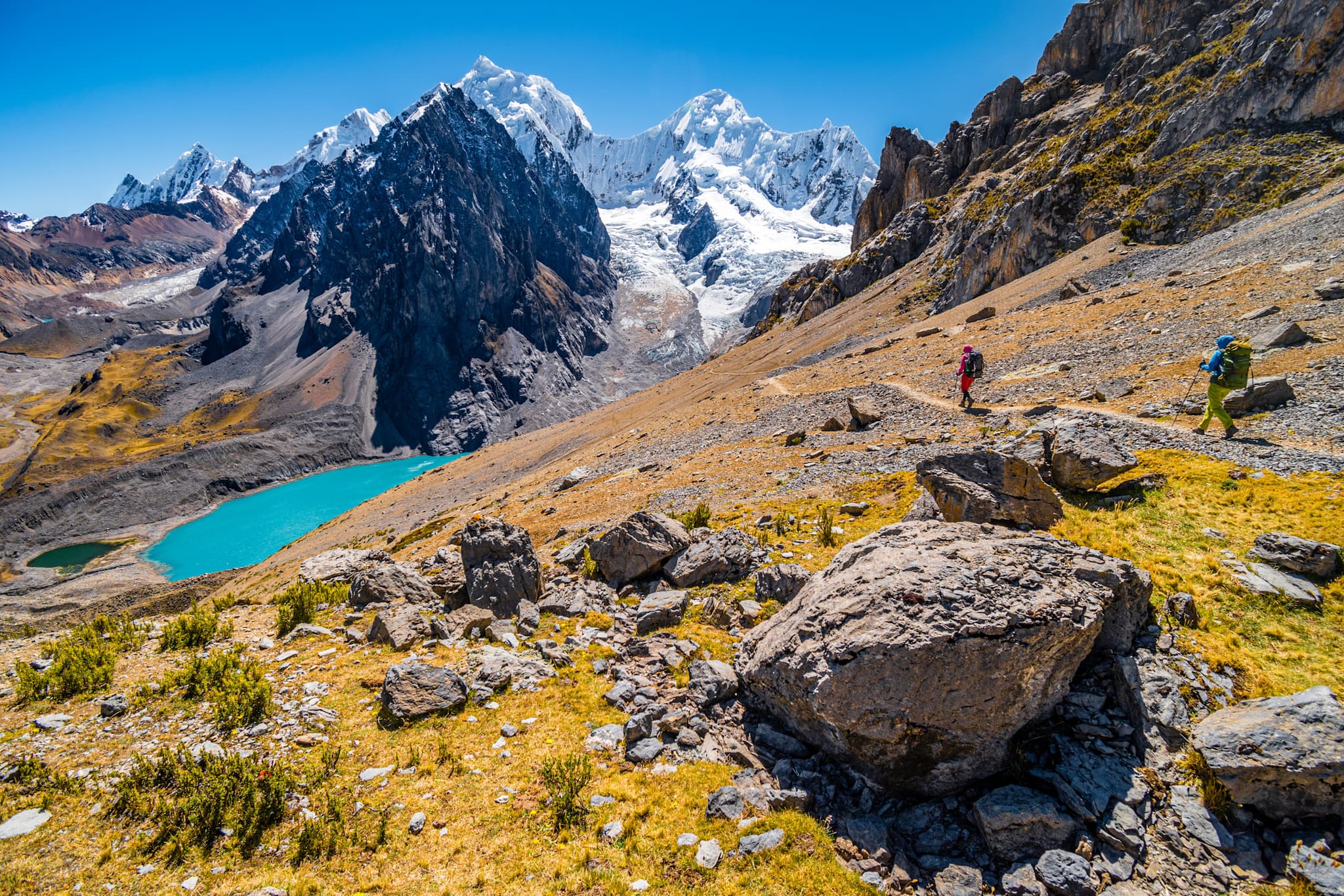
Trek the Huayhuash Circuit in Peru
15 nights from£2,200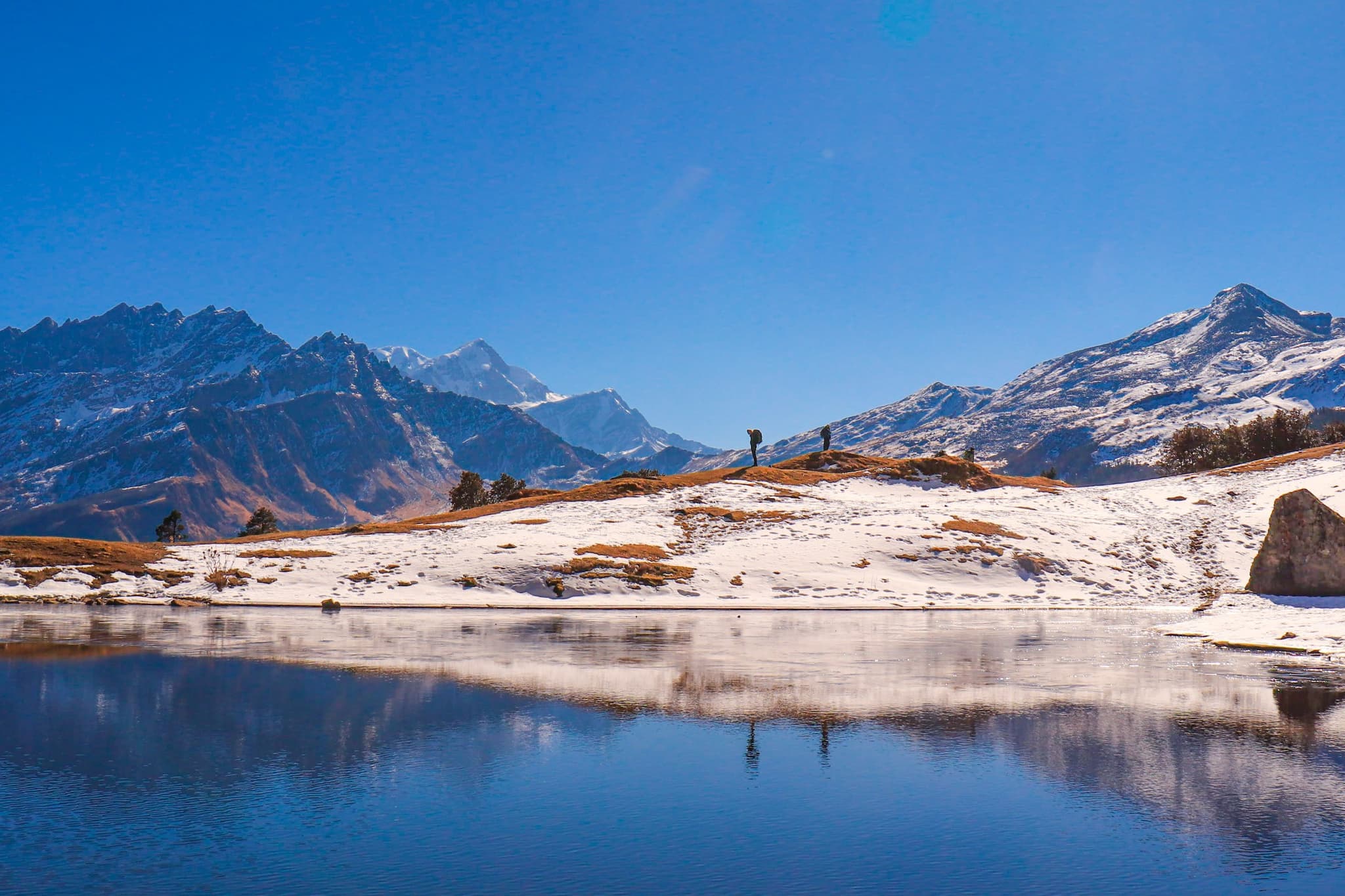
Trek the Indian Himalayas
10 nights from£1,399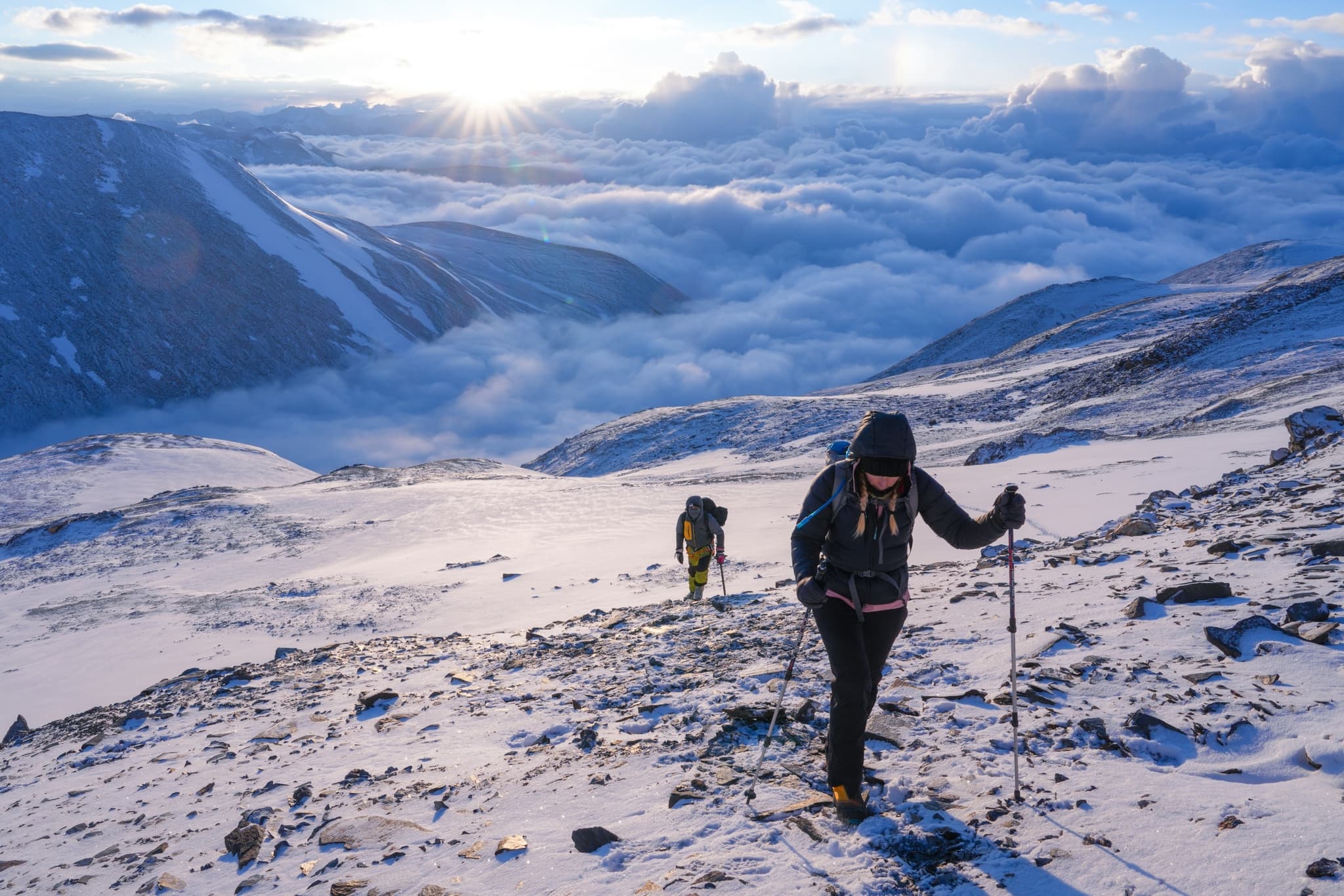
Trek India's Markha Valley to Summit UT Kangri (6070m)
13 nights from£2,345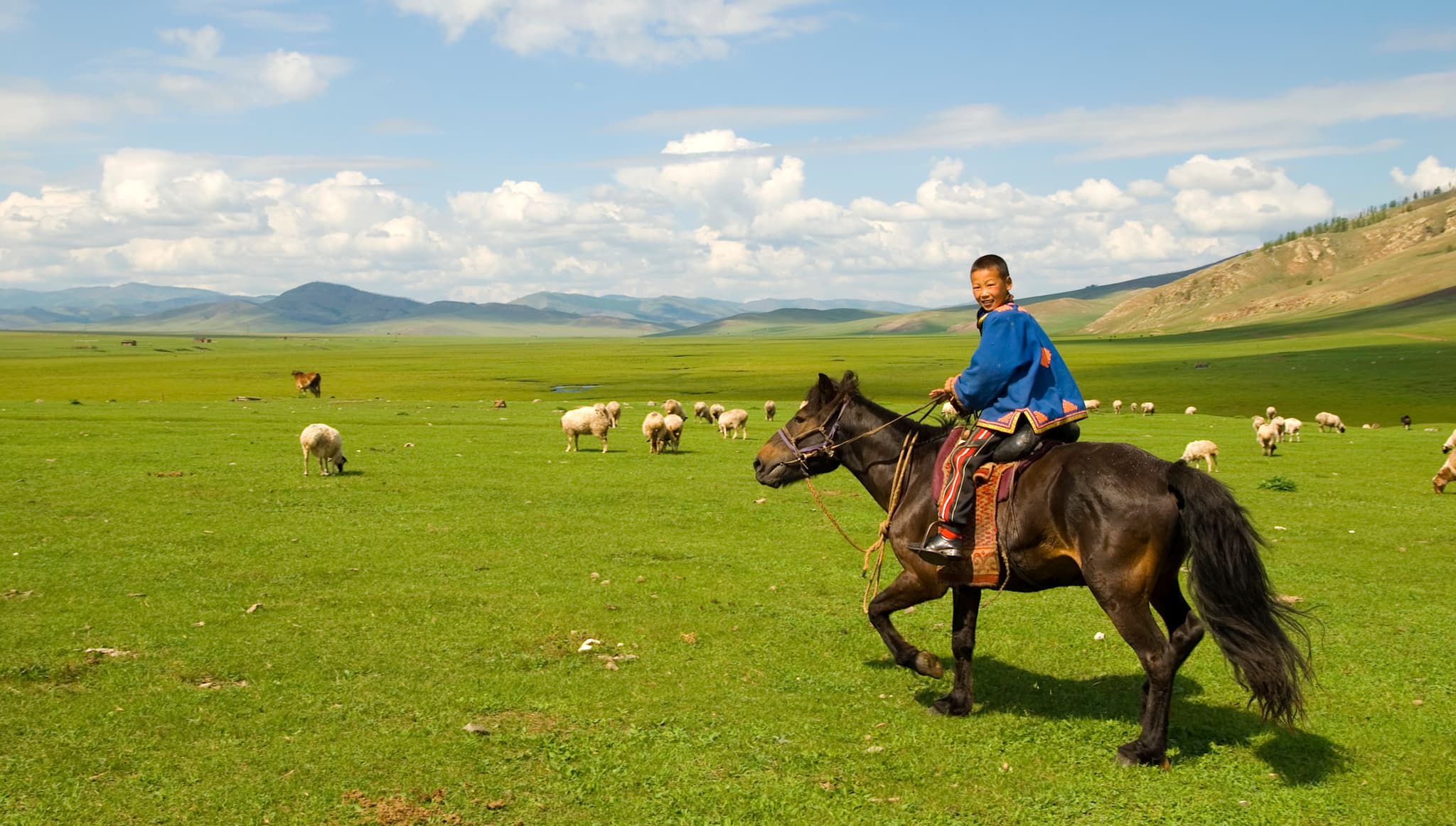
The Ultimate Adventure Through Mongolia
9 nights from£2,402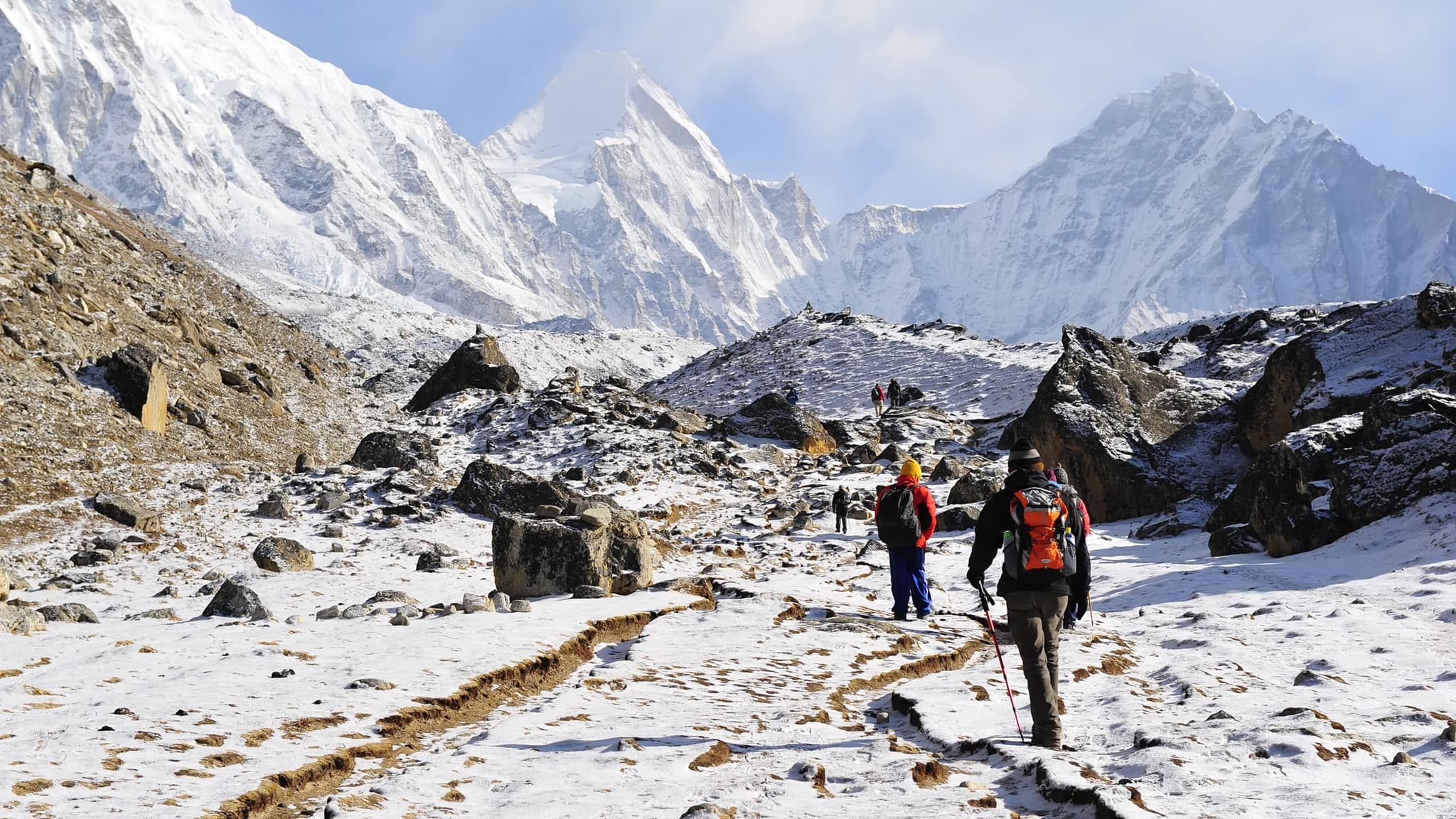
Trek to Everest Base Camp
15 nights from£1,139
Trek the Annapurna Circuit
16 nights from£1,311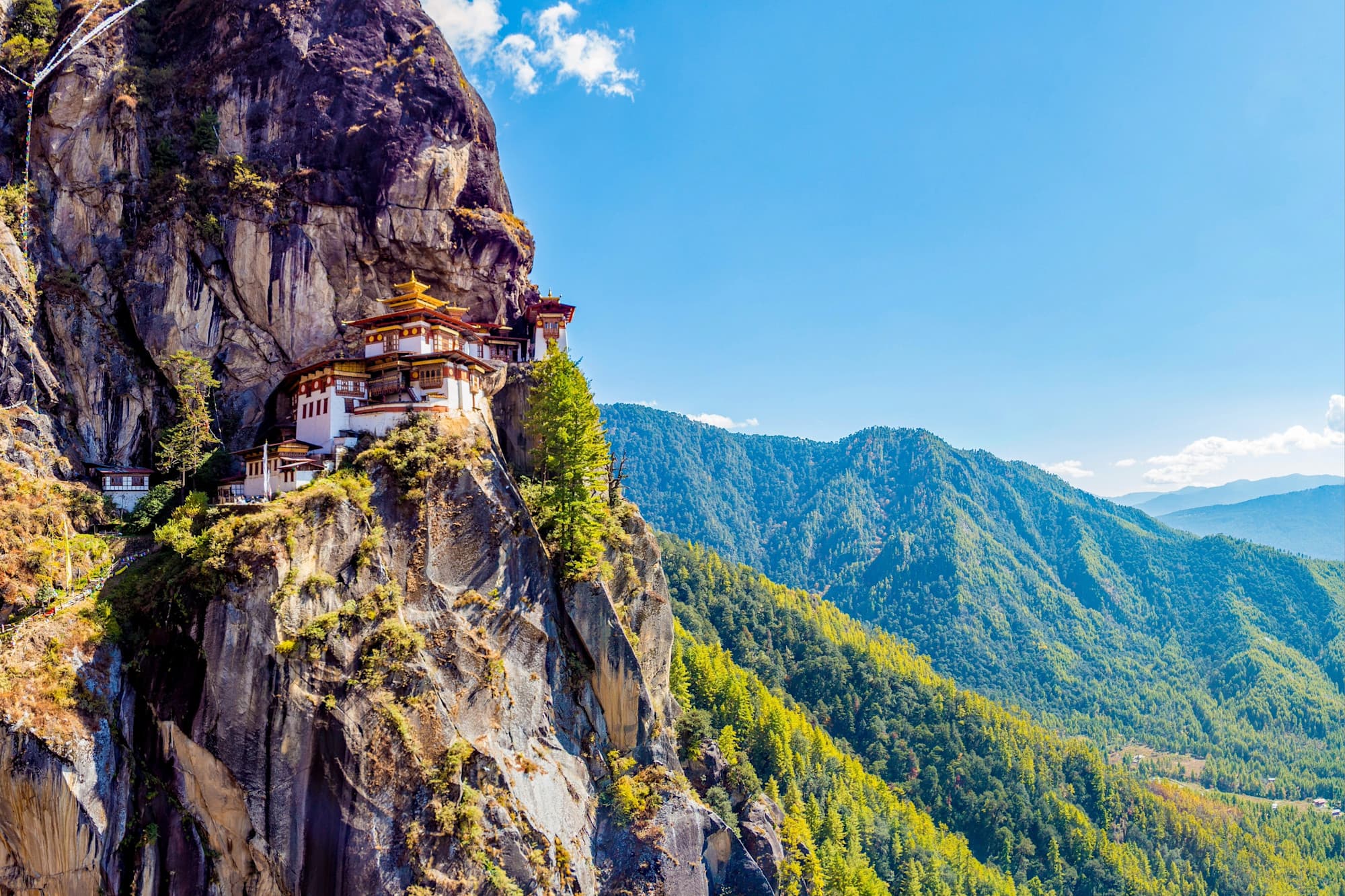
Trek the Druk Path and Trans Bhutan Trail
9 nights from£3,316
120km Desert Trekking Expedition in Jordan
9 nights from£1,720