
5.0
Hike and Explore the Silk Road in Uzbekistan
- Uzbekistan
- 9 nights
An immersive trail between the remote communities of the Nuratau Mountains, with time to explore the legendary cities of Bukhara & Samarkand
What's Included?
- Activities & Certified GuidesAll itinerary activities with local, expert, English-speaking guides
- Hotels, homestays and yurts4 nights in charming and comfortable hotels, 3 nights in traditional village homestays and 2 nights in a comfortable yurt camp
- MealsAll breakfasts, 6 lunches and 7 dinners
- TransfersAirport transfers, your train ticket and everything in between
- Permits & Entry FeesAll your permits and entry fees
- Maximum group size: 14Join small n’ sociable groups of like-minded, active and outdoorsy people – designed to be solo-friendly
Last few spotsFrom…excluding flights
Highlights
Hike from village to village through the remote Nuratau Mountains, following ancient trails across valleys, orchards and rocky hillsides, and bed down in traditional yurts
Experience daily life in cosy village homes, gaining a genuine insight into rural Uzbek culture, then explore grand madrassas in the Silk Road cities of Samarkand and Bukhara
Journey across the Kyzyl-Kum steppe to the tranquil shores of Lake Aydarkul stopping for a cool dip in its vast waters
Looking to stay somewhere a little more luxe? Check out our Premium adventure in Uzbekistan (opens in new tab)
Itinerary
Day 1
Welcome to Uzbekistan
Boutique HotelTwin shareBreakfast and dinner includedShow Day 1 detailHide detail
Your adventure begins in Tashkent, the vibrant capital of Uzbekistan. Whether you arrive in the early hours or the day before, we’ve got you covered - an extra night and early check-in are already included in the trip cost to ensure a smooth, restful start to your journey. After settling in, join your guide for an optional tour of the city. Highlights include the Khast Imam Complex - home to the world’s oldest Quran, the bustling Chorsu Bazaar, Tashkent Metro, with its ornately decorated stations, and a walk through Independence Square. You’ll also have time for a visit to the Museum of the History of Uzbekistan, offering a great introduction to the country’s rich past. If you’re arriving later in the day, no problem, you can skip the daytime tour and simply meet your group in the evening for a welcome dinner, where your guide will brief you on the journey ahead.
Day 2
Explore Bukhara’s old town
Train Ride4hrsBoutique HotelTwin shareBreakfast includedShow Day 2 detailHide detail
This morning, board a high-speed or express train (subject to availability) bound for Bukhara, one of Uzbekistan’s most atmospheric Silk Road cities. Arriving around midday, enjoy lunch before heading out on a guided walking tour through Bukhara’s historic old town, a UNESCO-listed maze of mosques, madrassahs and merchant courtyards. You’ll explore the Trading Domes, the peaceful Lyabi Hauz Ensemble and the ancient Maghoki Attori Mosque. Then carry on to visit the Kalon Minaret and Mosque, marvel at the intricate tilework of the Ulugbek and Abdul Aziz Khan Madrassahs, and step into history at the Samani Mausoleum and the Royal Ark Fortress. As the sun sets, take a relaxed evening walk through Bukhara’s quiet backstreets, where centuries of history echo through the walls.
Day 3
Desert landscapes to mountain hospitality
Driving4hrsWild Swimming1hrHiking1hrHomestayTwin shareAll meals includedShow Day 3 detailHide detail
Grab breakfast and set off on a scenic overland journey from Bukhara to Sentob village, passing through a striking mix of desert and mountain landscapes. Along the way, you’ll break the drive with cultural and nature-based stops. Your first stop is the historic town of Nurata, on the edge of the Nuratau Mountains, to visit sacred pilgrimage sites, including a natural spring said to have healing powers, and explore the ruins of the Nur Fortress, thought to have been founded by Alexander the Great. Continue to Lake Aydarkul, a desert oasis surrounded by the vast Kyzyl-Kum steppe, where you can stroll along the shoreline and, if the weather permits, take a refreshing swim. By late afternoon, you’ll reach the mountain village of Sentob, where you’ll be welcomed into a local homestay hosted by a music teacher at the village school. This is no ordinary stay. The homestay is part of a community-based tourism initiative, so your visit directly supports local families and sustainable rural development. Settle into your new surroundings and enjoy a traditional home-cooked dinner, served with warm hospitality and mountain views.
Day 4
Hike the hidden trails of Kadvan Valley
Hiking4.5hrs · 13km · 377m up · 401m downHomestayTwin shareAll meals includedShow Day 4 detailHide detail
Today, set out on a guided hike through the lush, little-visited Kadvan Valley, a stunning slice of the Nuratau Mountains known for its natural beauty and layered history. Following a clear mountain stream, the trail passes an old watermill, the ruins of an ancient fortress, and Arabic rock inscriptions carved into the valley walls. Along the way, you’ll encounter small waterfalls, natural pools perfect for a dip, and stretches of verdant vegetation that attract a wide variety of birds and wildlife. You’ll also walk through abandoned villages, poignant reminders of Soviet-era resettlement policies that forced residents to leave their mountain homes for cotton fields elsewhere in the region. If your group is up for it, your guide can extend the hike by 5km (about two hours) to a scenic mountain pass with panoramic views across the Sentob Valley and Lake Aydarkul. In the afternoon, return to the village the same way and join your host family for a plov-making experience, learning to prepare Uzbekistan’s national dish from scratch. The evening rounds off with traditional music and songs performed by your hosts - a heartfelt and memorable window into local culture.
Day 5
Hike from Sentob to Majeru and a homestay in Hayat
Hiking5.5hrs · 16km · 497m up · 519m downDriving30minsHomestayTwin shareAll meals includedShow Day 5 detailHide detail
After breakfast at your homestay in Sentob, set off on today’s village-to-village hike towards Majerum, a peaceful settlement on the edge of the Nuratau Nature Reserve. The trail winds through scenic foothills dotted with orchards and grazing land, offering a glimpse into the quiet rhythm of rural life along the way. On arrival in Majerum, you’ll be welcomed into the home of a local farmer whose family tends a lush garden of apricot, mulberry and walnut trees. Over a freshly prepared home-cooked lunch, you’ll sample seasonal produce from the farm, including organic dried fruits, hand-picked and sun-dried right on the property. After lunch, take a short walk into the Nuratau Nature Reserve to see the legendary arbor vitae tree, said to have been planted by soldiers of Alexander the Great during his campaign through Central Asia, a rare and symbolic piece of living history. From Majerum, you’ll transfer 30 minutes by car to Hayat village, where you’ll settle into another family-run homestay. In the afternoon, visit a nearby breeding enclosure for Severtsov’s wild sheep, a highly endangered species protected in the region. If you’re up for more adventure, you can also opt for a guided horse-riding excursion, available locally for USD 35 per person.
Day 6
Hike to Uhum village and kickback at Sayyod Yurt Camp
Hiking6hrs · 17km · 770m up · 870m downDriving1hrYurtMulti shareAll meals includedShow Day 6 detailHide detail
Enjoy breakfast, then meet your guide and set off on today’s hike through the Uhum Valley, a scenic route that blends natural beauty with rich cultural immersion. As you ascend, you’ll pass local women baking bread in traditional tandir ovens, weaving carpets and crafting kurpacha mattresses - skills passed down through generations. Villagers are often happy to welcome you into their courtyards, offering a rare glimpse into everyday life. In Upper Uhum, you’ll see centuries-old irrigation channels still used by local farmers and visit a petroglyph site where ancient rock carvings mark the remains of long-forgotten settlements. You’ll also climb to a hilltop where the fortress of Uhum once stood, a reminder of the valley’s strategic and historic importance. The hike ends with a visit to the community-operated water mill, still in working order today. From Uhum, transfer for around an hour to Sayyod Yurt Camp, arriving in the late afternoon. Nestled in the foothills, the camp offers a comfortable and atmospheric stay in traditional yurts. After settling in, eat a freshly cooked regional dinner and unwind by the fire beneath the open sky.
Day 7
Plateau hike and rural encounters in Sayyod
Hiking7hrs · 15km · 996m up · 998m downYurtMulti shareAll meals includedShow Day 7 detailHide detail
After breakfast at the yurt camp, set off on a hike to a scenic mountain plateau in the rugged Nuratau foothills. The trail winds through valleys and along rocky ridgelines, with sweeping views over the Kyzyl-Kum steppe, Lake Aydarkul and a patchwork of surrounding villages. Enjoy a picnic lunch in the highlands, soaking in the stillness and panoramic vistas before descending through green terrain towards the lowlands. Later, visit Sayyod village, where daily life unfolds through traditional farming, livestock herding and hands-on agricultural practices. Take time to engage with the locals, observe seasonal tasks, and experience the warm, down-to-earth hospitality that defines this remote mountain region. Return to the camp in the evening for a relaxed dinner and another peaceful night in your yurt beneath the stars.
Day 8
Final village hike to Yotok and back to Samarkand
Hiking4.5hrs · 11km · 705m up · 722m downDriving3hrsHotelTwin shareBreakfast and lunch includedShow Day 8 detailHide detail
This morning, set off on your final hike through the Nuratau Mountains, making your way towards the village of Yotok. The trail offers beautiful views of the surrounding valleys and foothills, where you can glimpse village life. As you approach Yotok, the landscape opens out, with orchards, grazing animals and the peaceful rhythm of rural life framing your final steps. On arrival, you’ll be welcomed by a local family for a home-cooked lunch - a fitting farewell to your time in the mountains. After lunch, transfer by private vehicle to Samarkand, a city steeped in Silk Road grandeur and one of Central Asia’s most celebrated cultural hubs. Settle in for the three-hour drive, watching as rugged hills become broad plains and finally, the historic heart of the city. You’re free to explore Samarkand at your own pace, so once you’ve checked in to your hotel, you can perhaps take a stroll through Registan Square, or unwind at an old town teahouse.
Day 9
Explore Samarkand
HotelTwin shareBreakfast and dinner includedShow Day 9 detailHide detail
Today is dedicated to exploring Samarkand with your guide, a city that has dazzled travellers for centuries and remains one of the most iconic stops along the ancient Silk Road. Begin at Registan Square, the heart of the city, framed by three grand madrassahs - Ulugbek, Sher-Dor and Tilla-Kari, a masterpiece of Islamic architecture with intricate mosaic tiles, domes and geometric designs. Continue to the Gur-e-Amir Mausoleum, the final resting place of Amir Timur (Tamerlane), whose empire once stretched from India to the Mediterranean. Its richly decorated chamber, lit by shafts of natural light, is among the most atmospheric sites in the city. After lunch, visit the Bibi-Khanum Mosque, once among the largest in the Islamic world. Though partially ruined, its arches and tiled façades remain impressive. Next, wander through the Siyob Bazaar, where the scents of spices, dried fruits and fresh bread fill the air, before heading to the Shah-i Zinda necropolis, a hillside avenue of mausoleums adorned with turquoise tilework and deep spiritual significance. If time allows, visit the Ulugbek Observatory, an important medieval astronomical site built by Timur’s grandson. In the evening, gather for a farewell dinner at a local restaurant, reflecting on your journey from the mountains and villages of the Nuratau to the legendary cities of the Silk Road.
Day 10
Farewell, Uzbekistan
Breakfast includedShow Day 10 detailHide detail
After an unforgettable journey through mountain villages, Silk Road cities and desert landscapes, it’s time to say goodbye to Uzbekistan. Check-out from your hotel is at 12:00pm, and your transfer to Samarkand International Airport will be arranged according to your individual flight time. If you’ve opted to depart from Tashkent instead, your host can assist with arranging a train ticket back to the capital. We recommend booking an evening flight onwards to allow for a smooth same-day connection.
Practical Stuff
Getting There
- Fly into
- Tashkent International Airport (TAS)
- Fly out of
- Samarkand Airport (SKD)
- Pick up
- Tashkent International Airport
Arrive any time on Day 1 (recommended by 16:00) - Drop off
- Samarkand International Airport
Depart any time on Day 10
This Trip is Graded Level 3
- Level 3
Moderate
For active people who want to explore more wild and adventurous places
Remote environment: factors to consider - How much activity is involved?
Multiple days of steady activity, four to five hours long
This trip is ideal for active travellers who enjoy full days of hiking, cultural discovery and staying in authentic local accommodation. It combines village-to-village hiking ...
- Right level, wrong trip?
Browse all our Moderate trips
Your next adventure is out there

 Not sure which level is right?
There's a level for everyone – find your match
What is and isn't Included?
What's included
- Guided orientation tour of Tashkent, including the Khast Imam Complex, Chorsu Bazaar, Independence Square and the Tashkent Metro
- Guided half-day tour of Bukhara’s old town, including Lyabi Hauz, Trading Domes, Kalon Minaret and the Royal Ark Fortress
- Visit to Nurata, including the holy spring and Nur Fortress
- Scenic stop at Lake Aydarkul, with time to relax or swim along the shore
- Guided hike through Kadvan Valley, past waterfalls, Arabic inscriptions and abandoned Soviet-era villages
- Village-to-village hike from Sentob to Majerum, with lunch at a local farm and visit to a legendary tree in the Nuratau Nature Reserve
- Guided visit to the Severtsov’s wild sheep conservation enclosure and traditional farm activities in Hayat
- Guided hike to Uhum village
- Guided hike to a scenic mountain plateau near Sayyod, with sweeping views of the Kyzyl-Kum steppe and visit to Sayyod village
- Guided village hike to Yotok, with lunch at a local farm before transfer to Samarkand
- Guided full-day tour of Samarkand, including Registan Square, Shah-i Zinda, Gur-e-Amir Mausoleum, Bibi-Khanum Mosque and Siyob Bazaar
- Local, expert, English-speaking guides
- 4 nights in handpicked hotels in Tashkent, Bukhara and Samarkand - chosen for their comfort, character, and central locations near cultural landmarks
- 3 nights in traditional village homestays in Sentob, Hayat and Uhum – offering an authentic glimpse into rural life, with warm hospitality, home-cooked meals, and shared facilities
- 2 nights in a scenic yurt camp in Sayyod – a peaceful and atmospheric base in the Nuratau foothills, with cosy shared yurts, regional cuisine and evenings by the fireplace
- All (9) breakfasts – provided each morning from Day 2 to Day 10 at hotels, homestays, and the yurt camp
- 6 lunches, including home-cooked meals with local families in Majerum, Uhum, and Yotok villages
- 7 dinners, from traditional Uzbek feasts in homestays to a farewell dinner in Samarkand
- Plov cooking experience and musical evening with your hosts in Sentob village
- Arrival transfer from Tashkent Airport any time on Day 1
- Departure transfer to Samarkand Airport any time on Day 10
- All transfers during the trip including a train journey between Tashkent and Bukhara
All entrance tickets as per the itinerary
What's not included
Our trips do not include flights, trains or other travel to the start point and back from the end point.
2 dinners and 2 lunches are not included in the cost of this trip. This gives you the flexibility to choose your own dining spots in Bukhara and Samarkand, where there’s a great mix of traditional eateries and modern Uzbek cuisine. We recommend budgeting around USD 50–70 in total to cover these meals (excluding drinks). USD figures are given as a guide to aide with budgeting for your trip, it is often best value to wait to exchange your home currency to Uzbek Som upon arrival.
Tips are not included in the trip cost. These are entirely at your discretion but there is an expectation to tip for good service. Your guide can help with advice; however, we suggest the below as a guideline:
- Main Guide: $5 per person, per day
- Driver: $3 per person, per day
- Local village hosts (optional): $2–3 per household per person if you wish to show appreciation
Of course, you are free to tip more or less and the amount should be reflective of your perception of service and quality – a tip is not compulsory and should only be given when you receive excellent service. USD figures are given as a guide to aide with budgeting for your trip, it is often best value to wait to exchange your home currency to Uzbek Som upon arrival.
Travel insurance is compulsory for all of our adventures, and you'll need to provide your policy details before departure. Your insurance should offer adequate cover for overseas medical treatment, evacuation/repatriation, your baggage and equipment, and the specific activities involved in your adventure. We also recommend ensuring your policy includes cancellation and curtailment cover, in case you're unable to join your trip due to unforeseen circumstances such as illness.
Standard travel insurance may not cover all the activities included in your adventure, so it's essential to check the details carefully. There are adventure-specific providers that many travellers have used in the past, such as True Traveller (opens in new tab) (for those based in the UK or Europe), or Rise + Shield (opens in new tab), both of which offer cover for a wide range of adventurous activities.
Please make sure your chosen policy meets your individual needs and covers all aspects of your trip.
Visa requirements often change, and you are responsible for obtaining any required visas for this trip. Please check with your nearest embassy or consulate for up-to-date advice.
You know your own spending habits best, so please budget an appropriate amount for things like optional meals and drinks, shopping, optional activities, and laundry.
Where You'll Stay
Looking for a private room? See Optional Extras for details and pricing.
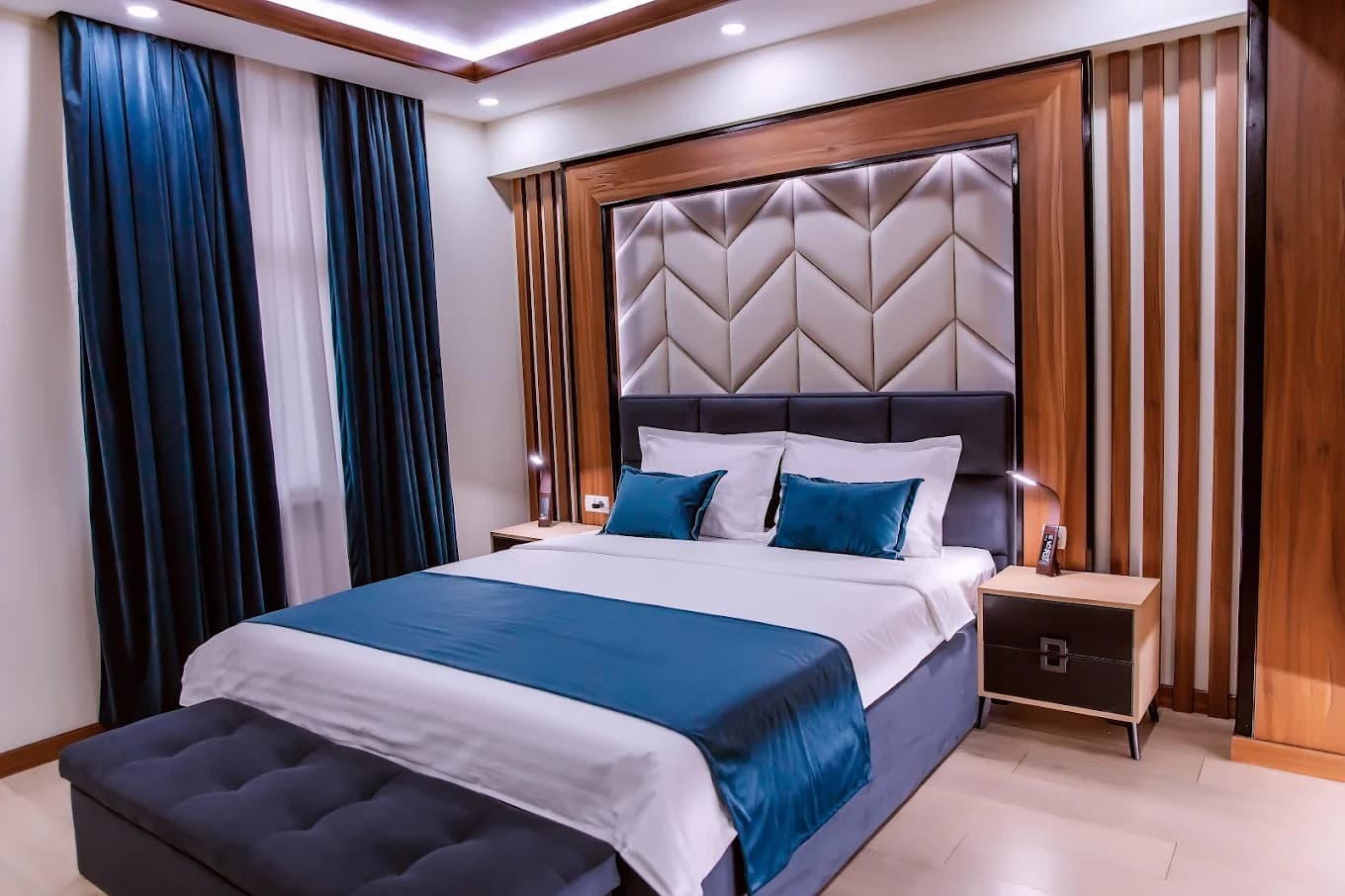
Tashkent
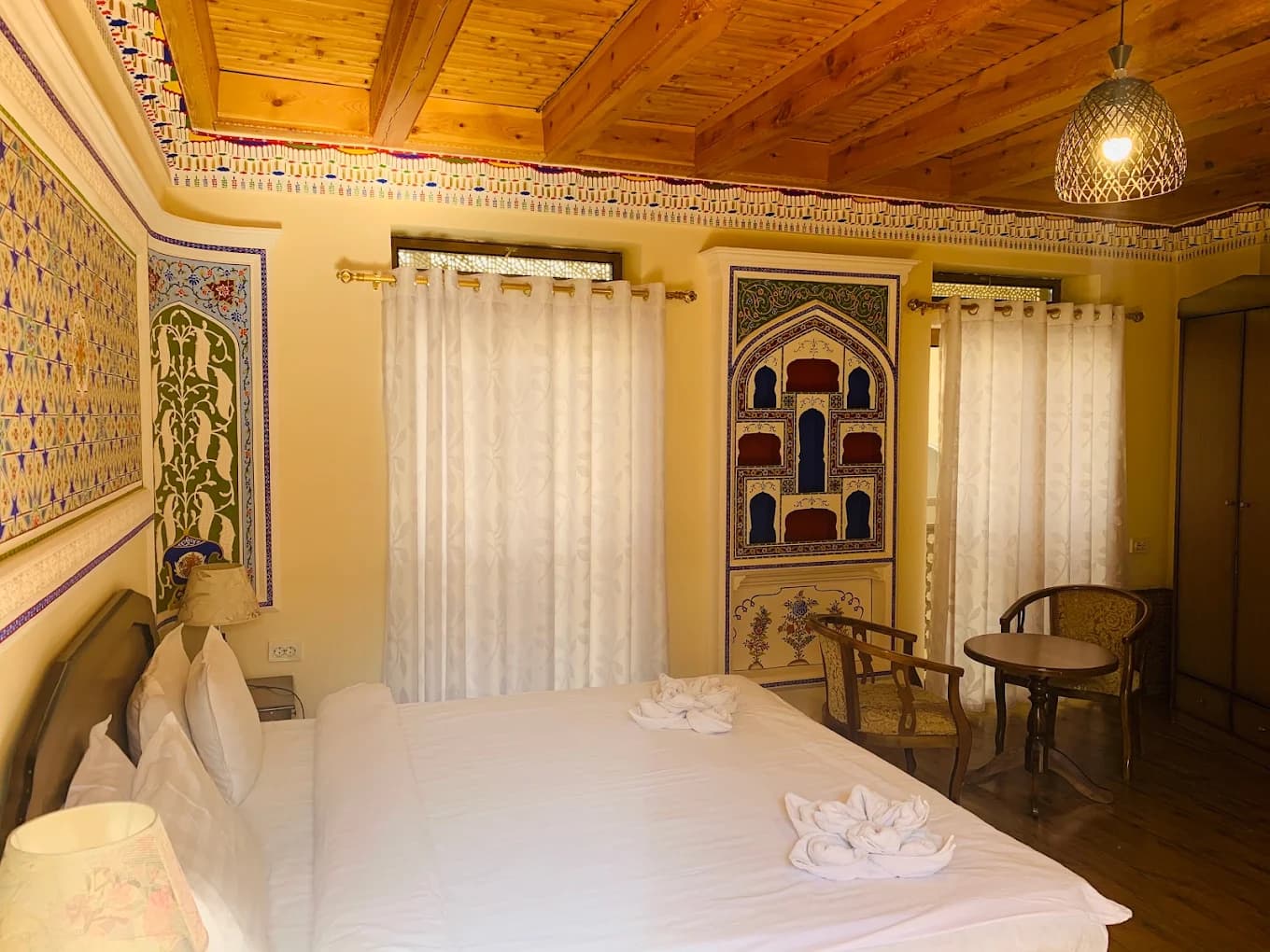
Bukhara
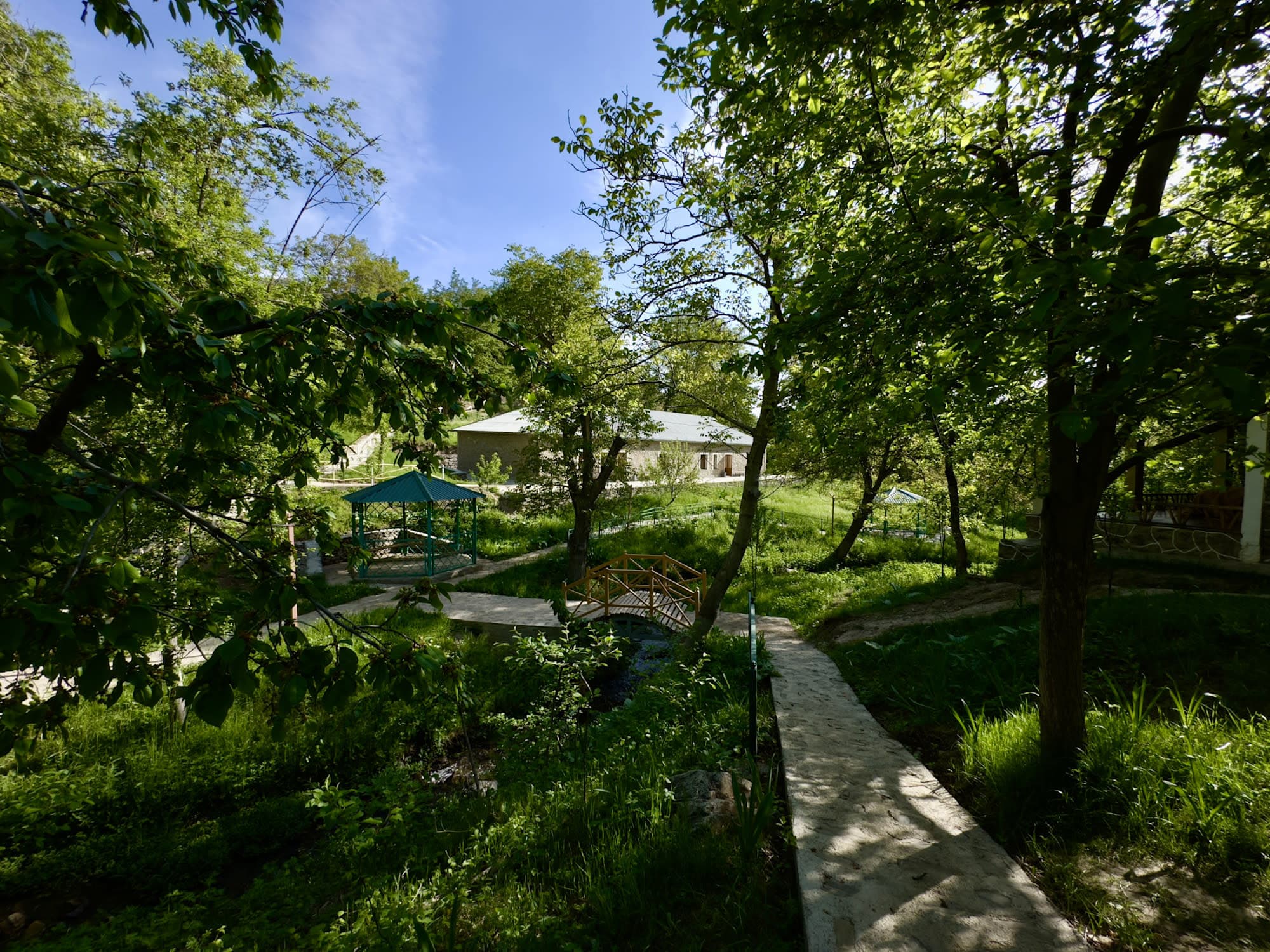
Sentob and Hayat Village Homestays
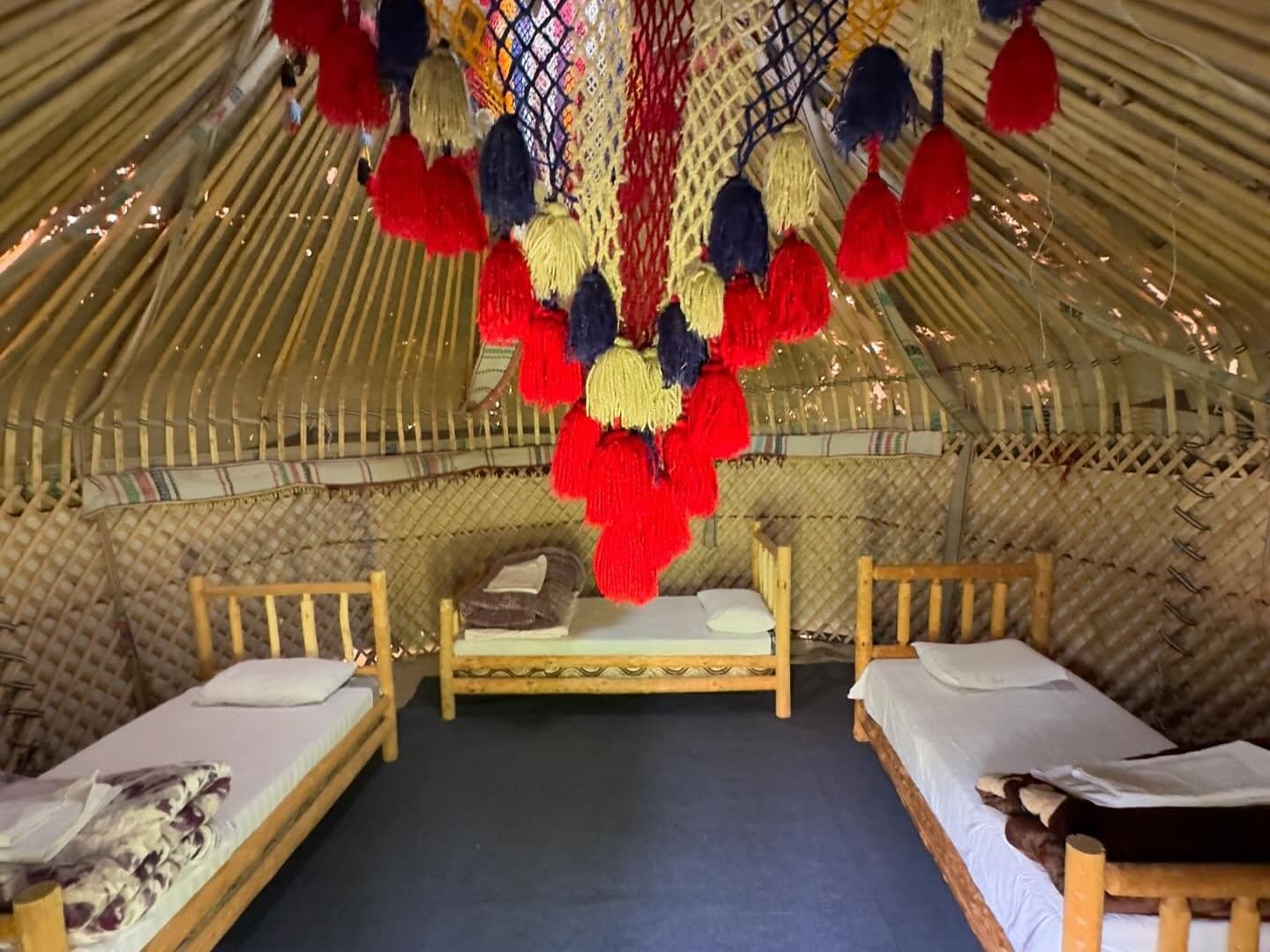
Sayyod Yurt Camp
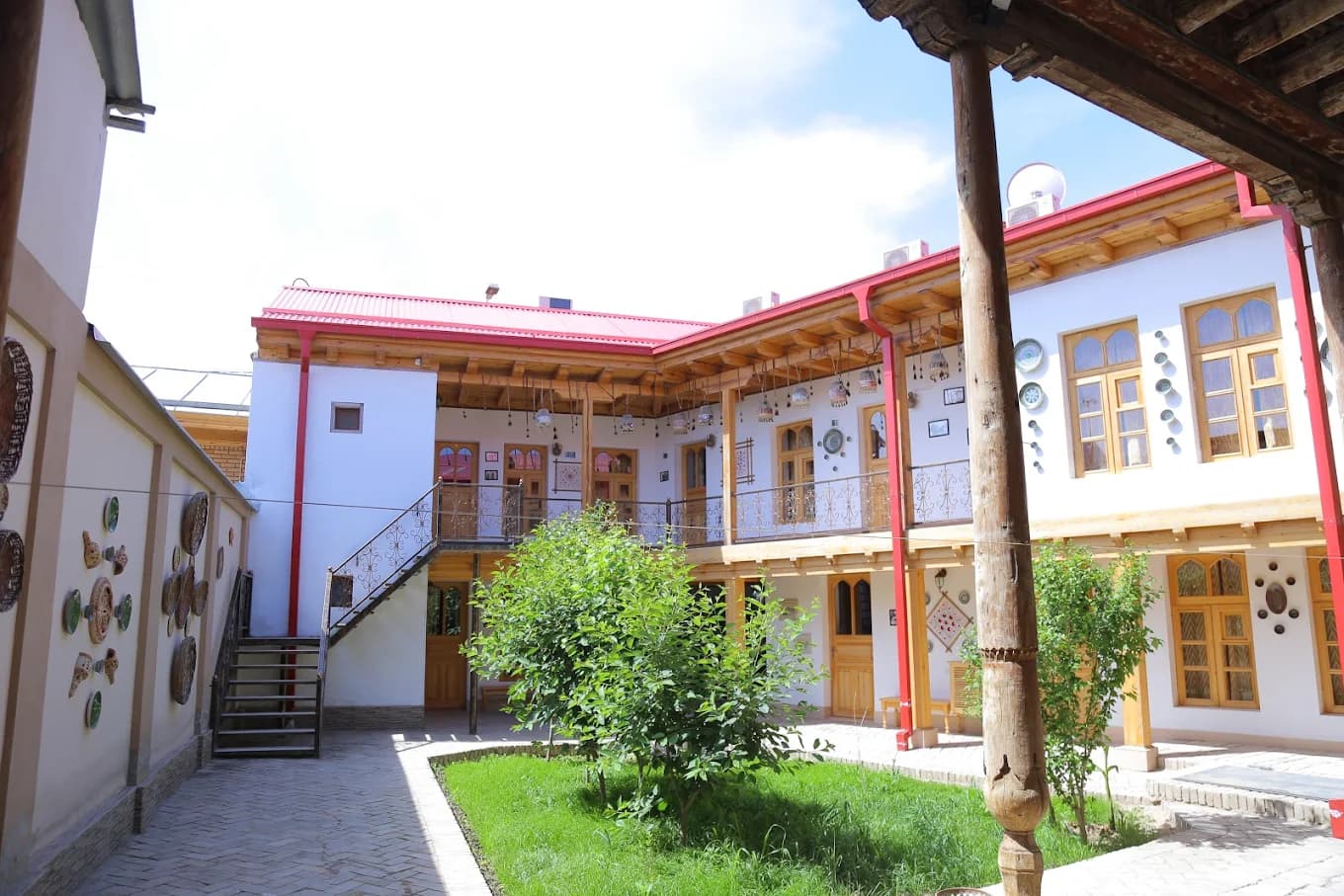
Samarkand
What You'll Eat
Uzbek cuisine is a flavourful blend of Silk Road influences, nomadic heritage and regional traditions, known for its generous use of herbs, grains and spices. Meals are often hearty, communal affairs centred around rice, meat (especially lamb and bee…
Optional Extras
Pre/Post Trip Accommodation
- Additional night in Samarkand Double/Twin Room
- …/per night
- Additional night in Samarkand Single Room
- …/per night
- Additional Night in Tashkent Single Room
- …/per night
- Additional Night in Tashkent Twin/Double Room
- …/per night
Upgrades
- Optional Private Room Upgrade (7 nights)
- …
For solo travellers looking for their own space, an optional private room can be booked for 7 nights only at the hotels and homestays, for an extra charge. This is not available during the nights spent in the yurts in the Nuratau Mountains. Please request this at the time of booking, as this is subject to availability.
Transfers
- Private Transfer Samarkand Hotel - Samarkand Airport (1 pax)
- …/per person
- Private Transfer Tashkent Airport - Hotel (1 pax)
- …/per person
To request any extras, message your host via your Much Better Adventures account once you have booked your trip.
All extras must be paid before your trip starts.
Ratings & Reviews
5.034 reviews
- 4 stars (0)
- 3 stars (0)
- 2 stars (0)
- 1 star (0)
Category rating
- Food
- 5.0
- Guides & crew
- 5.0
- Accommodation
- 4.0
- Itinerary
- 5.0
Latest Reviews
Customer Photos
Before You Travel
What to Pack
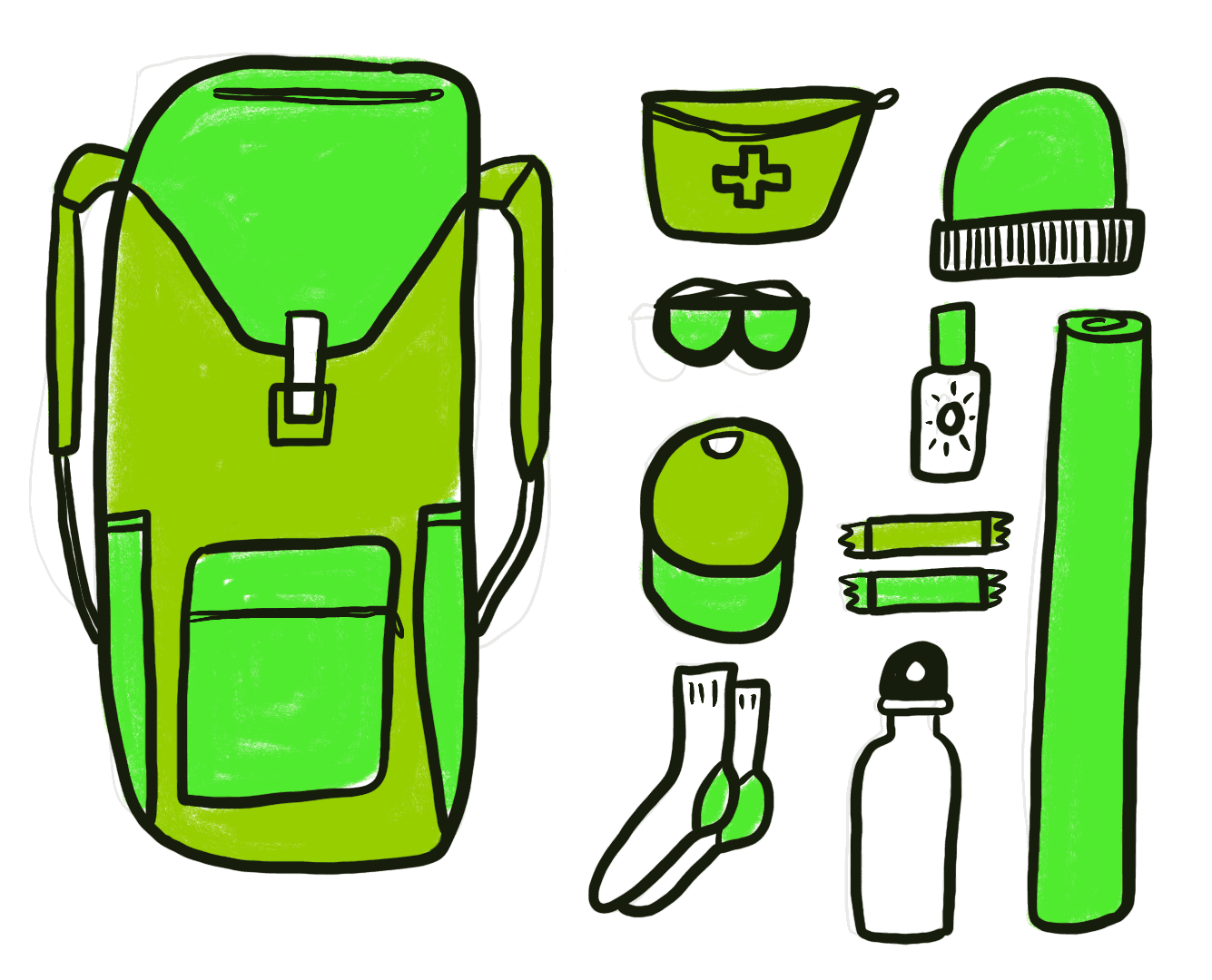
Know before you go! Some stuff we'll provide, other things you'll need to bring.
FAQs
Why visit the Nuratau Mountains?
The Nuratau Mountains offer a rare chance to experience a side of Uzbekistan that few travellers reach, one shaped more by nature and village life than Silk Road grandeur. Tucked between the Kyzylkum Desert and the lush Zeravshan Valley in central Uzbekistan, the Nuratau range stretches across a remote and beautiful part of the country that feels far removed from the busier cities of Samarkand or Bukhara. The region is home to dramatic ridgelines, walnut groves, and ancient rural communities where hospitality is heartfelt and tourism directly supports conservation and cultural preservation. Travellers come here for the peace, the walking trails, the wildlife, and the chance to stay in traditional guesthouses run by local families, but they often leave with memories of slower rhythms, meaningful conversations, and star-filled skies. For those seeking quiet beauty and connection beyond the main tourist route, the Nuratau Mountains are well worth the detour.
How does this trip have a positive impact?
Your local host is a pioneer of community-based tourism in Uzbekistan. Since 2007, they’ve empowered local families to open their homes to travellers, creating a genuine cultural exchange that sustains rural communities. This network of homestays and locally guided hikes means your trip directly benefits the people who live here while preserving age-old traditions. Villagers earn a fair income by hosting guests, guiding hikes, cooking local dishes, and offering traditional skills like weaving and gardening. Organic farming practices are widespread, and the region holds international certification for sustainable food production.
What can I expect from the homestays?
Homestays in the Nuratau Mountains offer a genuine glimpse into rural Uzbek life. You’ll stay in simple, clean, and welcoming family homes, often made from local stone and shaded by fruit trees. Expect twin-share rooms, shared bathrooms, traditional bedding, and delicious home-cooked meals using garden-fresh ingredients. While facilities are modest, the experience is warm, personal, and rooted in cultural exchange. You’ll often dine with your hosts, help prepare dishes like plov, or even join in music, farming, or bread baking. Your stay directly supports community-based tourism and helps sustain traditional ways of life.
What’s the dress code in Uzbekistan?
Despite being a Muslim-majority country, Uzbekistan is progressive and relatively relaxed. That said, it’s respectful to dress modestly, especially when visiting mosques. Women: Covered shoulders and knees are appreciated. Loose, breathable clothing is ideal for comfort and cultural sensitivity. Men: Shorts aren’t commonly worn in cities or villages, making lightweight trousers a good option.
Headscarves aren’t required, but bringing one for religious sites is a good idea. Footwear should be comfortable for sightseeing and easy to slip off when entering homes or certain buildings.
What are Uzbekistan’s cities like?
Uzbekistan’s cities are vibrant and full of contrast, each offering its own distinct charm. Tashkent, the capital, blends grand Soviet architecture with leafy boulevards, bustling bazaars and modern cafés.
Bukhara is a well-preserved Silk Road gem, with a maze of historic streets, ancient madrassahs and an atmospheric old town. Samarkand impresses with its monumental architecture, including Registan Square and the Shah-i-Zinda necropolis, a showcase of Islamic artistry.
Each city offers a rich mix of history, culture and everyday life, from traditional craft shops and teahouses to contemporary galleries and museums. While steeped in heritage, these cities are also welcoming, walkable and easy to explore, whether with a guide or independently.
How is luggage handled on this trip?
In the Nuratau Mountains, your main luggage is transported by vehicle or horses between village stays, so you’ll only need to carry a daypack with daily essentials (water, snacks, camera, sun protection). This ensures a comfortable hiking experience without the burden of a heavy load. There are no strict weight limits for the main luggage in the Nuratau region, but we recommend packing efficiently. Soft-sided bags are easier to load and store. For city stays (Tashkent, Bukhara, Samarkand), luggage will be handled by hotel staff or drivers.
Who at Much Better Adventures designed this trip?
Marta Marinelli, raised in Italy’s serene Prosecco Hills, dreamt of global adventures, inspired by her father's travel stories. Her passion evolved into a career, backed by a decade of studies including degrees in international tourism and destination management. She’s worked in the adventure travel sector since 2012, living in Italy, the UK, and now sunny Portugal.
Over twenty years, Marta has explored over 60 countries, visiting remote areas like Ghana, Rwanda, Sao Tome and Principe, Haiti and Nepal’s Upper Mustang region. As a Senior Adventure Expansion Manager at Much Better Adventures, she focuses on creating life-changing experiences, ranging from multi-activity adventures, and challenging treks to ultimate adventures in iconic places. She loves the challenge of finding the best local adventure hosts around the world, collaborating on adventures that offer genuine immersion, pushing beyond the beaten path and working on exclusive itineraries that challenge your comfort zone.
What makes her tick? Enabling people to live adventure-rich lives while positively impacting and empowering local communities around the world, generating sustainable opportunities for both the host, guides, community, and the environment.
Can I book on my own?
Sure can! Over 70% of our travellers travel solo, it’s a great way to meet like-minded people.
Who is running the trip?
Our team of Adventure Hunters co-create exclusive adventures which are run by highly vetted, specialist hosts. The trip is run by our trusted host partner in the destination. We only work with independent, local, in-destination experts who know the very best places to explore and how to stay safe. Read more information about the local teams we partner with. You’ll be introduced to the host straight after making a booking via the Much Better Adventures platform.
What is the official travel advice?
Much Better Adventures refer to the UK Government’s official travel advice when designing trips and monitoring trip operations. We recommend that all customers are familiar with the practical information provided on the Government’s FCDO website, where current travel advice can be found by searching for the applicable destination(s).
For customers joining this trip from other international destinations – please also read the official travel advice applicable to your country of residence/origin, as this may differ.
What vaccinations do I need?
We recommend checking out the country-specific information and also talking to a travel nurse.
How are the trips priced?
We automatically convert prices from the local currency that a host receives to your chosen currency. We update our exchange rates on a daily basis so this does mean that prices displayed on the site are subject to currency fluctuations, which is why you may see them change over time.
If you wish to change the currency you pay in, head to the bottom of the page.
Why are your adventures only for adults?
All of our group adventures are specially designed for adults to enjoy as we want these adventures to bring together outdoorsy people who are truly like-minded. You must be over 18 to join one of our trips.
Who else will be on my trip?
You're always in good company on one of our adventures.
Our trips are typically made up of a mixture of solo travellers and small groups of 2 or 3 friends, with most in their 30s-50s.
Our sociable adventures are solo-friendly by design and naturally attract outdoorsy people with a shared mindset; a love for adventure, a desire to push themselves and meet awesome, like-minded people along the way. Check out our Community Values – a shared code to make sure that everyone's experience is safe, inclusive and brilliantly unforgettable.
It’s this camaraderie that has so often turned a great adventure into a life-changing one.
Don't just take our word for it:
- 95% of people rate the group dynamics on our trips 5/5
- 90% of people recommend joining a trip to make new friends
- 75% of people have met people on our trips that they would now consider friends
See here for more info about the Much Better Adventures tribe.
What's the weather like?
This trip runs from March to May and September to October, when Uzbekistan enjoys generally mild, dry and pleasant weather, ideal for both hiking in the mountains and exploring historic cities along the Silk Road. In the Nuratau Mountains, daytime temperatures typically range from 15–28°C, with cooler mornings and evenings, especially in March and late October, when it can drop to 5–10°C at night. The climate is dry, with low humidity, and springtime brings lush greenery to the valleys. A warm layer and a light, windproof jacket are recommended for hiking and for evenings in yurts or homestays.
In the cities of Samarkand, Bukhara and Tashkent, daytime temperatures range between 18–30°C, depending on the month. April and May are especially comfortable for sightseeing, while September and October tend to be sunny and dry, with pleasant evenings ideal for strolling through markets and historic old towns.
Rain is infrequent but possible, particularly in March and early April, usually as short, light showers. Roads and trails dry quickly, but it’s wise to pack lightweight waterproof clothing just in case. Overall, the trip is timed to avoid the scorching summers and freezing winters, offering a comfortable climate for hiking and cultural immersion across all the regions visited.
What's the carbon footprint for this trip?
We partner with the World Land Trust to ensure this trip achieves Net-Zero emissions. We also support their Buy an Acre programme, helping local communities to buy and protect natural habitats in perpetuity.
What's the number?
It works out on average at 351kg of CO2 emissions per person, including all local transport, accommodation, food, activities, guides, staff and office operations.
The only thing it doesn’t include right now is flights and travel to the destination. We do make an overall estimate across all our customers separately, but as we don’t book flights, have customers from all corners of the world, and no way of reliably knowing their travel plans, we simply can’t include an individual number in the figure on display here. We’ve got a goal to fix that, so that when you book, there is a way to measure and mitigate the carbon emitted by your flight too.
But what does the number mean?
Yep, hard to picture eh? To give you an idea:
- Driving 1000 miles/1609km would be approximately 281kg of CO2 in an average car (or 140.5kg per person, if there were two of you in it).
- A return economy class flight between London and New York would be approximately 1619kg (1.66 tonnes) per person.
- 10 trees in a temperate forest are estimated to remove approximately 250kg of CO2 from the air in a period of 5-10 years.
What are we doing about it?
Our trips are relatively low-carbon by design, and we're working with all our hosts to develop long term carbon reduction plans. We partner with the World Land Trust to ensure this trip achieves Net-Zero emissions. We also support their Buy an Acre programme, helping local communities to buy and protect natural habitats in perpetuity, ensuring the protection of the reserve and its wildlife.
Want to know more?
Amazingly, no international travel company has ever publicly published their carbon measurements before, as far as we know. We believe that must change, quickly. So we’re openly sharing the method we used in the hope that other companies will be able to more easily follow suit and build on what we've done so far. You'll find it all here.
Want to Know More?
Ask our AI Assistant
Get instant answers about this adventure
Departure dates
Saturday 3rd April 2027
to Monday 12th April 2027
…Saturday 17th April 2027
to Monday 26th April 2027
…
Don't see a date you like?
Get an email alert when new dates are added.
We've Got Your Back
Book with confidence and peace of mind.

Got a Group of 6 or More?
Book the whole trip privately. We sort the details, you split the cost. Pure adventure, zero faff.
Unlock £100 off your next adventure
Still Undecided?
A few other trips to tickle your fancy
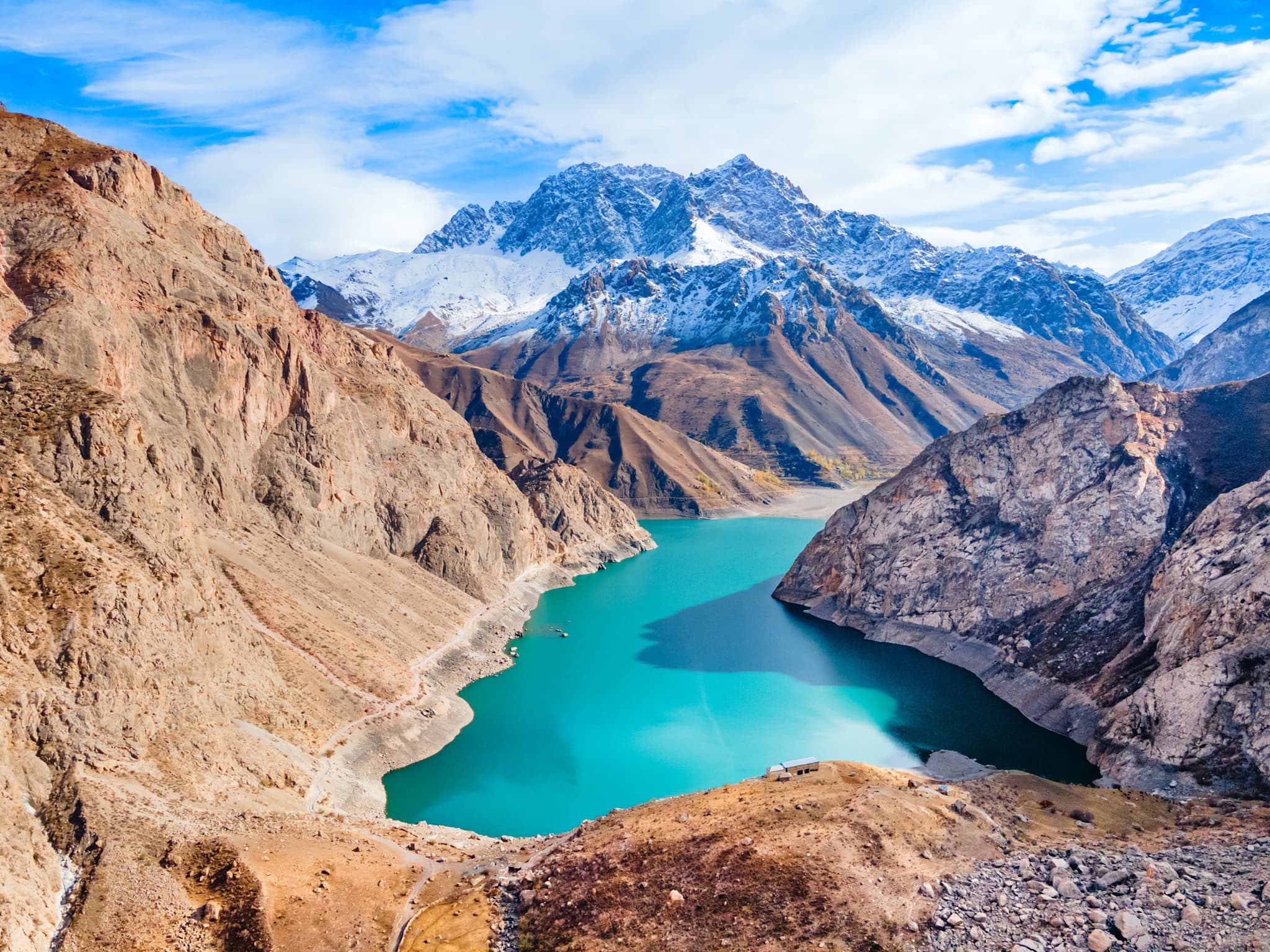
Trek the Fann Mountains in Tajikistan
11 nights…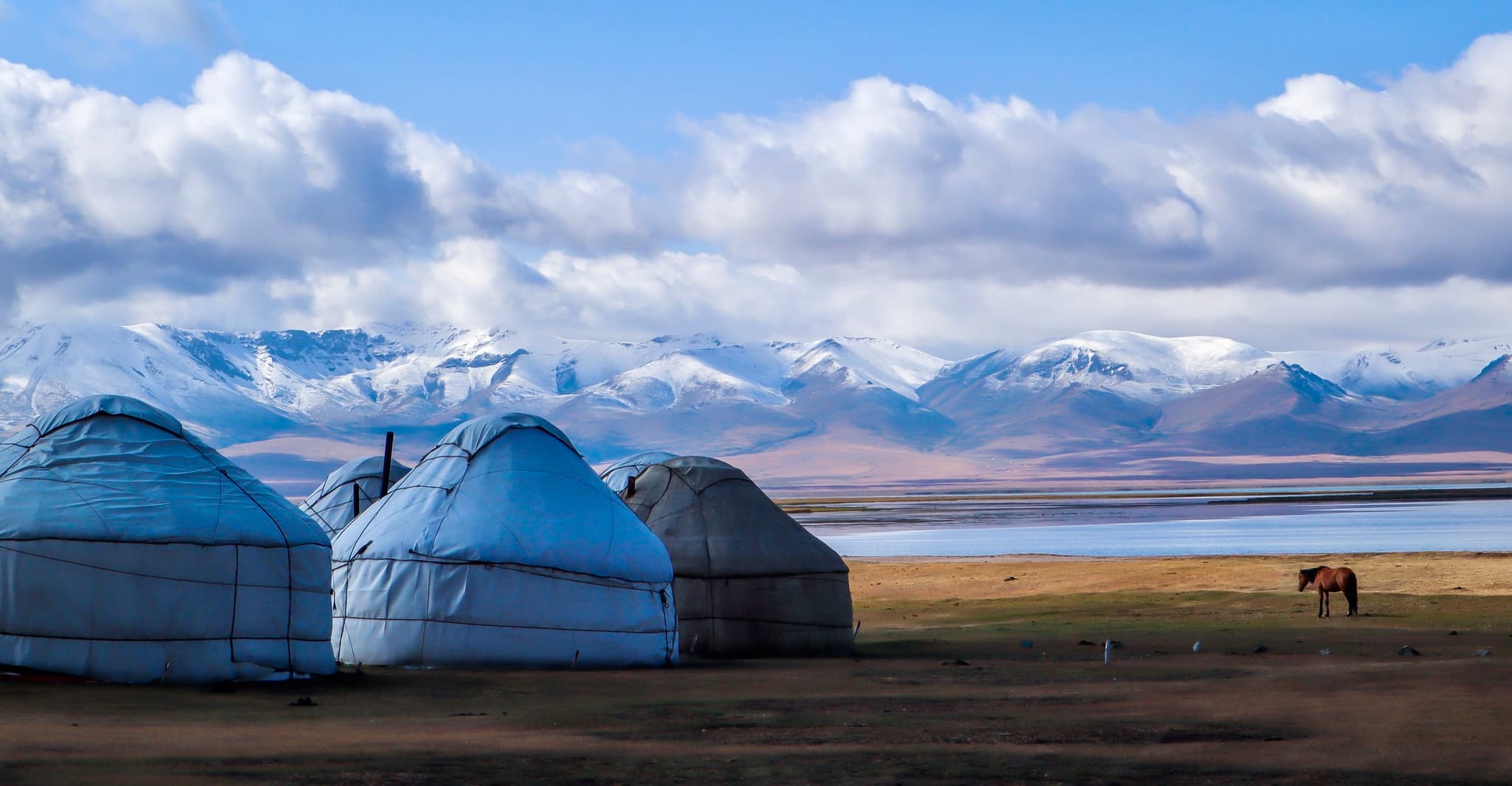
The Ultimate Adventure Through Kyrgyzstan
8 nights…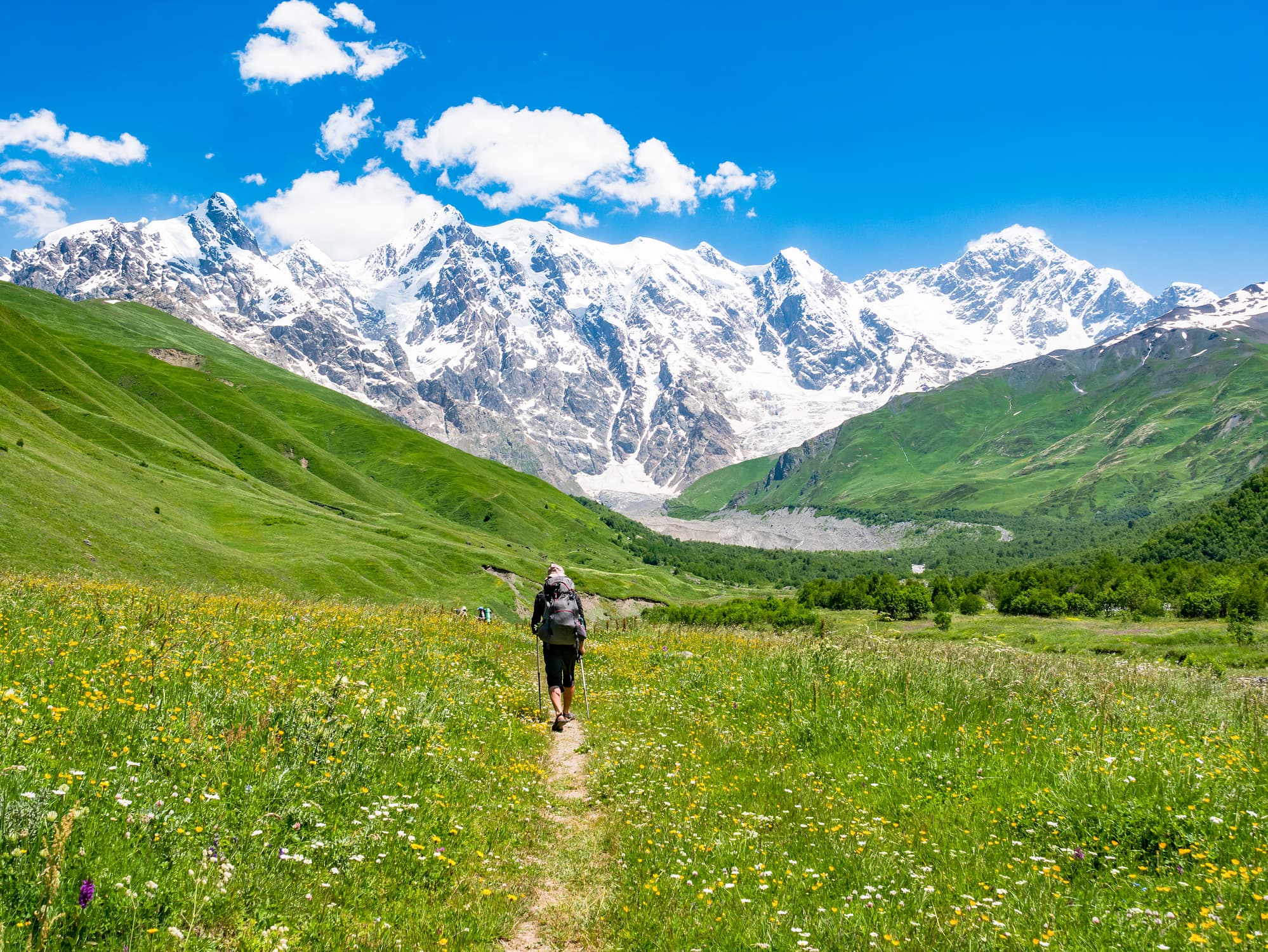
Trek the Caucasus Mountains in Georgia
8 nights…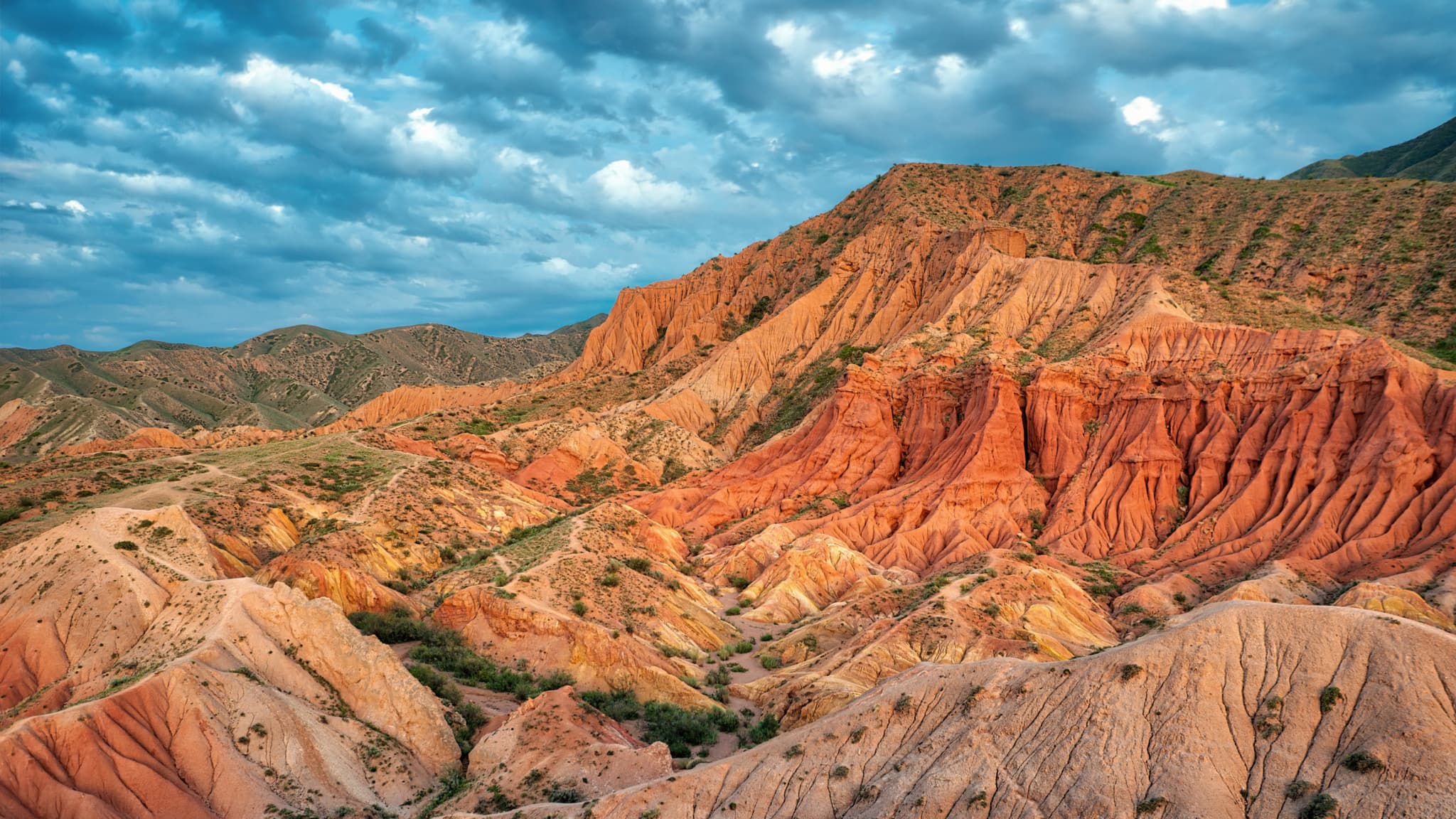
Trek the Tian Shan Mountains of Kyrgyzstan
9 nights…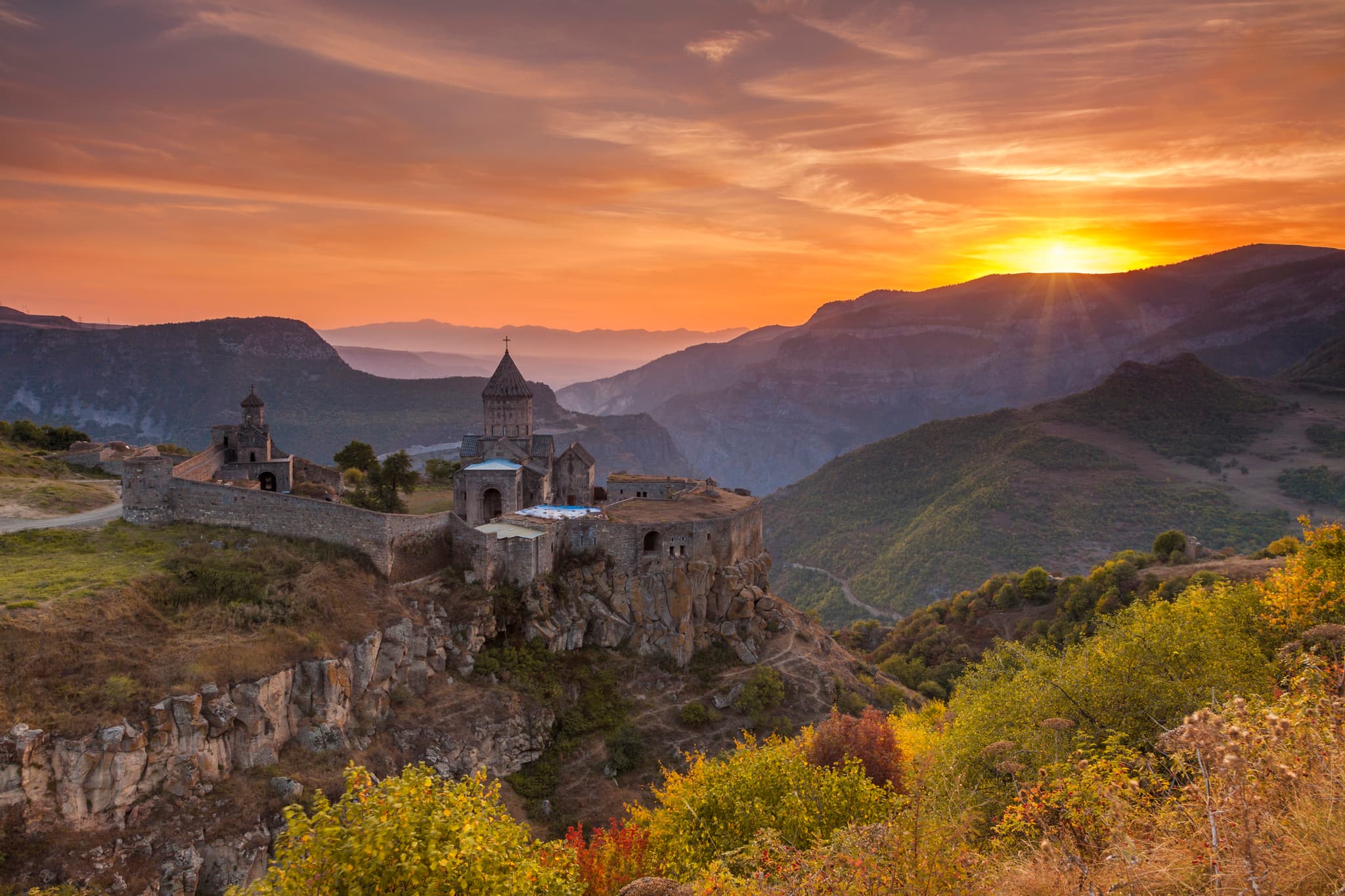
The Ultimate Adventure in Armenia
8 nights…
Ultimate Oman: Journey Through Arabia
7 nights…
Adventure Hiking in Jordan
5 nights…
Premium: The Ultimate Adventure in Georgia
7 nights…
Coast to Coast Traverse of Bali
10 nights…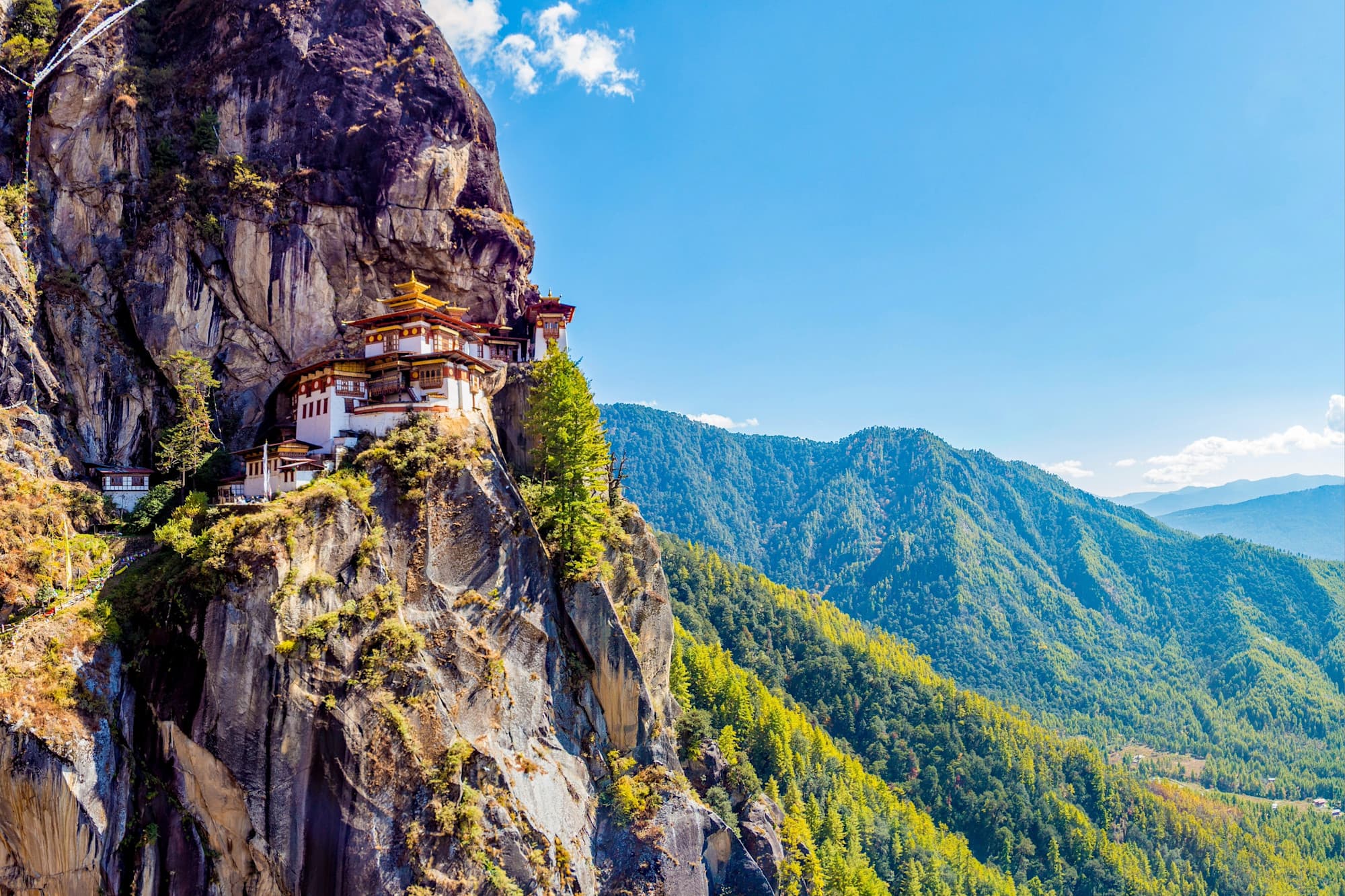
Trek the Druk Path and Trans Bhutan Trail
9 nights…