
Brand New!
Via Ferrata Adventure in the Italian Dolomites
- Italy
- 5 nights
Tackle four epic routes in the birthplace of modern via ferrata, progressing from historic WWI climbs to exposed vertical challenges
What's Included?
- Activities & certified guidesAll itinerary via ferratas with IFMGA-certified mountain guides
- Accommodation5 nights in a comfortable 3-star hotel in Moena
- MealsAll breakfasts, all lunches and 2 dinners
- TransfersAirport transfers, cable cars and everything in between
- EquipmentAll your via ferrata gear
- Maximum group size: 10Join small n’ sociable groups of like-minded, active and outdoorsy people – designed to be solo-friendly
FromPrice loadingexcluding flights
Highlights
Build your via ferrata skills with hands-on coaching from IFMGA-accredited mountain guides, as the challenge grows through the week
Explore four varied routes, from Bepi Zac’s First World War trenches to the Bombasel Lakes and Sassolungo’s towering walls
Climb to 2806m on Roda di Vael, with sweeping views across the iconic Catinaccio, Marmolada and the surrounding peaks of the Dolomites
Enjoy the comfort of a single base in Moena, with local restaurants to explore and the hotel’s spa facilities to soothe your muscles
Itinerary
Day 1
Into the Dolomites!
Driving3.5hrsHotelTwin shareDinner includedShow Day 1 detailHide detail
Touch down in Venice and meet your transfer at Marco Polo Airport (usually scheduled at around 14:00) for the scenic drive north into the Dolomites. If you are already in the mountains, you can request a pick-up in Belluno instead, a convenient meeting point along the route (just let your host know in advance). Around three hours later, you'll arrive in Moena, in Val di Fassa, a lively mountain village known as the 'Fairy of the Dolomites'. Framed by jagged peaks, its streets are lined with cafes, shops and traditional restaurants – a lovely place to settle into mountain life. Check in at Hotel El Laresh, your base for the next five nights, then meet your IFMGA mountain guide for a briefing on the four days of climbing ahead and a check of your equipment. Finally, get to know your fellow adventurers over a welcome dinner and raise a glass to the week ahead!
Day 2
Through WWI trenches on the Bepi Zac via ferrata
Via Ferrata6hrs · 9km · 650m up · 1000m downHotelTwin shareBreakfast and lunch includedShow Day 2 detailHide detail
A note on the itinerary: this day-to-day itinerary is a guide rather than a fixed plan. Conditions in the mountains can change quickly, so occasionally your guide may need to change or replace a route. The priority is always to make the most of the mountains while keeping everyone safe. Routes may also be adapted to suit the experience of the group.
After breakfast, a 20-minute drive takes you to Passo San Pellegrino, where the Costabella chairlift whisks you up to Rifugio Passo delle Selle. From here, it's around an hour on foot to the start of the Bepi Zac. Your first via ferrata follows the dramatic Costabella ridge, once part of the Austro-Italian front during the First World War. This is as much an open-air history museum as a mountain route, with old trenches, military lookout posts and rock-cut tunnels still visible along the ridge. Before setting off on the cables, your guide will introduce you to the equipment and show you how to clip in and move safely along the route. Then it's time to put those new skills into practice as you make your way across the ridge, negotiating rocky passages, exposed traverses and sections of old military infrastructure. You'll eventually reach the summit of Costabella at 2759m, with spectacular views across the Marmolada, Catinaccio and Sassolungo. Stop along the ridge for a packed lunch surrounded by high alpine scenery, before descending from Forcella Ciadin through mountain meadows back to Passo San Pellegrino. You'll be back in Moena in the afternoon, with a free evening to explore the village and enjoy dinner at one of its traditional restaurants.
Day 3
Step it up on the Cermis Skyline, a balcony over the Dolomites
Via Ferrata4-5hrs · 7km · 500m up · 500m downHotelTwin shareBreakfast and lunch includedShow Day 3 detailHide detail
Today you'll venture beyond the Dolomites into the neighbouring Lagorai range, a wild corner of the Italian Alps known for its dark volcanic rock, alpine meadows and turquoise lakes. A 30-minute drive south takes you to Alpe Cermis in Val di Fiemme, where lifts carry you up to Paion del Cermis. From here, you'll enjoy sweeping views back across the Dolomites, with the Latemar, Catinaccio and Pale di San Martino not too far on the horizon. A 45-minute hike past the beautiful Bombasel Lakes brings you to the start of the Cermis Skyline at Forcella del Macaco. It's shorter than yesterday but a step up technically, with a series of steeper rock sections and short vertical passages. Having learned the basics yesterday, you'll now put your new skills into practice, with your guide offering coaching on climbing technique, footwork and moving confidently on the cables. You'll also tackle the Vertigo variant to the summit of Castel di Bombasel at 2535m, then descend via the easier Highway line to complete the circuit. Back near the lifts, traditional mountain huts serve local specialities such as polenta, cheeses and homemade strudel – a tempting addition to your packed lunch. You'll be back in Moena this afternoon, with time to enjoy a visit to the spa (optional!) before a free evening.
Day 4
Climb to 2806m in the legendary Rosengarten
Via Ferrata5-6hrs · 7km · 680m up · 680m downHotelTwin shareBreakfast and lunch includedShow Day 4 detailHide detail
Today you head back into the heart of the Dolomites, exploring the Catinaccio (Rosengarten), a spectacular mountain group whose pale rock walls glow pink and orange at sunset. A 30-minute drive takes you to Passo Costalunga, where the Paolina chairlift gives you a head start, carrying you up to 2125m. From the top station, hike for around an hour and a half towards Passo del Vajolon, beneath towering limestone peaks. Then it's time to clip in for the climb to the summit of Roda di Vael at 2806m, the highest point of this adventure. The route offers spectacular views across the Latemar, Marmolada and surrounding Dolomite peaks. The ascent is relatively steady, but don't underestimate the descent: the day's most technical section is a short, steep gully of around 50m, where your guide can belay you on a rope if needed. Continue the loop to Rifugio Roda di Vael for a well-earned lunch, then return via Rifugio Pederiva. You'll be back in Moena, where you can celebrate your achievement with a well-deserved drink and big meal out.
Day 5
Save the best till last on the Furcela de Saslonch
Via Ferrata4hrs · 5km · 500m up · 500m downDriving2hrsHotelTwin shareAll meals includedShow Day 5 detailHide detail
Your final ferrata is a fitting finale, taking you high into the dramatic Sassolungo (Langkofel) massif, one of the Dolomites' most recognisable mountain groups. After breakfast, drive 50 minutes to Passo Sella, where towering limestone walls rise above the pass. From here, a 45-minute ascent brings you to the start of the Furcela de Saslonch, a modern via ferrata that winds its way through an impressive mix of rock ramps, slabs, short steep walls and airy ridges, with over 500m of fixed cable along the route. With three days of practice behind you, this is where everything comes together. The climbing is the most vertical of the week, with exposed passages that will put your newly acquired technique and confidence to the test. There's less hiking than on previous days, leaving more energy for the climbing itself. You'll reach the top near Rifugio Toni Demetz, perched dramatically in the narrow notch between the Sassolungo peaks at 2685m. Stop here for a well-earned rest with spectacular views across the Sella group and surrounding Dolomites. Then it's around an hour on foot back down to Passo Sella, with the lift available as an alternative (extra, not included) if your legs are tired. Depending on the group's energy and local conditions, your guide may decide to extend the ferrata with a hike near Sassolungo. Late afternoon, return to Moena and enjoy a farewell dinner to celebrate the week, your new skills and four days in some of the best mountains in the world, with new friends made along the way.
Day 6
Time to say arrivederci!
Driving3.5hrsBreakfast includedShow Day 6 detailHide detail
Enjoy a final breakfast with the peaks of Val di Fassa outside the window before the group transfer takes you back to Venice Marco Polo Airport, around three hours away. Drop-off is expected around midday, so book return flights departing from 14:30 onwards. If your flight leaves in the evening, it’s the perfect excuse for a quick visit to Venice, just a short bus or water-bus ride from the airport. Keen to stay on? There’s plenty more to hike and explore around Moena, and you can extend your stay at the hotel; message your host for details. Either way, that’s a wrap on your Dolomites via ferrata adventure.
Practical Stuff
Getting There
- Nearest airport
- Venice Marco Polo Airport (VCE)
- Pick up
- Venice Marco Polo Airport
14:00 on Day 1 - Drop off
- Venice Marco Polo Airport
12:00 on Day 6
This Trip is Graded Level 5
- Level 5
Challenging
Made for those who seek to push themselves and embrace the outdoors
High altitude (over 2500m): factors to consider + 1 other factor - How much activity is involved?
Very active days, usually seven to eight hours long
This trip includes four via ferratas ranging from K2 to K3 on the Hüsler scale (see the FAQs for an explanation of via ferrata and how routes are graded). We've deliberately d...
- Right level, wrong trip?
Browse all our Challenging trips
Your next adventure is out there

 Not sure which level is right?
There's a level for everyone – find your match
What is and isn't Included?
What's included
- Guided Bepi Zac via ferrata along the First World War trenches of the Costabella ridge, to 2759m
- Guided Cermis Skyline via ferrata (Vertigo variant) past the Bombasel Lakes in the Lagorai range
- Guided Roda di Vael via ferrata to a 2806m summit in the Catinaccio (Rosengarten)
- Guided Furcela de Saslonch via ferrata into the heart of the Sassolungo (2685m)
- Expert, English-speaking IFMGA (UIAGM) mountain guides on all four climbing days
- Maximum ratio of one guide to five guests, with two guides for groups of six to 10
- 5 nights in the comfortable, 3-star Hotel El Laresh in Moena, Val di Fassa
- All (5) buffet breakfasts
- All (4) packed lunches
- 2 dinners: a welcome dinner on Day 1 and a farewell dinner on Day 5
- Group arrival transfer from Venice Marco Polo Airport (VCE) at a set time on Day 1
- Free Day 1 pick-up in Belluno in case you are already in the region ahead of the trip
- Group departure transfer to Venice Marco Polo Airport (VCE) at a set time on Day 6
- All transfers by private vehicles to and from the start of each route
- Cable cars, when part of the itinerary
All of your via ferrata equipment, as follows:
- Harness
- Helmet
- Via ferrata lanyard set with energy absorber
What's not included
Our trips do not include flights, trains or other travel to the start point and back from the end point.
City taxes (€2 per person, per day to pay directly to the hotel, in cash)
Dinners on Days 2, 3 and 4 aren’t included, so you can explore Moena’s restaurants to suit your taste and budget, from pizzerias to traditional osterias and simple pub meals. Budget approximately €25 to €40 per person for each meal. Drinks at dinner and any hot food at mountain huts are also extra.
Tips are not included in the trip cost; these are entirely at your discretion. If you would like to tip, the amount should be reflective of your perception of service and quality. For this trip we recommend budgetting around €25-30 per guide.
You know your own spending habits best, so please budget an appropriate amount for things like optional food and drinks, shopping and laundry.
Travel insurance is compulsory for all of our adventures, and you'll need to provide your policy details before departure. Your insurance should offer adequate cover for overseas medical treatment, evacuation/repatriation, your baggage and equipment, and the specific activities involved in your adventure. We also recommend ensuring your policy includes cancellation and curtailment cover, in case you're unable to join your trip due to unforeseen circumstances such as illness.
Standard travel insurance may not cover all the activities included in your adventure, so it's essential to check the details carefully. There are adventure-specific providers that many travellers have used in the past, such as True Traveller (opens in new tab) (for those based in the UK or Europe), or Rise + Shield (opens in new tab), both of which offer cover for a wide range of adventurous activities.
Please make sure your chosen policy meets your individual needs and covers all aspects of your trip.
Visa requirements often change, and you are responsible for obtaining any required visas for this trip. Please check with your nearest embassy or consulate for up-to-date advice.
Where You'll Stay
Looking for a private room? See Optional Extras for details and pricing.
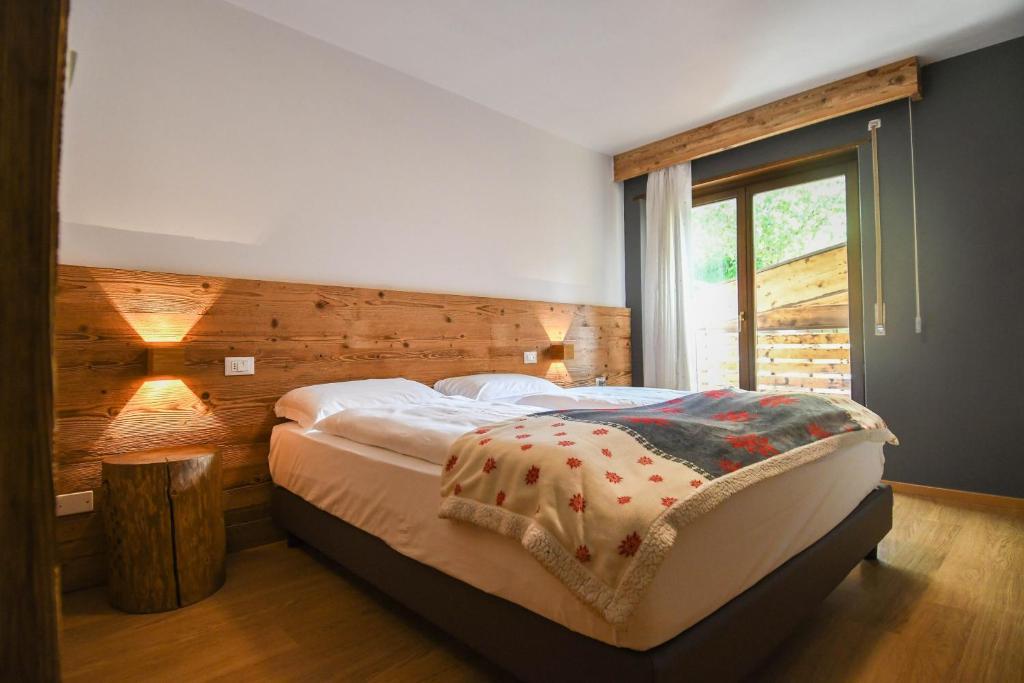
Moena
What You'll Eat
Tuck into a buffet breakfast at the hotel each morning, with sweet and savoury options to fuel you up for the day. Lunches are picnic-style: the hotel packs one for every climbing day. It’s the most practical option on the ferratas, as the timings al…
Optional Extras
Available solo room upgrades are shown at checkout and can be booked straight away. Any other Optional Extras listed below can be requested from your host once you’ve booked, subject to availability. Looking for something not listed, such as a private transfer or extra nights before or after your trip? Just ask your host, as they can often arrange this for an additional cost.
Solo Upgrade
- Solo room upgrade
- For all nights of the trip
- £453 pp
- 1 Jun 2027 – 30 Sep 2027
Ratings & Reviews
This trip is brand new!
So new, in fact, that it's not got any reviews yet. But rest assured, it's been designed with the same care, quality and attention to detail as all of our highly rated adventures.
4.8
Our average trip score20,000+ reviews
Before You Travel
What to Pack
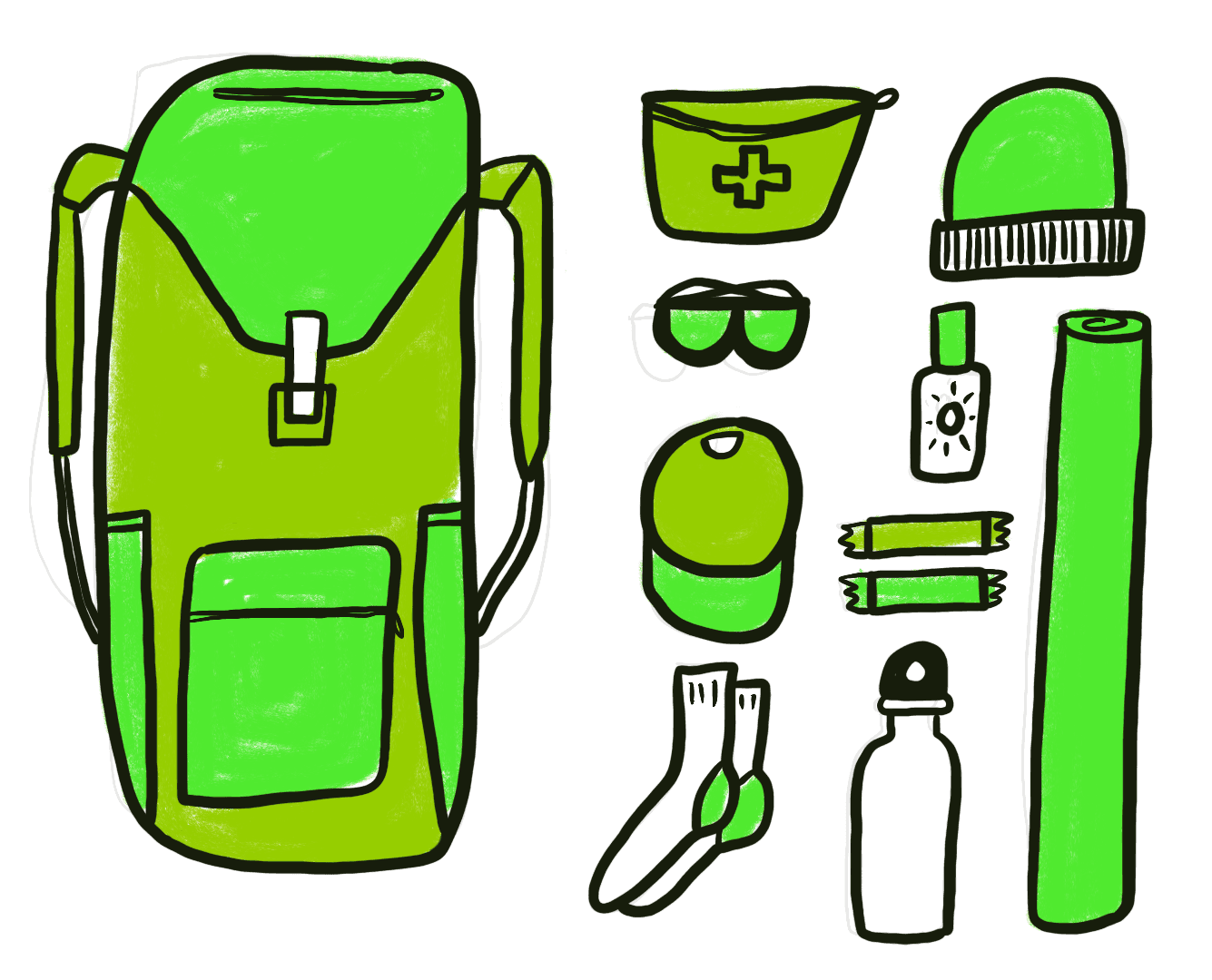
Know before you go! Some stuff we'll provide, other things you'll need to bring.
FAQs
What is a via ferrata, and what can I expect on the routes?
A via ferrata, Italian for “iron path”, is a mountain route fitted with a steel cable, plus ladders, rungs and sometimes bridges, so you can climb steep, exposed rock without ropes or previous climbing experience. Protected paths date back to the 19th century, but via ferratas really took off in the Dolomites during the First World War. The front line between Italy and Austria-Hungary ran right across these mountains, and soldiers fixed cables and ladders to move troops and supplies between the peaks. Many of those routes were restored after the war, and today the Dolomites have the highest concentration of via ferratas in the world.
On the routes, you’ll wear a harness and helmet and clip into the cable with two lanyards, each with a carabiner. The cable is fixed to the rock with anchors every few metres. At each anchor you move one carabiner past it, then the other, so you’re always clipped in. Your guide shows you exactly how on the first morning and keeps a close eye on everyone throughout. Expect a mix of hiking on mountain paths to reach the start, then sections of scrambling, rungs and ladders, airy ledges and short vertical walls, with plenty of exposure and big views. You’ll move at the group’s pace, with regular stops to rest, take photos and refuel. Other climbers are common on the most popular routes, but long queues are rarely an issue.
How are via ferratas graded for difficulty?
In Europe, via ferrata routes are graded on the physical demands, exposure and technical skill they require. We use the Hüsler scale, named after the Swiss alpinist Eugen E. Hüsler and widely used across the Alps, which runs from K1 (easy) to K6 (extreme). The 'K' stands for Klettersteig, the German word for via ferrata.
K1 (Easy): Mostly walking with short protected sections, few vertical sections and minimal exposure. K2 (Moderate): Some short steep sections and occasional vertical climbs on steel rungs or holds, with good protection. K3 (Somewhat difficult): Longer, more vertical sections with more exposure. Requires good fitness and a head for heights. K4 (Difficult): Steep, sustained vertical sections with high exposure. Requires upper-body strength and climbing skill. K5 and K6 (Very to extremely difficult): Sustained vertical or overhanging terrain for experienced climbers.
The routes on this trip range from K2 to K3. The Bepi Zac on Day 2 is the gentlest. The Cermis Skyline on Day 3 has short vertical K3 sections. The Roda di Vael on Day 4 has a short K3 gully on the descent, where your guide can belay you on a rope, and the Furcela de Saslonch on Day 5 has several K3 passages.
Can my dietary requirements be catered for on this adventure?
At Much Better Adventures, we work hard to accommodate dietary requirements and allergies so your trip is safe, inclusive and enjoyable. That said, options can vary by country, location and accommodation, and in some places options may be limited or unavailable. The information below has been provided by your host so you’re fully informed about what will be possible on your trip depending on your individual requirements. This information should be read carefully prior to your trip to ensure that you are adequately prepared for the situation ‘on the ground’.
Once you have booked on your trip, please fill out your passenger information form as soon as possible with any dietary requirements. Once you complete your passenger information, your dietary needs and any allergies are automatically shared with your host and, in turn, your guide. Please submit this as early as possible so they can plan accordingly and deliver the best experience. Please also remind your guide about your dietary requirements upon arrival, as mentioning these in person allows your guide to comprehend individual preferences and limitations as soon as you arrive.
SPECIAL DIETS
Vegetarian
Vegetarian diets can usually be accommodated provided your host is informed in advance.
Vegan
Vegan diets can often be accommodated if your host is informed well in advance, although options in the mountain huts are likely to be limited. Meals may be repetitive and lower in protein, as traditional Dolomite cuisine relies heavily on meat, cheese and dairy products. We strongly recommend bringing protein bars and other suitable snacks to supplement your diet.
Kosher
Fully certified Kosher kitchens and supervision are rare and usually cannot be guaranteed unless expressly confirmed in advance by your host. Vegetarian options can often be the most reliable alternative if this is acceptable to you. Please read the related sections above.
Halal
Certified Halal supply will not be possible during the trip. Vegetarian options can often be the most reliable alternative if this is acceptable to you. Please read the related sections above.
INTOLERANCES
Gluten-free (for Coeliac, please see Allergies section below)
Gluten-free diets can usually be accommodated provided your host is informed well in advance. However, choice in the mountain huts may be limited, and gluten-free alternatives may not always be available for every meal. If you have Coeliac disease or rely on specific gluten-free products, we recommend bringing some supplementary products from home: meals are prepared in small shared kitchens, where cross-contamination cannot be completely eliminated.
Lactose-free
Lactose-free diets can be catered for on this trip, provided that your host is made aware in advance.
ALLERGIES
Our host has confirmed that they are able to accommodate mild allergies to the 14 allergens (opens in new tab) identified by the UK Food Standards Agency, where these are disclosed in advance. However, if you have a severe or life-threatening food allergy, please get in touch with our Customer Experience team prior to booking, to discuss whether your requirements can be accommodated safely on this trip. This will allow us to carefully consider the sensitivity and severity of your allergy, the available provision on the trip and the accessibility of medical care should a reaction occur. Your safety is always our top priority.
Please note that when travelling overseas, local ingredients, food preparation methods and labelling standards may vary, particularly in remote areas. It is also worth noting that any allergies may result in more limited options and repetitive provision in some areas. Whilst your guide will help communicate dietary requirements where possible, customers remain responsible for managing their own allergies during the trip.
What do I do about drinking water?
The local tap water is generally safe to drink. Please bring along your own reusable water bottles or bladders (at least 2L) to fill up at the hotel or at mountain huts to avoid buying single-use plastic bottles. Please note that during periods of extreme water shortage at the mountain huts, due to extended hot weather, it may be necessary to purchase bottled water rather than refilling from a tap.
How many guides and support crew will there be on my trip?
You’ll be part of a small group of up to 10 adventurous people, led by English-speaking IFMGA (UIAGM) mountain guides, the highest international mountain guiding qualification. There’s one guide for every five customers on the via ferratas. Airport transfers are run by a local professional transfer company.
What if things don't go to plan?
Mountain weather can change quickly, and lifts occasionally close for wind or maintenance. Your guides may reorder the days or swap routes to make the most of the conditions. Every climbing day has a planned guided hiking alternative if a ferrata isn’t safe to climb. Your guides assess the group on the first two climbing days and adapt the plan to suit. If you’d prefer not to climb on a particular day, speak to your guide. A separate hiking group can run, as long as there are enough guides to keep the ratio safe for both groups.
I’m not great with heights, can I still join?
Every route has exposed sections with big drops, so you need to be comfortable with heights to enjoy this trip. Mild nerves are normal and usually ease as your confidence grows, but if you suffer from vertigo this trip isn’t the right fit.
Why is the trip based in Moena, Val di Fassa?
Moena sits at the southern end of Val di Fassa, which puts some of the best beginner-friendly via ferratas in the region within easy reach. We chose a single base rather than a hut-to-hut route so your guides have a wider choice of ferratas around the valley, matching each day to the weather and the group, without everyone committing to one long point-to-point line. It also means less time in the minibus, no packing and repacking, and a comfortable bed at the same family-run hotel every night. Val di Fassa is also steeped in mountain history: the First World War front line ran along its ridges, and you’ll climb past trenches and tunnels on Day 2. The valley is a heartland of the Ladin people, whose language is one of the oldest in the Alps. Moena itself is the liveliest village in the valley, with plenty of restaurants, bars and shops for your free evenings. Even your hotel has climbing in its roots: the Franceschetti family who run it include a historic Dolomites mountain guide who opened a route on the Roda di Vael, which you’ll summit on Day 4.
Will the routes be busy?
These are some of the most famous mountains in the world, so expect other people on the trails. At this grade, though, queues and long waits on the cables are rarely an issue. Days usually start at 08:30 to stay ahead of the busiest period.
I’m doing your Alta Via 1 trek, can I add this trip on?
Yes. Our Alta Via 1 hut-to-hut trek (opens in new tab) finishes in Belluno, and selected departures of this trip are timed to follow on. The Day 1 transfer from Venice passes through Belluno, so you can be picked up there free of charge and join the group on the way to Moena. Please contact your host if you need to coordinate this pick up.
Can I book on my own?
Sure can! Over 70% of our travellers travel solo, it’s a great way to meet like-minded people.
Who is running the trip?
Our team of Adventure Hunters co-create exclusive adventures which are run by highly vetted, specialist hosts. The trip is run by our trusted host partner in the destination. We only work with independent, local, in-destination experts who know the very best places to explore and how to stay safe. Read more information about the local teams we partner with (opens in new tab). You’ll be introduced to the host straight after making a booking via the Much Better Adventures platform.
What is the official travel advice?
Much Better Adventures refer to the UK Government’s official travel advice when designing trips and monitoring trip operations. We recommend that all customers are familiar with the practical information provided on the Government’s FCDO website (opens in new tab), where current travel advice can be found by searching for the applicable destination(s).
For customers joining this trip from other international destinations – please also read the official travel advice applicable to your country of residence/origin, as this may differ.
What vaccinations do I need?
We recommend checking out the country-specific information (opens in new tab) and also talking to a travel nurse.
How are the trips priced?
We automatically convert prices from the local currency that a host receives to your chosen currency. We update our exchange rates on a daily basis so this does mean that prices displayed on the site are subject to currency fluctuations, which is why you may see them change over time.
If you wish to change the currency you pay in, head to the bottom of the page.
Why are your adventures only for adults?
All of our group adventures are specially designed for adults to enjoy as we want these adventures to bring together outdoorsy people who are truly like-minded. You must be over 18 to join one of our trips.
Who else will be on my trip?
You're always in good company on one of our adventures.
Our trips are typically made up of a mixture of solo travellers and small groups of 2 or 3 friends, with most in their 30s-50s.
Our sociable adventures are solo-friendly by design and naturally attract outdoorsy people with a shared mindset; a love for adventure, a desire to push themselves and meet awesome, like-minded people along the way. Check out our Community Values (opens in new tab) – a shared code to make sure that everyone's experience is safe, inclusive and brilliantly unforgettable.
It’s this camaraderie that has so often turned a great adventure into a life-changing one.
Don't just take our word for it:
- 95% of people rate the group dynamics on our trips 5/5
- 90% of people recommend joining a trip to make new friends
- 75% of people have met people on our trips that they would now consider friends
See here (opens in new tab) for more info about the Much Better Adventures tribe.
What's the weather like?
Moena sits at 1244m in Val di Fassa, but you’ll spend your days between 2100m and 2800m, where conditions can be very different from the valley. Summer is the only season the routes and lifts are open, and each month brings its own character.
The valleys see highs of around 19°C (66°F) in June, dropping to around 8°C (46°F) at night, with some heavy showers. On the ridges it’s typically 8 to 10°C (14 to 18°F) colder than the valley, so pack warm layers.
July and August are the warmest months, with valley highs around 21°C (70°F) and lows around 10°C (50°F). Afternoon thunderstorms are common, and when it rains it tends to come down hard, which is why climbing days start early. Waterproofs are essential every day.
September is usually cooler and often more settled. Daytime averages sit around 14°C (57°F), with nights dropping to around 6°C (43°F). Mornings on the high ridges can be crisp, so a warm jacket and gloves earn their place in your pack.
What's the carbon footprint for this trip?
What's the number?
It works out on average at 154kg of CO2 emissions per person, including all local transport, accommodation, food, activities, guides, staff and office operations.
The only thing it doesn’t include right now is flights and travel to the destination. We do make an overall estimate across all our customers separately, but as we don’t book flights, have customers from all corners of the world, and no way of reliably knowing their travel plans, we simply can’t include an individual number in the figure on display here. We’ve got a goal to fix that, so that when you book, there is a way to measure and mitigate the carbon emitted by your flight too.
But what does the number mean?
Yep, hard to picture eh? To give you an idea:
- Driving 1000 miles/1609km would be approximately 281kg of CO2 in an average car (or 140.5kg per person, if there were two of you in it).
- A return economy class flight between London and New York would be approximately 1619kg (1.66 tonnes) per person.
- 10 trees in a temperate forest are estimated to remove approximately 250kg of CO2 from the air in a period of 5-10 years.
What are we doing about it?
Our trips are relatively low-carbon by design, and we're working with all our hosts to develop long term carbon reduction plans.
Want to know more?
Amazingly, no international travel company has ever publicly published their carbon measurements before, as far as we know. We believe that must change, quickly. So we’re openly sharing the method we used in the hope that other companies will be able to more easily follow suit and build on what we've done so far. You'll find it all here (opens in new tab).
Want to Know More?
Ask our AI Assistant
Get instant answers about this adventure
Departure dates
Secure your spot
10% deposit to book (limited exceptions)
Pay in instalments, no interest or fees
Friday 25th June 2027
to Wednesday 30th June 2027
£2,231
Don’t see a date you like?
Get an email alert when new dates are added for this trip
Subscribe to alertsWe've Got Your Back
Book with confidence and peace of mind.

Got a Group of 6 or More?
Book the whole trip privately. We sort the details, you split the cost. Pure adventure, zero faff.
Feeling adventurous? Here's £100 towards it.
Sign up to our newsletter and we'll email you a £100 code for your first trip. You'll also get weekly trip inspiration, expert advice and last minute deals.
Still Undecided?
A few other trips to tickle your fancy
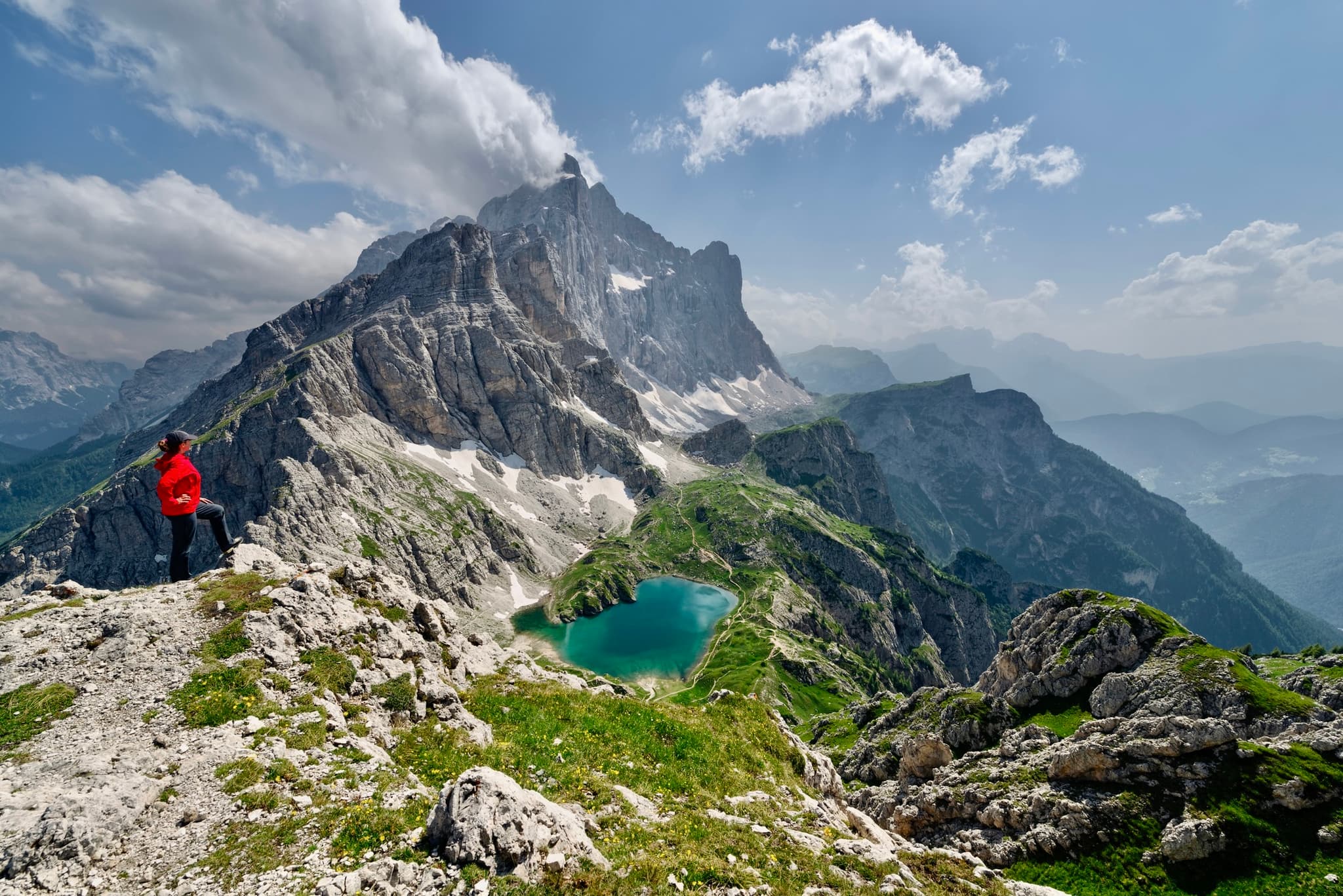
Hut-to-Hut Trekking on the Dolomites' Alta Via 1
5 nights from£1,941
Cycle the Backroads of Japan
8 nights from£3,487
Cycle the Peloponnese Coast of Greece
4 nights from£1,155
The 5 Volcano Challenge in El Salvador
8 nights from£1,548
250km Ridges, Rivers and Rainforests Expedition in Uganda
13 nights from£3,450
The Ultimate Adventure in Portugal
7 nights from£1,985
Intro to Rock Climbing and Via Ferrata in Spain
4 nights from£935
Coast to Coast Traverse of Elba Island in Tuscany
5 nights from£1,674
Safari Adventure in Tanzania
7 nights from£3,167
Trek the Tour du Mont Blanc: The Full Circuit
9 nights from£2,172