
Where to Go Hiking in Europe in September
Welcome to shoulder season. September brings ideal hiking conditions, without the crowds...
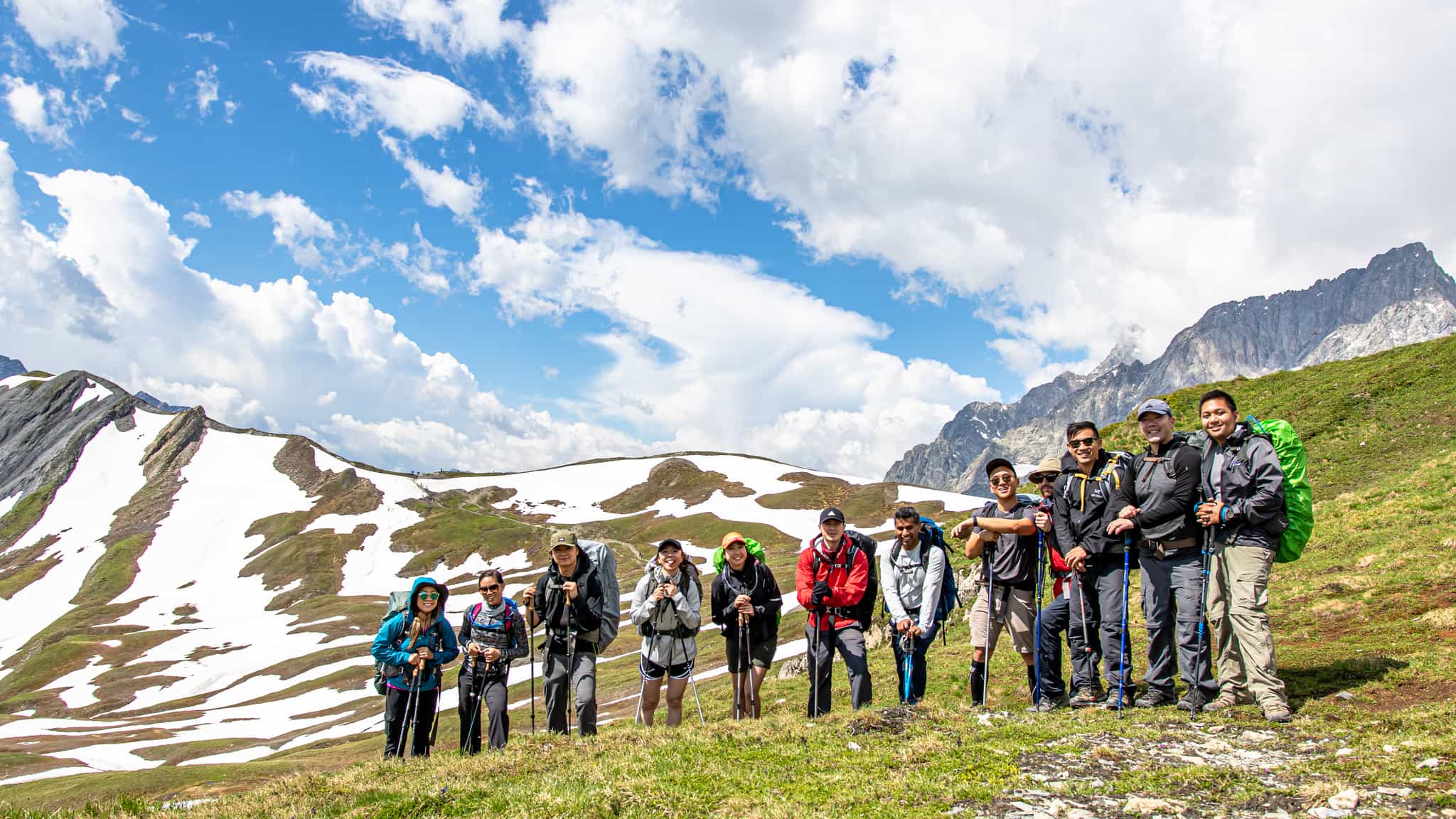
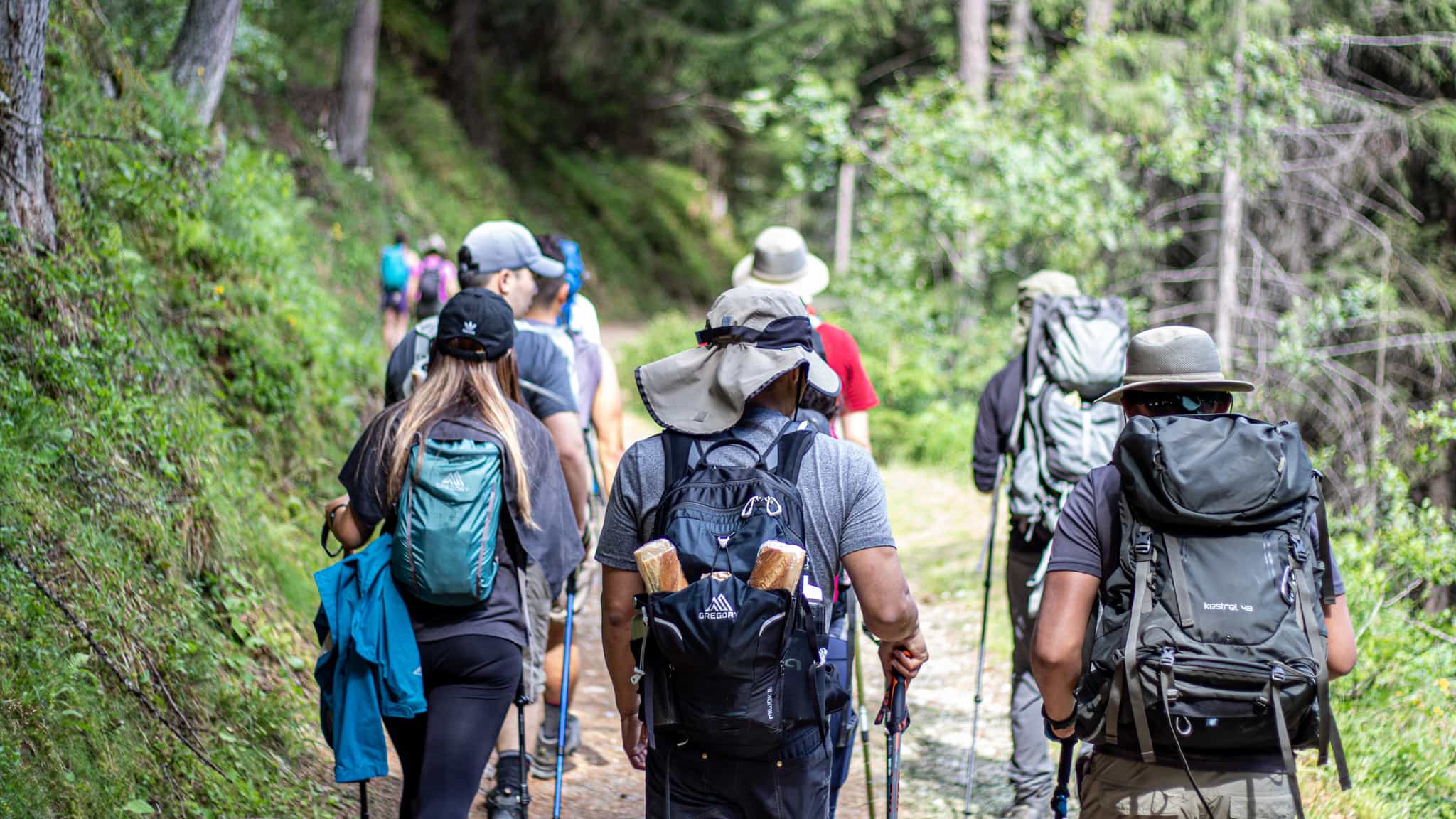
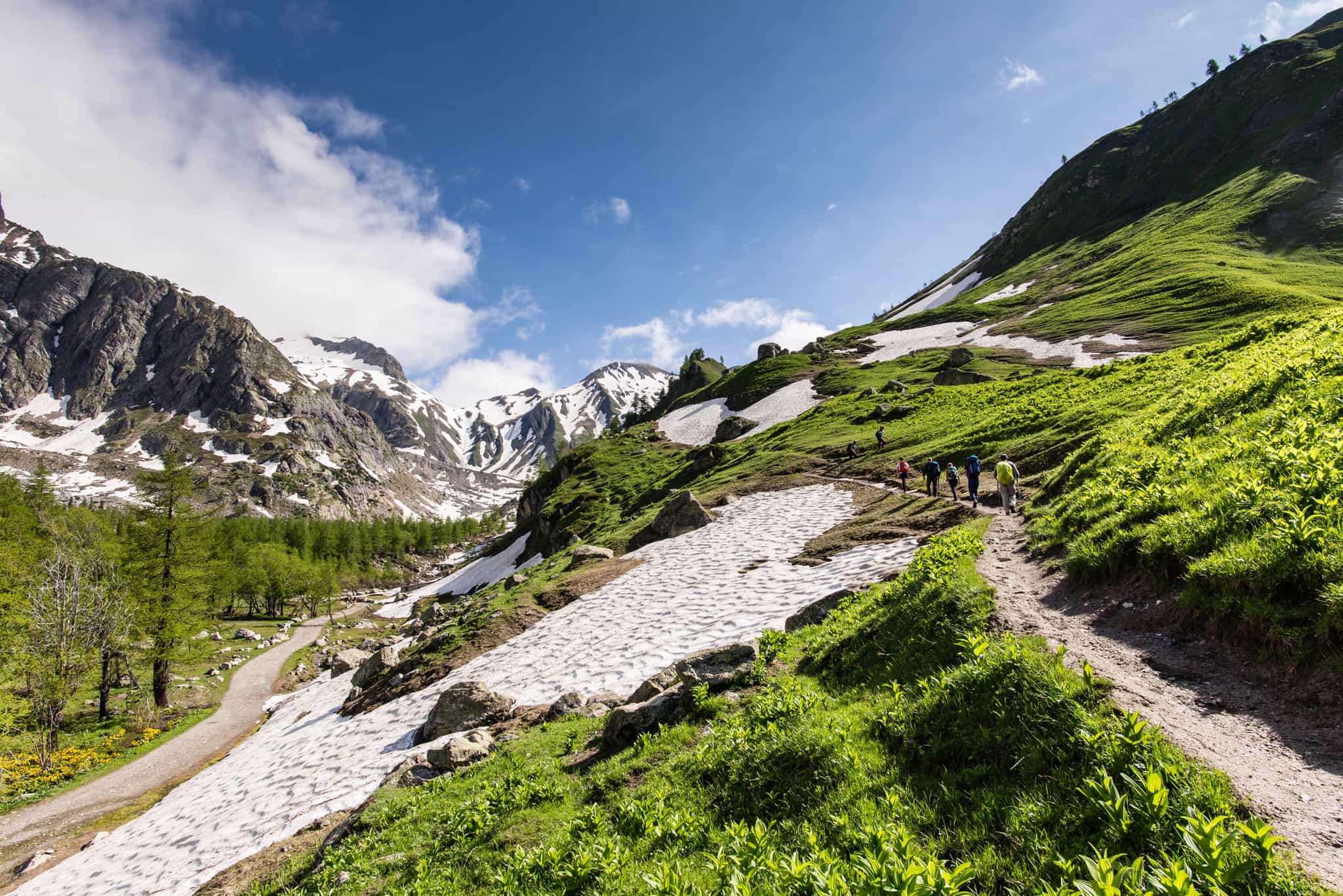
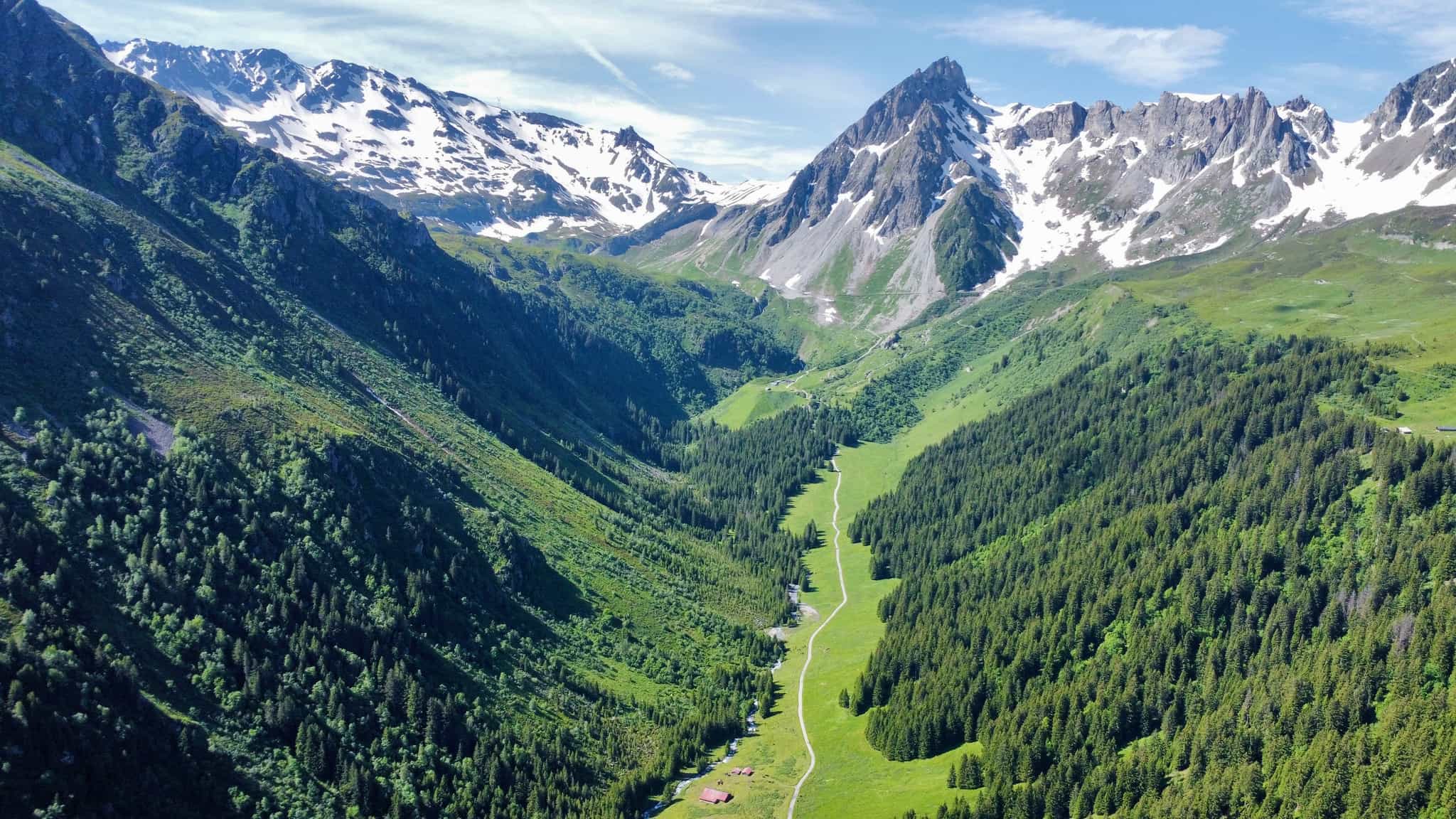
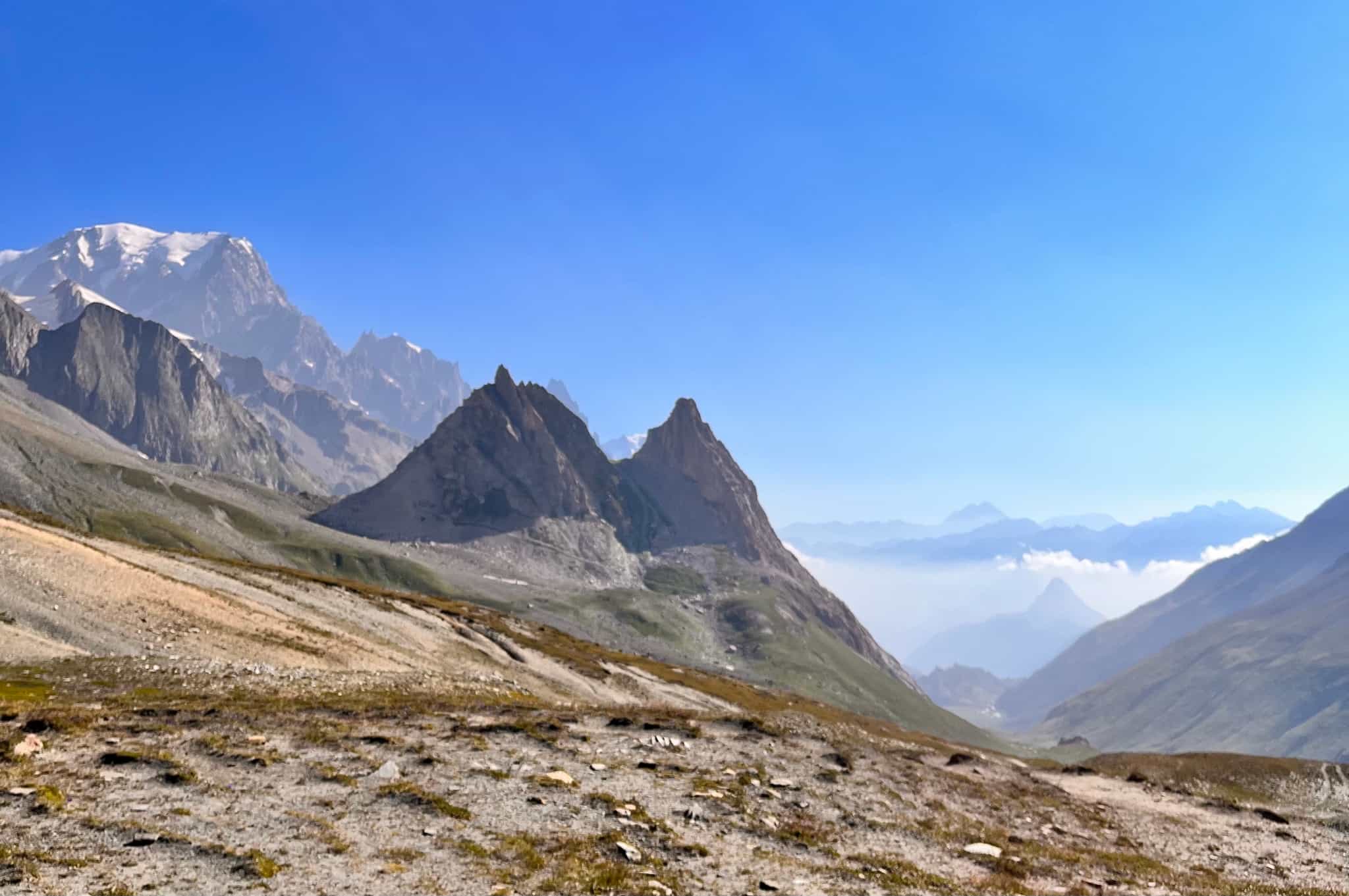
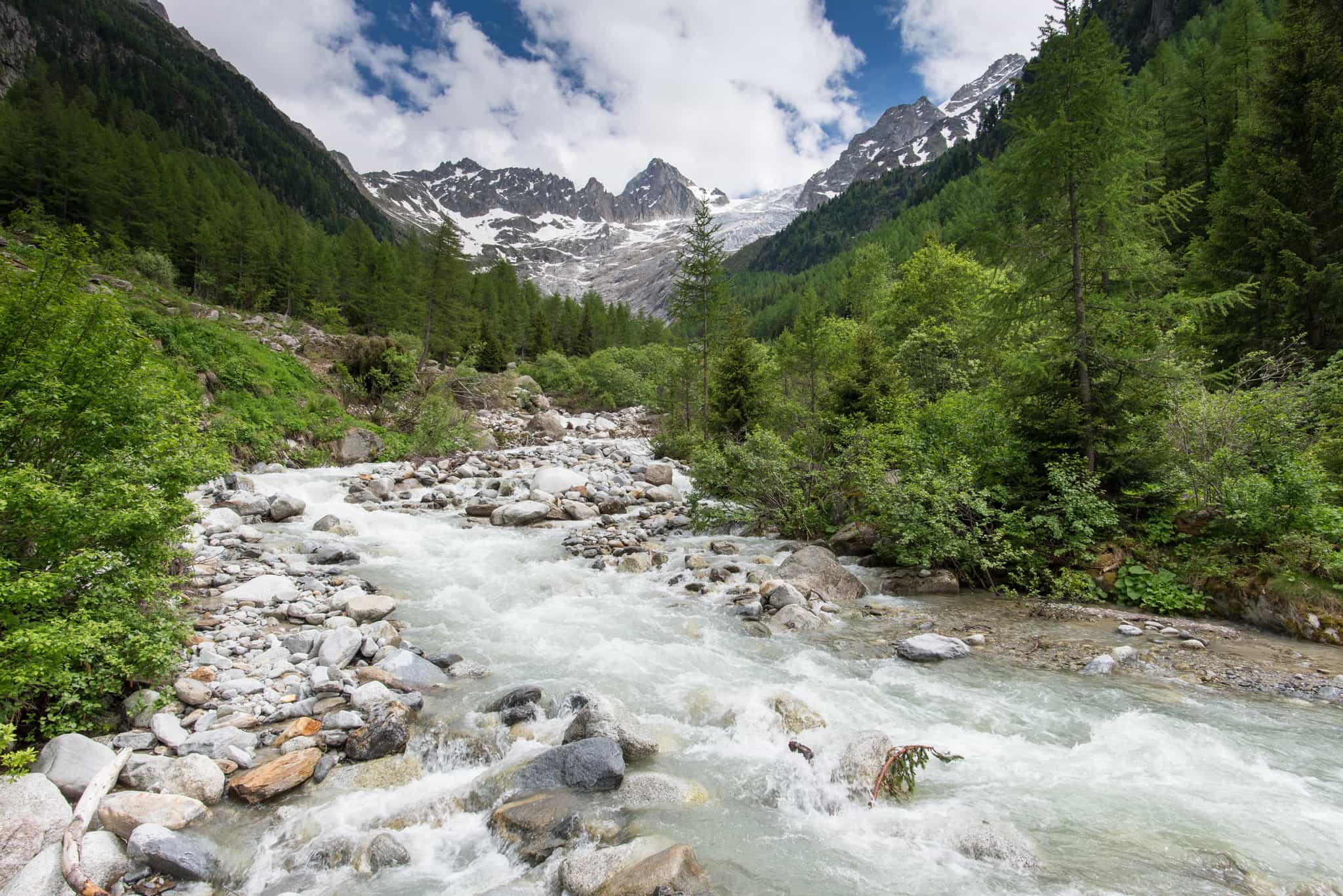
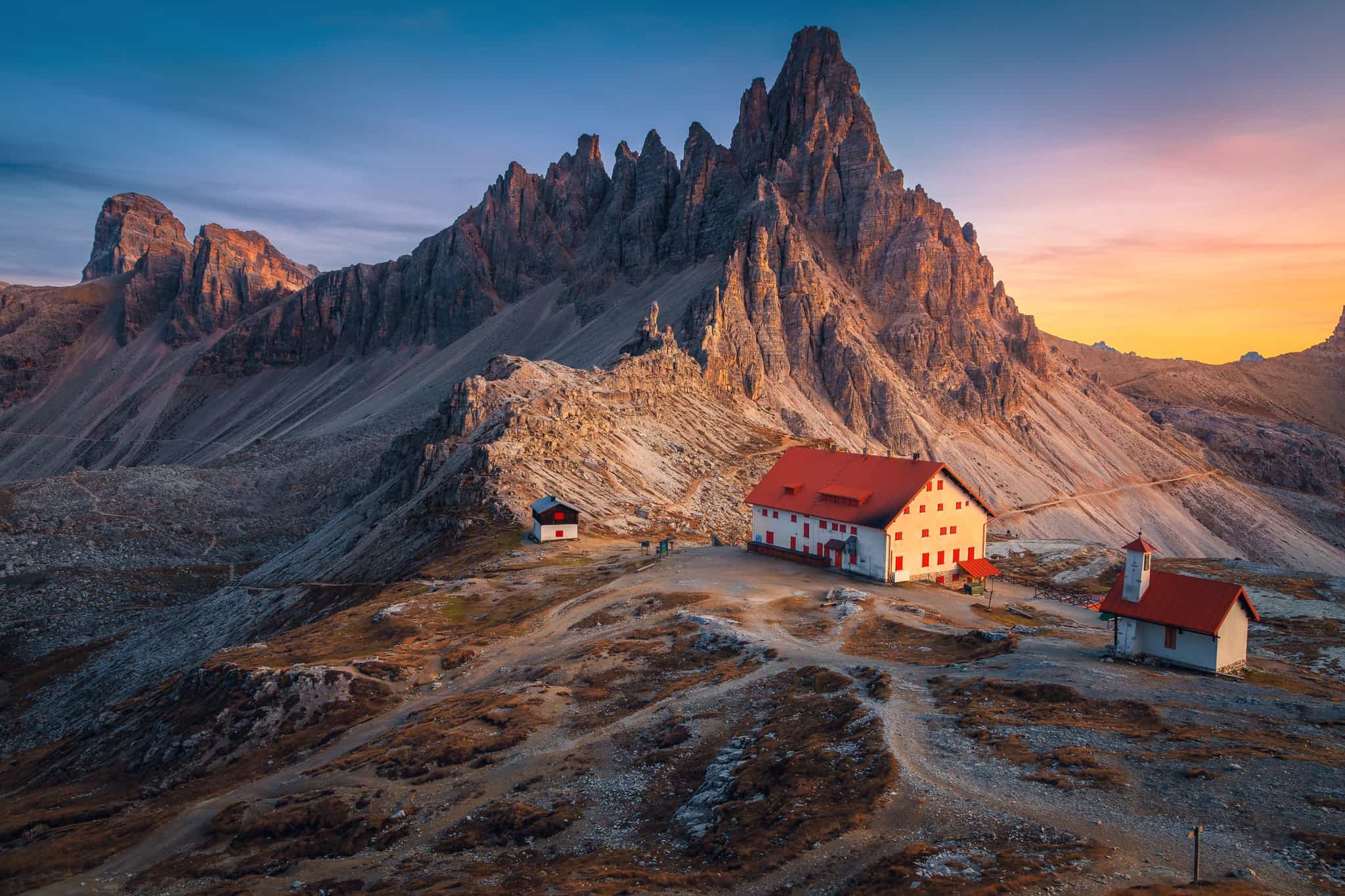
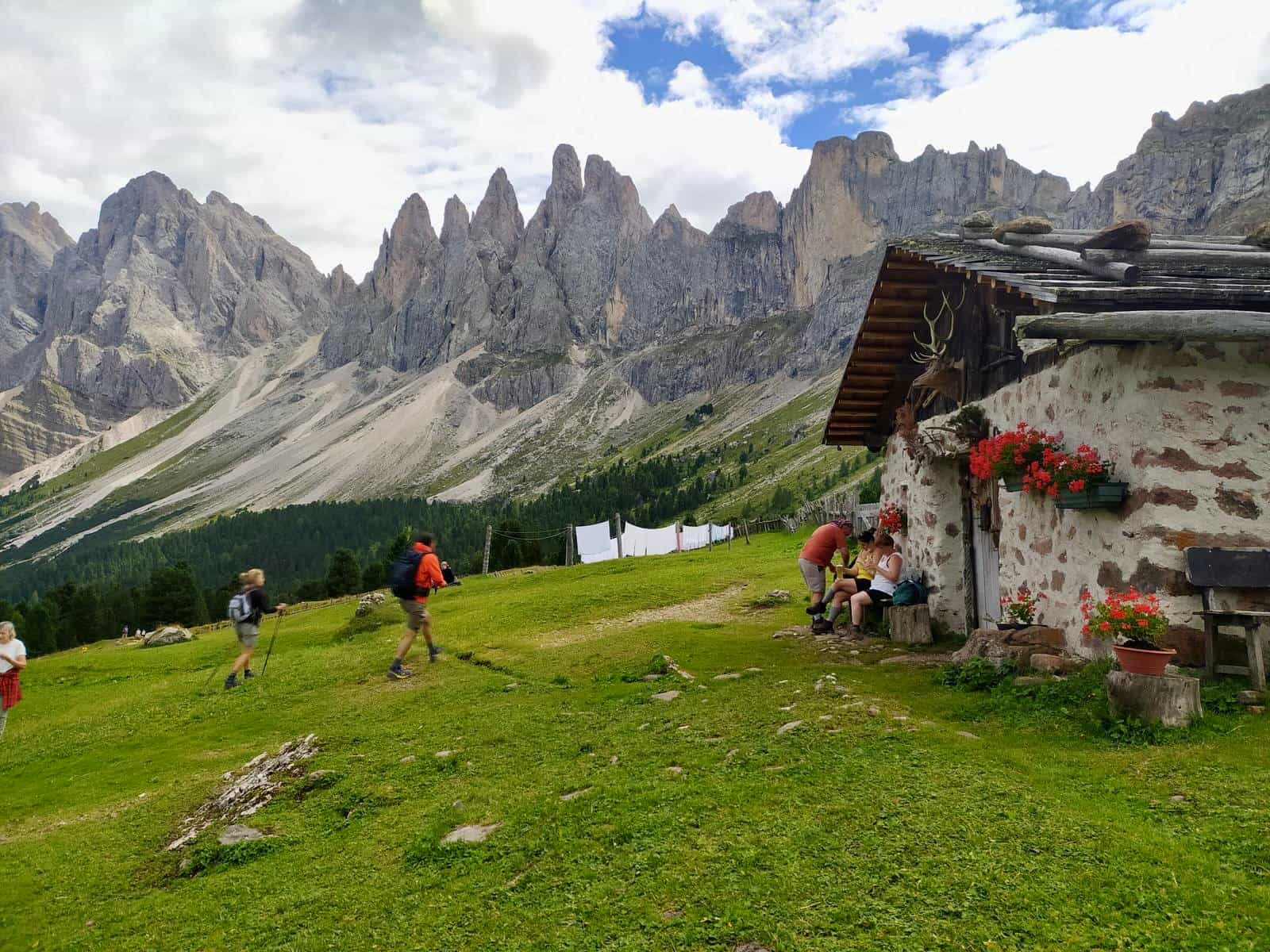
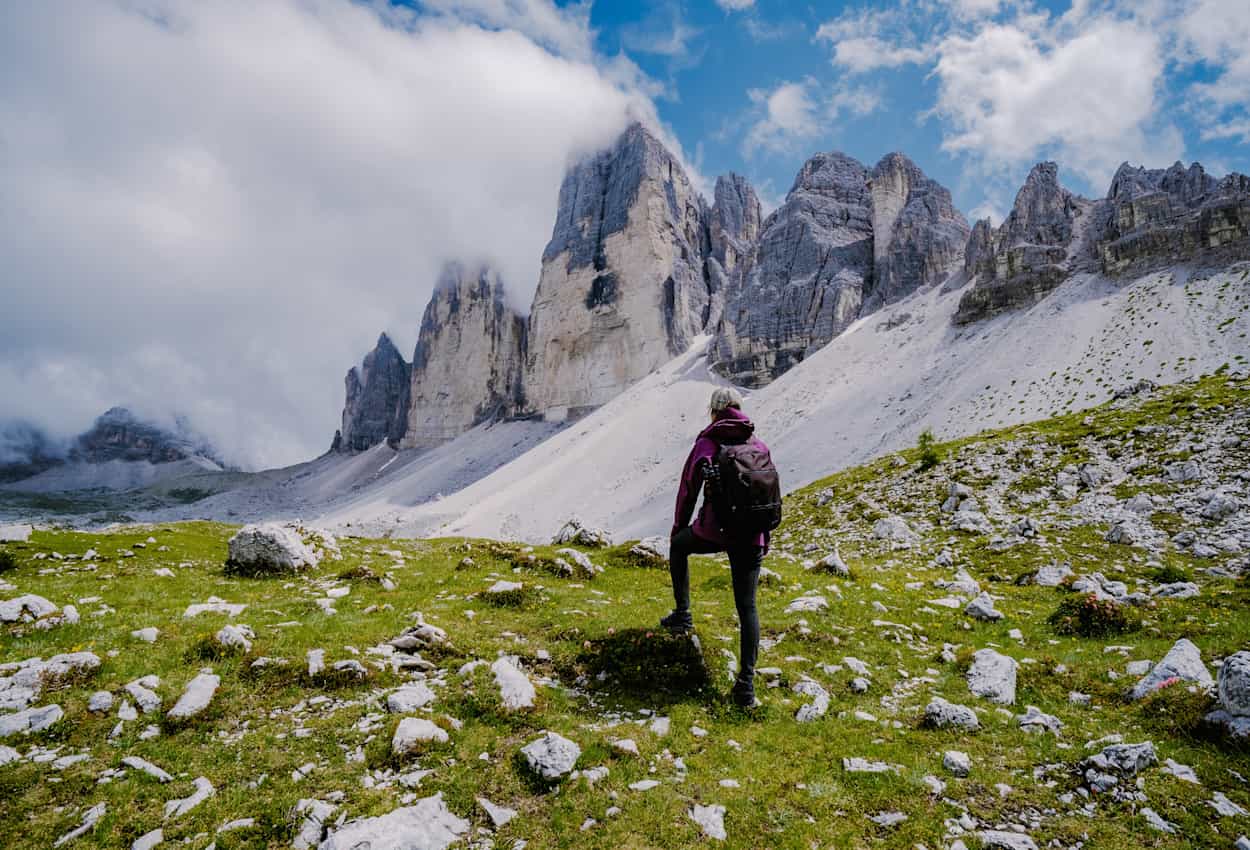
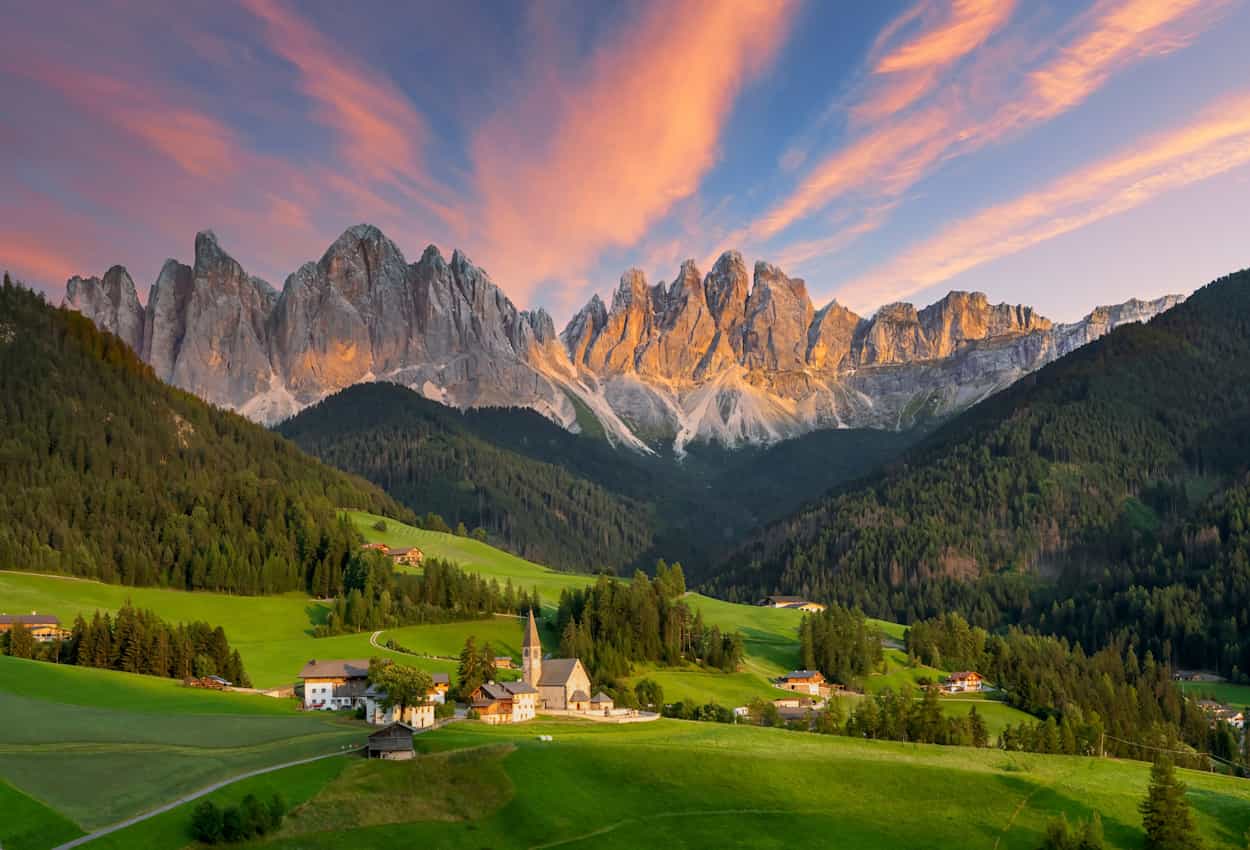
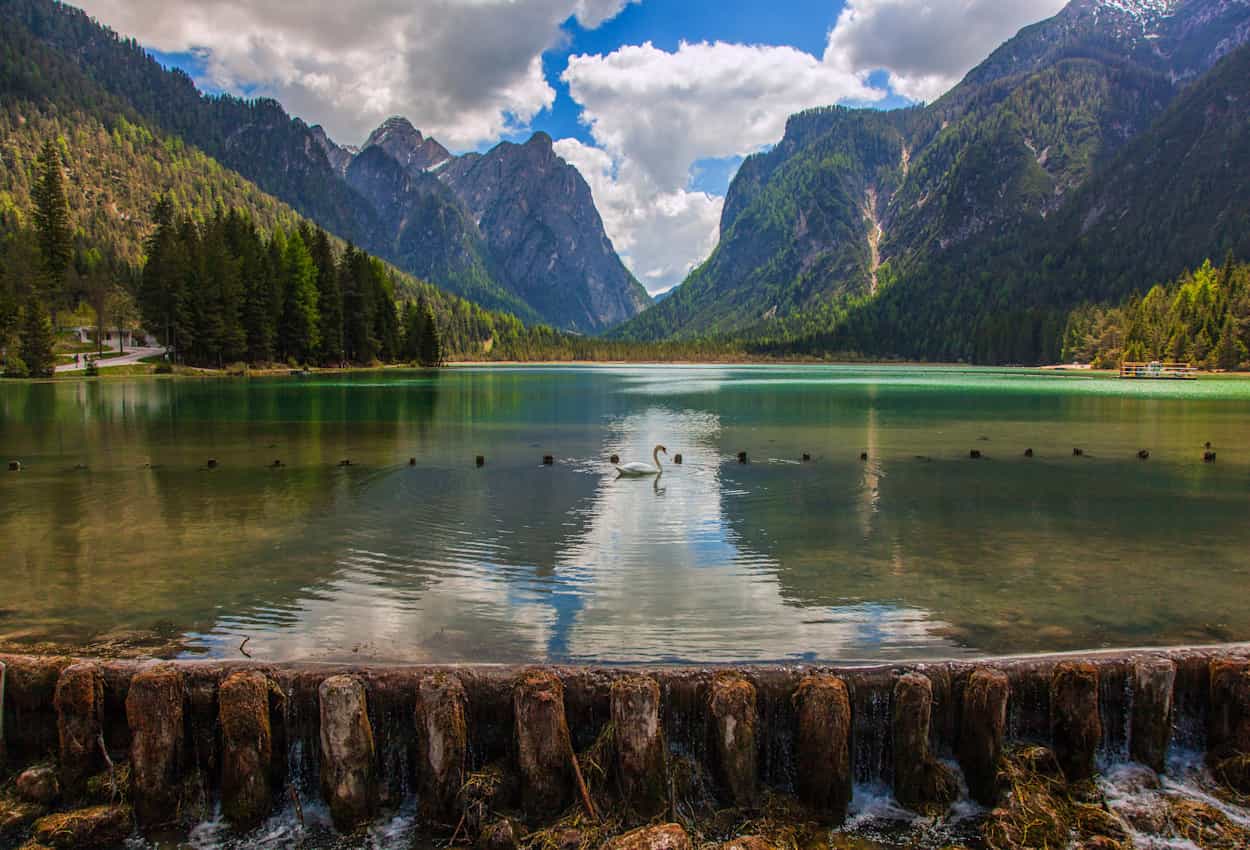
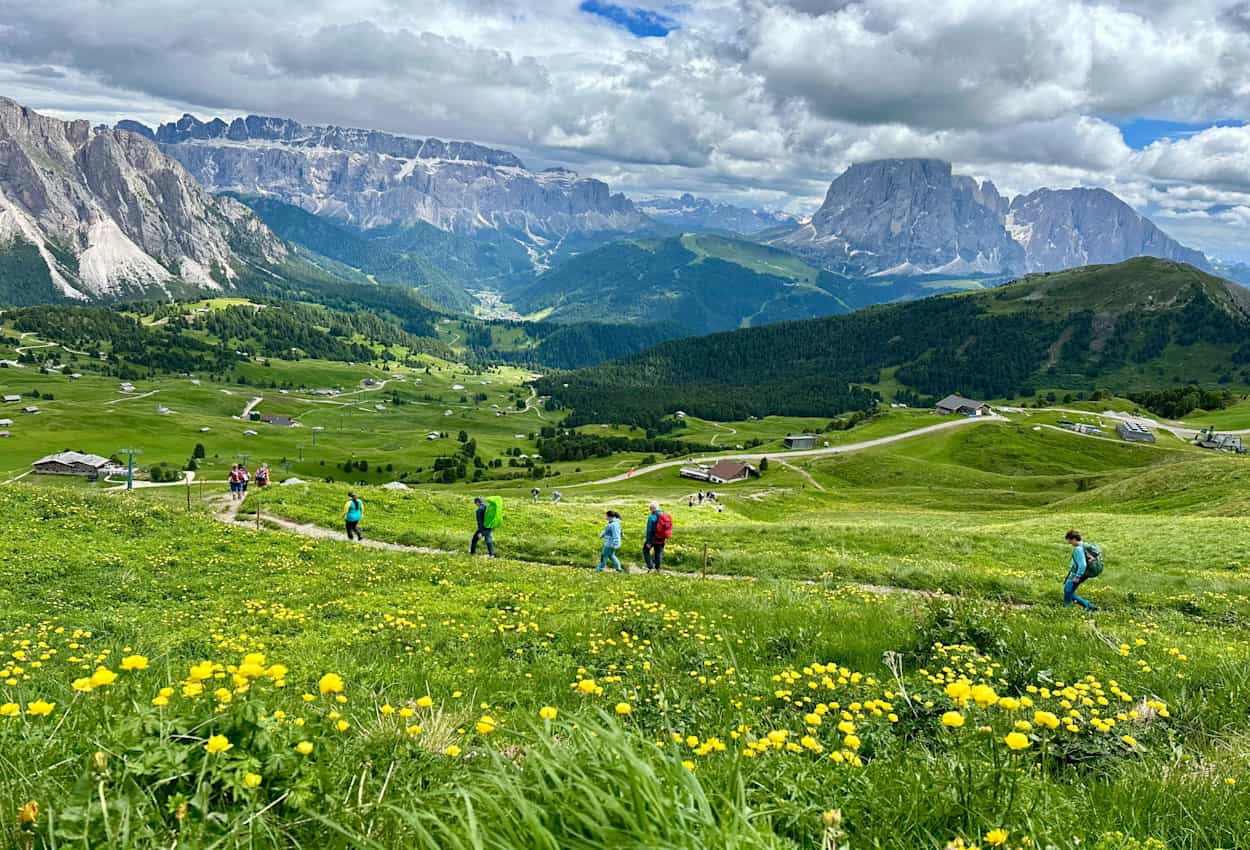
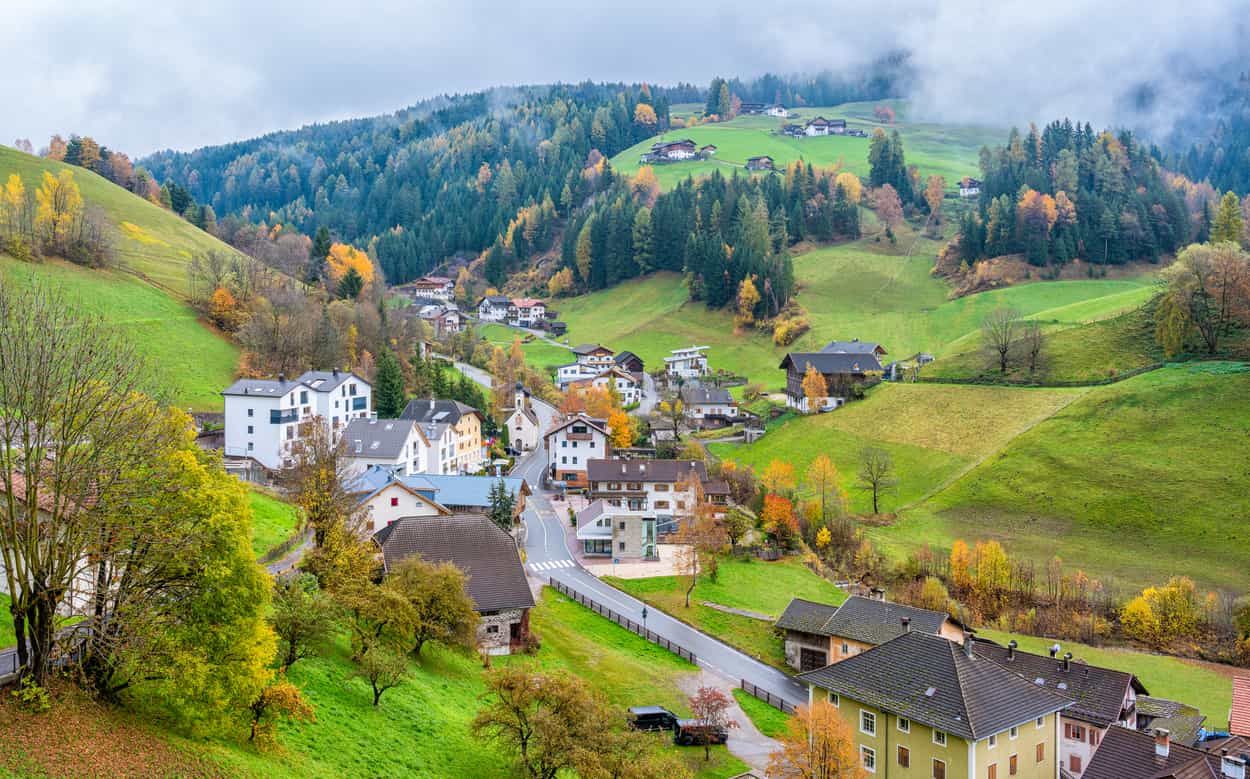
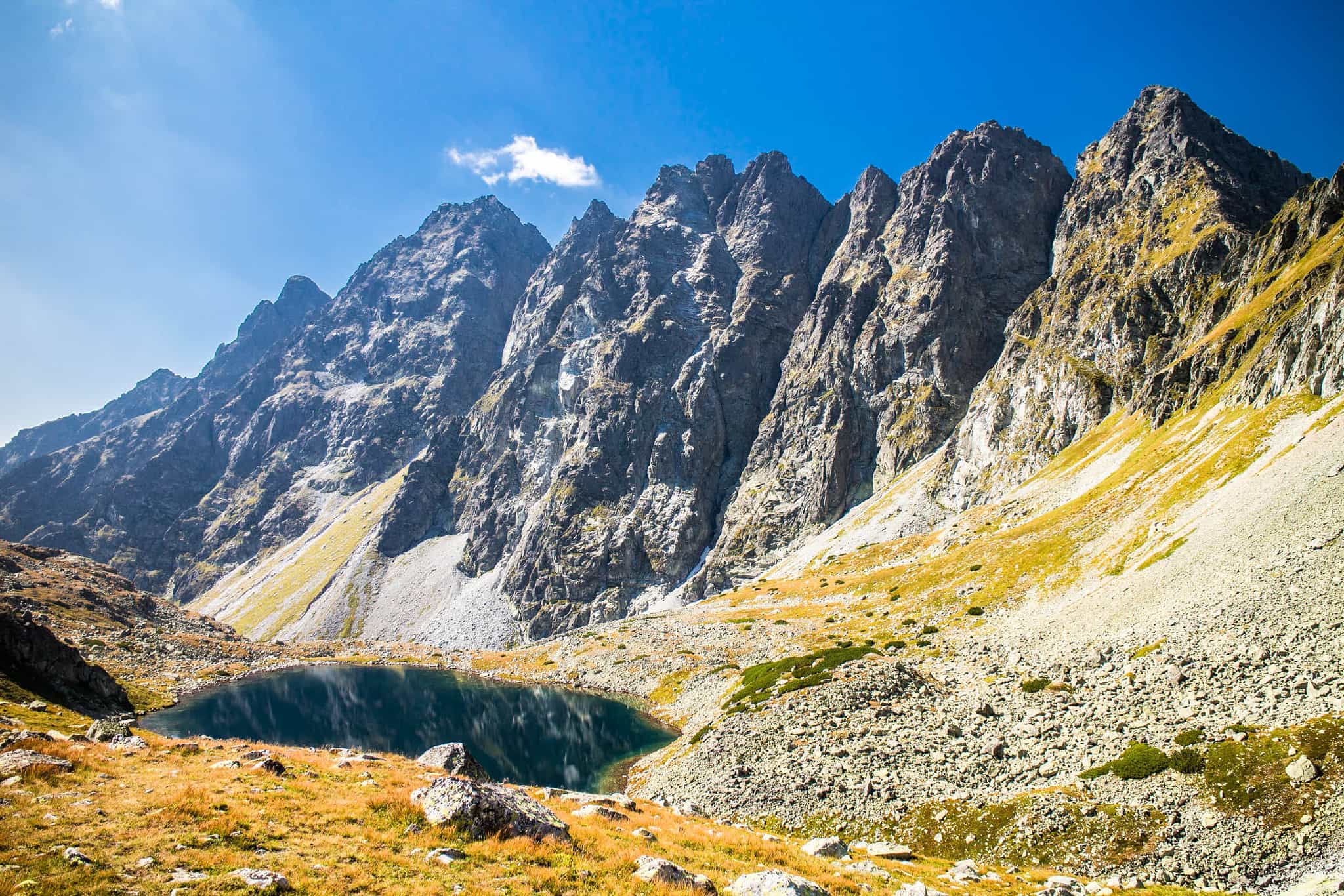
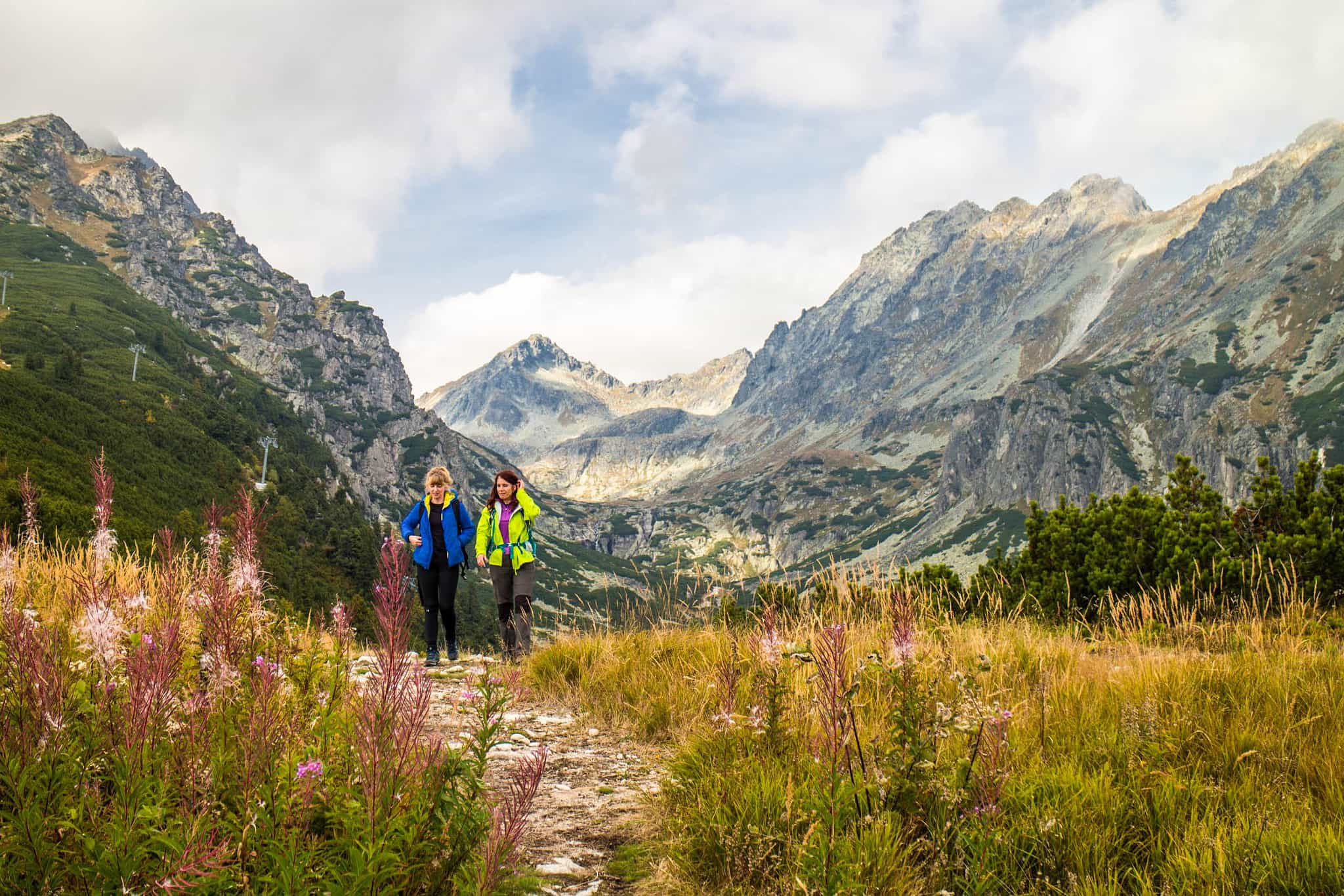
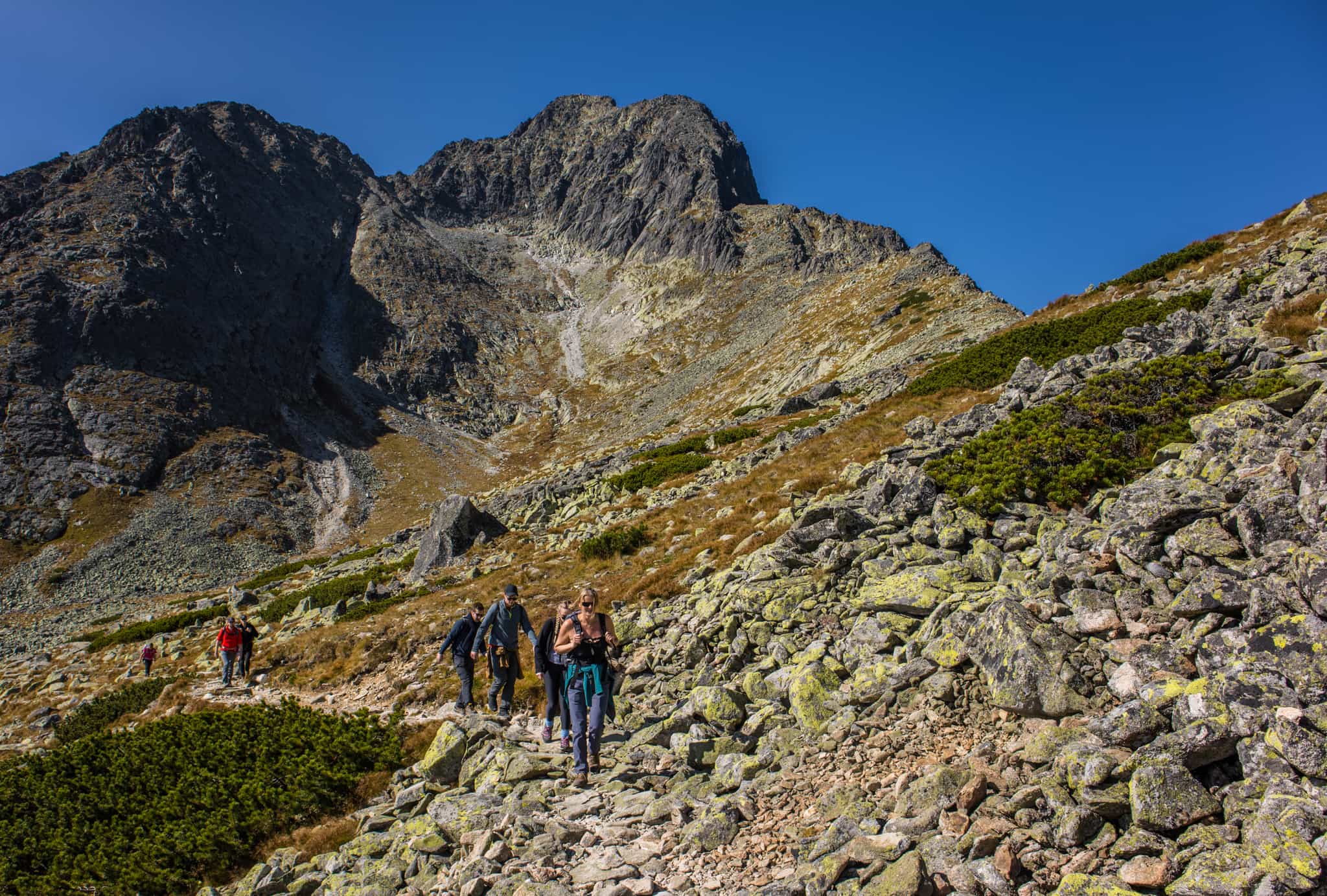
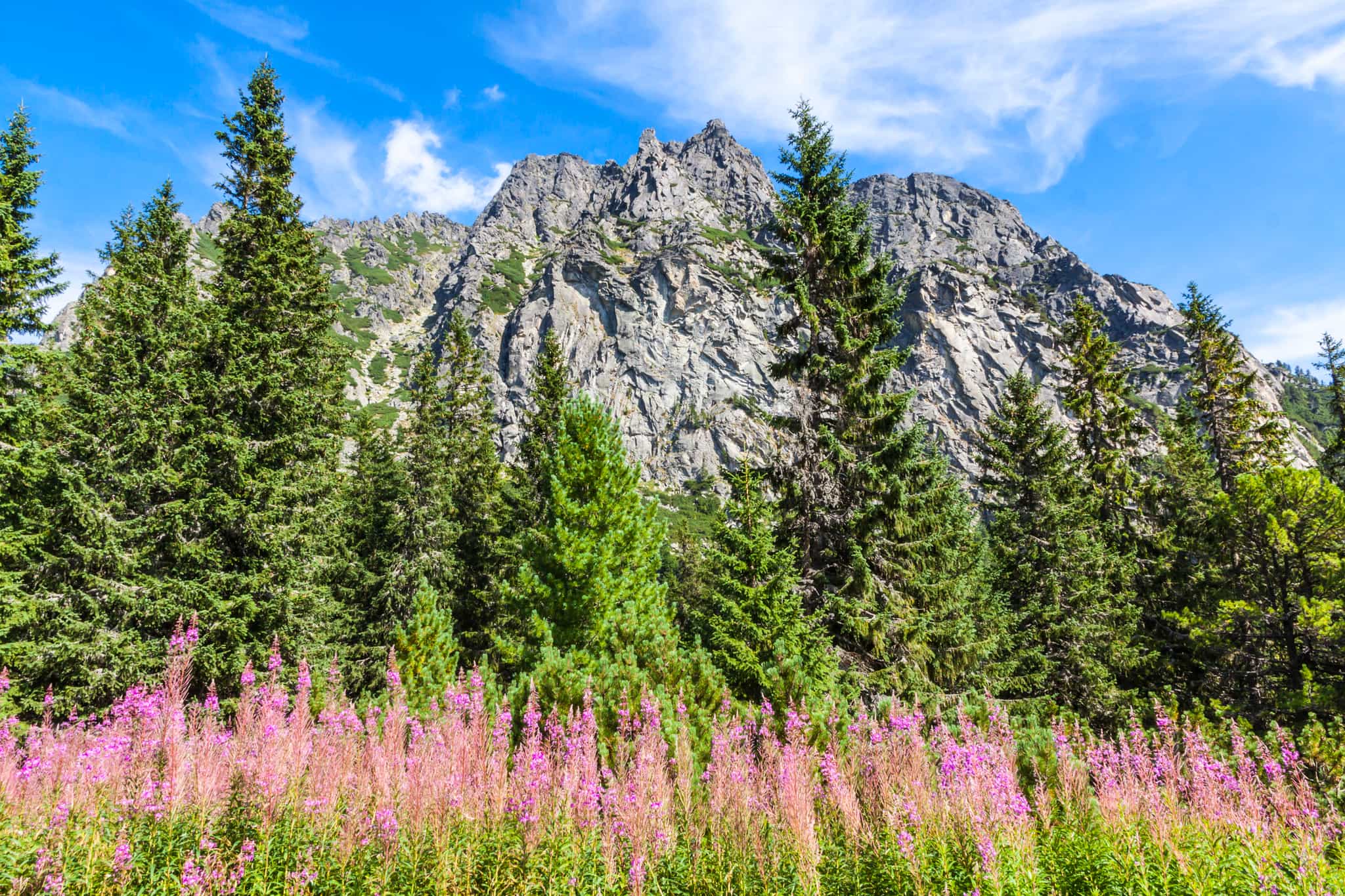
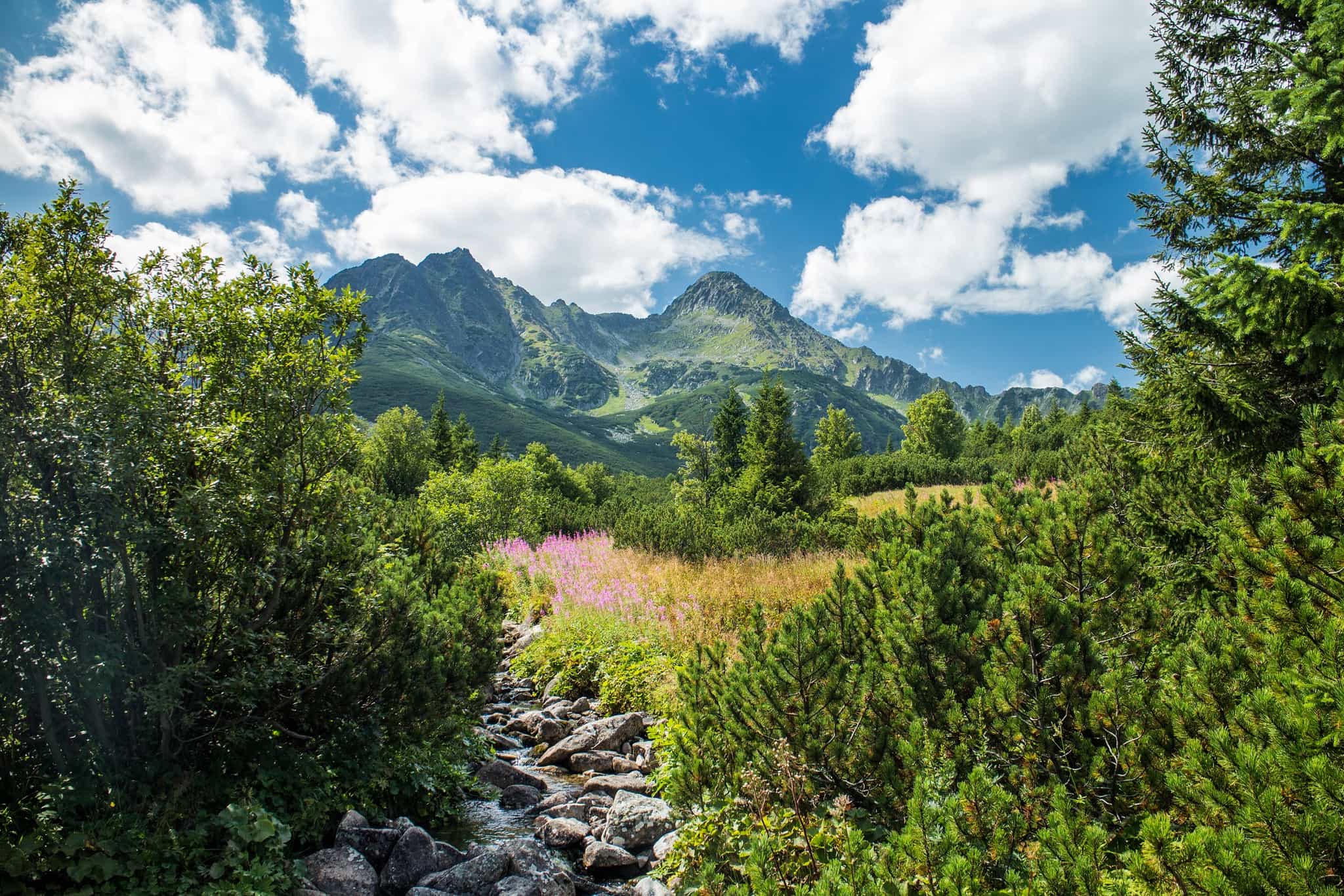
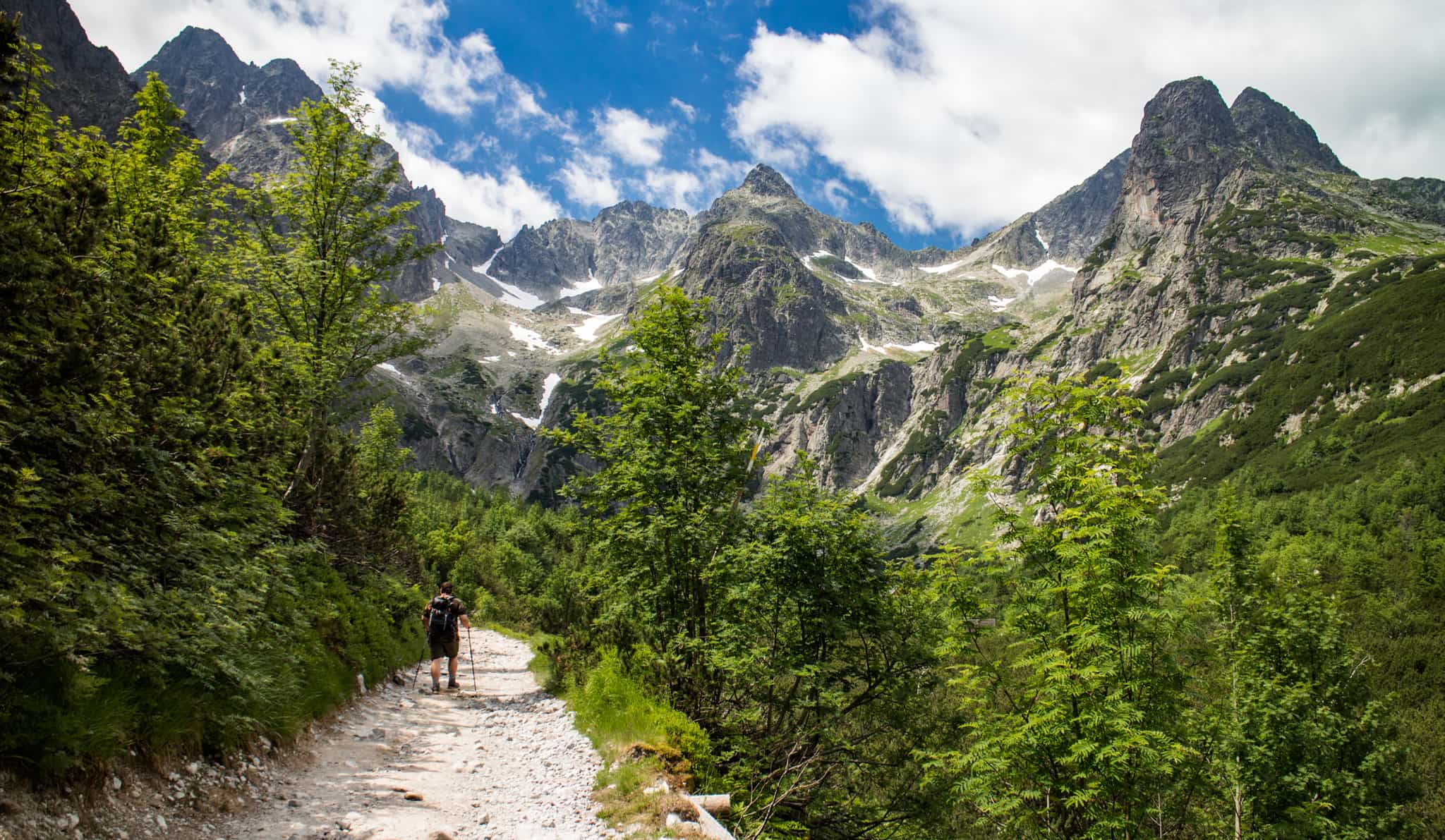
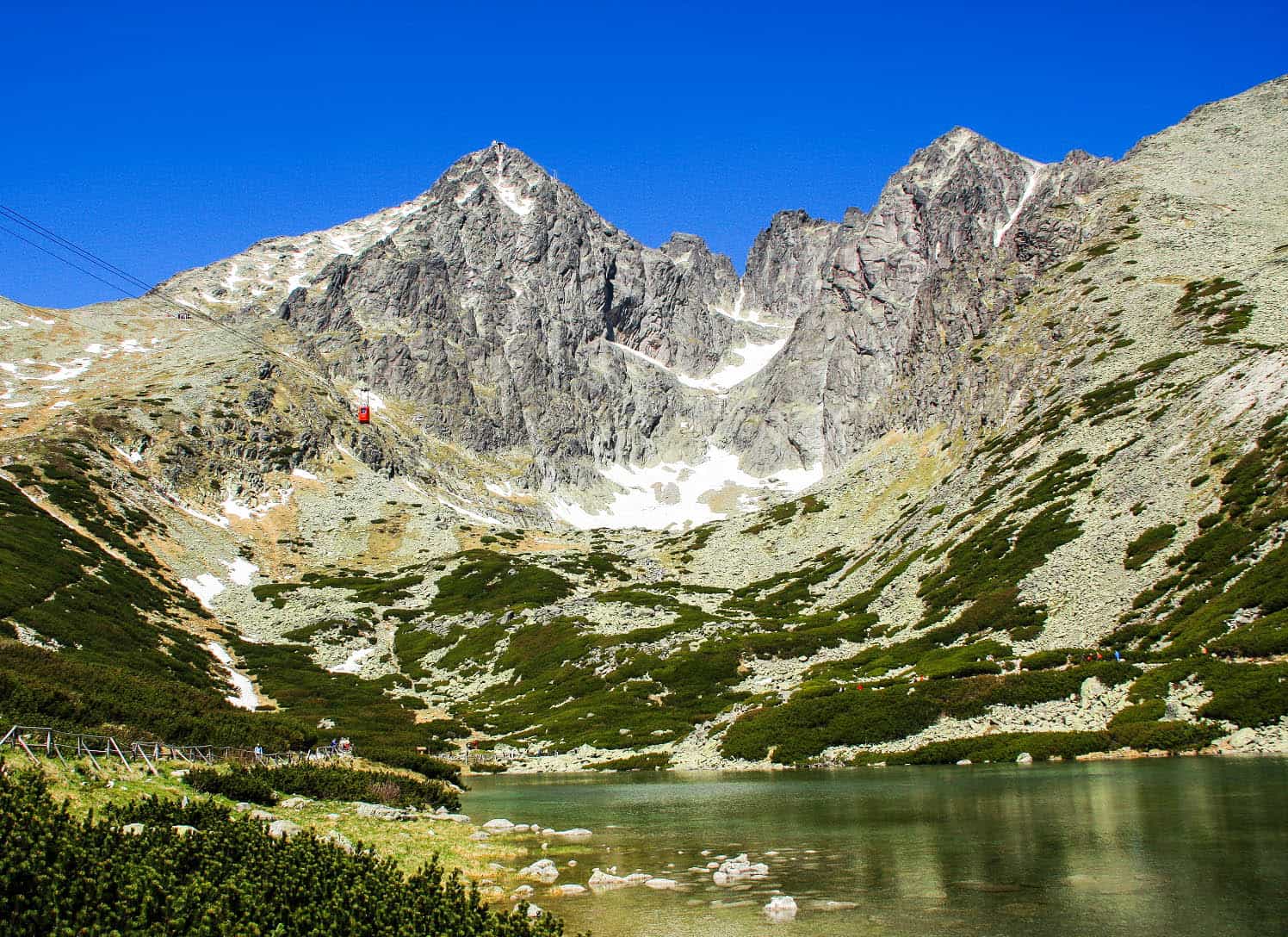
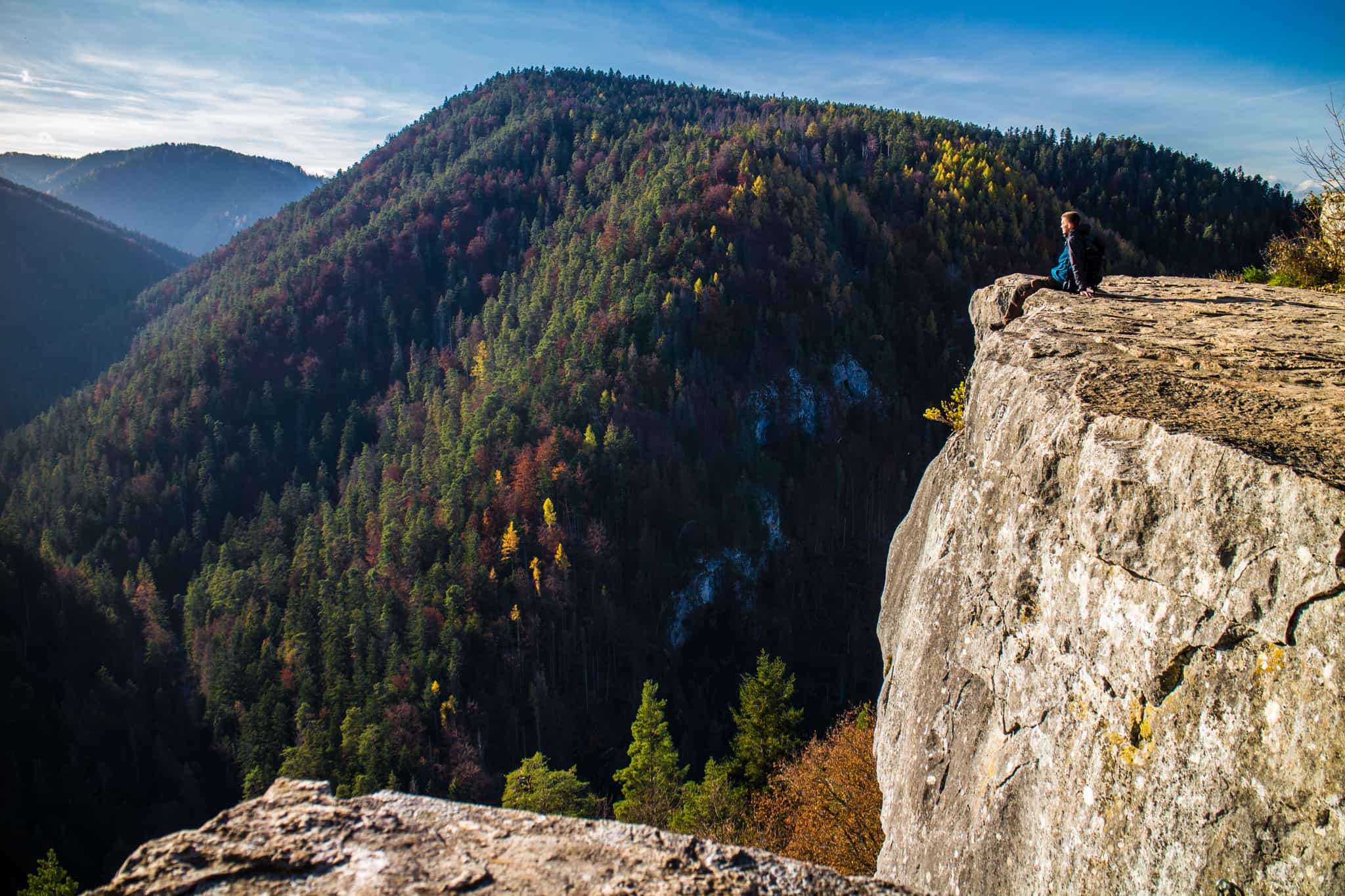
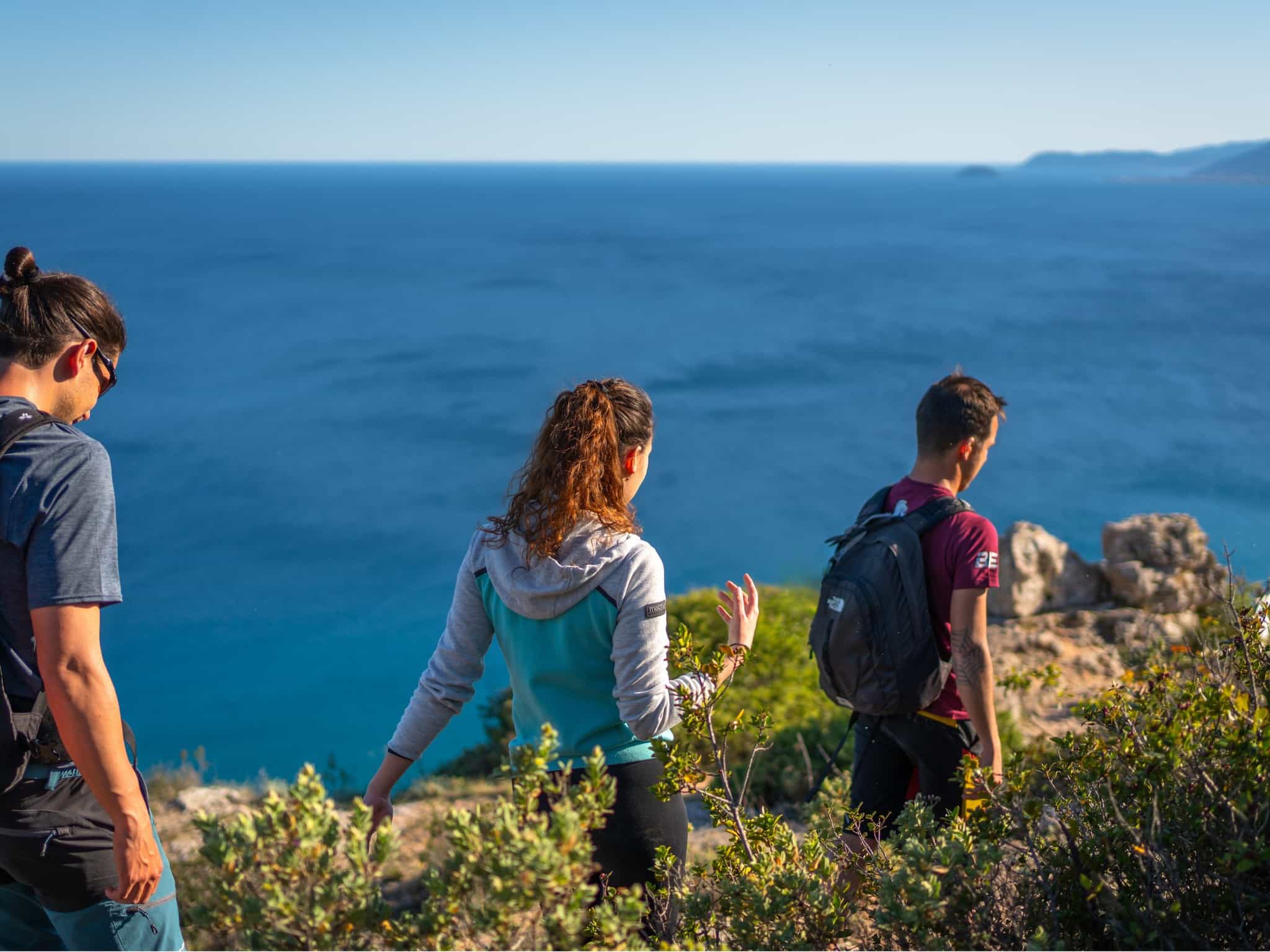
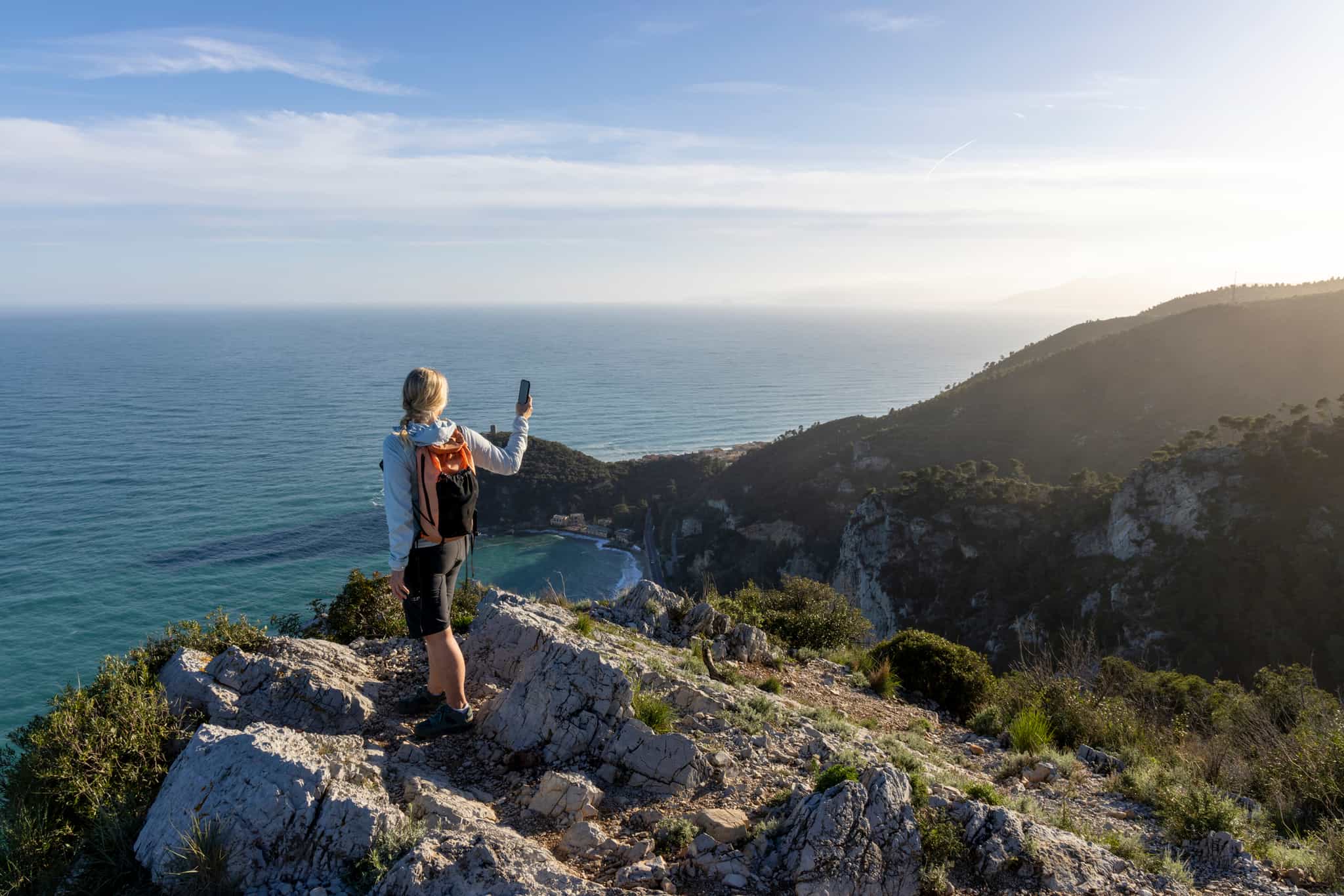
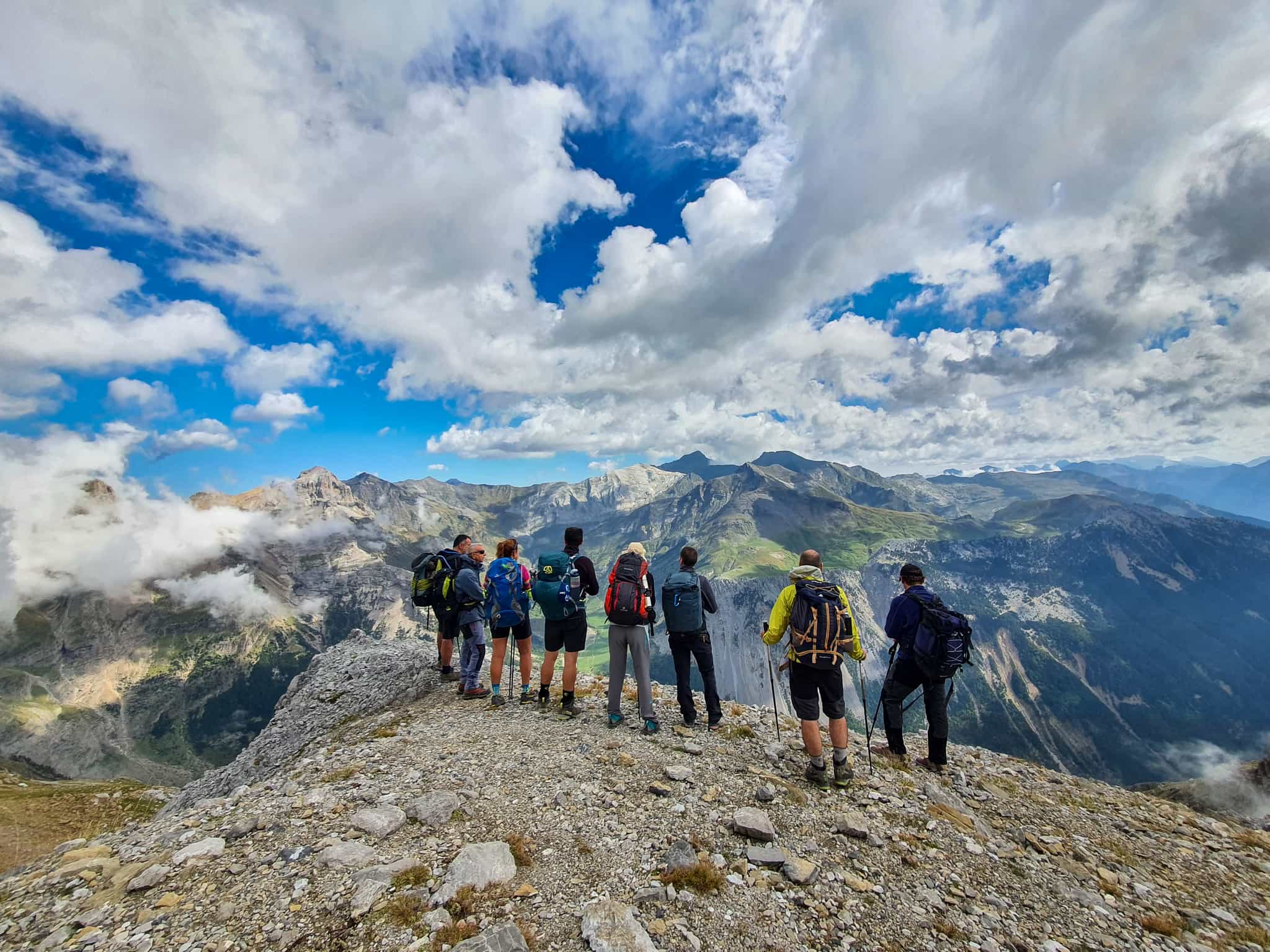
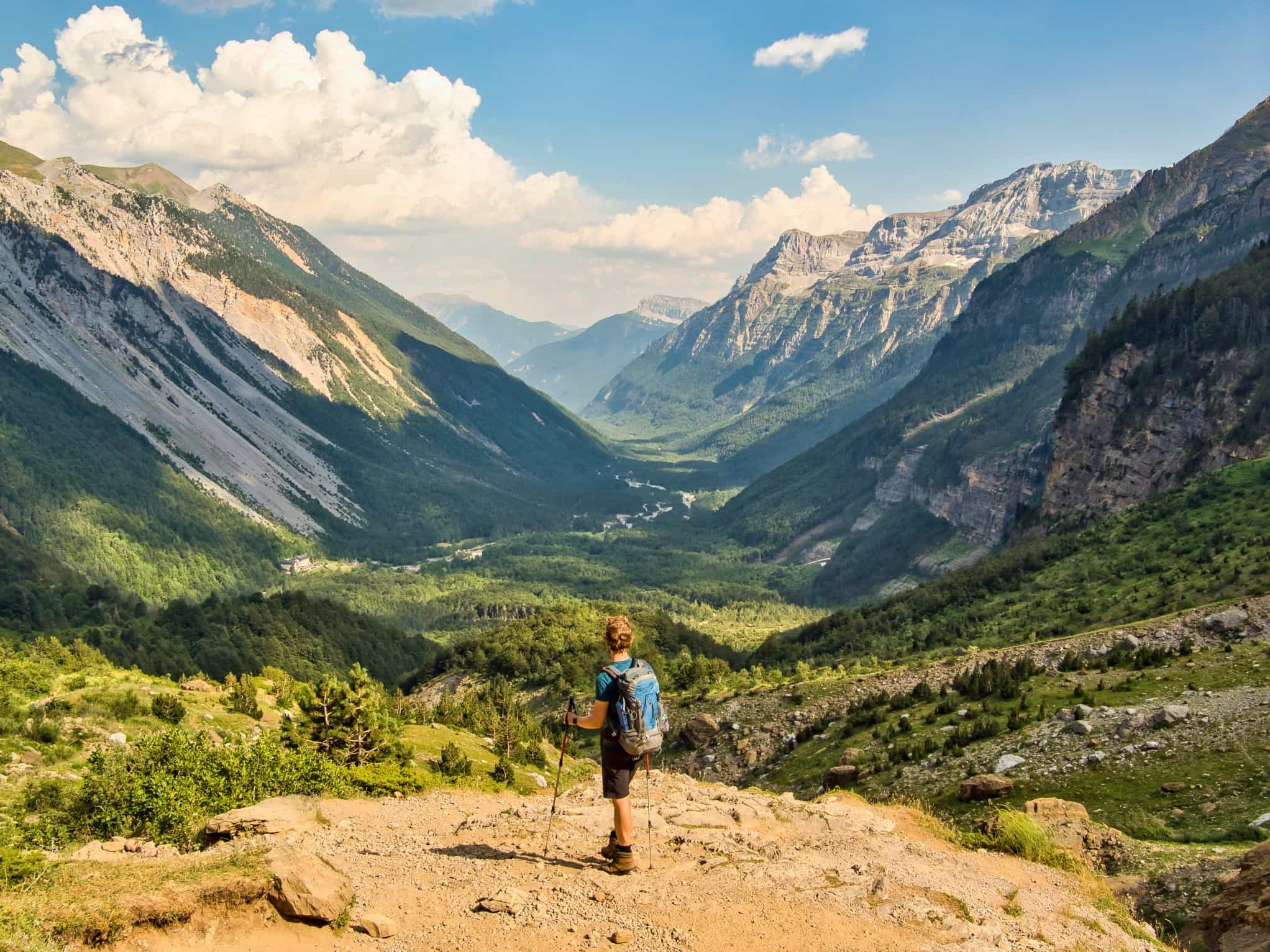
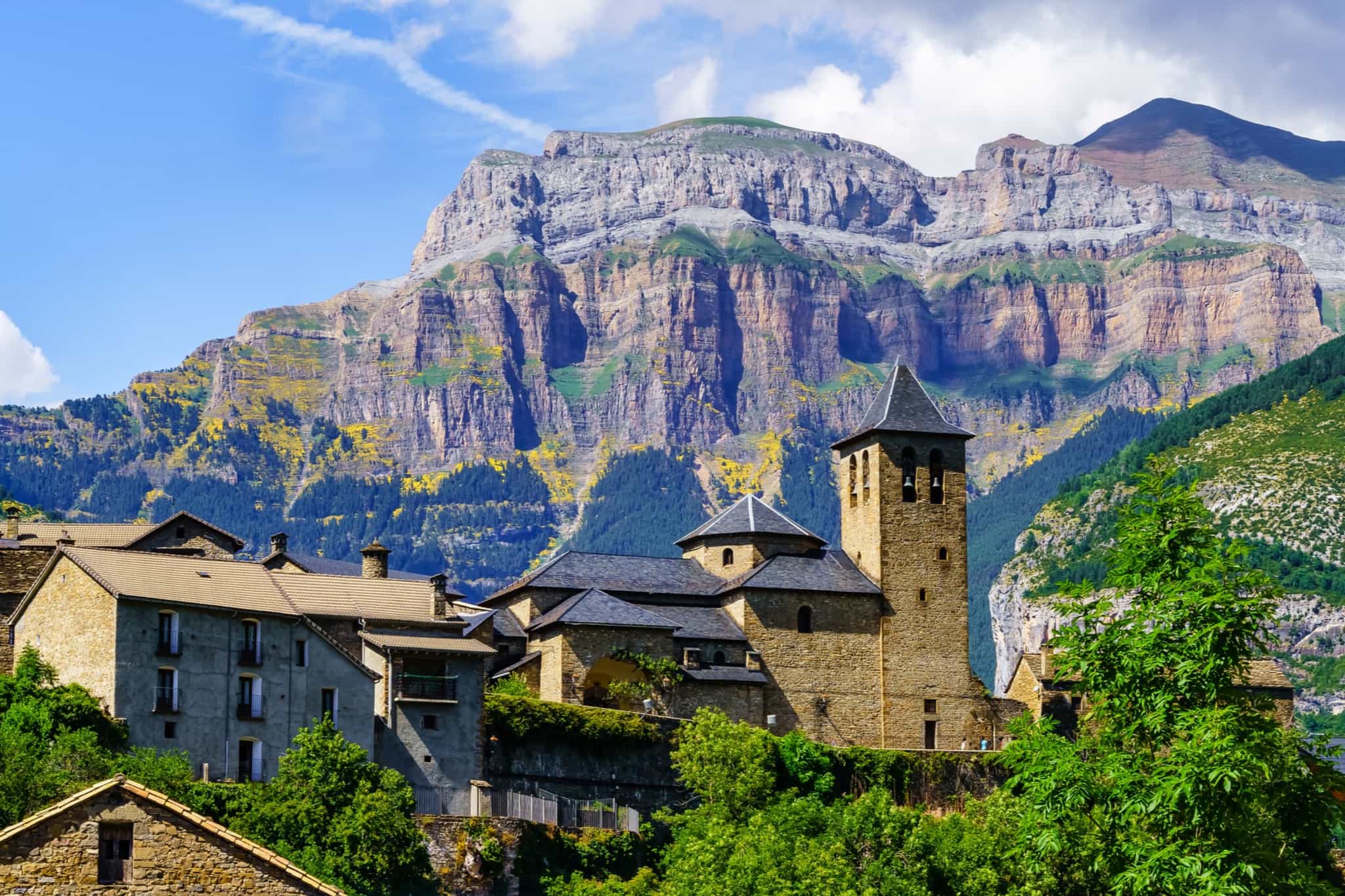
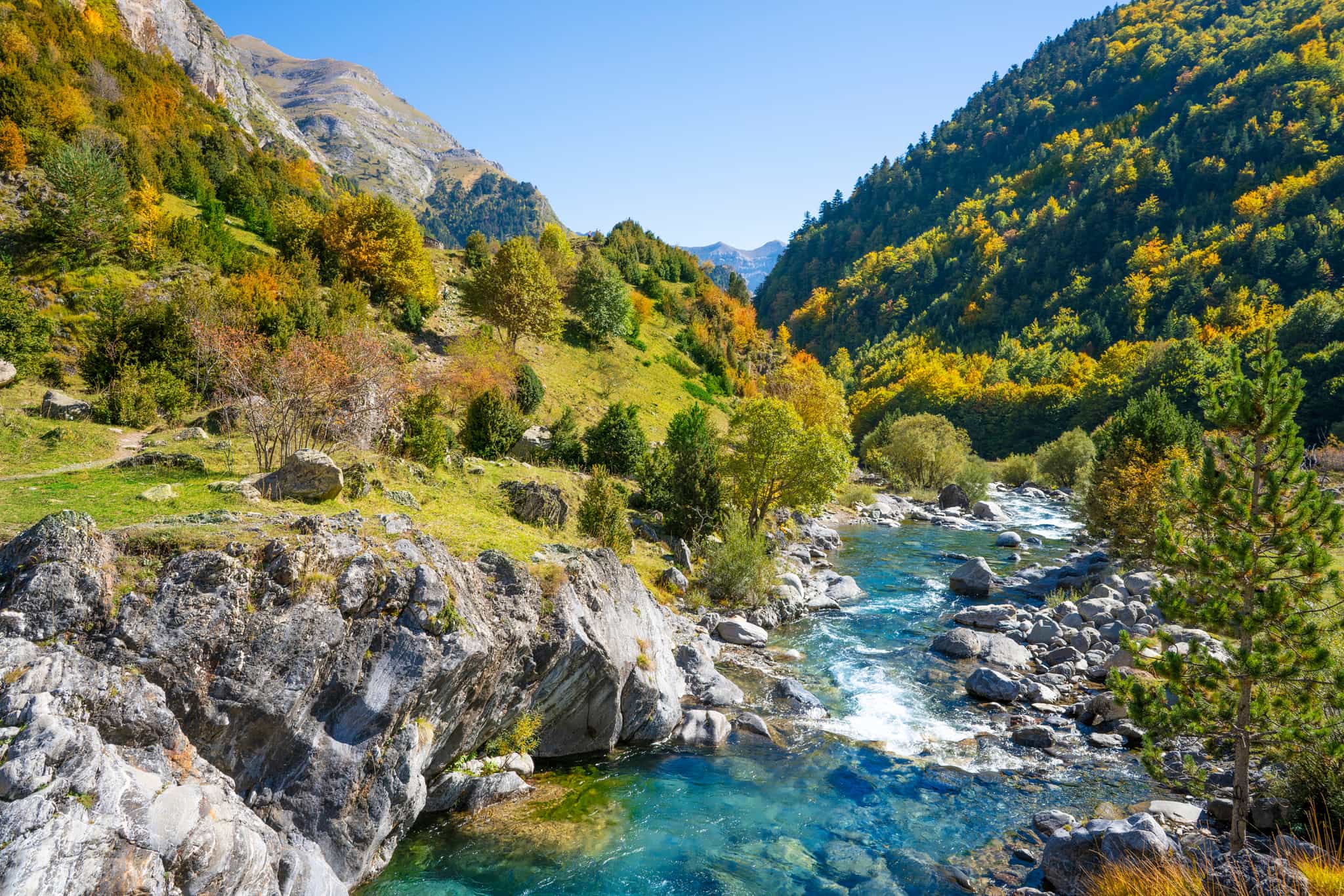
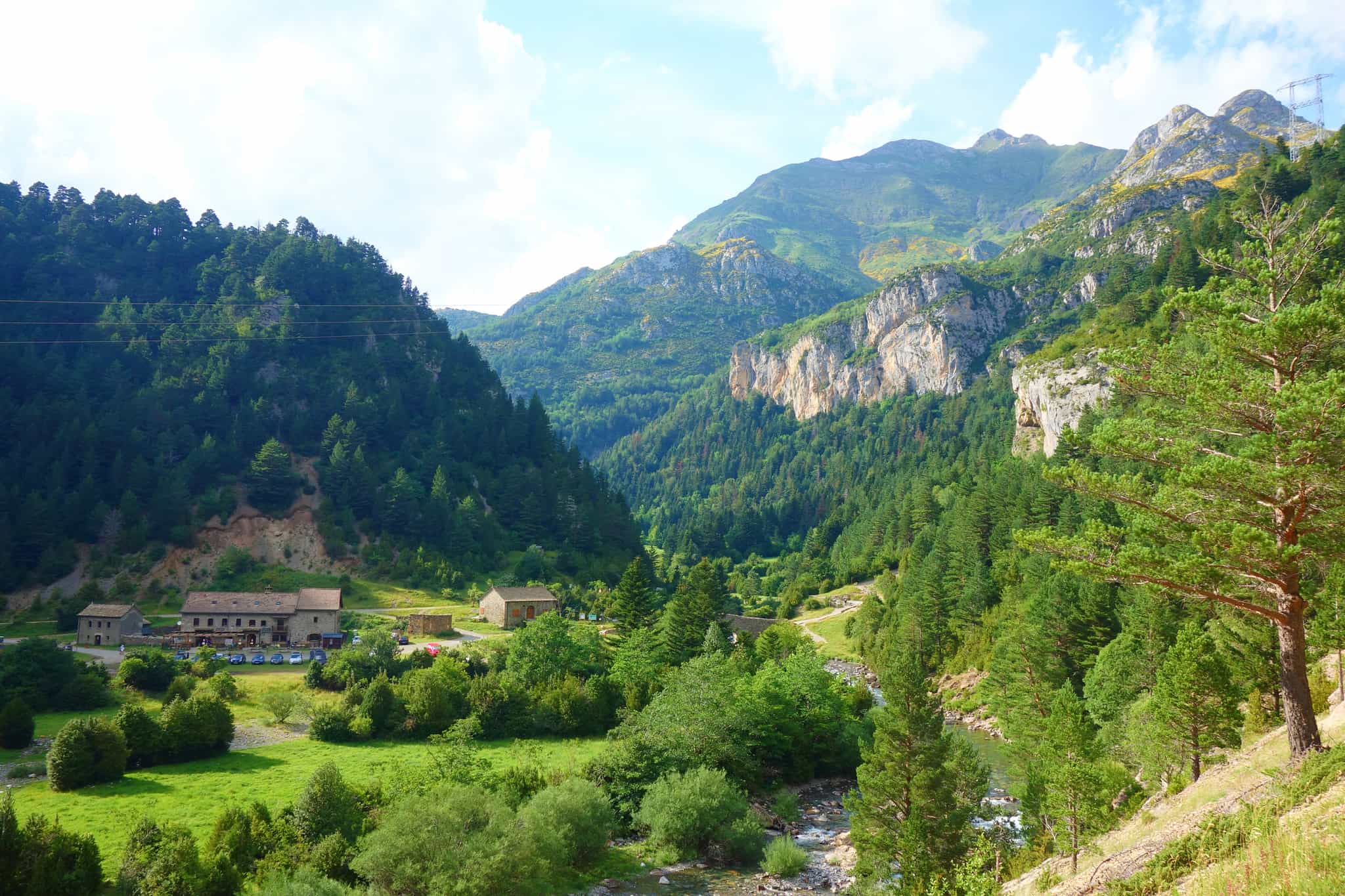
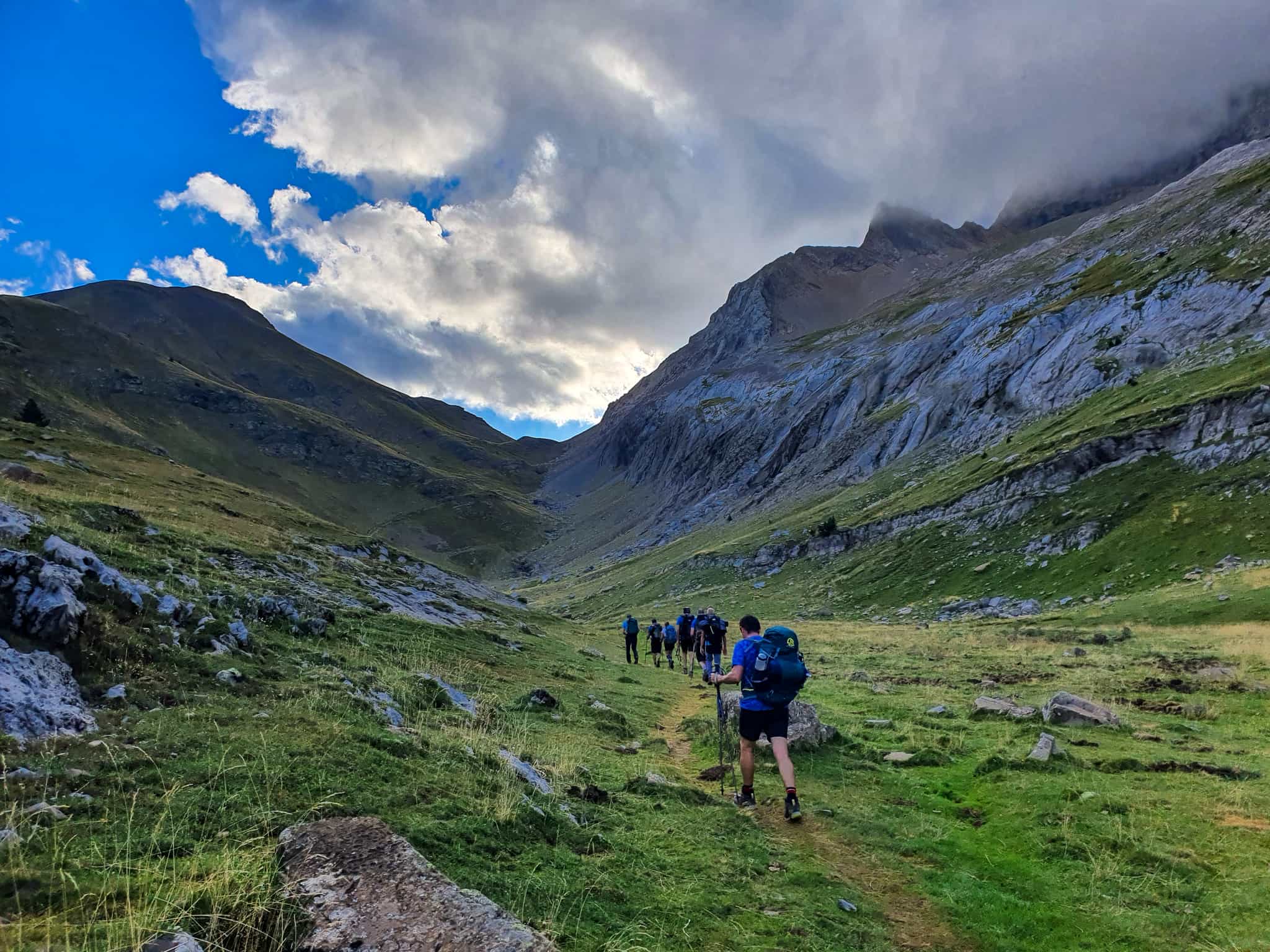
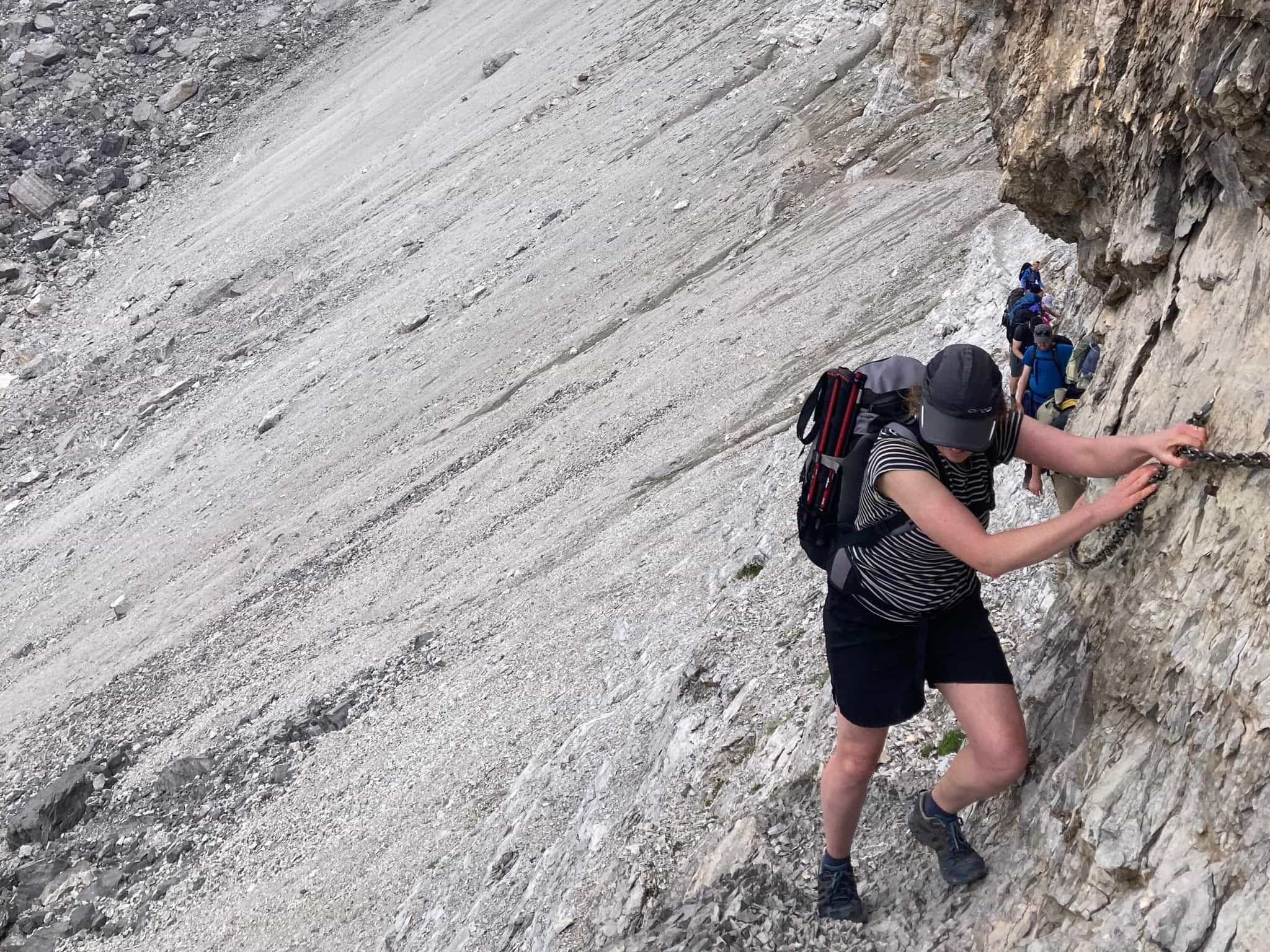
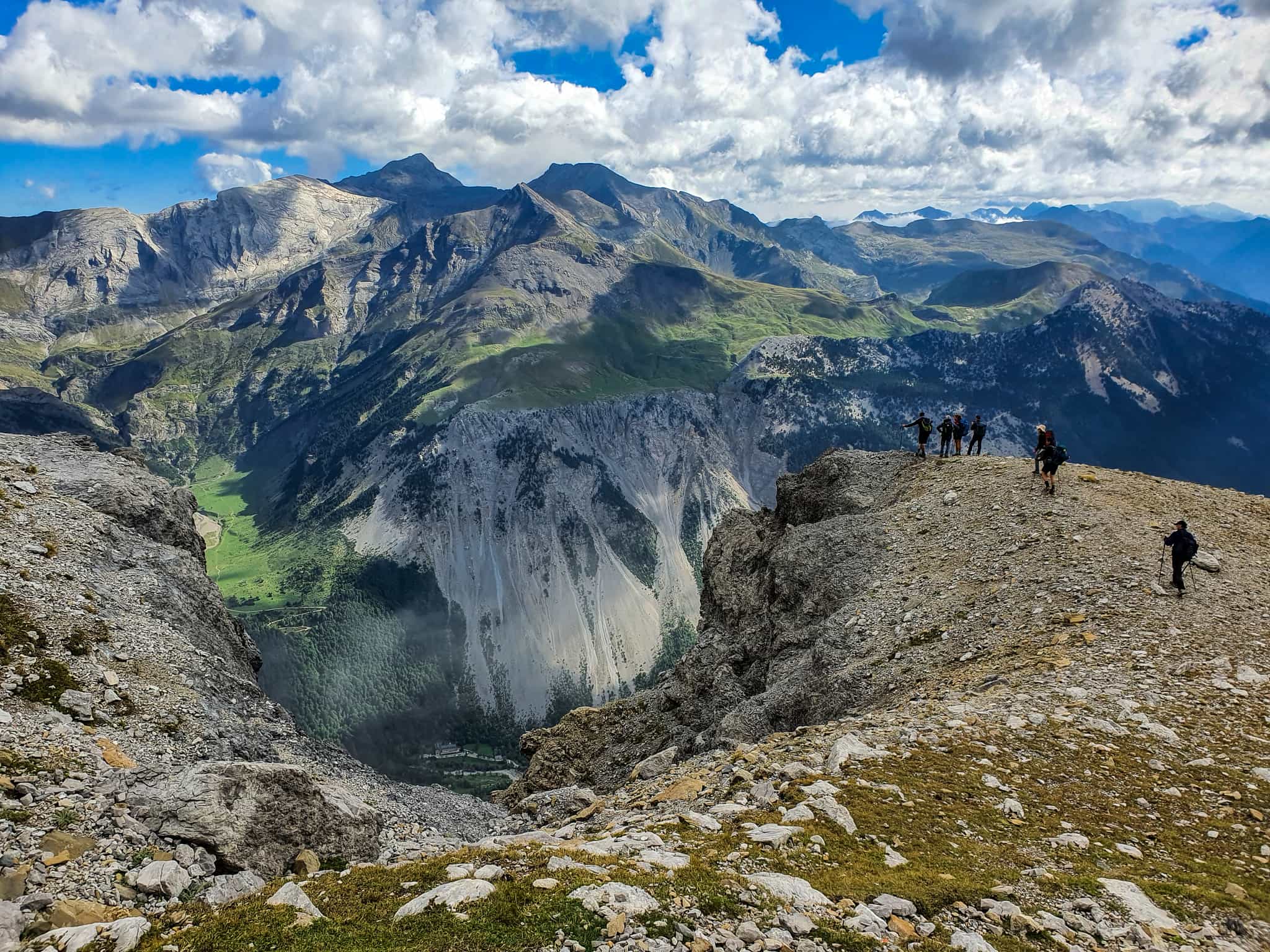
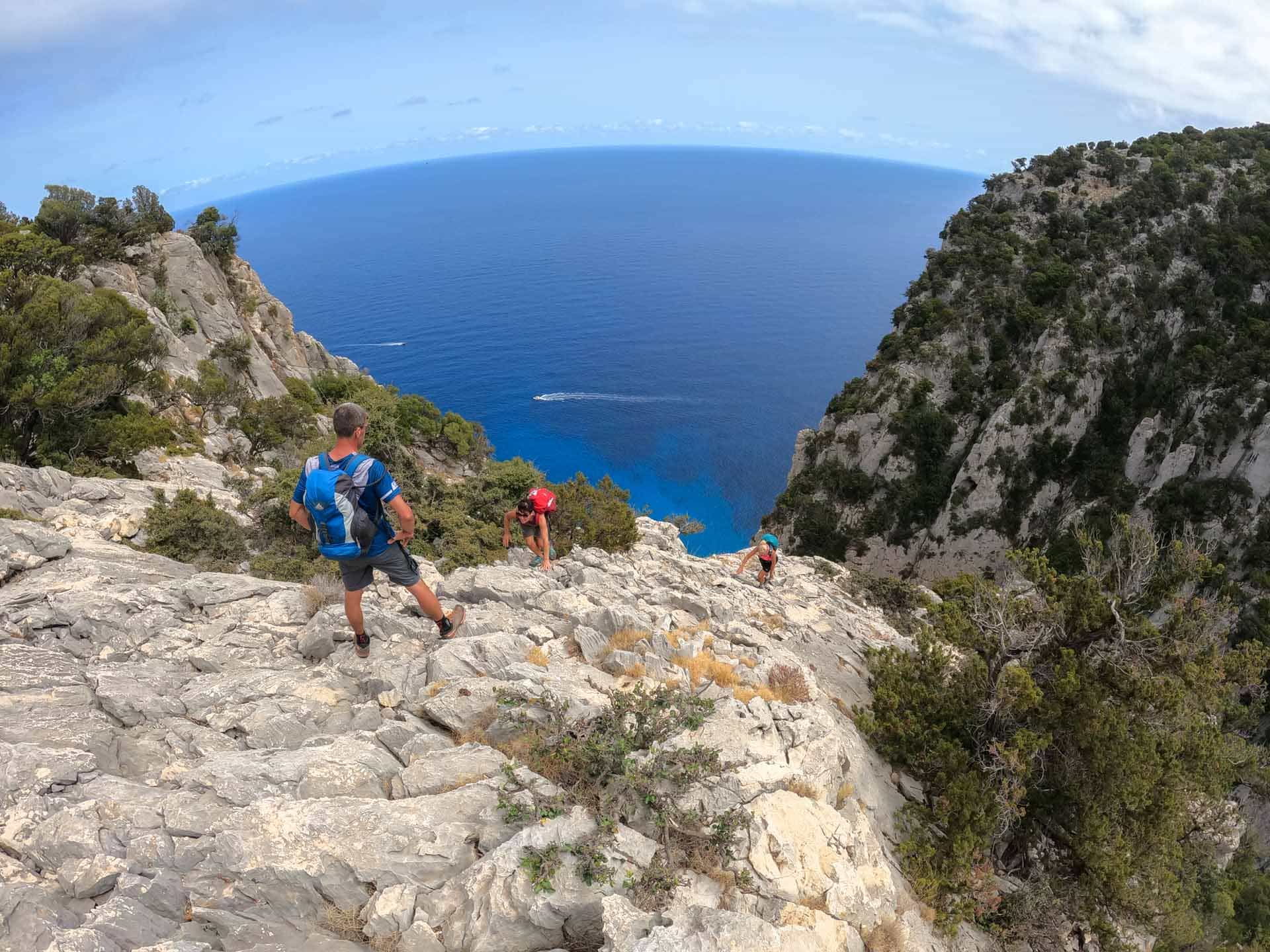
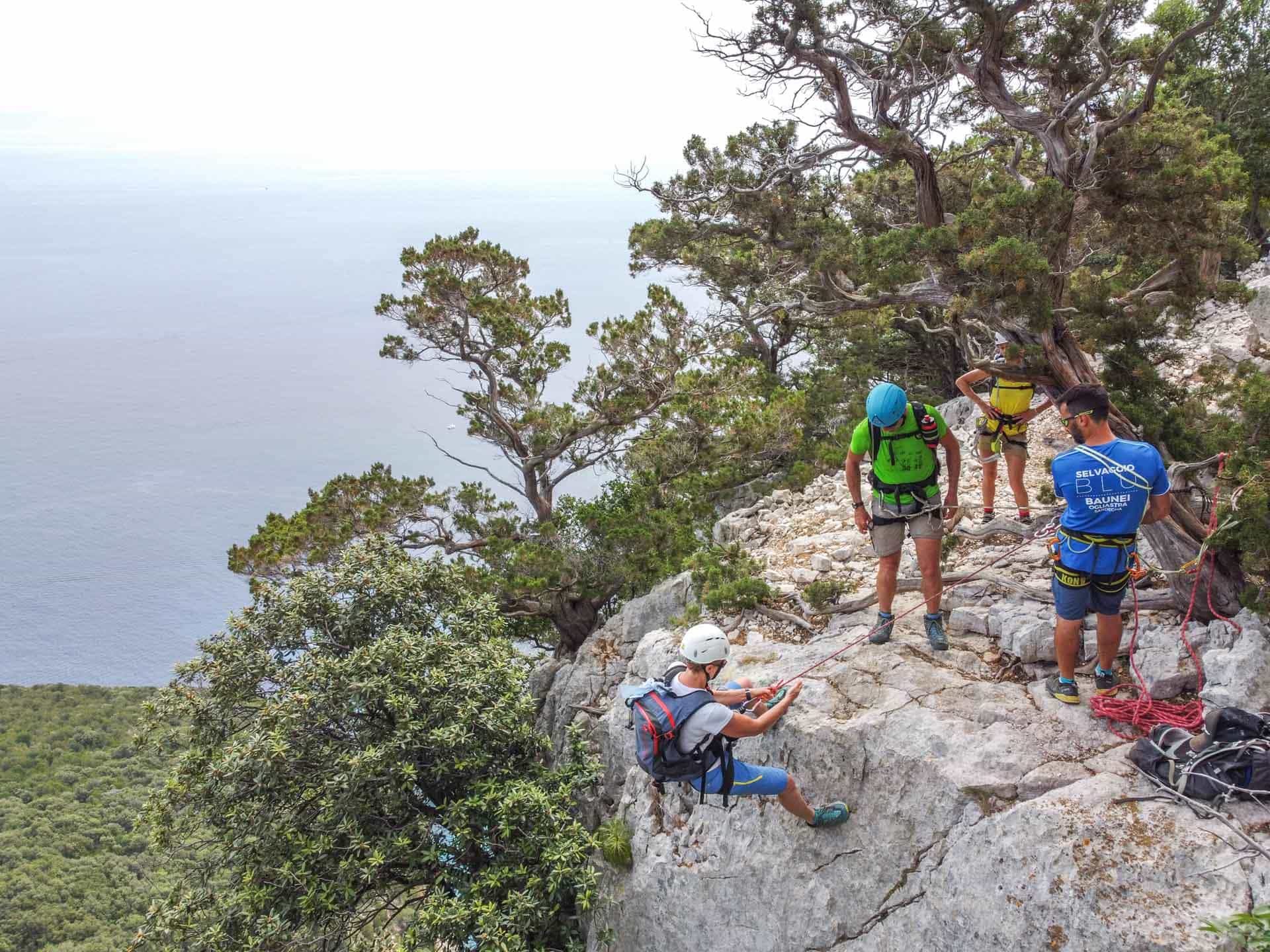
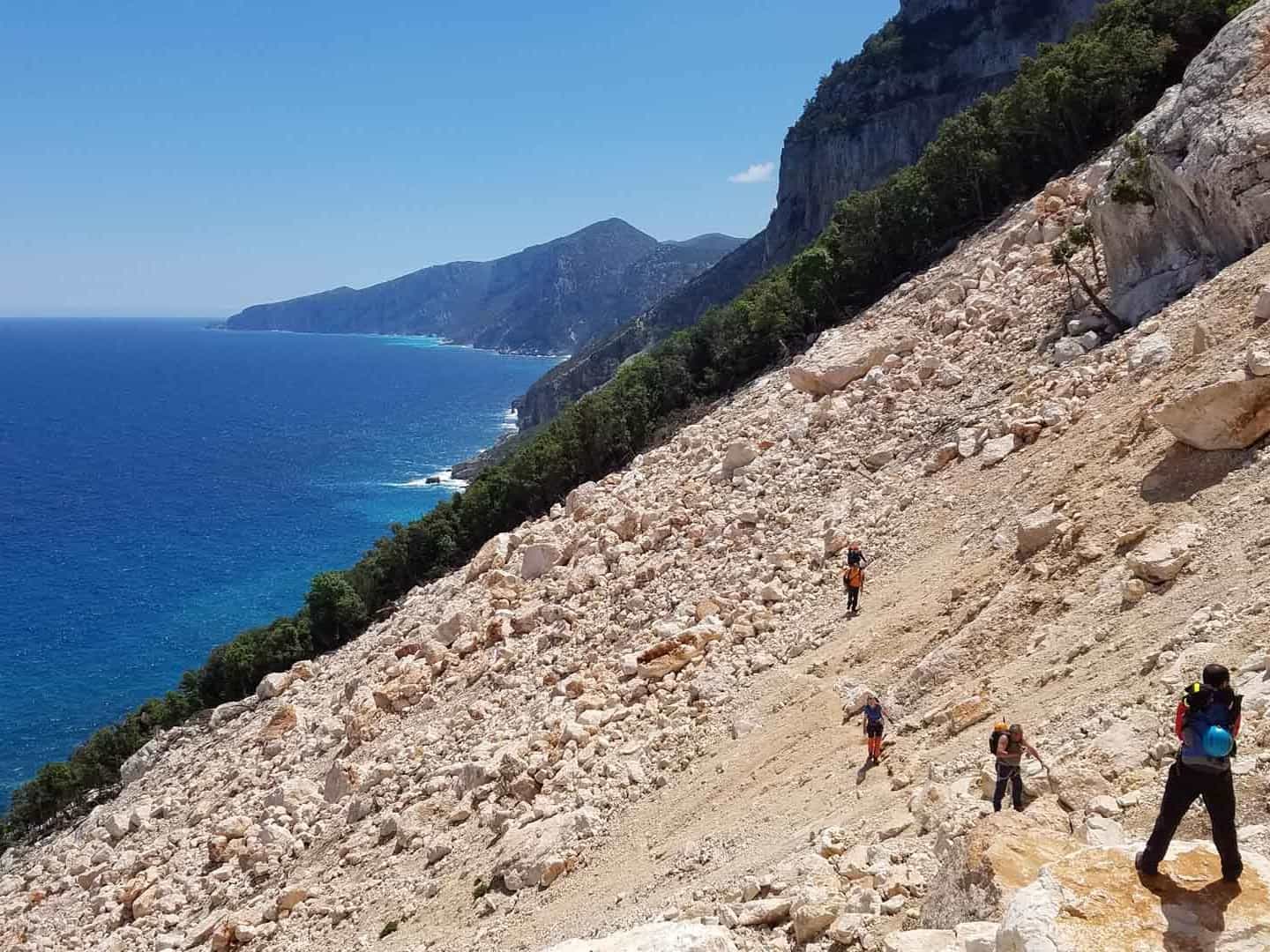
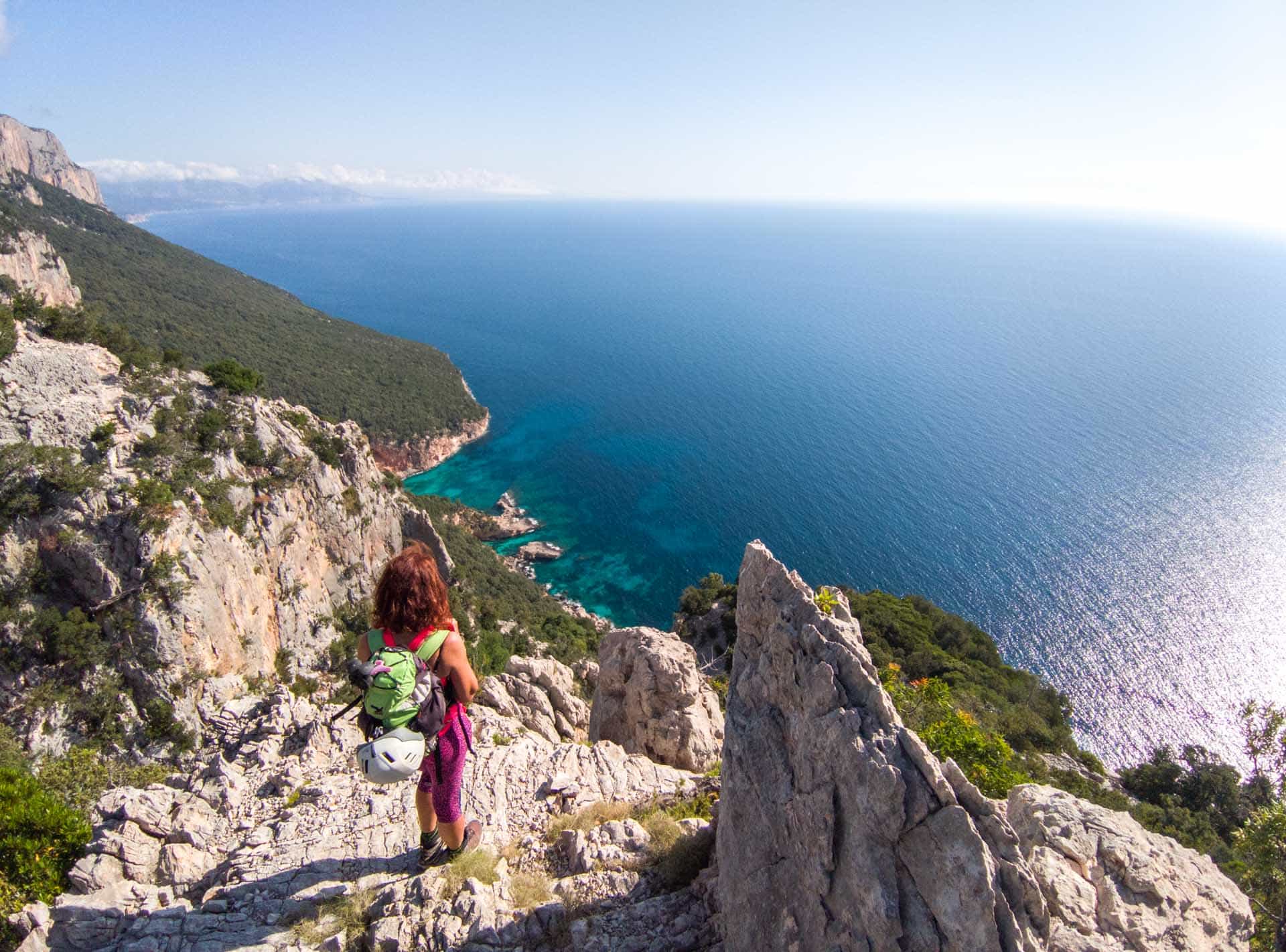
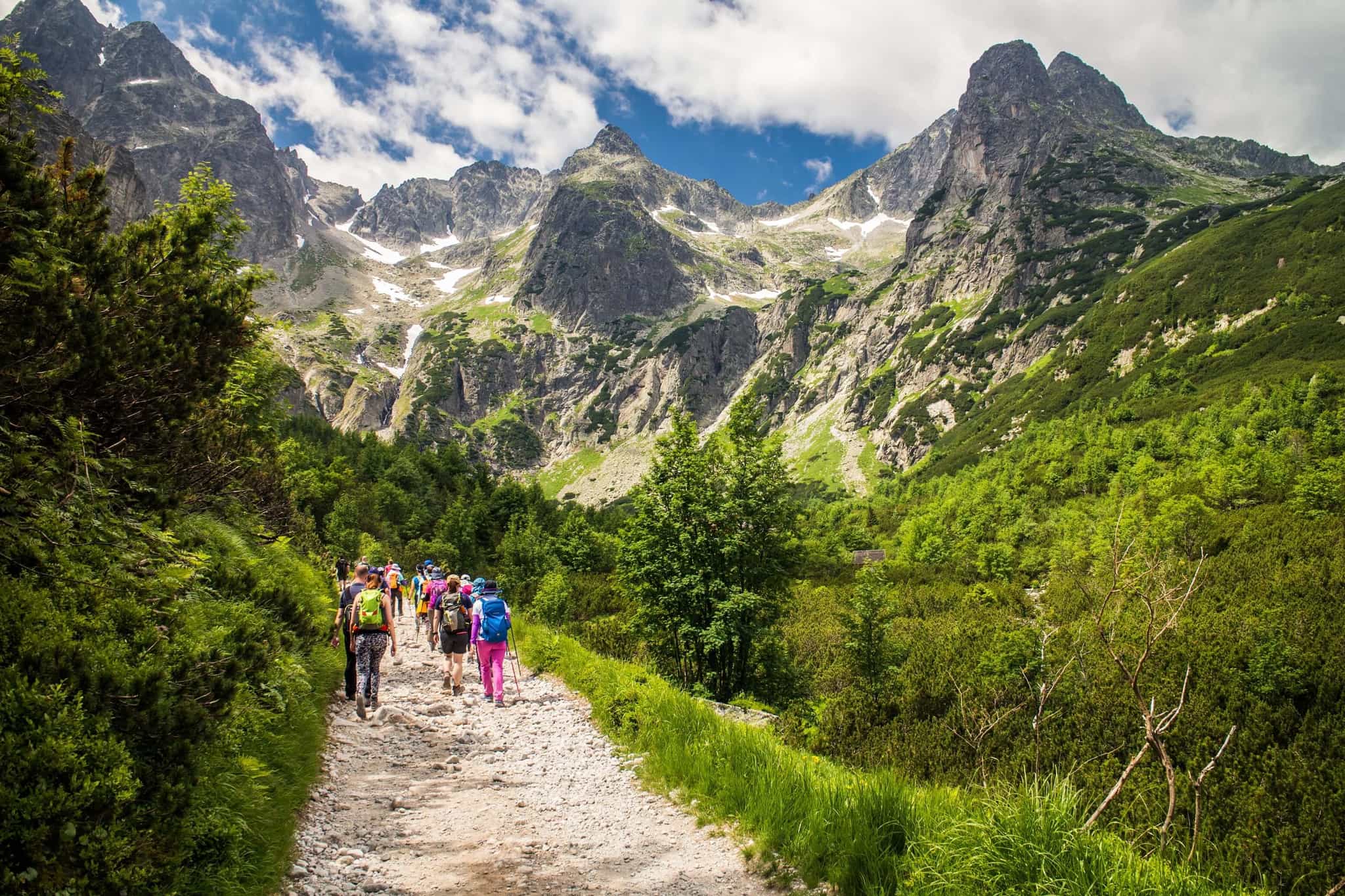
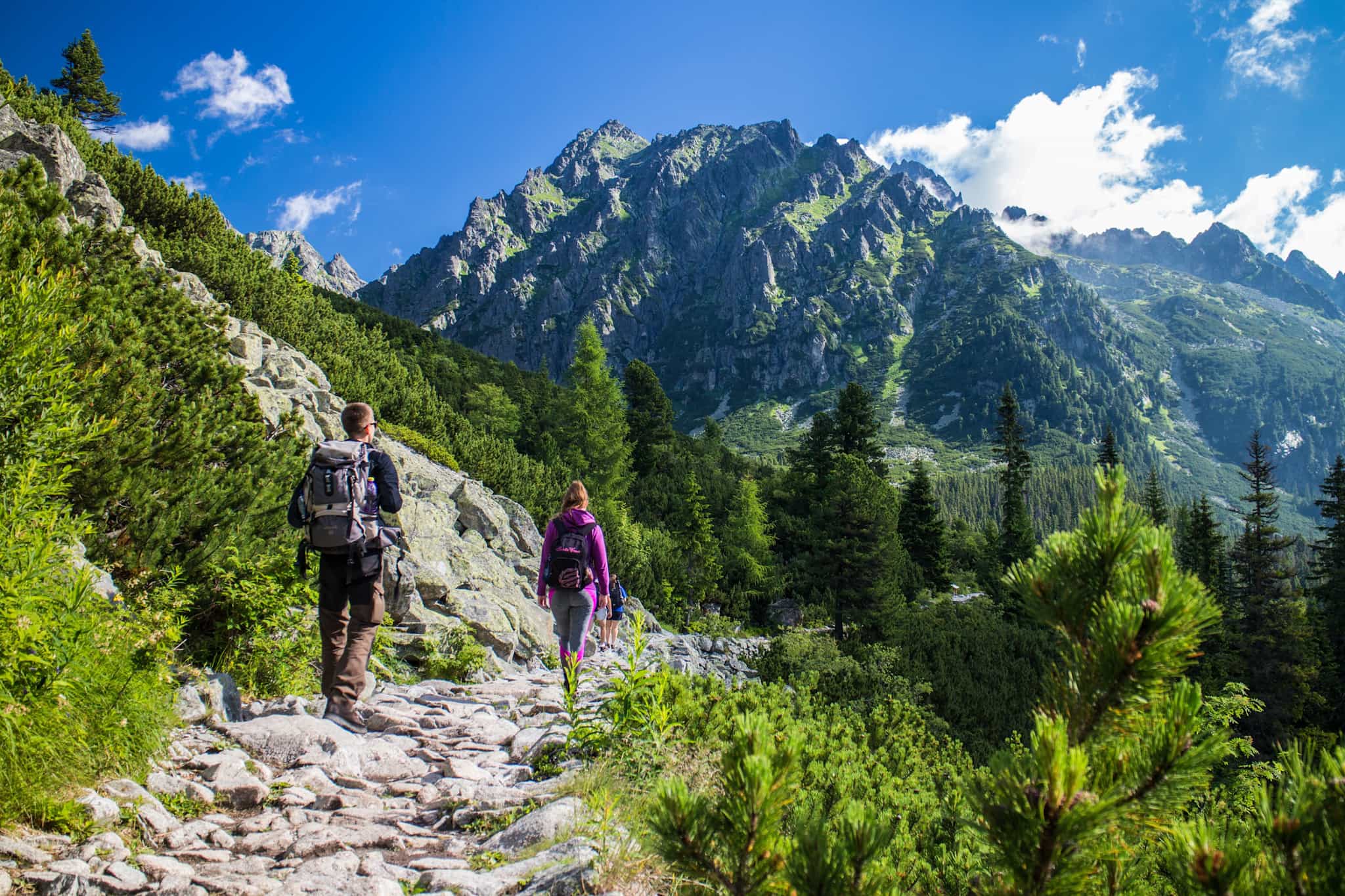
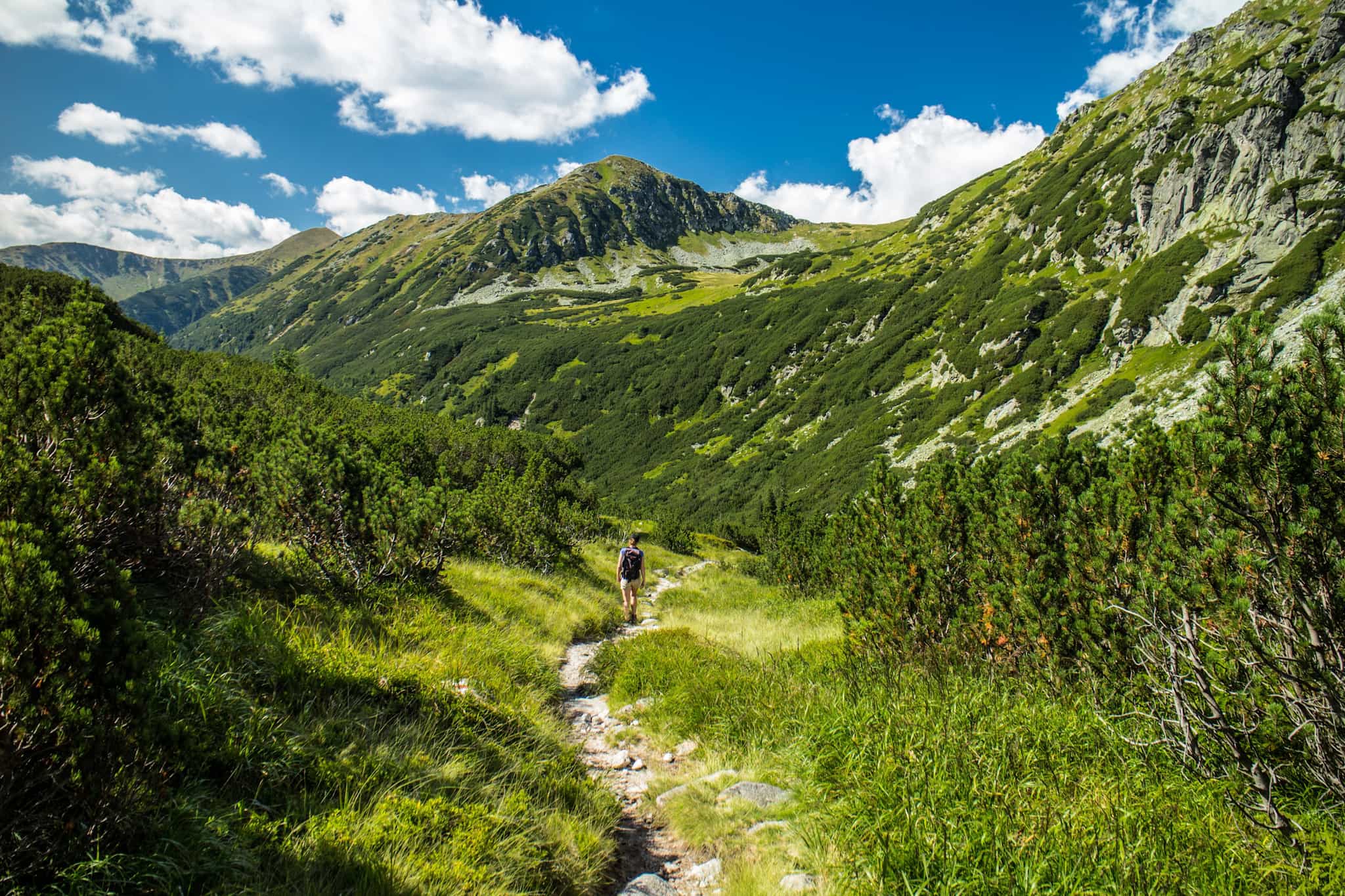
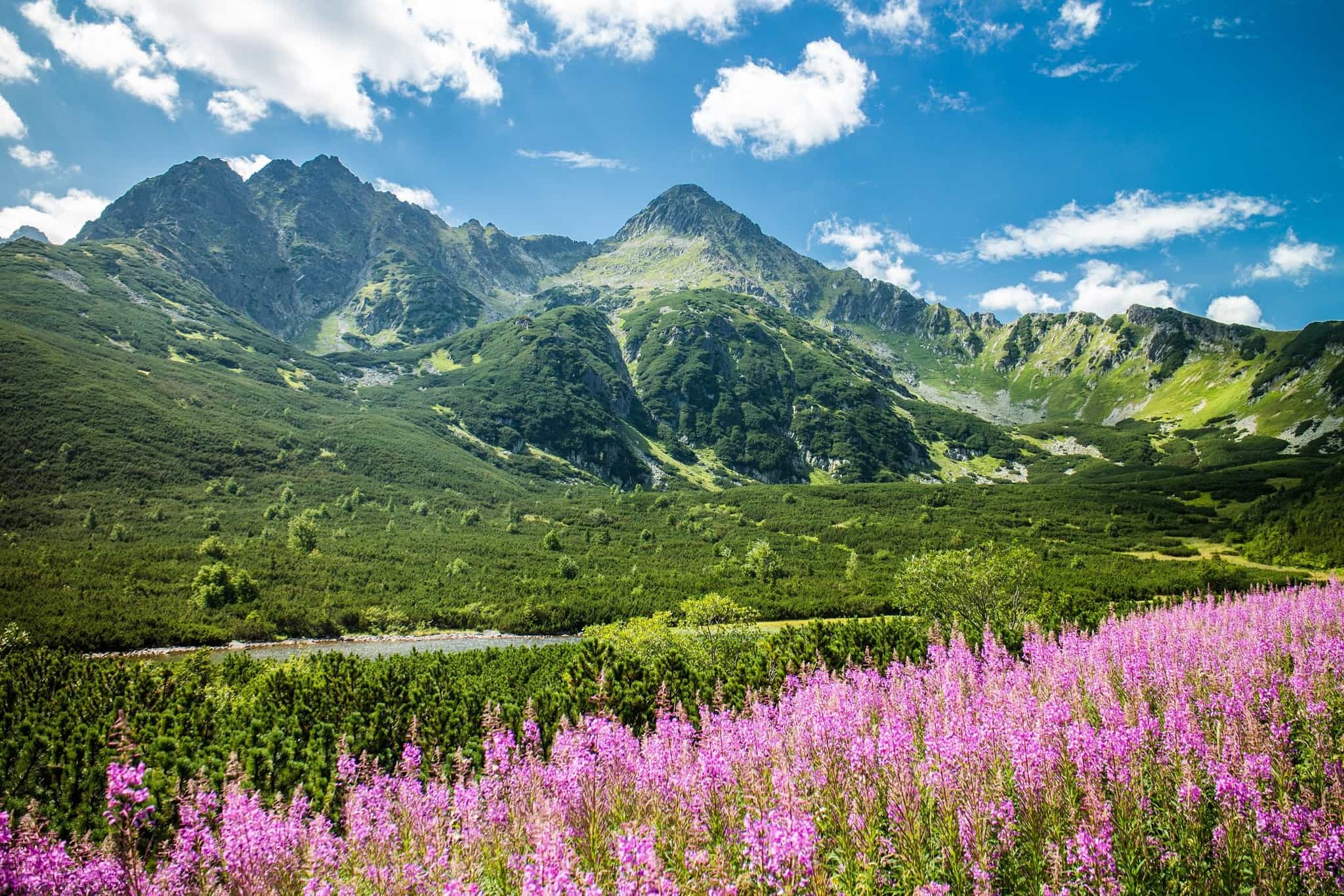
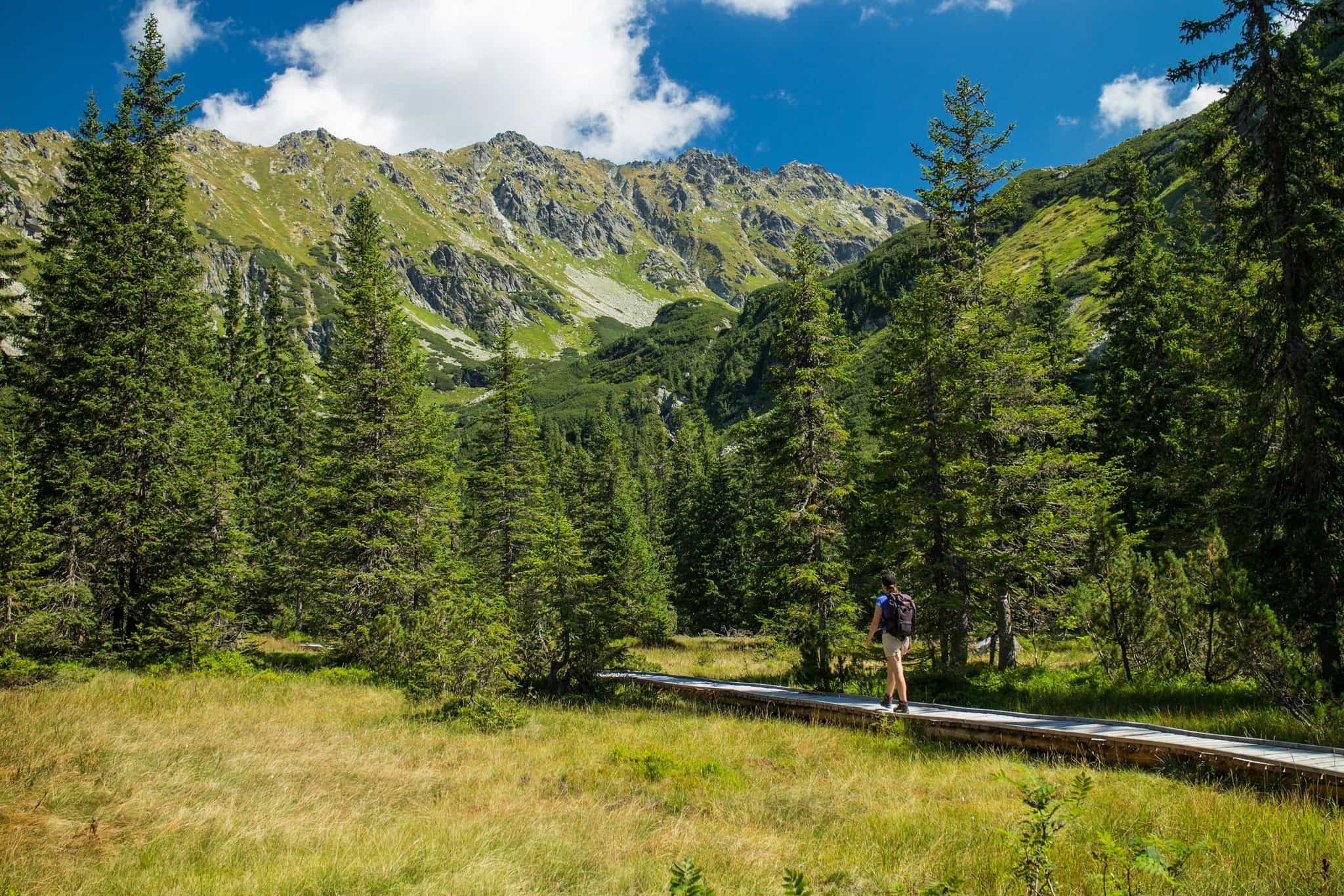
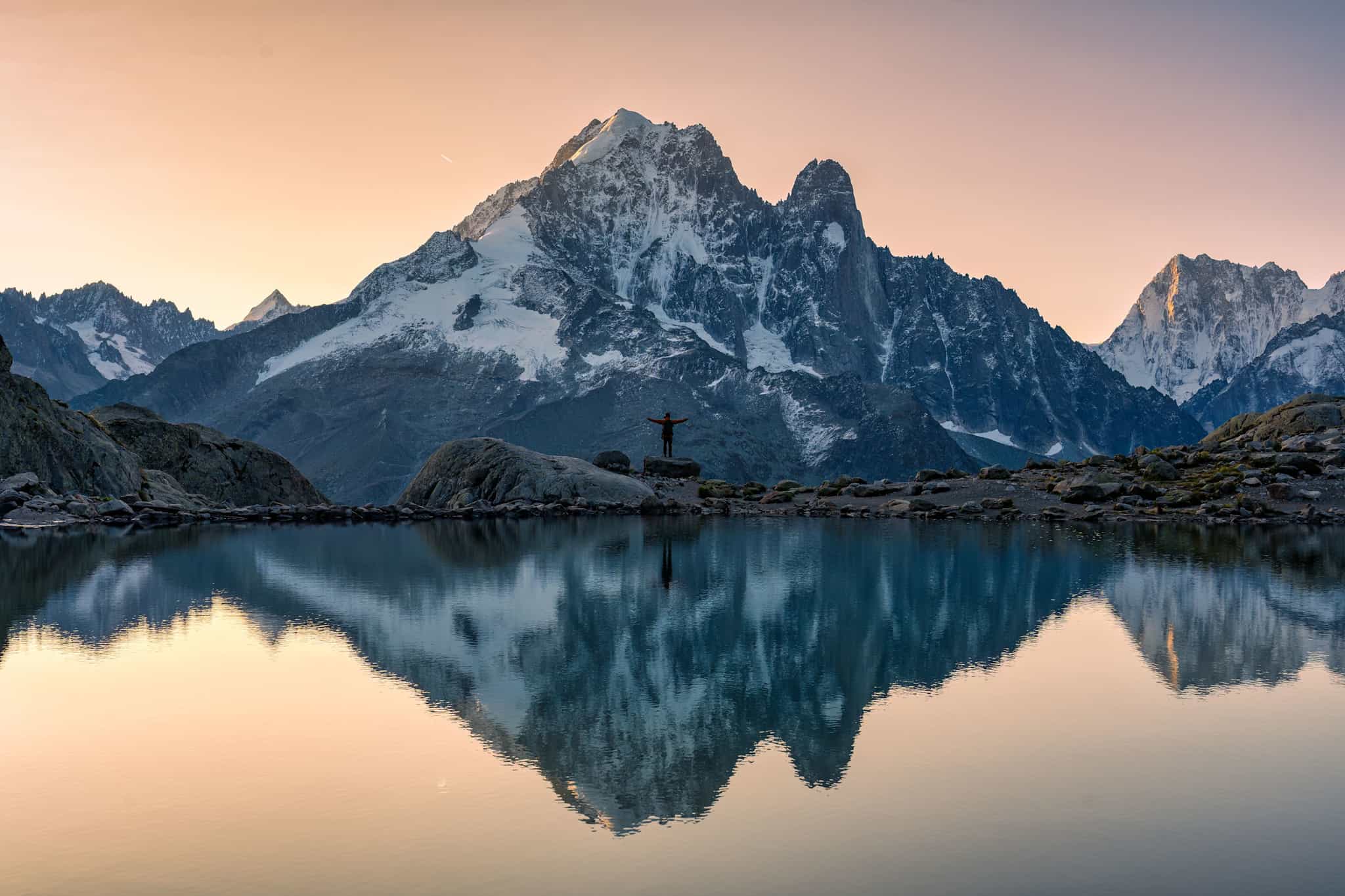
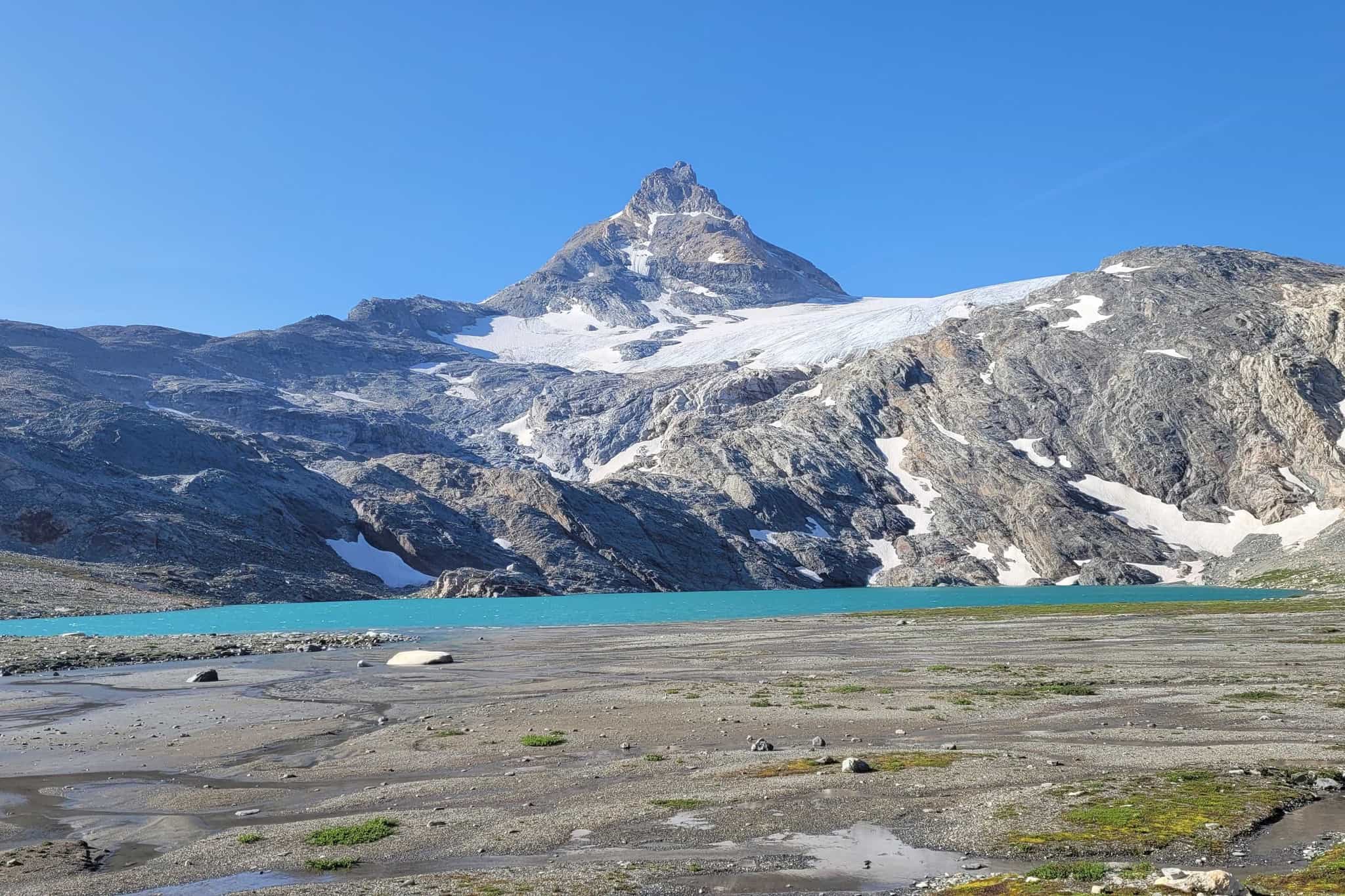
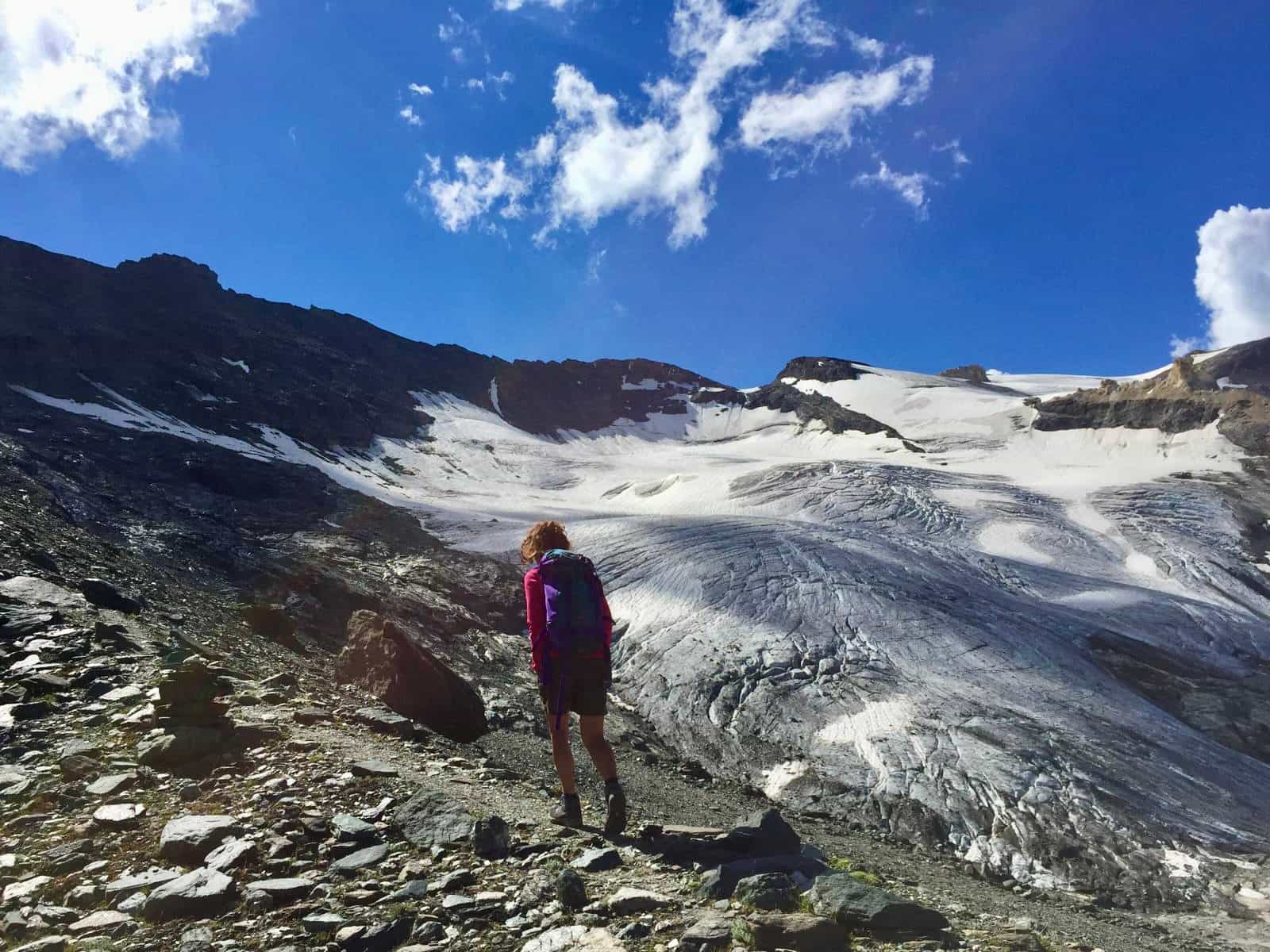
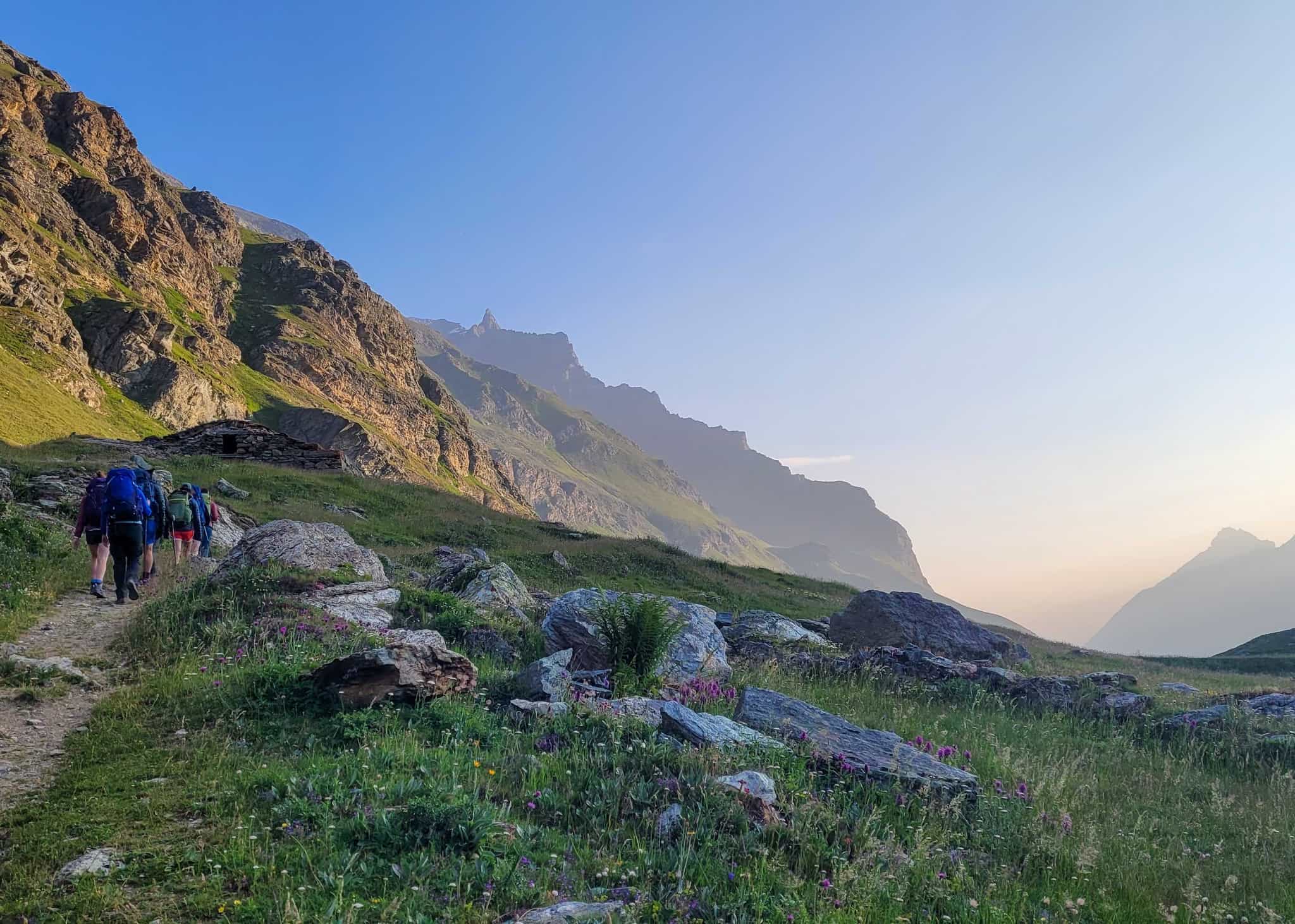
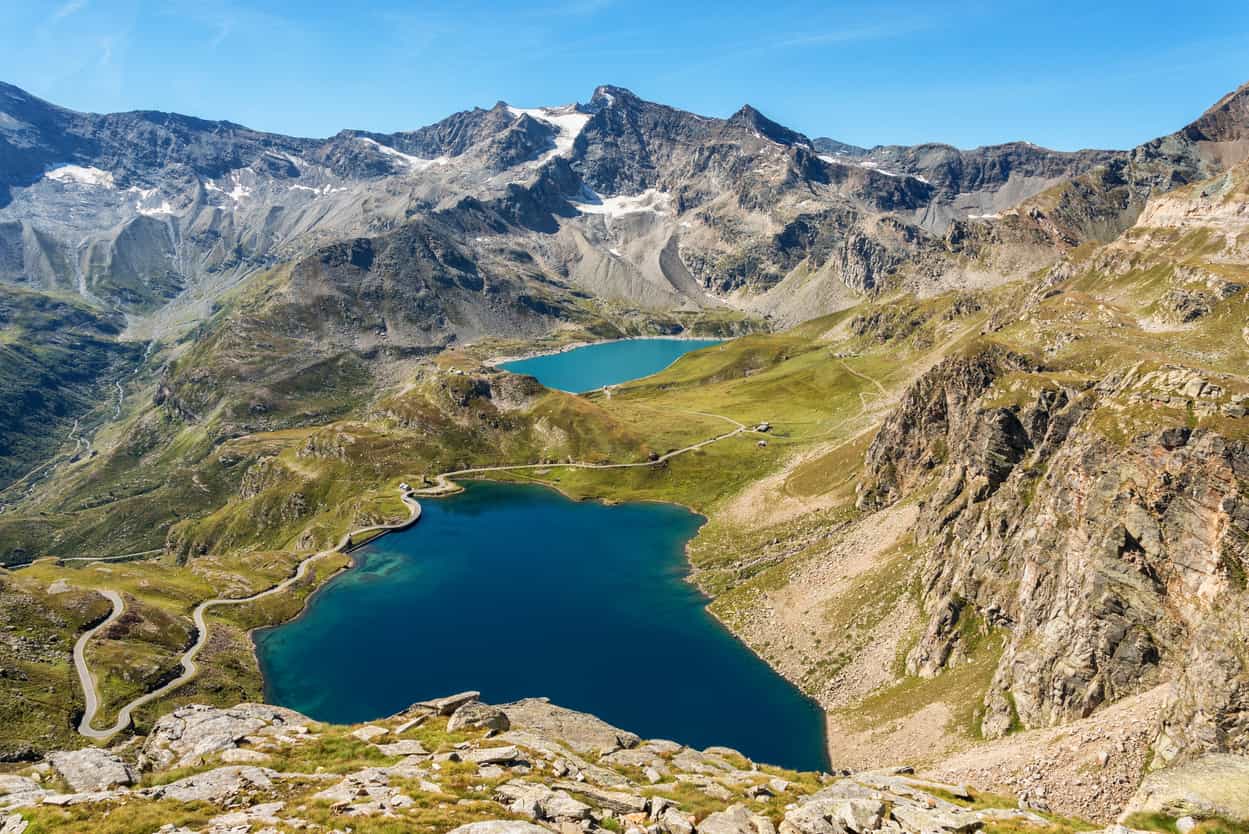
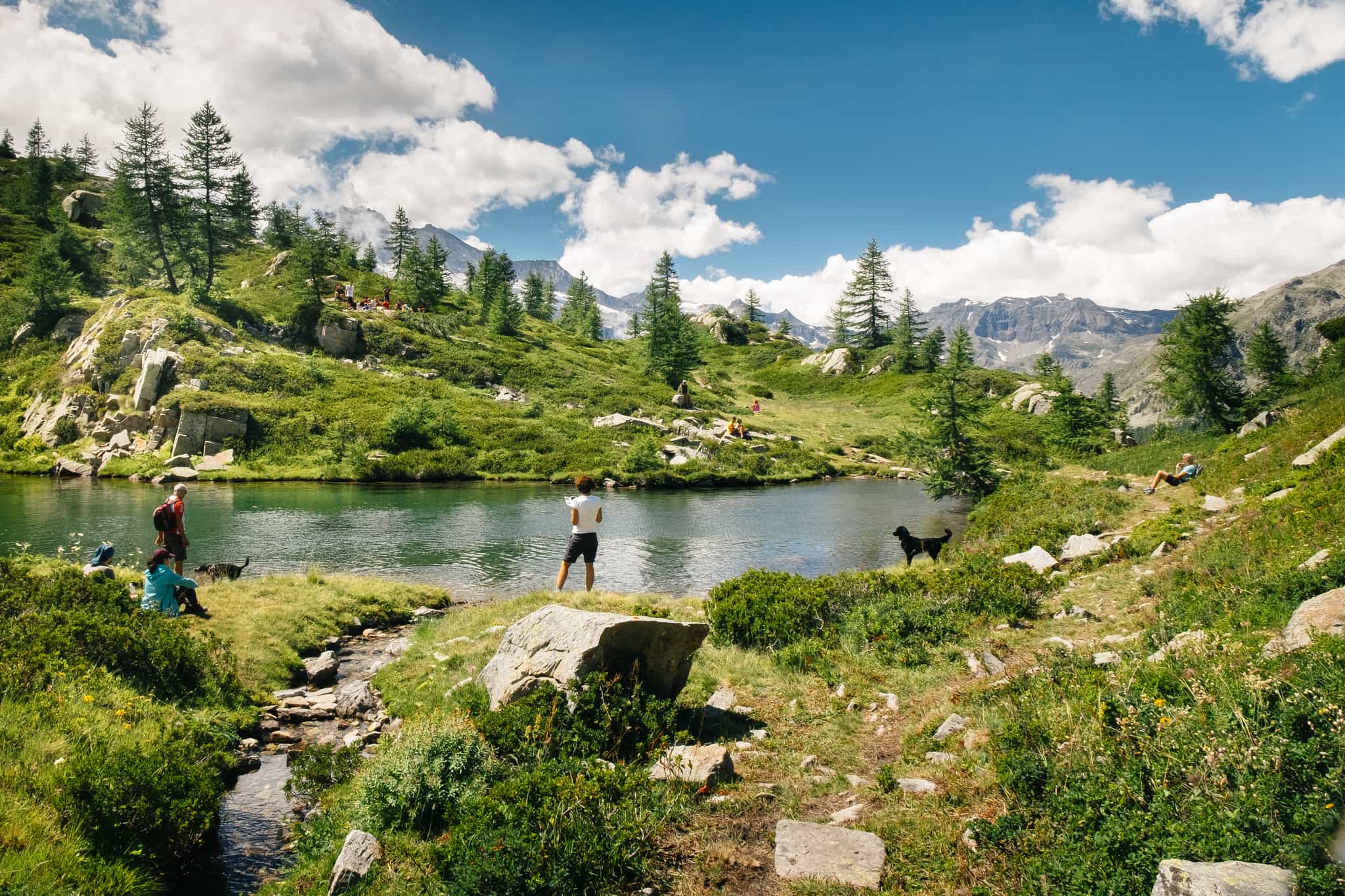
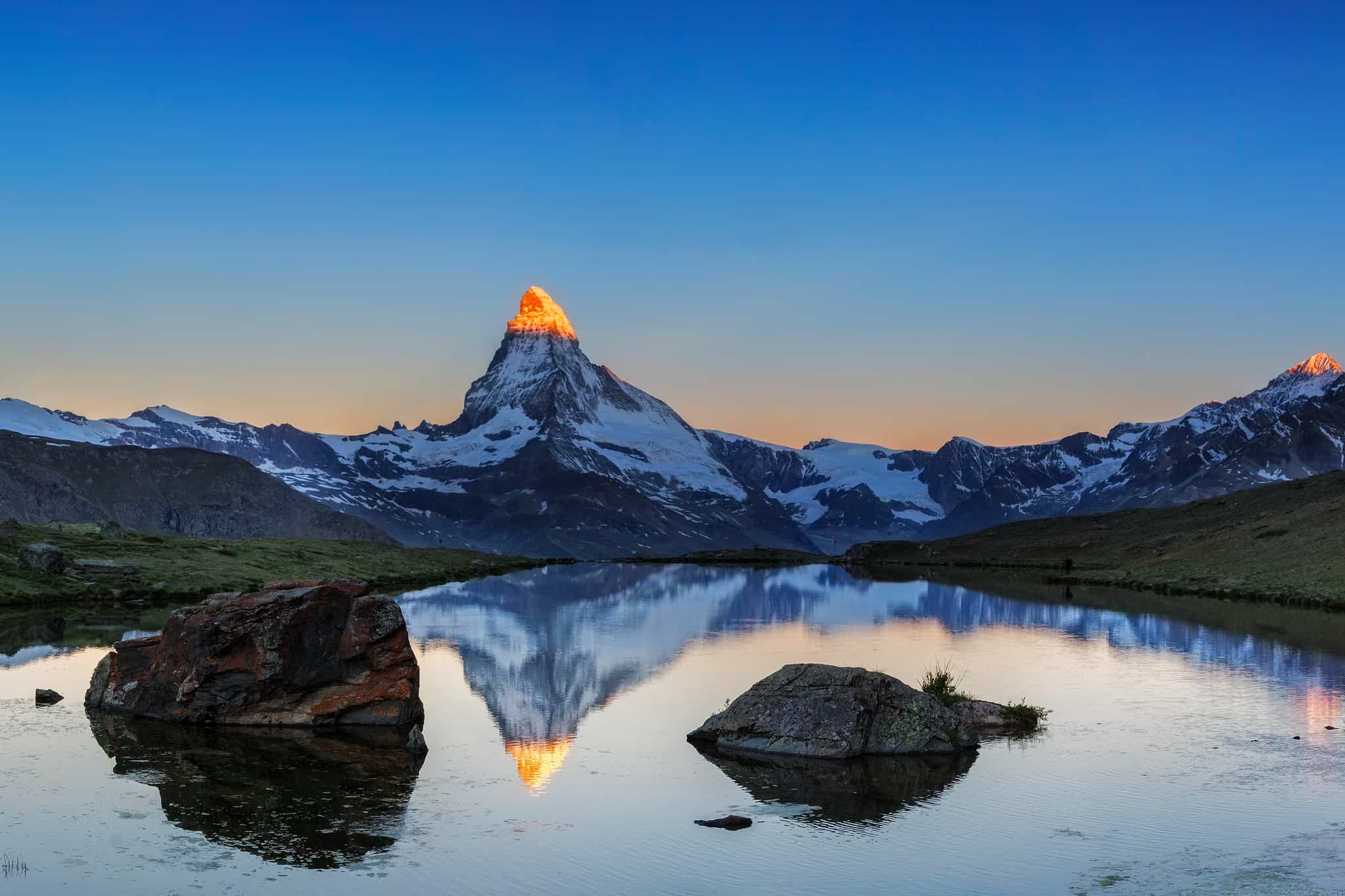
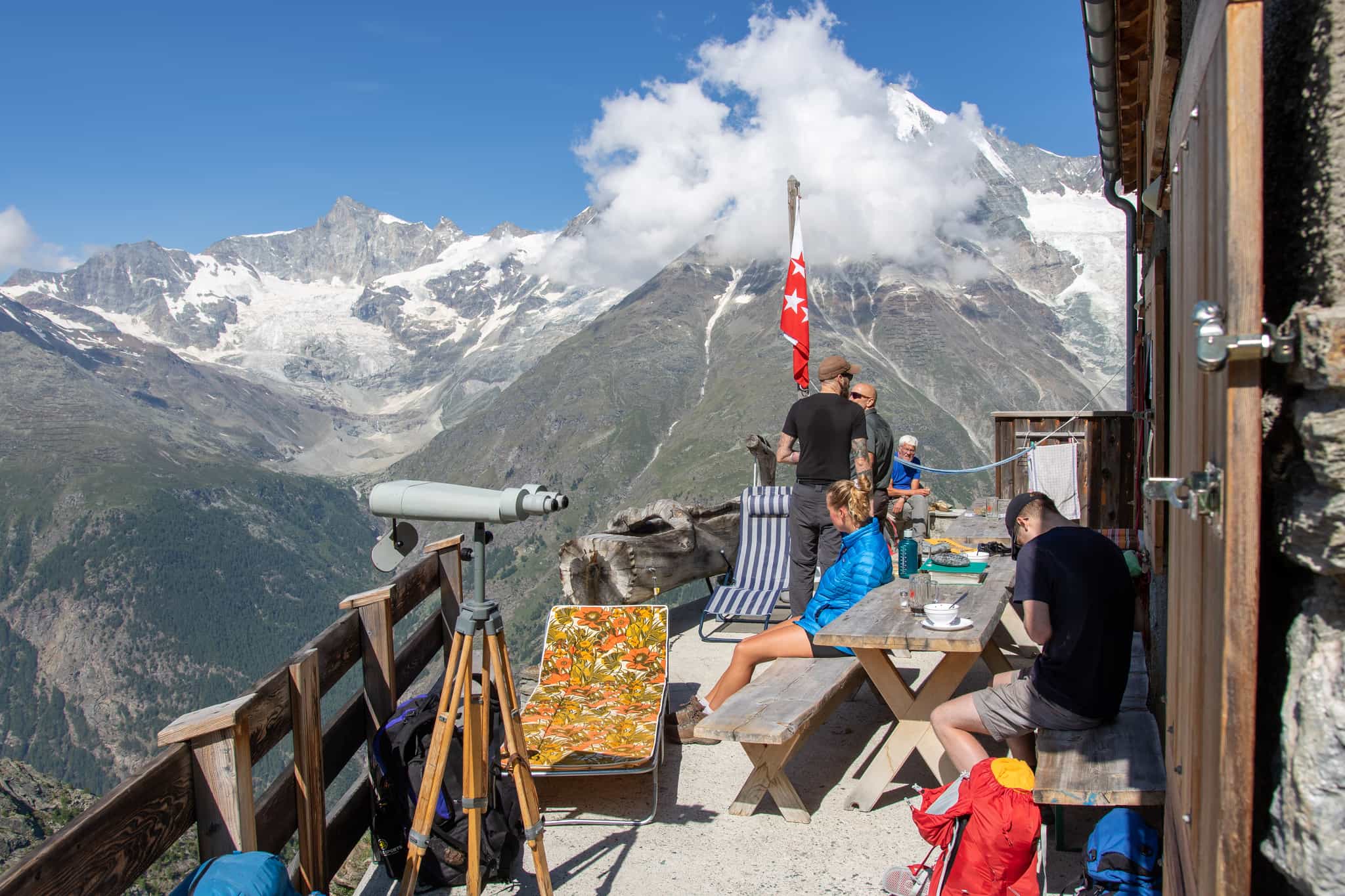
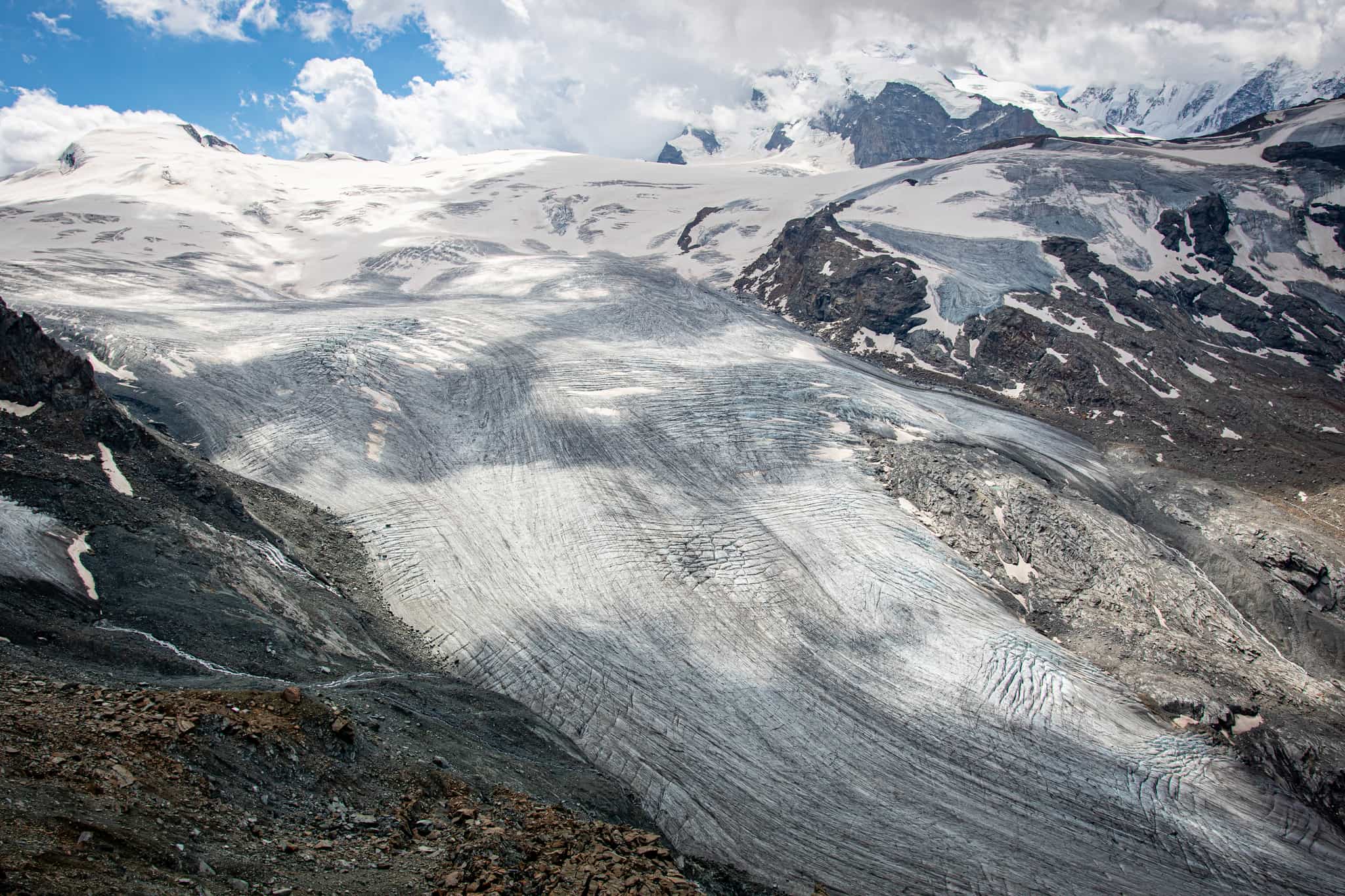
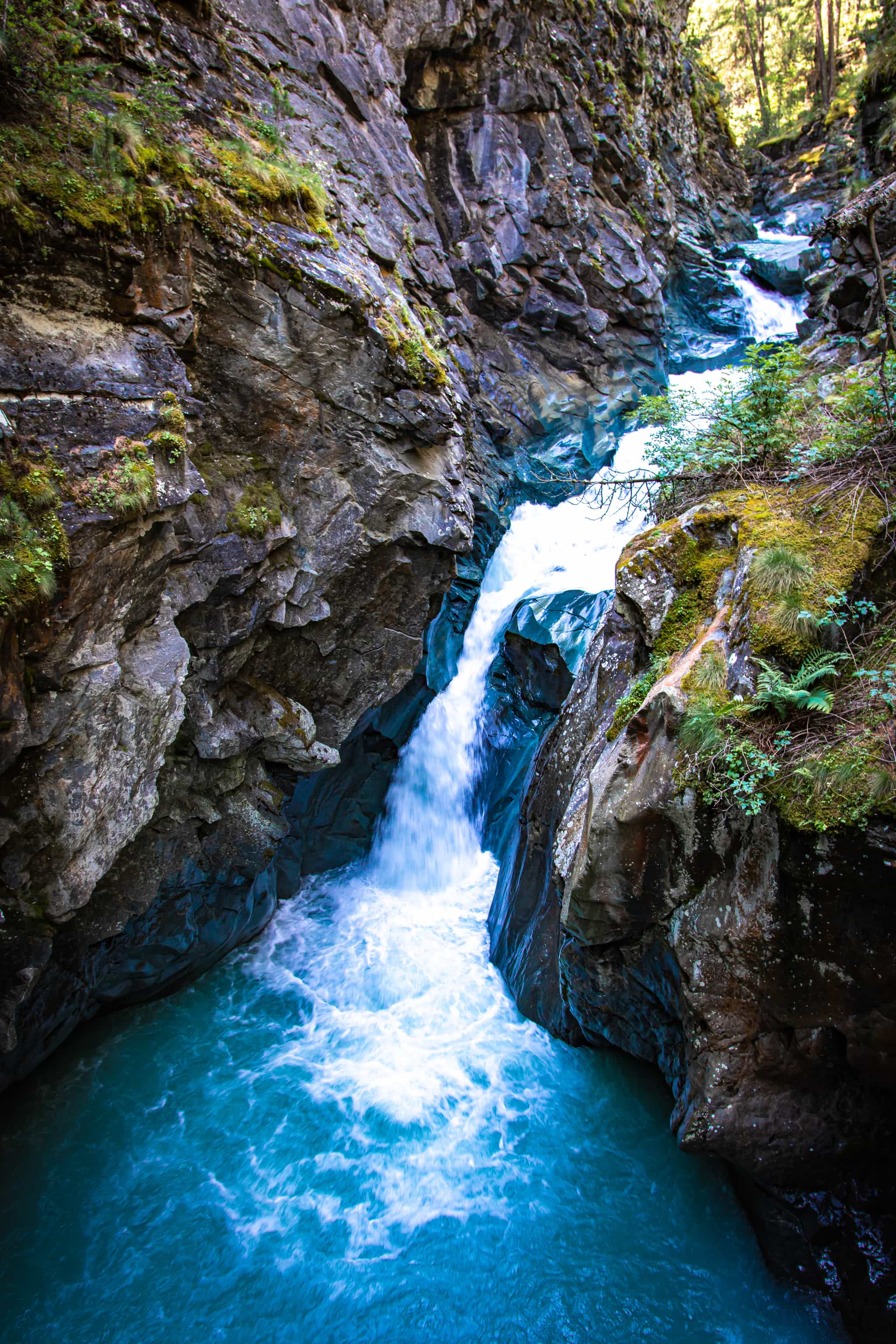
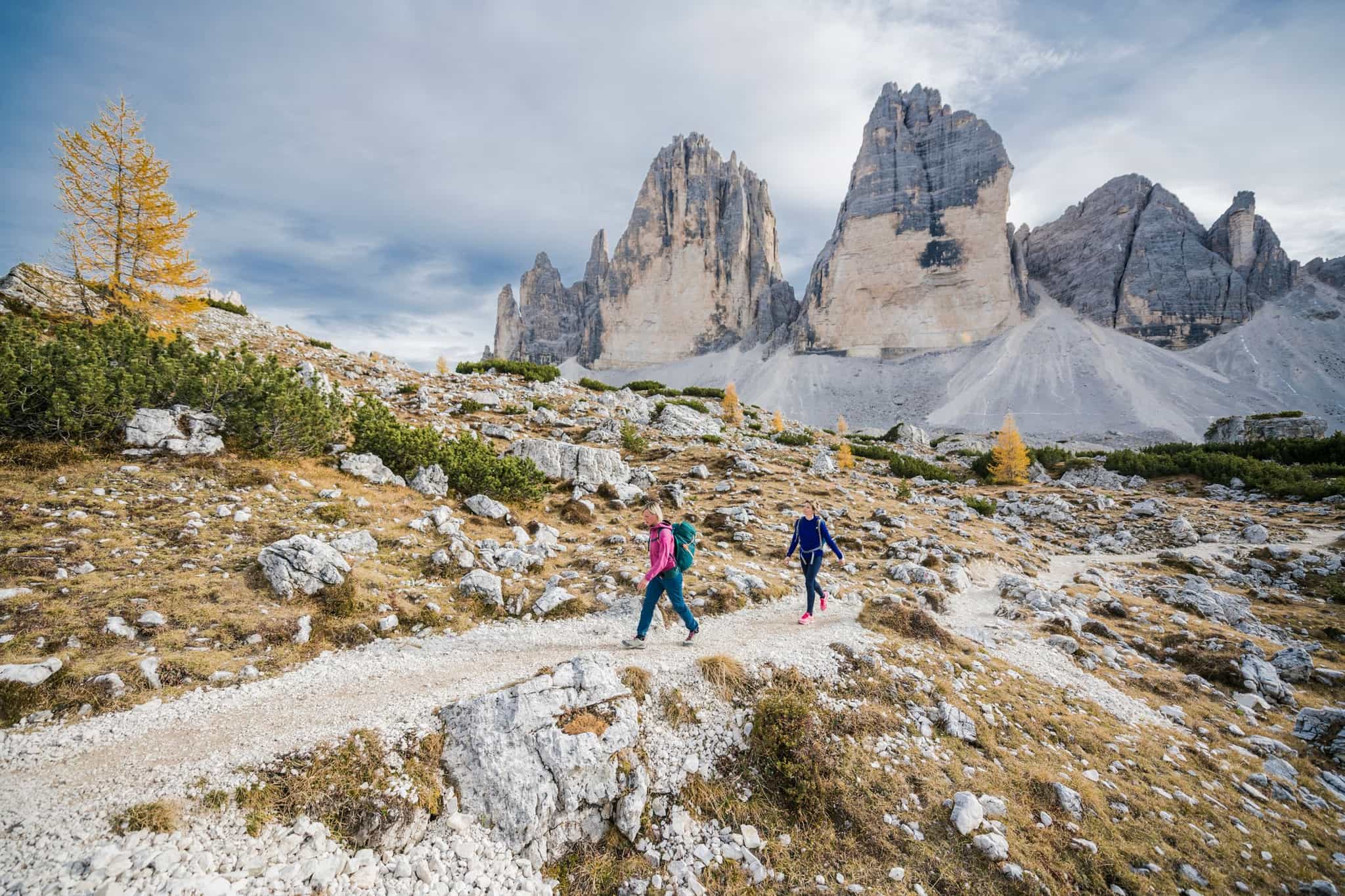
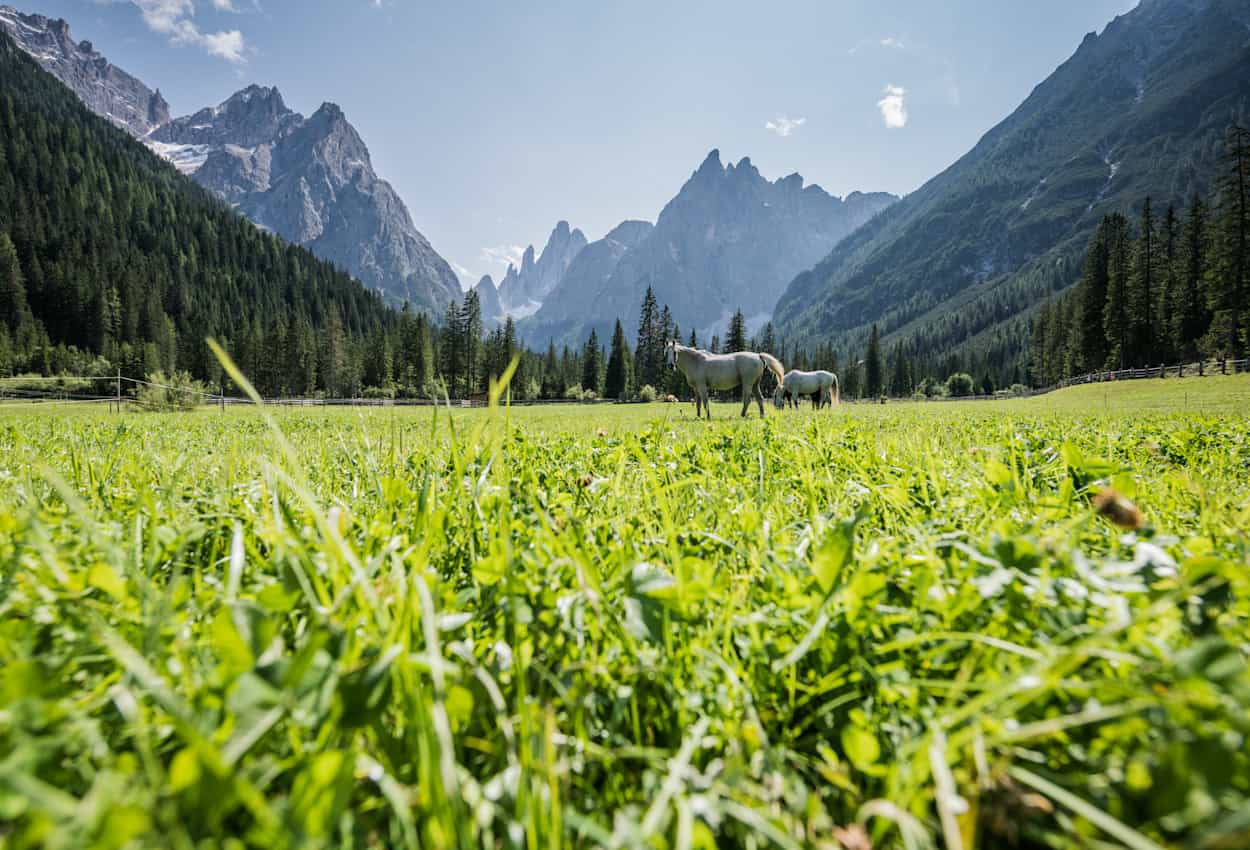
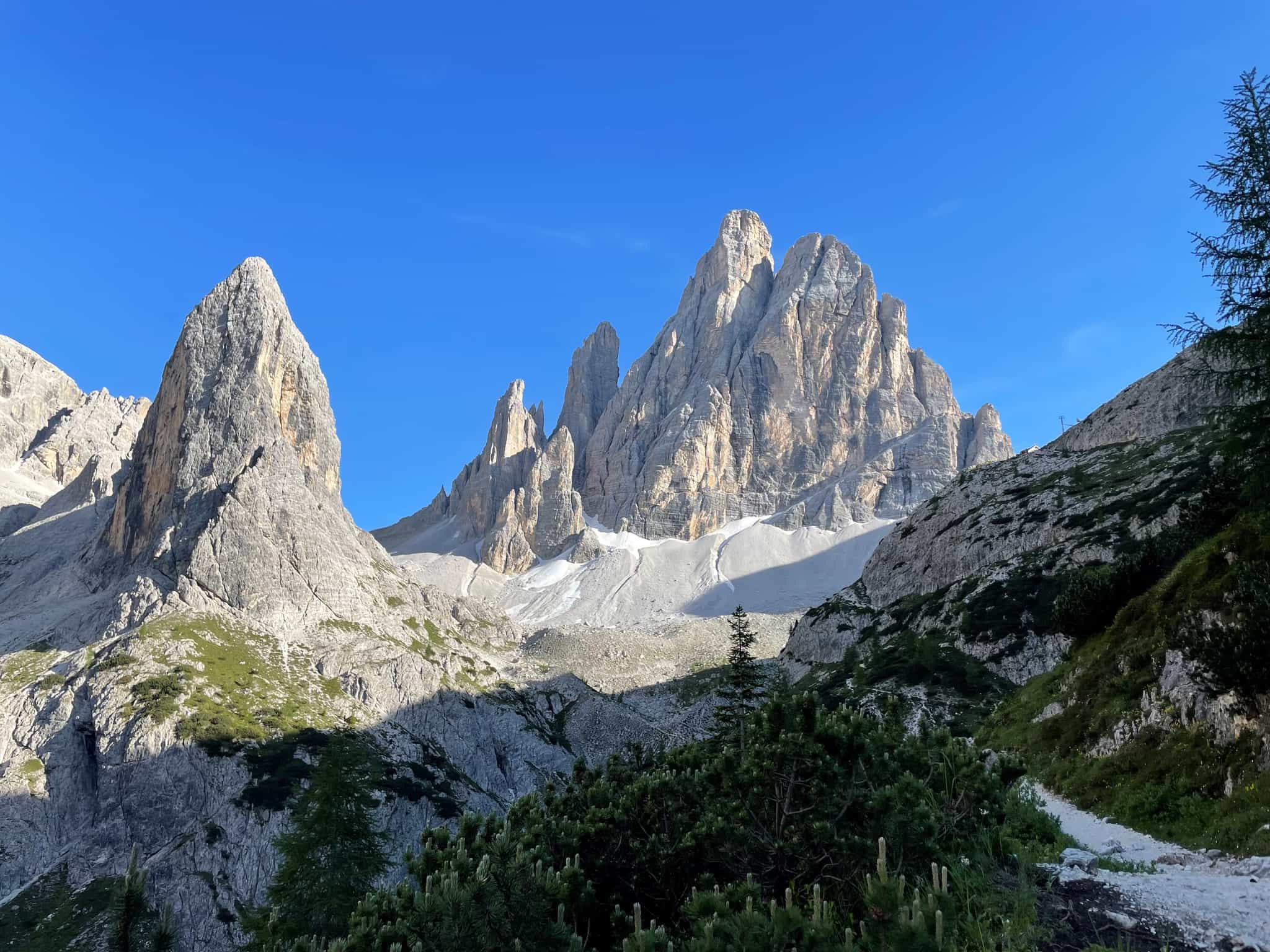
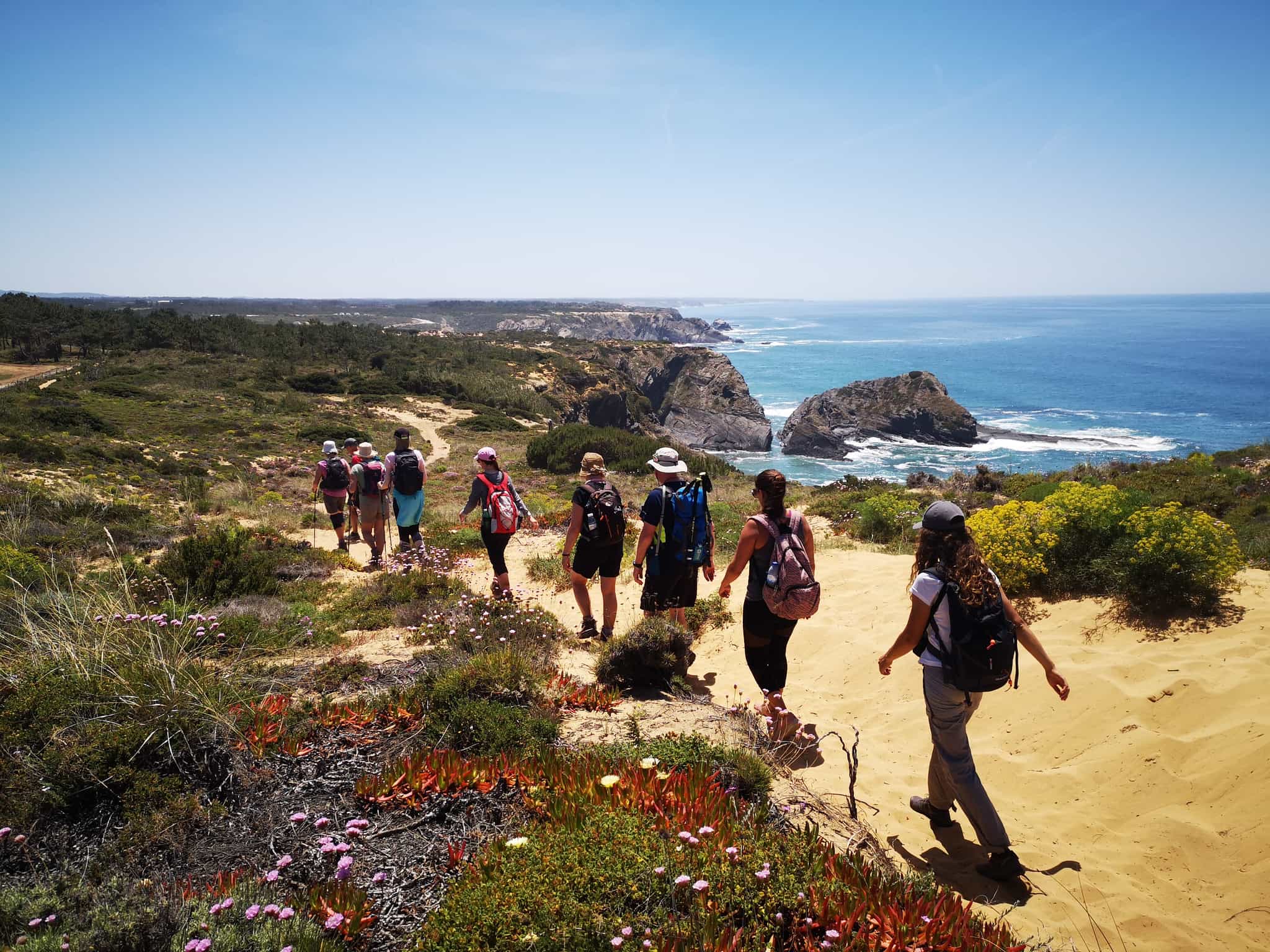
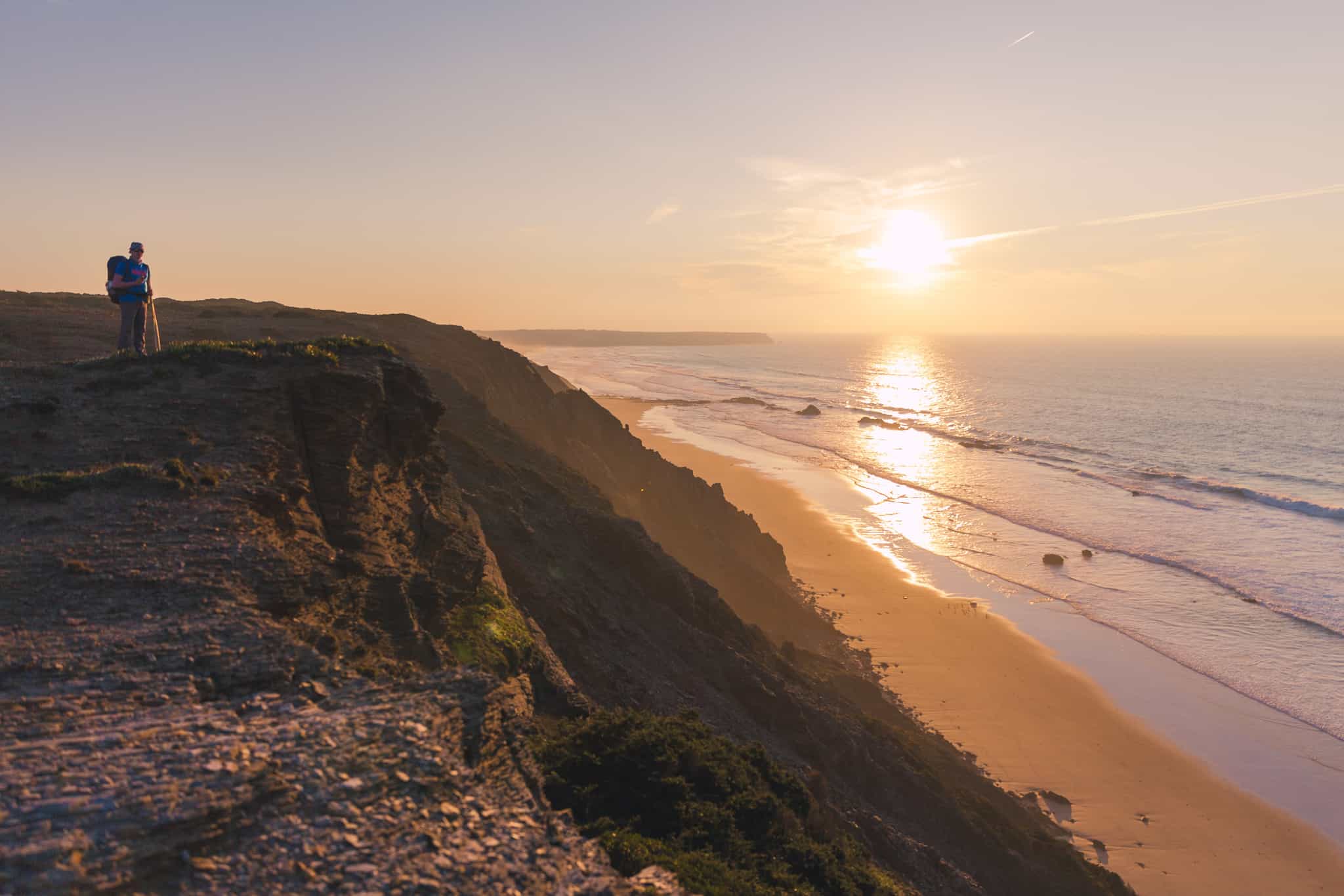
September is shoulder season - which makes it an ideal month for hiking in Europe (opens in new tab). The crowds of summer are thinning out, the temperatures are softening and the mountains take on a different kind of beauty - the green softening to make way for the colours of Autumn, and the golden light of sunrise and sunset dominating a little bit more of the hiking day.
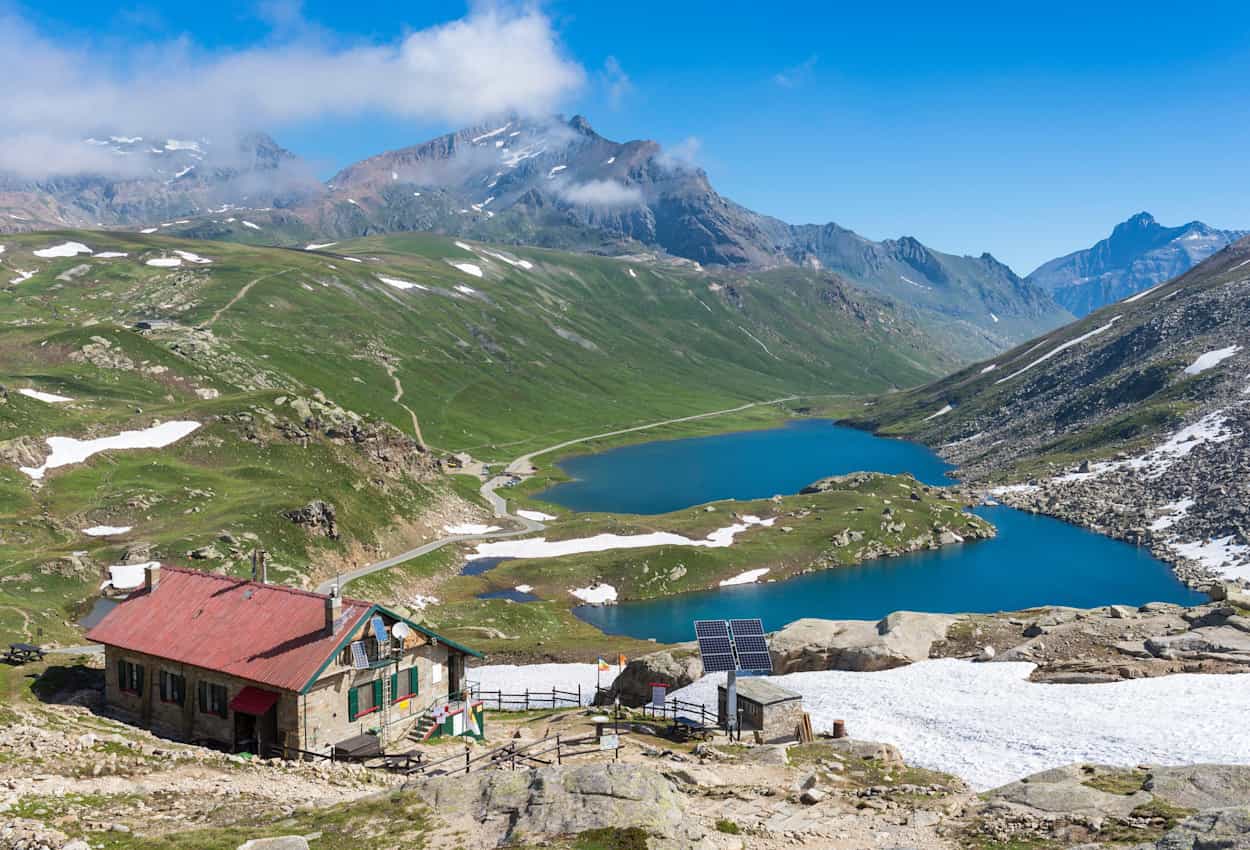
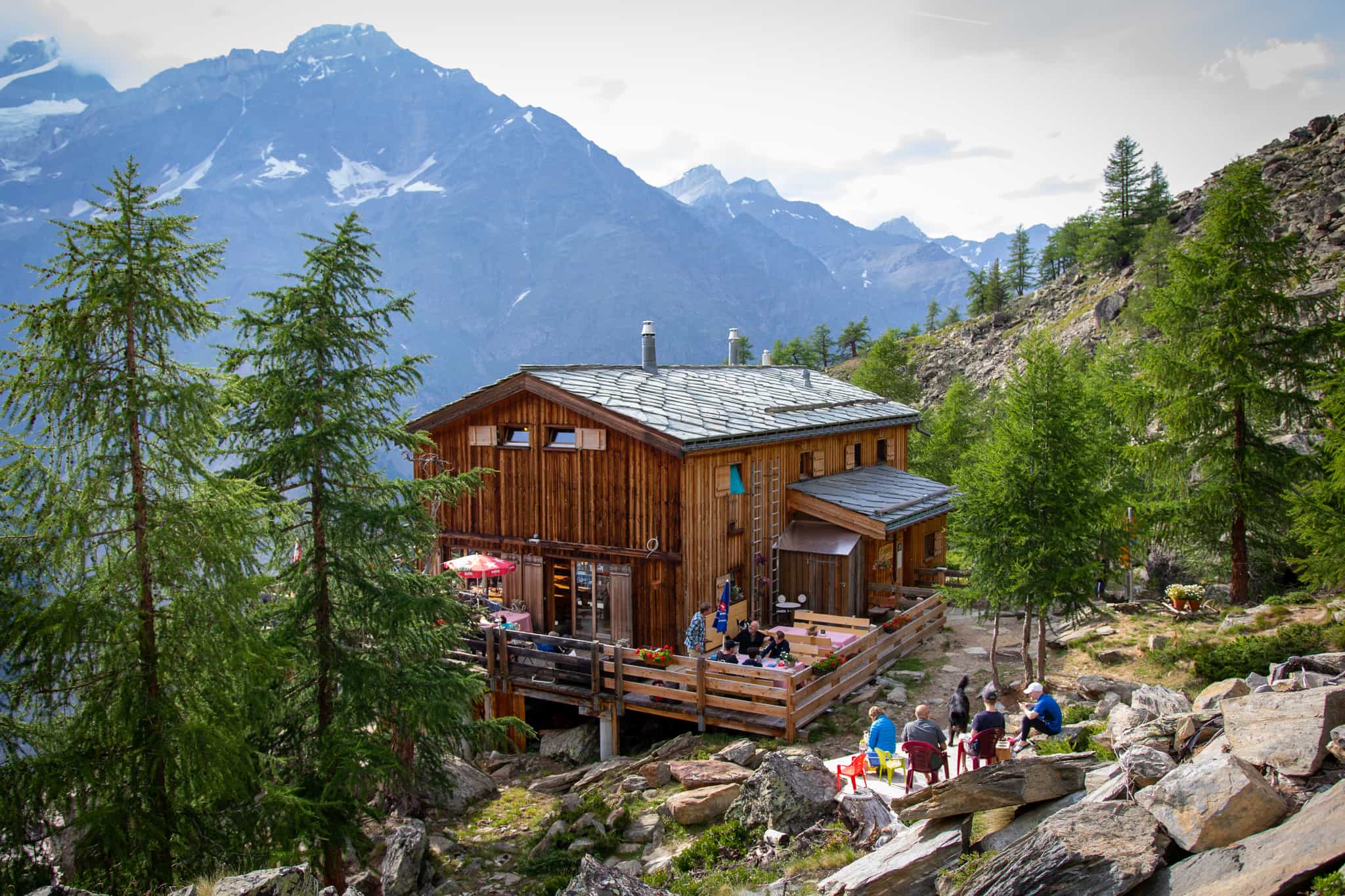
The days are still comfortably long enough for big days of hiking and climbing in Europe in September, and the mountain huts remain open across the Alps (opens in new tab), the Balkans (opens in new tab) and beyond, right down to the Mediterranean coastline - plus you won’t have to suffer in that mid-summer sun. In the north of the continent, days can be a little damper, but that comes with a calmness and sends the scents of the wildflowers and pine needles rising up in the air. In Scotland (opens in new tab), you avoid not just the crowd but peak-midge season by hiking in September. In Scandinavia, things are getting chillier, but there’s a beauty to layering up and getting in touch with the seasons.
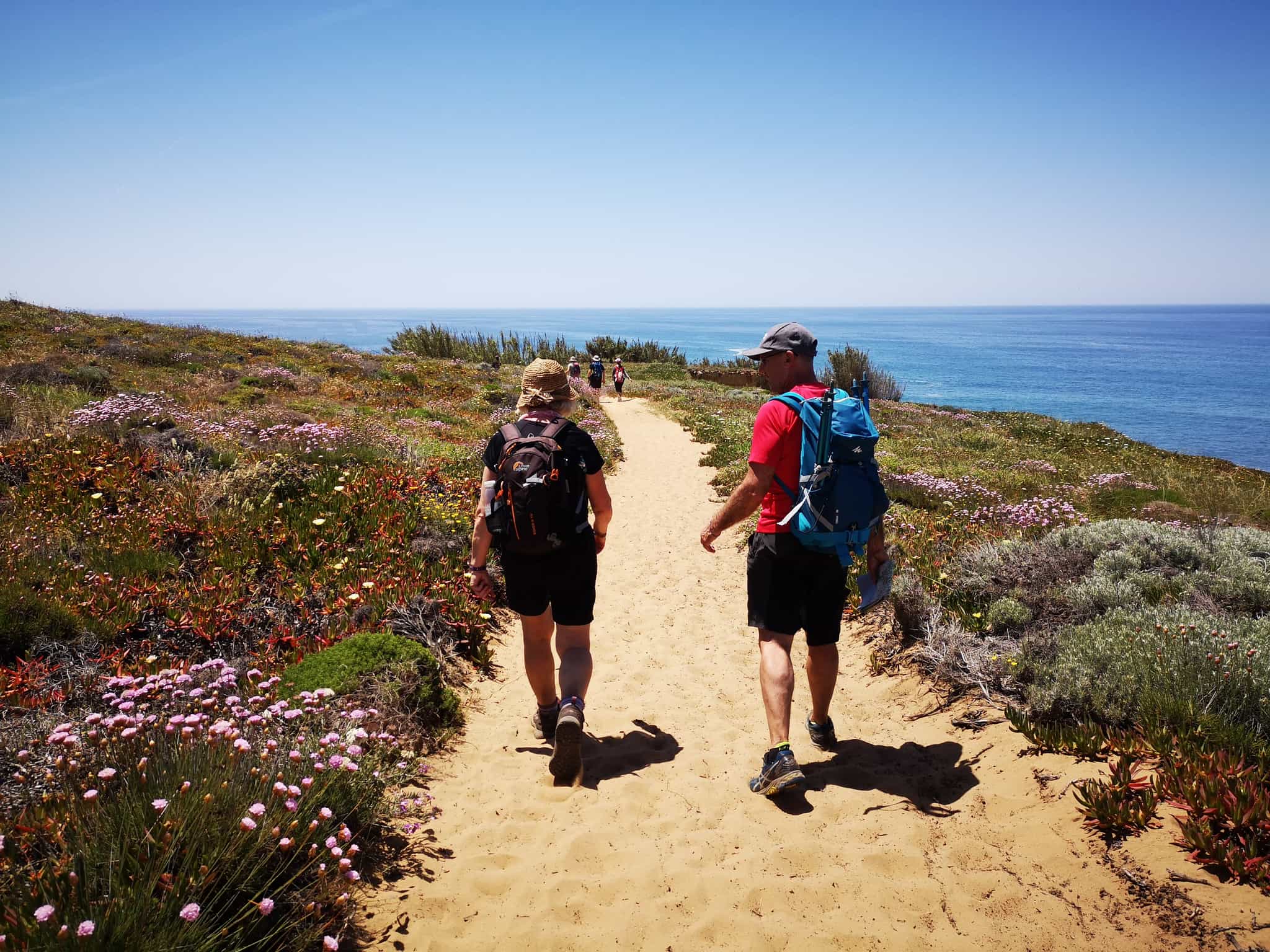
Across Europe, September is the month for hikers who want the scenery without shoulder-to-shoulder traffic. To many seasoned walkers - this is the best month of the year.
What's the Weather Like for Hiking in September?
Across most of Europe, September brings settled conditions with an autumnal edge. In southern Europe - the likes of Spain, Albania and the Balkans - daytime temperatures remain high, sitting between 20°C and 28°C (68°F and 82°F), and dropping at night. The draining heat of summer has passed, making long days on exposed trails more manageable and enjoyable.
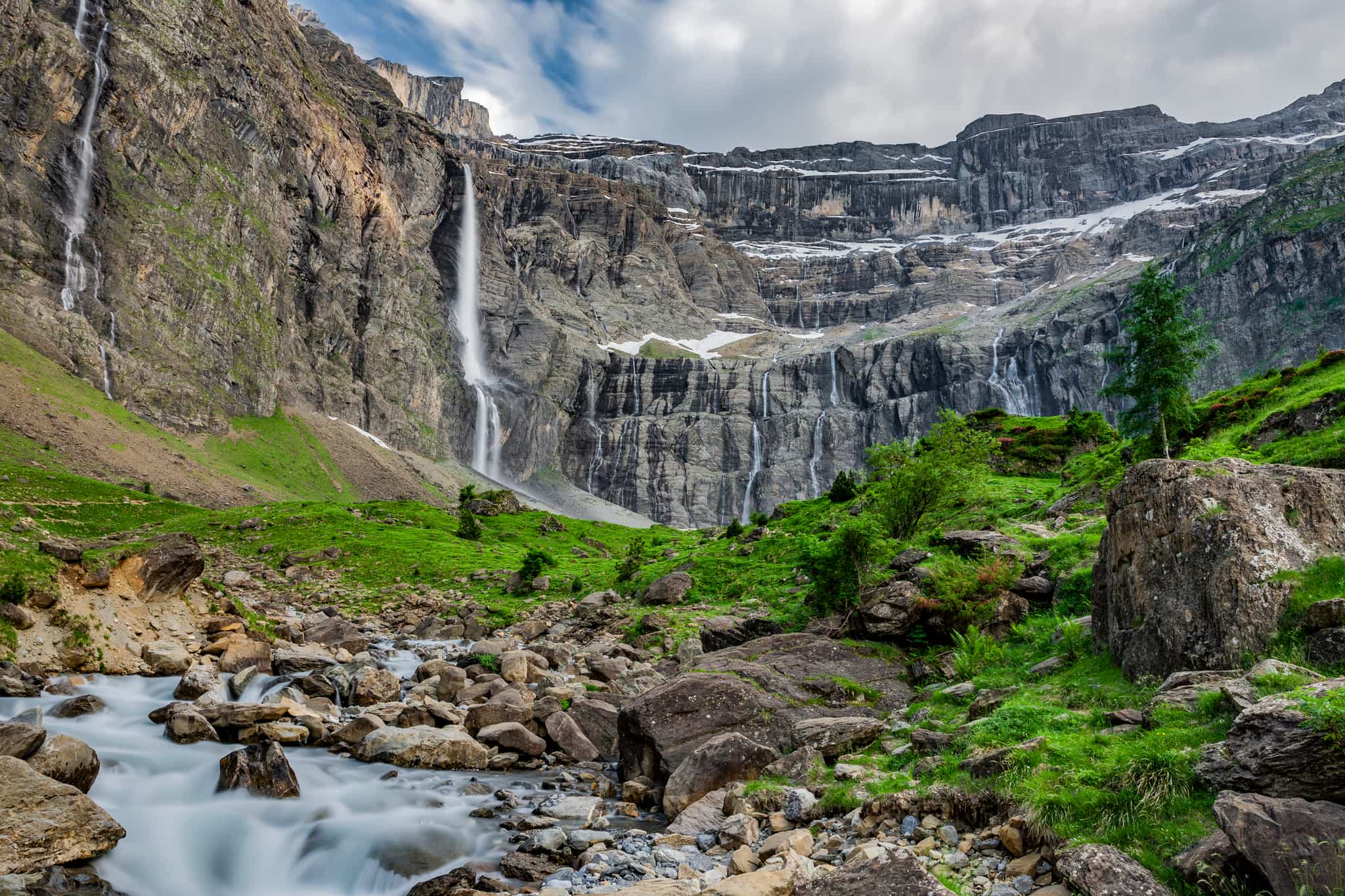
Mountain ranges like the Alps (opens in new tab) and Pyrenees (opens in new tab) cool down, with daytime highs around 12°C to 20°C (54°F to 68°F) at altitude. The risk of thunderstorms remains - as it does all summer.
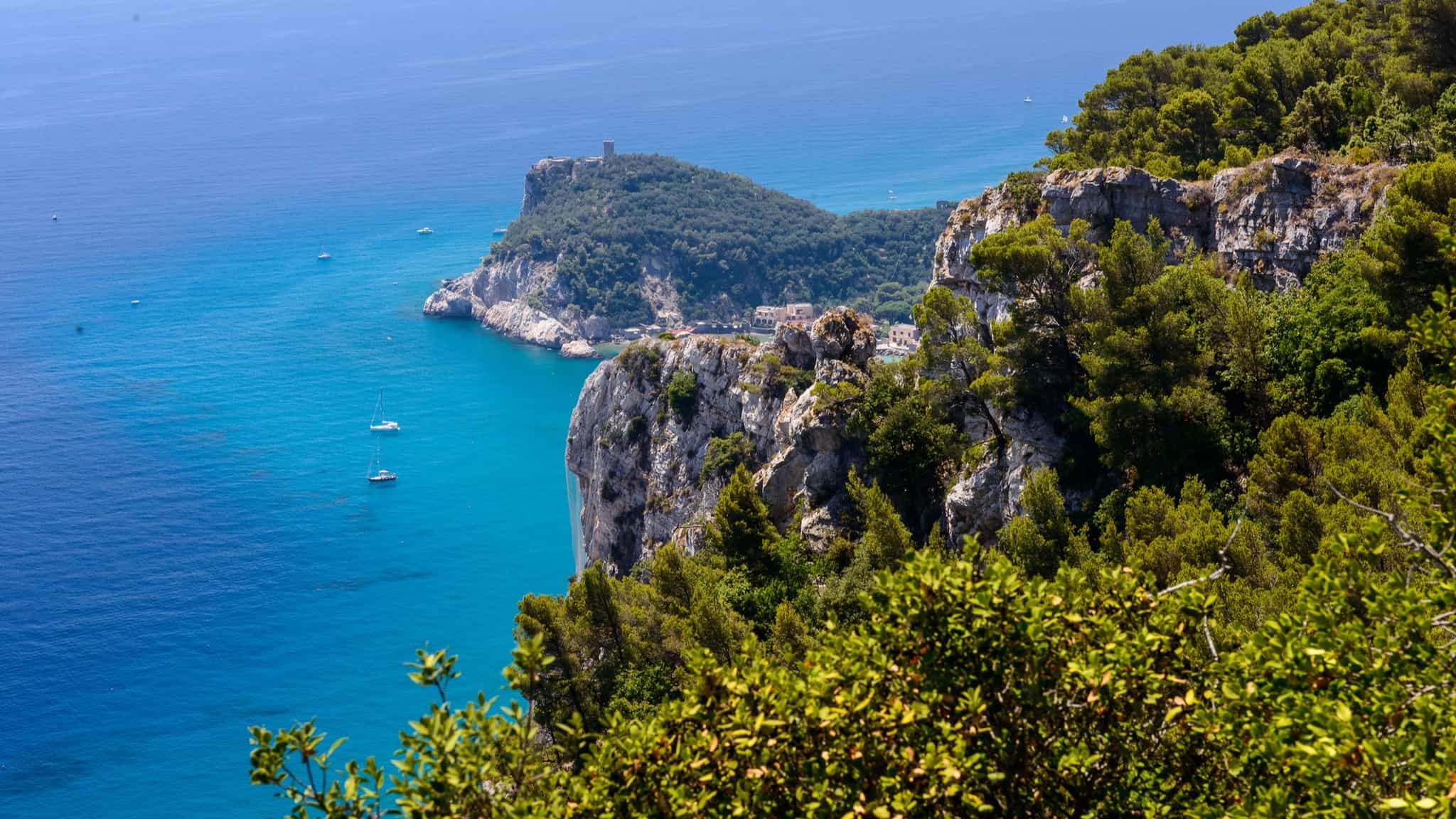
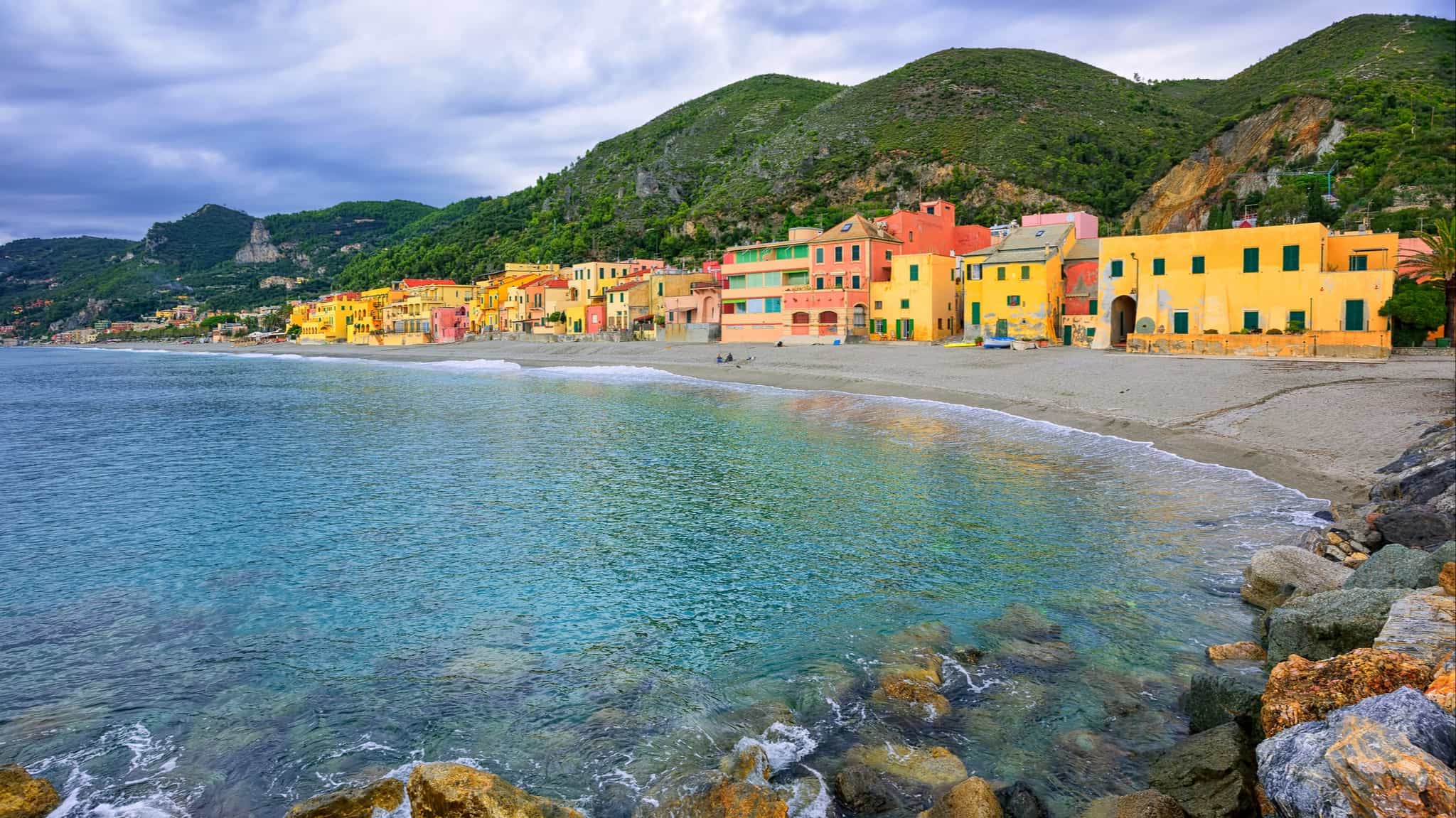
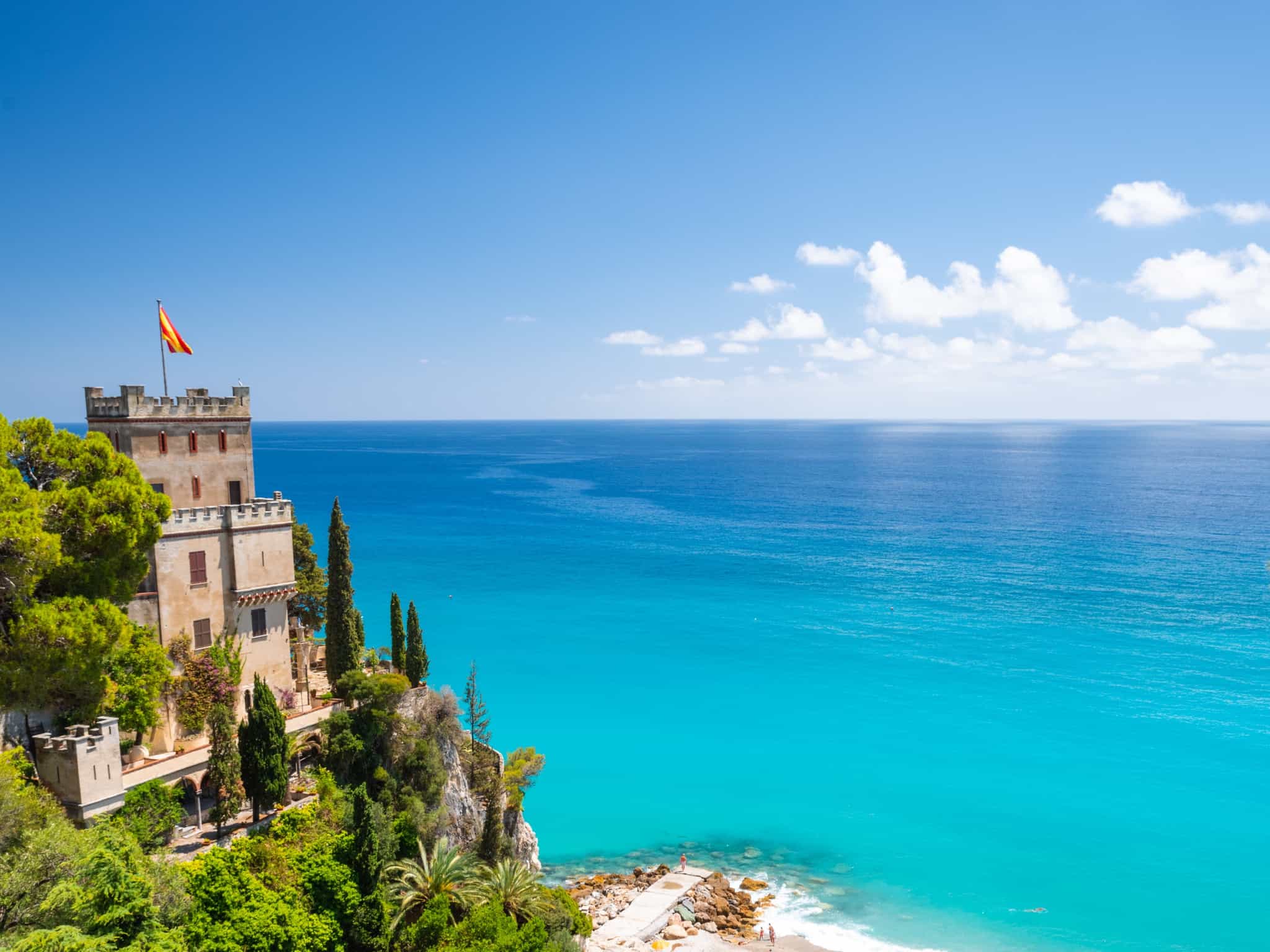
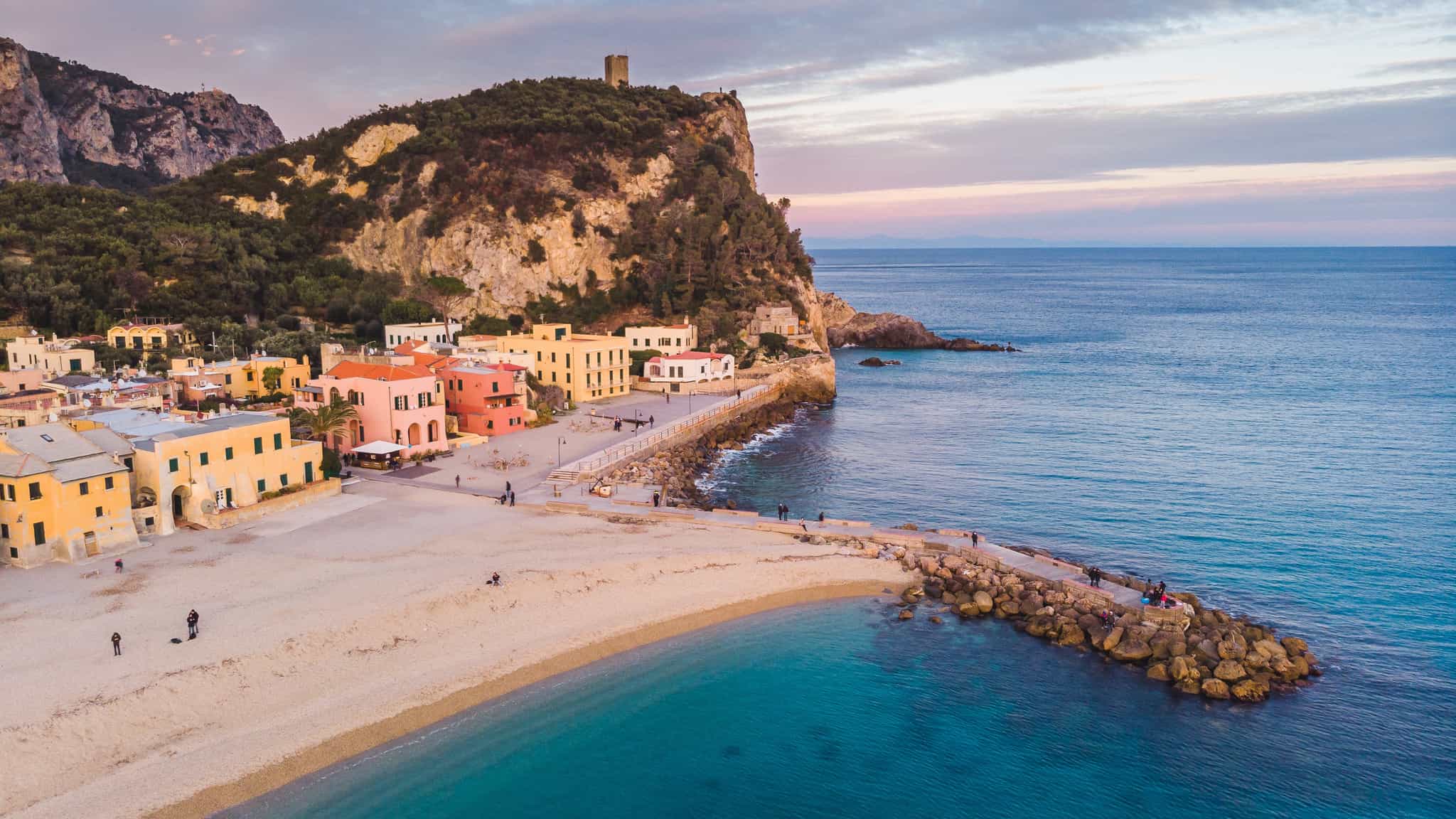
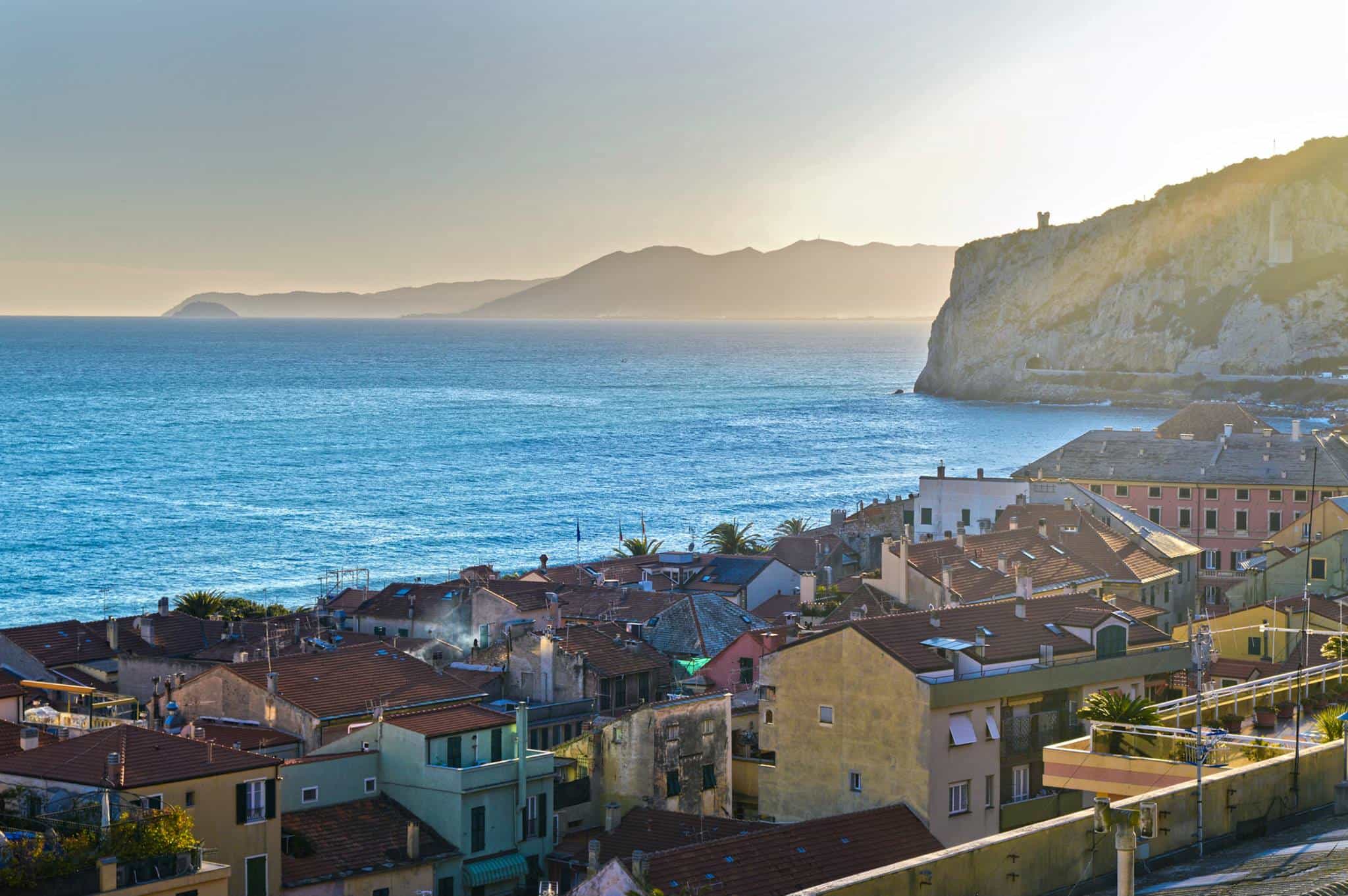
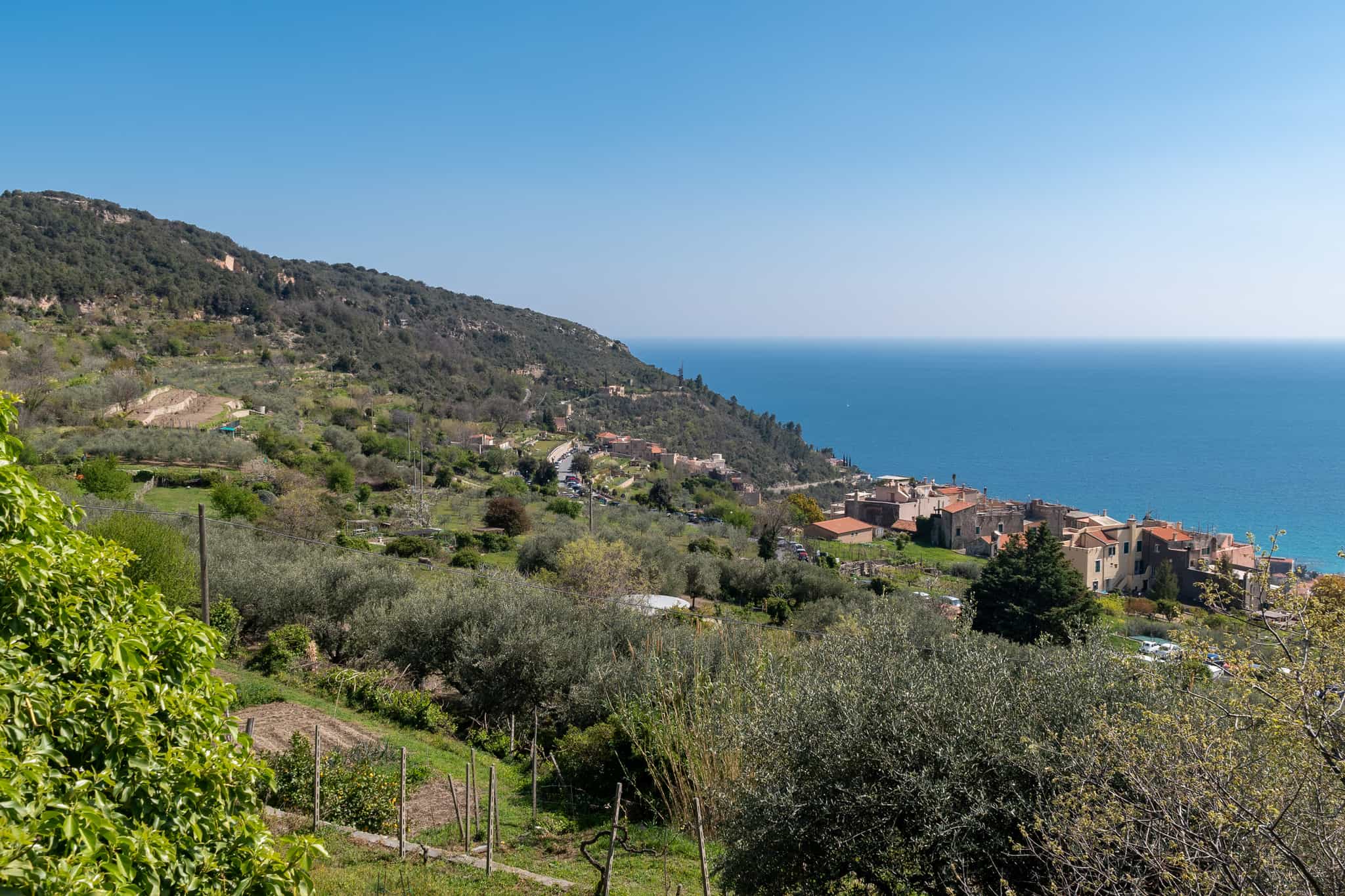
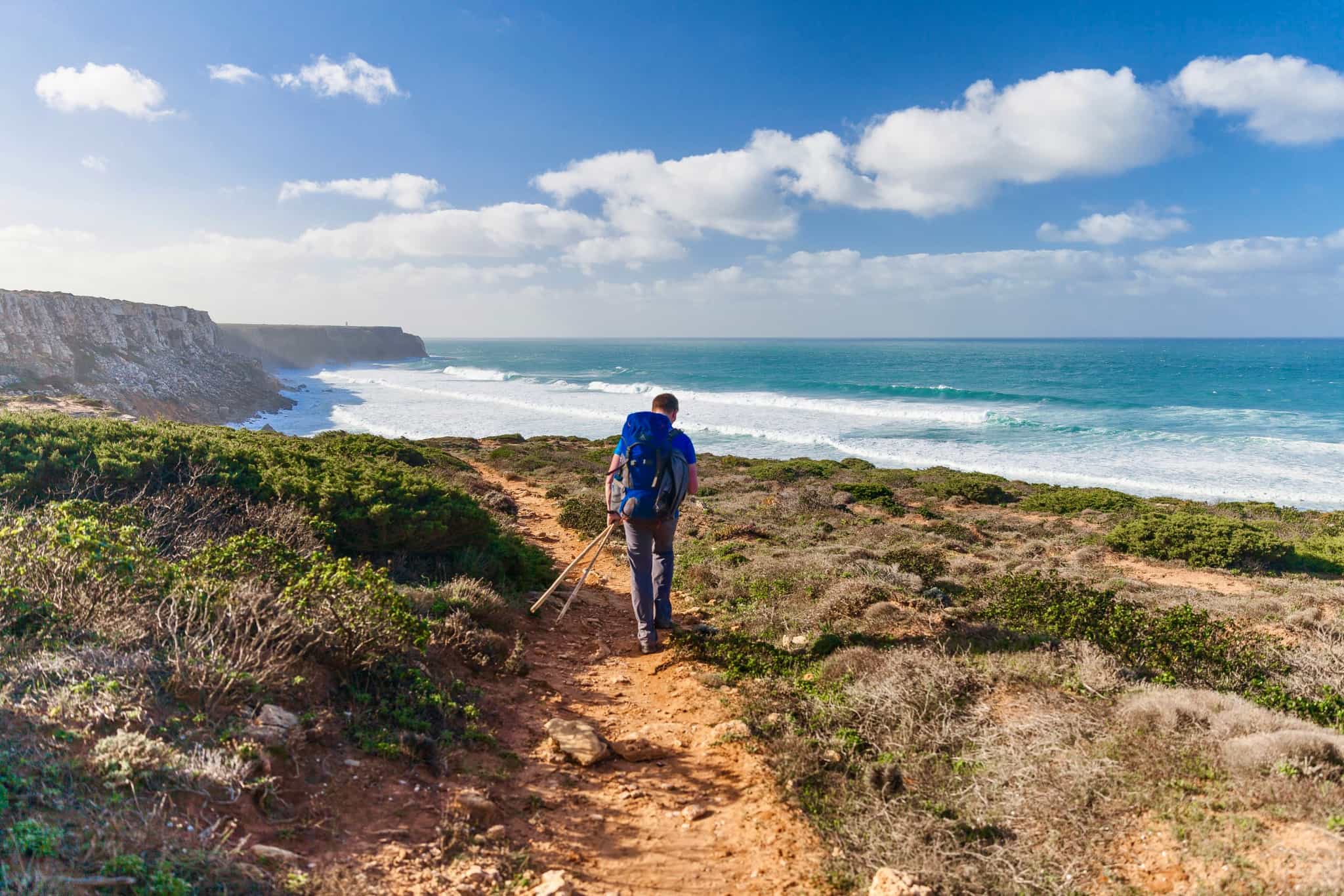
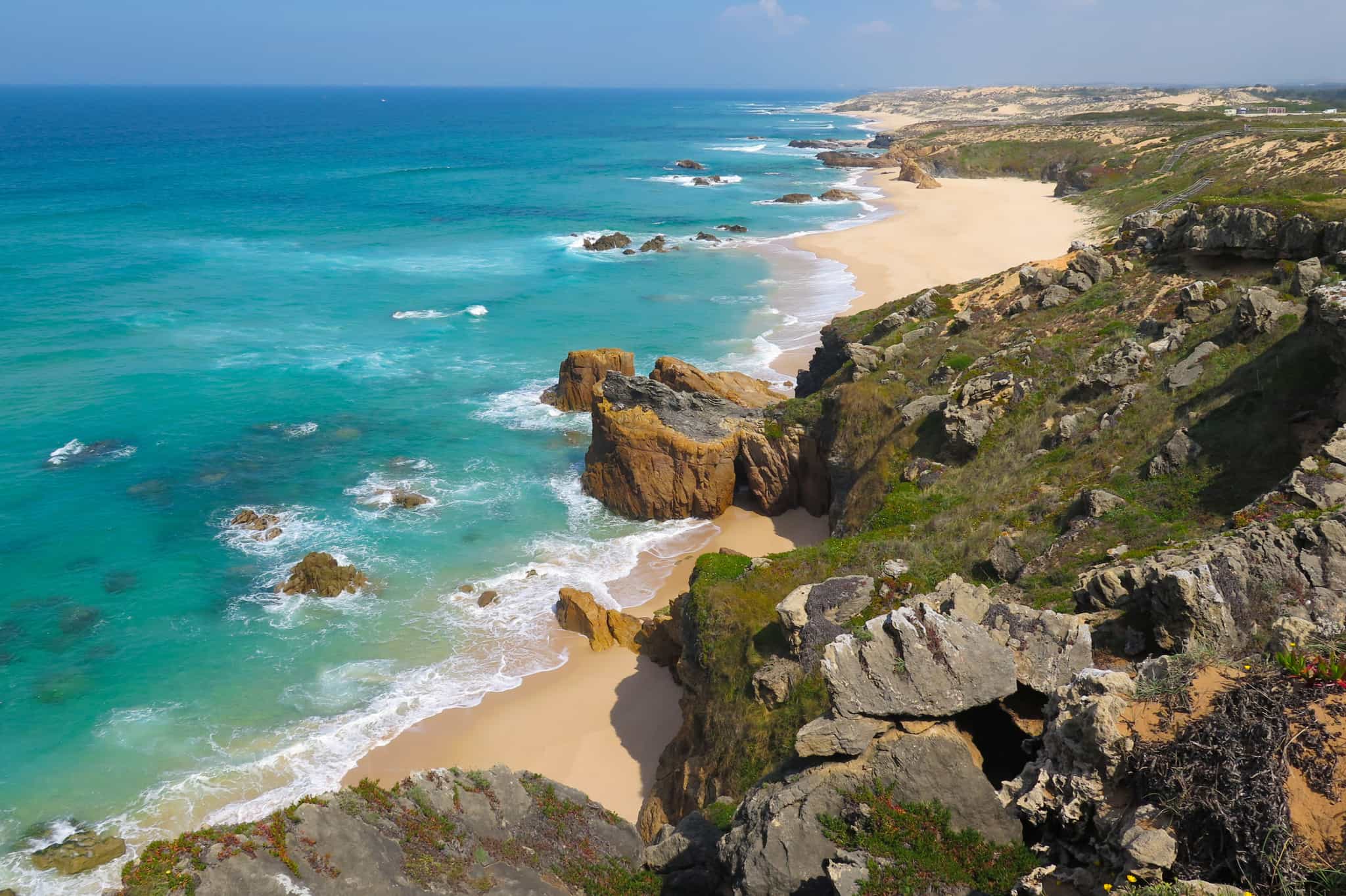
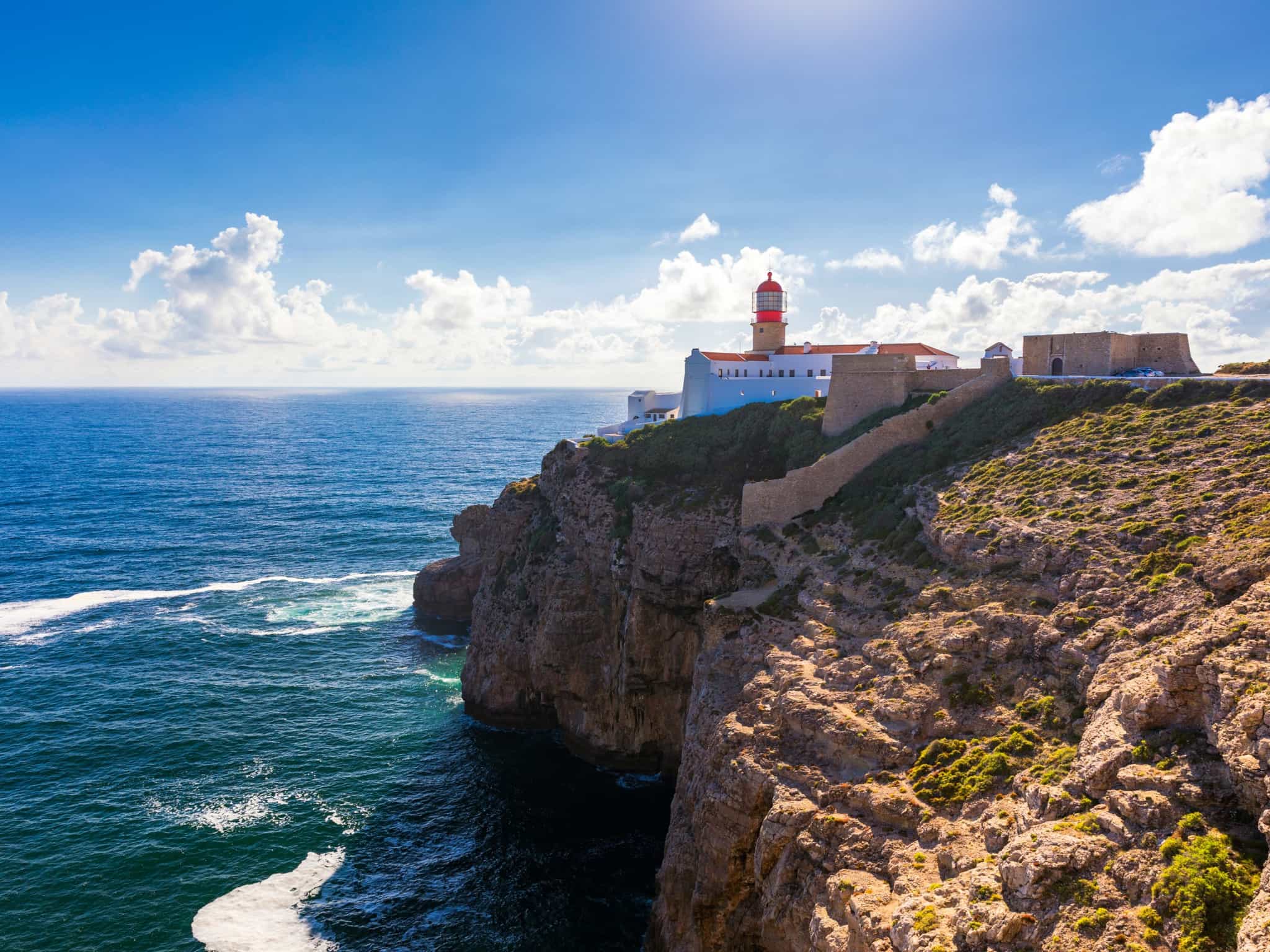
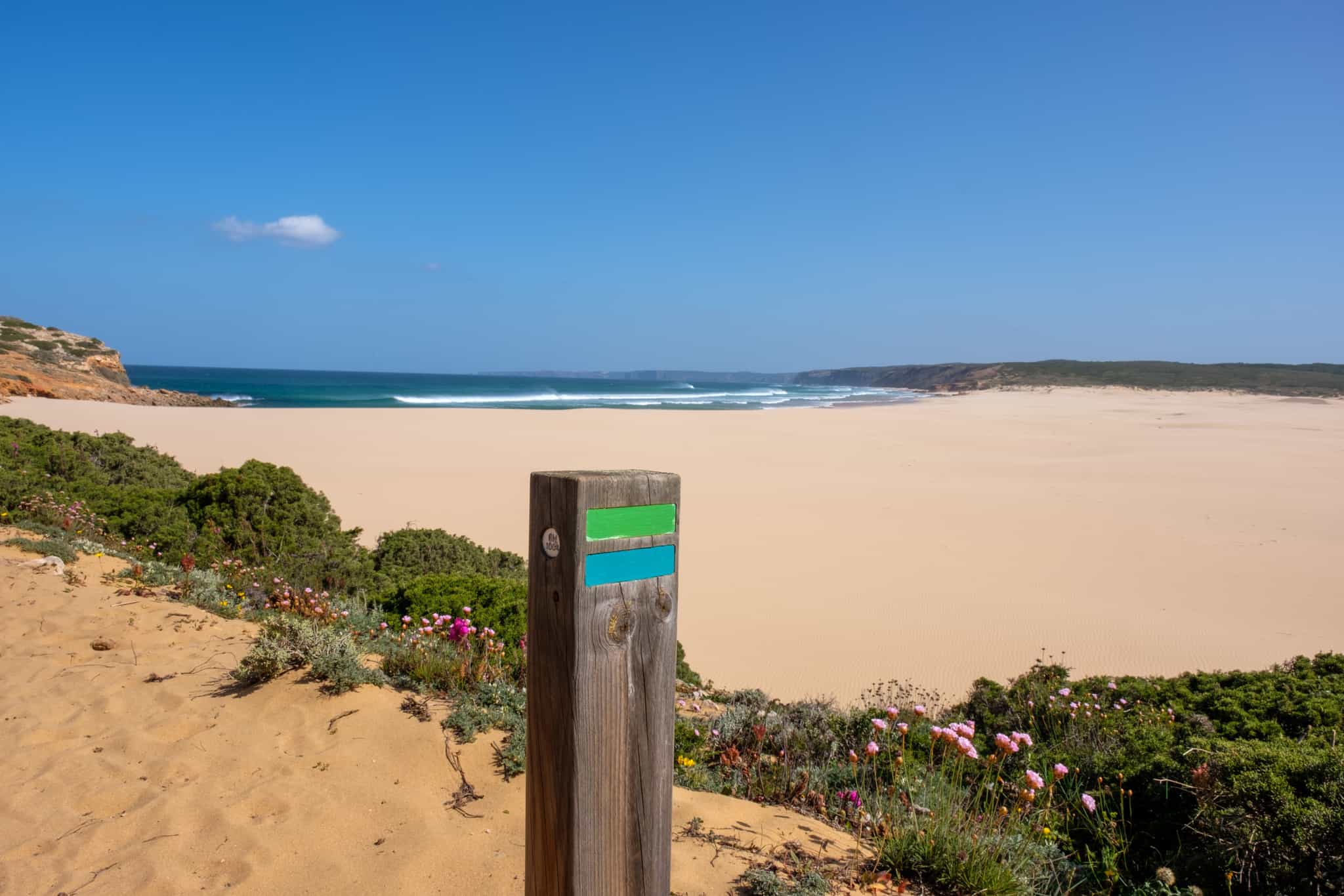
Mediterranean and Atlantic coastal routes enjoy some of the best walking conditions of the year, with warm sea temperatures if you do want to go for a dip and welcome breezes rolling in. Further north, in Scandinavia and Scotland, September temperatures range from 8°C to 15°C (46°F to 59°F). The days shorten but remain long enough for serious hikes, the fjords of Norway become a quieter setting, and the hills of Scotland glimmer and gleam as autumn draws near.
Best Hiking Destinations in September
September rewards those who choose thoughtfully. These are the MBA trips built for this month.
1. The Tour du Mont Blanc, France, Italy & Switzerland
- Average daytime temperatures: 12-20°C (54-68°F)
- Average nighttime temperatures: 4-8°C (39-46°F)
- Best for: A classic alpine circuit, without the peak crowds
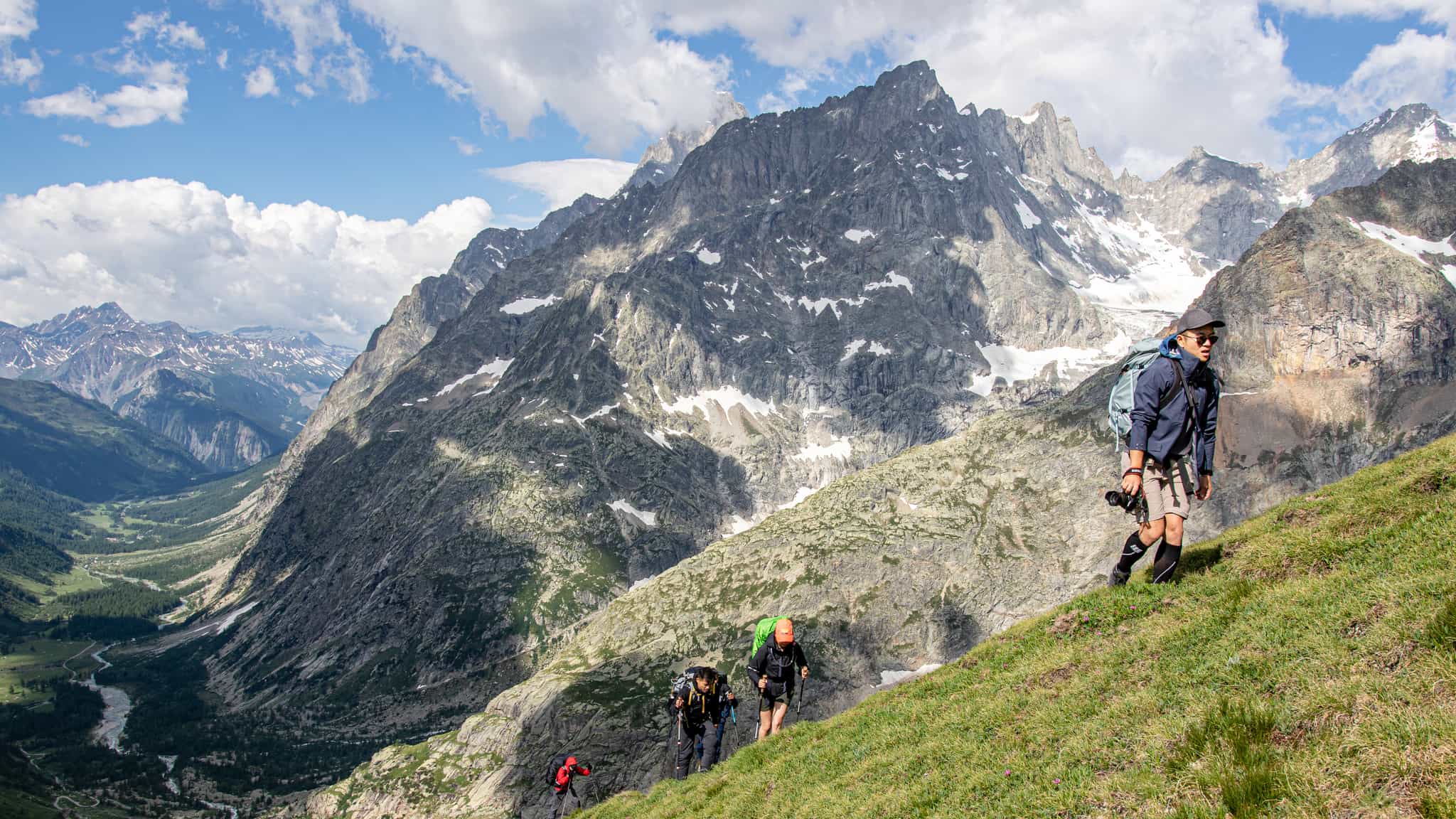
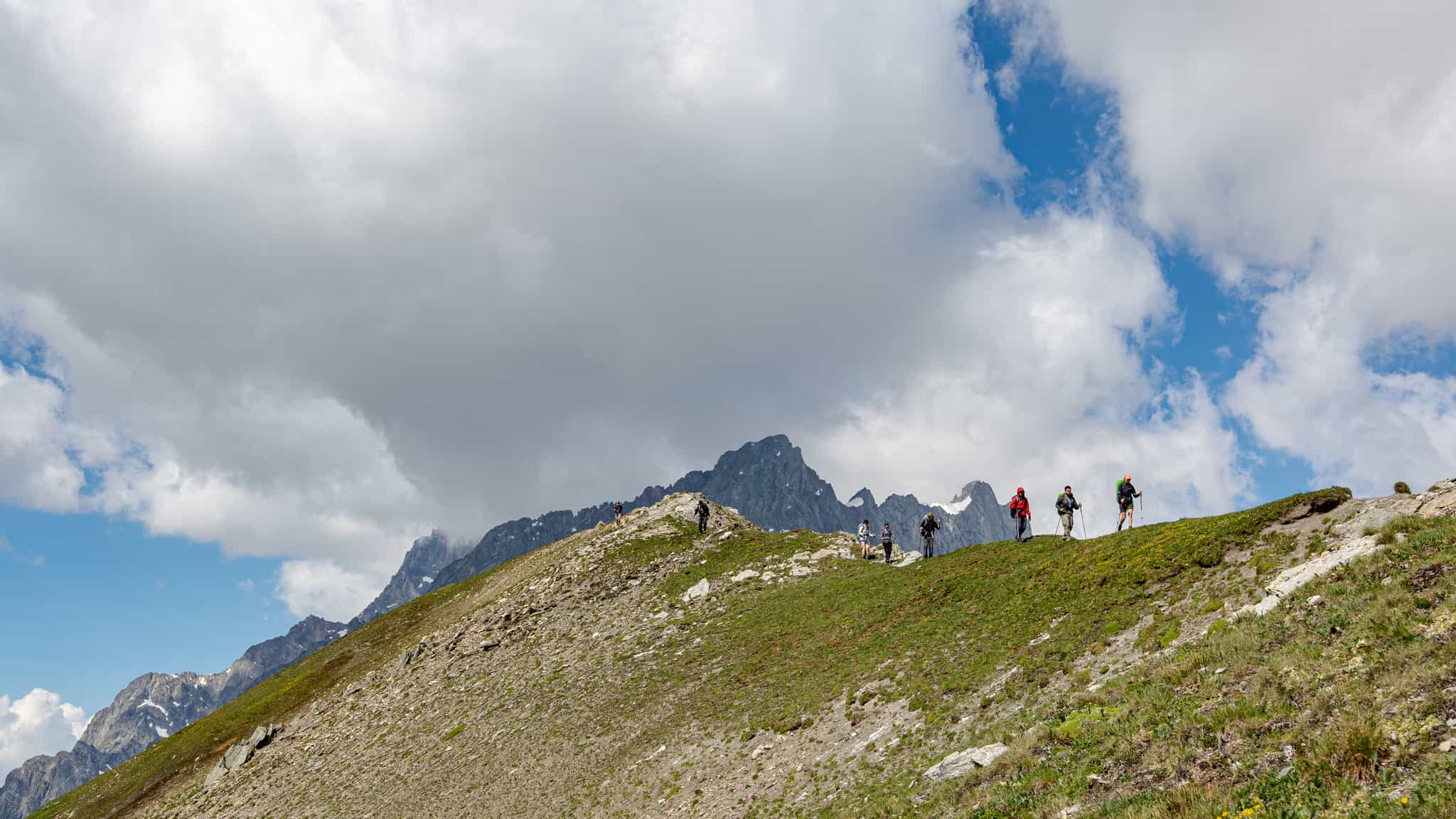
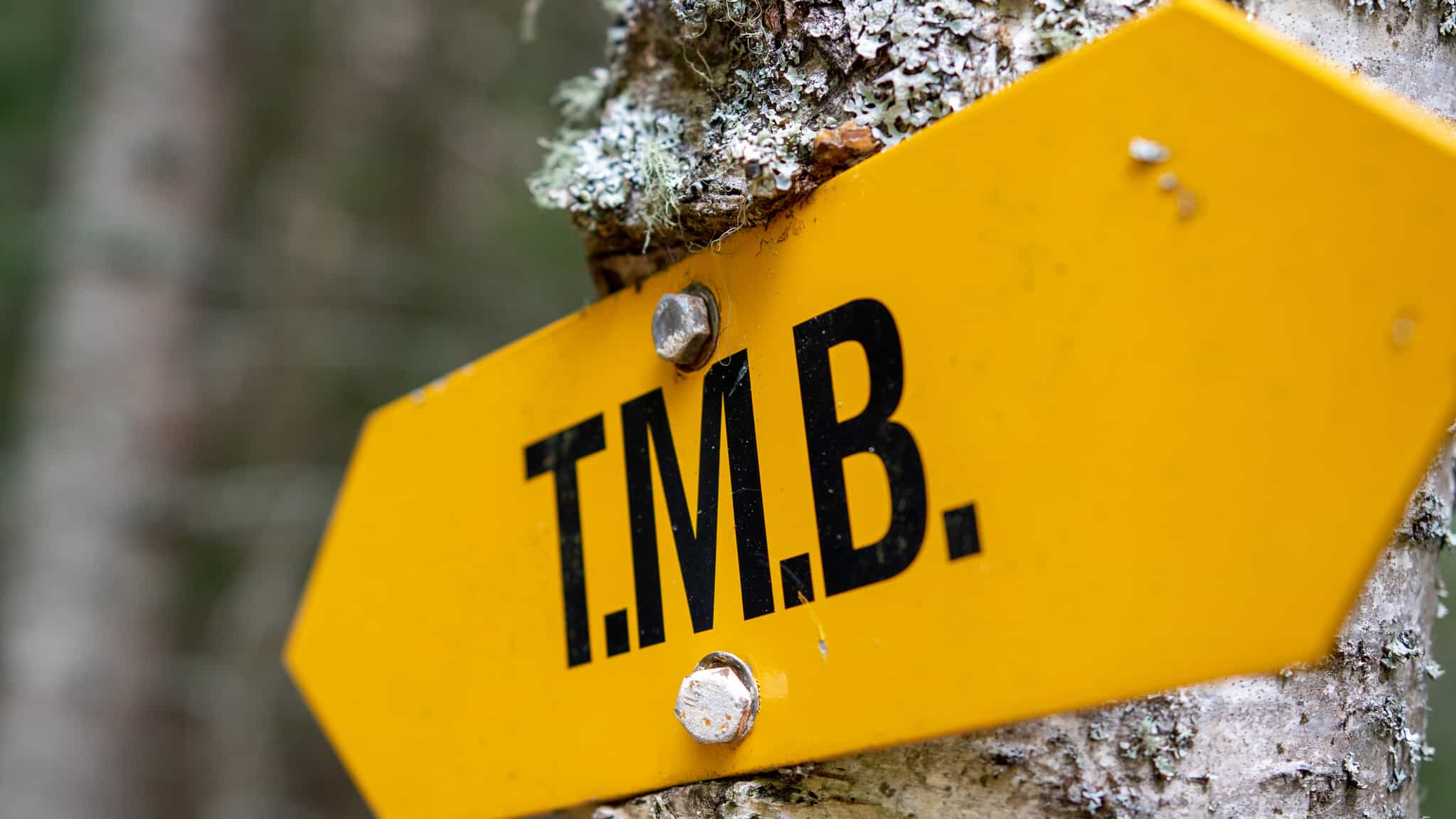
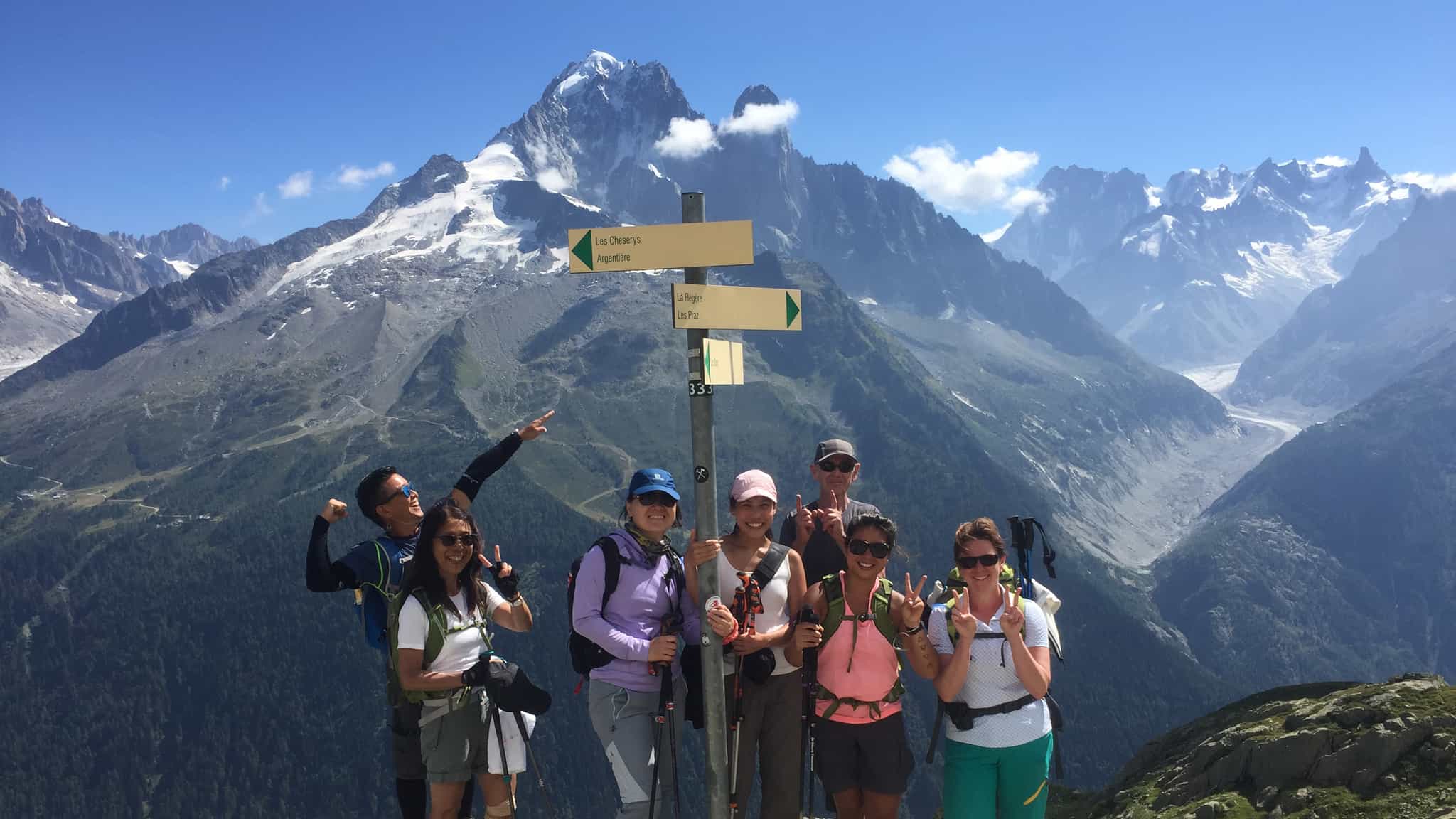
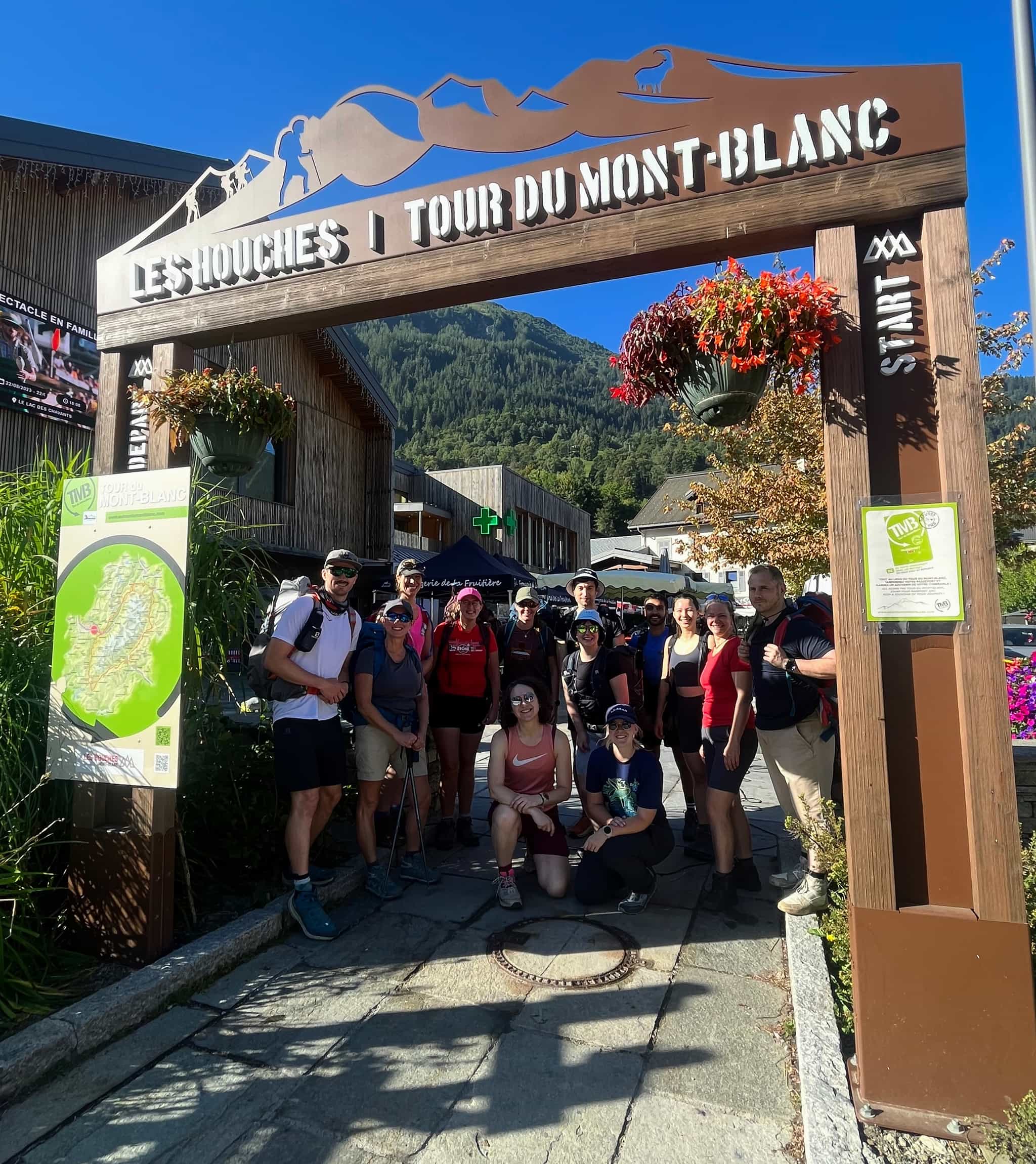
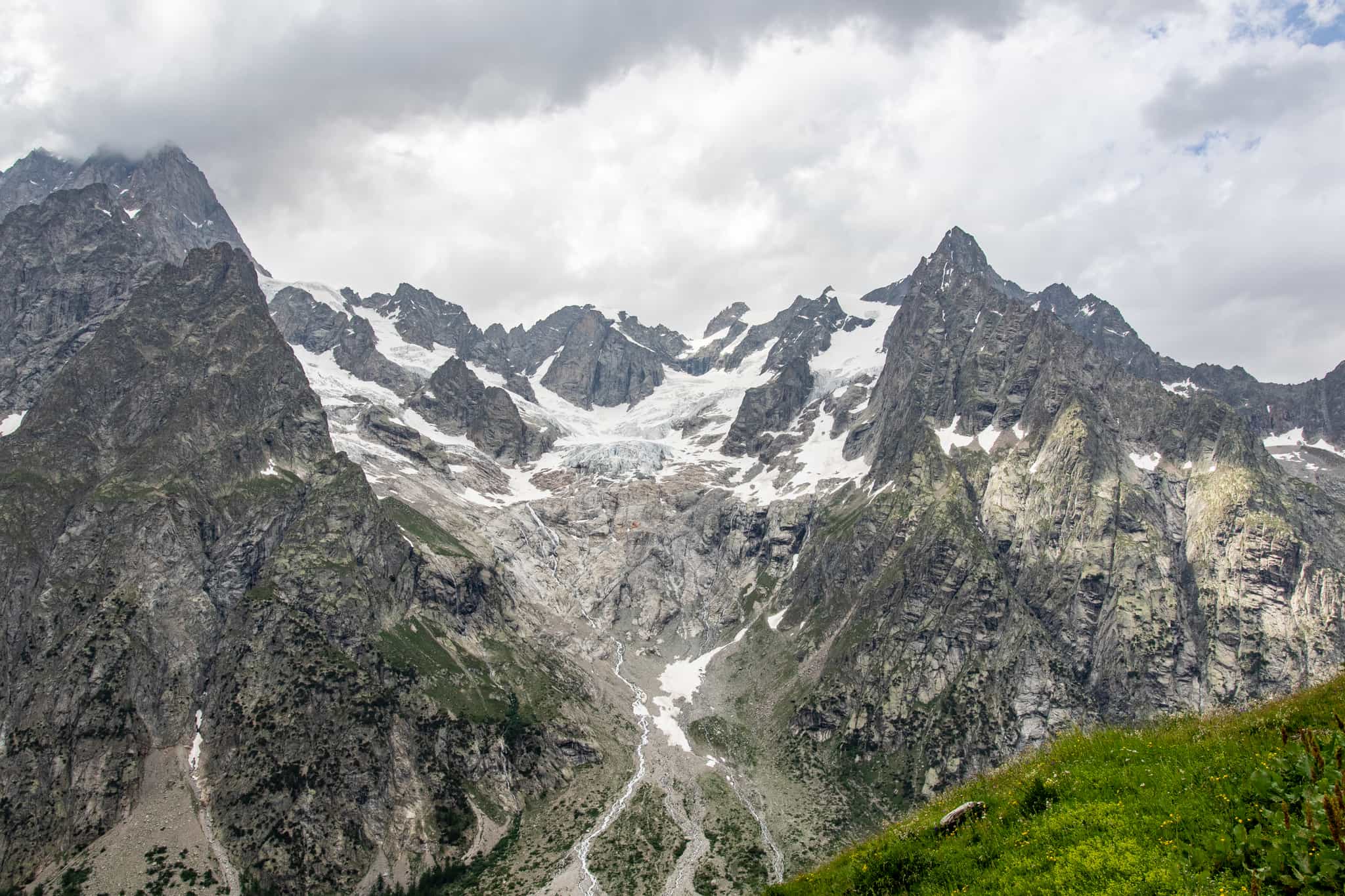
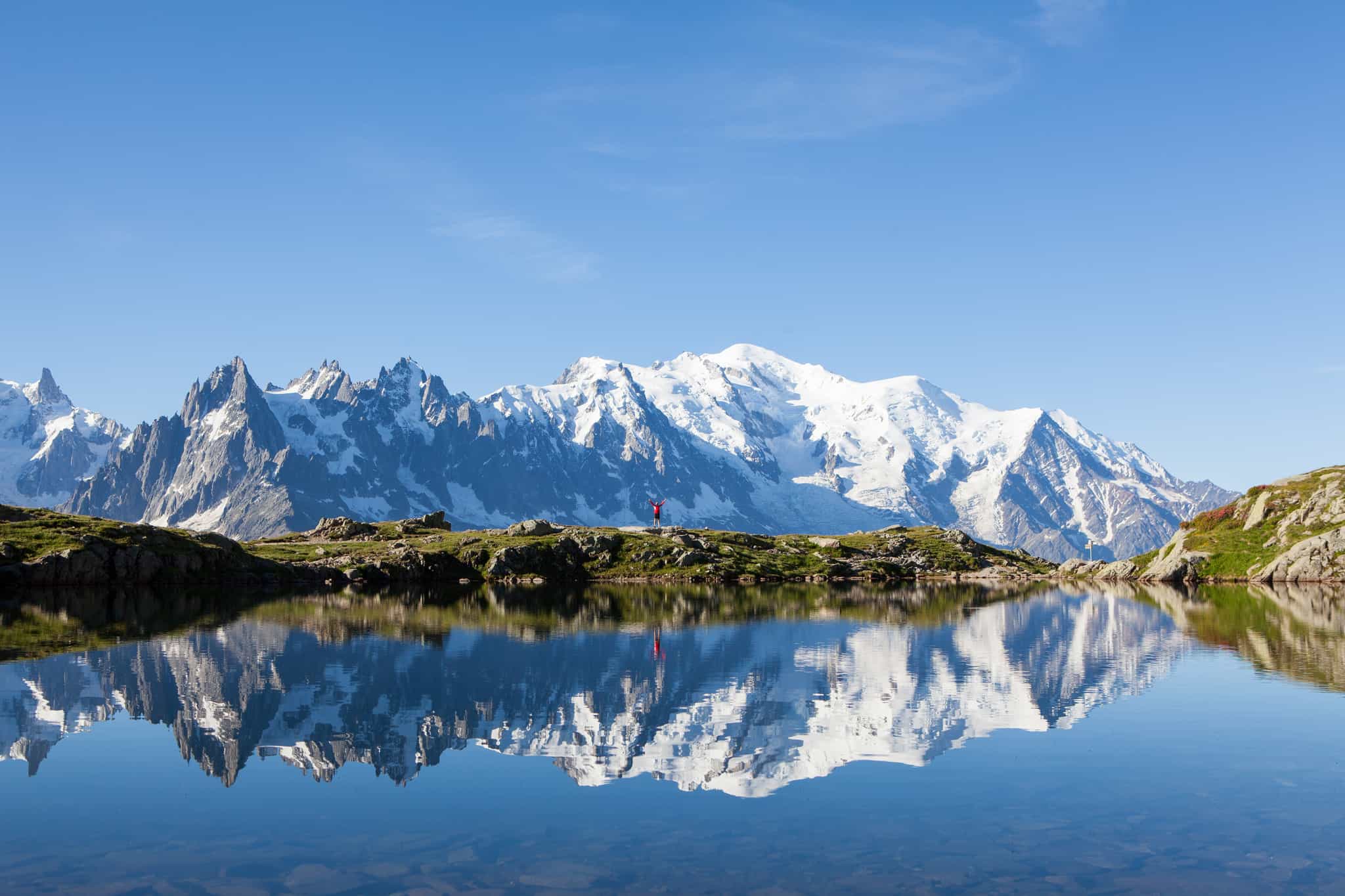
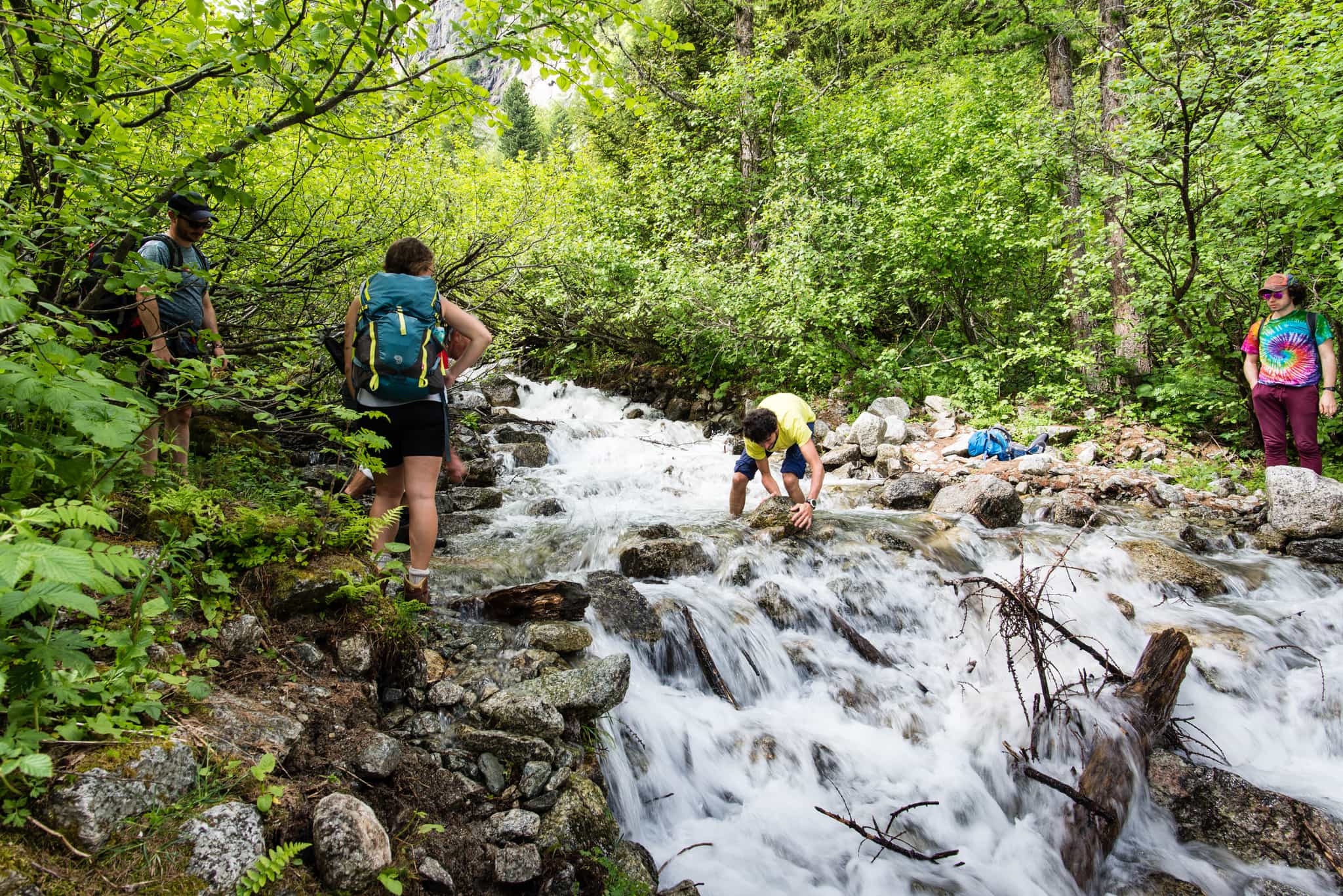
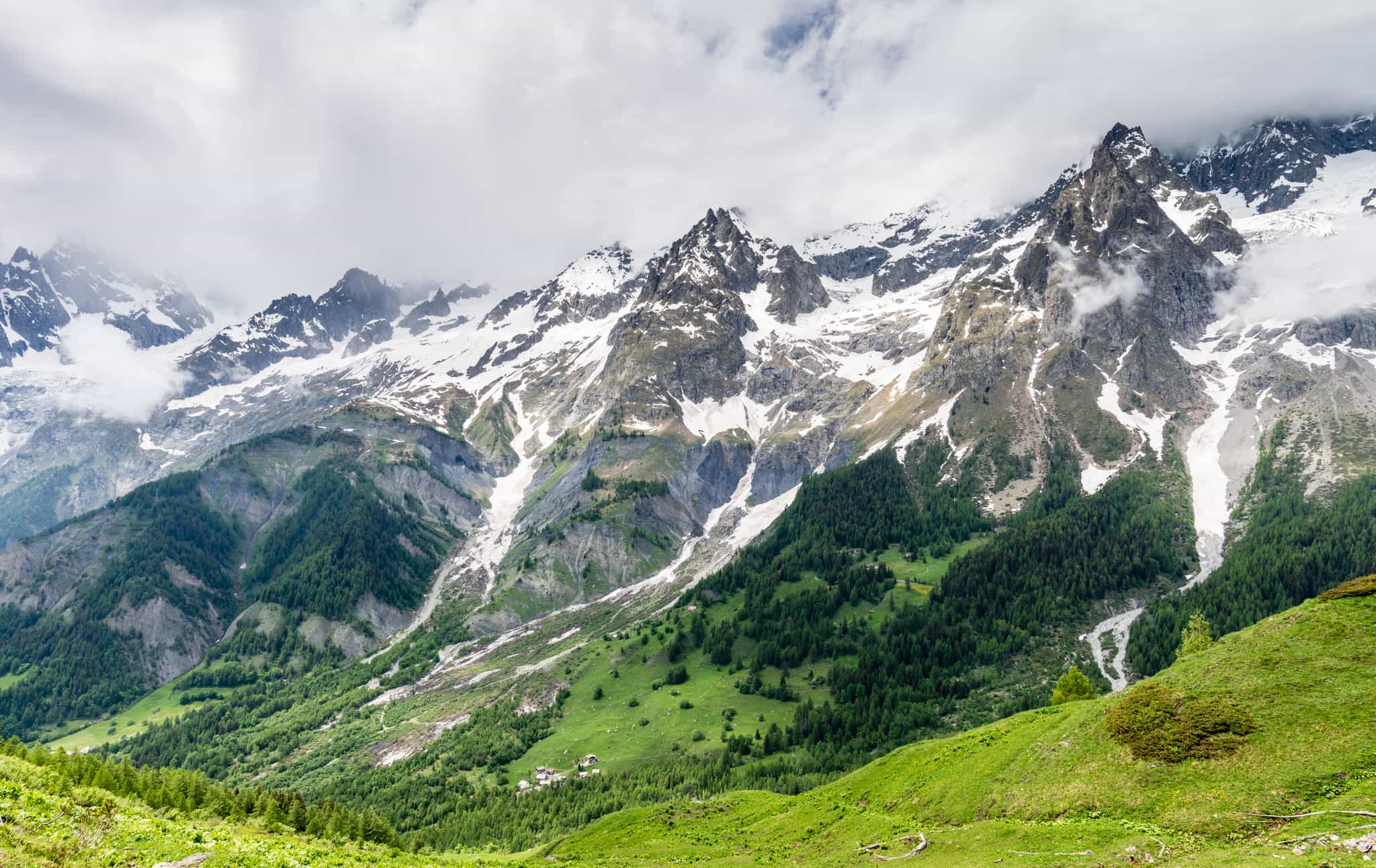
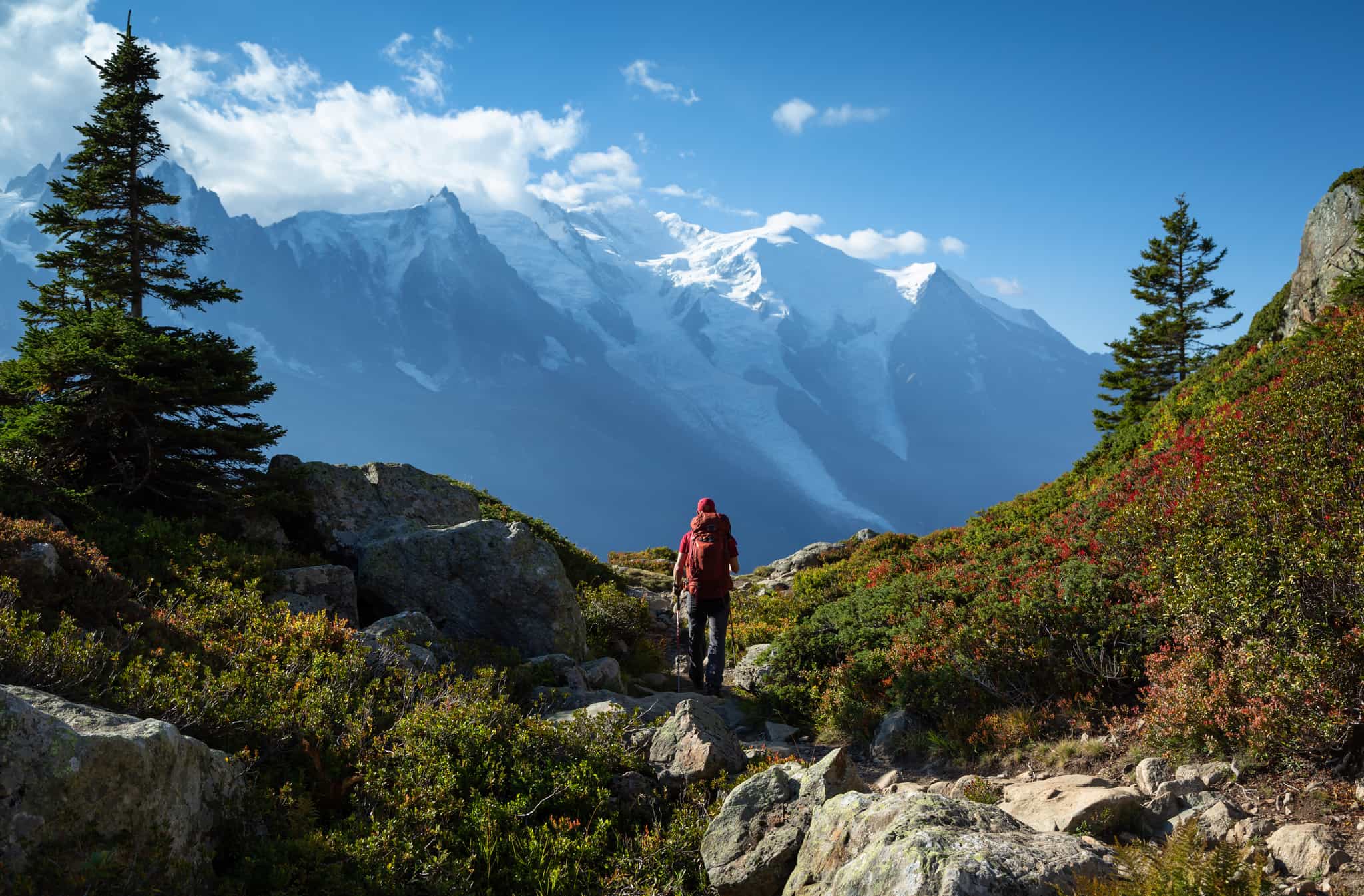
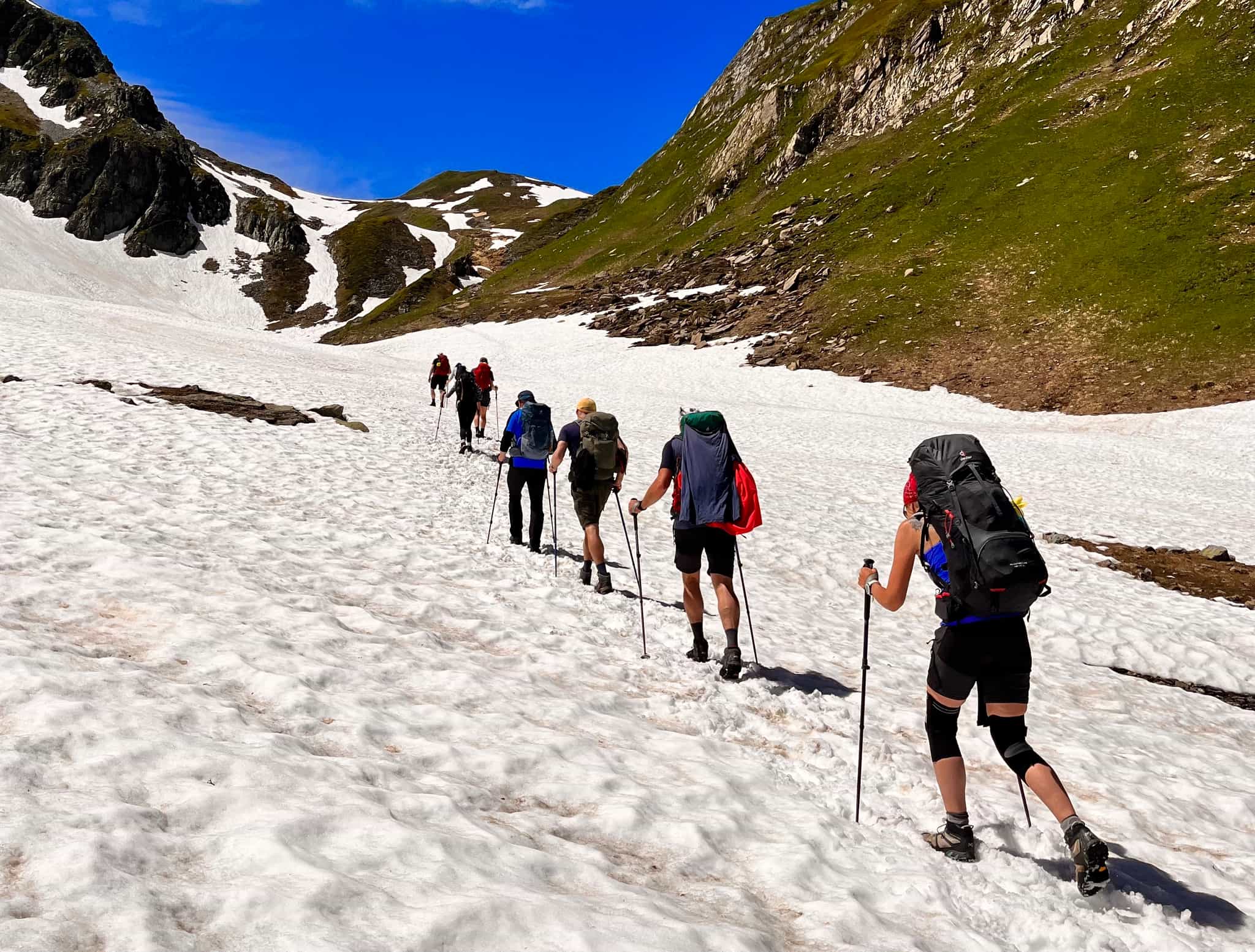
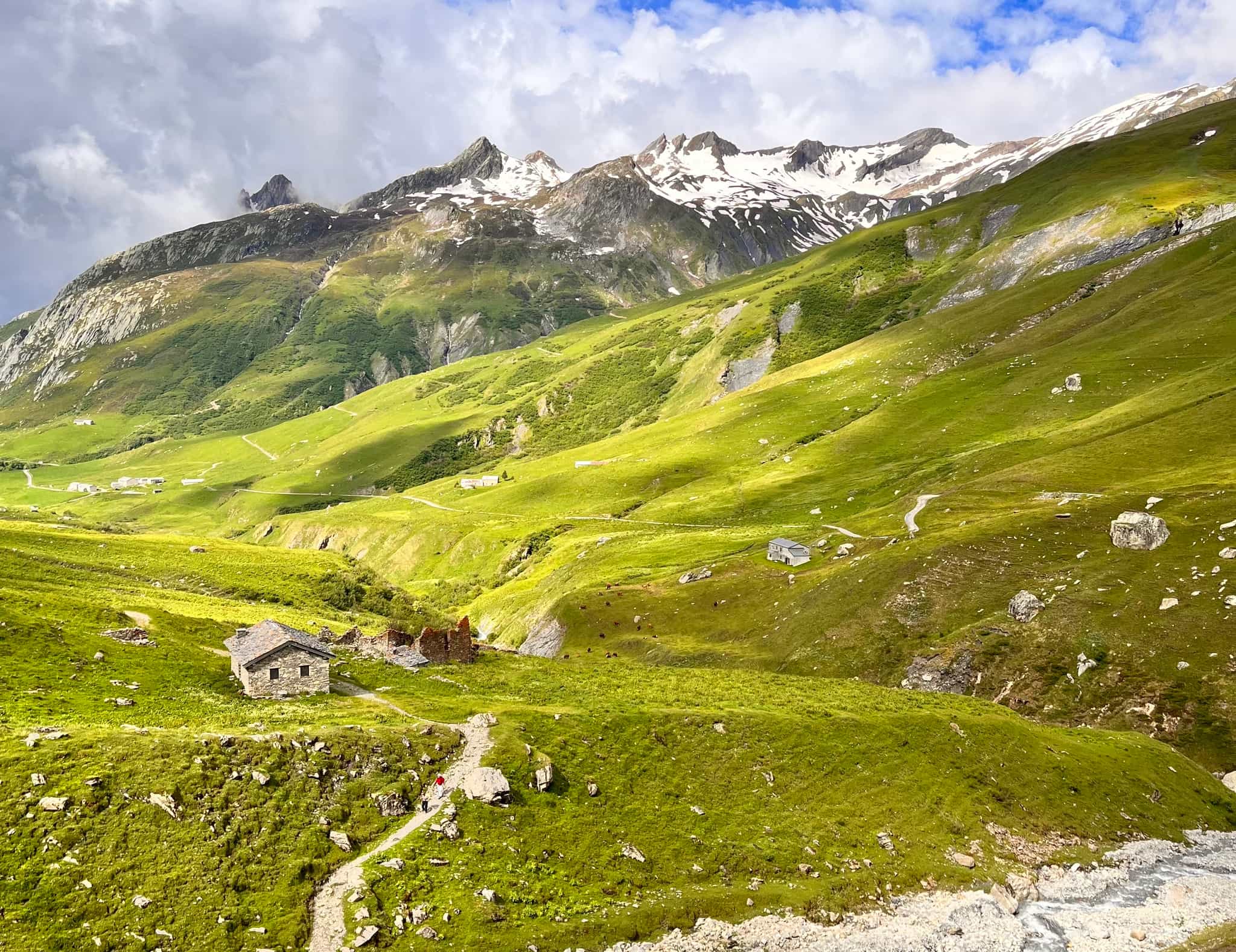
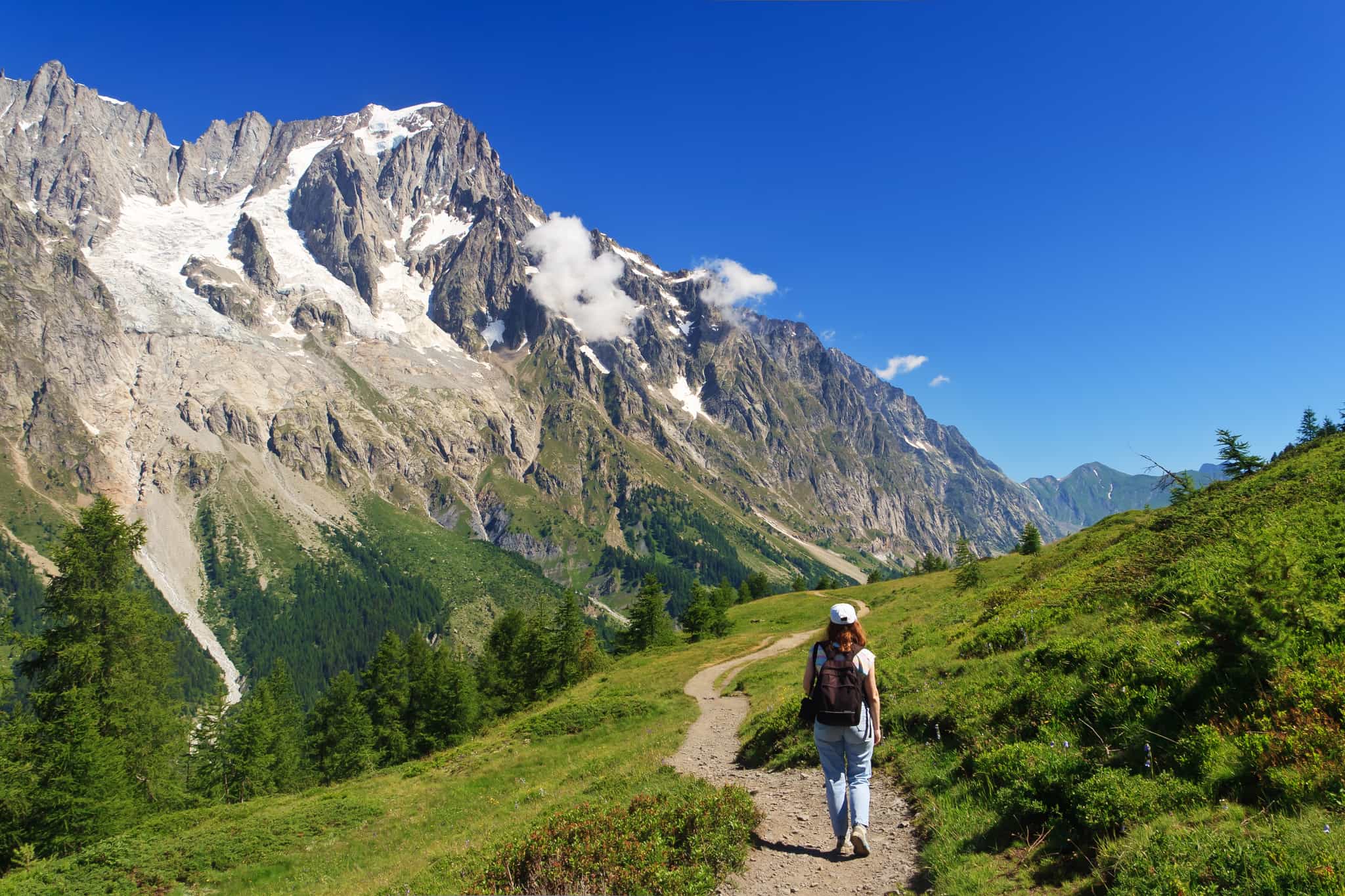
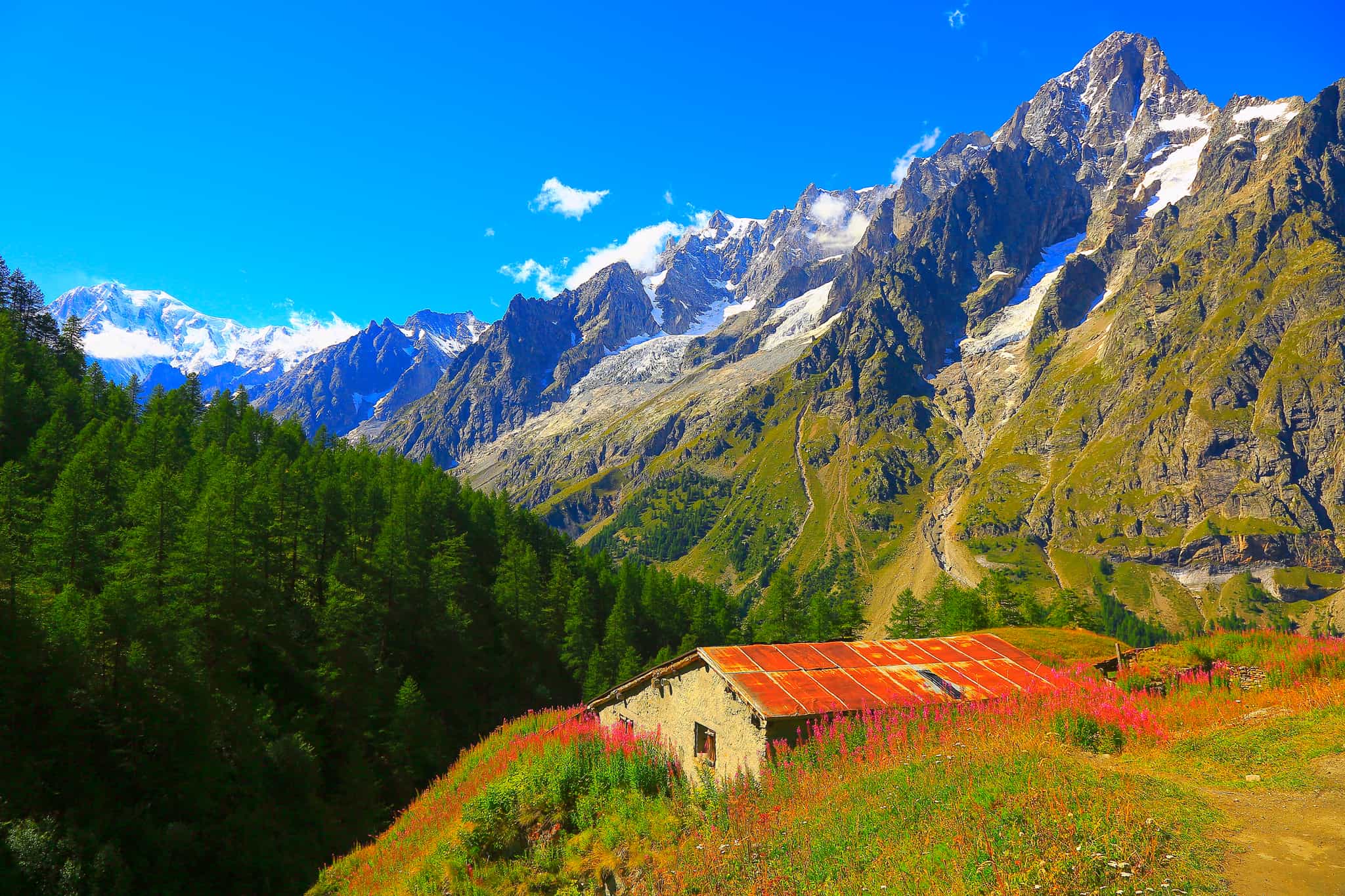
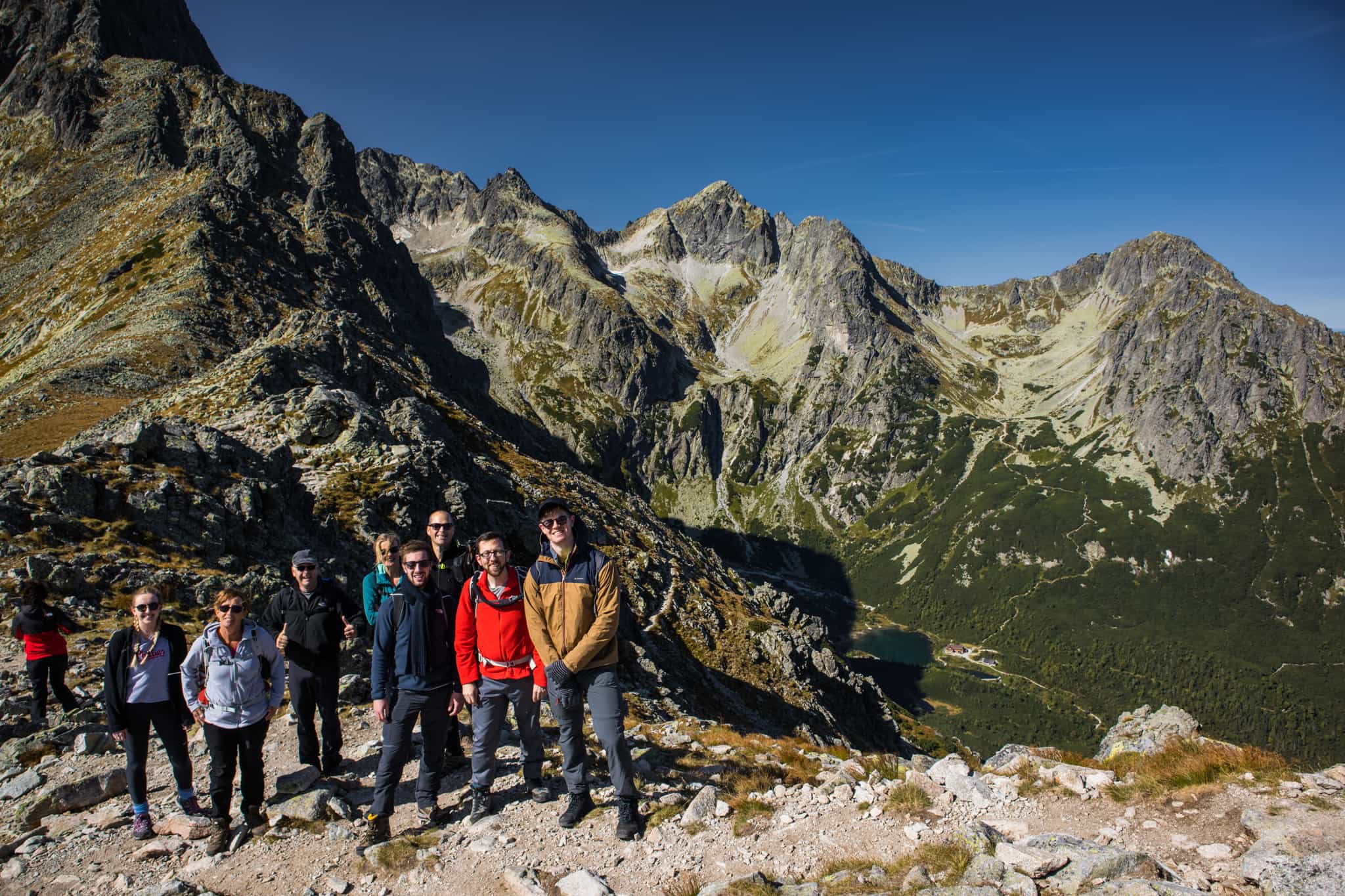
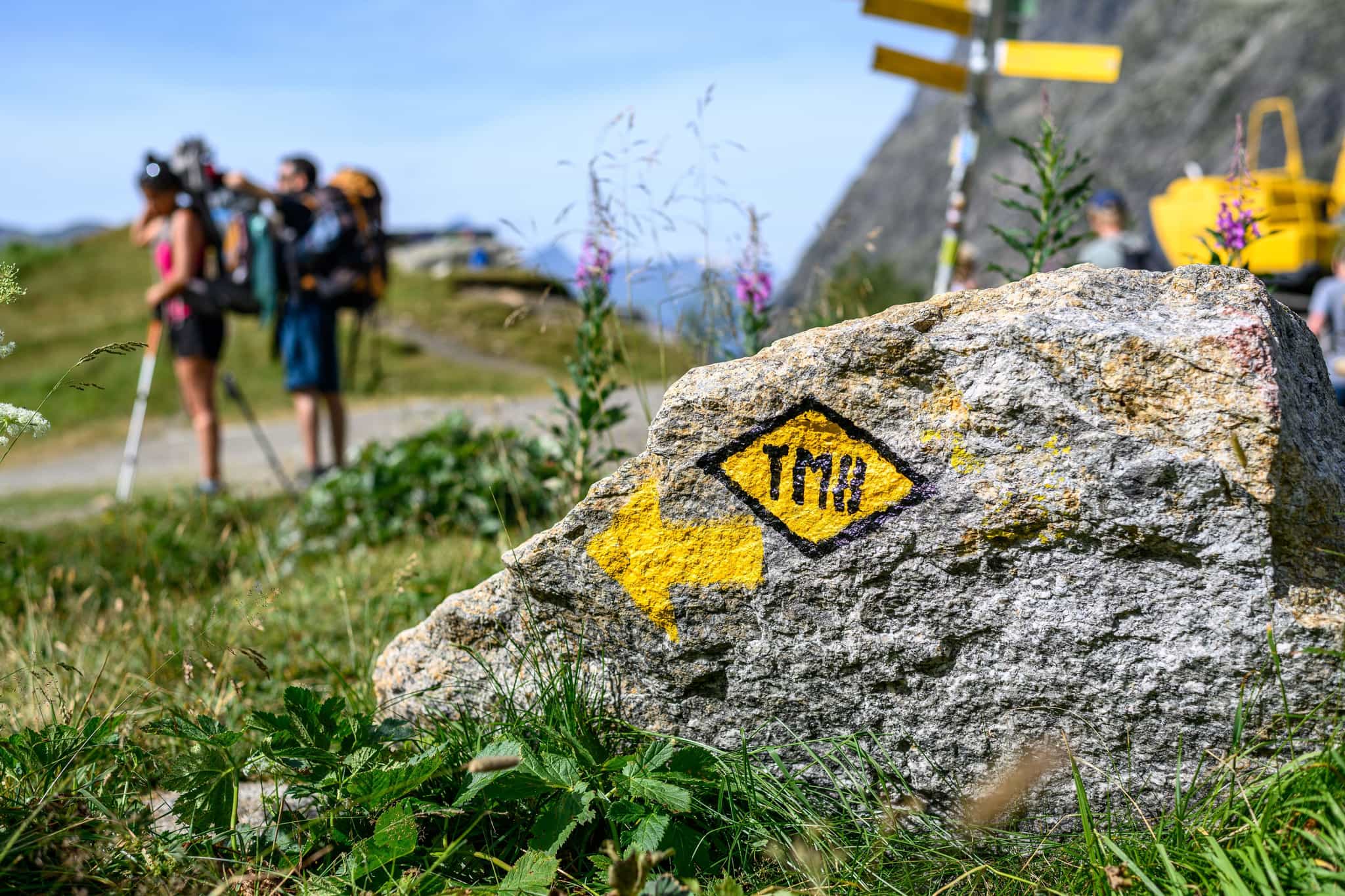
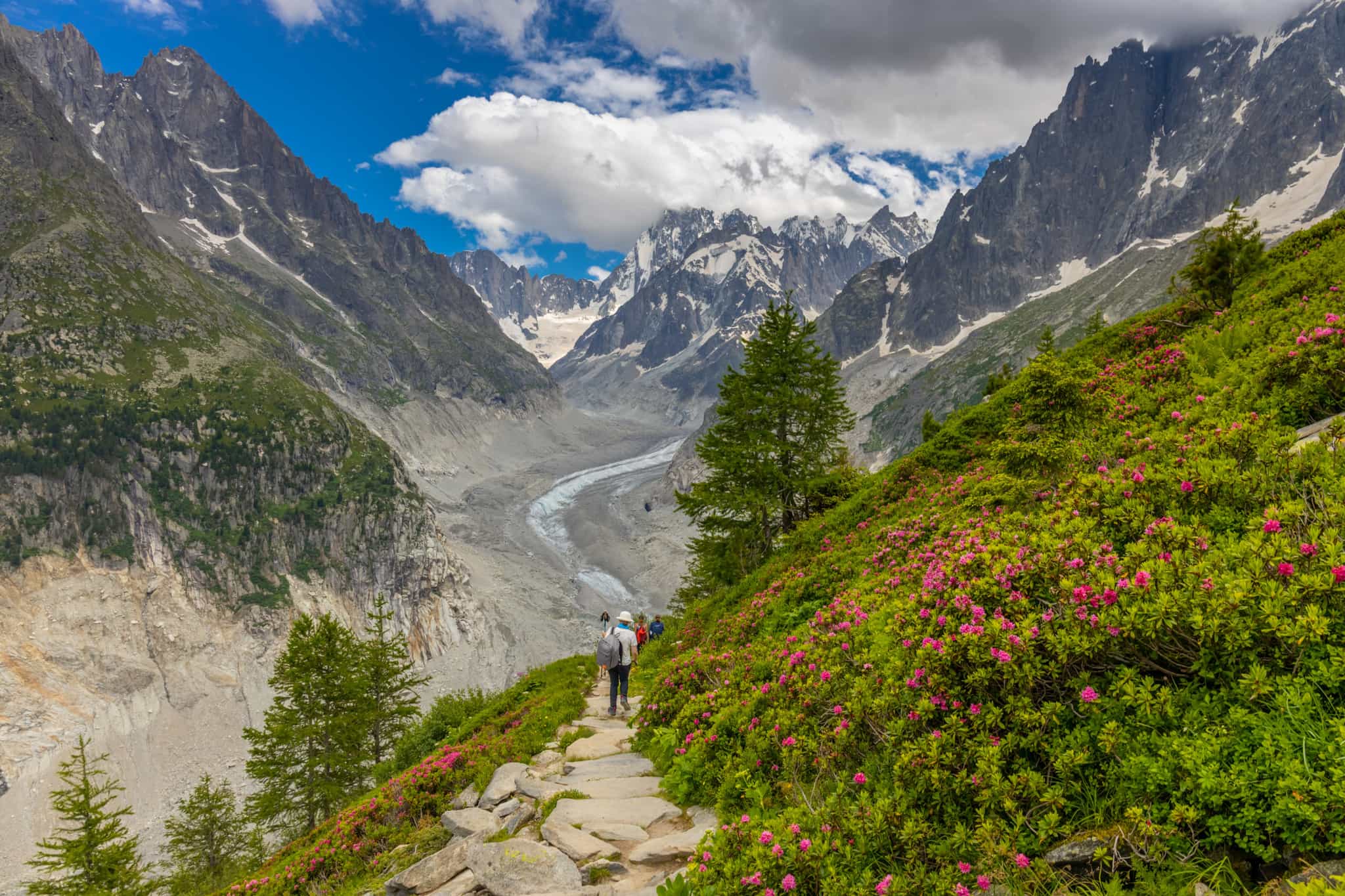
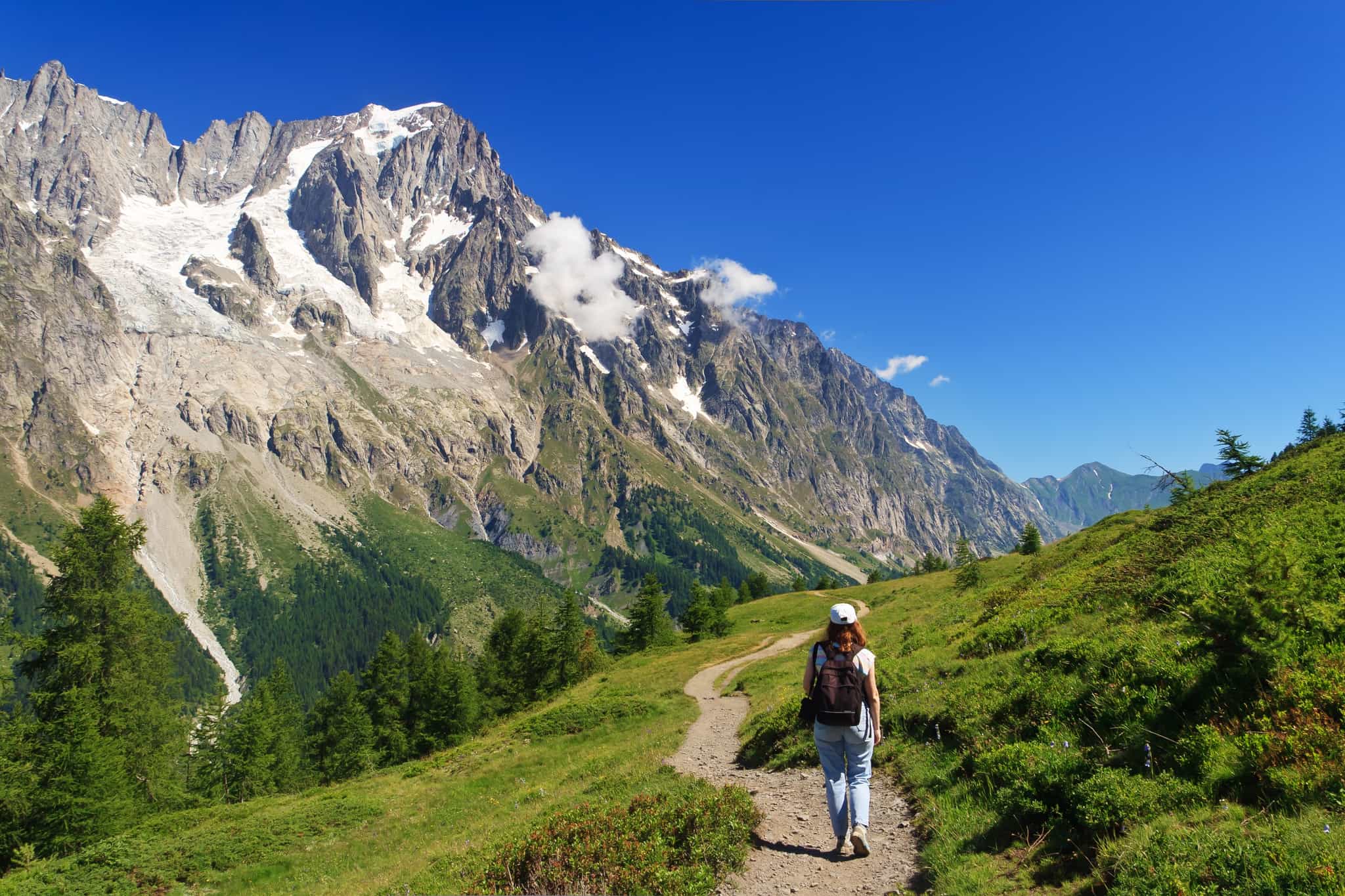
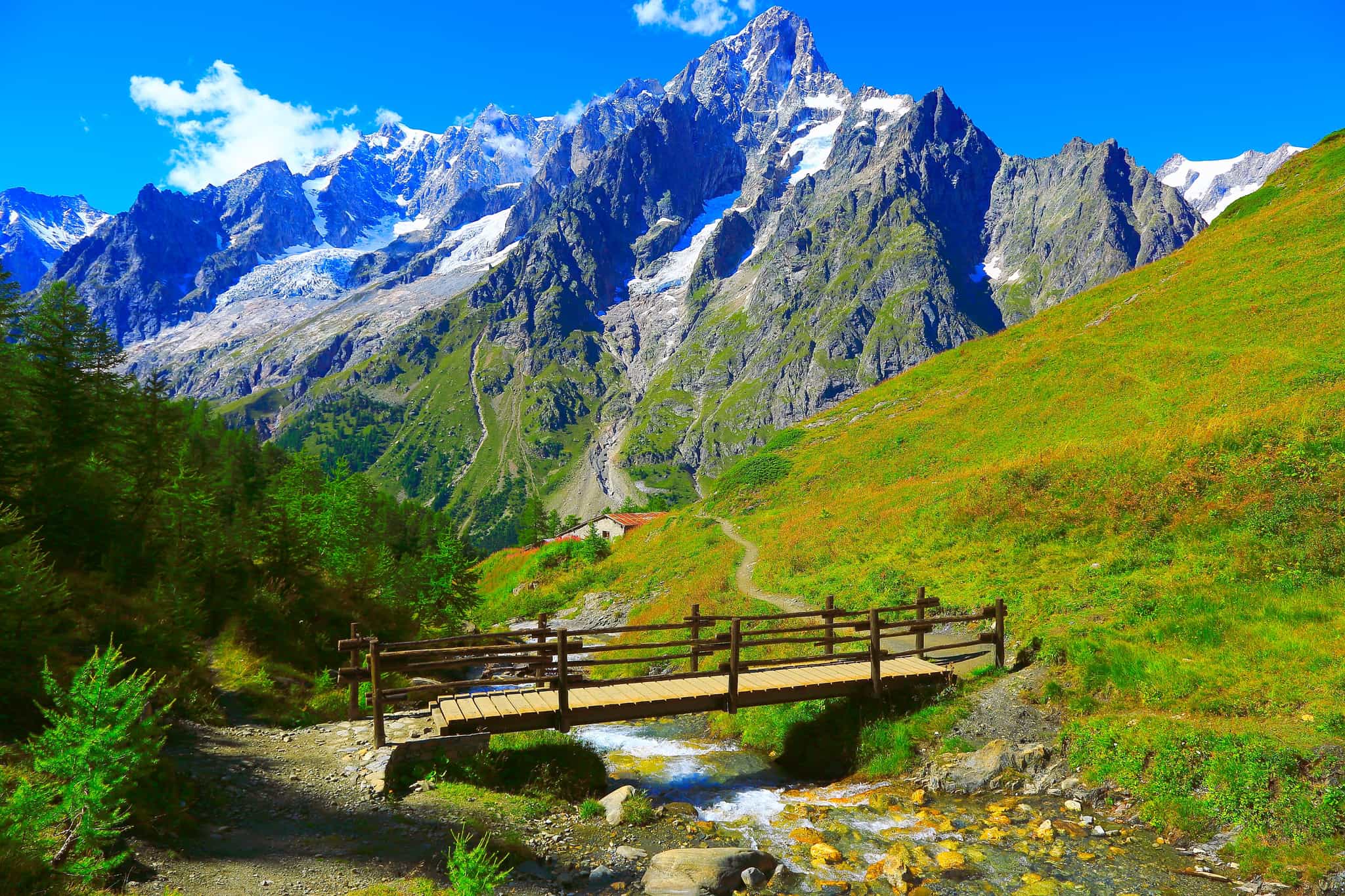
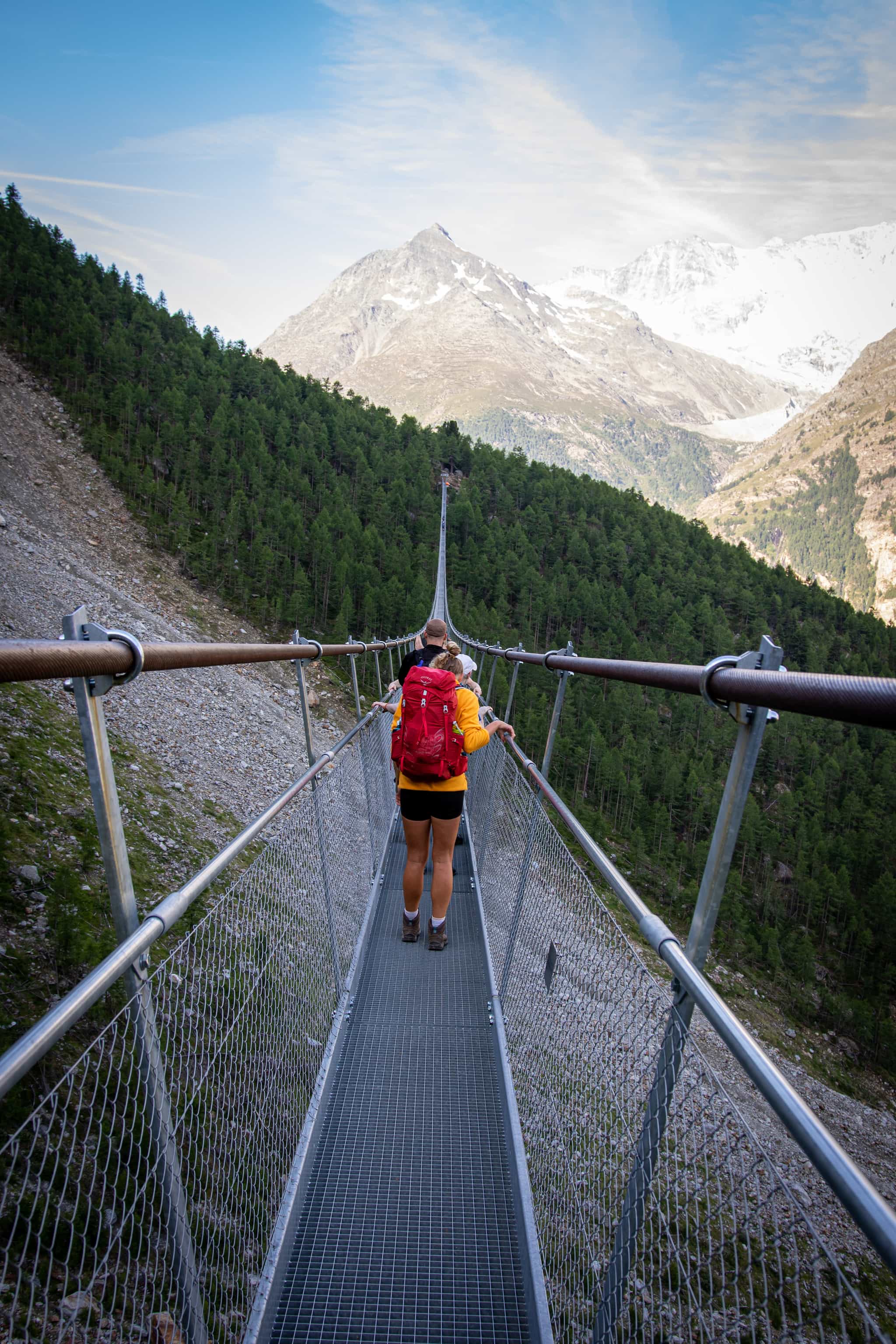
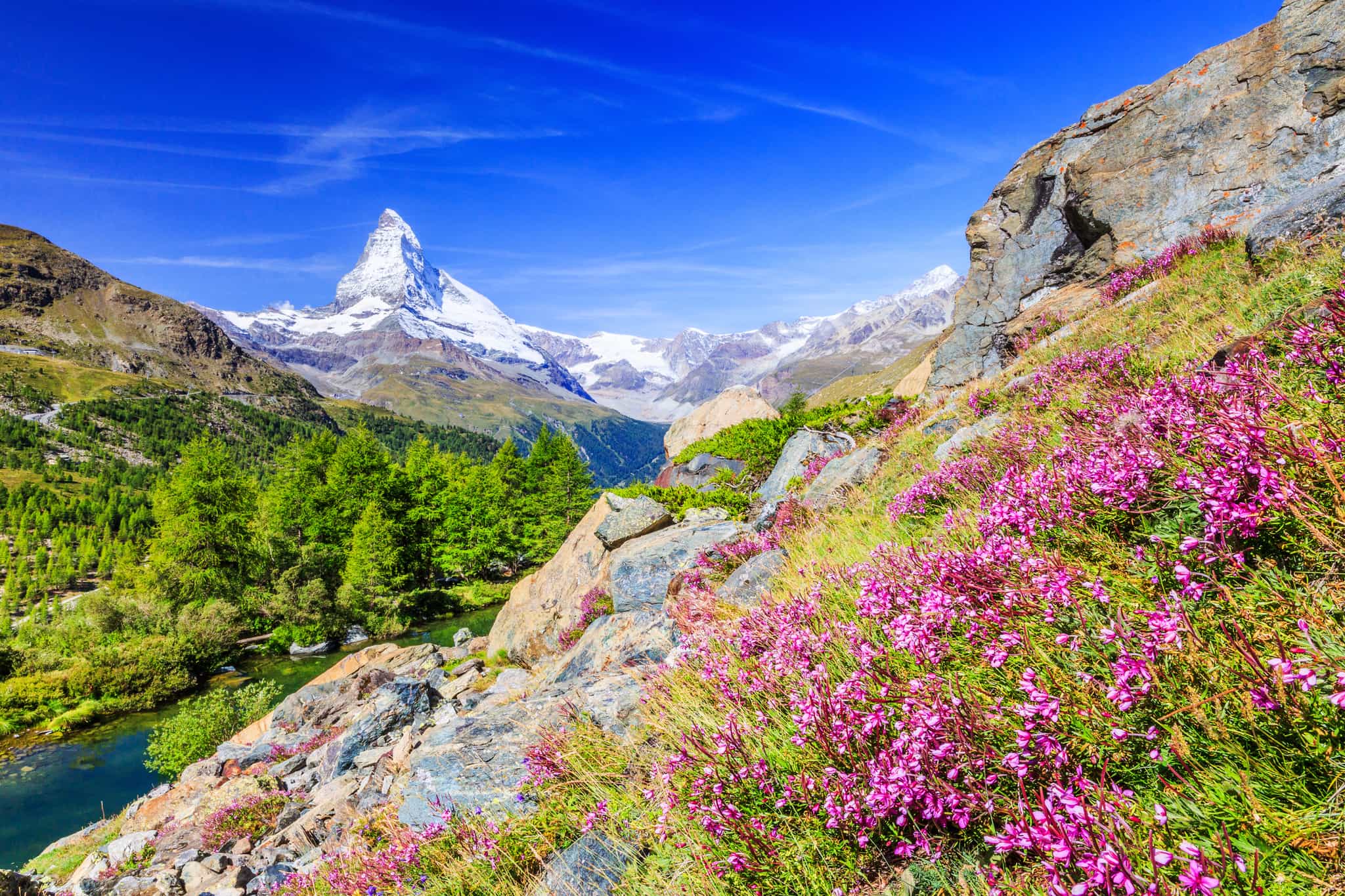
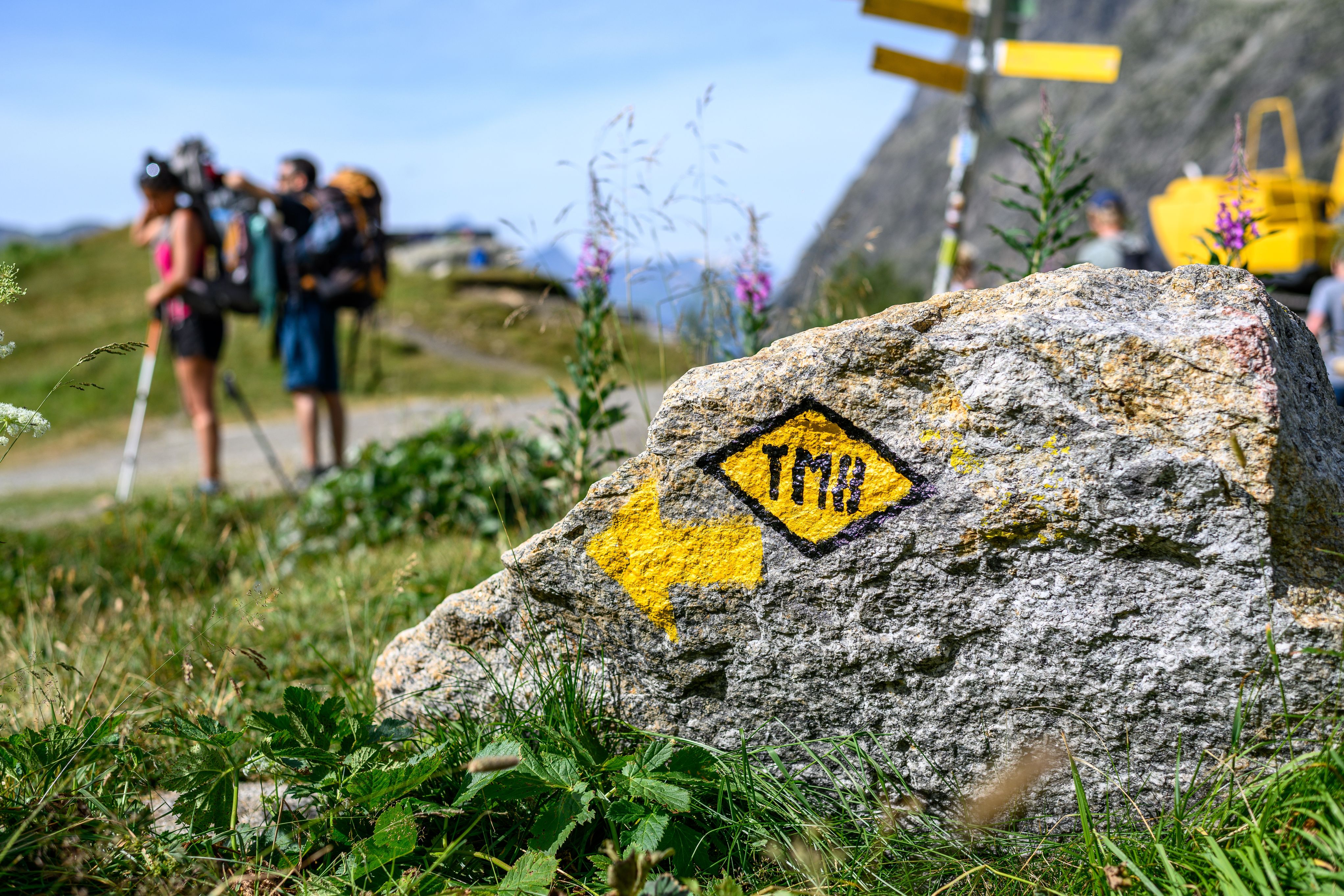
The Tour du Mont Blanc (opens in new tab) is Europe's most famous long-distance trek, circling Mont Blanc - the highest peak in the Alps - and taking in some of the Alps’ finest passes in three countries.
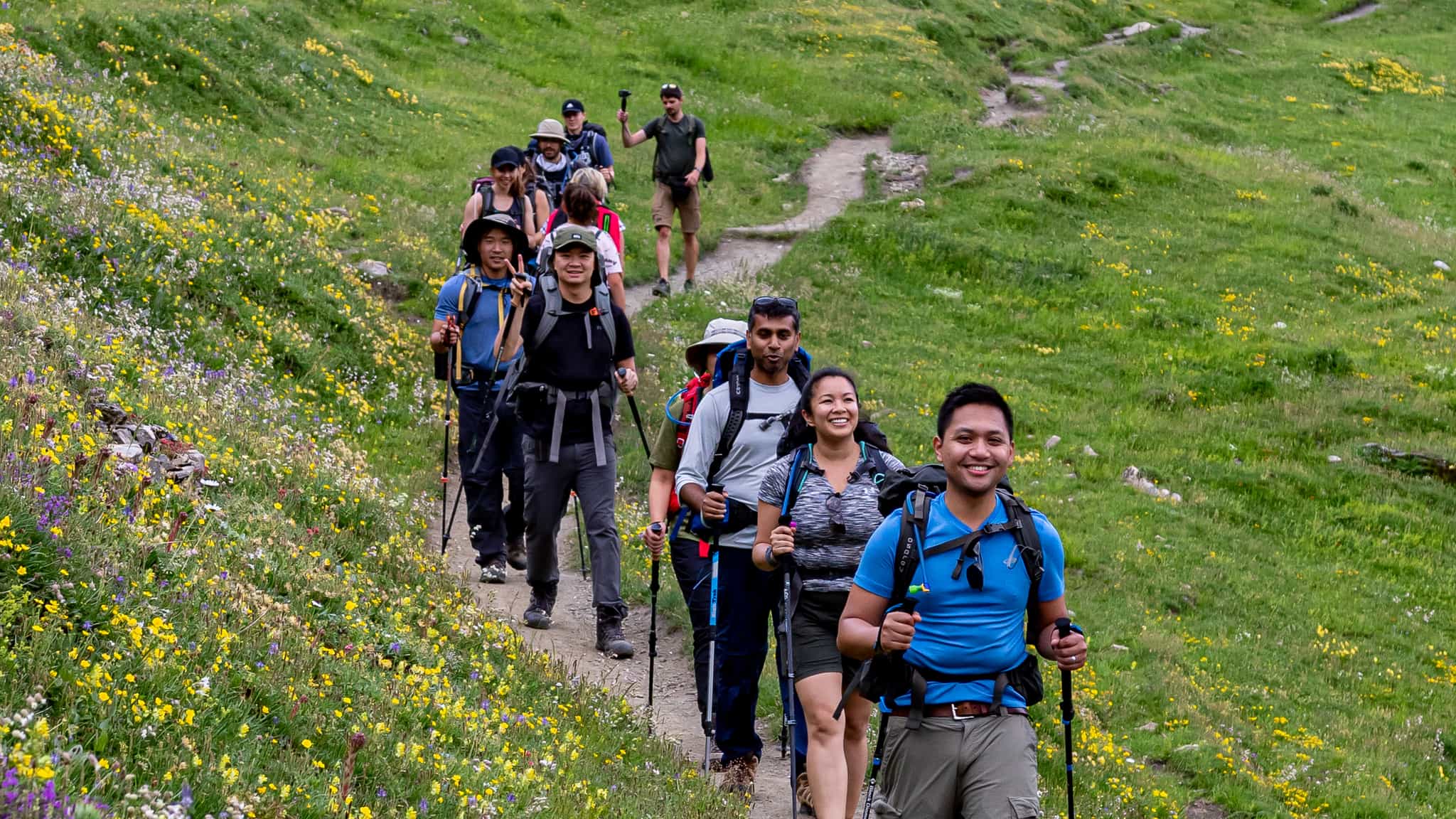
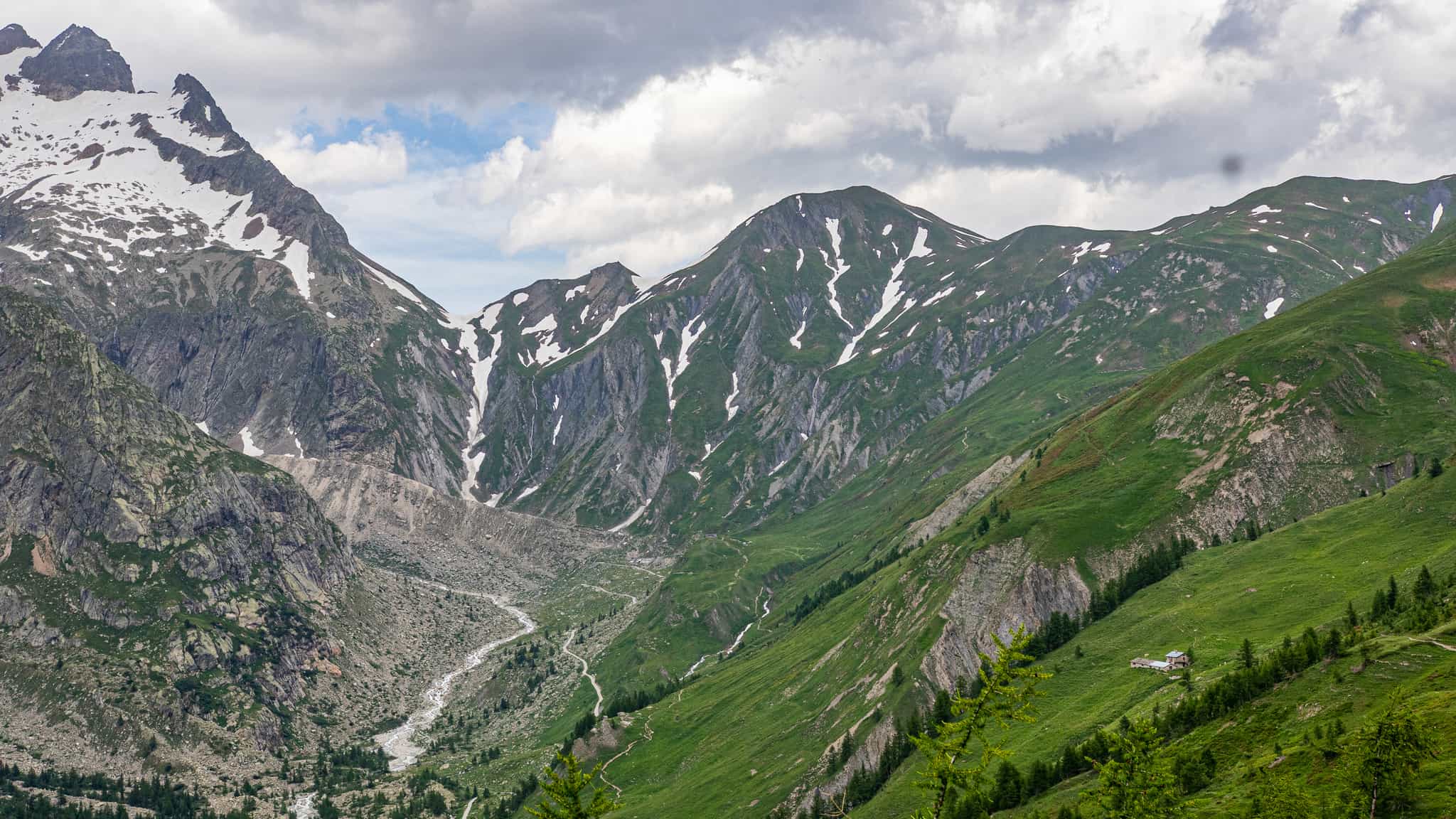
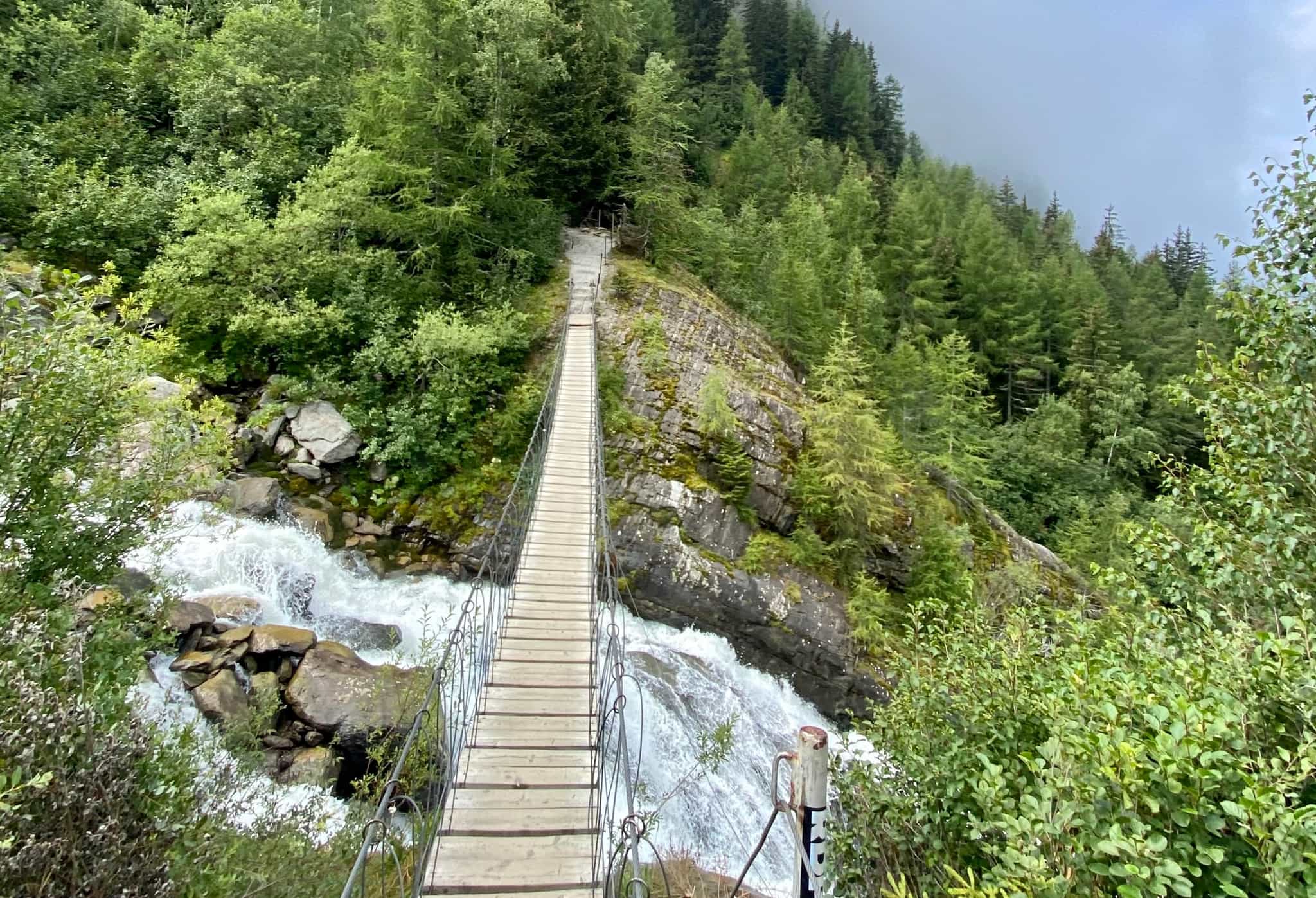
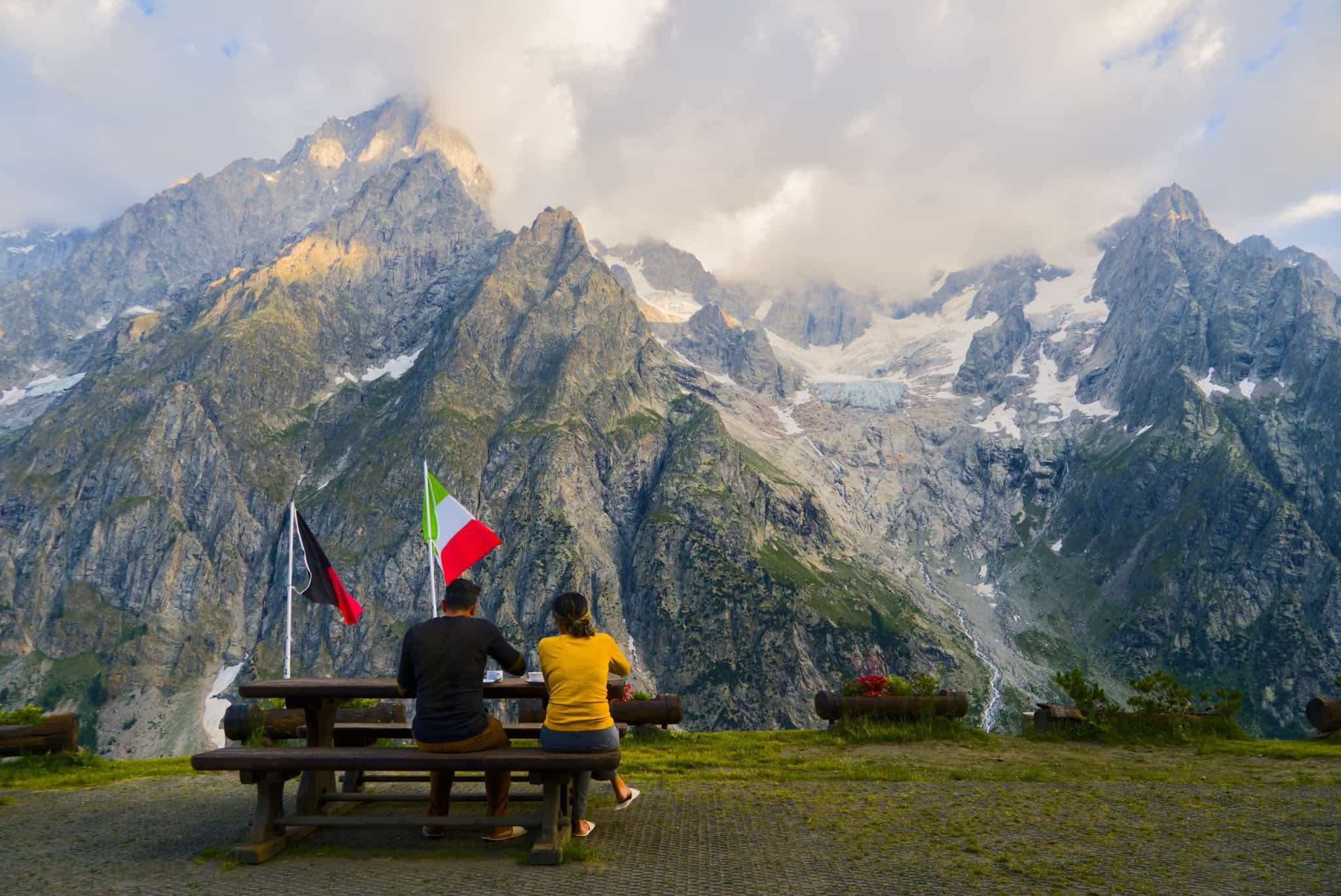
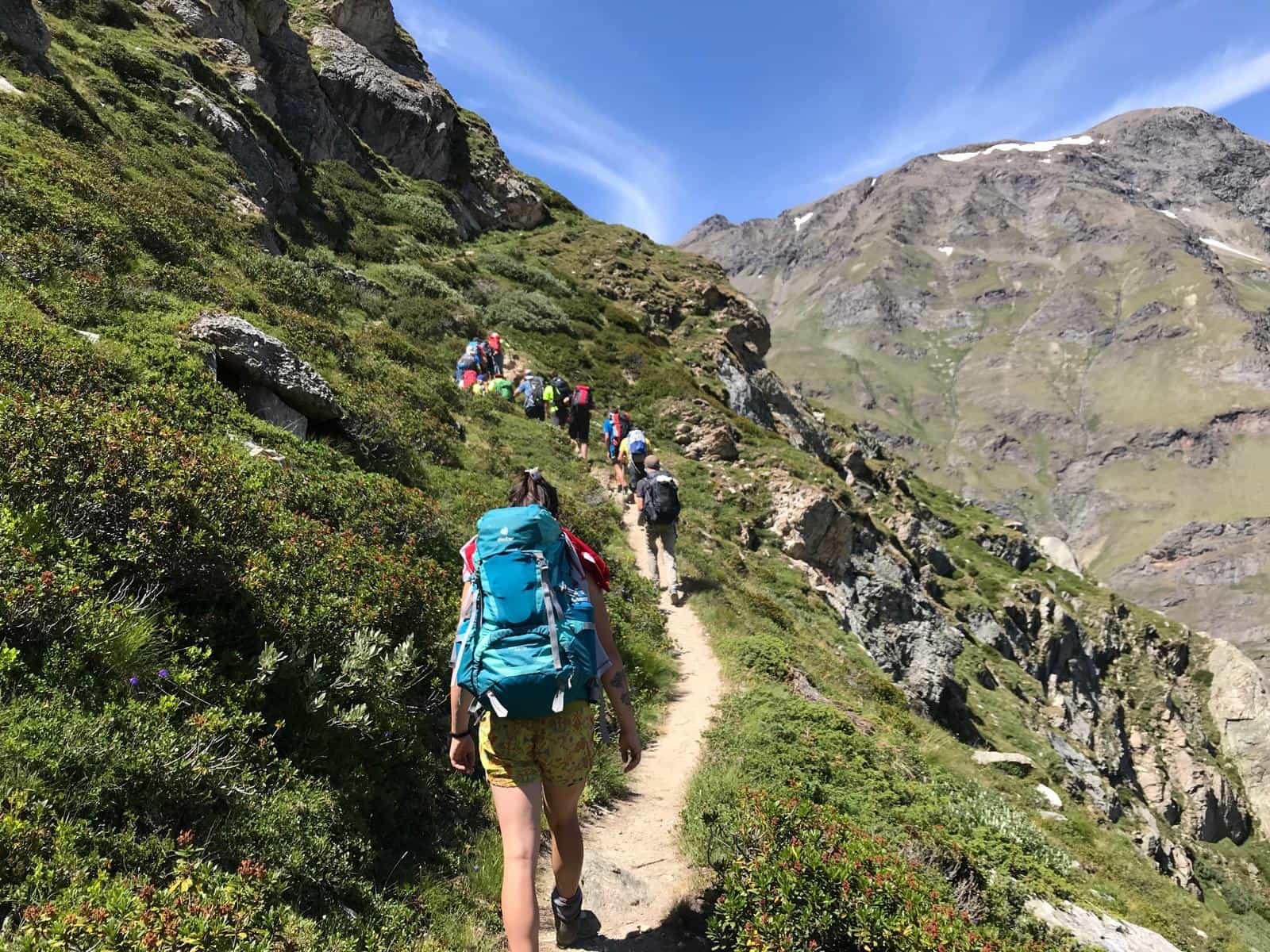
The full circuit takes 10 days of hiking across France, Italy and Switzerland - from the Chamonix Valley to Col de la Seigne, through the Val Ferret and over the Grand Col Ferret on the Italian-Swiss border, then deep into Switzerland before the triumphant return to Chamonix. You'll stay in mountain huts, eating well and sleeping soundly after big days on high terrain.
Why hike here in September? Hiking after the peak season is a different experience. This is a popular trail, and in September, you still get that community while also enjoying a bit more room.
Must-do trail section? The Col de la Seigne, straddling the French-Italian border at 2,516m (8,254ft), where you drop down into Italy with Mont Blanc's southern face filling the view.
What's the weather like? The mountains are unpredictable, so expect anything from crisp, clear days with cool evenings to the first dustings of snow and the odd thunderstorm.
What to know before you go? This is serious hiking and lots of it. Train for a multi-day effort.
2. The Picos de Europa, Northern Spain
- Average daytime temperatures: 16-22°C (61-72°F)
- Average nighttime temperatures: 8-12°C (46-54°F)
- Best for: Dramatic limestone beauty, off the tourist radar
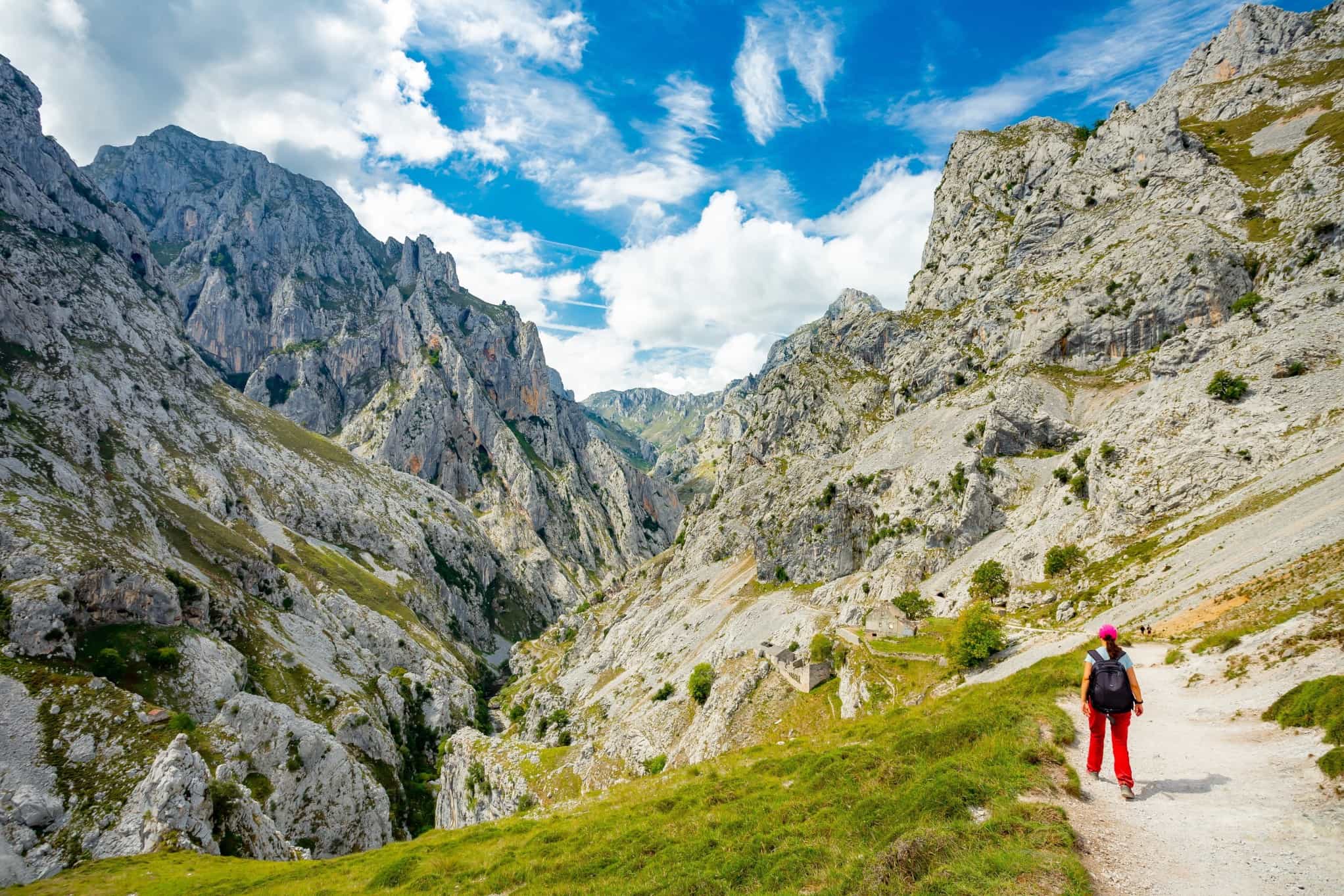
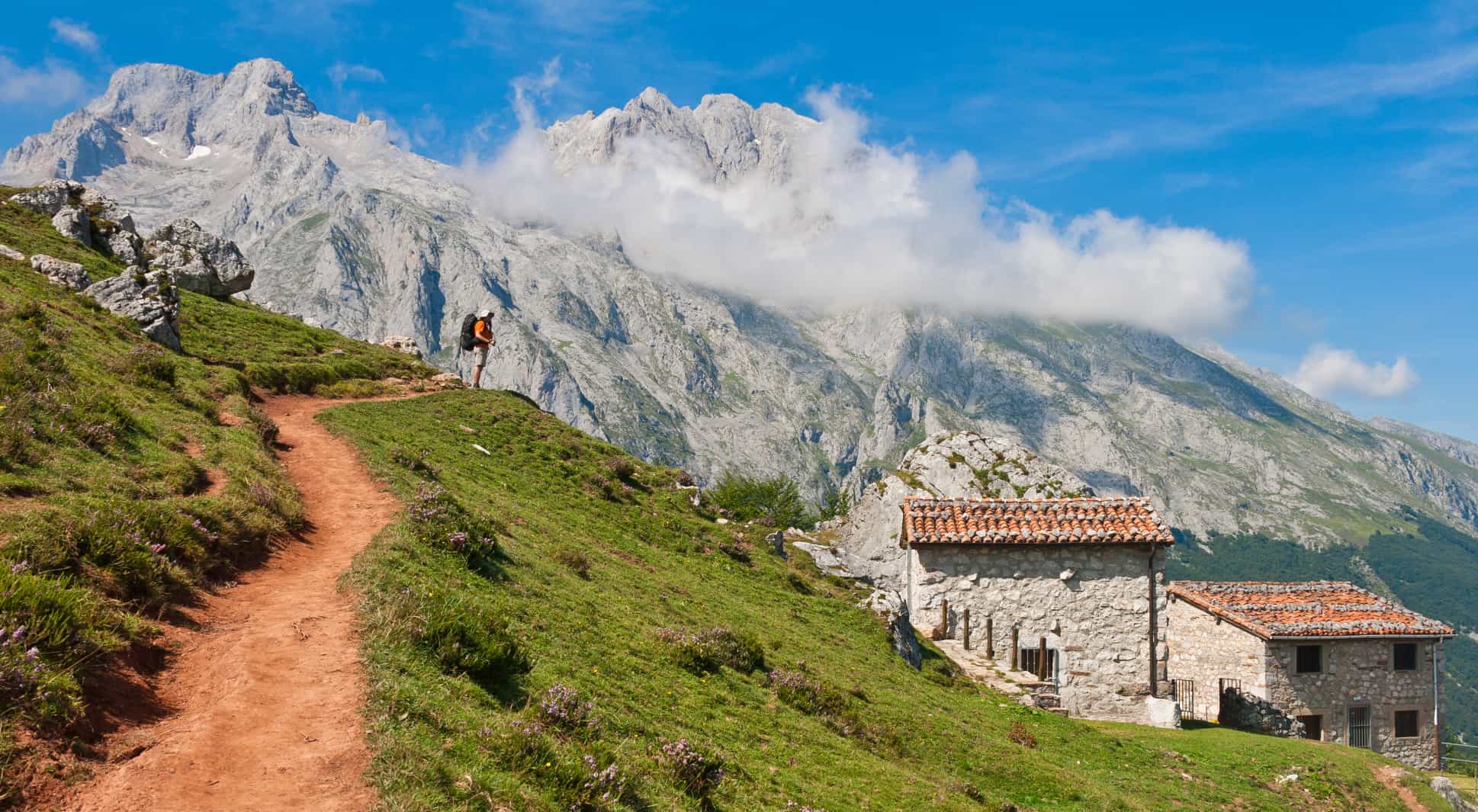
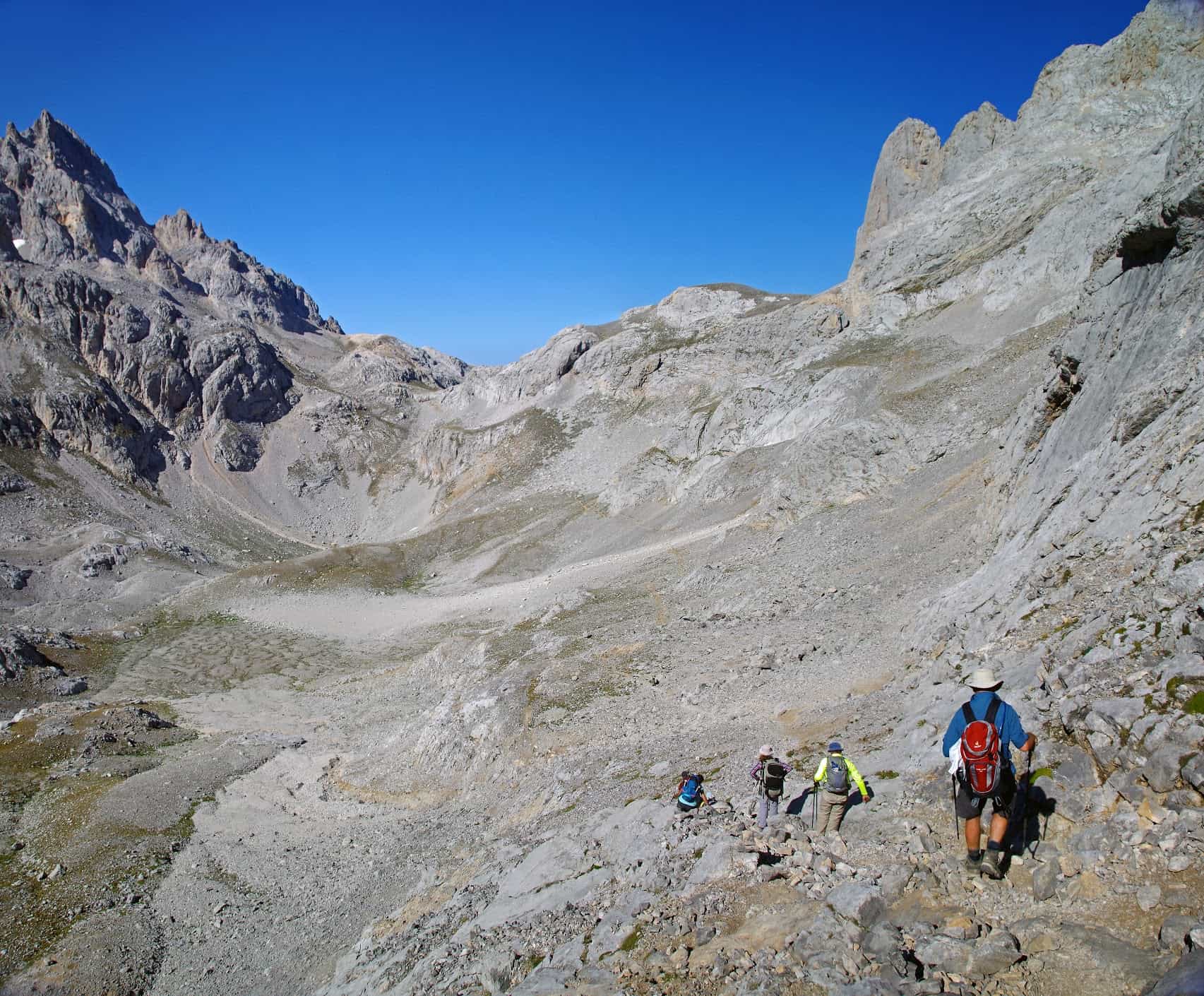
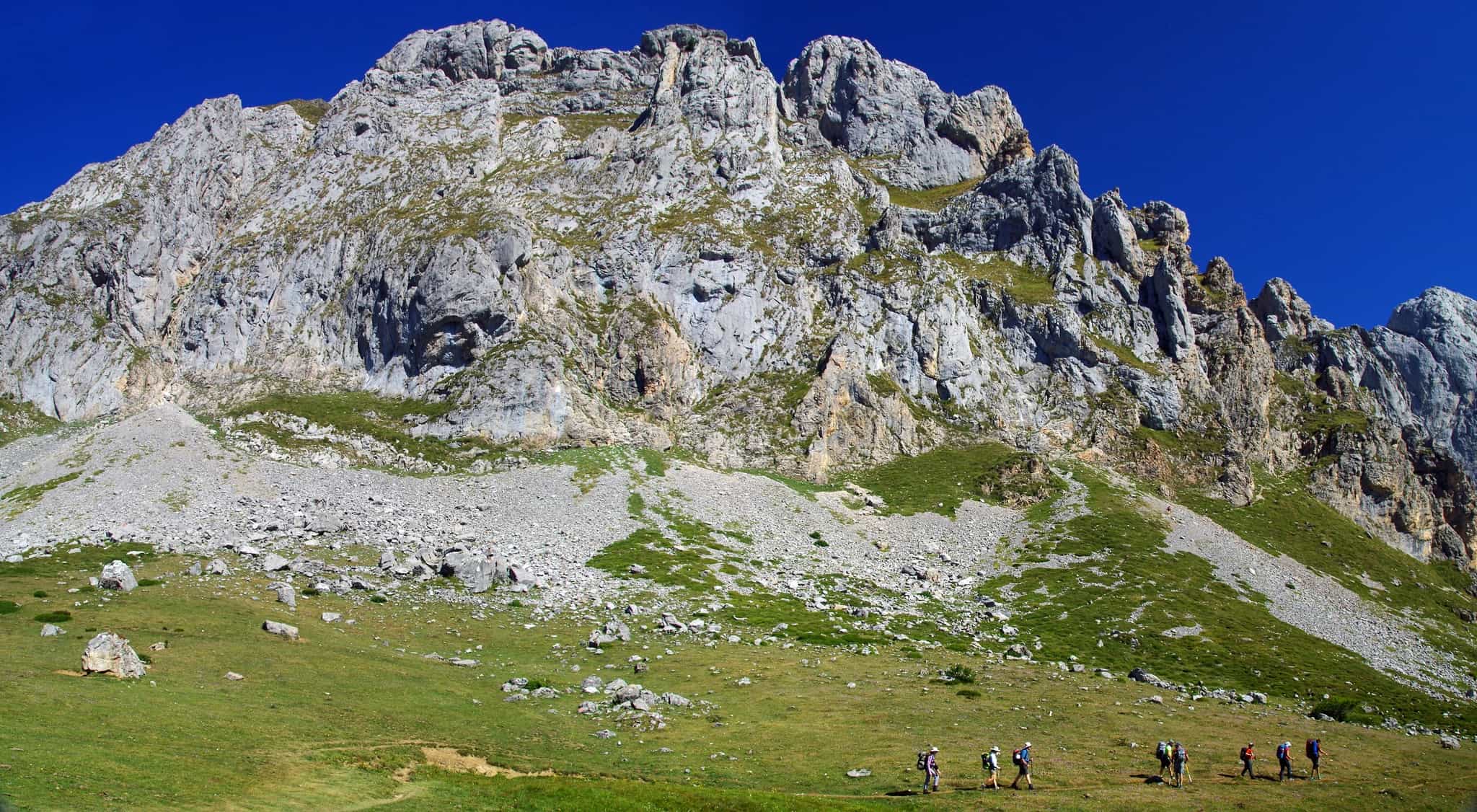
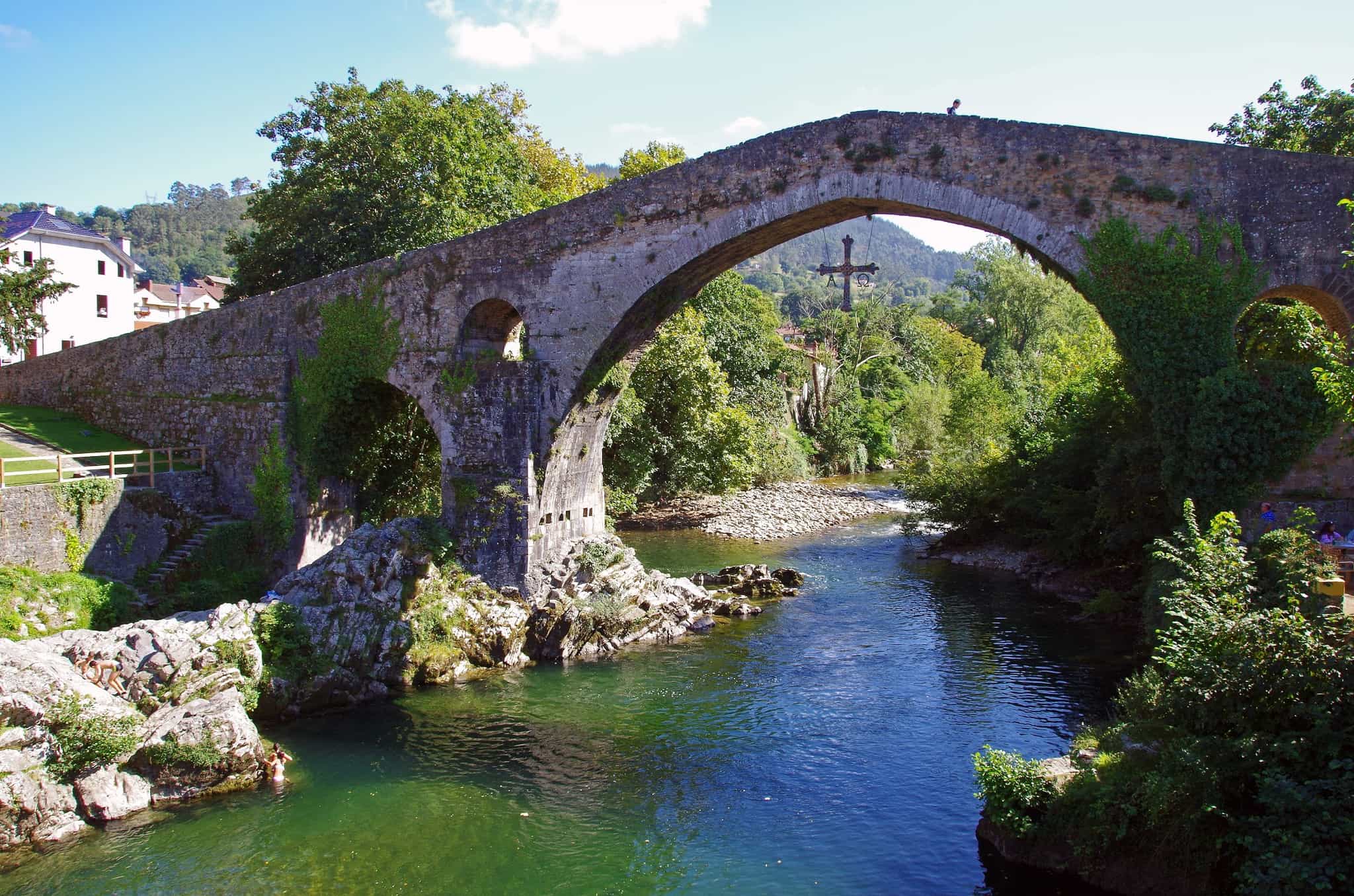
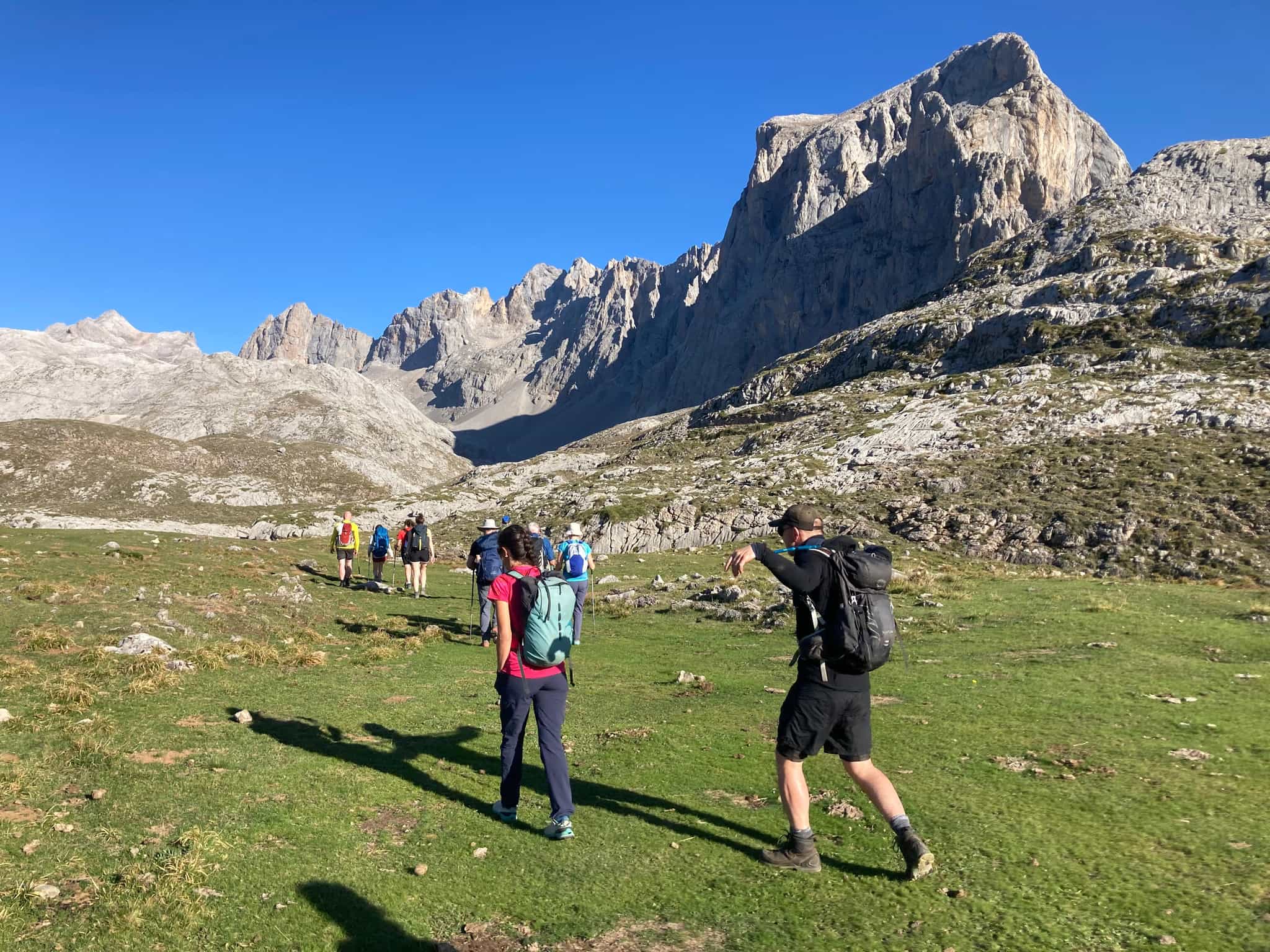
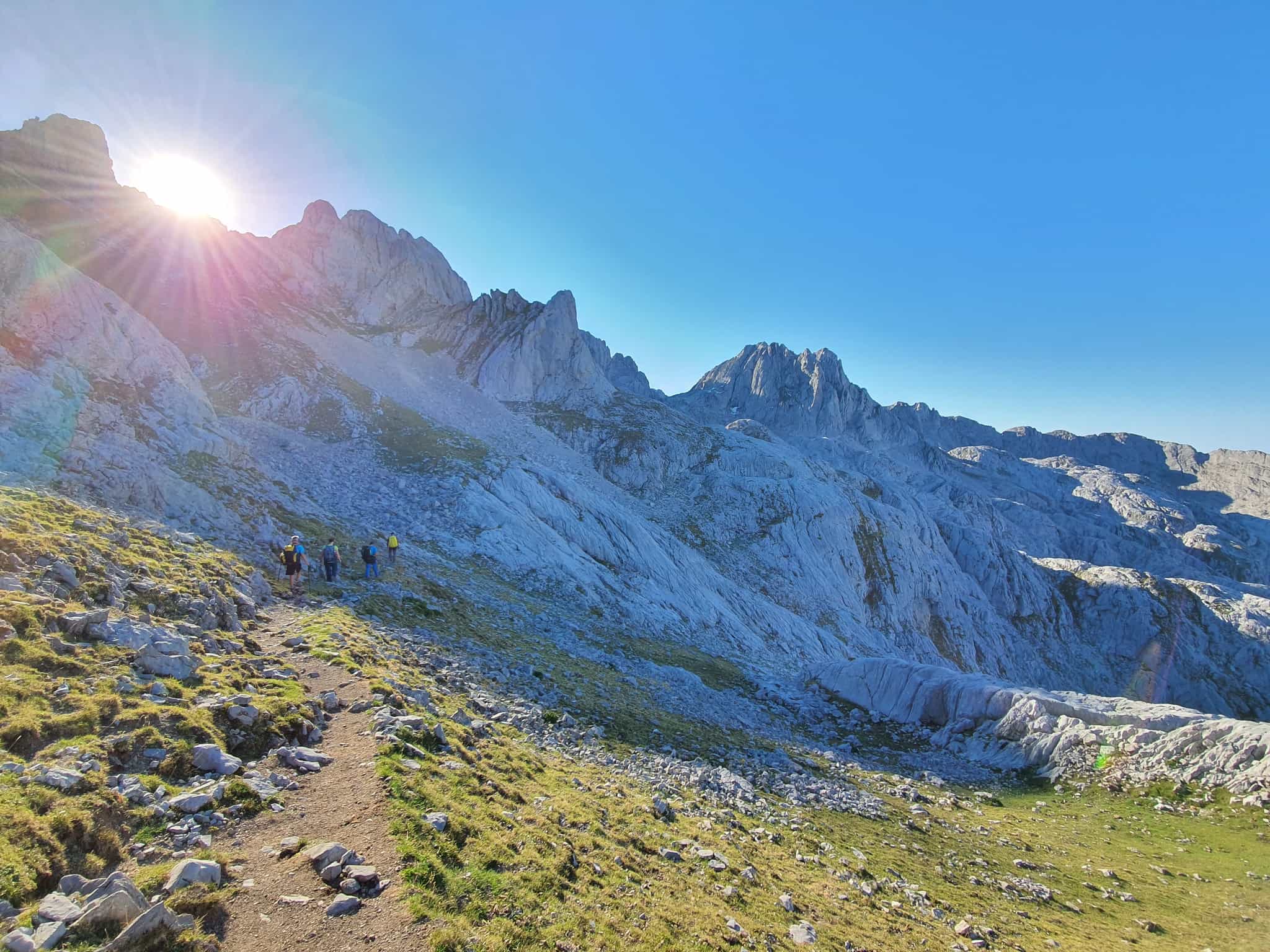
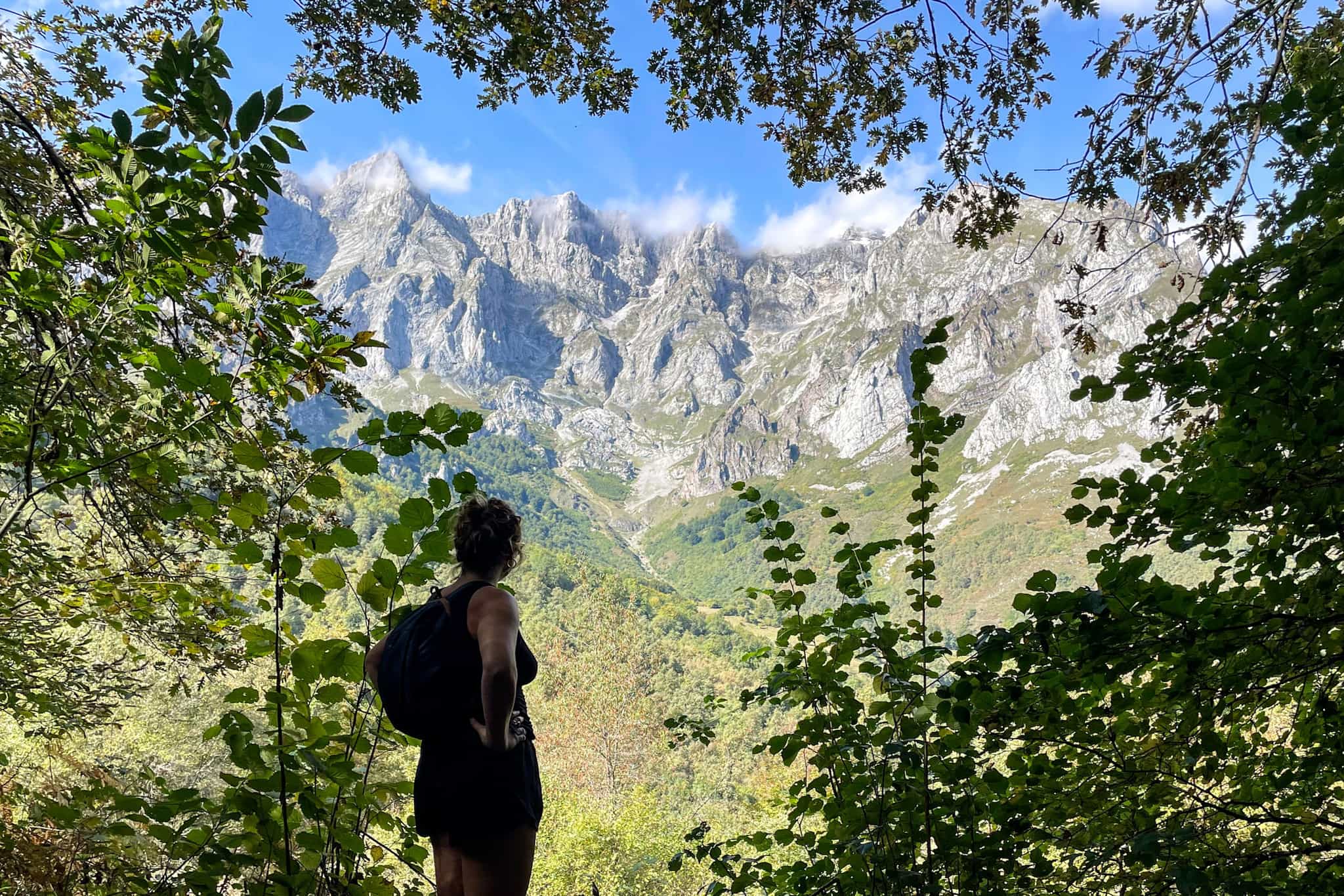
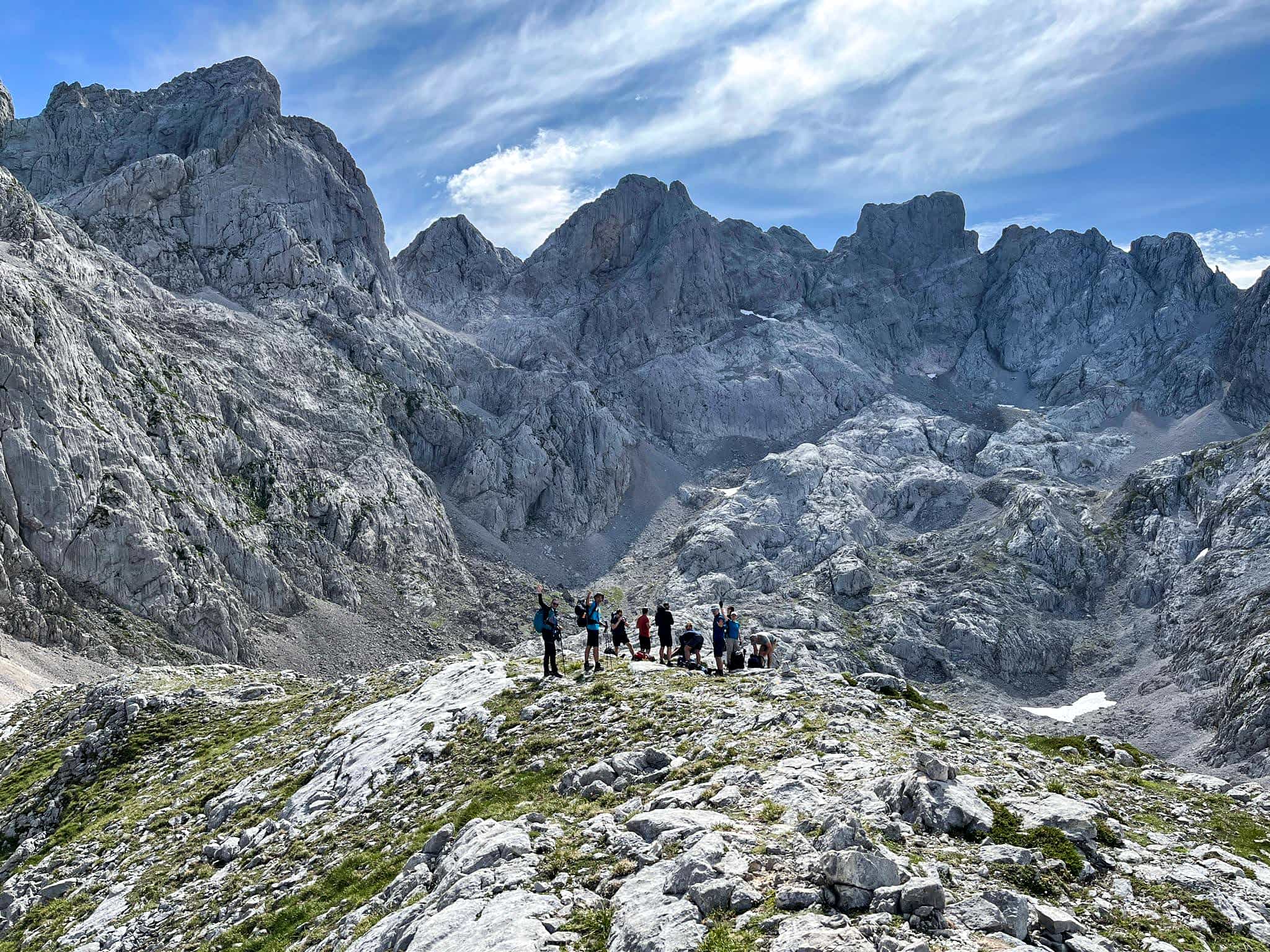
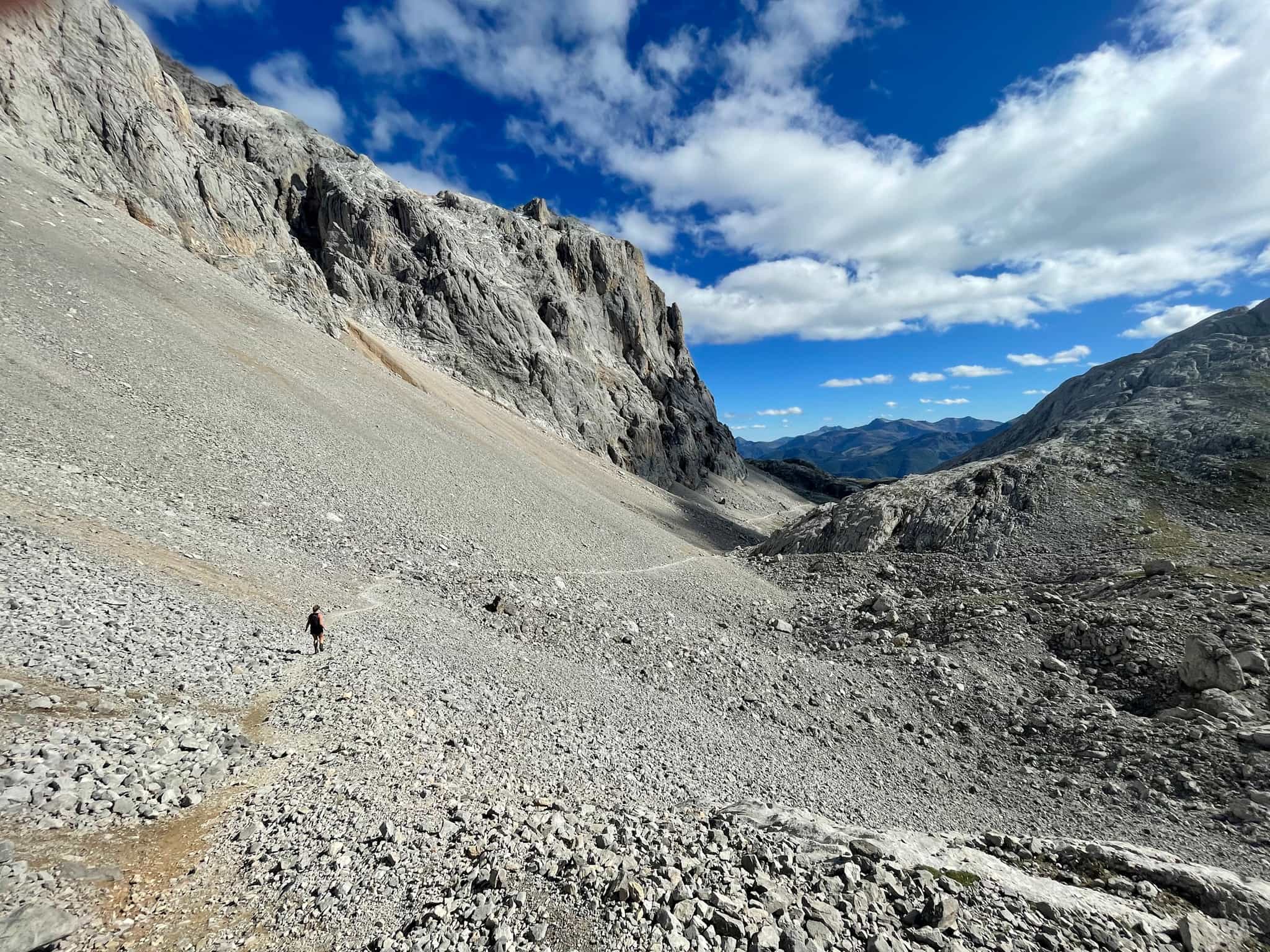
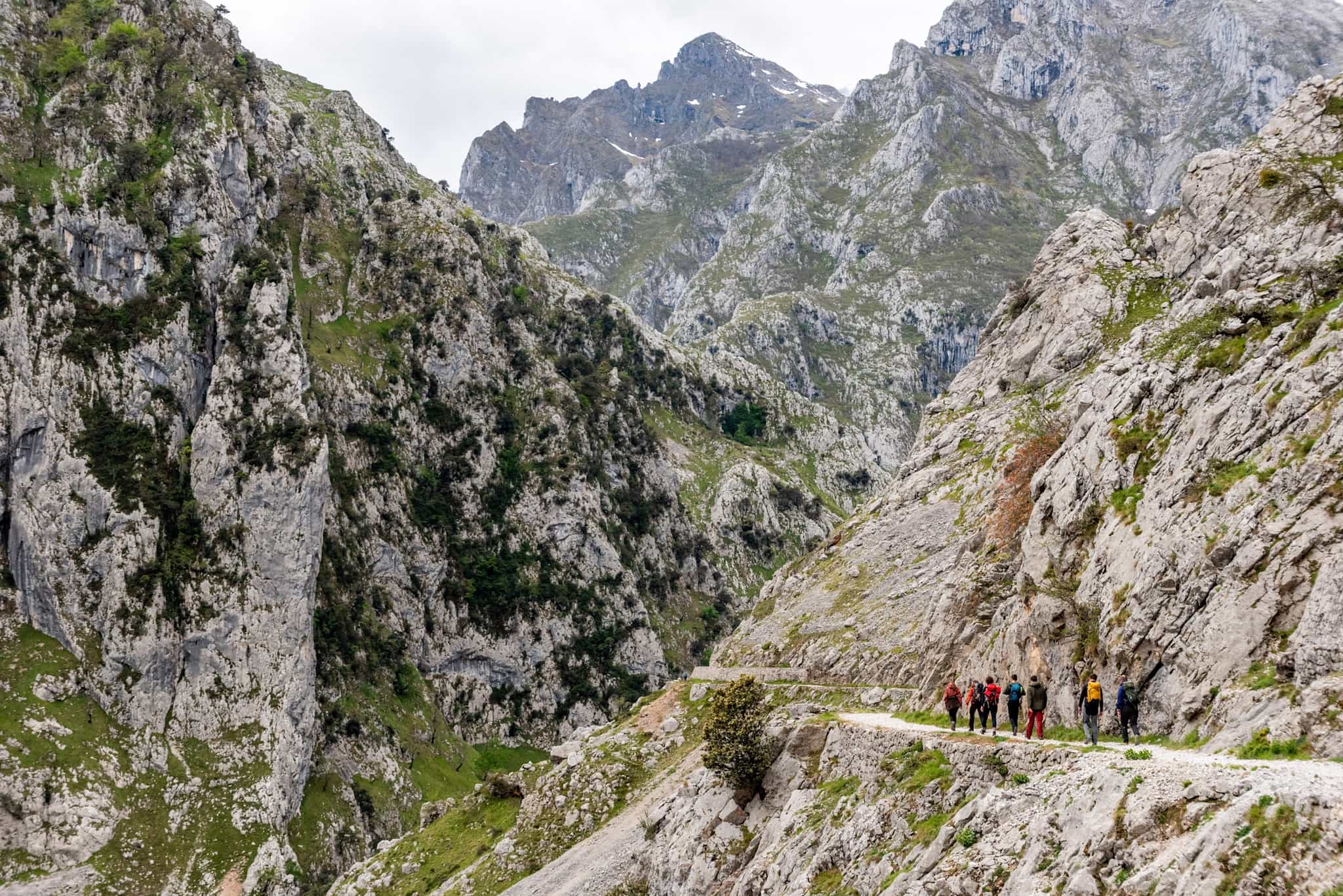
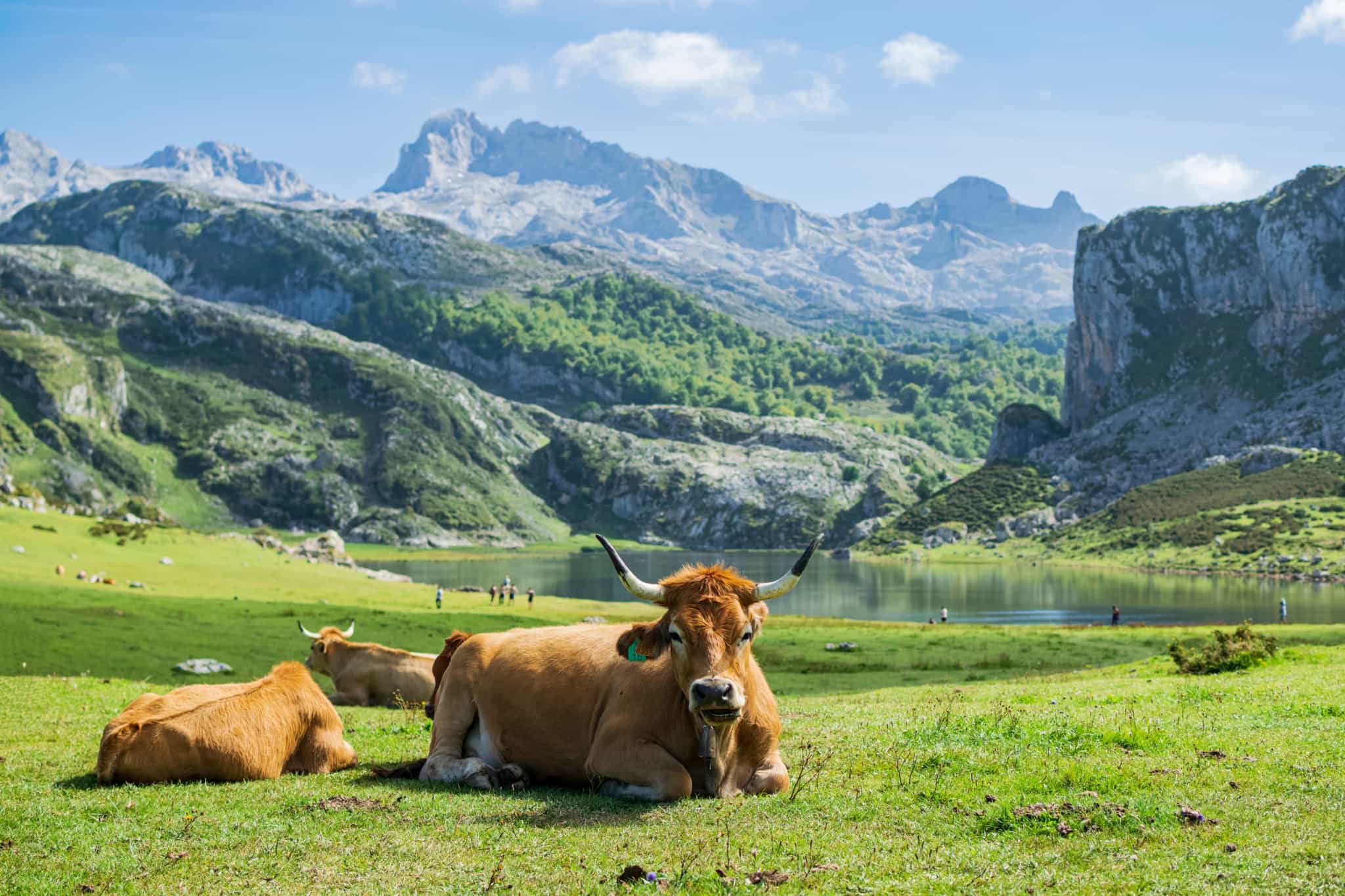
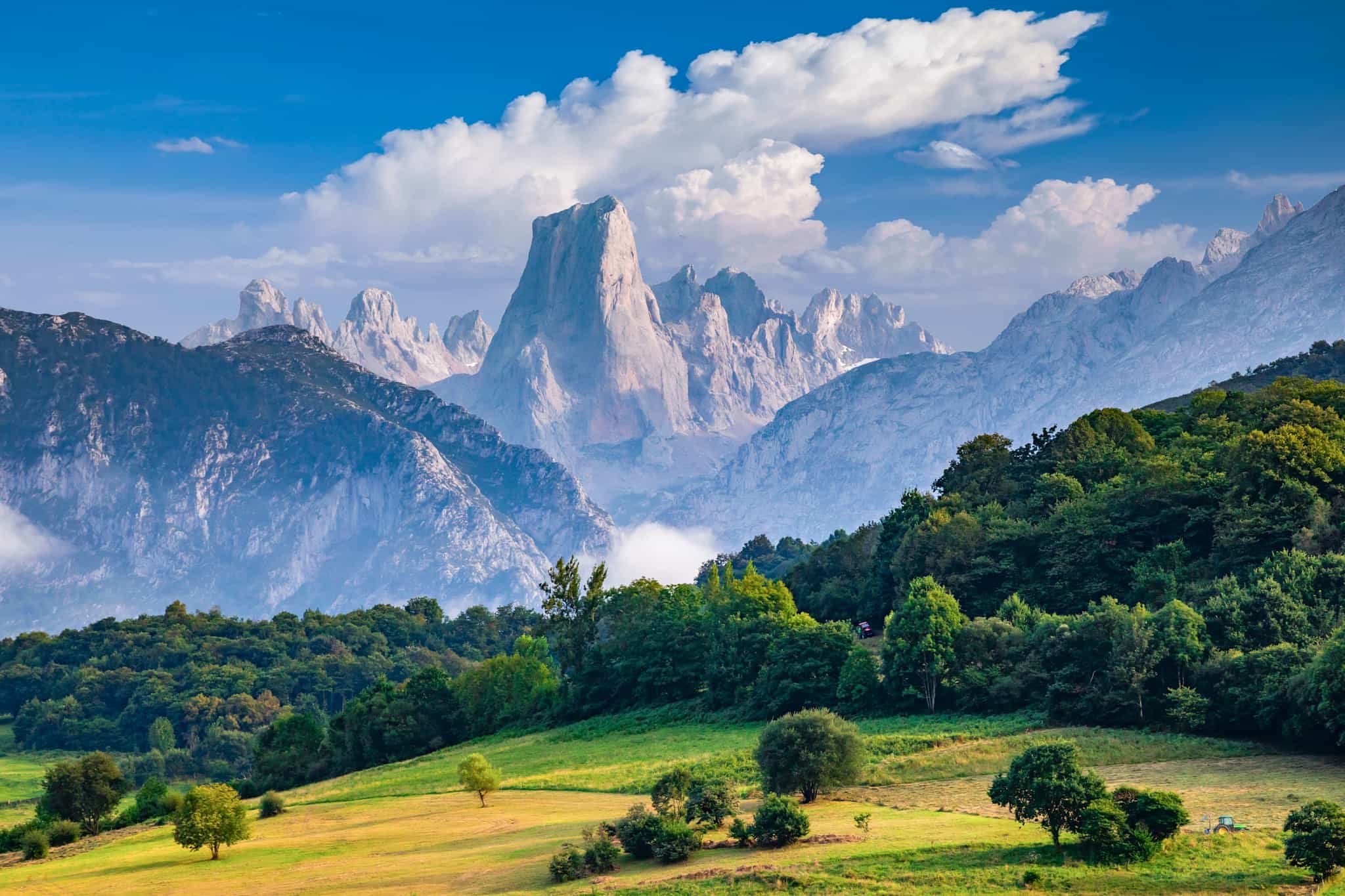
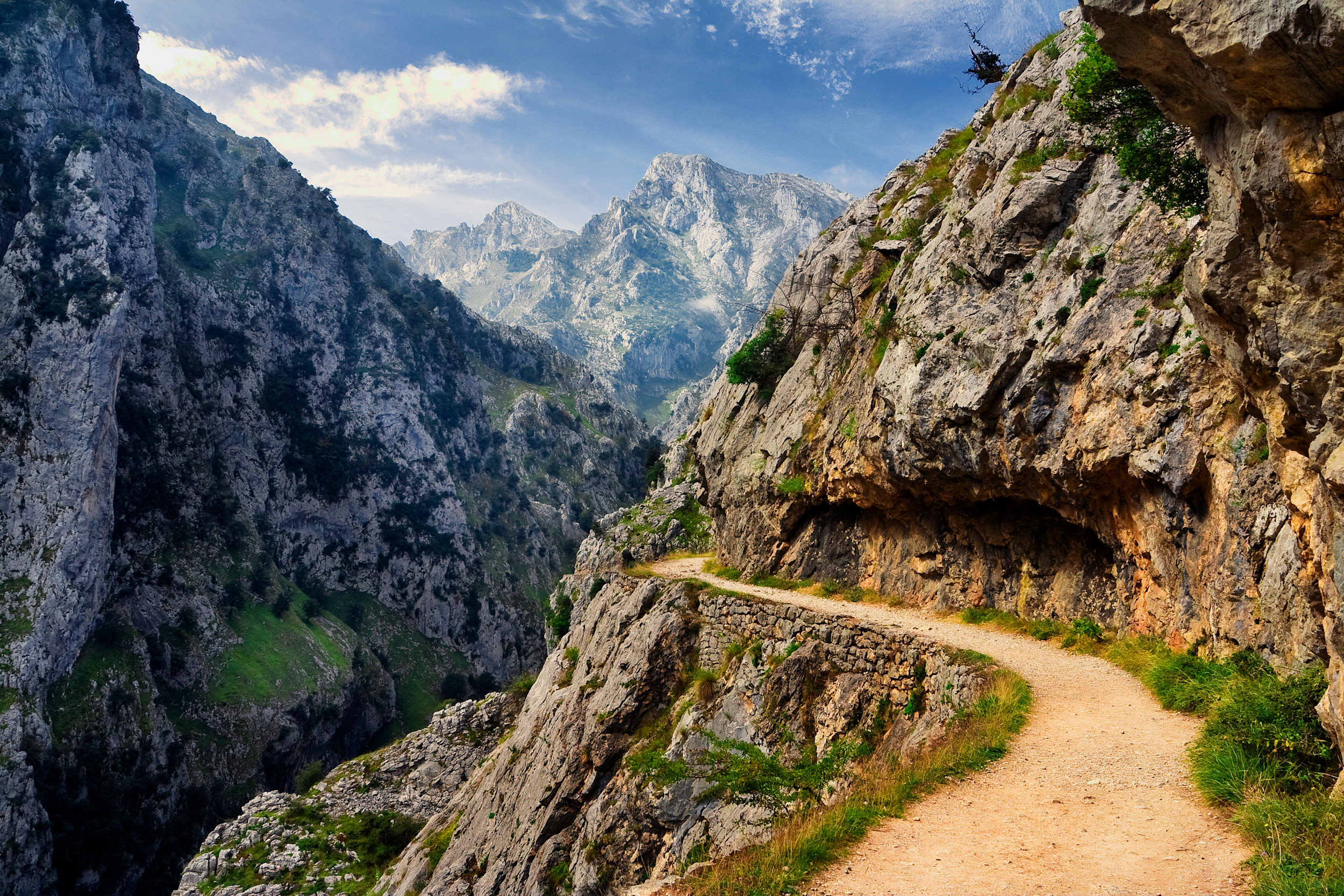
Northern Spain's Picos de Europa (opens in new tab) is one of Europe's great undiscovered mountain ranges - immensely popular with those in Spain, but lesser known outside of the country. The range is small at around 25 miles (40km) but it’s an intricate little paradise of jagged, pale limestone towers, glacial lakes and deep gorges which run from the interior right out to the ocean.
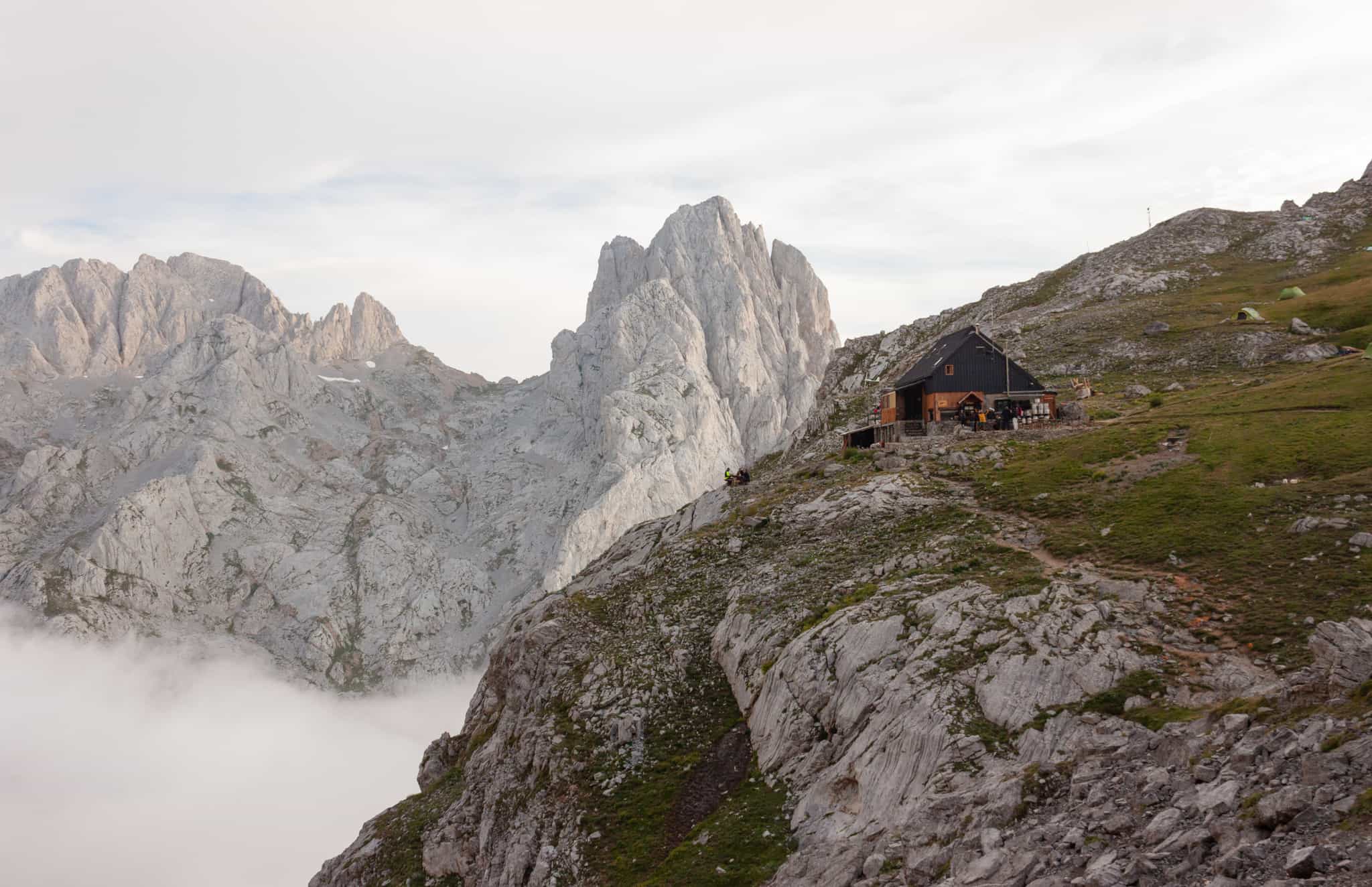
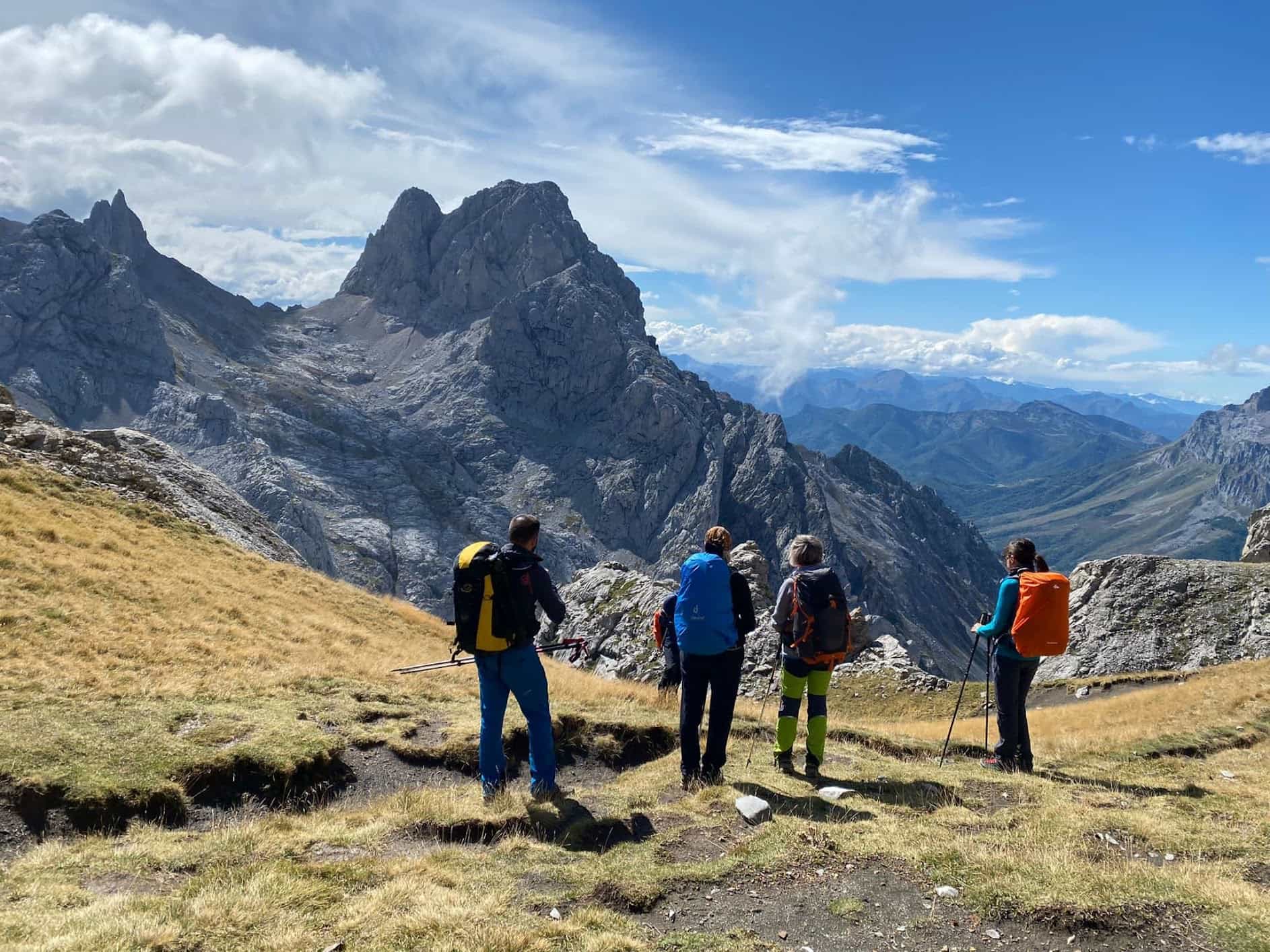
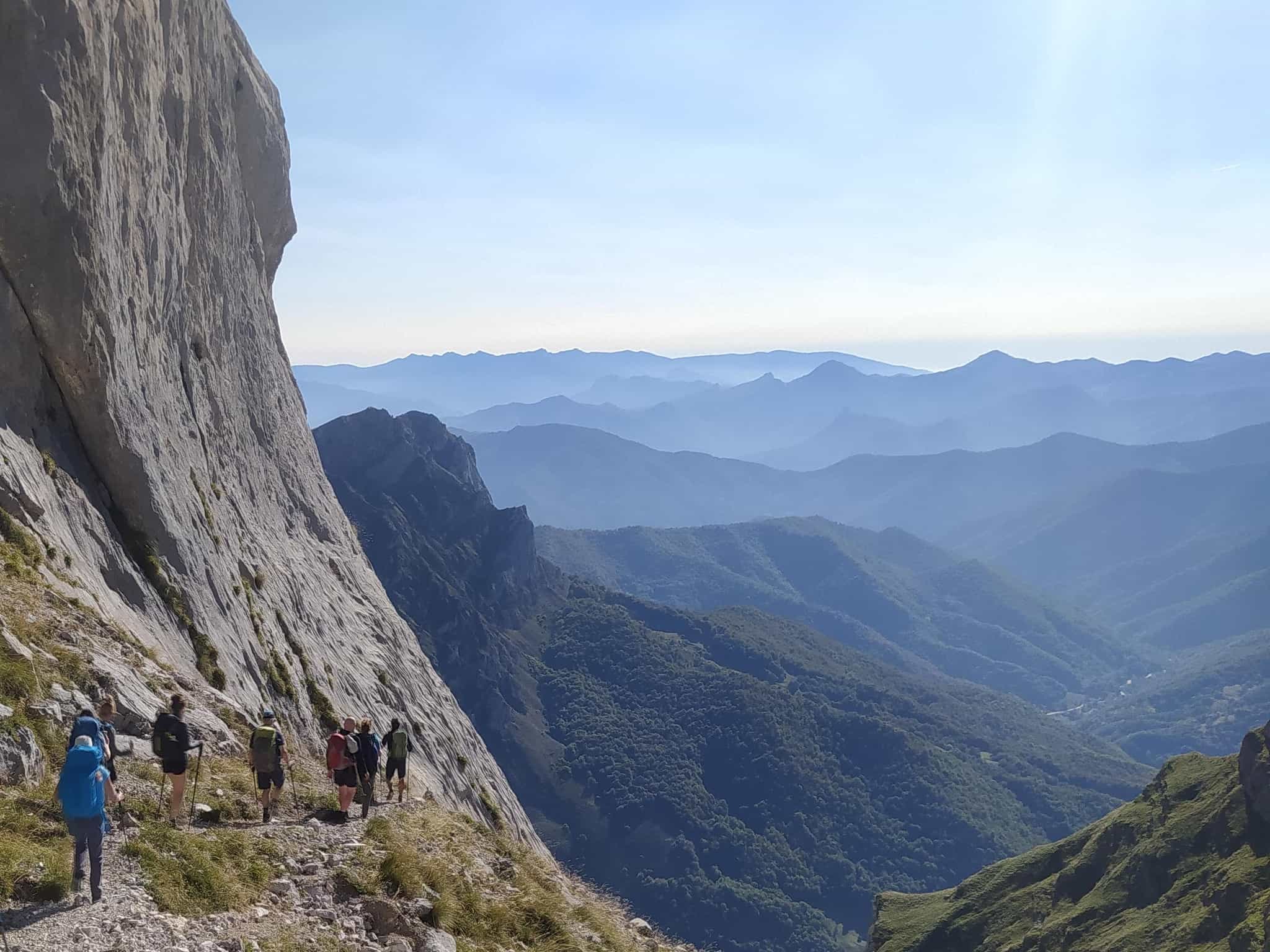
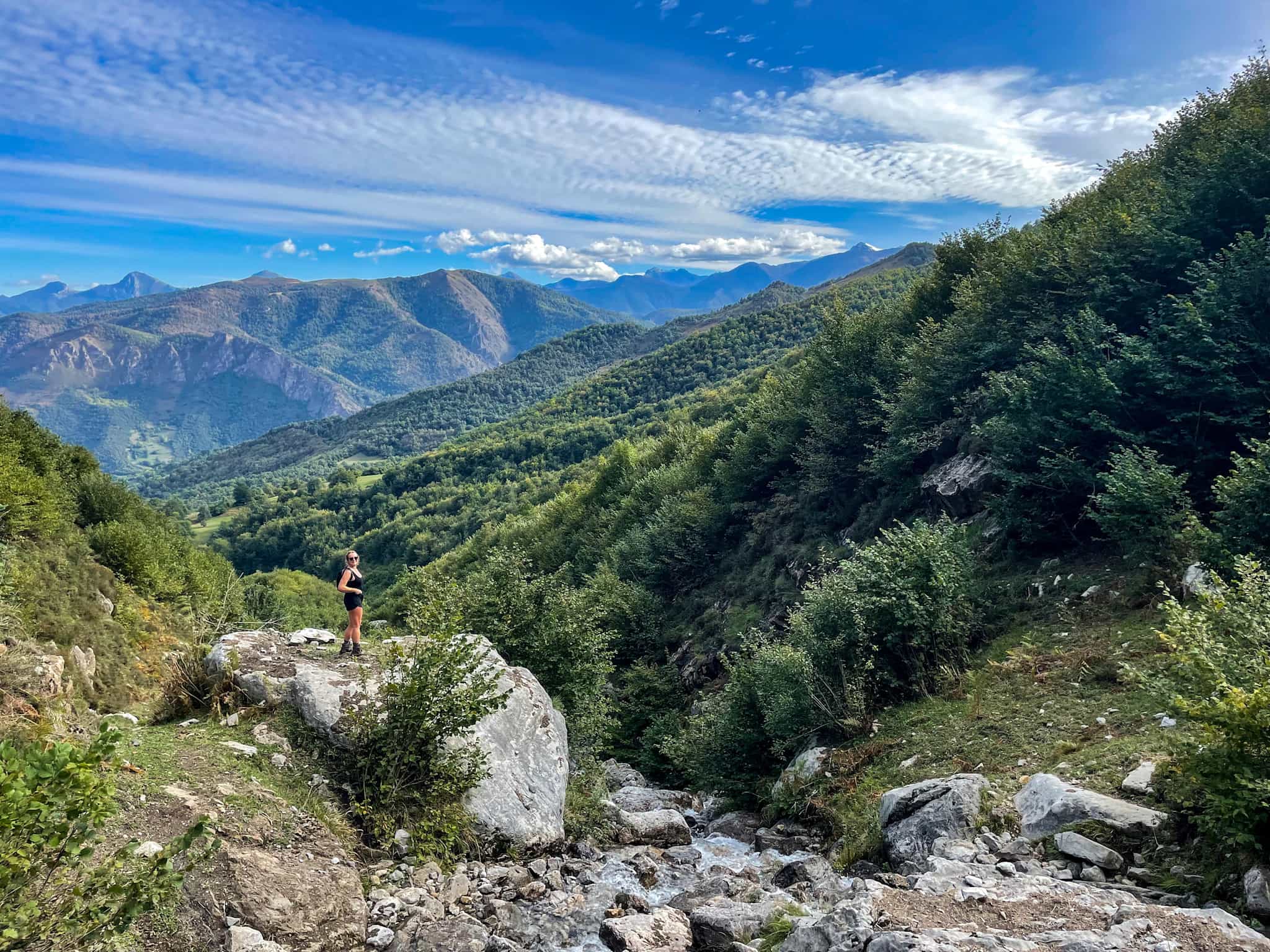
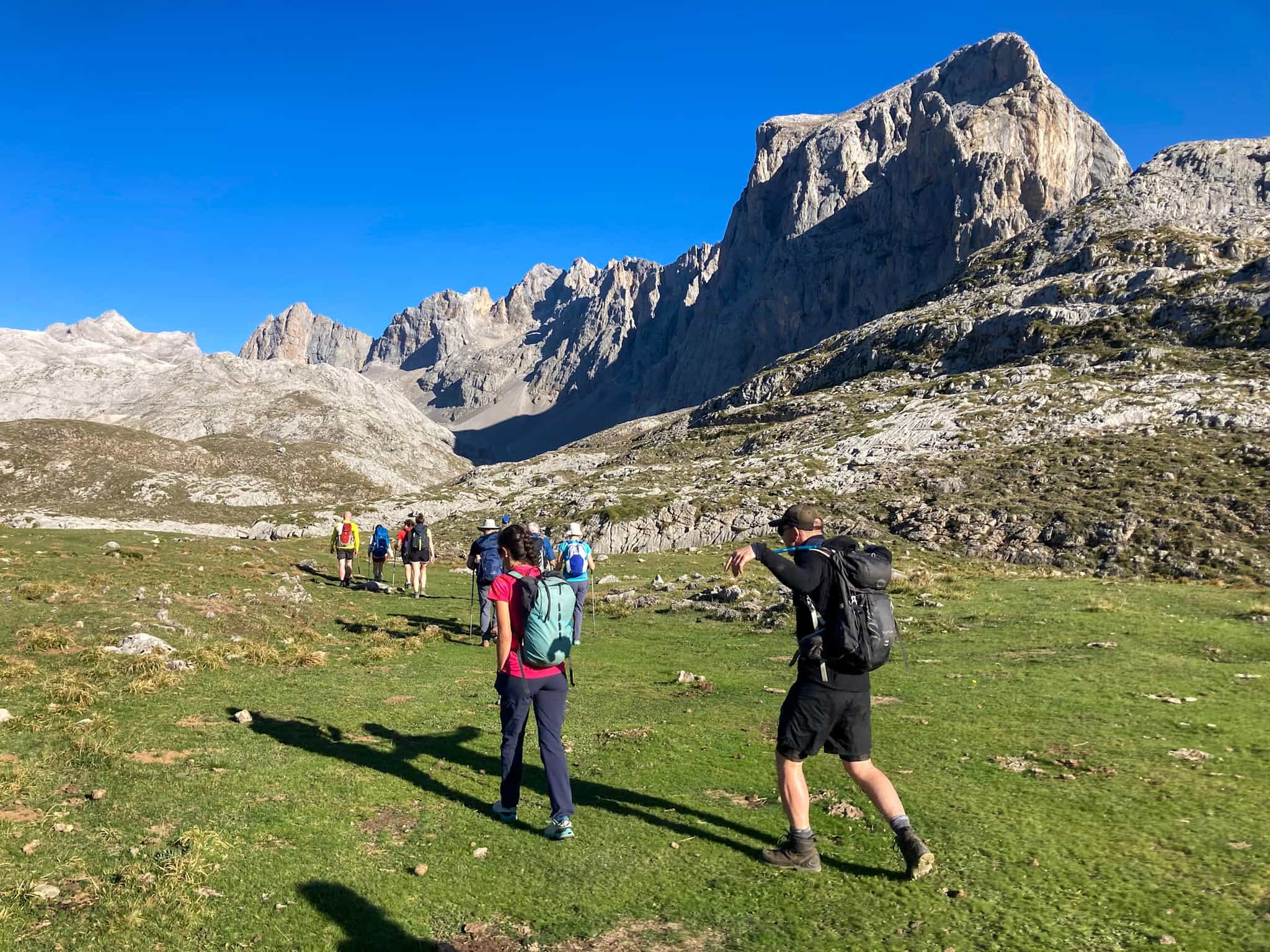
Take a hut-to-hut trek through the Picos and you can move through the massifs of the national park, linking remote refuges across high passes and wild valleys, with vultures flying above. The gastronomy here is exceptional. Keep an eye out for fabada (a rich, slow-cooked white bean and pork stew) and sidra (cider, poured into the glass from great height to carbonate it).
Why hike here in September? Chamois on the slopes, cool air and exceptional light.
Must-do trail section? Leave the Vegarredonda and descend to Vegabaño - via the 2,100m Collado Les Merines and a huge limestone zone through the Pozas Jou. You'll pass springs and beech trees on a tough but memorable day.
What's the weather like? Generally settled and warm, with the chance of rain.
What to know before you go? Challenging terrain with big mileage. Rewards match the effort.
3. The Inner Hebrides, Scotland
- Average daytime temperatures: 10-17°C (50-63°F)
- Average nighttime temperatures: 5-10°C (41-50°F)
- Best for: Dramatic landscapes and a cheeky dram
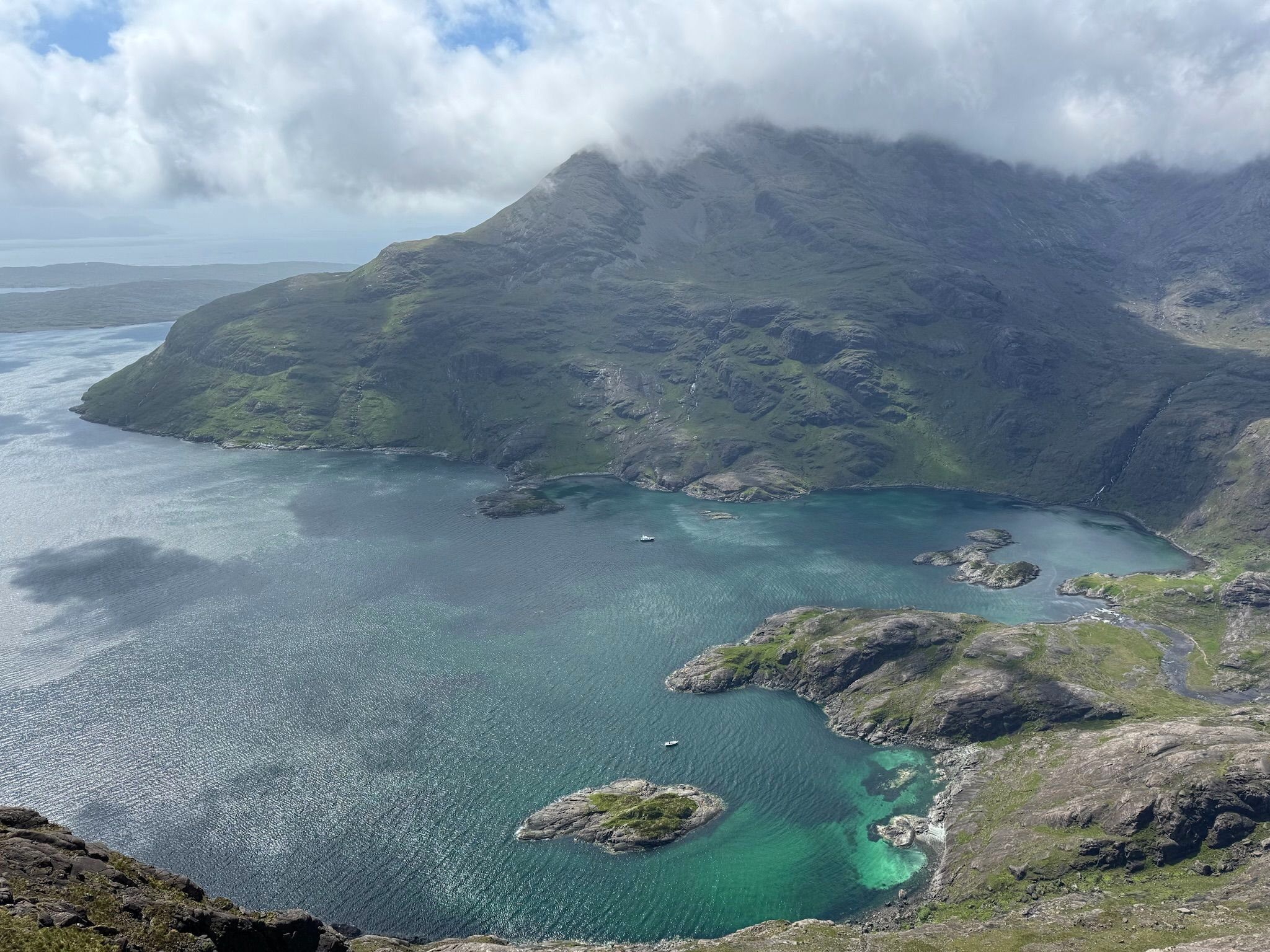
The Inner Hebrides are an archipelago of islands off the west coast of Scotland - and the most obvious place to go hiking amongst them is on the legendary Isle of Skye (opens in new tab), home to the Cuillin mountains and to 12 of Scotland’s 13 island Munros (the other being on the island of Mull).
Skye is a place of jagged, dangerous mountains which rise high out of the choppy coast.
Being surrounded by ocean and with such huge peaks, the weather on Skye can change at the blink of an eye, so be prepared for everything - and expect challenging terrain that requires expert navigation. In return, you’ll find some of the best routes Scotland has to offer. Other islands, including Mull, Rùm and Jura also boast terrific hillwalking, with less footfall.
Why hike here in September? Skye gets busy to the point of overcrowding in summer, and while September is still busy on the island, you’ll certainly find the mountains less busy in September than in the peak summer months.
Must-walk trails? Blà Bheinn (Blaven) and Sgùrr nan Gillean are stunning Munros on Skye - or take a lower walk to Sgùrr na Strì for remarkable views mixing coastline, mountains and lochs. On Rùm, climb Askival, and on Mull, it’s hard to look beyond Ben More.
What's the weather like? Highly unpredictable. Even if the forecast says sun, bring a raincoat.
What to know before you go? The midges are less in September but still bring bug spray.
4. Slovak Paradise National Park, Slovakia
- Average daytime temperatures: 16-22°C (61-72°F)
- Average nighttime temperatures: 8-12°C (46-54°F)
- Best for: Gorge hiking and canyon scrambling
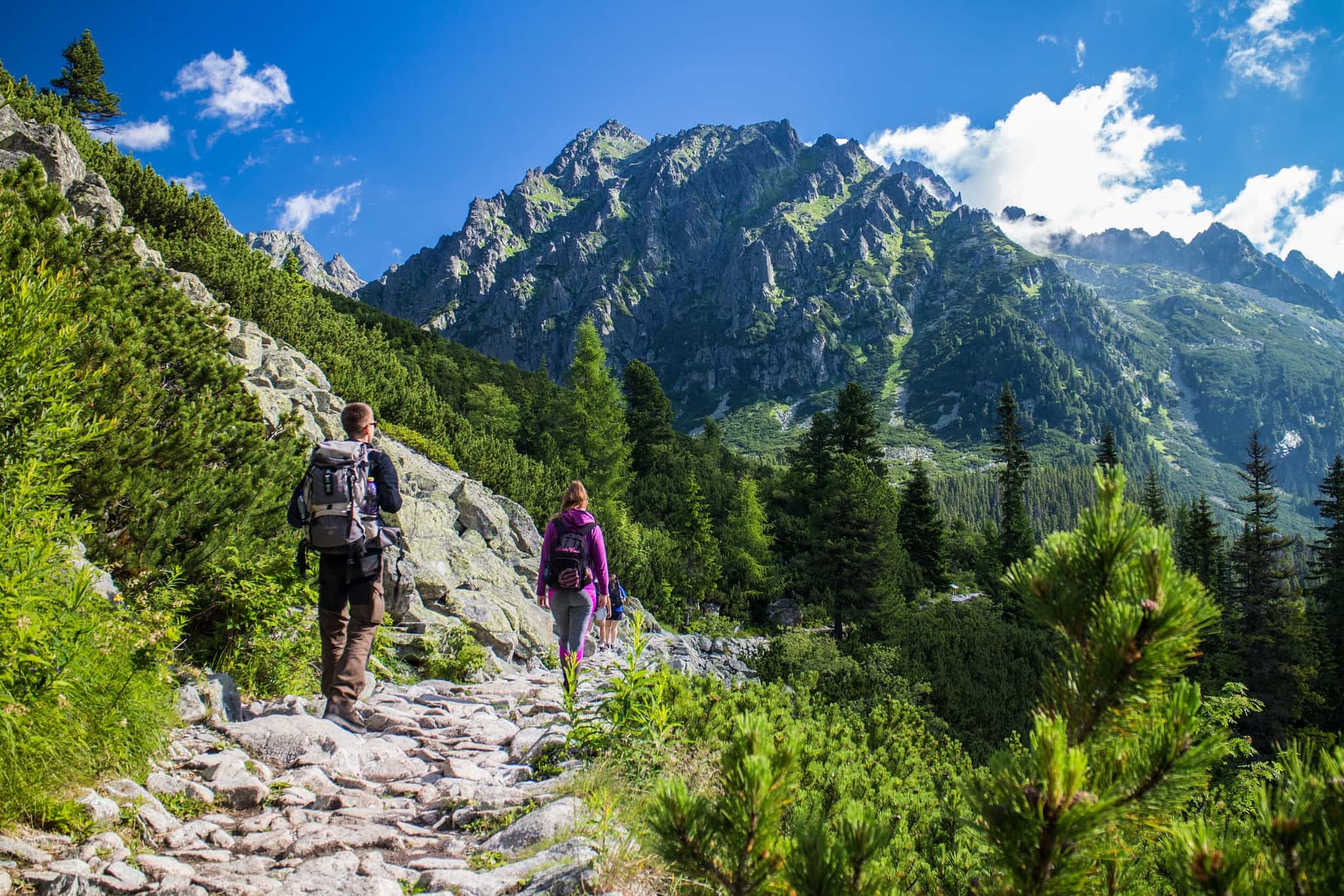
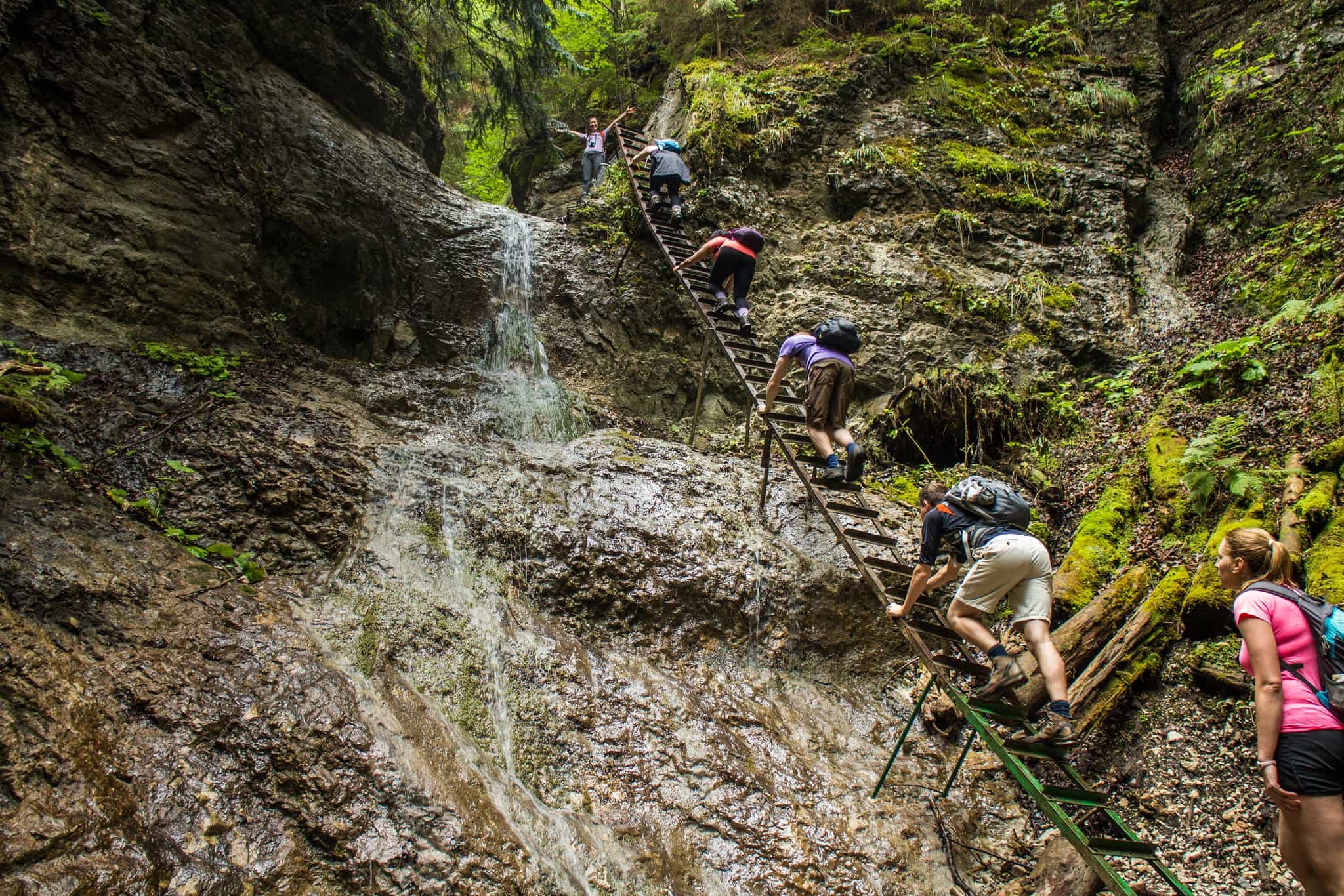
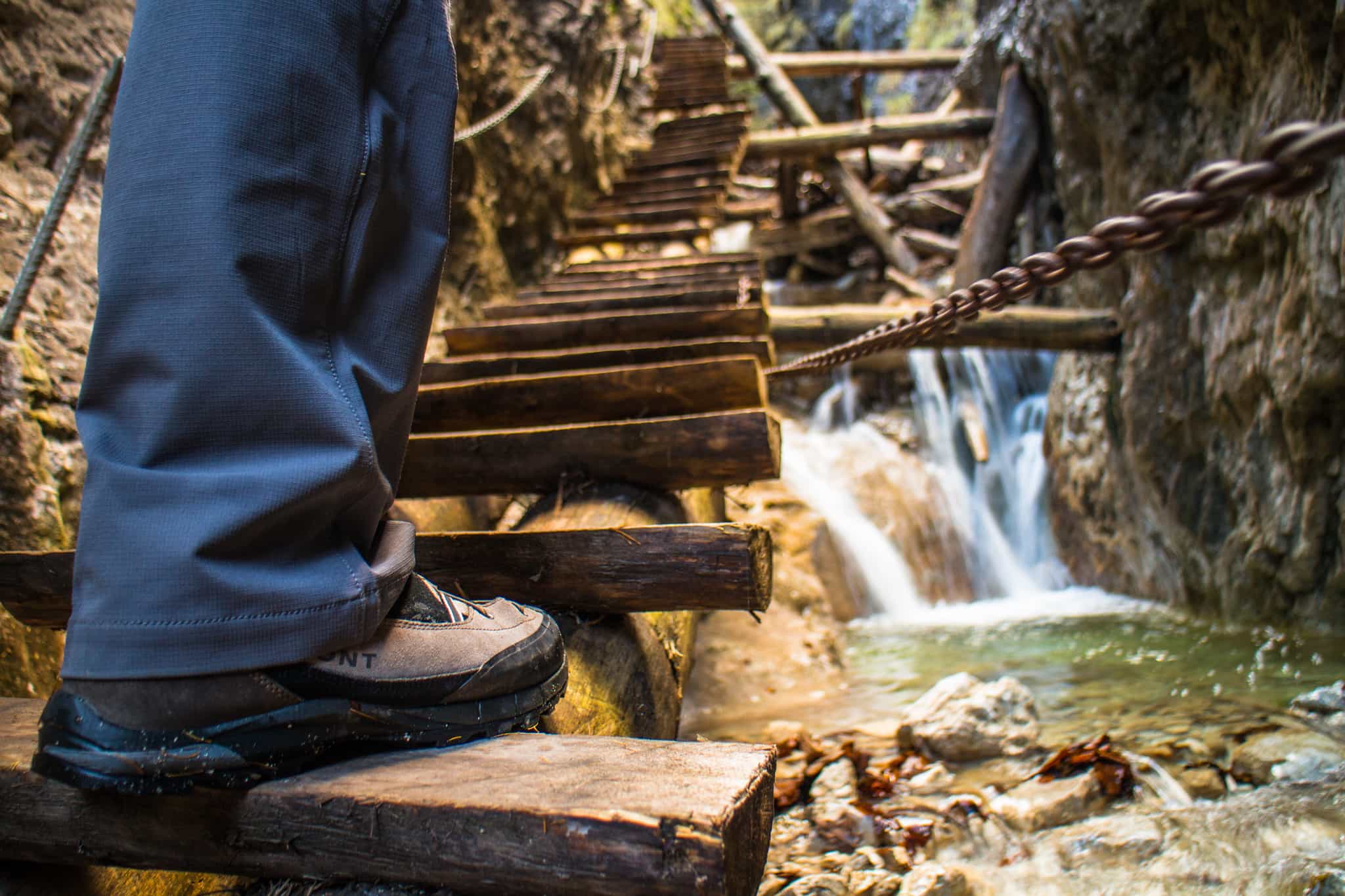
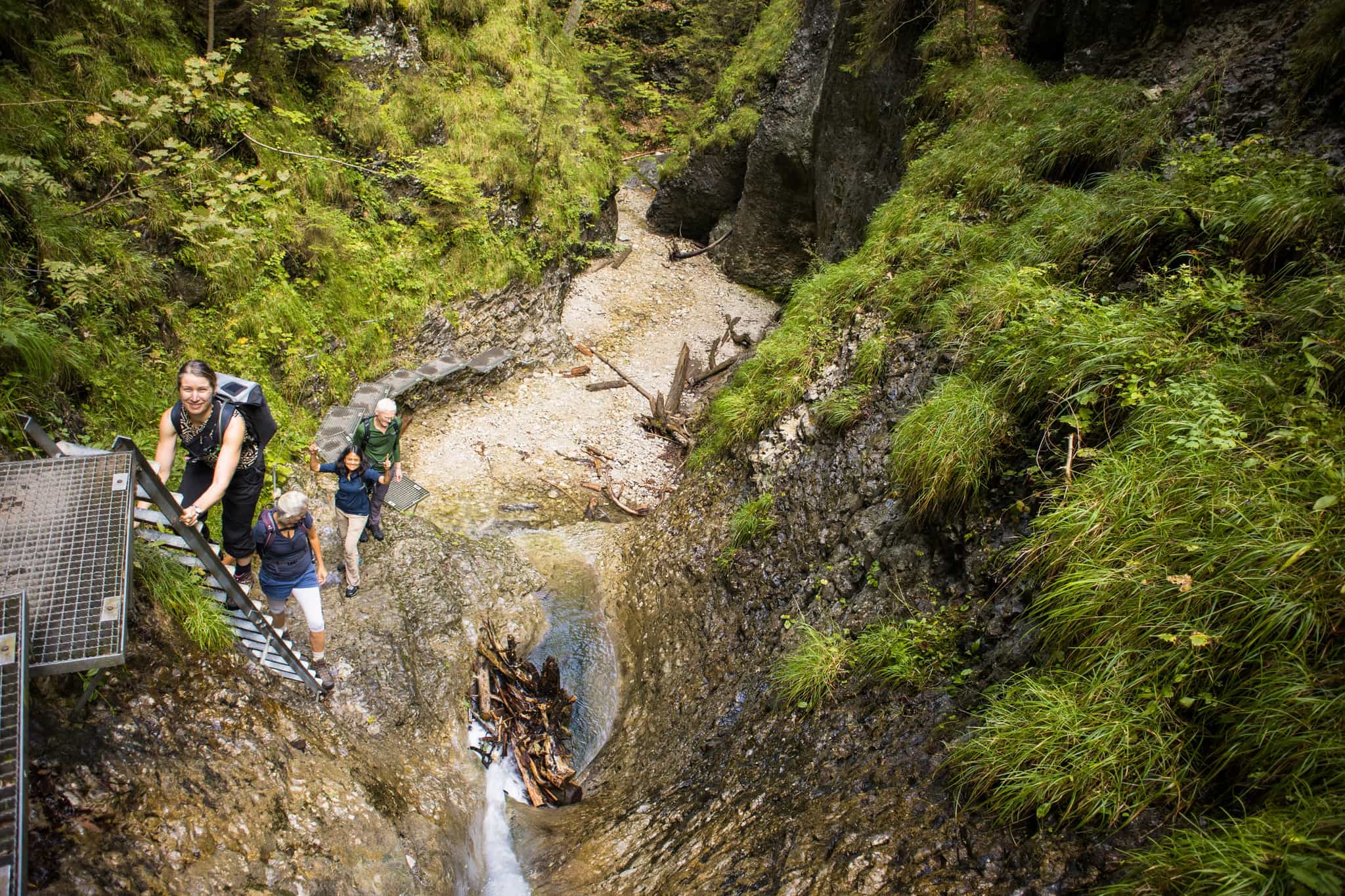
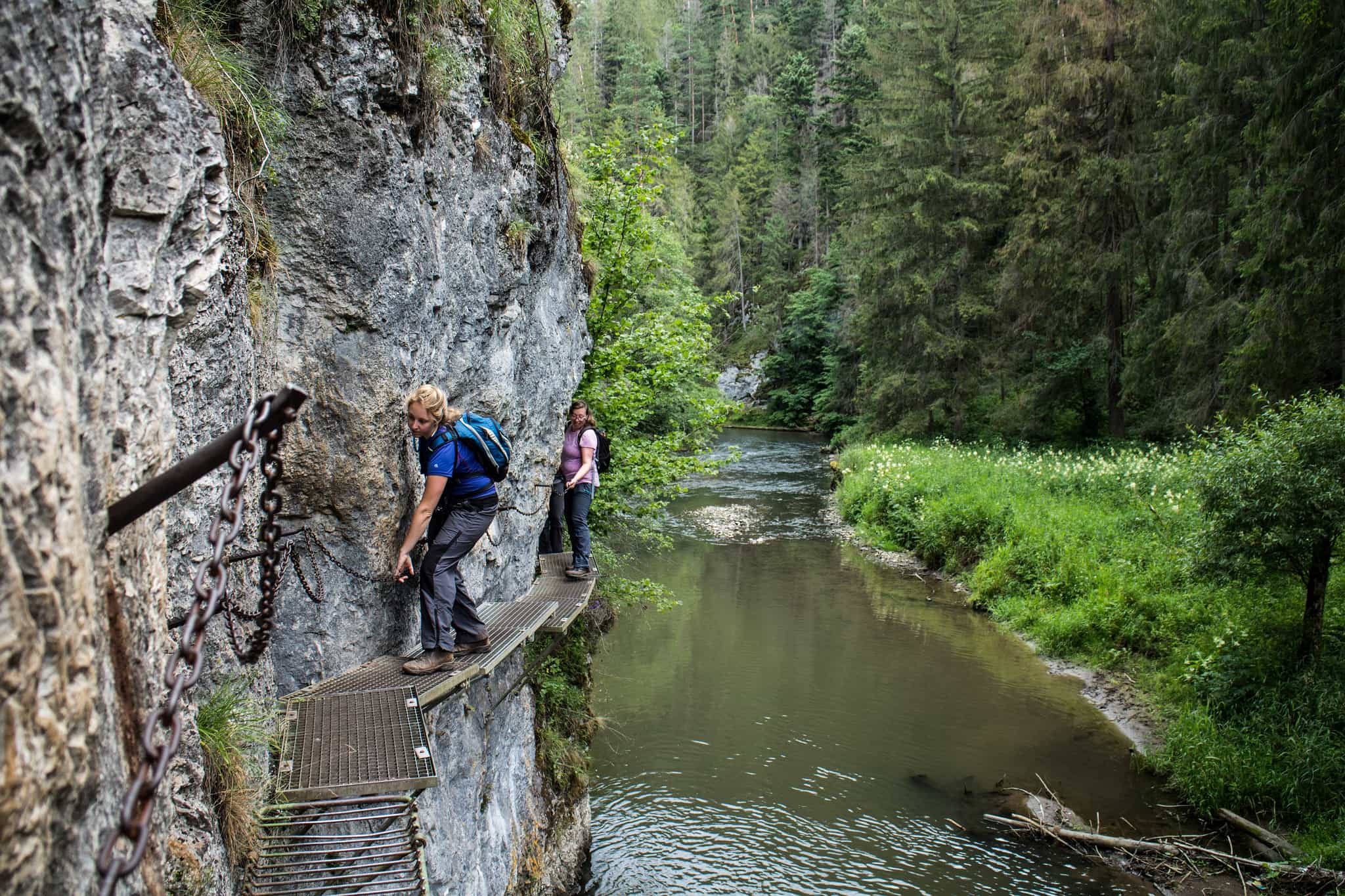
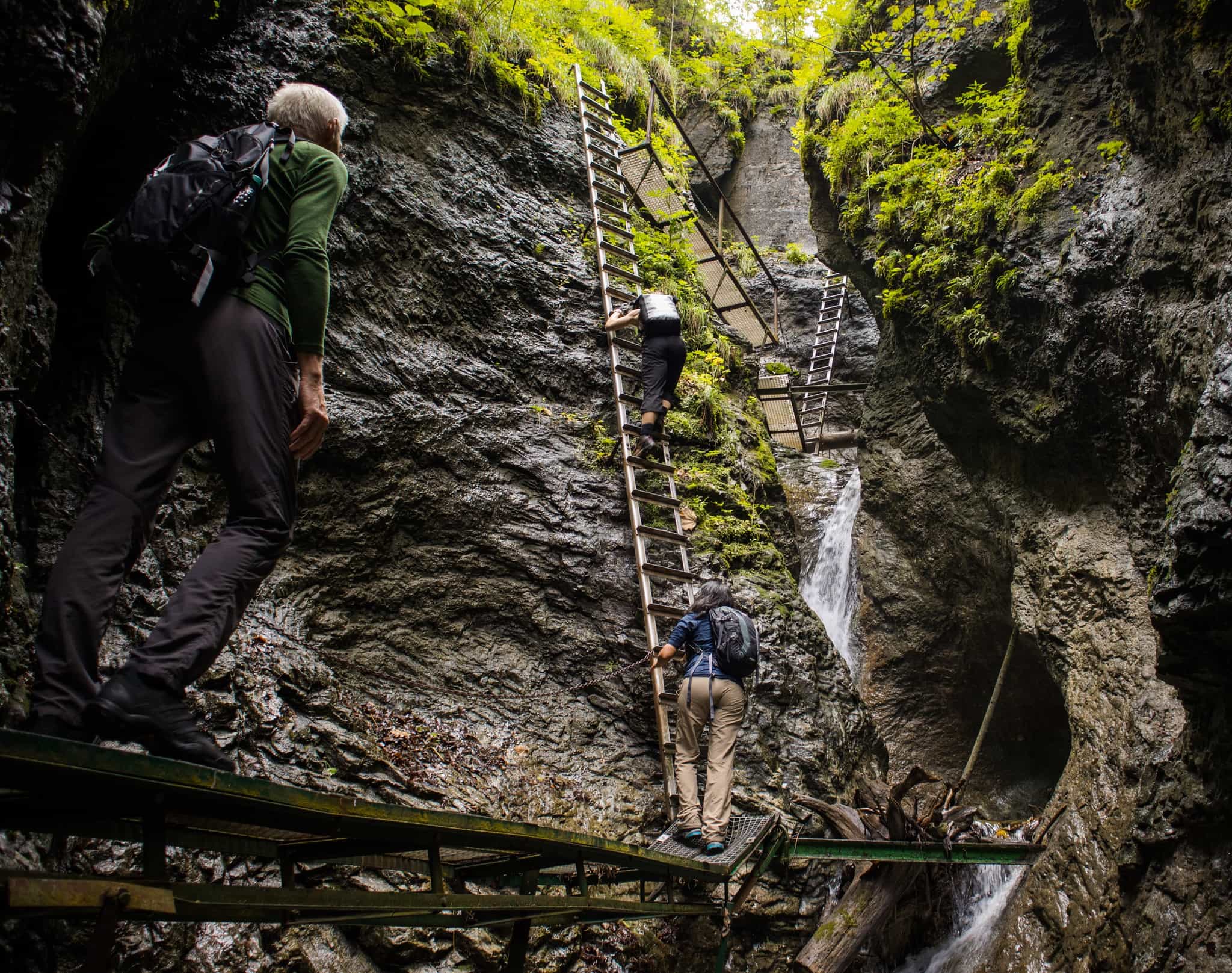
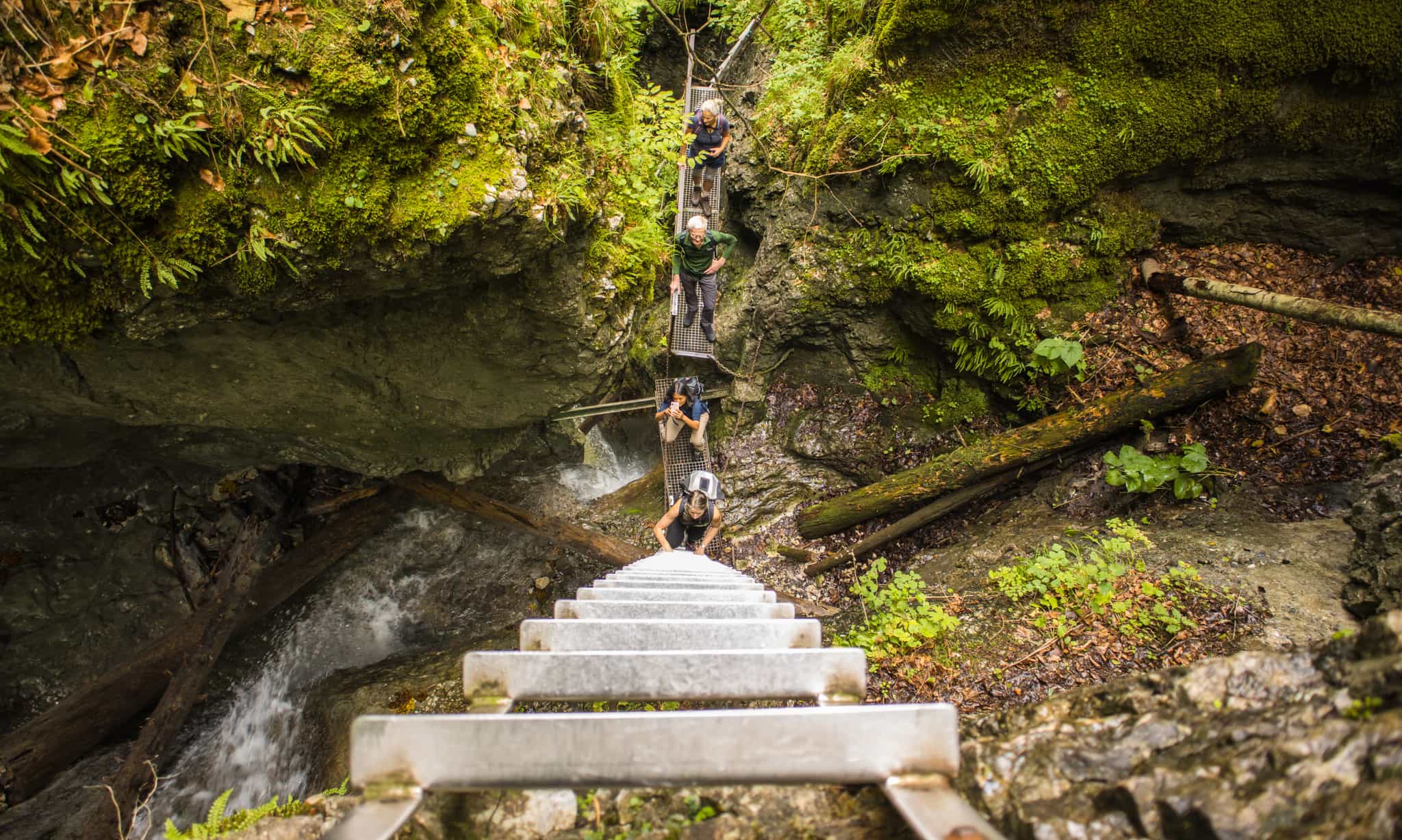
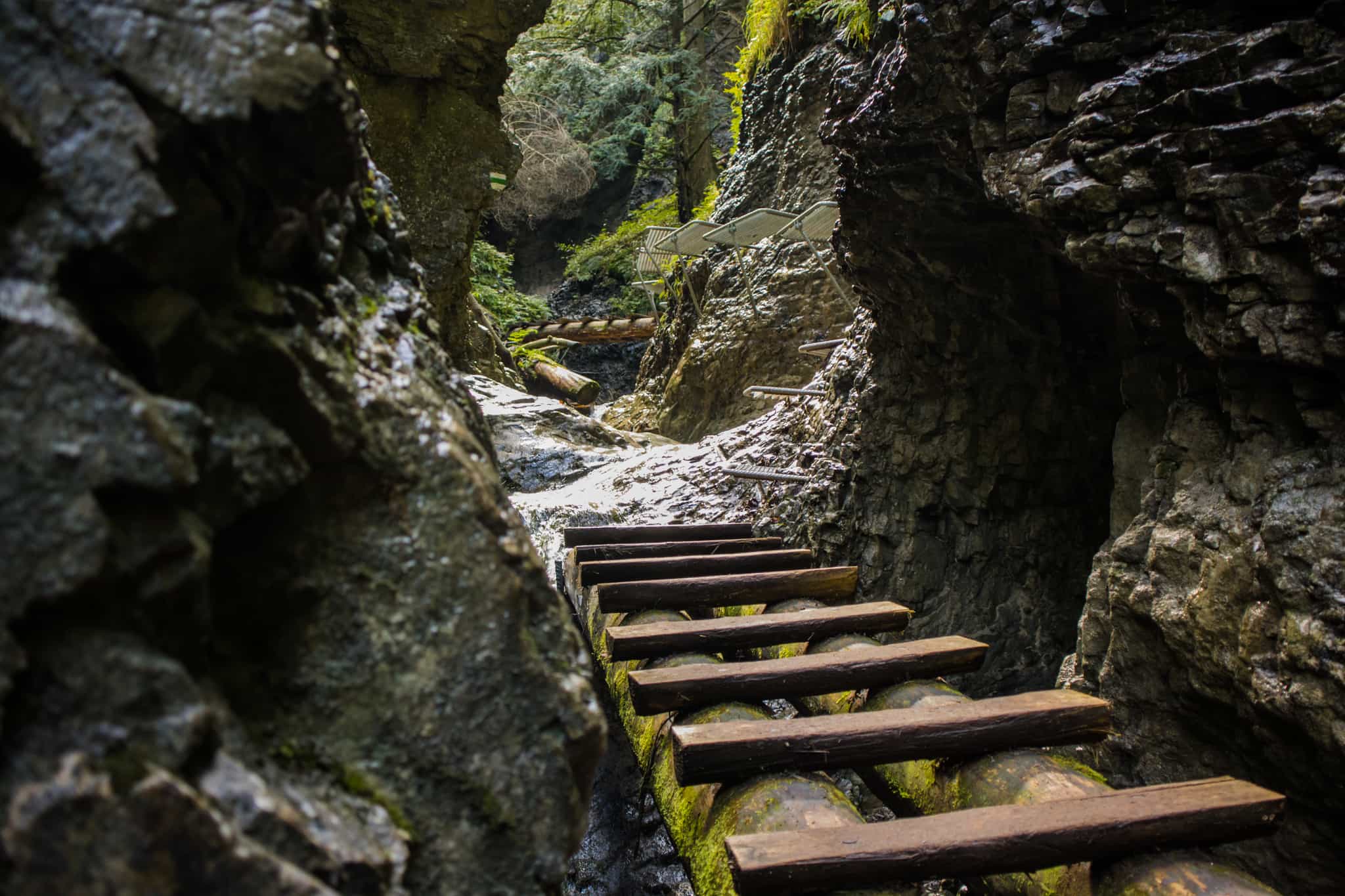
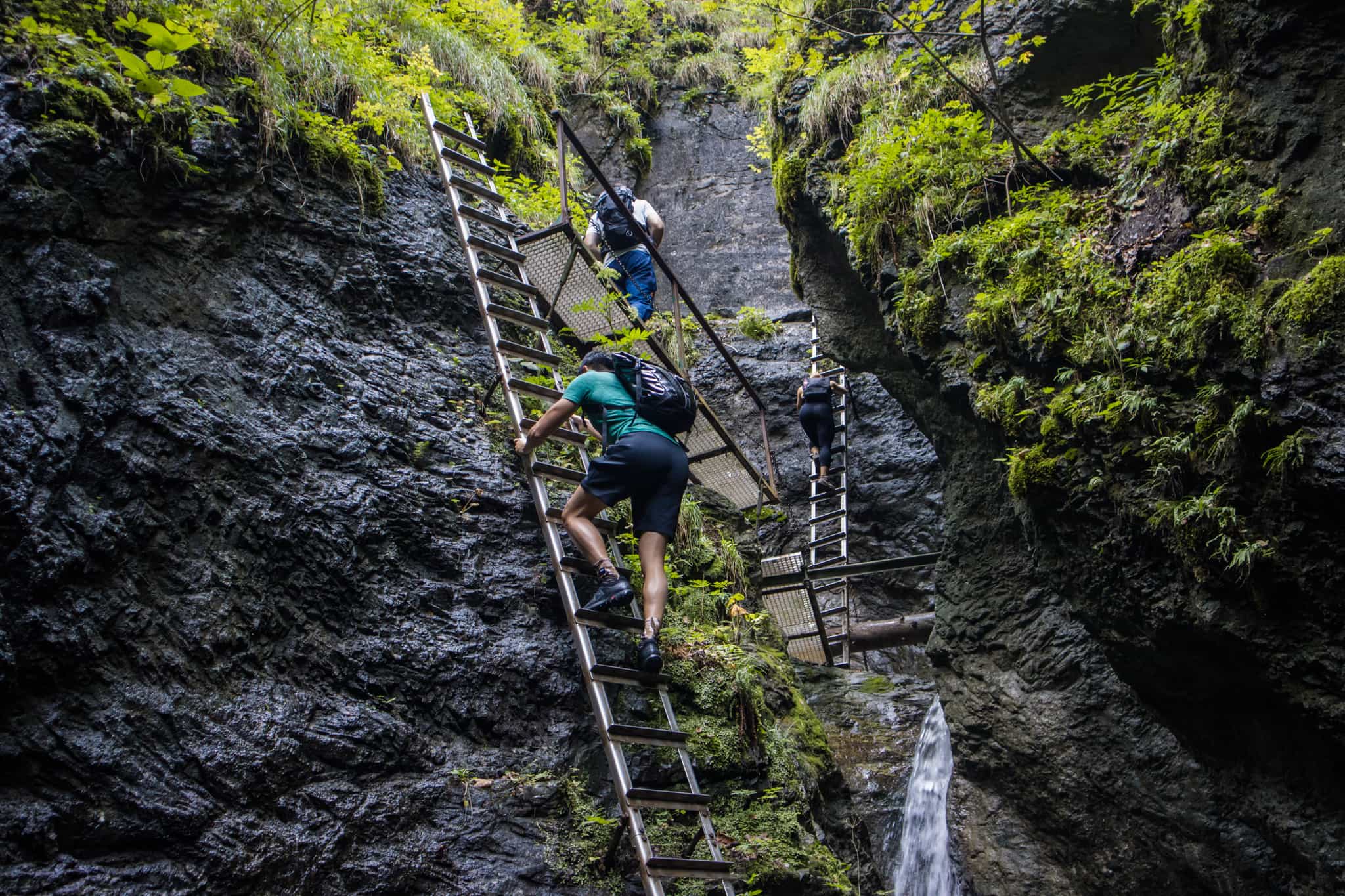
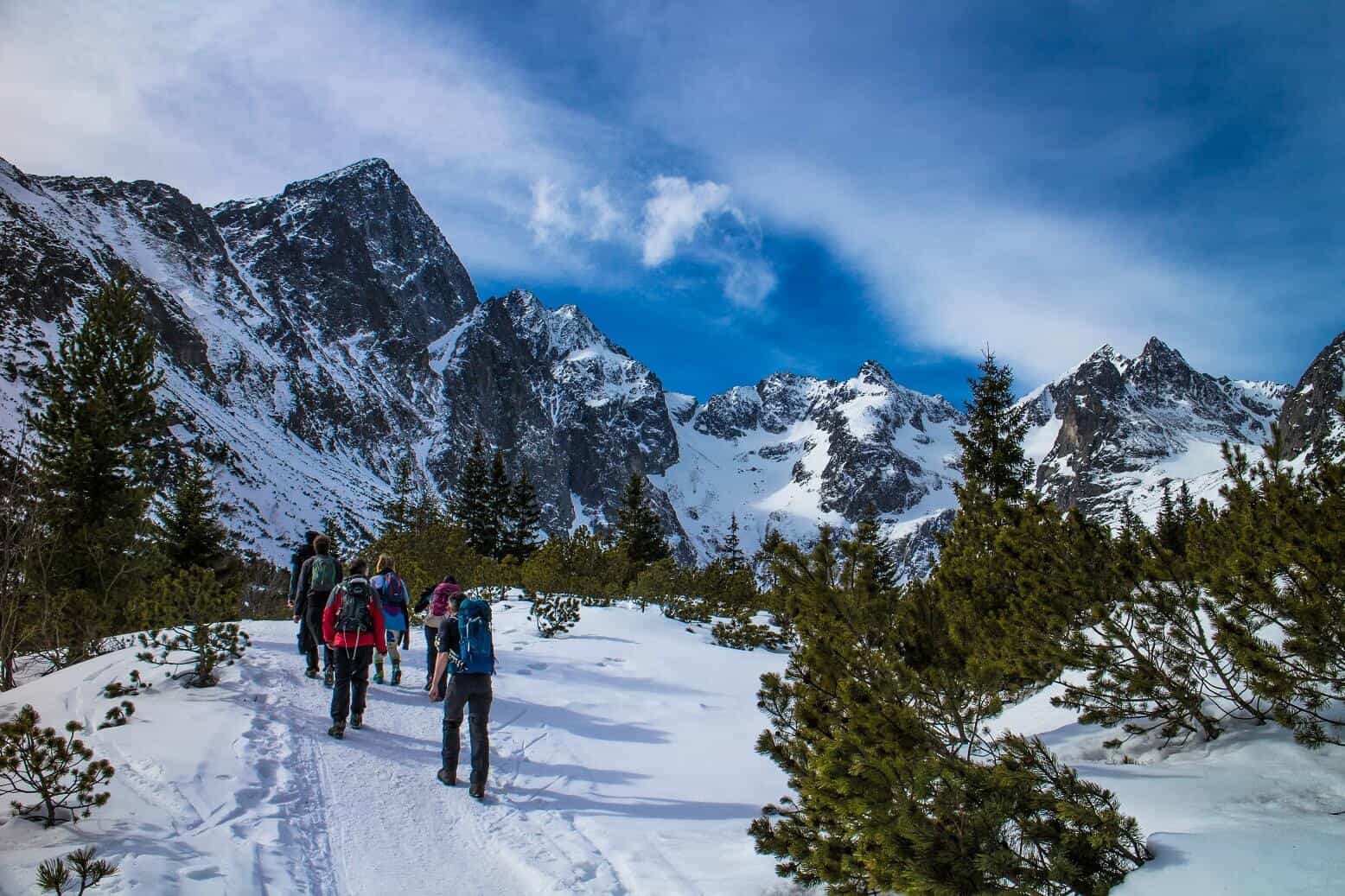
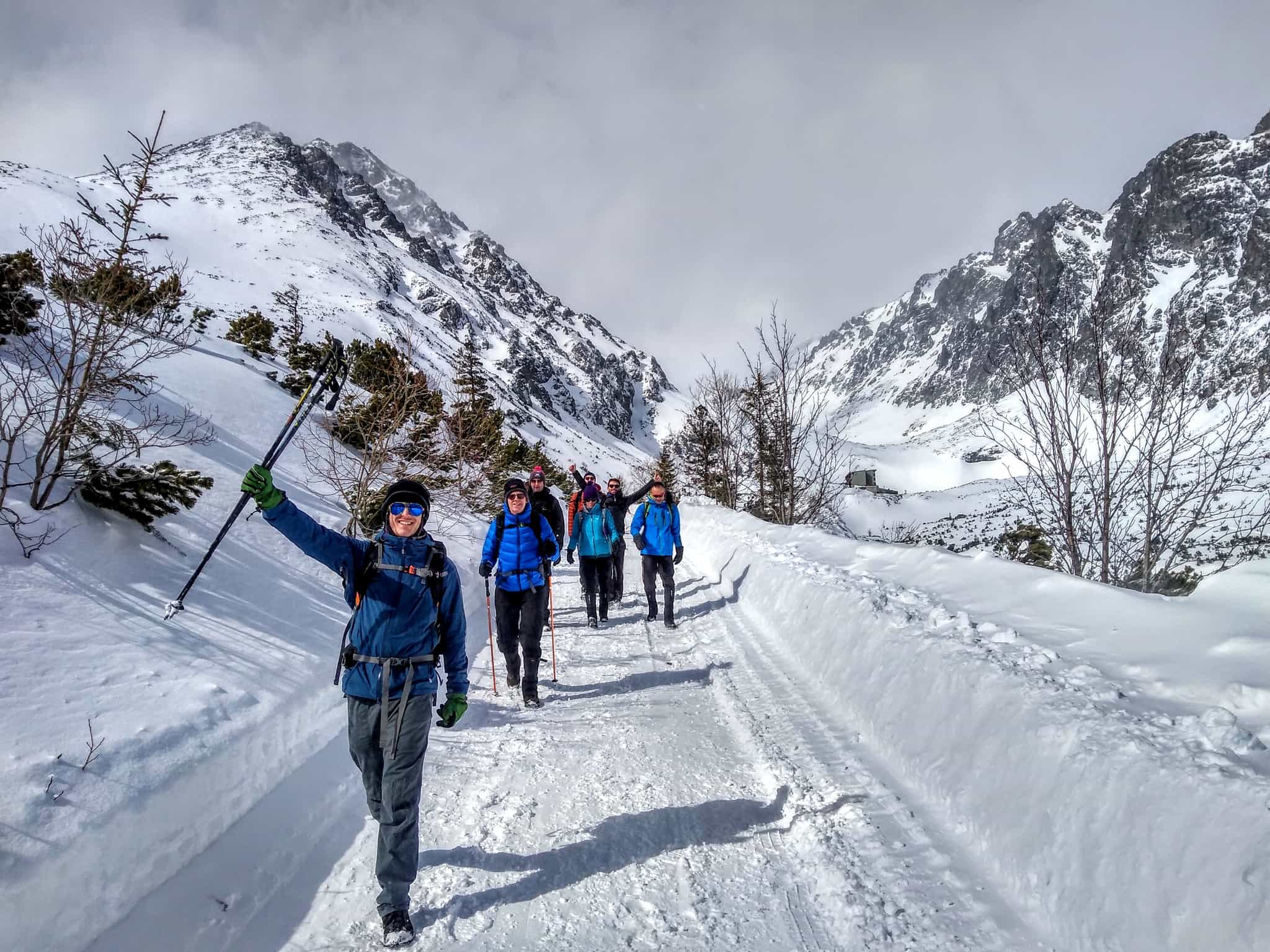
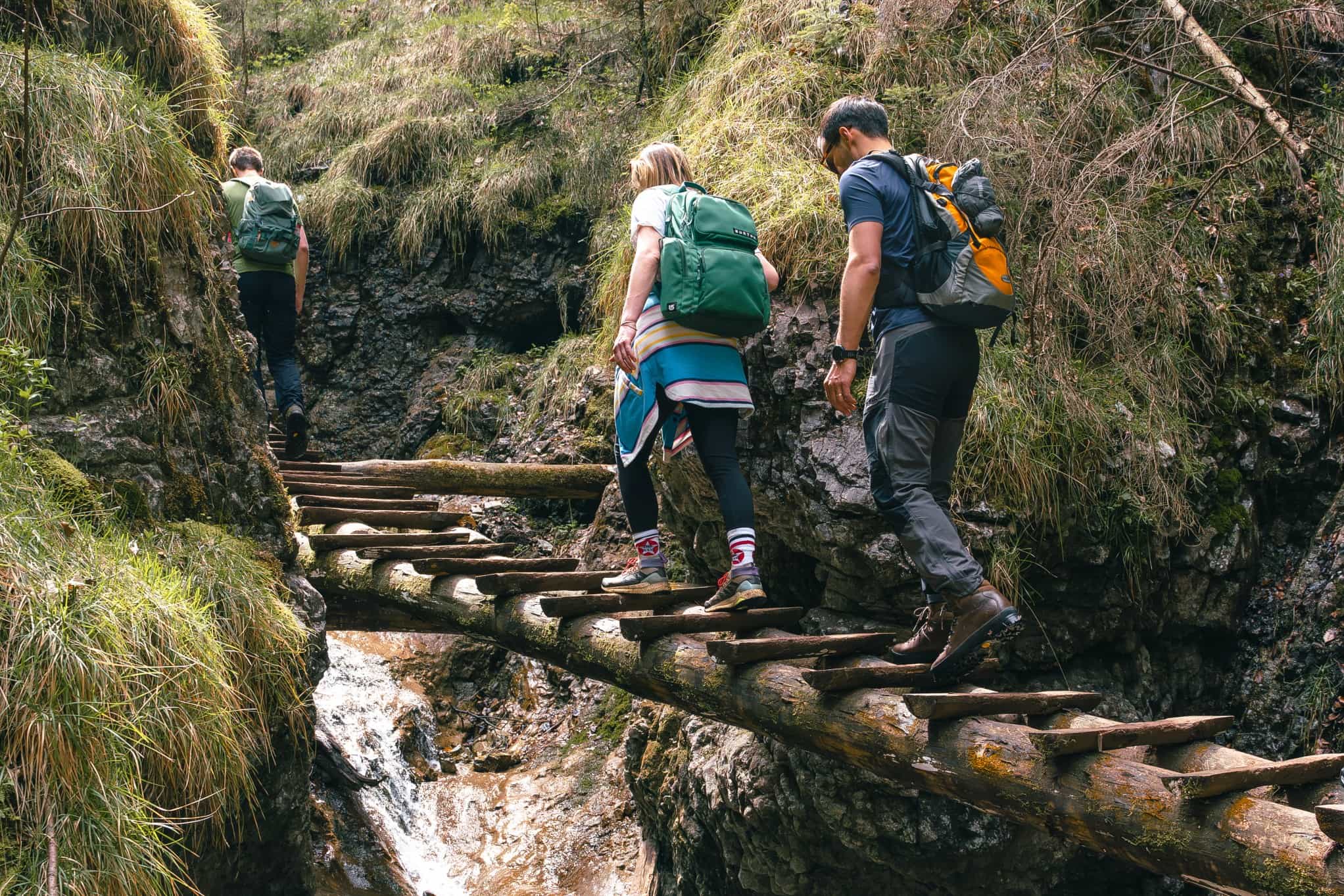
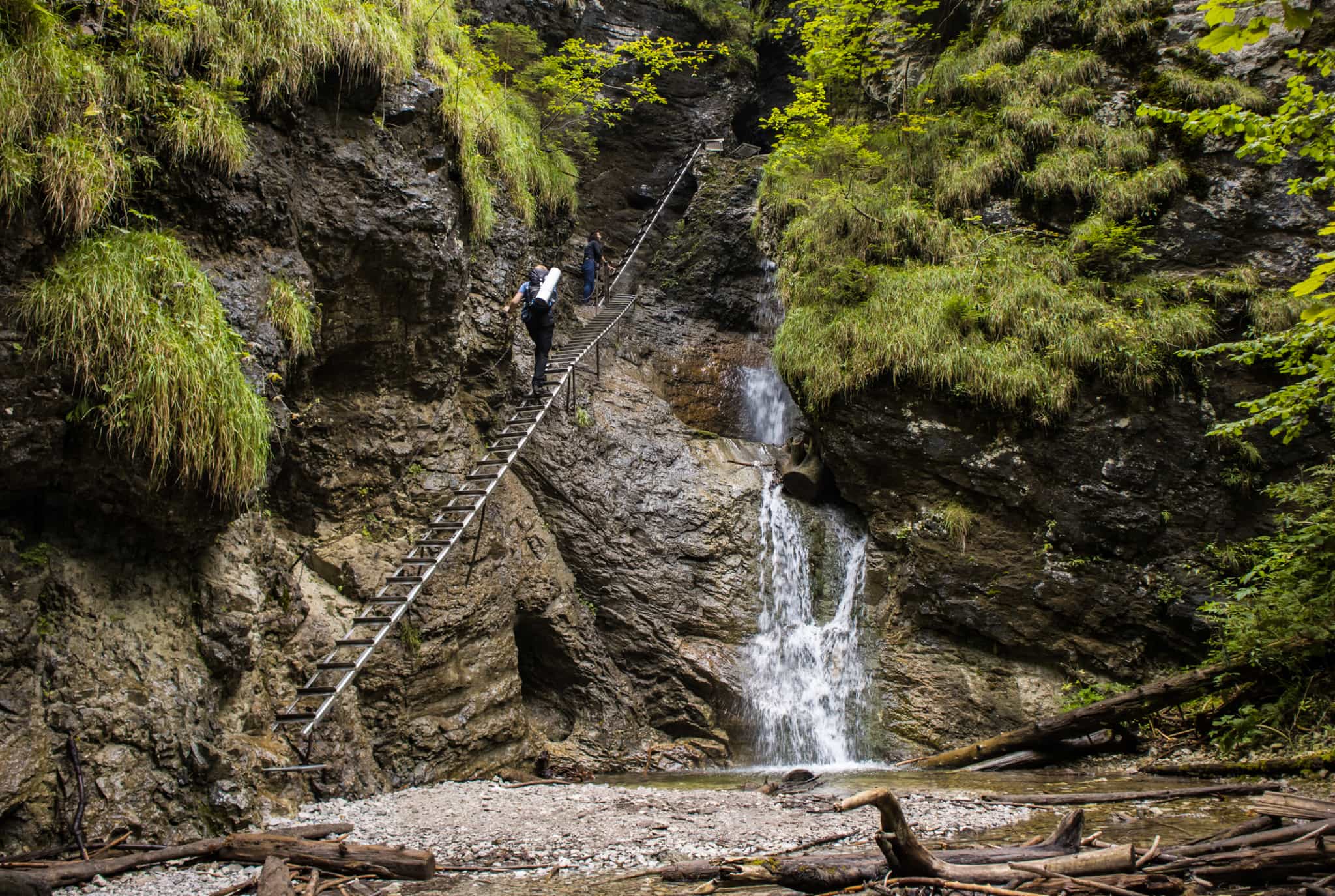
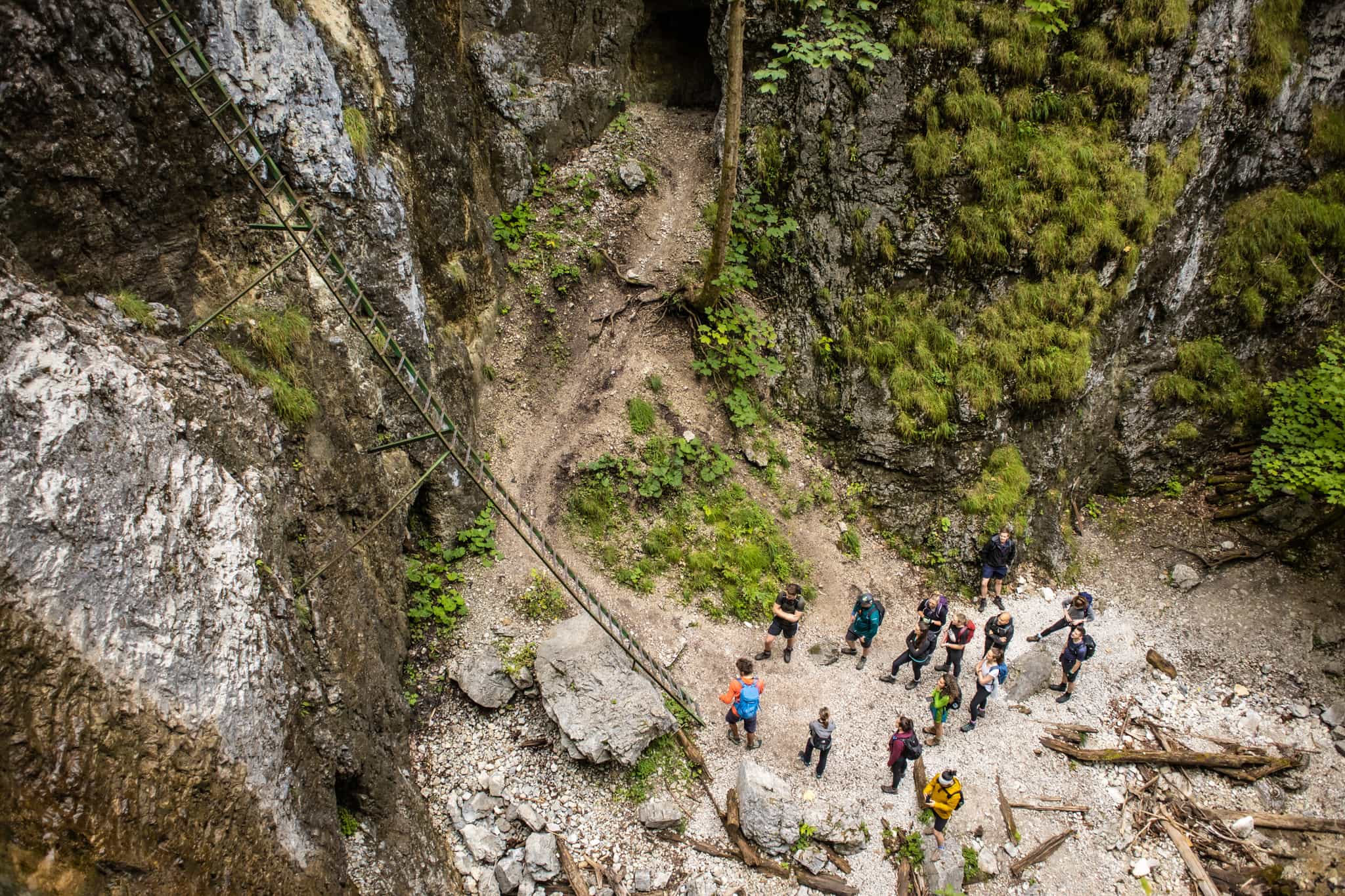
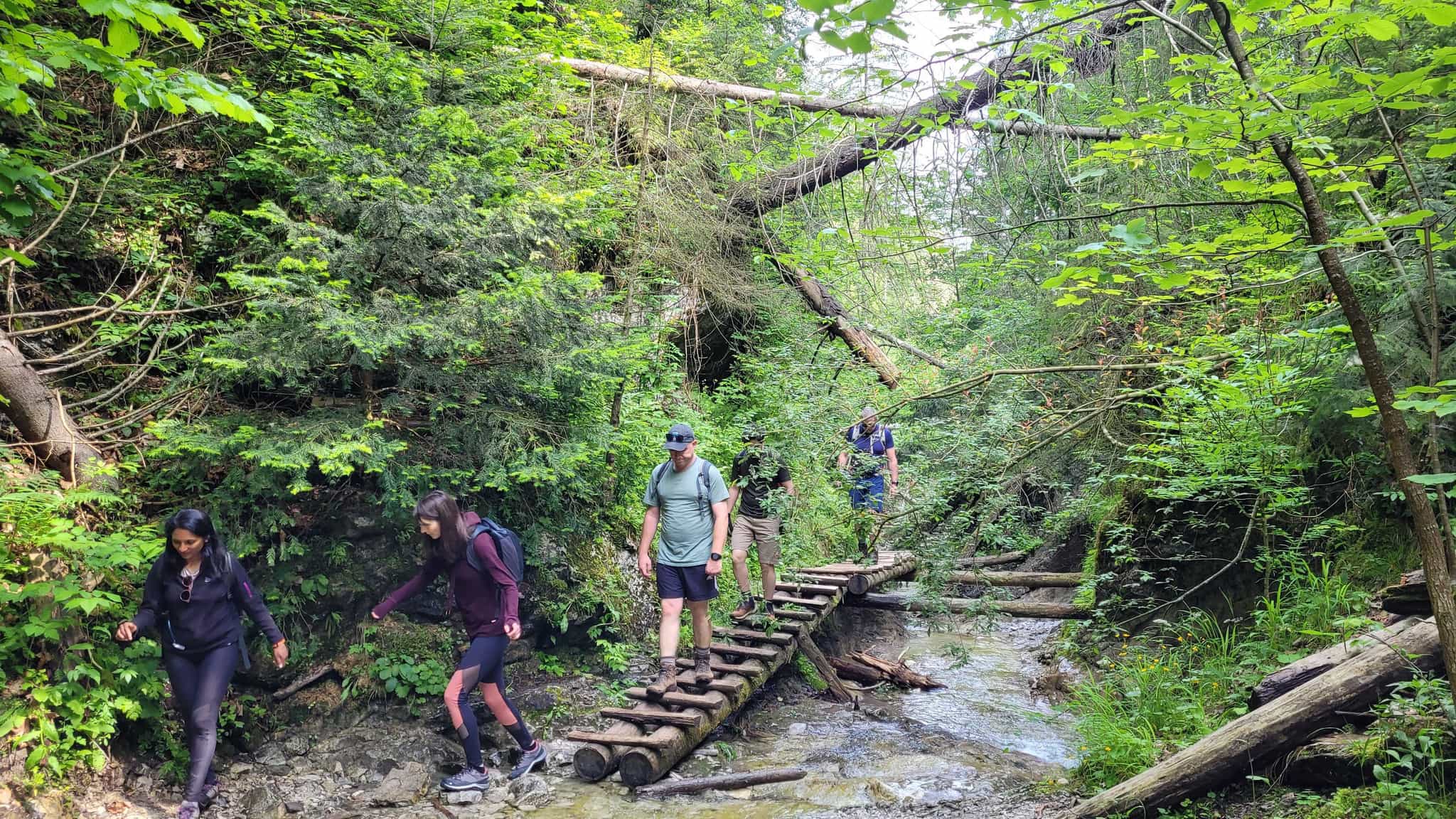
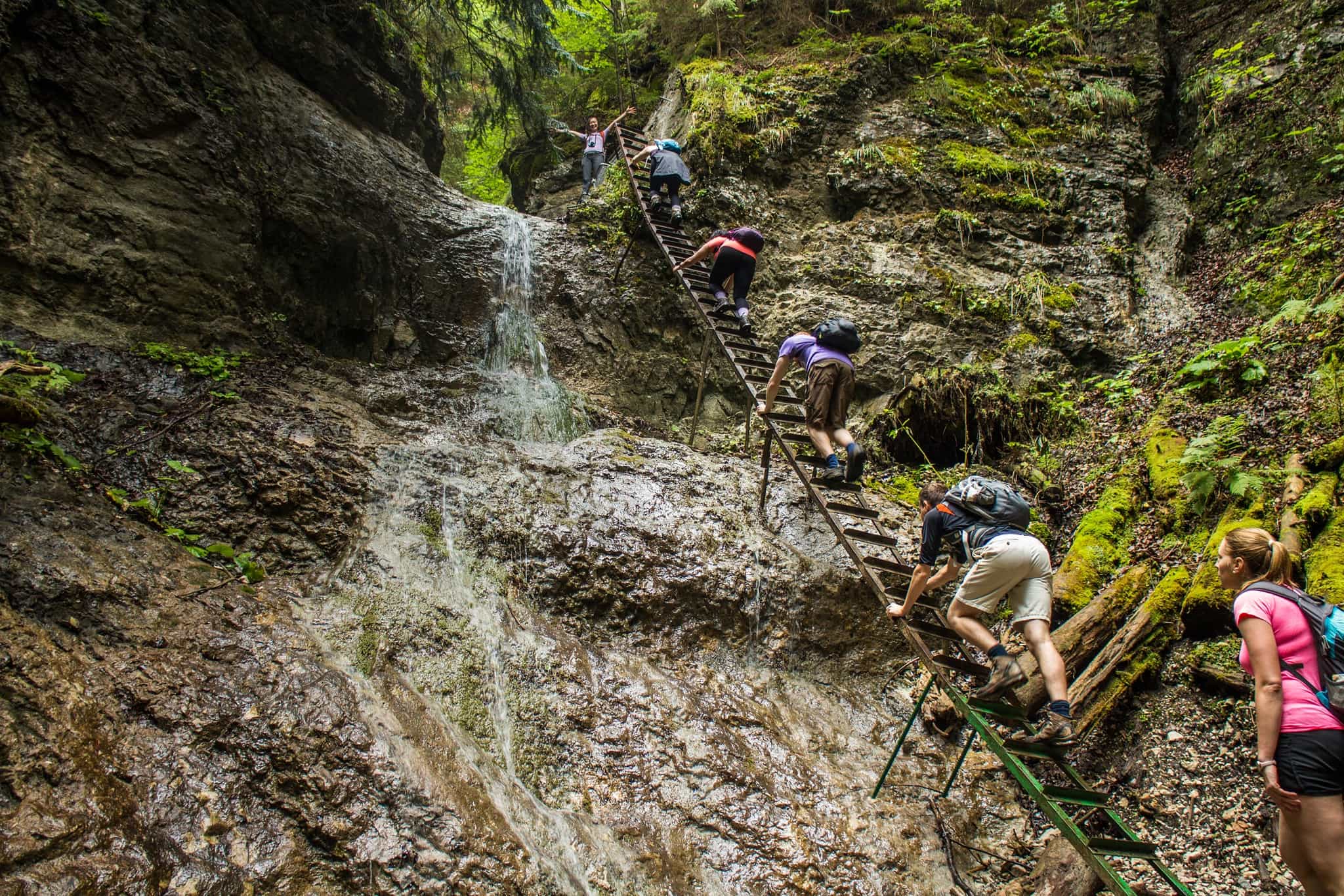
The Slovak Paradise National Park (opens in new tab) earns its name in September. Gorges take on an amber glow as the first colours of autumn arrive and the park's remarkable network of canyon trails, iron ladders, catwalks and bridges await intrepid explorers.
Hiking in Slovak Paradise involves getting properly into the landscape: climbing ladders beside multi-storey waterfalls, scrambling along catwalks hung above the Hornád River, wading through canyon floors and emerging into forested ridges with sweeping views. It is joyful, adventurous hiking for anyone who finds standard trail walking a little flat.
Why hike here in September? Autumn transforms these gorges into something spectacular.
Must-do trail section? Sucha Bela Gorge - one of the longest canyons in the park, with its famous rock window and a series of natural obstacles that make you earn every step.
What's the weather like? Mild and settled, with the first chills creeping in in the mornings.
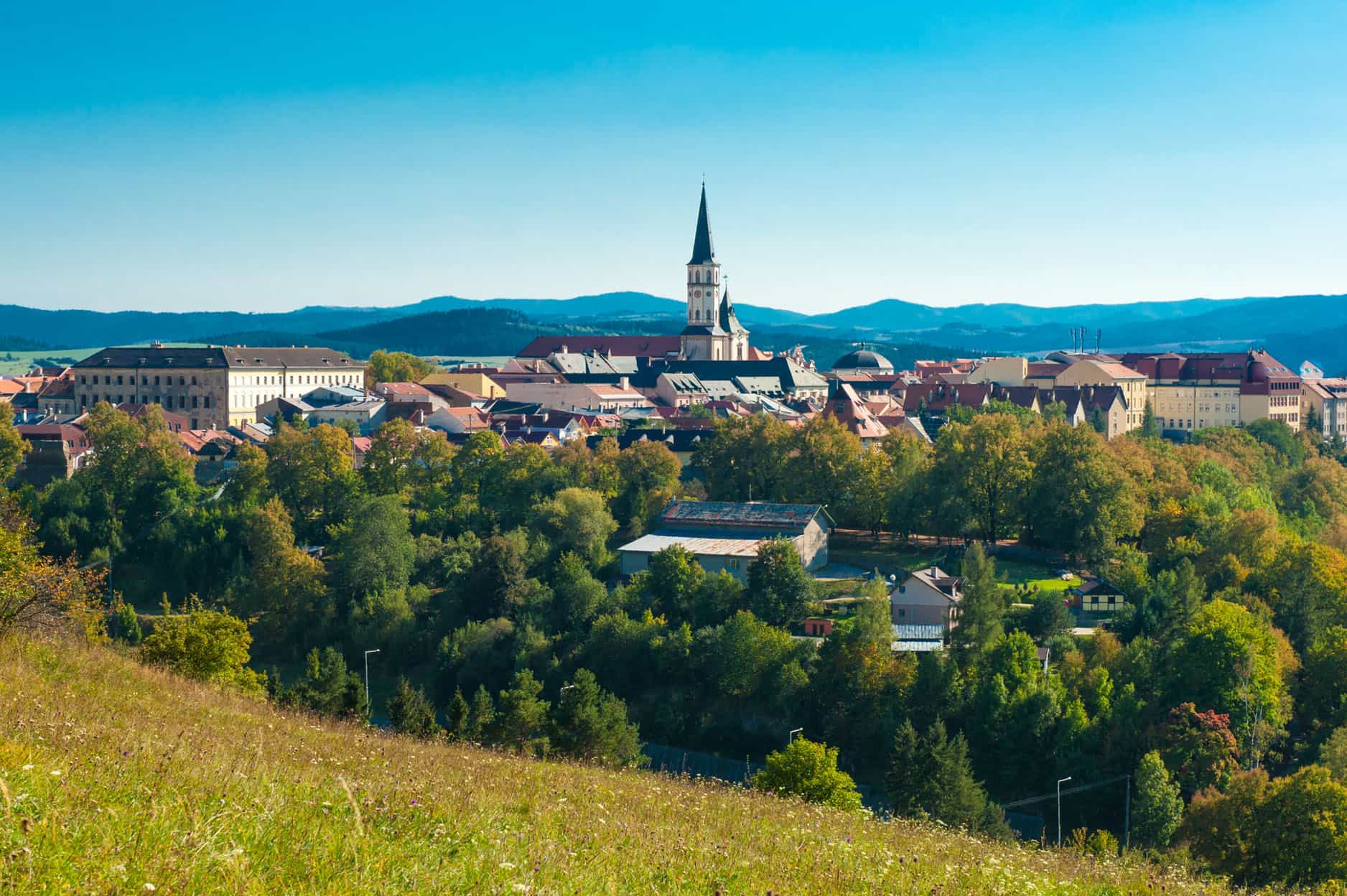
What to know before you go? You can base your adventure in the UNESCO-protected town of Levoča, reachable in a few hours from Krakow Airport.
5. The Albanian Riviera, Albania
- Average daytime temperatures: 22-28°C (72-82°F)
- Average nighttime temperatures: 14-18°C (57-64°F)
- Best for: Hidden coves and cost-friendly coastline
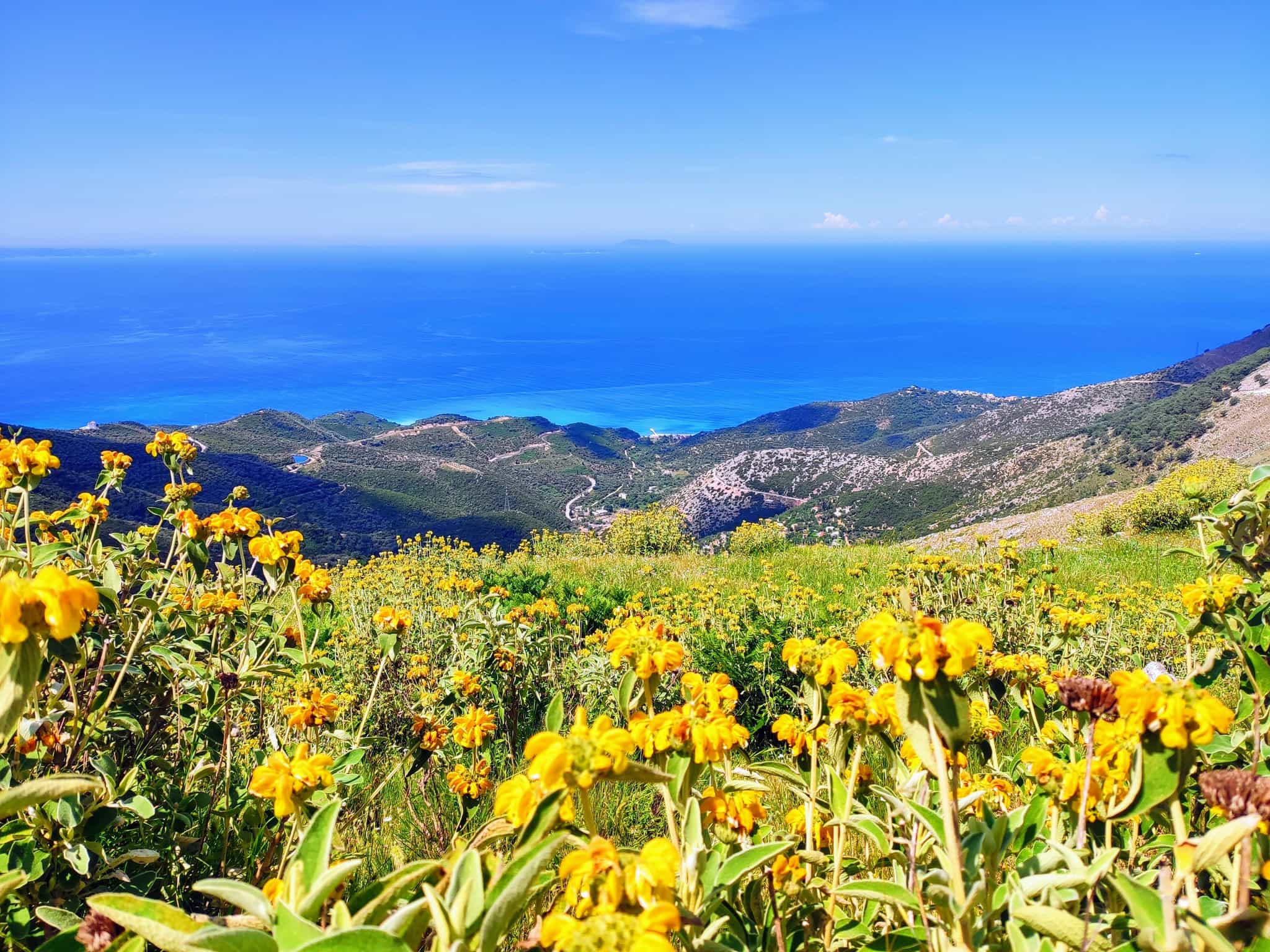
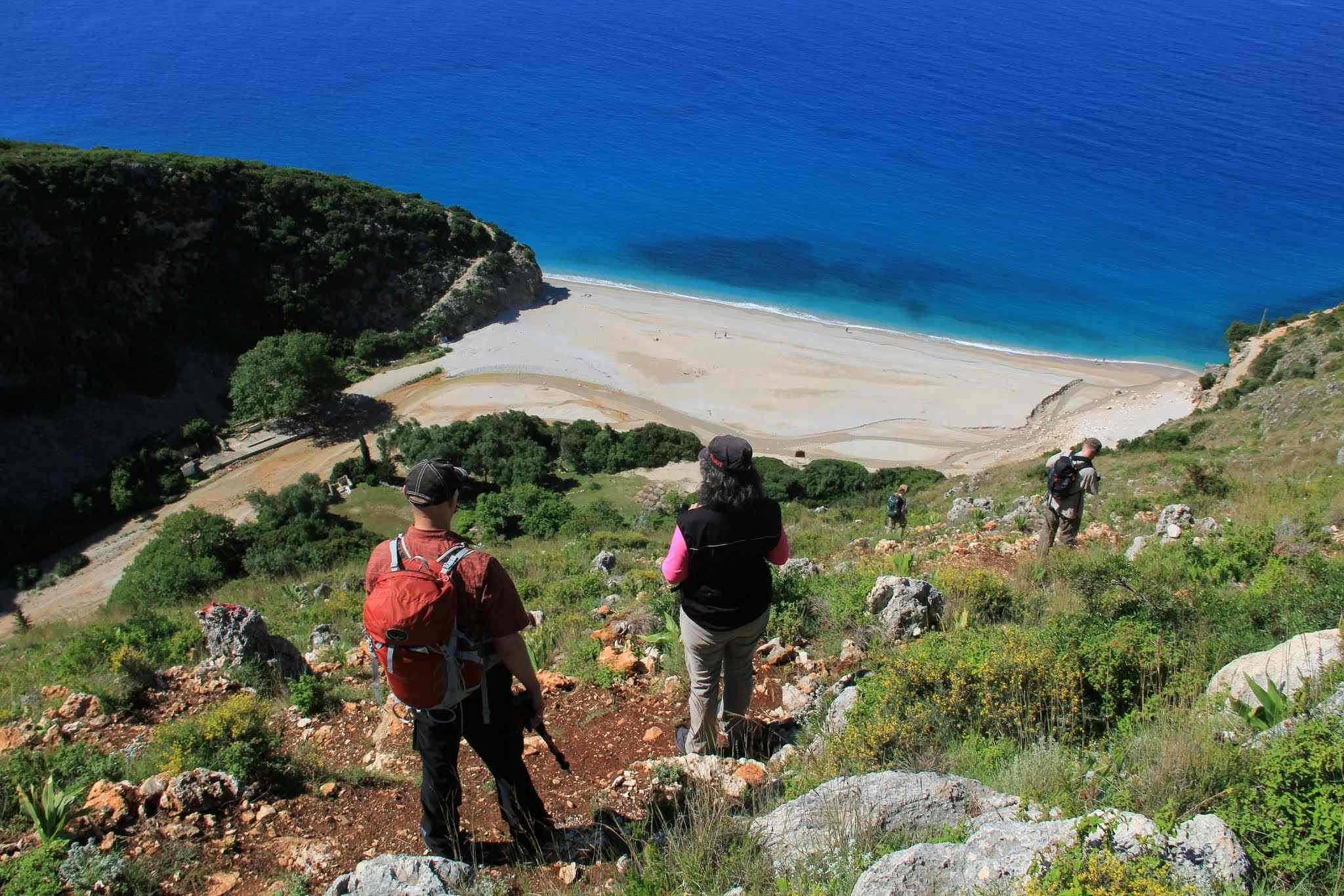
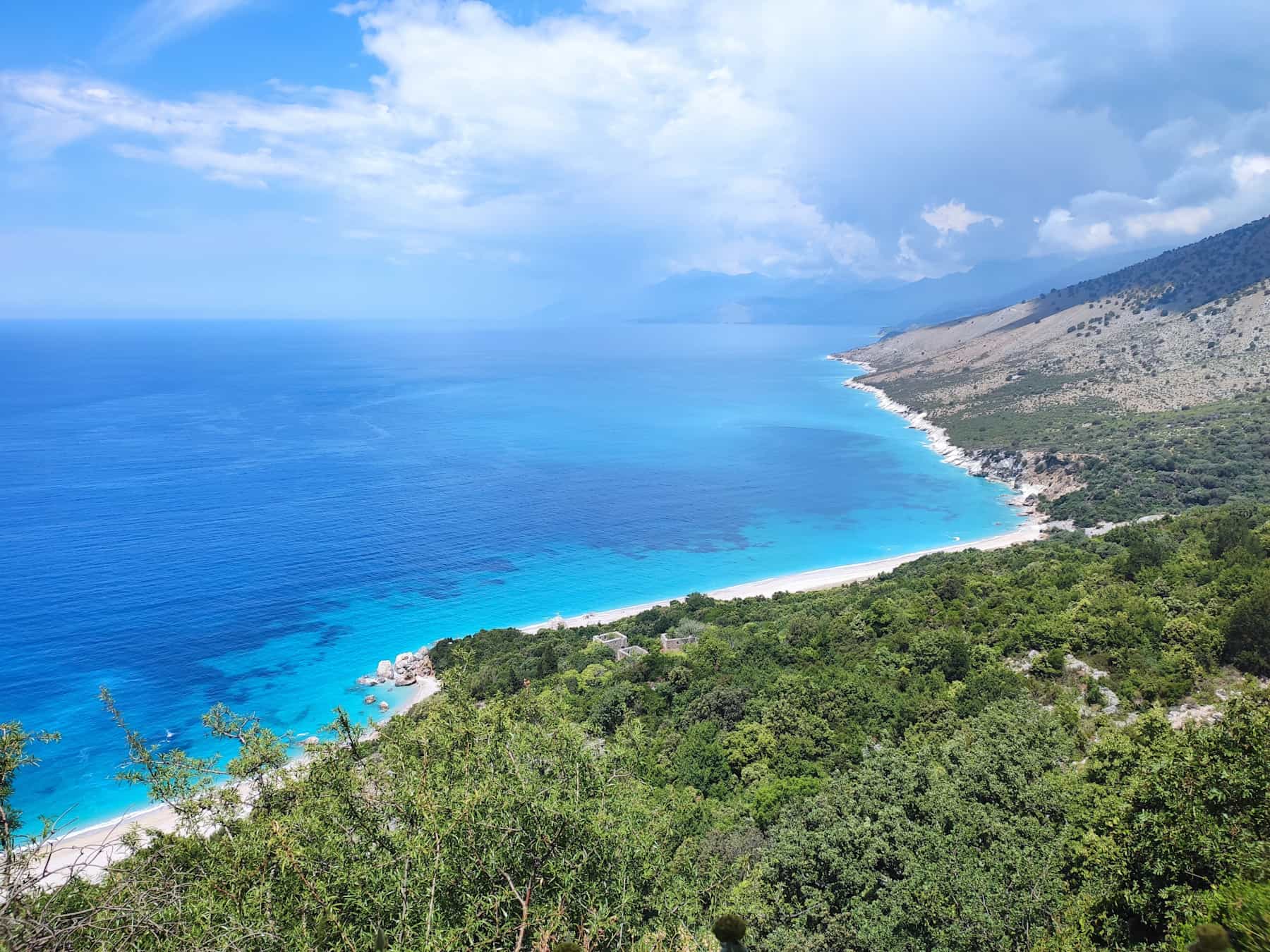
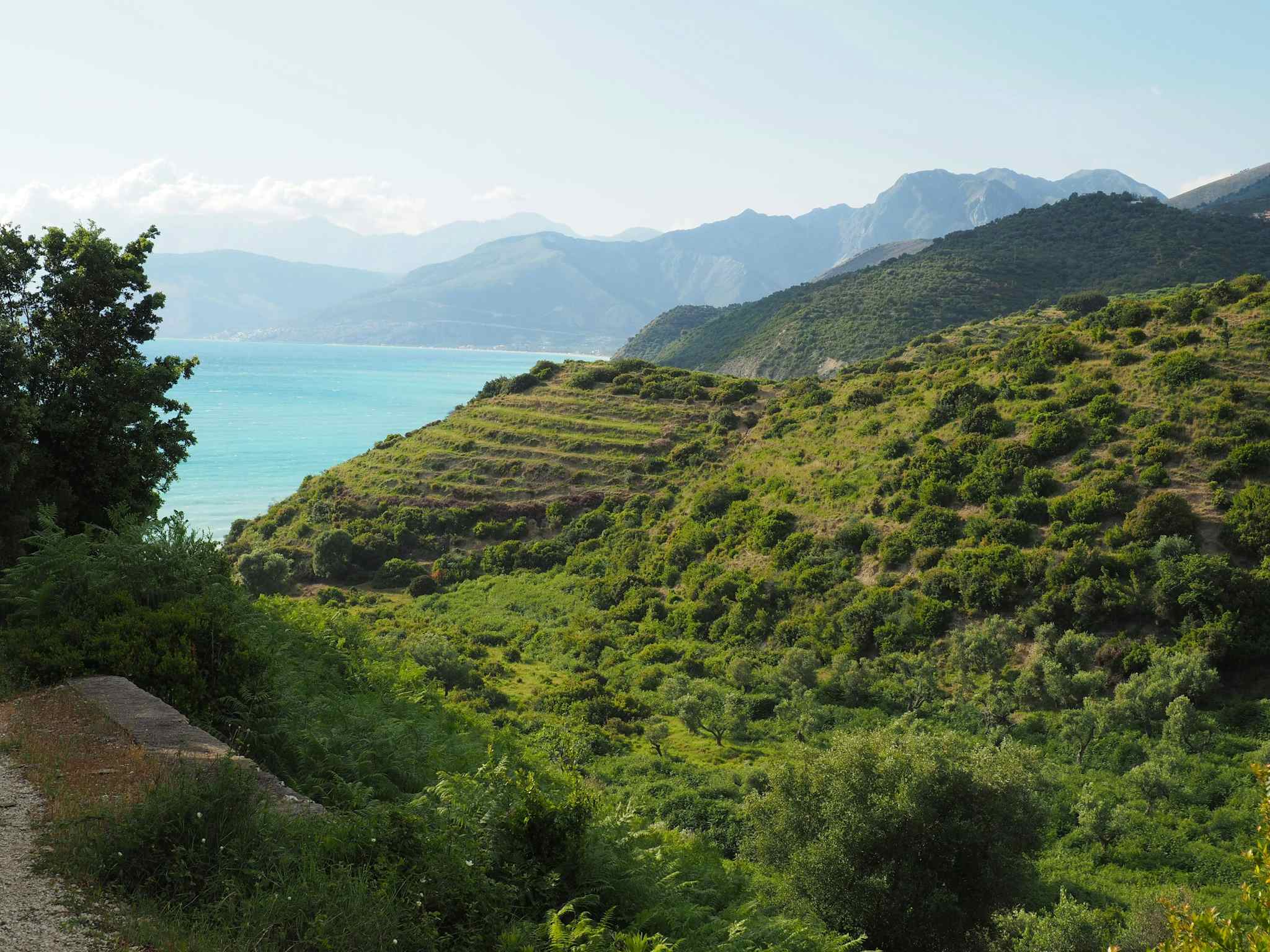
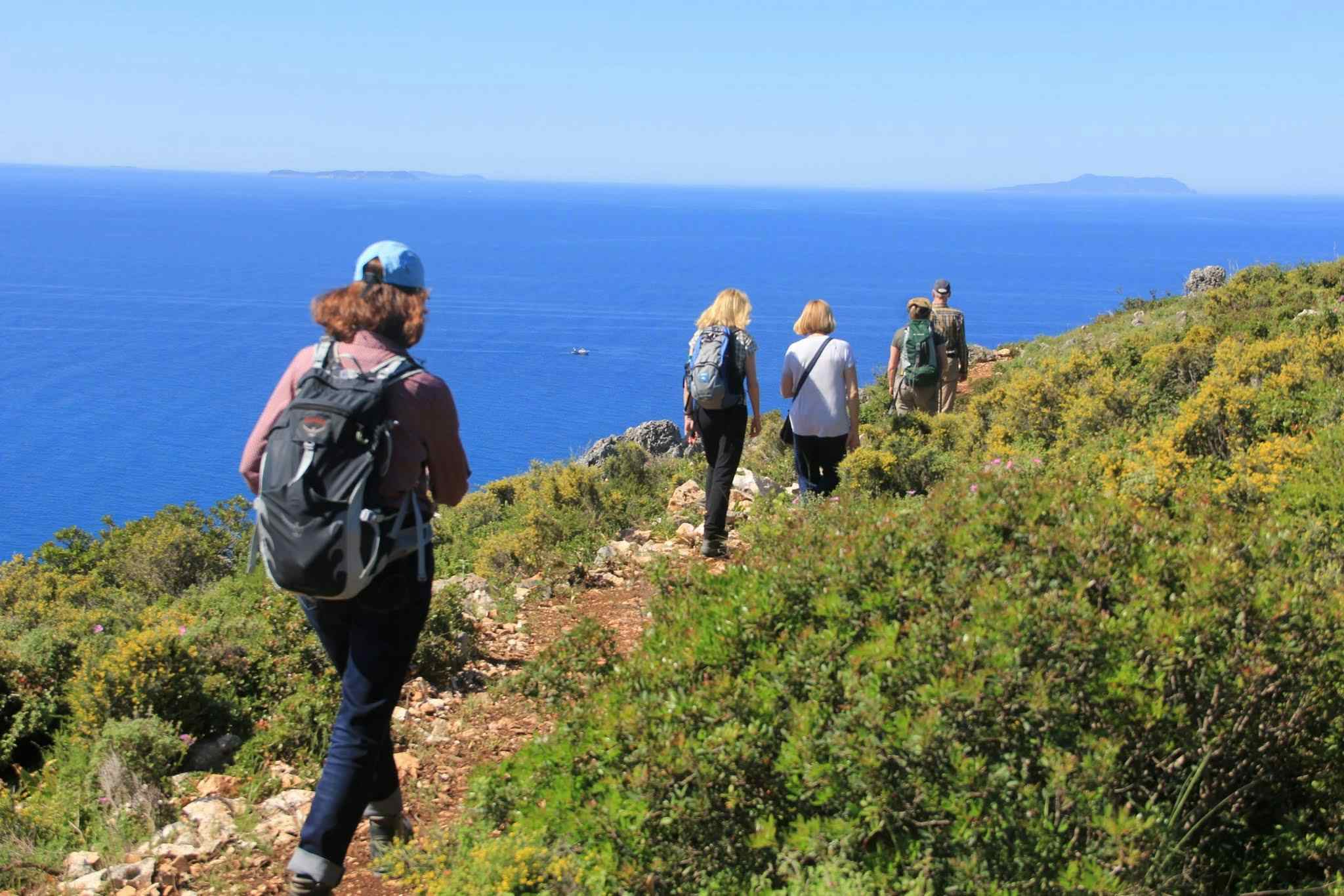
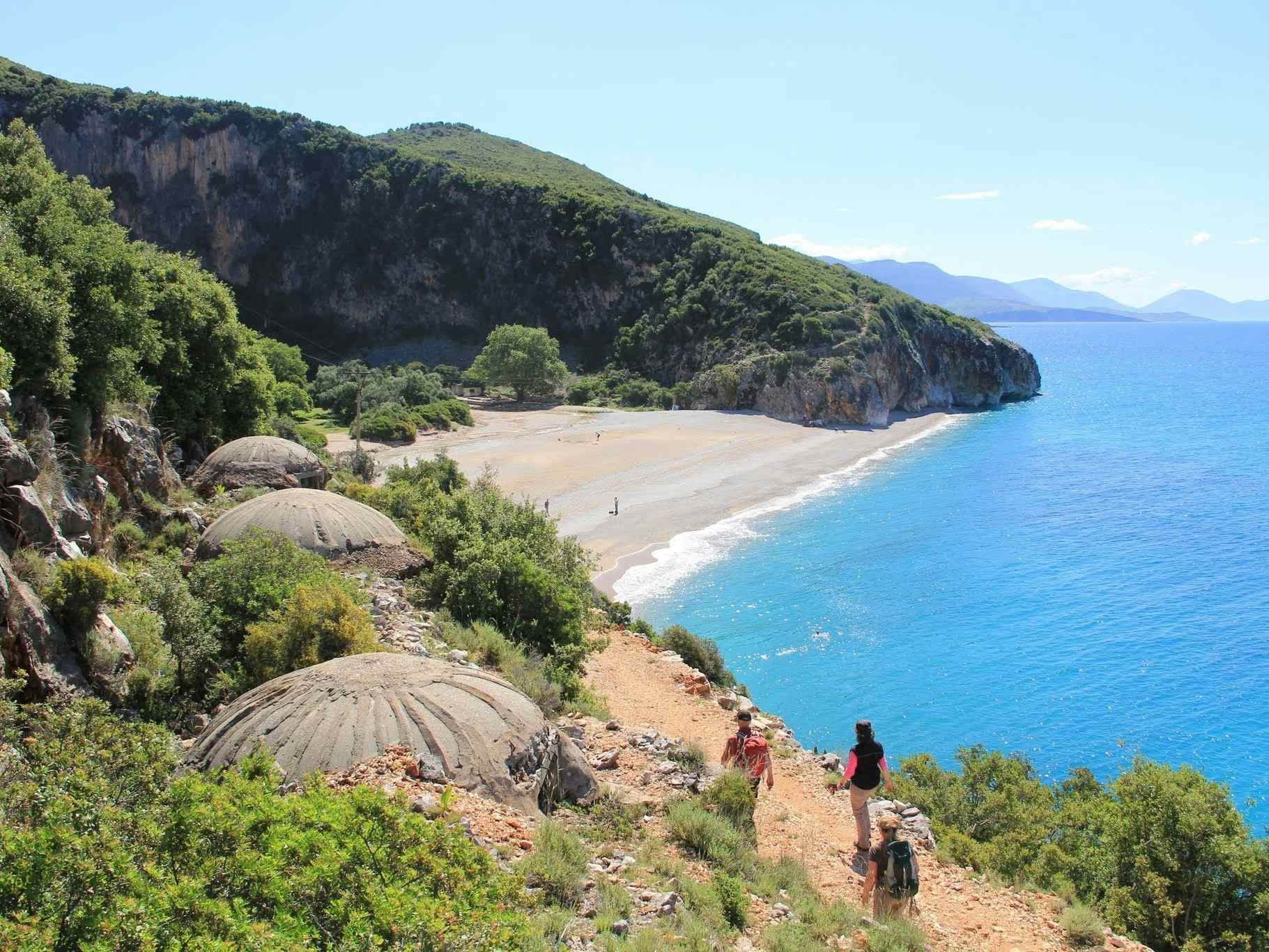
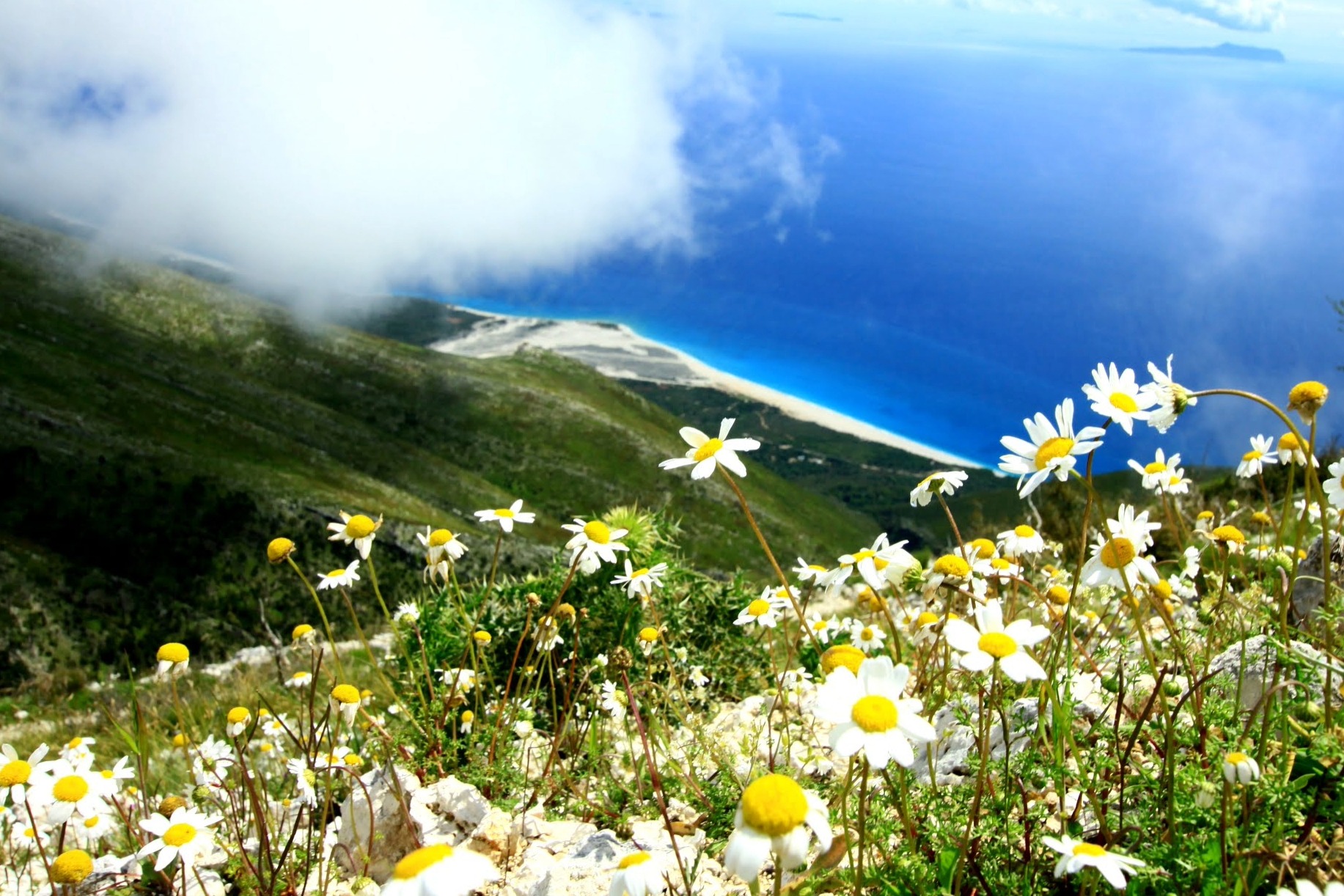
September is the ideal month to discover the Albanian Riviera (opens in new tab) - warm enough for swimming, cool enough for long days of coastal hiking, and noticeably less crowded than peak summer.
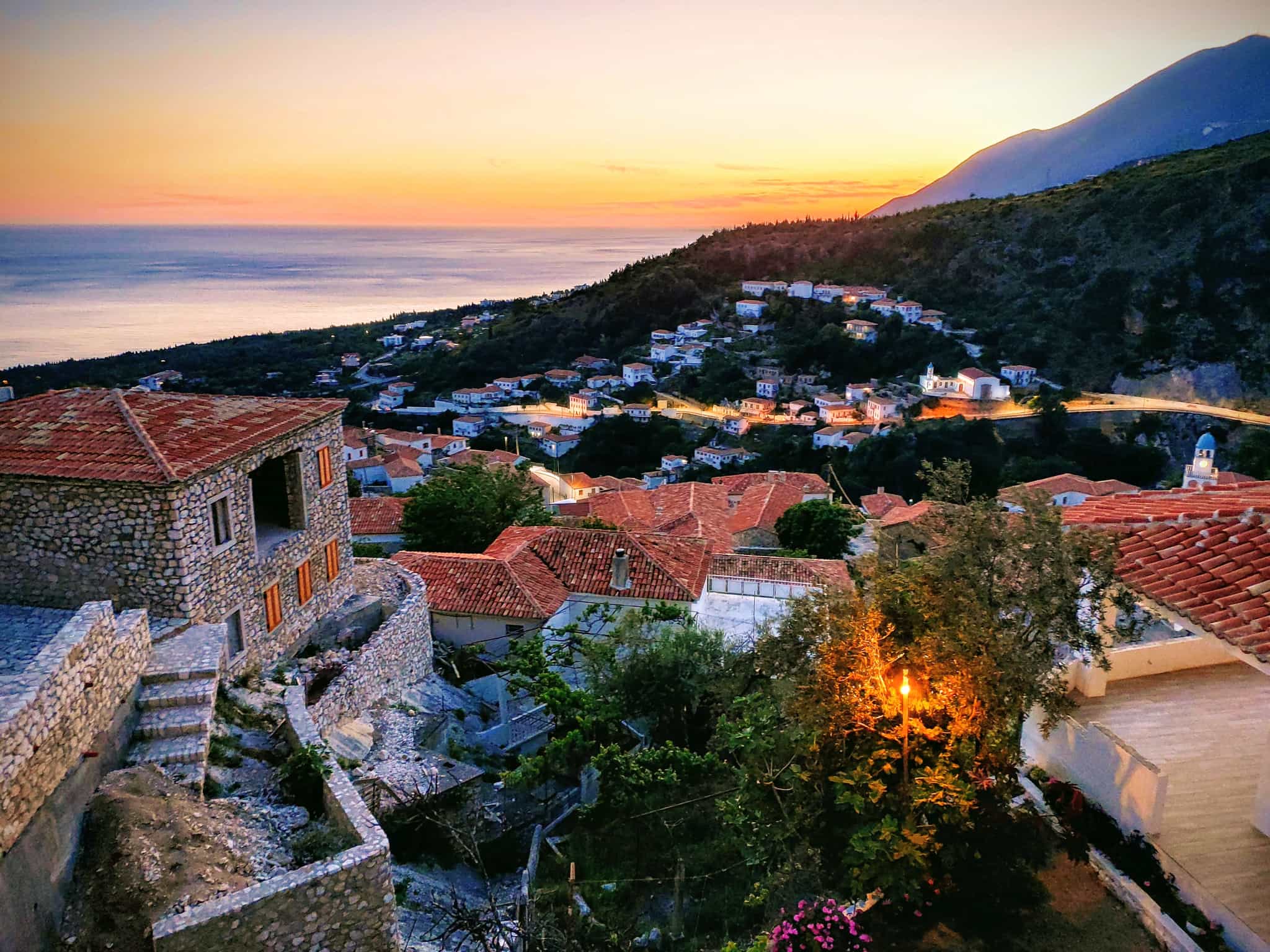
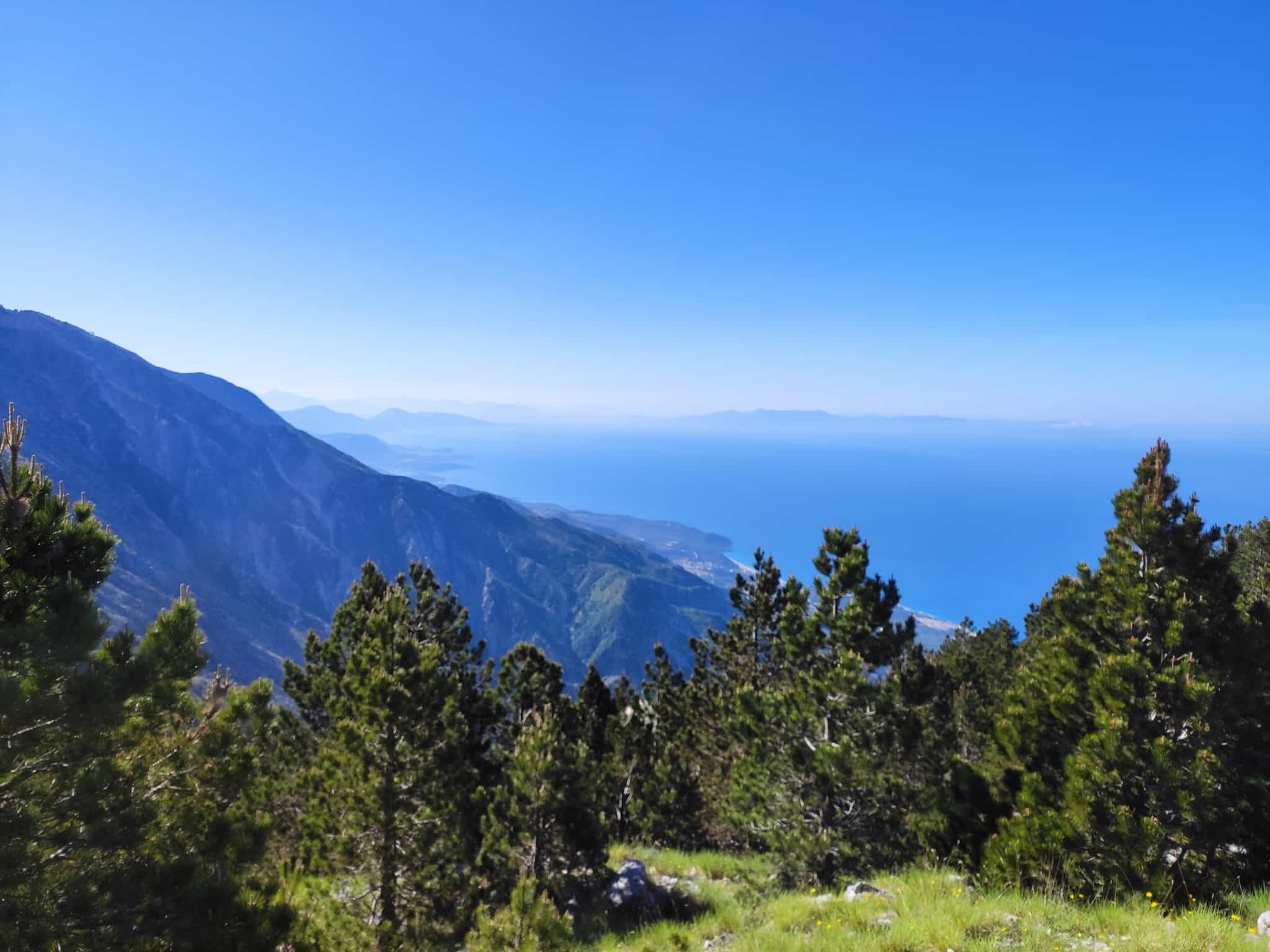
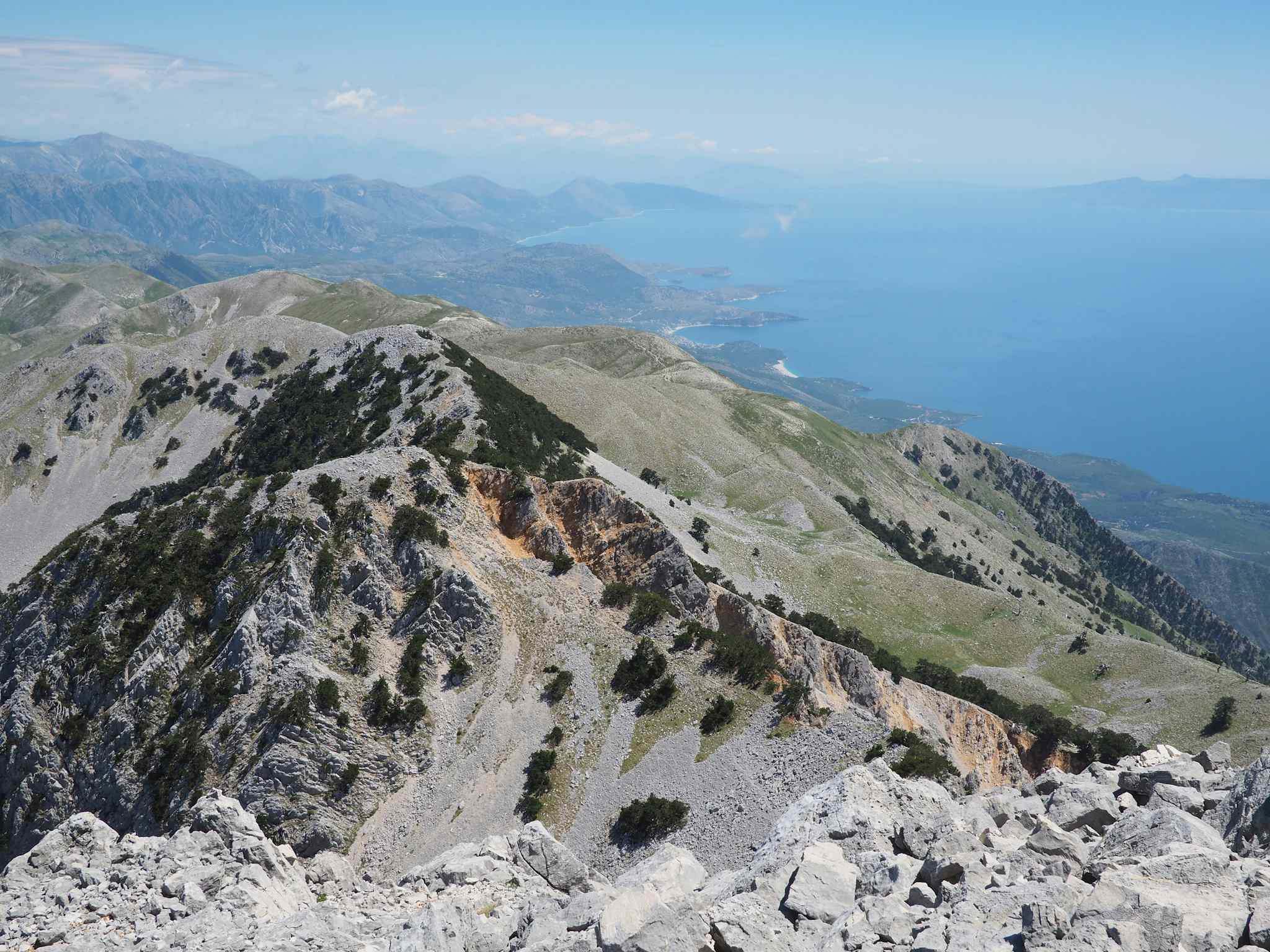
This stretch of southern Albania, where mountains plunge into the Ionian Sea - and Crete is visible in the distance - remains one of Europe's most beautiful coastlines. A hiking trip here takes you along networks of ancient shepherd paths and clifftop trails, past white-washed hilltop villages, through olive groves and down to secluded beaches.
Why hike here in September? The sea temperature is peak, the summer heat has softened to comfortable hiking weather and the Riviera's small coastal towns feel genuinely local.
Must-do trail section? The descent from the Llogara Pass ridge to the coast, with the Karaburun Peninsula below and the Bay of Vlorë beyond.
What's the weather like? Warm and sunny with gentle sea breezes.
What to know before you go? There’s also terrific cycling around these mountain passes.
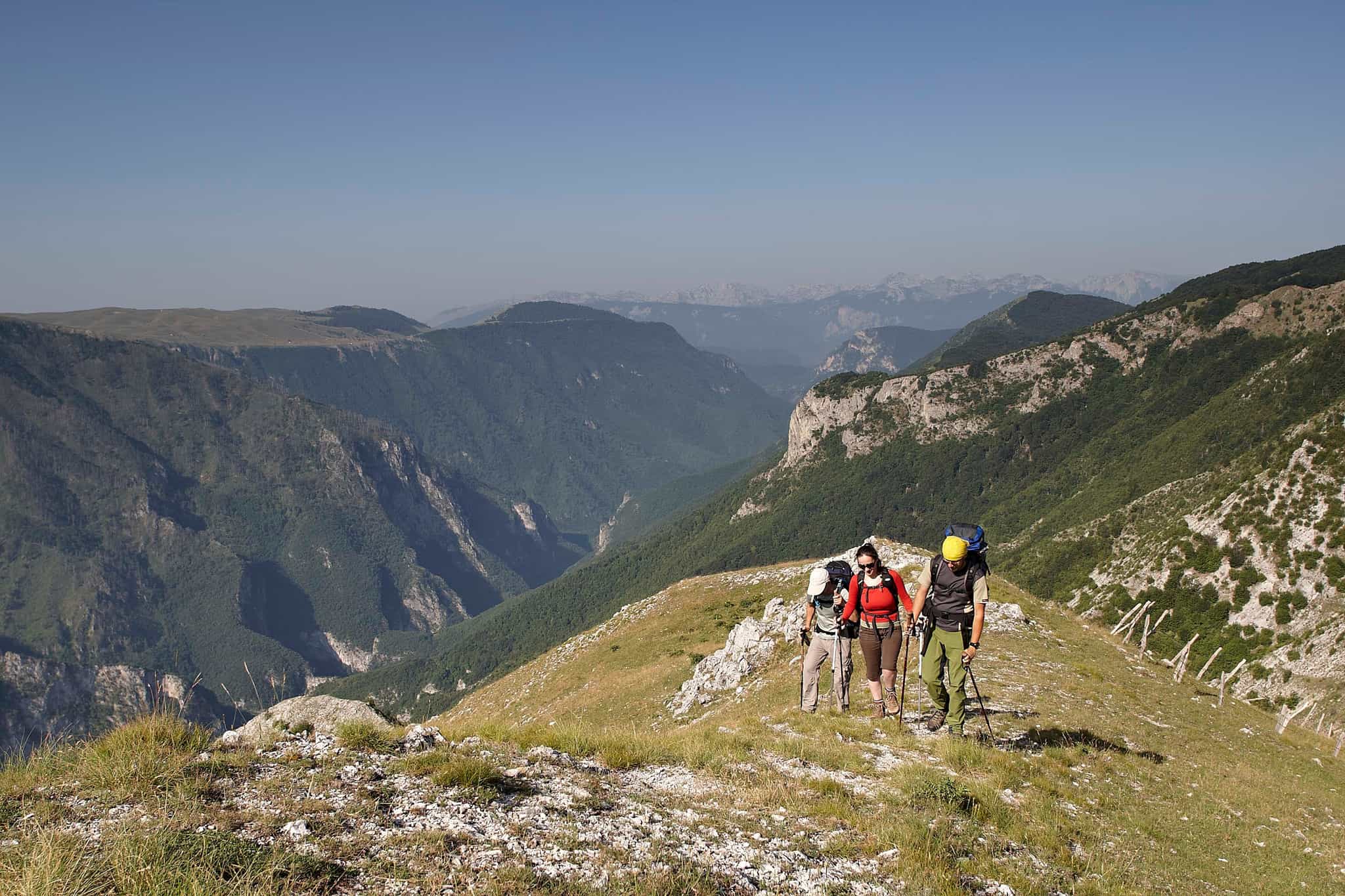
6. The Balkan 3 Peaks Challenge, Albania, Kosovo, Montenegro & North Macedonia
- Average daytime temperatures: 16-22°C (61-72°F)
- Average nighttime temperatures: 6-10°C (43-50°F)
- Best for: Remote summit bagging across four nations
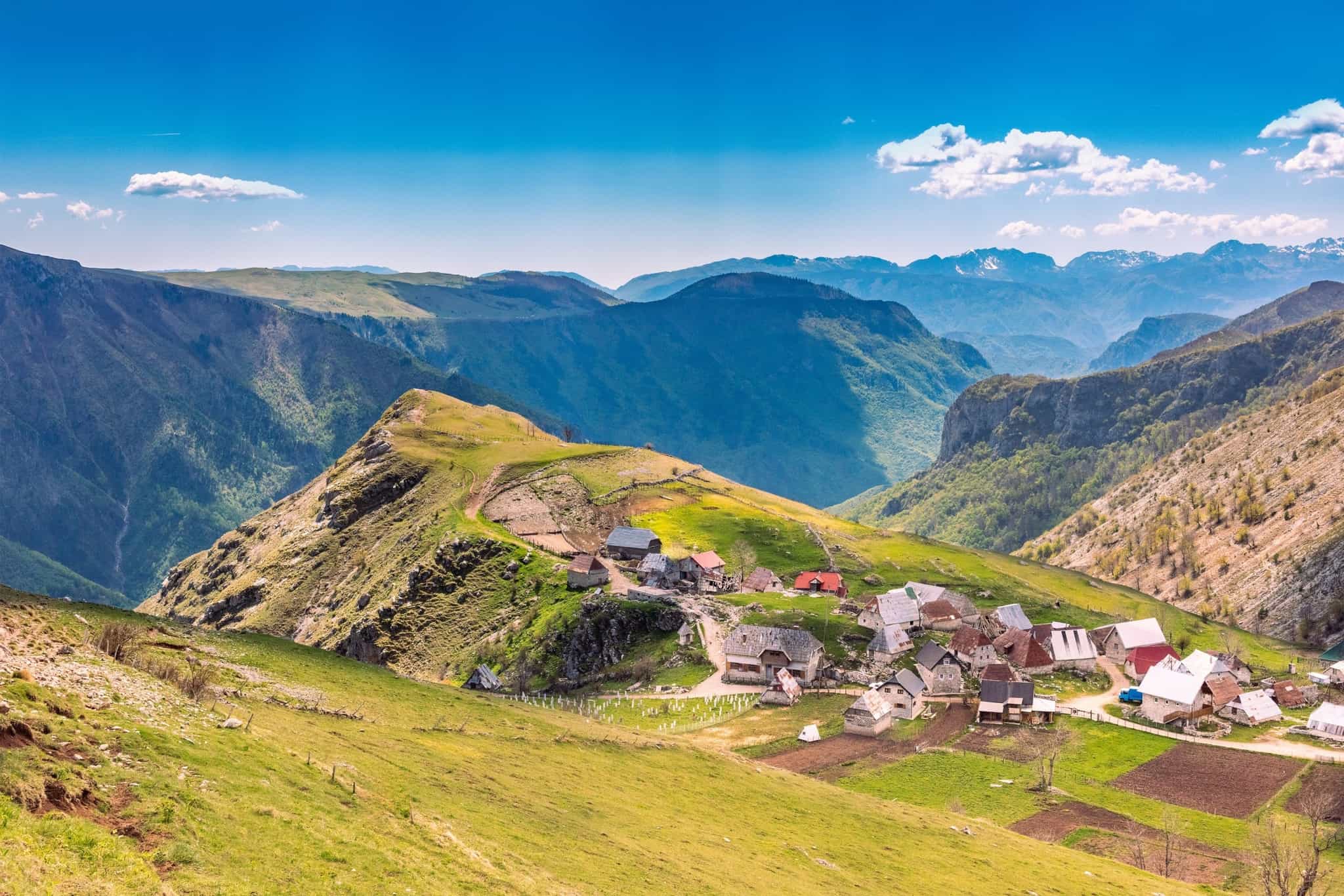
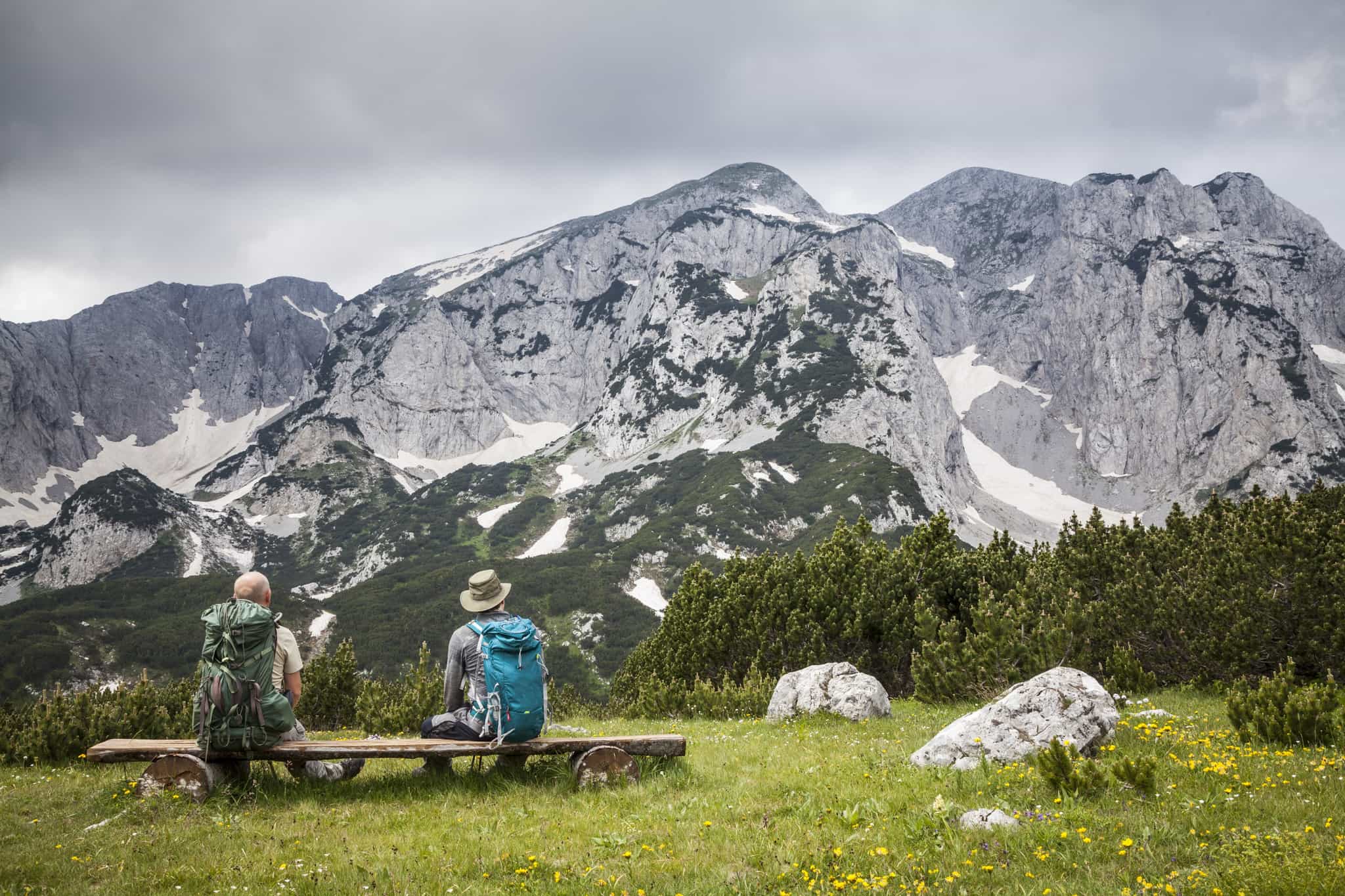
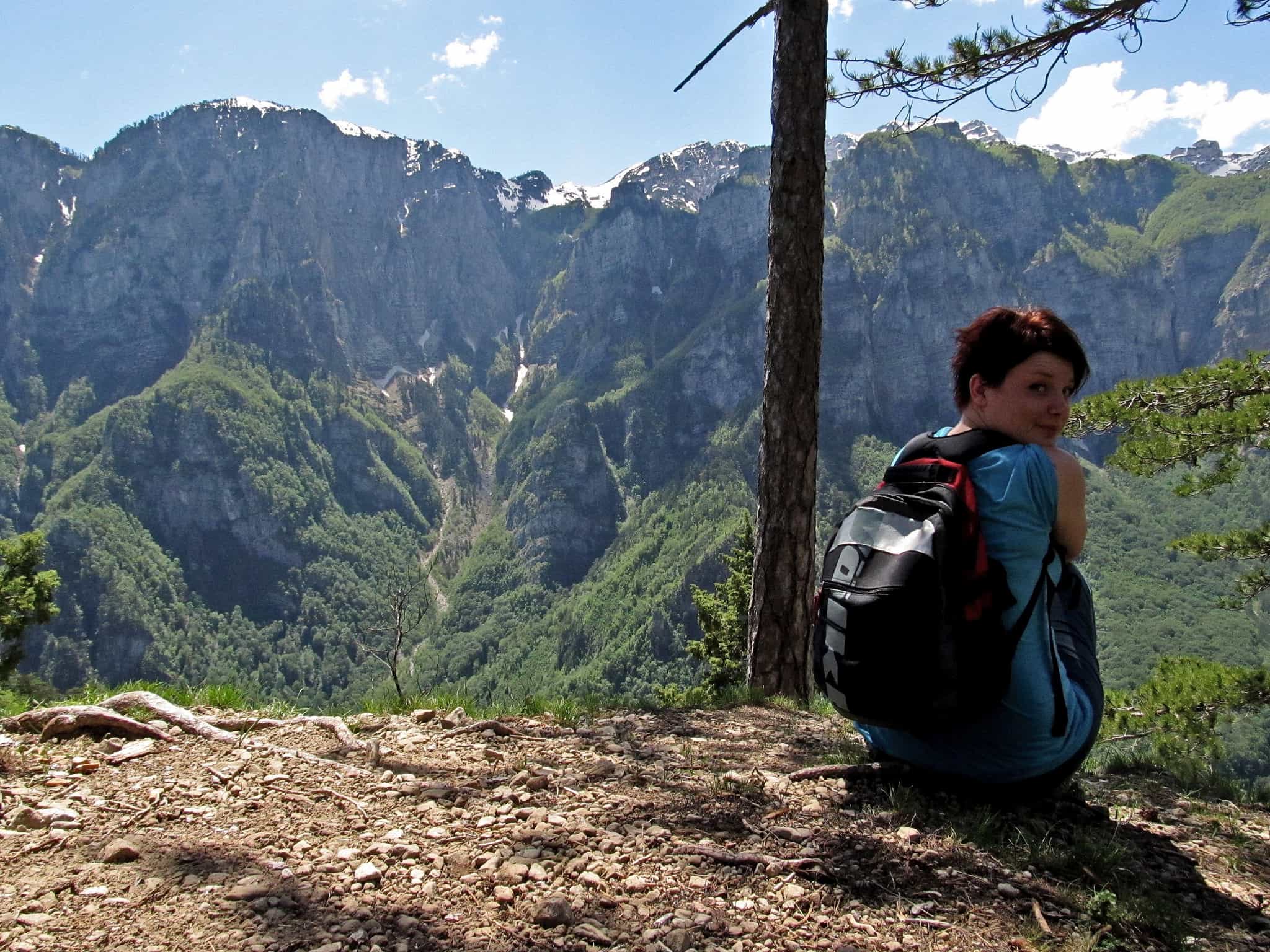
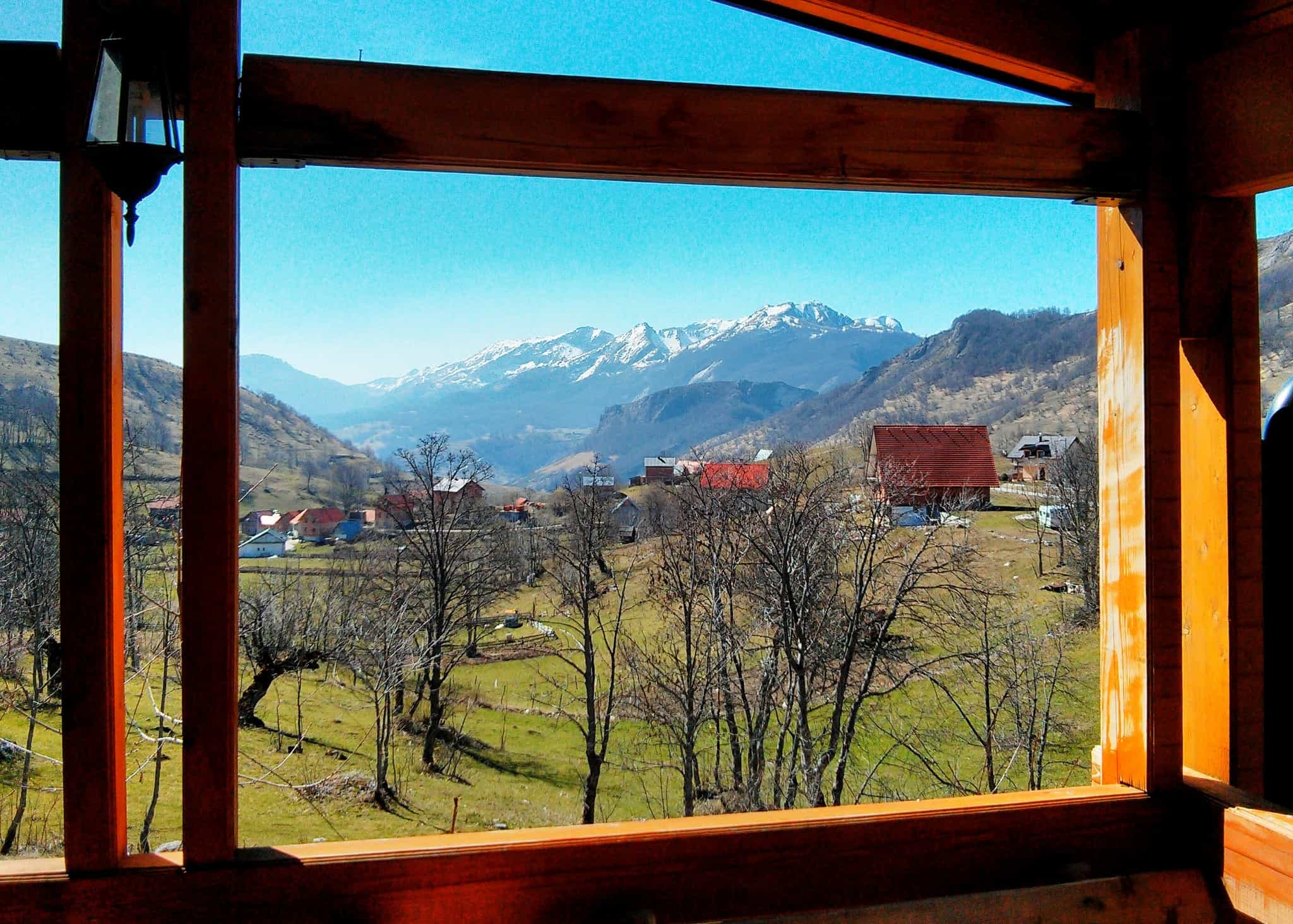
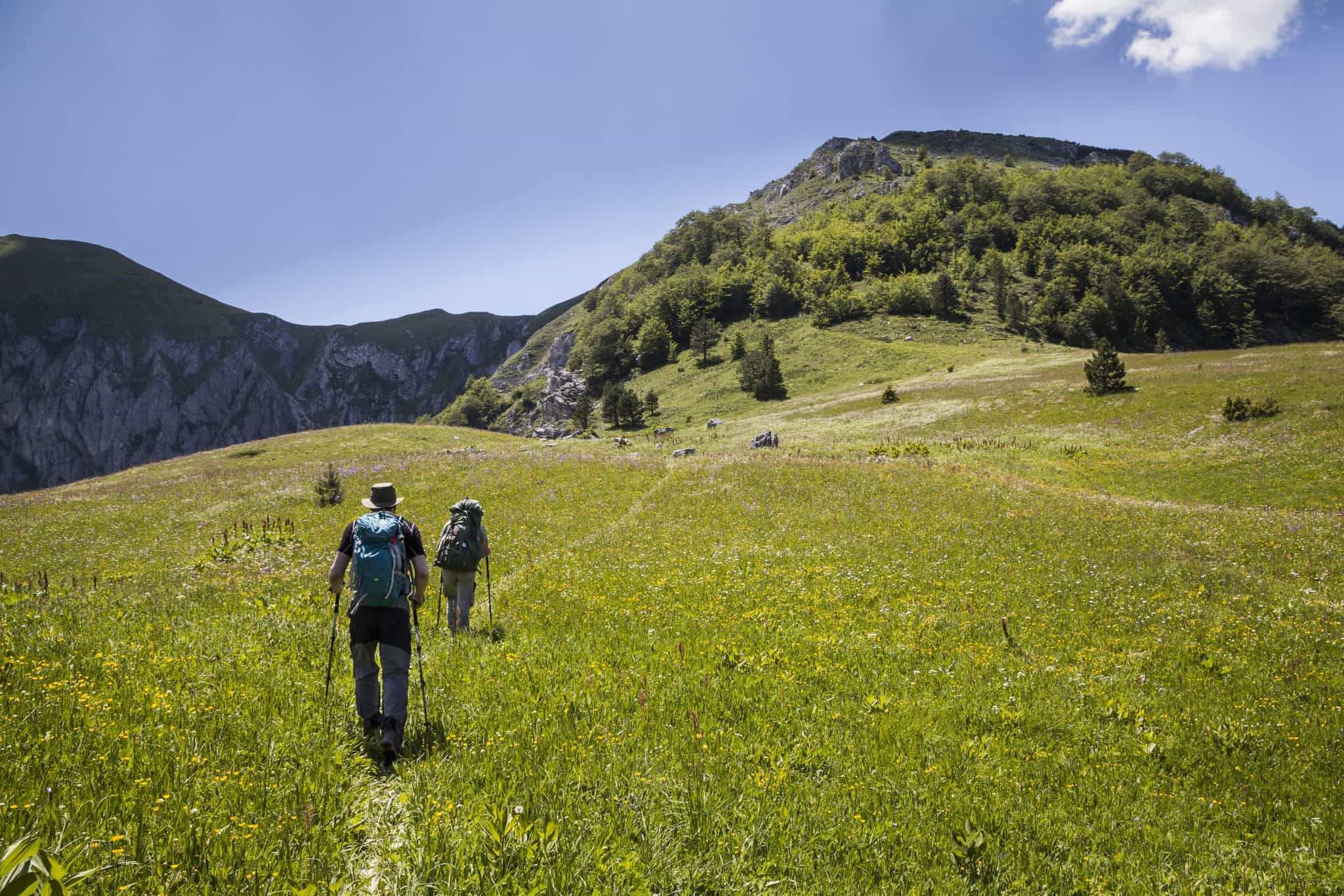
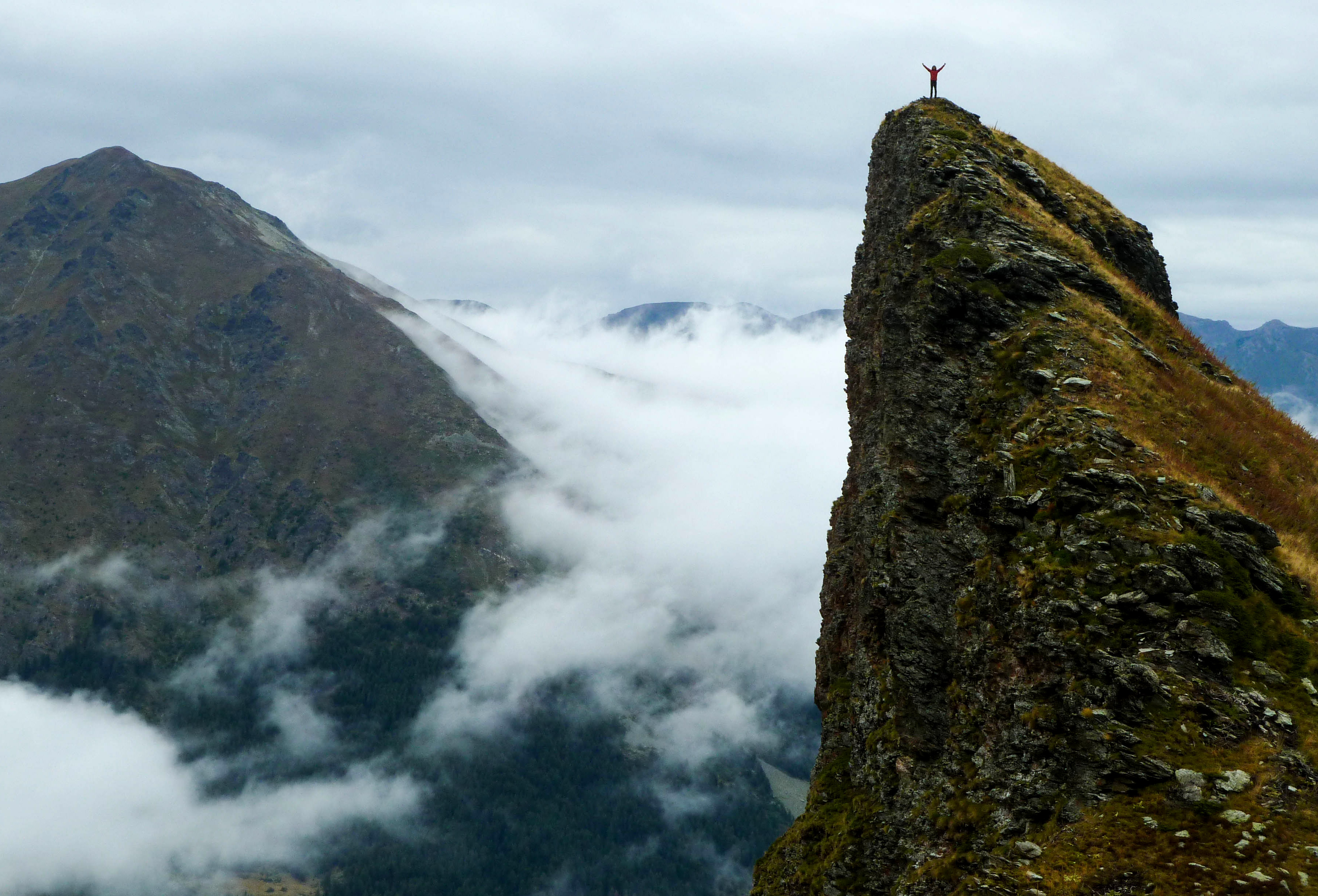
This is the trip for those who want something challenging and fully wild. The Balkan 3 Peaks Challenge (opens in new tab) takes you across four countries in six days. On the way, you’ll have to summit three peaks - Mount Korab (2,764m) on the North Macedonian border, Gjeravica (2,656m) in Kosovo and Zla Kolata (2,534m) in Montenegro. These are three of the highest mountains in the western Balkans, linked by days of demanding trekking through forests, plateaus and high alpine meadows. This is a sensationally beautiful hiking route - but it’s not an easy one.
Why hike here in September? The summer heat has gone, the high routes are clear and the Balkan mountains feel elemental.
Must-reach peak? The summit of Zla Kolata - a tough peak to reach - is gained via steep karst terrain. It has views out over Albania's Accursed Mountains and into the Valbona Valley.
What's the weather like? Conditions are usually stable, with cool nights at altitude.
What to know before you go? These climbs are tough. Make sure you do some training.
7. The Carpathians, Romania
- Average daytime temperatures: 16-22°C (61-72°F)
- Average nighttime temperatures: 8-12°C (46-54°F)
- Best for: A world-class rewilding experience
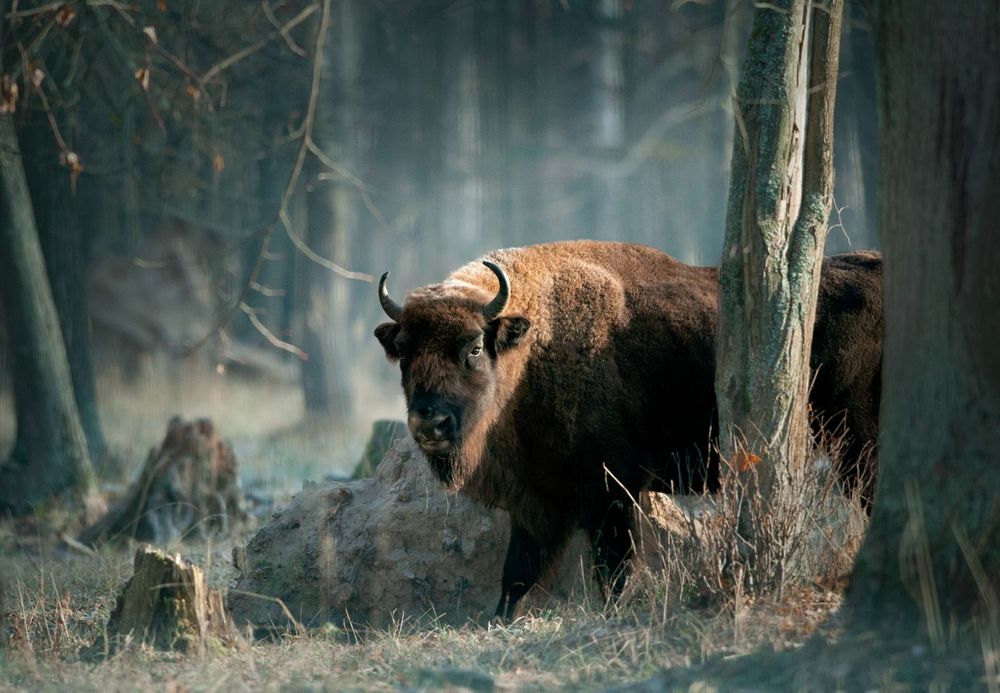
In 2014, WWF Romania reintroduced bison to the Carpathian mountains of Romania.
Visit the community of Armeniș and you can learn all about this project - and trek out into the Carpathian hills and forests and track the animals for yourself (opens in new tab). This regenerative project brings in new income sources for rural communities, helps to restore nature in the area through the reintroduction of a keystone species and provides visitors with a truly authentic Romanian experience, miles from the beaten track.
You’ll hike through wild environments with an environmental expert. If you’re lucky you might see bison. If you’re super lucky, you could also see bears, wolves, lynx and wild boars.
Why hike here in September? Animal activity peaks as autumn approaches, the forests are beginning to turn and the Carpathians are at their most atmospheric - wild and forested.
Must-hike trail? Settling into the bear hide as evening falls, and watching brown bears emerge from the treeline into the clearing below.
What's the weather like? Warm and generally settled, with the first cool notes of autumn. Mornings in the mountains can be fresh.
What to know before you go? Bison are keystone species which encourage soil improvement and the growth of mosaic forests.
8. Madeira, Portugal
- Average daytime temperatures: 22-26°C (72-79°F)
- Average nighttime temperatures: 16-19°C (61-66°F)
- Best for: A wild island experience
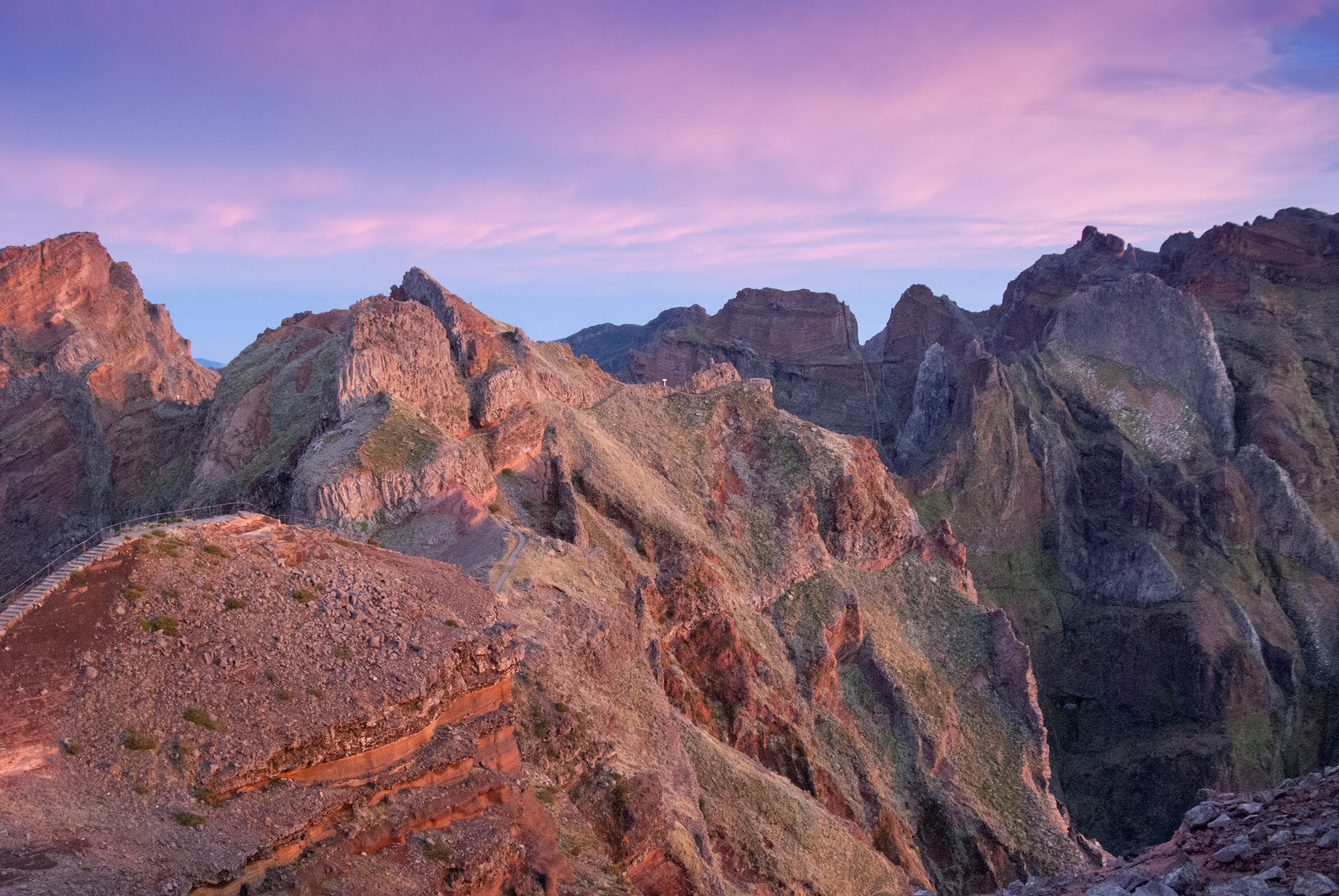
There’s a reason Madeira (opens in new tab) is known as the island of eternal spring. It doesn't follow the seasons of mainland Europe. In September, while the continent cools, this volcanic Atlantic island remains warm, lush and inviting - a year-round destination with mountains, waves and canyons.
On foot, hike through UNESCO-protected Laurisilva forests along the island's ancient levada trail network, go canyoning through a jungle-like canyon with abseils and natural water slides, or take a pre-dawn ascent of Pico Ruivo (1,862m) to watch the sunrise light up this glorious island.
Why hike here in September? The sea is warm, the island is green, the levadas flow and the Laurisilva forest is lush. Crowds aren’t what they are in summer, either.
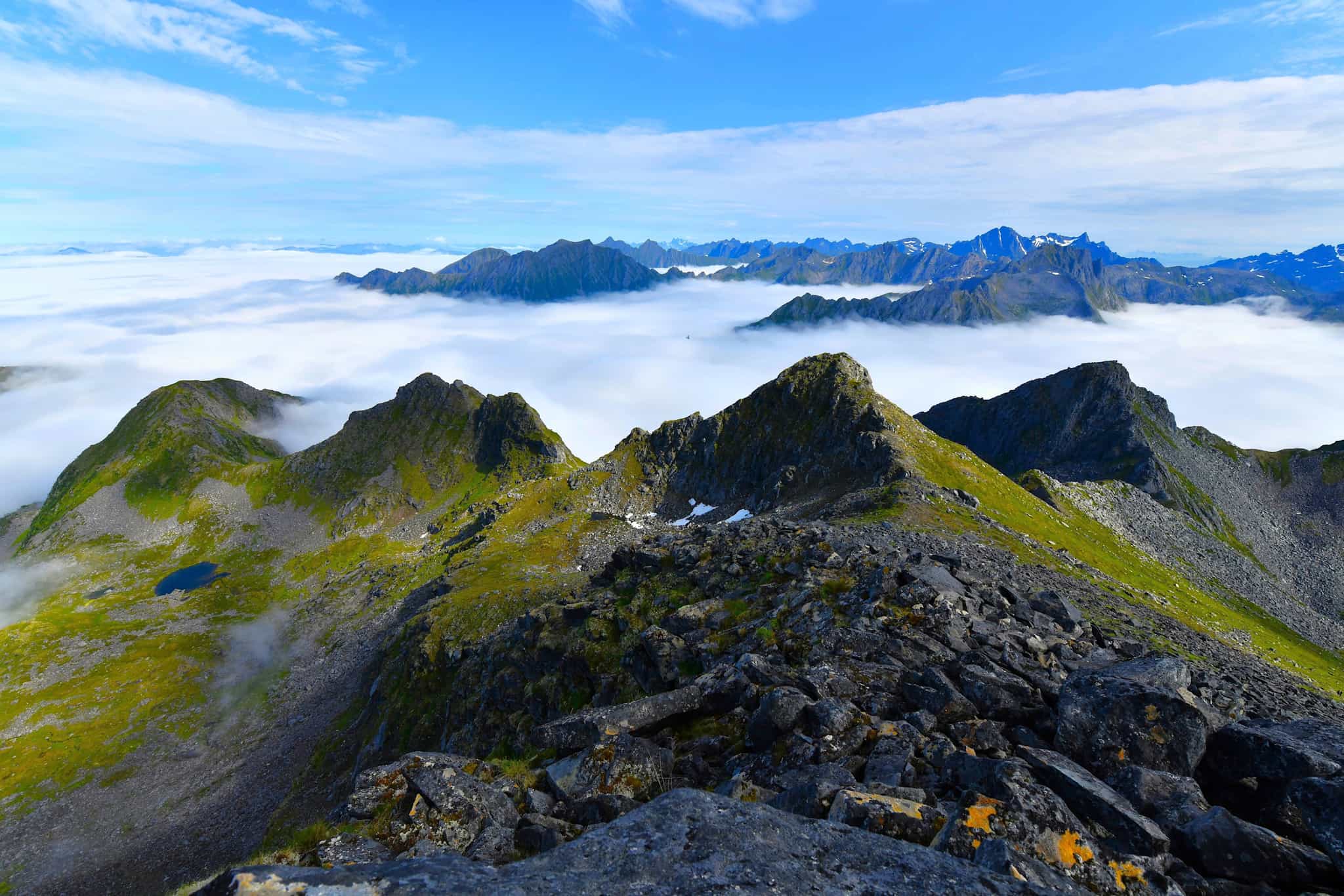
Must-hike trail? Reaching the summit of Pico Ruivo before dawn and watching the sun rise above a sea of clouds is something you’ll never forget.
What's the weather like? Warm and subtropical, with the possibility of rain.
What to know before you go? Madeira is accessible year-round from most UK airports.
9. Hike the Fjords, Norway

- Average daytime temperatures: 10-16°C (50-61°F)
- Average nighttime temperatures: 6-10°C (43-50°F)
- Best for: Fjord kayaking, ridge hiking and sleeping under September skies
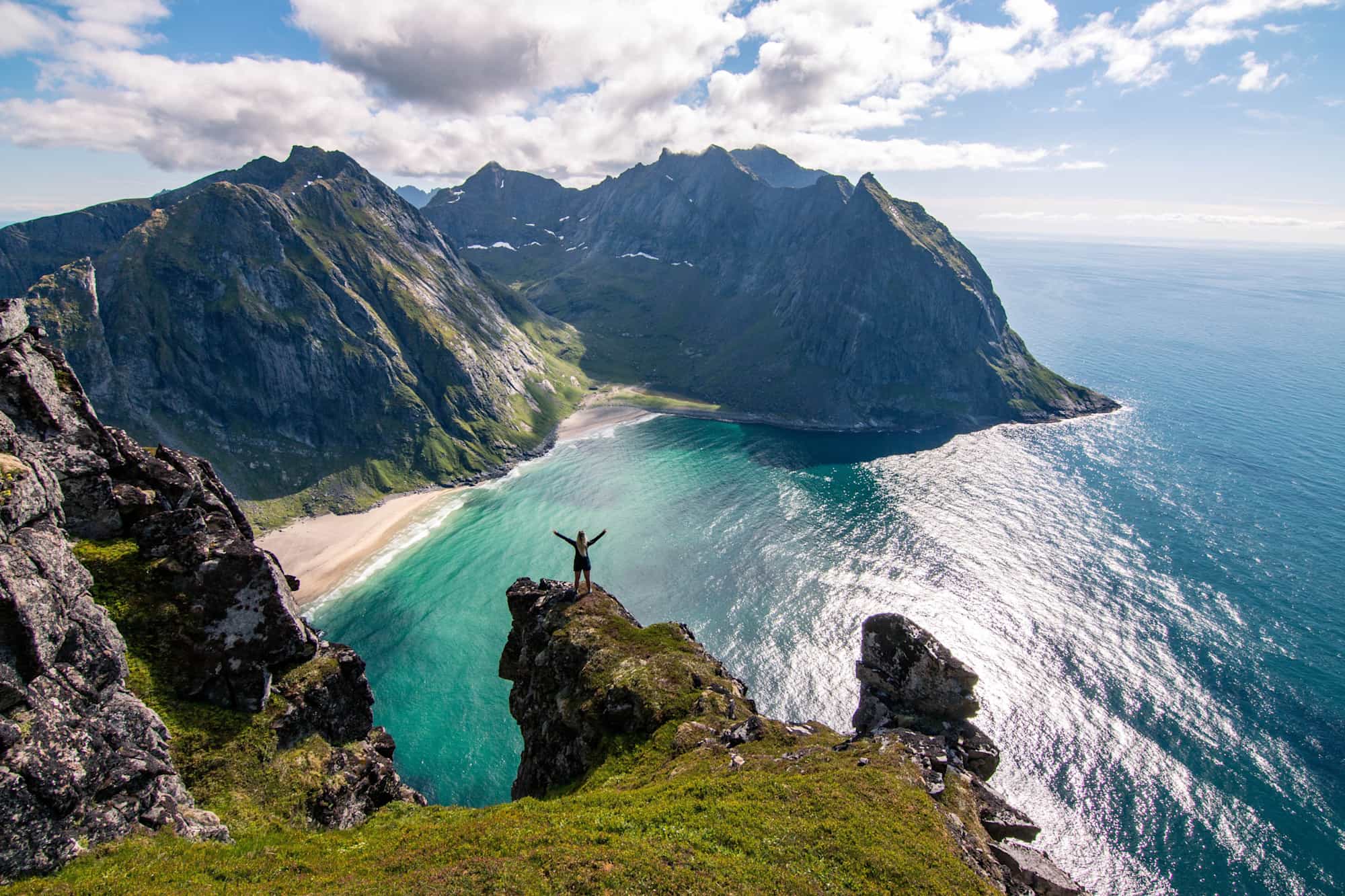
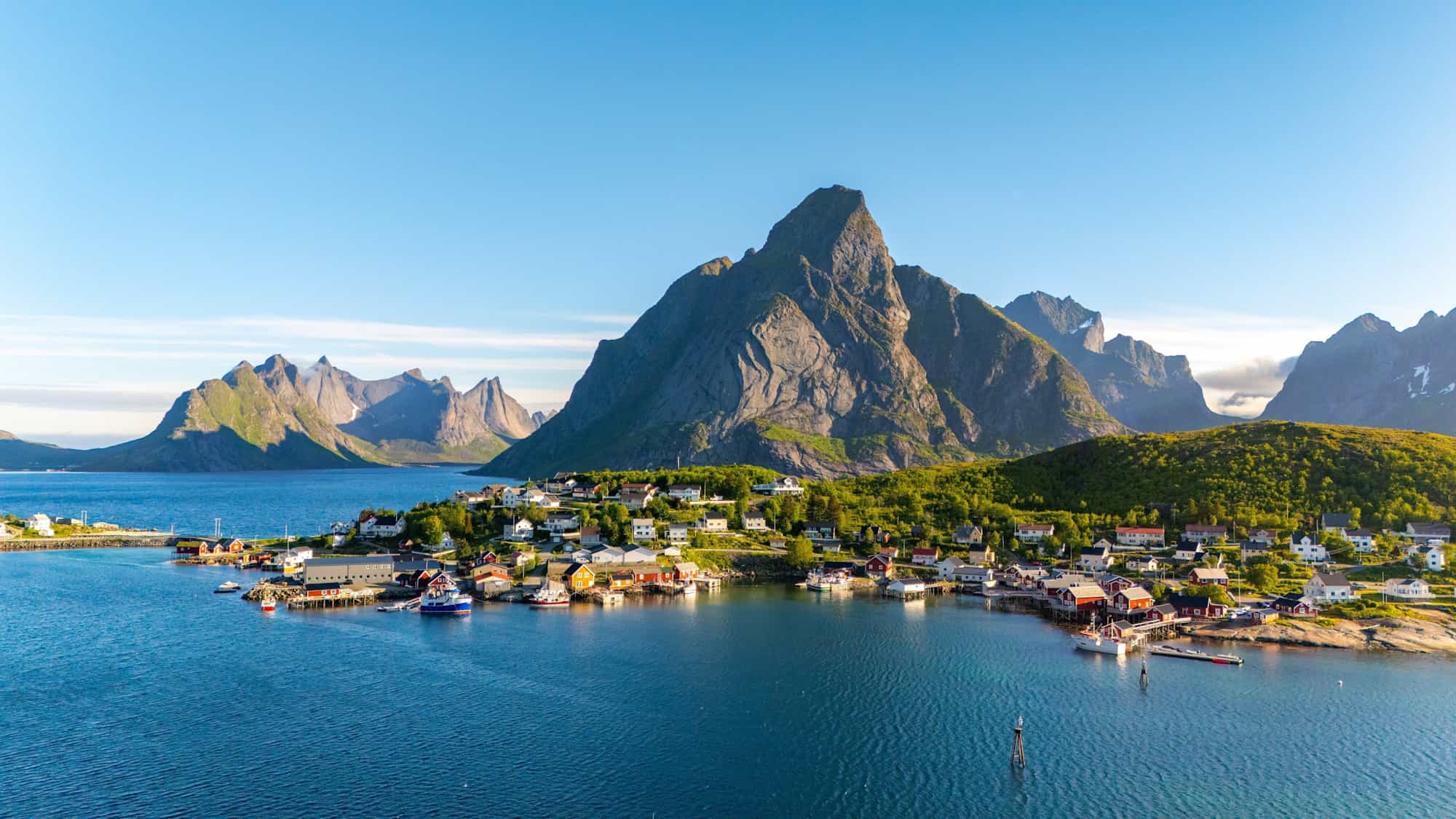
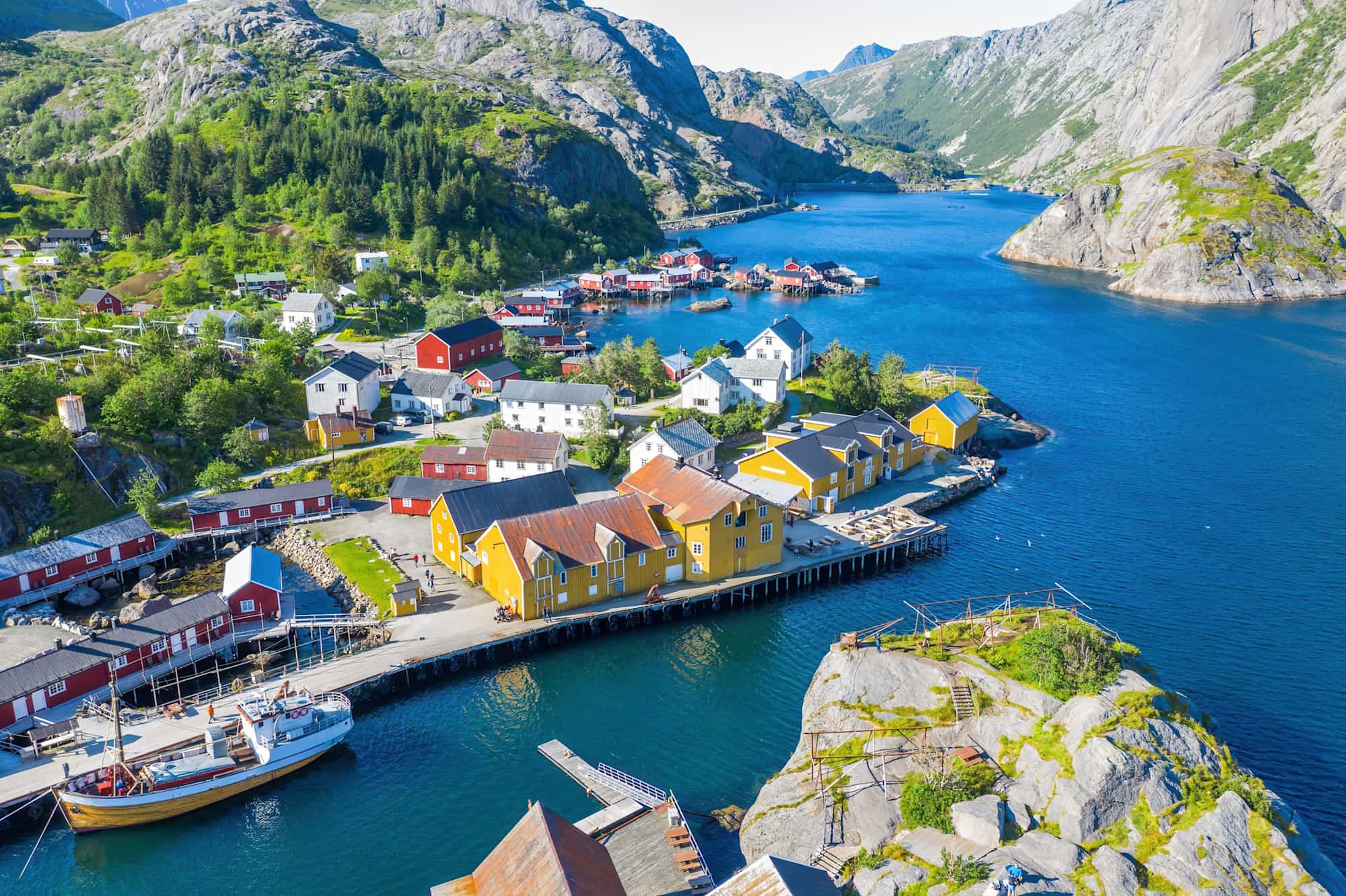
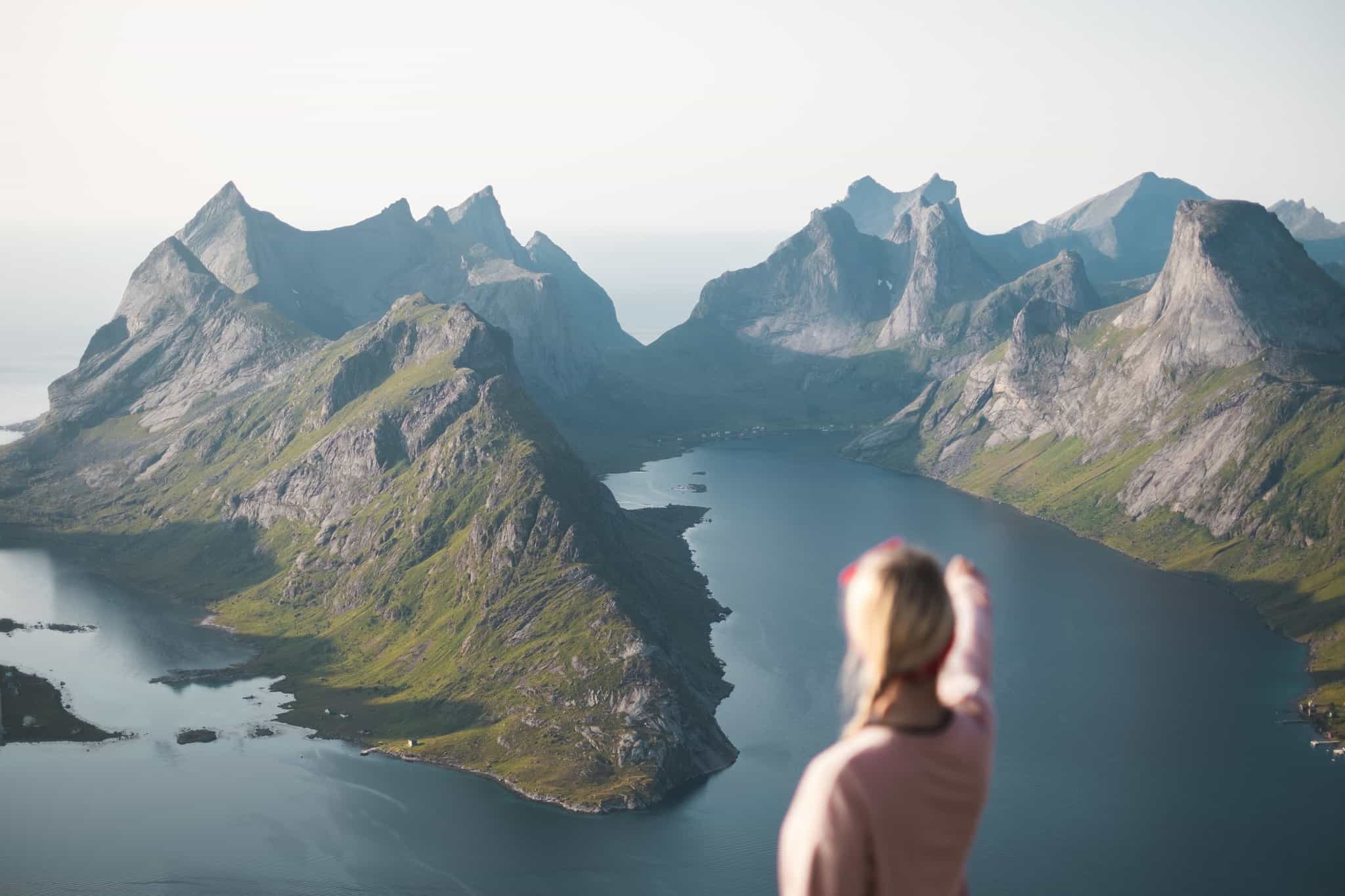
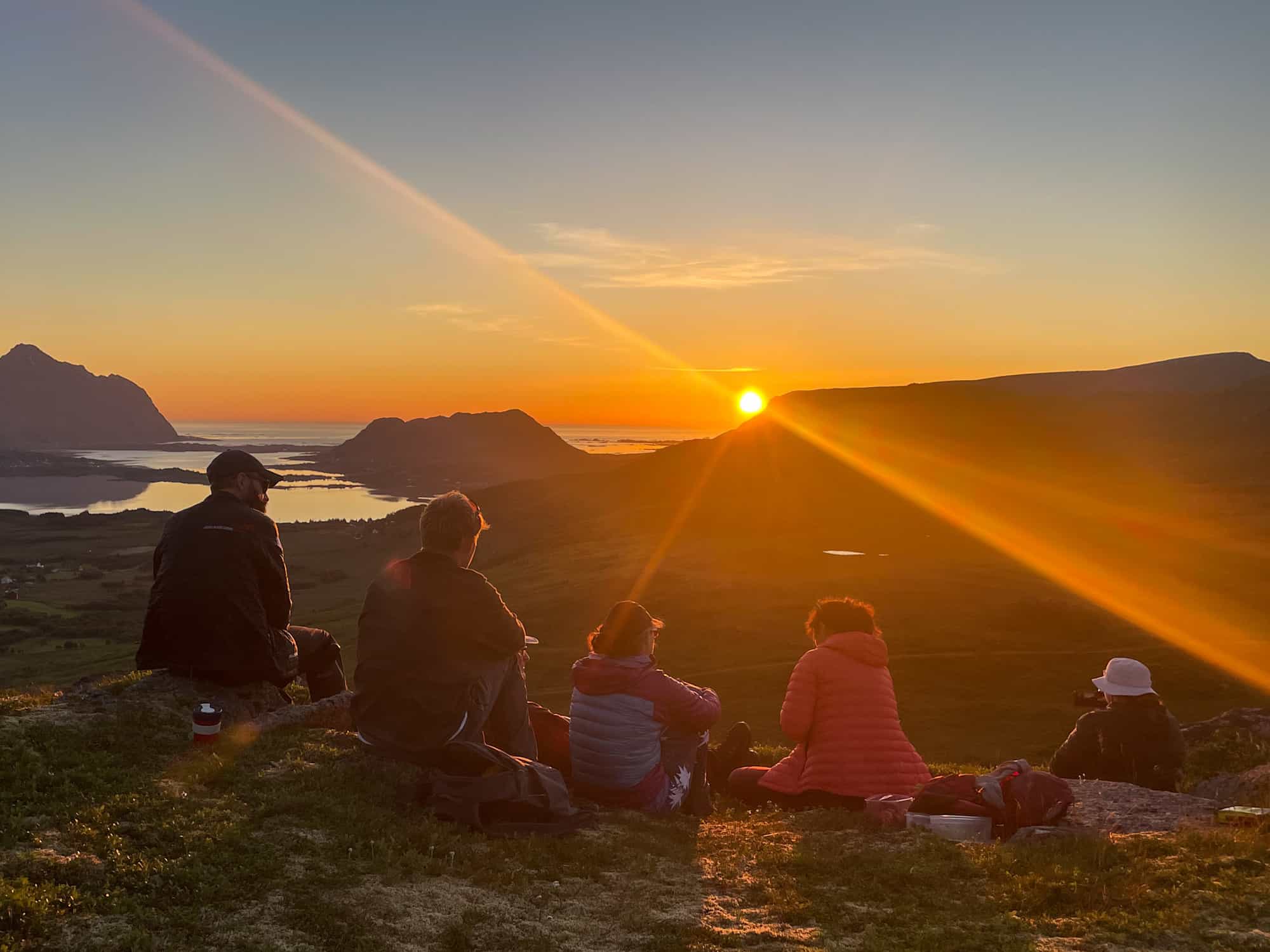
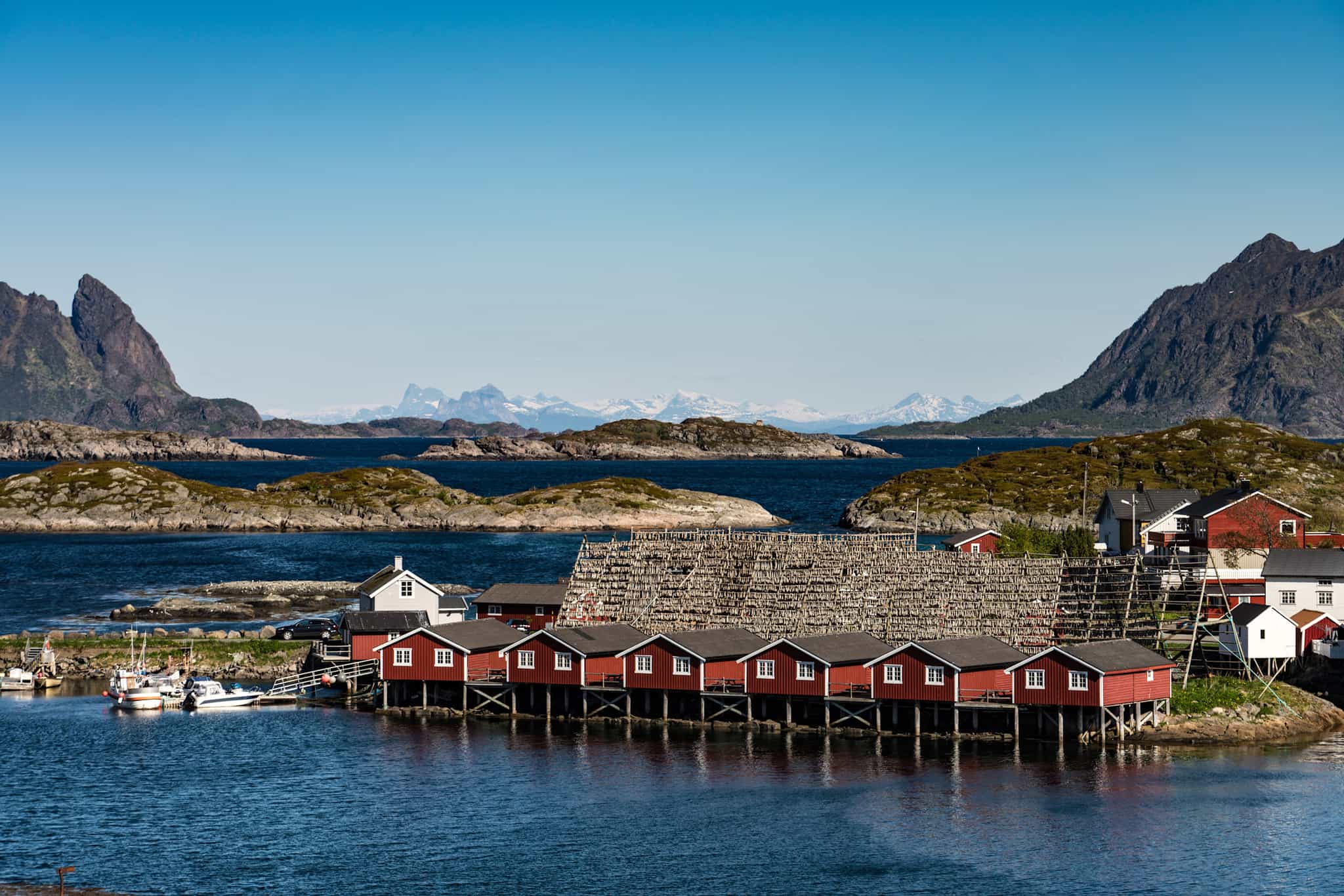
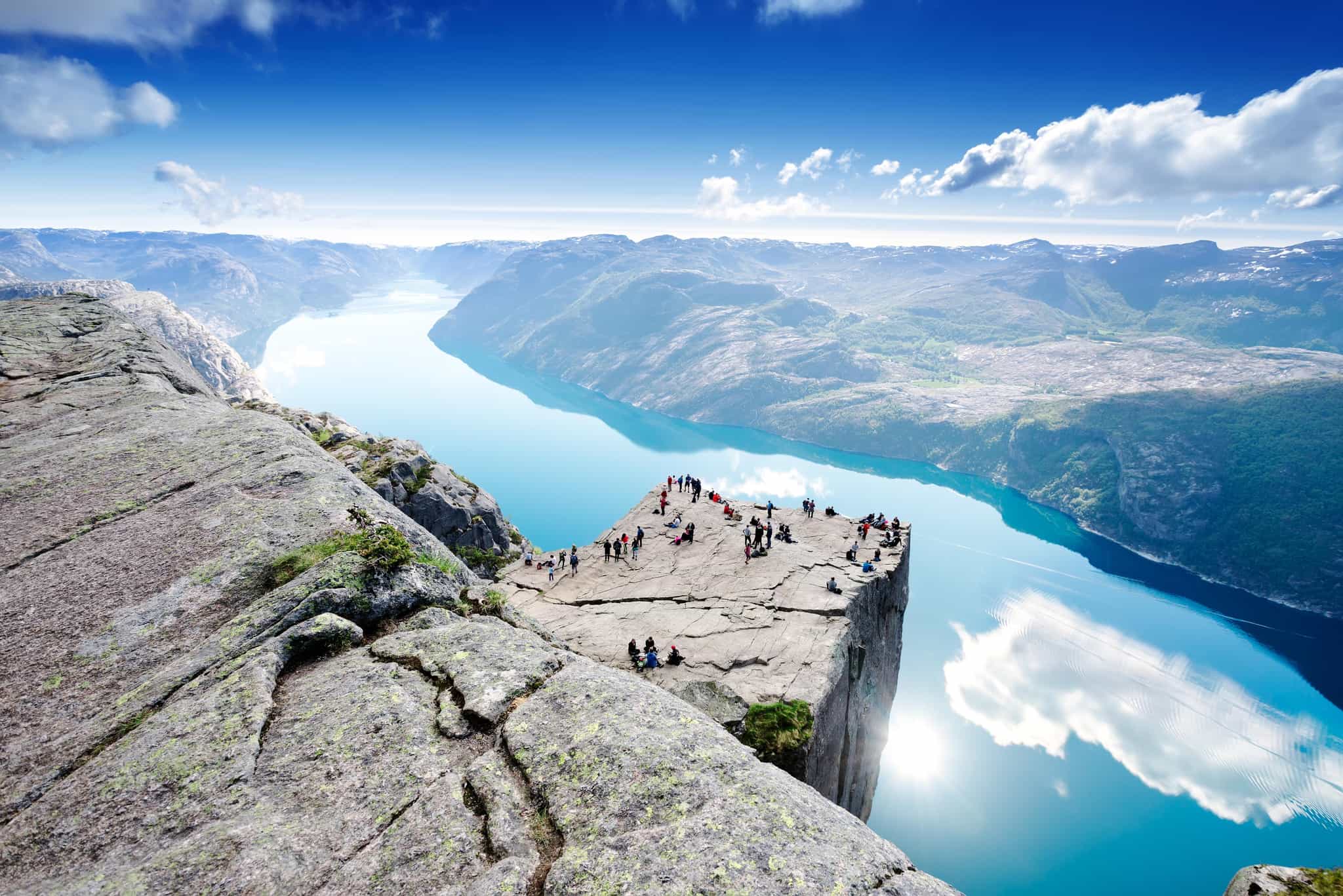
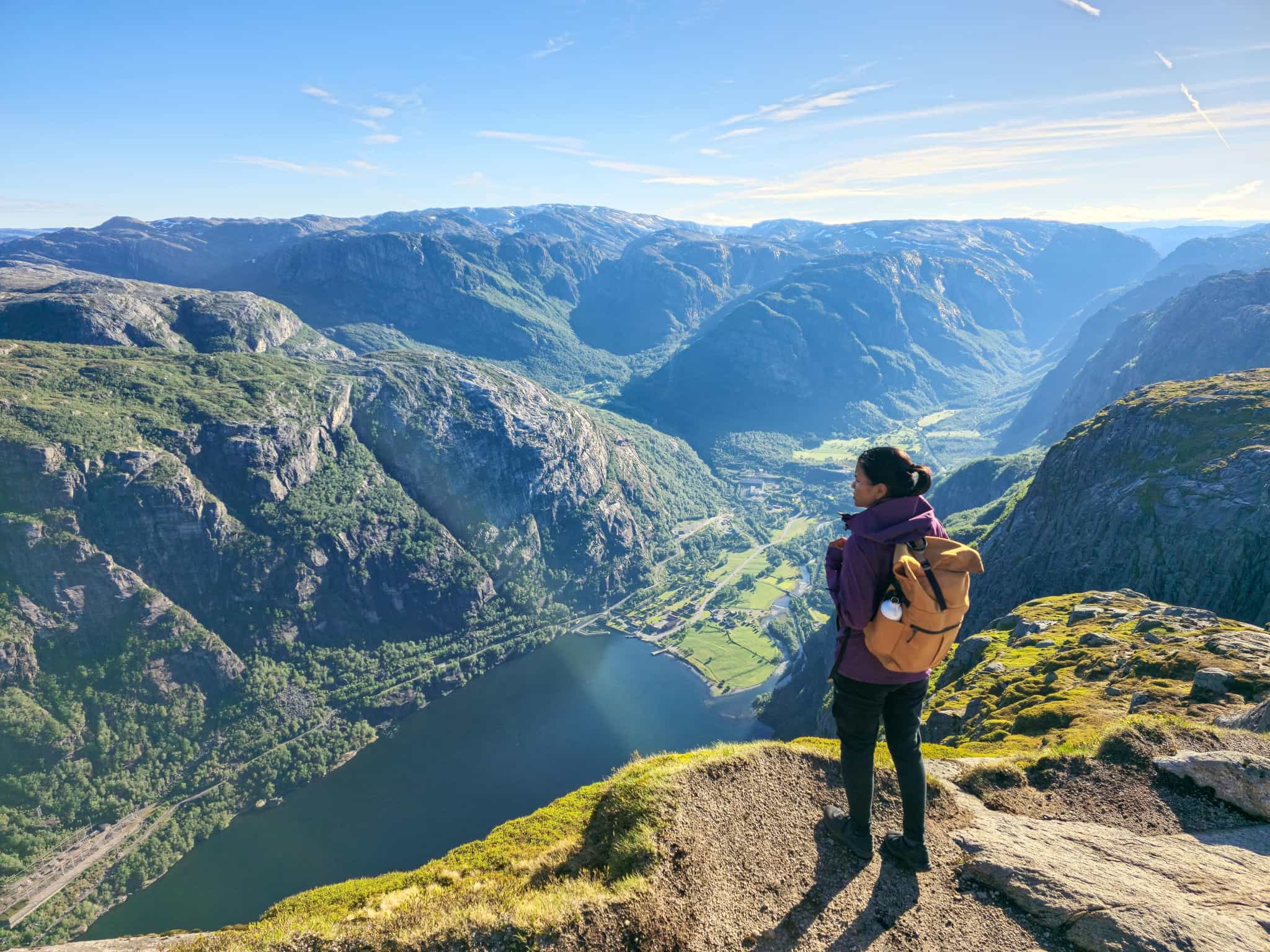
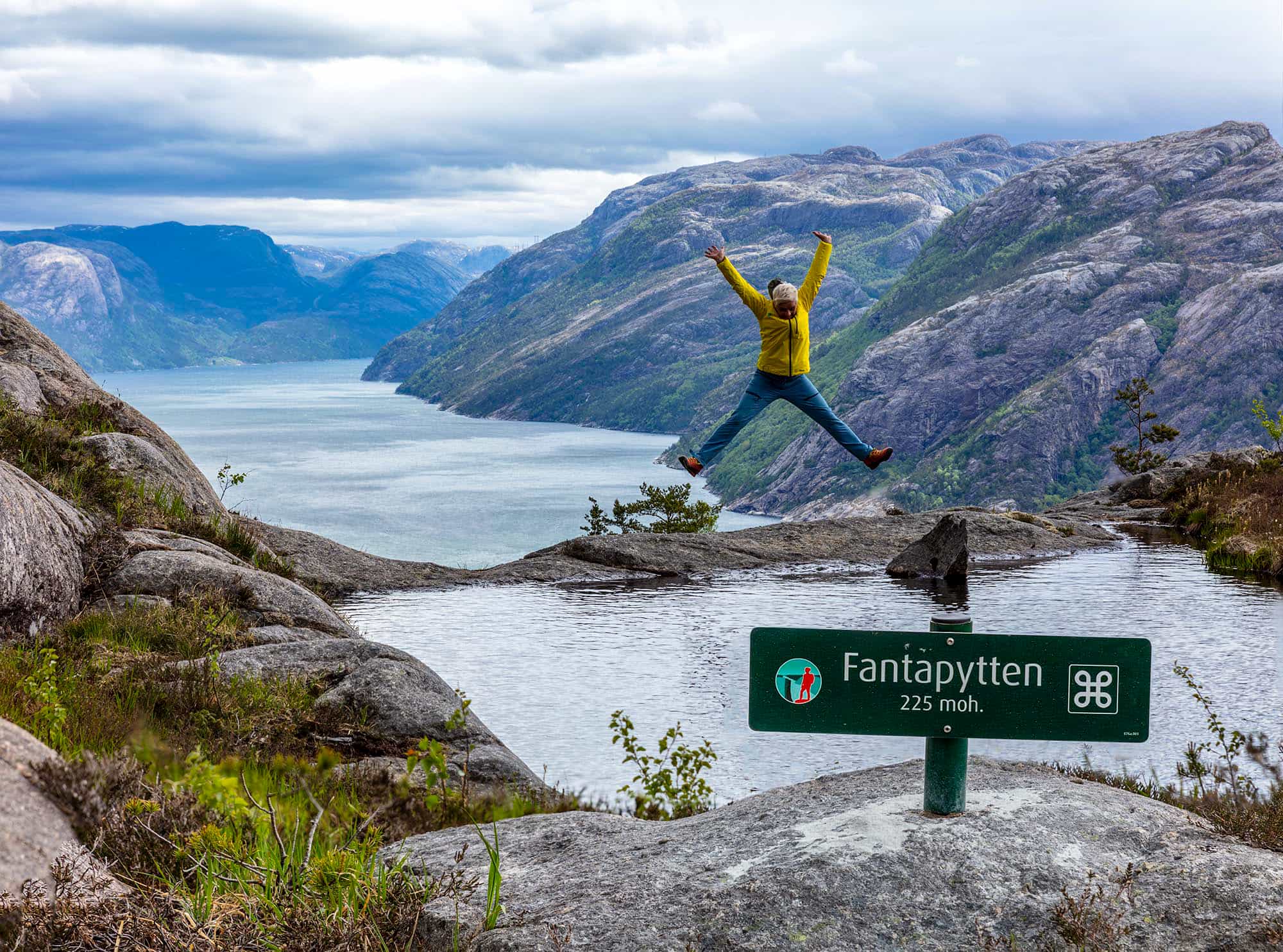
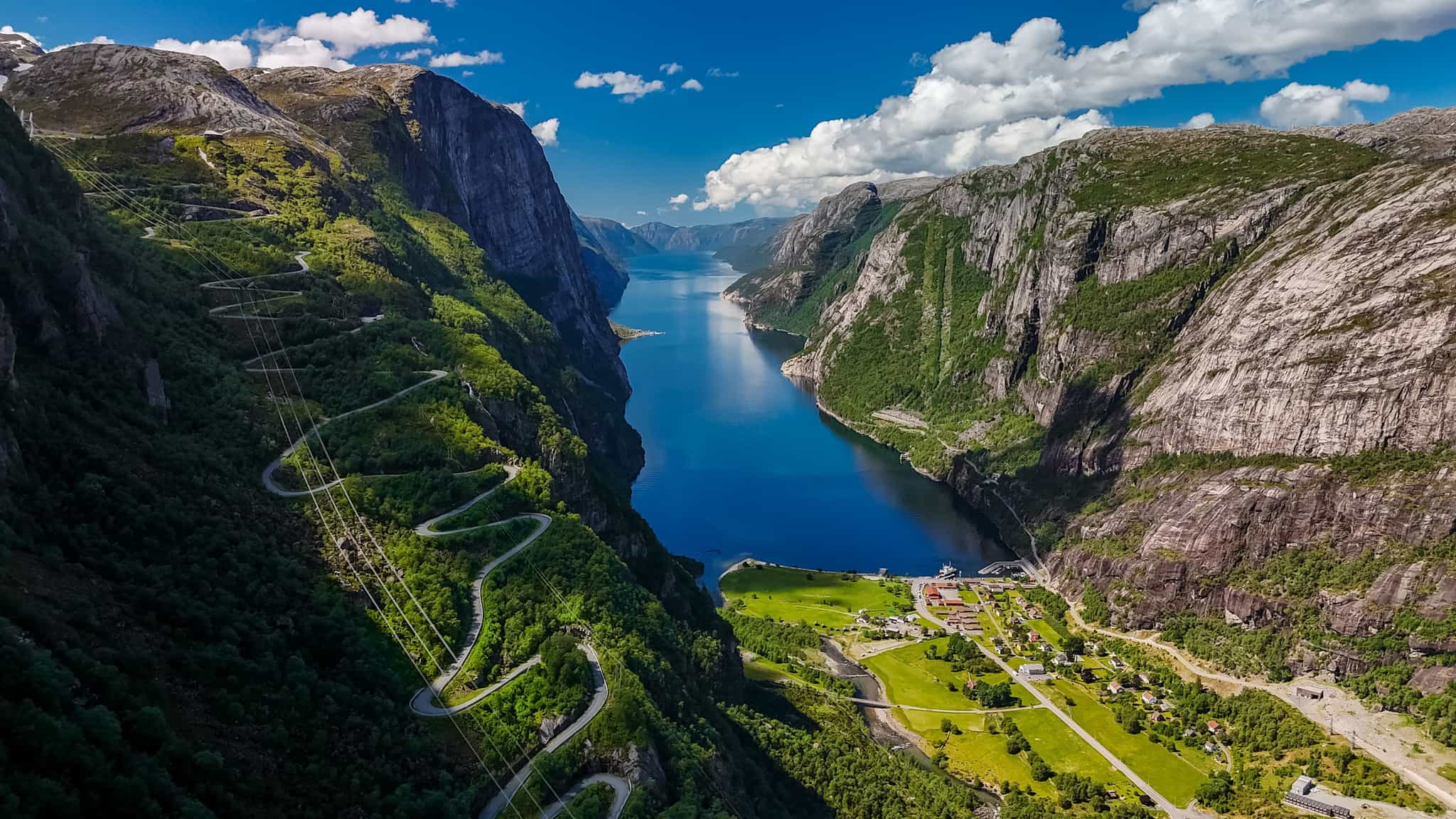
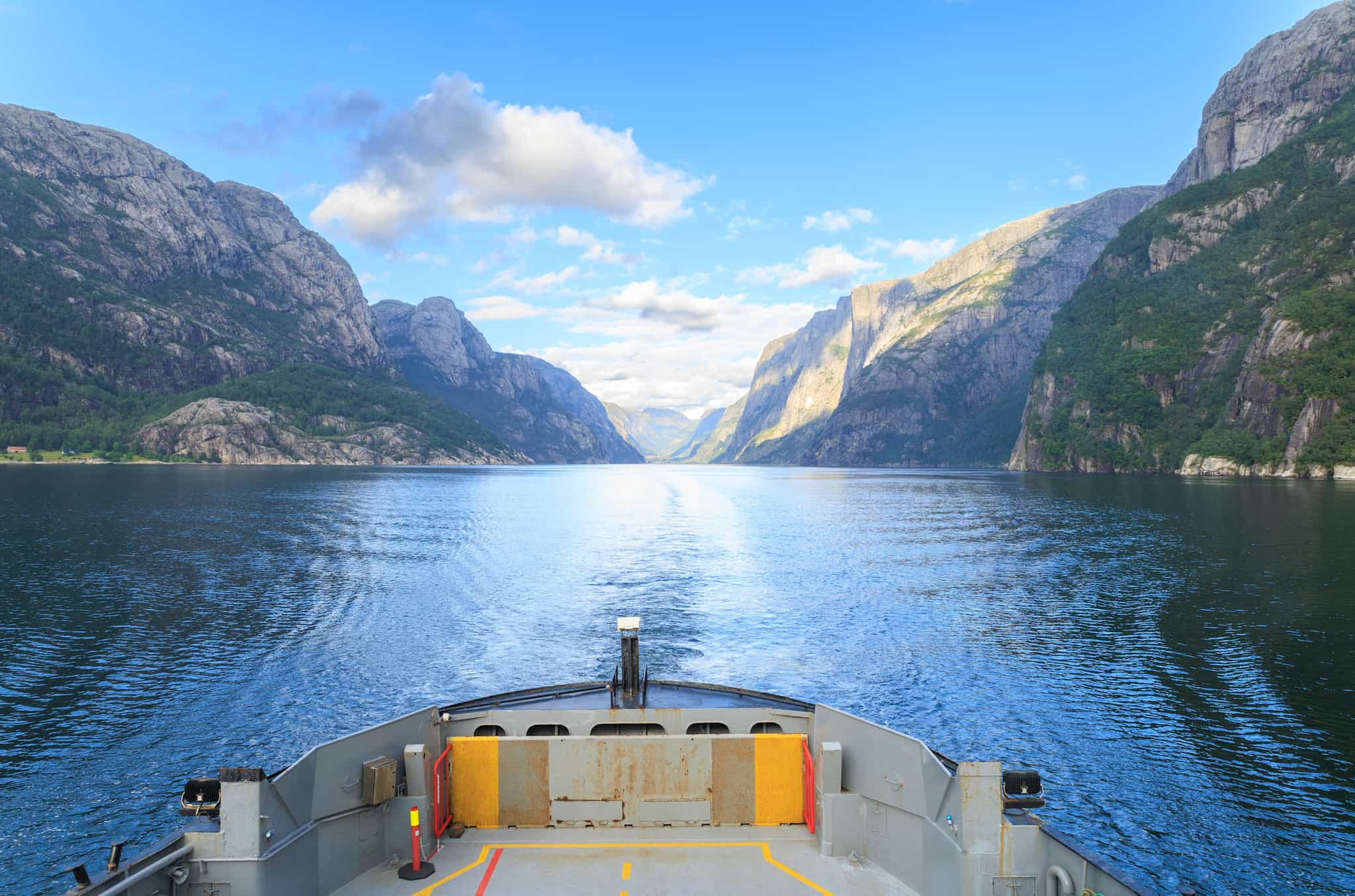
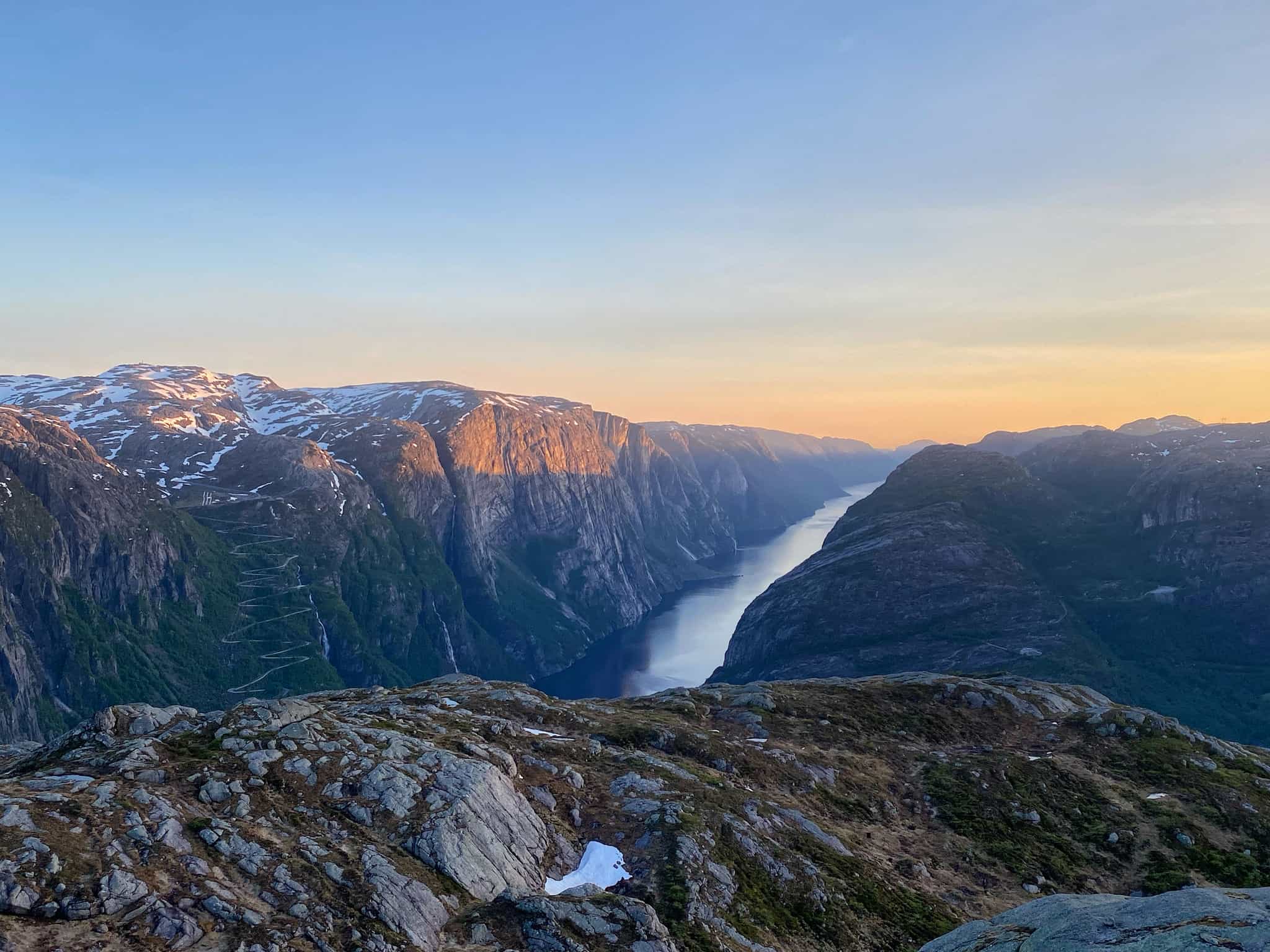
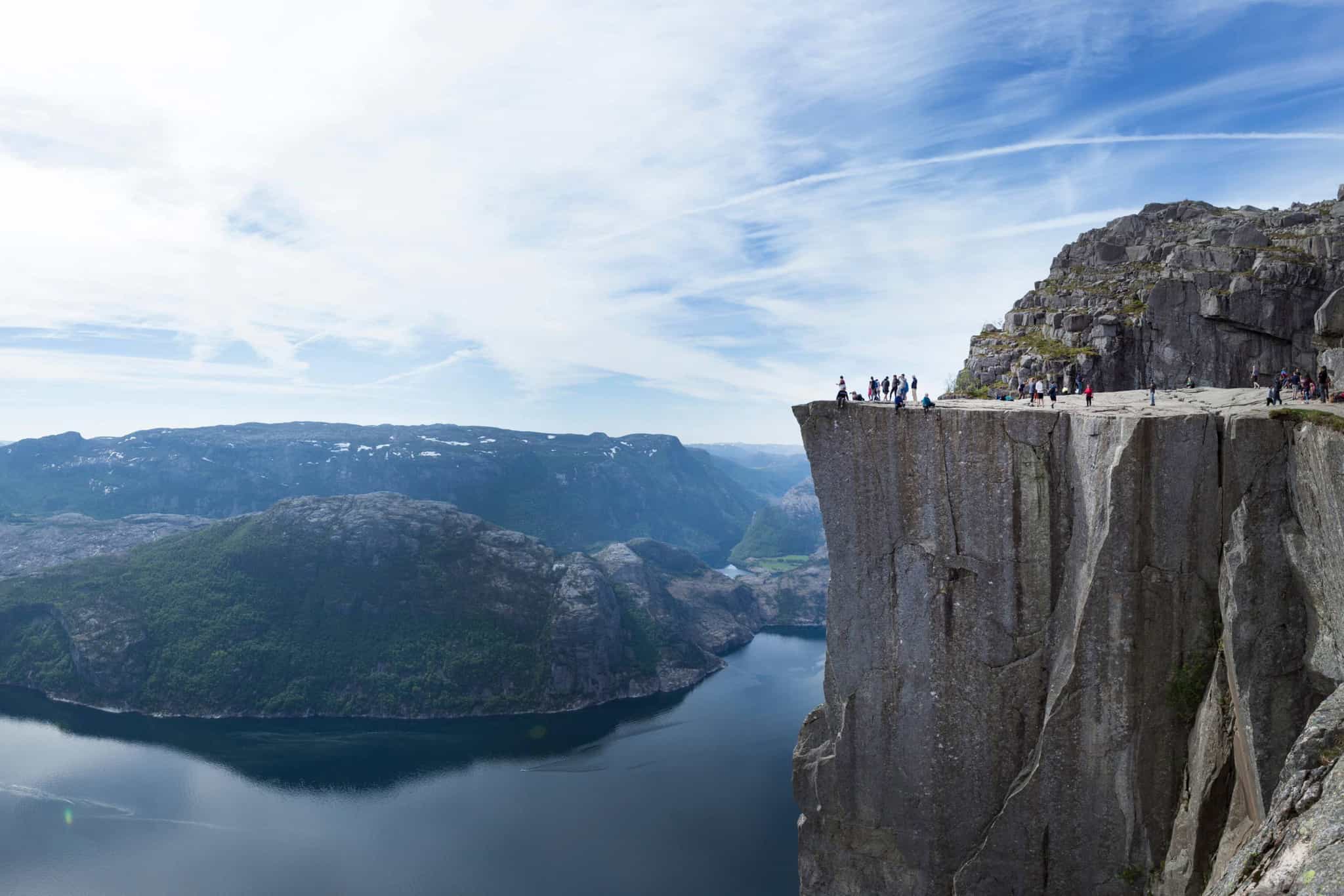
The beauty of the Norwegian fjords (opens in new tab) is most vibrant in the shoulder seasons. The days shorten noticeably, the light turns golden and low, and the fjord walls - impossibly steep - look down on water without so many cruise ships passing through. Head to the UNESCO-listed Nærøyfjord and you won’t see a single cruise ship. It’s too narrow.
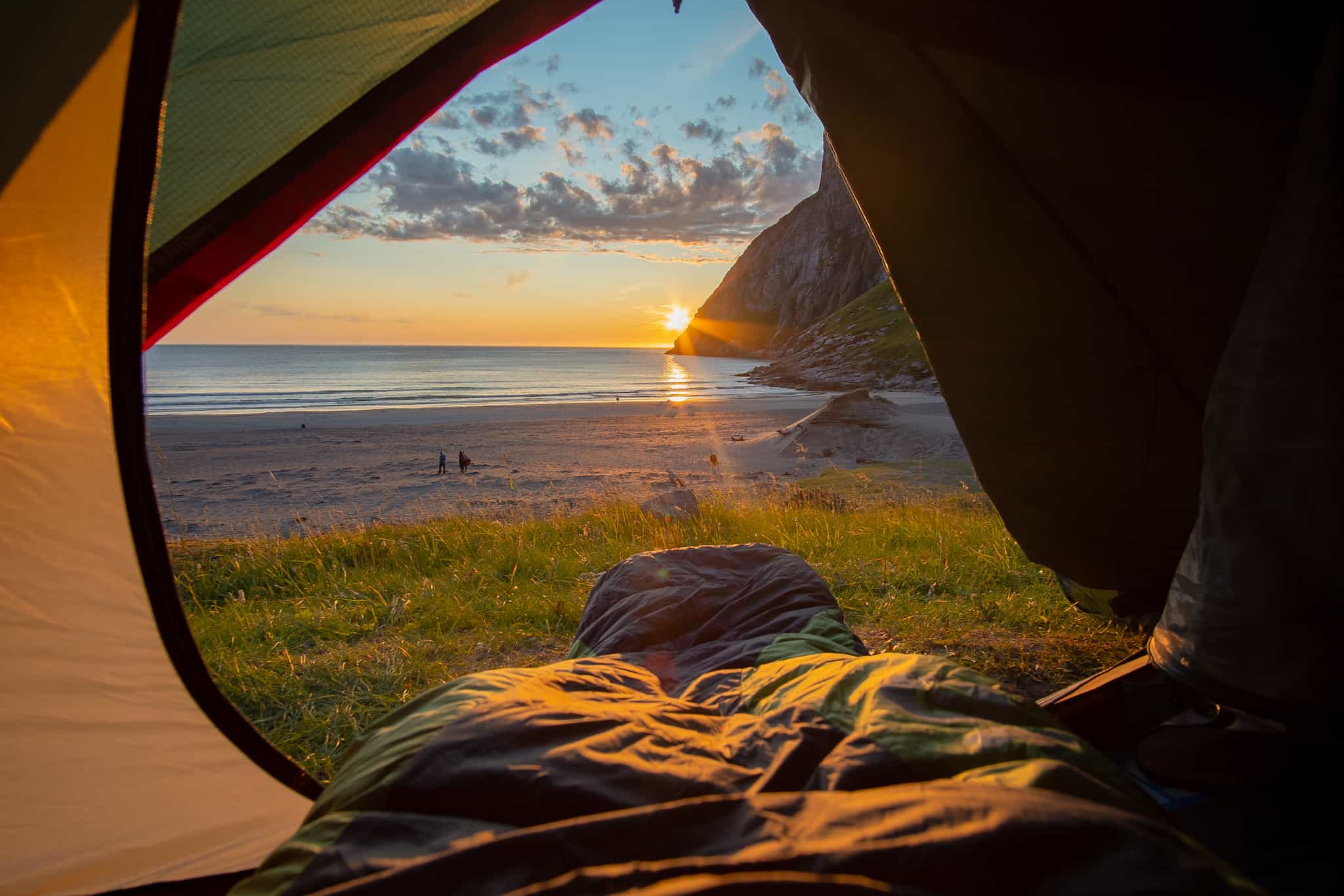
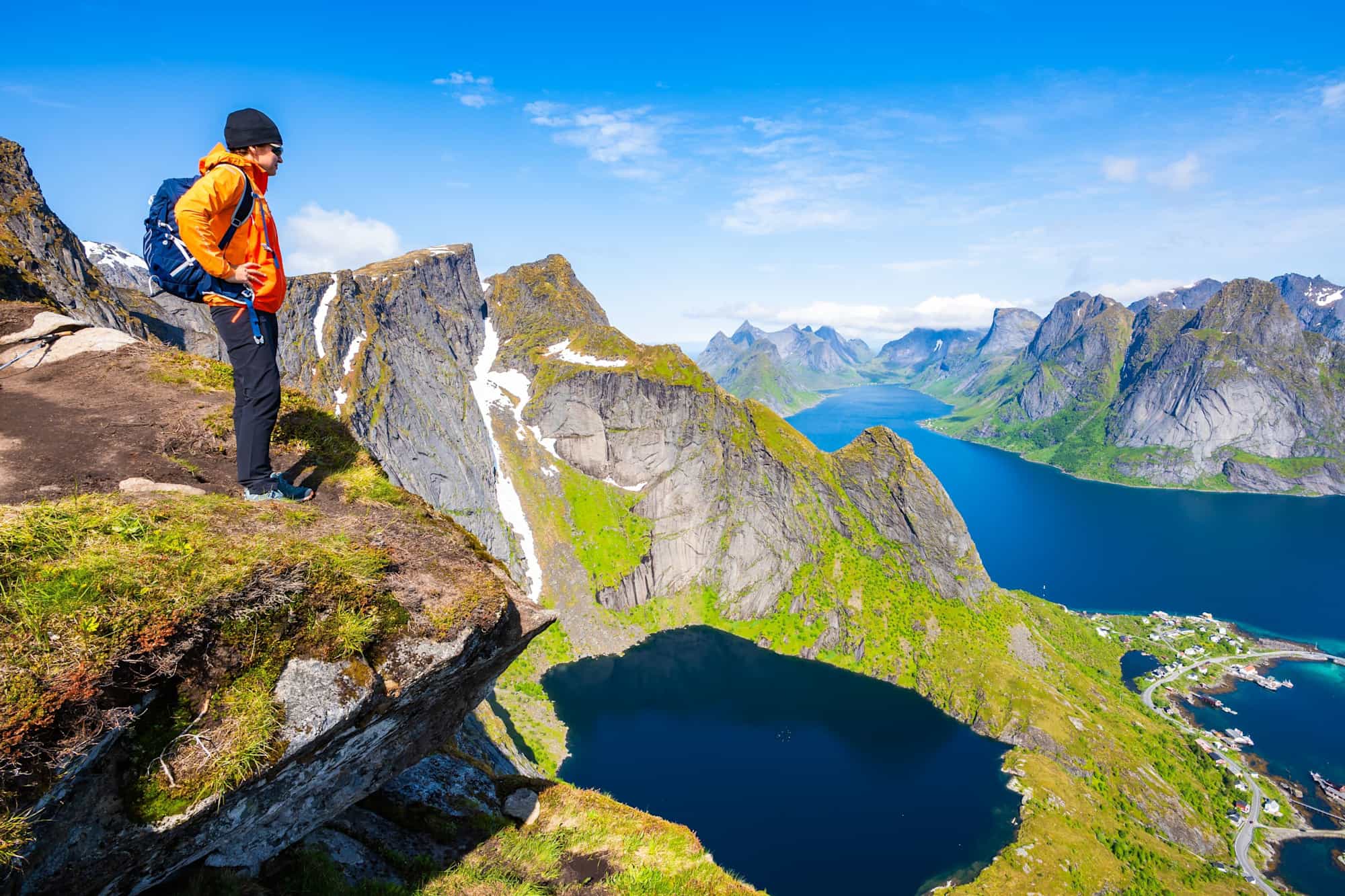
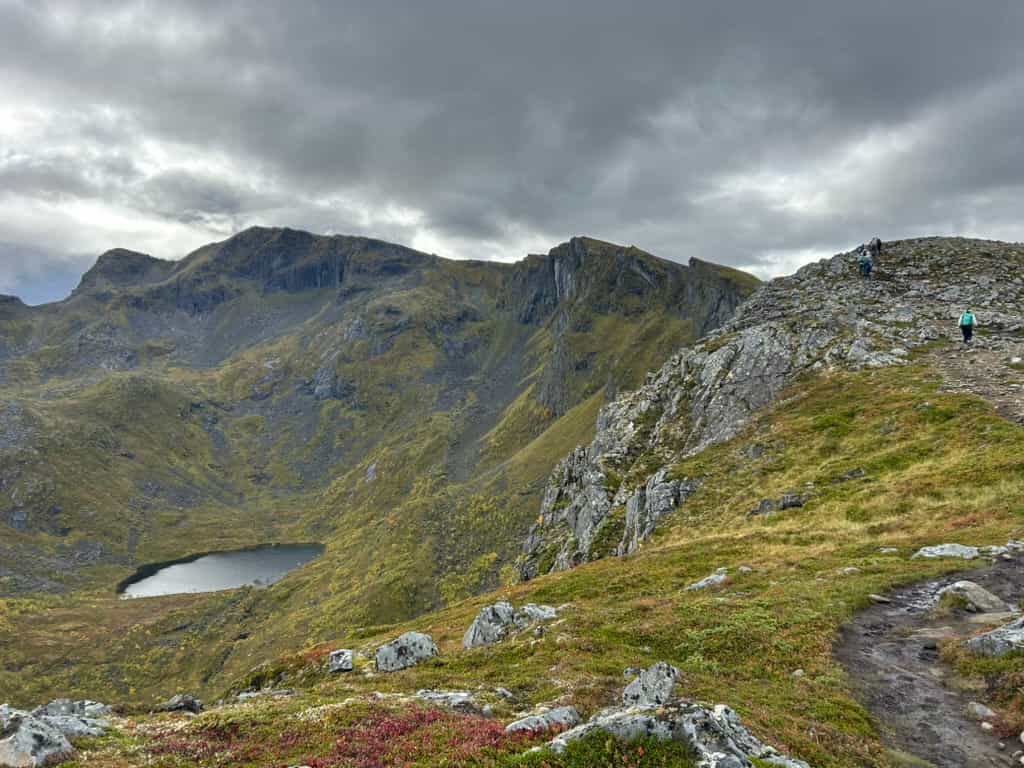
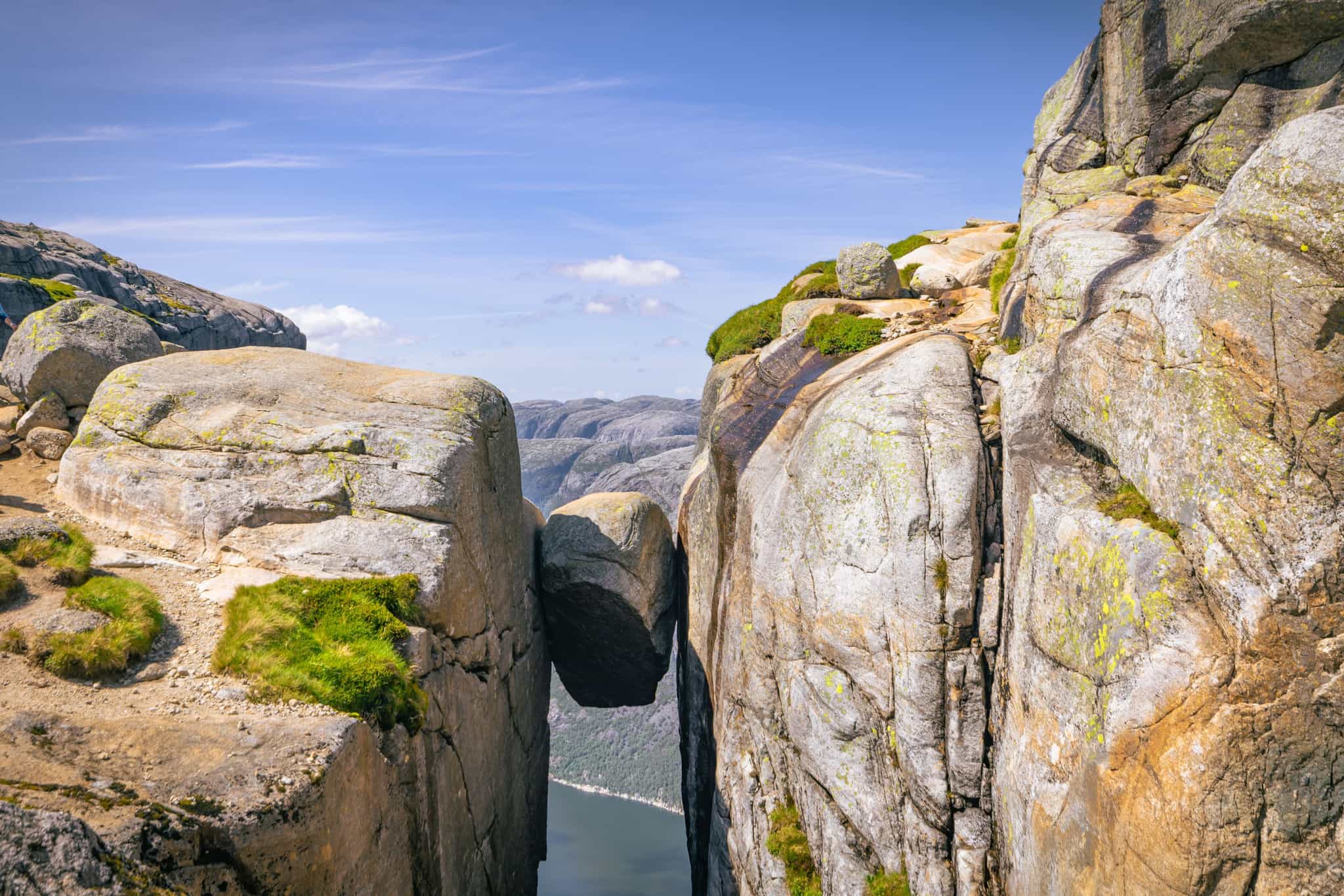
While this is a place to visit with a paddle in hand, you can combine wild camping on the fjord's edge with summit hikes to the likes of Breiskrednosi (1,189m) for views down the length of the fjord. You might see snow up there. Or rain. You will see beauty - and you won’t see crowds.
Why hike here in September? The long evening light is special in the fjords.
Must-hike trail? The summit of Breiskrednosi has unrivalled views. Careful on the edge!
What's the weather like? Cool and fresh. Always bring waterproofs to the fjords.
What to know before you go? Bergen and Voss are well connected by flight and train.
10. Mount Olympus, Greece
- Average daytime temperatures: 14-22°C (57-72°F)
- Average nighttime temperatures: 4-8°C (39-48°F)
- Best for: A dream summit with a sprinkle of magic
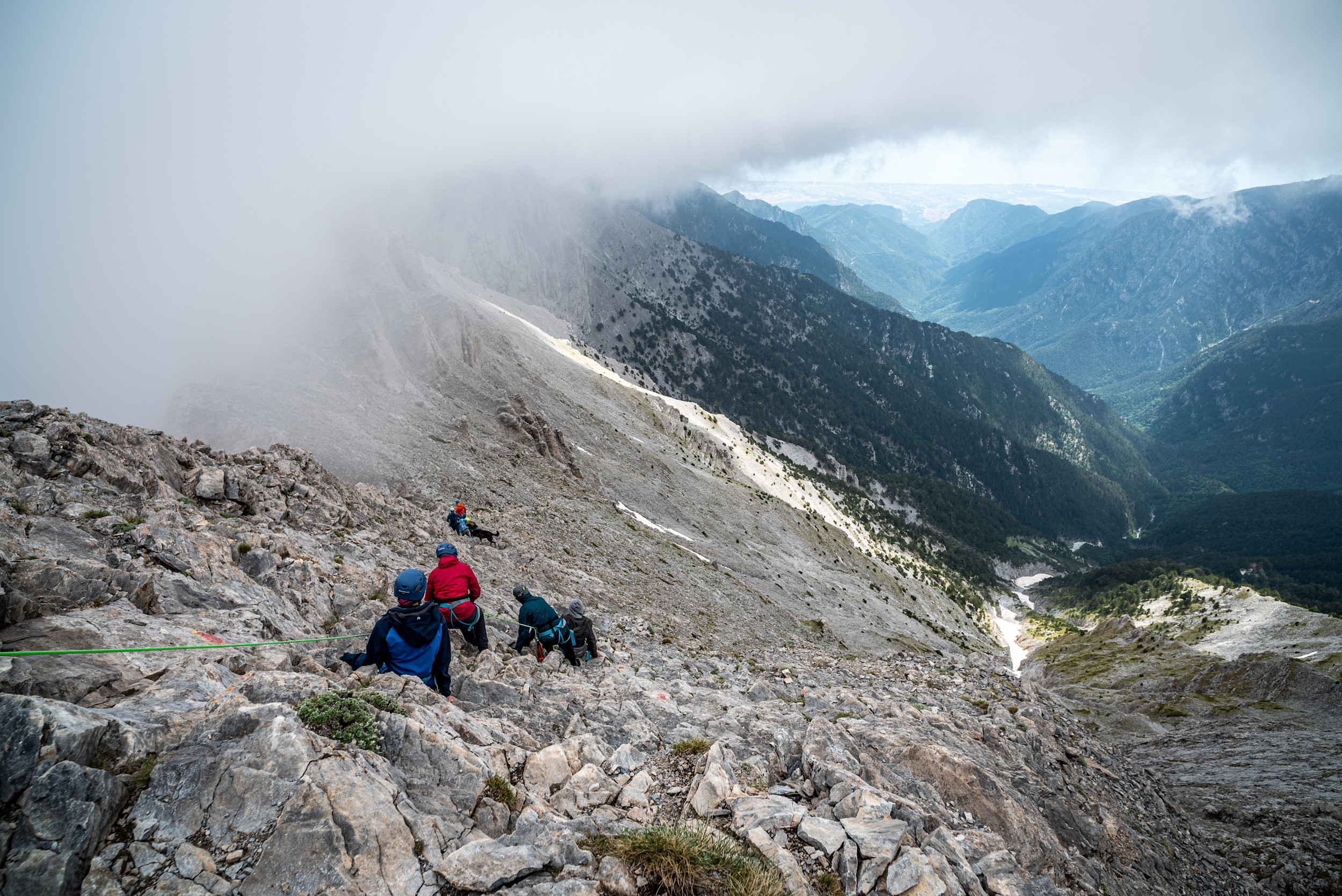
Mount Olympus (opens in new tab) is the Mountain of the Gods - the mythical home of the 12 Olympic Gods and the highest peak in all of Greece. The peak rises to 2,918m and takes two days to climb.
Start in Litochoro and you’ll find yourself walking through pine and fir forest to reach a refuge on the Plateau of Muses, around 2,650m. From here, you’ll ascend to the top the next morning, and then go all the way back down. Mytikas is the name of the highest peak on Mount Olympus, but it involves a challenging scramble to reach. Those who don’t fancy it can still reach a slightly lower peak by hiking - either Skala or Skolio. Both provide stunning views out to the ocean.
Why hike here in September? The Greek heat isn’t quite as baking in September.
Must-do trail section? Standing on the summit - the throne of Zeus - with the whole of northern Greece spread out below and the Aegean Sea glinting in the distance.
What's the weather like? Crisp and clear, with cool mornings and warm afternoons.
What to know before you go? The summit of Mytikas is not for those with vertigo, but there are still other, more comfortable options if you’re unsure.
What to Pack for Hiking in Europe in September
The weather in September can vary dramatically around Europe, between the warm Albanian coast and a snow-sprinkled Norwegian fjord. Build your kit around layers and waterproofs.
Bags: Overnight duffel or backpack (40-50 litres for multi-day trips), daypack (25-30 litres), waterproof dry bags or liner.
Clothes: Lightweight hiking trousers, breathable hiking shirts, warm midlayer fleece, light down jacket (essential for evenings and early starts), waterproof jacket, waterproof trousers, hiking socks and underwear, swimwear (for coastal and southern destinations), warm hat and gloves (for alpine routes), sunhat and sunglasses, worn-in hiking boots.
Other: Trekking poles (optional but useful on long descents), suncream (September sun can still be strong, especially at altitude), 2-litre reusable water bottle, personal first-aid kit including blister care, headtorch (dawns are earlier, days shorter), power bank, quick-dry towel, travel documents.
FAQs
Is September a good month for hiking in Europe?
In our view, it’s possibly the best. You get all the benefits of a comfortable climate, and a lot less people on the trails than in peak summer.
Are mountain huts still open in September?
Yes, across the Alps, Pyrenees and the Balkans, huts largely remain open in September. Some high alpine refuges close early, so check ahead.
Is it still warm enough to swim in September?
In southern and coastal destinations - say, the Albanian Riviera and Greece - sea temperatures are good in September. The further north you go, the brisker it may get, but the lakes have been soaking up the heat all summer.
Where are the best places for beginners to hike in September?
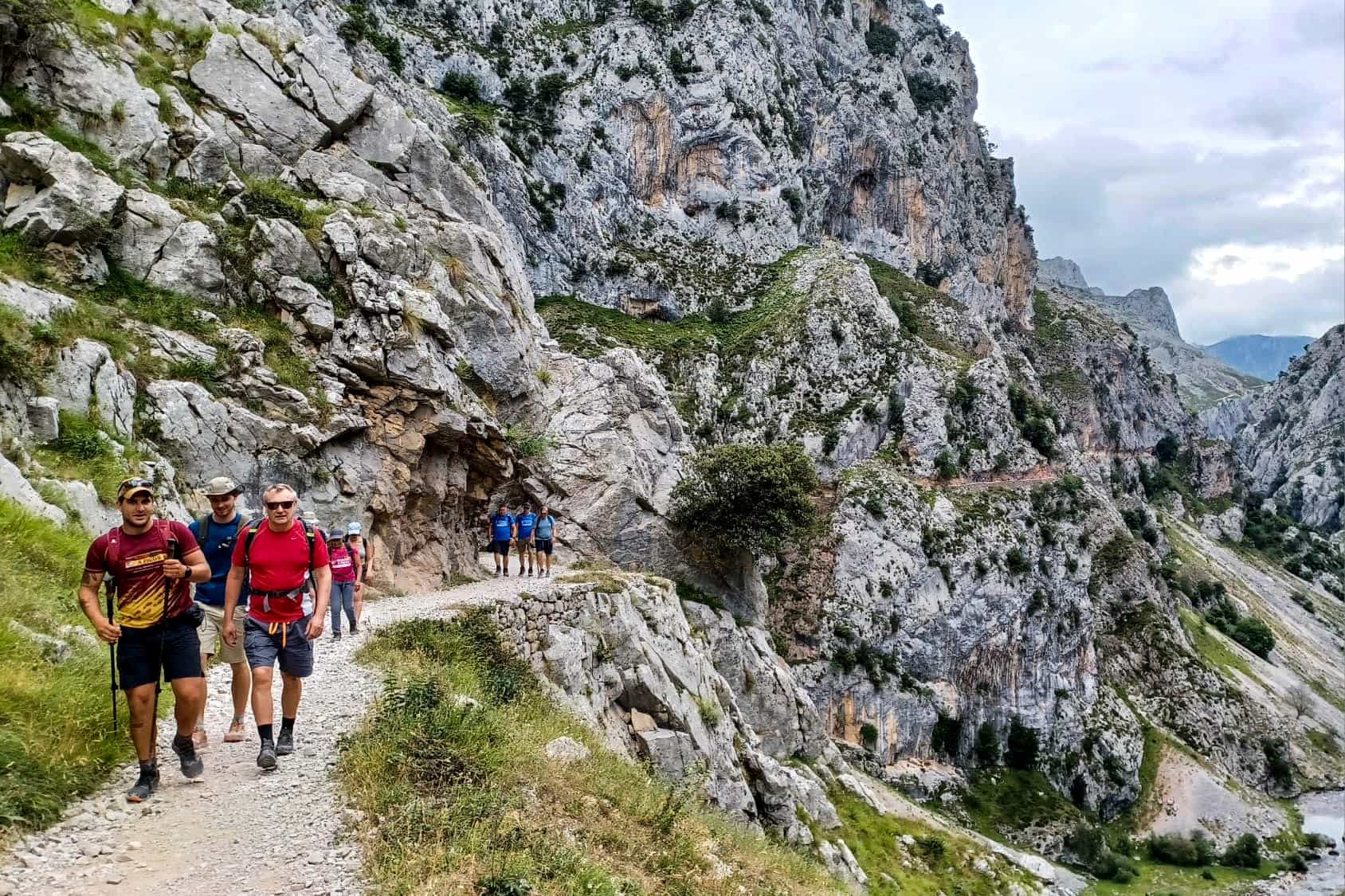
The Ruta del Cares in Asturias, in northern Spain, and wildlife watching in the Carpathians, are very accessible options with an expert guide.
Do I need a guide in September?
For remote routes, wildlife watching and technically demanding terrain, a guide adds real value - both for safety and for the local knowledge that turns a good trip into an unforgettable one. We’d always recommend an expert guide.