

The accommodation options along the Tour du Mont Blanc (TMB) range from hotels in vibrant towns to the famous mountain refuges, which look out over dramatic valleys and are alive with stories from the trail.
For many, the refuges of the Tour du Mont Blanc are central to the experience of walking this legendary hiking route, which runs 105 miles (170km) through France, Switzerland and Italy. "The mountain hut experience is one of my favourite things on the TMB," says James Leask of Much Better Adventures, who has completed the route multiple times. "Each one has their own character, and they vary in size. They're not fancy but give you a warm place to shelter, get clean and well fed before hiking again the next day - simple pleasures for a simple life."
The huts are where hikers from all over the world meet, share stories, tell jokes and trade advice.
Most refuges on the Tour du Mont Blanc have shared, dormitory-style rooms, where you'll find yourself sleeping either in a bunk bed or in a single bed next others, who are also sleeping in singles. It can be a cosy experience! The refuges are usually half-board (demi-pension in French or mezza pensione in Italian) with dinner and breakfast provided, and while it's not the height of luxury, you get great views and a mountain community experience to compensate.
James explains: "Another great part of the refuges is the people on the trail. The huts are where hikers from all over the world meet, share stories, tell jokes and trade advice. You become part of a temporary community. It's a shared experience - and hut culture is all about people enjoying being in the mountains."
Those looking to walk the route with a bit more luxury along the way can opt to stay in hotels instead of refuges - though do note that this often means taking a short taxi transfer at the start or end of most days to get back to the trailhead.
 Much Better Adventures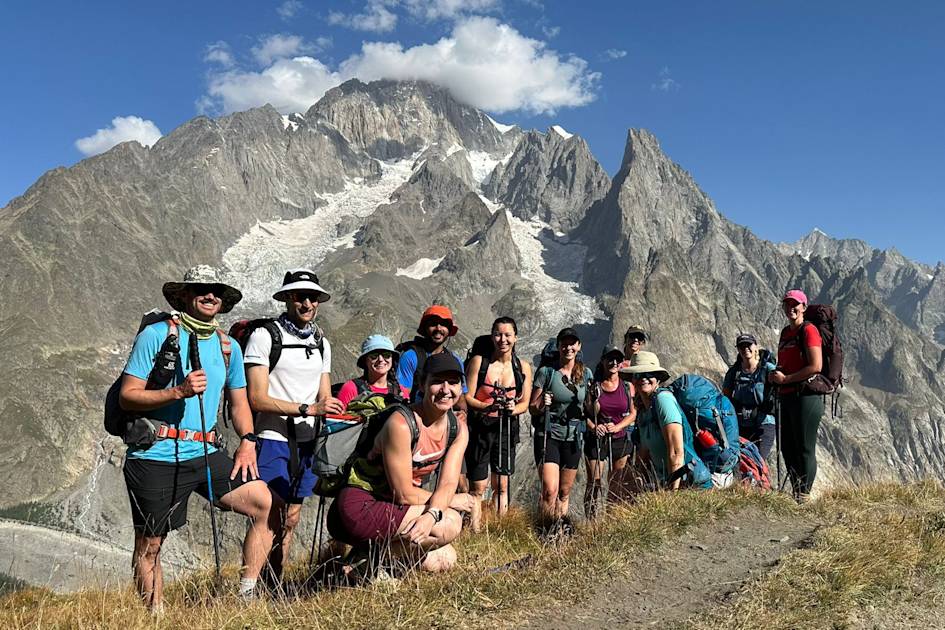
If you're joining a guided group, your host will sort out your accommodation for you - but if you're walking the route self-guided, you will need to book your accommodation (and particularly the refuges) months in advance, as spots sell out quickly - and as early as the autumn or winter before the trekking season begins. A smaller number of people choose to camp.
In this feature, we're going to look at what it's like to stay at a refuge on the Tour du Mont Blanc, how to book them before they sell out and how hut-to-hut hiking compares with a hotel-based experience. For the full route and a wider planning picture, see our complete guide to the Tour du Mont Blanc.
Where you sleep on the Tour du Mont Blanc: Refuges vs. Hotels
The traditional way of walking the Tour du Mont Blanc is to stay in the high mountain refuges along the way, meaning you never have to leave the route. You can also choose to stay in hotels along the way, or opt for a mix of the two, primarily staying in refuges, but treating yourself to the odd hotel along the way (and the warm shower, and cosy privacy of a private room that comes with that).
Of course, there is no "correct" way to walk the TMB. It's really all about personal preference. Are you keen to meet the trail community, get the big sunset views and truly disconnect? Or would you prefer the rest and recovery of a hotel?
Stay at the refuges, and you'll hike the classic way. You'll share dormitories and stay on a half-board basis which included your bed, dinner and breakfast. These refuges are typically sociable places. People play cards, sip on wine or beer and talk about their day on the trail. The downside is that the night might not be so comfortable, and you'll be in a busy room - which can mean light and noise. You can try and offset this a little by packing an eyemask and earplugs for your trek.
Much Better Adventures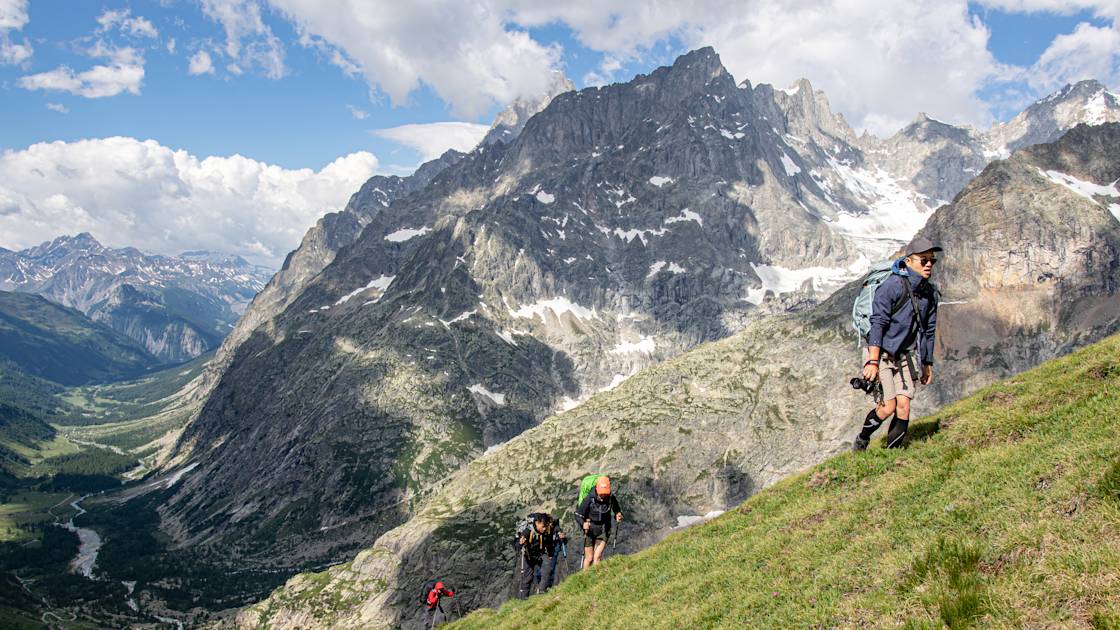
If you opt to stay at hotels along the way - as per our Hotels Edition of the TMB - then you can stay in a hotel every night of your walk. This way you'll have a private room where possible, a proper bathroom and shower and - lets face it - considerably more comfort. This is more expensive for obvious reasons, but for some, it can be the difference between completing the route or not.
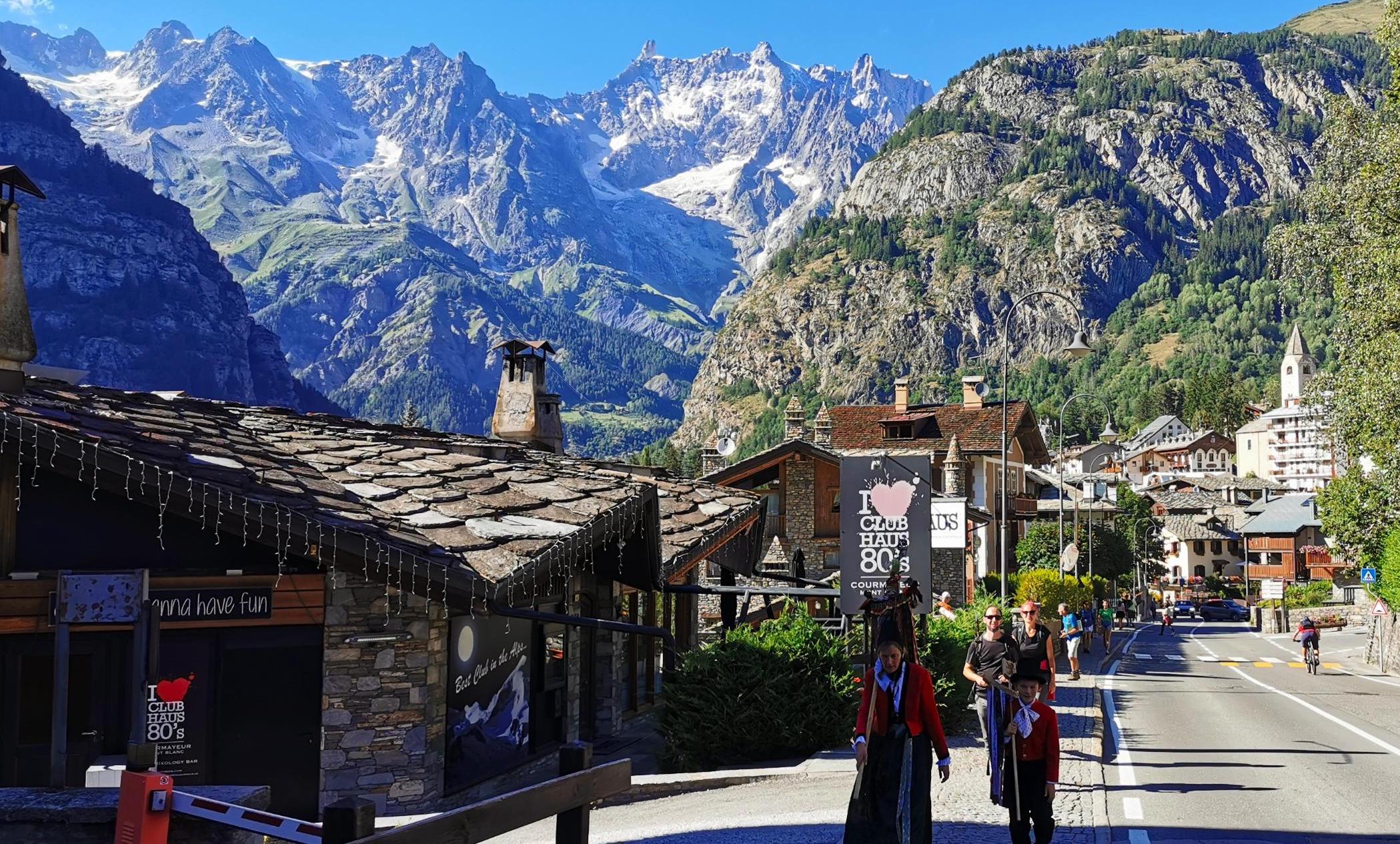
Again, if you're on a guided trek, the logistics of all this will be sorted for you, but if you're going self-guided or solo, careful navigation and planning is required. The hotels in particular will require taxi trips or transfers in places to get to and from the trailhead. This can be tricky to organise. A lot of walkers who complete a full circuit of the TMB will mix refuges, guesthouses and hotels - enjoying the big views from the refuges, then a more comfortable stay in the bigger towns, like Courmayeur in Italy. Some even take a rest day here before continuing.
What are Tour du Mont Blanc refuges like?
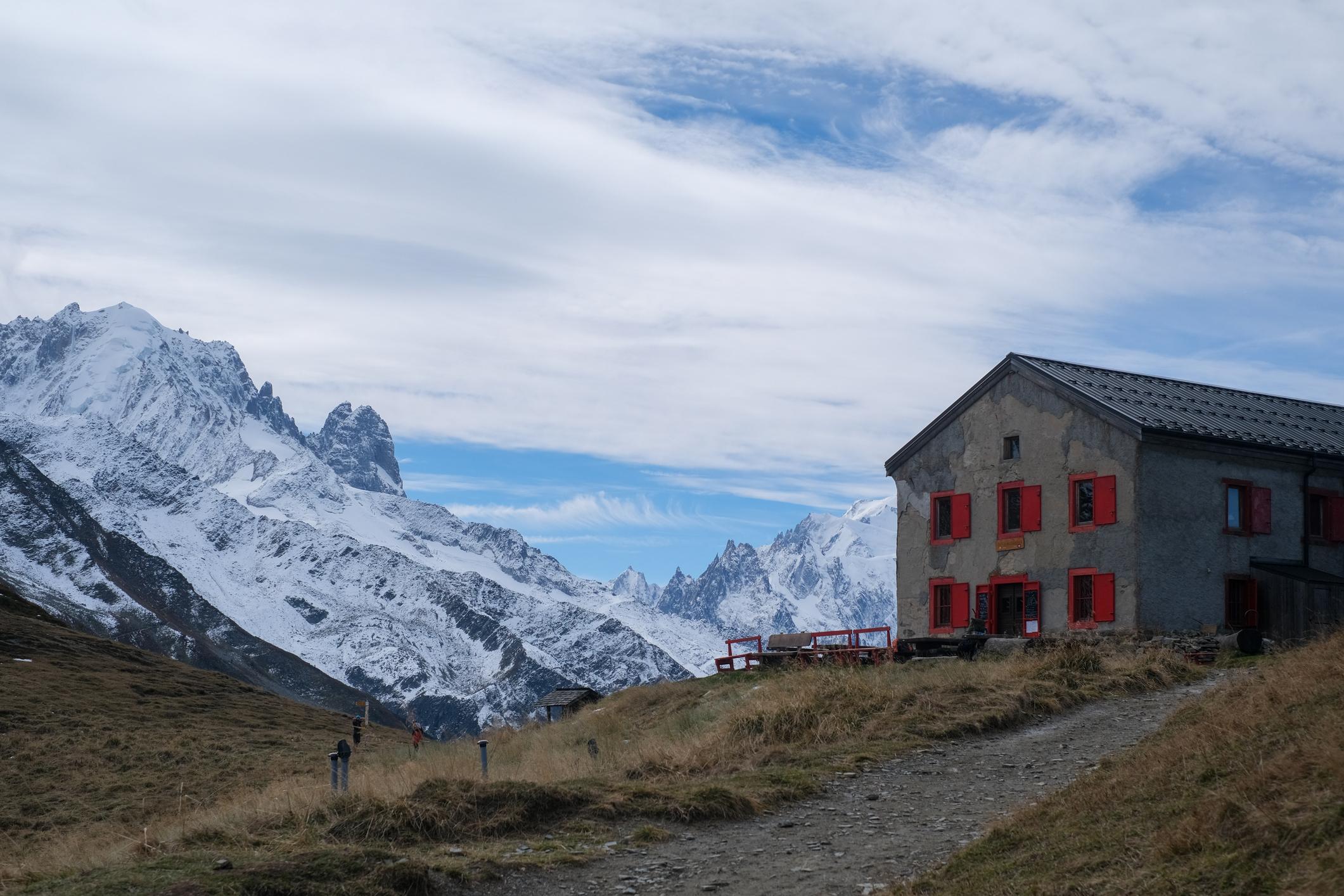
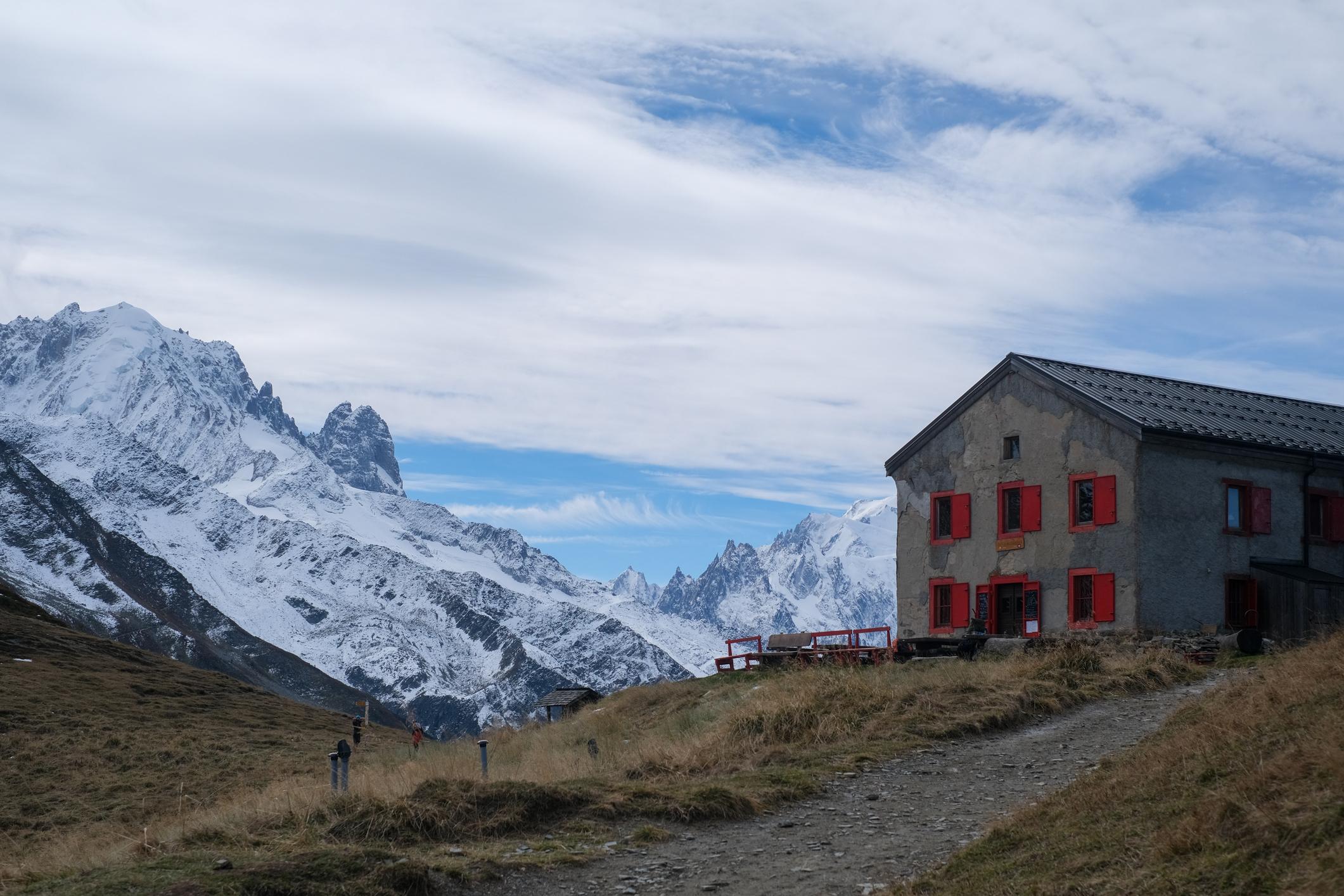
The mountain refuges are the spiritual heart and community centre of the Tour du Mont Blanc - even if they can sometimes be a bit rough around the edges.
James Leask of Much Better Adventures, explains: "The huts are comparatively luxurious if you're more used to camping on backpacking trips. Yes at times it can be a bit uncomfortable, crowded dining rooms, snoring in the dorms or the odd cold shower, but remember where you are and all of that is worth it. The main thing is you're in a place of great beauty, surrounded by spectacular mountains, and stopping at the huts allows the time to take it all in slowly."
Some of the refuges are really remote and accessible only on foot, while others are easier to reach. Looking at them from the outside, the refuges are usually quite large, blocky buildings - but their surroundings tend to be spectacular, with spiky mountains in the backdrop and big valley views in at least one direction.
Of course, the fact that you're sleeping at altitude, up in the mountains, presents some unique opportunities for hikers, too. James adds: "I'd recommend everyone gets up early at some point on the trail to quietly watch a sunrise or pause to watch a sunset as the mountains turn from orange to pink to purple."
It's six euros for a Birra Moretti with a view of Mont Blanc at sunset. It's hard to beat that...
We also got in touch with our host out in Chamonix, Joel Evans, to talk you through what it's like to arrive at a mountain refuge on a guided adventure.
Joel guided on the TMB for six years. He explains: "If you arrive with a group, your guide will ask you to take your boots off and get your flip-flops on, then I would go in and say hello to the guardian, check the reservation, ask where we're staying and then go back outside and explain it to the group - here's the boot room, this is where to leave your poles, this is where to leave your bags, and explain that you should only take essential items to the room."
He would then explain any other basics - like where to charge your phone or buy some food and drink. "It means the guardians aren't bombarded with the same question from 10 people, so it's easier and less stressful for them," Joel says. "Between 4-5pm, there can be 100 people coming through the door, all with bags; sometimes with wet kit, wet boots and bags. So having one person, a guide who has stayed at the refuge a dozen times before, explain how it all works just makes it a lot more streamlined, and it takes a little bit of stress out of the day."
Much Better AdventuresJoel's top tip? "I'll often tell people to go for a shower before the next group gets in. Some people get into a routine of arriving, chilling for a bit and then having a shower later, but the longer you leave it and the closer you get to dinner time, then everyone is trying to have a shower." Sometimes it's nice to have a guide - if only to take do your thinking for you and fix the little logistics along the way.
In the evenings, people will relax outside, chat about the trail and what other hikes they've done, play cards and enjoy a beer if they're so inclined to do so.
When dinner comes around, expect it to be communal and hearty (soups and salads, a big main like tartiflette, stew or pasta, and a small desert like flan or fruit tart) served at long tables. If you have dietary requirements, these should be flagged when booking. Breakfast tends to be cold - a simple baguette with butter and jam, cereal, a hot drink options and sometimes cheeses or yoghurts.
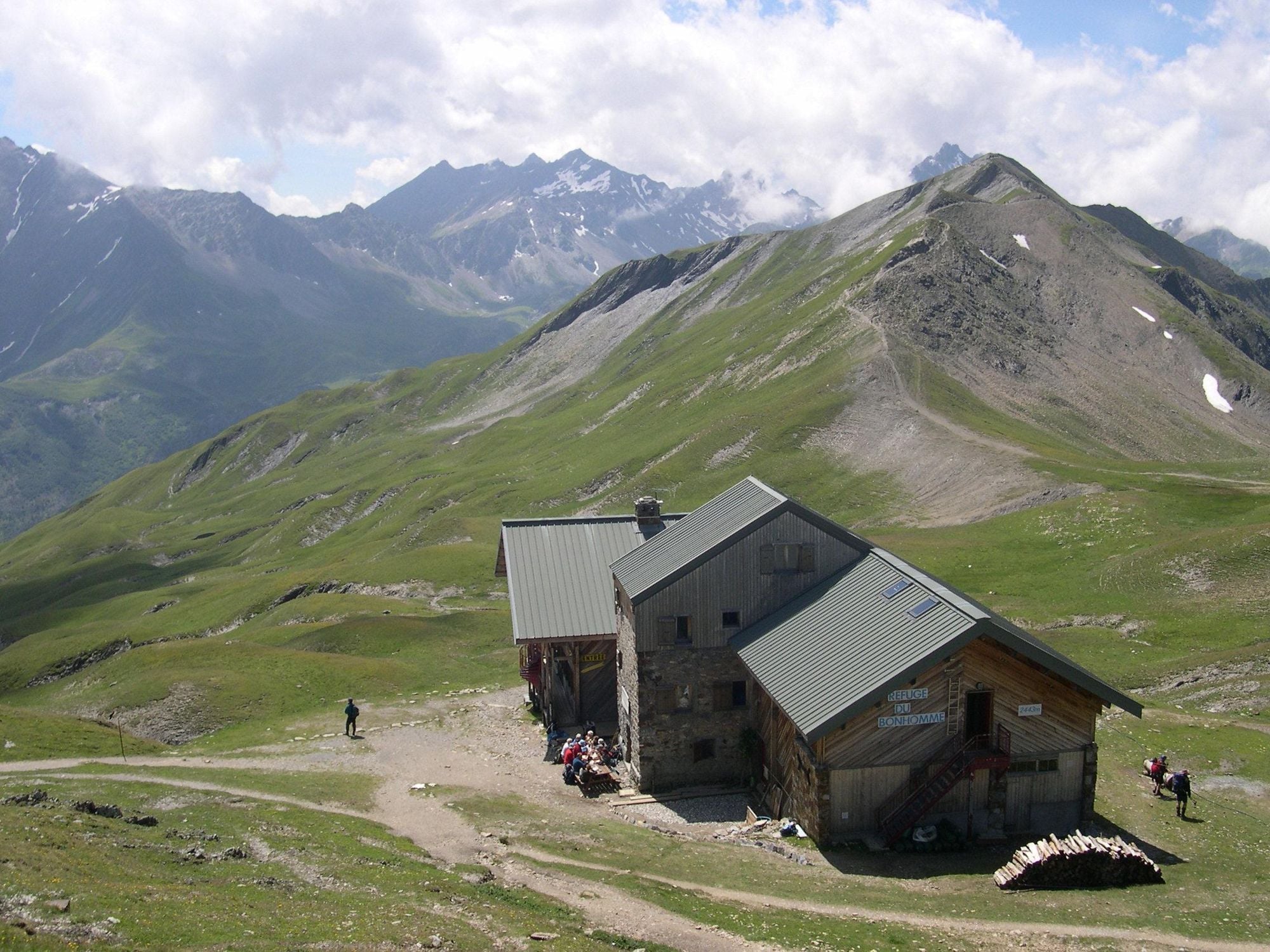
The rooms vary, but they are typically mixed-sex dormitories with bunk-style mattresses. Duvets or blankets are usually provided, but sheets are not and a sleeping-bag liner is essential to bring along to stay hygenic. The lights tend to be turned out early, since everyone staying in the refuge will be a tired hiker with an early start the next day. As you can imagine, you’ll want to bring an eye mask and some earplugs with you, because snoring and general noise can be a problem.
We’d also recommend a small towel and some cash for the tuck shops. For a full packing list, see our guide to what to pack for the refuges and the TMB trek.
There are basic toilets and sinks in the refuges. Hot showers are usually included in the price if you're staying overnight, and while there are plug sockets for charging items, there aren't loads. Don’t expect wi-fi at high-altitude refuges.
What is the Best Mountain Refuge on the Tour du Mont Blanc?
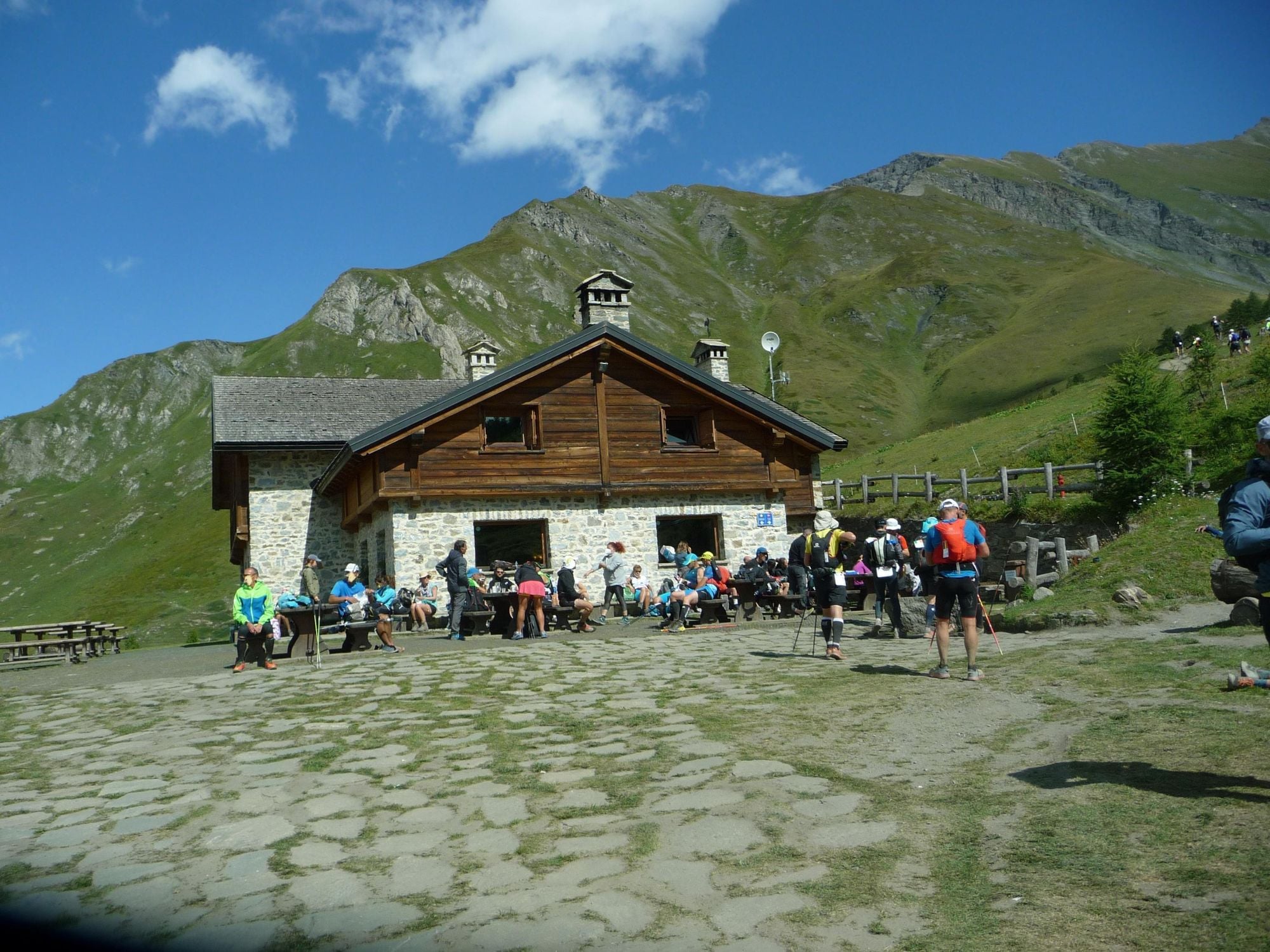
Now there's a big question. Some say it's Rifugio Elisabetta - which looks out on glaciers from the head of Val Veny. Others say it's Refuge du Lac Blanc, with stunning views of Mont Blanc, which you may stay in on your final night on the TMB, before descending and returning to Chamonix. The most common answer, though? Well, we'll let our expert in Chamonix, Joel Evans, explain.
"It's always Rifugio Walter Bonatti," he says. "It is the most sought after. We're in all of the TMB Facebook groups and there is always people messaging like 'oh, when are they opening bookings? Did you get your spot?' We have a really good relationship with the guardians here, thankfully. It is the best place - the views are amazing, it's not road accessible, so it does feel a bit more like one of the more remote huts on the TMB and it's in Italy - so it's six euros for a Birra Moretti with a view of Mont Blanc at sunset. It's hard to beat that in terms of the TMB."
How to Book Tour du Mont Blanc refuges
The refuges on the Tour du Mont Blanc sell out months in advance, so if you’re going self-guided and will be booking them yourself, you need to be organised.
The most popular refuges sell out as far in advance as the autumn or the winter before the summer trekking season. Booking each refuge individually means contacting them by e-mail, using their website, or using a TMB booking platform.
Putting the accommodation together for a full circuit - with the right places booked on the right days - is the biggest logistical challenge of planning a solo trek on the TMB circuit. It'll only get harder the longer you leave it, too. If you like the logistical admin, that's not an issue. Some people enjoy browsing refuges, picking their favourites and racing to get them booked when they go on sale. If you'd rather it was done for you, perhaps a guided trek is a better option.
Some refuges offer private rooms (though these aren't available on any of the hut-to-hut tours we run on the circuit), but as you can guess, these are particularly popular, and need to be booked far in advance. You might have to get a bit lucky, too. If a private room takes four people, you’ll need a group of four to book it.
Wild Camping on the Tour du Mont Blanc
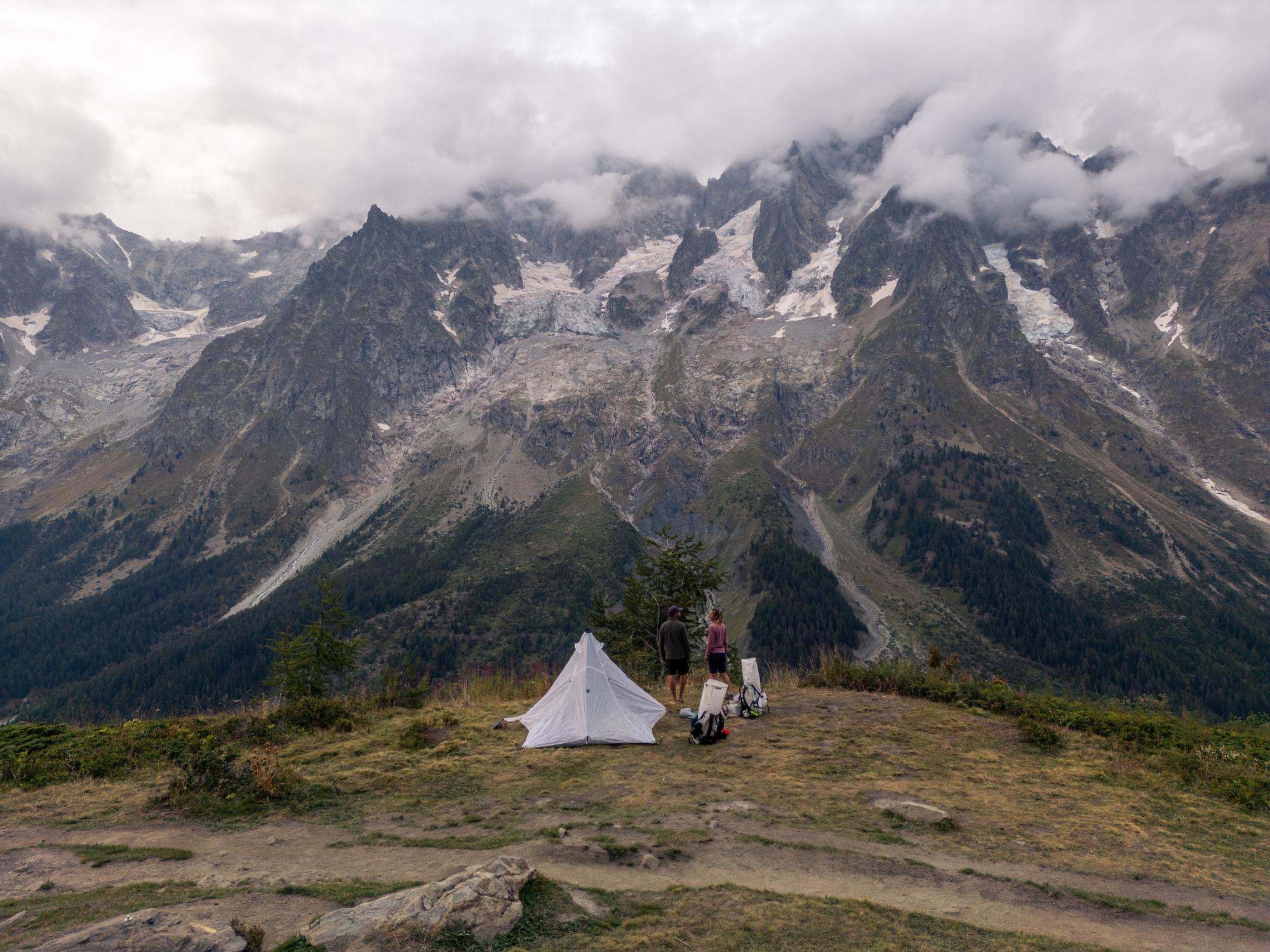
The Tour du Mont Blanc crosses France, Italy and Switzerland, and the rules for camping differ in each. There are some designated zones for bivouacking (pitching late, camping high and moving on at dawn) on the TMB. As the TMB official website states: “Bivouacking is regulated depending on the areas traversed. It is sometimes permitted near mountain huts and during limited hours. It is prohibited in nature reserves except in designated areas. It is prohibited on private property, which is plentiful along the route.”
Much Better AdventuresTo avoid any problematic technicalities, most people who want to camp on the route stick to official campsites, which are often right next to the refuges - meaning you can still take advantage of the hot food and tuck shops inside.
Rules shift around on this regularly - at the time of writing, the mayor of Saint-Gervais is trying to implement tighter restrictions on wild camping - so check live regulations before you go. If you do camp, remember to bring all the water and supplies you'll need, and of course - be responsible, leaving no trace.
Tour du Mont Blanc Refuges: a List by Stage
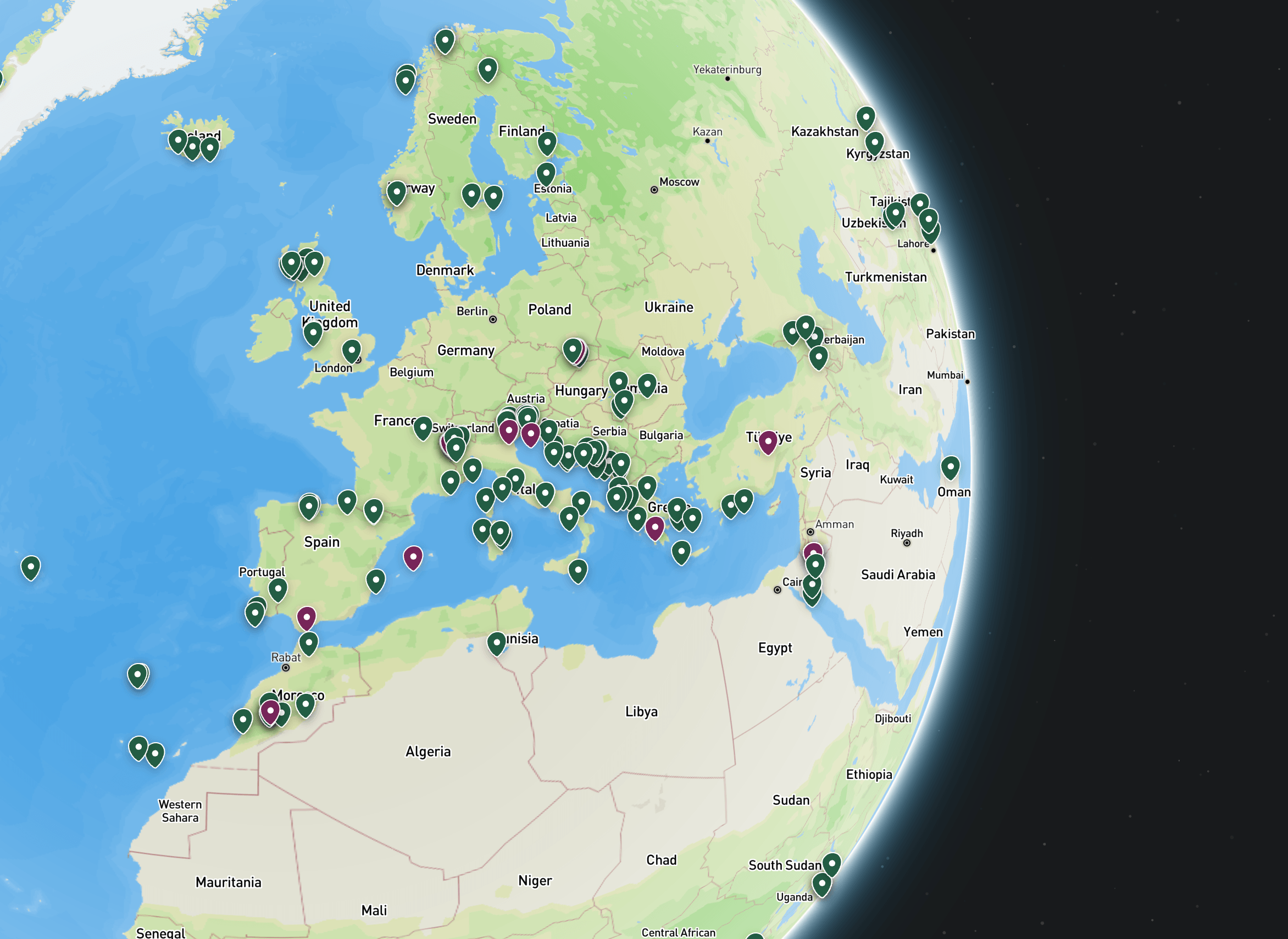
There are a variety of accommodation options at every stage of the Tour du Mont Blanc. The below is just one example of one itinerary - if you were to walk the full route over 11 days. Availability can be an issue (as can seasonality, with different huts shutting at different times), so treat this table as a planning reference (or starting point) rather than a booking list. Always confirm any questions you have directly with any refuge, and make sure your bookings match up to your route.
For how each refuge fits into the circuit, see our full route, map and itinerary.
Frequently Asked Questions
What are the refuges like on the Tour du Mont Blanc? They’re often remote, with beautiful views and simple, shared dorms. They tend to operate on a half-board basis. Think basic, sociable places - right on the edge of the trail.
How far in advance do you need to book TMB refuges? You need to book months ahead. This can mean booking as early as the autumn or winter before the summer trekking season.
Can you camp or wild camp on the TMB? Rules vary for wild camping, but yes, you can camp on the TMB. There are often campsites next to refuges.
Is the TMB hut-to-hut or hotel-based? Both are possible, but whereas the hut-to-hut option allows you to stay on the route, the hotels edition requires further planning and logistics, and will mean either extra walking, transit, or skipping particularly remote parts of the circuit.
Much Better Adventures Much Better Adventures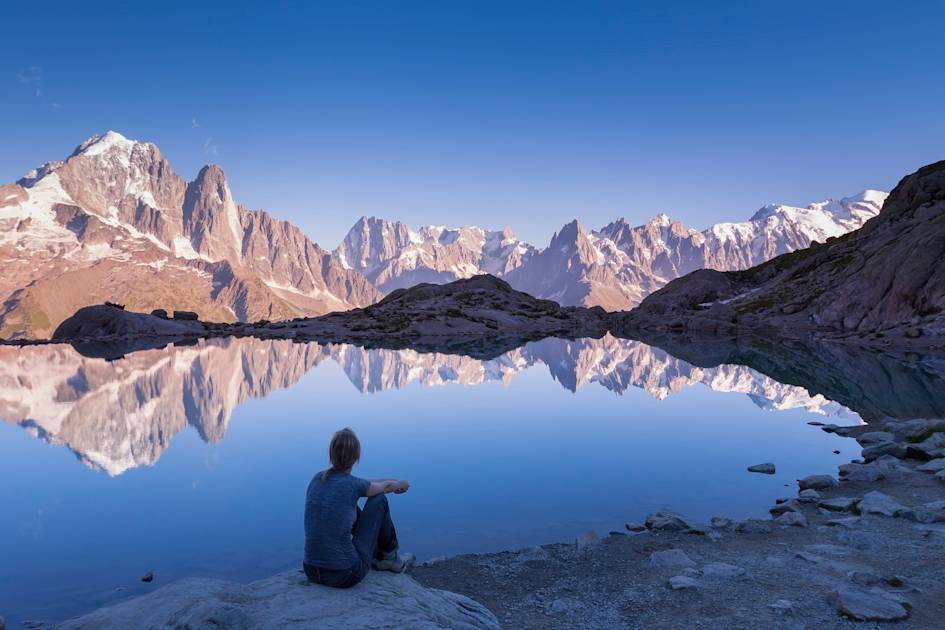
Inspired? Check out our range of treks on the Tour du Mont Blanc now!