

Where to Go Hiking in Europe in November
November is winter in Europe, when snow hits the summits and mountain huts are closing for the season. But down on the coasts of southern Europe, and on rocky islands, there is still sun to be found...
Country
84 hiking adventures in Europe
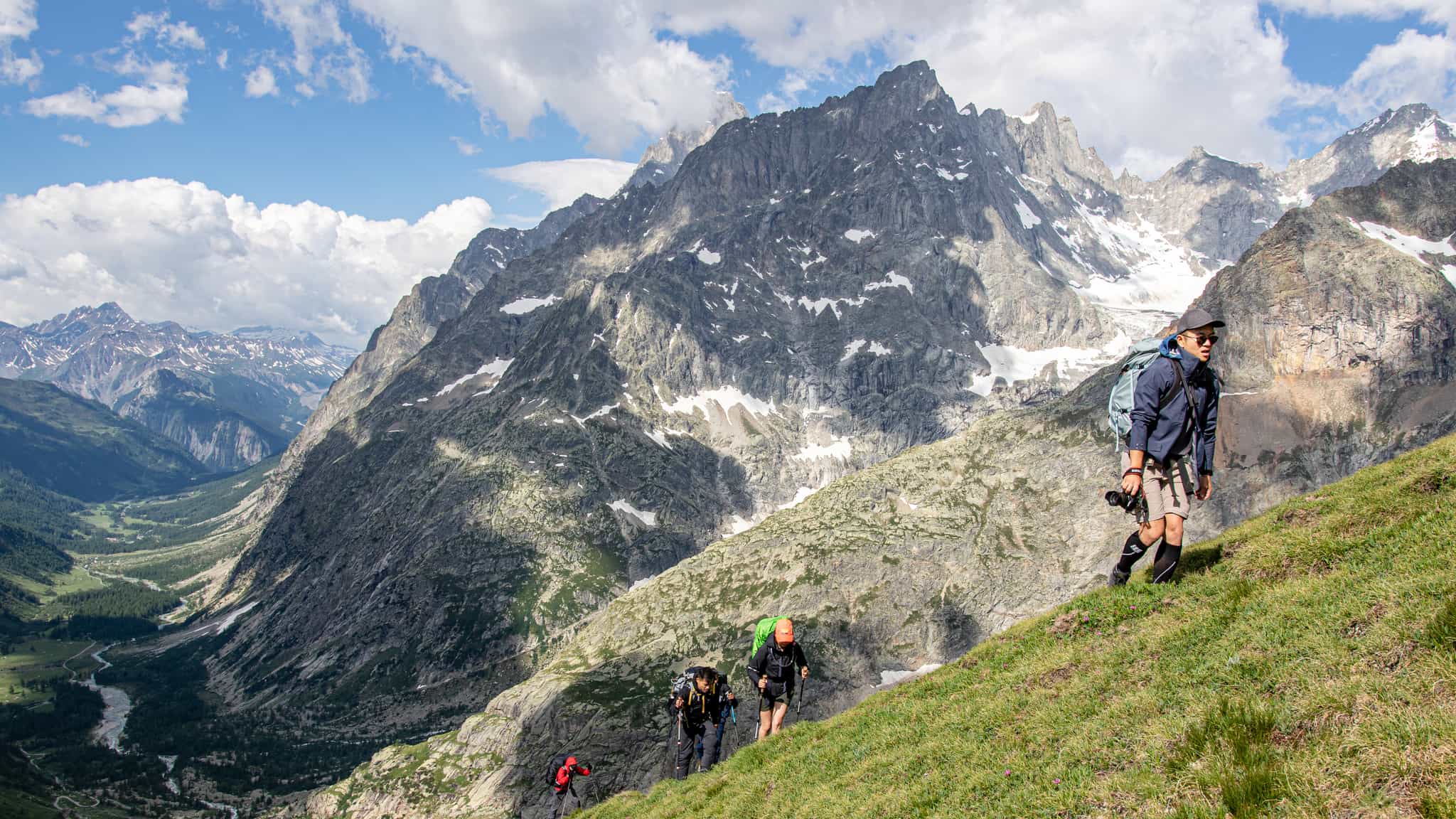
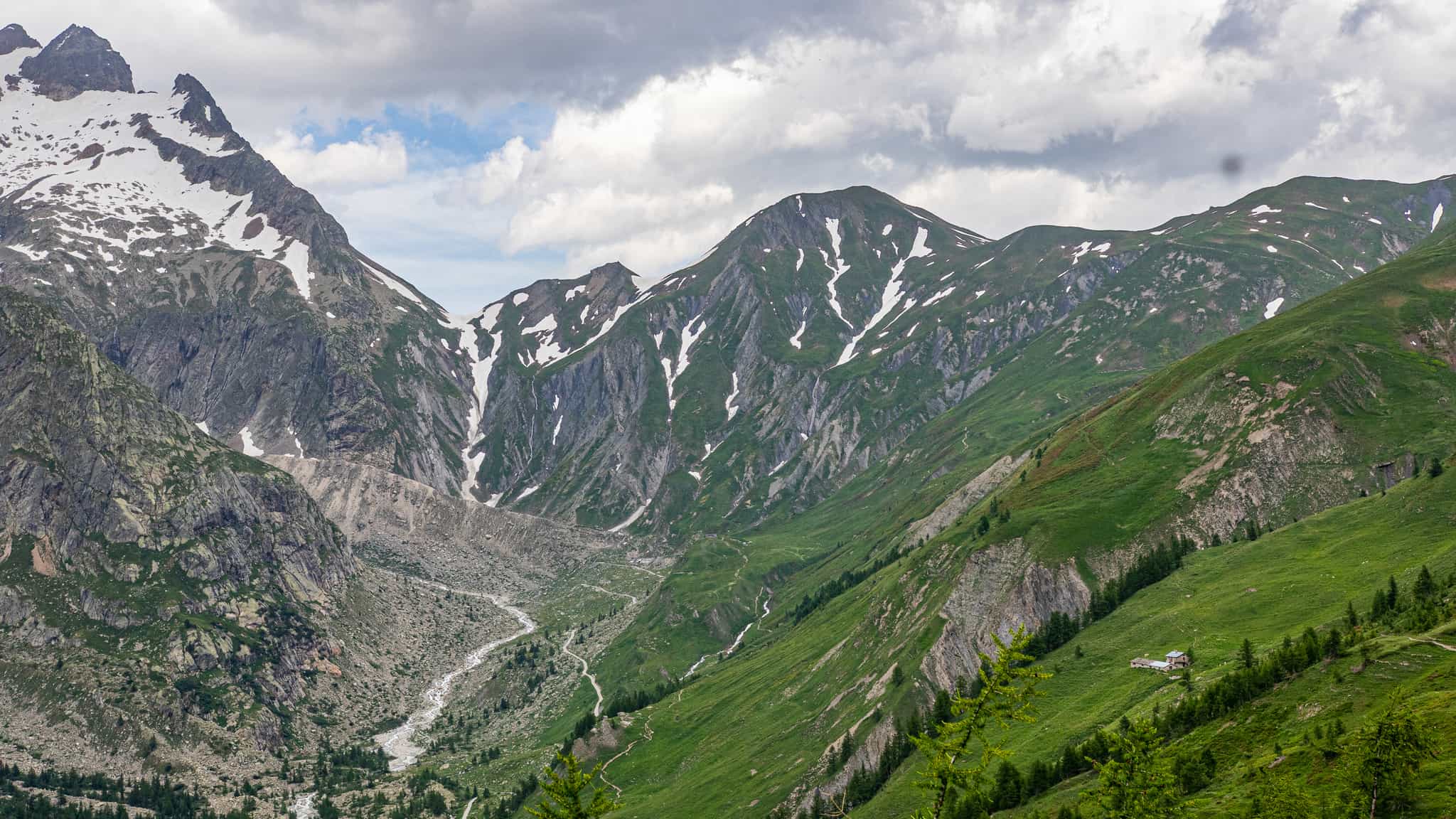
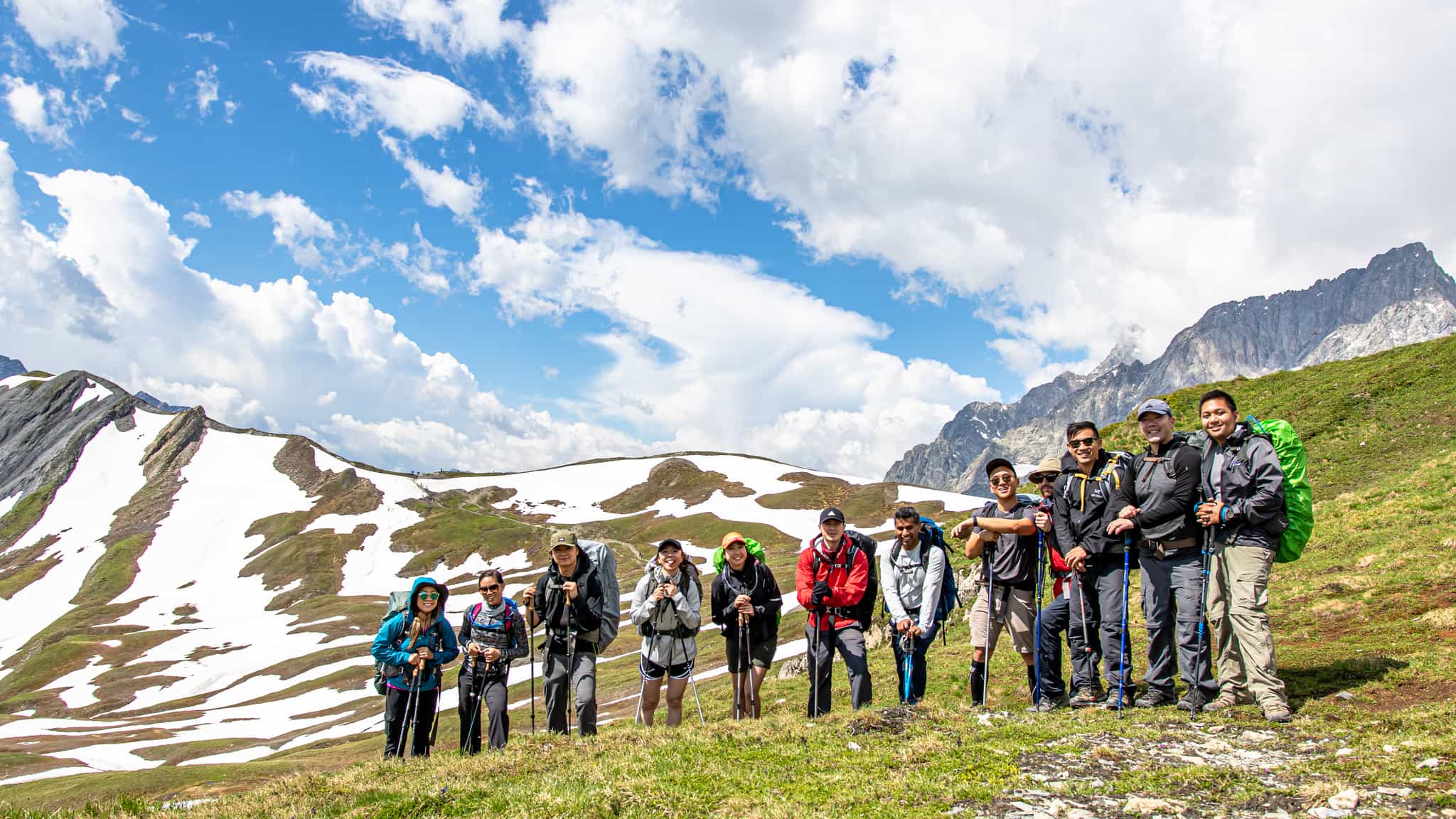
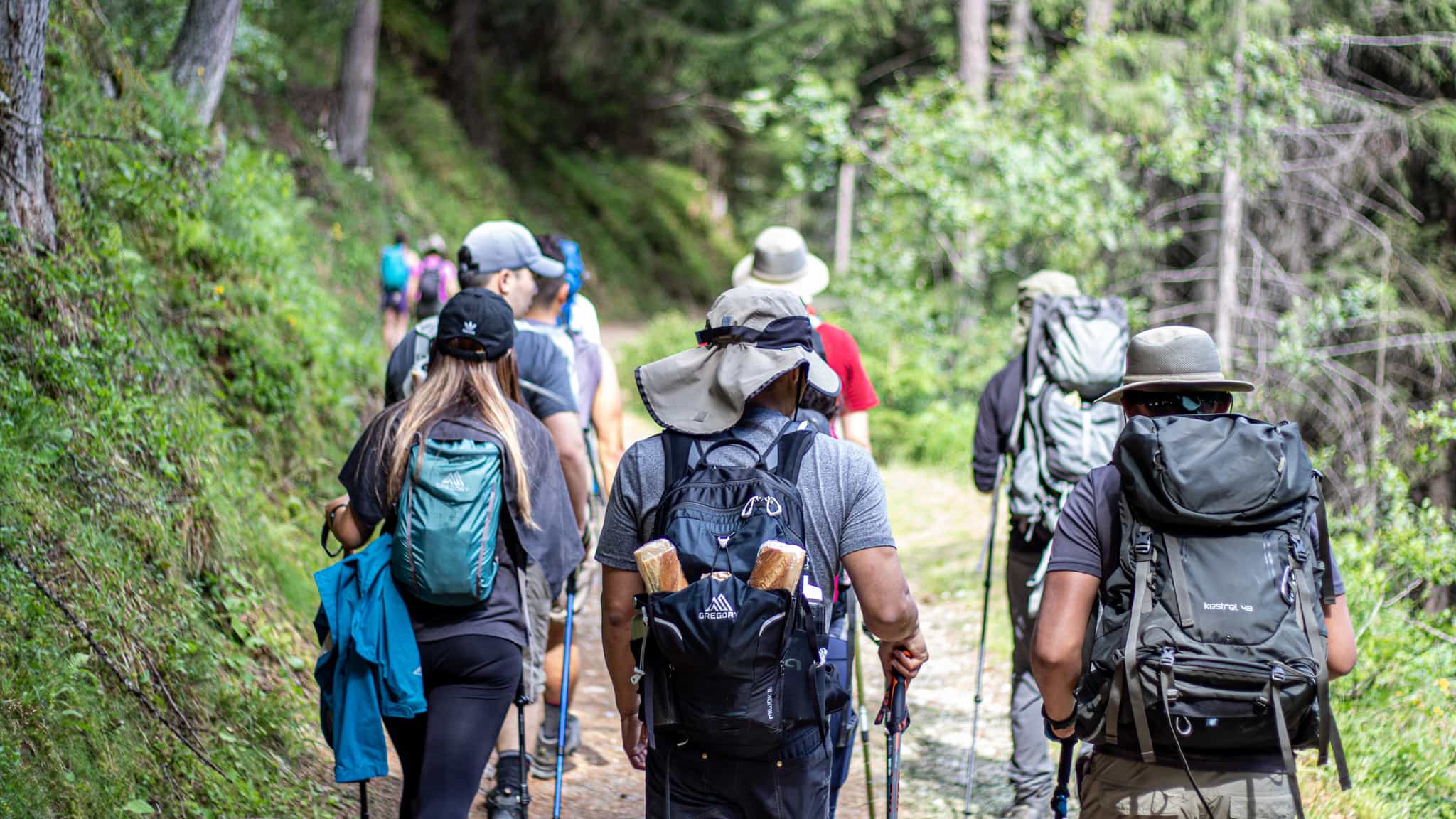
France, Italy, Switzerland3 nightsLevel 5
Trek the Tour du Mont Blanc in a Weekend: The Hut-to-Hut Edition
Available Jun—Sep
from£917
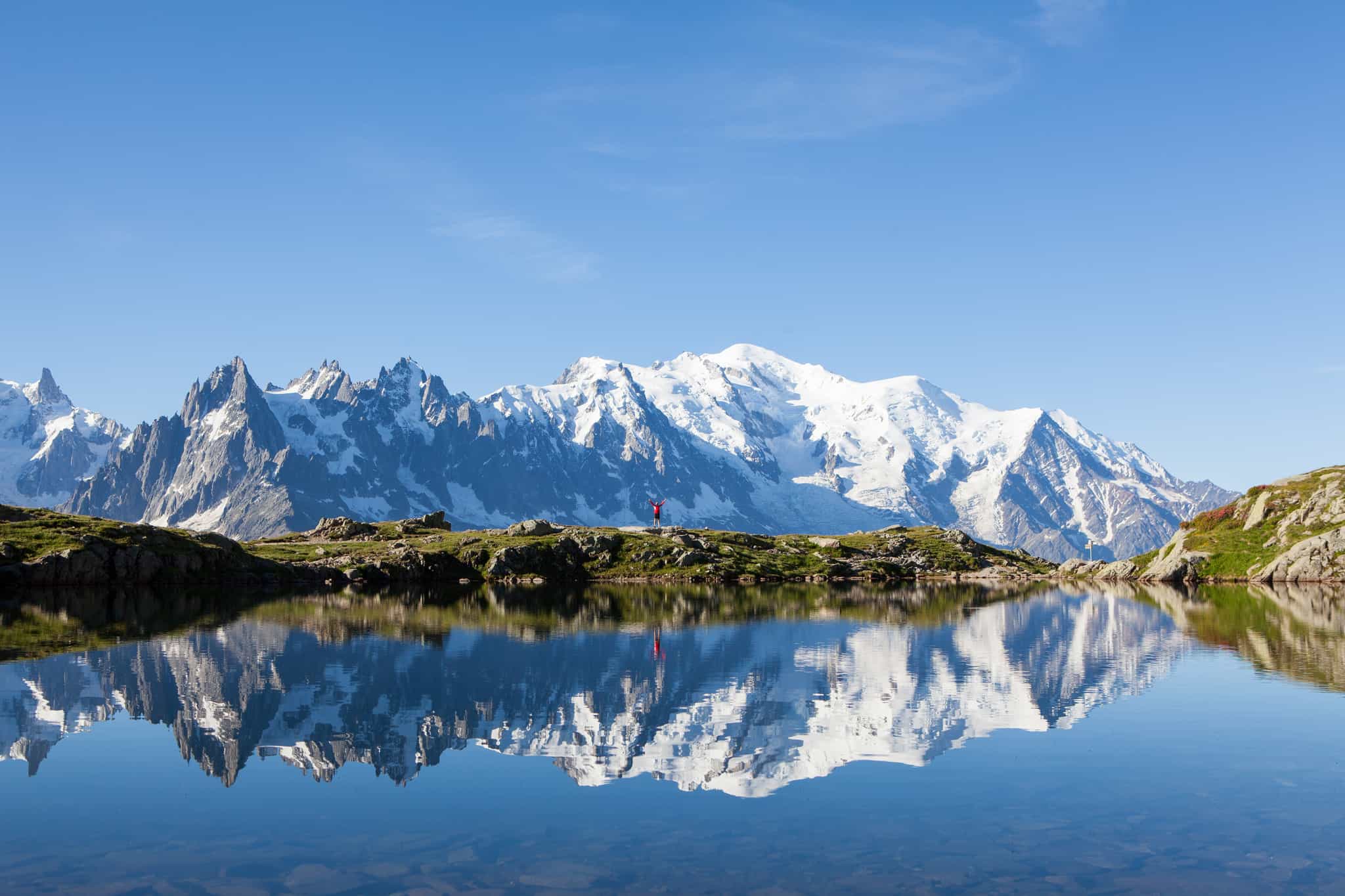
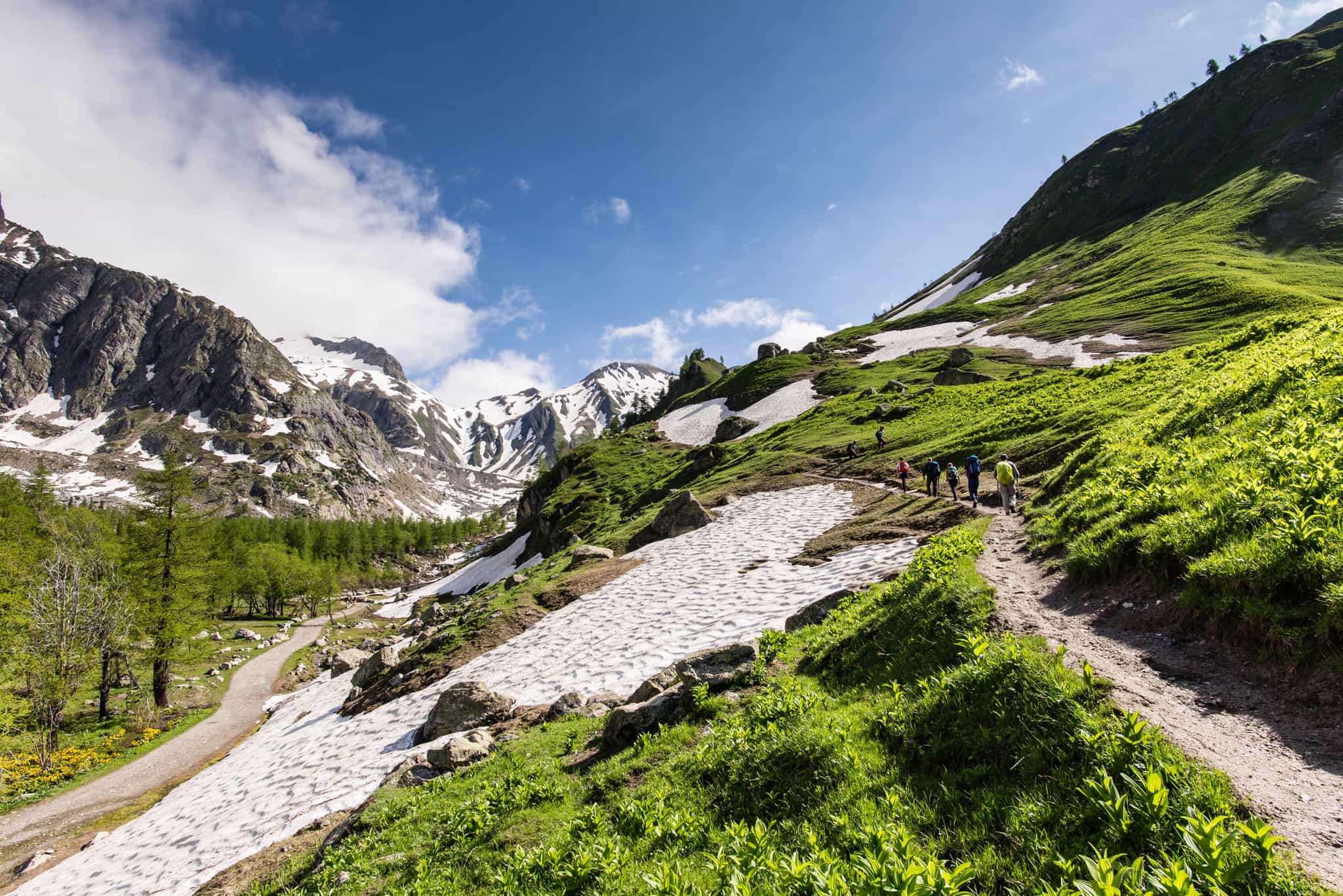
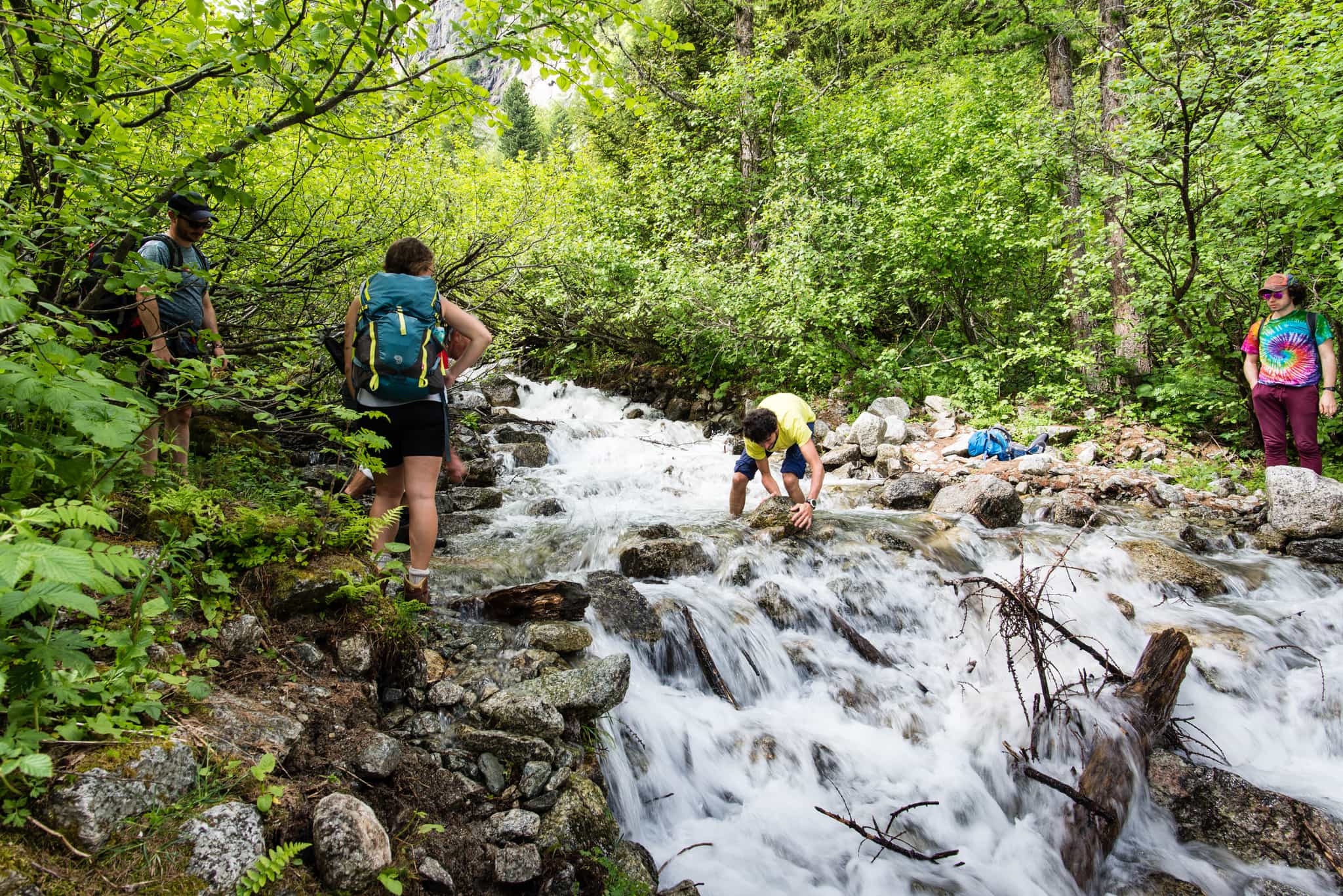
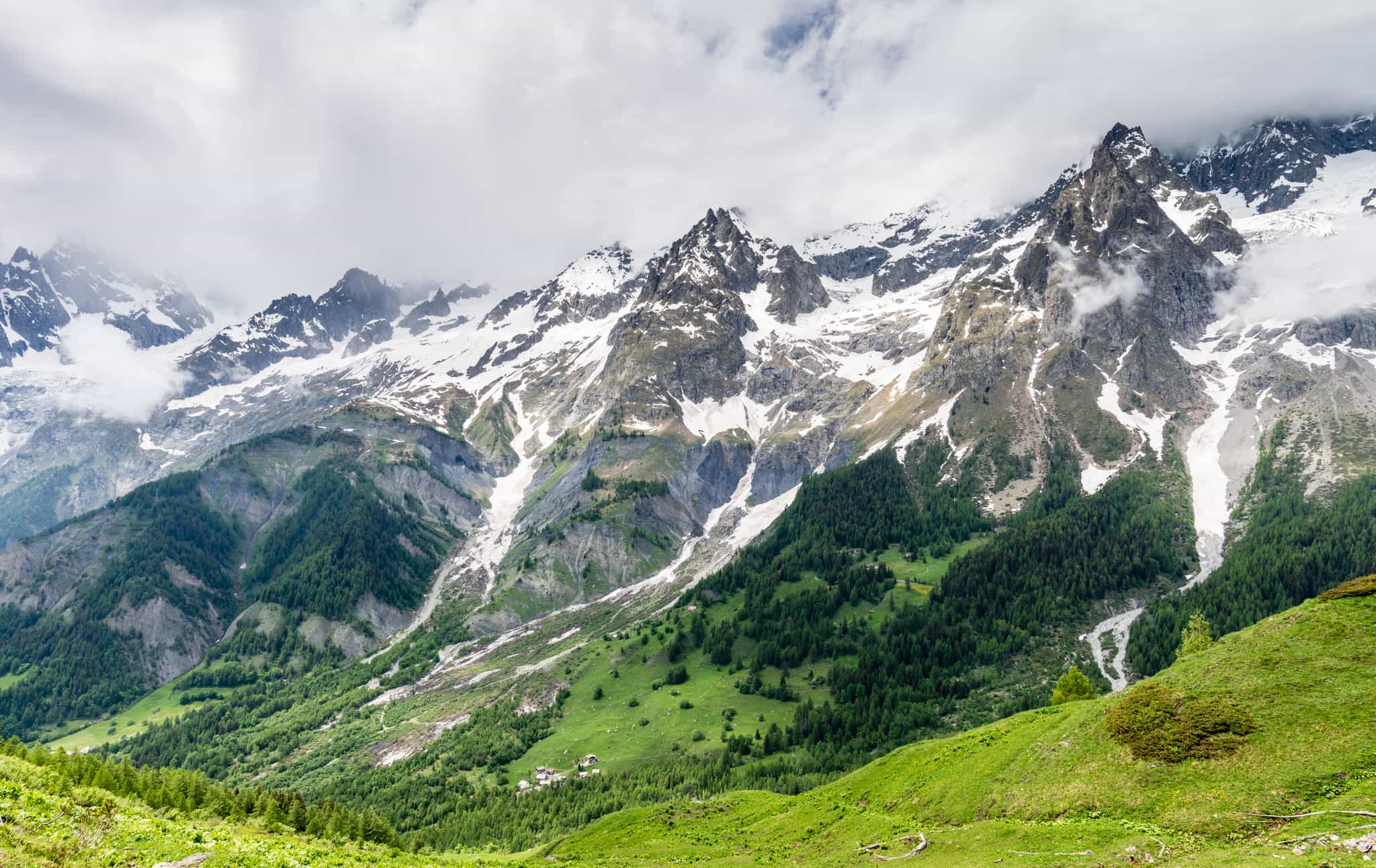
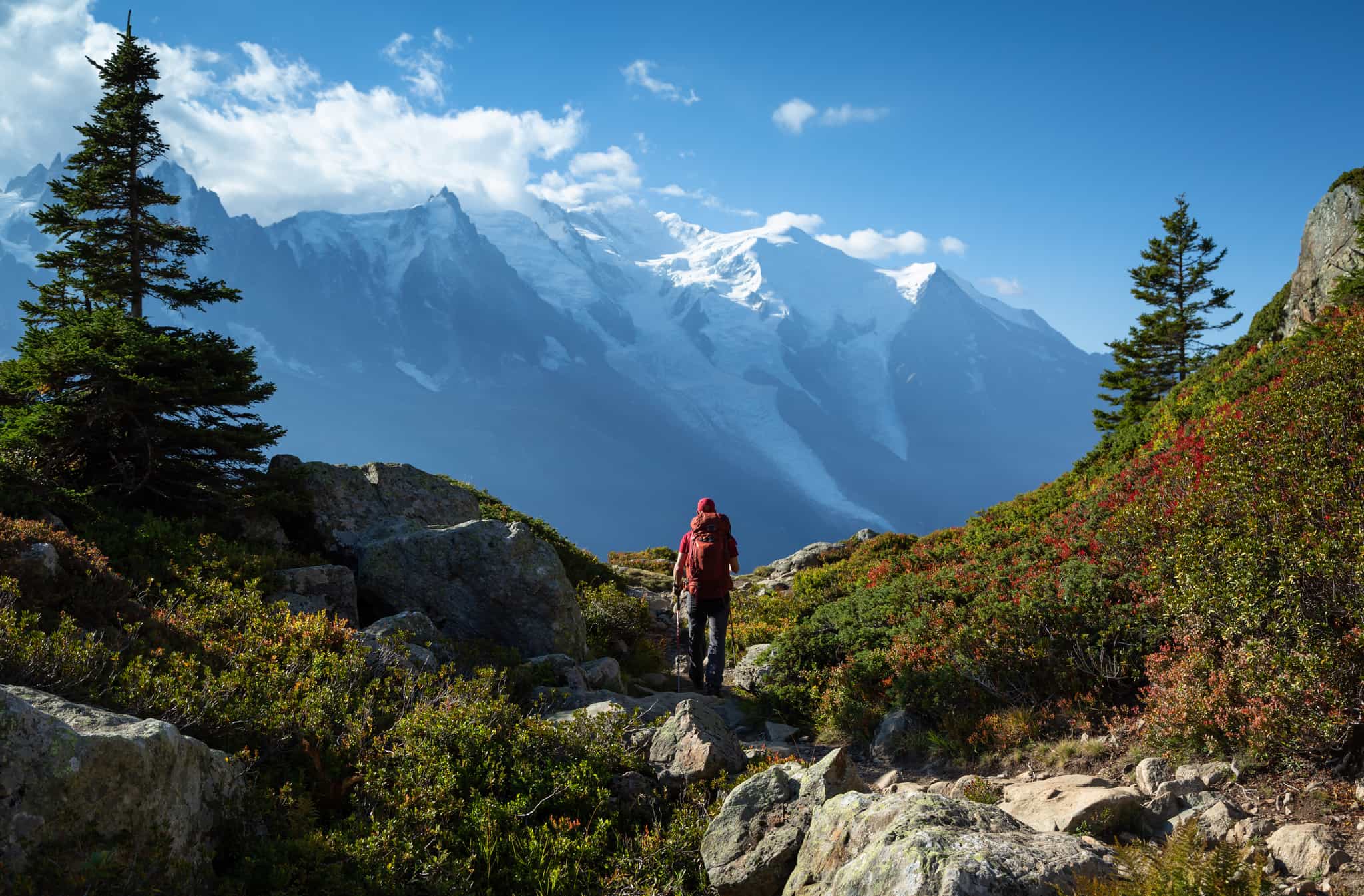
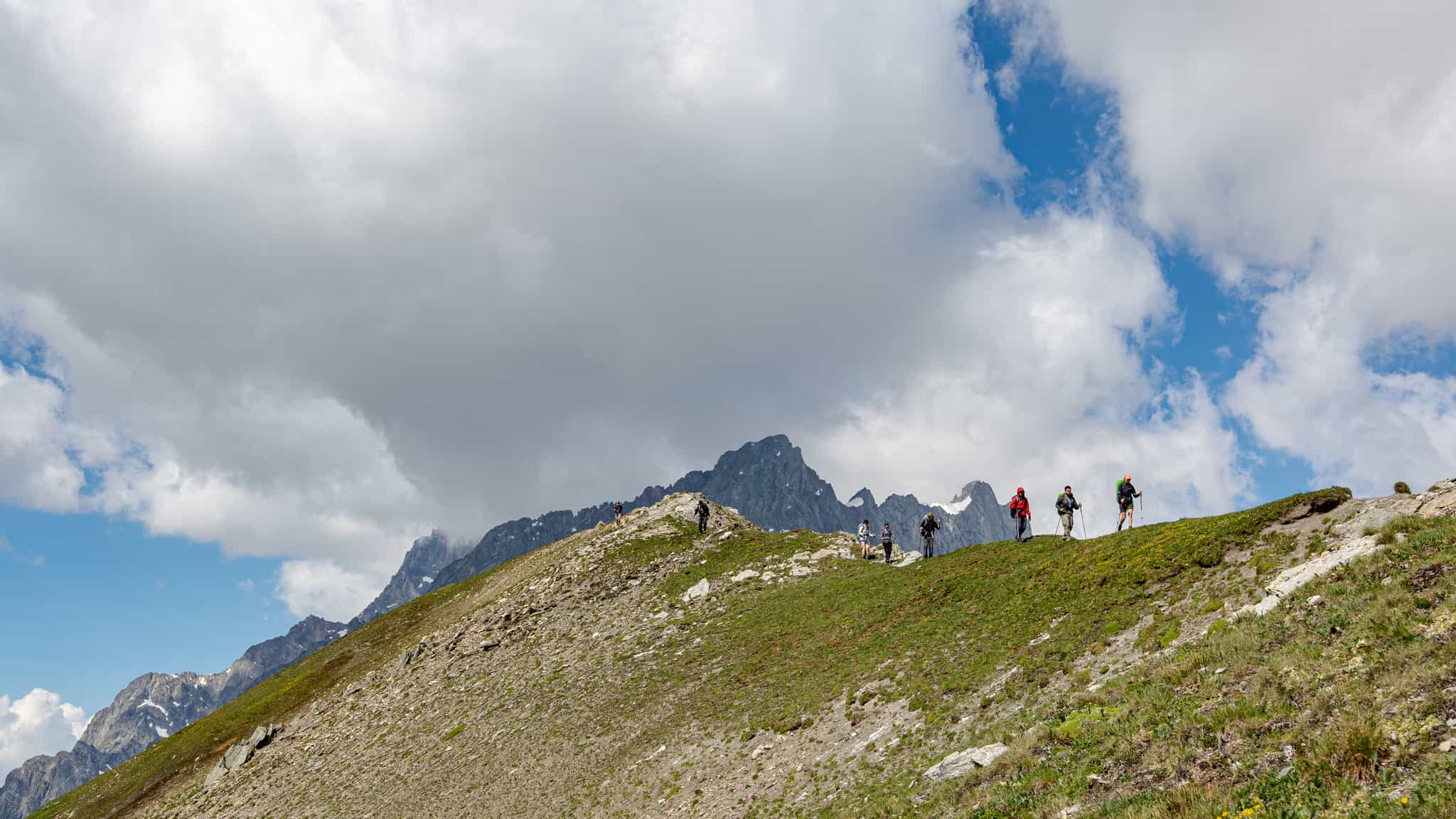
France, Italy, Switzerland9 nightsLevel 5
Trek the Tour du Mont Blanc: The Full Circuit
Available Jun-Sep
from£2,175
France, Italy, Switzerland6 nightsLevel 5
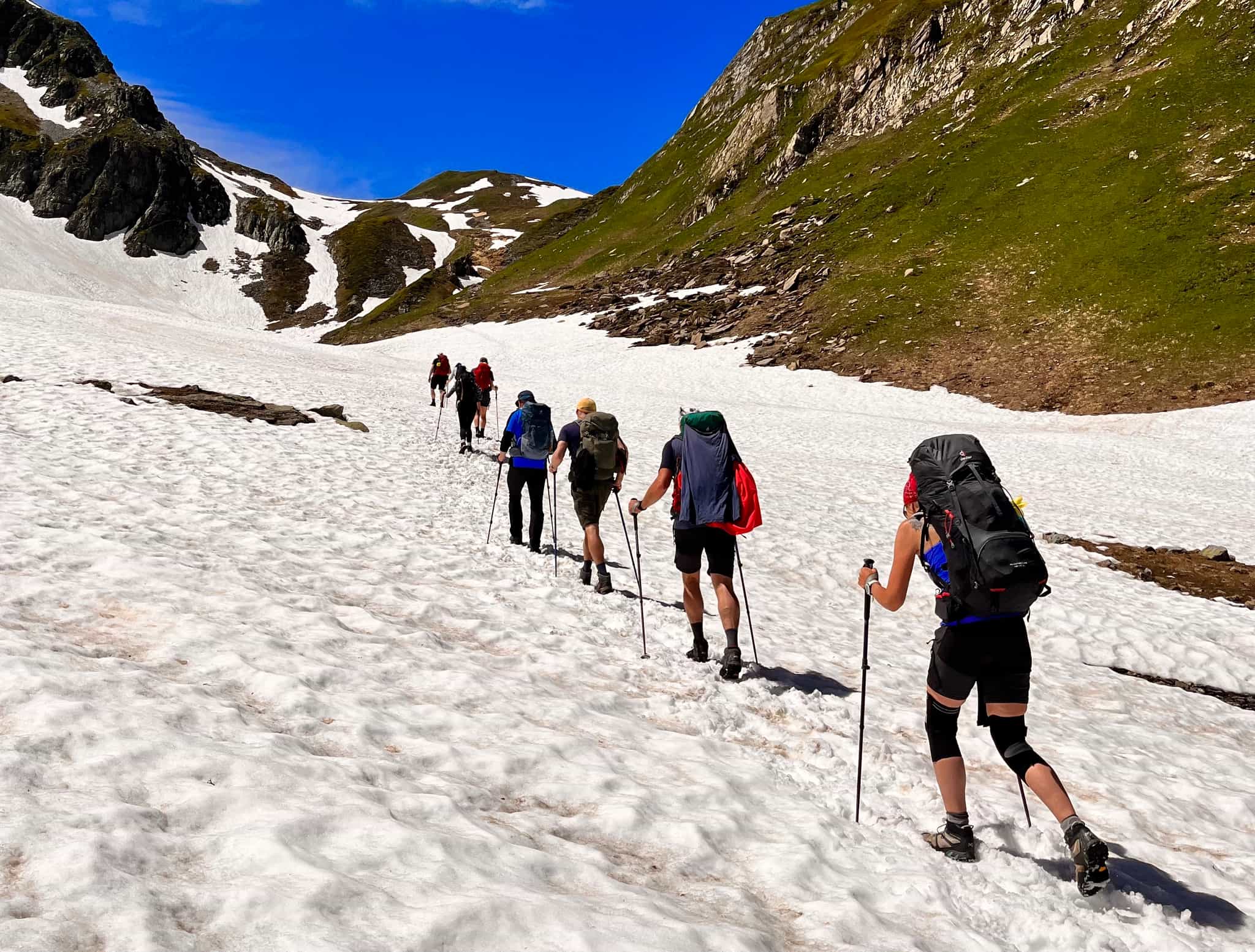
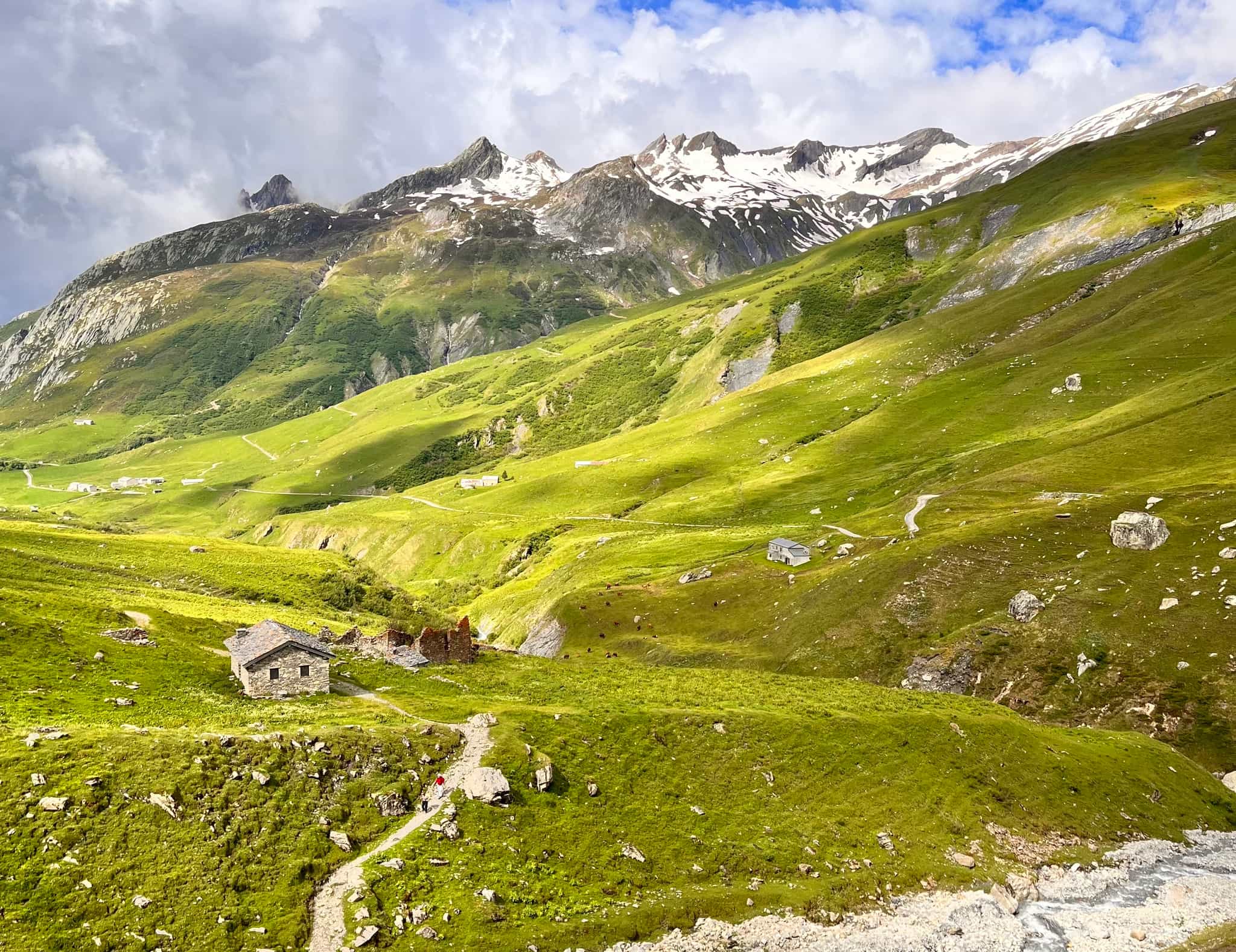
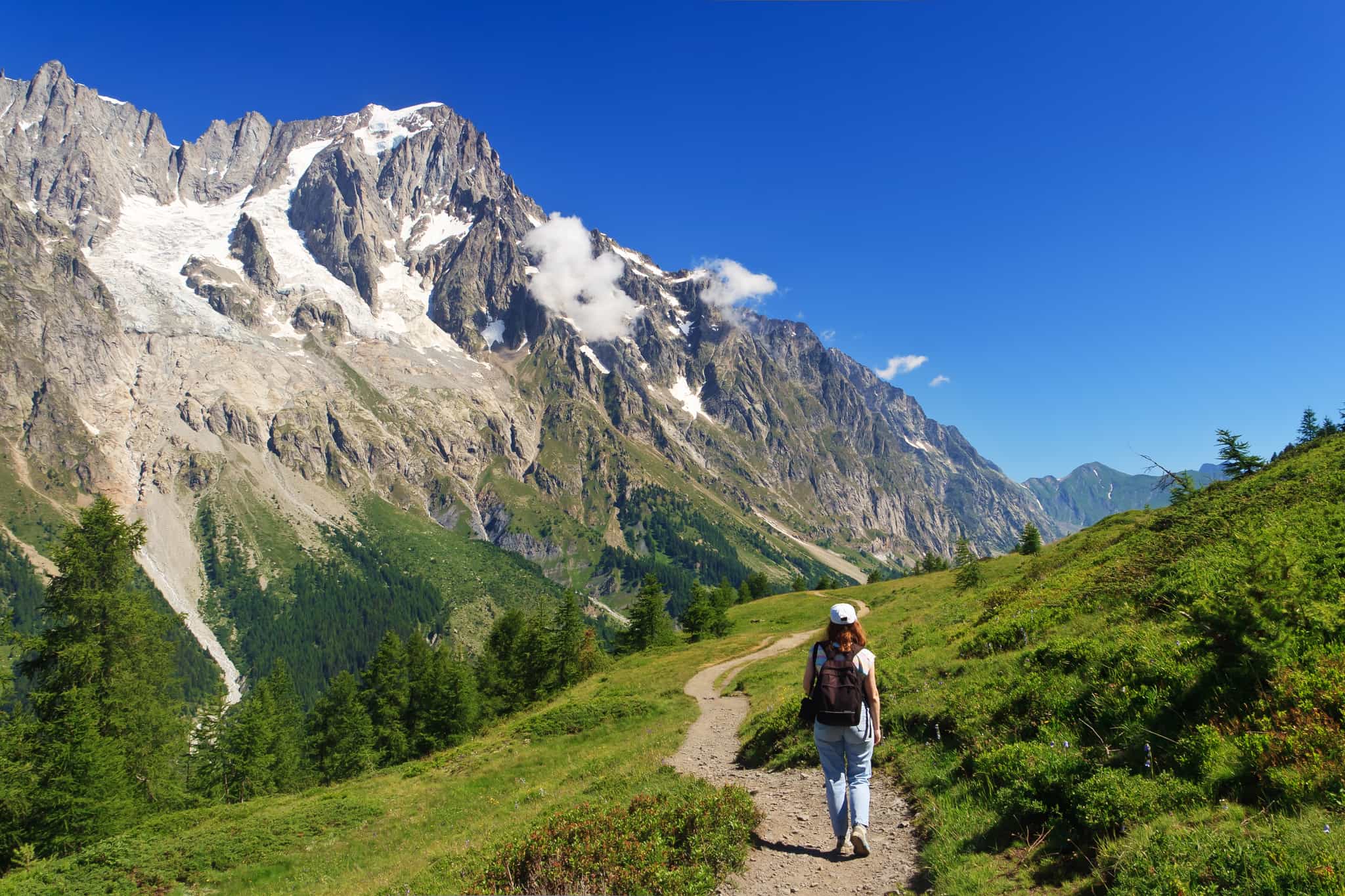
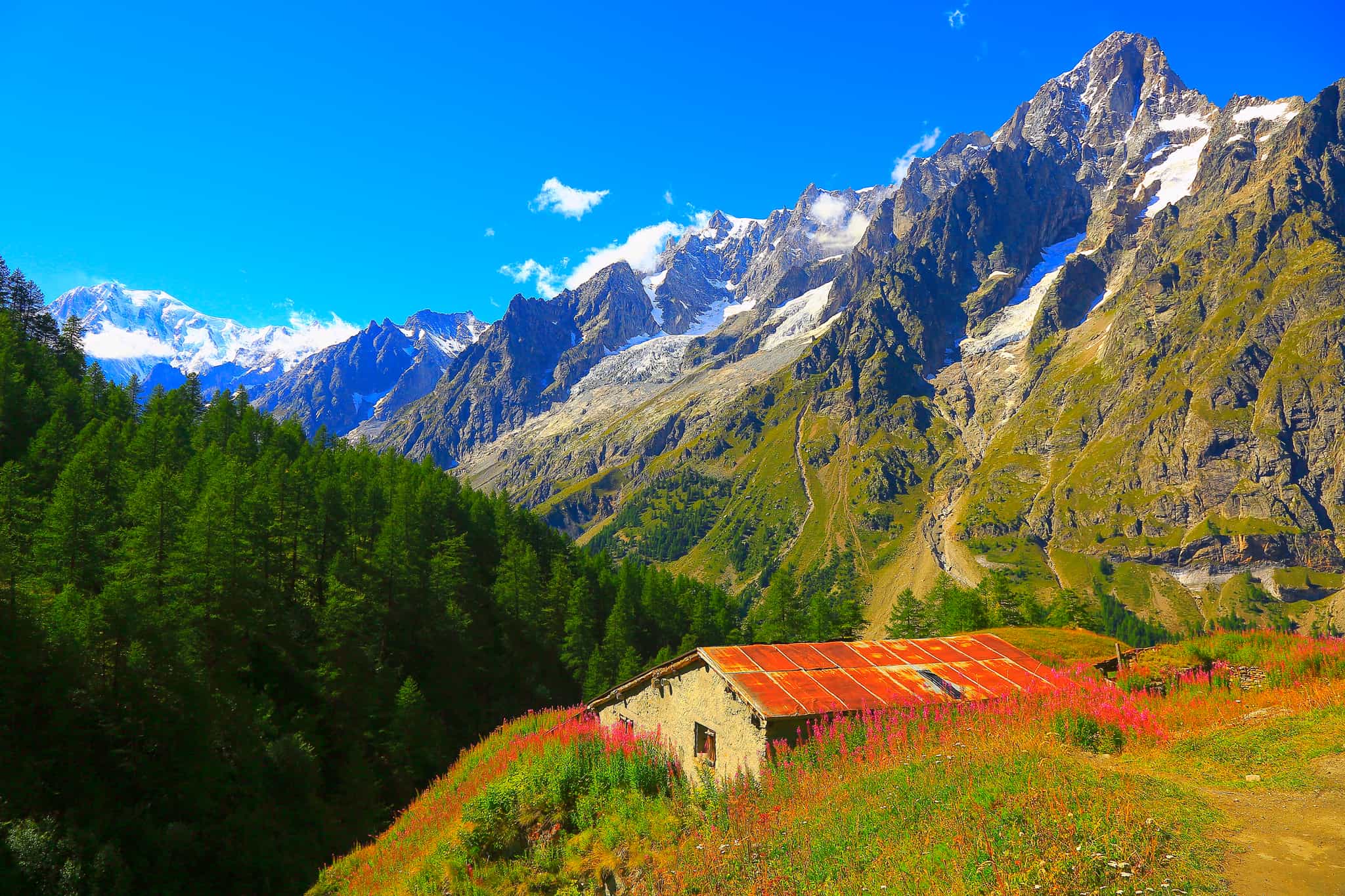
Trek the Tour du Mont Blanc in a Week
Available Jun-Sep
from£1,614
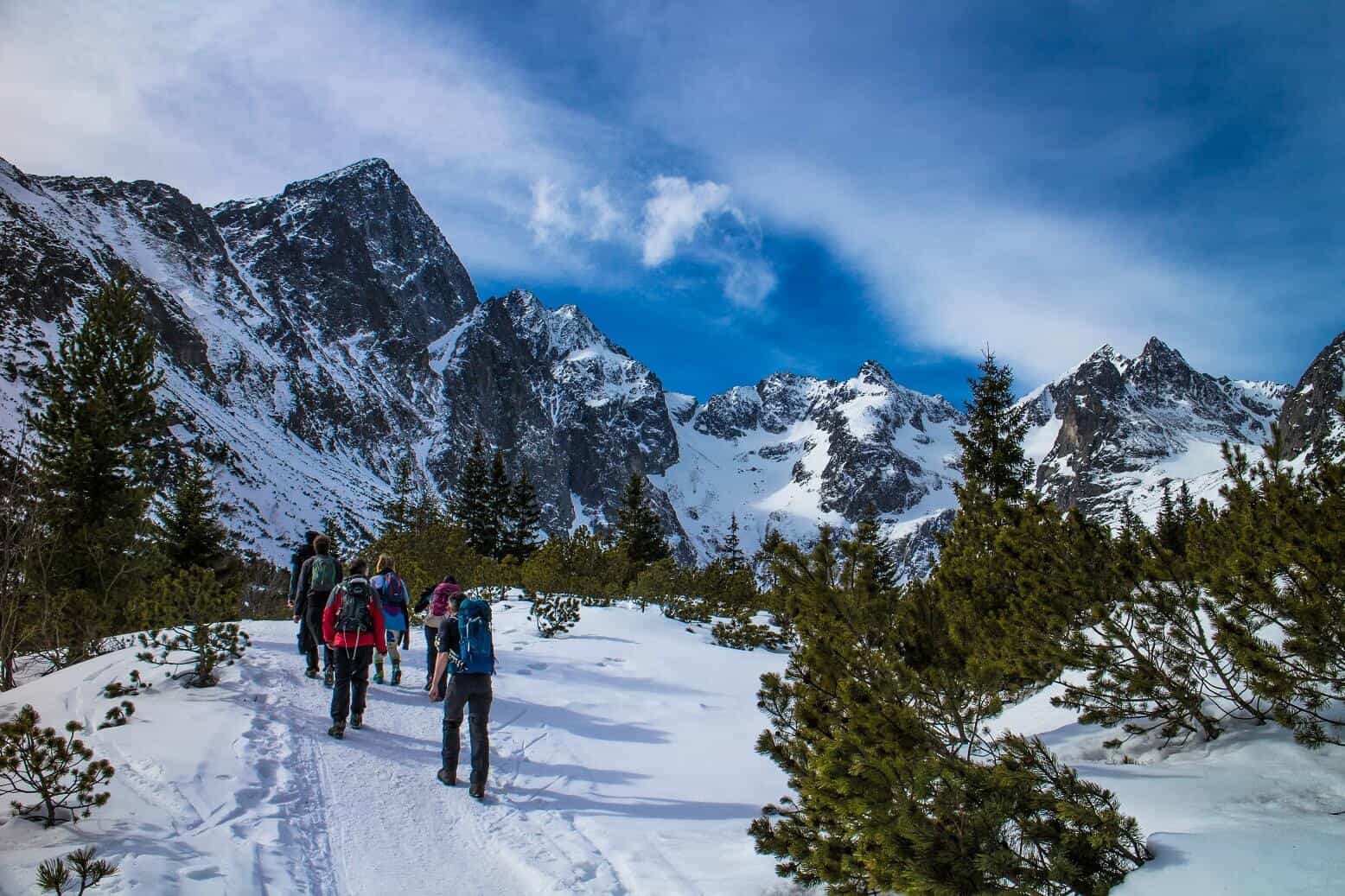
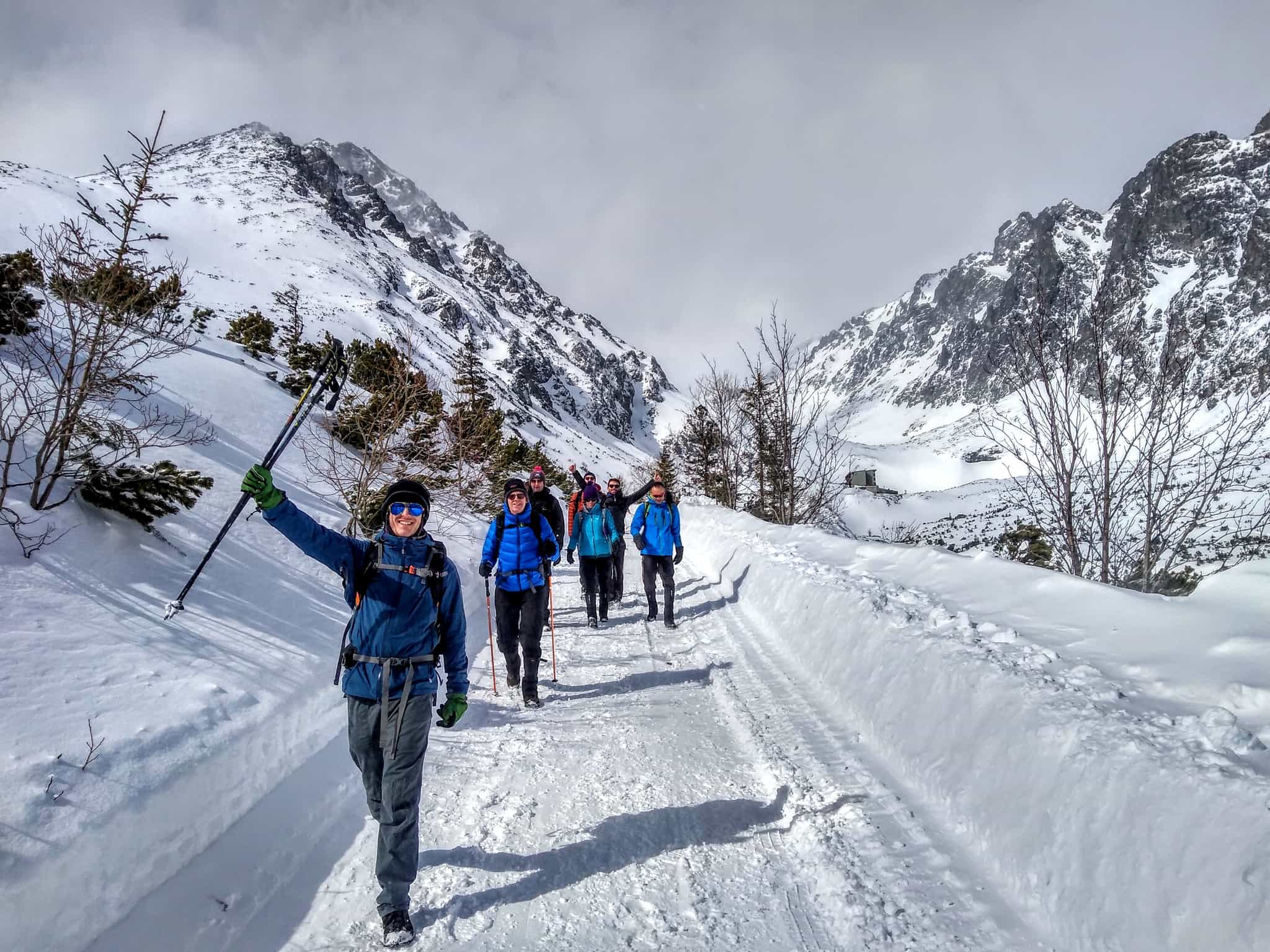
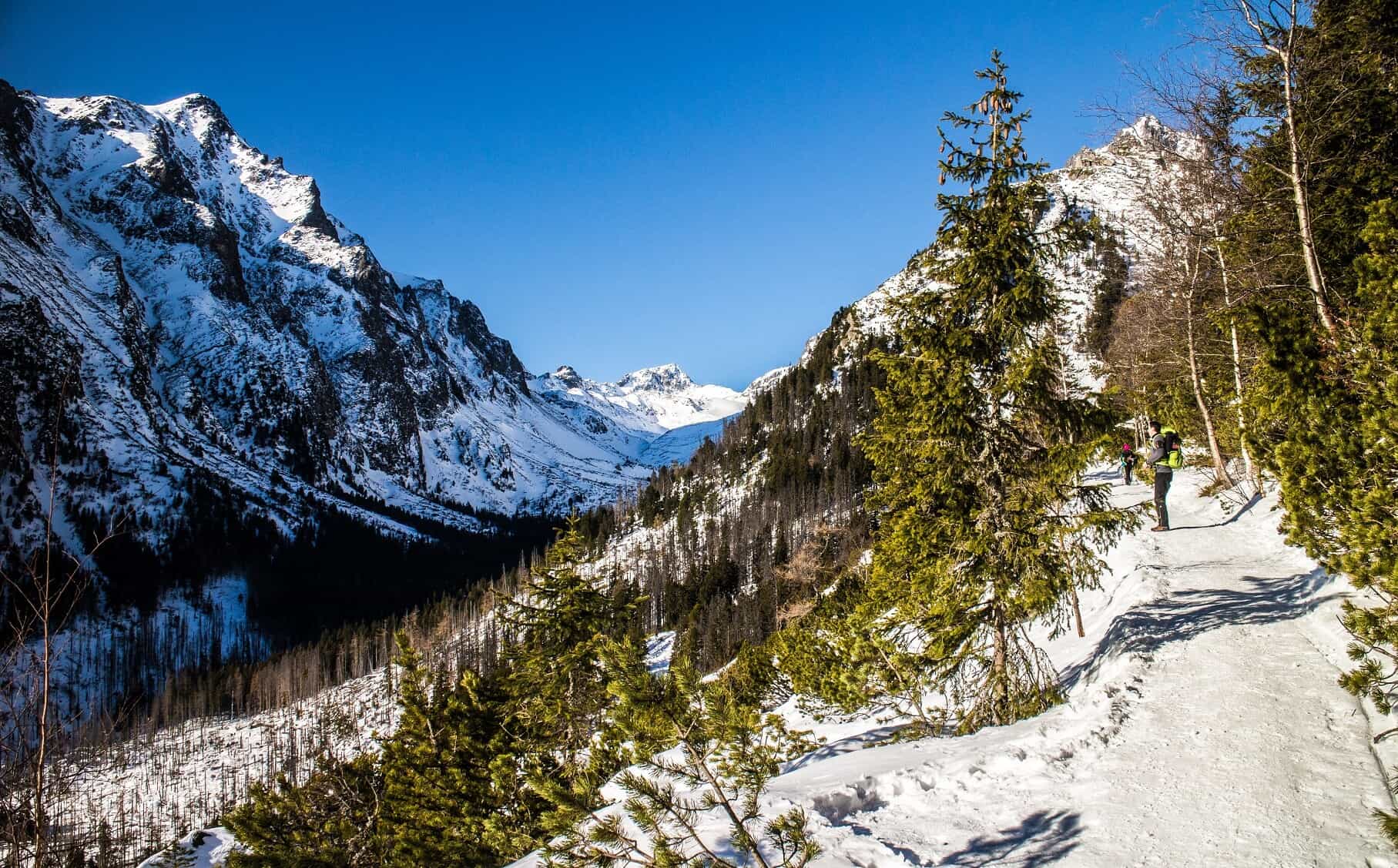
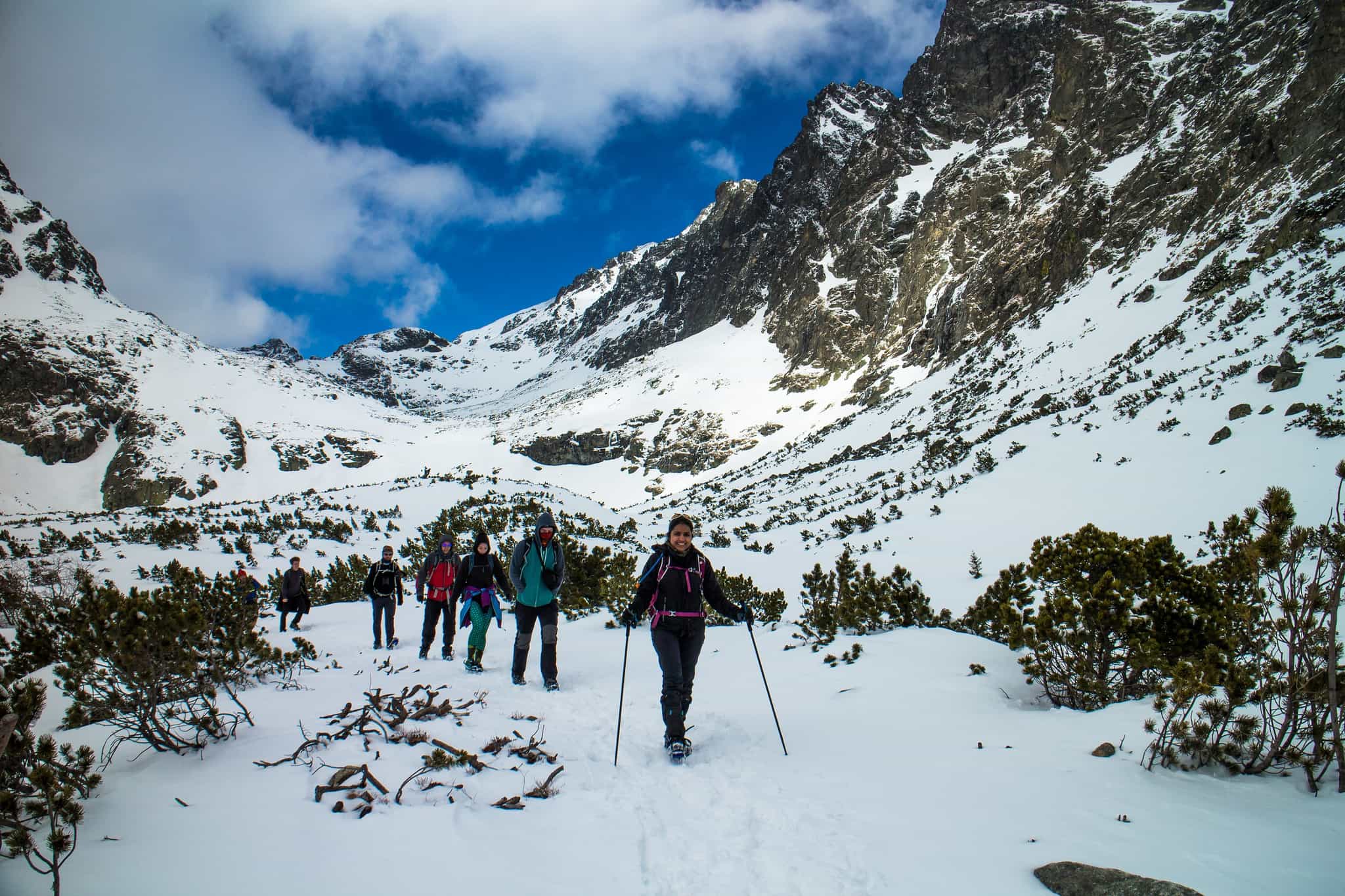
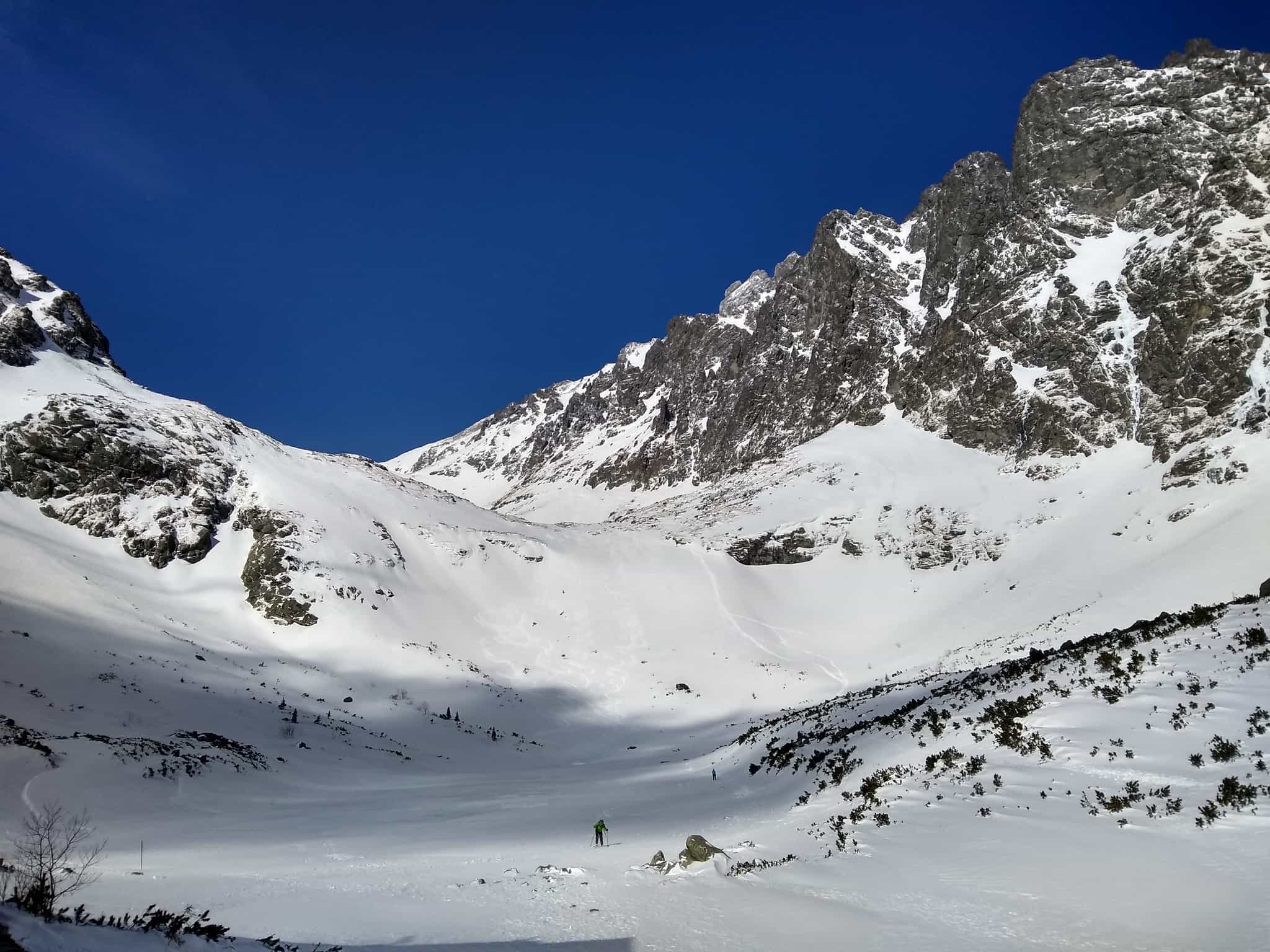
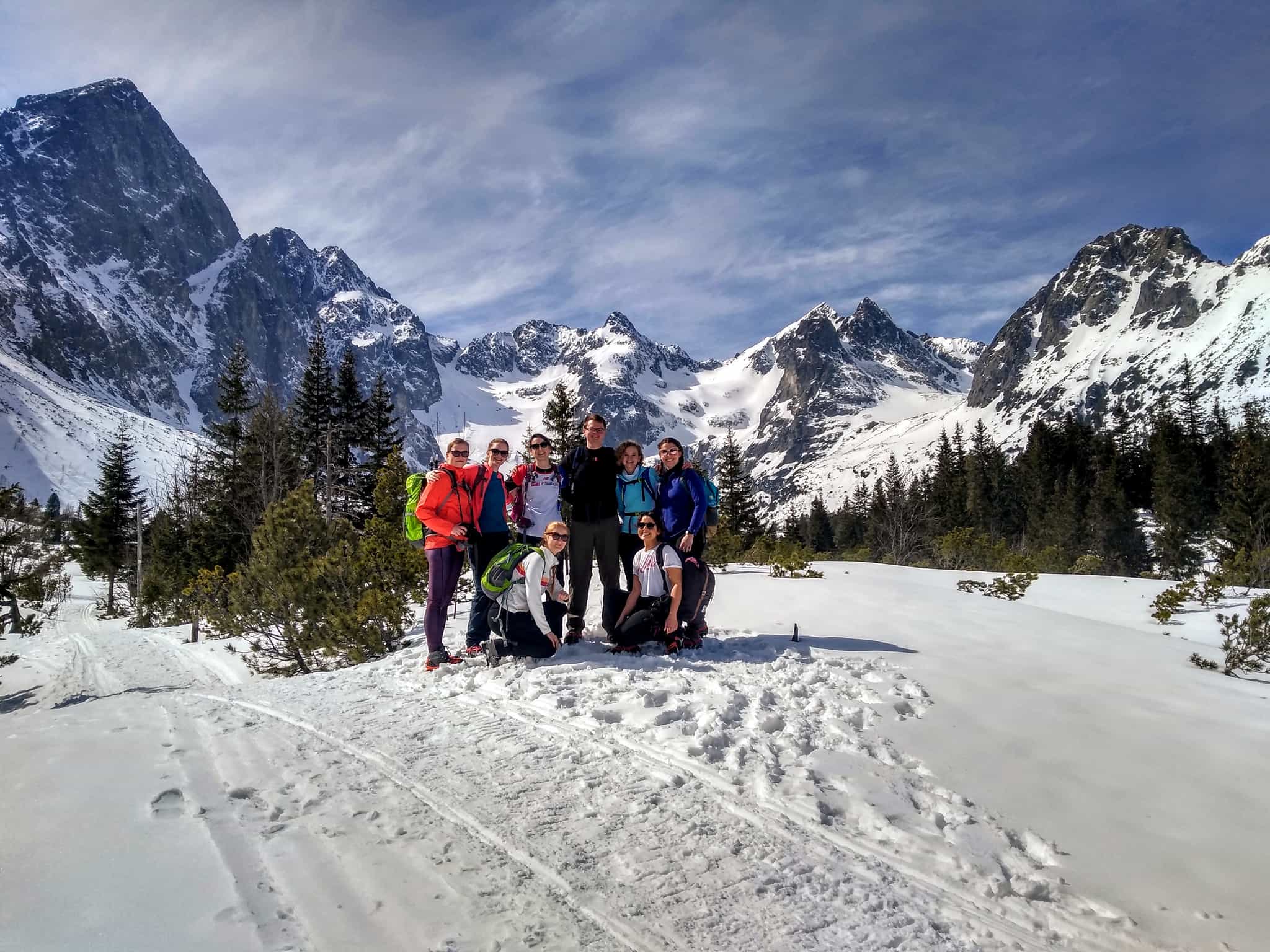
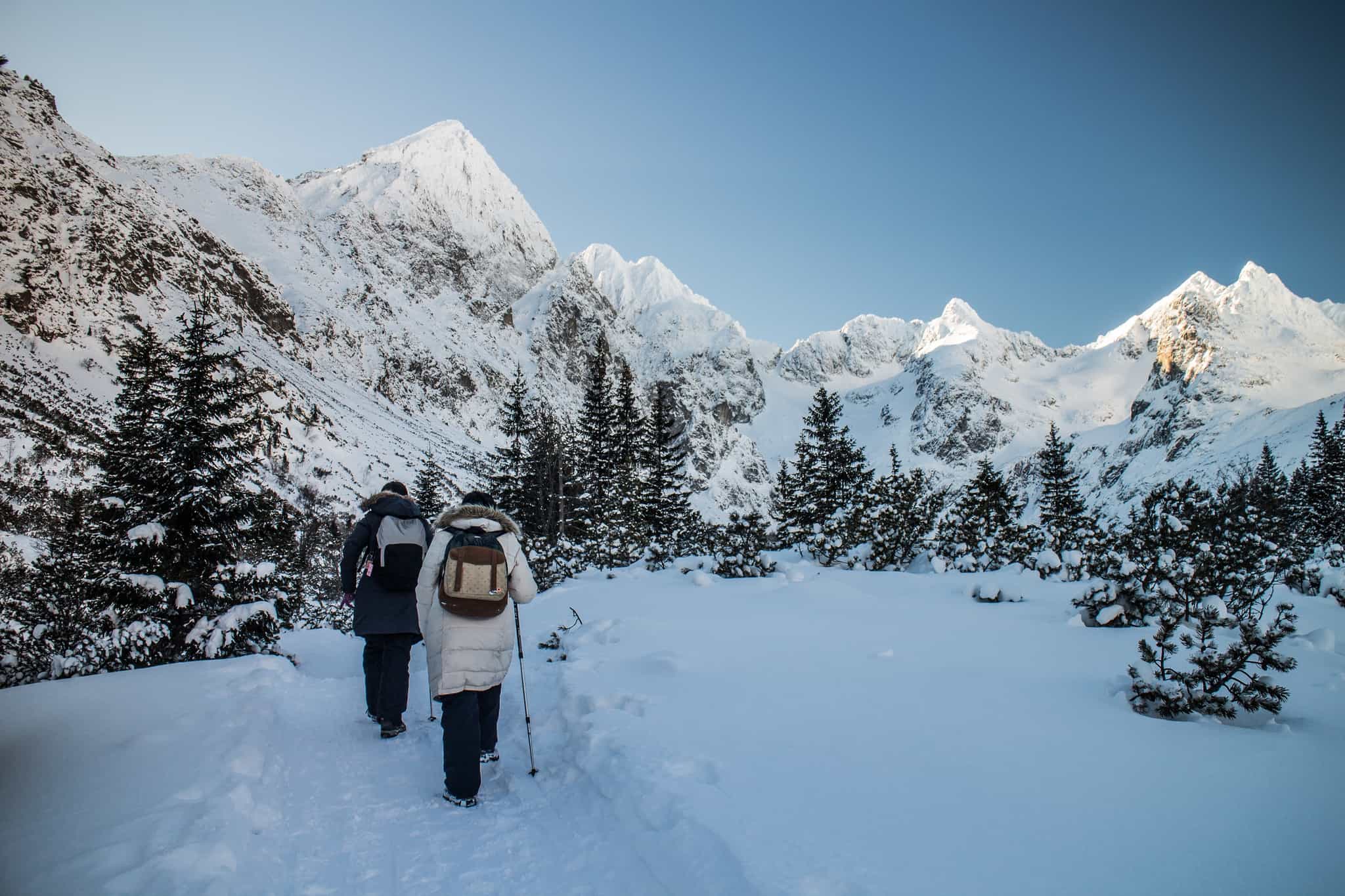
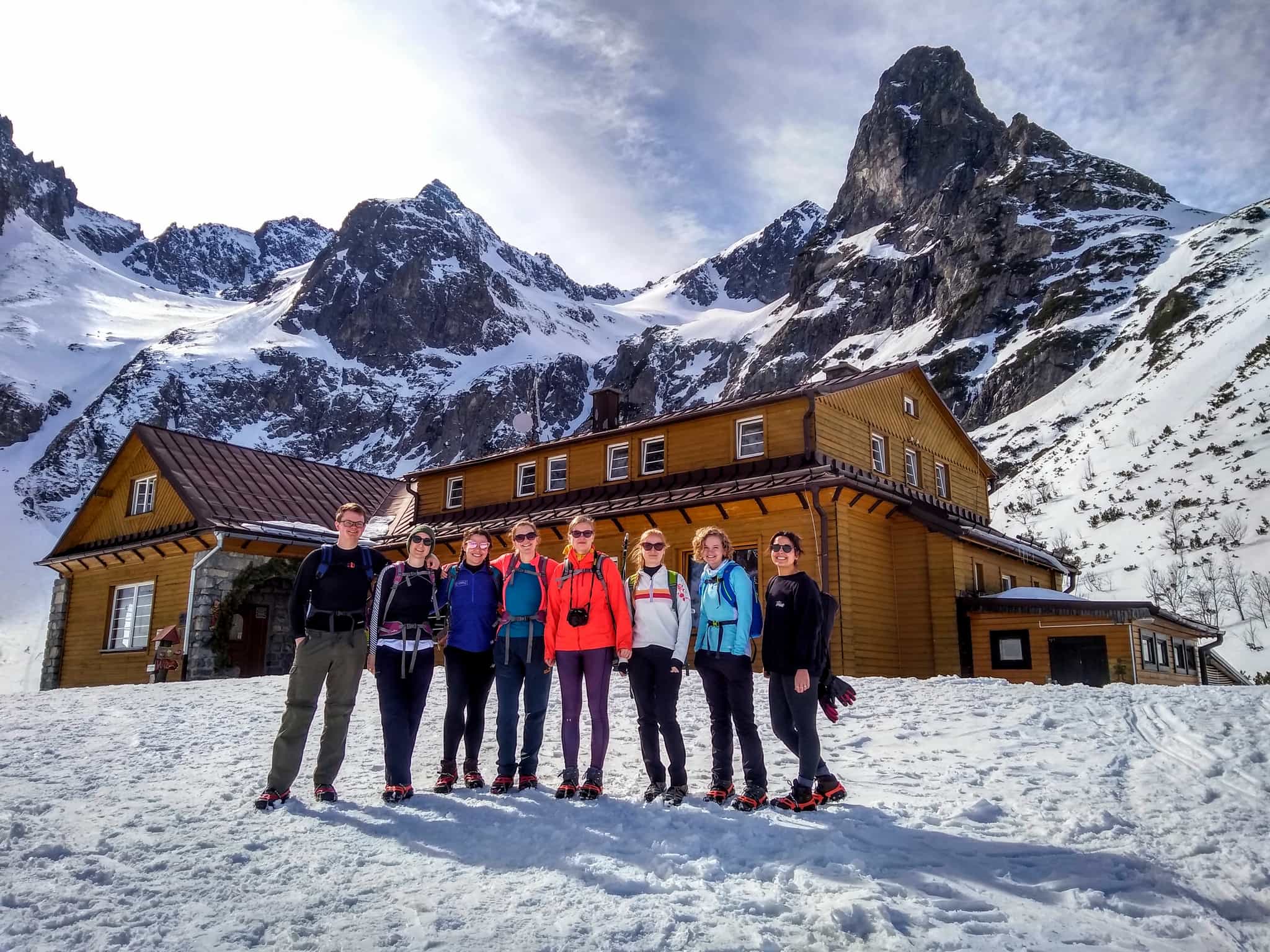
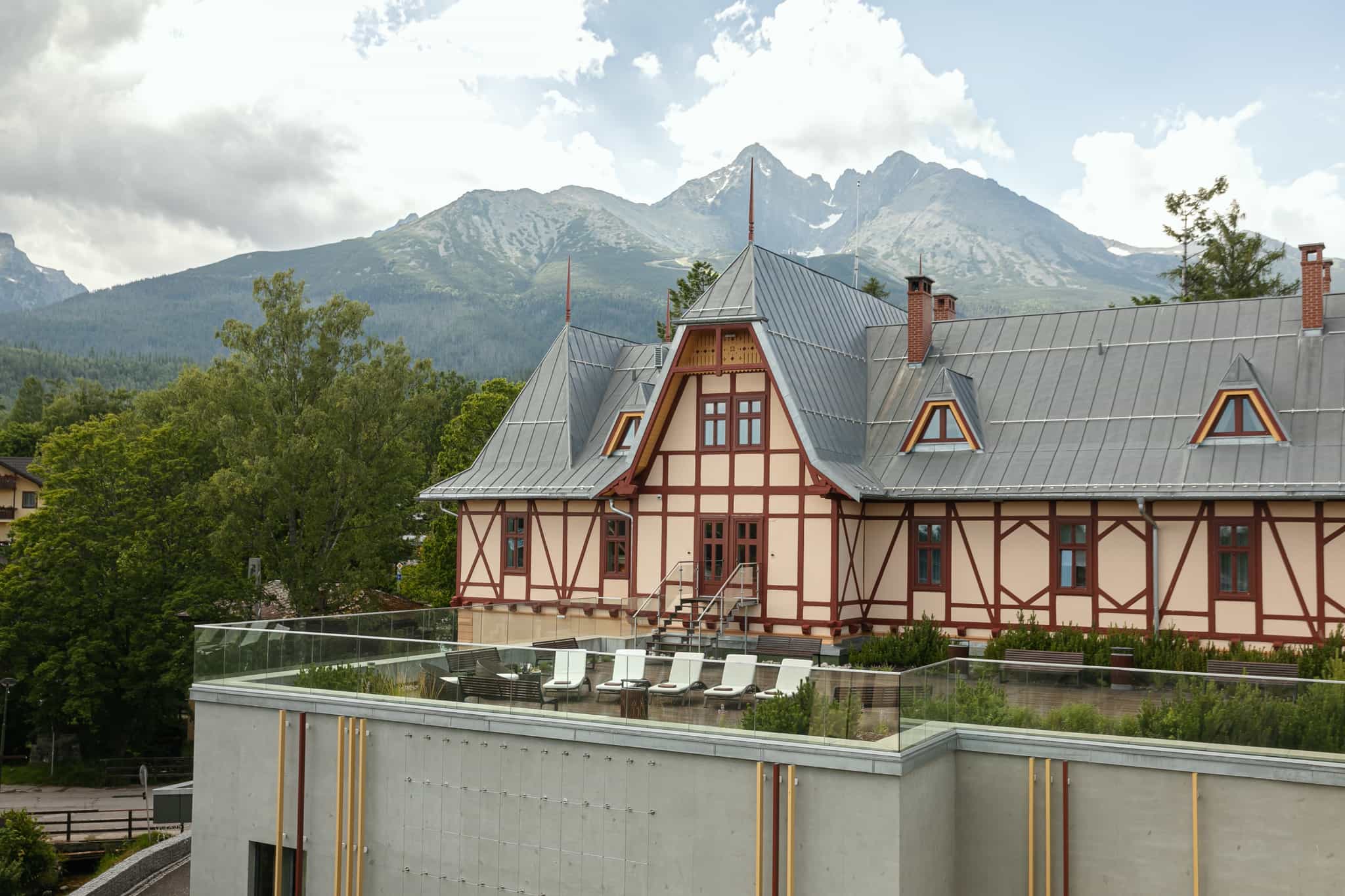
Slovakia3 nightsLevel 3
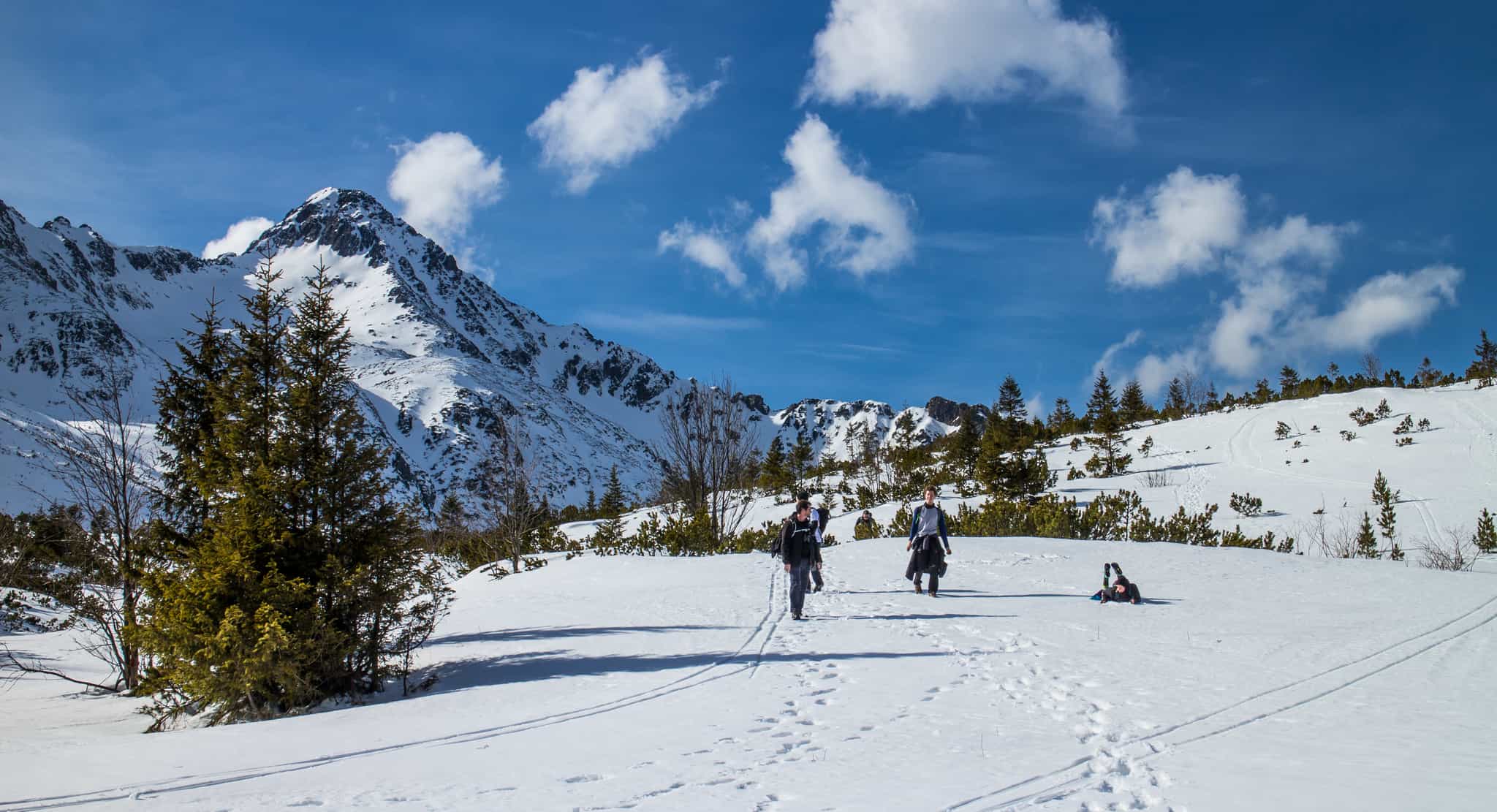
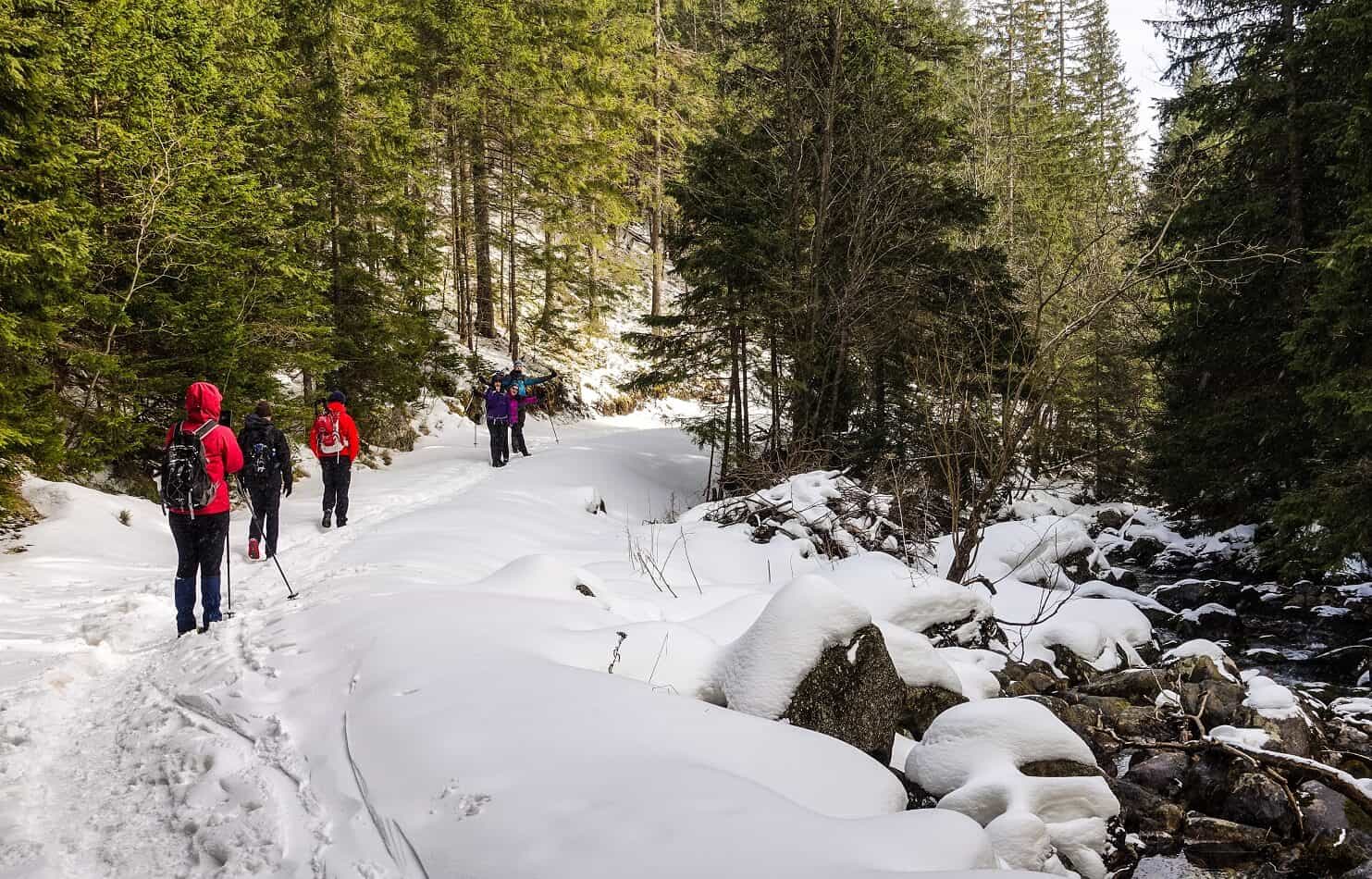
Hike Slovakia's High Tatras Mountains in a Weekend: The Winter Edition
Available Jan - Mar
from£676


Albania, Montenegro6 nightsLevel 4
Hike and Wild Swim in the Albanian Alps
Available Jun-Sep
from£1,061
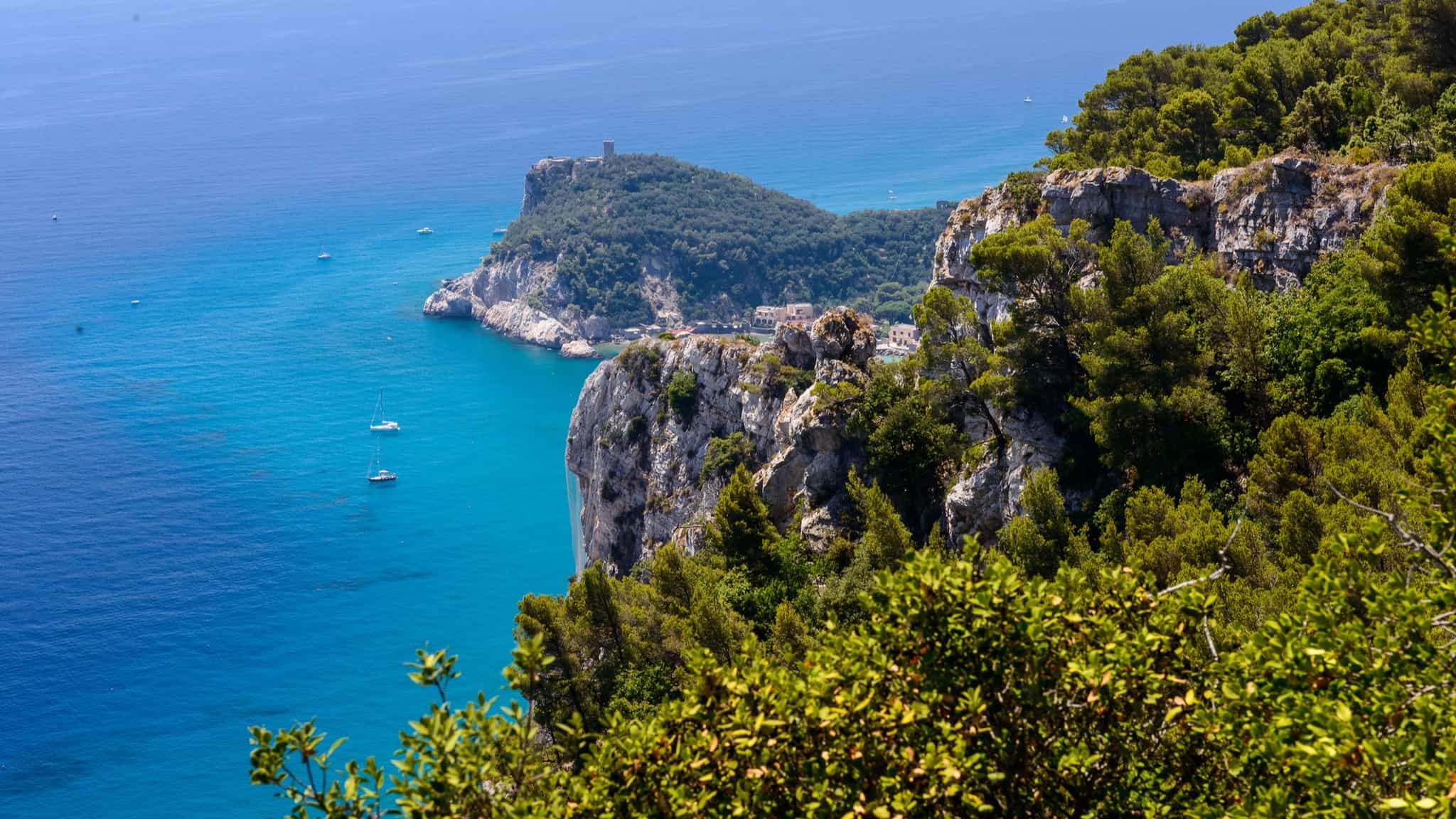
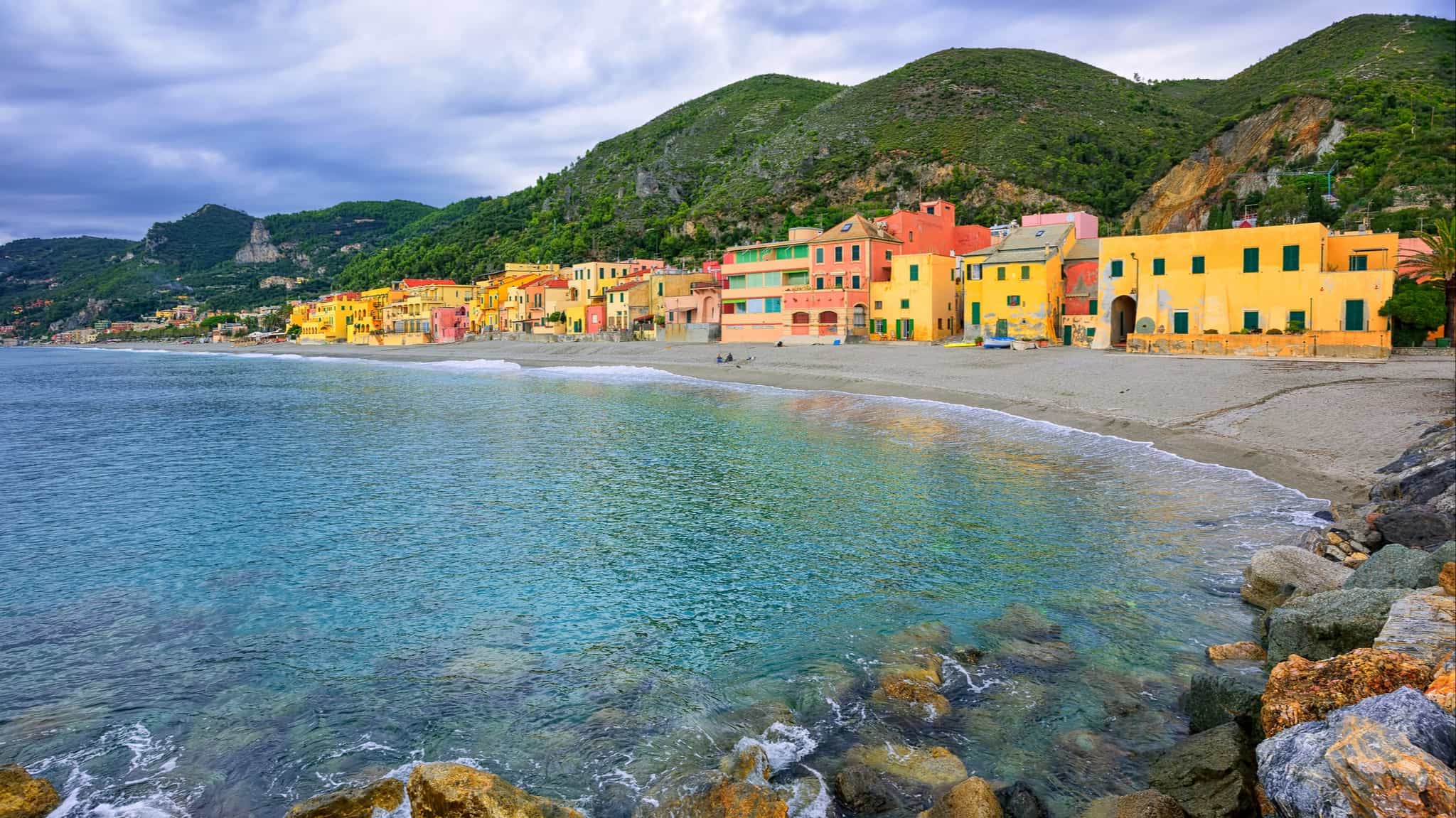
Italy5 nightsLevel 3
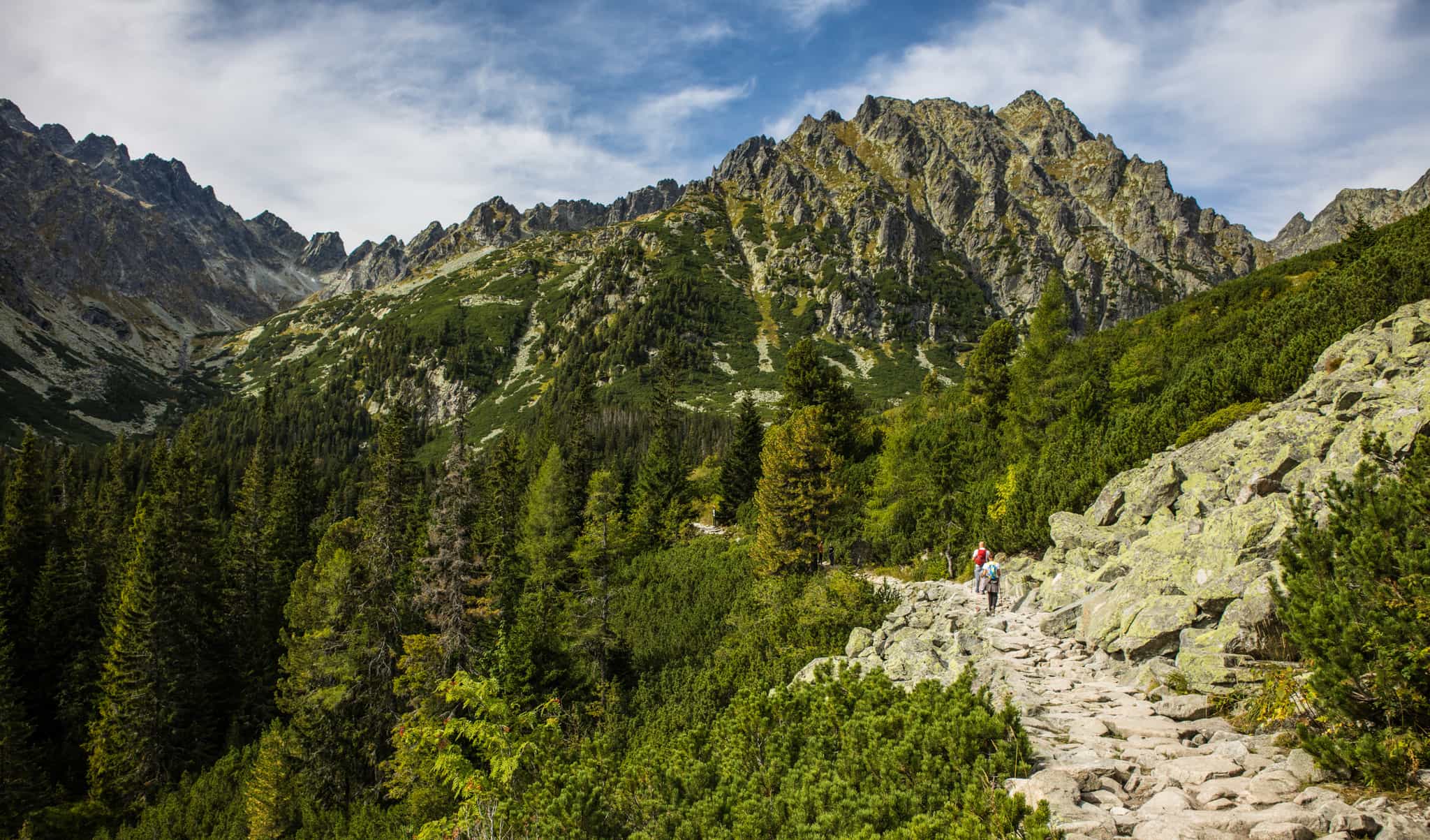
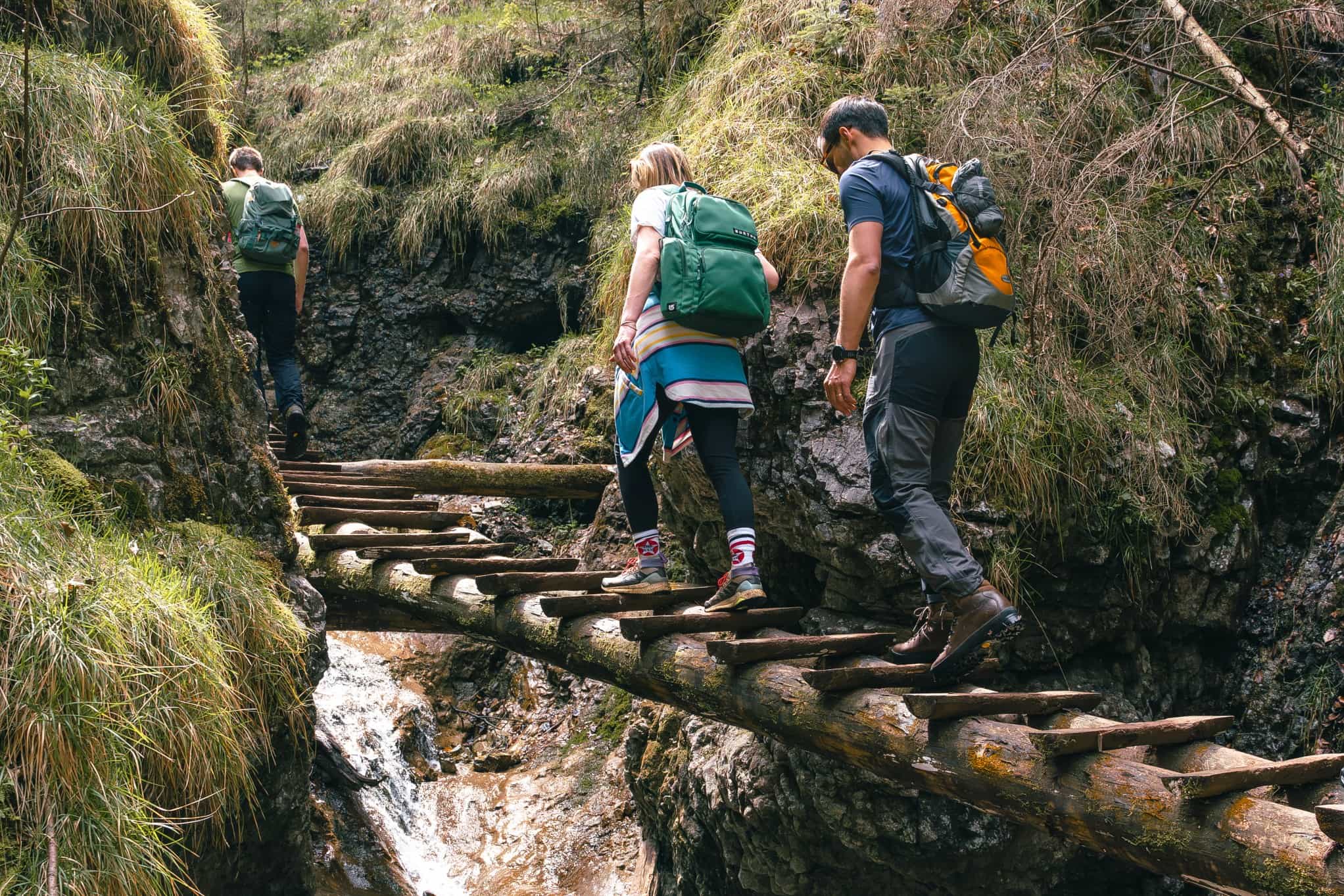
Hike the Coastal Trails of the Italian Riviera
Available Apr-Jun | Sep-Nov
from£1,290
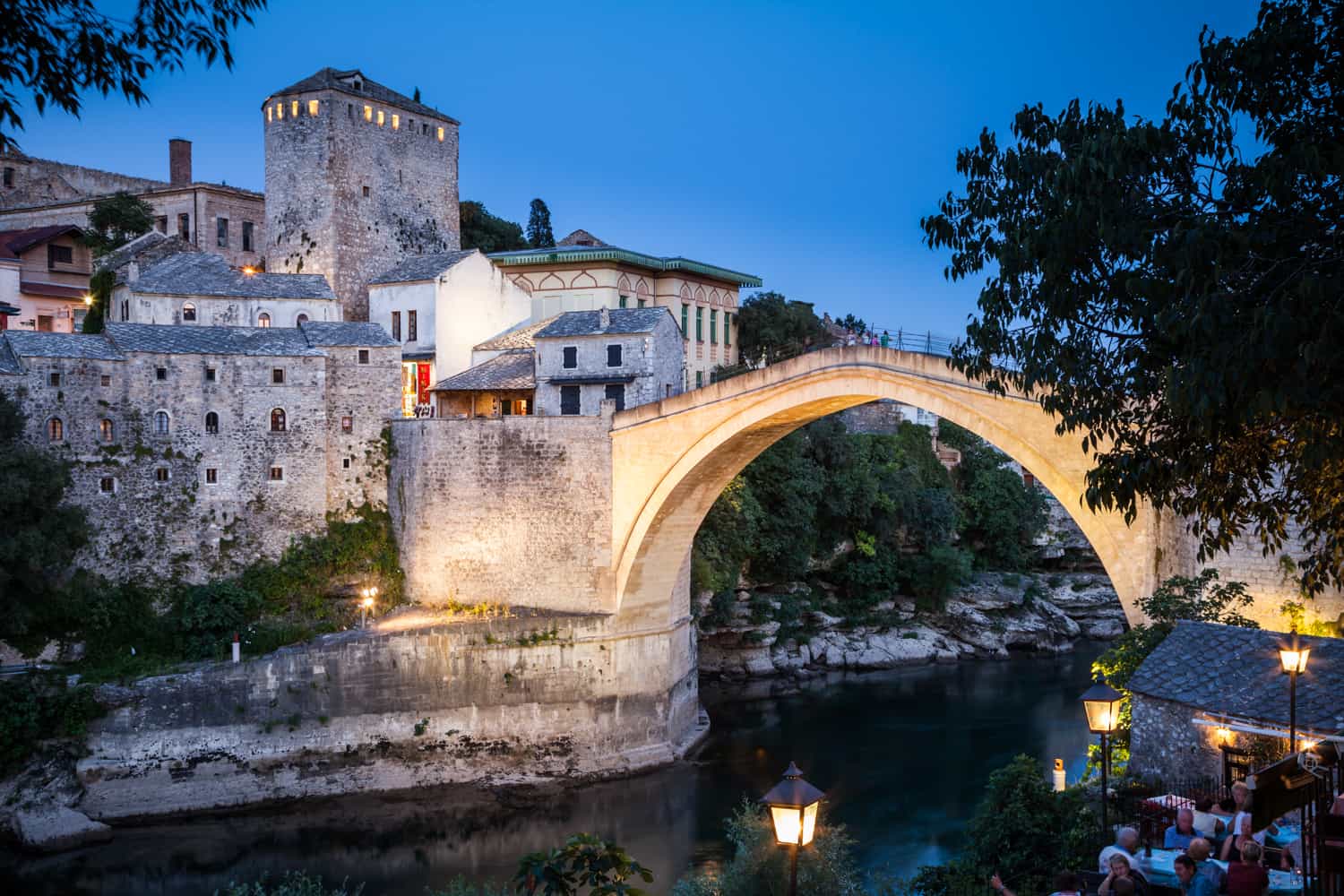
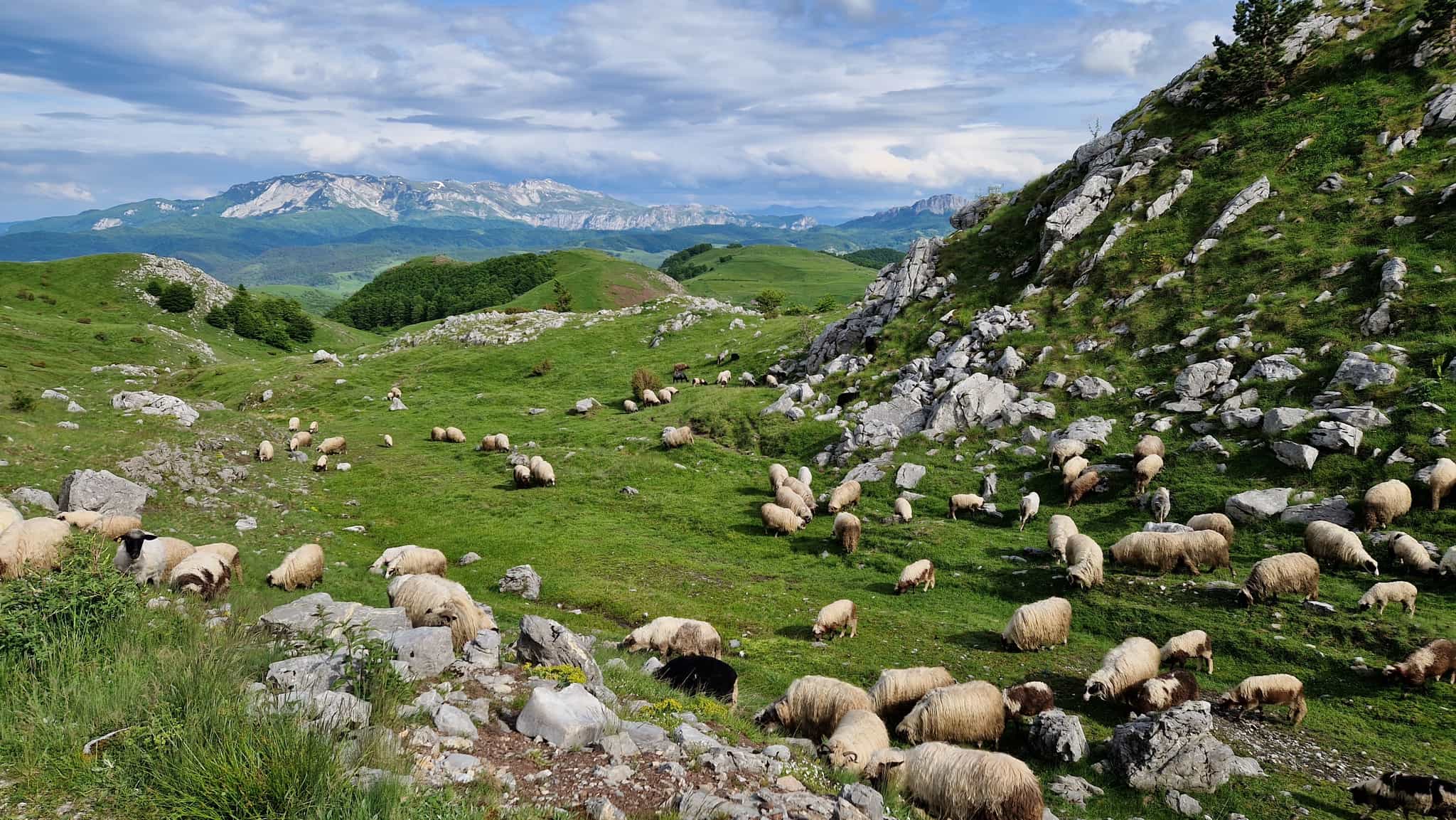
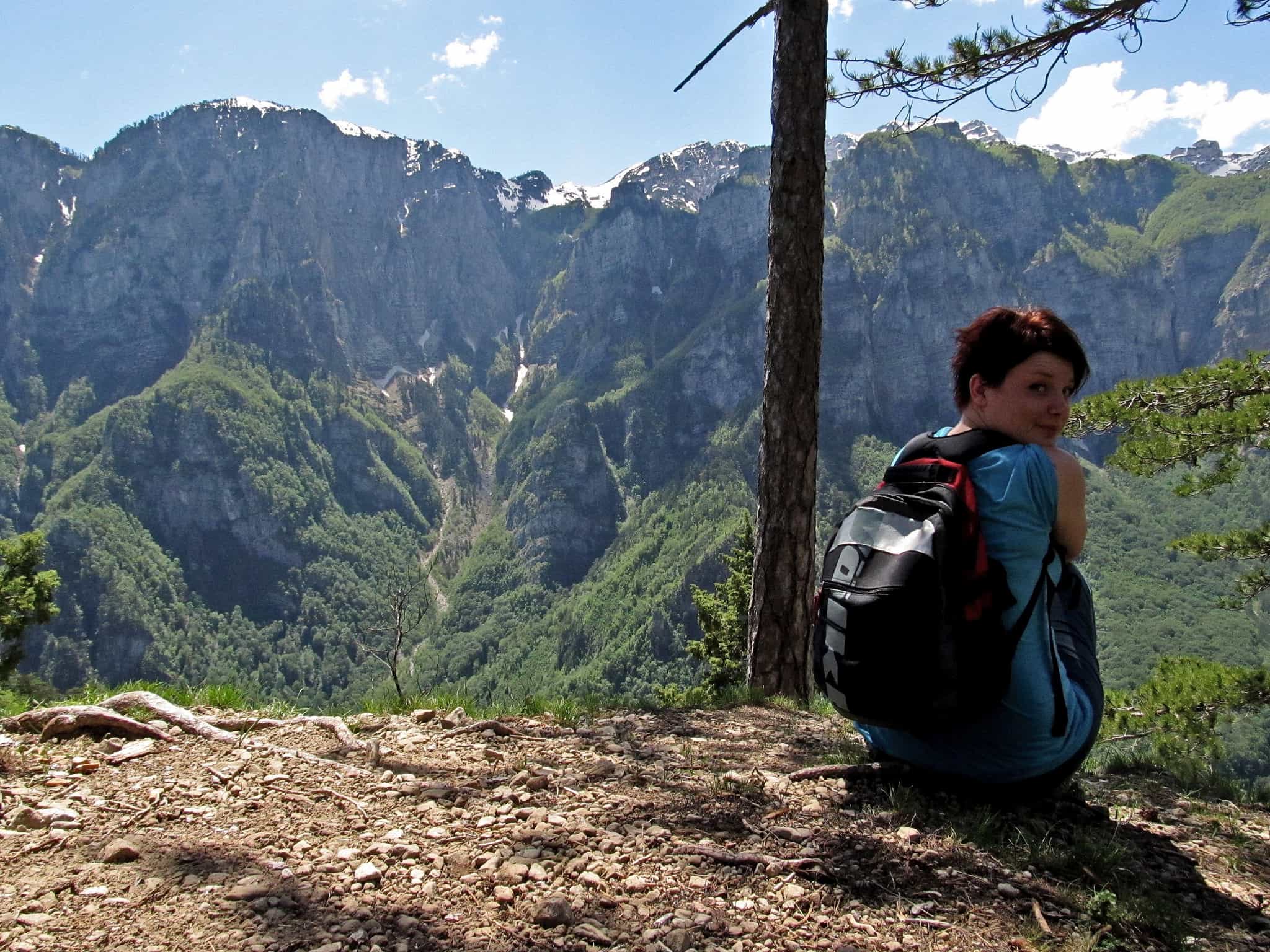
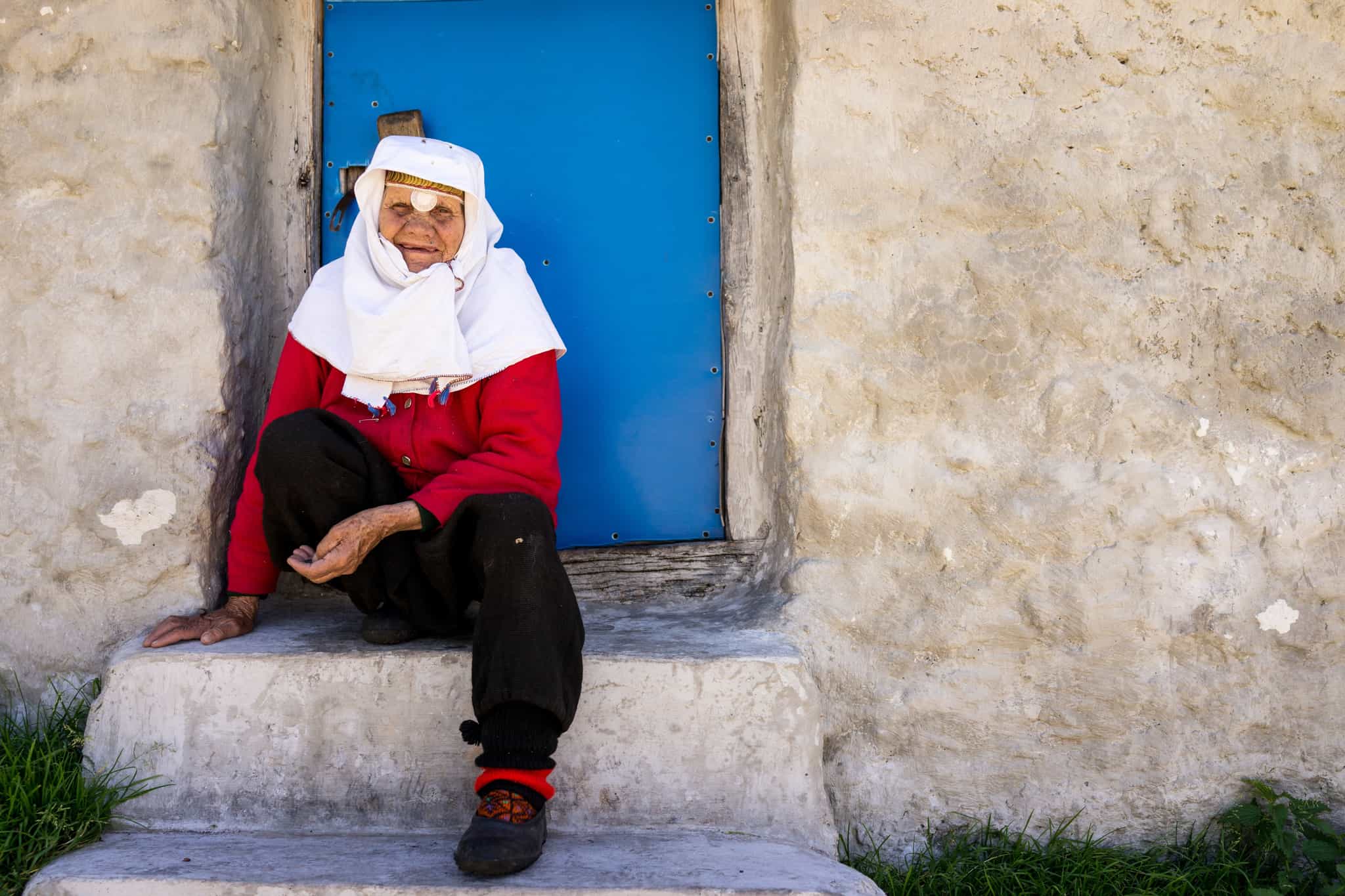
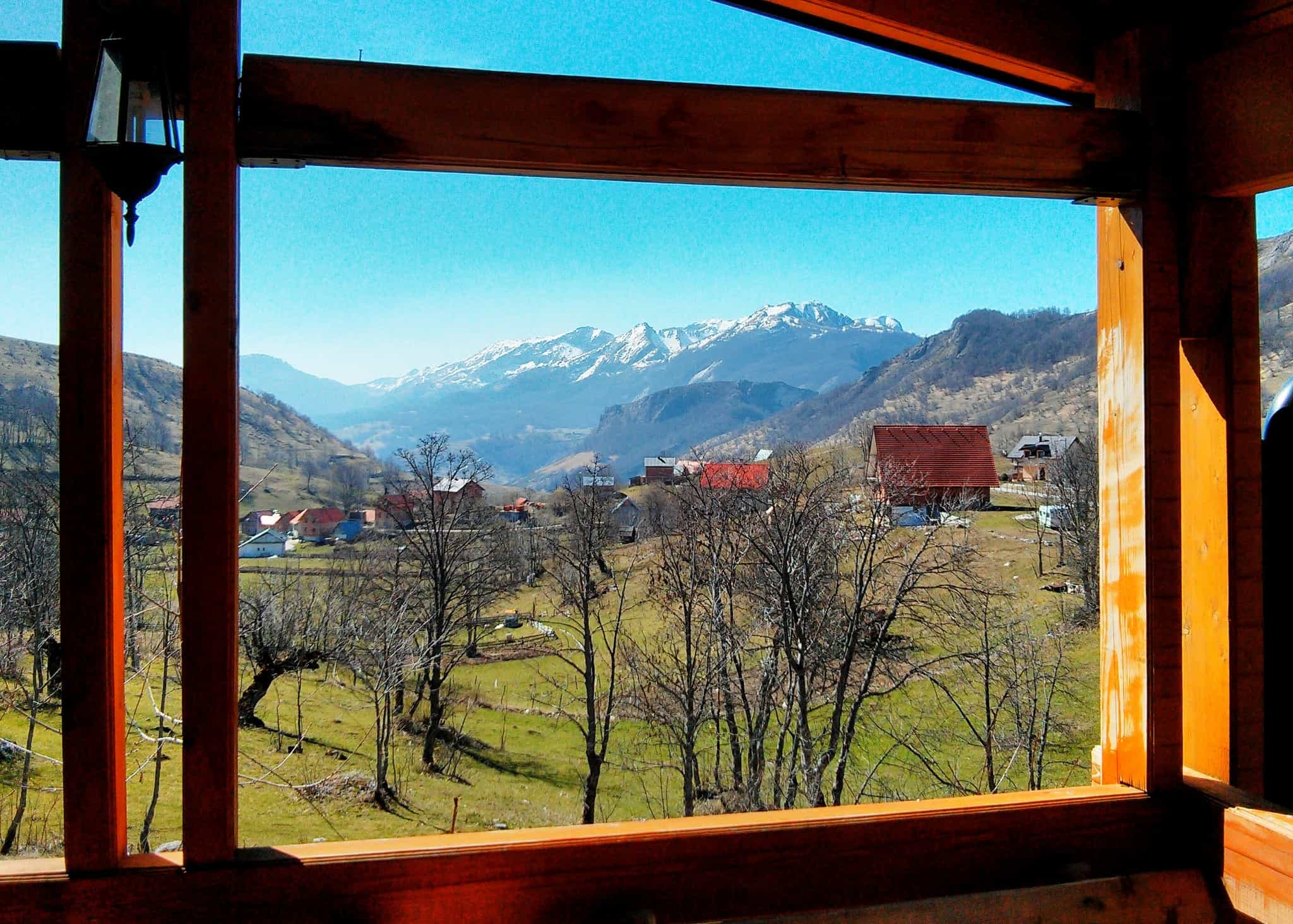
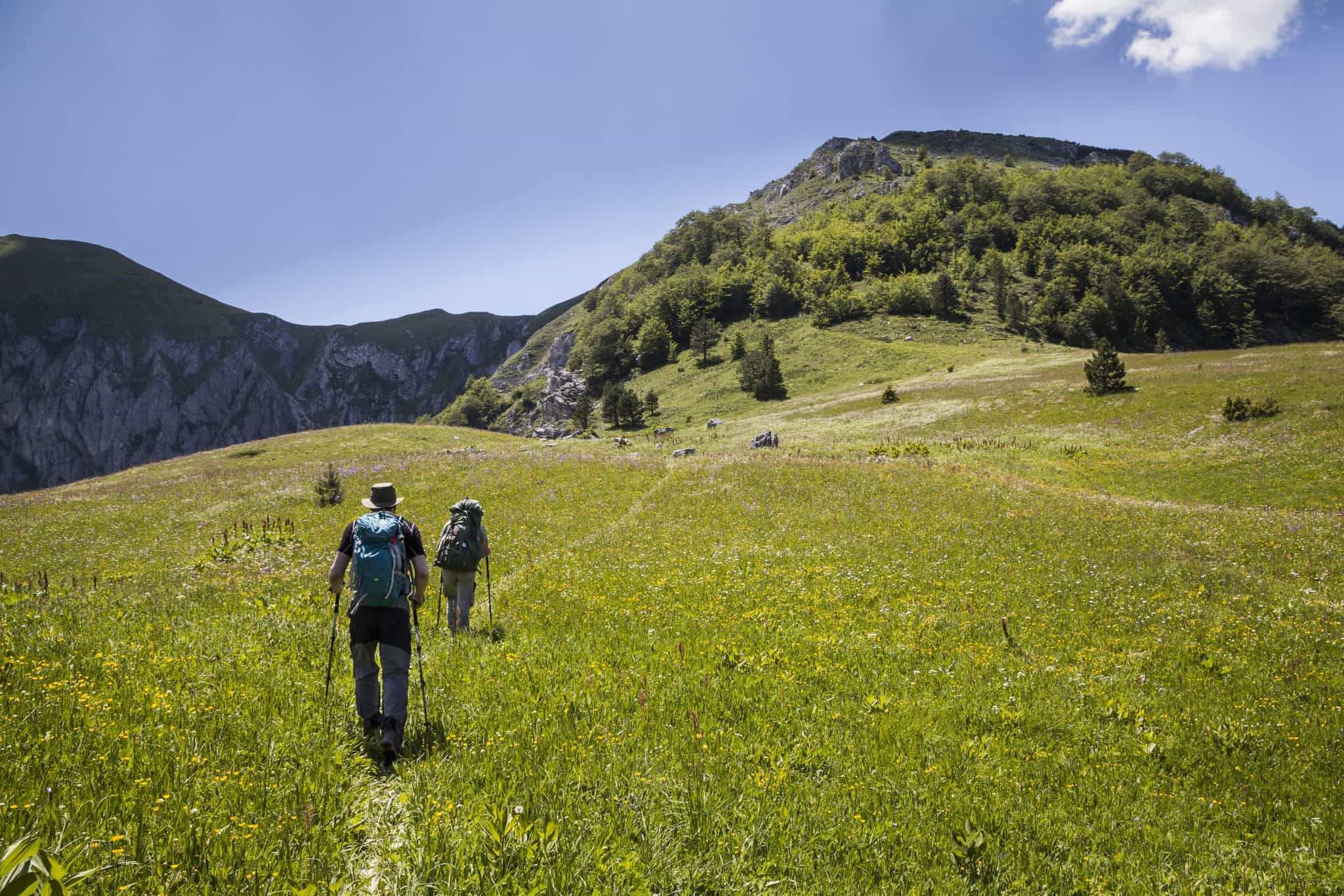
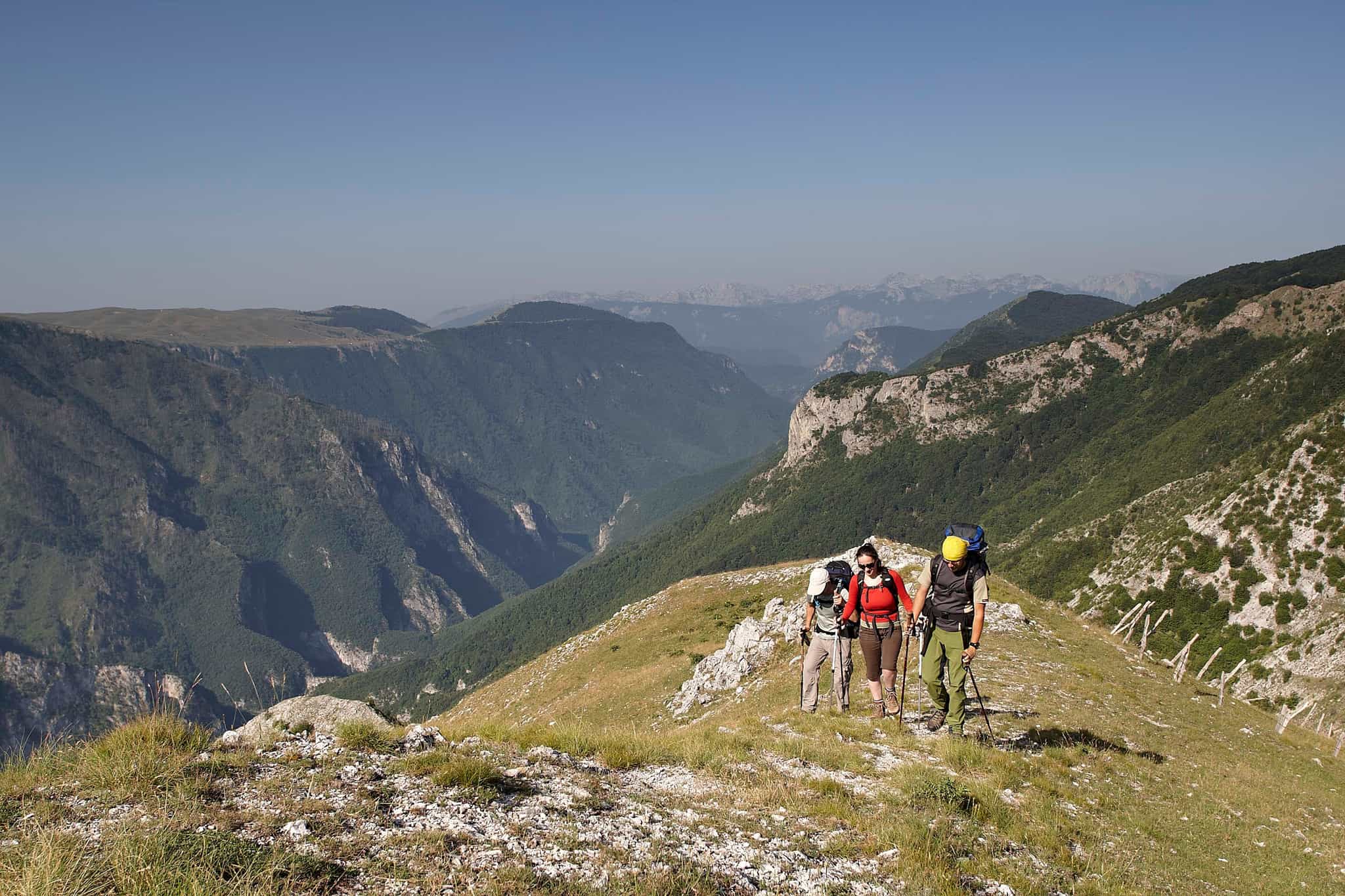
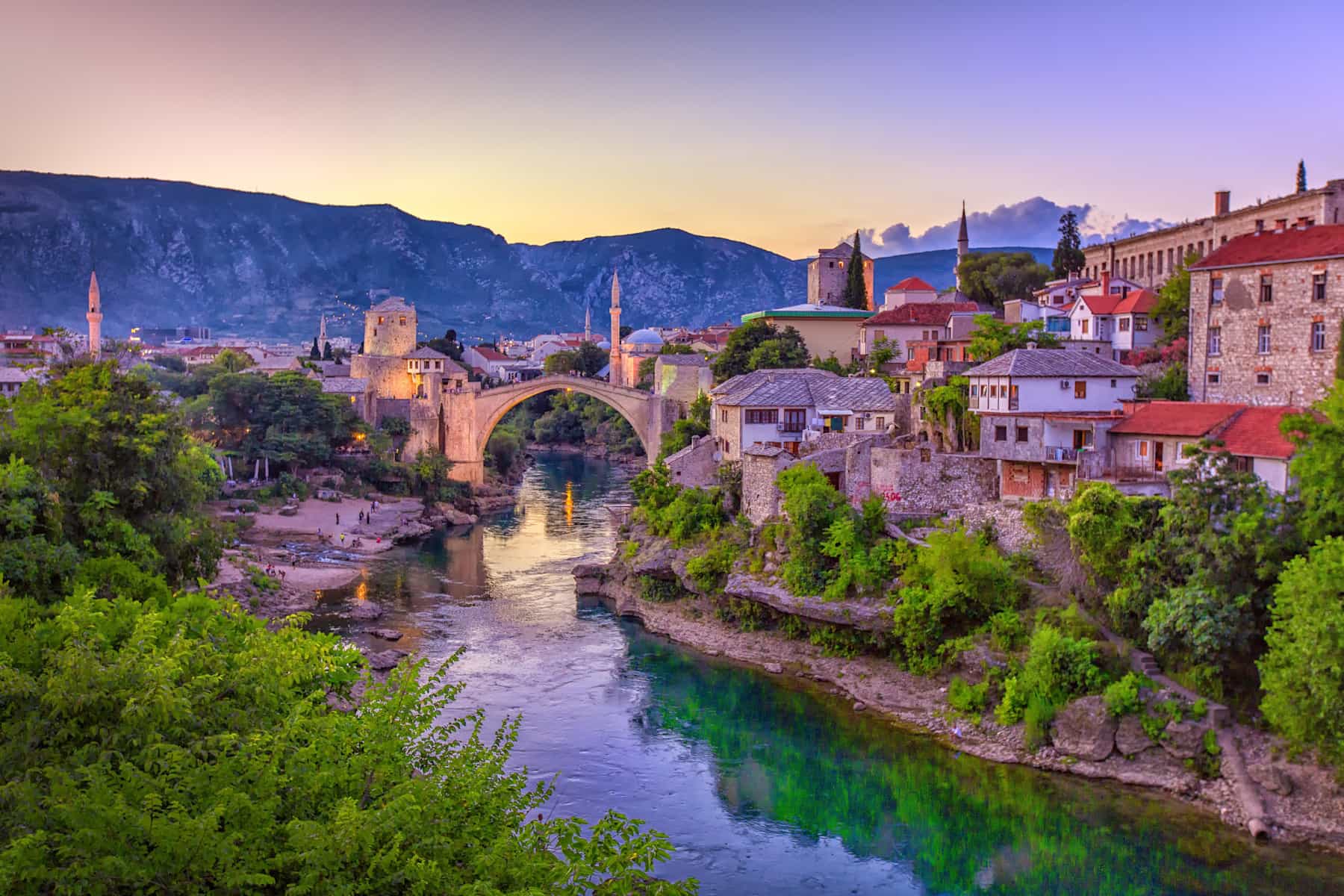
Bosnia and Herzegovina5 nightsLevel 3
Adventure Hiking in Bosnia and Herzegovina
Available April-Oct
from£1,140


Premium
France, Italy, Switzerland7 nightsLevel 5
Premium: Trek the Tour du Mont Blanc
Available Jun-Sep
from£3,828


Showing trips 1–24 of 84
No trips selected for comparison
Where to Go Hiking in Europe in November
November is the month the European hiking map shrinks, and quietly relocates out to sea. This is the start of winter, and mainland trails from the Alps (opens in new tab) to the Balkans (opens in new tab) and the Scottish Highlands (opens in new tab) are largely done for the year. Mountain huts shut their doors, and the first proper snow arrives at altitude - meaning a lot of popular hiking trails are now buried, or can only be completed with winter mountaineering gear and experience. That's not the case everywhere, though.
Head out to the Atlantic islands, the Canaries, or south into the Mediterranean's warmest corners and the hiking season is still very much alive. This is the month for volcanic peaks over subtropical coastline, for levada walks through laurel forest, for visiting vineyards with a hike squeezed in between courses of a long Italian lunch. It's a smaller, more concentrated list than September (opens in new tab) or October (opens in new tab) — but every trip on it makes a strong case for itself.
What's the Weather Like for Hiking in November?
While much of Europe turns chilly, the Canary Islands, Madeira and the Azores barely register a change of season in November. Daytime temperatures sit at 17-24°C (63-75°F), with warm seas and mild nights, making them the most reliable hiking destinations in Europe this month.
Southern Spain and the southern Italian coast cool further, with daytime highs of 14-19°C (57-66°F) — still comfortable for hiking, if a jacket-for-the-evening kind of comfortable.
Inland and further north — Tuscany, the Ligurian coast — expect crisper autumn conditions, 12-15°C (54-59°F) by day and a real chill after dark, with rain more likely than preceding months.
Best Hiking Destinations in November
We've picked out some winter sun destinations for hiking in Europe here. The temperatures provided are rough and approximate estimates for the towns and valleys near these trips. It will certainly be colder at higher altitudes, and proper research and preperation should be done.
1. Hike the Volcanic Island of Gran Canaria, Spain
- Average daytime temperatures: 18-24°C (64-75°F)
- Average nighttime temperatures: 14-17°C (57-64°F)
- Best for: Reliable sunshine and a genuine mountain summit
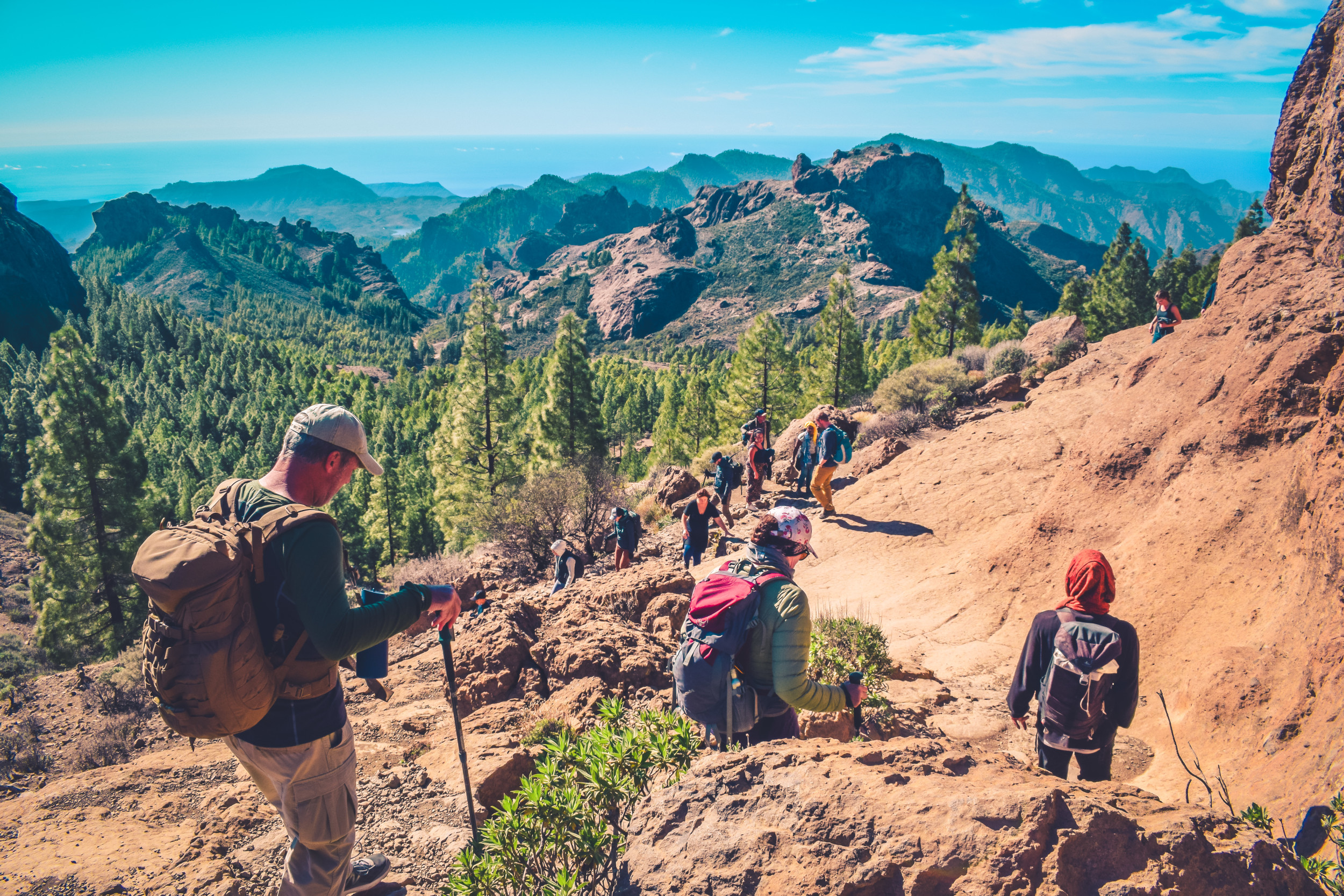
Gran Canaria (opens in new tab) stays warm and dry almost year-round, and November is no exception. This trip takes you to the island's high point, Pico de las Nieves (1,949m), across sunken calderas and little-used trails, with coastal rock pools to cool off in at the end of the day.
Why hike here in November? One of the most dependable climates in Europe this time of year, with genuine mountain terrain rather than just a coastal stroll.
Must-do trail section? The summit approach to Pico de las Nieves, with views stretching across the island's volcanic interior.
What's the weather like? Warm, dry and sunny — one of the safest weather bets on this entire list.
What to know before you go? This is a challenging trip with big mountain days — don't be lulled by the beach-holiday climate.
2. Wild Island Adventure in Madeira, Portugal
- Average daytime temperatures: 19-22°C (66-72°F)
- Average nighttime temperatures: 14-16°C (57-61°F)
- Best for: Hiking with a side of canyoning and coastal exploring
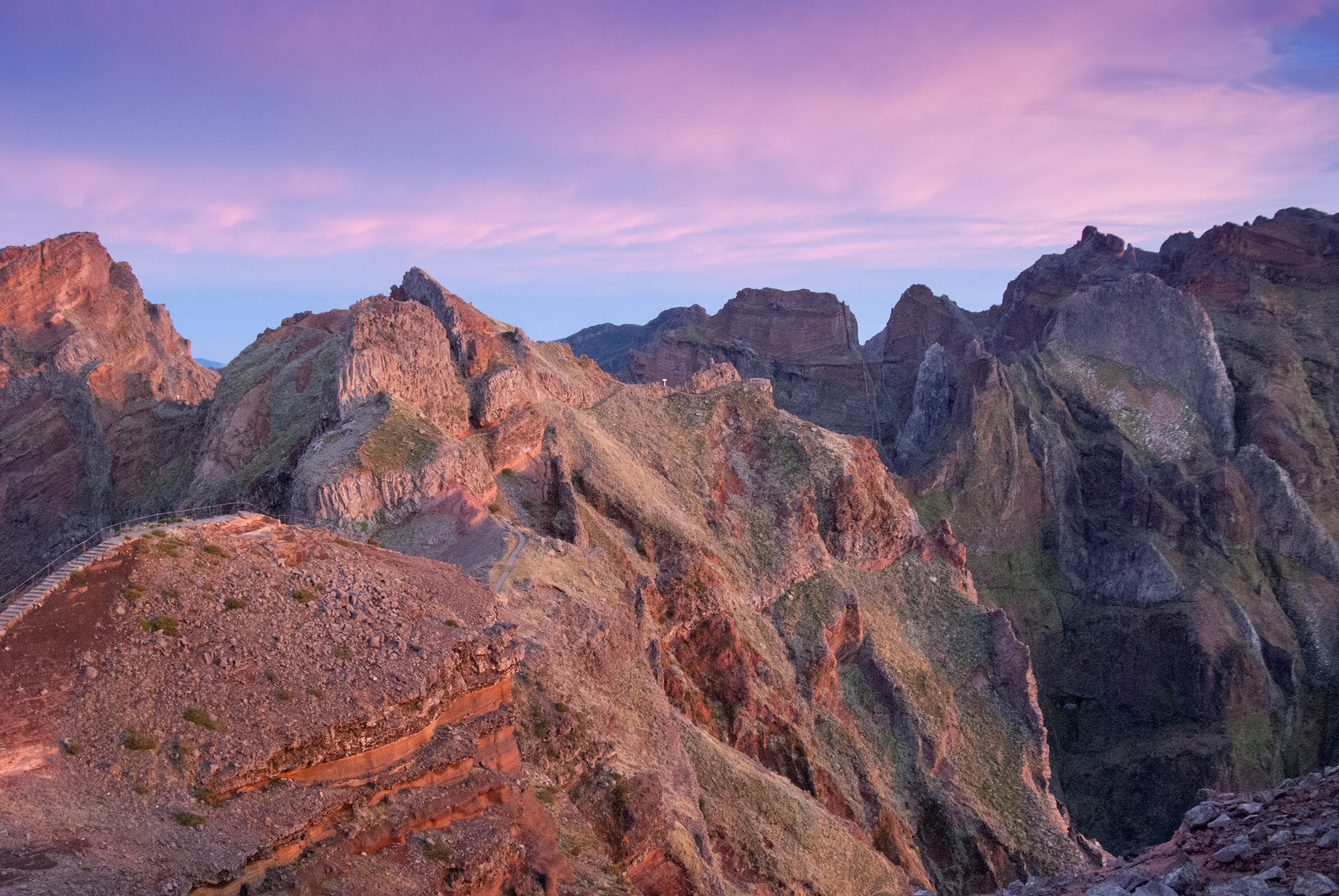
This trip adds an adrenaline layer to Madeira's usual scenery (opens in new tab): canyoning through a volcanic crater with an 18m abseil, hiking to wild swim spots and the summit of Pico Ruivo for sunrise, and a boat trip around the Ponta de São Lourenço peninsula on the lookout for dolphins.
Why hike here in November? A multi-activity week that makes the most of Madeira.
Must-do trail section? The pre-dawn hike to Pico Ruivo, timed for sunrise.
What's the weather like? Mild, with a mix of sun and passing Atlantic showers.
What to know before you go? The canyoning sections mean cold water and exposure regardless of air temperature — a wetsuit is provided, but be ready for it.
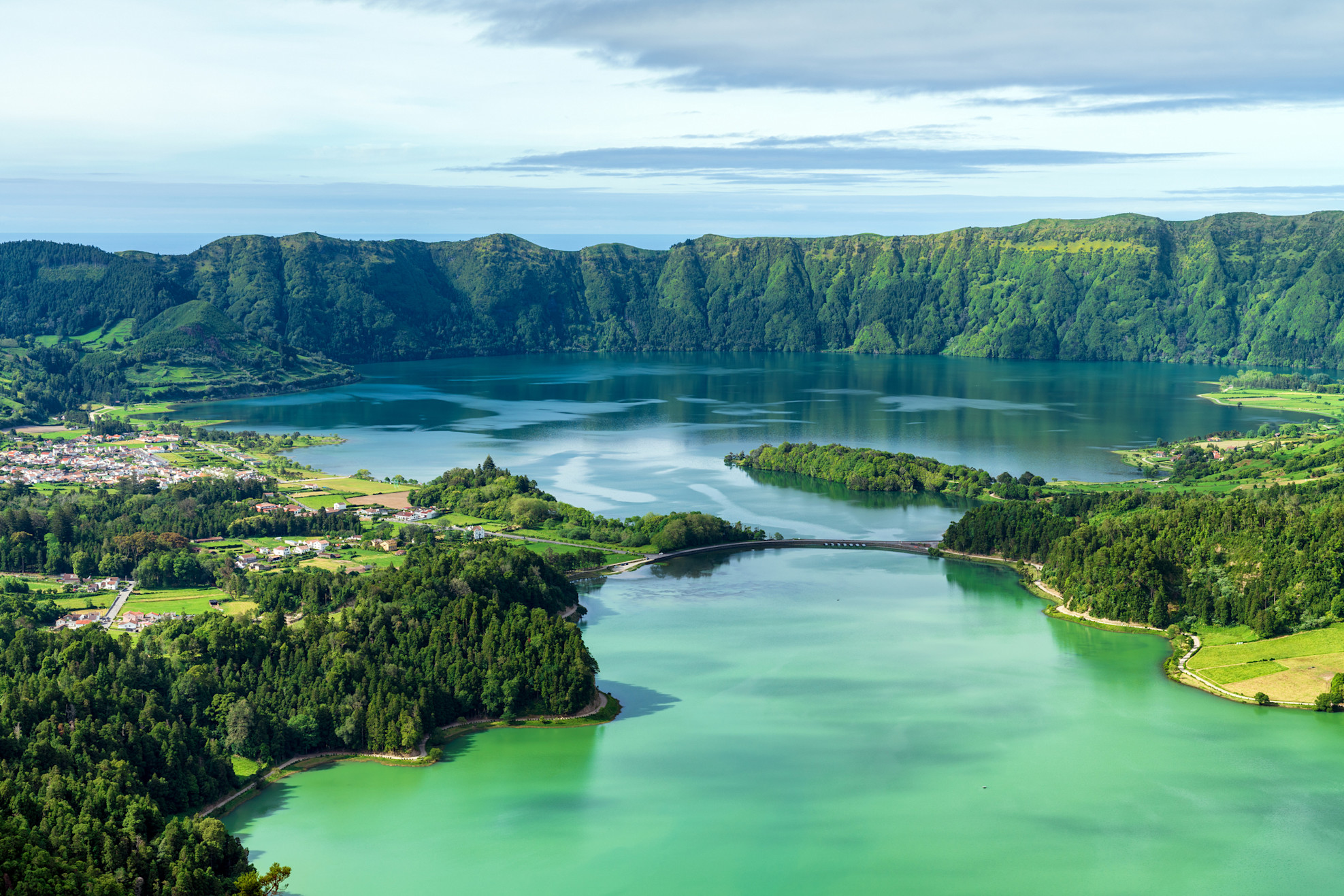
3. The Azores, Portugal
- Average daytime temperatures: 18-21°C (64-70°F)
- Average nighttime temperatures: 13-15°C (55-59°F)
- Best for: Volcanic craters and hot springs, without the Madeira crowds
Portugal's other Atlantic archipelago - the Azores (opens in new tab) - holds up just as well as Madeira through November, and gets a fraction of the visitors. Expect crater lakes, dramatic green ridgelines and a scattering of natural hot springs to soak in after a day on the trail — a good general pick for anyone after Madeira's scenery on quieter ground.
Why hike here in November? Similar mild, wet-leaning Atlantic climate to Madeira, with far fewer crowds and a genuinely underrated hiking network across the islands.
Must-do area? The volcanic crater lakes and ridgeline trails found across the main islands.
What's the weather like? Mild and often overcast, with rain more likely than on Madeira or the Canaries.
What to know before you go? Pack for changeable weather.
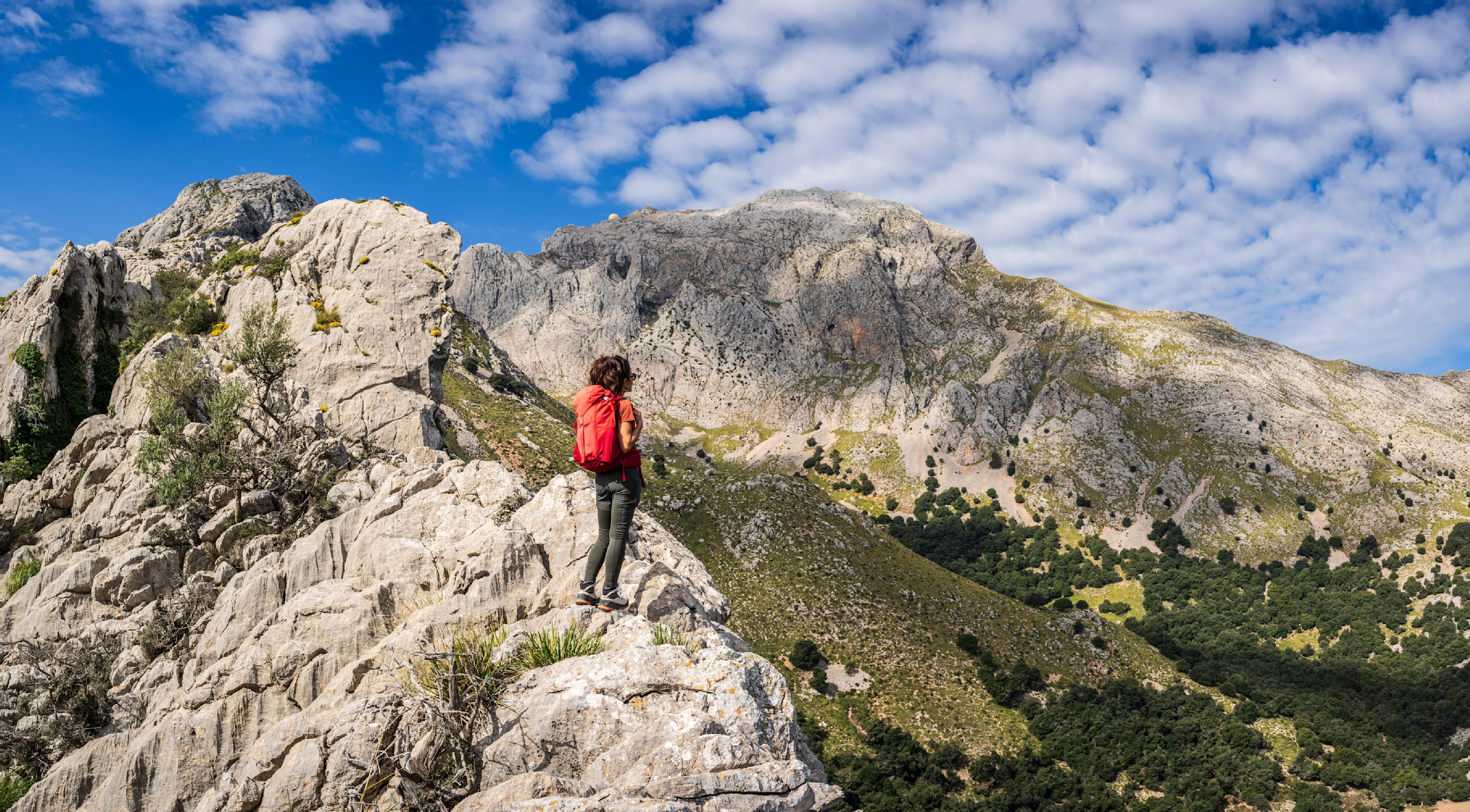
4. Hiking and Yoga on the Wild Side of Mallorca, Spain
- Average daytime temperatures: 17-20°C (63-68°F)
- Average nighttime temperatures: 10-13°C (50-55°F)
- Best for: Peak-bagging with a slower structure
Based in the Serra de Tramuntana, Mallorca's mountainous backbone, this trip (opens in new tab) combines proper day hikes — including a circular route in the shadow of Puig Major, the island's highest peak — with sunrise and sunset yoga at a rural agroturismo retreat.
Why hike here in November? Mallorca's interior stays green and mild well after the coastal resorts empty.
Must-do trail section? The circular hike around Puig Major, with Mediterranean views from the ridgelines.
What's the weather like? Mild by day, cooling noticeably at night — bring a proper midlayer.
What to know before you go? This is a trip built around balance.
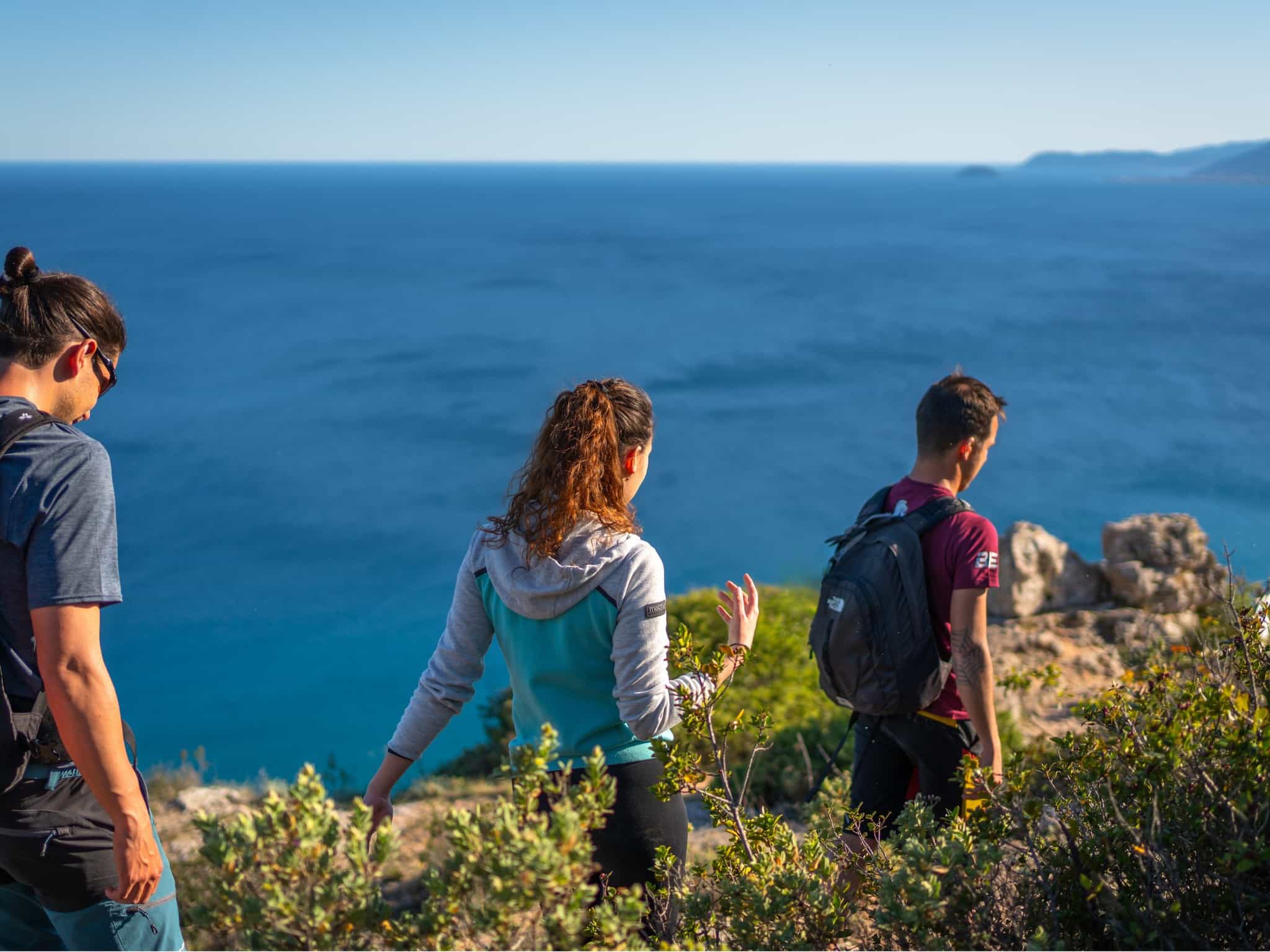
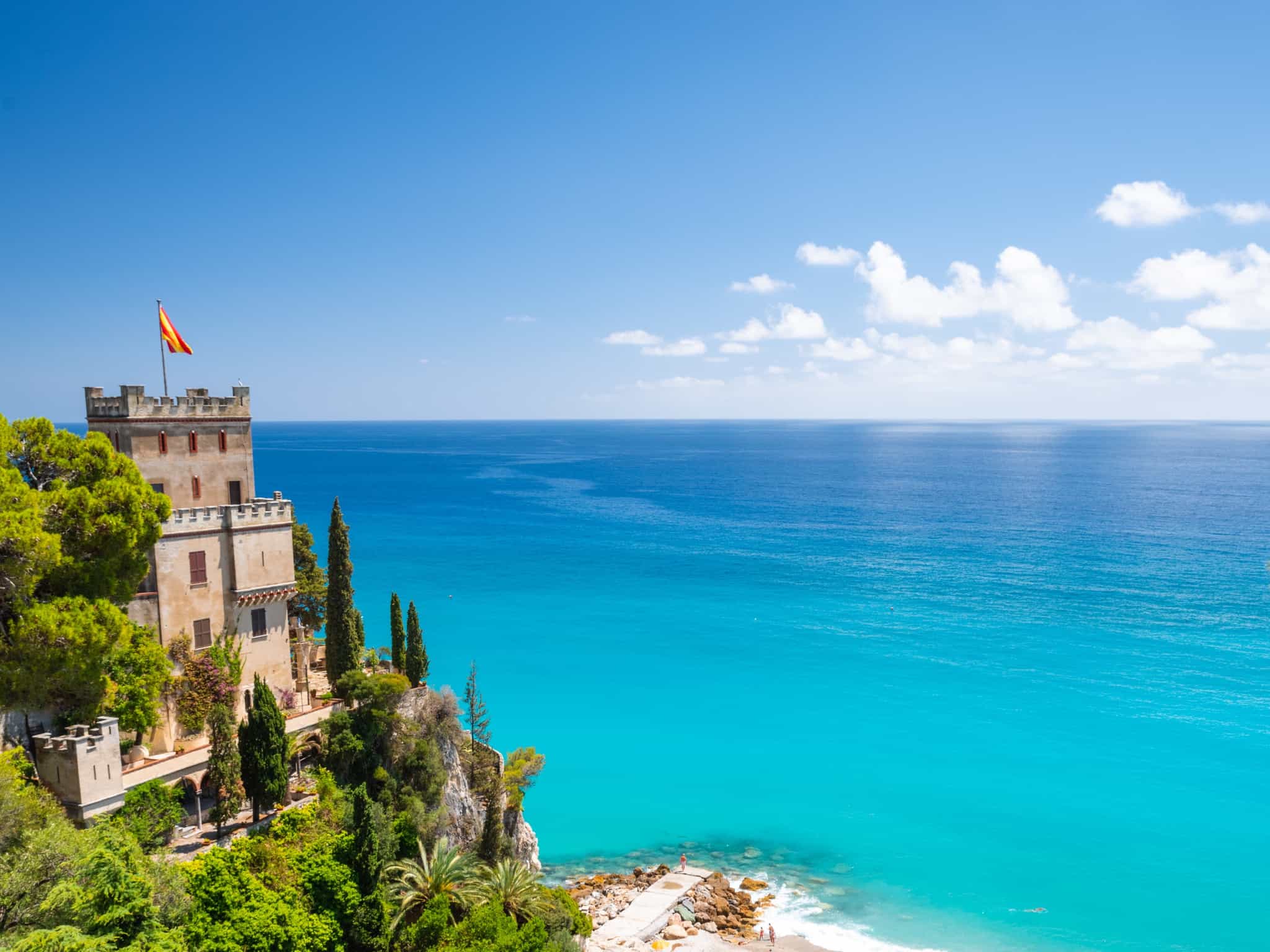
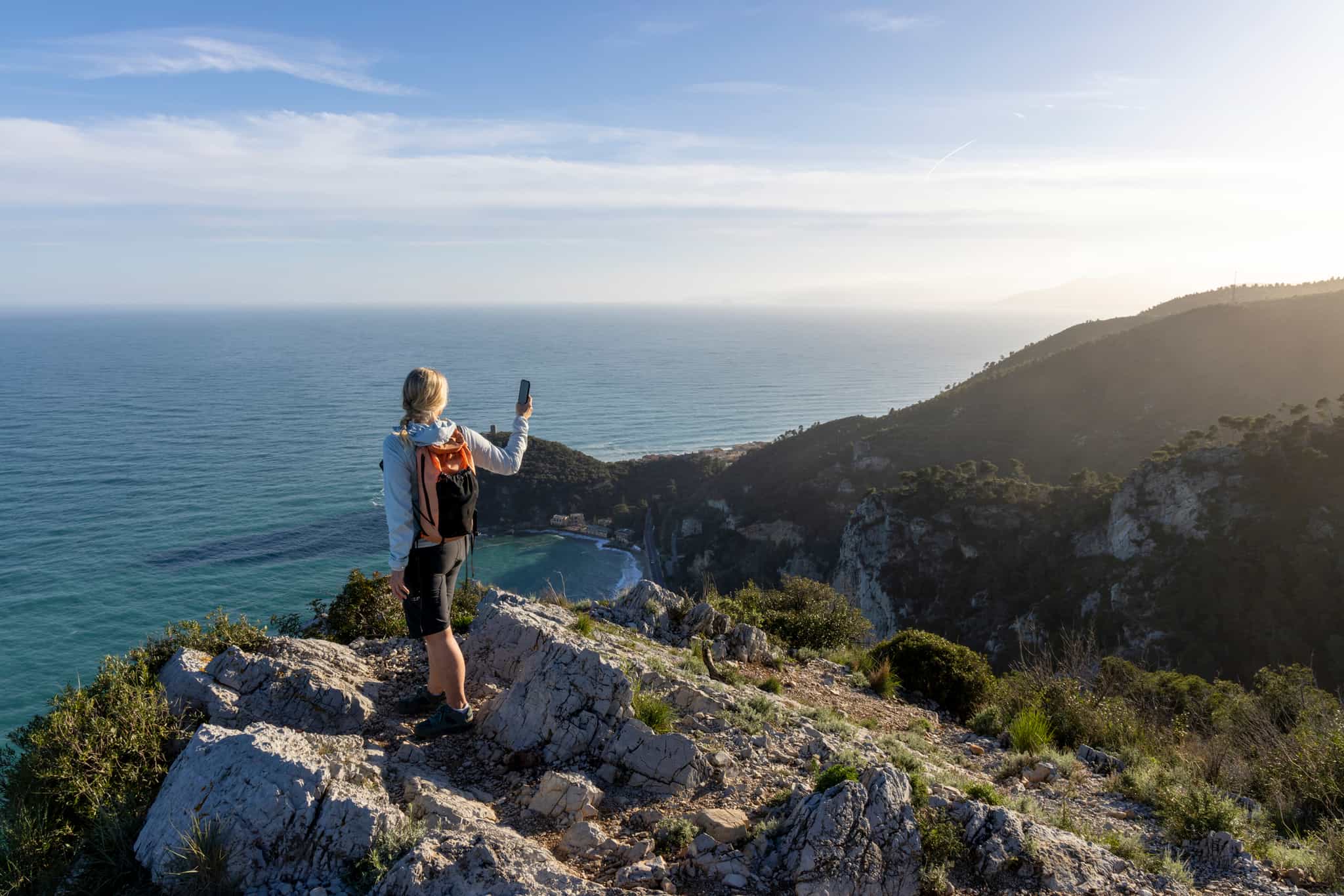
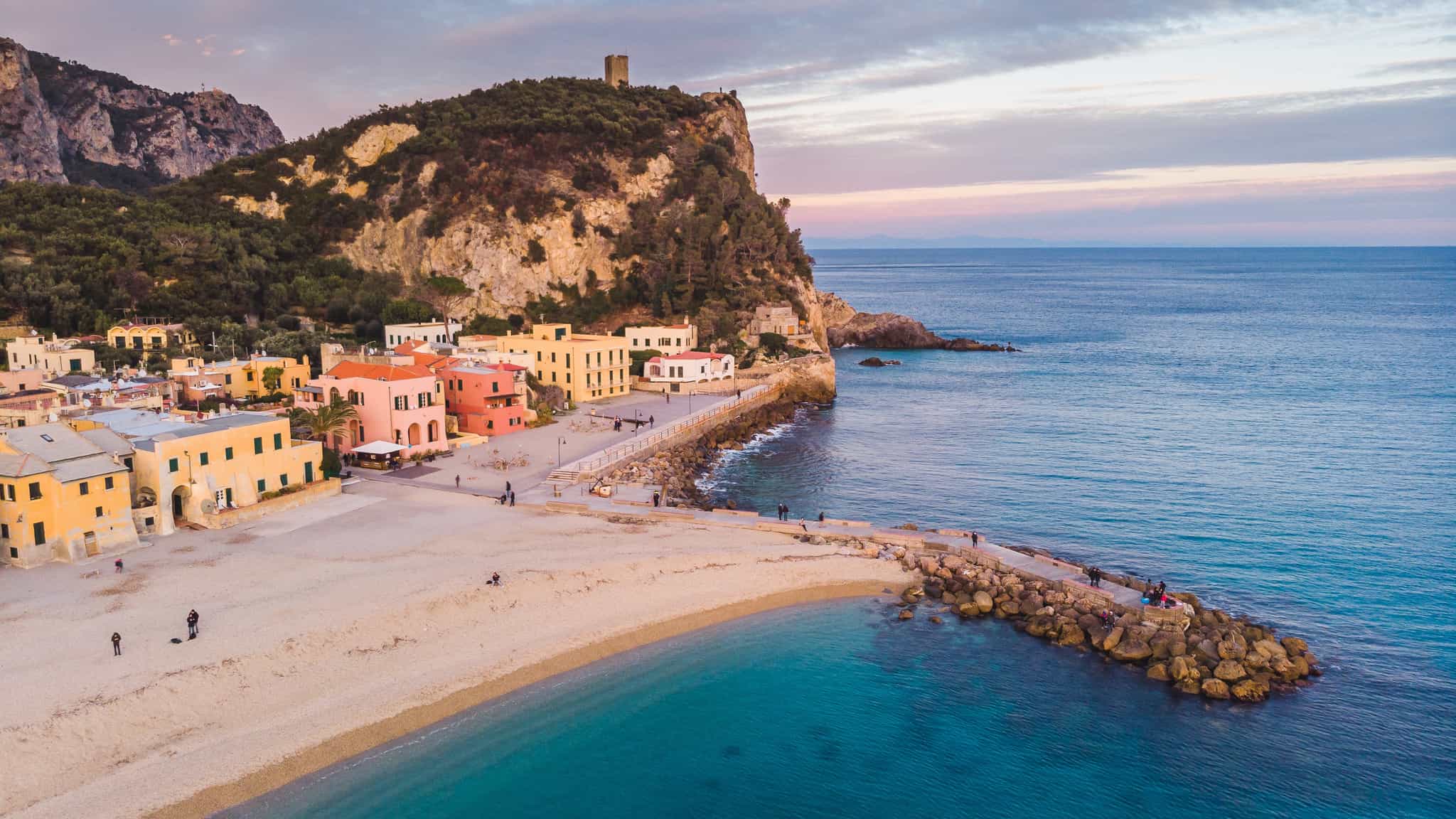
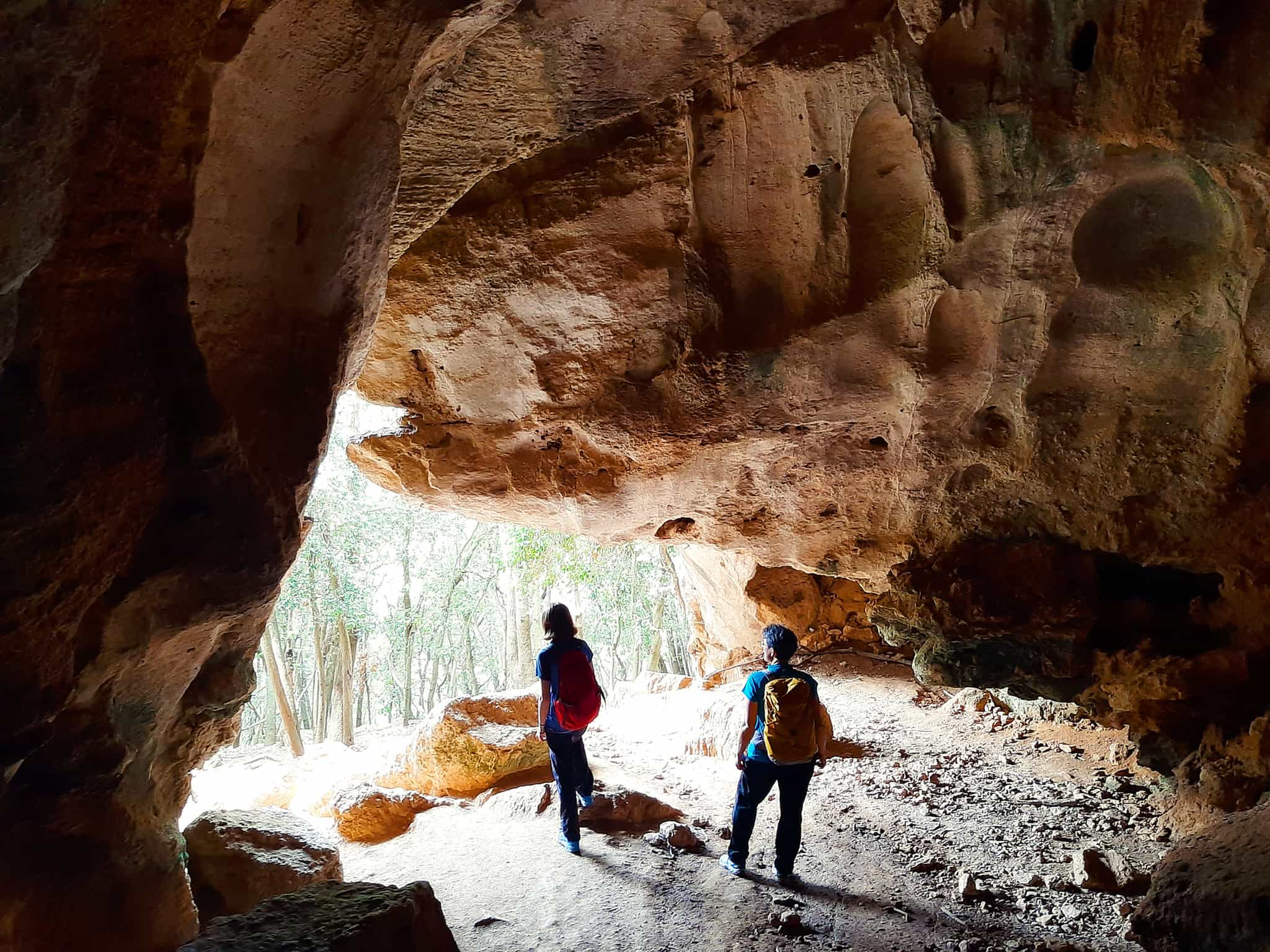
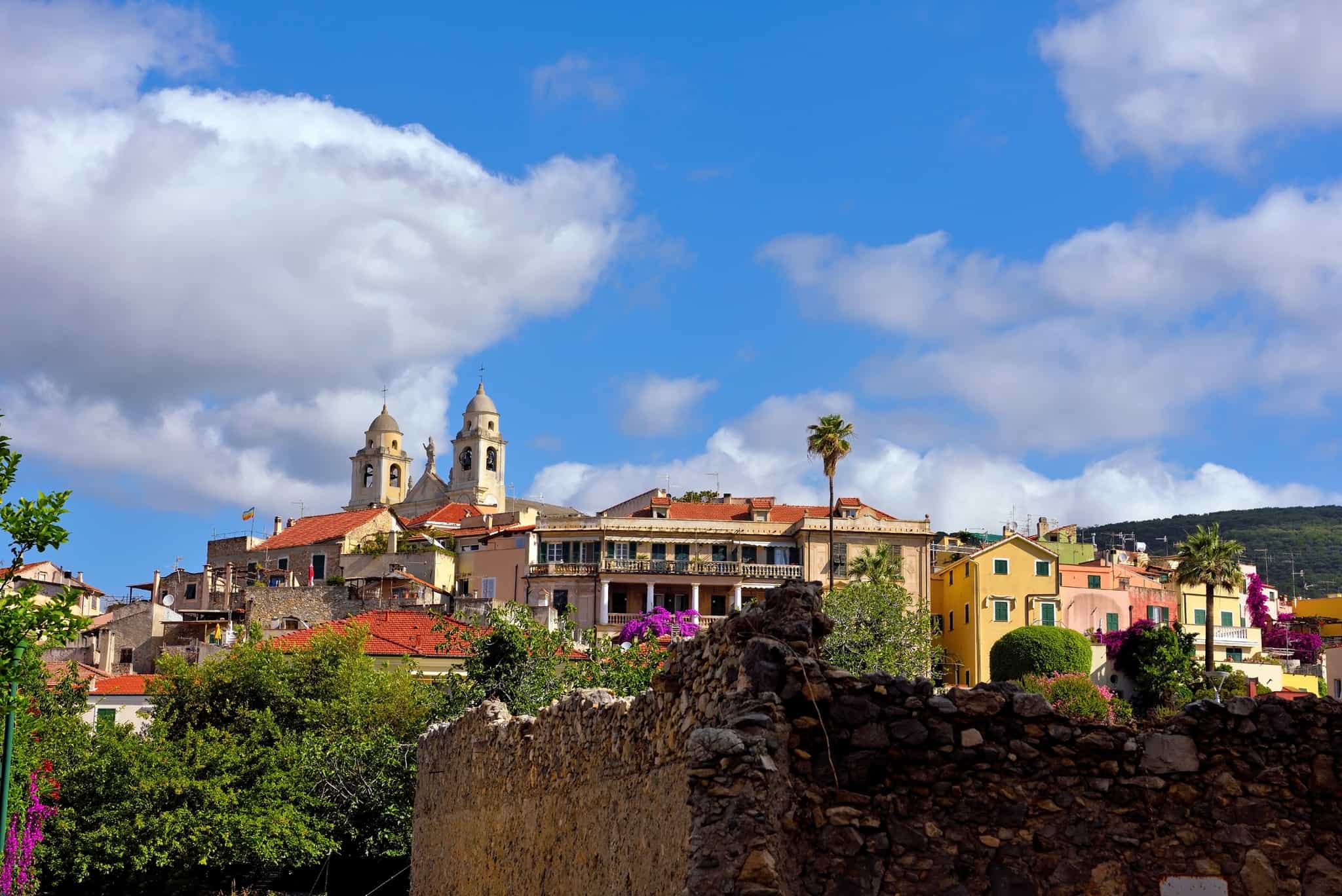
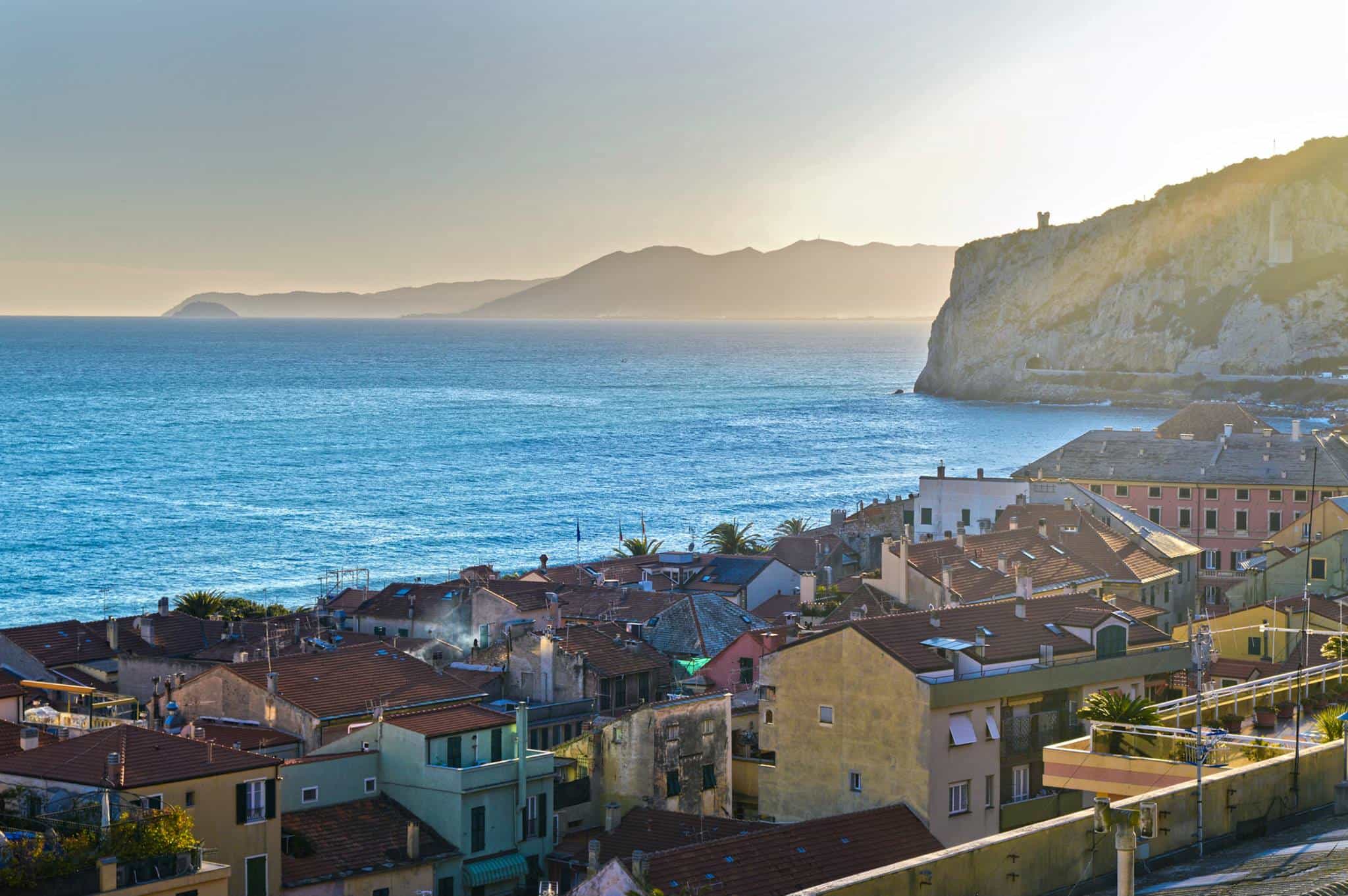
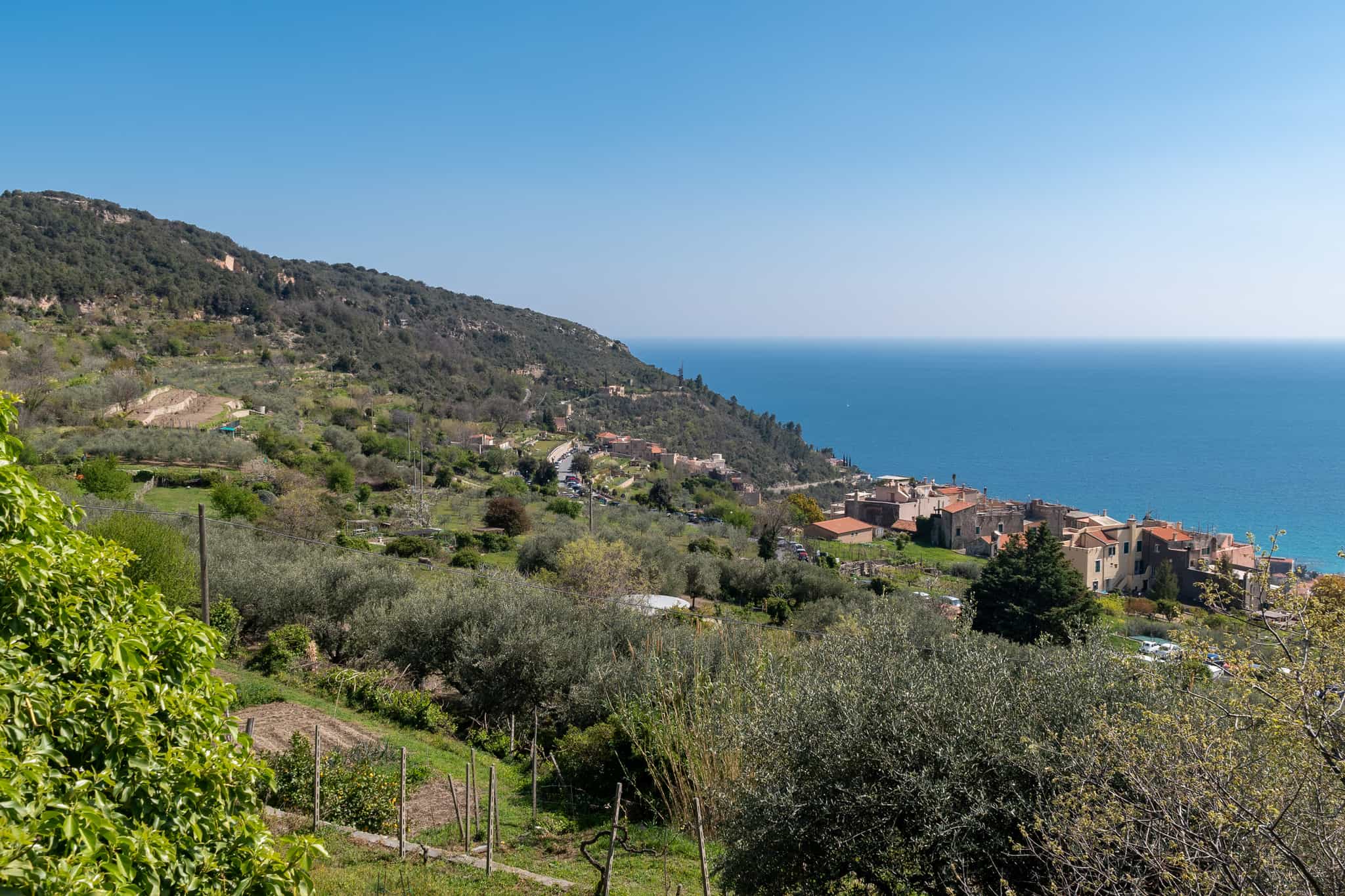
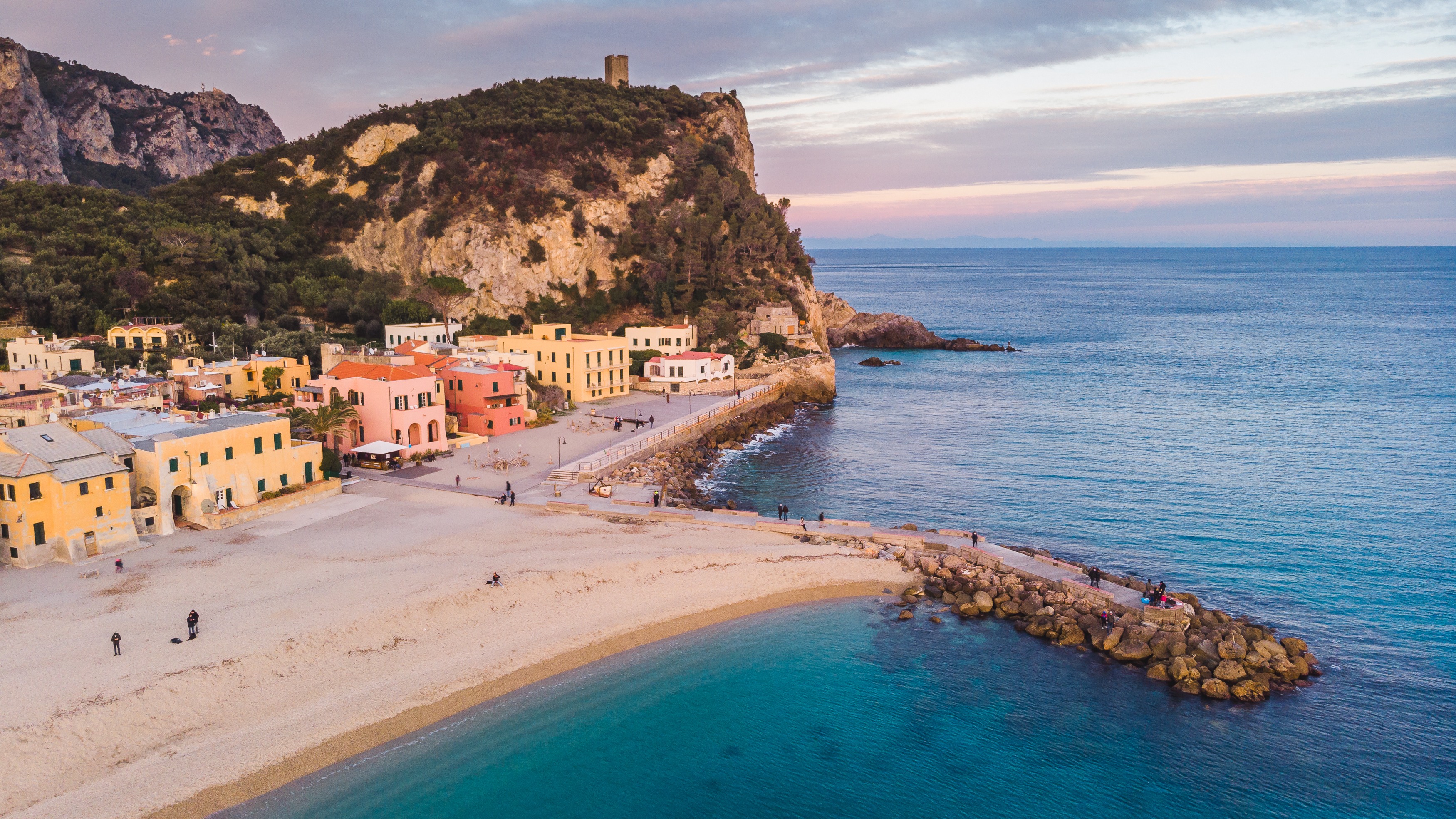
5. Hike the Coastal Trails of the Italian Riviera, Italy
- Average daytime temperatures: 14-17°C (57-63°F)
- Average nighttime temperatures: 8-11°C (46-52°F)
- Best for: Dolce vita hiking between villages, by rail
A trip built around the classic Ligurian coastal paths (opens in new tab) — through olive groves and maritime forest, into colourful villages, with train transfers between trailheads instead of a minibus. Evenings are for trattorias, Ligurian wine and pesto-making.
Why hike here in November? Cooler, quieter trails and fewer crowds in villages that get overwhelmed in peak summer.
Must-do trail section? The coastal path linking the Cinque Terre-style villages, with sea swims still possible on a warm day.
What's the weather like? Cool and increasingly autumnal, with rain more likely than earlier in the season.
What to know before you go? Bring a proper waterproof — this trip leans into shoulder-season charm rather than guaranteed sunshine.
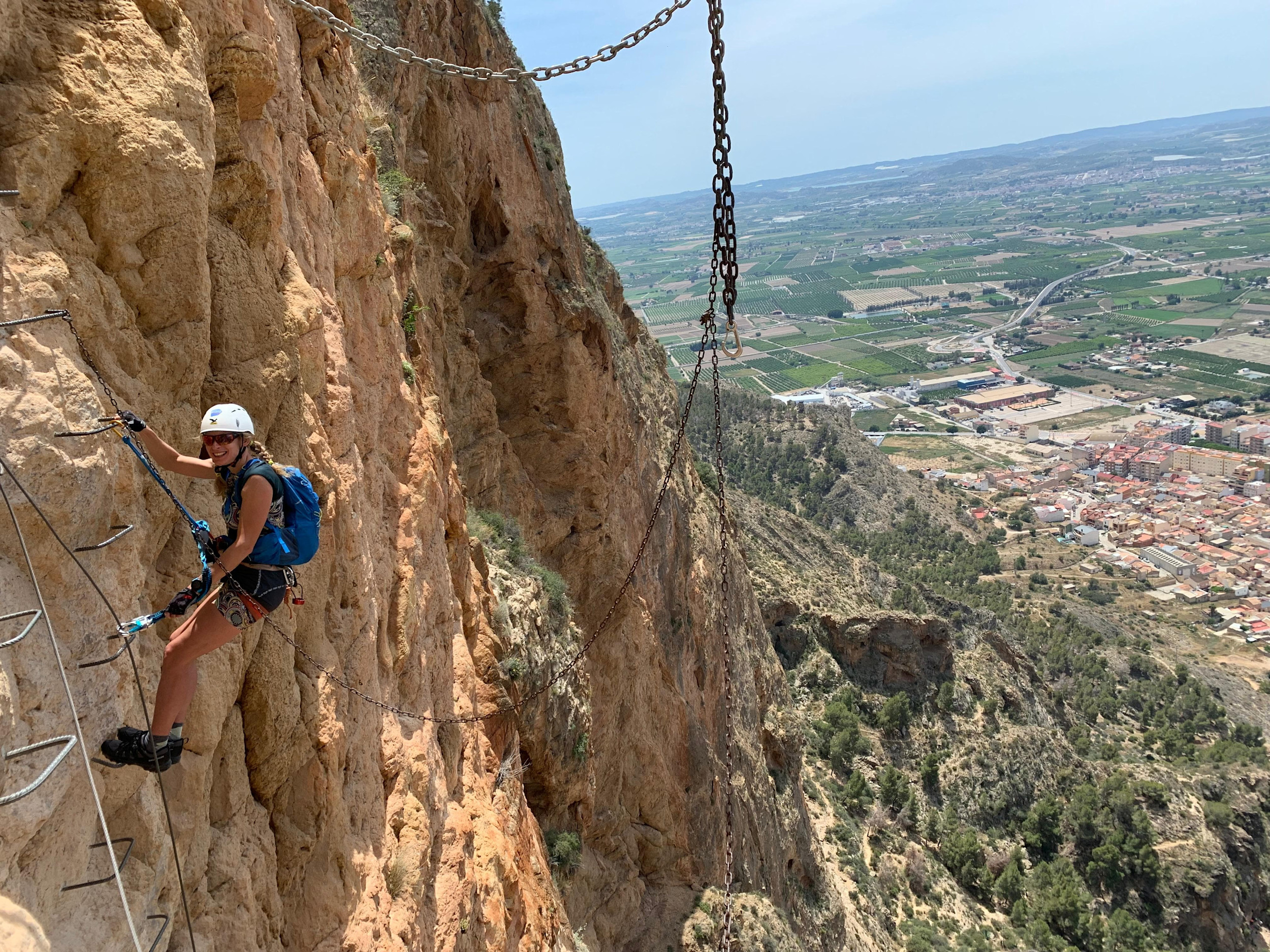
6. Intro to Rock Climbing and Via Ferrata in Spain
- Average daytime temperatures: 16-19°C (61-66°F)
- Average nighttime temperatures: 8-11°C (46-52°F)
- Best for: Hikers wanting to add technical skills to their toolkit
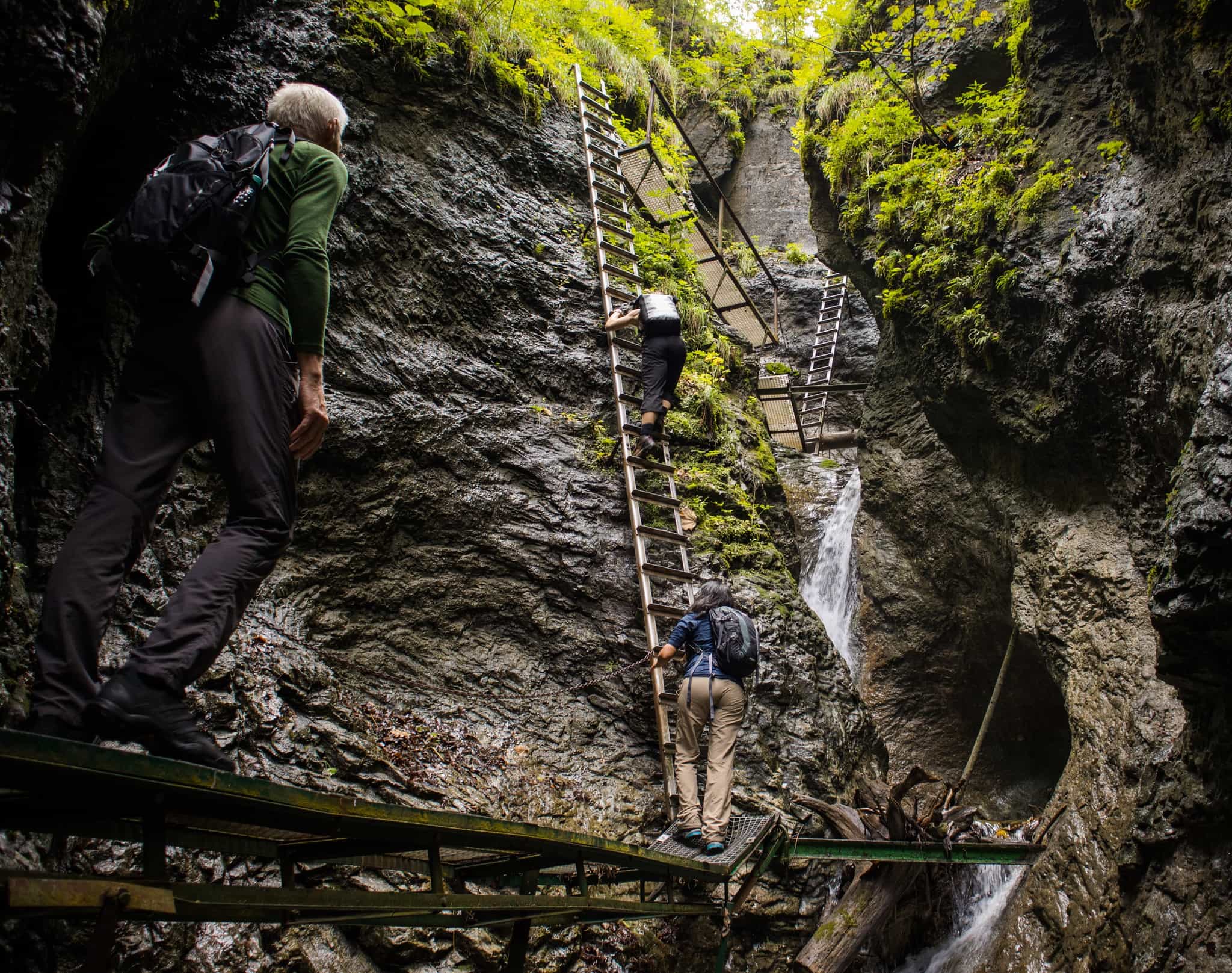
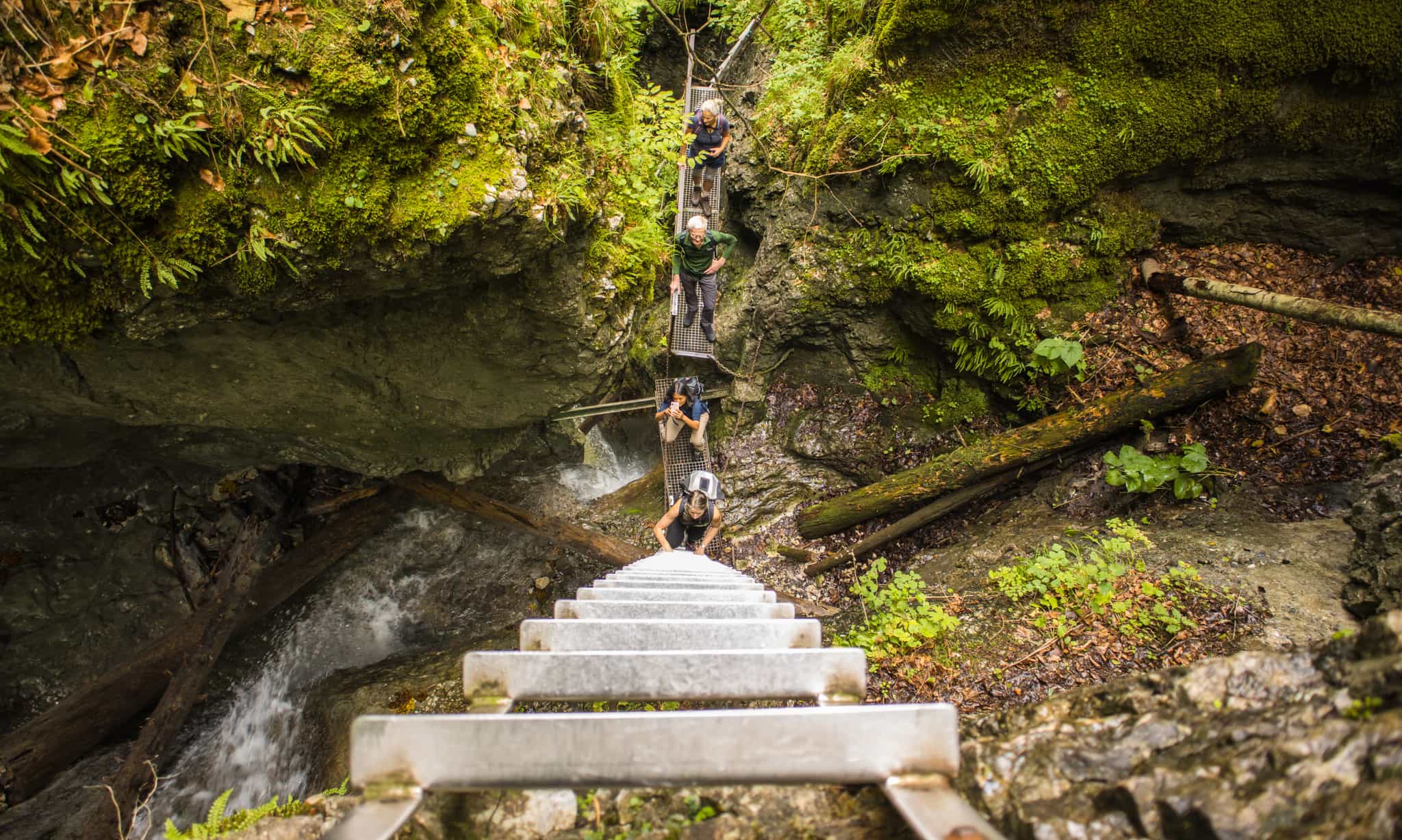
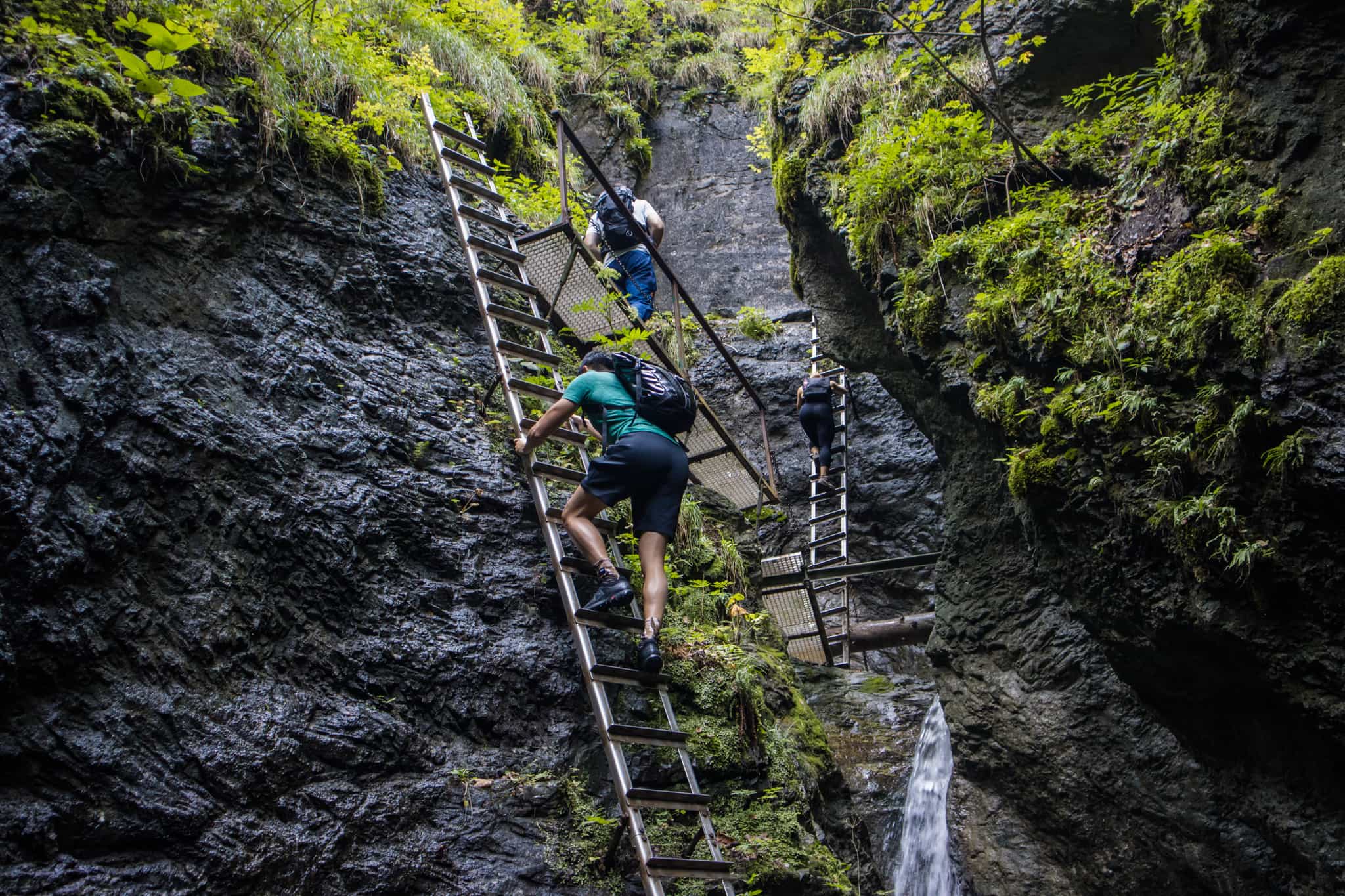
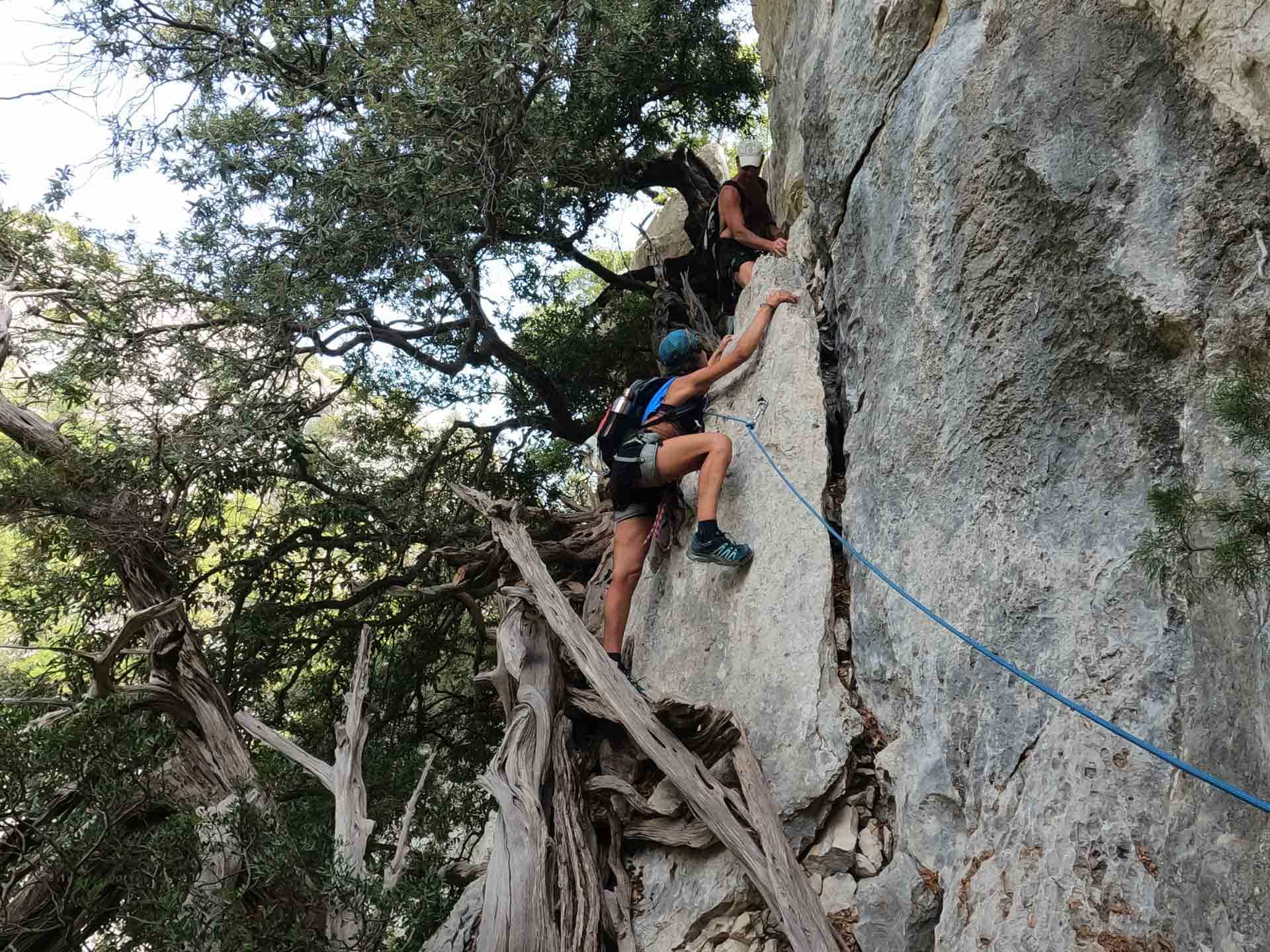
Based near the Costa Blanca, this Spanish adventure teaches climbing fundamentals (opens in new tab) — top-roping, abseiling, self-rescue — before putting them to use on some of Spain's most dramatic via ferrata routes, complete with slack lines and Tibetan bridges above the Sierra de Aitana.
Why hike here in November? The Costa Blanca's mild climate makes it one of the more comfortable places in Europe for outdoor rock work this late in the year.
Must-do trail section? The via ferrata traverse above the Sierra de Aitana, for views as much as adrenaline.
What's the weather like? Mild by day, cooler at night — good climbing weather without summer's heat.
What to know before you go? No climbing experience is required, but a head for heights and exposure will serve you well.
7. Hike, E-Bike and Wine in Tuscany, Italy

- Average daytime temperatures: 12-15°C (54-59°F)
- Average nighttime temperatures: 5-8°C (41-46°F)
- Best for: Rolling hills, Renaissance towns and Roman hot springs
A slower, multi-activity trip through Val d'Orcia (opens in new tab): e-biking between hill towns like Pienza and Montepulciano, hiking sections of the ancient Via Francigena pilgrim route, and soaking in the Roman-era hot springs at Bagno Vignoni.
Why hike here in November? Tuscany's harvest season colours are in full swing, and the crowds of the summer tourist season have long since left.
Must-do trail section? The Via Francigena stretch into Bagno Vignoni — walk in, soak your legs on arrival.
What's the weather like? Properly autumnal — cool, occasionally wet, with beautiful low light over the hills.
What to know before you go? Bring warm layers for the mornings; this is one of the cooler trips on this list.
8. Hike, Explore and Stargaze in Tenerife, Spain
- Average daytime temperatures: 22-24°C (72-75°F)
- Average nighttime temperatures: 10-18°C (50-64°F)
- Best for: Volcanic scenery and some of Europe's clearest night skies
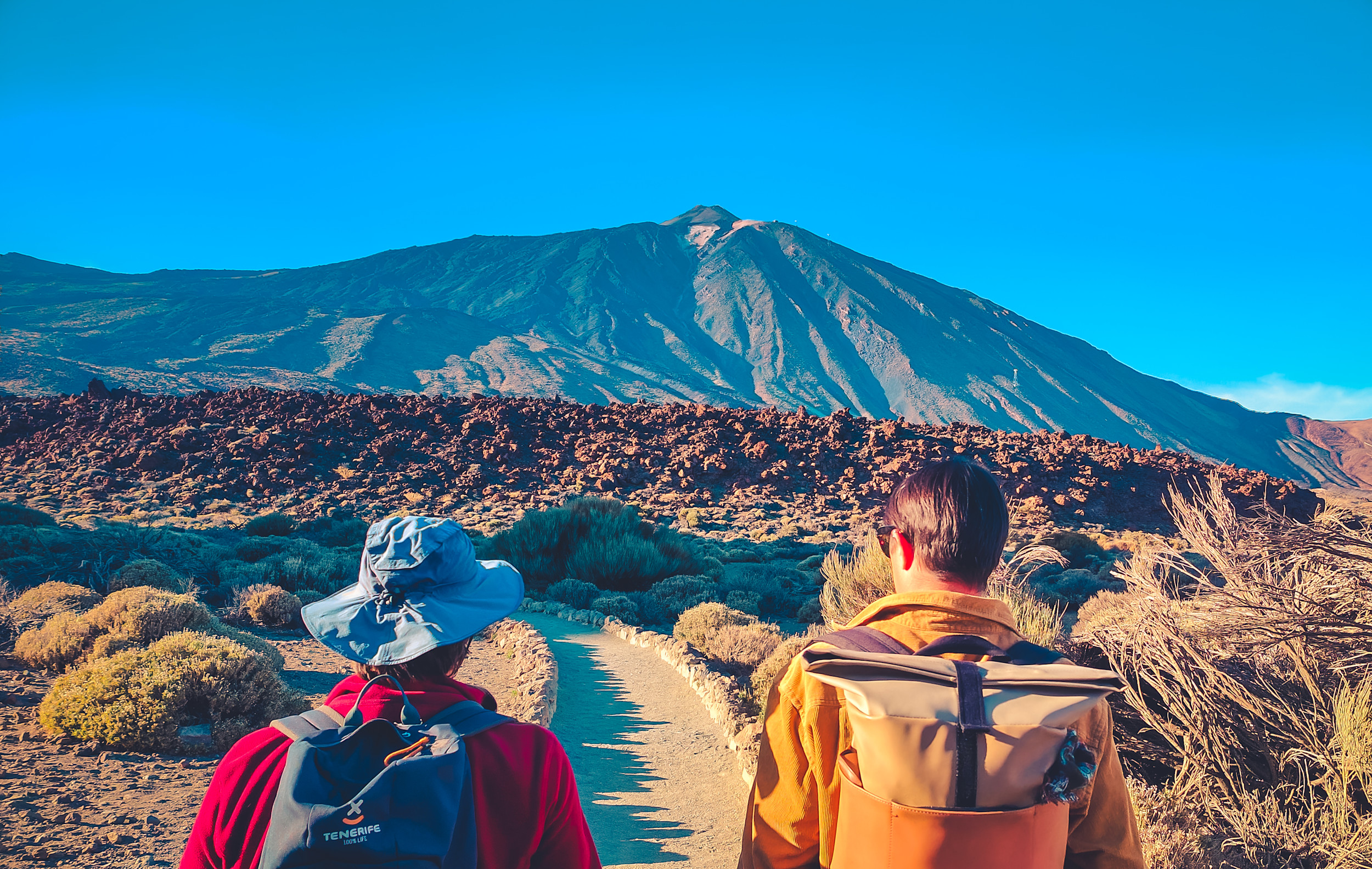
This adventure in Tenerife (opens in new tab) combines hiking through the pine forests and lava fields of Teide National Park with kayaking beneath the cliffs of Los Gigantes, snorkelling, and stargazing under some of the darkest, clearest skies in Europe.
Why hike here in November? Tenerife's climate and its position — high, dry and far from light pollution — make it one of the best stargazing bases in Europe, and November's clear autumn air only helps.
Must-do trail section? The high trails of the Teno Highlands and Anaga Natural Park, with views across the Atlantic to La Gomera.
What's the weather like? Warm and dry during the day, cooling pleasantly after dark for stargazing.
What to know before you go? Accommodation in the rural northwest rather than the resort south gives the authentic Canarian experience.
9. Hike, E-Bike and Feast in Italy's Puglia and Matera
- Average daytime temperatures: 8-15°C (46-59°F)
- Average nighttime temperatures: 4-11°C (39-52°F)
- Best for: Slow food and dramatic cave-city scenery
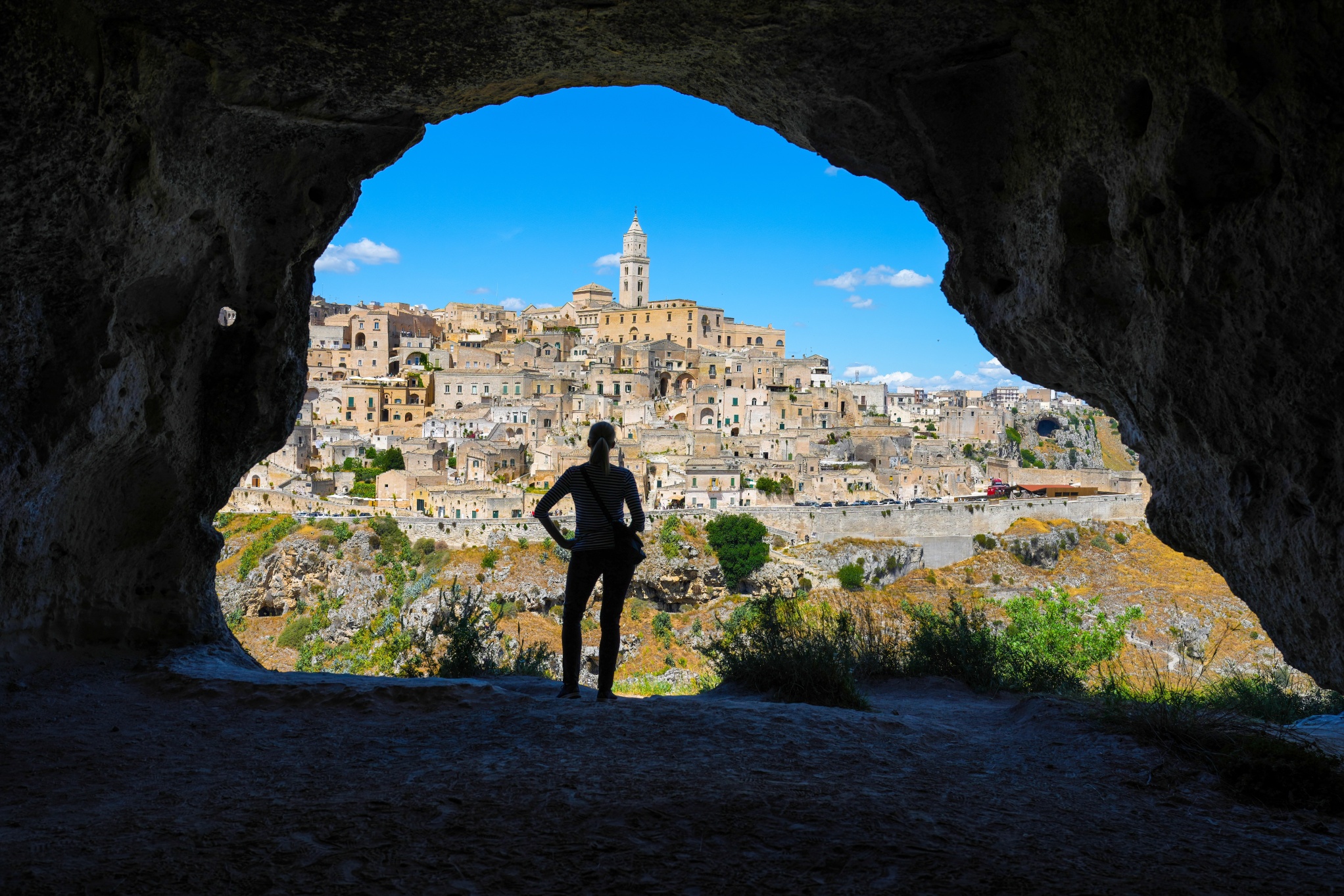
Based in the heel of Italy, this multi-activity adventure in Puglia and Matera (opens in new tab) hikes the Matera Canyon and centuries-old olive groves of the Itria Valley, e-bikes past the conical trulli houses of Alberobello, and stays in a historic cave hotel in Matera's Sassi district.
Why hike here in November? Puglia holds onto mild weather later than most of mainland Italy, and the olive harvest gives the whole region a lived-in, autumnal atmosphere.
Must-do trail section? The descent into Matera Canyon, with the Sassi cave city rising on the opposite ridge.
What's the weather like? Mild and generally settled, with cooler evenings.
What to know before you go? This is as much a food trip as a hiking one — come hungry.
What to Pack for Hiking in Europe in November
With mainland Europe cooling fast, this month's list leans heavily on the Atlantic and Mediterranean islands — pack for warm days and genuinely cool evenings. Of course, what you should pack is entirely dependent on where you are going and what you are doing there, so once you have decided on those options, look for more specific packing lists.
Bags: Overnight duffel or backpack (40-50 litres), daypack (25-30 litres), waterproof dry bags or liner.
Clothes: Lightweight hiking trousers, breathable hiking shirts, warm midlayer fleece, packable down jacket for evenings, waterproof jacket and trousers, swimwear (for the island trips), hiking socks and underwear, sunhat and sunglasses, warm hat for cooler mainland trips, worn-in hiking boots.
Other: Trekking poles, suncream (still essential on the Canaries, Madeira and the Azores), 2-litre reusable water bottle, personal first-aid kit including blister care, headtorch (days are short now), power bank, quick-dry towel, travel documents.
FAQs
Is November a good month for hiking in Europe? For the Canary Islands, Madeira, the Azores and the warmer Mediterranean coast, yes. For mainland mountain ranges, the season has largely ended for the year.
Are mountain huts still open in November? Most high-altitude huts across the Alps, Pyrenees and Balkans have closed for the season by now — this month's trips are mainly lower-altitude or island-based for that reason.
Is it still warm enough to swim in November? Yes in the Canary Islands, the Azores and southern Spain — less reliably elsewhere.
Where are the best places for beginners to hike in November? Madeira and Tenerife both offer manageable daily mileage alongside big scenery.
Do I need a guide in November? Local knowledge on volcanic or via ferrata terrain adds real value and safety. While conditions can be good in these locations, they can also turn sour and there is less daylight. We'd always recommend a guide for safety.